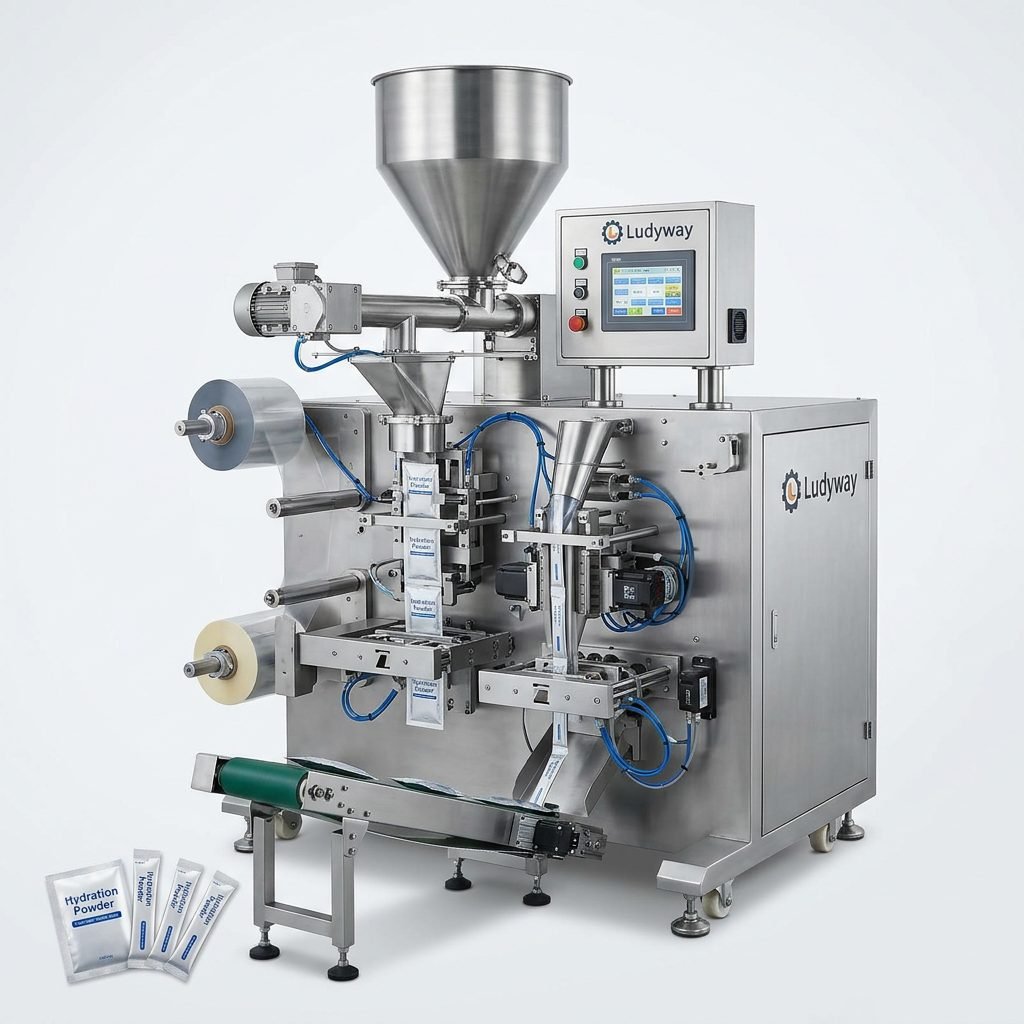
The single-serve coffee market in the United States continues to expand rapidly, with K-Cup compatible pods dominating retail shelves and e-commerce platforms. Setting up a K-Cup packaging line represents a significant investment opportunity for coffee roasters, co-packers, and entrepreneurs looking to enter this profitable segment. This comprehensive guide walks you through the essential equipment, cost considerations, and step-by-step process for establishing a K-Cup production line in the U.S. market.
Understanding the K-Cup Packaging Landscape
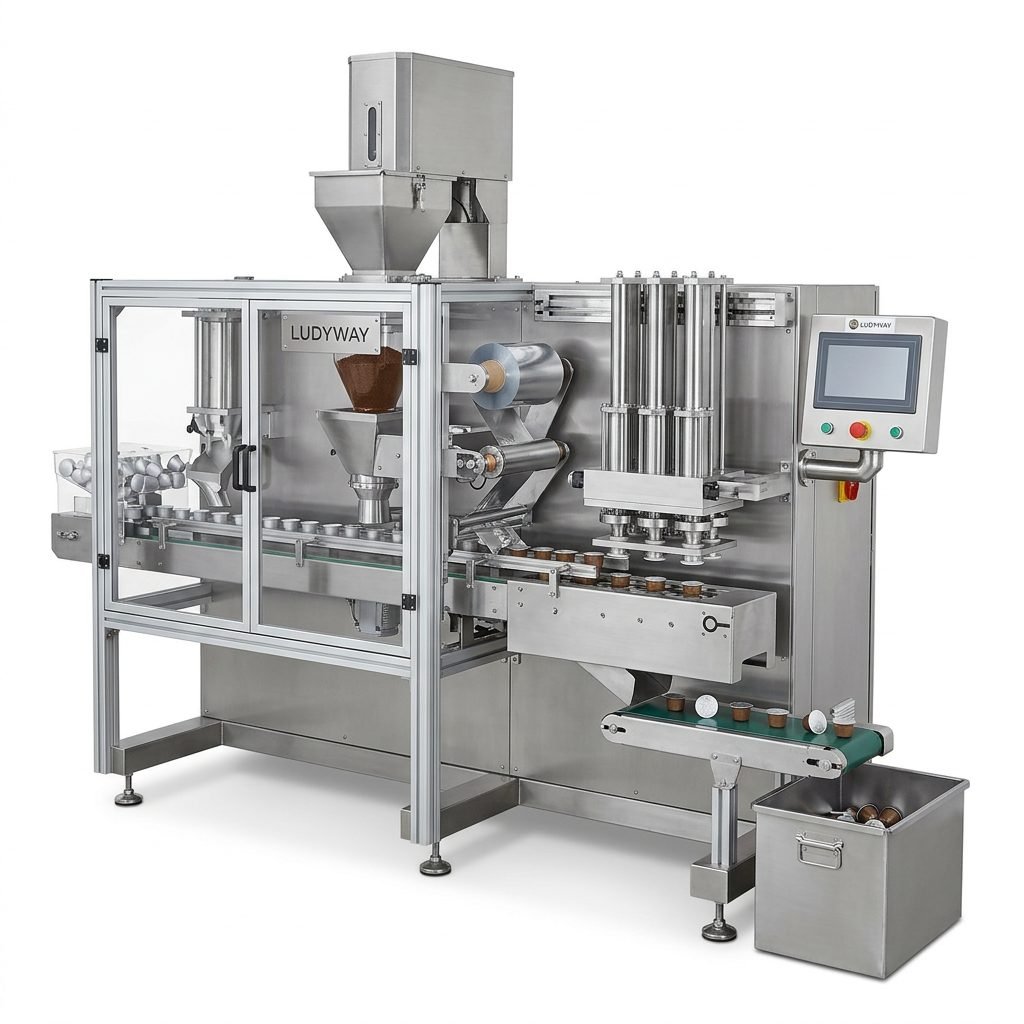
K-Cup pods consist of a plastic cup, a filter, ground coffee, and a foil lid, all assembled and sealed in a nitrogen-flushed environment to preserve freshness. The U.S. single-serve coffee market was valued at over $10 billion and continues to grow as consumers prioritize convenience. Before purchasing equipment, you must decide on your production scale, target throughput, and whether to produce for your own brand or offer contract packaging services.
Key Equipment for a K-Cup Packaging Line
A fully integrated K-Cup production line requires multiple machines working in synchronization. Below is a breakdown of the essential equipment categories:
| Equipment Type | Primary Function | Estimated Cost Range (USD) |
|---|---|---|
| Cup Denesting & Placement System | Automatically separates and positions empty cups on the conveyor | $25,000 – $60,000 |
| Precision Coffee Grinder | Grinds whole beans to consistent particle size for optimal extraction | $15,000 – $50,000 |
| Volumetric or Auger Filler | Dispenses precise amounts of ground coffee into each cup | $20,000 – $75,000 |
| Filter Insertion Module | Places paper filters inside cups before filling | $18,000 – $40,000 |
| Nitrogen Flushing & Foil Sealing System | Purges oxygen and heat-seals foil lids to preserve freshness | $30,000 – $100,000 |
| Automated Checkweigher | Verifies fill weight accuracy and rejects under/over-filled pods | $10,000 – $30,000 |
| Cartoning & Case Packing System | Packs finished pods into boxes and cases for distribution | $30,000 – $120,000 |
| Conveyor & Integration System | Connects all modules for seamless automated production flow | $15,000 – $50,000 |
Step-by-Step Process to Set Up Your K-Cup Line
Step 1: Define Your Business Model and Production Capacity
Determine whether you will produce private label K-Cups for retailers, manufacture your own brand, or offer co-packing services. Production capacity dictates equipment selection: small-scale lines produce 50–150 pods per minute, while high-speed systems can exceed 500 pods per minute. Your business model directly influences the level of automation and capital investment required.
Step 2: Secure a Suitable Facility
K-Cup production requires a food-grade manufacturing facility that meets FDA and local health department regulations. Key facility requirements include:
- Climate-controlled environment (temperature and humidity management)
- Adequate floor space for equipment layout, typically 3,000–10,000 square feet minimum
- Proper ventilation and dust collection systems for coffee grinding areas
- Dedicated areas for raw material storage, production, and finished goods warehousing
- Utility connections including three-phase power, compressed air, and nitrogen supply
Step 3: Select and Procure Equipment
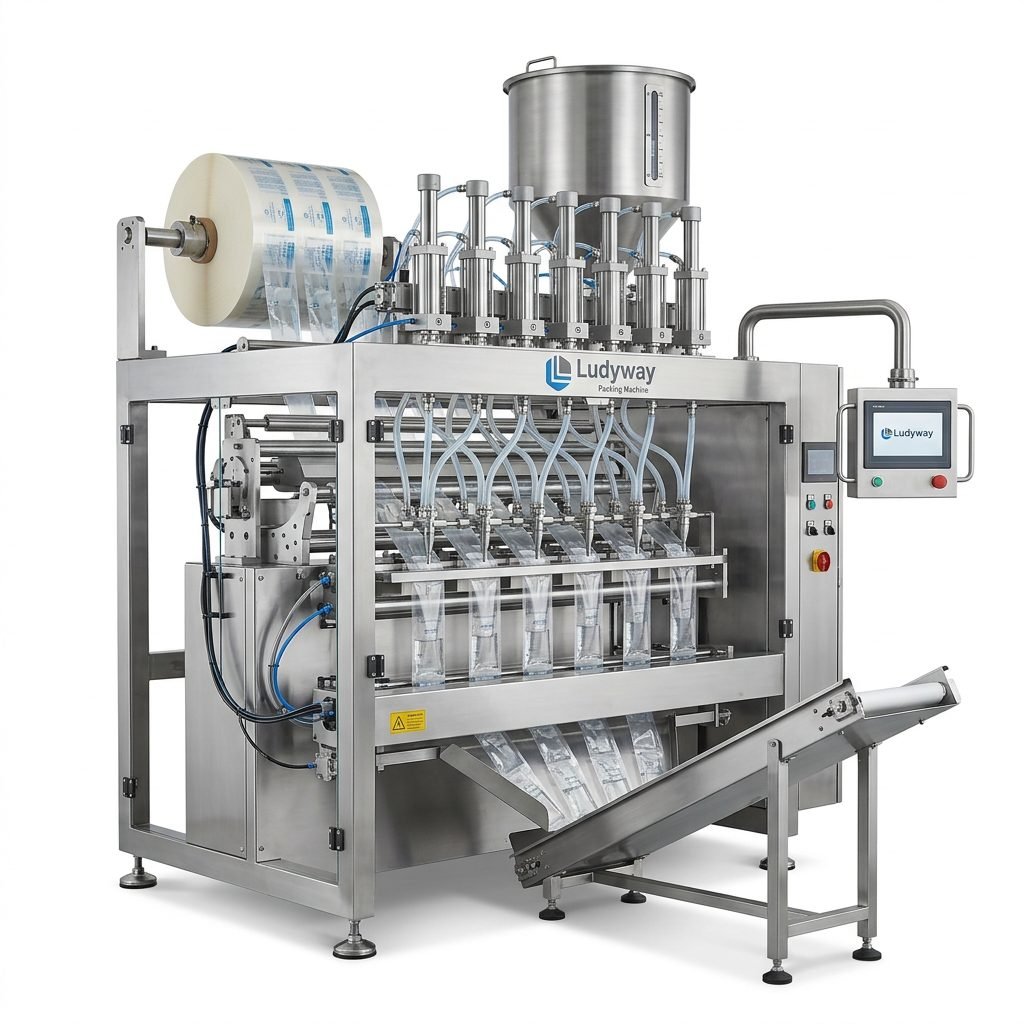
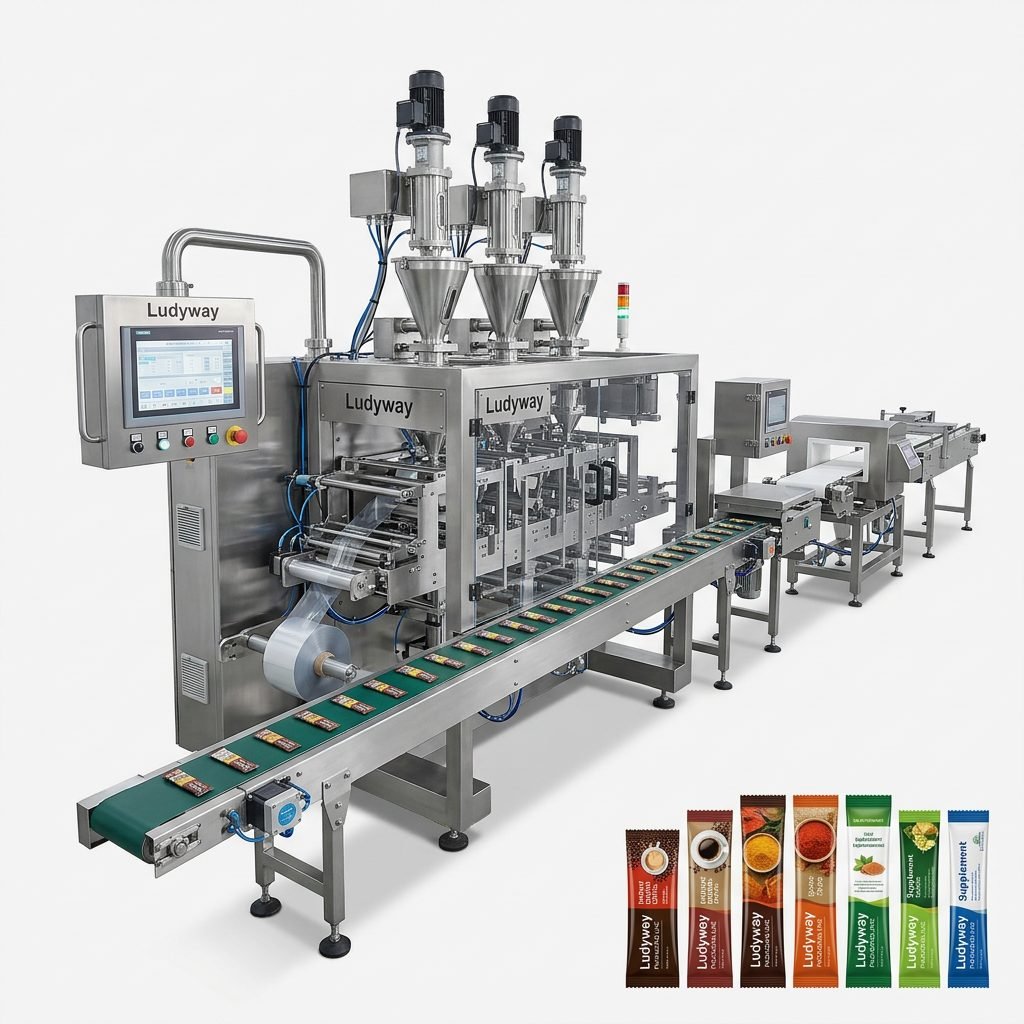
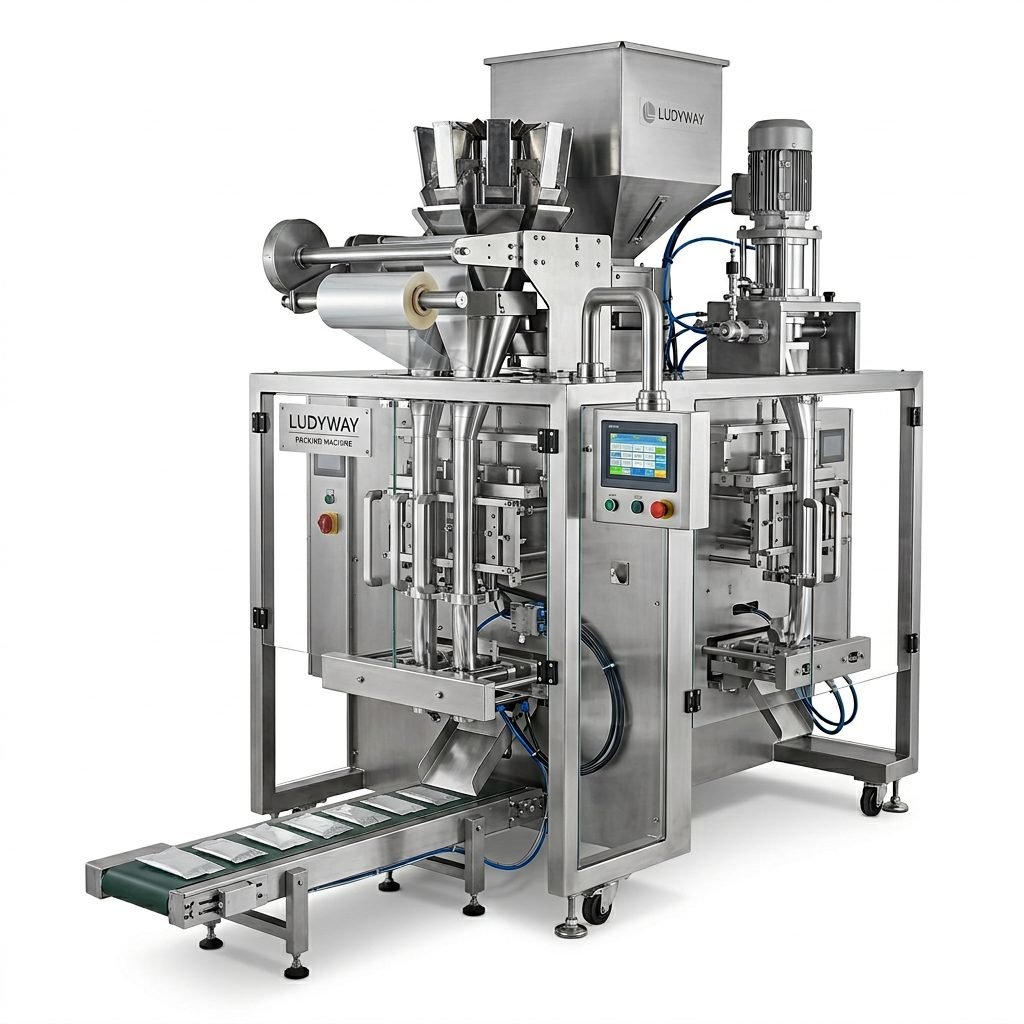
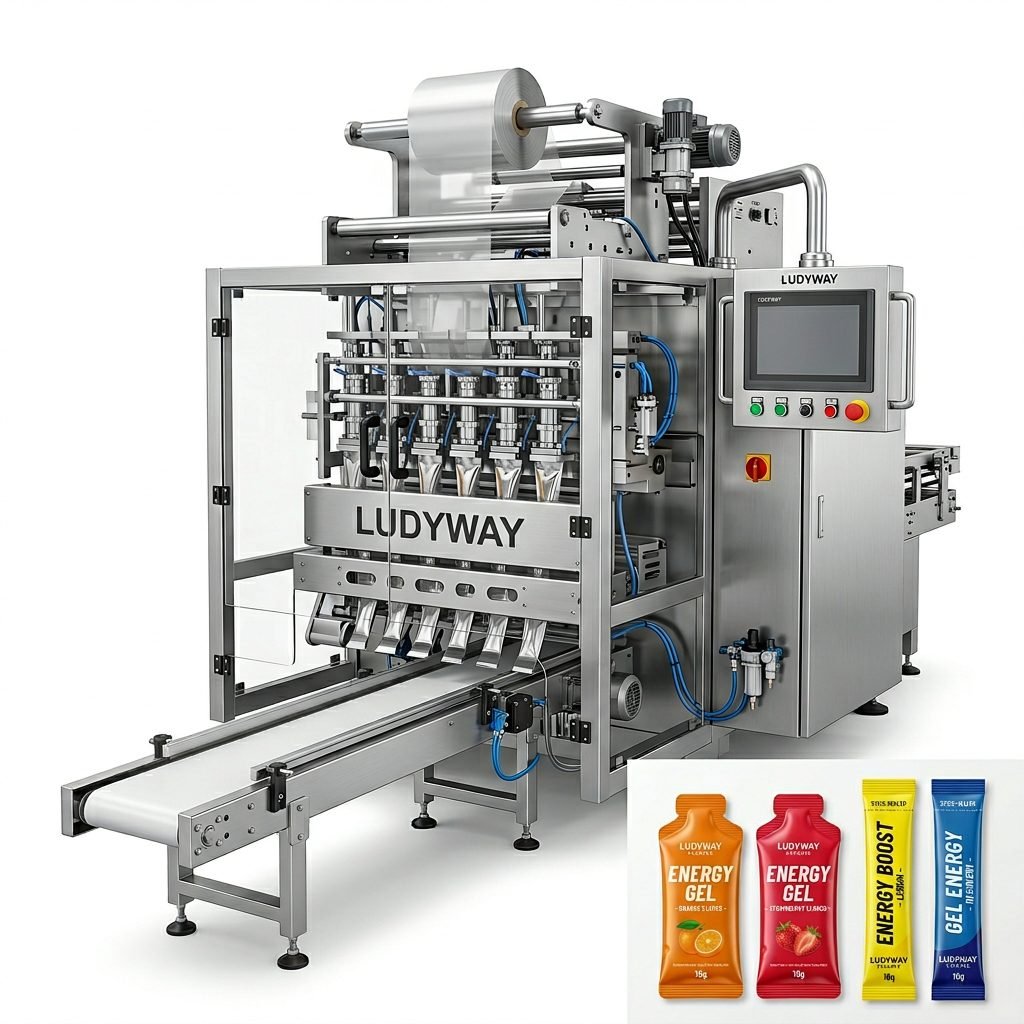
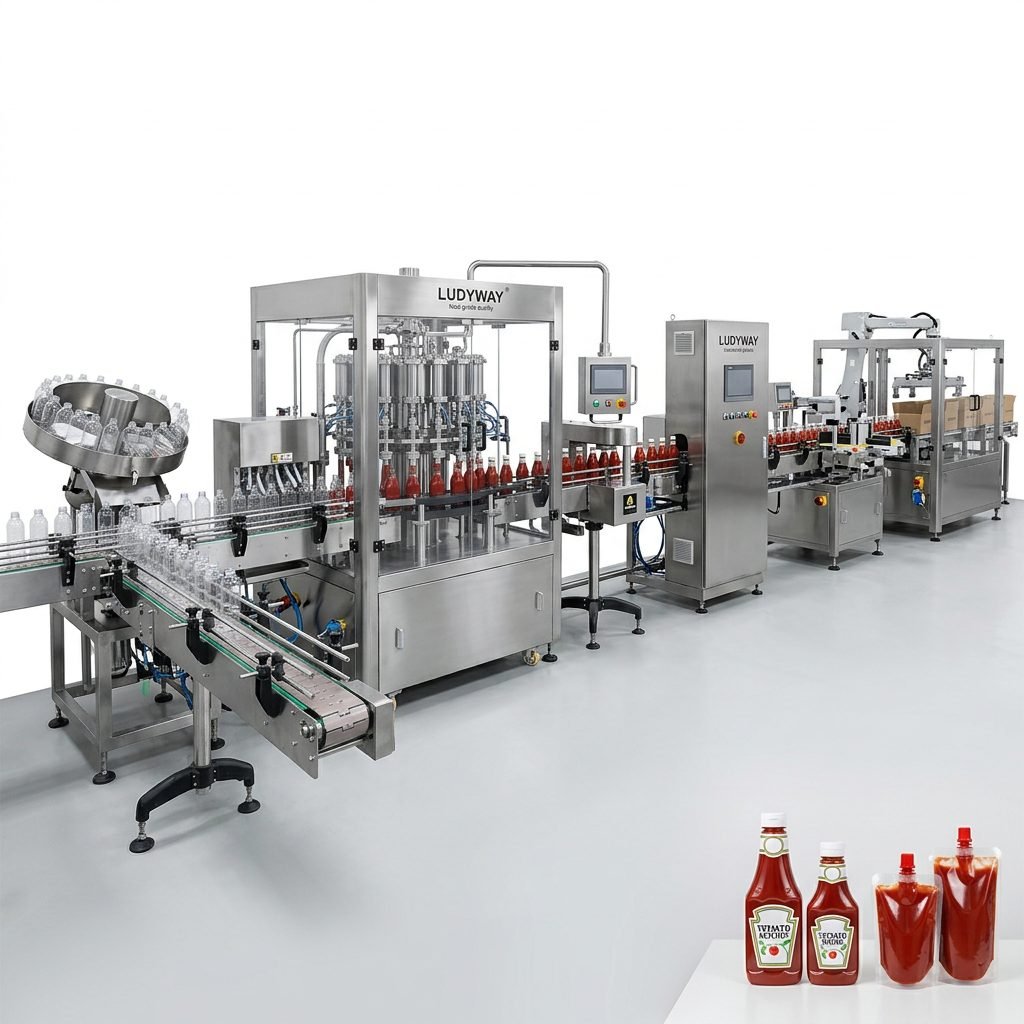
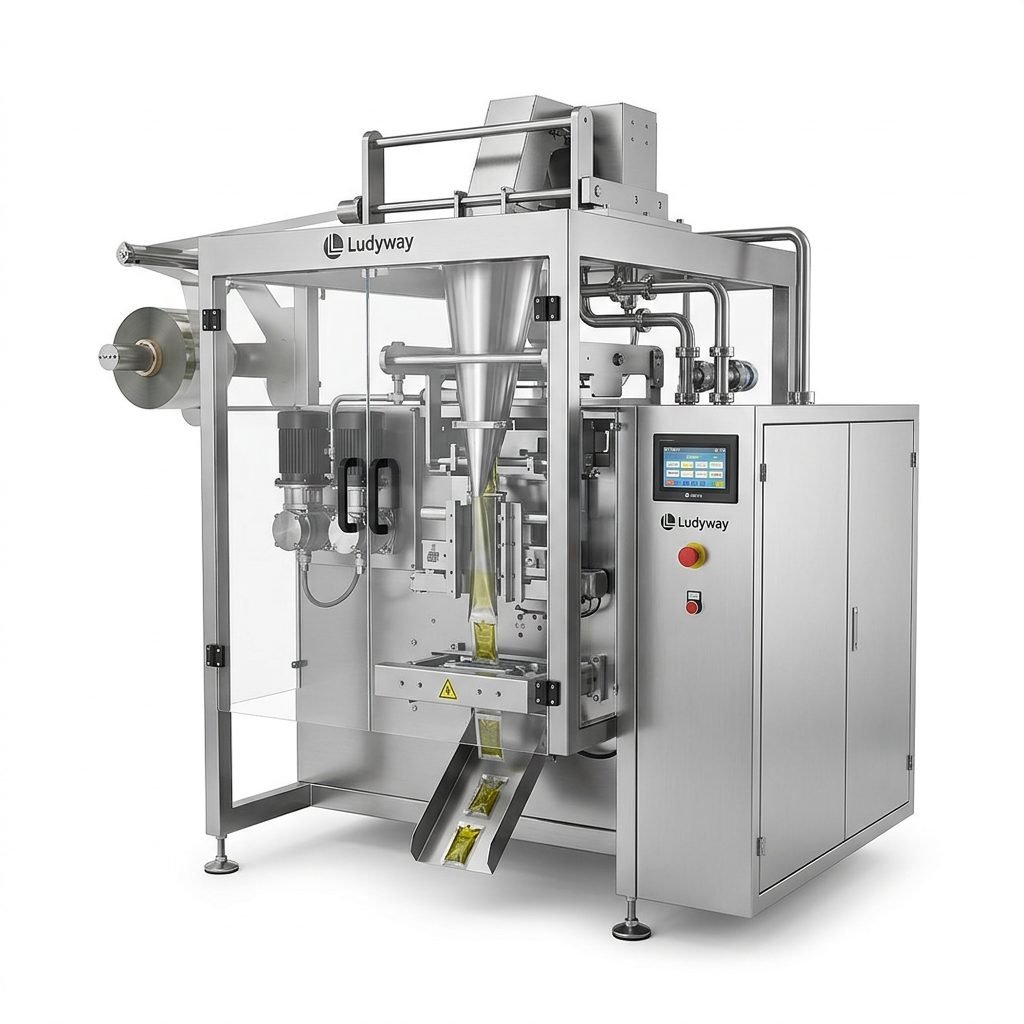
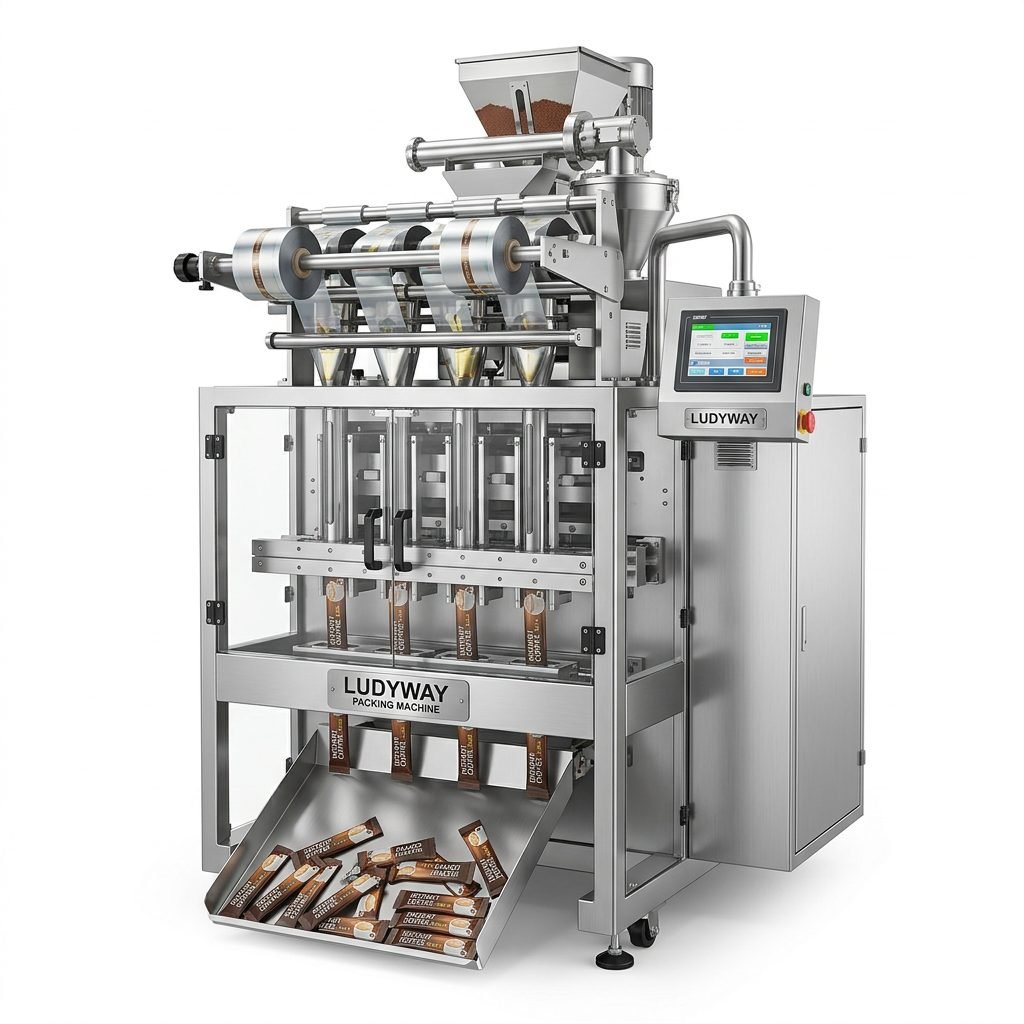
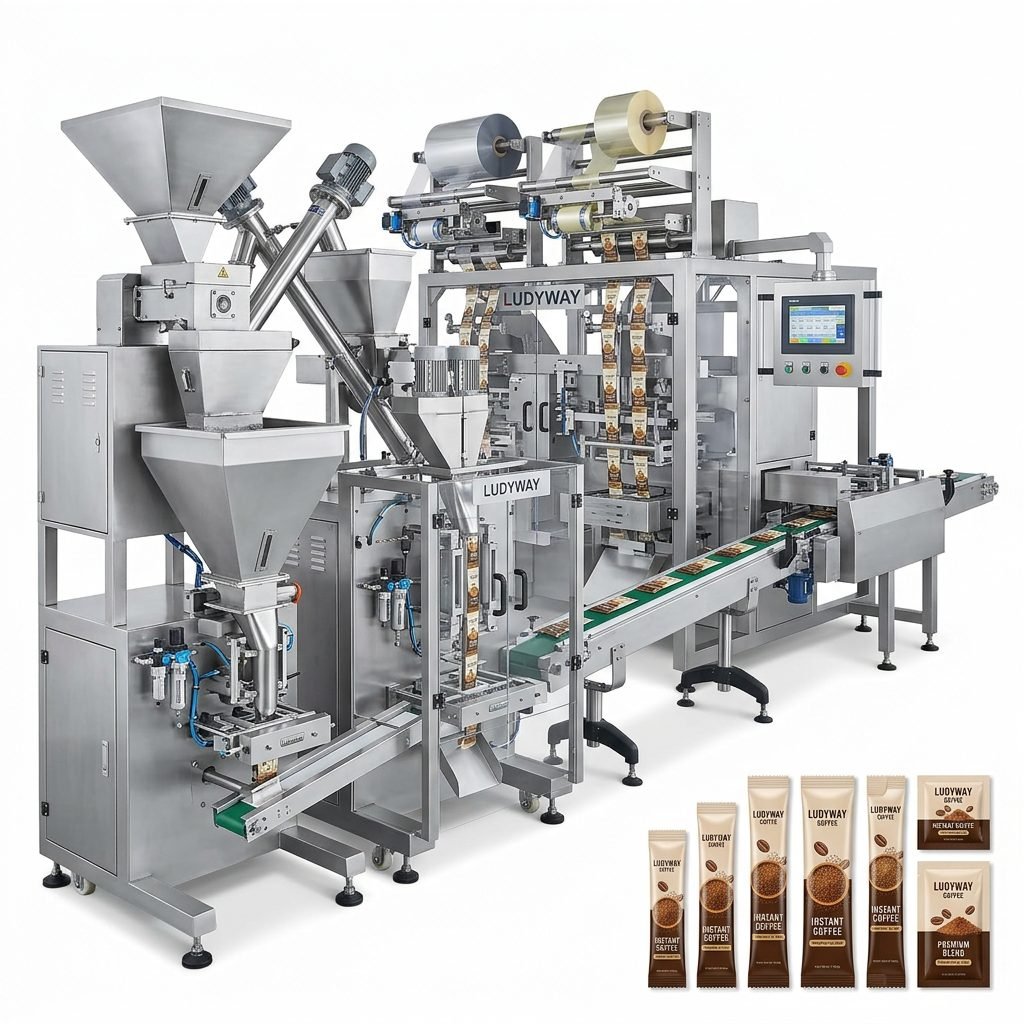
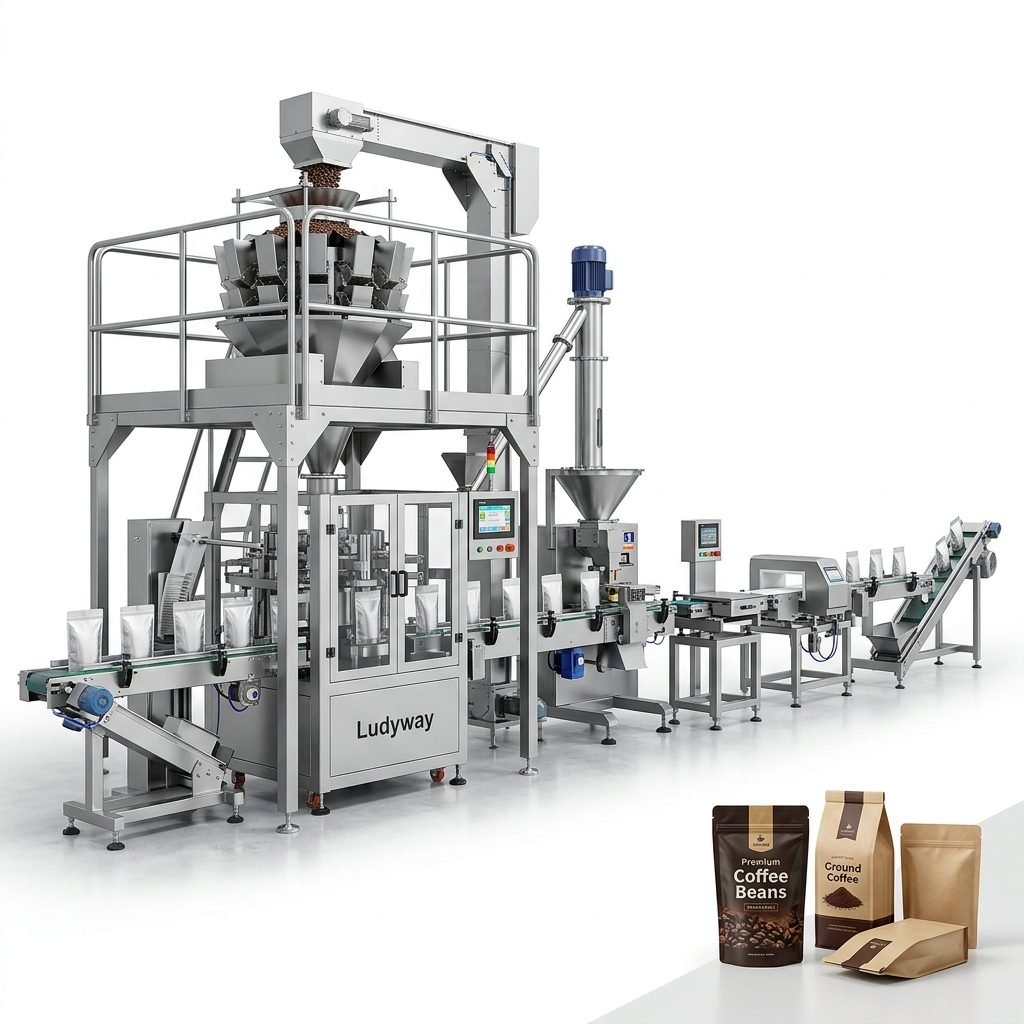
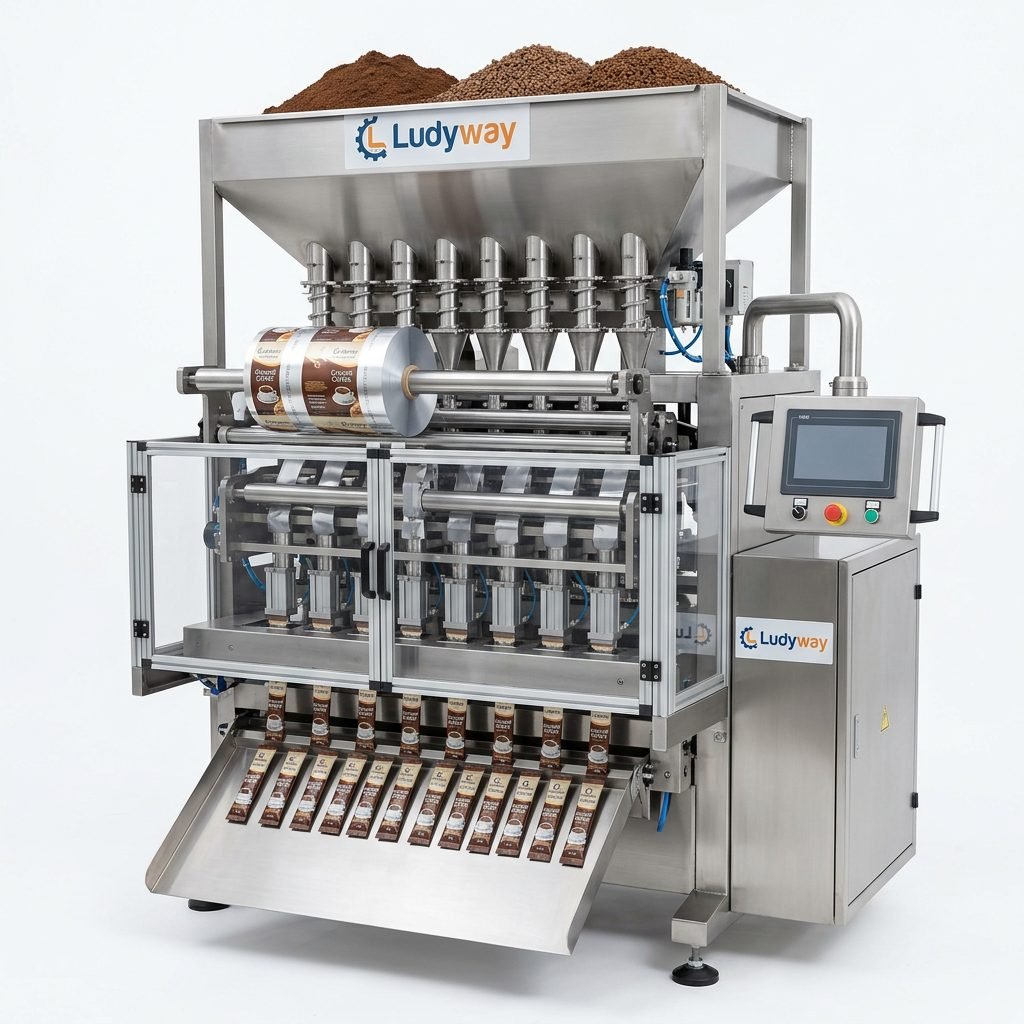
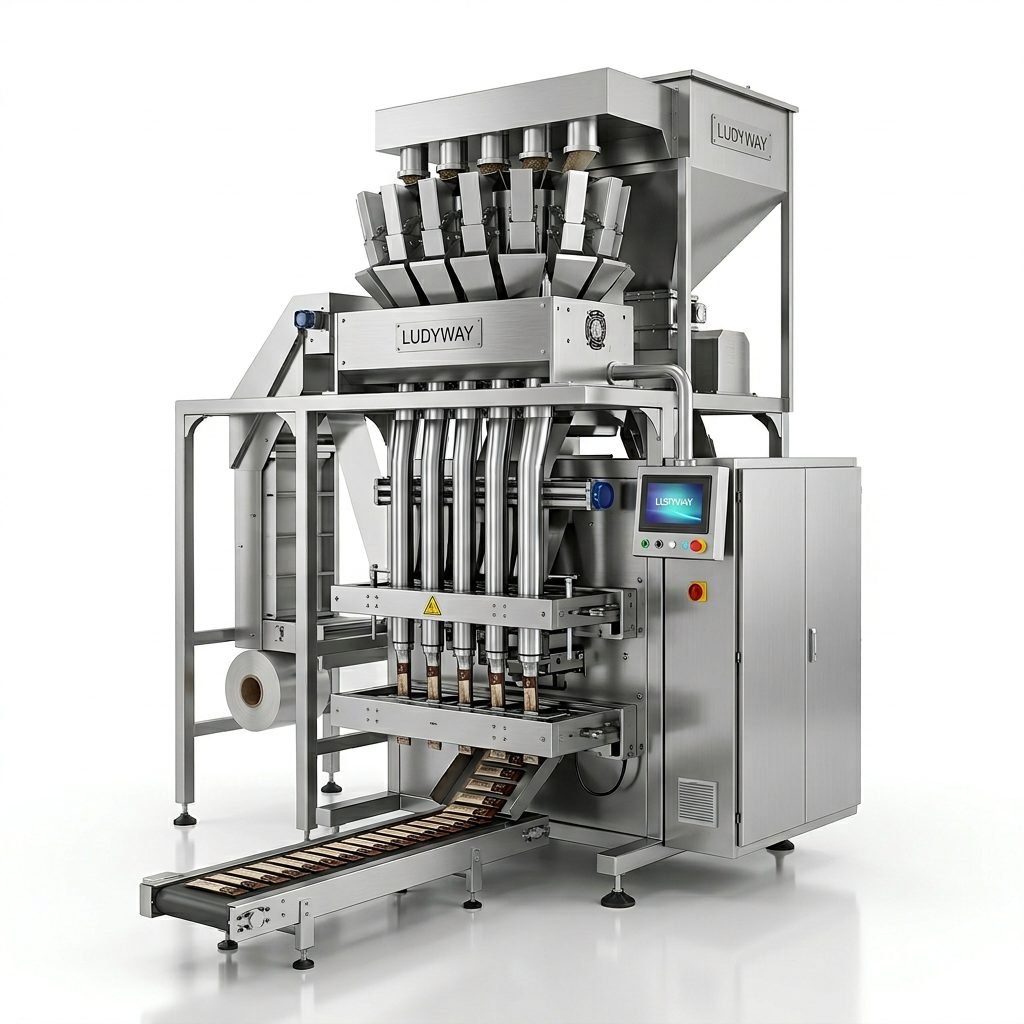
When choosing packaging machinery, evaluate manufacturers based on throughput, reliability, and after-sales support. Many U.S. buyers source equipment from domestic suppliers or established international manufacturers. For turnkey solutions, companies like Ludyway offer integrated packaging line systems covering granule, powder, and liquid applications with multi-lane automation technology. Request detailed specifications, conduct factory acceptance testing, and verify FDA compliance for food contact materials.
Step 4: Install and Commission the Line
Equipment installation typically takes 2–8 weeks depending on line complexity. Work with the equipment supplier’s engineering team to ensure proper positioning, alignment, and integration of all modules. Commissioning involves dry runs, calibration of filling systems, seal integrity testing, and software configuration. All personnel should receive comprehensive training on operation, cleaning, and maintenance procedures.
Step 5: Validate and Test Production
Before commercial production begins, conduct thorough validation including:
- Fill weight accuracy verification across all lanes
- Seal integrity testing using burst tests and dye penetration methods
- Oxygen residual testing to confirm nitrogen flushing effectiveness
- Accelerated shelf-life studies to validate freshness claims
Document all testing results as part of your food safety plan and quality management system.
Estimated Total Investment Breakdown
| Cost Category | Small-Scale Line (50-100 ppm) | Mid-Scale Line (150-300 ppm) | High-Speed Line (300-600 ppm) |
|---|---|---|---|
| Production Equipment | $120,000 – $250,000 | $250,000 – $500,000 | $500,000 – $1,200,000 |
| Facility Preparation | $20,000 – $50,000 | $50,000 – $100,000 | $80,000 – $200,000 |
| Installation & Commissioning | $15,000 – $35,000 | $30,000 – $60,000 | $50,000 – $100,000 |
| Initial Raw Materials Inventory | $15,000 – $30,000 | $30,000 – $75,000 | $60,000 – $150,000 |
| Training & Documentation | $5,000 – $15,000 | $10,000 – $25,000 | $15,000 – $40,000 |
| Total Estimated Investment | $175,000 – $380,000 | $370,000 – $760,000 | $705,000 – $1,690,000 |
Regulatory Compliance and Certifications
Operating a K-Cup packaging line in the United States requires adherence to several regulatory frameworks. The FDA’s food contact substance regulations govern all materials touching the coffee product. Additionally, your facility must comply with Current Good Manufacturing Practices (cGMP) under 21 CFR Part 117. Consider pursuing certifications that enhance market credibility:
- SQF or BRC Certification – Retailer-recognized food safety management certifications
- Organic Certification – USDA National Organic Program compliance if producing organic K-Cups
- Fair Trade or Rainforest Alliance – Sustainability certifications for coffee sourcing
- Kosher or Halal Certification – Expands market access to specific consumer segments
Operational Considerations for Success
Supply Chain Management
Establish reliable sources for raw materials including empty K-Cup compatible pods, filter paper, and foil lidding material. The pod components must be compatible with Keurig brewers while respecting intellectual property boundaries. Build relationships with multiple suppliers to mitigate supply disruption risks and negotiate volume-based pricing.
Quality Control Systems
Implement a robust quality management program covering incoming material inspection, in-process monitoring, and finished product testing. Critical quality parameters include seal integrity, fill weight consistency, oxygen content, and pod dimensions. Invest in laboratory testing equipment for moisture analysis, particle size distribution, and sensory evaluation to maintain consistent cup quality.
Workforce Requirements
A medium-scale K-Cup line typically requires 3–8 operators per shift depending on automation level. Key roles include machine operators, quality technicians, maintenance personnel, and production supervisors. Plan for ongoing training as equipment is updated and new products are introduced.
Market Opportunities and ROI Potential
The private label K-Cup market presents substantial growth opportunities as retailers expand their store-brand offerings. Contract manufacturing margins typically range from 15% to 35% depending on volume, product complexity, and market positioning. With efficient operations, a well-run K-Cup packaging line can achieve return on investment within 18–36 months. The State of the Industry report indicates continued growth in single-serve packaging formats through the end of the decade.
Common Pitfalls to Avoid
- Underestimating utility requirements – Nitrogen generation and compressed air systems require significant upfront planning
- Inadequate quality testing – Seal failures lead to product returns and damaged retailer relationships
- Ignoring packaging material compatibility – Not all pod materials perform equally across different sealing equipment
- Skimping on training – Properly trained operators significantly reduce downtime and waste
- Overlooking maintenance planning – Preventive maintenance schedules are essential for consistent throughput
Future-Proofing Your Investment
As the coffee market evolves, consider equipment that offers flexibility for multiple pod formats and product types. Flexible packaging industry trends indicate growing demand for sustainable and recyclable pod formats. Select machinery with modular designs that accommodate future upgrades, such as additional filling lanes, upgraded sealing technologies, or integration with Industry 4.0 smart manufacturing systems. Investing in equipment with remote diagnostics and data collection capabilities positions your operation for long-term competitive advantage in the dynamic U.S. coffee market.
Conclusion
Setting up a K-Cup packaging line in the United States requires careful planning, significant capital investment, and attention to regulatory compliance. By following the structured approach outlined above — defining your business model, securing appropriate facilities, selecting reliable equipment, and building robust quality systems — you can establish a successful operation in this growing market segment. Whether launching a private label brand or offering contract manufacturing services, the single-serve coffee segment offers compelling opportunities for businesses that execute effectively.