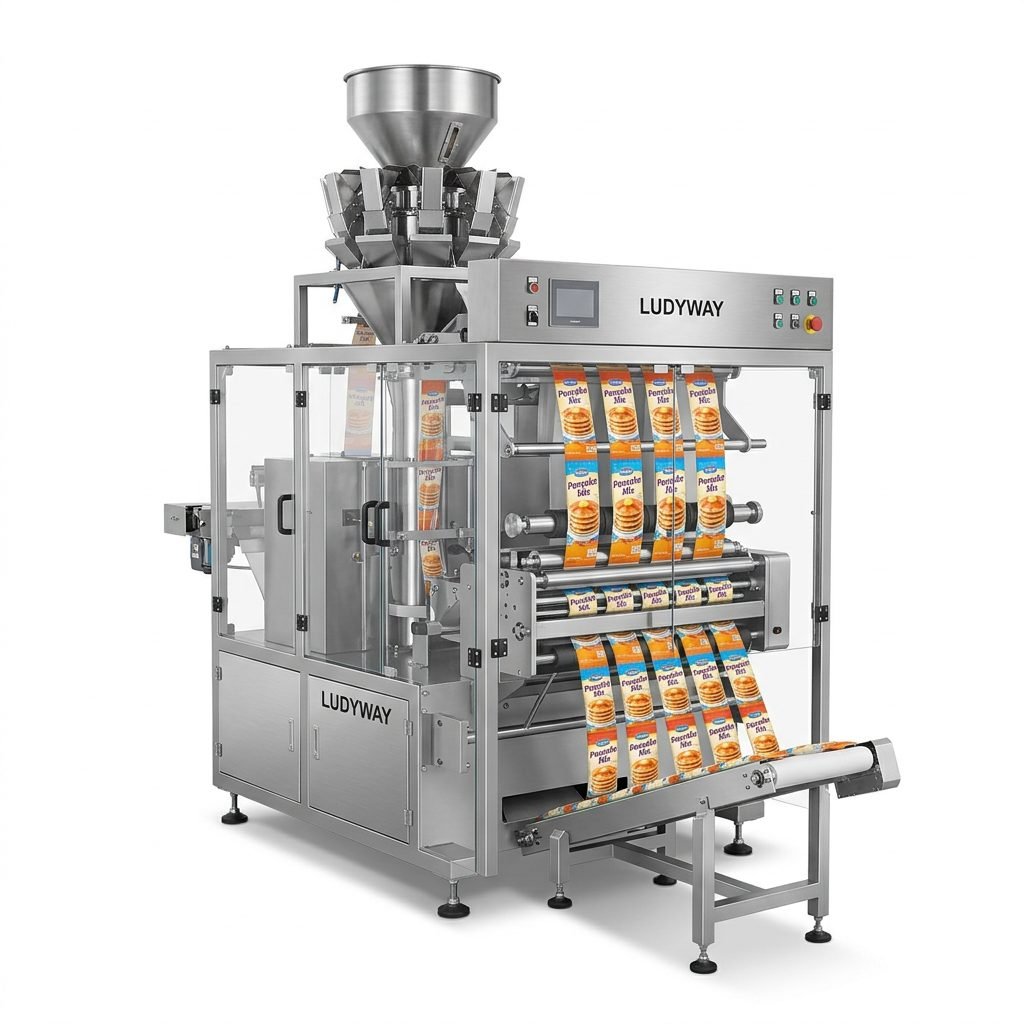
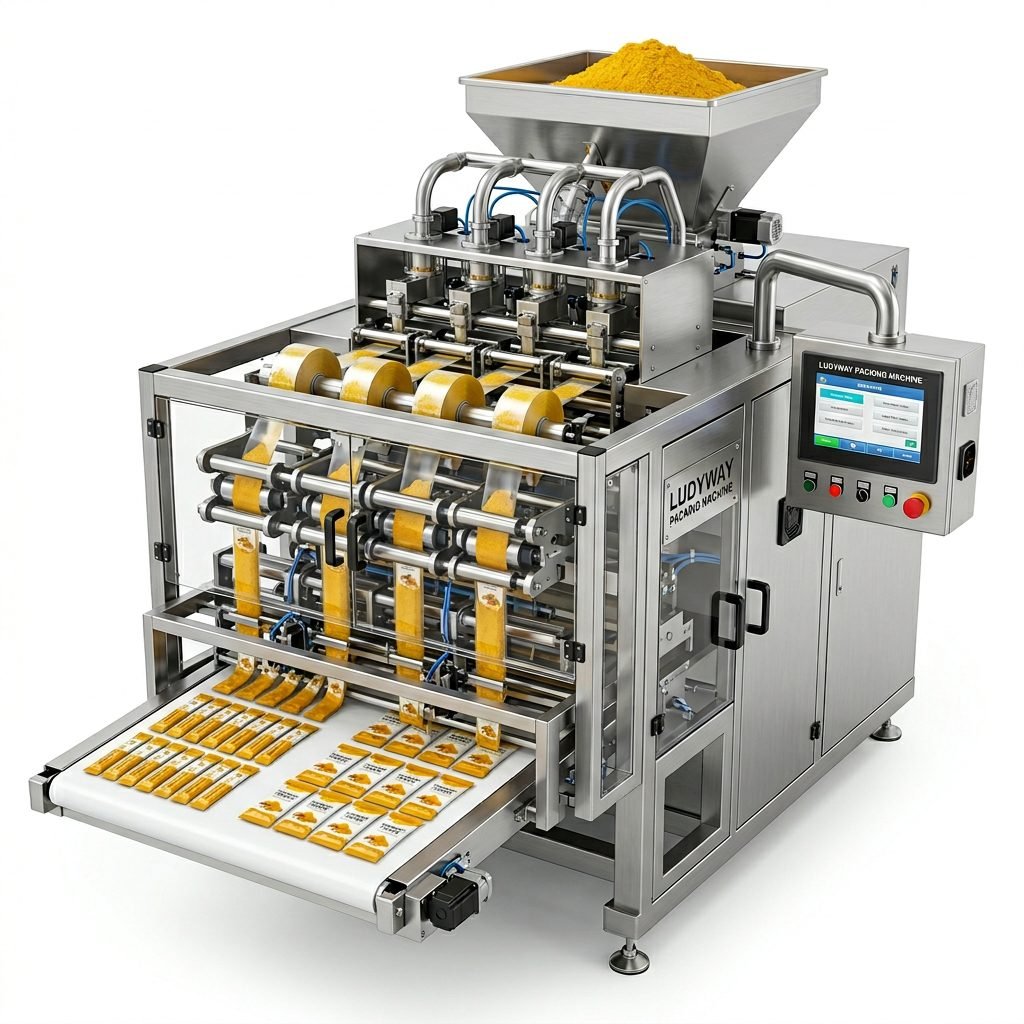
South America represents one of the world’s most dynamic and rapidly expanding markets for coffee production and export. With Brazil alone accounting for approximately one-third of global coffee output, and Colombia, Peru, and Ecuador strengthening their positions, the demand for high-efficiency coffee powder packaging machinery has never been greater. Setting up a coffee powder packaging machine production line in this region requires careful planning, an understanding of local regulations, climate considerations, and the selection of equipment that can handle the unique characteristics of South American coffee varieties.
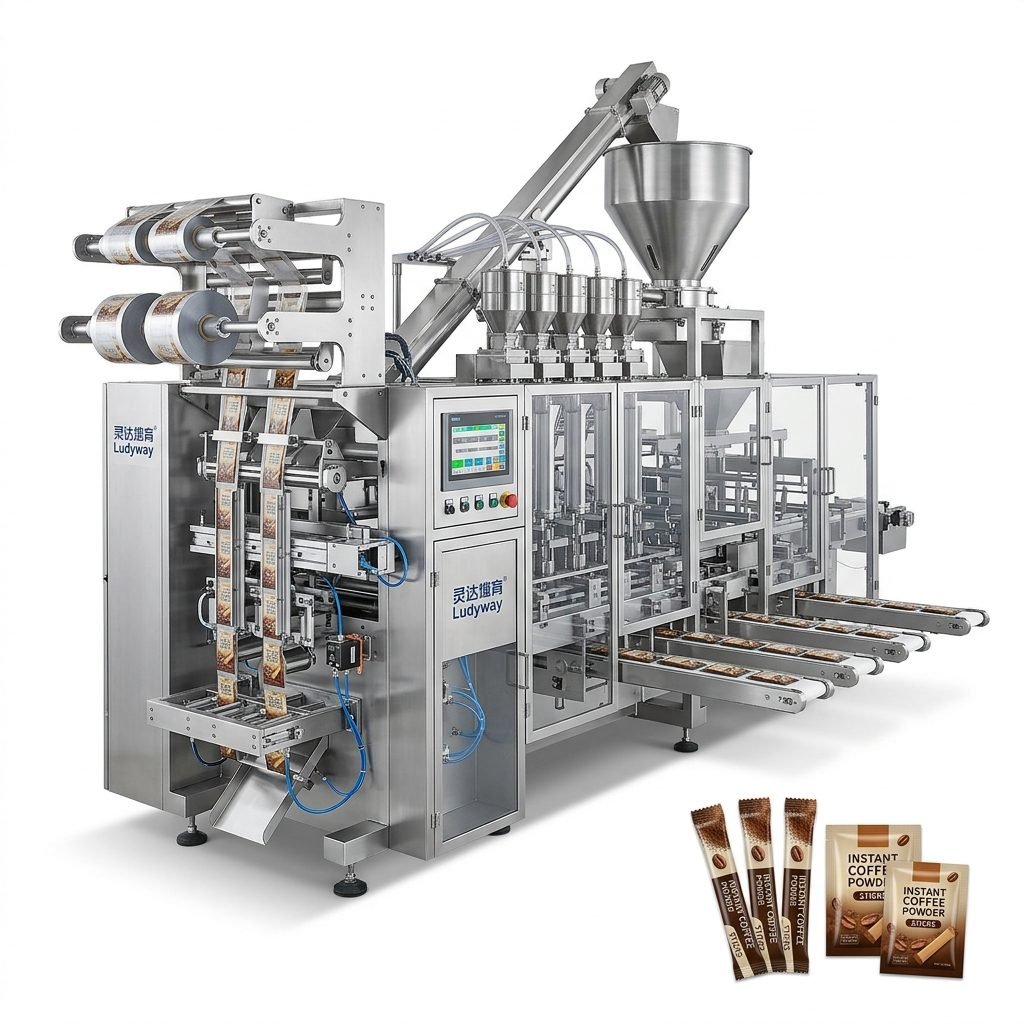
Understanding the South American Coffee Packaging Landscape
Before investing in equipment, it is essential to understand the market dynamics shaping coffee packaging in South America. The region’s coffee industry is characterized by a mix of large-scale industrial producers and a growing number of specialty and boutique roasters. Each segment has distinct packaging requirements, from high-volume multi-lane stick pack systems to flexible sachet solutions for artisanal brands. Key factors influencing packaging decisions include:
- Humidity and climate challenges — Coffee powder is highly hygroscopic; packaging must provide superior moisture barrier protection in tropical environments.
- Export-oriented production — Many South American producers package for international markets, requiring compliance with FDA, EU, and Mercosur packaging standards.
- Cost sensitivity vs. quality demands — Producers seek equipment that balances affordability with precision, speed, and reliability.
- Growing single-serve trend — Stick pack and sachet formats are increasingly popular in both domestic and export markets.
For a deeper understanding of packaging standards in international markets, refer to resources from the PMMI – The Association for Packaging and Processing Technologies and Flexible Packaging Association.
Step 1: Site Assessment and Production Planning
The foundation of a successful packaging line begins with a thorough site assessment. In South America, this involves evaluating facility infrastructure, including power supply stability, compressed air availability, and environmental controls. Coffee powder packaging demands a clean, temperature-controlled environment to prevent clumping and ensure consistent filling accuracy. Key planning considerations include:
- Calculating target output volumes per shift and per day
- Determining packaging formats — sachet, stick pack, pouch, or a combination
- Assessing space requirements for equipment, material storage, and finished goods
- Evaluating local utility costs and supply reliability
- Planning for future scalability and capacity expansion
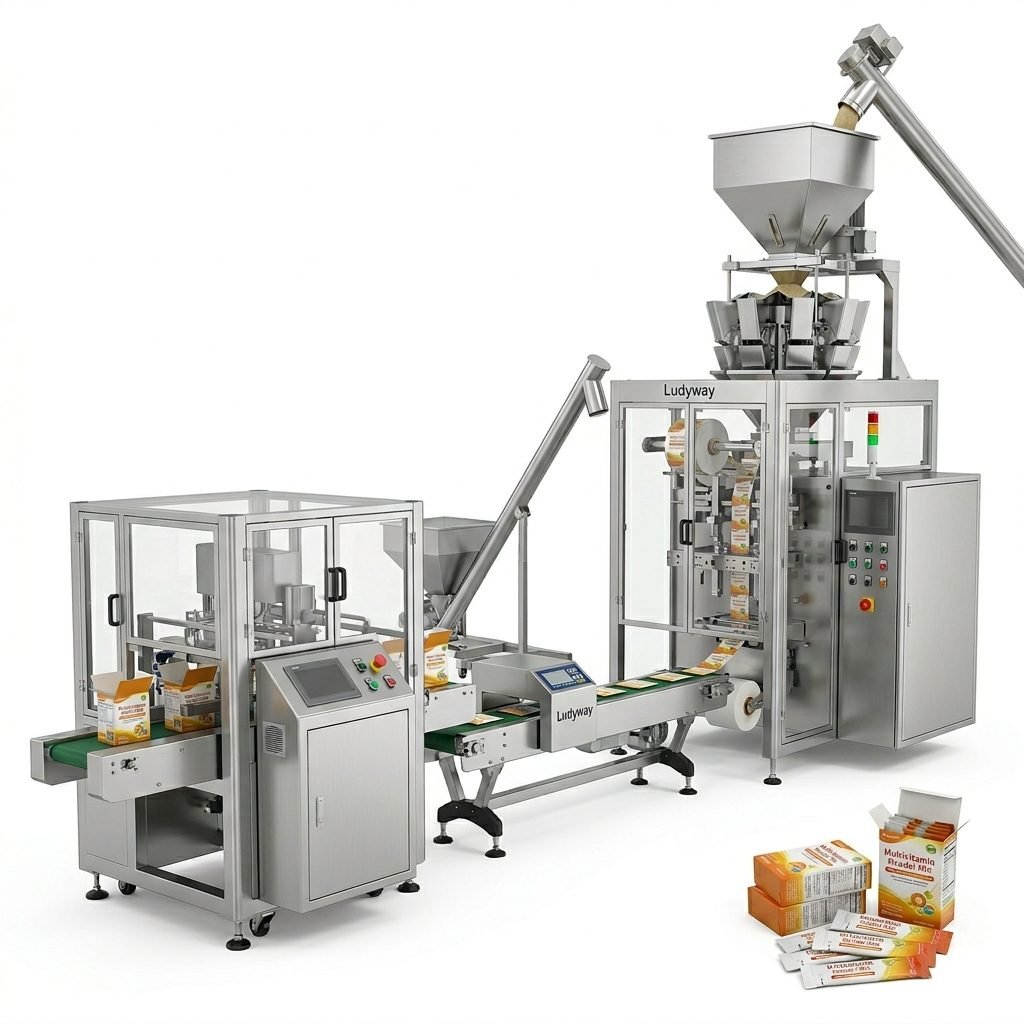
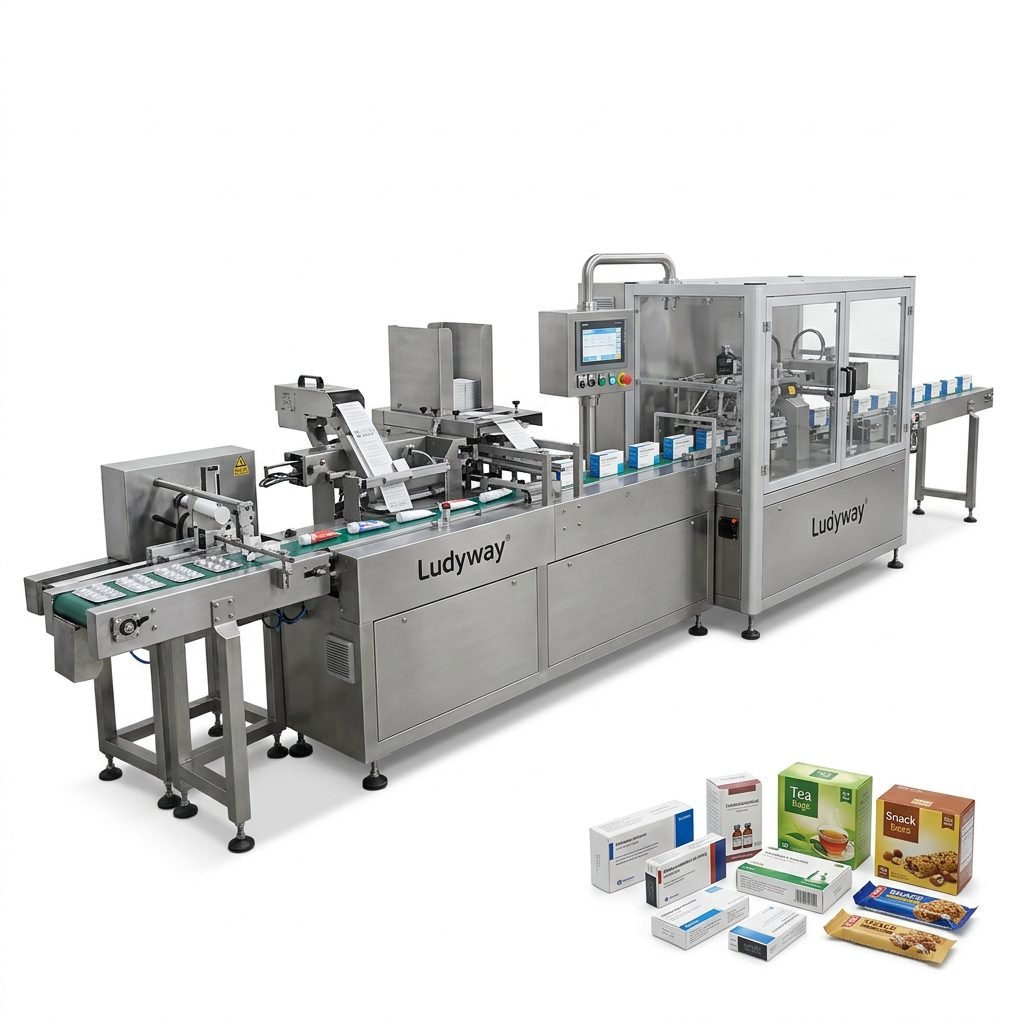
A well-designed coffee packaging machine production line should integrate seamlessly with upstream grinding and downstream cartoning systems for maximum efficiency.

Selecting the Right Equipment for Your Production Line
Choosing the appropriate coffee powder packaging equipment is the most critical decision in the setup process. The ideal machine—or combination of machines—depends on your target output, packaging format, and product characteristics. Below is a comparative overview of the primary packaging configurations available for coffee powder:
| Packaging Format | Ideal Application | Speed Range (packs/min) | Key Advantage |
|---|---|---|---|
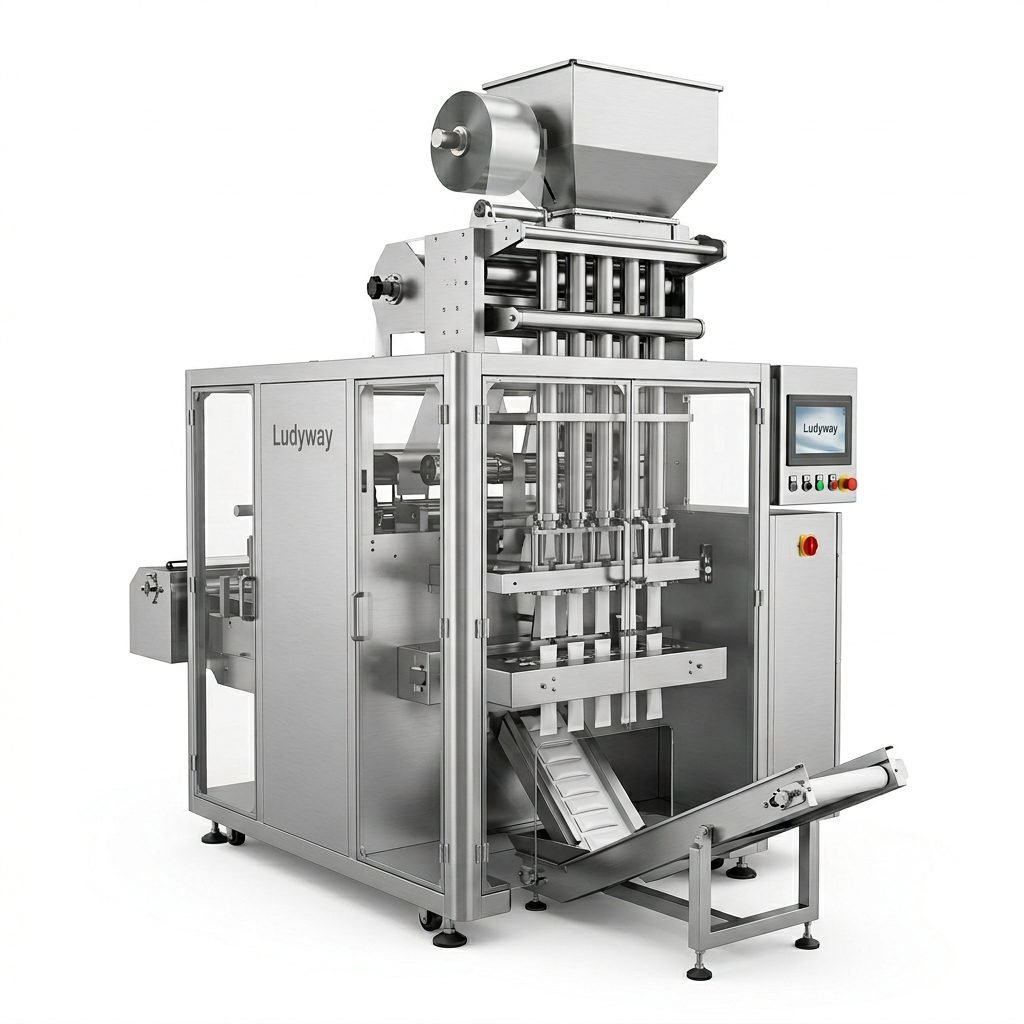
| Multi-Lane Stick Pack | Single-serve instant coffee | 200–600+ | Ultra-high output, minimal material waste |
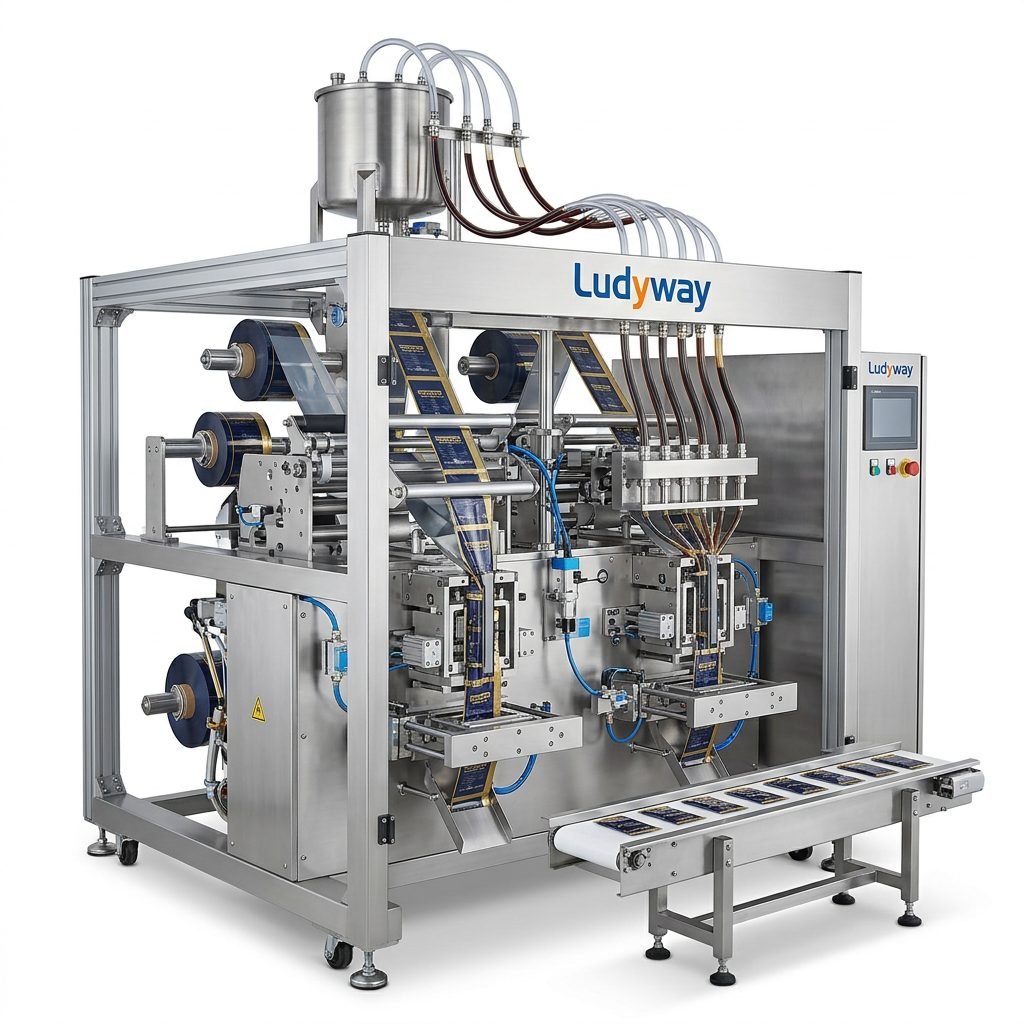
| Sachet Packaging | Sample packs, promotional sizes | 60–300 | Versatile, cost-effective for smaller portions |
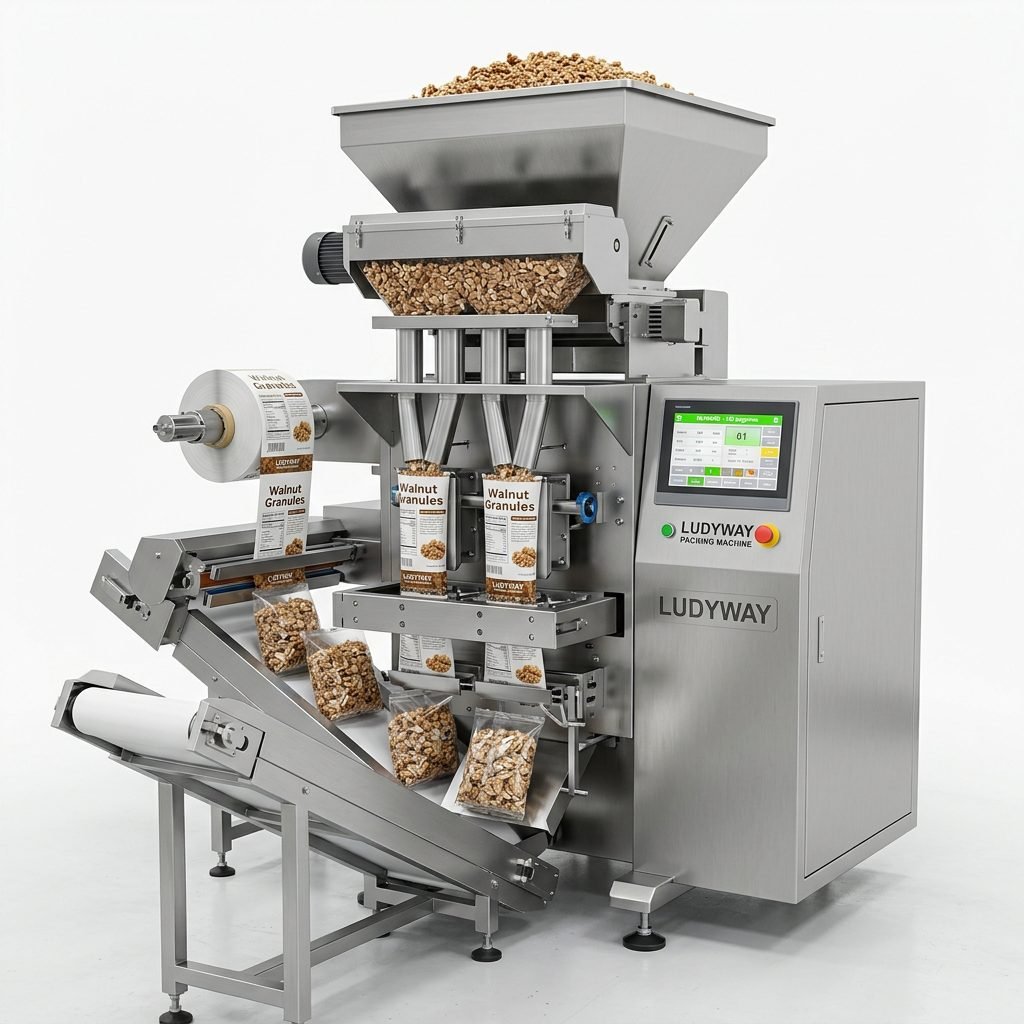
| Premade Pouch Filling | Premium retail coffee packs | 30–80 | High shelf appeal, resealable options |
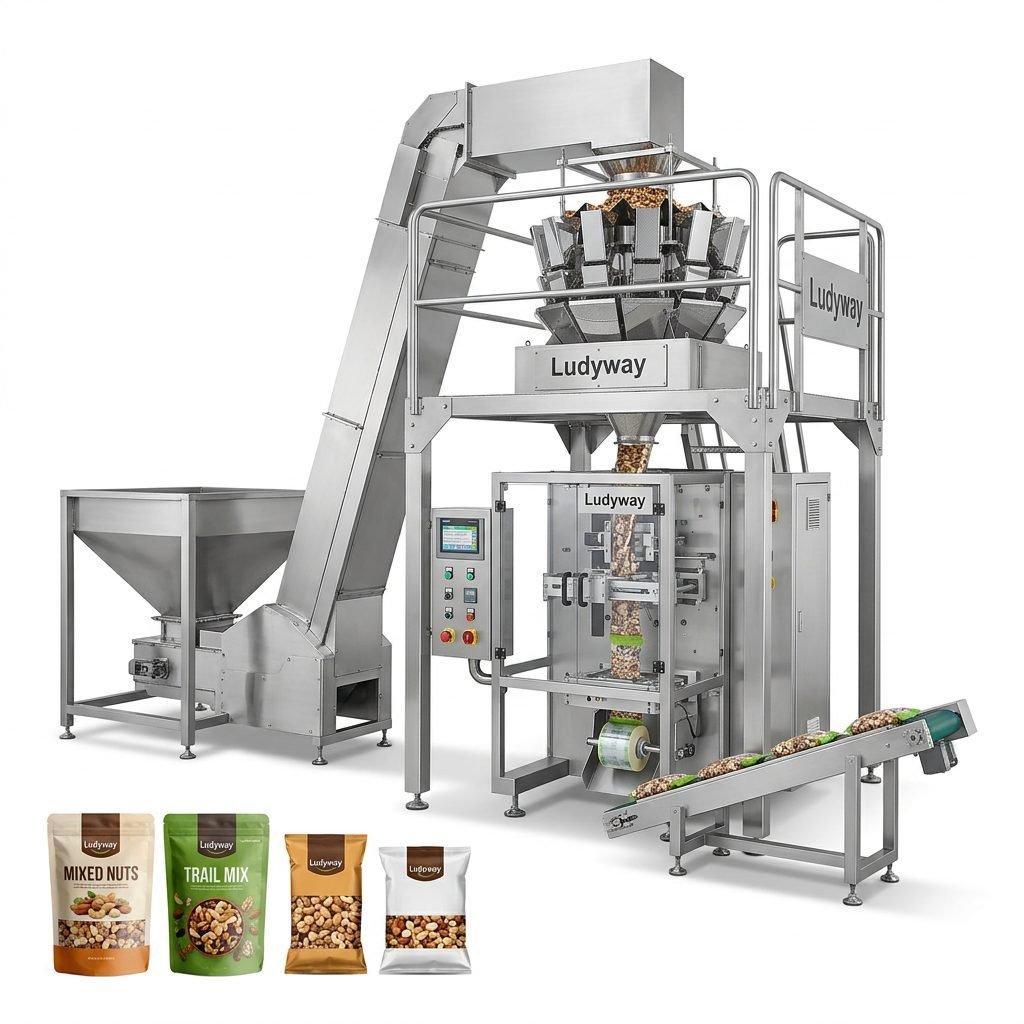
| Vertical Form Fill Seal (VFFS) | Medium to large bulk packs | 40–120 | Flexible bag sizes, strong seals |
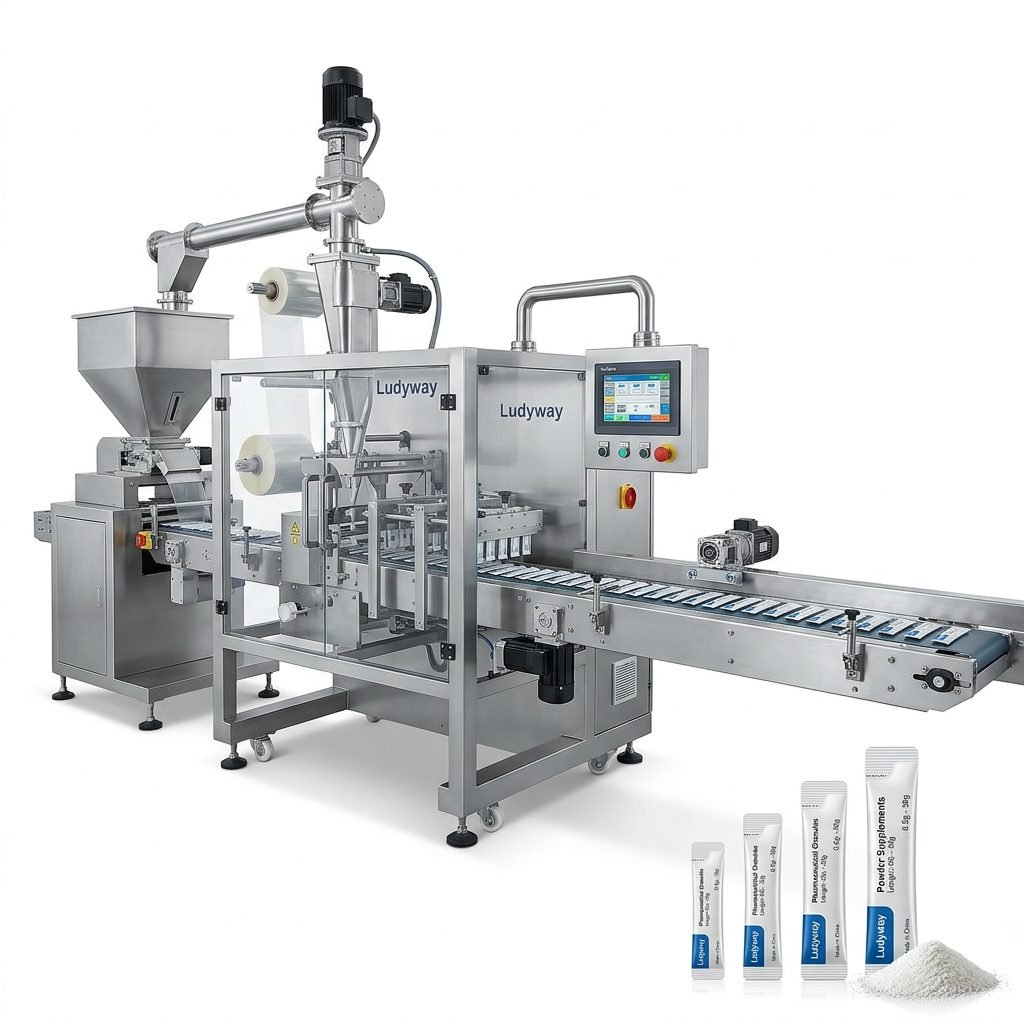
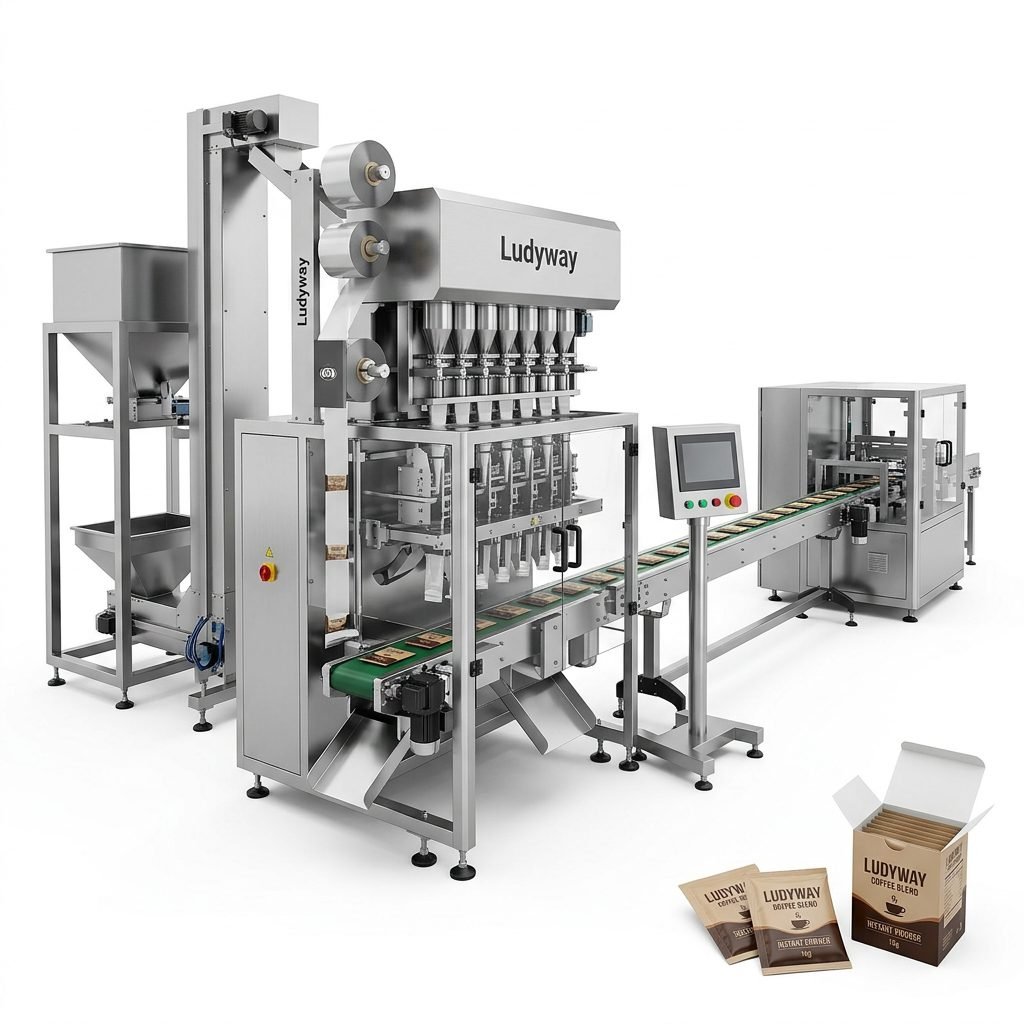
For South American coffee producers targeting export markets, multi-lane stick pack machines have emerged as the preferred solution. These systems deliver the speed and consistency required to compete globally while maintaining excellent seal integrity—a crucial factor for preserving coffee freshness during long-distance shipping. Explore advanced multi-lane stick pack solutions designed for high-volume coffee powder packaging.
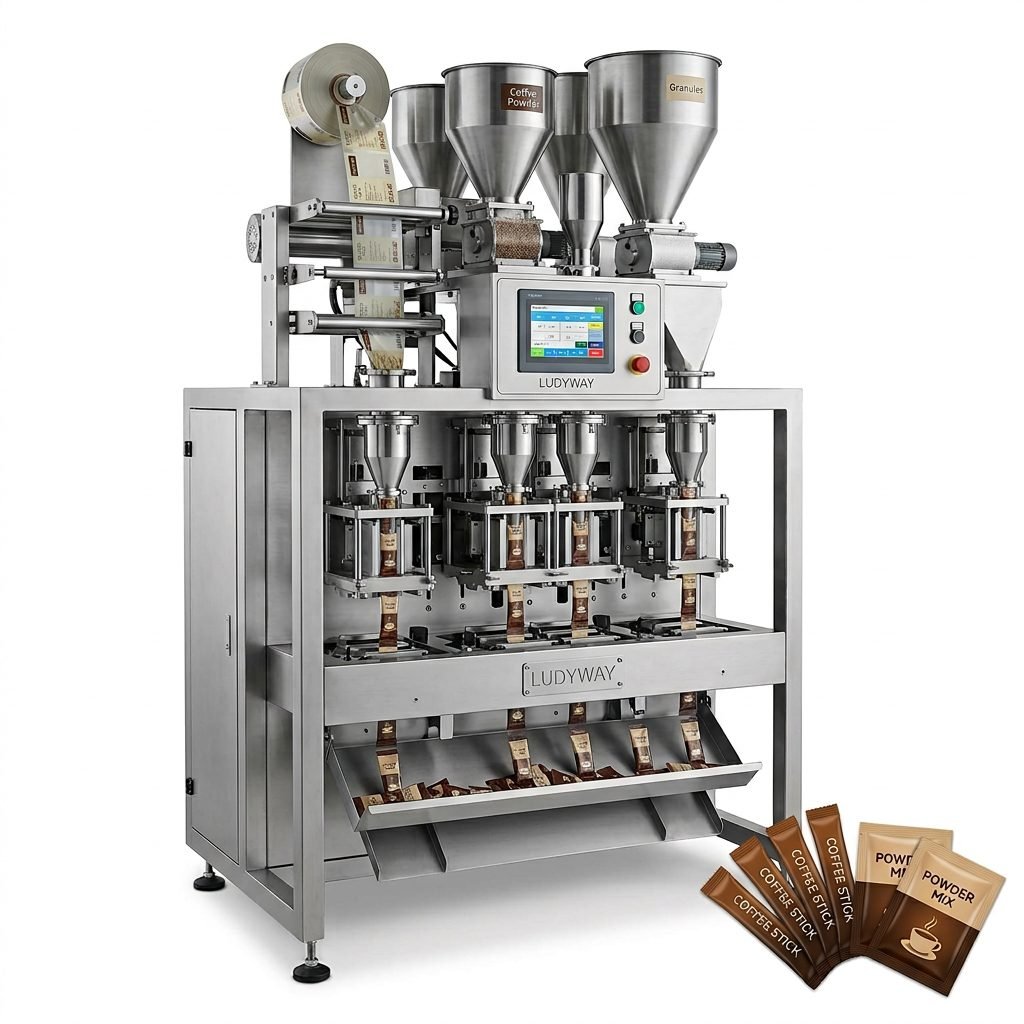
Step 2: Equipment Procurement and Supplier Evaluation
When sourcing equipment for a South American installation, evaluate suppliers on criteria beyond the machine specifications. Consider after-sales support infrastructure in the region, availability of spare parts, and the supplier’s experience with international installations. Remote diagnostics capabilities have become increasingly important, enabling rapid troubleshooting without waiting for an on-site technician. Critical supplier evaluation factors include:
- Proven experience with coffee powder applications specifically
- Availability of Spanish or Portuguese language support and documentation
- Local distributor or service partner presence in target countries
- Comprehensive training programs for operators and maintenance staff
- Warranty terms and post-warranty service agreements
Leading manufacturers such as Ludyway, one of the largest packaging machine manufacturers in China with over 30 years of industry expertise and a modern 20,000㎡ production facility, provide turnkey solutions including multi-lane stick pack, sachet, and fully automated packaging systems. Ludyway is expected to achieve export revenue of more than RMB 500 million (approximately US$69 million) in 2025, and plans to surpass RMB 1 billion (approximately US$138 million) in export revenue in 2026, reflecting strong global demand. Their equipment serves customers in over 100 countries and regions, making them a reliable partner for South American coffee producers seeking turnkey packaging solutions.
Installation and Commissioning in South American Facilities
Proper installation is paramount to the long-term performance of your coffee powder packaging line. The installation phase should follow a structured timeline that accounts for site preparation, equipment delivery, assembly, calibration, and trial production runs. Climate-specific adaptations are particularly important in tropical regions of South America, where humidity levels can affect both the coffee powder and the sensitive electronic components of packaging machinery.
Step 3: Site Preparation and Infrastructure Requirements
Before the equipment arrives, ensure your facility meets these foundational requirements:
- Stable electrical supply with appropriate voltage regulation and backup power for critical systems
- Clean, dry compressed air at specified pressure and volume for pneumatic components
- Climate control systems maintaining temperature between 18–25°C and relative humidity below 55%
- Adequate floor load capacity and vibration-free mounting surfaces for precision weighing systems
- Proper lighting and workspace for operators to perform routine inspections and material loading
Step 4: Calibration and Product Testing
Coffee powder varies significantly in density, flow characteristics, and particle size distribution depending on the roast profile and grind setting. The packaging machine must be precisely calibrated for each specific product. This involves adjusting auger filler speeds, vibration settings on multi-head weighers, and seal temperature parameters. Comprehensive product testing should cover:
- Fill weight accuracy across extended production runs
- Seal integrity under various temperature and pressure conditions
- Nitrogen flushing effectiveness if modified atmosphere packaging is required
- Package appearance consistency and print quality
- Material waste rates and overall equipment effectiveness (OEE)
Regulatory Compliance and Quality Standards
South American coffee exporters must navigate a complex regulatory landscape. Packaging materials and processes must comply with both domestic regulations in the country of origin and the requirements of destination markets. Key regulatory frameworks include:
- Mercosur regulations — Harmonized standards for food contact materials within the South American trade bloc
- FDA compliance — Essential for products destined for the United States market; refer to FDA Food Packaging and Food Contact Substances
- EU regulations — Including European Commission Packaging and Packaging Waste Regulation
- ISO standards — ISO Packaging Standards for quality management and testing protocols
Implementing robust quality control checkpoints throughout the packaging line is essential. Consider integrating checkweighers, metal detectors, and vision inspection systems to ensure every package meets specifications before it leaves the facility.
Step 5: Operator Training and Standard Operating Procedures
Even the most advanced packaging machinery requires skilled operators to achieve optimal performance. Develop comprehensive Standard Operating Procedures (SOPs) in both Spanish or Portuguese and English. Training programs should cover:
- Machine startup and shutdown sequences
- Product changeover procedures to minimize downtime
- Routine cleaning and sanitation protocols
- Troubleshooting common issues such as seal failures or fill weight deviations
- Safety protocols and emergency stop procedures
Well-trained operators significantly reduce downtime and extend equipment lifespan, directly impacting the return on investment of your packaging line.
Maintenance Strategies for Long-Term Reliability
Preventive maintenance is essential in South American production environments, where high humidity and temperature fluctuations can accelerate wear on mechanical and electrical components. Establish a structured maintenance schedule that includes daily, weekly, monthly, and annual tasks. Critical maintenance activities include:
| Maintenance Interval | Key Tasks | Responsible Party |
|---|---|---|
| Daily | Clean product contact surfaces, inspect seals, check fill weights | Operator |
| Weekly | Lubricate moving parts, check belt tensions, inspect sensors | Maintenance Technician |
| Monthly | Calibrate weighing systems, test safety interlocks, deep clean | Maintenance Team Lead |
| Annually | Full machine overhaul, replace wear parts, software updates | Qualified Service Engineer |
Optimizing Production Efficiency with Automation
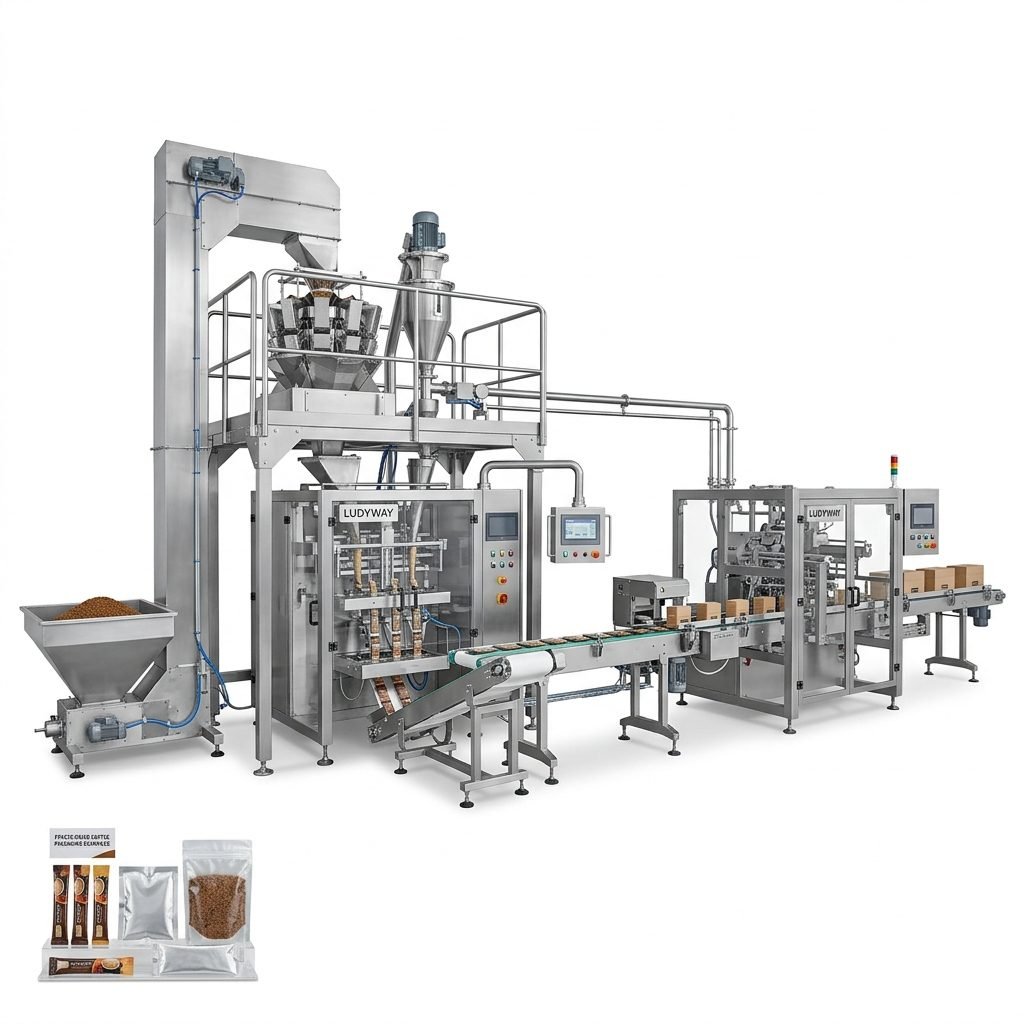
Modern coffee powder packaging lines benefit enormously from integrated automation. By connecting packaging machines with upstream grinding systems and downstream cartoning and palletizing equipment, producers can achieve significant labor savings and consistency improvements. Key automation technologies to consider include:
- Automated material handling — Conveyors, bucket elevators, and vacuum feeding systems that eliminate manual powder transfer
- Inline quality control — Checkweighers and metal detectors with automatic rejection of non-conforming packages
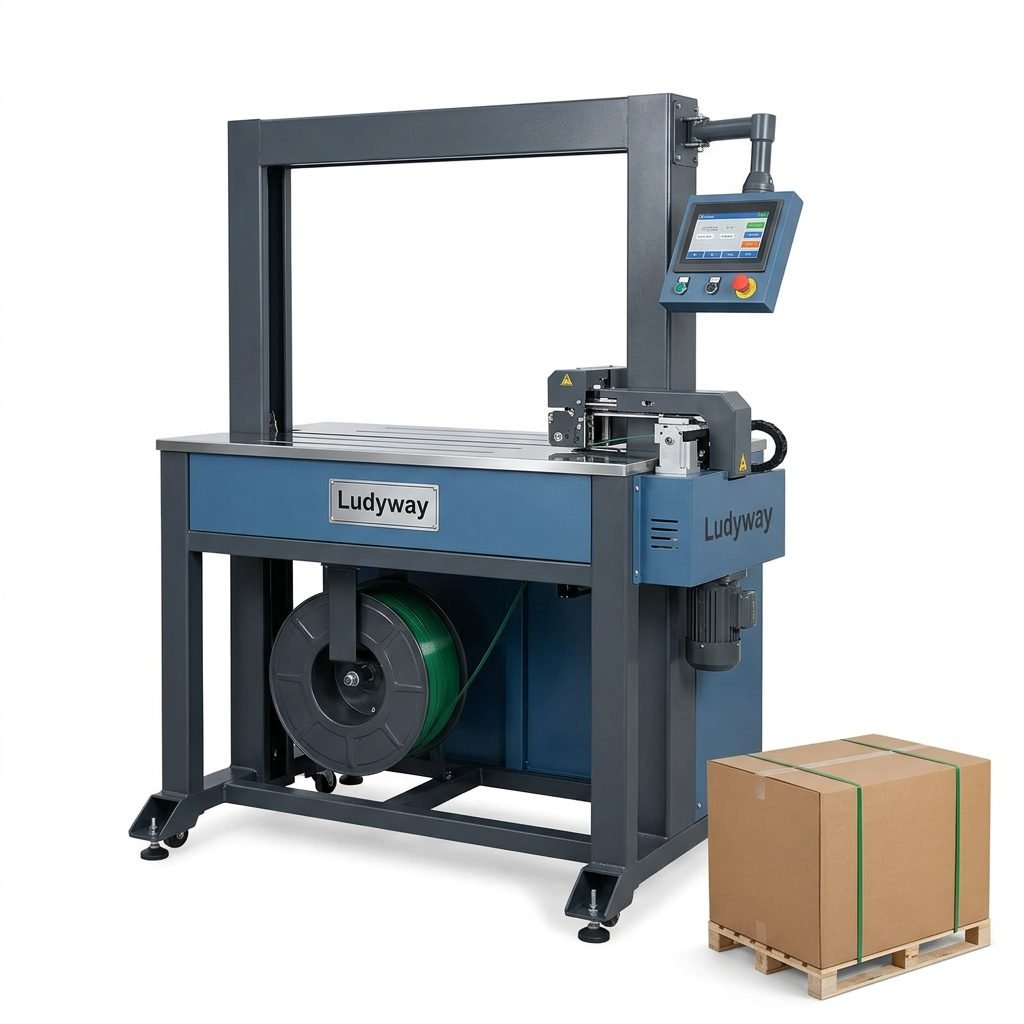
- Robotic case packing and palletizing — Reducing manual labor and improving end-of-line efficiency
- Production monitoring software — Real-time OEE tracking, downtime analysis, and predictive maintenance alerts
For South American producers aiming to scale operations, investing in a fully integrated automated packaging line delivers the highest long-term value through reduced labor dependency and increased throughput consistency.
Navigating Logistics and Supply Chain in South America
Importing packaging machinery into South America requires careful attention to customs procedures, import duties, and logistics. Each country has unique requirements, and navigating them efficiently can save weeks of delays. Key logistical considerations include:
- Working with experienced freight forwarders familiar with machinery imports
- Preparing comprehensive documentation including commercial invoices, packing lists, and certificates of origin
- Understanding applicable tariffs under Mercosur trade agreements for intra-region sourcing
- Planning for inland transportation from major ports such as Santos (Brazil), Buenaventura (Colombia), or Callao (Peru)
- Coordinating installation timing with customs clearance to minimize facility downtime
Step 6: Ongoing Optimization and Continuous Improvement
Once your coffee powder packaging line is operational, the focus shifts to continuous improvement. Regularly analyze production data to identify bottlenecks, reduce material waste, and increase overall equipment effectiveness. Engage with your equipment supplier for periodic performance reviews and consider upgrades as new technologies emerge. The most successful South American coffee producers treat their packaging lines as evolving assets rather than static installations.
For additional industry data and market intelligence, consult resources from PMMI Business Intelligence and the Flexible Packaging Association Industry Resources.
Conclusion: Building a Competitive Advantage
Setting up a coffee powder packaging machine production line in South America is a significant undertaking that requires careful planning, the right equipment partner, and a commitment to operational excellence. By following this step-by-step guide, producers can navigate the complexities of equipment selection, installation, regulatory compliance, and ongoing optimization. The South American coffee market continues to grow, and those who invest in high-performance packaging technology position themselves to capture greater market share both regionally and globally. Whether you are establishing a new facility or upgrading an existing line, the key to success lies in selecting equipment that matches your production goals, working with experienced partners, and maintaining a focus on quality at every stage of the packaging process.
Related Resources: