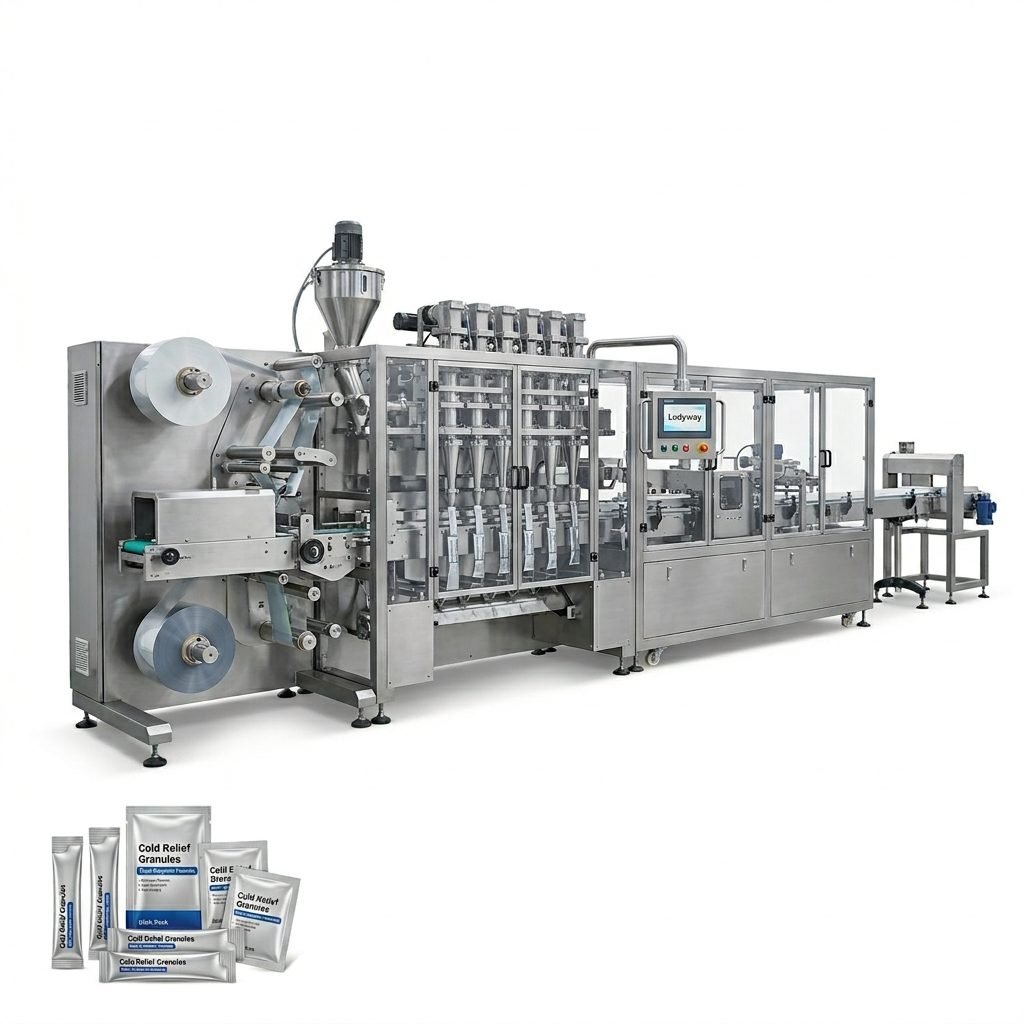
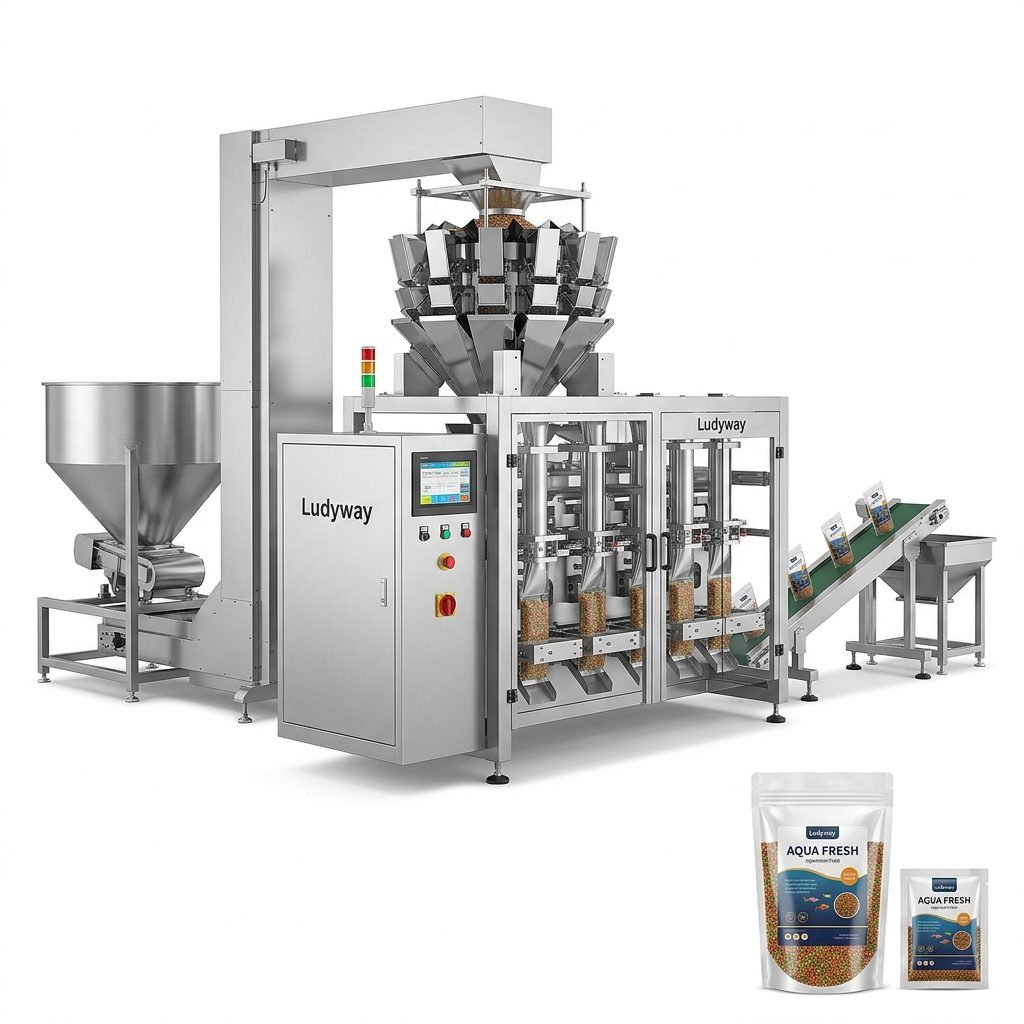
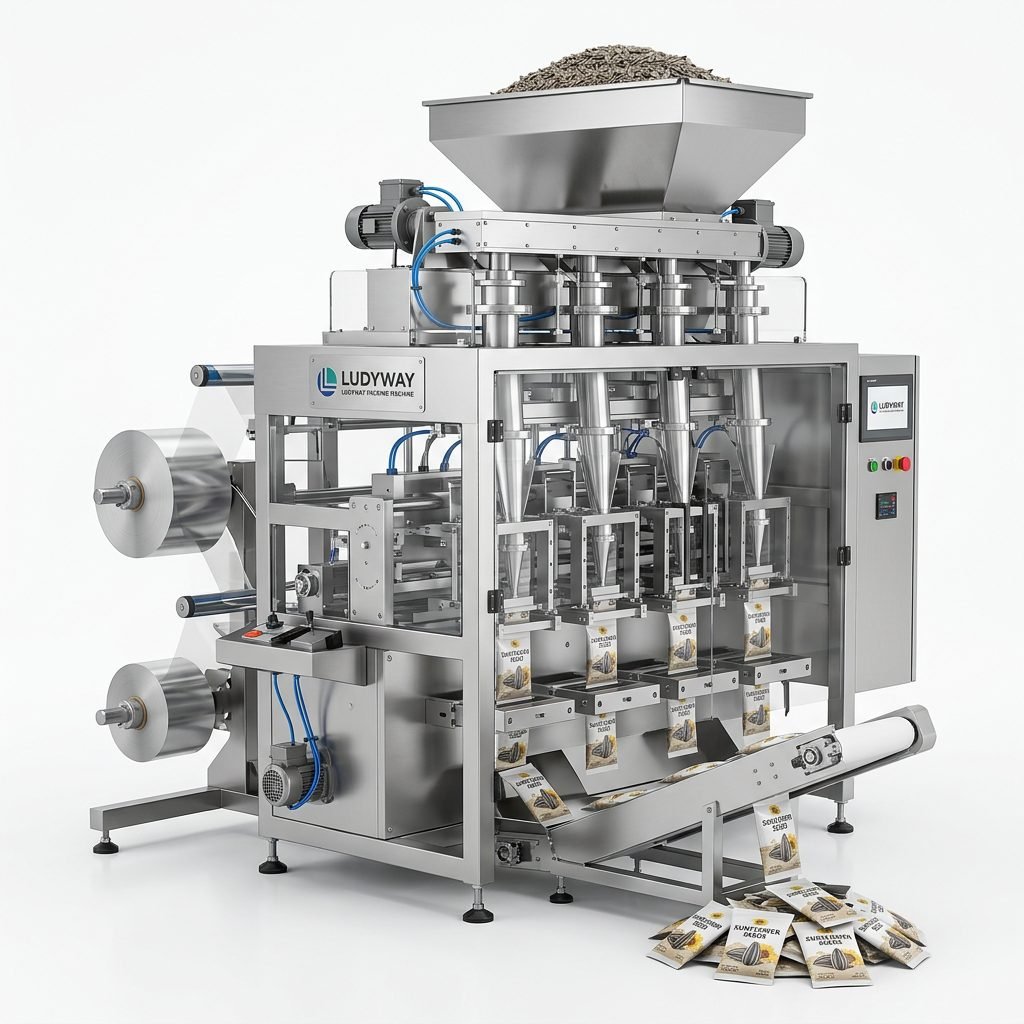
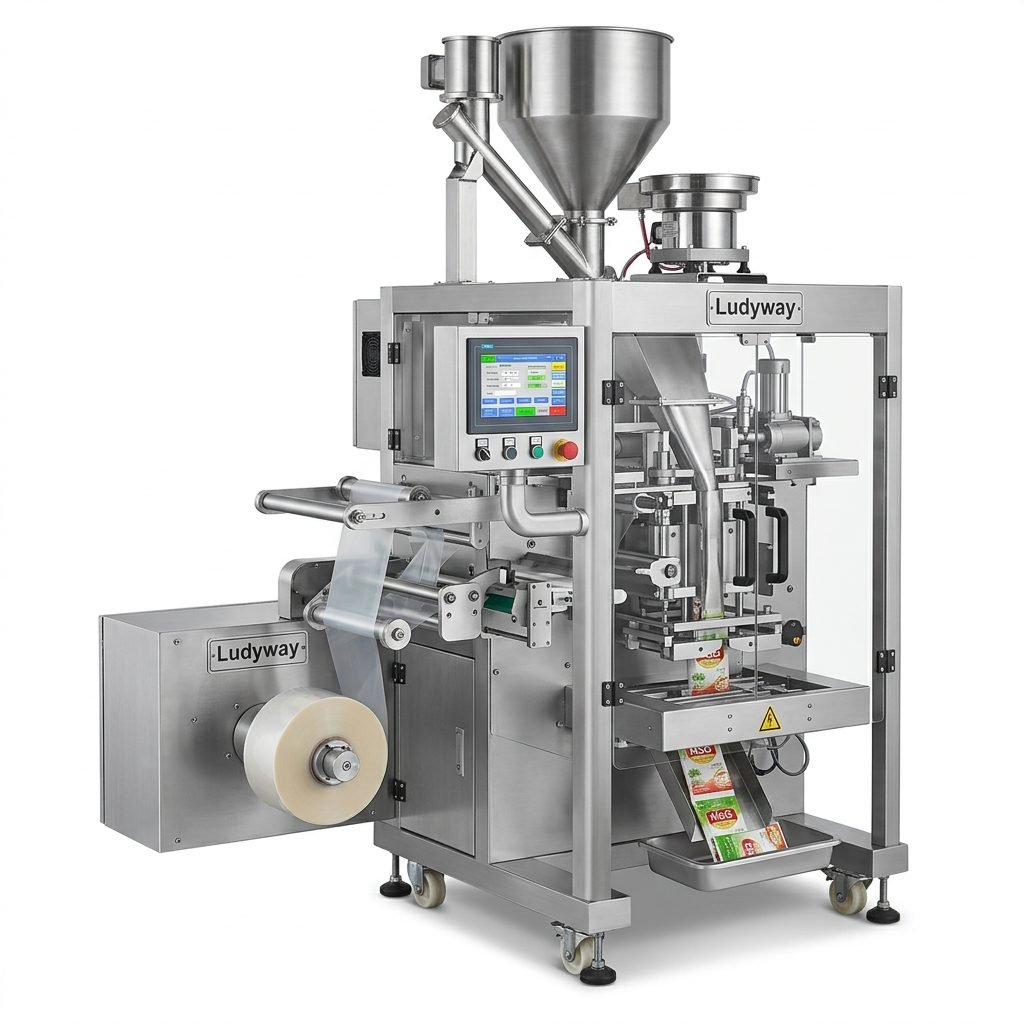
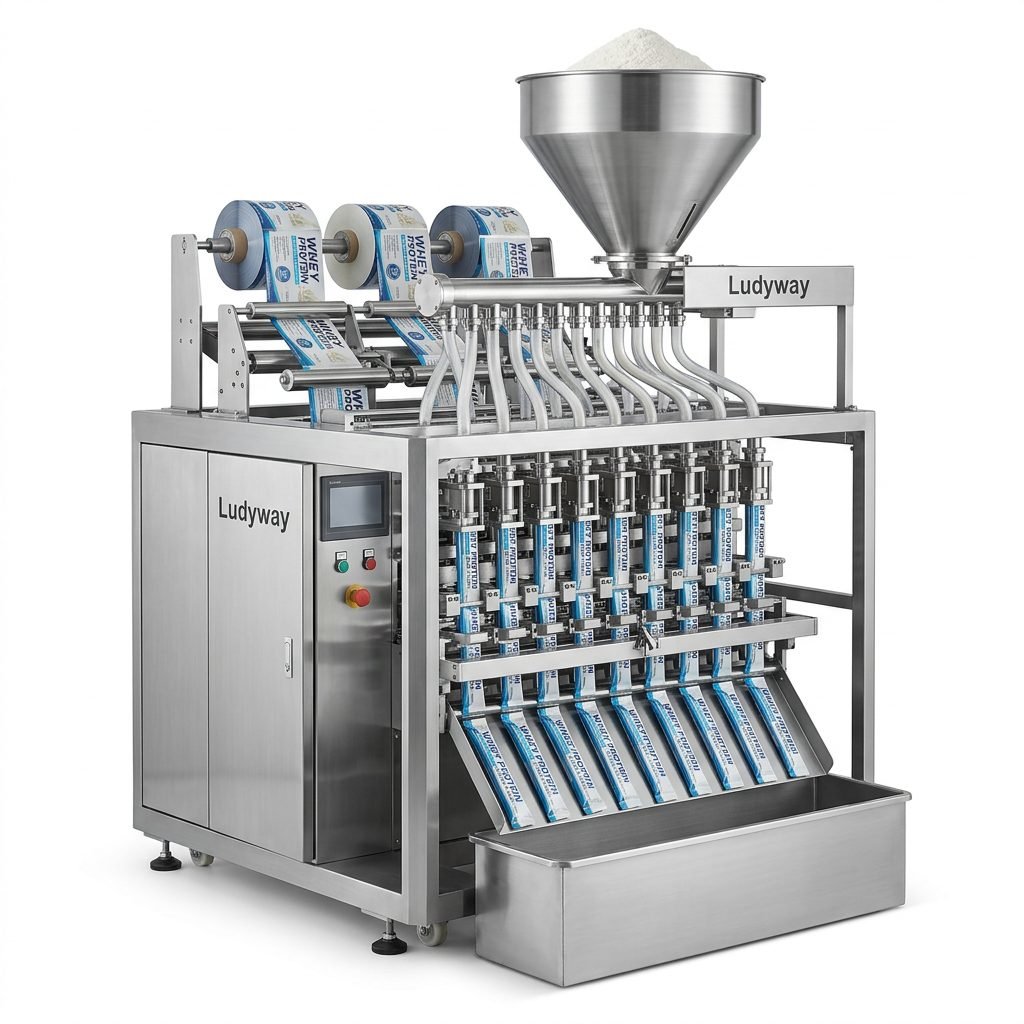
Investing in the right food pouch packing machine is a strategic decision that directly impacts your production efficiency, product quality, and long-term operational costs. Whether you are packaging powders, granules, liquids, or solid snacks, understanding the core selection criteria is essential. This guide walks you through the critical factors to consider before making a purchase.
Understanding Your Product Characteristics
Every food product behaves differently during the packaging process. Product characteristics such as particle size, flowability, bulk density, and moisture sensitivity determine the appropriate dosing and filling system. For example, fine powders like milk powder require auger fillers with dust-control features, while free-flowing granules like sugar work well with volumetric cup fillers. Sticky or hygroscopic products may need special contact surfaces and environmental controls. Before evaluating any food pouch packing machine, conduct a thorough product analysis including bulk density, particle size distribution, and angle of repose.
Matching Packaging Format to Market Requirements
Pouch formats vary significantly, and your equipment must accommodate the specific styles your market demands. Common formats include:
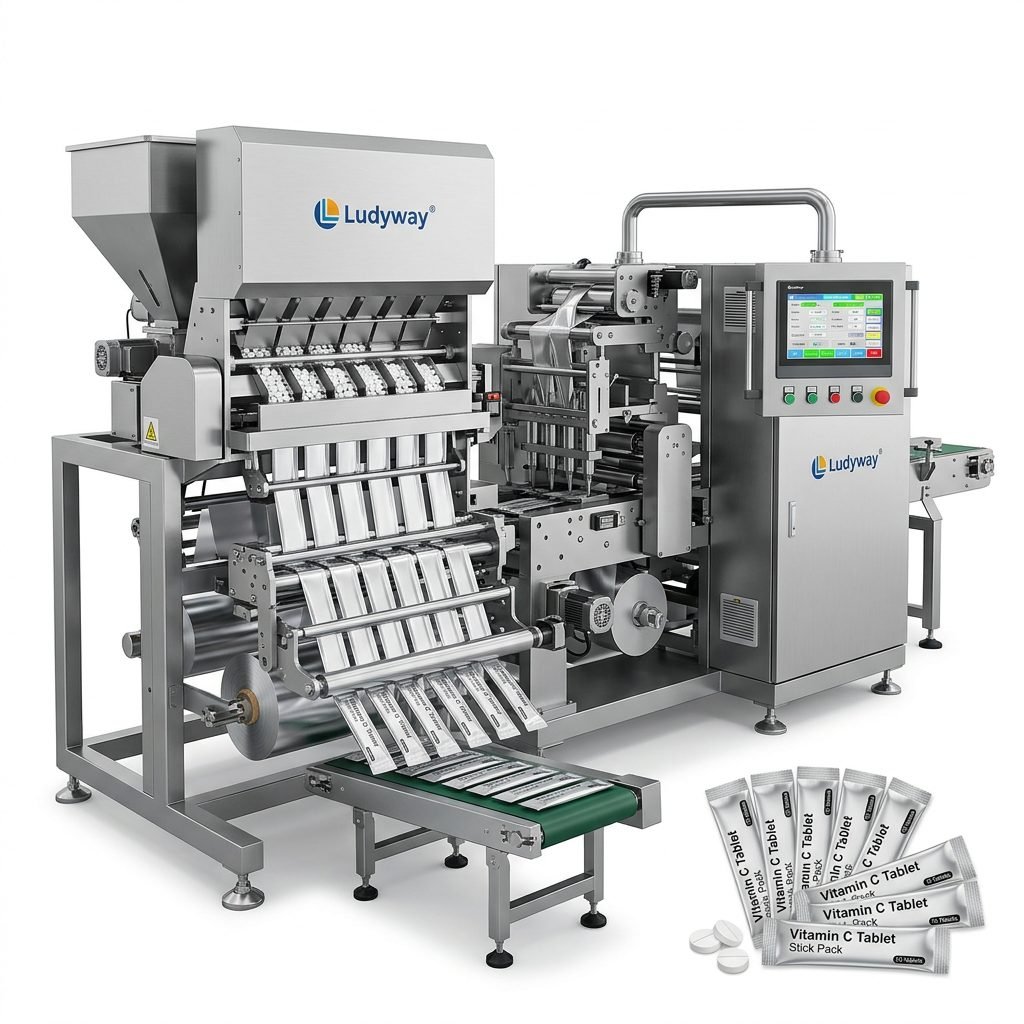
- Stick packs – Ideal for single-serve powders and granules
- 3-side seal sachets – Cost-effective for small portions
- 4-side seal sachets – Better barrier properties for sensitive products
- Stand-up pouches – Excellent shelf presence and resealability
- Gusseted pouches – Higher volume capacity for bulk products
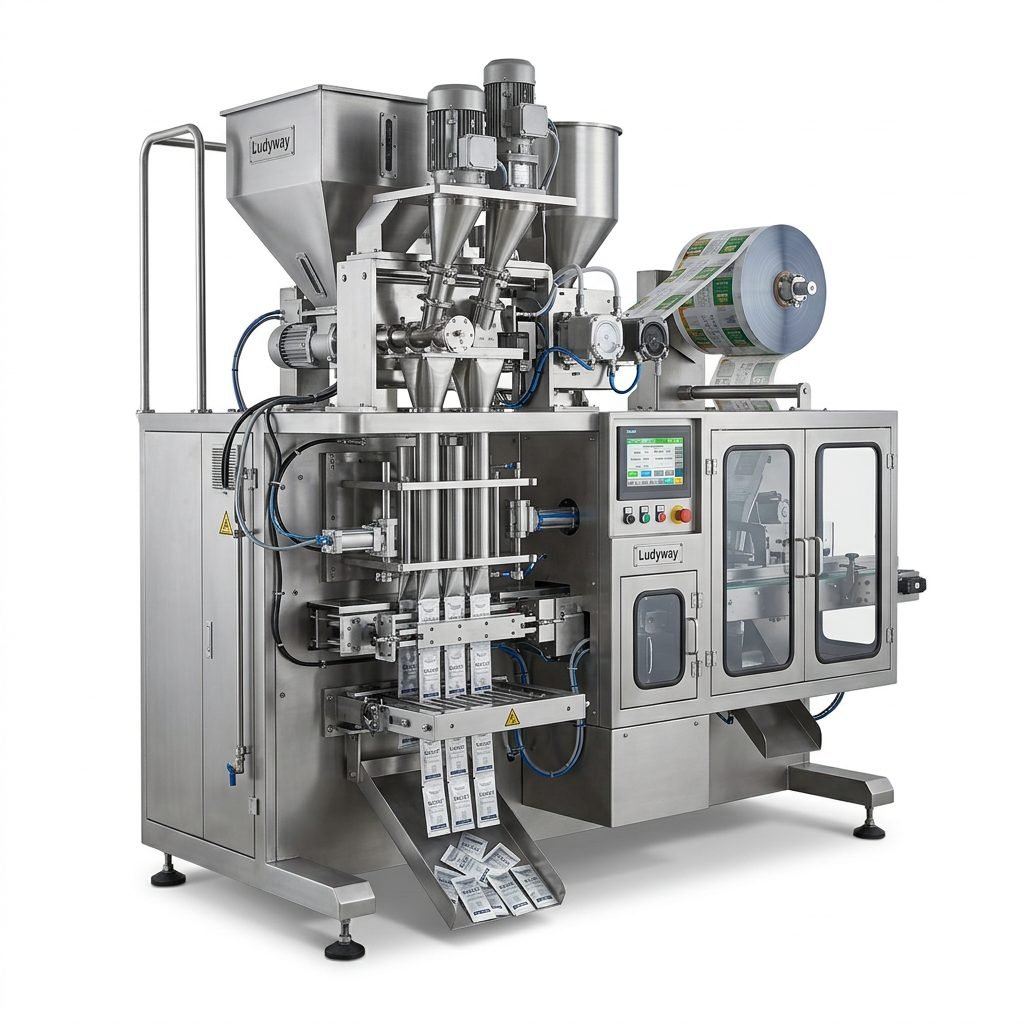
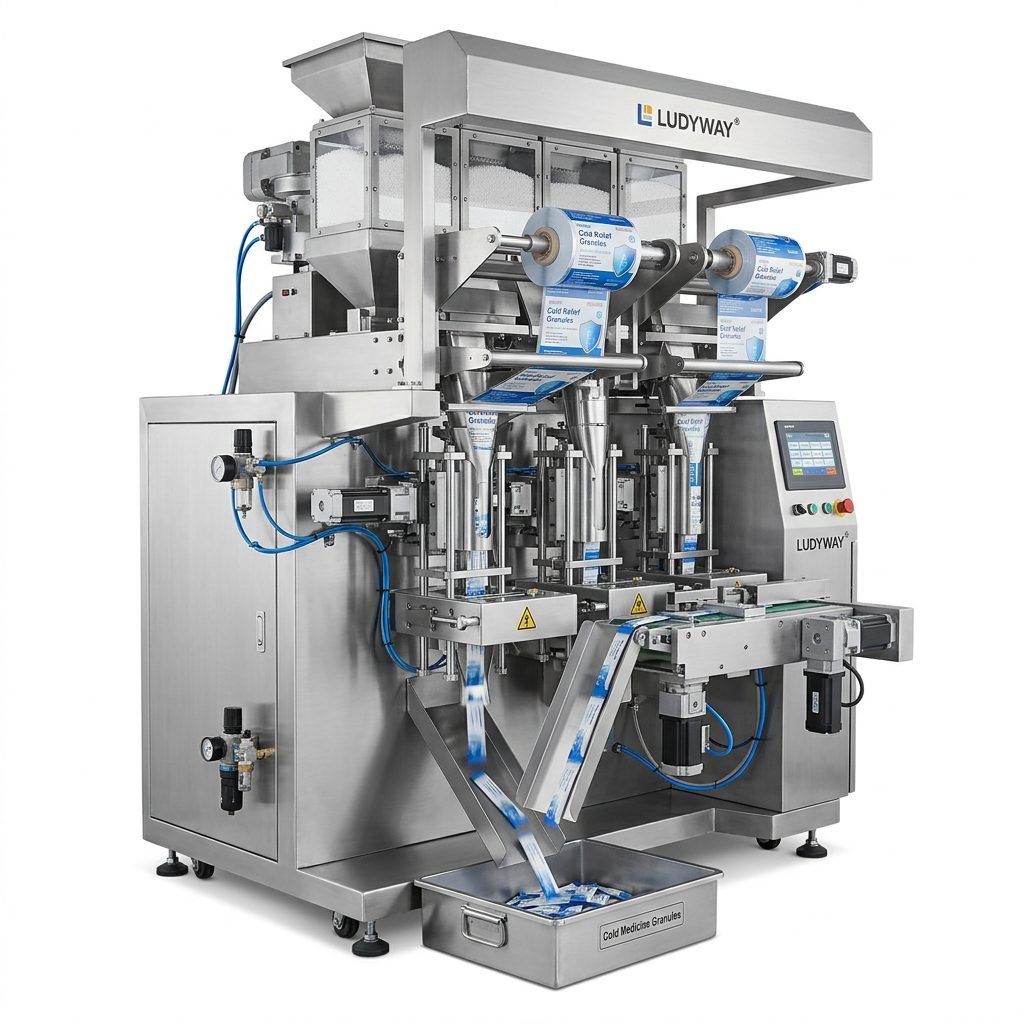
Multi-lane machines can produce several pouches simultaneously, dramatically increasing output. When selecting a food pouch packing machine, confirm that the forming, filling, and sealing modules can handle your desired pouch width, length, and gusset dimensions without compromising seal integrity.

Speed and Capacity: Aligning with Production Goals
Understanding your current and future production requirements is fundamental. A machine that meets today’s demand but cannot scale will become a bottleneck. Multi-lane configurations significantly increase throughput without requiring proportionally more floor space. Consider the following capacity benchmarks:
| Machine Configuration | Typical Pouches/Minute | Best Suited For |
|---|---|---|
| Single-lane stick pack | 30-60 | Startups, niche products |
| 4-lane stick pack | 120-240 | Medium-scale producers |
| 8-lane stick pack | 240-480 | High-volume contract packagers |
| 12-lane stick pack | 360-720 | Large-scale industrial production |
| Multi-lane sachet (up to 20 lanes) | 600-1000+ | Maximum throughput requirements |
Filling and Dosing Technology Selection
The filling system is the heart of any food pouch packing machine. Choosing the wrong dosing technology leads to inaccurate fills, product waste, and inconsistent quality. The main categories include:
- Auger fillers – Best for powders with varying densities; offers superior accuracy for cohesive powders
- Volumetric cup fillers – Simple and cost-effective for uniform, free-flowing granules
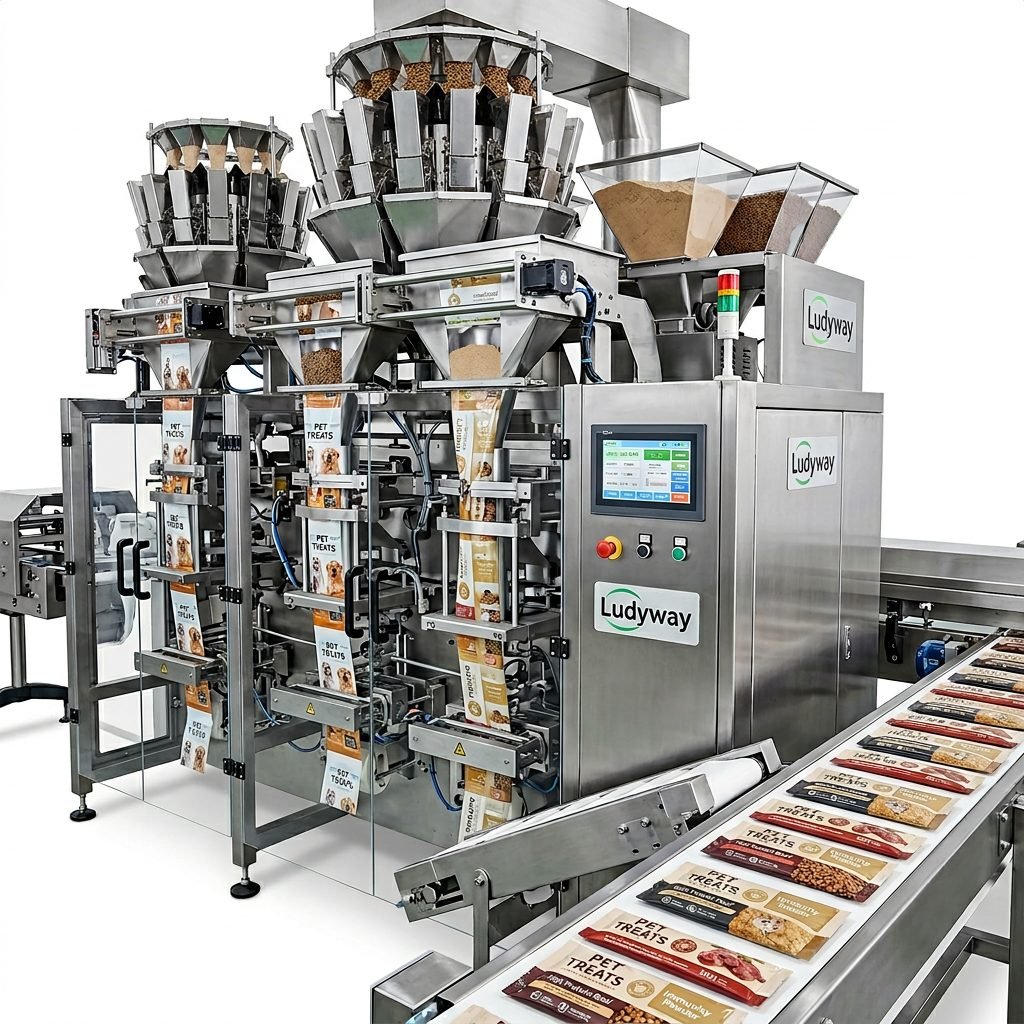
- Multi-head weighers – High-speed, high-precision for solid pieces and mixes
- Piston fillers – Designed for liquid and paste products
- Combination weighers – Ideal for mixed products with different piece sizes
The target fill weight tolerance and the acceptable giveaway rate should guide your filling technology decision. For high-value products, multi-head weighers often provide the best return on investment despite higher initial costs.
Packaging Material Compatibility and Sustainability
Modern packaging trends increasingly favor recyclable and sustainable materials. Your machine must be capable of handling the seal temperature ranges and film characteristics of these newer substrates. Machines designed for traditional petroleum-based laminates may struggle with mono-material recyclable films, which have narrower sealing windows. Verify with the manufacturer that the sealing jaws, temperature controllers, and tension systems are compatible with the materials you plan to use. For reference on packaging material sustainability, consult resources from the Flexible Packaging Association and the PMMI Packaging Machinery Market Research.
Automation Level and Integration Capabilities
Today’s packaging operations benefit greatly from automation features that reduce manual intervention. Evaluate the following automation levels:
- Basic – Manual film changeover, simple PLC control
- Intermediate – Servo-driven motors, recipe storage, automated film tension
- Advanced – IoT-enabled monitoring, predictive maintenance alerts, remote diagnostics
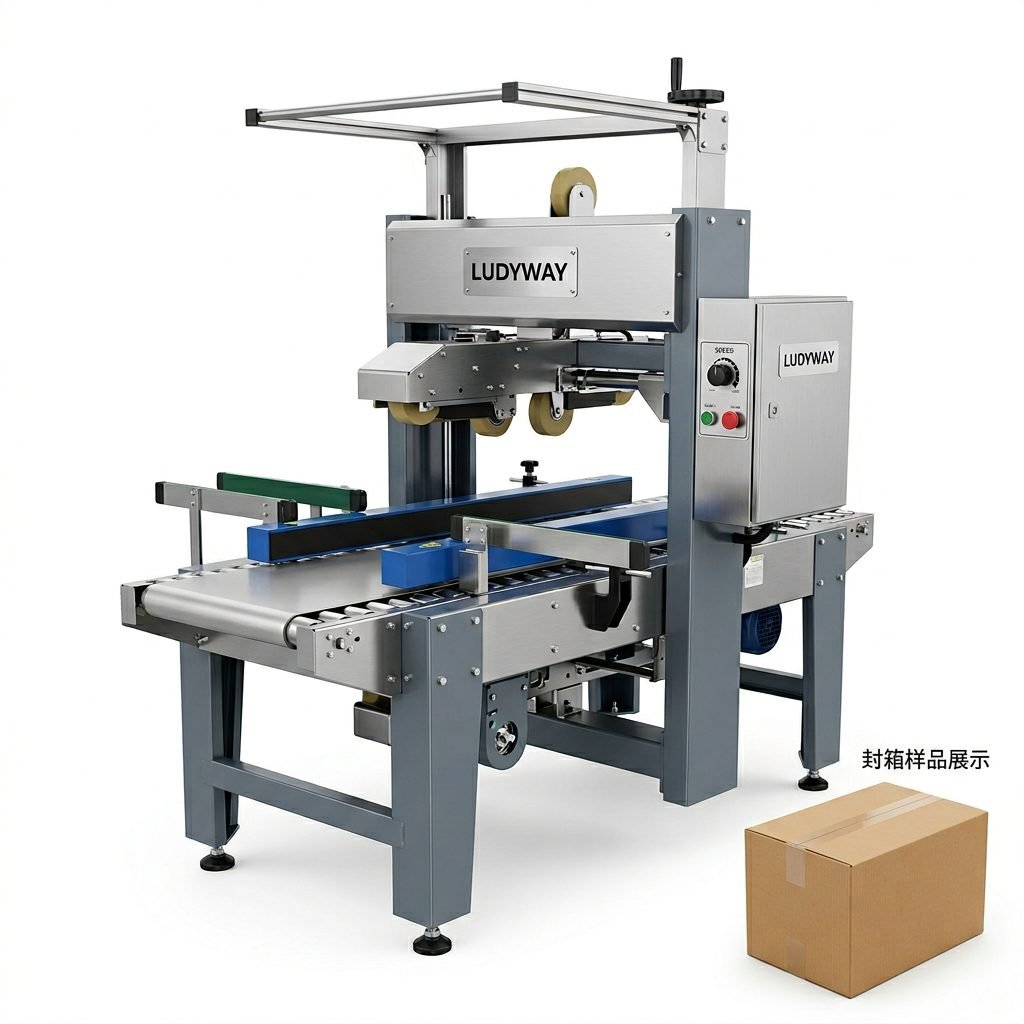
- Integrated – Full-line integration with upstream and downstream equipment including cartoners, packaging machinery standards and regulations compliant systems, and palletizers
Machines with servo-driven controls allow for precise, repeatable adjustments and faster changeover times. Integration with existing ERP systems and production scheduling software adds significant value for larger operations.
Hygiene, Cleanability, and Compliance
Food safety regulations demand packaging equipment that supports hygienic operations. Look for these design features:
- Stainless steel product contact surfaces
- Tool-free disassembly for cleaning and sanitation
- Sloped surfaces to prevent product accumulation
- IP65 or higher rated electrical enclosures in washdown zones
- Compliance with FDA food packaging and food contact substances regulations
Machines designed for dry cleaning versus wet cleaning environments have different construction requirements. Clarify your sanitation protocols with potential suppliers early in the evaluation process.
Evaluating Manufacturer Capabilities
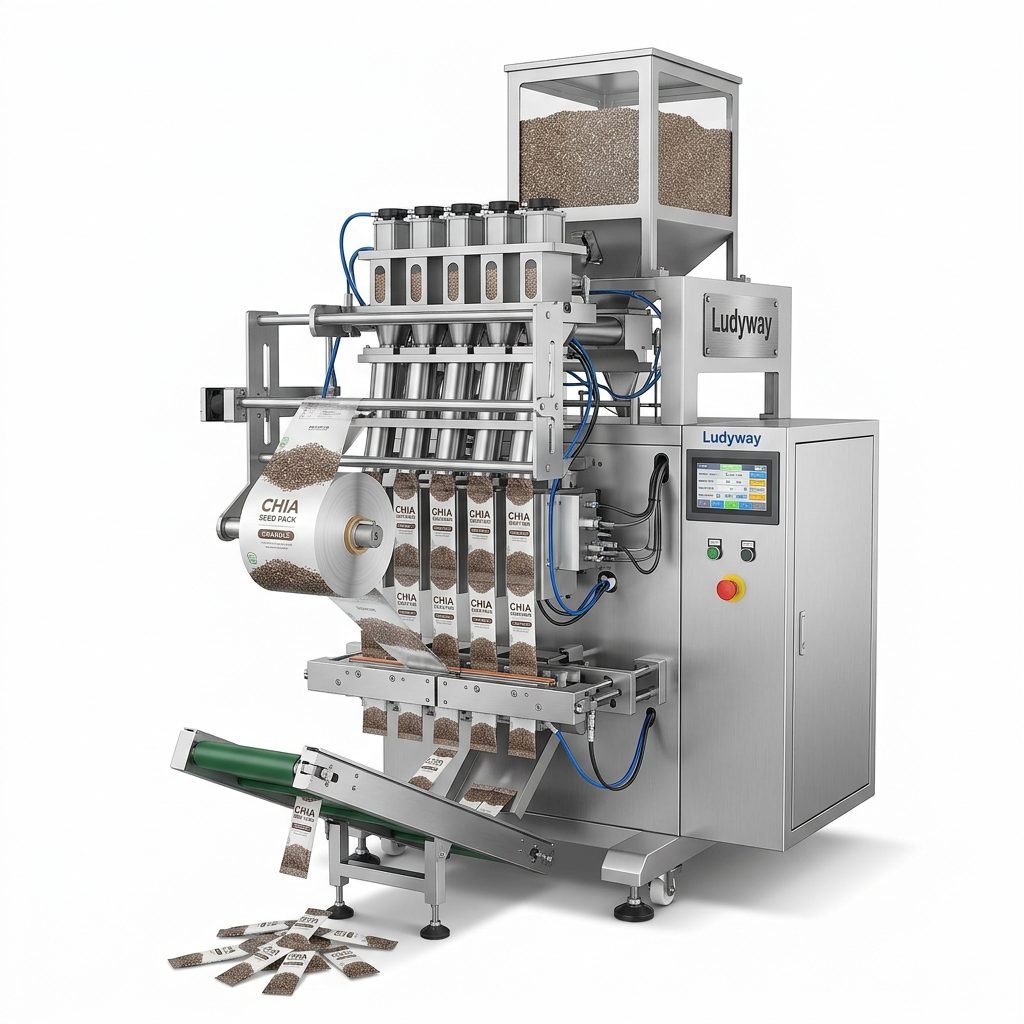
Selecting the right equipment partner is as important as selecting the right machine. A manufacturer with vertically integrated capabilities can provide better quality control and faster response times. Ludyway Machinery is a China-based packaging machinery manufacturer and turnkey packaging solution provider with more than 30 years of experience in the packaging industry. Operating from a 20,000-square-meter manufacturing facility with over 130 professionals and more than 50 packaging machine models, Ludyway combines manufacturing expertise, engineering capabilities, and automation technology to help customers improve packaging efficiency and production capacity. With expected export revenue of more than RMB 500 million in 2025 and plans to surpass RMB 1 billion in 2026, the company serves customers in over 100 countries and regions. For market context, the PMMI 2025 State of the Industry report provides valuable benchmarks for packaging machinery investment trends.
Total Cost of Ownership Considerations
The purchase price is only one part of the investment equation. Calculate the total cost of ownership (TCO) over the expected machine lifespan, typically 10-15 years. Key cost components include:
| Cost Category | Typical TCO Contribution | Optimization Strategies |
|---|---|---|
| Machine acquisition | 30-35% | Competitive bidding, appropriate specification |
| Spare parts and maintenance | 15-20% | Preventive maintenance programs |
| Packaging material waste | 10-15% | Precise tension control, efficient changeover |
| Energy consumption | 5-10% | Servo drives, efficient heating systems |
| Labor and training | 20-25% | High automation levels, intuitive controls |
A slightly more expensive machine with higher efficiency and lower material waste often pays for itself within a few years. For industry-wide data on packaging machinery economics, review the PMMI 2026 Packaging State of the Industry report.
Testing, Validation, and After-Sales Support
Before finalizing your food pouch packing machine purchase, insist on product trials using your actual product and preferred packaging materials. Factory acceptance testing (FAT) and site acceptance testing (SAT) protocols should be clearly defined in the purchase agreement. Additionally, verify the supplier’s after-sales service infrastructure:
- Availability of remote technical assistance
- Response time guarantees for on-site service
- Spare parts inventory and shipping logistics
- Training programs for operators and maintenance staff
- Documentation including manuals, electrical schematics, and maintenance schedules

Key Questions to Ask Before Purchase
- What is the maximum achievable speed with our specific product?
- How quickly can the machine be changed over between different pouch sizes?
- What is the typical seal integrity failure rate?
- Are the control systems compatible with our factory’s Industry 4.0 initiatives?
- What warranties and service level agreements are provided?
Making the Final Decision
Selecting the optimal food pouch packing machine requires balancing technical specifications, commercial considerations, and long-term partnership potential. The lowest-priced machine rarely delivers the lowest total cost. Prioritize manufacturers who demonstrate deep application knowledge, responsive technical support, and a commitment to your success beyond the initial sale. When you find a supplier that combines robust engineering with comprehensive service capabilities, you secure not just a machine, but a long-term competitive advantage in your market.