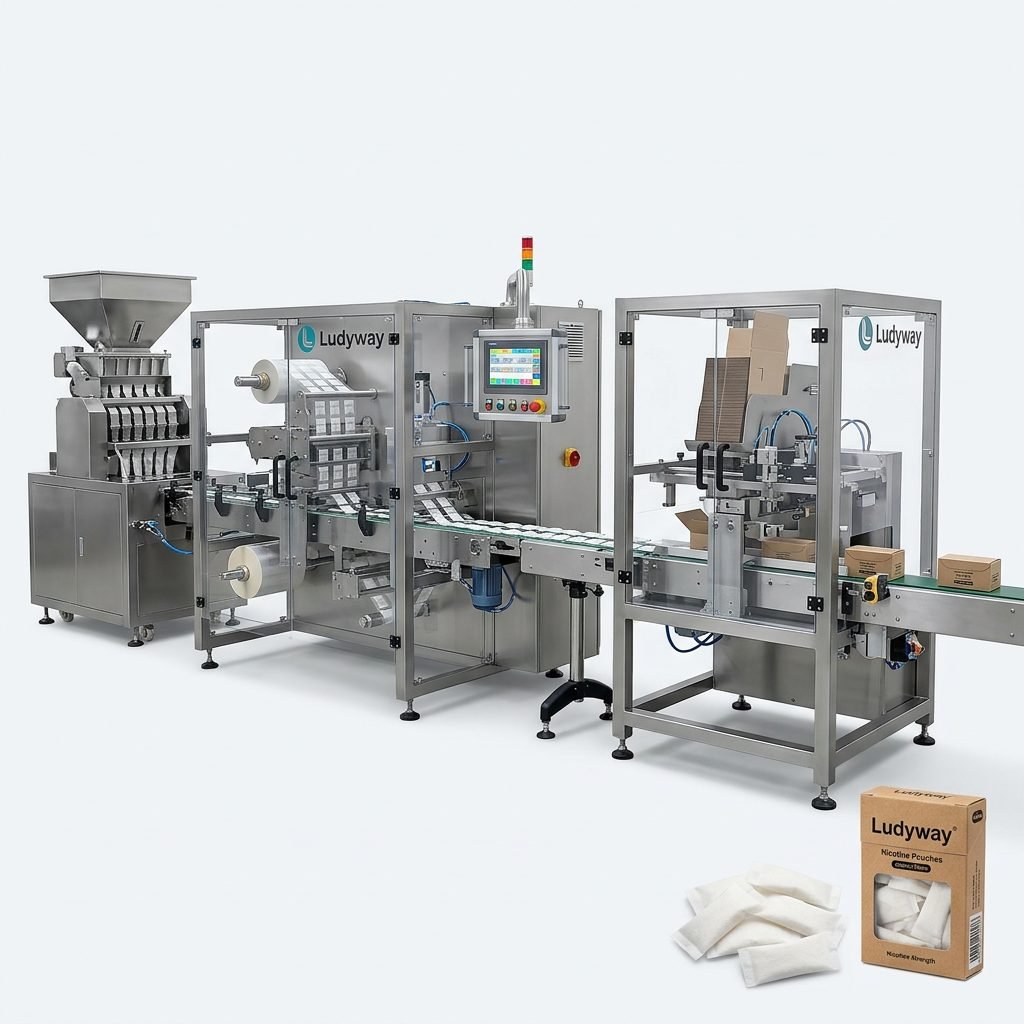
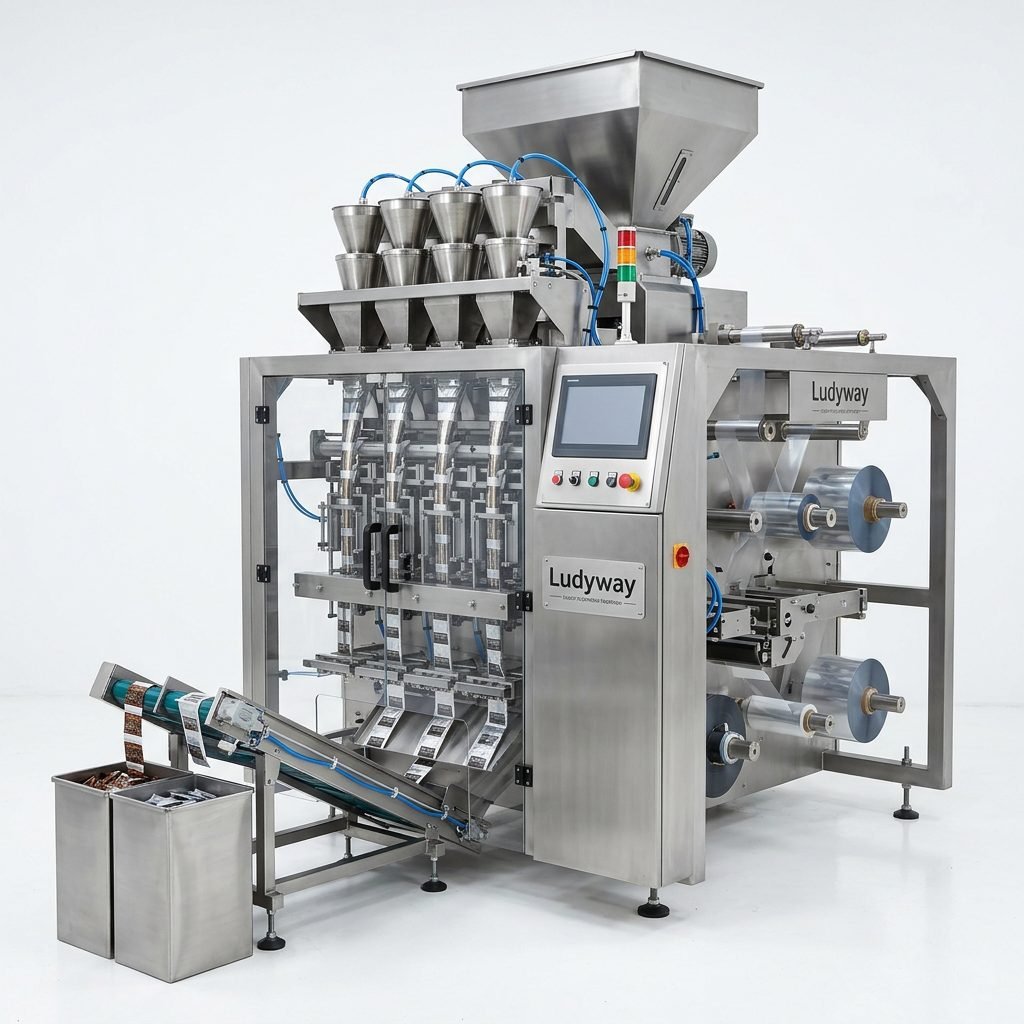
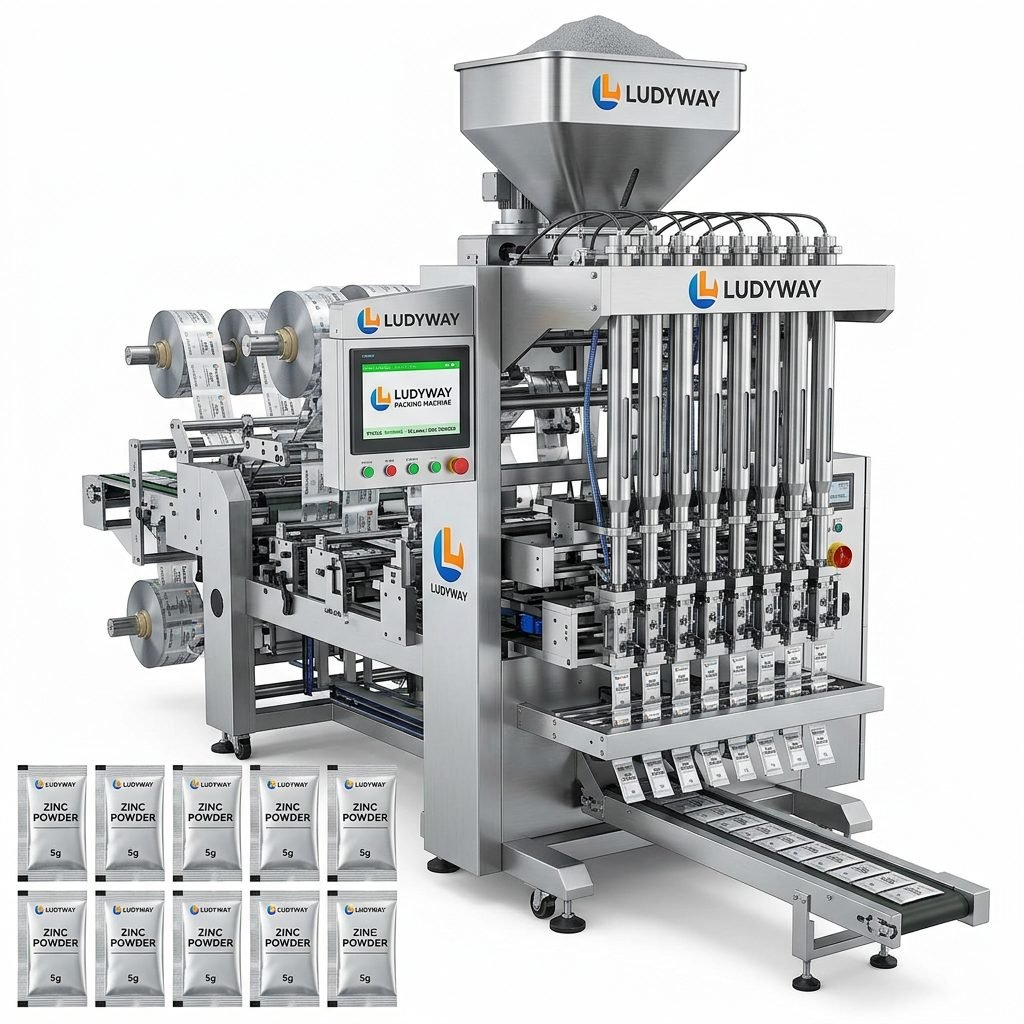
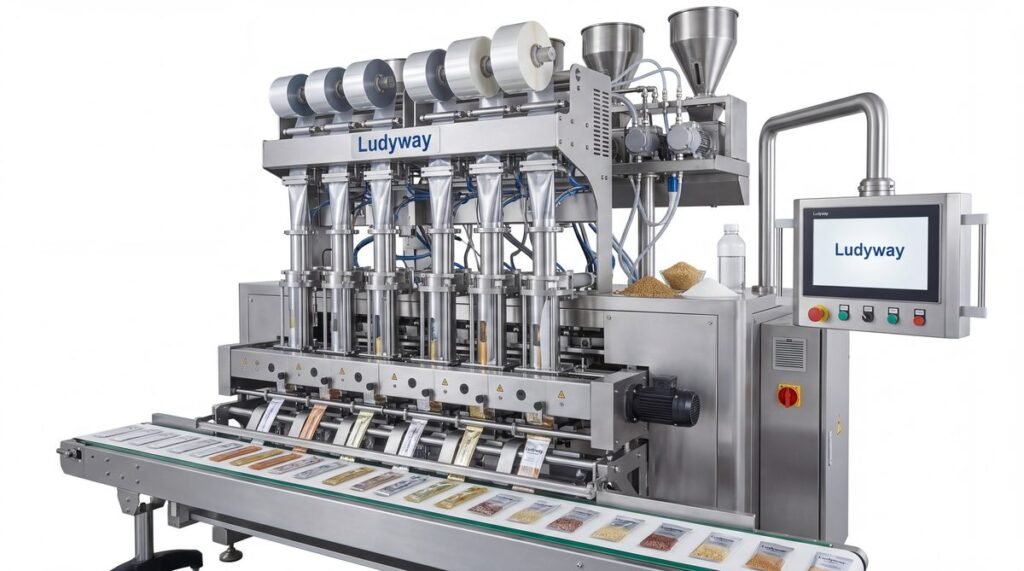
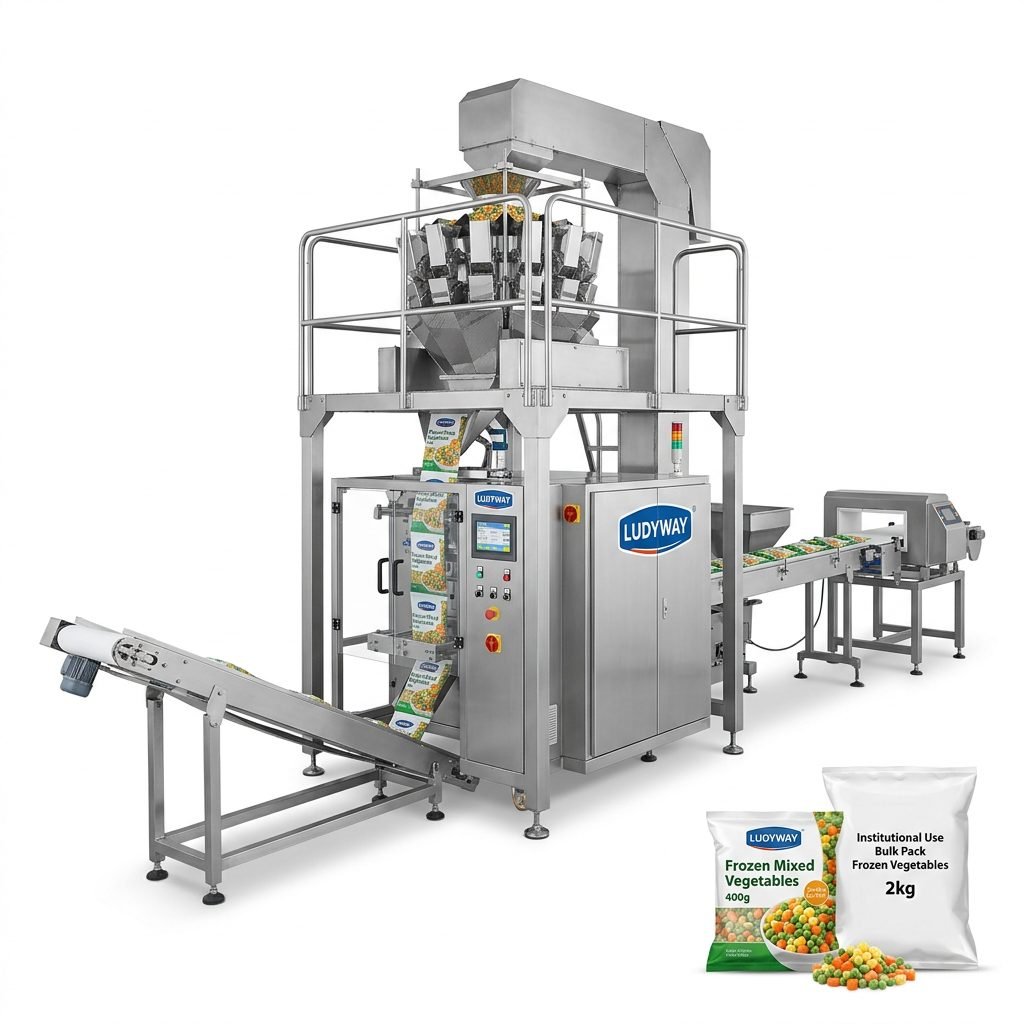
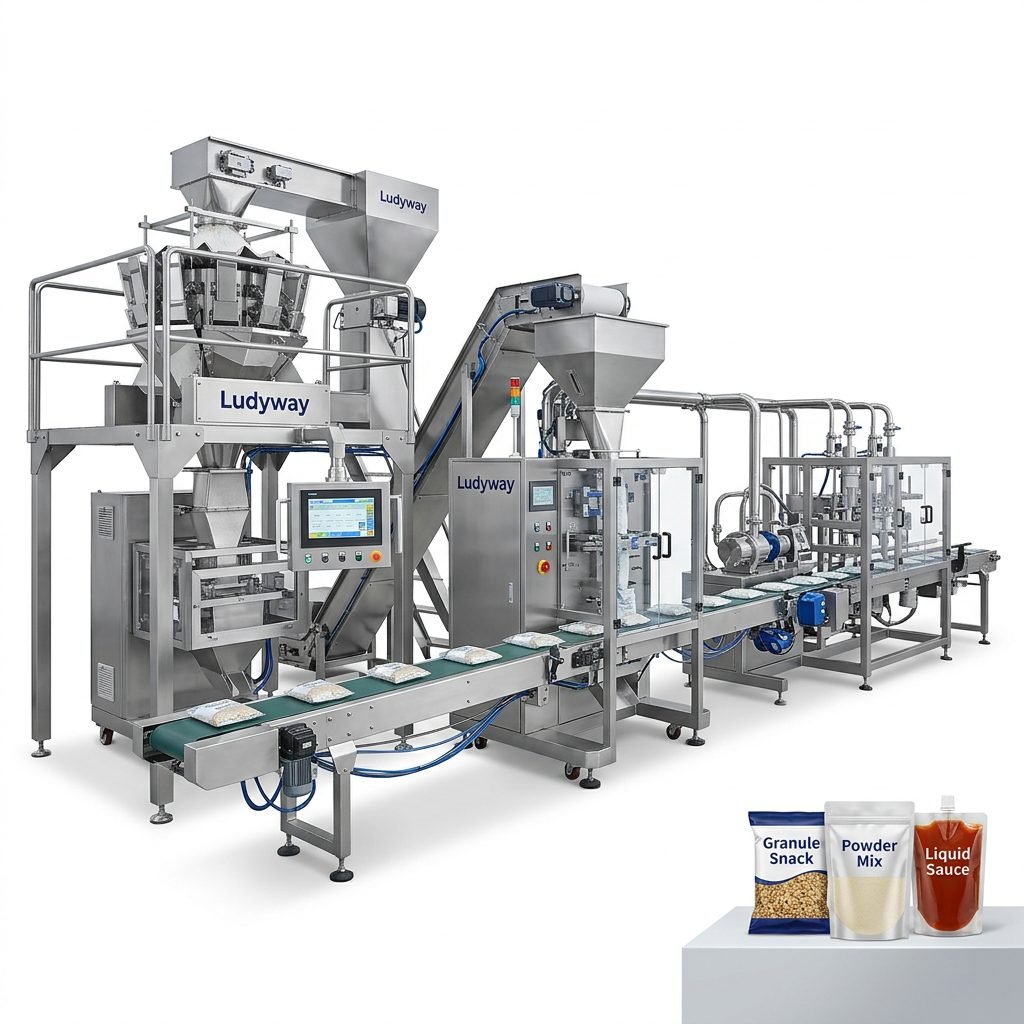
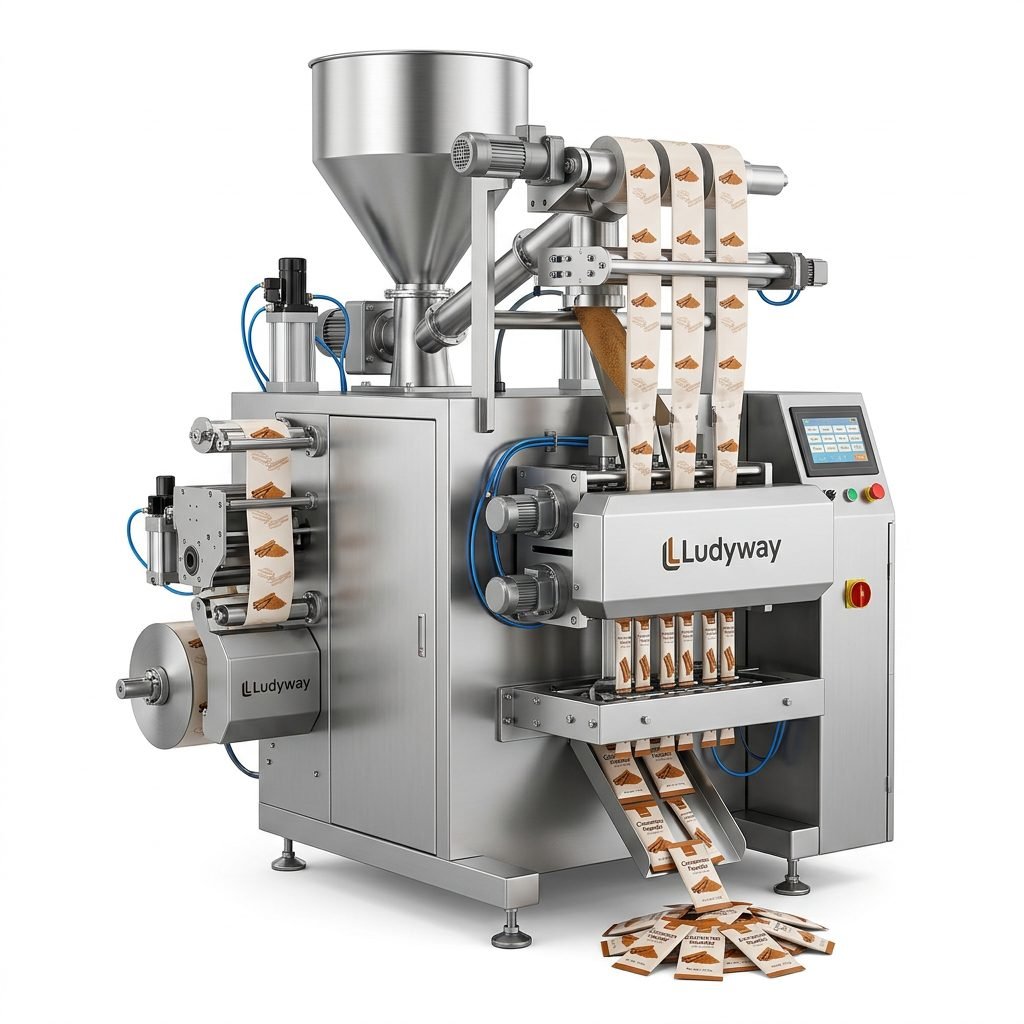
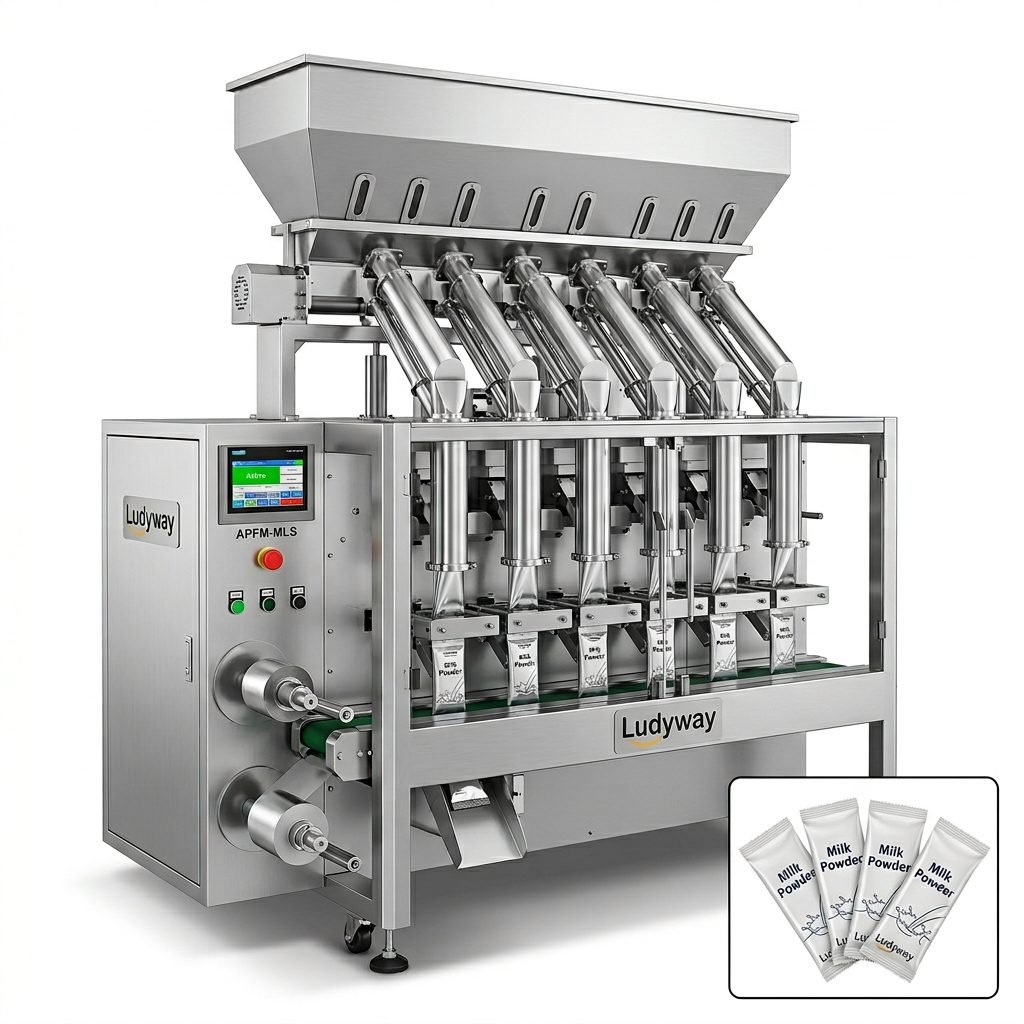
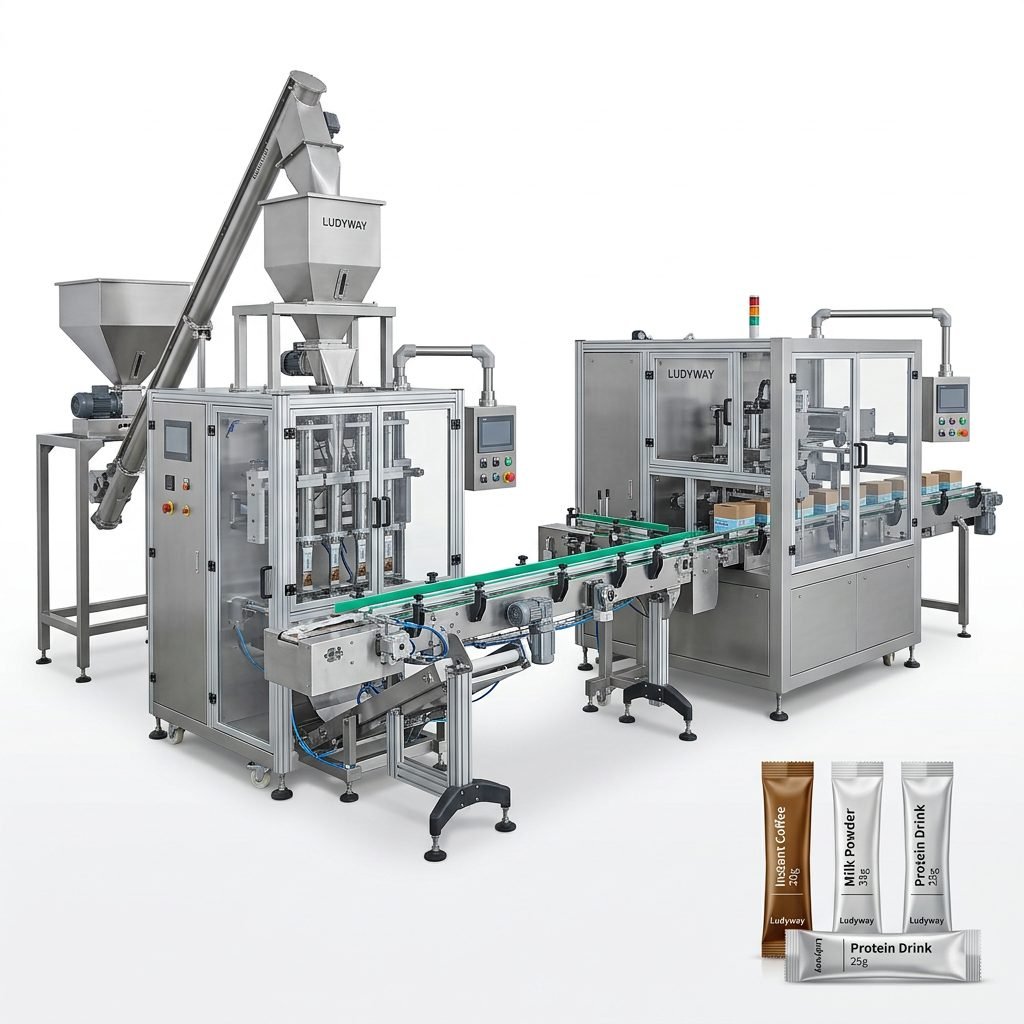
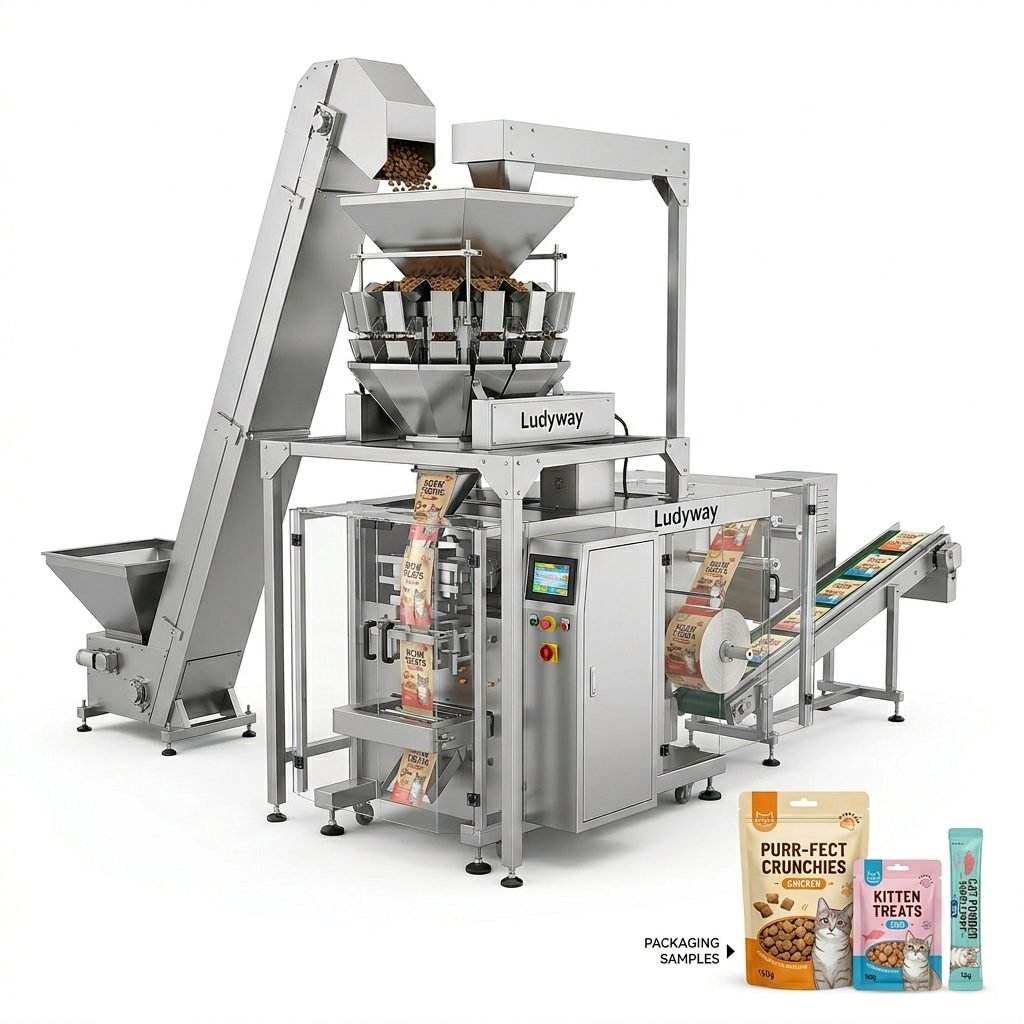
A valve bag packing machine is a high-efficiency system designed to fill powdered and granular materials into pre-made valve bags through a small filling port. It is widely used in industries that require clean, fast, and accurate bulk bagging, especially for products such as cement, mortar, gypsum, flour, starch, chemicals, minerals, feed additives, and fertilizer.
For manufacturers handling dusty, free-flowing, or semi-fluidized products, this type of machine offers a practical way to improve throughput, reduce material loss, and maintain a cleaner packaging environment. It is also a popular choice in automated bagging lines where weighing, conveying, sealing, palletizing, and inspection need to work together smoothly.
What Is a Valve Bag Packing Machine?
A valve bag packing machine fills product into a valve-type sack, which has a self-closing opening or sleeve on one corner or face of the bag. During operation, the machine inserts a filling nozzle into the valve opening and feeds material into the bag until the target weight is reached. Once the nozzle withdraws, the valve section can close naturally or be additionally sealed, depending on the bag design and product requirements.
Valve bags are especially suitable for fine powders and dry bulk products because they support fast filling while helping reduce dust leakage. Compared with many open-mouth bagging methods, they often provide better packaging neatness and line speed.
Common valve bag materials include:
- Paper valve bags
- PE valve bags
- PP woven valve bags
- Laminated multi-layer industrial bags
How Does a Valve Bag Packing Machine Work?
Although designs vary by product type and automation level, the basic working principle is straightforward. The machine meters material into the bag through a filling spout, monitors the weight, and completes the bagging cycle with minimal operator intervention.
Typical working process
- Bag positioning: The operator or automatic bag placer loads the empty valve bag onto the filling nozzle.
- Bag clamping: The spout or bag holder secures the bag to prevent movement during filling.
- Material feeding: Product enters the bag through impeller, auger, air-flow, gravity, or screw-based filling.
- Weighing control: The system monitors gross or net weight and adjusts feed speed for accuracy.
- Filling completion: When the target weight is reached, the flow stops automatically.
- Bag release: The nozzle retracts and the filled bag moves to downstream conveying.
- Bag sealing or settling: Depending on the bag type, the valve self-closes or enters a sealing/compacting station.
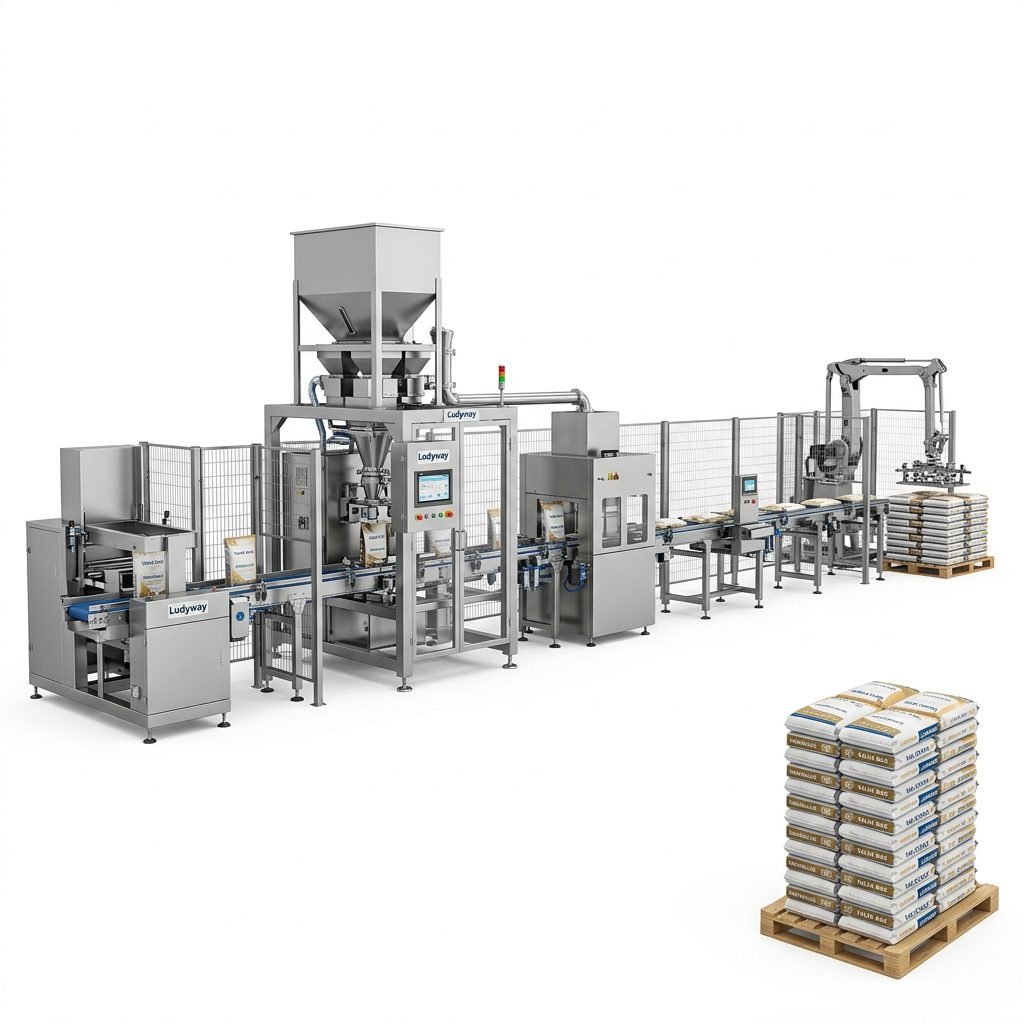
- End-of-line handling: Bags may proceed to checkweighing, metal detection, coding, robotic palletizing, and stretch wrapping.
| Step | Function | Main Benefit |
|---|---|---|
| Bag loading | Positions valve bag on nozzle | Stable filling start |
| Metered filling | Feeds product into bag | Fast and accurate dosing |
| Weight control | Measures target bag weight | Consistent package quality |
| Bag discharge | Transfers filled bag downstream | Supports automation |
Main Types of Valve Bag Packing Machines
Selecting the right machine depends on product behavior, bag specification, required speed, and factory layout. Different materials flow differently, so machine configuration matters.
1. Impeller valve bag packers
These are commonly used for dry, fine, aerated powders such as cement and mineral powder. They offer high filling speed and strong performance for materials that fluidize well.
2. Auger valve bag packers
Suitable for powders with poor flowability, these machines use a screw feeder for controlled dosing. They are often chosen for chemicals, food powders, and specialty materials.
3. Air packers
These systems use air pressure to move material into the bag and are often effective for ultra-fine powders. Dust control and smooth filling performance are key benefits.
4. Gravity valve bag fillers
Best for free-flowing granular materials, gravity fillers are simpler in structure and work well where product characteristics allow natural flow.
5. Semi-automatic and fully automatic systems
Semi-automatic machines require manual bag placement, while fully automatic lines integrate bag feeding, filling, conveying, palletizing, and wrapping for high-volume industrial production.
Key Components of a Valve Bag Packing System
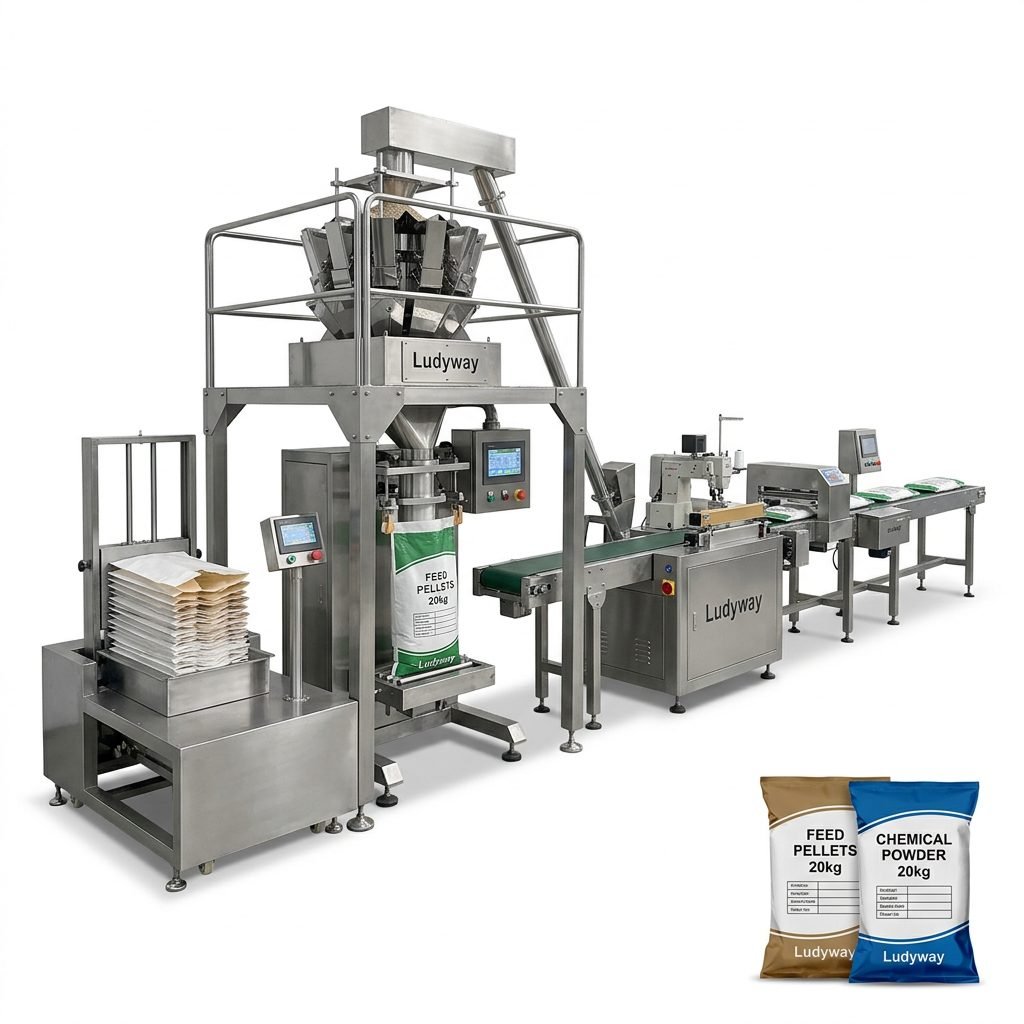
A complete valve bag line usually includes more than just the filling machine. The total system can be customized based on production goals and product properties.
- Material feeding equipment such as screw conveyors, elevators, or hoppers
- Weighing unit for net or gross weight measurement
- Filling nozzle and clamping assembly
- Dust collection device for cleaner operation
- Bag flattening or bag settling equipment
- Conveyor systems for downstream transfer
- Bag sealing unit if required by the bag structure
- Checkweigher and inspection systems
- Robotic palletizer and wrapping machine
Benefits of Using a Valve Bag Packing Machine
The reason valve bagging is widely adopted is simple: it helps industrial plants improve packaging efficiency while controlling dust and maintaining bag appearance.
High-speed filling
Valve bags are designed for rapid insertion and discharge, which makes them ideal for medium- to high-output production lines.
Better dust control
Because the filling point is concentrated at the valve opening, dust release can be reduced significantly, especially when paired with proper extraction and sealing systems.
Accurate bag weights
Modern weighing controllers help maintain filling consistency, reducing giveaway and supporting product quality compliance.
Lower labor dependence
Automatic or semi-automatic designs reduce manual handling and can improve workplace safety in powder packaging environments.
Cleaner bag appearance
Valve bags typically present a neat, compact look that works well for stacking, transport, and warehouse management.
Scalable production
Manufacturers can start with a basic bagging machine and later integrate palletizing, coding, inspection, and wrapping to build a full turnkey line.
| Benefit | Why It Matters |
|---|---|
| Fast filling speed | Supports high daily output |
| Dust reduction | Improves workplace cleanliness and product loss control |
| Accurate weighing | Helps reduce overfill and inconsistency |
| Automation compatibility | Enables full packaging line integration |
Industries and Applications
Valve bag packing equipment is used across many sectors that handle dry bulk materials. It is especially effective where product dustiness, line speed, and stackable bag quality are important.
Typical application areas
- Cement and dry mortar
- Plaster, gypsum, lime, and building materials
- Flour, starch, premixes, and food powders
- Chemical powders and additives
- Mineral powders and industrial fillers
- Fertilizer and agricultural materials
- Animal feed, feed additives, and nutrition products
- Detergent powders and household chemical products
How to Choose the Right Valve Bag Packing Machine
Choosing the right machine is not only about speed. The most suitable configuration should match your product characteristics and long-term production goals.
Important selection factors
- Material type: powder, granule, fine mineral, food ingredient, chemical blend
- Flow behavior: free-flowing, sticky, ultra-fine, abrasive, aerated
- Bag weight range: for example 10kg, 20kg, 25kg, or 50kg
- Target output: bags per hour required now and in future expansion
- Bag material: paper, woven PP, PE, multilayer composite
- Accuracy requirement: based on product cost and compliance needs
- Dust control standard: especially important for chemicals and fine powders
- Available plant space: including upstream feeding and downstream palletizing
- Automation level: manual loading, semi-auto, or full automatic line
Valve Bag Packing Machine vs Open Mouth Bagging Machine
Both systems have their place in industrial packaging. The right choice depends on bag style, product type, and production strategy.
| Feature | Valve Bag Packing Machine | Open Mouth Bagging Machine |
|---|---|---|
| Bag type | Valve bags | Open mouth bags |
| Dust control | Usually better for fine powders | Depends more on sealing setup |
| Bag appearance | Compact and neat | Flexible but often requires more sealing steps |
| Application focus | Powders and dry bulk materials | Broader bag styles and material types |
Maintenance Tips for Long-Term Performance
Routine maintenance is essential for stable filling accuracy and machine longevity. Even a robust system can lose performance if dust buildup, worn seals, or feeder wear are ignored.
- Inspect the filling nozzle and clamping parts regularly
- Clean dust-prone areas and keep extraction systems functioning properly
- Calibrate weighing components according to production schedule
- Check screw feeders, impellers, and bearings for wear
- Verify conveyor alignment and discharge smoothness
- Monitor PLC and sensor response for abnormal deviations
- Use spare parts matched to the original machine design
Why Turnkey Integration Matters
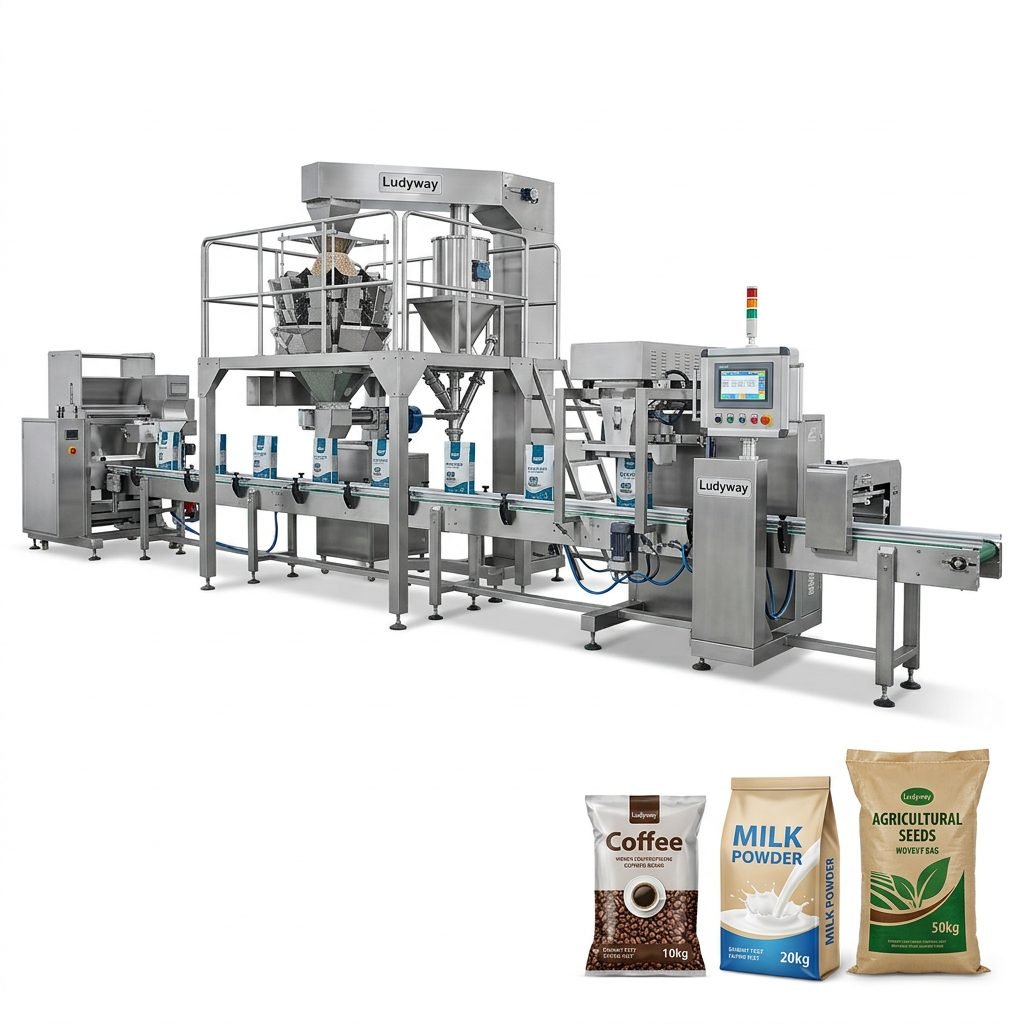
A standalone packing machine can solve one part of the process, but a turnkey valve bag packaging line delivers better overall productivity. When feeding, weighing, bagging, conveying, palletizing, and wrapping are engineered as one system, factories usually benefit from smoother material flow, lower labor input, and easier production management.
For manufacturers planning new projects or line upgrades, working with an experienced packaging equipment supplier is valuable. Ludyway valve bag packaging solutions can be considered by businesses seeking scalable machinery, customized integration, and long-term support across industrial packaging applications.
Frequently Asked Questions
Can a valve bag packing machine handle both powder and granules?
Yes, but the filling method must match the material. Powders often require auger, impeller, or air-filling systems, while free-flowing granules may use gravity-based feeding.
What bag sizes are commonly supported?
Common industrial bag sizes include 10kg, 20kg, 25kg, and 50kg, though custom ranges are also possible depending on machine design.
Is automatic bag placement available?
Yes. Higher-level systems can include automatic bag feeding, robotic handling, and fully integrated palletizing for continuous production.
Do valve bags need sealing after filling?
Some valve bags self-close, while others may require ultrasonic sealing, heat sealing, or external closure depending on the product and transport requirements.
Final Considerations
A valve bag packing machine is an excellent choice for companies that need fast, accurate, and clean bagging of powders or granular products. With the right filling technology and line integration, it can improve operational efficiency, reduce dust, enhance bag quality, and support long-term automation goals.
Whether your factory packages construction materials, food powders, chemicals, fertilizers, or feed products, selecting the right valve bag system starts with understanding your material behavior, bag structure, and production targets. A well-matched solution can make a major difference in packaging consistency and overall plant performance.