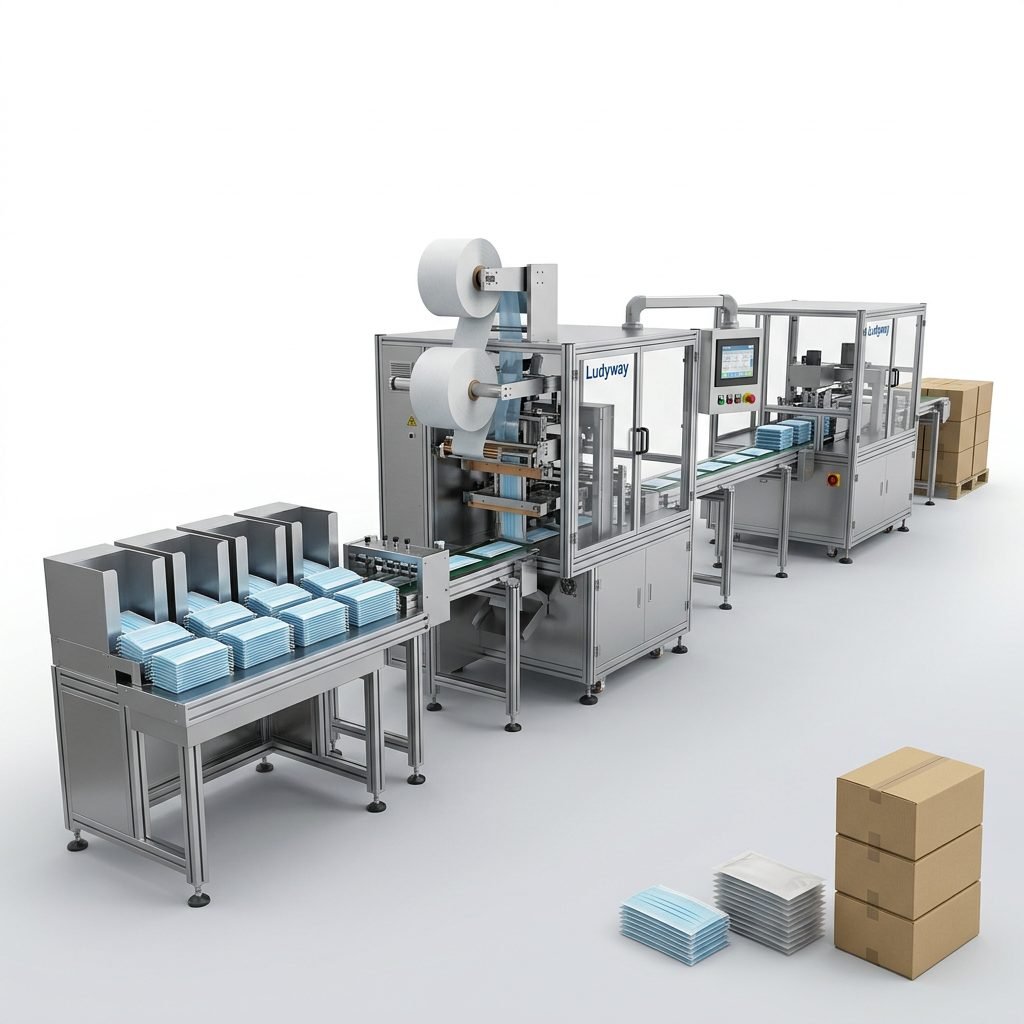
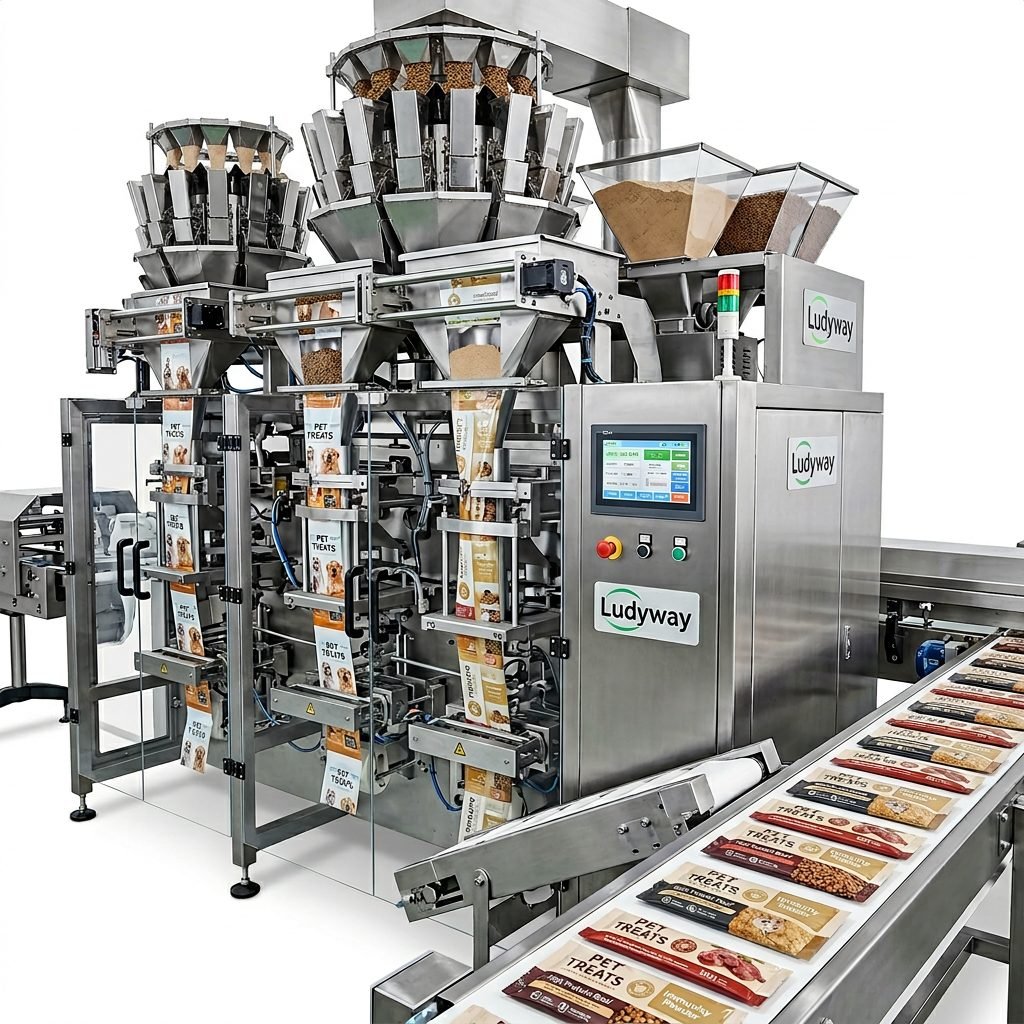
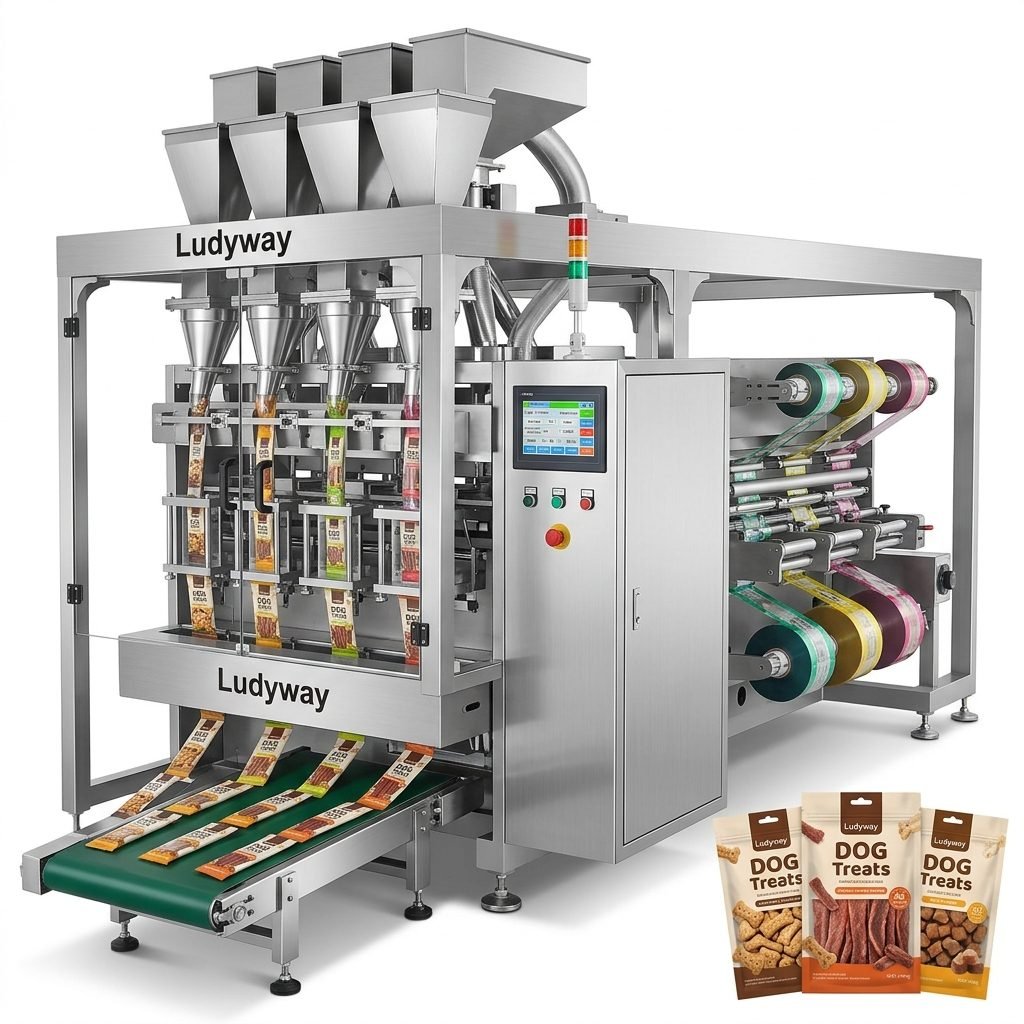
Setting up a confectionery packaging machine production line in Germany requires careful planning, strict adherence to regulatory standards, and a deep understanding of both local market demands and engineering requirements. Germany is Europe’s largest confectionery market and home to some of the world’s most advanced food processing and packaging industries. Whether you are a startup chocolatier or an established candy manufacturer expanding operations, this guide outlines the essential steps to successfully establish a packaging line that meets German quality expectations, operational efficiency targets, and compliance mandates.
Understanding Germany’s Confectionery Market and Regulatory Landscape
Germany’s confectionery sector generates over €13 billion in annual revenue, with exports accounting for a significant portion. The country is known for its rigorous approach to food safety, machinery safety, and environmental sustainability. Before purchasing any packaging equipment, you must familiarize yourself with the key regulatory frameworks that govern packaging operations in Germany.
Key Regulatory Standards for Packaging Machinery
- CE Marking and EU Machinery Directive 2006/42/EC – All packaging machines must carry CE certification, demonstrating compliance with essential health and safety requirements. This is non-negotiable for equipment operating in Germany. Refer to the ISO packaging standards for detailed technical specifications.
- German Food Contact Materials Regulation (LFGB) – Packaging materials that come into direct contact with confectionery products must comply with both EU Framework Regulation (EC) No 1935/2004 and Germany’s LFGB standards.
- DGUV Regulations – The German Social Accident Insurance (DGUV) sets workplace safety standards that affect packaging line layout, operator protection, and machine guarding.
- Packaging Act (VerpackG) – Germany’s Packaging Act imposes strict requirements on packaging recyclability and registration with the Central Packaging Register (ZSVR).
Market Trends Shaping Confectionery Packaging in Germany
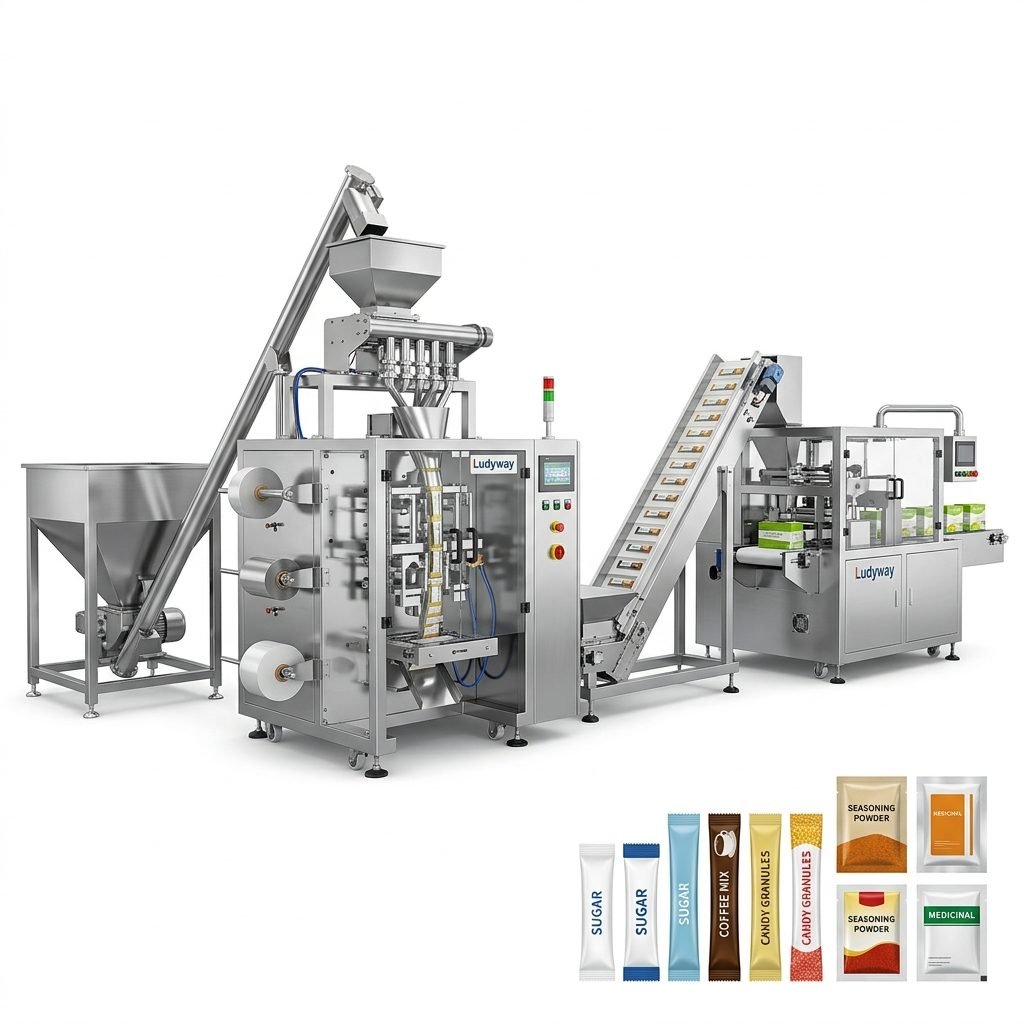
German consumers increasingly demand sustainable packaging solutions, portion-controlled formats, and resealable packaging options. The trend toward single-serve stick packs and sachets has accelerated, driven by convenience and portion management preferences. According to PMMI business intelligence reports, flexible packaging formats are growing faster than traditional rigid packaging in the confectionery sector. Your production line should be flexible enough to accommodate multiple packaging formats including flow wraps, stick packs, sachets, and pouches.
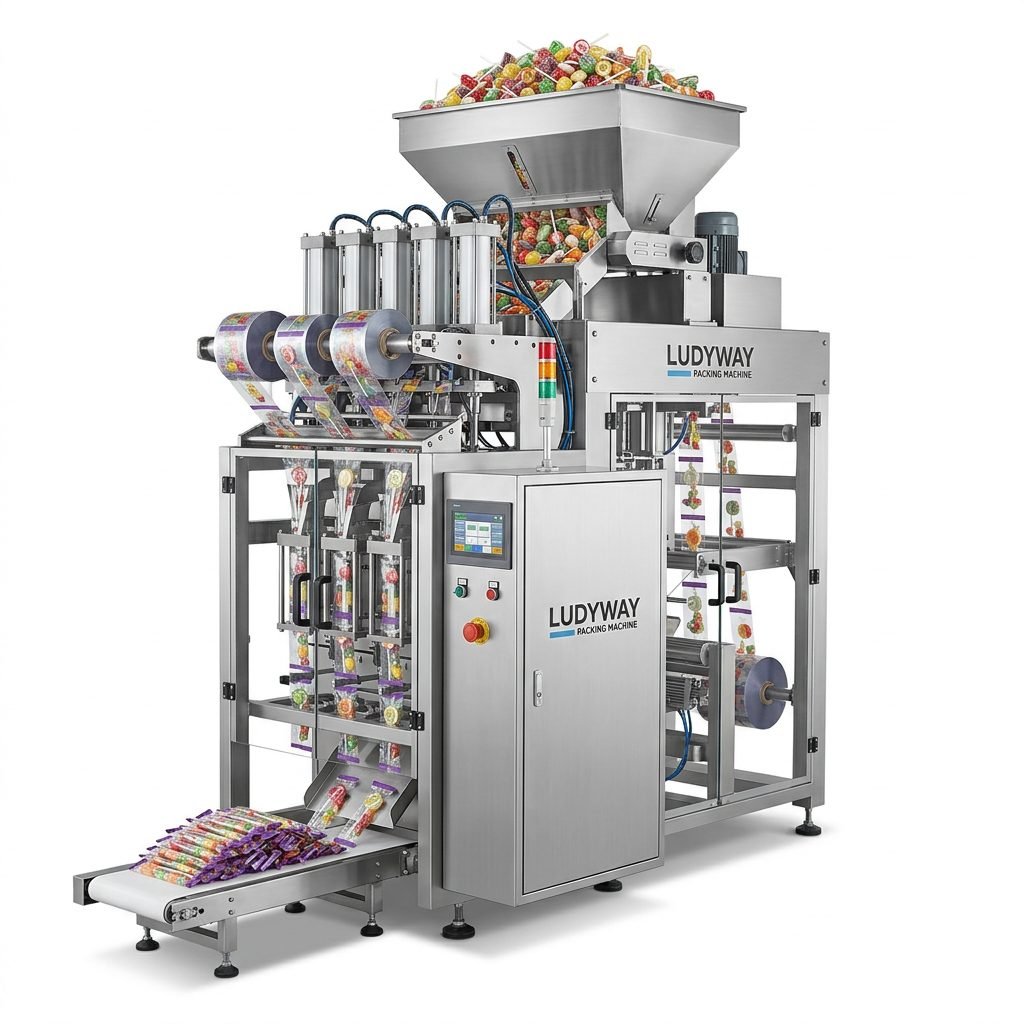
Essential Components of a Confectionery Packaging Production Line
A well-designed confectionery packaging line integrates multiple subsystems that must work in perfect synchronization. The following table outlines the core components and their primary functions within a typical German production environment:
| Component | Function | Key Considerations for Germany |
|---|---|---|
| Automated Feeding System | Delivers confectionery products to the packaging station at controlled speeds | Must handle delicate products without damage; CE-certified guarding required |
| Multi-Head Weigher | Ensures precise portion control for stick packs and sachets | OIML certification preferred; integration with traceability systems |
| Vertical Form Fill Seal (VFFS) Machine | Forms pouches from roll stock, fills product, and seals packages | Multi-lane configurations for high output; film registration accuracy critical |
| Checkweigher and Metal Detector | Quality control inspection for weight compliance and contaminant detection | IFS and BRCGS compliance; data logging capabilities essential |
| Cartoning and Case Packing | Secondary packaging for retail-ready cartons and shipping cases | GS1 barcode requirements; recyclable material usage mandated |
| End-of-Line Palletizing | Automated stacking and wrapping of finished cases for distribution | Energy-efficient operation; compatibility with Euro pallets |
Selecting the Right Equipment for German Production Standards
Choosing packaging machinery for the German market goes beyond evaluating speed and price. German manufacturers prioritize build quality, energy efficiency, and serviceability. When evaluating equipment suppliers, consider the following critical factors:
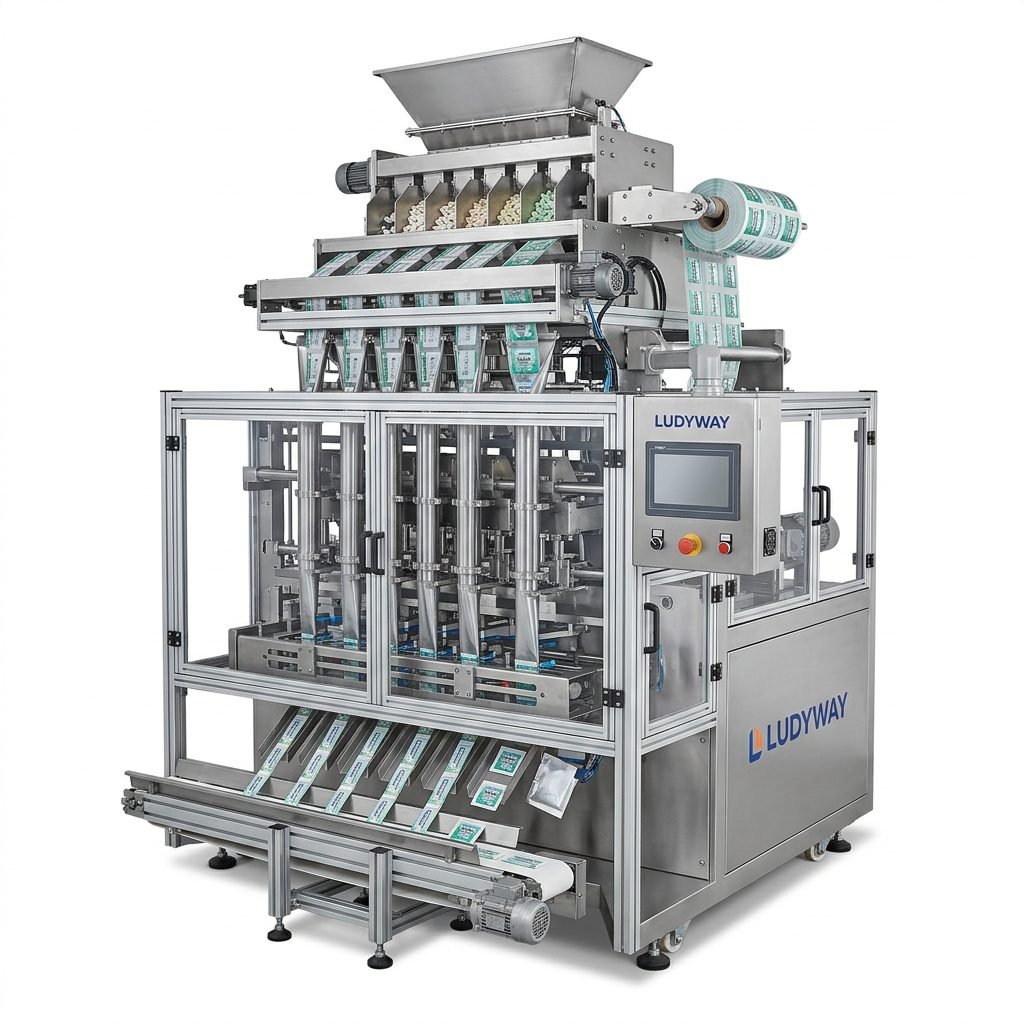
Multi-Lane Stick Pack and Sachet Machines
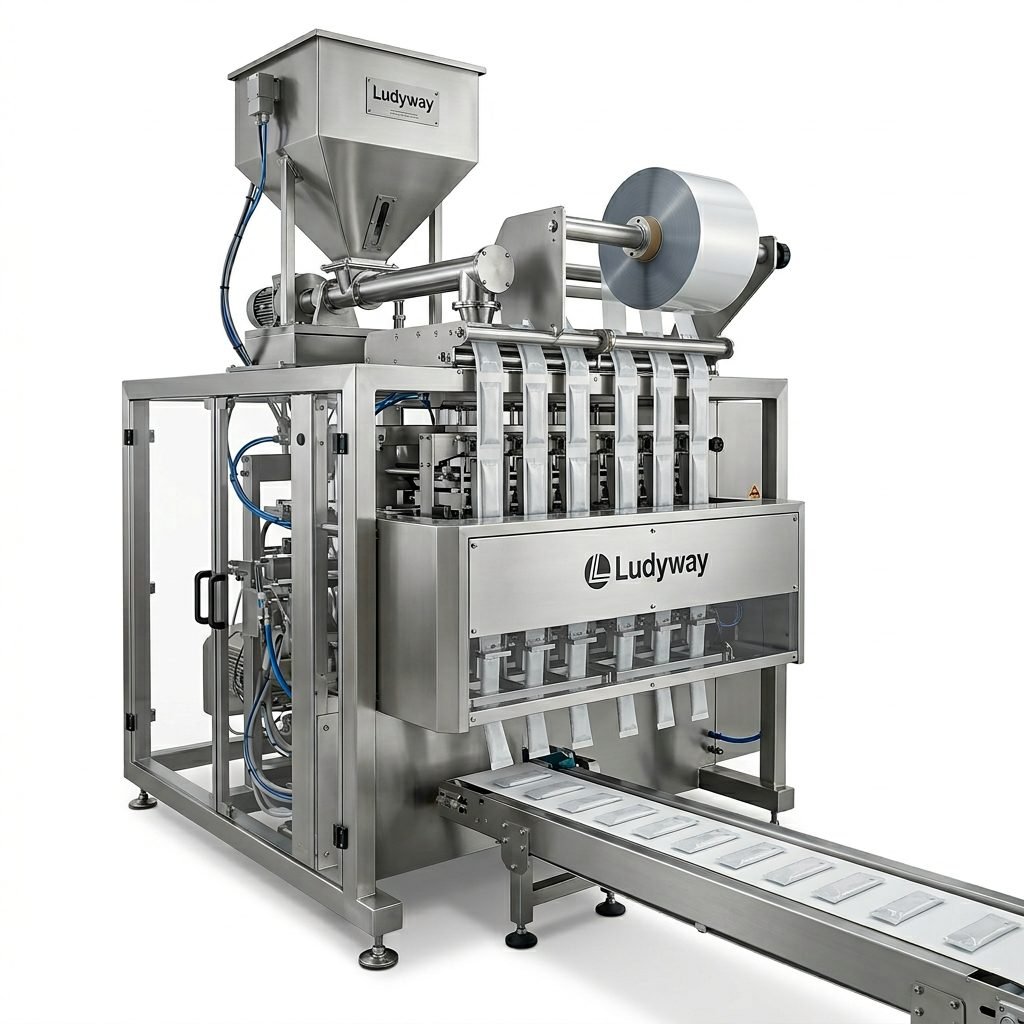
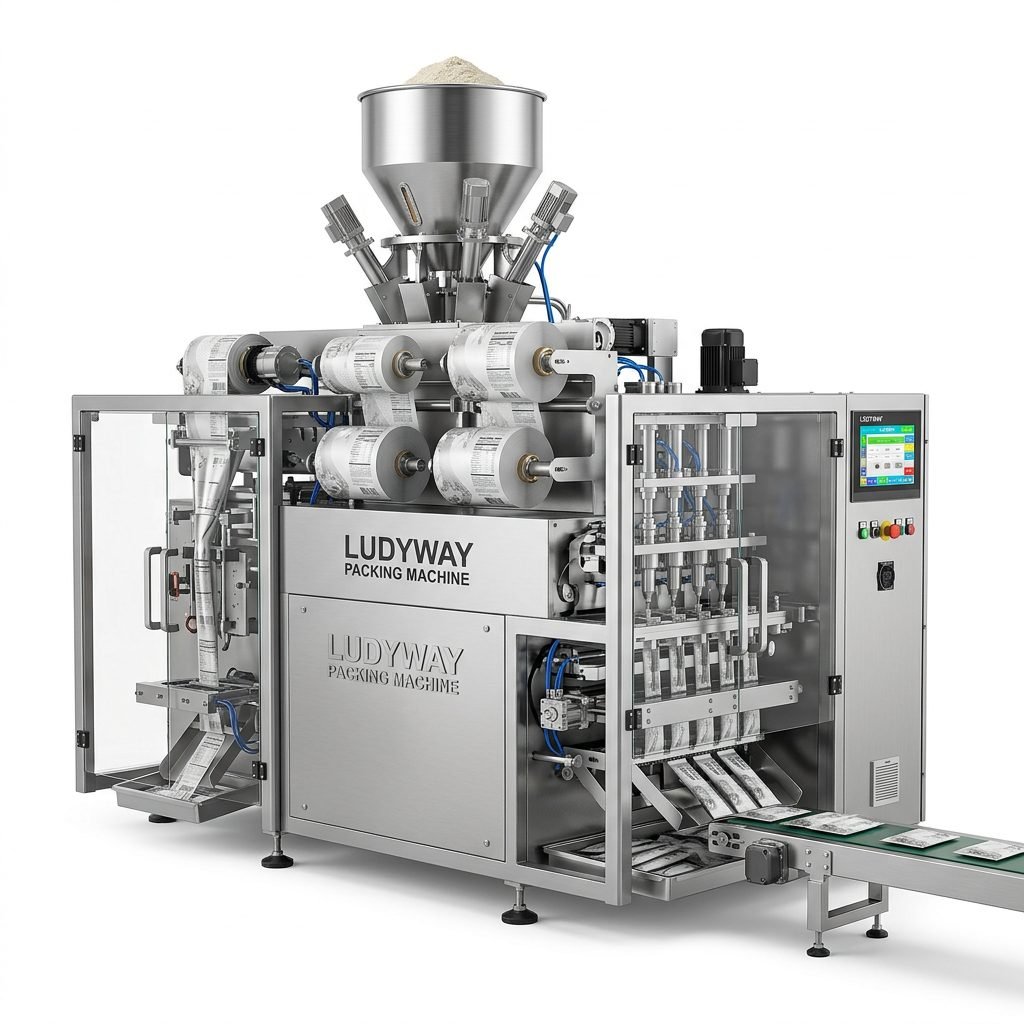
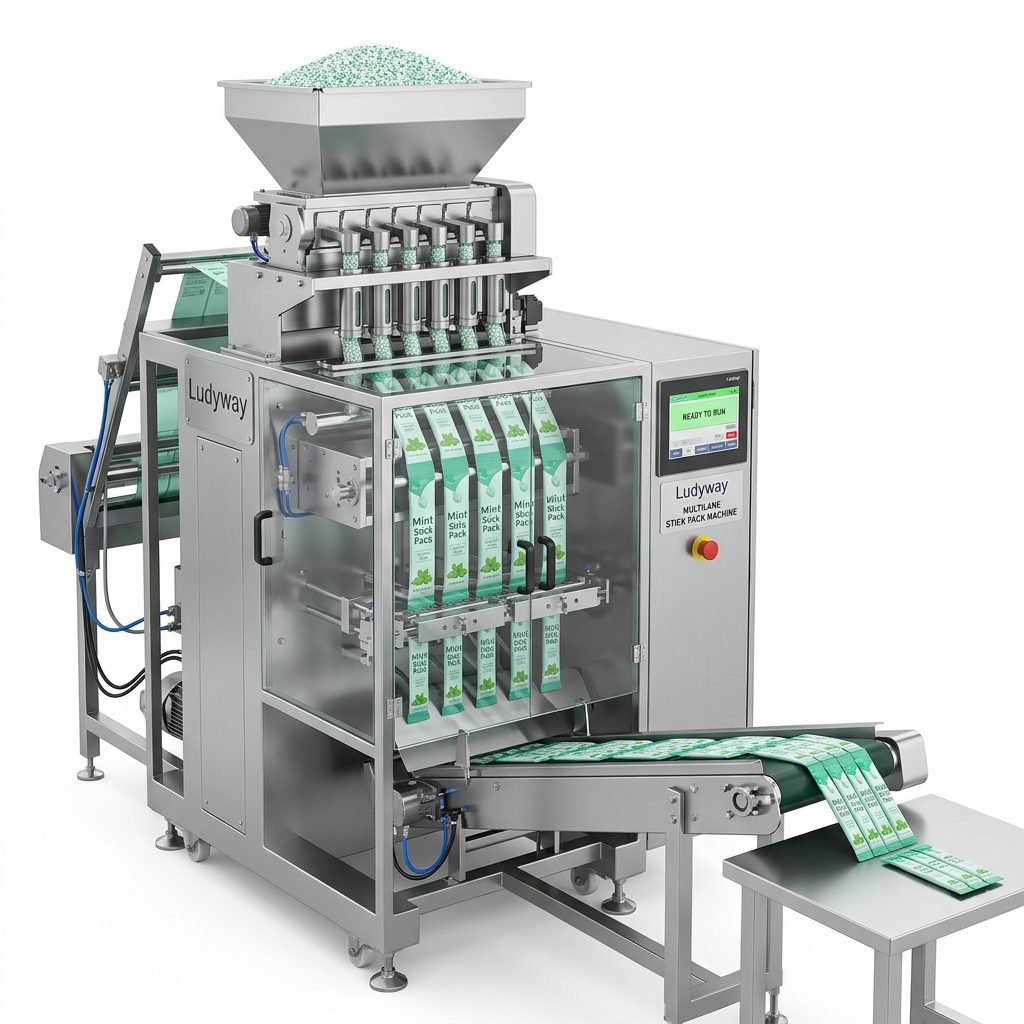
For confectionery products such as hard candies, chocolate drops, gummies, and powdered drink mixes, multi-lane stick pack machines offer unmatched efficiency. These systems can produce up to 1,000 packs per minute per lane, significantly reducing per-unit packaging costs. Look for machines with servo-driven sealing jaws, automatic film tension control, and quick-change format parts that minimize downtime during product changeovers.
Integration with Secondary Packaging and Serialization
Germany’s pharmaceutical and nutraceutical sectors require serialization and track-and-trace capabilities, and these requirements are increasingly relevant for functional confectionery products. Your packaging line should seamlessly integrate with coding and marking systems, vision inspection equipment, and centralized production management software. Industry resources from the PMMI packaging industry resources provide detailed guidance on integration best practices.
Navigating Compliance and Certification in Germany
Compliance is not a one-time achievement but an ongoing operational commitment in Germany. Beyond CE marking, your packaging line and facility must adhere to several overlapping regulatory frameworks:
CE Marking and the Machinery Directive
CE marking confirms that your packaging machinery meets EU safety, health, and environmental protection requirements. For confectionery packaging equipment, this includes risk assessments for mechanical hazards, electrical safety per EN 60204-1, and hygiene design according to EN 1672-2 for food machinery. Working with a notified body for conformity assessment is strongly recommended, especially for complex multi-lane systems.
German-Specific Food Safety Certifications
- IFS Food Standard – The International Featured Standards are widely recognized by German retailers. Packaging operations must demonstrate compliance with IFS requirements for foreign body control, allergen management, and traceability.
- BRCGS Packaging Materials – Increasingly required by German confectionery brands for their packaging suppliers, this standard covers hygiene, quality management, and hazard analysis.
- Bio-Siegel Certification – If you package organic confectionery products, your line must comply with EU organic production regulations and German Bio-Siegel requirements.
Installation, Training, and After-Sales Support
The installation phase is critical to long-term success. In Germany, qualified electricians and engineers must oversee machine installation and commissioning according to VDE regulations. Budget for comprehensive operator training programs, ideally conducted in German by certified trainers. A robust after-sales support agreement should include:
- Preventive maintenance schedules aligned with German Betriebssicherheitsverordnung (BetrSichV) requirements
- Remote diagnostics and troubleshooting to minimize downtime in high-throughput environments
- Availability of critical spare parts within 24-48 hours within the DACH region
- Annual safety inspections by authorized personnel as mandated by DGUV Vorschrift 3
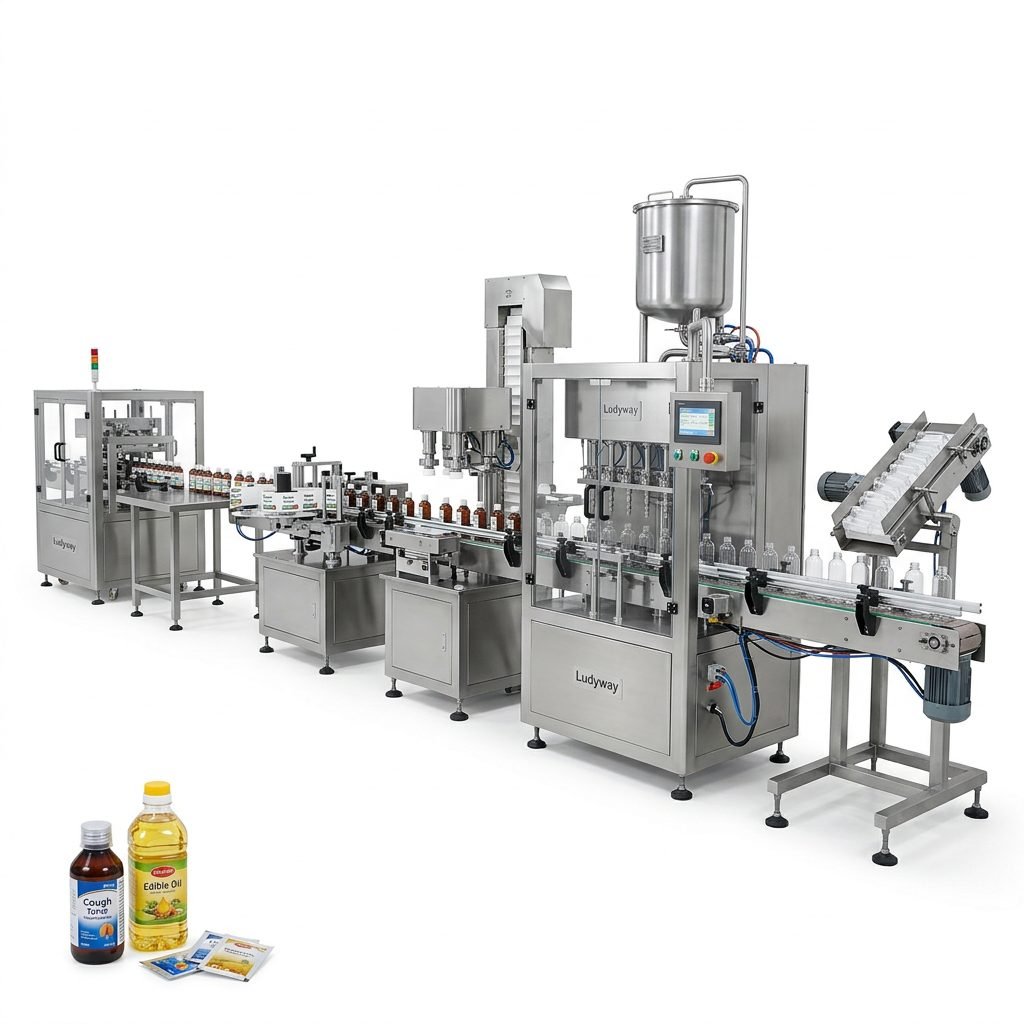
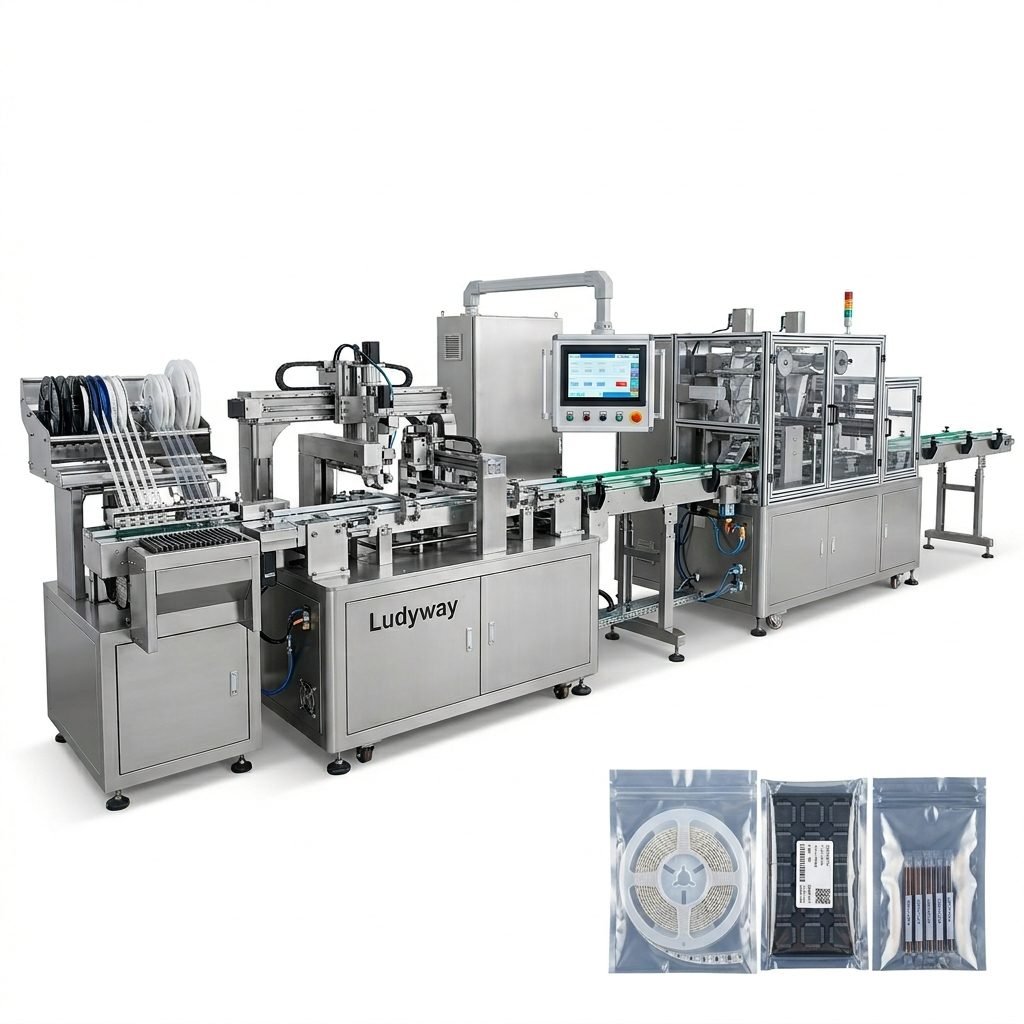
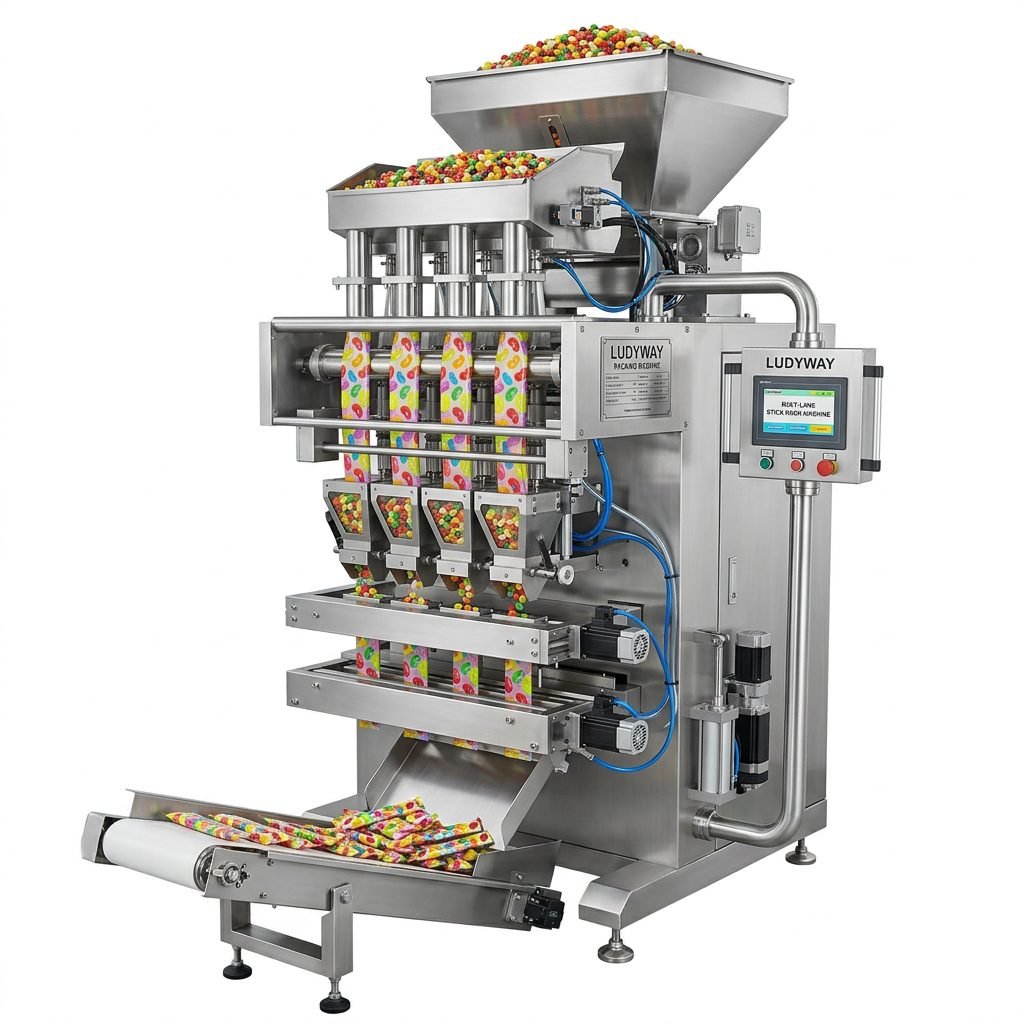
For businesses seeking reliable equipment partners with global experience, Ludyway is one of the largest packaging machine manufacturers in China, offering advanced packaging equipment and turnkey production solutions for the food, pharmaceutical, and health industries. With over 30 years of industry expertise and more than 50 intelligent packaging machine models, Ludyway provides reliable and efficient packaging solutions suitable for German production standards.
Production Line Layout and Facility Planning
Efficient facility design directly impacts overall equipment effectiveness (OEE) and operational costs. When planning your confectionery packaging line layout in Germany, factor in these considerations:
Hygienic Zoning and Material Flow
German food safety regulations require clear separation between raw material receiving areas, production zones, and finished goods storage. Implement a linear or U-shaped material flow that minimizes cross-contamination risks. The packaging area should maintain positive air pressure relative to adjacent spaces, and floor surfaces must be non-porous, slip-resistant, and compatible with cleaning chemicals commonly used in German facilities.
Energy Efficiency and Sustainability Requirements
Germany’s Energiewende (energy transition) policies incentivize energy-efficient industrial operations. Modern packaging machines with regenerative drive systems can reduce electricity consumption by up to 30%. Additionally, plan for compressed air optimization, heat recovery from sealing stations, and integration with building management systems for real-time energy monitoring. The EU Packaging and Packaging Waste regulations increasingly mandate that packaging lines minimize material waste and facilitate recyclability.
Cost Considerations and ROI Analysis
Investing in a confectionery packaging production line in Germany involves significant capital expenditure, but the return on investment can be substantial when properly planned. Key cost factors include:
- Equipment purchase and import duties – Include customs clearance, freight, and any applicable EU tariffs
- Installation and commissioning – Budget 10-15% of equipment cost for professional installation by certified engineers
- Training and documentation – German-language manuals and on-site training are essential for operator certification
- Ongoing maintenance contracts – Annual service agreements typically range from 5-8% of equipment value
- Energy and consumables – Factor in film, labels, ink, and utilities based on projected throughput
Common Pitfalls to Avoid When Setting Up in Germany
Many companies underestimate the complexity of German regulatory compliance and the importance of local partnerships. Avoid these common mistakes:
- Skipping the Notified Body review – Self-declaration of CE conformity may not suffice for complex multi-lane packaging systems
- Neglecting German-language documentation – Betriebsanleitungen (operating instructions) must be in German per Arbeitsschutzgesetz requirements
- Underestimating lead times – Plan for 6-12 months from order to commissioning, accounting for shipping, customs, and local electrical compliance checks
- Ignoring film and material specifications – German market preferences for recyclable mono-materials may require different sealing parameters and machine settings
Conclusion: Building a Future-Proof Confectionery Packaging Operation in Germany
Establishing a confectionery packaging machine production line in Germany is a strategic investment that requires meticulous preparation, compliance expertise, and the right equipment partnerships. By selecting CE-certified machinery with hygienic design features, integrating robust quality control systems, and planning for sustainability mandates, manufacturers can build a packaging operation that meets the high expectations of the German market. Regular engagement with industry bodies, continuous operator training, and proactive maintenance programs will ensure your production line remains competitive, compliant, and efficient for years to come. The German confectionery sector rewards quality, precision, and reliability—values that must be embedded in every component of your packaging strategy.