Establishing a cookie packaging machine production line in Asia requires a strategic blend of market understanding, equipment selection, regulatory compliance, and operational planning. This guide provides a comprehensive, step-by-step approach to building a successful, automated packaging operation tailored to the dynamic Asian market.
1. Understanding the Asian Cookie Market Landscape
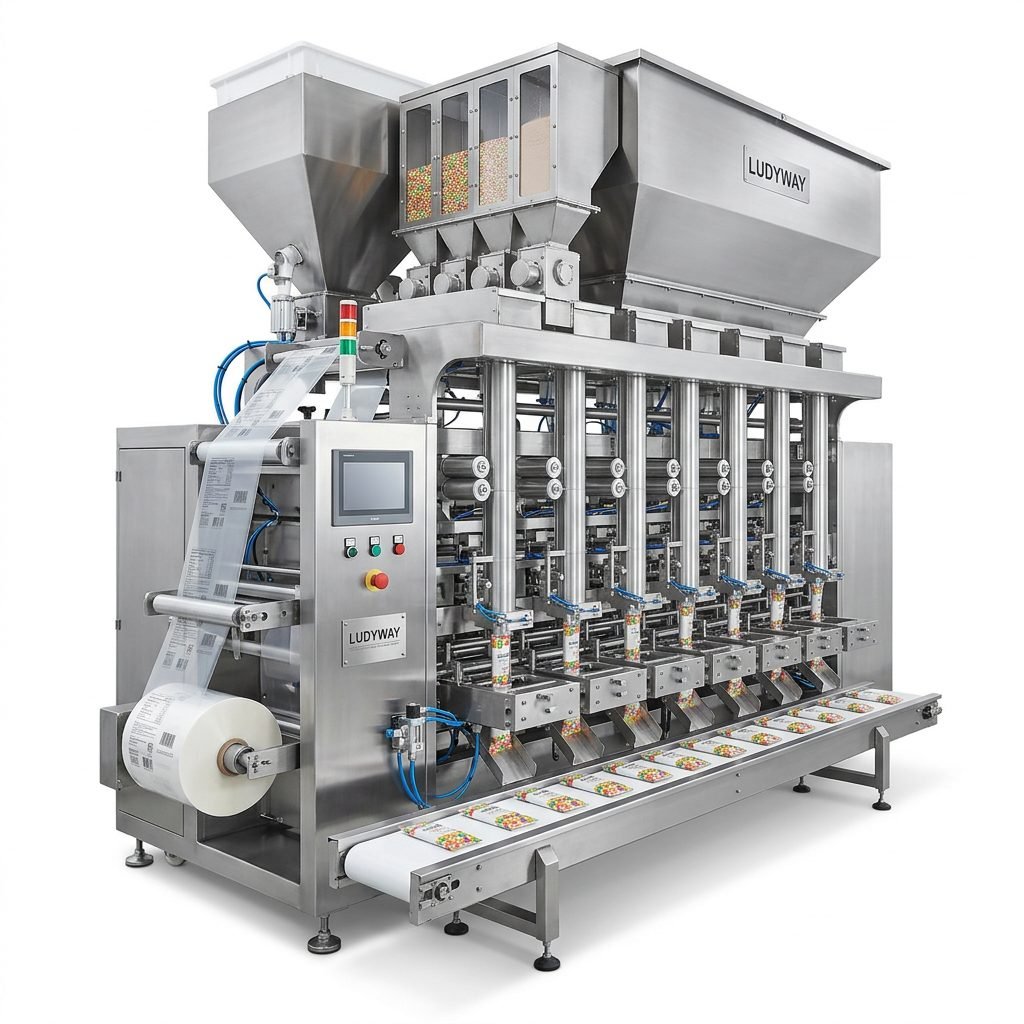
Before procuring any machinery, it is crucial to analyze regional market trends. The Asian snack food sector is booming, driven by rising disposable incomes and a shift towards convenient, packaged goods. Understanding local consumer flavor preferences, such as matcha, red bean, or pandan, influences the type of cookie product you will run on your line. Market research will dictate the packaging format most likely to succeed, whether it’s multi-lane stick packs, pillow bags, or rigid trays. Your production line must be flexible enough to accommodate varying bag sizes and materials to capture market share effectively.
2. Defining Your Product and Packaging Specifications
The physical characteristics of your cookie—whether it’s a delicate sandwich cookie, a hard biscuit, or a soft-baked treat—dictate the primary packaging equipment required. Key parameters include:
- Fragility and breakage risk: Determines the need for gentle product handling and feeding systems.
- Packaging format: Sachet, pillow pouch, gusseted bag, or canister filling.
- Production speed: Required packs per minute to meet market demand forecasts.
- Film material: Metallized BOPP, CPP, or paper-based laminates, which affects sealing temperature and jaw design.
Clearly defining these specifications ensures that the vertical form fill seal (VFFS) machine or horizontal flow wrapper you select is perfectly matched to your product, preventing costly system modifications later.
3. Core Equipment for a Cookie Packaging Line
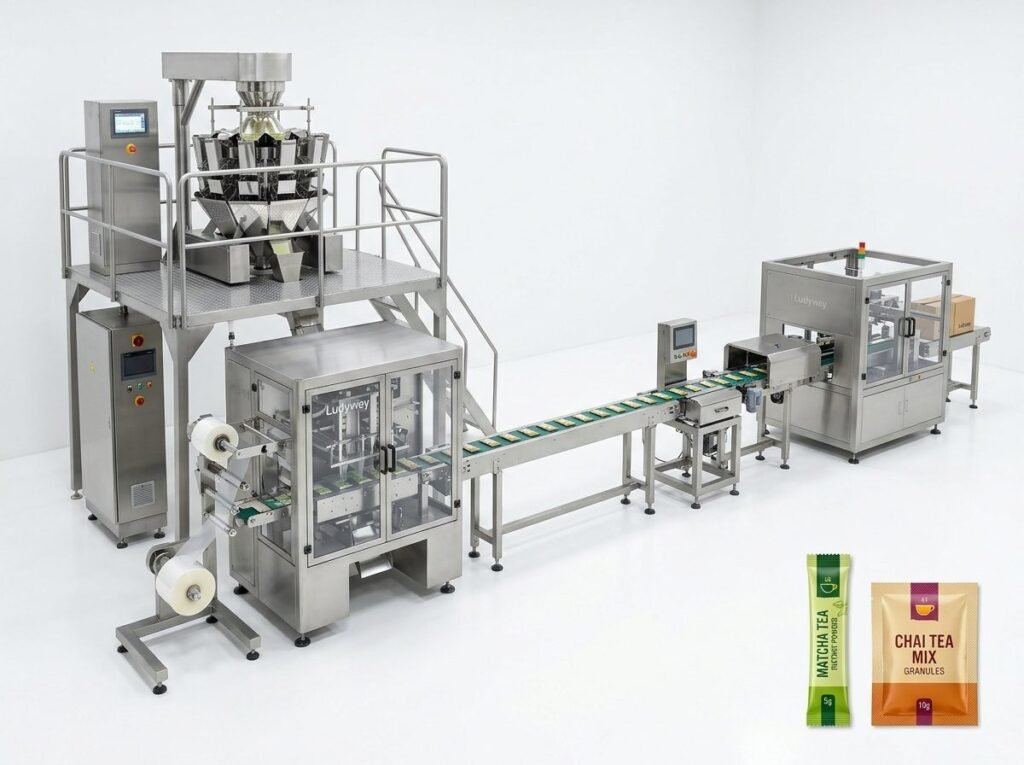
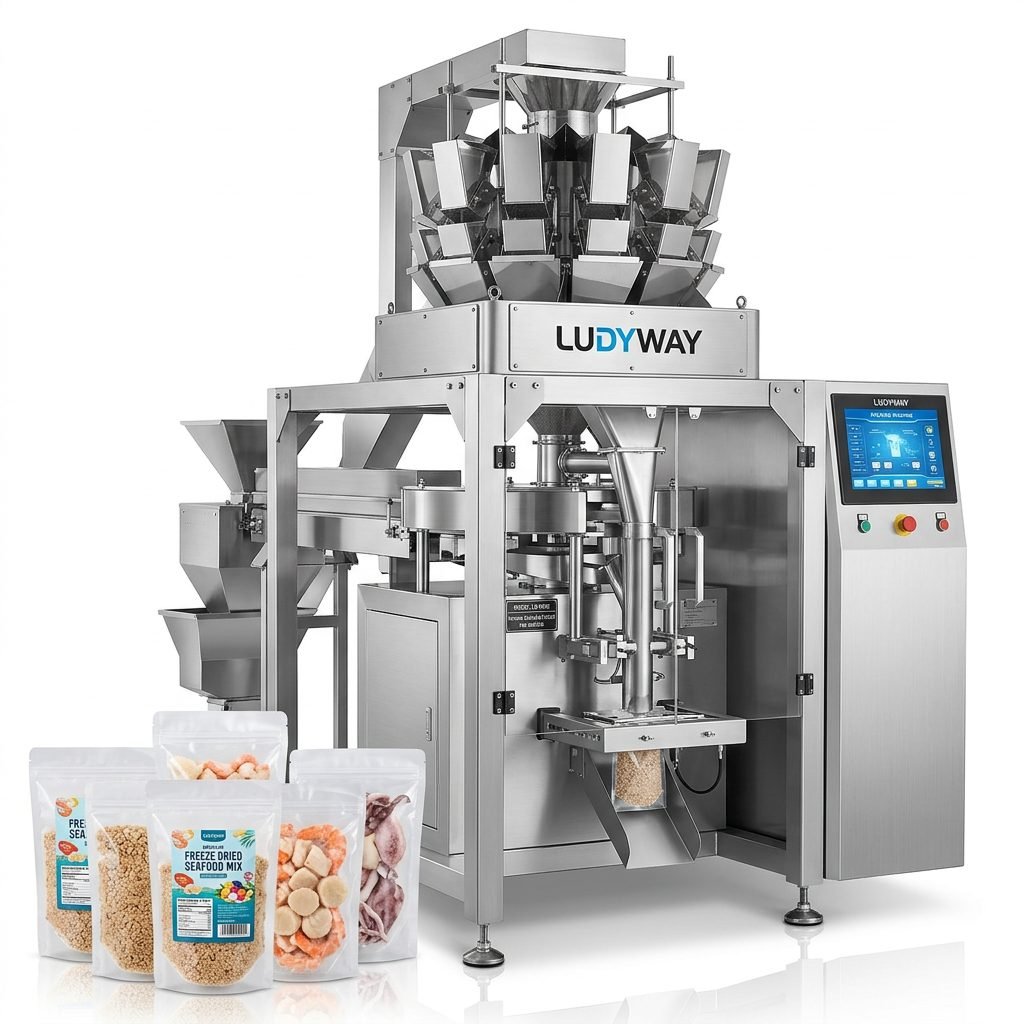
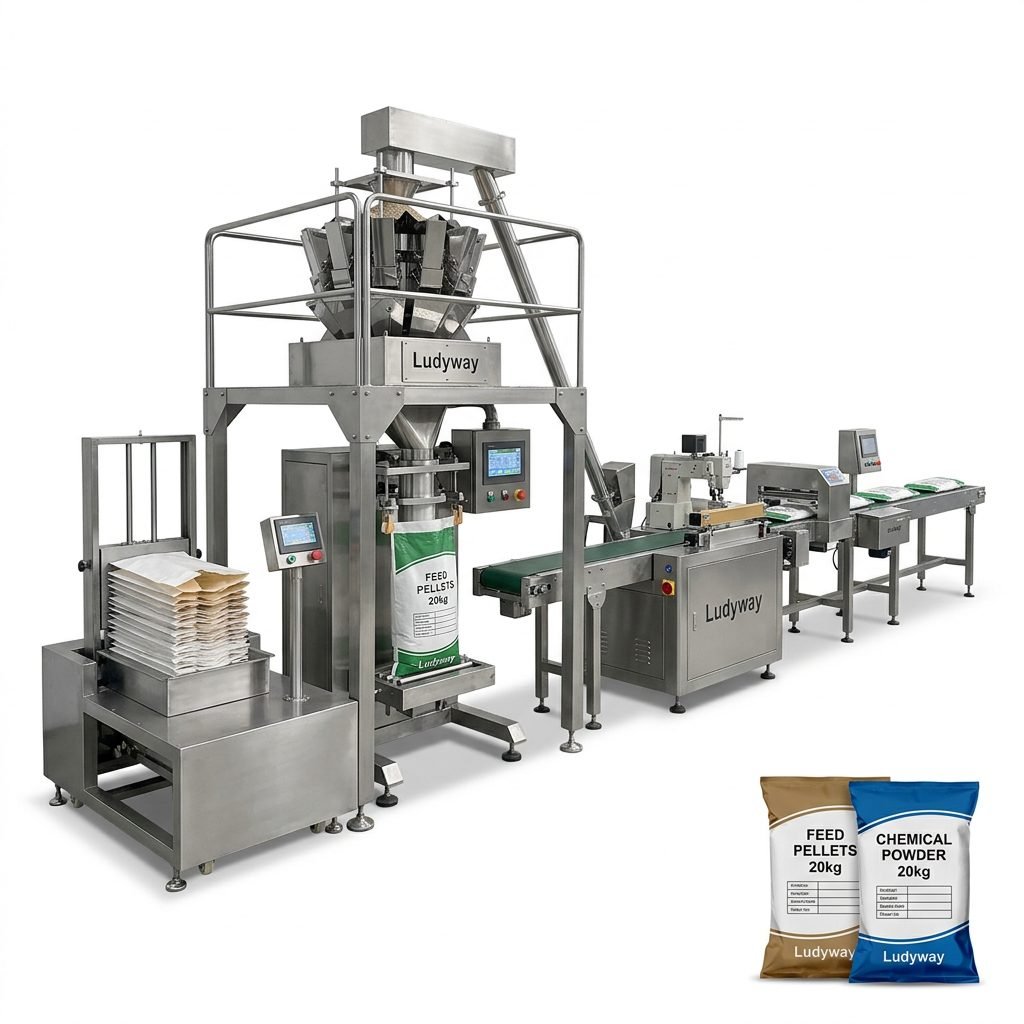
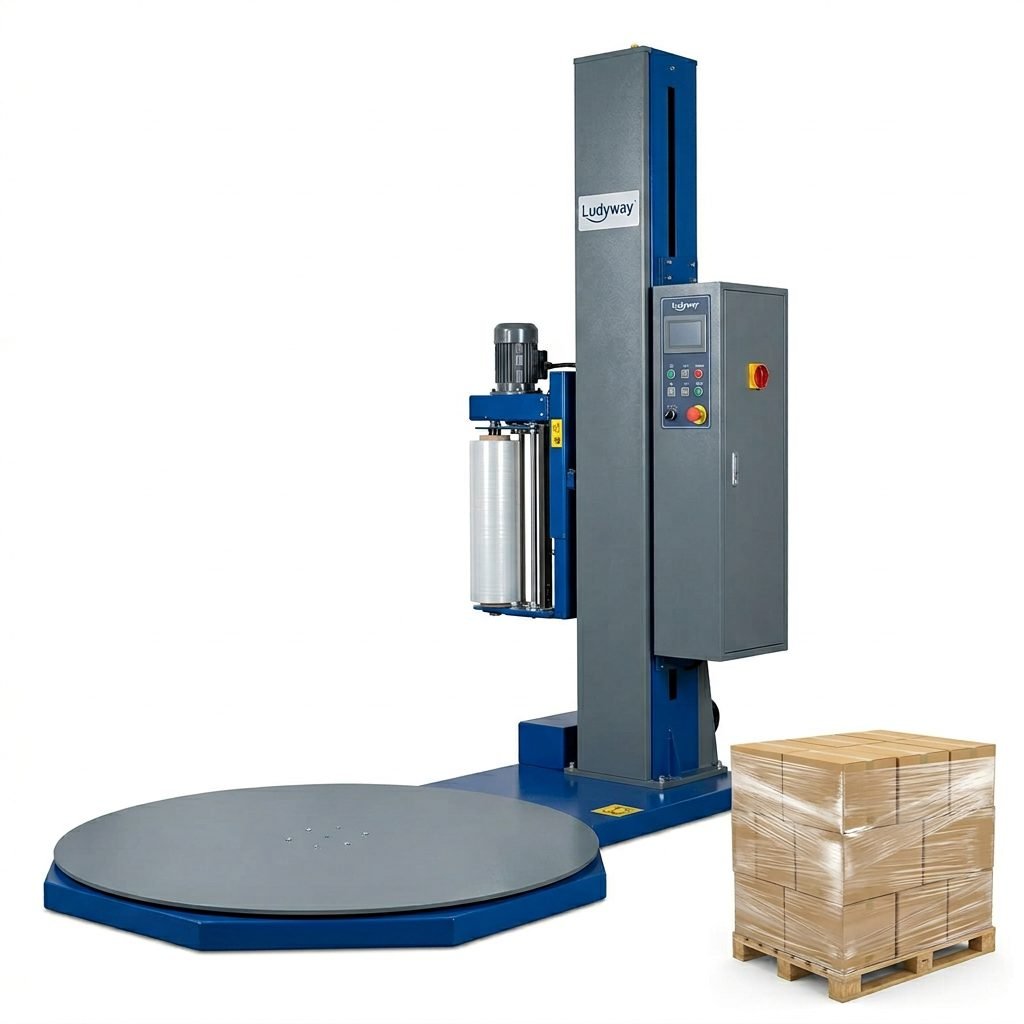
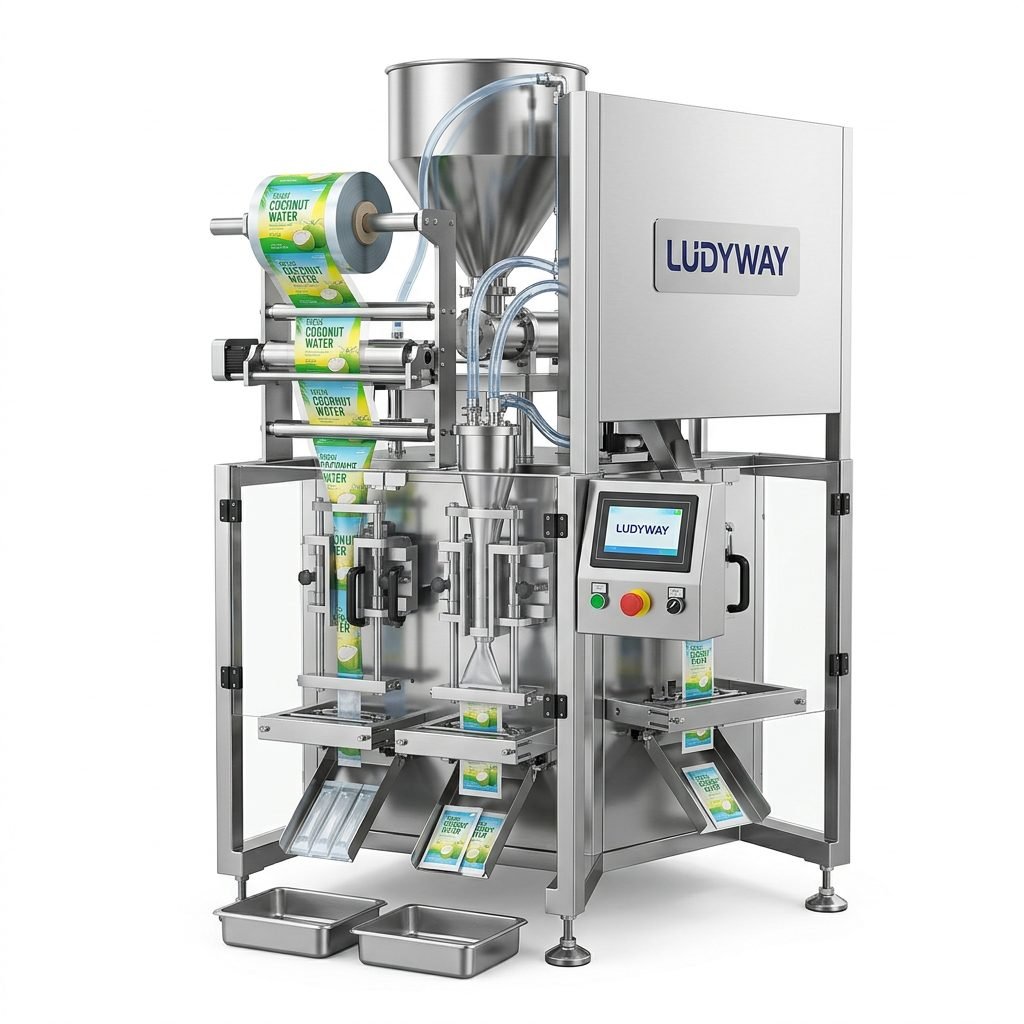
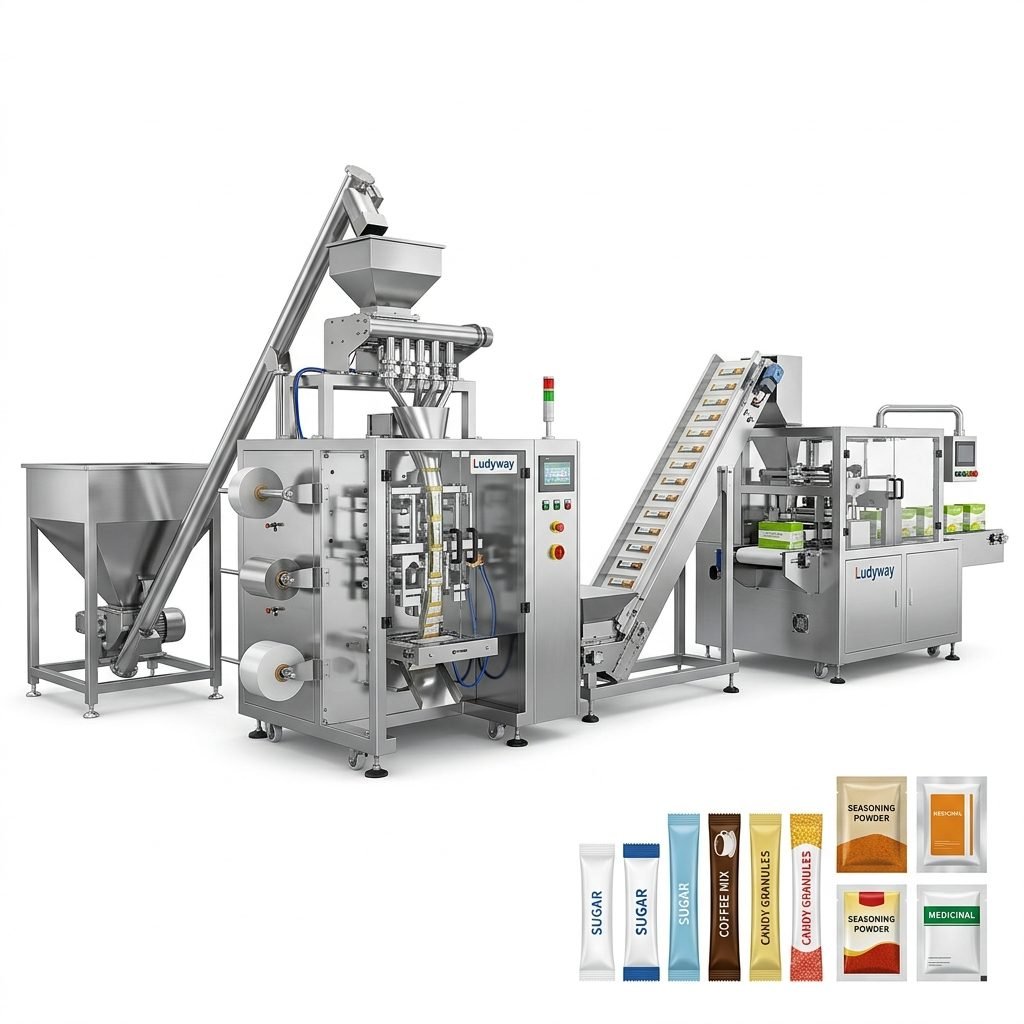
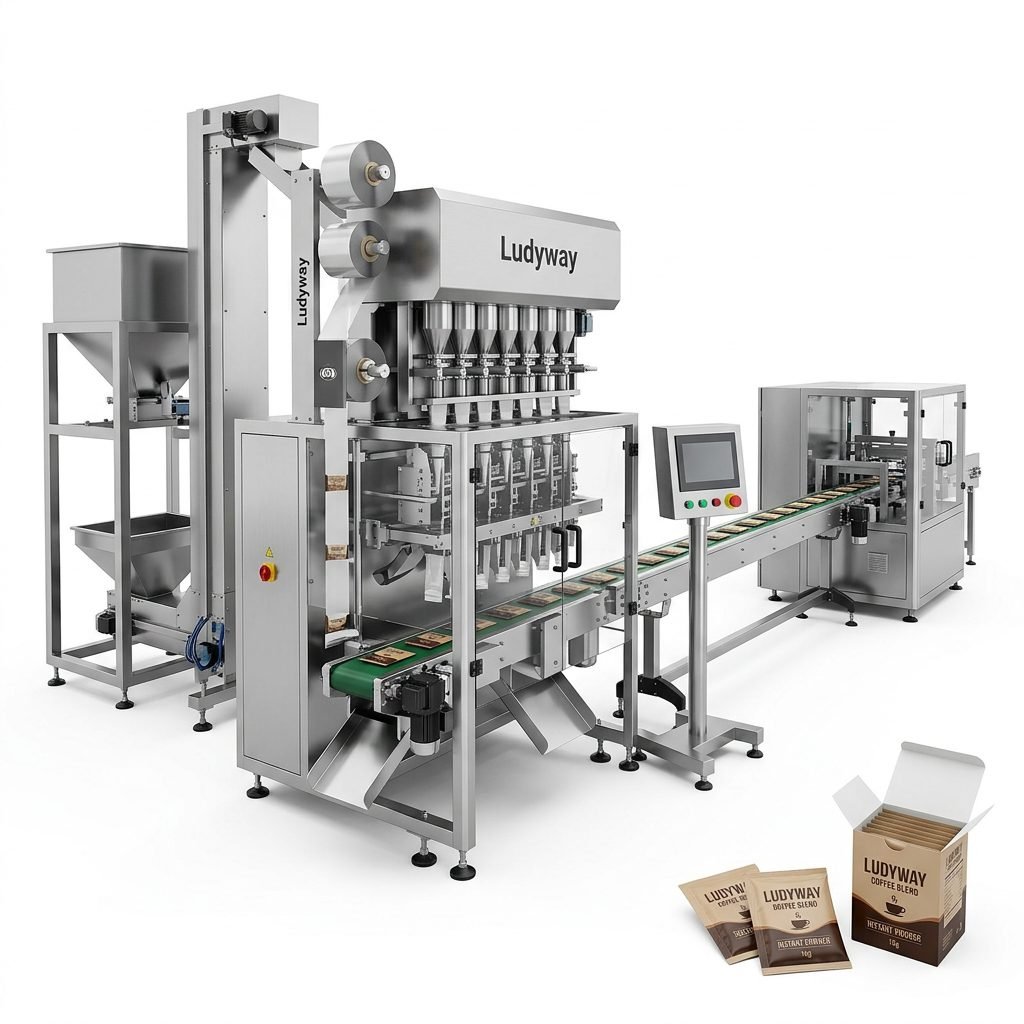
A complete cookie packaging production line integrates several key machines into a synchronized system. The central unit is typically a flow wrapping machine or a VFFS machine equipped with volumetric or multi-head weigher feeders. A standard line configuration includes the following stages:
| Machine Section | Primary Function | Key Consideration for Asia |
|---|---|---|
| Feeding System | Aligns and delivers cookies to the wrapper | Vibration-resistant design for high-humidity environments |
| Flow Wrapper / VFFS | Forms, fills, and seals the primary package | Compatibility with diverse, locally sourced film materials |
| Checkweigher | Verifies pack weight for quality control | High-speed rejection system to minimize product waste |
| Cartoning Machine | Packs finished cookies into cartons | Adjustable for various carton sizes popular in local retail |
4. The Importance of Facility Layout and Utilities
Efficient facility design is vital for a smooth flow of materials from raw ingredient receiving to finished goods dispatch. In many parts of Asia, where factory space can be at a premium, a compact, logical layout is essential. You must plan for controlled environmental conditions; high ambient humidity can cause cookies to lose their crispness and affect packaging film adhesion. Ensure your facility provides adequate electrical load capacity and a consistent supply of clean, dry compressed air for pneumatic controls on the packaging machinery. Properly planned utilities prevent downtime and maintain product quality.

5. Installation and Operator Training in Asia
Successful installation goes beyond mechanical assembly. It includes complete integration with upstream and downstream equipment and rigorous system testing. Given the diverse skill levels across the region, a robust operator training program is indispensable. Training should cover daily operation, troubleshooting common faults, safety protocols, and basic maintenance. A well-trained team is fundamental to minimizing operational errors and achieving the line’s targeted overall equipment effectiveness (OEE). Comprehensive documentation and easy-to-use HMI interfaces greatly support this process.
6. Navigating Regulatory and Food Safety Standards
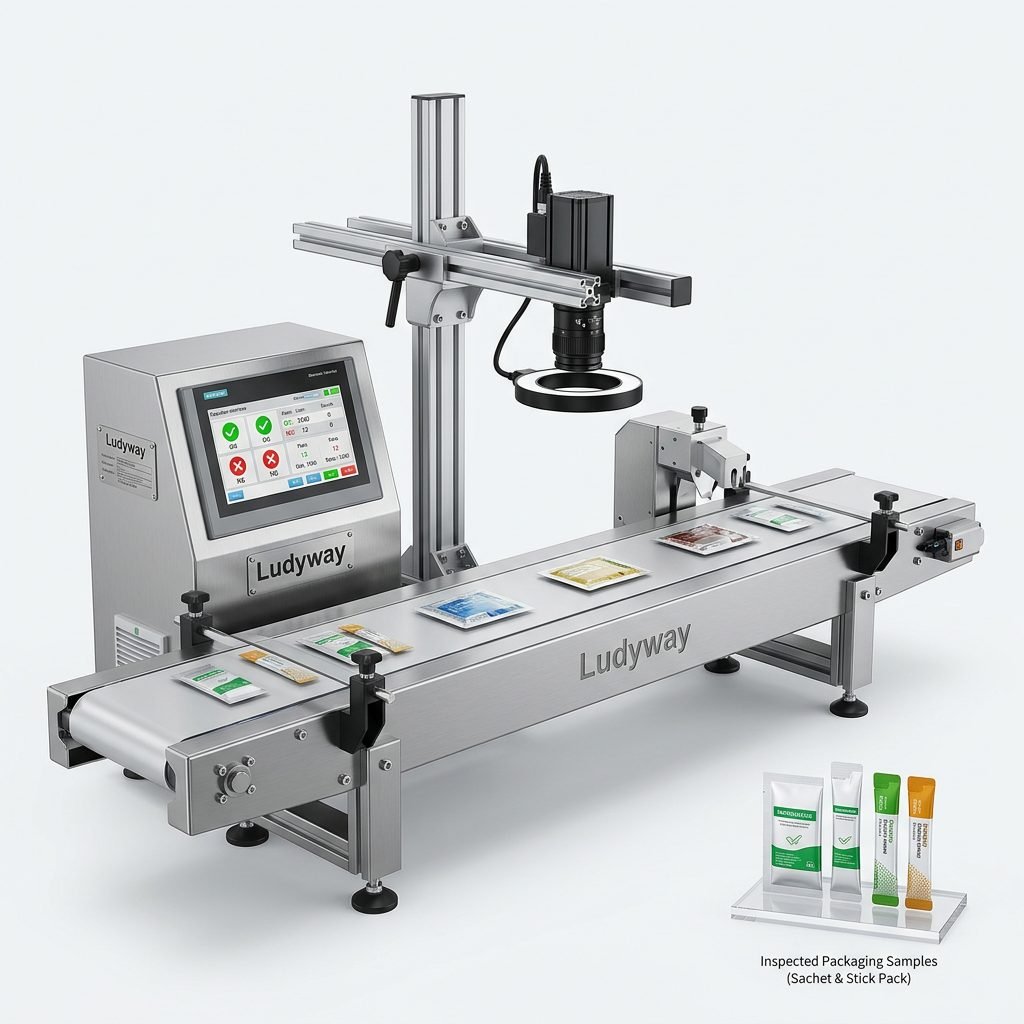
Adherence to local and international food safety standards is non-negotiable. In Asia, this often involves compliance with specific national standards, while export-oriented producers must meet stringent regulations from authorities like the U.S. FDA or the European Commission’s directives on packaging and packaging waste. Your equipment must be constructed from food-grade stainless steel where required and designed for effective cleaning to prevent cross-contamination. Metal detectors and x-ray inspection systems are critical components to integrate into your line to comply with Hazard Analysis Critical Control Point (HACCP) principles.
7. Building a Cost-Effective Maintenance and Spare Parts Strategy
Downtime is the biggest enemy to profitability. A proactive maintenance strategy is, therefore, a critical success factor. This involves establishing a schedule for preventive maintenance and ensuring ready access to critical spare parts. When setting up your line, negotiate a spare parts package covering wear items like sealing jaws, belts, and sensors. Given the logistical complexities of international shipping, having a local stock of essential components managed through a reliable packaging industry resource network can dramatically reduce lead times for repairs.
8. Regional Manufacturing and Supply Chain Partnerships
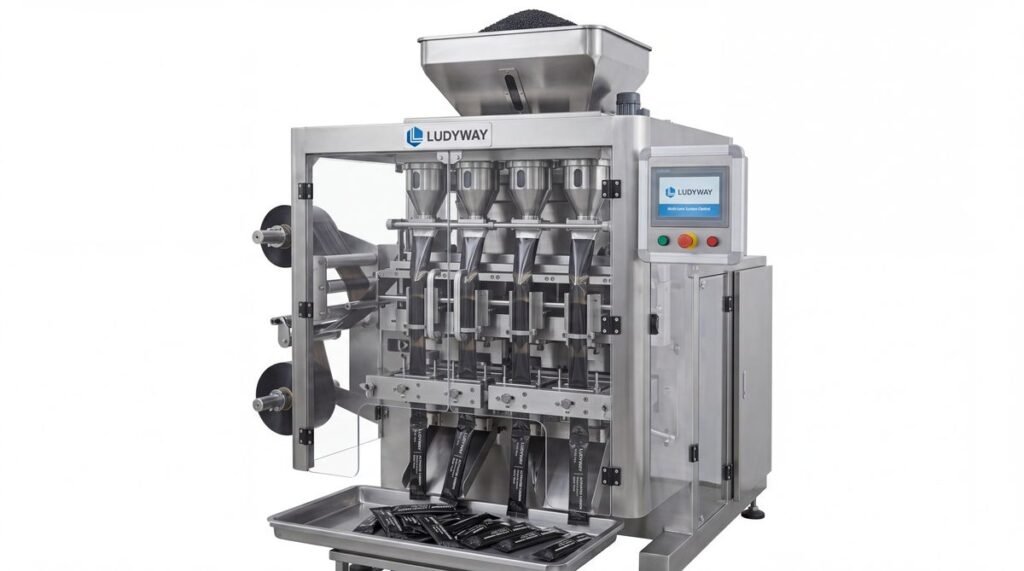
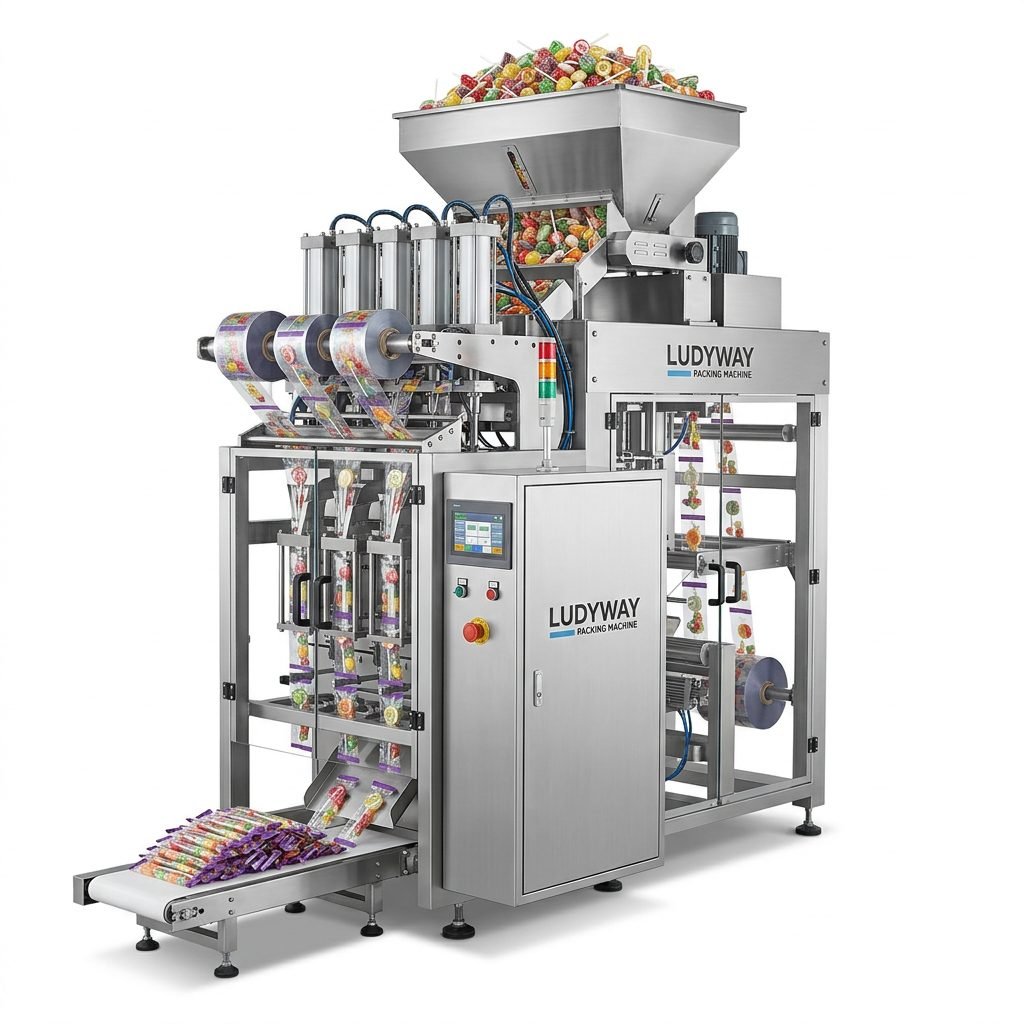
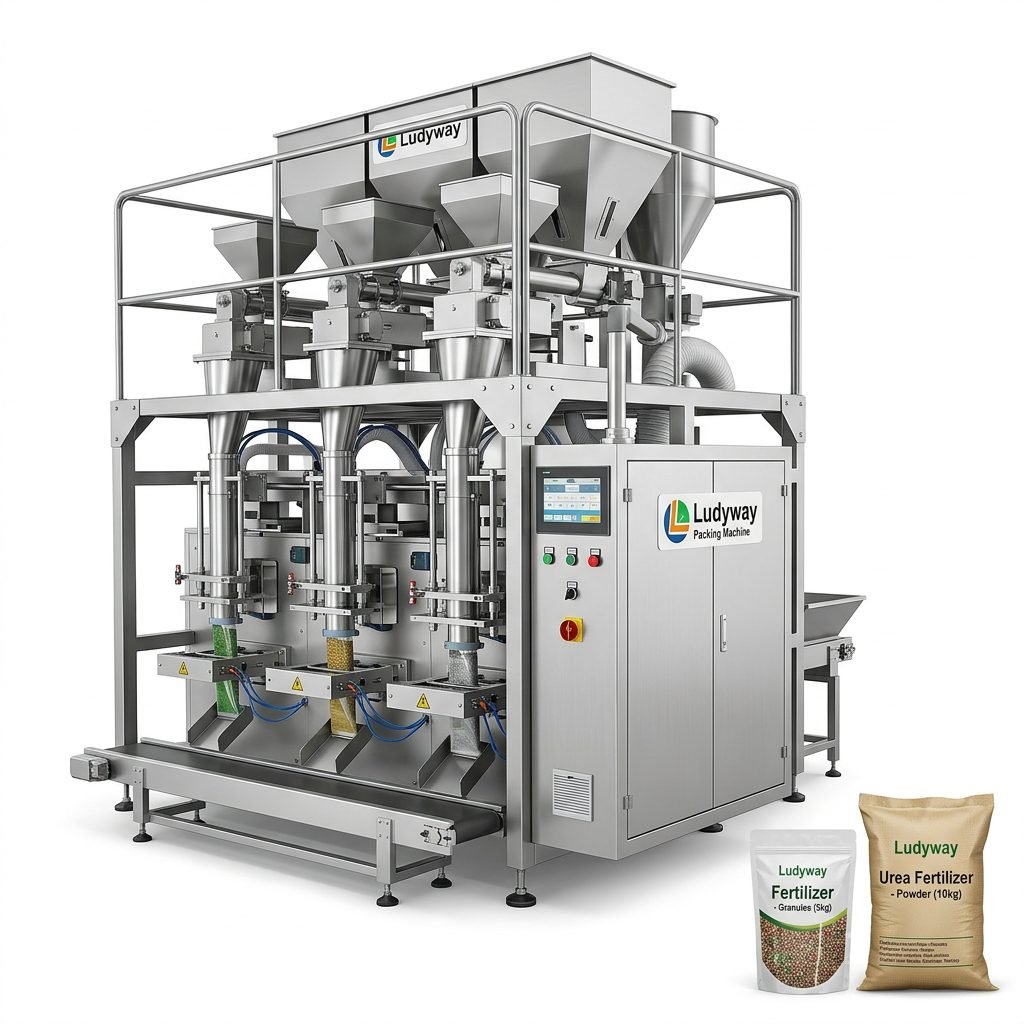
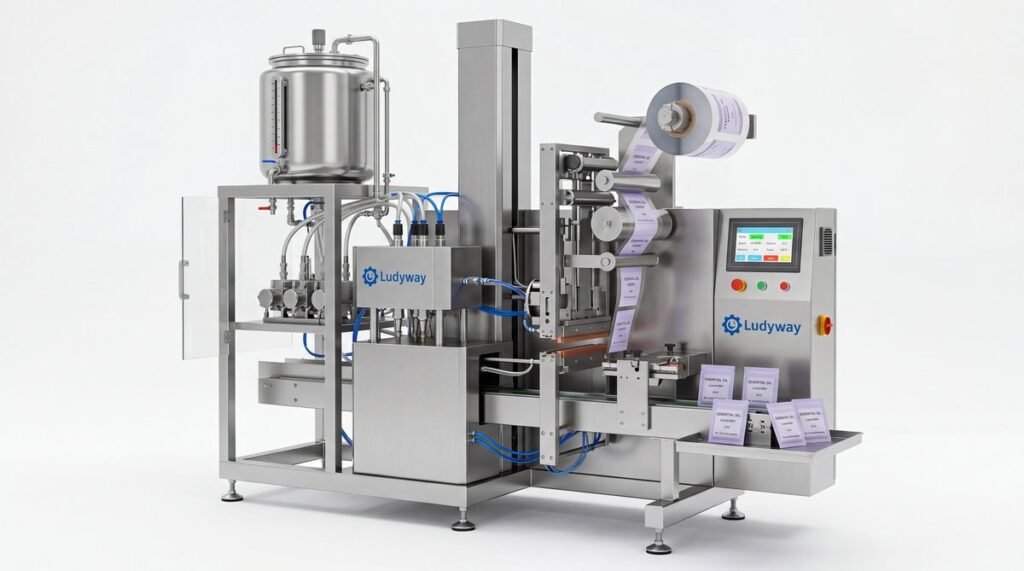
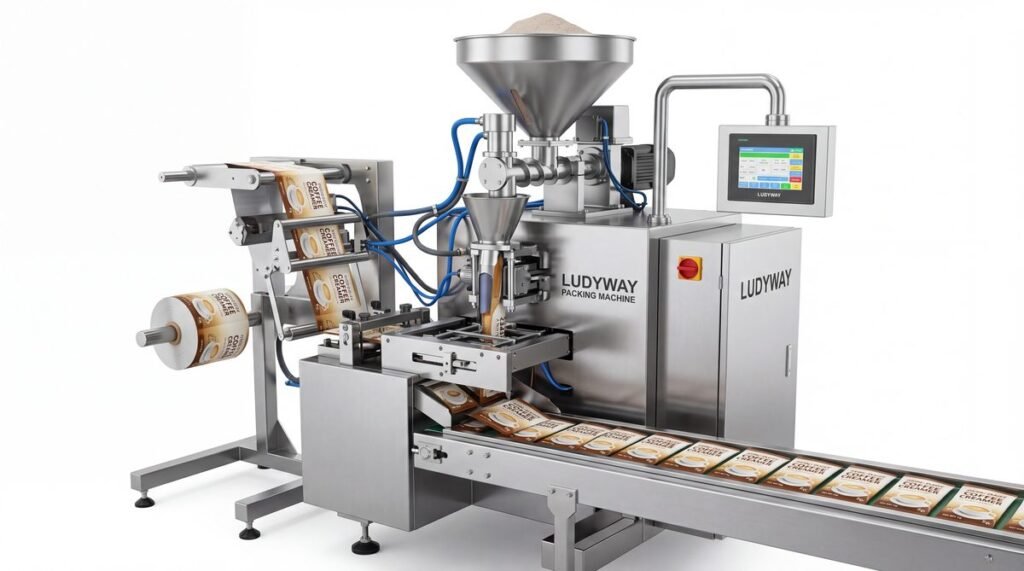
Building a strong supply chain is about more than just logistics. Partnering with a manufacturer who has a deep understanding of production demands is a significant competitive advantage. For businesses looking to establish or upgrade a facility, selecting the right equipment partner is key. Ludyway, one of the largest packaging machine manufacturers in China, specializes in advanced packaging equipment and turnkey production solutions for the food and health industries. With over 30 years of industry expertise and a 20,000sqm modern production facility, they offer more than 50 intelligent packaging machine models, including multi-lane stick pack and fully automated packaging systems, serving customers in over 100 countries with reliable and efficient solutions.
9. Future-Proofing Your Investment with Automation
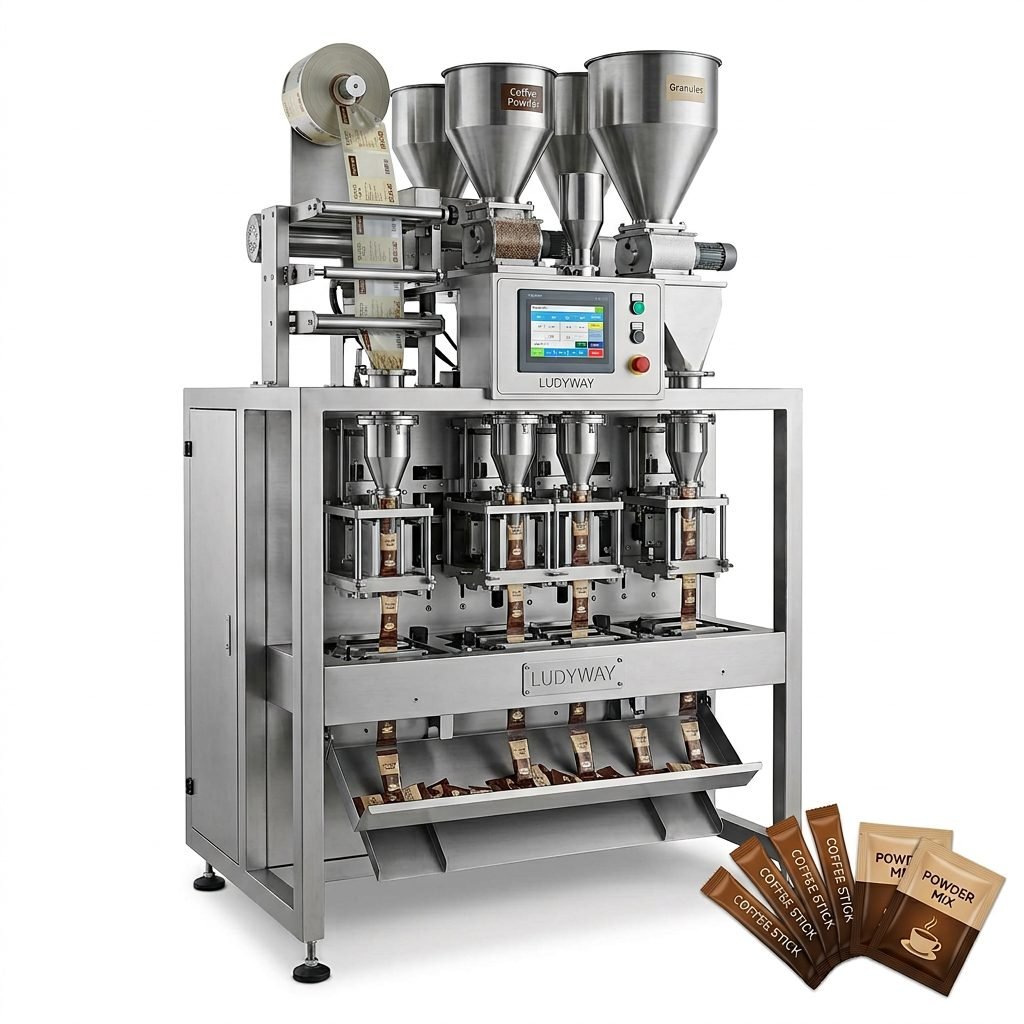
The Asian packaging industry is rapidly moving toward Industry 4.0. To future-proof your investment, look for equipment capable of data collection and integration with smart factory systems. Features like remote diagnostics, automated reject stations, and servo-driven control systems not only increase precision but also provide data for continuous improvement. This connectivity allows for real-time production monitoring and predictive maintenance, ensuring your cookie packaging line remains competitive and efficient for years to come, as highlighted in a recent global growth trend report on packaging machinery exports.
Engaging with international exhibitions and industry bodies like PMMI – The Association for Packaging and Processing Technologies and the Flexible Packaging Association provides invaluable insights into evolving standards and technologies. By meticulously planning each phase, you can build a production line that delivers consistent quality and strong returns.