Investing in a packing machine is a strategic decision that directly affects your production efficiency, product quality, and bottom line. Whether you are scaling up from manual processes or replacing outdated equipment, understanding the full cost picture and the factors that drive pricing is essential. This guide breaks down everything you need to know to make an informed purchase.

1. Understanding the Total Cost of Ownership
When evaluating a packaging machine, many buyers focus only on the initial purchase price. However, the total cost of ownership (TCO) includes several other critical components:
- Initial Capital Expenditure: The base price of the equipment, including standard configurations.
- Installation and Commissioning: Costs associated with setting up the machine, integrating it into your production line, and training operators.
- Operational Costs: Energy consumption, labor requirements, and ongoing maintenance.
- Spare Parts and Consumables: Availability and cost of replacement parts over the machine’s lifespan.
- Downtime and Productivity Loss: The cost of potential production halts if the machine requires frequent repairs.
According to industry data from the PMMI Business Intelligence Library, a thorough TCO analysis often reveals that a machine with a higher upfront cost can deliver significantly lower long-term expenses.
2. Key Pricing Factors for Packaging Machinery
Several variables influence the final price of a packing machine. Understanding these will help you budget effectively and negotiate with confidence.
2.1 Machine Type and Technology
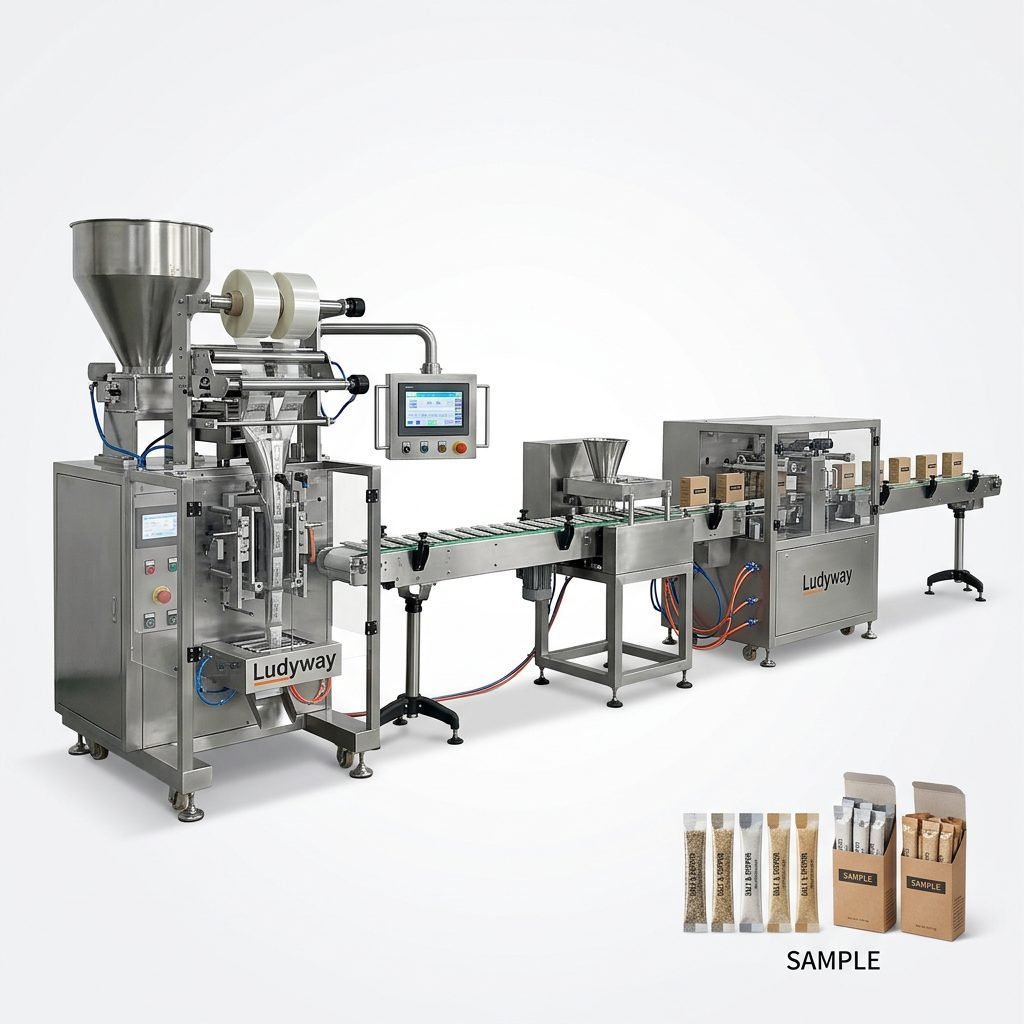
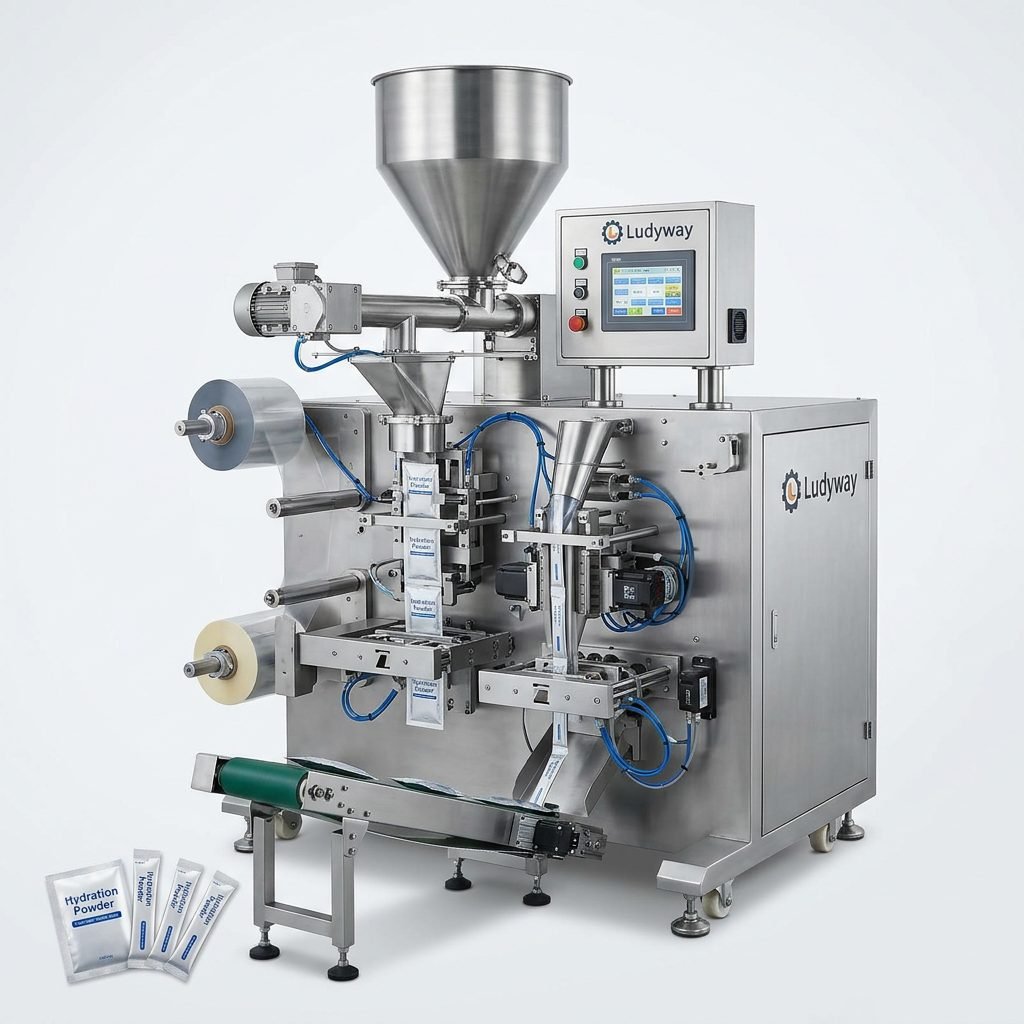
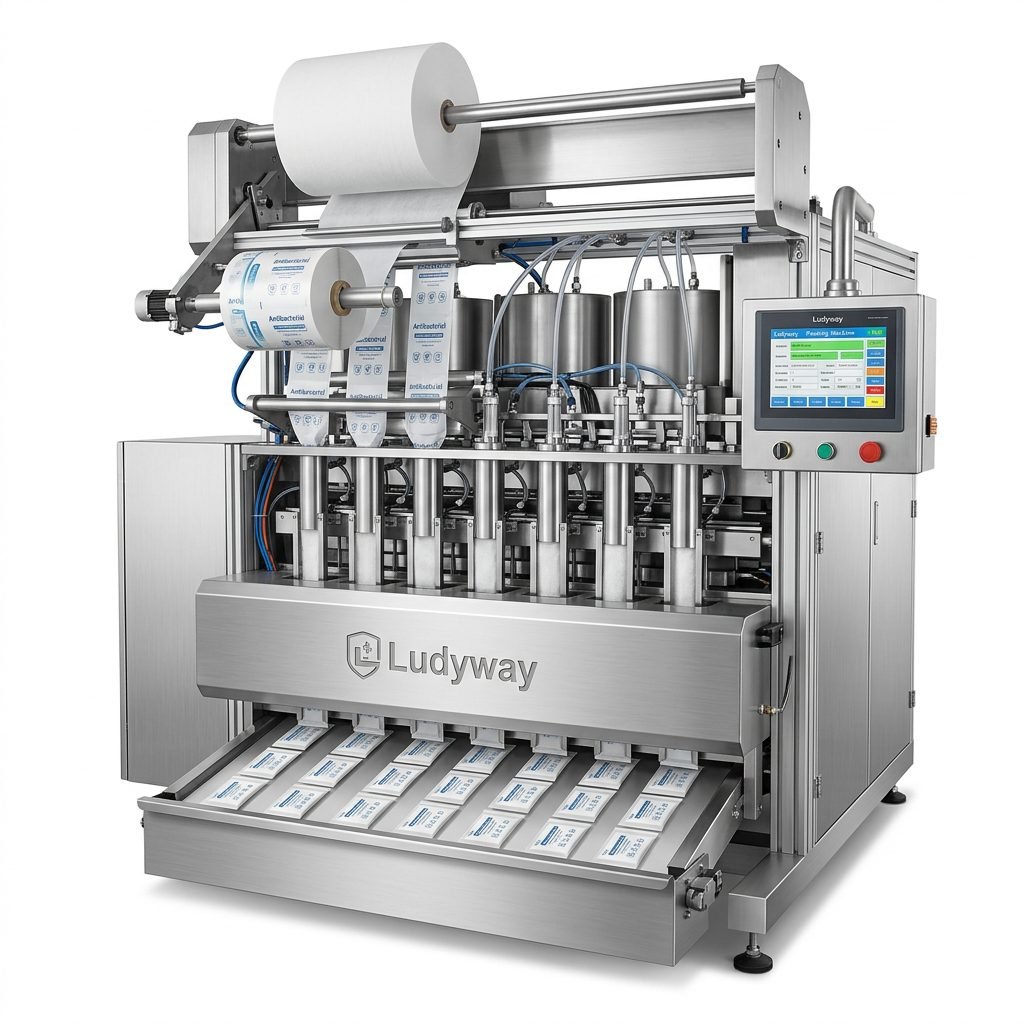
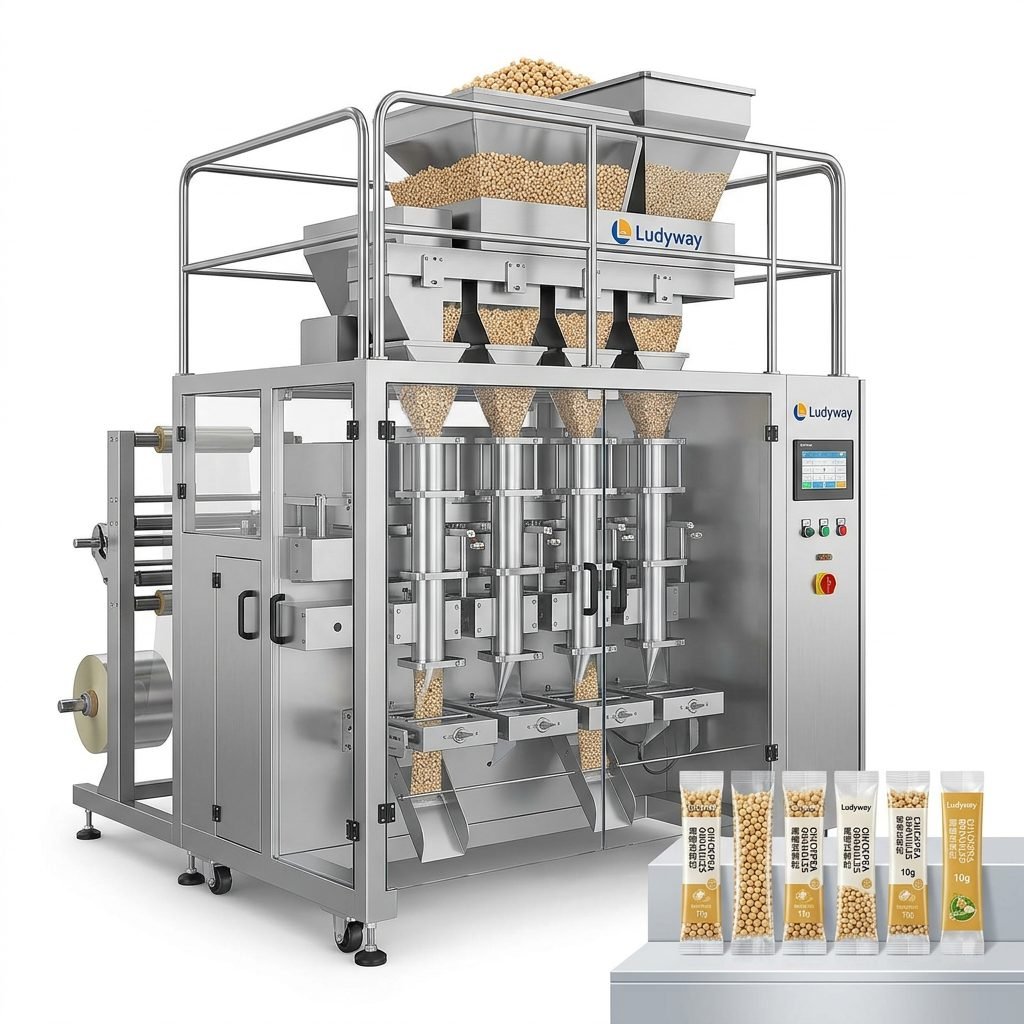
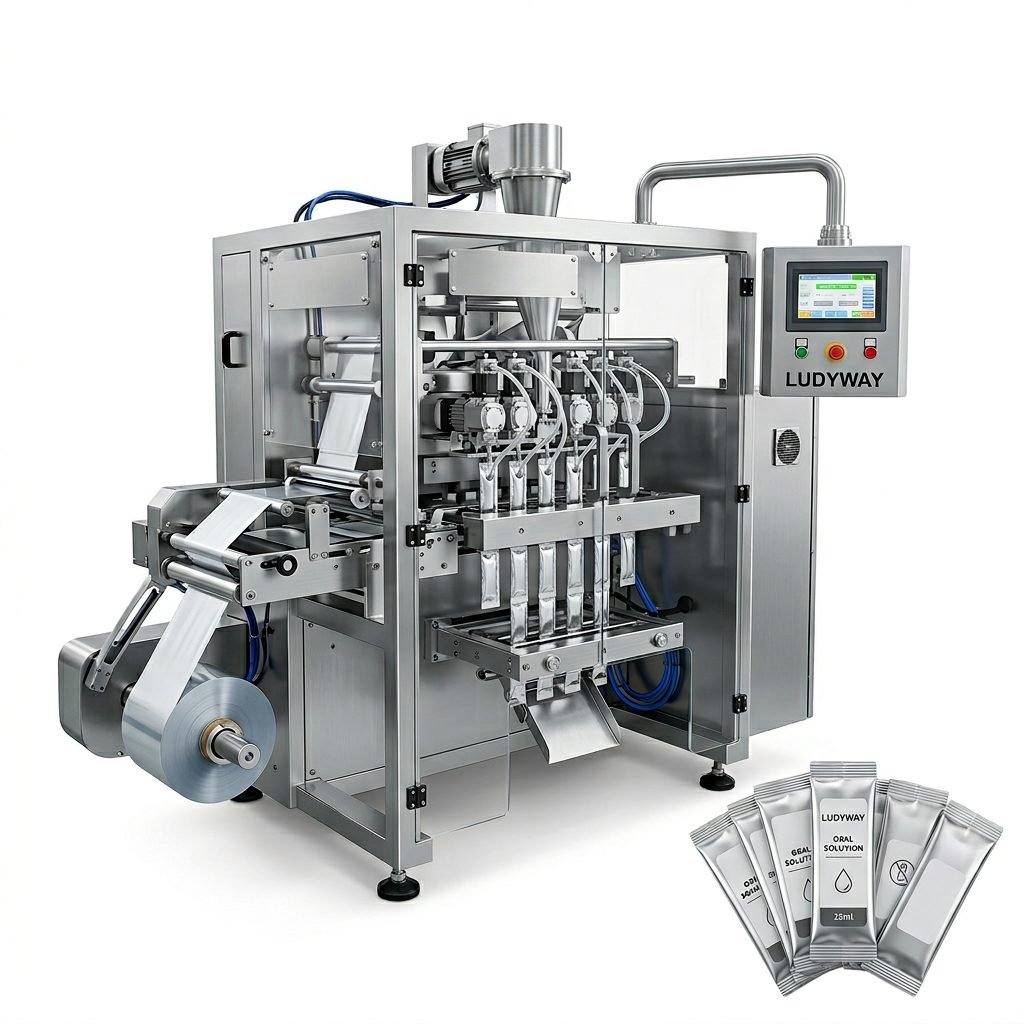
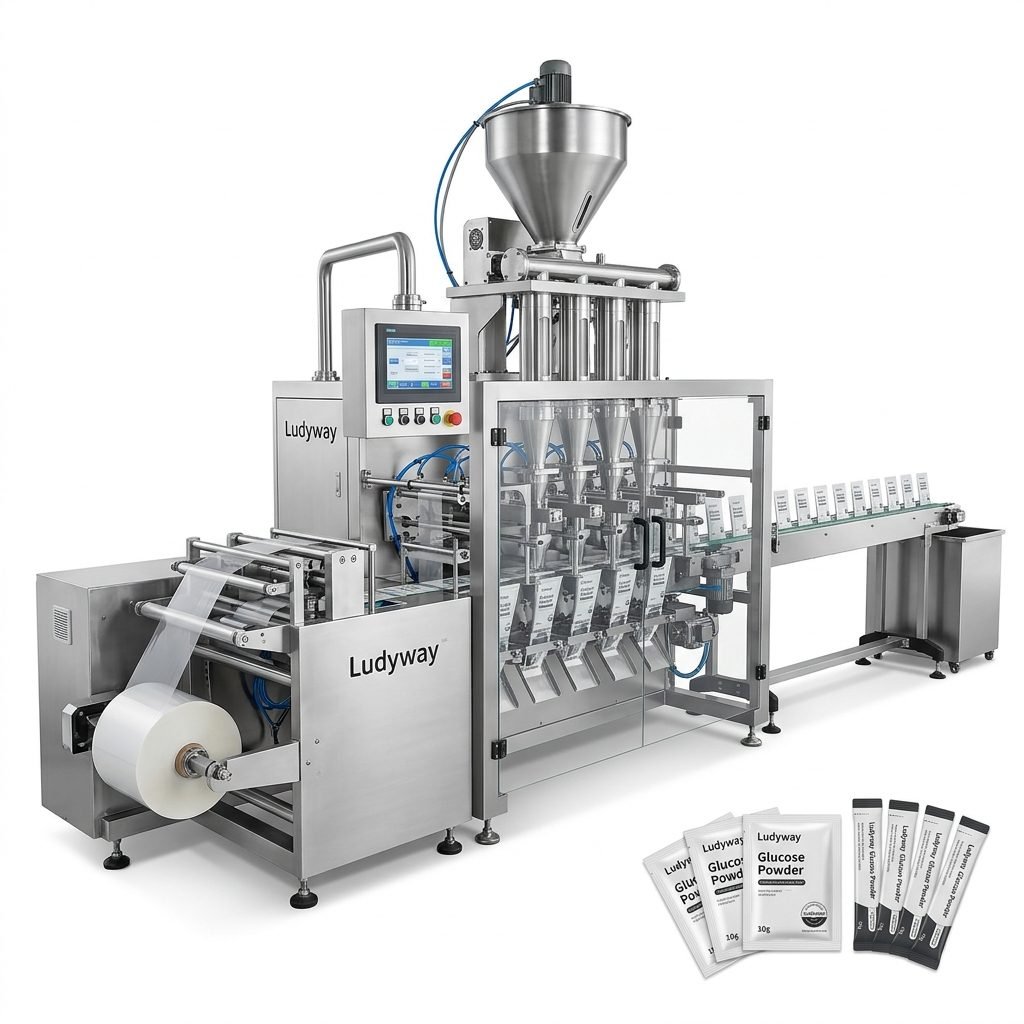
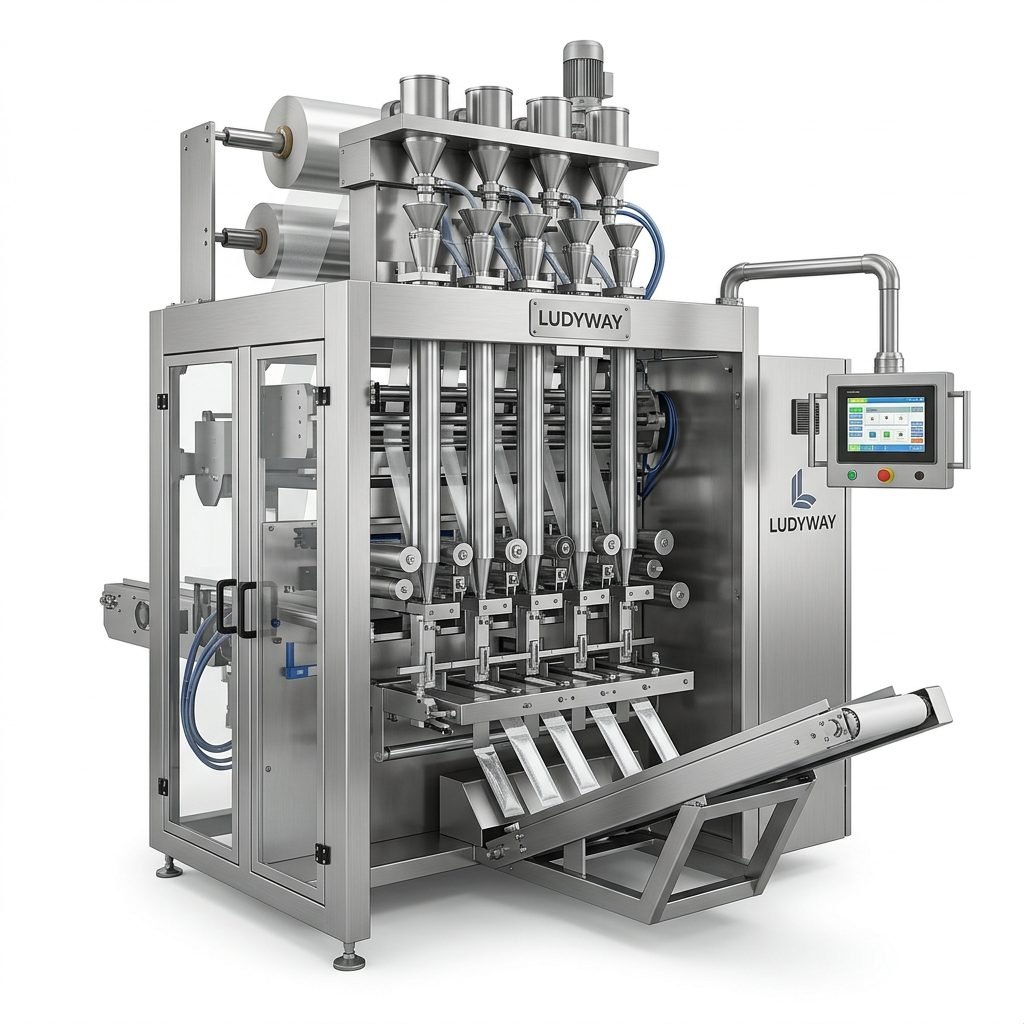
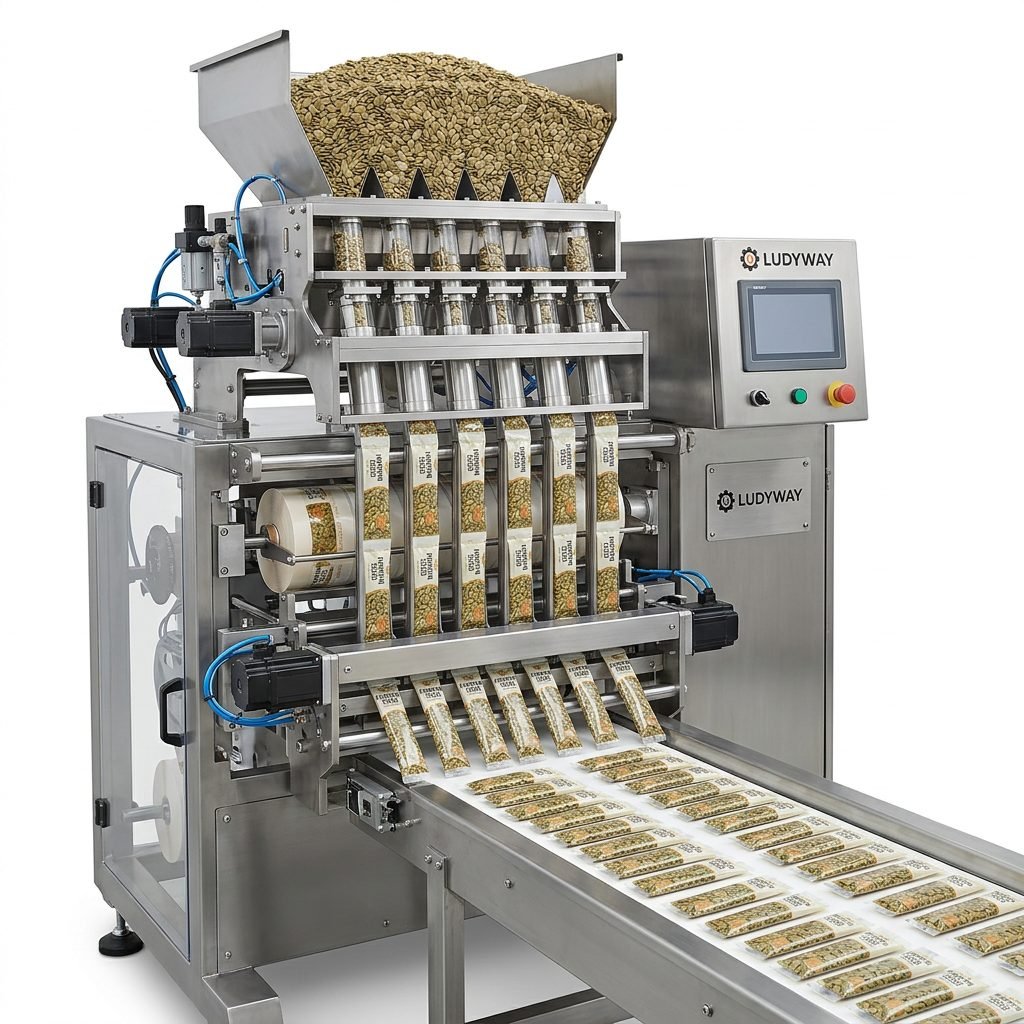
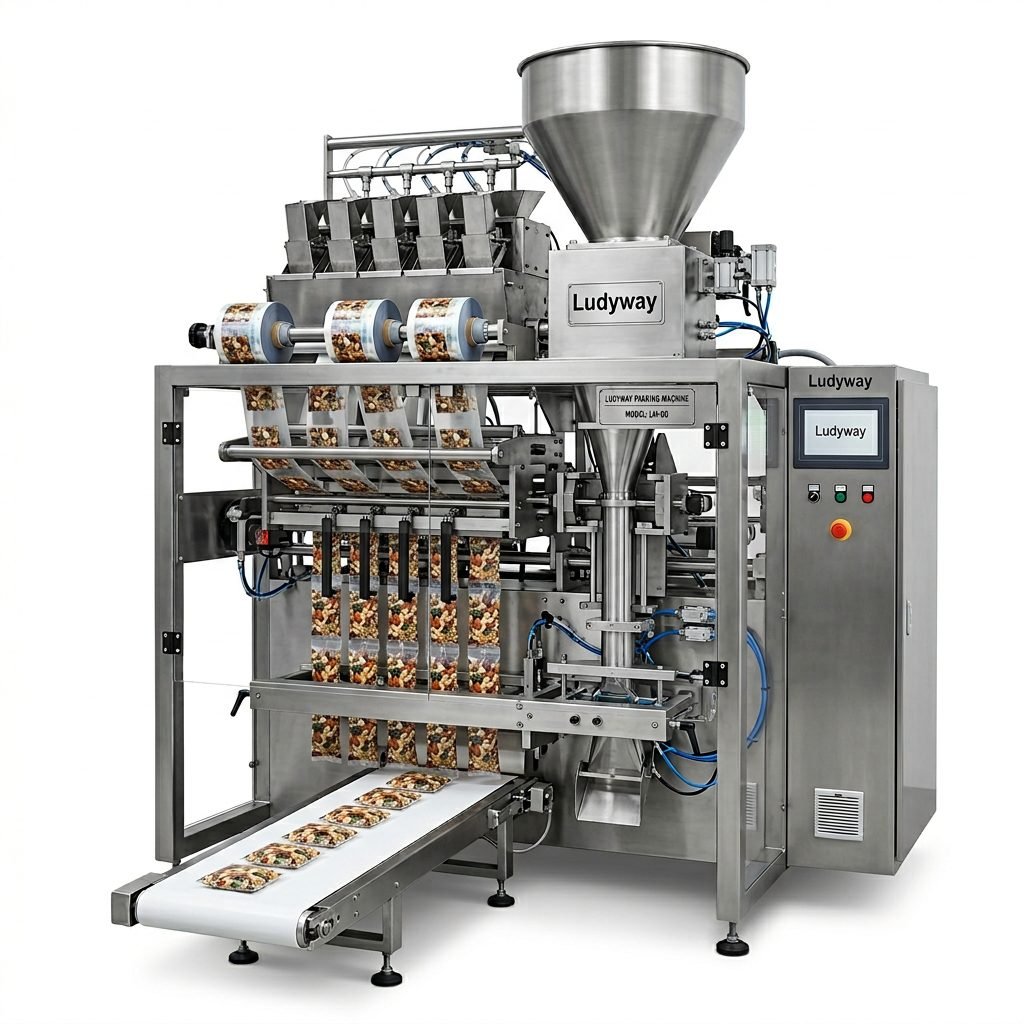
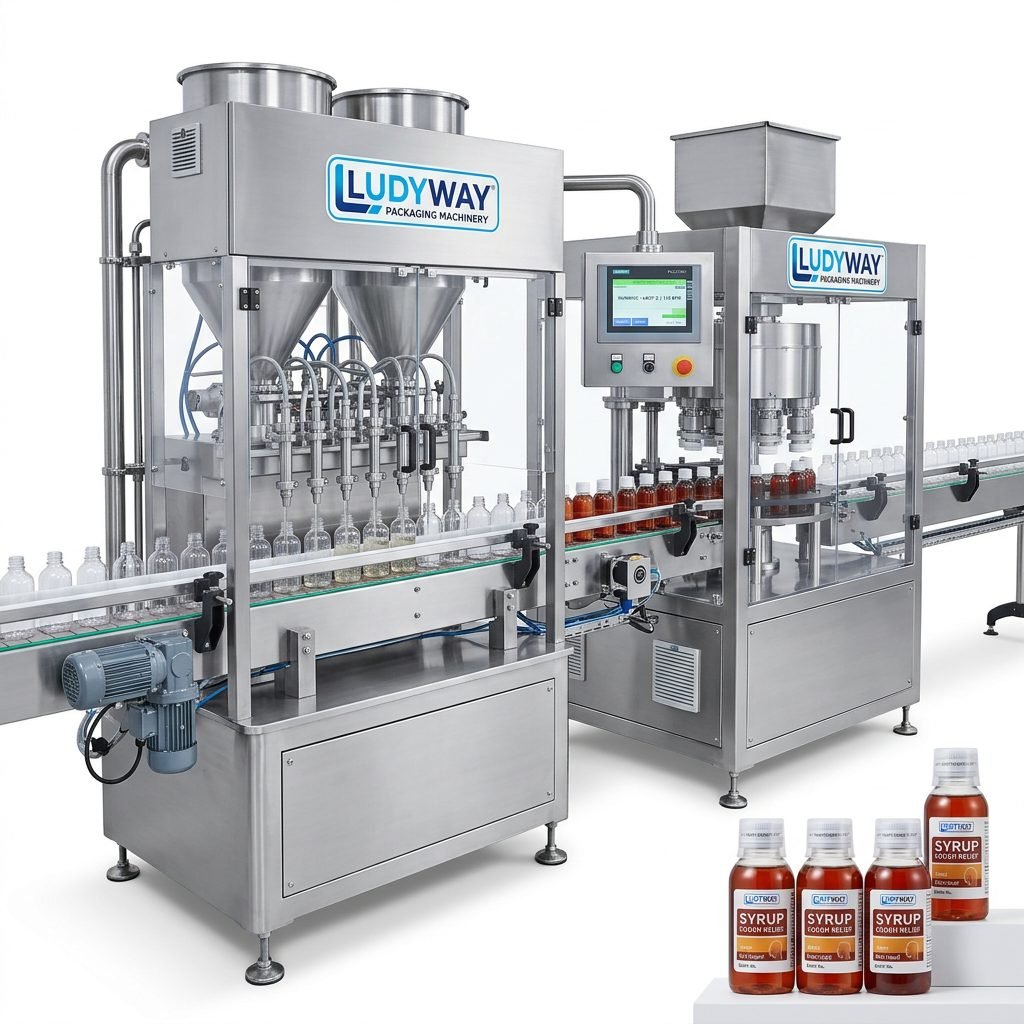
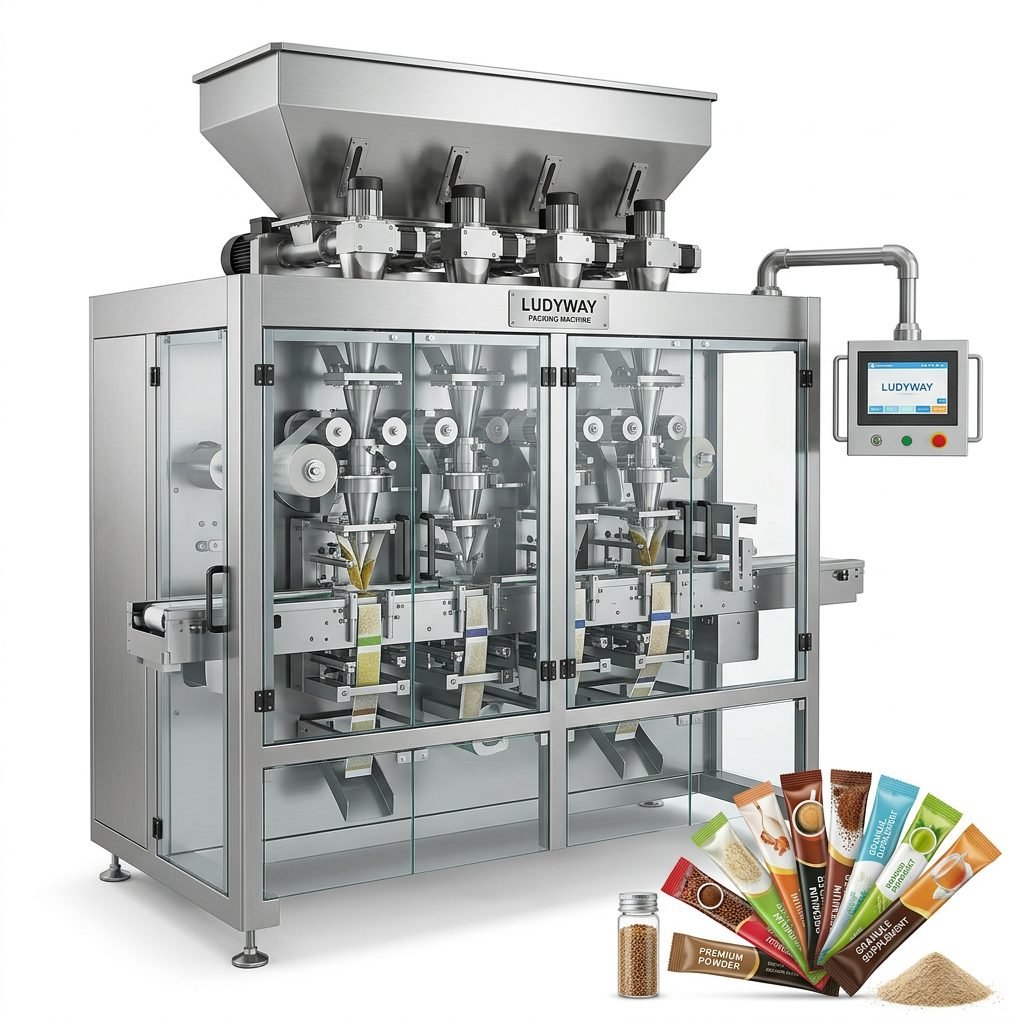
Different packaging formats require fundamentally different machinery. A simple continuous band sealer costs a fraction of a sophisticated multi-lane stick pack machine with automated dosing. Common types include vertical form fill seal (VFFS) machines, pre-made pouch fillers, liquid filling systems, and powder/granule auger fillers.
2.2 Level of Automation
Manual, semi-automatic, and fully automatic machines vary widely in price. A fully automatic system with robotic palletizing, automatic feeding, and integrated coding systems requires a higher investment but drastically reduces labor costs and increases throughput. The 2025 State of the Industry report from PMMI indicates that automated solutions are becoming the norm to combat rising labor shortages and ensure operational consistency.
2.3 Speed and Output Requirements
The required production capacity, measured in packs per minute (PPM), is a major cost driver. A machine designed for high-speed multi-lane packaging with outputs exceeding 400 PPM will cost more than a single-lane unit. Carefully project your peak demand to avoid paying for overcapacity or facing bottlenecks with under-specced equipment.
2.4 Construction Material and Build Quality
Food-grade stainless steel (SS304 or SS316) is standard for industries like food, pharmaceutical, and cosmetics due to FDA and ISO packaging standards. Machines built with heavy-duty frames and certified components from established automation suppliers ensure reliability and compliance, which reflects in the cost.
2.5 Customization and Engineering
Standard machines are cost-effective for common applications, but custom engineering is often required for unique product characteristics or factory layouts. Customization can include special dosing systems for free-flowing powders, inert gas flushing for shelf-life extension, or integration with existing conveyor systems.
3. Cost Breakdown by Application
The table below provides a simplified overview of relative cost ranges based on common packaging applications and machine complexities. Actual quotes depend on specific production requirements.
| Application | Machine Type | Relative Cost Guide |
|---|---|---|
| Powder & Granule Sachets | Multi-Lane Stick Pack / VFFS | $$ – $$$ |
| Liquid Pouch Filling | Pre-Made Pouch Rotary Filler | $$ – $$$ |
| Bottle Filling & Capping | Inline Monoblock System | $ – $$ |
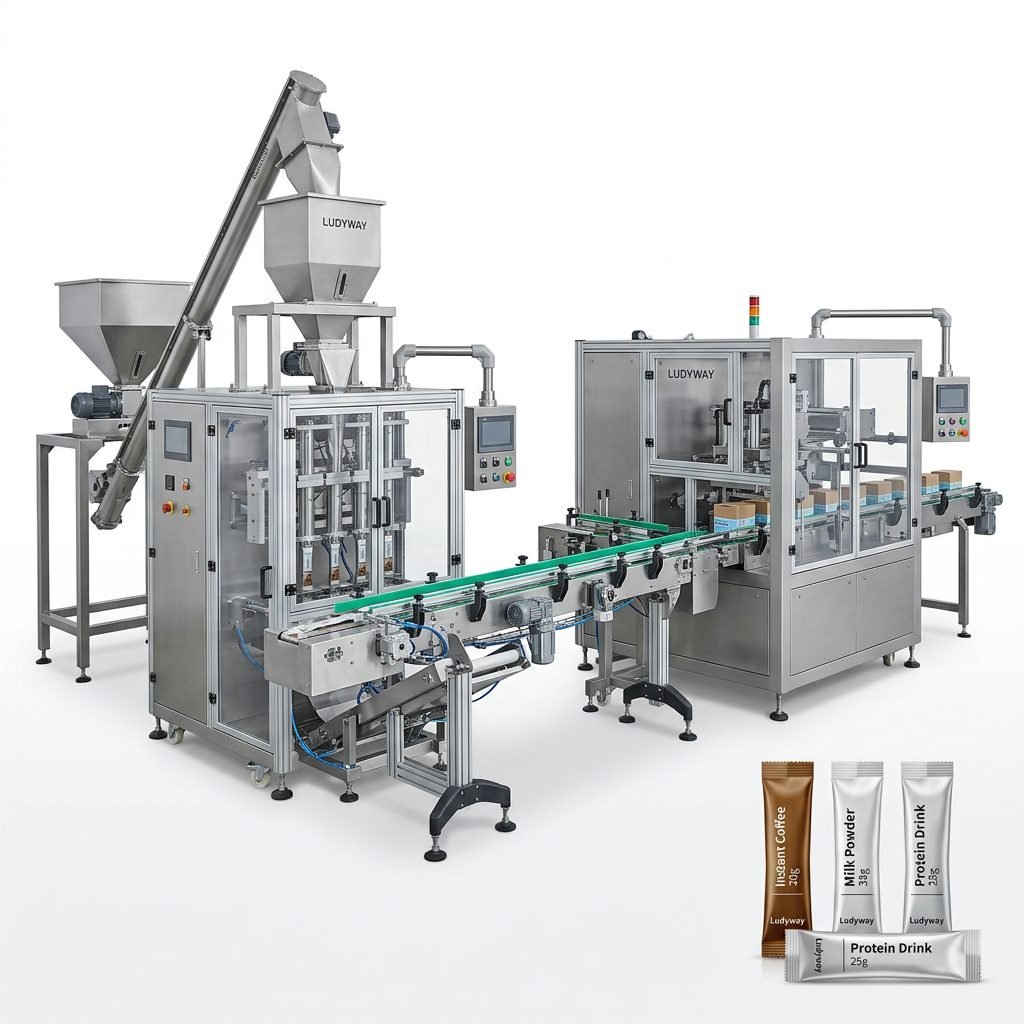
| Turnkey Packaging Line | Integrated Filling, Cartoning, Palletizing | $$$$ |
4. The Role of Packaging Materials in Machine Selection
Your choice of packaging material—such as laminated films, aluminum foil, or biodegradable substrates—impacts machine sealing requirements and cost. The Flexible Packaging Association notes that sustainable materials are a growing trend, but they often require precise temperature control and sealing technology to maintain package integrity without damage.
5. A Practical Buying Guide for Manufacturers
Follow these steps to streamline your purchasing process and secure the right packaging machinery for your operation.
5.1 Define Your Product and Packaging Requirements
Specify your product characteristics: particle size, bulk density, viscosity, and any special handling needs (e.g., hygroscopic, dusty). Clearly define your target bag format, size range, and material specifications. Ignoring this step can lead to dosing inaccuracies and film waste.
5.2 Assess Production Volume and Future Growth
Benchmark your current output and project growth for the next 3-5 years. A machine that meets today’s volume may become a bottleneck tomorrow. Look for modular designs that allow for future upgrades or the addition of lanes.
5.3 Evaluate Facility Constraints
Measure your factory floor space, ceiling height, and doorways. Consider power supply (voltage, phase, frequency) and compressed air requirements. These often-overlooked details can incur unexpected installation costs if not communicated early to the manufacturer.
5.4 Prioritize Compliance and Safety
For regulated industries, compliance with FDA food contact substance regulations, cGMP, or ISO 11607 for medical devices is non-negotiable. Request documentation for the machine’s conformity with EU CE or other national safety standards relevant to your market.
5.5 Investigate Manufacturer Capabilities and Support
Selecting a manufacturer with solid engineering depth and global service reach is as important as the machine specification. For example, Ludyway Machinery, with a 20,000-square-meter manufacturing facility and a team of over 130 professionals, provides customized packaging solutions and dedicated after-sales support to clients in more than 100 countries. The company expects to achieve an export revenue exceeding RMB 500 million (approximately US$69 million) in 2025 and plans to surpass RMB 1 billion (approximately US$138 million) in 2026, reflecting strong manufacturing and service capabilities. When vetting partners, ask about their spare parts network, remote technical assistance, and operator training programs.
6. Avoiding Common Mistakes
Avoid these frequent pitfalls to ensure a smooth procurement process:
- Focusing Solely on Price: The cheapest machine often has the highest operational cost and downtime risk.
- Ignoring Product Trials: Never commit without running your actual product and materials on the machine. Videos and brochures are insufficient proof of performance for your specific application.
- Overlooking Changeover Time: If you run multiple products, machine flexibility and rapid changeover features are critical for maintaining overall equipment effectiveness (OEE).

7. Staying Ahead with Industry Trends
Keeping an eye on industry trends can inform a smarter investment. Resources from the PACK EXPO International portal and the Flexible Packaging Association knowledge hub highlight several key developments:
- Smart Packaging Lines: Integration of IoT sensors for real-time monitoring, predictive maintenance, and data analytics.
- Sustainability Compliance: Equipment designed to handle new recyclable and compostable films, guided by evolving regulations from bodies like the European Commission on packaging waste.
- Flexible and Agile Production: Demand for rapid format changes and smaller batch sizes is driving the development of more versatile, servo-driven machinery.
8. Key Questions to Ask Before Signing
Before finalizing your purchase, use this checklist to prompt critical discussions with potential suppliers:
- Can you provide a detailed TCO projection for our specific application?
- What is the lead time, and what does installation and commissioning entail?
- What are the most commonly replaced spare parts, and what is their local availability?
- How do you handle after-sales technical support and troubleshooting?
- Is the machine design upgradable if our production needs change?
A strategic approach to selecting a packing machine—one that accounts for long-term costs, technical specifications, and supplier reliability—will secure not just a piece of equipment, but a productive asset that propels your manufacturing forward for years to come.