Investing in a freezer packaging machine is a strategic decision that directly impacts product quality, shelf life, and operational efficiency. Whether you are packaging frozen vegetables, ready-to-eat meals, seafood, or ice cream, the right equipment must handle low-temperature environments while maintaining seal integrity and speed. This guide walks you through the critical factors to evaluate before making your purchase.
Understanding Freezer Packaging Machine Types
Not all packaging machines are built for cold environments. Choosing the correct configuration depends on your product format, packaging material, and production volume.
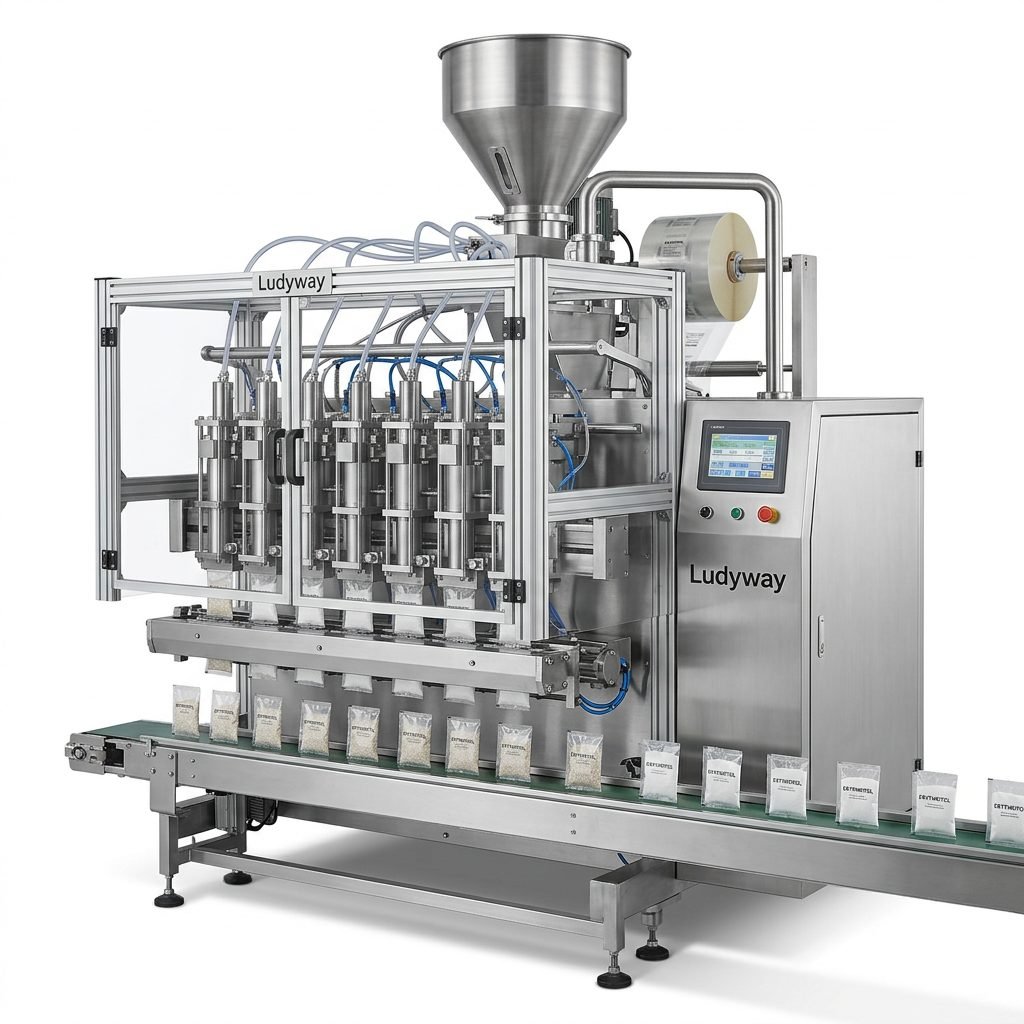
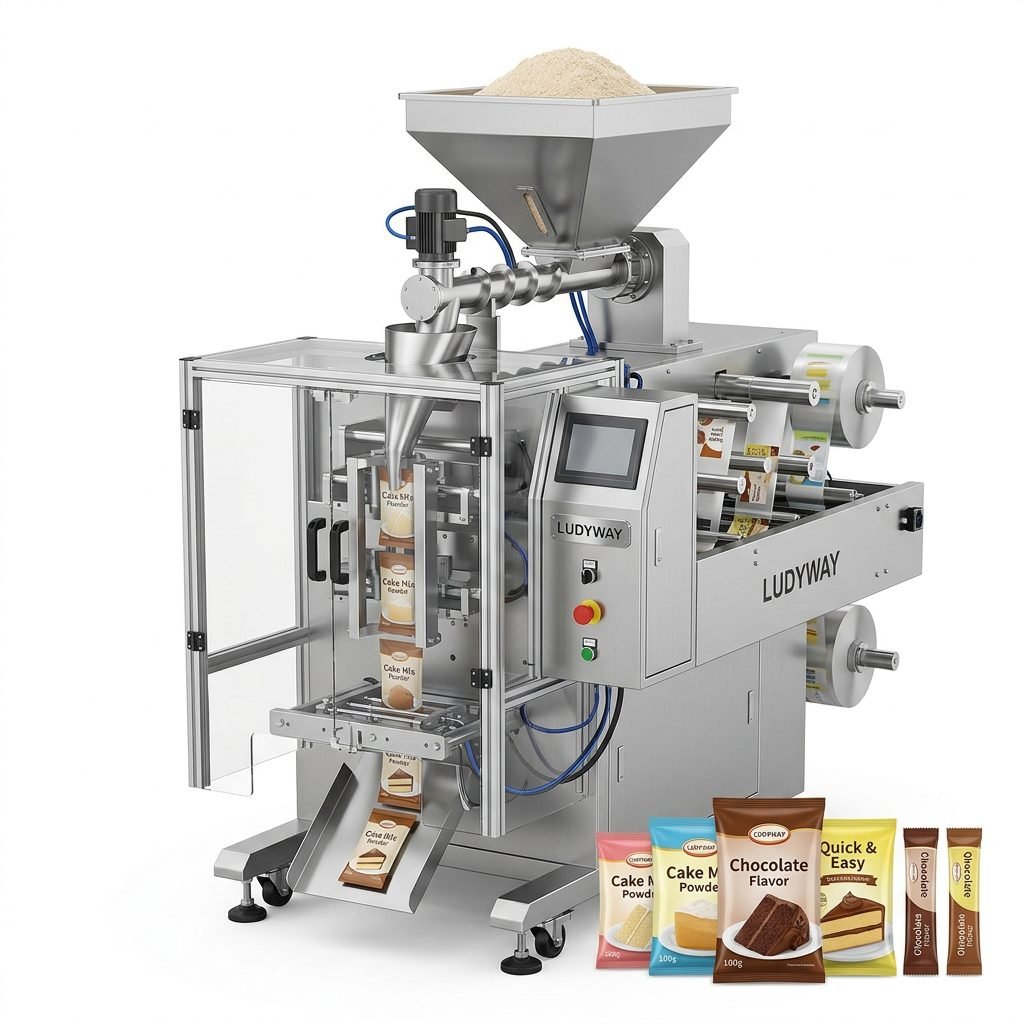
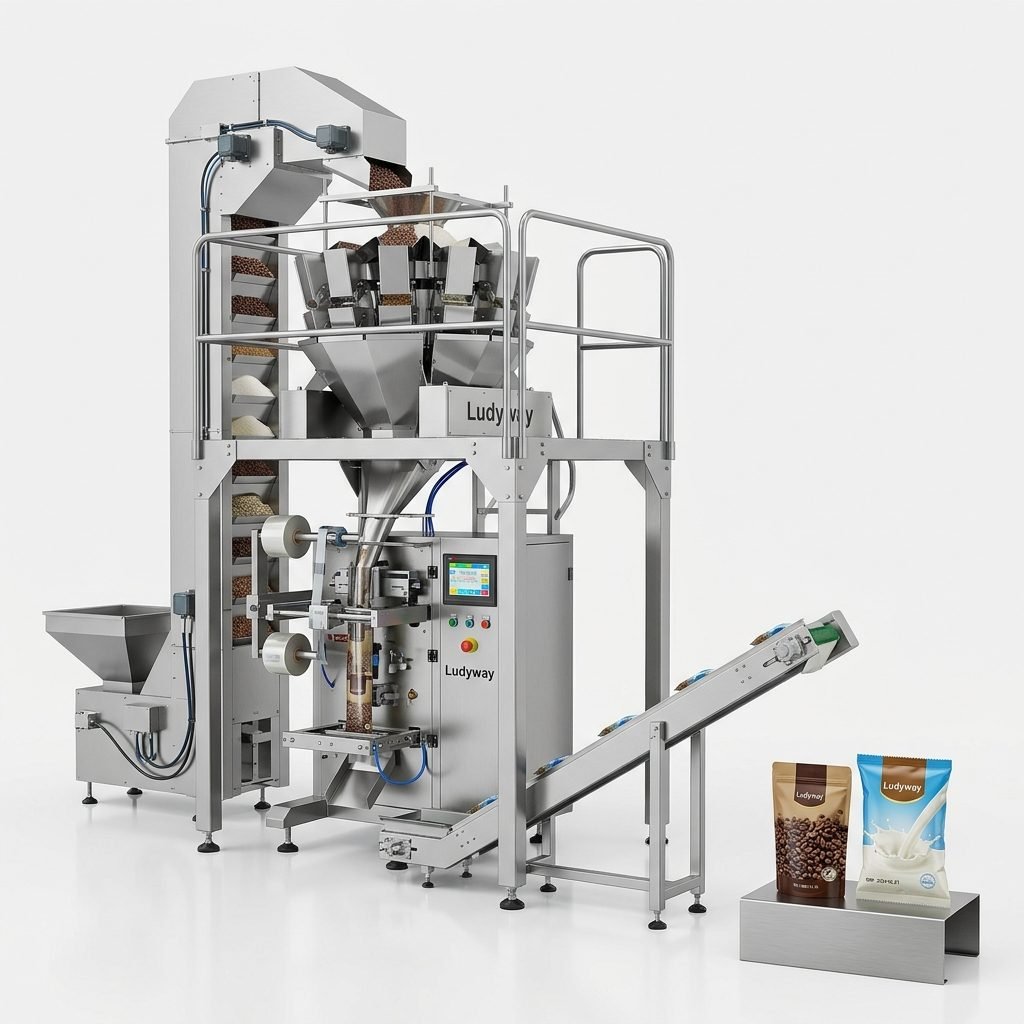
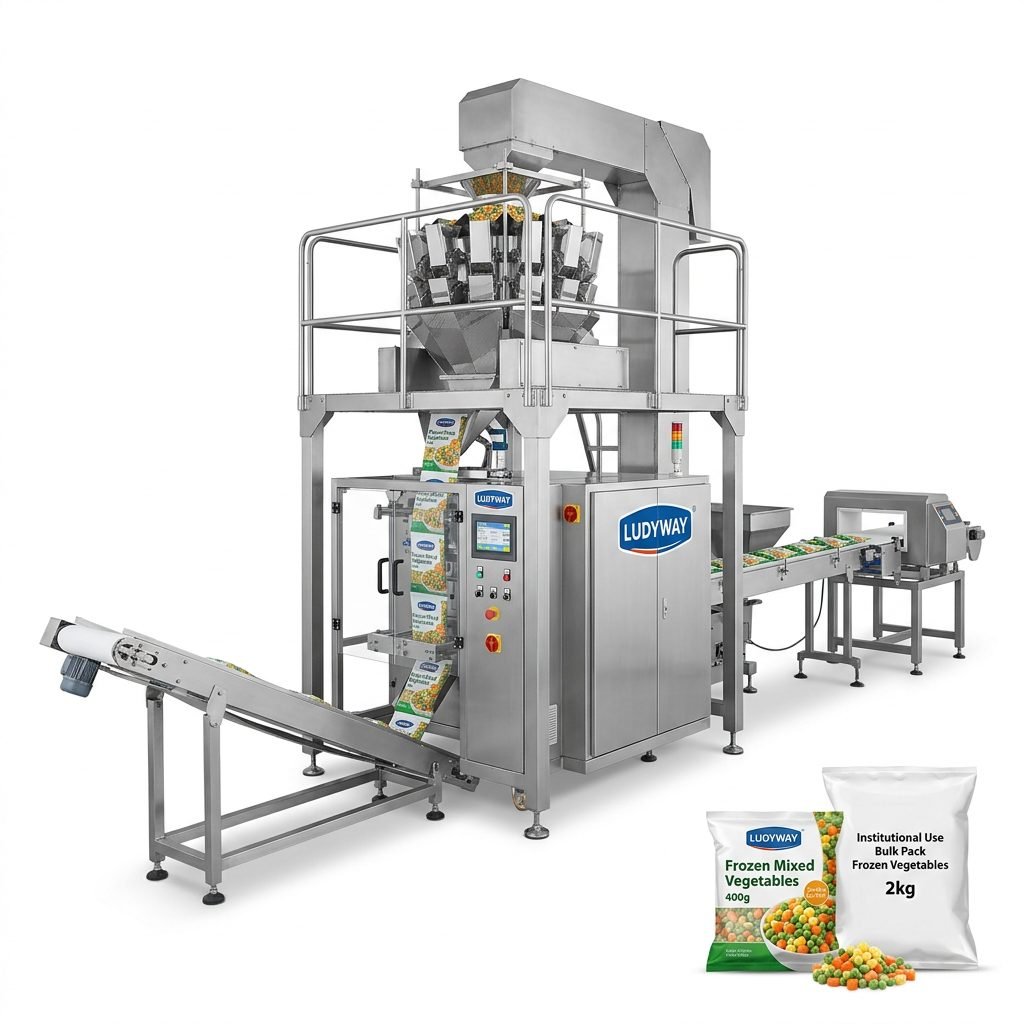
- Vertical Form Fill Seal (VFFS) Machines: Ideal for granular and bulk frozen products such as vegetables, fruits, and seafood. These machines form bags from roll stock, fill product, and seal in one continuous motion.
- Horizontal Form Fill Seal (HFFS) Machines: Suited for frozen ready-meals, burgers, and portioned items that require flat positioning during packaging.
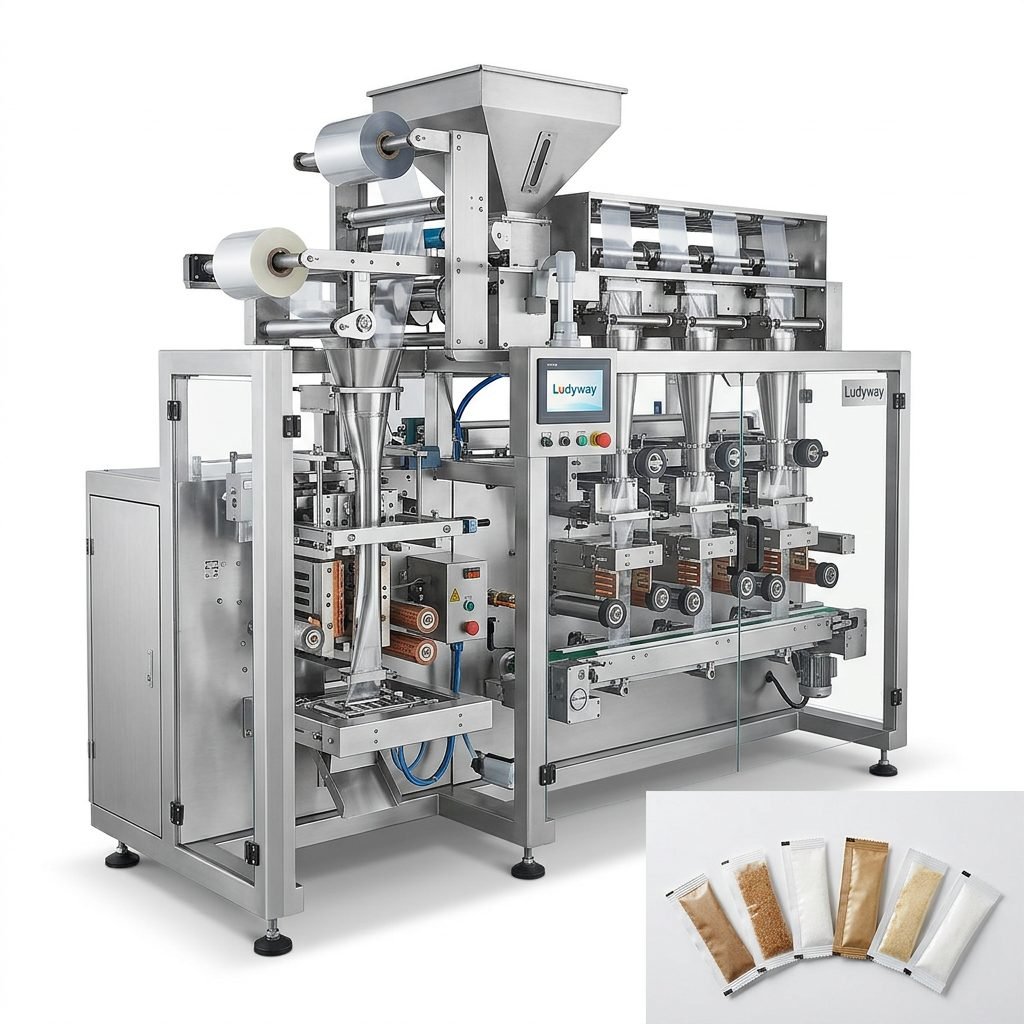
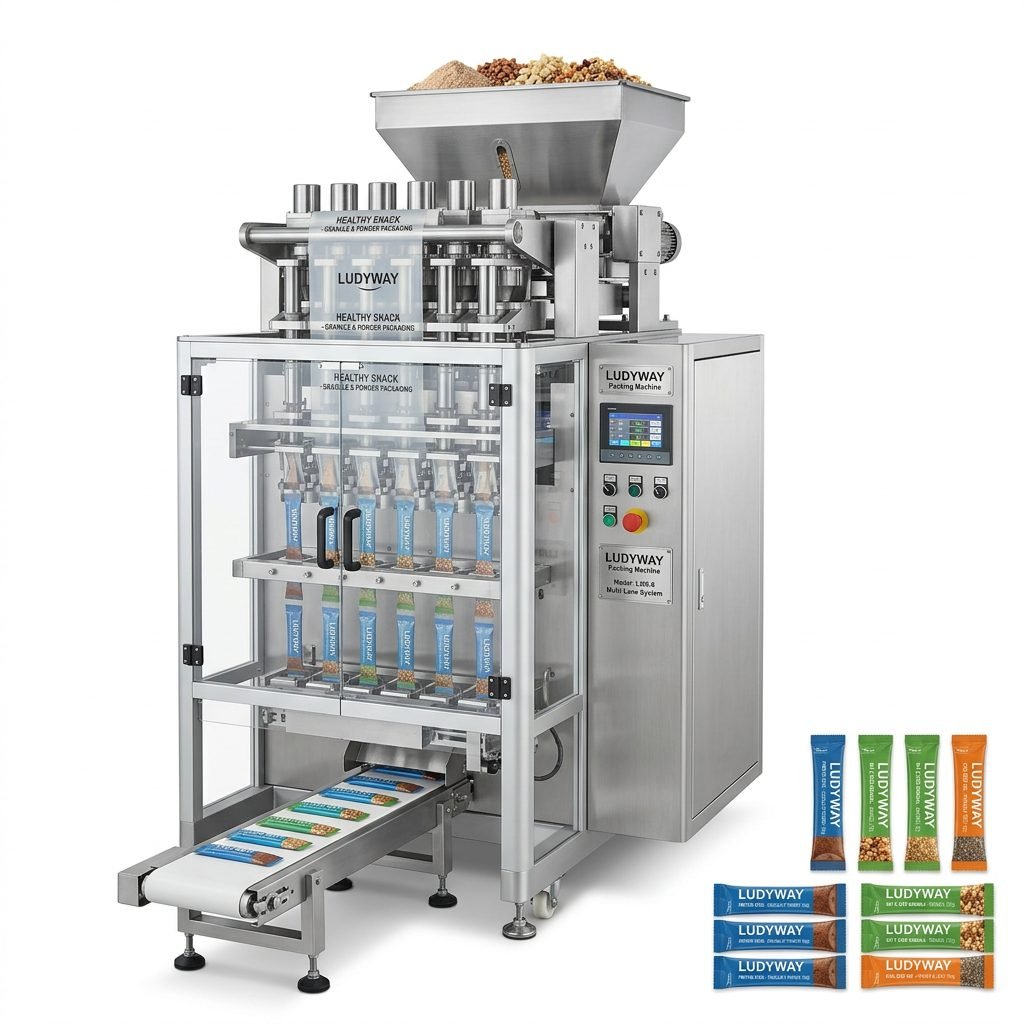
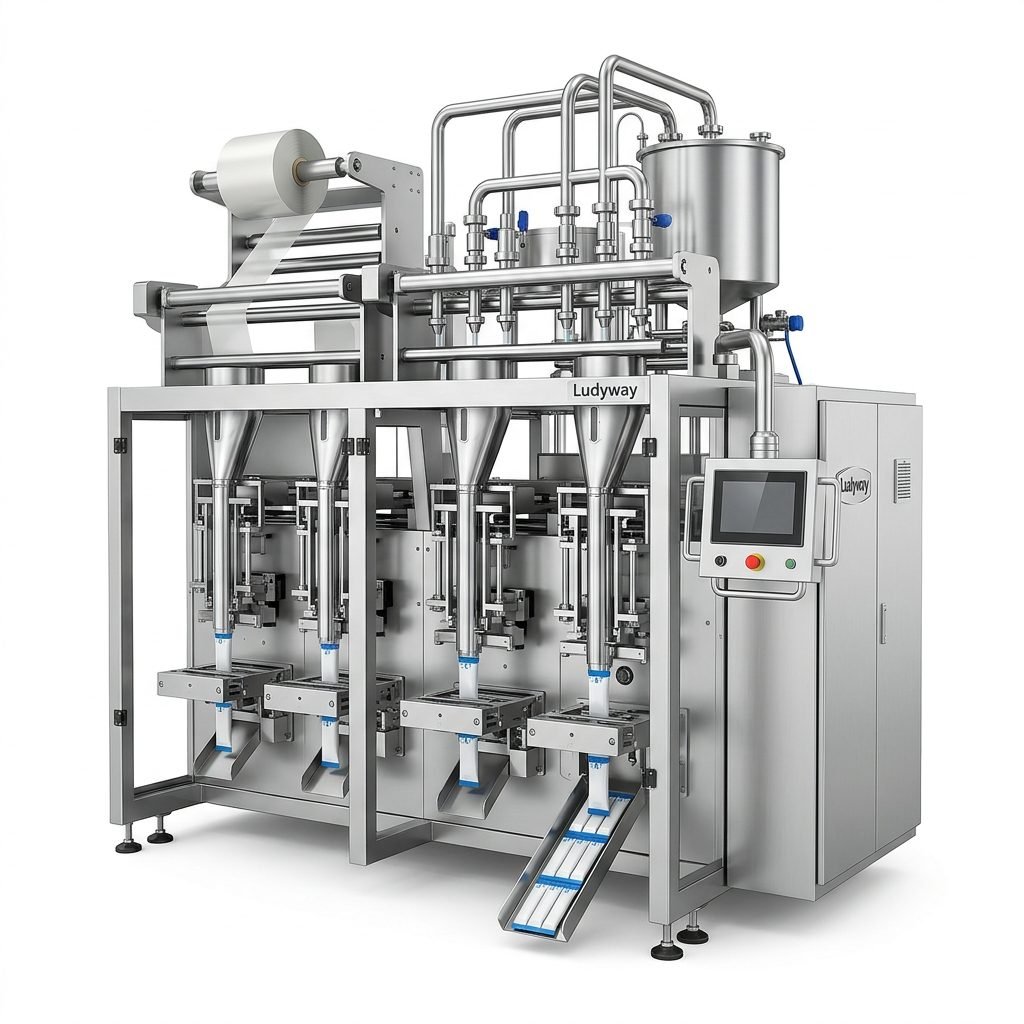
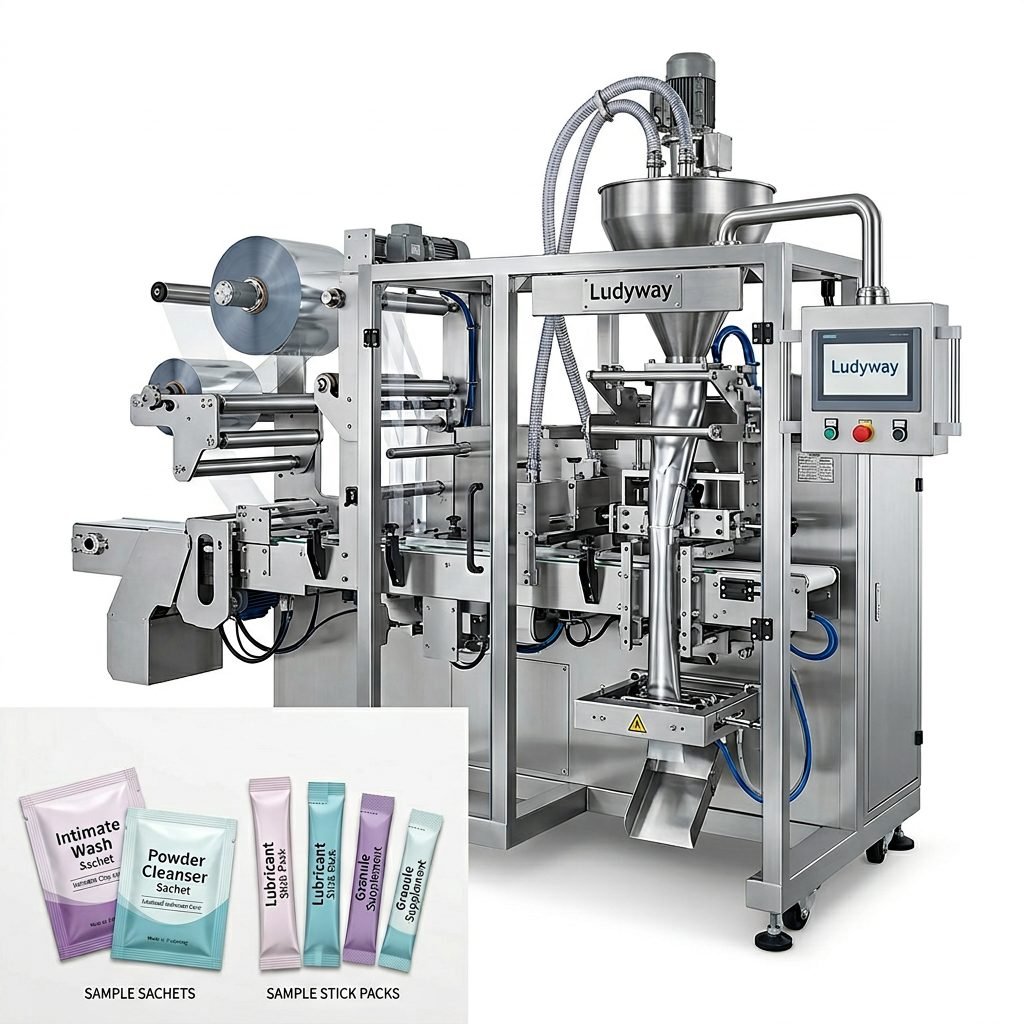
- Multi-Lane Stick Pack and Sachet Machines: Excellent for frozen sauces, pastes, and single-serve frozen concentrates. These deliver high throughput in compact footprints.
- Pre-Made Pouch Filling and Sealing Machines: Best for premium frozen products requiring stand-up pouches or resealable zippers, offering superior shelf presence.
- Tray Sealing and Thermoforming Lines: Designed for modified atmosphere packaging (MAP) applications, extending the shelf life of frozen proteins and prepared foods.
Key Features to Evaluate Before Selecting a Machine
Beyond machine type, several performance and durability factors must be assessed. The table below outlines the most critical specifications to compare across different freezer packaging machines.
| Feature | Why It Matters | What to Look For |
|---|---|---|
| Low-Temperature Material Compatibility | Frozen products and cold factory environments cause standard components to become brittle. | Stainless steel construction, cold-rated seals, and lubricants rated for sub-zero operation. |
| Sealing Integrity at Low Temperatures | Moisture ingress and freezer burn occur if seals are compromised. | Precision temperature-controlled sealing jaws, adjustable dwell time, and multi-zone heating. |
| Defrost and Condensation Management | Frost buildup on machine surfaces can affect sensors, film tracking, and hygiene. | Enclosed electrical cabinets, heated forming tubes, and automated defrost cycles. |
| Speed and Throughput Requirements | Frozen food lines often run at high speeds to match downstream freezing tunnels. | Multi-lane configurations, servo-driven systems, and quick-change film mechanisms. |
| Hygiene and Cleanability | Frozen food production demands strict sanitation standards. | IP65 or higher washdown ratings, tool-free disassembly, and sloped surfaces for drainage. |
Packaging Material Considerations for Frozen Applications
Your choice of packaging film is inseparable from your machine selection. Freezer-grade films require specific barrier properties and must be compatible with your machine’s forming, filling, and sealing systems. Key material attributes include:
- Moisture and oxygen barrier to prevent freezer burn and oxidation.
- Cold-temperature puncture resistance to withstand handling and stacking.
- Anti-fog properties for products that require visibility in retail freezers.
- Compatibility with MAP flushing for extended shelf-life applications.
Always confirm that your machine supplier can run the specific film structures you intend to use. According to the Flexible Packaging Association, the flexible packaging market continues to evolve with sustainable and high-barrier material innovations. Your machine should be adaptable to future material changes.
Industry Standards and Compliance Requirements
Freezer packaging machines used in food and pharmaceutical sectors must adhere to relevant regulations. The PMMI packaging industry resources provide extensive guidance on machinery standards, safety requirements, and market trends. Key compliance factors include:
- Food contact compliance: All surfaces touching product must meet FDA or EU food-grade material requirements.
- CE marking and ISO certifications: Verify that the machine meets applicable international standards for safety and quality.
- GMP compatibility: For pharmaceutical or nutraceutical frozen products, Good Manufacturing Practice design principles are essential.
- Traceability and serialization: Integration with coding, marking, and inspection systems for batch tracking.
Evaluating Total Cost of Ownership
Purchase price alone is an incomplete metric. A comprehensive cost analysis should factor in the following elements over the machine’s expected lifespan:
- Energy consumption: Cold-environment machines often require additional heating for sealing operations, impacting electricity usage.
- Spare parts availability: Confirm that critical components like sealing jaws, heating elements, and sensors are readily available from the manufacturer.
- Maintenance and service support: Evaluate whether the supplier offers remote diagnostics, on-site service, and operator training. Downtime in frozen production is particularly costly due to cold chain requirements.
- Changeover efficiency: Frequent product and film changeovers add labor costs if the machine design is not optimized for quick adjustments.
- Film waste rates: Precision film handling reduces material waste, which accumulates significantly in high-volume operations.
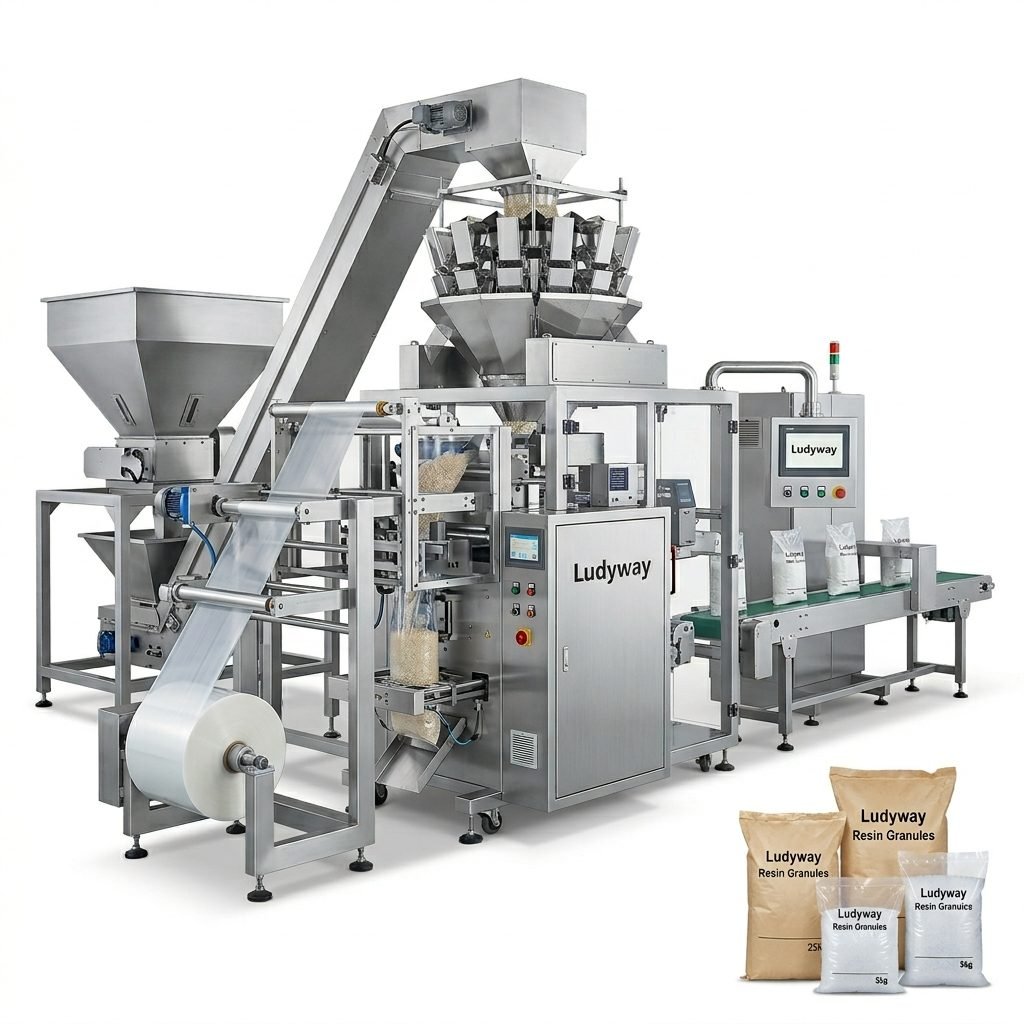
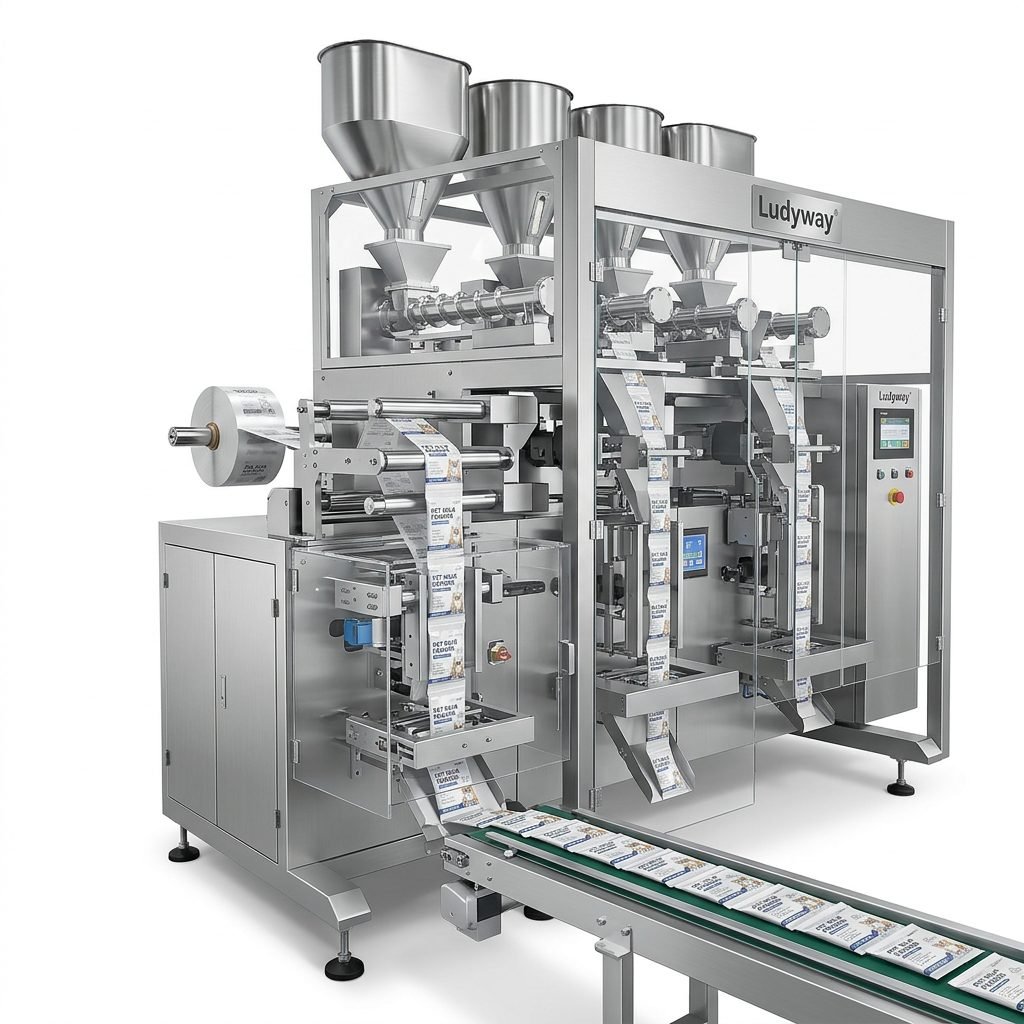
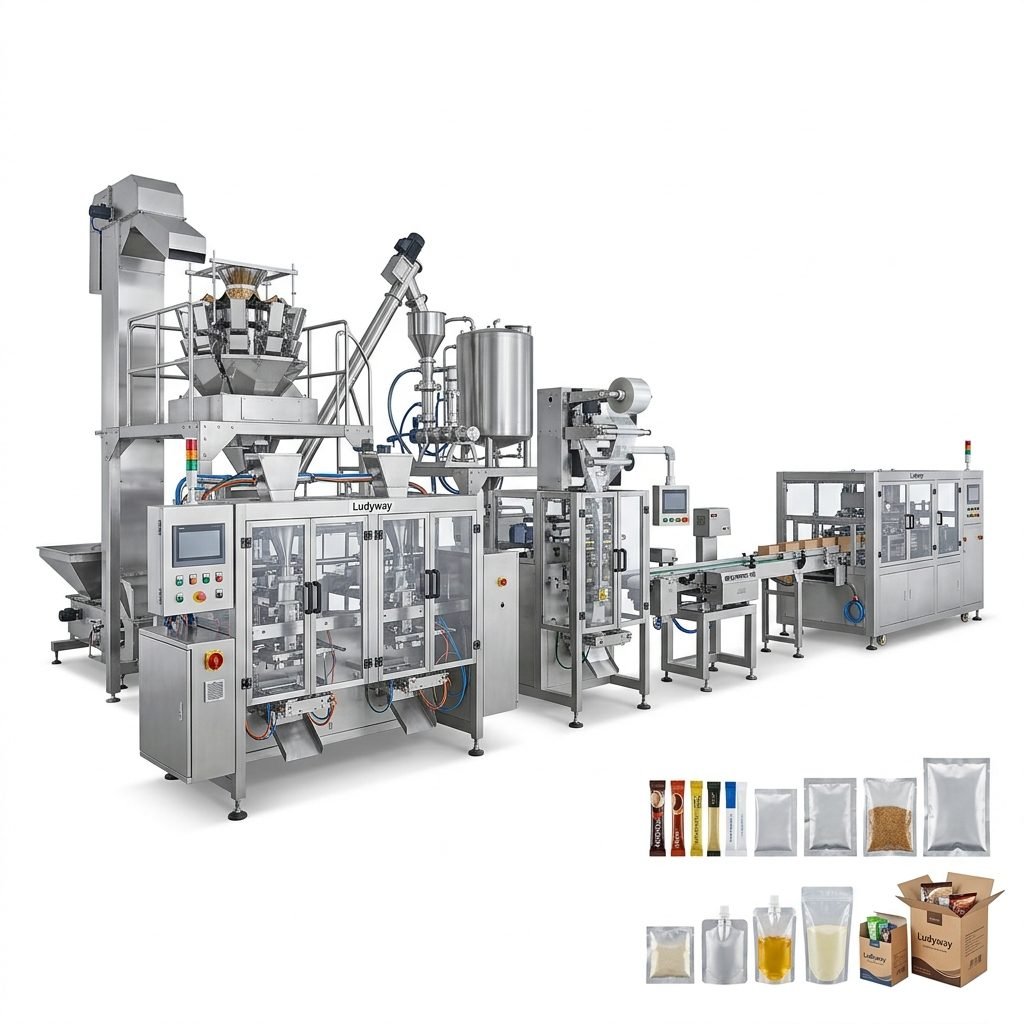
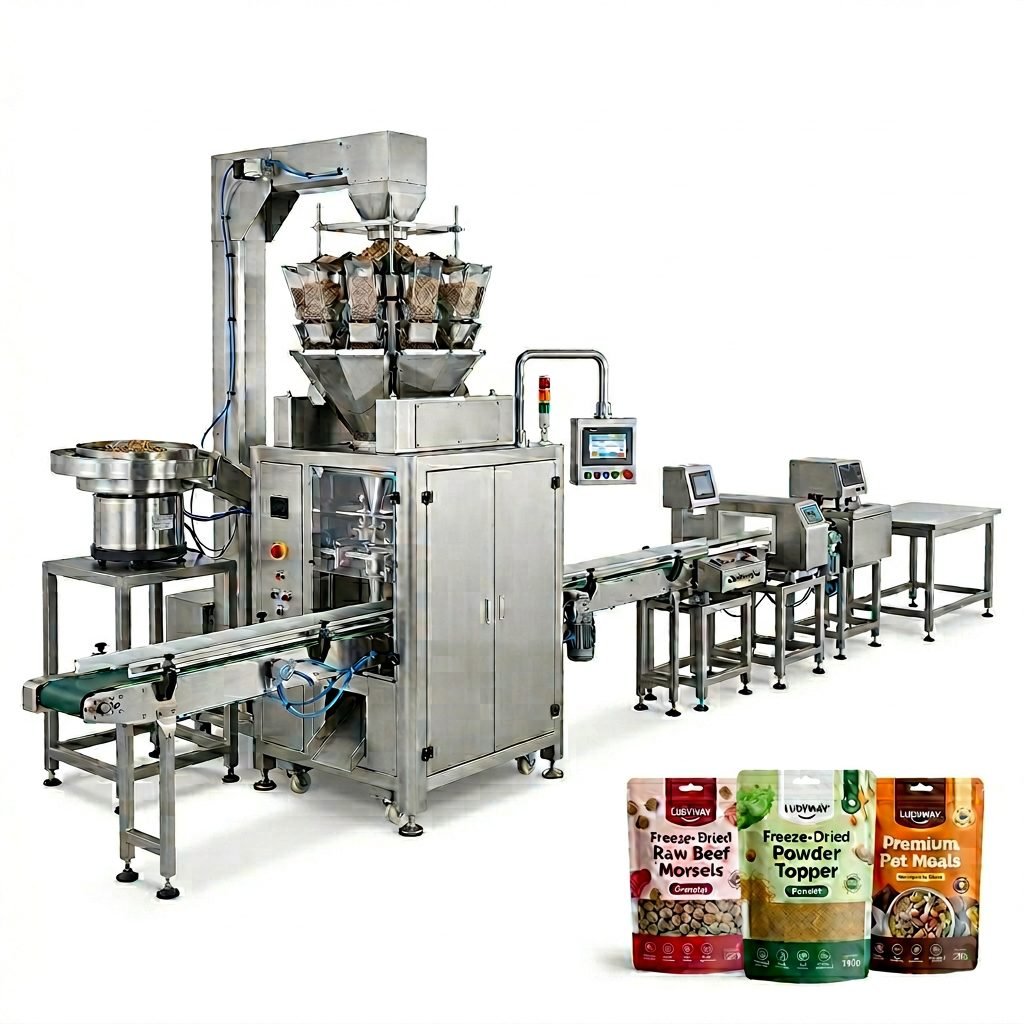
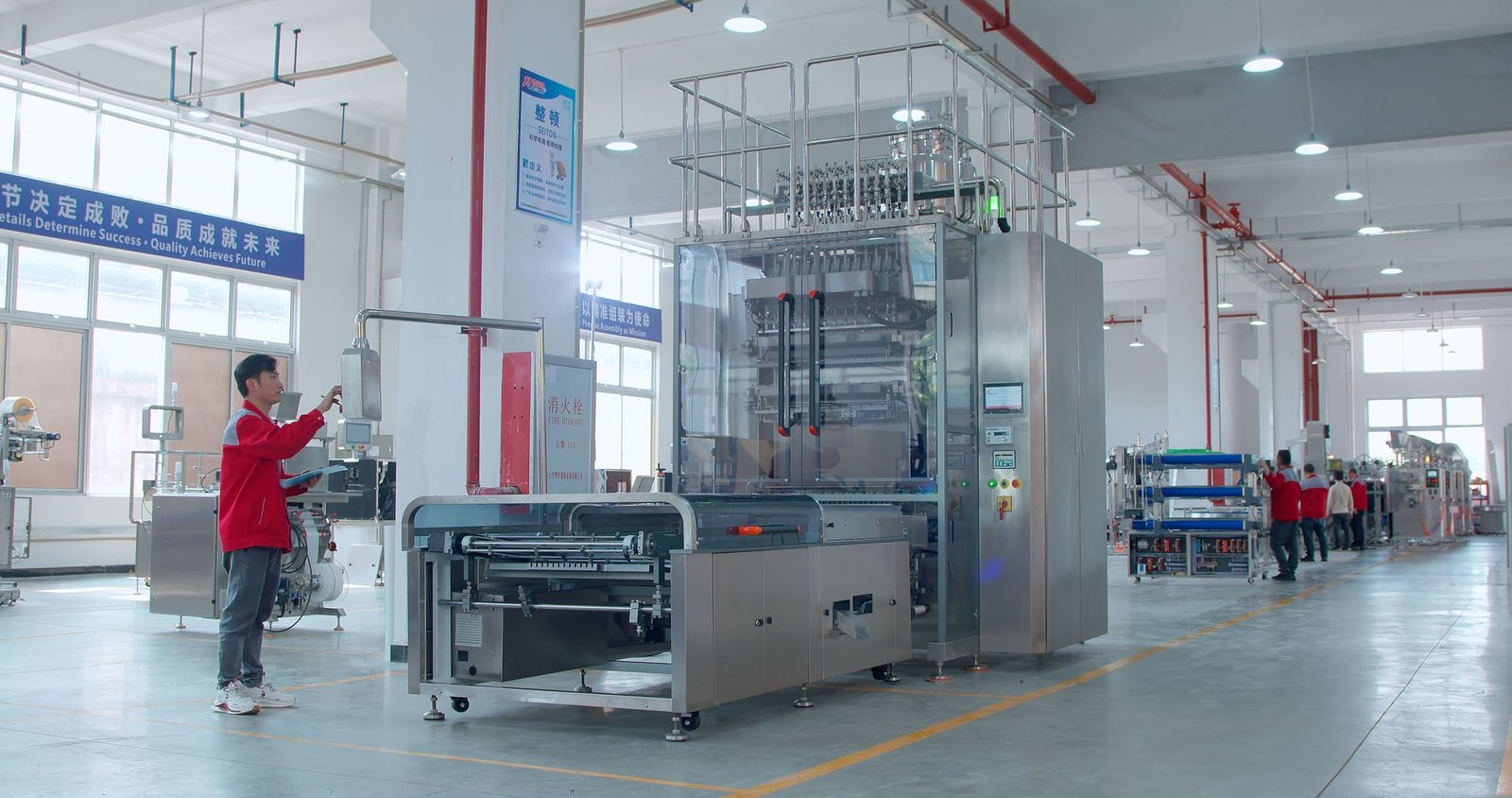
Working with an experienced packaging machinery manufacturer that provides integrated solutions—from individual machines to complete turnkey packaging lines—can simplify this evaluation process. A partner with cross-industry application knowledge can recommend configurations tailored to both your product and your production environment. For instance, Ludyway Machinery, a China-based packaging machinery manufacturer with over 30 years of experience, provides a broad portfolio of automatic packaging equipment configured for frozen food applications, including multi-lane sachet systems, vertical form fill seal machines, and integrated packaging lines that connect multiple stages of the packaging process under one coordinated system.
Questions to Ask Before Finalizing Your Decision
Use the following checklist when engaging with potential suppliers. Clear answers to these questions reduce implementation risk and ensure long-term operational satisfaction.
- Can the machine operate continuously in an ambient temperature of -20°C to 5°C? Not all machines are designed for cold environments, even if they package frozen products.
- What sealing technologies are available, and how are they controlled? Look for independent temperature zone control with real-time monitoring.
- Is the machine compatible with my current and future film specifications? Confirm thickness, material structure, and barrier property compatibility.
- What is the actual achievable throughput with my product characteristics? Request video demonstrations or factory acceptance testing with your actual product.
- How is condensation and frost managed on critical machine surfaces? This affects both reliability and food safety.
- What after-sales support is available in my region? Clarify response times, spare parts logistics, and training programs.
Integrating Freezer Packaging Machines into Your Production Line
A freezer packaging machine rarely operates in isolation. It must integrate seamlessly with upstream equipment such as freezing tunnels, weighing and dosing systems, and conveyors, as well as downstream equipment including checkweighers, metal detectors, case packers, and palletizers. When evaluating suppliers, prioritize those with experience in integrated packaging systems and turnkey production line solutions. This approach ensures single-source accountability and smoother commissioning. The PMMI business intelligence reports consistently highlight the industry trend toward integrated, automated packaging lines for improved overall equipment effectiveness.
Final Recommendations
Selecting the right freezer packaging machine requires balancing technical requirements, operational conditions, and long-term business objectives. Begin by clearly defining your product specifications, packaging format, throughput targets, and facility constraints. Then evaluate machine types, material compatibility, compliance needs, and total cost of ownership. Partnering with a manufacturer that offers customization, engineering support, and global service coverage can significantly reduce project risk and accelerate time-to-market. Whether upgrading an existing line or building a new frozen food packaging operation, the right equipment choice will support product quality, production efficiency, and business growth for years to come.