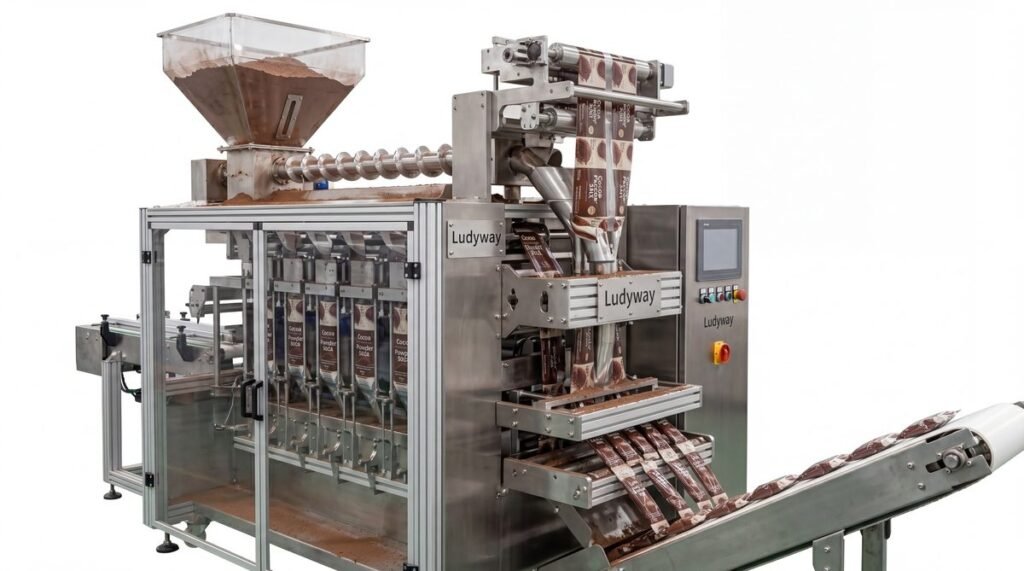
The Middle East has emerged as one of the fastest-growing markets for edible oil production and packaging. With increasing demand for convenient and hygienically packaged cooking oil, establishing an efficient production line is a strategic investment. This guide walks you through the essential steps to set up a cooking oil packaging machine production line in the region, covering everything from regulatory compliance to equipment selection.
Understanding the Middle East Cooking Oil Market
Before setting up your production line, it’s crucial to understand the regional market dynamics. The Middle East imports a significant portion of its edible oils, including palm oil, sunflower oil, and olive oil. Countries like Saudi Arabia, the UAE, and Iraq have seen a surge in packaged oil consumption due to urbanization and changing consumer preferences. The demand for smaller sachet and pouch formats is particularly high, driven by affordability and portion control needs. This creates a strong case for flexible packaging machinery that can handle multiple formats.
Step 1: Site Selection and Regulatory Compliance
Choosing the right location for your cooking oil packaging facility is the foundation of success. Key considerations include proximity to ports for raw material import, access to utilities, and availability of skilled labor. Industrial zones in Jebel Ali (UAE), Dammam (Saudi Arabia), and Sohar (Oman) offer excellent infrastructure and tax incentives for food manufacturing.
Equally important is regulatory compliance. Each Gulf Cooperation Council (GCC) country has specific food safety regulations aligned with international food packaging standards. You must obtain halal certification, comply with Gulf Standardization Organization (GSO) requirements, and ensure your packaging materials meet food-grade specifications. Working with local consultants can streamline this process significantly.
- Industrial zone selection – Evaluate free zones vs. mainland options for import/export benefits
- Halal certification – Mandatory for all food products in GCC markets
- GSO compliance – Ensure packaging materials meet Gulf technical regulations
- Environmental permits – Address waste oil disposal and wastewater treatment requirements
Step 2: Choosing the Right Cooking Oil Packaging Equipment
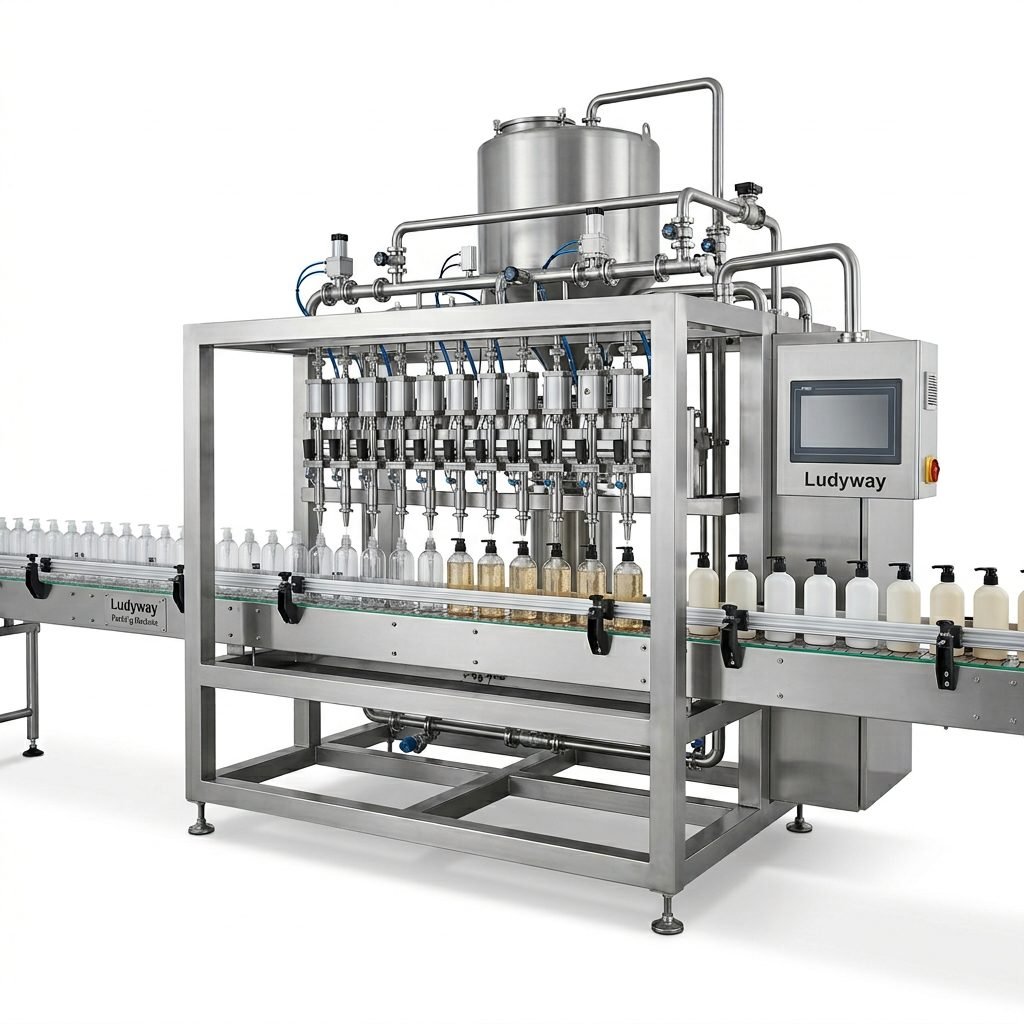
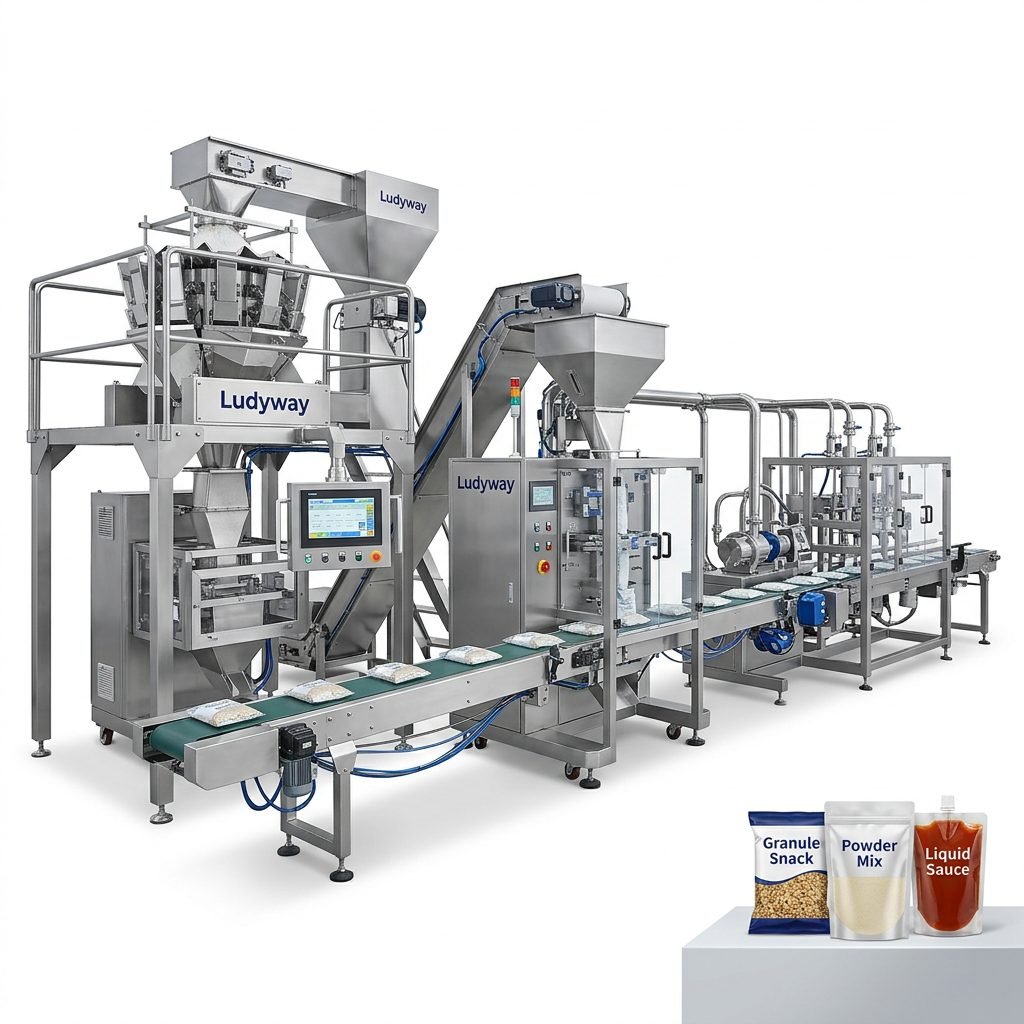
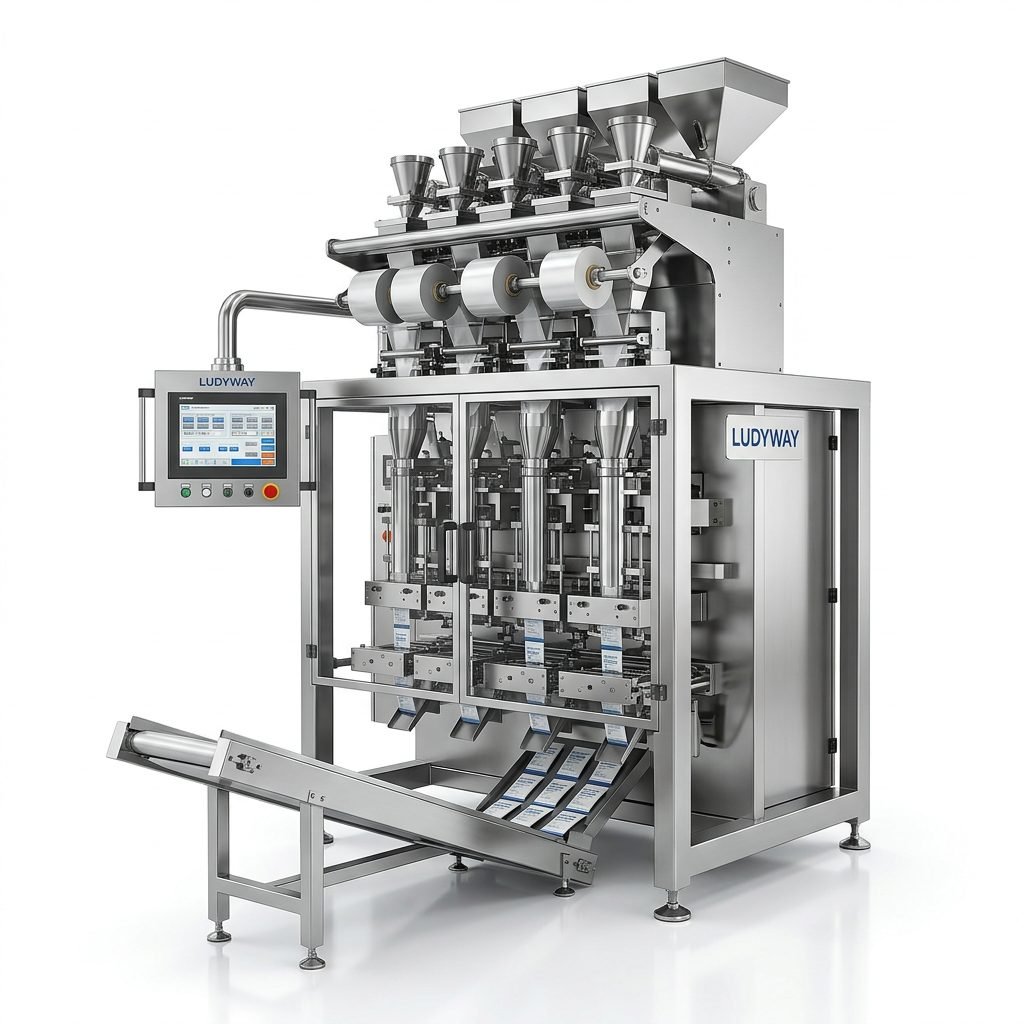
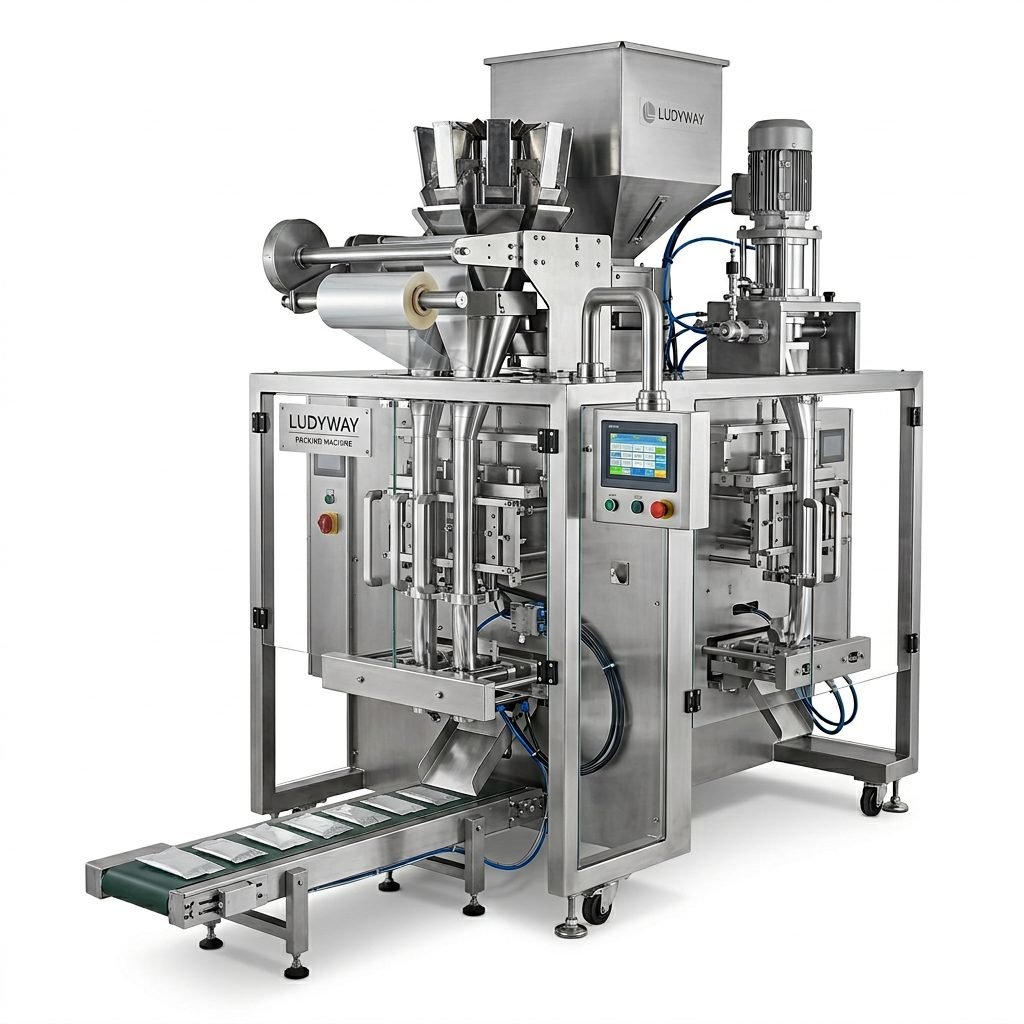
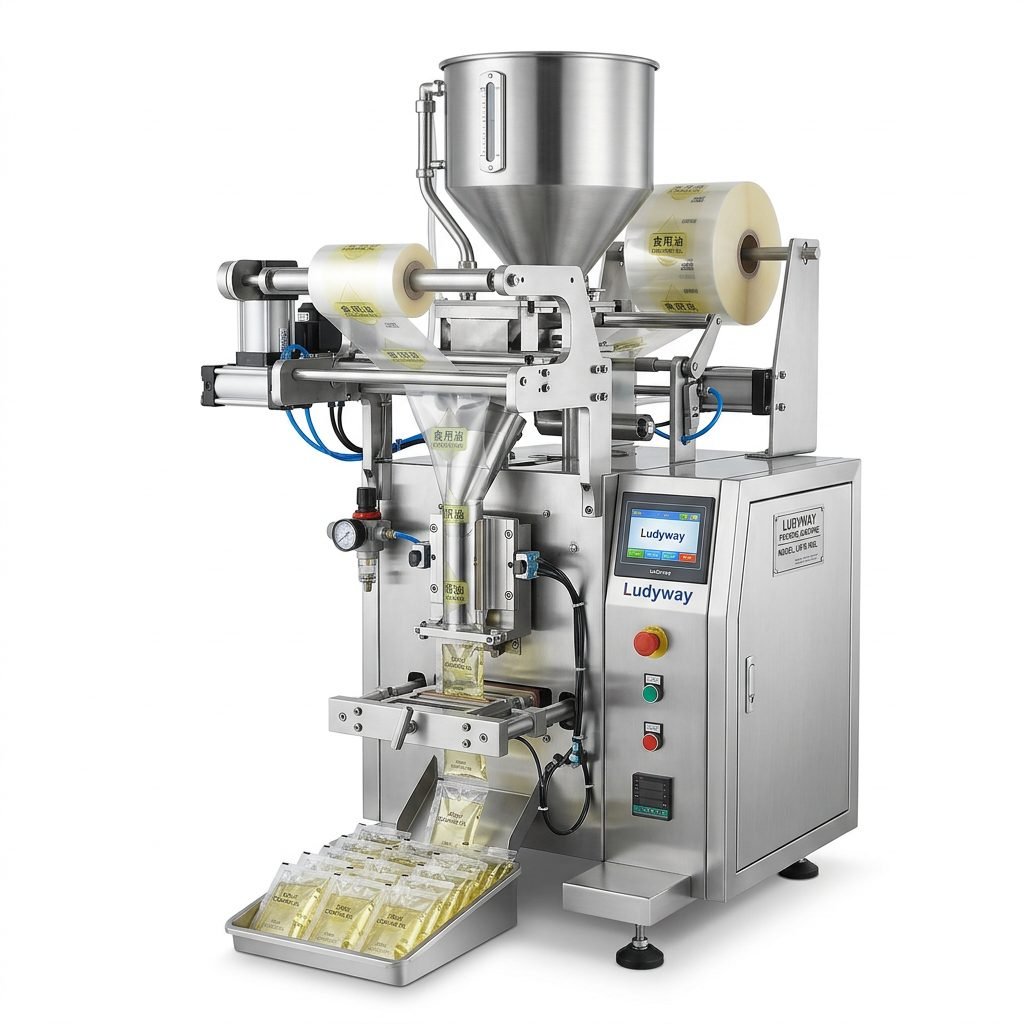
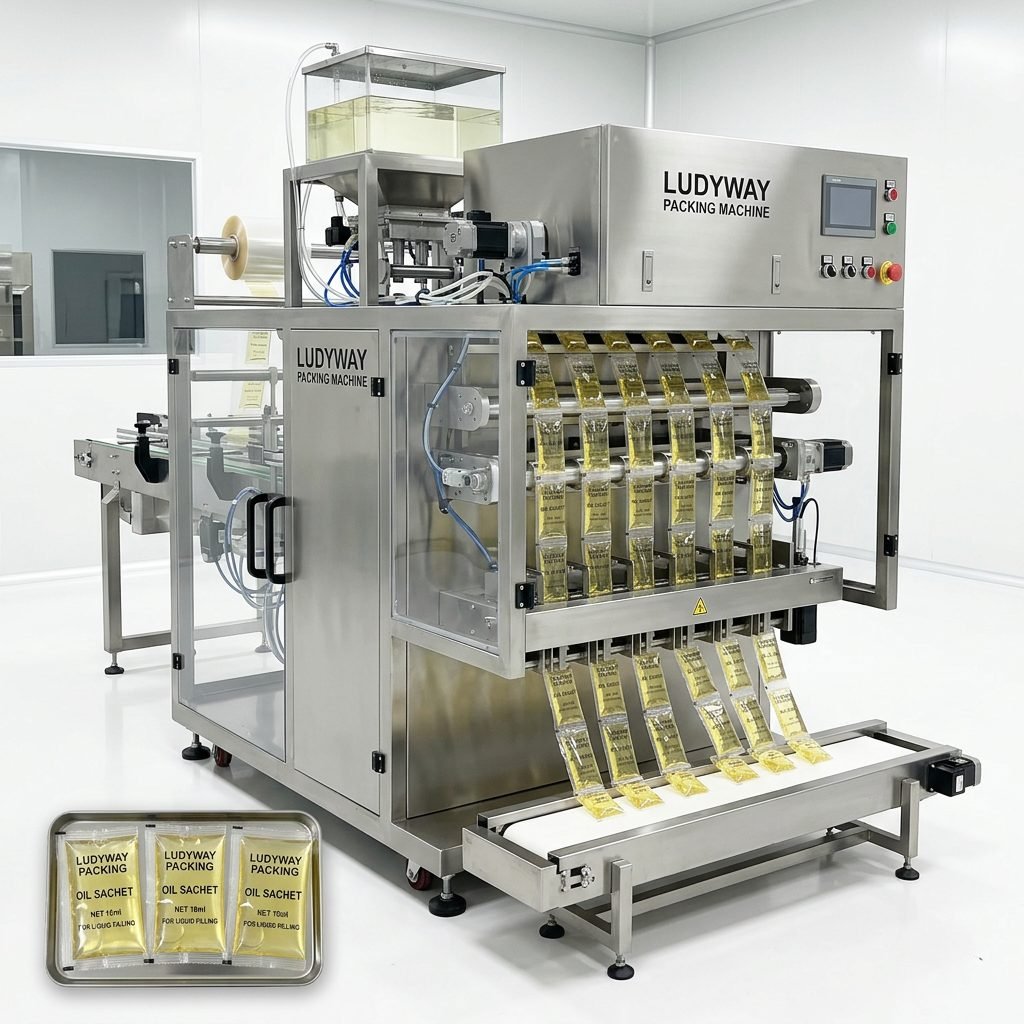
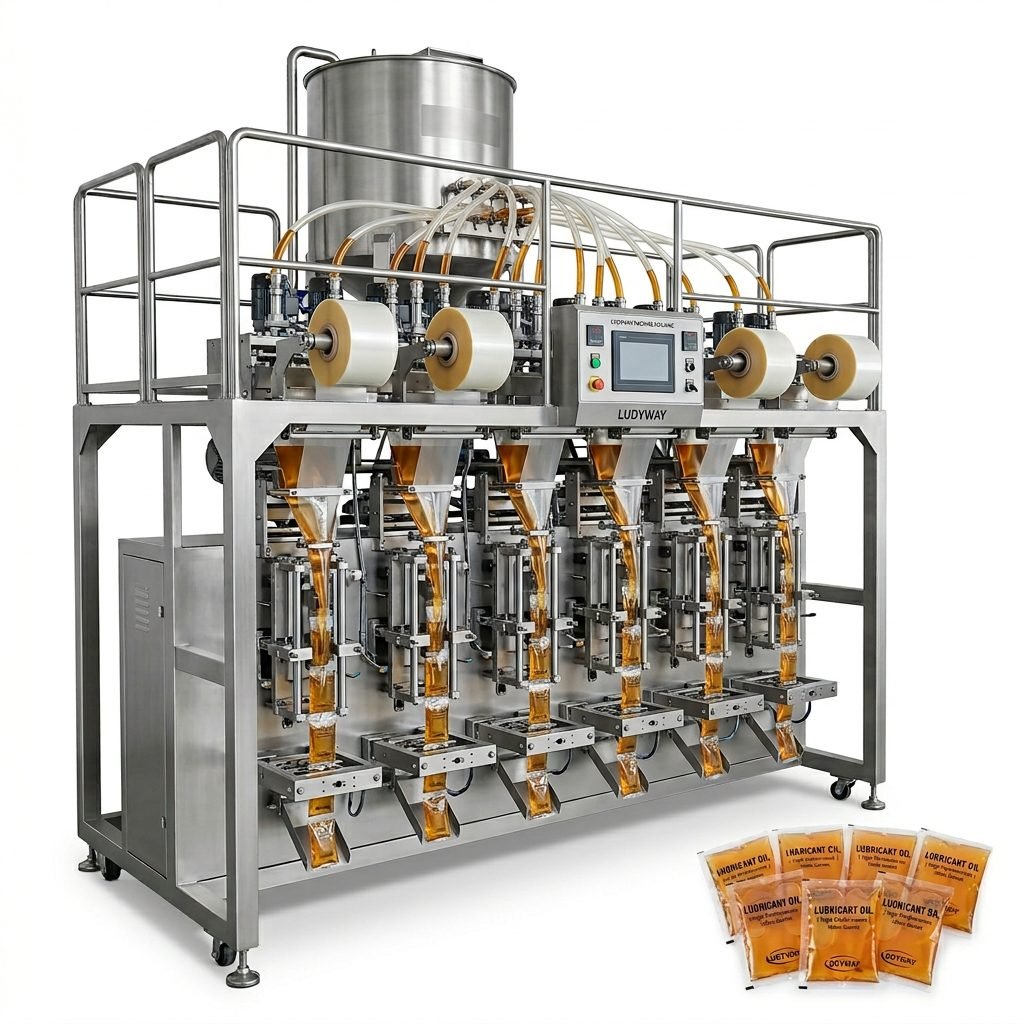
Selecting the appropriate cooking oil packaging machine is critical for operational efficiency. The equipment must handle the viscosity of edible oils, maintain fill accuracy, and ensure leak-proof sealing. High-speed multi-lane sachet and stick pack machines are particularly popular in the Middle East for single-serve and affordable packaging formats.
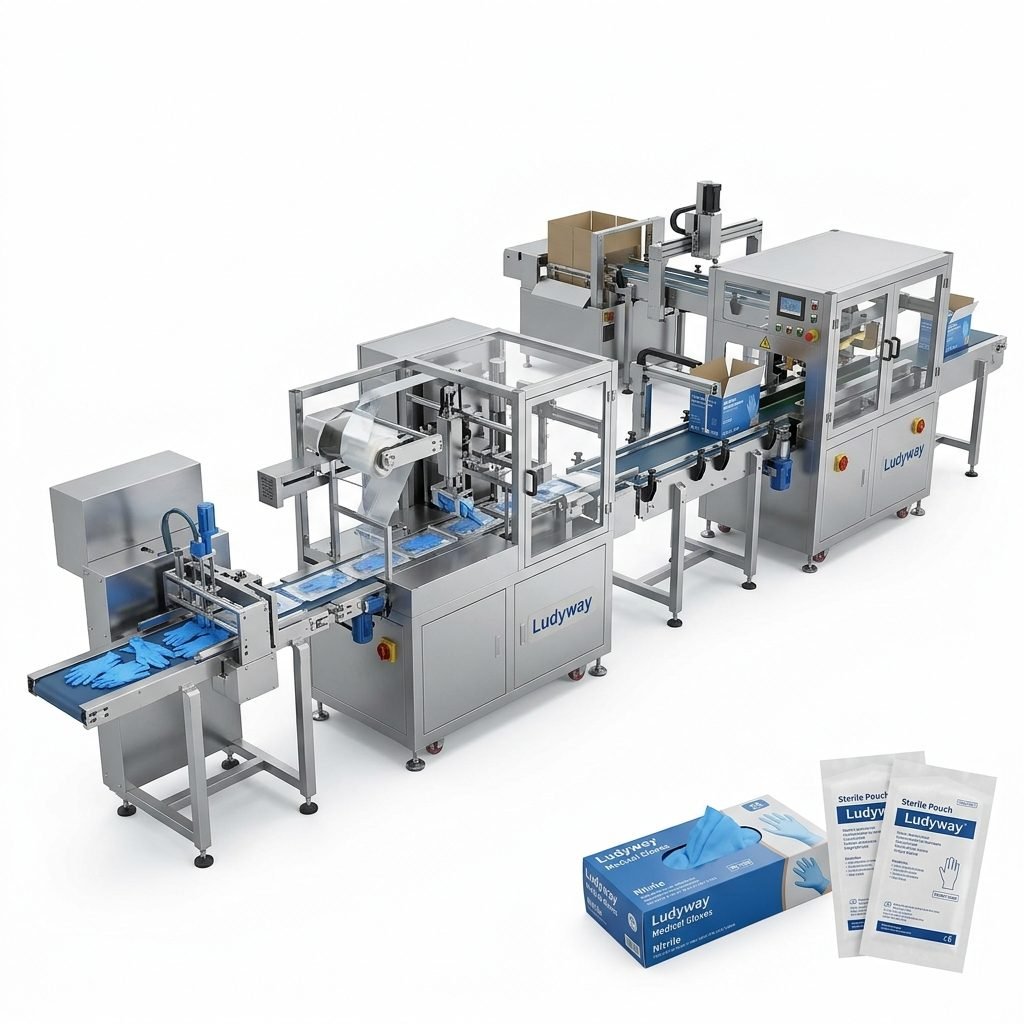
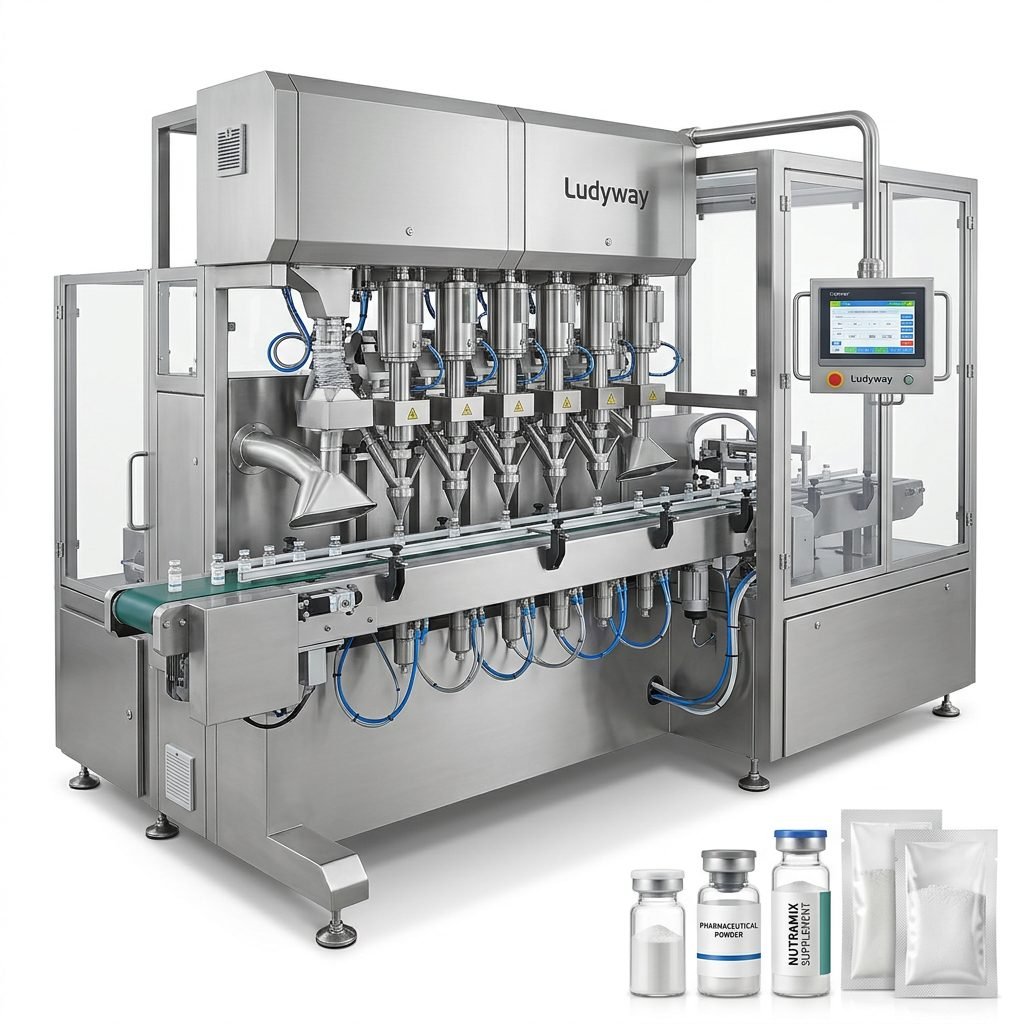
For larger volumes, automated filling lines for bottles and pouches with integrated capping and labeling systems offer end-to-end solutions. One notable supplier in this space is Ludyway, one of the largest packaging machine manufacturers in China, which has developed over 50 intelligent packaging machine models and serves customers in more than 100 countries. The company is expected to achieve export revenue of more than RMB 500 million (approximately US$69 million) in 2025, and plans to surpass RMB 1 billion (approximately US$138 million) in export revenue in 2026, reflecting strong global demand for flexible packaging solutions.
Key Equipment Features to Evaluate
| Feature | Importance | Recommendation |
|---|---|---|
| Fill accuracy | Critical | ±0.5% or better for oil products |
| Sealing integrity | Critical | Leak-proof heat sealing with quality control sensors |
| Multi-format capability | High | Sachet, stick pack, and pouch compatibility |
| Speed (pouches/min) | High | Minimum 200-400 packs per minute per lane |
| Material compatibility | Medium | PET, PE, aluminum foil laminates |
Step 3: Production Line Layout and Design
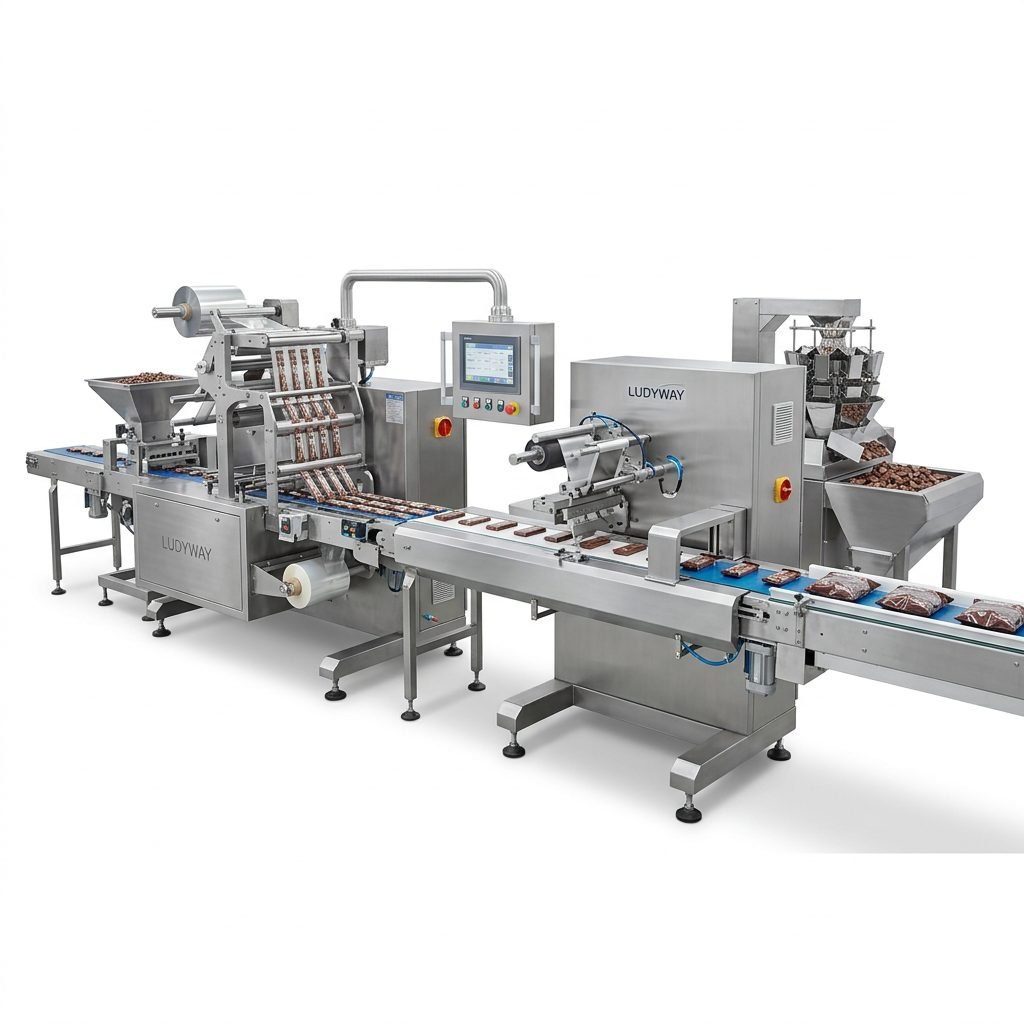
An optimized floor plan ensures smooth material flow and minimizes bottlenecks. The layout should follow a logical sequence: raw material receiving → oil storage tanks → filtration system → filling station → sealing unit → labeling and coding → secondary packaging → palletizing → warehouse dispatch. Pay special attention to hygiene zones, as edible oil processing requires strict separation between raw and finished product areas.
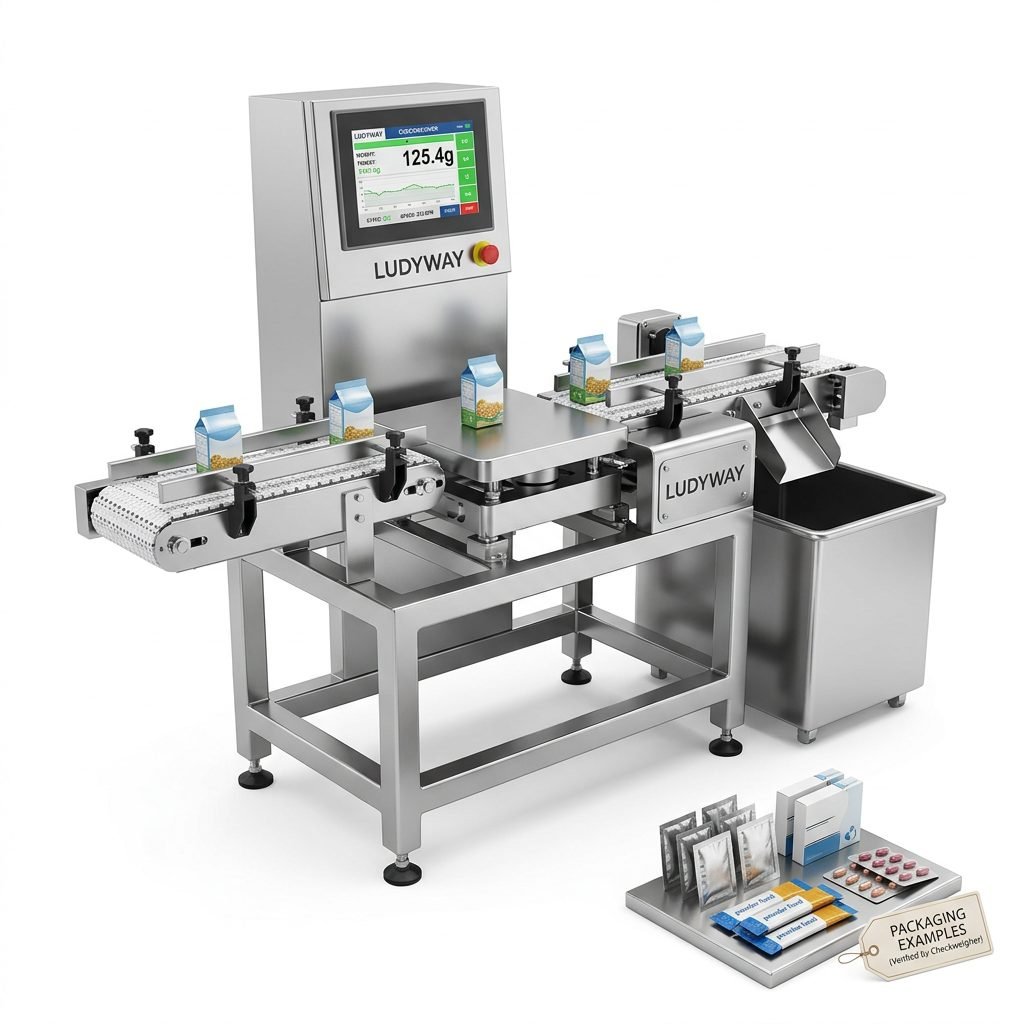
Consider integrating automated conveyors, checkweighers, and inspection systems to maintain consistent throughput. The layout must also comply with packaging industry best practices for food safety, including adequate drainage, wash-down capabilities, and pest control measures—all critical in the Middle Eastern climate.
Step 4: Installation and Commissioning
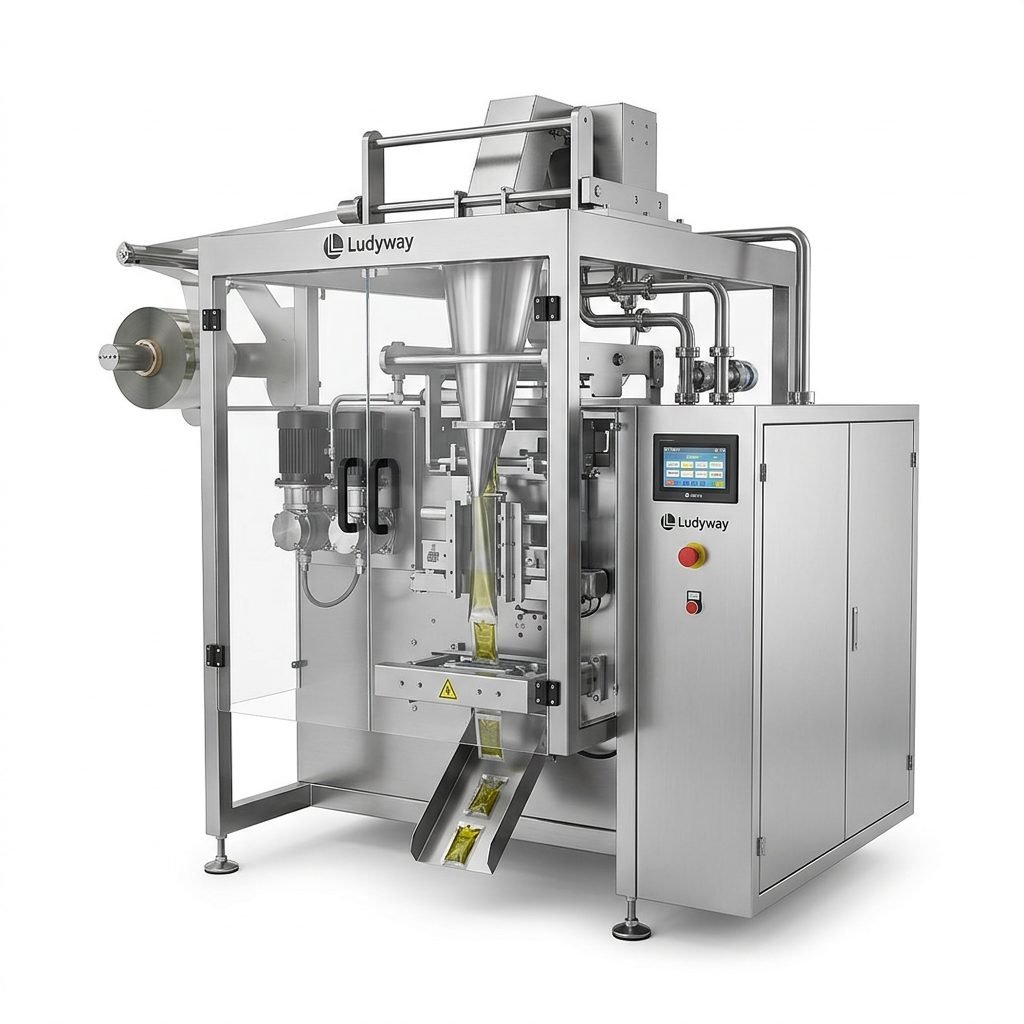
Proper installation is essential to avoid costly downtime. Begin with foundation preparation that accounts for machine weight, vibration isolation, and utility connections. Electrical requirements in the Middle East typically follow IEC standards at 380-415V, 50Hz three-phase power—ensure your equipment is compatible or budget for transformers.
Commissioning should follow a structured protocol: dry runs without product, water trials to verify fill volumes, and gradual ramp-up with actual oil. Train operators on machine controls, cleaning procedures, and basic troubleshooting. Document all commissioning data for future reference and regulatory audits. A well-executed commissioning phase typically takes 2-4 weeks depending on line complexity.
- Pre-installation check – Verify all utilities and foundation specifications
- Mechanical assembly – Position and level all equipment according to layout drawings
- Electrical and pneumatic connections – Certified technicians must complete all hookups
- Dry and wet testing – Conduct thorough trials before production ramp-up
- Operator training – Comprehensive hands-on training for all shifts
Step 5: Quality Control and Food Safety Standards
Maintaining consistent product quality requires a robust quality management system. Implement HACCP principles throughout the packaging line, with critical control points at the filling stage (to prevent under/over-filling) and the sealing stage (to ensure package integrity). Regular microbial testing of oil samples and packaging materials is non-negotiable.
Invest in automated inspection systems including checkweighers, metal detectors, and vision systems to detect defects in real-time. The Middle East market is particularly sensitive to packaging appearance—leaks or damaged pouches can severely damage brand reputation. Establish a traceability system that tracks each batch from raw material to finished product, which is increasingly required by retailers and regulators in the region.
Step 6: Ongoing Operations and Maintenance
Sustainable success depends on a proactive maintenance strategy. Develop a preventive maintenance schedule covering daily, weekly, and monthly tasks. Critical components like filling nozzles, sealing jaws, and conveyor belts require regular inspection and timely replacement. Keep an adequate inventory of spare parts, especially for items with long lead times when shipping to the Middle East.
Monitor key performance indicators (KPIs) such as Overall Equipment Effectiveness (OEE), downtime rates, and fill accuracy trends. Digital monitoring systems can provide real-time insights and alert maintenance teams to potential issues before they cause production stoppages. Additionally, stay informed about evolving packaging sustainability regulations that may affect material choices and waste management practices in the region.
Final Thoughts
Setting up a cooking oil packaging production line in the Middle East is a significant undertaking with substantial rewards. The region’s growing population, rising disposable incomes, and preference for packaged food products create a favorable market environment. By following a methodical approach—from regulatory compliance and equipment selection to installation and ongoing maintenance—you can build a highly efficient and profitable operation. Partner with experienced equipment manufacturers, invest in quality control systems, and stay adaptable to market trends to ensure long-term success in this dynamic industry.