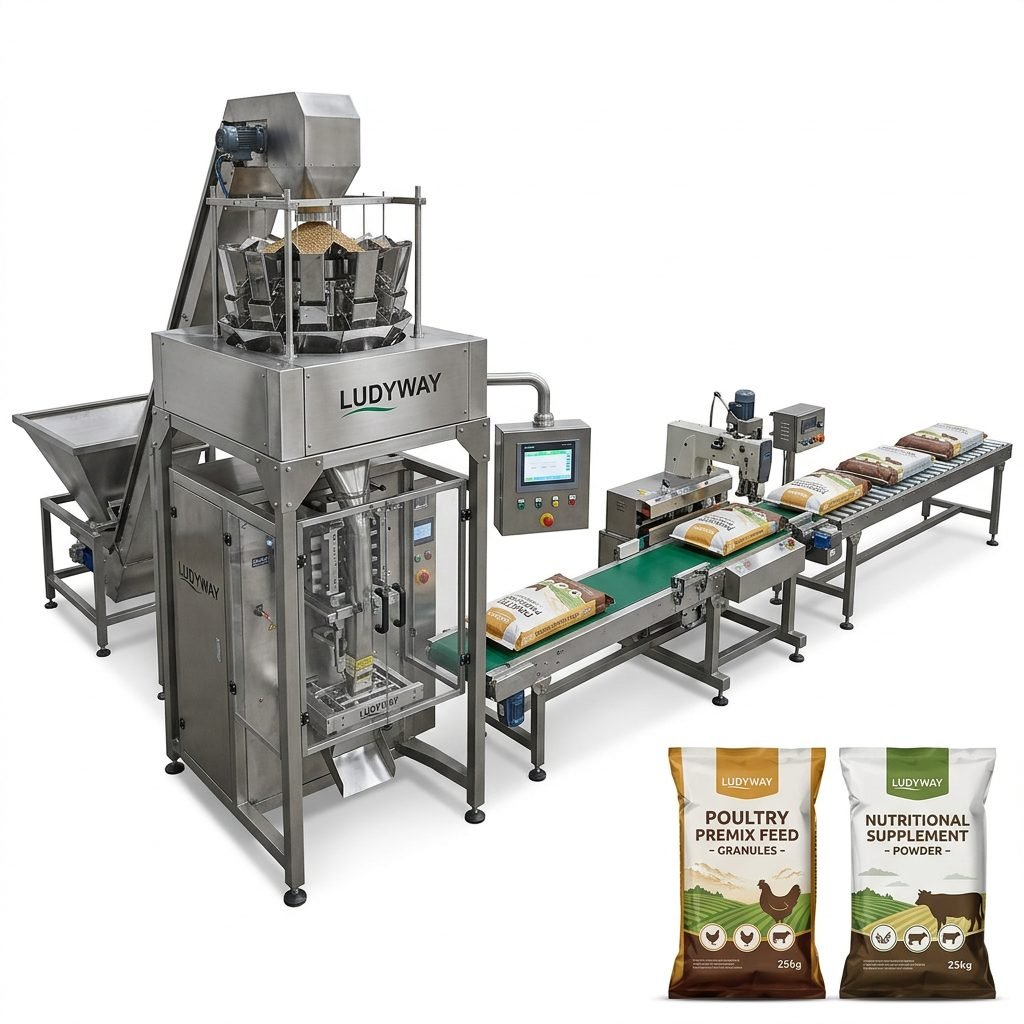
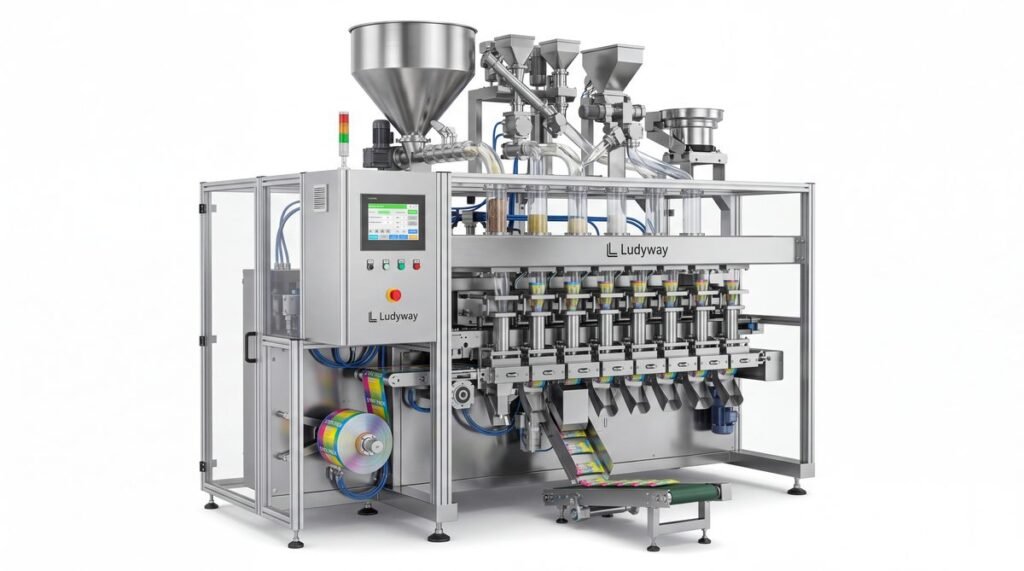
The African cosmetics and personal care market is experiencing unprecedented growth, driven by rising disposable incomes, urbanization, and a young, beauty-conscious population. For manufacturers looking to capitalize on this trend, setting up a cream packaging machine production line requires careful planning, the right equipment, and an understanding of local market conditions. This comprehensive guide walks you through every step of establishing a successful cream packaging operation in Africa.
Understanding the African Cream Packaging Market
Africa’s skincare and cosmetics sector is projected to grow at a compound annual growth rate (CAGR) of over 6% through 2030. Countries such as Nigeria, South Africa, Kenya, Ghana, and Ethiopia are leading this expansion. The demand spans across multiple product categories, including:
- Face creams and anti-aging formulations — the fastest-growing segment in urban centers
- Hand and body lotions — consistent demand across all demographics
- Hair creams and conditioners — driven by the natural hair movement
- Medicated creams and ointments — supported by pharmaceutical distribution networks
- Sunscreen and protective creams — increasing awareness of skin health
Understanding which product categories align with your business goals is the first critical decision when planning your production line.
Key Considerations Before Setting Up Your Production Line
Before investing in a cream packaging machine, evaluate these essential factors that will influence your equipment selection and operational strategy:
Production Capacity Requirements
Determine your target output volume — measured in units per minute or sachets per hour. A small-scale operation might require 30-60 sachets per minute, while a mid-to-large facility could need 120-400 sachets per minute across multiple lanes. Your capacity decision directly impacts machine type, floor space, and labor requirements.
Packaging Format Selection
Cream products in Africa are commonly packaged in several formats. The choice depends on your target market segment and distribution channels:
| Packaging Format | Typical Volume | Best Suited For |
|---|---|---|
| Single-use sachets | 1ml – 15ml | Mass market, sample distribution |
| Stick packs | 3ml – 10ml | Premium samples, travel sizes |
| Tubes | 30ml – 200ml | Mid-range to premium products |
| Bottles and jars | 50ml – 500ml | Premium and luxury segments |
| Pouches with spouts | 50ml – 250ml | Value-size offerings |
Regulatory Compliance and Standards
Each African country has its own regulatory framework. Key standards to research include:
- NAFDAC (Nigeria) — registration and labeling requirements for cosmetics
- SAHPRA (South Africa) — stringent quality and safety protocols
- KEBS (Kenya) — product standards and packaging specifications
- FDA Ghana — import and manufacturing licenses
- EFDA (Ethiopia) — local production compliance
Your packaging machinery must support batch coding, expiration date printing, and tamper-evident sealing to meet these regulatory demands.
Essential Equipment for a Cream Packaging Production Line
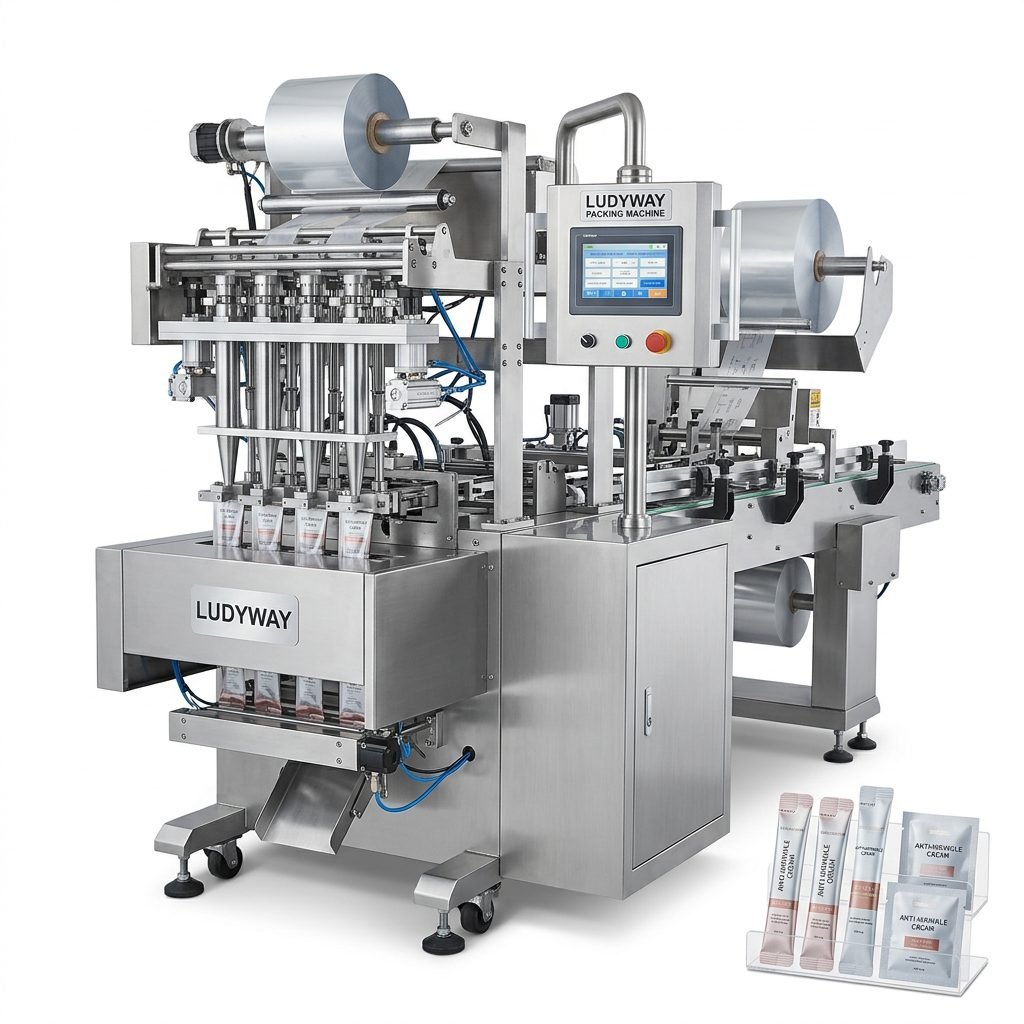
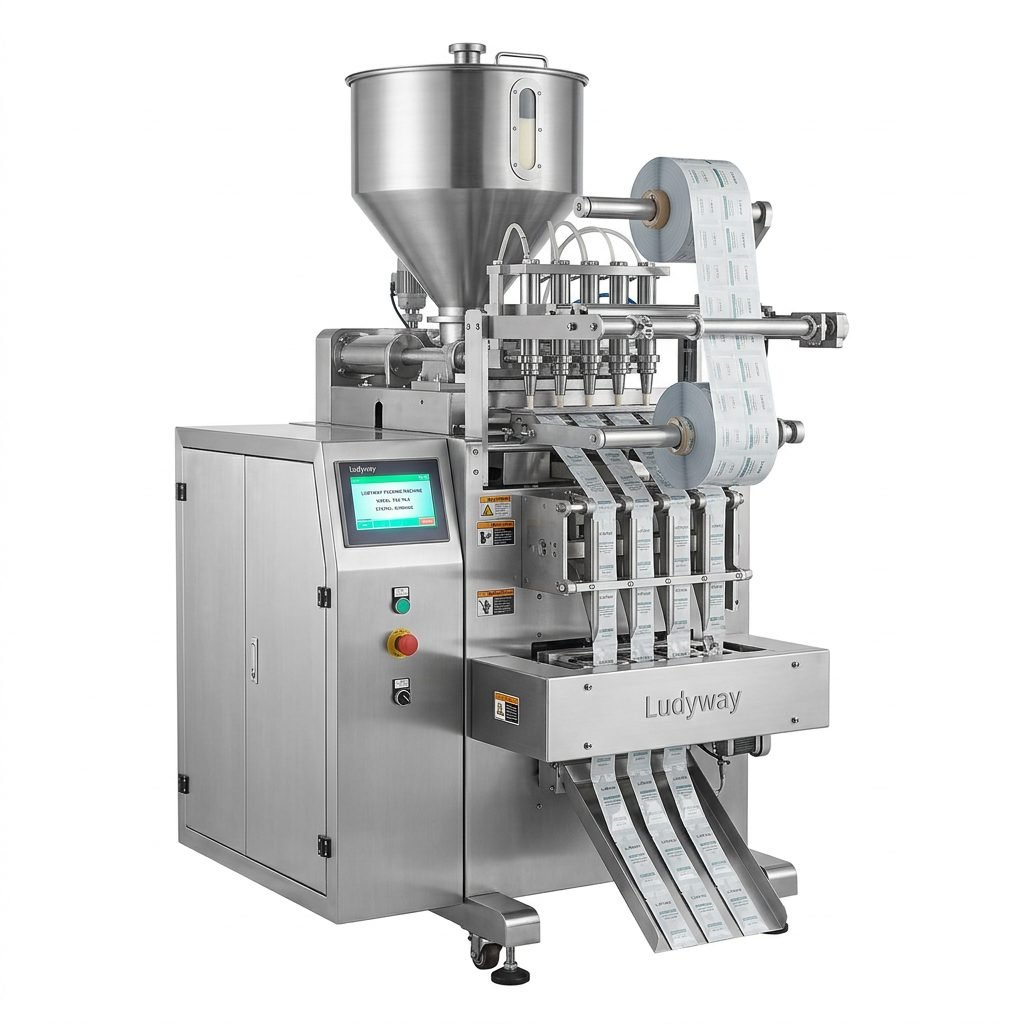
A complete cream packaging line consists of several interconnected machines. Understanding each component helps you make informed purchasing decisions and ensures smooth integration. Below is a breakdown of the core equipment categories:
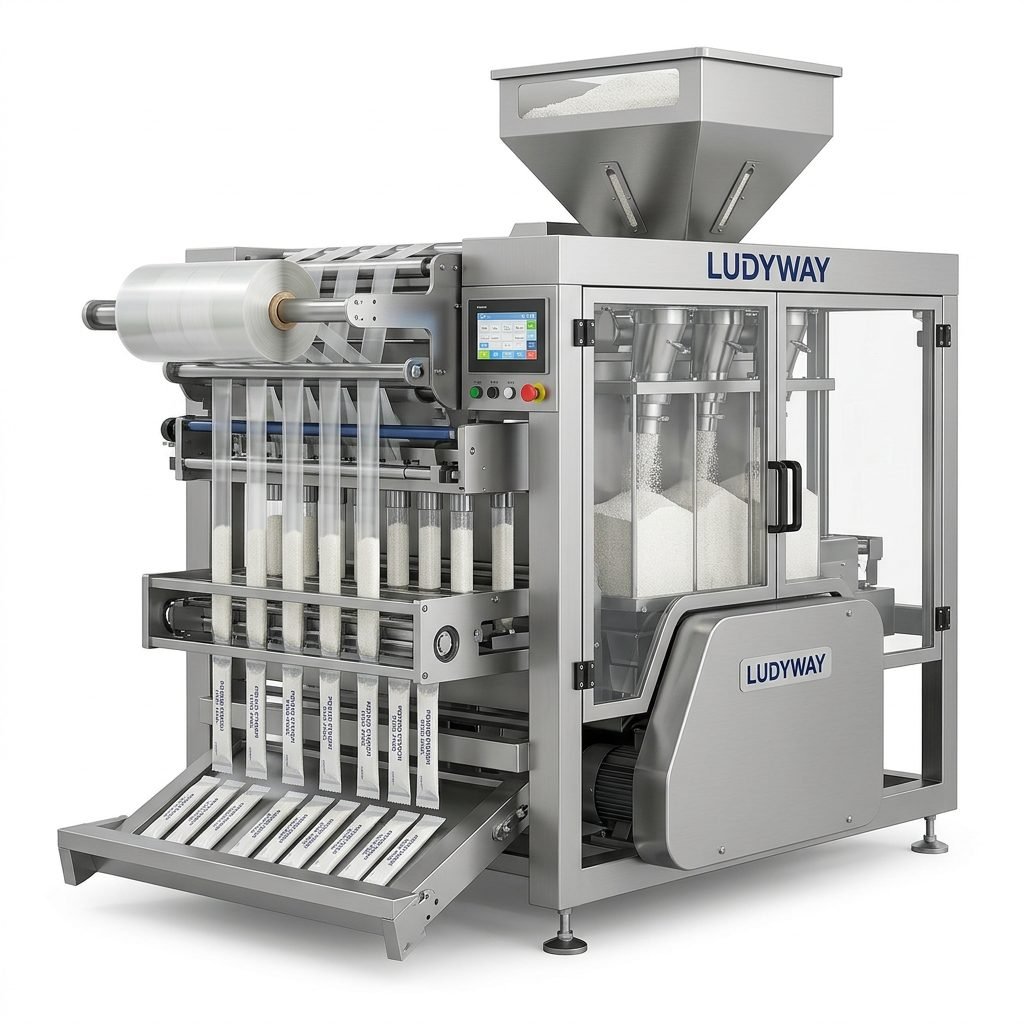
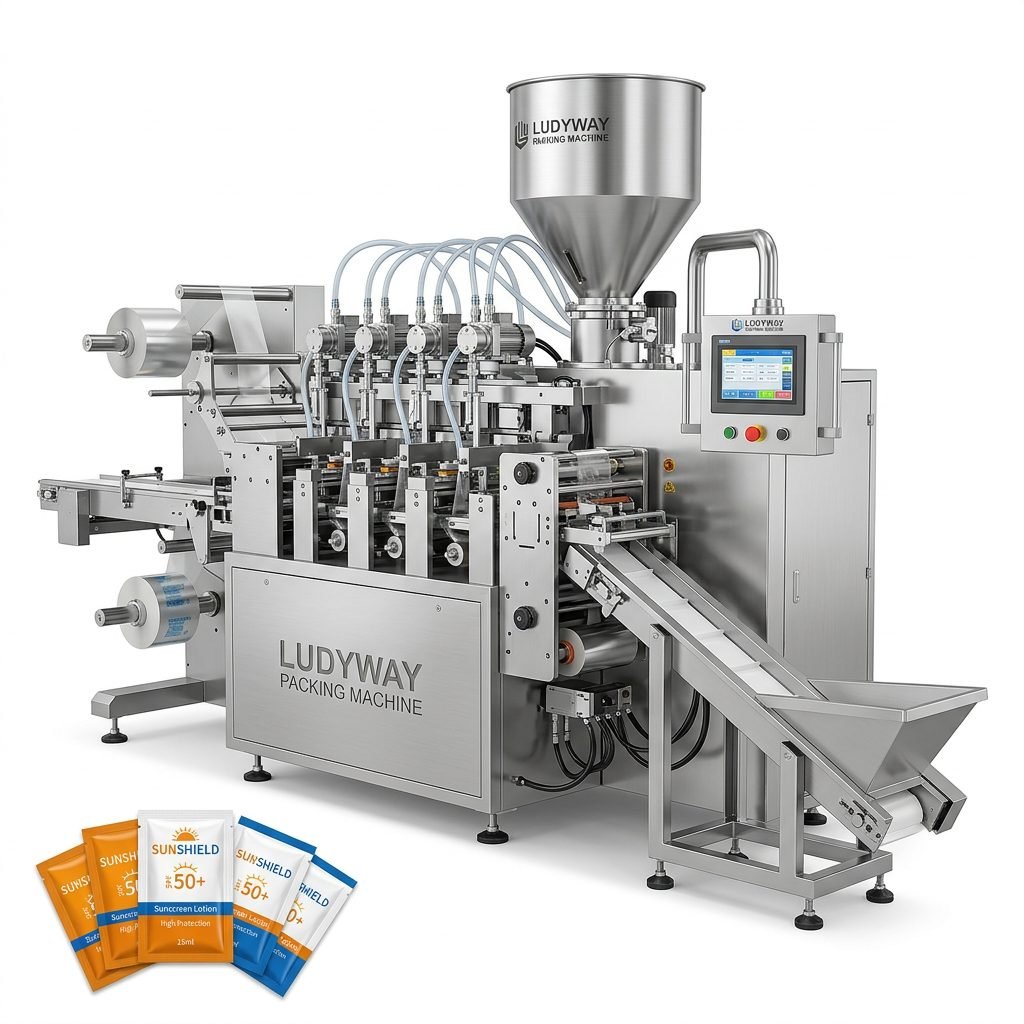
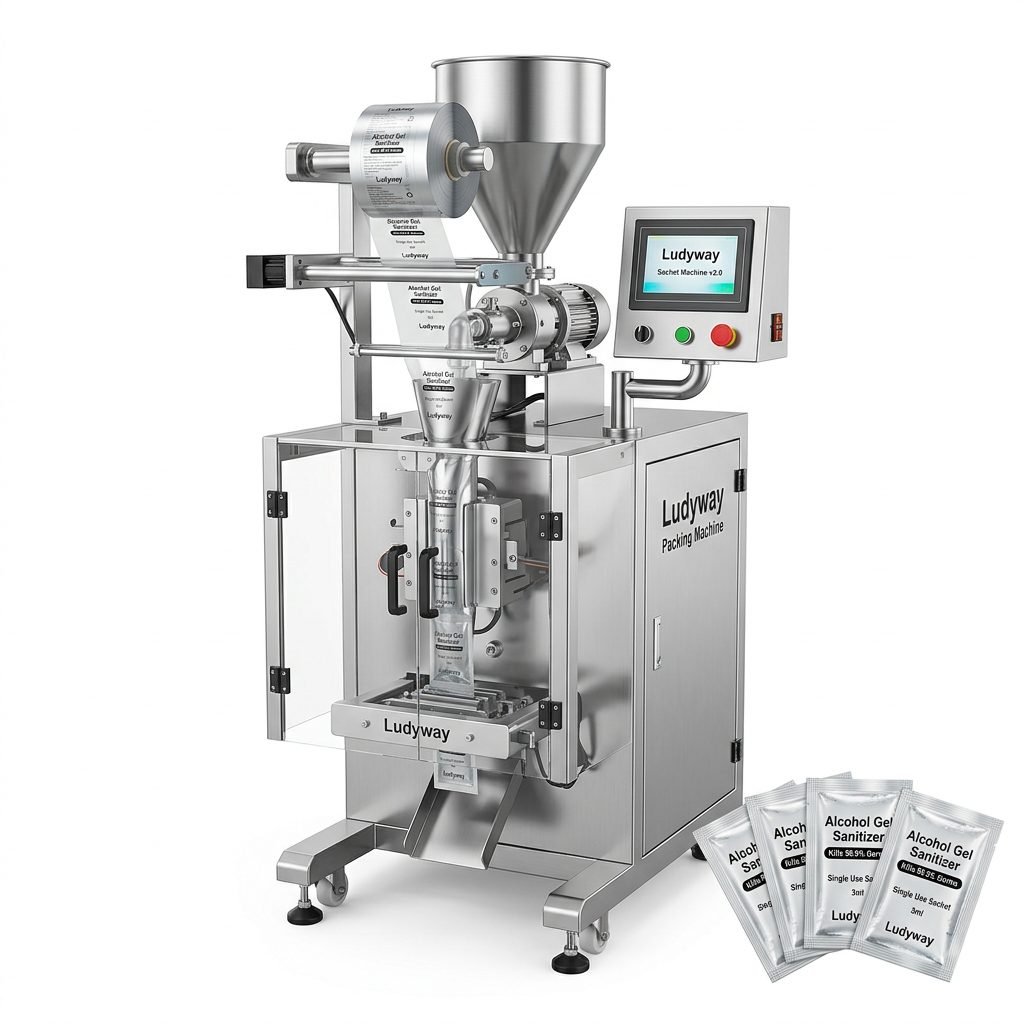
1. Filling and Sealing Machines
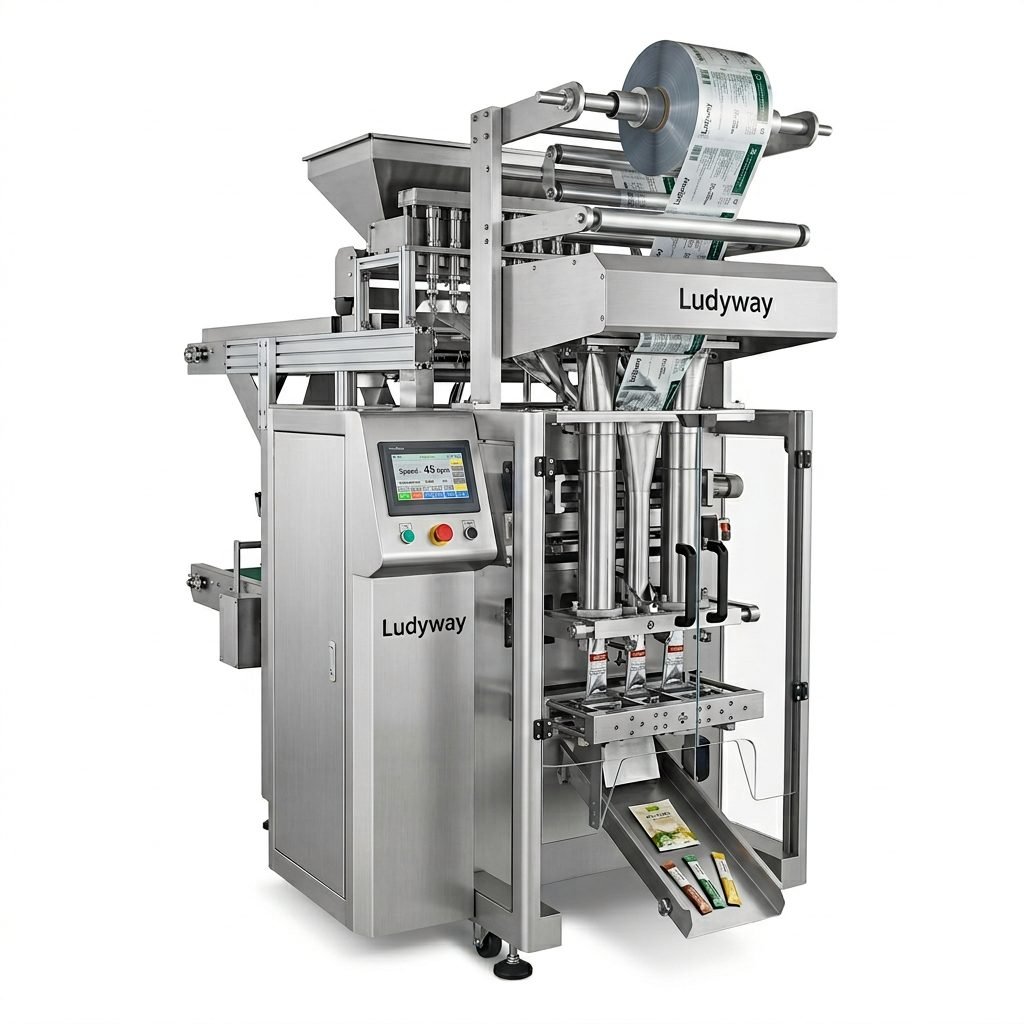
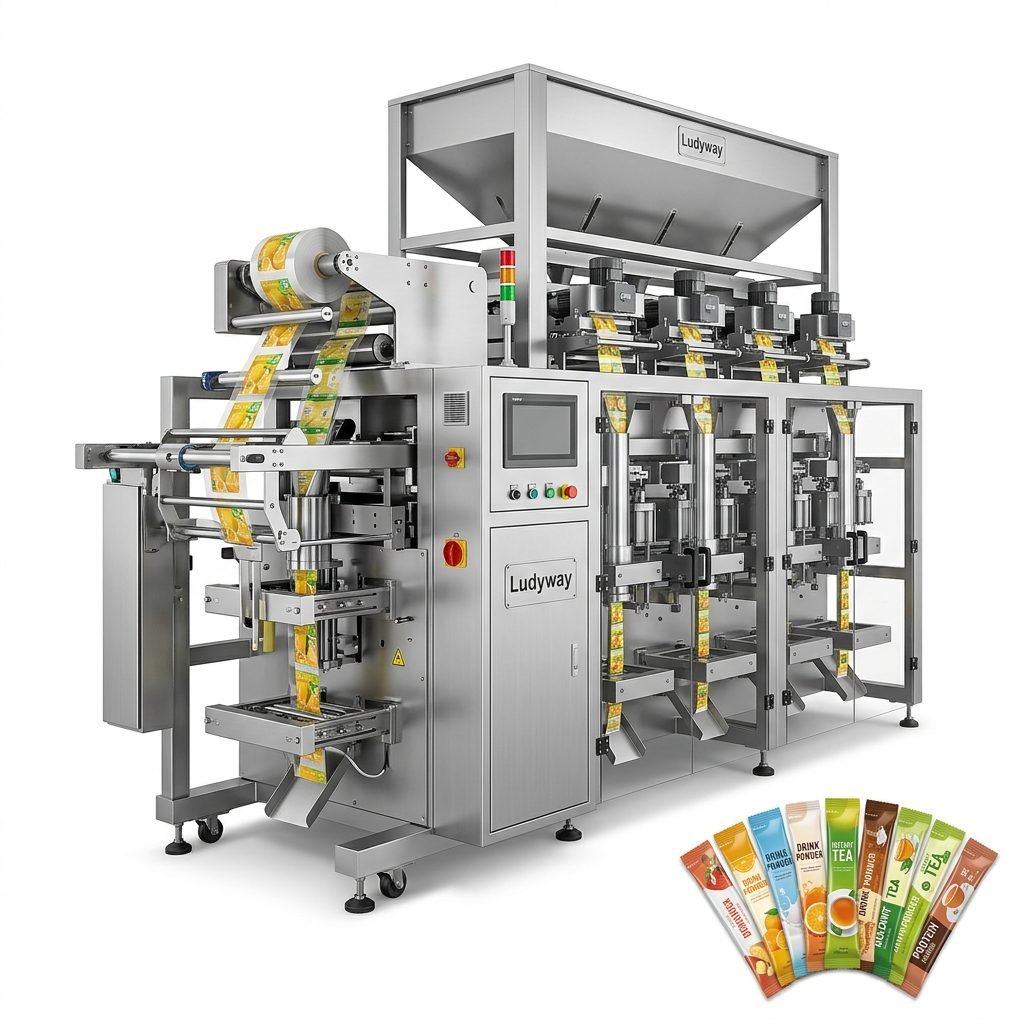
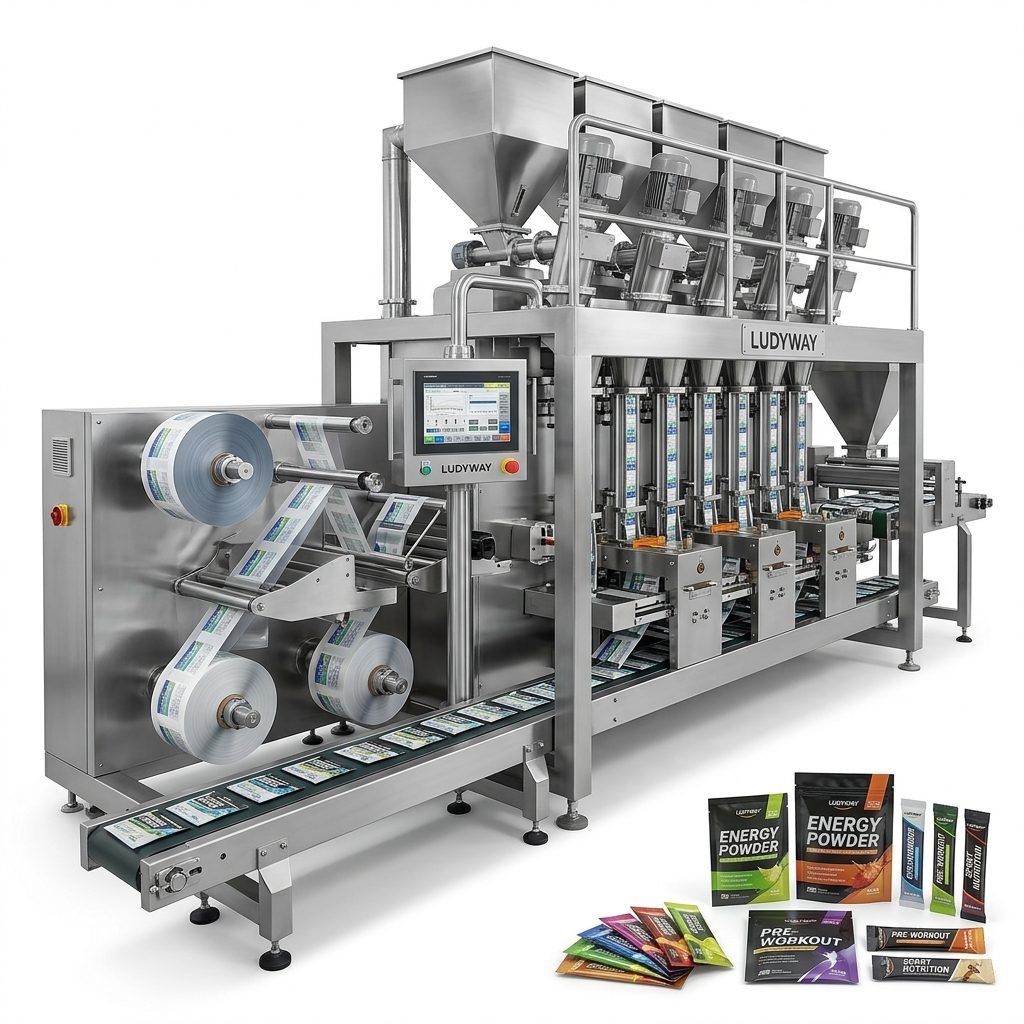
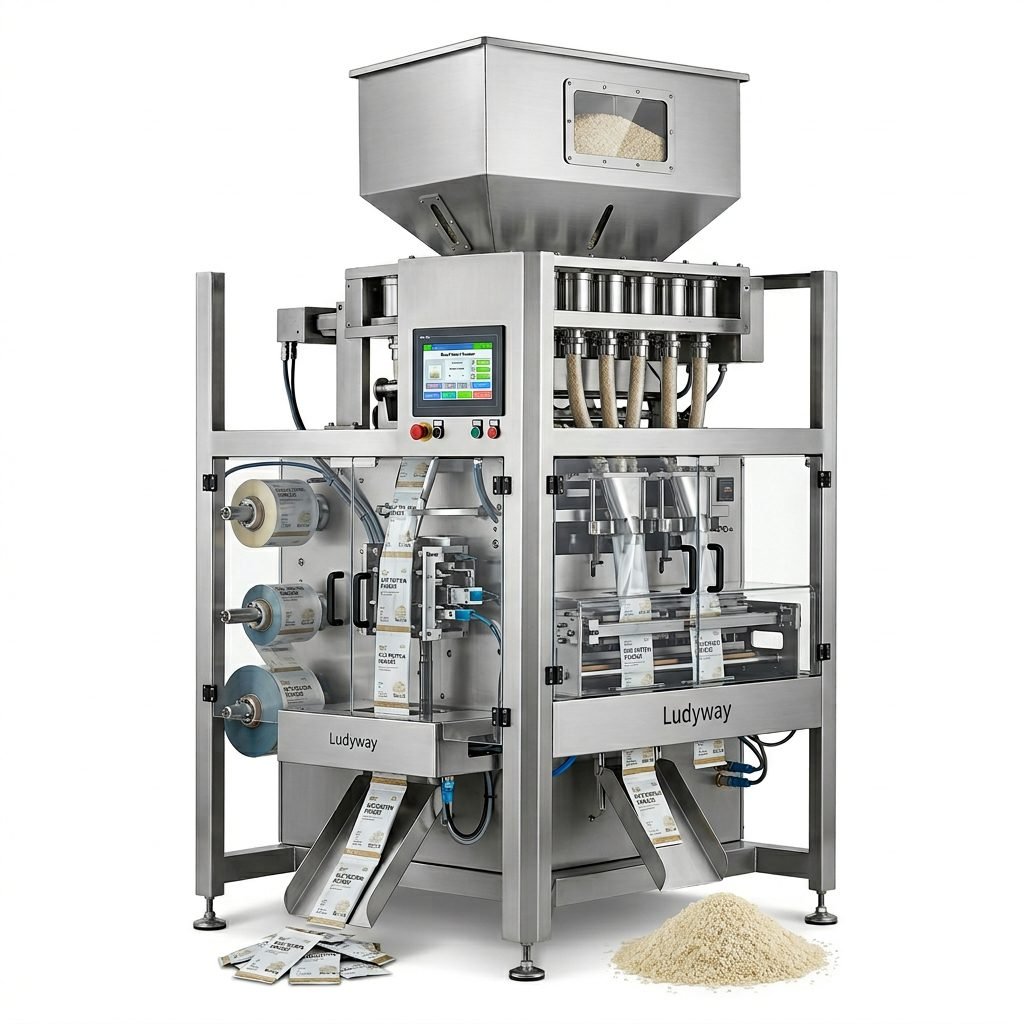
This is the heart of your production line. Cream filling machines must handle various viscosities — from light lotions to thick, heavy creams. Key specifications to evaluate include:
- Filling accuracy — typically ±0.5% to ±1% for quality production
- Multi-lane capability — 4, 6, 8, or 12 lanes for high-volume output
- Material compatibility — ability to work with laminate, aluminum foil, and plastic films
- Clean-in-place (CIP) features — essential for product changeovers and hygiene
- Servo-driven controls — precision and repeatability in filling volumes
2. Tube Filling and Sealing Equipment
For cream products packaged in tubes, specialized tube filling machines handle the unique requirements of plastic and laminate tubes. These machines include hot-air sealing, ultrasonic sealing, or hot-jaw sealing systems depending on tube material. Features such as automatic tube orientation, code embossing, and tail code printing add operational efficiency.
3. Cartoning and Secondary Packaging
Once primary packaging is complete, automated cartoning machines fold and seal cartons around the filled sachets or tubes. This step is critical for product protection during transport and for retail shelf presentation. Modern cartoners integrate seamlessly with upstream filling equipment.
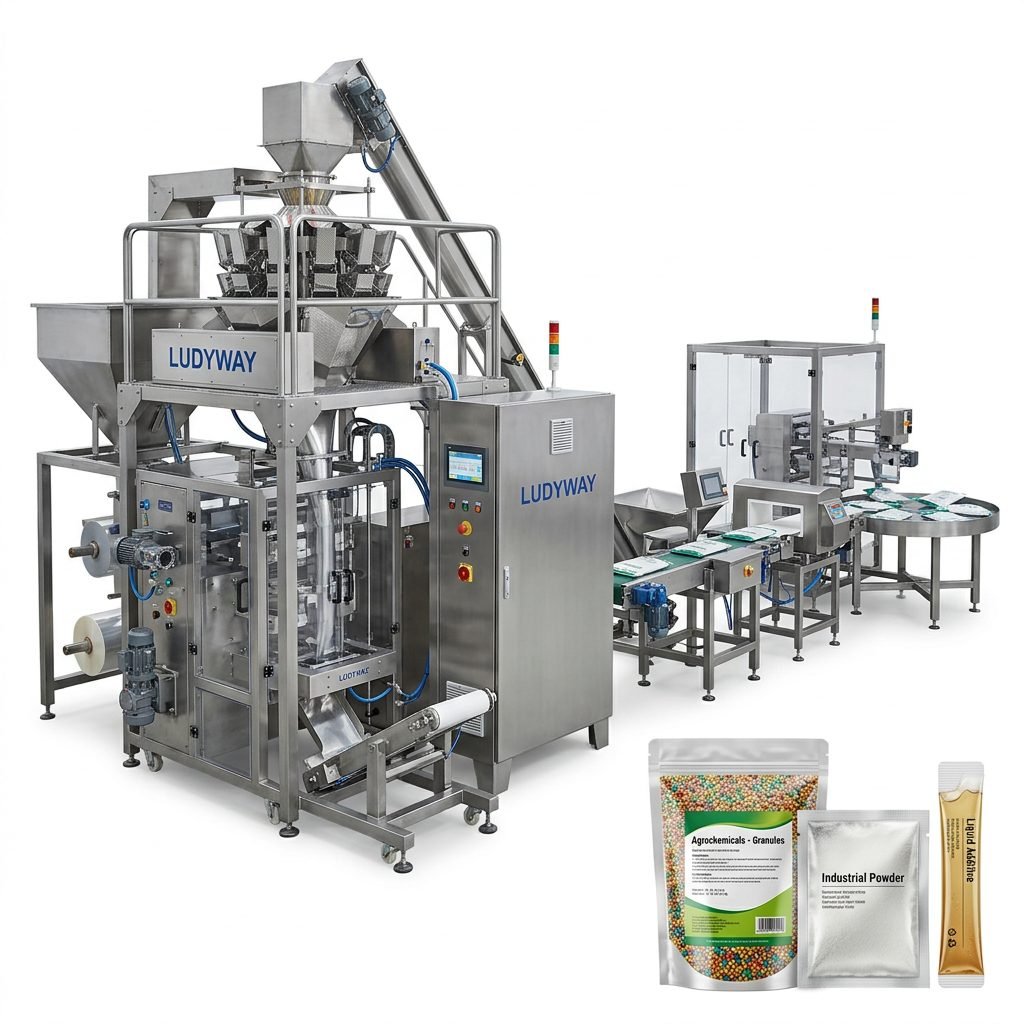
4. End-of-Line Equipment
A fully automated line includes:
- Checkweighers — reject underweight or overweight packages automatically
- Metal detectors — ensure product safety and compliance
- Case packers — group individual cartons into shipping cases
- Palletizers — stack cases onto pallets for warehouse handling
- Stretch wrappers — secure pallet loads for transportation
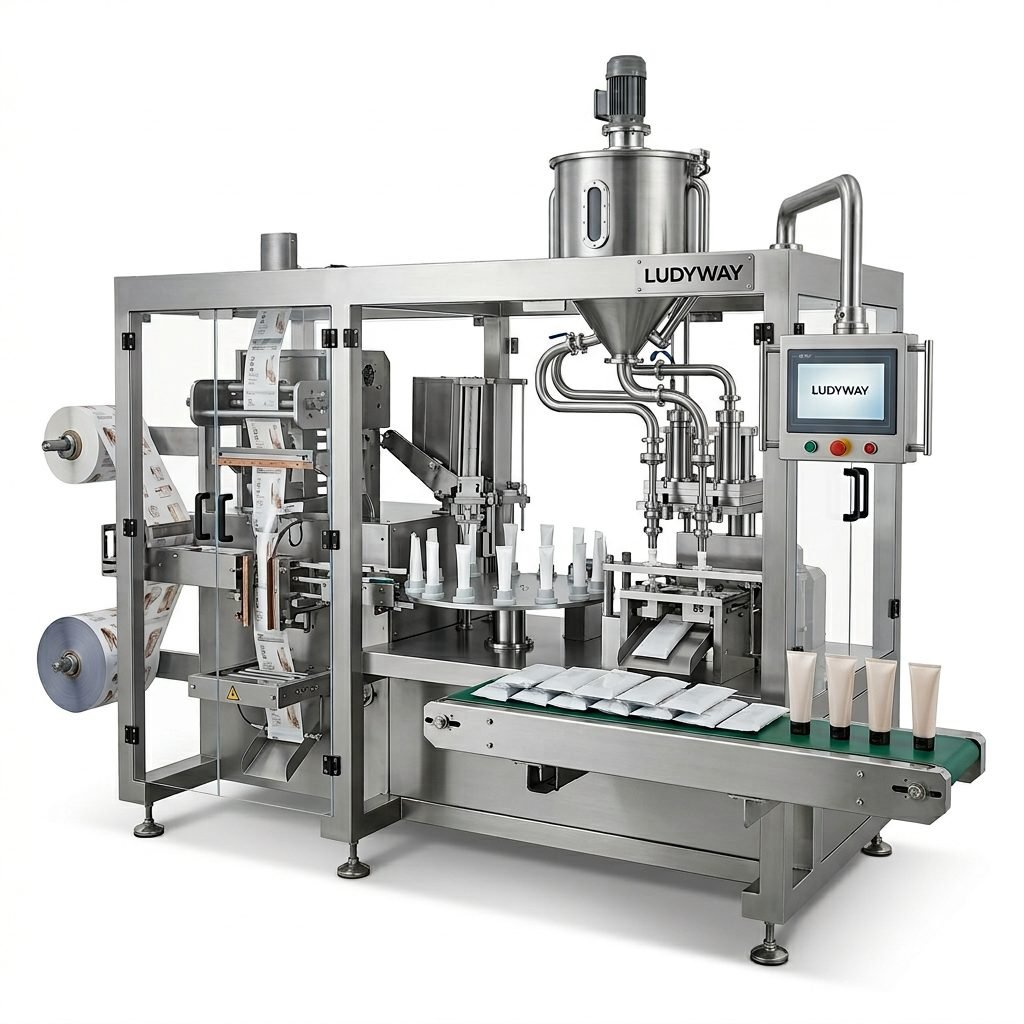
Power, Utilities, and Infrastructure Planning
One of the most overlooked aspects of setting up a production line in Africa is infrastructure readiness. Unlike in fully developed industrial zones, you must verify:
| Infrastructure Element | Requirement | Common Solution |
|---|---|---|
| Electrical supply | Stable 380V/220V, 50Hz three-phase | Voltage stabilizers, backup generators |
| Compressed air | 0.6-0.8 MPa, oil-free for cosmetic grade | Dedicated compressors with air dryers |
| Water quality | Purified water for CIP systems | Reverse osmosis (RO) treatment plant |
| Facility layout | GMP-compliant, segregated zones | Modular cleanroom construction |
| Climate control | Temperature 18-26°C, humidity 45-65% | HVAC systems designed for tropical climates |
Selecting the Right Machinery Supplier
Choosing a reliable equipment partner is critical to long-term success. When evaluating suppliers, consider these key criteria:
Technical Expertise and Industry Experience
Look for manufacturers with proven experience in cosmetic and cream packaging. The supplier should demonstrate knowledge of viscous product handling, hygienic design principles, and material compatibility. Companies with decades of industry expertise can offer valuable guidance on line configuration and product-specific challenges.
For instance, Ludyway, one of the largest packaging machine manufacturers in China with over 30 years of industry expertise, provides advanced packaging equipment and turnkey production solutions for the food, pharmaceutical, and health industries, including specialized cream packaging systems. Their modern 20,000㎡ manufacturing facility produces more than 50 intelligent packaging machine models serving customers in over 100 countries.
After-Sales Support in Africa
The availability of local technical support, spare parts, and training is essential. Before finalizing a purchase, confirm:
- Presence of authorized service partners or distributors in your target country
- Remote diagnostic capabilities and video-assisted troubleshooting
- Availability of critical spare parts with reasonable lead times
- Operator training programs — both on-site and at the manufacturer’s facility
- Warranty terms and post-warranty service agreements tailored to African operating conditions
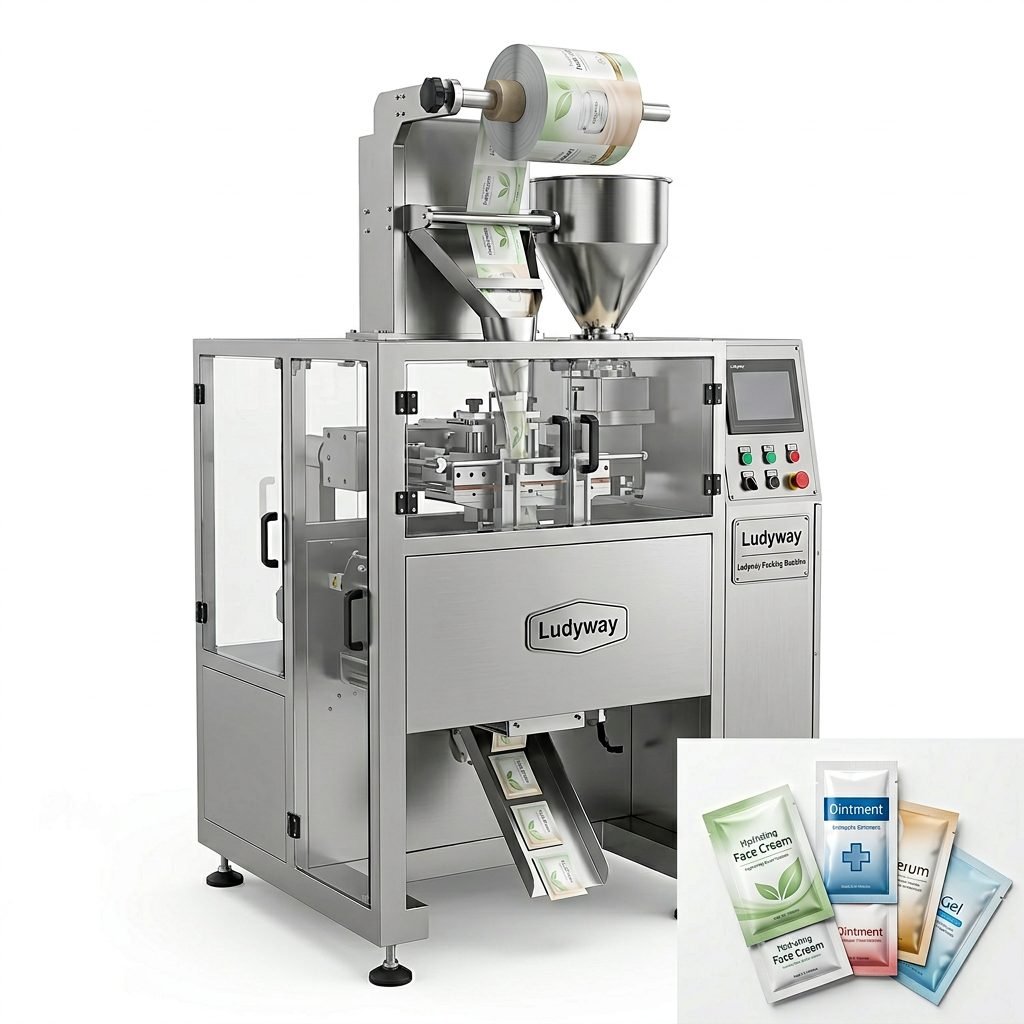
Installation, Commissioning, and Staff Training
Proper installation lays the foundation for reliable operation. Follow these essential steps when setting up your cream packaging production line:
Pre-Installation Preparation
- Site readiness verification — confirm all utilities, floor loading, and clearances meet machine specifications
- Material procurement — have packaging films, cartons, and consumables ready before commissioning begins
- Team assembly — designate operators, maintenance technicians, and quality control personnel
- Documentation review — study installation manuals, electrical diagrams, and SOPs in advance
Commissioning Process
The commissioning phase typically spans 1-3 weeks depending on line complexity. Key activities include:
- Mechanical assembly and alignment verification
- Electrical connection testing and safety checks
- Dry runs without product to confirm mechanical timing
- Product trials with gradual speed increases
- Quality validation — fill weights, seal integrity, code legibility
- Performance qualification at target production speeds
Operational Best Practices for Cream Packaging
Once your line is running, implementing standard operating procedures ensures consistent quality and maximizes equipment lifespan. Key practices include:
Product Changeover Protocols
Cream manufacturing frequently involves multiple SKUs and formulations. Efficient changeover procedures minimize downtime. Documented cleaning protocols between product runs prevent cross-contamination and ensure regulatory compliance. Industry best practices recommend validating cleaning effectiveness through swab testing and visual inspection.
Preventive Maintenance Scheduling
| Maintenance Interval | Key Tasks | Responsible Personnel |
|---|---|---|
| Daily | Clean product contact surfaces, check seal temperature, inspect sensors | Machine operators |
| Weekly | Lubricate moving parts, verify fill accuracy, inspect belts and chains | Maintenance technician |
| Monthly | Calibrate sensors, check pneumatic systems, inspect electrical connections | Maintenance supervisor |
| Quarterly | Replace wear parts, full system diagnostics, software updates | Service engineer |
| Annually | Major overhaul, gearbox oil change, comprehensive safety audit | Manufacturer service team |
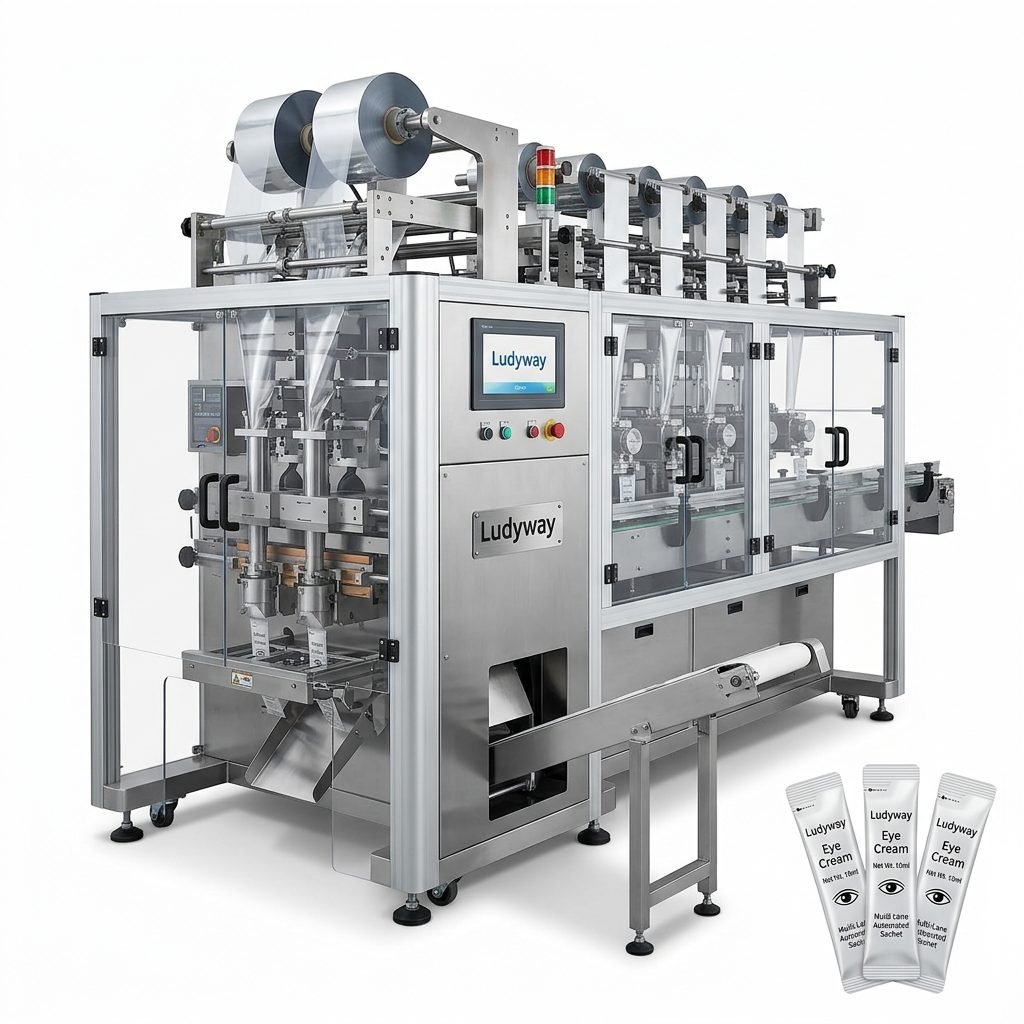
Common Challenges and Solutions
Operating in Africa presents unique challenges. Anticipating these issues and preparing mitigation strategies will keep your production line running smoothly:
Supply Chain Disruptions
Packaging material imports can face delays. Solution: Establish relationships with multiple local and regional packaging film suppliers. Maintain a safety stock of 2-3 months for critical materials. Consider flexible packaging alternatives that may be more readily available in African markets.
Skilled Labor Shortages
Finding experienced packaging machine operators can be difficult. Solution: Invest in comprehensive training programs. Create detailed visual SOPs in local languages. Partner with technical institutes to develop vocational training pipelines. Modern machines with intuitive HMI touchscreens reduce the learning curve significantly.
Inconsistent Power Supply
Voltage fluctuations and outages are common in many African regions. Solution: Install industrial-grade voltage stabilizers and an automatic transfer switch (ATS) connected to a backup generator. Consider uninterruptible power supplies (UPS) for control systems to prevent data loss during switchovers.
Climate and Environmental Factors
High humidity and ambient temperatures can affect both product quality and machine performance. Solution: Design your facility with proper HVAC systems. Use dehumidifiers in production areas. Select packaging materials with appropriate moisture barrier properties for tropical conditions.
Cost Estimation and ROI Analysis
Budgeting accurately is essential for project success. Below is a typical cost breakdown for establishing a cream packaging production line in Africa:
| Cost Category | Estimated Range (USD) | Percentage of Total |
|---|---|---|
| Primary packaging machinery | $45,000 – $250,000 | 35-45% |
| Secondary packaging equipment | $20,000 – $80,000 | 10-15% |
| Facility preparation and utilities | $35,000 – $120,000 | 18-22% |
| Shipping, duties, and logistics | $10,000 – $35,000 | 6-10% |
| Installation and commissioning | $8,000 – $25,000 | 5-8% |
| Training and documentation | $5,000 – $15,000 | 3-5% |
Most well-planned cream packaging operations in Africa achieve ROI within 18-36 months, depending on product margins, production volumes, and market penetration rates.
Future-Proofing Your Production Line
As the African market matures, your production line should be capable of adapting to evolving consumer preferences and regulatory requirements. Consider these forward-looking strategies:
- Modular machine design — allows adding lanes or upgrading components without replacing entire systems
- IoT and smart factory integration — remote monitoring, predictive maintenance alerts, and production analytics
- Sustainable packaging compatibility — ability to work with recyclable, biodegradable, or reduced-material films
- Multi-product flexibility — machines capable of handling creams, lotions, gels, and serums with minimal changeover
- Serialization and track-and-trace — preparing for future regulatory mandates on product authentication
For additional insights on global packaging trends and standards, consult resources from the PMMI Business Intelligence Library and Flexible Packaging Association.
Conclusion: Taking the Next Step
Setting up a cream packaging machine production line in Africa is a significant but highly rewarding investment. The continent’s dynamic beauty and personal care market offers substantial growth potential for manufacturers who combine the right equipment, robust planning, and local market understanding.
Key takeaways for success include:
- Conduct thorough market research on your target countries and product categories
- Select packaging formats aligned with consumer purchasing power and preferences
- Choose machinery suppliers with proven experience and strong after-sales support in Africa
- Plan infrastructure carefully — power, water, and climate control are critical
- Invest in operator training and preventive maintenance from day one
- Build flexibility into your line to accommodate future market changes
With careful execution and the right partners, your cream packaging operation can become a profitable and sustainable contributor to Africa’s rapidly growing cosmetics industry. For more information on international packaging standards and food and cosmetic packaging regulations, refer to these authoritative resources.