The African tea market is experiencing remarkable growth, driven by rising consumer demand, expanding retail networks, and increasing export opportunities. Countries such as Kenya, Uganda, Rwanda, Tanzania, and Ethiopia are not only major tea producers but also emerging hubs for value-added tea processing and packaging. Setting up a tea packaging machine production line in Africa requires careful planning, from understanding local market dynamics to selecting the right equipment and ensuring operational efficiency. This guide walks you through every step of the process.
Understanding the African Tea Packaging Market
Africa’s tea industry is unique. While bulk tea exports have historically dominated, there is a clear shift toward branded, packaged tea products for both domestic consumption and regional trade. Consumers increasingly prefer convenient formats such as tea bags, stick packs, and single-serve sachets. This shift presents a significant opportunity for entrepreneurs and established companies to invest in modern tea packaging lines.
Key market drivers include:
- Urbanization and changing consumer lifestyles across major African cities
- Growing middle class with higher disposable income and preference for branded goods
- Export potential to neighboring countries under the African Continental Free Trade Area (AfCFTA)
- Tourism and hospitality sectors demanding single-serve tea packaging
- Retail expansion including supermarkets and convenience stores stocking packaged tea
According to data from the PMMI – The Association for Packaging and Processing Technologies, flexible packaging formats are among the fastest-growing segments in emerging markets, making sachet and stick pack machines particularly relevant for African tea producers.
Types of Tea Packaging Machines for African Production Lines
Selecting the right tea packaging machine depends on your target product format, production volume, and budget. Below are the most common machine types suitable for African operations.
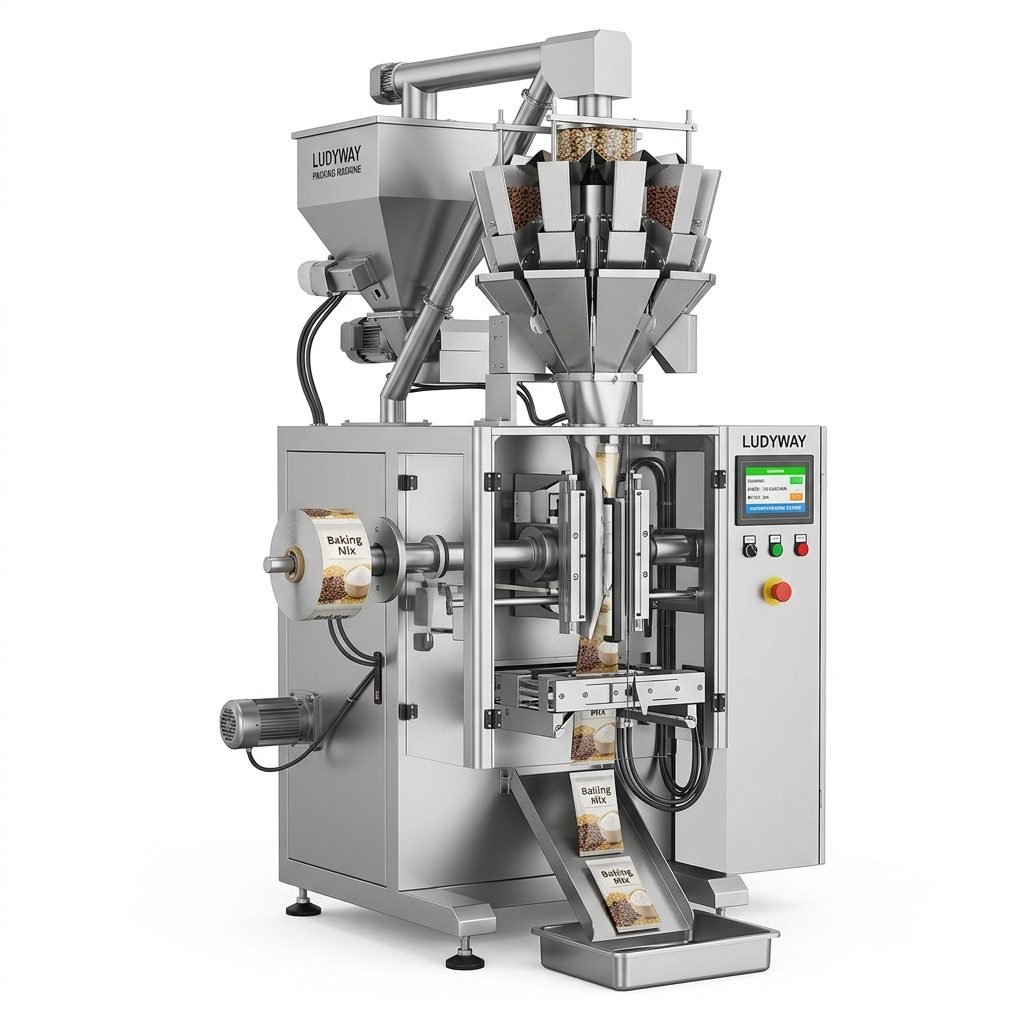
Stick Pack Machines
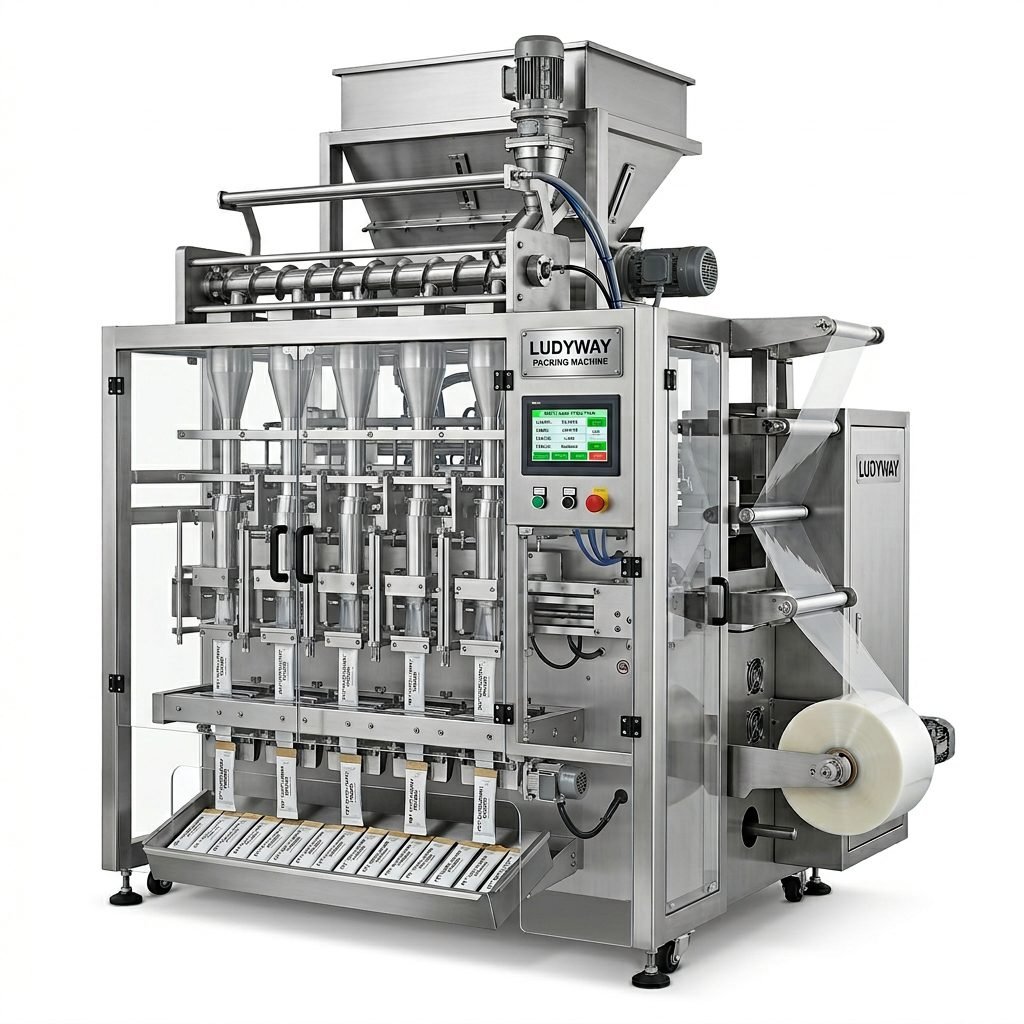
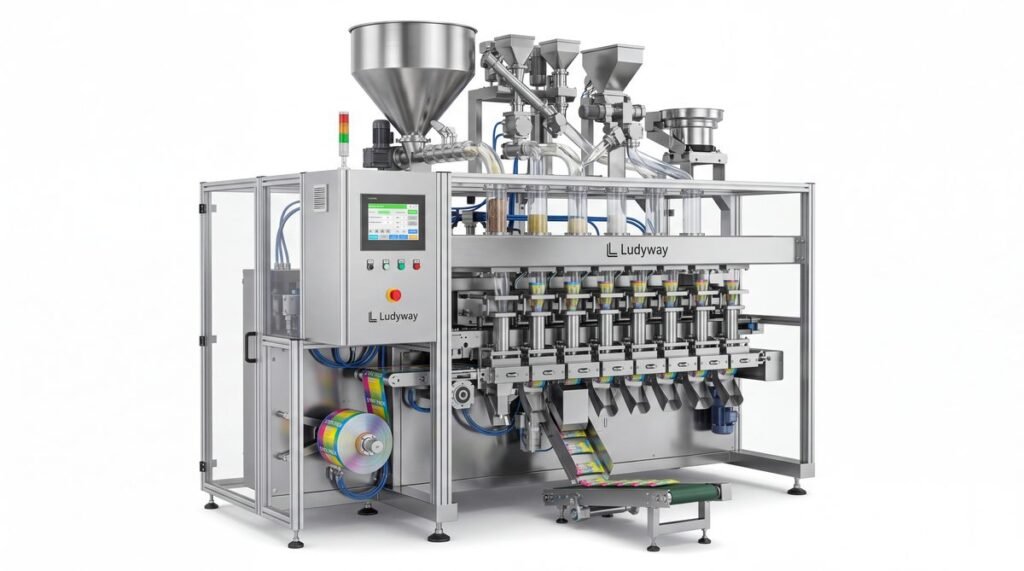
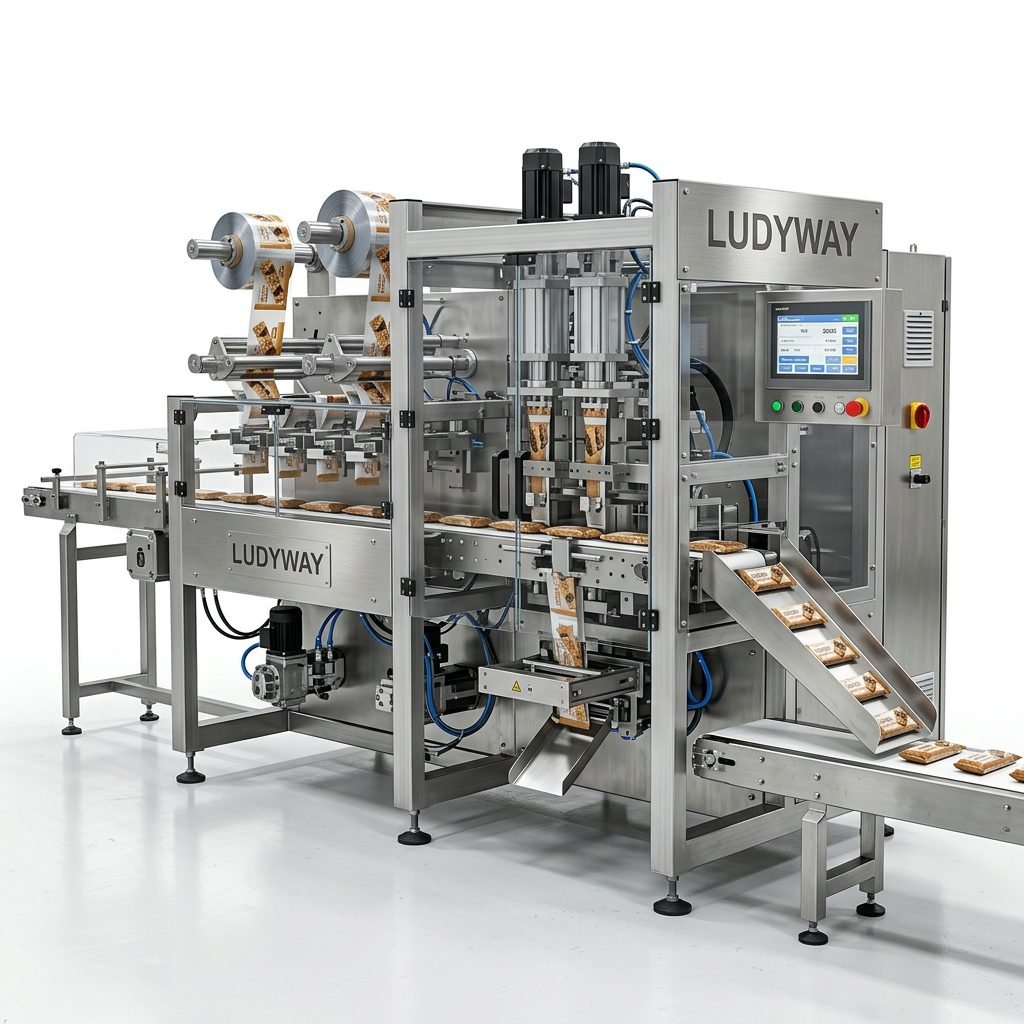
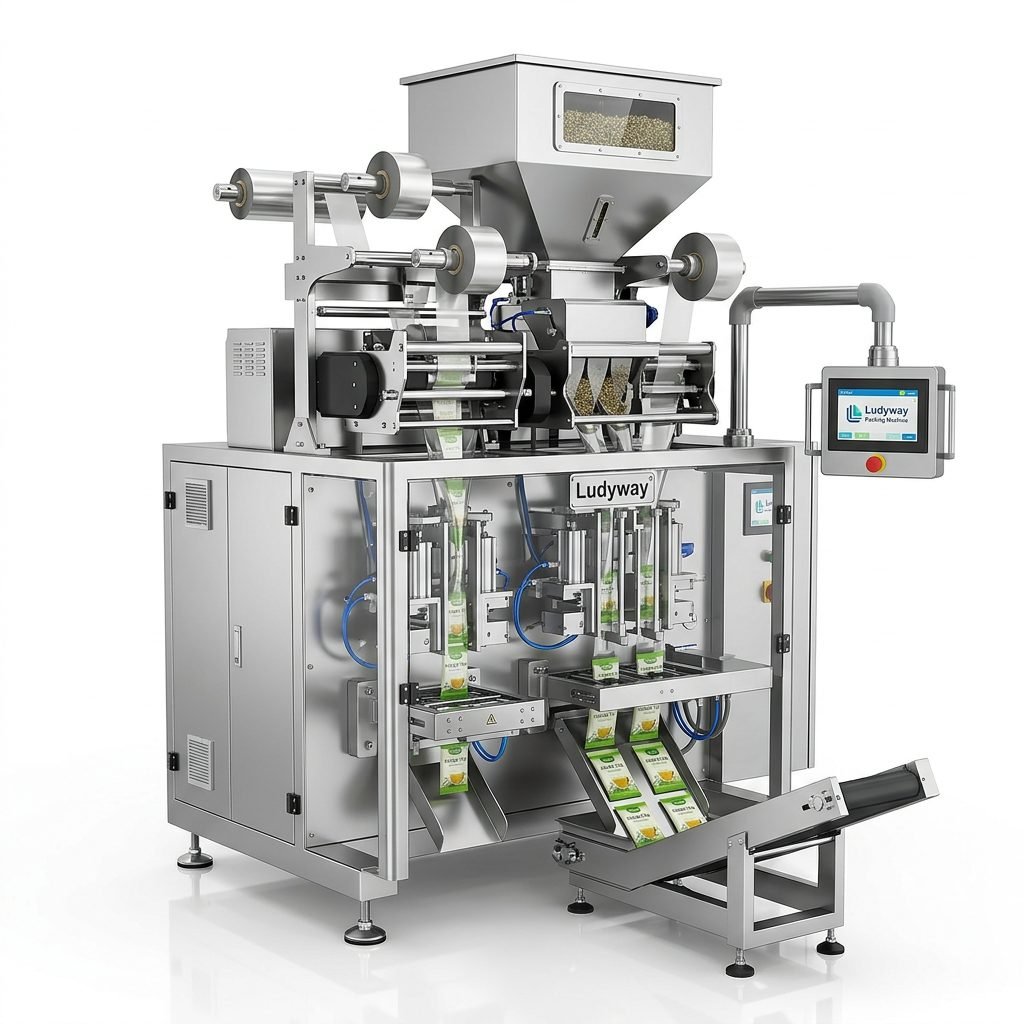
Stick pack machines produce narrow, elongated pouches ideal for single-serve tea portions. These machines are compact, efficient, and perfect for premium tea brands looking to offer convenience. Multi-lane stick pack machines can produce hundreds of packs per minute, making them suitable for medium to large-scale operations.

Sachet Packaging Machines
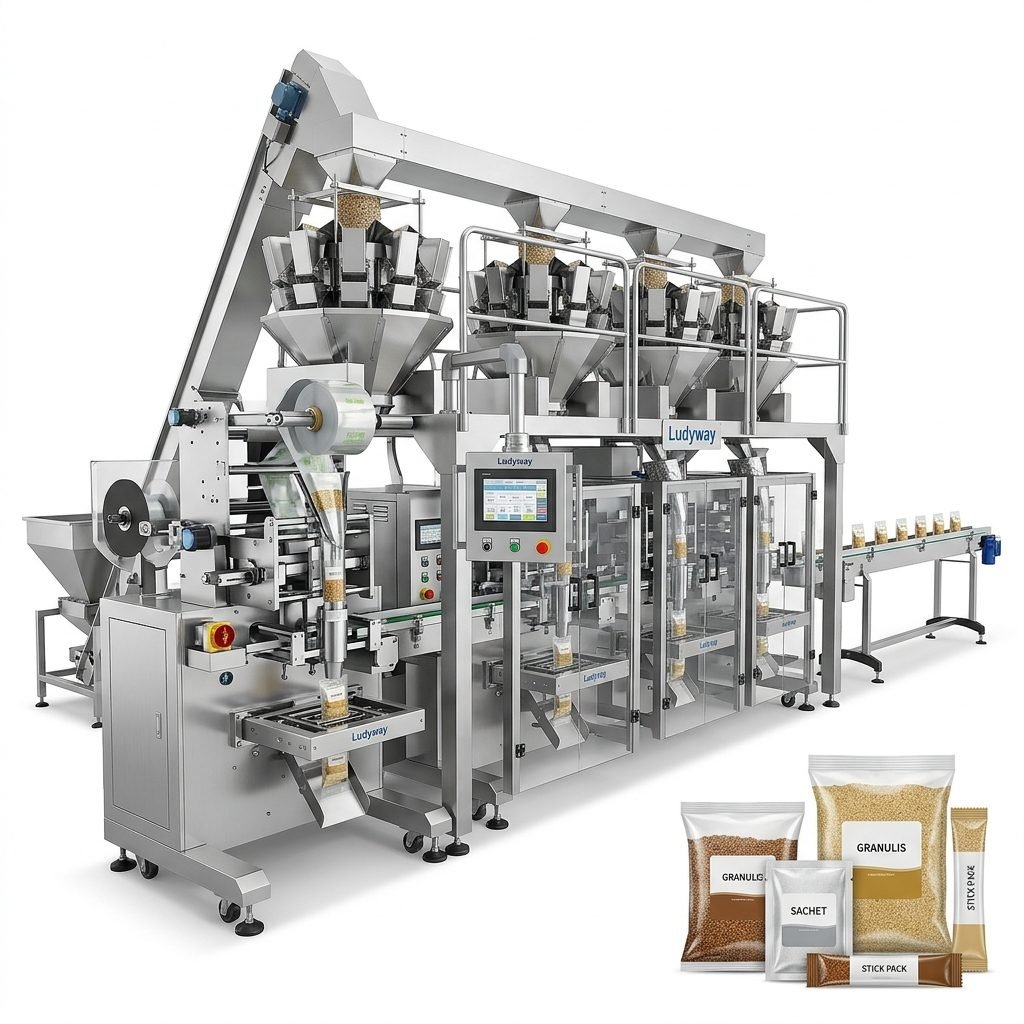
Sachet machines produce flat, sealed pouches that are cost-effective and widely used across Africa for everyday tea products. These machines handle various materials including foil laminates and paper-based films, providing excellent barrier properties to preserve tea freshness and aroma.
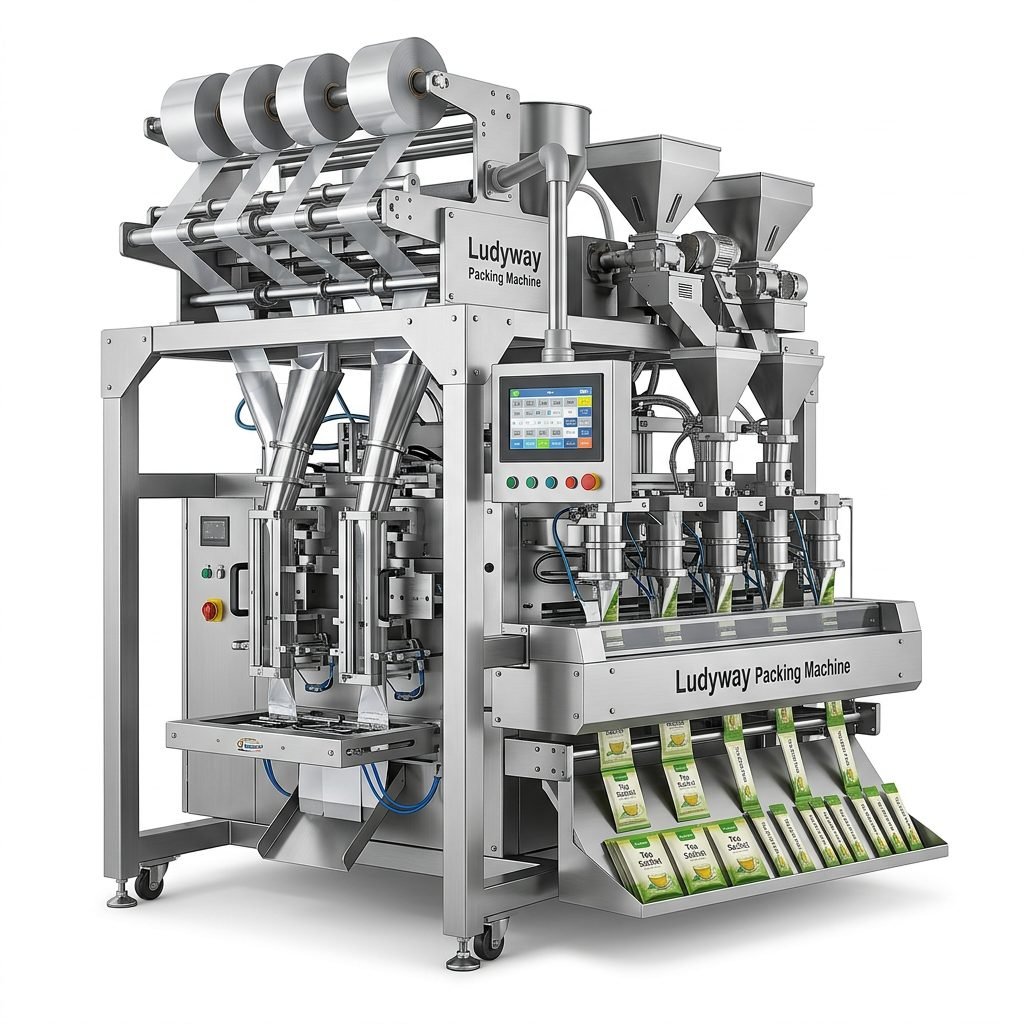
Multi-Lane Packaging Systems
For high-volume production, multi-lane packaging systems offer unparalleled efficiency. A single machine can run 4, 6, 8, or even 12 lanes simultaneously, dramatically increasing output while reducing labor costs. These systems are particularly valuable for serving large domestic markets or export contracts.
Step-by-Step Guide to Setting Up Your Tea Packaging Production Line
Step 1: Site Assessment and Preparation
Before purchasing equipment, thoroughly evaluate your production facility. Consider the following factors:
- Floor space – Ensure adequate room for the machine, raw material storage, and finished product staging
- Power supply – Verify voltage stability and backup generator requirements, as inconsistent power can damage sensitive packaging equipment
- Environmental conditions – Tea packaging requires controlled humidity and temperature to maintain product quality
- Water and compressed air – Some packaging machines require these utilities for optimal operation
Step 2: Equipment Selection and Procurement
Choose equipment that matches your production goals. Key specifications to evaluate include:
- Production speed – Measured in packs per minute (PPM), align with your daily output targets
- Packaging formats – Determine whether you need stick pack, sachet, or multi-format capability
- Material compatibility – Ensure the machine works with locally available packaging films
- Automation level – From semi-automatic to fully automatic with integrated weighing and filling
- After-sales support – Confirm availability of spare parts and technical assistance in your region
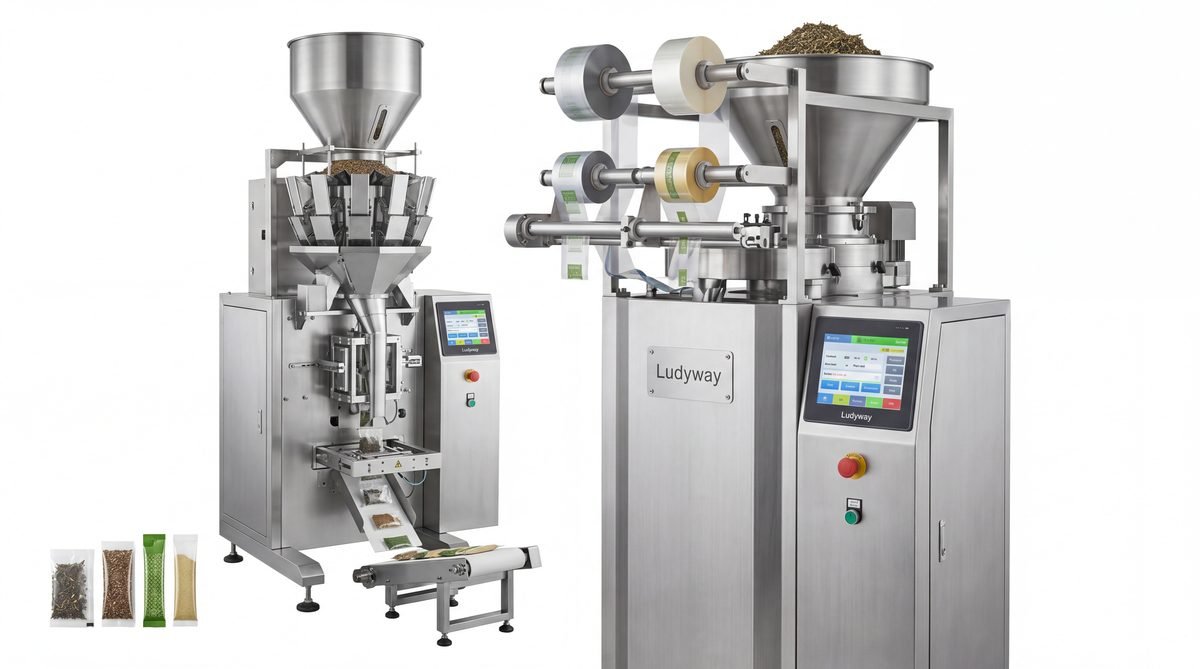
Reputable manufacturers like Ludyway offer a comprehensive range of tea packaging machines with customizable configurations suited for African production environments, backed by decades of engineering expertise.
Step 3: Installation and Commissioning
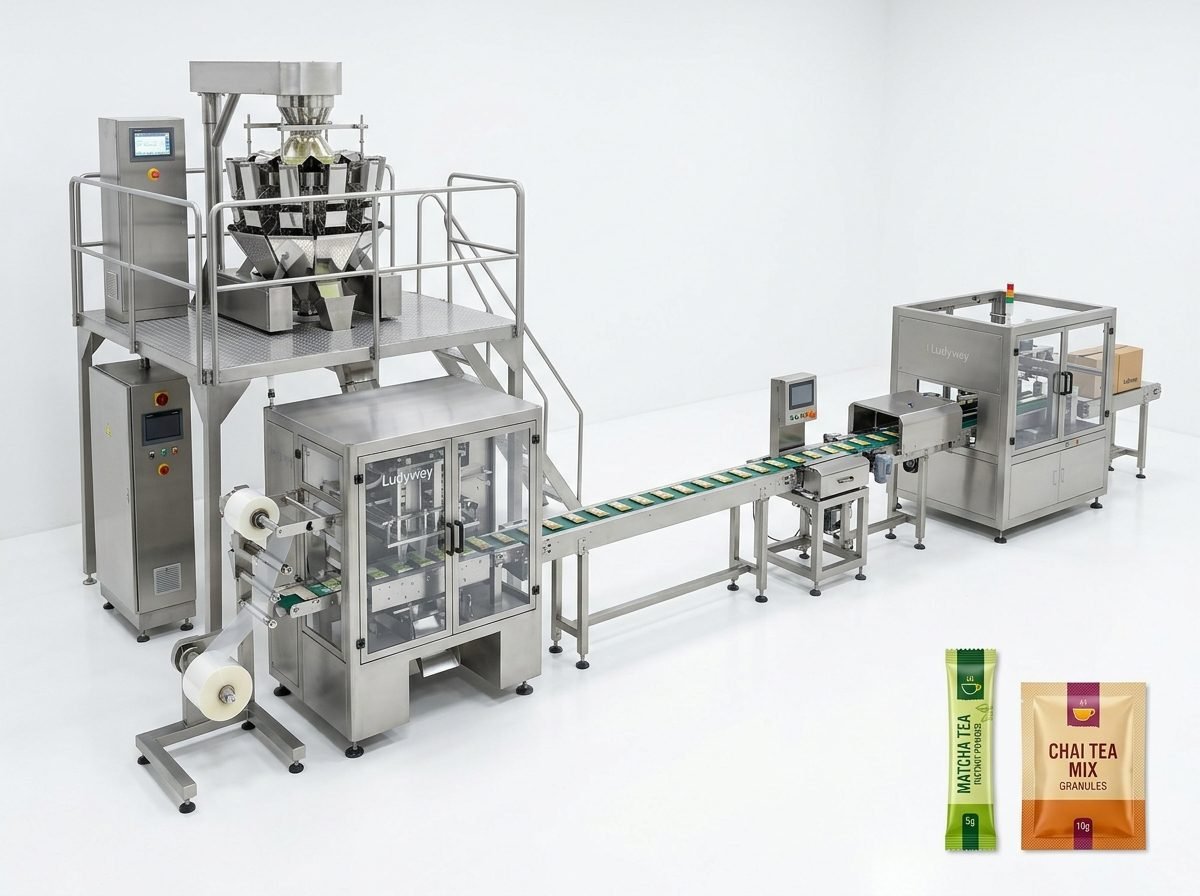
Professional installation is crucial for long-term reliability. The process typically involves:
- Machine positioning and leveling on a stable foundation
- Electrical and utility connections performed by qualified technicians
- Calibration of weighing, filling, and sealing parameters
- Test runs using actual tea products to fine-tune settings
- Quality checks on seal integrity, fill weight accuracy, and package appearance
Step 4: Training and Optimization
Invest in comprehensive operator training to maximize your production line’s potential. Well-trained staff can identify issues early, perform routine maintenance, and maintain consistent output quality. Many equipment suppliers provide on-site training as part of their installation packages.
Key Considerations for African Operations
Running a successful tea packaging line in Africa requires addressing region-specific challenges:
- Power stability – Install voltage stabilizers and consider solar backup systems to protect sensitive machine electronics
- Supply chain logistics – Establish reliable sources for packaging films, cartons, and other consumables
- Climate control – Tea is hygroscopic; invest in dehumidification for production and storage areas
- Maintenance planning – Develop a preventive maintenance schedule and maintain a critical spare parts inventory
- Regulatory compliance – Familiarize yourself with local food safety regulations and labeling requirements
- Skilled workforce – Partner with technical training institutions to develop qualified machine operators
For additional guidance on packaging standards, refer to resources from the FDA – Food Packaging and Food Contact Substances and the Flexible Packaging Association.
Cost Breakdown and ROI Analysis
Understanding the financial investment required helps in planning and securing funding. The table below provides a general cost framework for setting up a mid-sized tea packaging line in Africa.
| Cost Category | Estimated Range (USD) | Notes |
|---|---|---|
| Multi-lane packaging machine | $25,000 – $120,000 | Depending on lanes and automation level |
| Ancillary equipment (weighing, feeding) | $8,000 – $35,000 | Auger fillers, multi-head weighers, conveyors |
| Shipping and import duties | $5,000 – $20,000 | Varies by country and trade agreements |
| Installation and commissioning | $3,000 – $10,000 | Including technician travel and on-site work |
| Facility modifications | $5,000 – $25,000 | Electrical upgrades, climate control, flooring |
| Initial training | $2,000 – $5,000 | Operator and maintenance training sessions |
| Total Estimated Investment | $48,000 – $215,000 | Scalable based on production capacity needs |
Return on investment typically ranges from 12 to 24 months for well-managed operations, depending on market demand, pricing strategy, and operational efficiency. The growing African tea market offers favorable conditions for achieving profitability within this timeframe.
Choosing the Right Packaging Material
The packaging material you select directly impacts product shelf life, brand perception, and machine performance. Common materials for tea packaging include:
- Aluminum foil laminates – Excellent moisture and oxygen barrier, ideal for premium tea
- Metallized films – Good barrier properties at a lower cost than pure foil
- Paper-based laminates – Eco-friendly option that appeals to sustainability-conscious consumers
- Biodegradable films – Emerging option aligned with global sustainability trends
Work closely with your machine supplier to test different materials and ensure compatibility before committing to bulk purchases.
Frequently Asked Questions
What is the minimum production volume needed to justify a tea packaging machine?
A semi-automatic machine can be viable for volumes as low as 5,000 packs per day, while fully automatic multi-lane systems are typically justified at 50,000+ packs per day. The break-even point depends on your local labor costs and product margins.
How long does it take to ship and install a packaging machine in Africa?
Shipping typically takes 4 to 8 weeks depending on the origin country and African port efficiency. Installation and commissioning usually require an additional 1 to 2 weeks on-site, assuming the facility is properly prepared.
Can one machine handle multiple tea varieties and package sizes?
Yes, most modern tea packaging machines are designed for quick changeovers between different product types and package sizes. Look for machines with servo-driven adjustments and recipe memory functions to minimize downtime during transitions.
What are the most common maintenance issues?
Common issues include sealing jaw wear, sensor calibration drift, and film tracking misalignment. These can be minimized through preventive maintenance and using high-quality packaging films. Maintaining a spare parts inventory for critical components is strongly recommended.
Conclusion
Setting up a tea packaging machine production line in Africa is a strategic investment that taps into one of the continent’s most dynamic industries. By carefully selecting the right equipment, preparing your facility properly, and addressing region-specific challenges, you can build a profitable and sustainable packaging operation. The growing demand for packaged tea across Africa and beyond makes this an opportune time to enter or expand in the market.
With proper planning, quality equipment, and a commitment to operational excellence, your tea packaging line can become a cornerstone of value-added tea processing in Africa, serving both local consumers and export markets.

Recommended Resources
- PMMI – State of the Industry Reports – Comprehensive packaging industry data and trends
- Flexible Packaging Association – Industry Resources – Flexible packaging standards and best practices
- ISO – Packaging Standards – International packaging standards and specifications
- European Commission – Packaging and Packaging Waste – Regulatory framework for packaging compliance