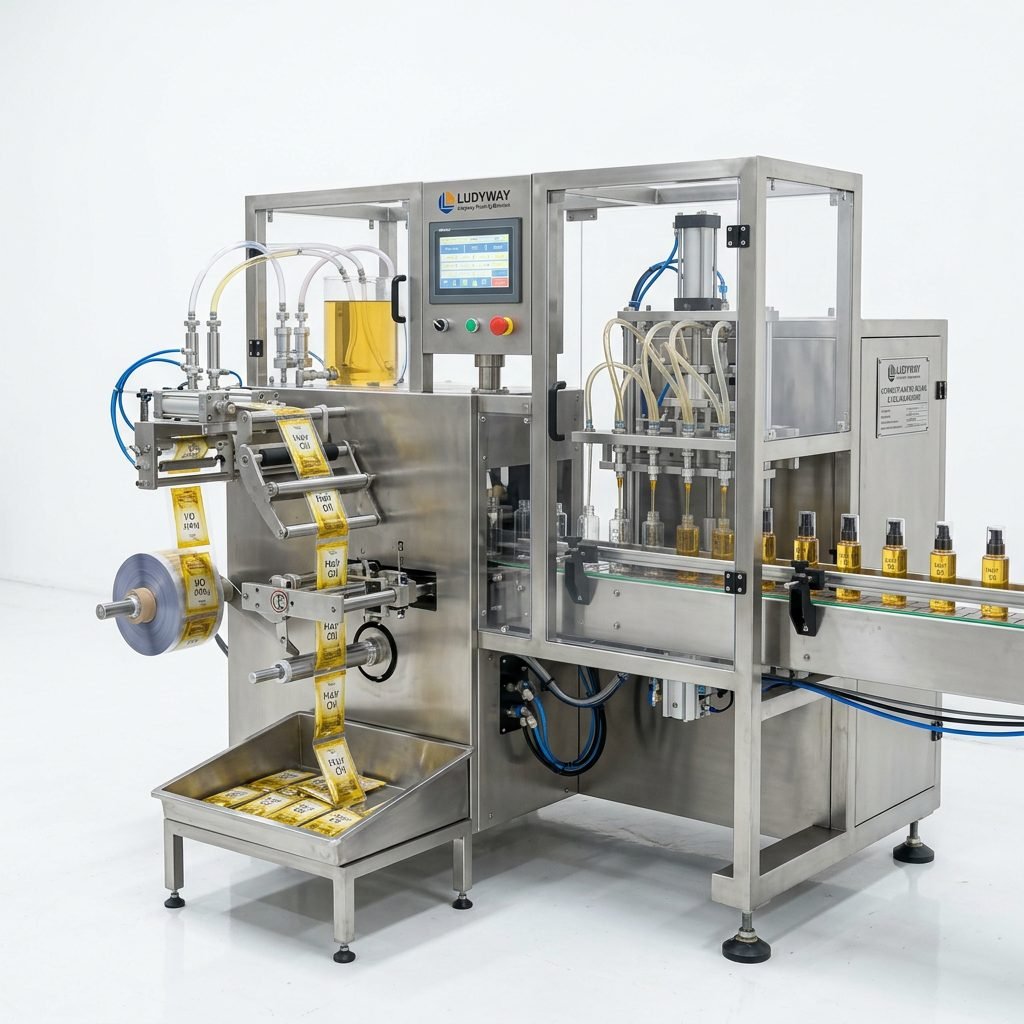
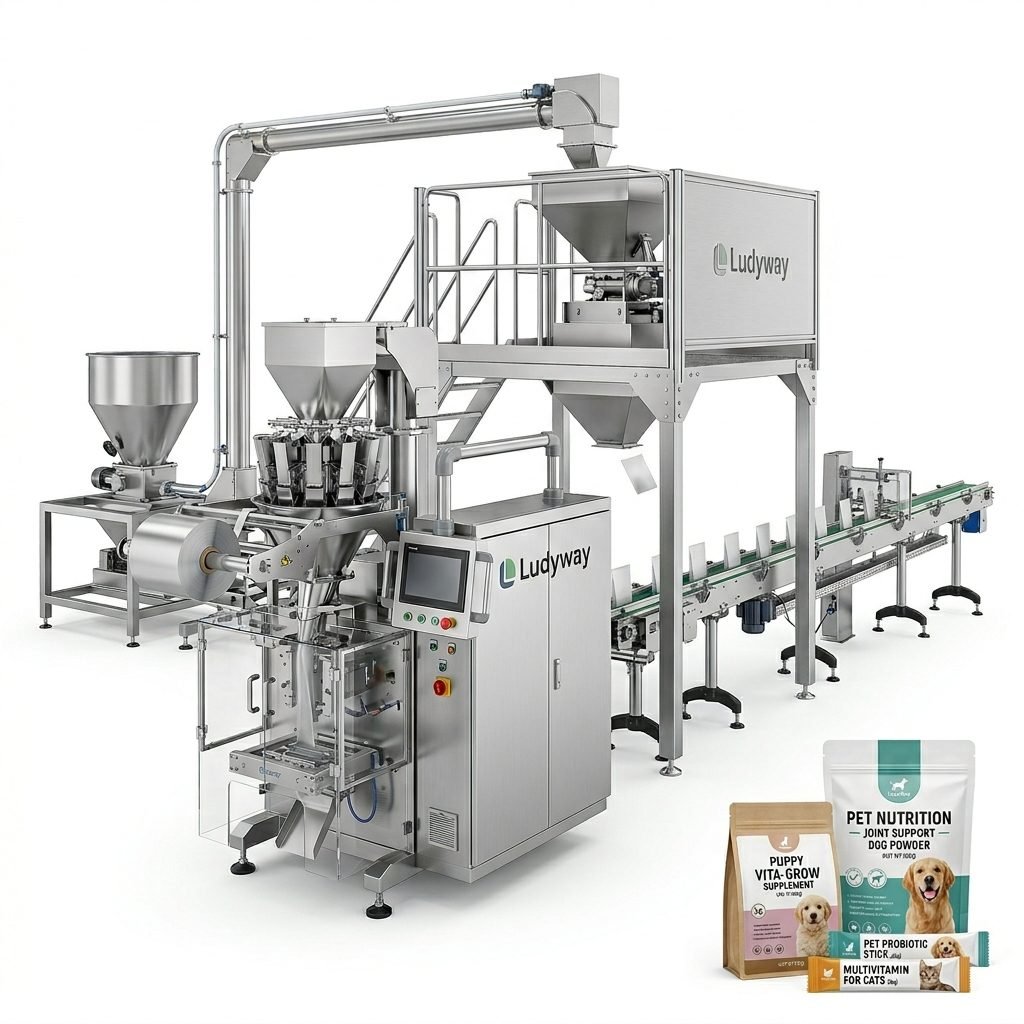
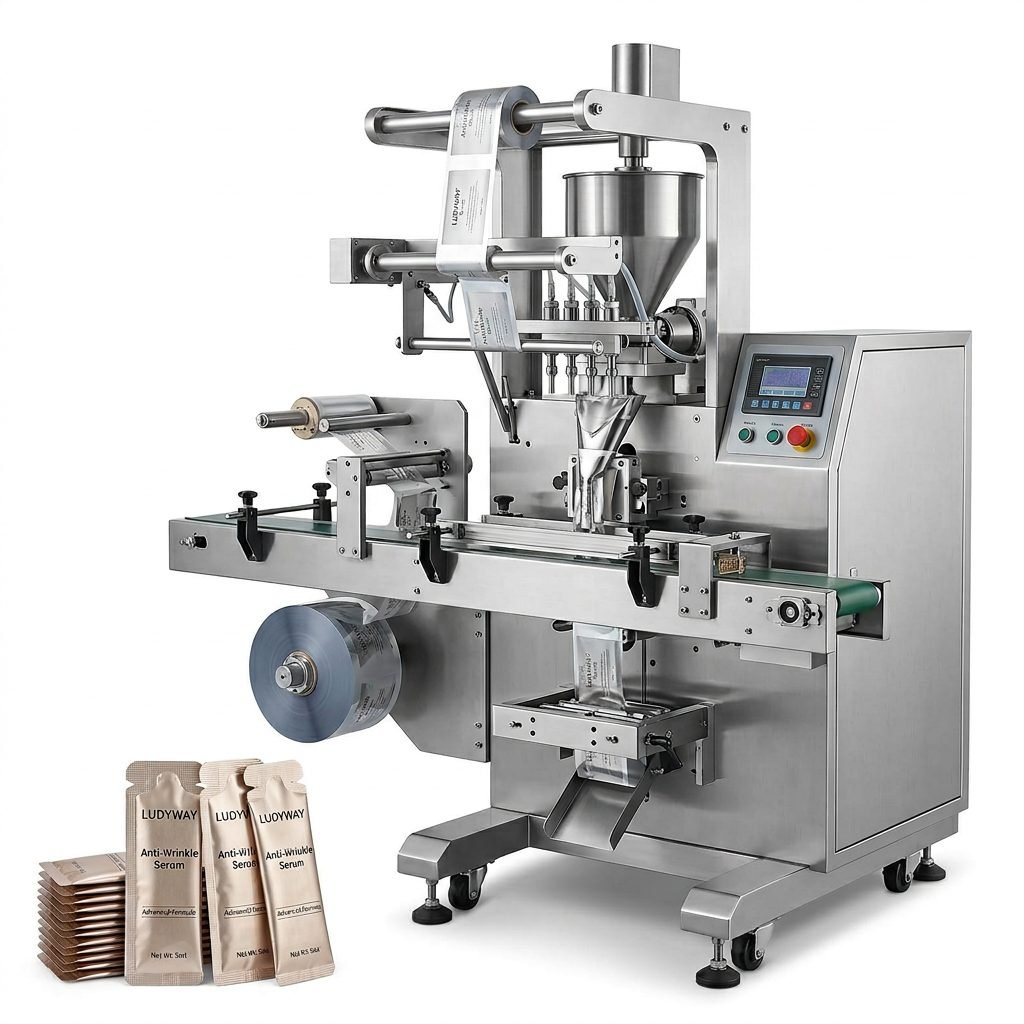
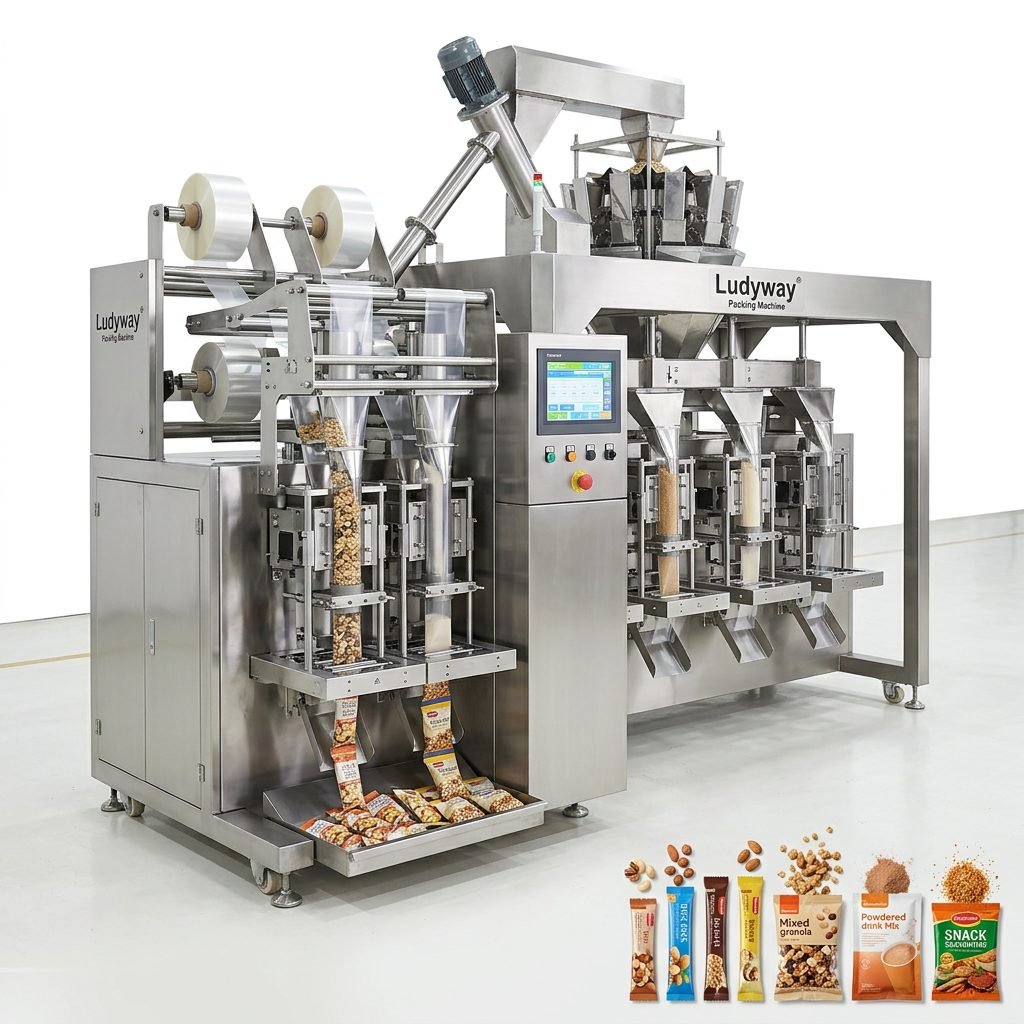
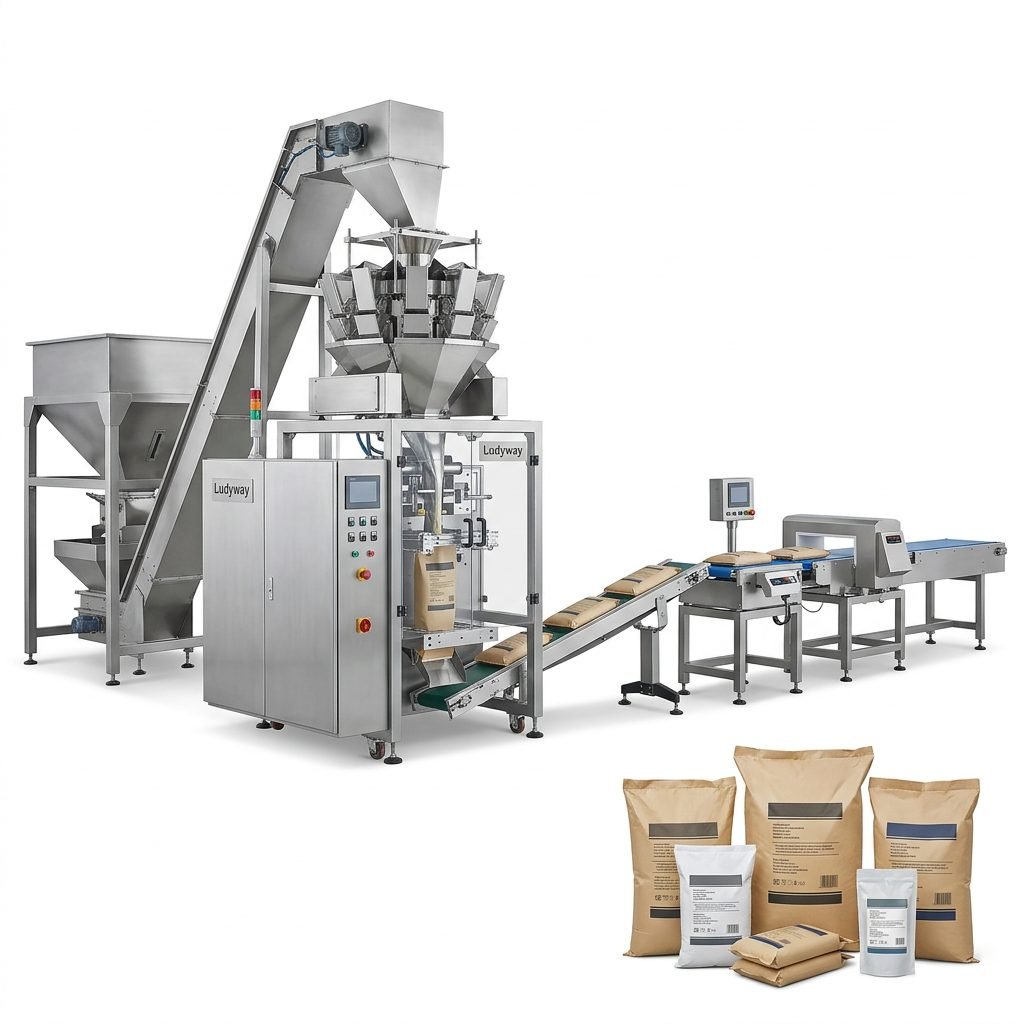
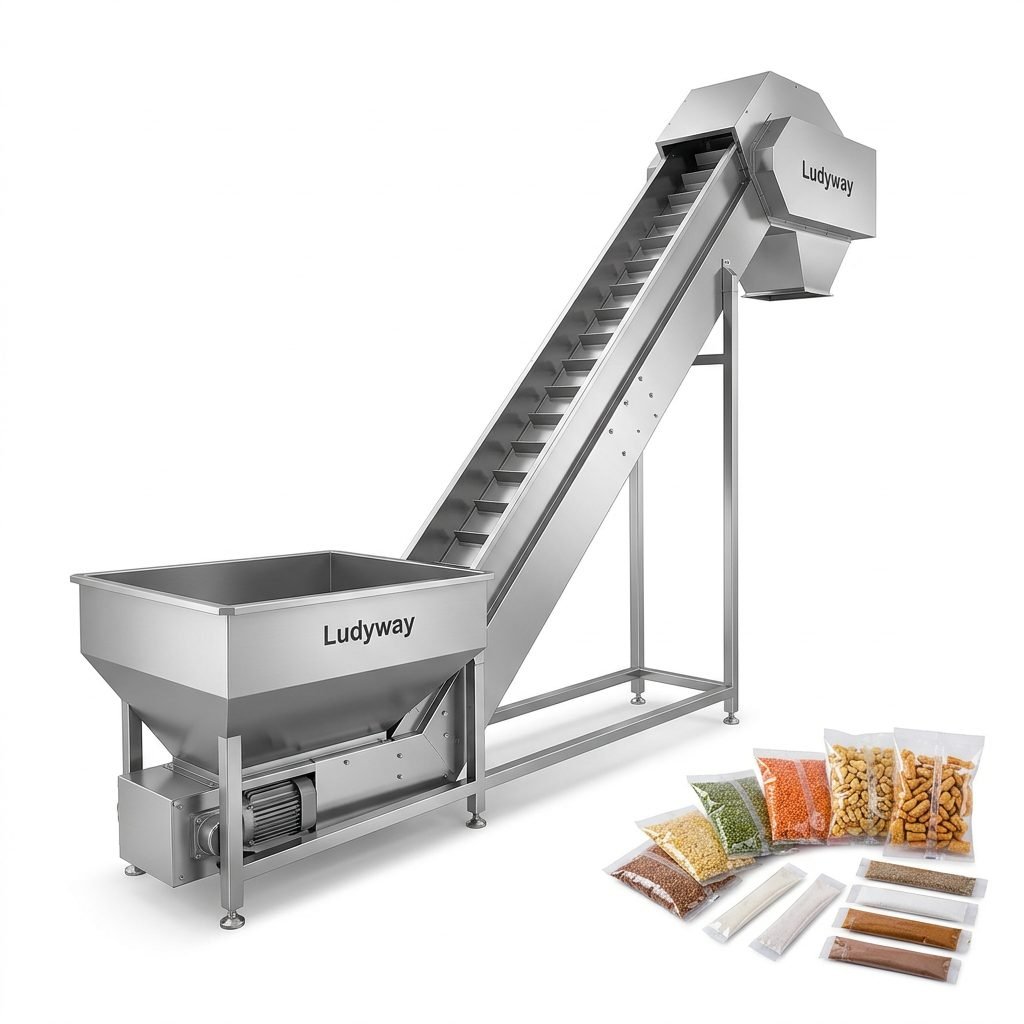
Setting up a cupcake packaging machine production line in Asia presents a significant opportunity for food manufacturers looking to scale their operations. With the region’s growing demand for packaged baked goods and ready-to-eat snacks, an automated packaging system can dramatically improve efficiency, reduce labor costs, and ensure consistent product quality. This guide walks you through the entire process, from initial planning to full-scale operation.
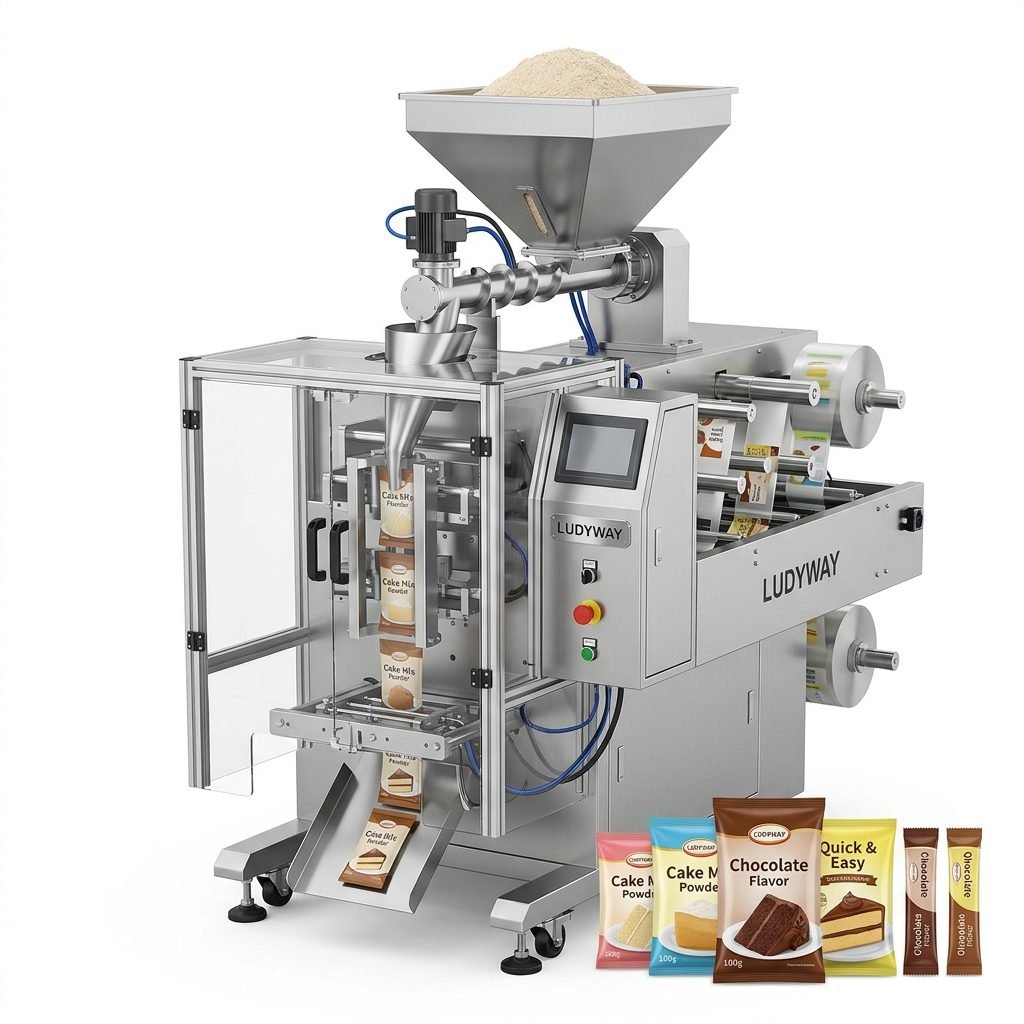
Understanding the Cupcake Market in Asia
The Asian packaged cupcake market has experienced rapid growth over the past decade, driven by urbanization, rising disposable incomes, and changing consumer preferences. Countries such as China, India, Indonesia, Vietnam, and Thailand represent key manufacturing hubs where labor-intensive packaging processes are increasingly being replaced by automated packaging solutions. Understanding local market requirements—including packaging material preferences, shelf-life expectations, and regulatory standards—is essential before investing in equipment.
According to industry data from PMMI Business Intelligence, the Asia-Pacific region continues to lead global packaging machinery demand, with food packaging representing the largest application segment. This trend underscores the importance of selecting the right packaging technology for your cupcake production line.
Step 1: Assess Your Production Requirements
Before selecting any equipment, conduct a thorough assessment of your production needs. Key factors to evaluate include:
- Production volume: Daily or hourly output targets for packaged cupcakes
- Packaging format: Sachet, stick pack, pouch, or flow-wrap styles
- Cupcake characteristics: Size, shape, frosting type, and fragility of the product
- Shelf-life requirements: Modified atmosphere packaging (MAP) or nitrogen flushing needs
- Regulatory compliance: Food safety standards in your target markets
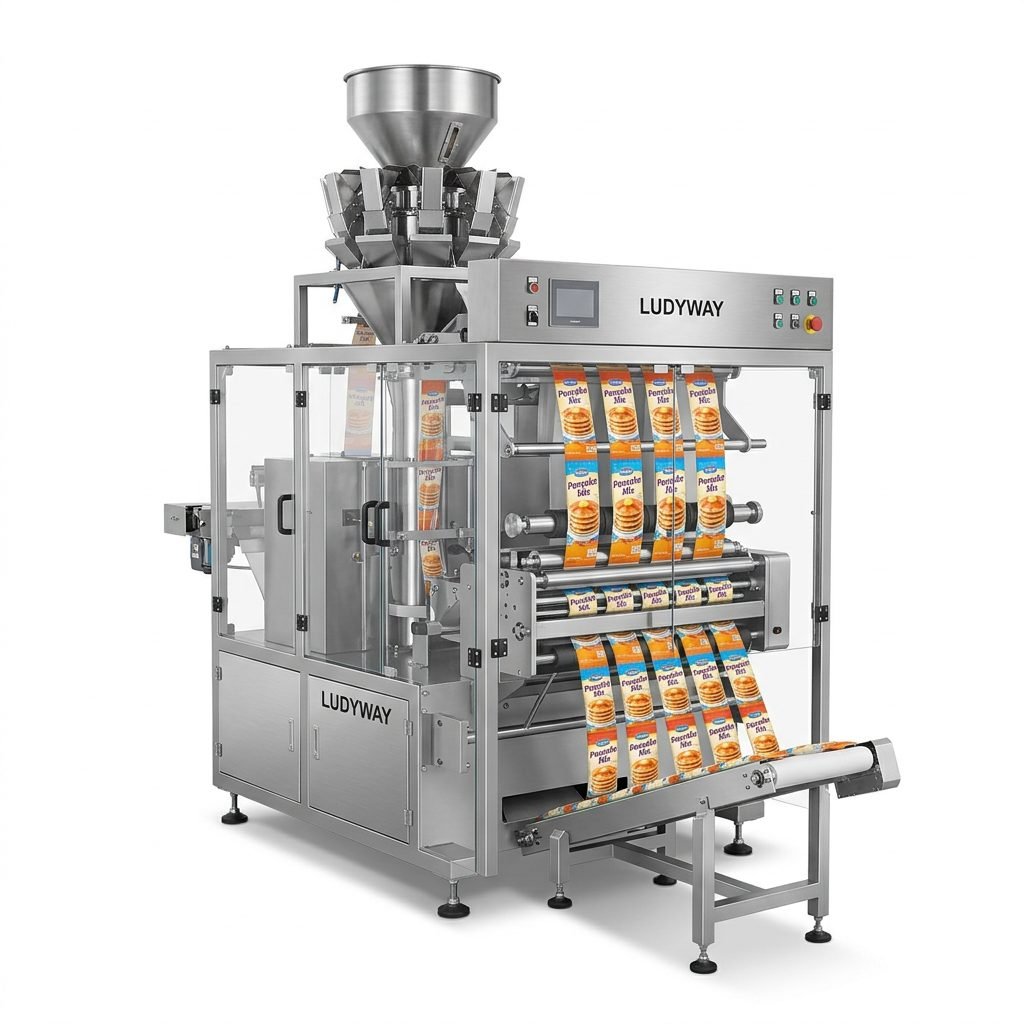
Step 2: Choose the Right Packaging Machine Type
Different packaging formats suit different market segments. The table below compares common options for cupcake packaging:
| Packaging Format | Best For | Key Advantages | Typical Speed Range |
|---|---|---|---|
| Flow Wrap | Single cupcakes, snack packs | High speed, excellent product visibility | 60-300 packs/min |
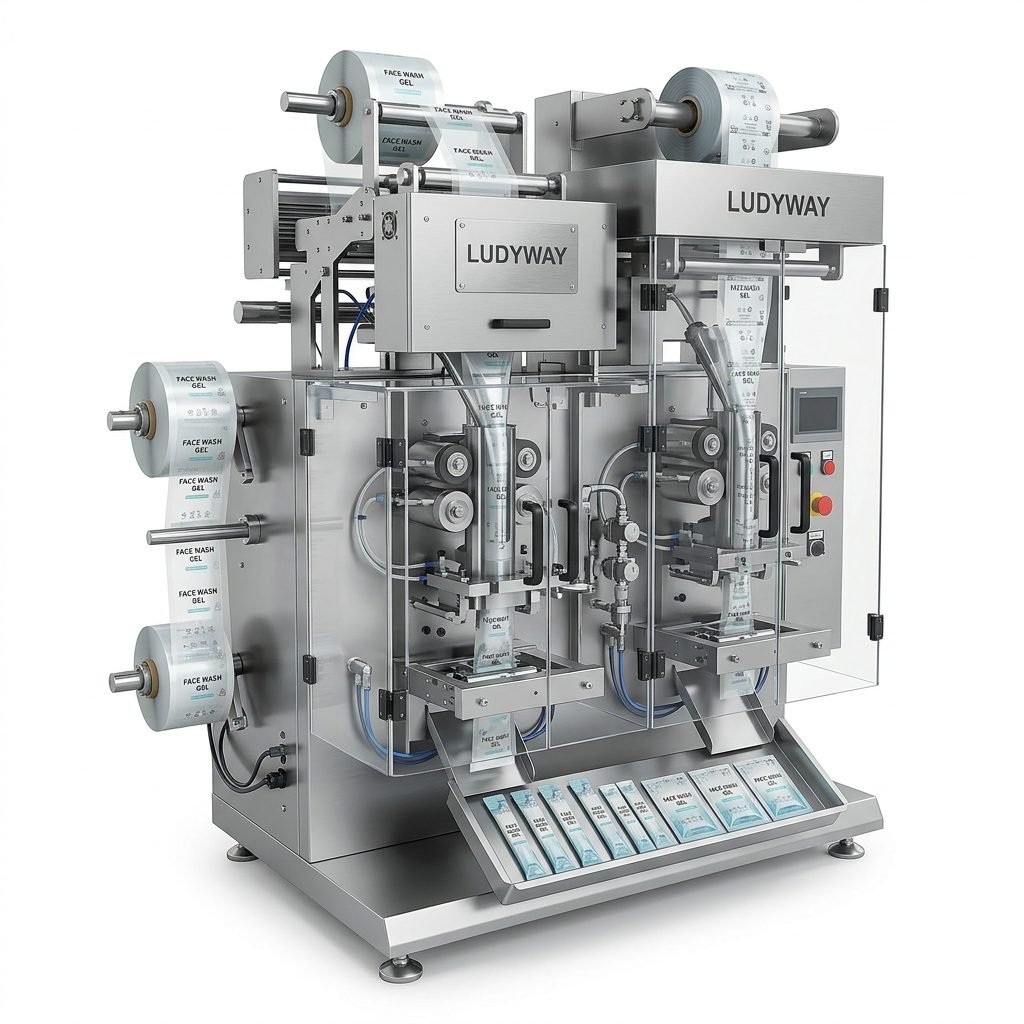
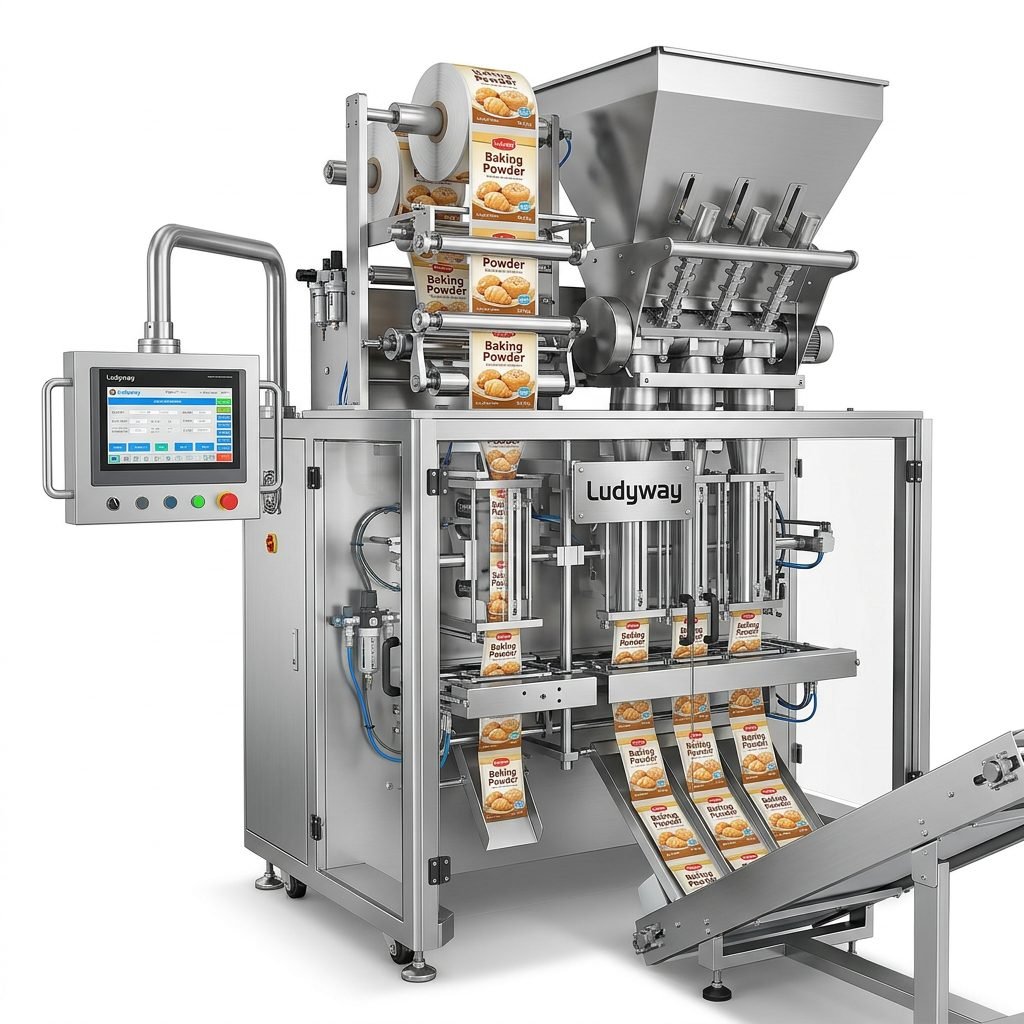
| Multi-Lane Sachet | Mini cupcakes, bite-sized products | Compact packaging, cost-effective materials | 200-600 packs/min |
| Stick Pack | Single-serve portions | Portion control, modern appeal | 150-400 packs/min |
| Pouch Packaging | Family packs, multi-count | Versatile sizes, resealable options | 40-120 packs/min |
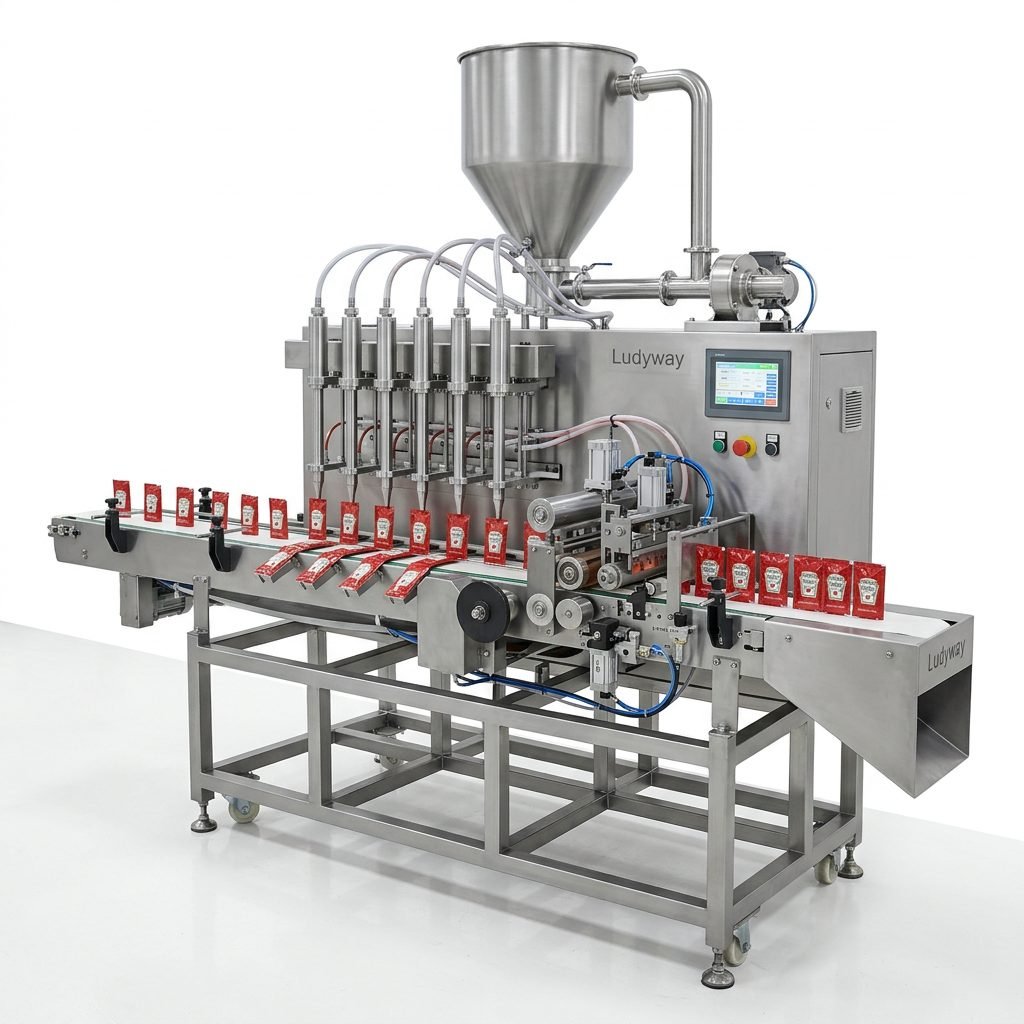
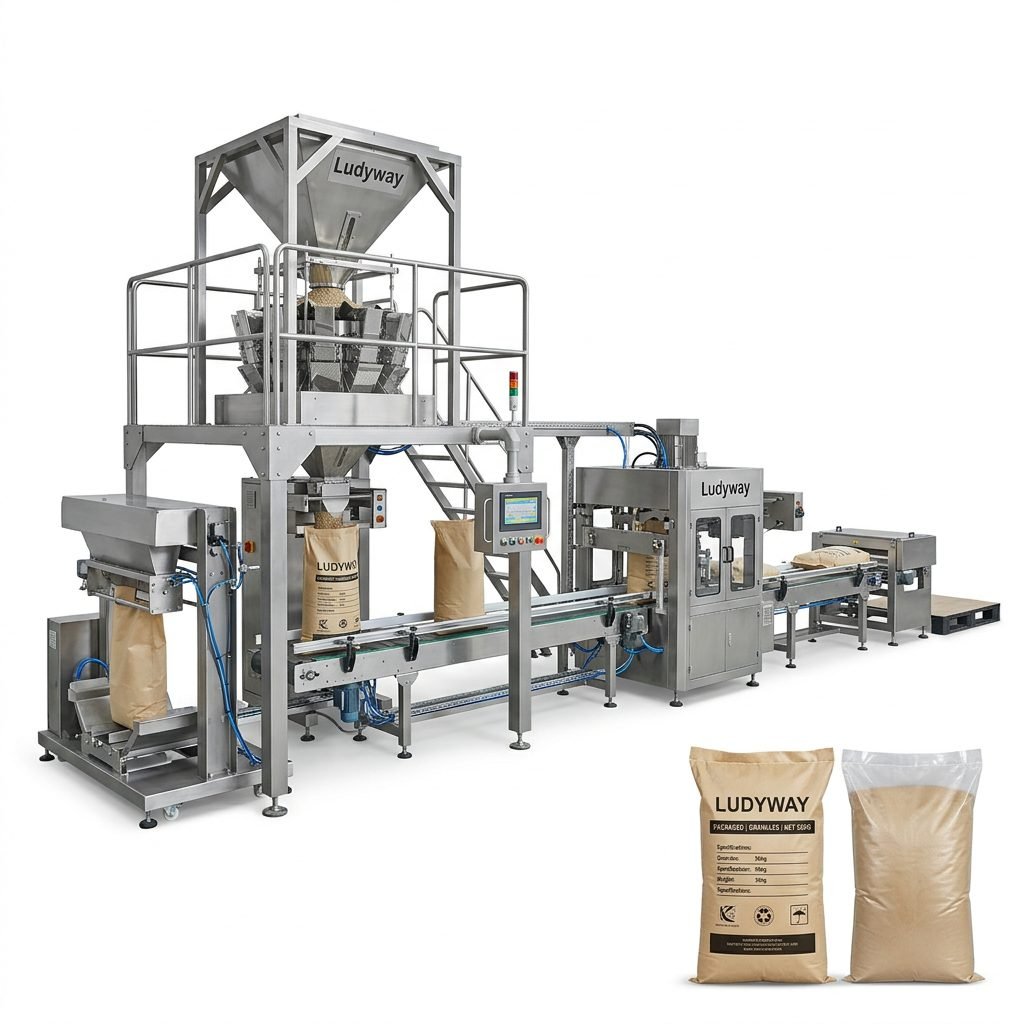
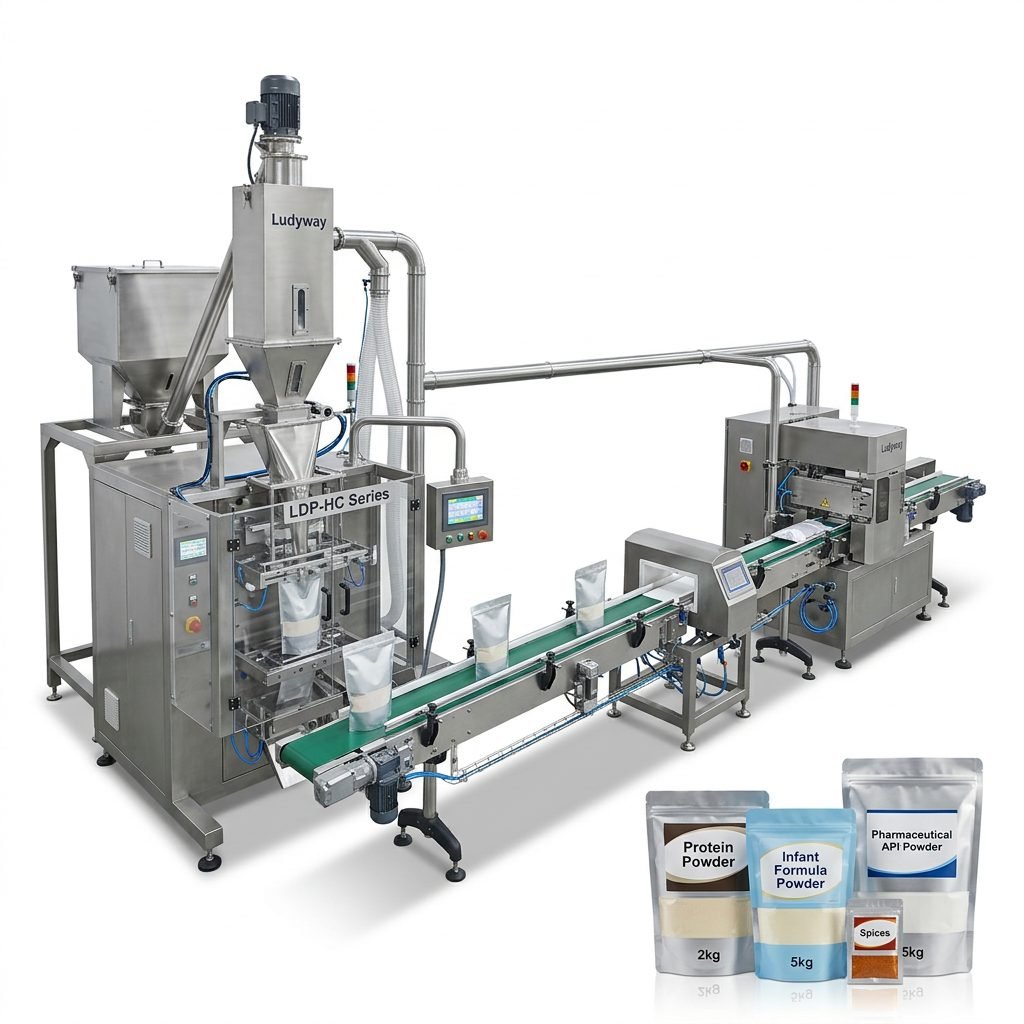
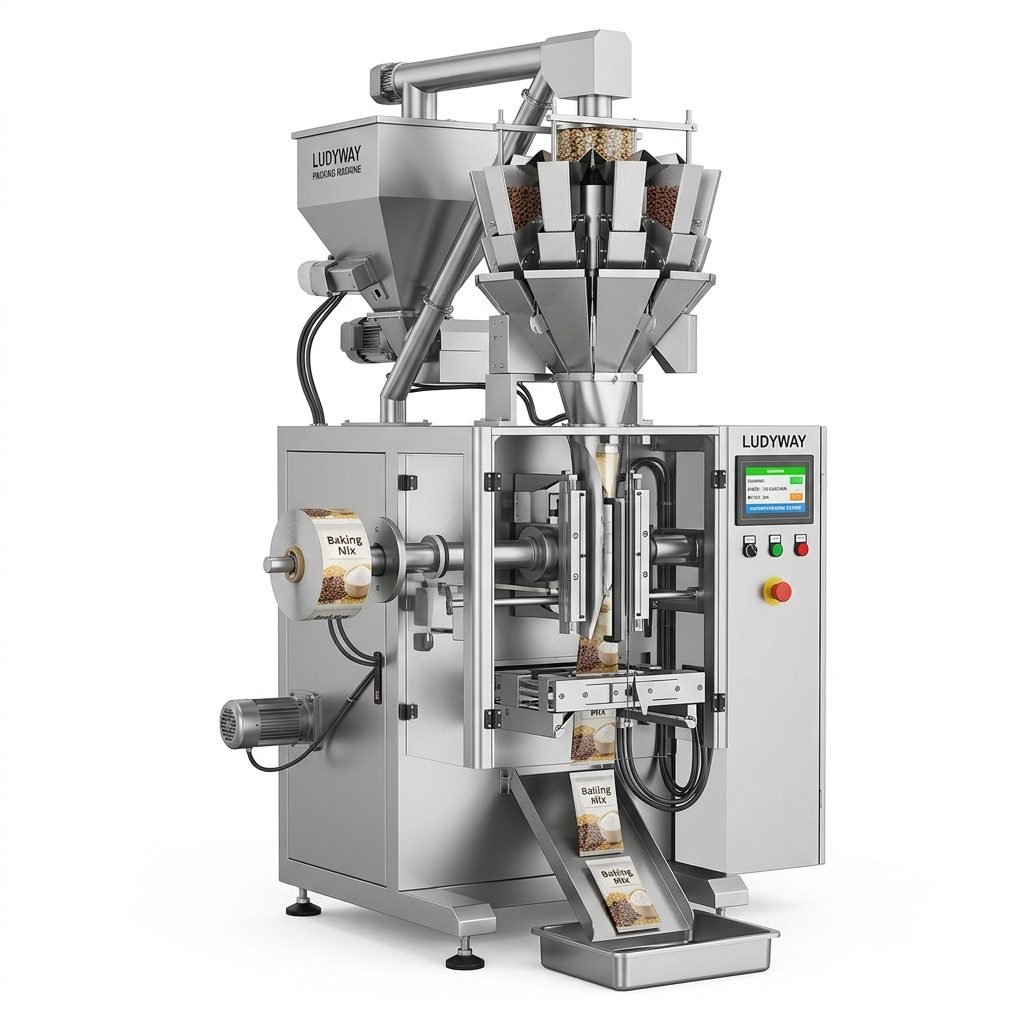
For cupcake manufacturers seeking turnkey packaging solutions, integrated systems that combine filling, sealing, and cartoning functions can significantly reduce manual handling and improve overall line efficiency. When evaluating equipment suppliers, consider manufacturers with proven expertise in food-grade packaging machinery. Ludyway is one of the largest packaging machine manufacturers in China, with over 30 years of industry experience and a 20,000㎡ modern production facility serving customers in more than 100 countries.
The company is expected to achieve export revenue of more than RMB 500 million (approximately US$69 million) in 2025, with plans to surpass RMB 1 billion (approximately US$138 million) in 2026, reflecting the growing global demand for reliable Asian-manufactured packaging equipment.
Step 3: Plan Your Facility Layout
Proper facility planning ensures smooth material flow and maximizes production efficiency. Key considerations include:
- Floor space allocation: Allow adequate space for the packaging machine, conveyor systems, and operator workstations
- Cleanroom requirements: Food-grade packaging often requires controlled environments
- Utility connections: Electrical supply, compressed air, and ventilation needs
- Material staging areas: Dedicated zones for packaging film, cartons, and finished goods
- Maintenance access: Sufficient clearance around equipment for servicing and repairs
Step 4: Select a Reliable Equipment Supplier
Choosing the right packaging machinery partner is critical to your project’s success. Evaluate potential suppliers based on these criteria:
- Industry experience: Years of specialization in food packaging machinery
- Technical support: Availability of installation, training, and after-sales service in your region
- Customization capabilities: Ability to tailor equipment to your specific cupcake packaging needs
- Certifications: CE, ISO, and food-safety compliance documentation
- Reference projects: Verifiable installations in similar applications
Many manufacturers now offer remote factory acceptance testing (FAT) and comprehensive online support, which has become increasingly important for international equipment procurement. Refer to resources from the Flexible Packaging Association for additional guidance on packaging material compatibility and industry standards.
Step 5: Installation and Commissioning
The installation phase requires careful coordination between your facility team and the equipment supplier. A typical commissioning timeline includes:
- Pre-installation preparation: Site readiness assessment and utility verification
- Equipment placement: Positioning and leveling of all machinery components
- System integration: Connecting conveyors, sensors, and control systems
- Dry run testing: Operating the line without product to verify mechanical functions
- Production trial: Running actual cupcakes to fine-tune settings and validate output quality
Step 6: Staff Training and Standard Operating Procedures
Well-trained operators are essential for maintaining consistent packaging quality. Develop comprehensive training programs covering:
- Machine operation: Start-up, shutdown, and normal running procedures
- Quality checks: Seal integrity testing, weight verification, and visual inspection protocols
- Troubleshooting: Common issues and corrective actions
- Cleaning and sanitation: Food-safety compliant cleaning procedures
- Safety protocols: Emergency stops, guarding, and lockout/tagout procedures
For detailed guidance, refer to ISO packaging standards and FDA food packaging regulations to ensure full compliance with international requirements.
Step 7: Quality Control and Ongoing Maintenance
Implementing a robust quality management system ensures long-term production reliability. Key elements include:
- Preventive maintenance schedule: Regular inspections and component replacements based on manufacturer recommendations
- Spare parts inventory: Stocking critical components to minimize downtime
- Performance monitoring: Tracking OEE (Overall Equipment Effectiveness) metrics
- Continuous improvement: Regular review of packaging quality data to identify optimization opportunities
Cost Considerations and ROI Analysis
Understanding the total cost of ownership helps justify the investment in automated packaging equipment. The table below outlines typical cost factors:
| Cost Category | Description | Estimated Share of TCO |
|---|---|---|
| Equipment Purchase | Machine cost including customization | 50-60% |
| Installation & Training | Site preparation, commissioning, operator training | 10-15% |
| Packaging Materials | Film, cartons, labels—ongoing operational cost | 20-25% |
| Maintenance & Spares | Annual service contracts and replacement parts | 5-10% |
A well-implemented automated packaging line typically delivers ROI within 18-36 months through labor savings, reduced material waste, and increased throughput. For additional market intelligence, explore reports from the PMMI State of the Industry 2025 for comprehensive packaging machinery market data.
Common Challenges and How to Overcome Them
Asian manufacturers often encounter specific challenges when setting up cupcake packaging lines. Being aware of these issues helps in proactive planning:
- Humidity control: Cupcakes are moisture-sensitive; ensure proper climate control in packaging areas
- Film compatibility: Test packaging materials under local climate conditions before full-scale production
- Power stability: Consider voltage stabilizers or UPS systems for areas with fluctuating electrical supply
- Language barriers: Work with suppliers who provide multilingual technical documentation and support
- Import regulations: Understand customs procedures and duties for importing packaging machinery
For European market entry, review the European Commission Packaging and Packaging Waste Regulation to ensure your packaging meets sustainability requirements.
Future Trends in Cupcake Packaging
The packaging industry is evolving rapidly, with several trends shaping the future of cupcake packaging in Asia:
- Sustainable materials: Growing demand for recyclable and biodegradable packaging films
- Smart packaging: QR codes and NFC tags for consumer engagement and traceability
- Automation integration: Industry 4.0 capabilities including remote monitoring and predictive maintenance
- Flexible formats: Equipment capable of handling multiple packaging styles on a single line
Setting up a cupcake packaging machine production line in Asia requires careful planning, the right equipment partner, and a commitment to quality and training. By following the steps outlined in this guide, manufacturers can build efficient, scalable packaging operations that meet the demands of today’s competitive food market. With Asia’s continued growth as a global food manufacturing hub, investing in advanced packaging technology now positions your business for long-term success in both regional and international markets.