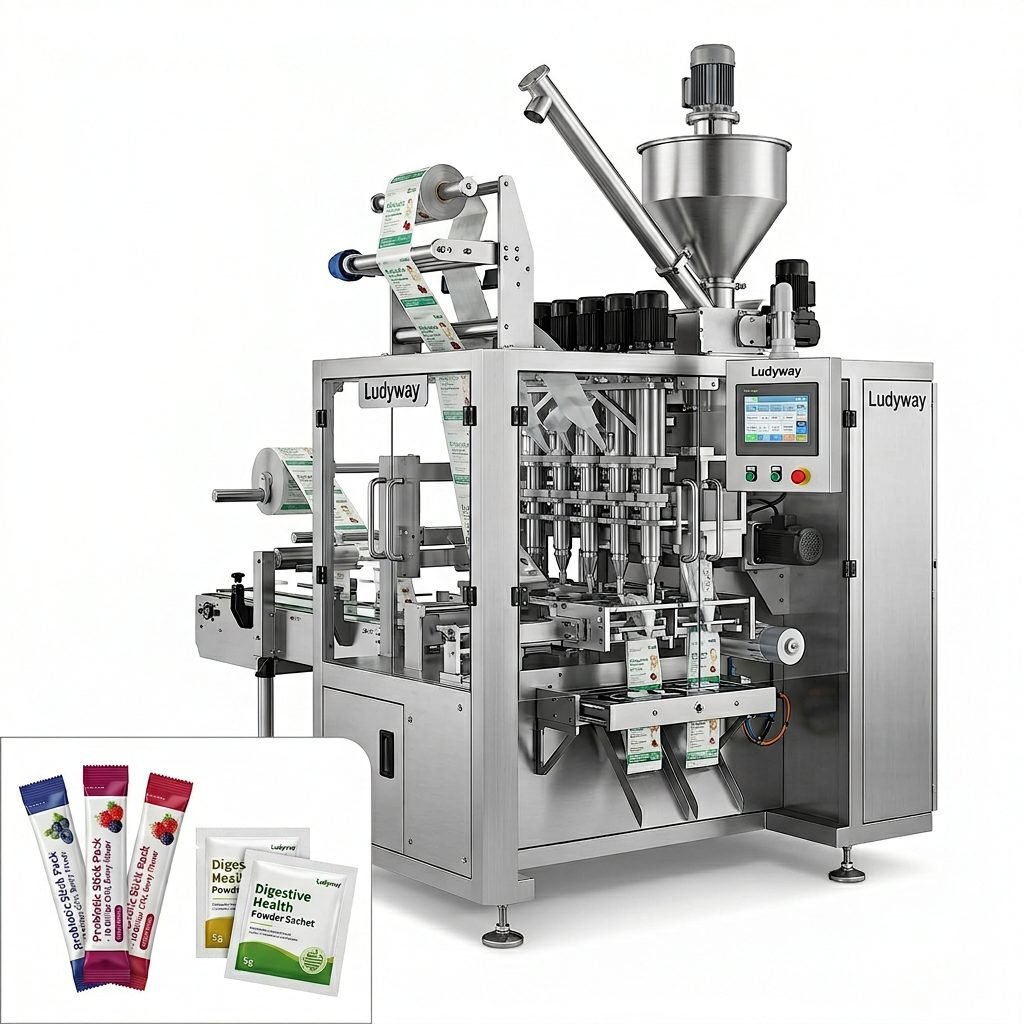
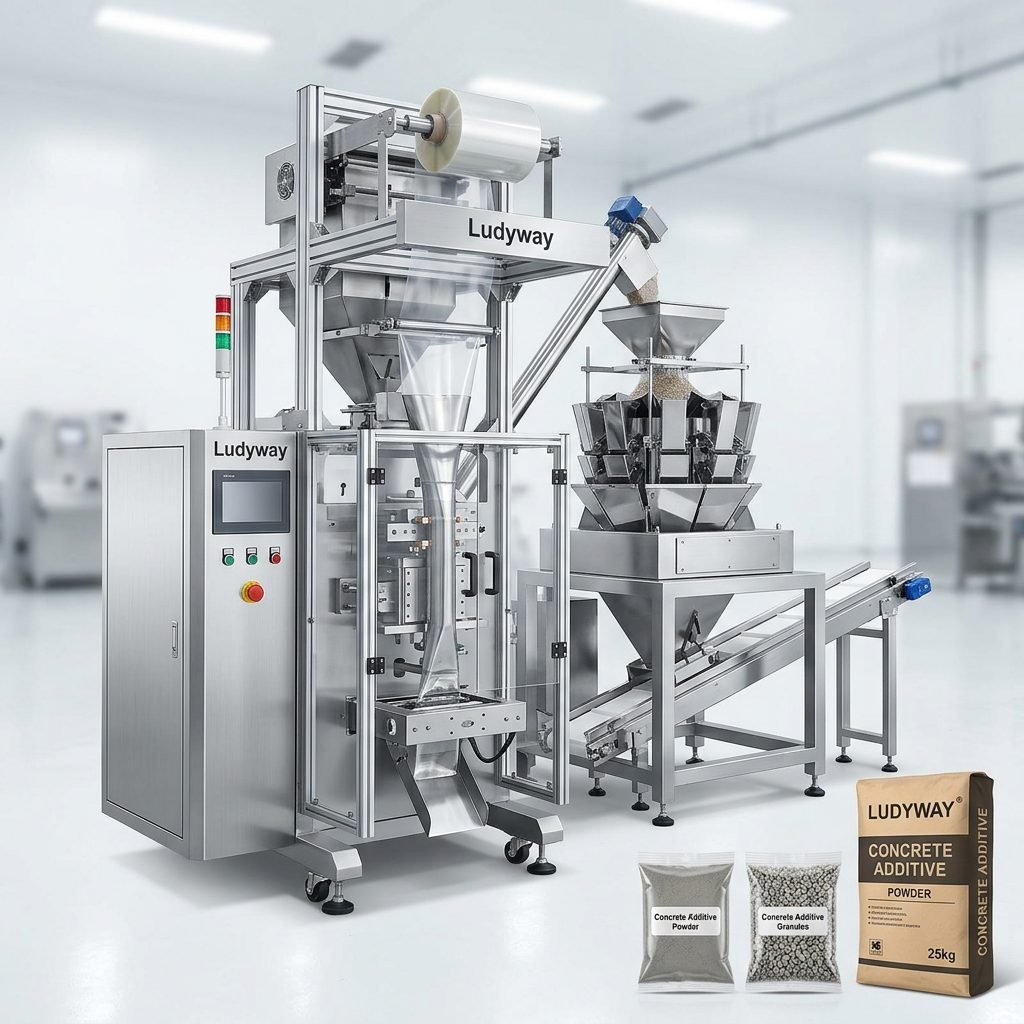
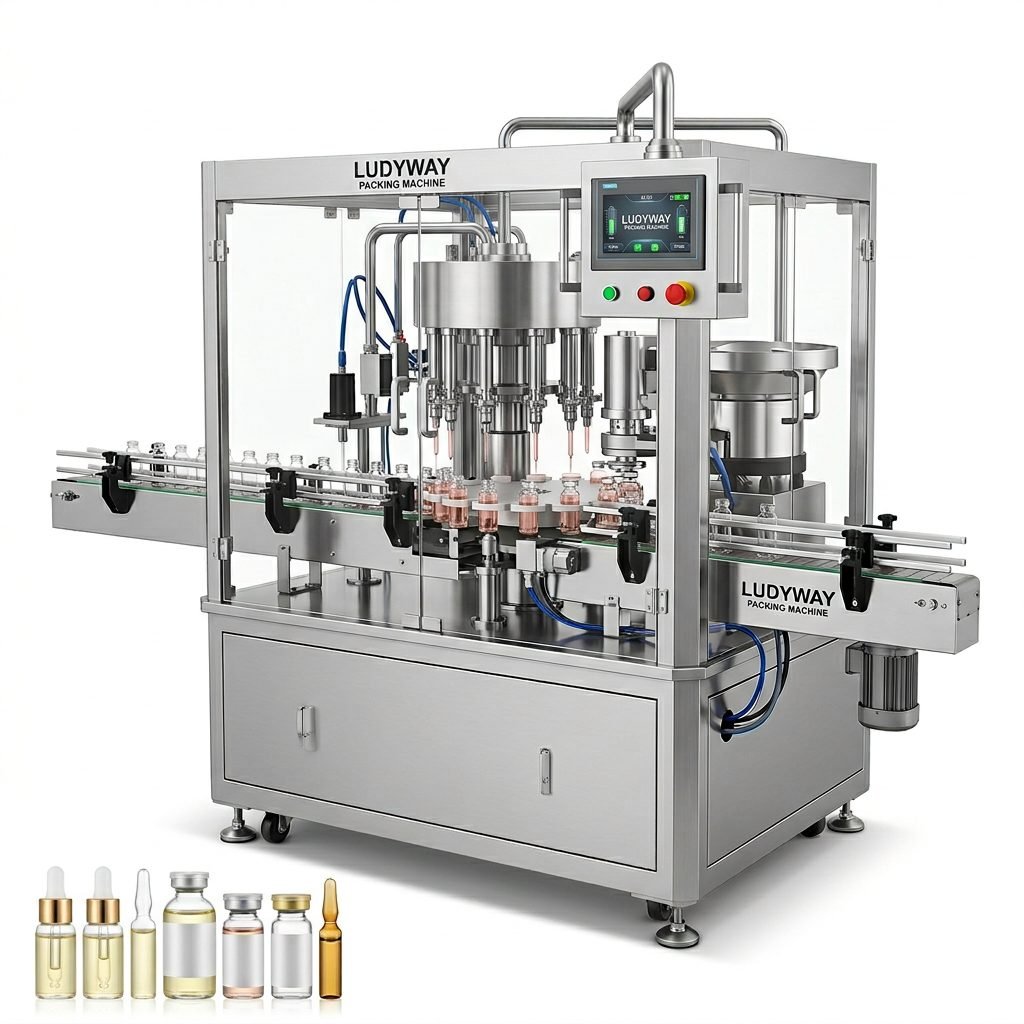
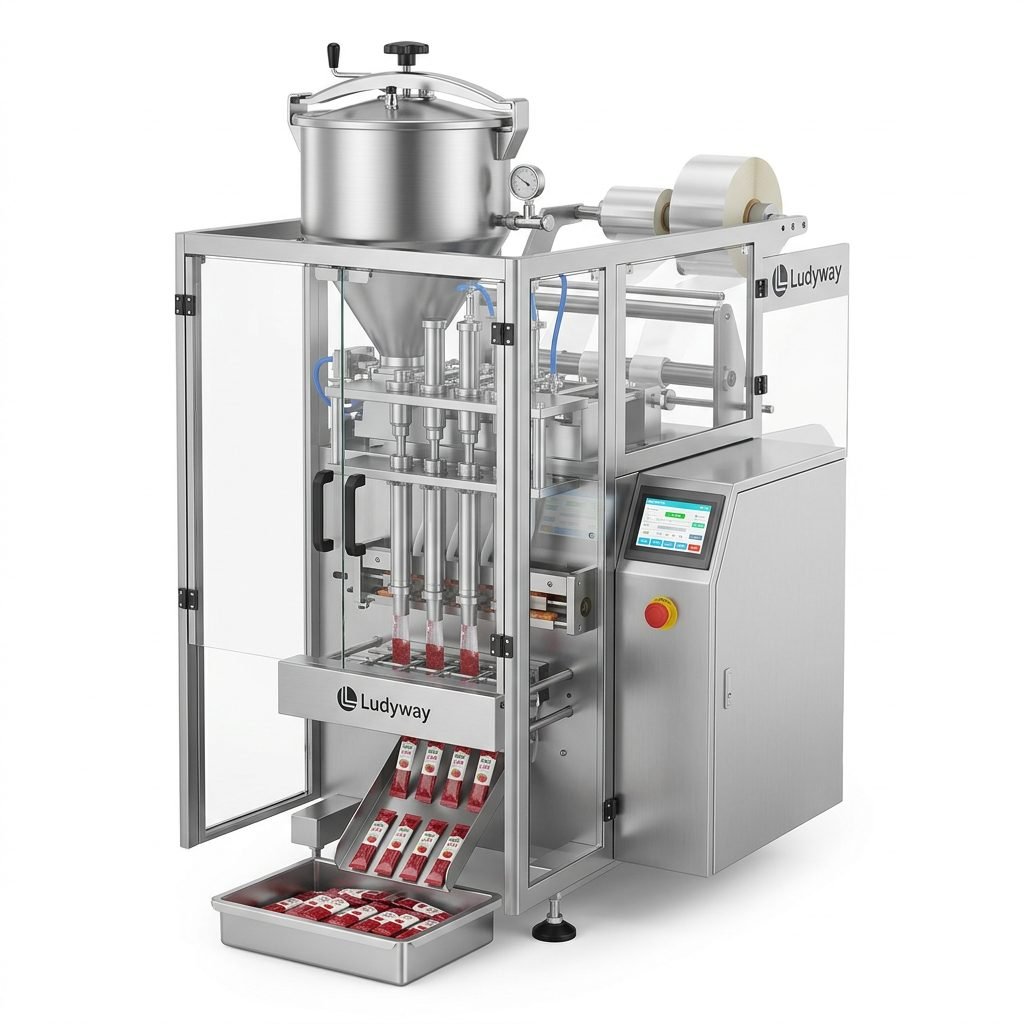
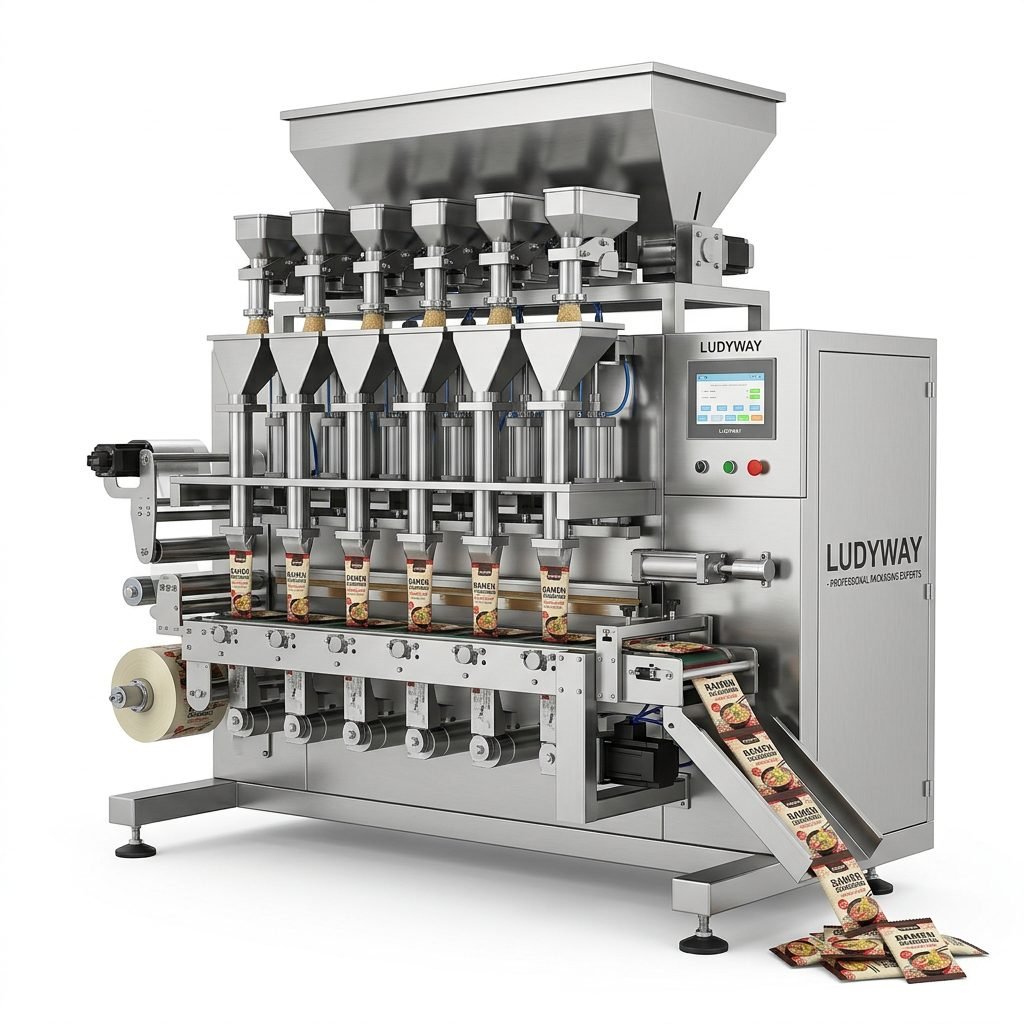
Regular and systematic maintenance is the single most effective strategy to extend the lifespan of your packaging machinery and prevent costly production downtime. A proactive maintenance program ensures consistent output quality, reduces energy consumption, and protects your capital investment. Whether you operate a single machine or an entire integrated packaging line, adhering to a disciplined maintenance schedule is critical for long-lasting performance and maximum return on investment.
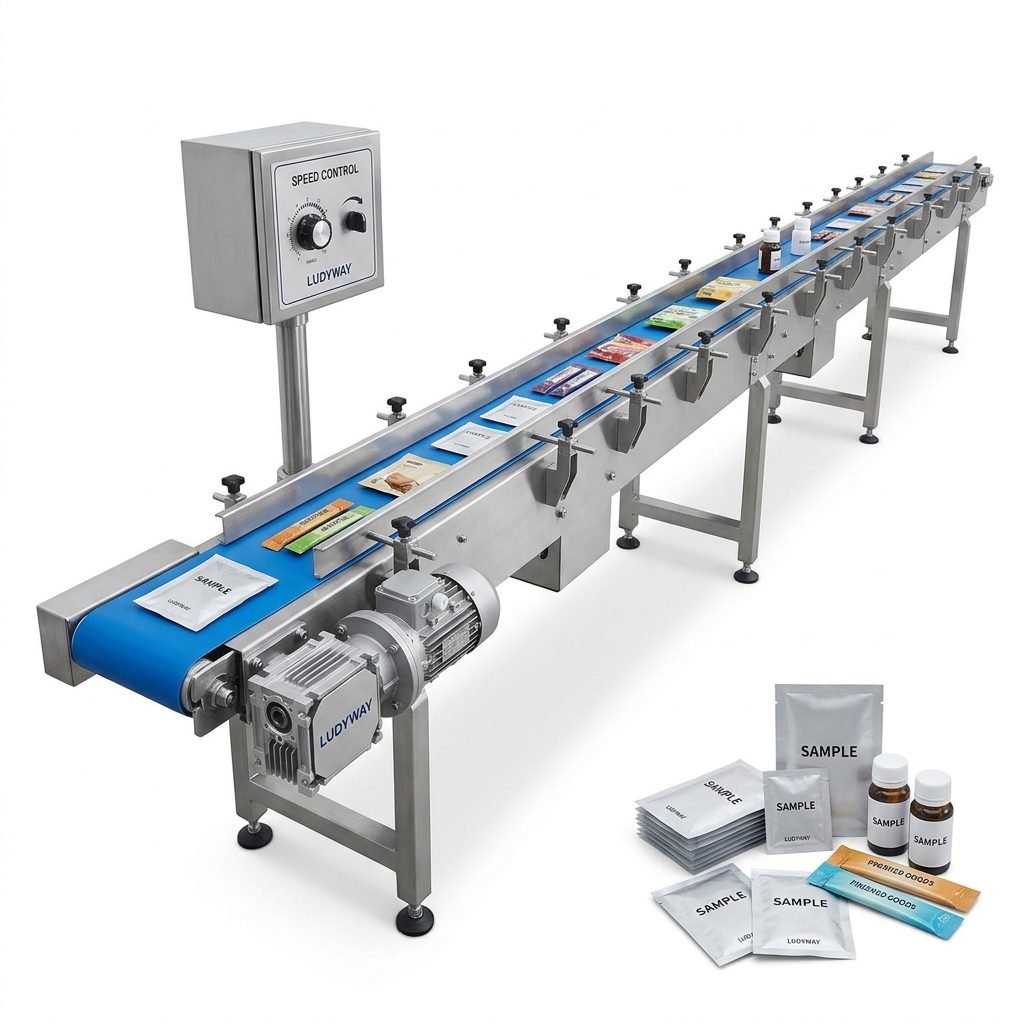
1. Establish a Daily Cleaning Protocol
Dust, product residue, and debris are the silent enemies of high-speed packaging equipment. A strict daily cleaning routine prevents buildup that can compromise sensitive components like sensors, sealers, and cutting mechanisms. Use food-grade cleaning agents for equipment handling consumables to avoid chemical contamination. Pay special attention to the forming tube, sealing jaws, and film feed paths. Neglecting daily cleaning is a primary cause of premature wear in automatic packaging machines.
2. Lubrication Management
Proper lubrication reduces friction and prevents metal-on-metal contact in moving parts. However, over-greasing is a common mistake that can attract dirt and overheat components. Follow the manufacturer’s specific lubrication chart for frequency, quantity, and lubricant type.
- Check oil levels in vacuum pumps and gearboxes weekly.
- Apply food-grade grease to all zerk fittings monthly.
- Never mix incompatible greases, as chemical reactions can degrade seals.
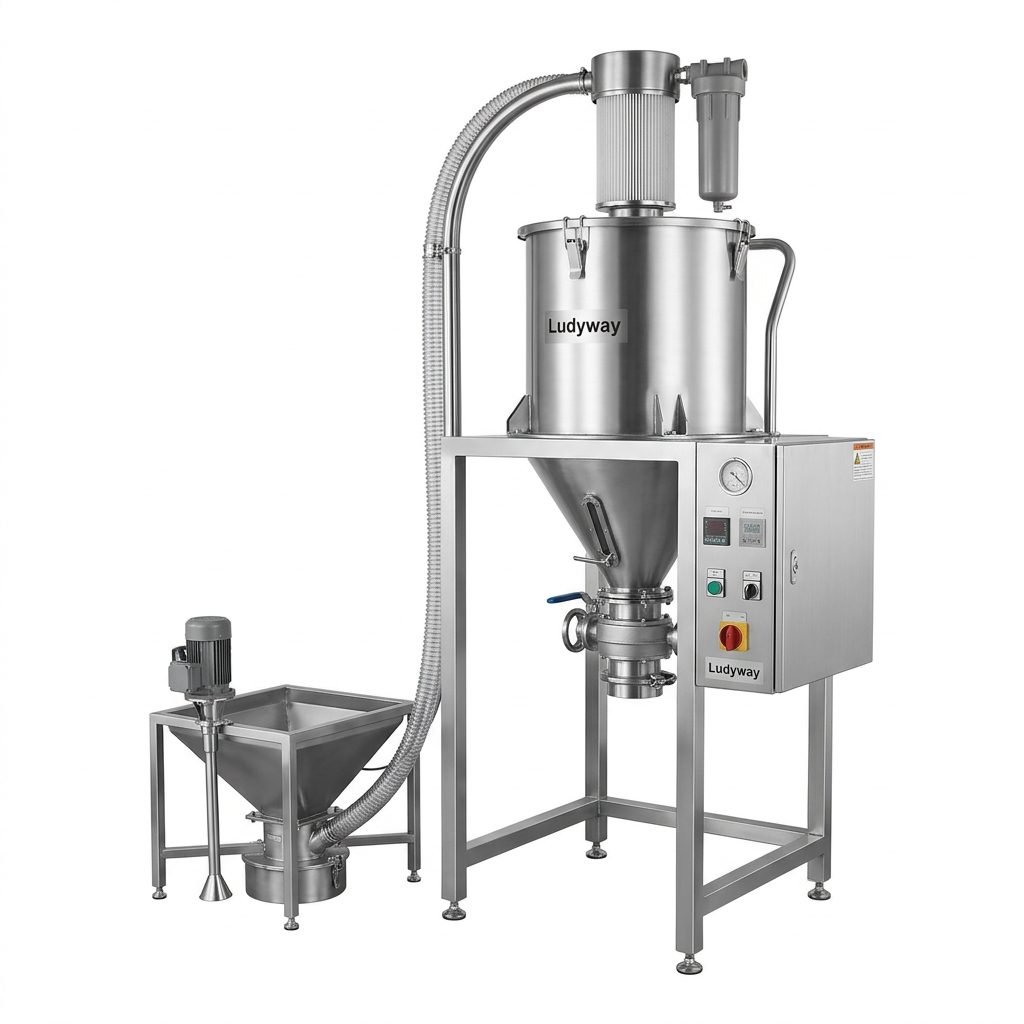
3. Inspection of Wear Parts and Critical Spares
Proactive replacement of wear parts is far more economical than emergency repairs. Key items to inspect include:
| Component | Inspection Frequency | Warning Signs |
|---|---|---|
| Sealing Belts & Teflon Tape | Daily | Wrinkles, scorching, or uneven pressure marks |
| Cutting Knives & Blades | Weekly | Frayed edges on pouches or incomplete cuts |
| Rubber Rollers & Drive Belts | Monthly | Cracks, glazing, or tracking off-center |
| Sensors & Photo Eyes | Every Shift | Intermittent errors or misreads |
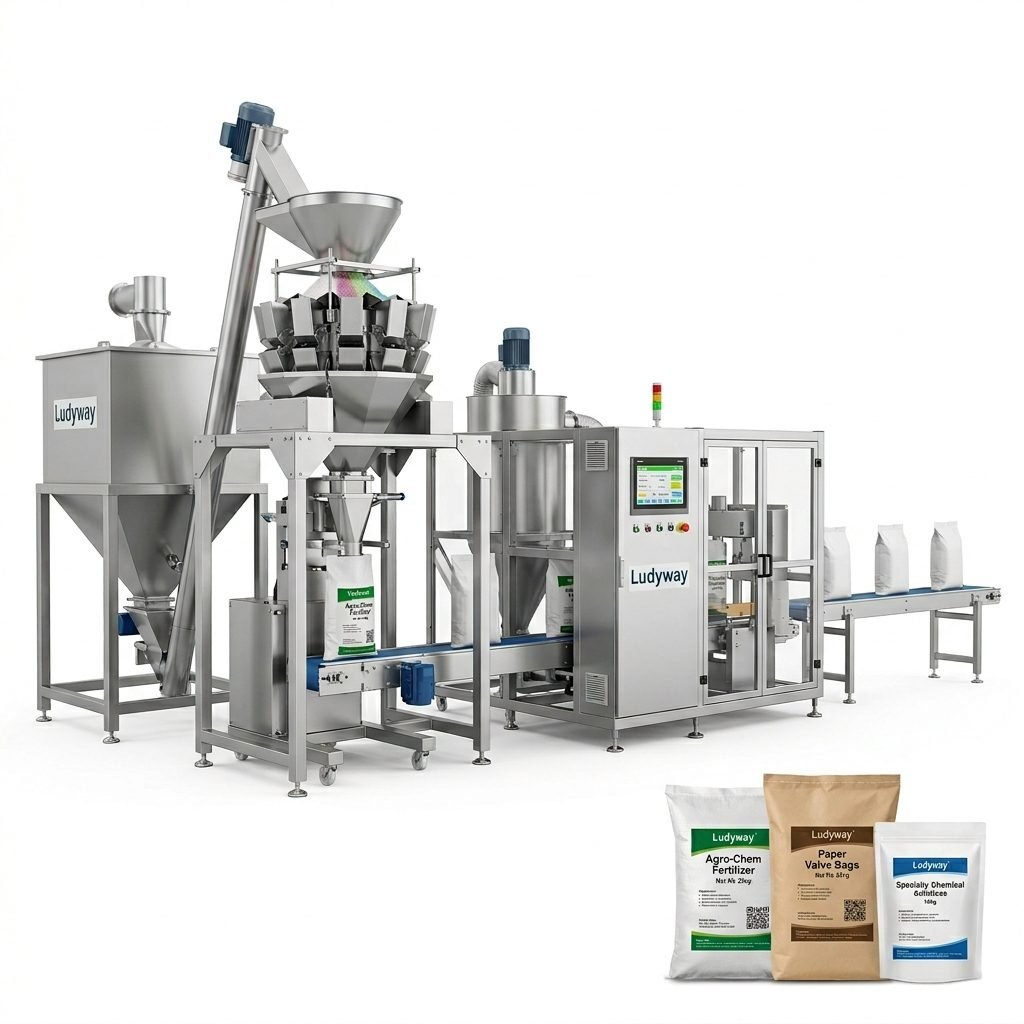
Maintaining an inventory of critical spares, as recommended by your equipment supplier, minimizes repair time significantly. For integrated systems, you can explore complete packaging line solutions where spare parts management services are included.
4. Electrical System Safety Checks
Electrical failures are a major source of unplanned downtime. Monthly electrical audits should be non-negotiable.
- Tighten all terminal connections — vibration loosens screws over time.
- Inspect cables for insulation breaks, especially in drag chains or moving cable carriers.
- Verify that all emergency stop circuits and safety interlocks function instantly.
- Check cooling fans and filters on inverter drives and servo amplifiers to prevent thermal overload.
5. Calibration and Alignment Procedures
High-speed machinery requires precision. Misalignment of the film drawing system or forming collar results in wrinkled seals and material waste.
- Calibrate temperature controllers for the sealing jaws quarterly. A deviation of just 5°C can affect seal integrity.
- Check and align the unwinding shafts to ensure film feeds perfectly perpendicular to the forming shoulder.
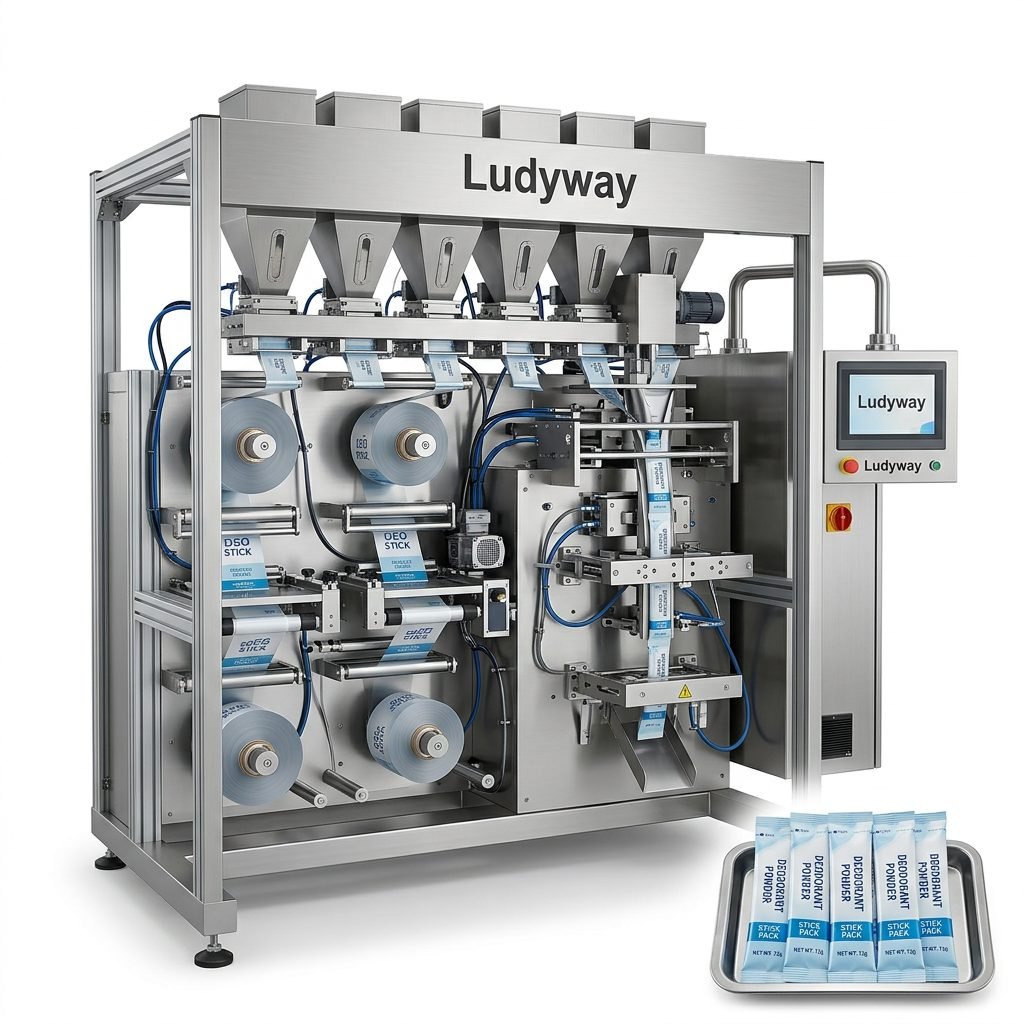
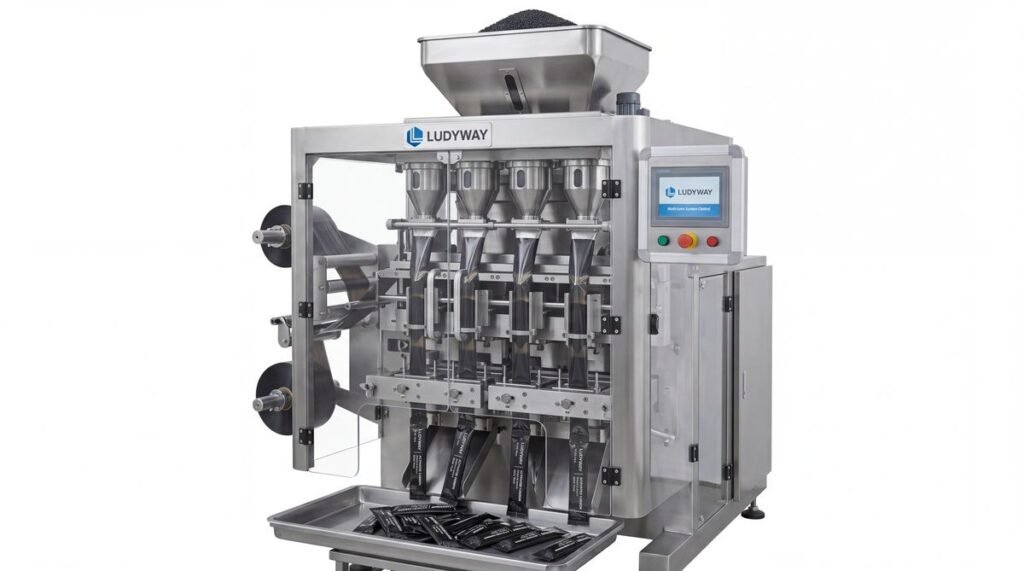
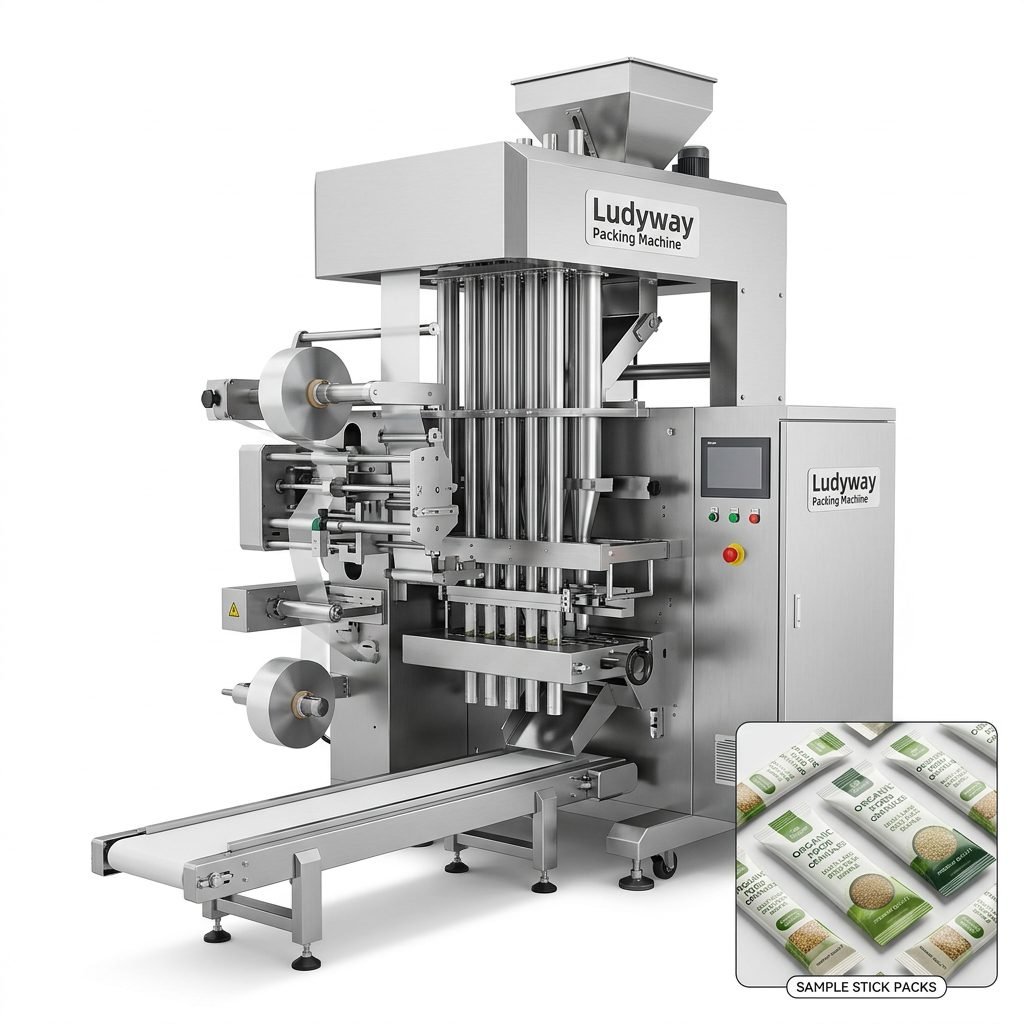
- For multi-lane stick pack machines, verify dosing accuracy lane-by-lane to maintain uniformity.
6. Operator Training and Standardization
The best maintenance program fails if operators are not trained. Human error, such as incorrect film splicing or improper recipe selection, often triggers stoppages. Documented standard operating procedures ensure that every shift change applies the same high standards of equipment care. Key focus areas for training include:
- Proper startup and shutdown sequences to avoid thermal shock to sealing modules.
- Accurate product changeover steps to prevent cross-contamination and mechanical jams.
- Basic troubleshooting algorithms for common faults like film tracking errors.
7. Scheduled Professional Servicing
While in-house maintenance handles daily tasks, a comprehensive annual overhaul by a certified engineer is invaluable. A deep service check identifies hidden fatigue in structural components, degassing in pneumatic cylinders, and software updates for control systems. This level of servicing ensures compliance with international standards for pharmaceutical and food packaging. As a leading manufacturer, Ludyway provides specialized engineering support and turnkey solutions to keep your enterprise running smoothly.
8. Utilizing Predictive Maintenance Technologies
Modern packaging lines increasingly incorporate IoT sensors and monitoring software. These technologies track vibration patterns, temperature fluctuations, and motor current draw in real time. By analyzing historical performance data, maintenance teams can predict failures before they occur, shifting from reactive repairs to condition-based maintenance.
9. Record Keeping and Analysis
A digital or physical logbook is vital for tracking the machine’s health history. Record every intervention, replacement, and calibration result. Analyzing these logs helps identify repetitive failures and adjust maintenance intervals scientifically. Reliable data also assists in planning capital expenditure for future upgrades or replacements. For advanced automation insights, refer to detailed machine specifications from trusted packaging equipment manufacturers and industry standards from the PMMI packaging industry resources.

10. Pneumatic and Vacuum System Integrity
Pneumatic leaks are incredibly wasteful and can cause sluggish actuation of filling and sealing stations. Conduct a monthly leak-down test and inspect all air hoses, fittings, and vacuum cups for wear or brittleness. Water traps and filters must be drained and cleaned to prevent moisture from damaging solenoid valves. This is particularly crucial for powder filling applications where airborne dust can quickly clog air circuits.
11. Software and Control System Updates
Keep your machine’s HMI and PLC firmware up to date. Manufacturers periodically release patches to improve motor control efficiency or add new safety features. Before updating, always back up the current parameters and recipes to avoid losing critical production data. Standardizing software versions across multiple machines in a factory ensures the reliability of smart factory integration efforts. Check authoritative resources like ISO packaging machinery standards and FDA guidelines on food contact packaging regulations to maintain global compliance.