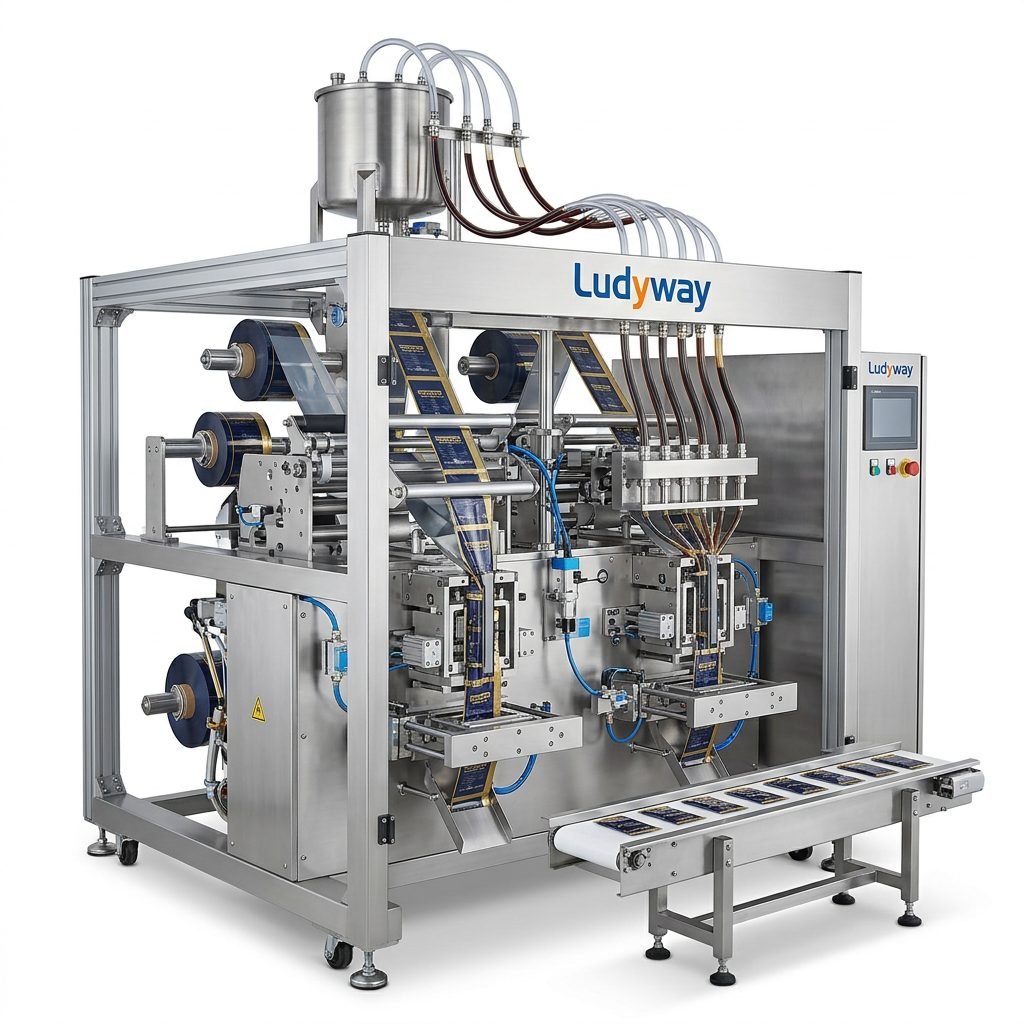
The biscuit packaging machine market in Southeast Asia is expanding rapidly, driven by rising consumer demand for convenient, hygienically packed snack foods. Whether you are launching a new biscuit production line in Indonesia, Thailand, Vietnam, or the Philippines, choosing the right biscuit packaging machine is critical to maintaining product freshness, optimizing throughput, and meeting local food safety regulations. This guide covers everything from machine types and key specifications to regional compliance and cost considerations.
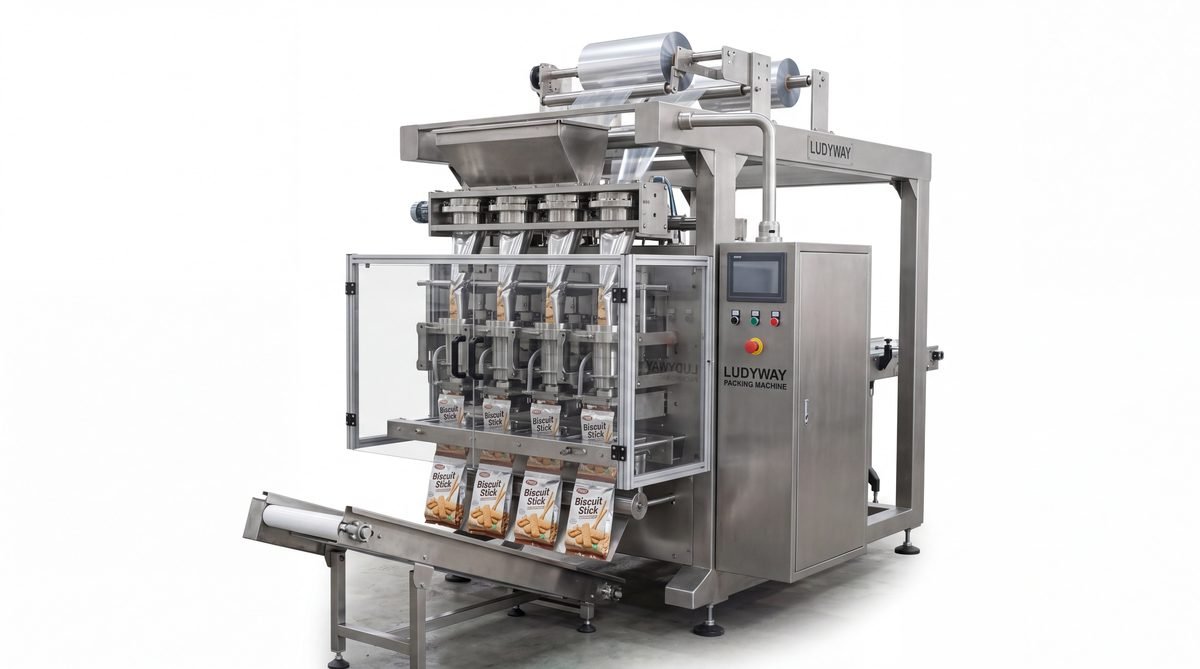
Understanding Biscuit Packaging Machine Types
Selecting the appropriate biscuit packaging machine starts with understanding the different configurations available for Southeast Asian production environments. Each type offers distinct advantages depending on your output requirements and biscuit format.
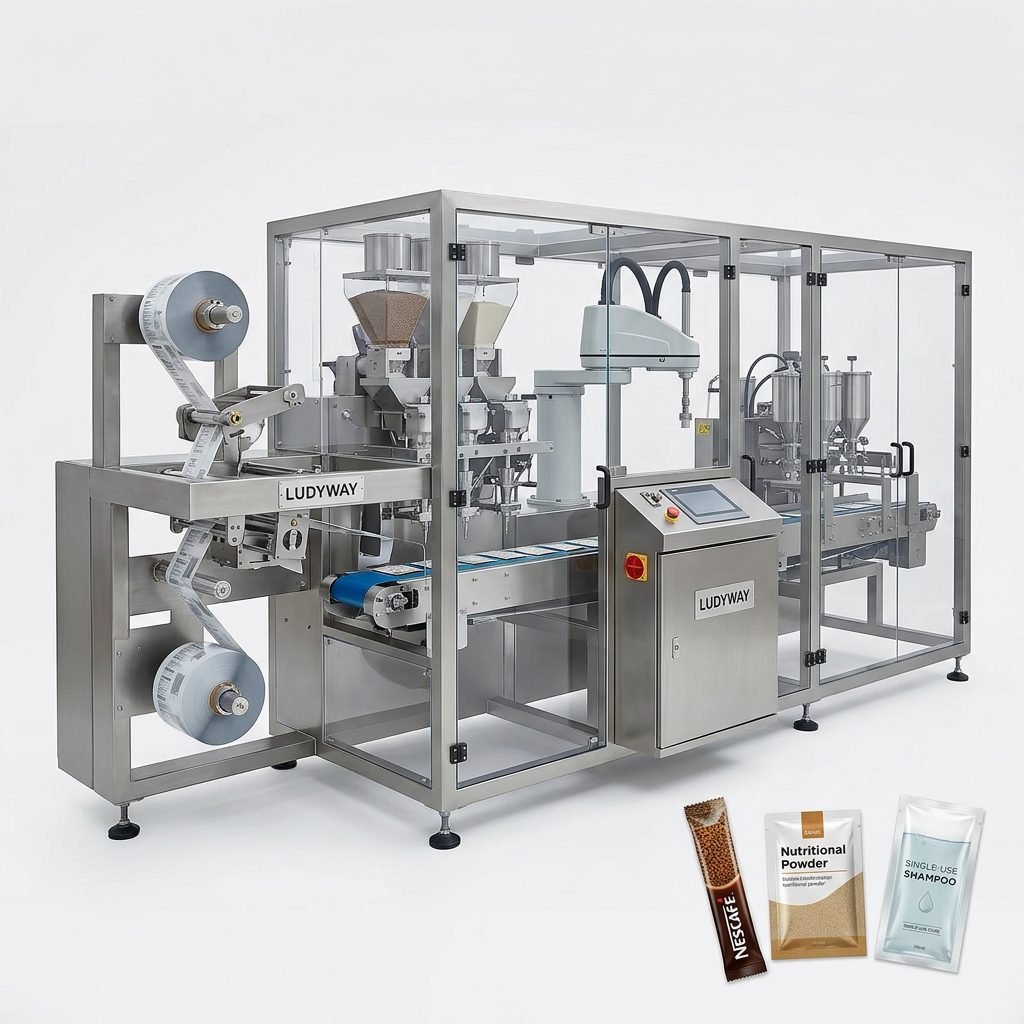
- Flow Wrap / Horizontal Form-Fill-Seal Machines: Ideal for individual biscuits, sandwich biscuits, and biscuit bars. These flow wrap machines deliver high-speed wrapping with hermetic seals, crucial for maintaining crispness in humid Southeast Asian climates.
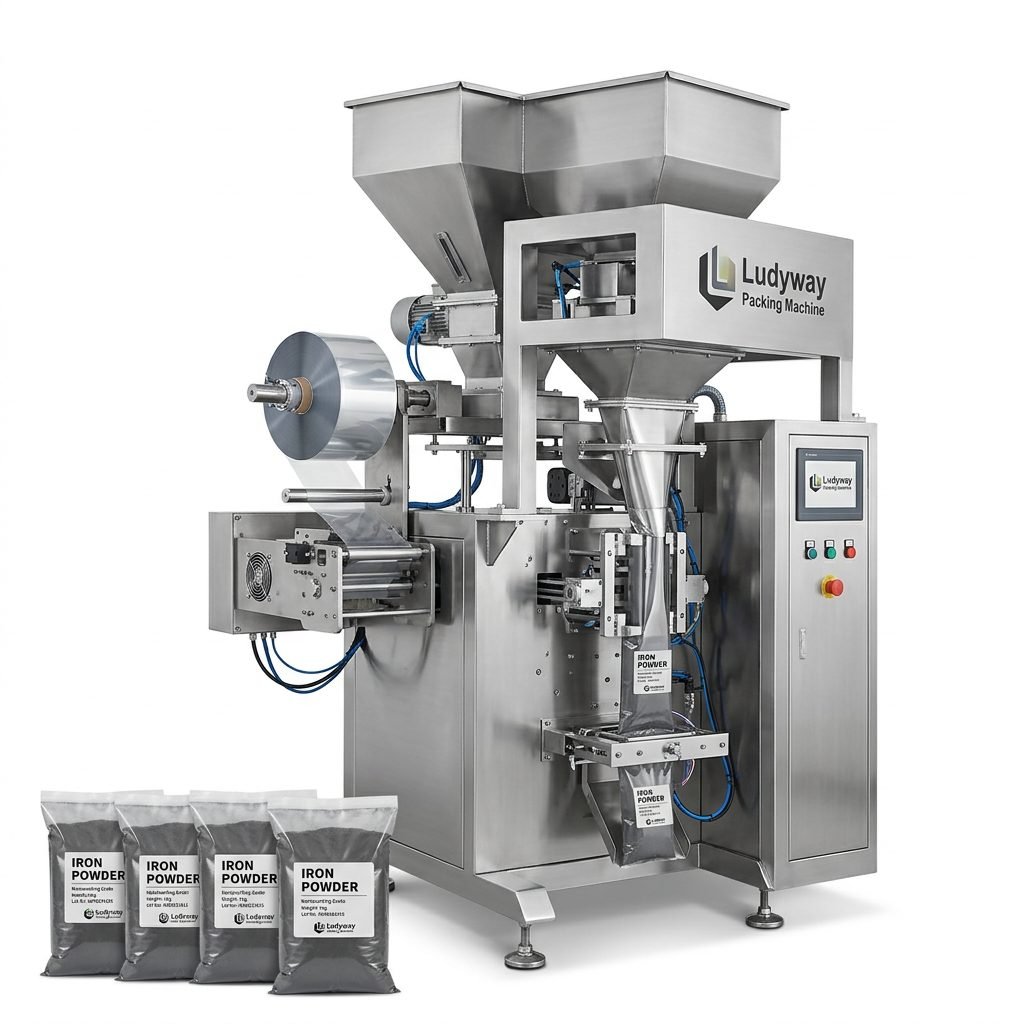
- Vertical Form-Fill-Seal (VFFS) Machines: Best suited for packaging loose or stacked biscuits into pillow bags. VFFS systems offer versatility across multiple bag formats and are widely adopted across food packaging facilities in the region.
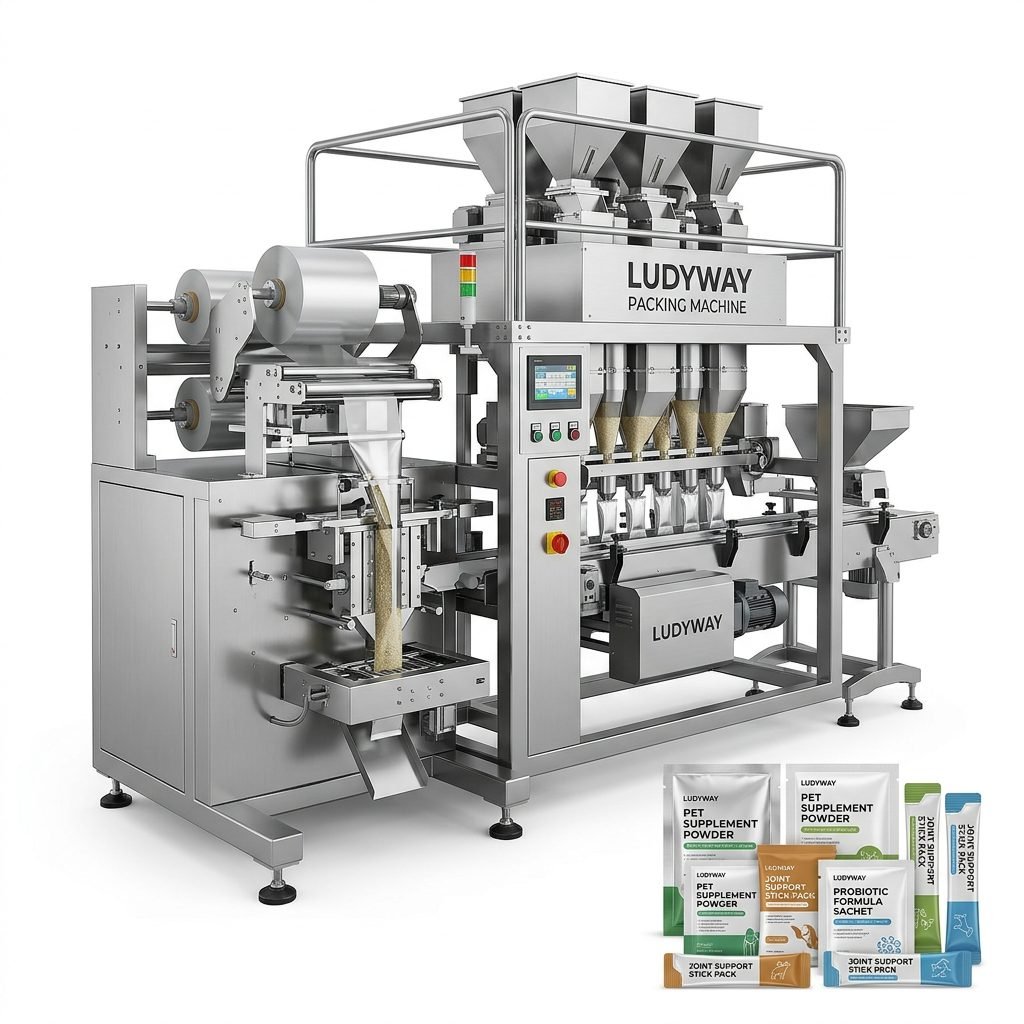
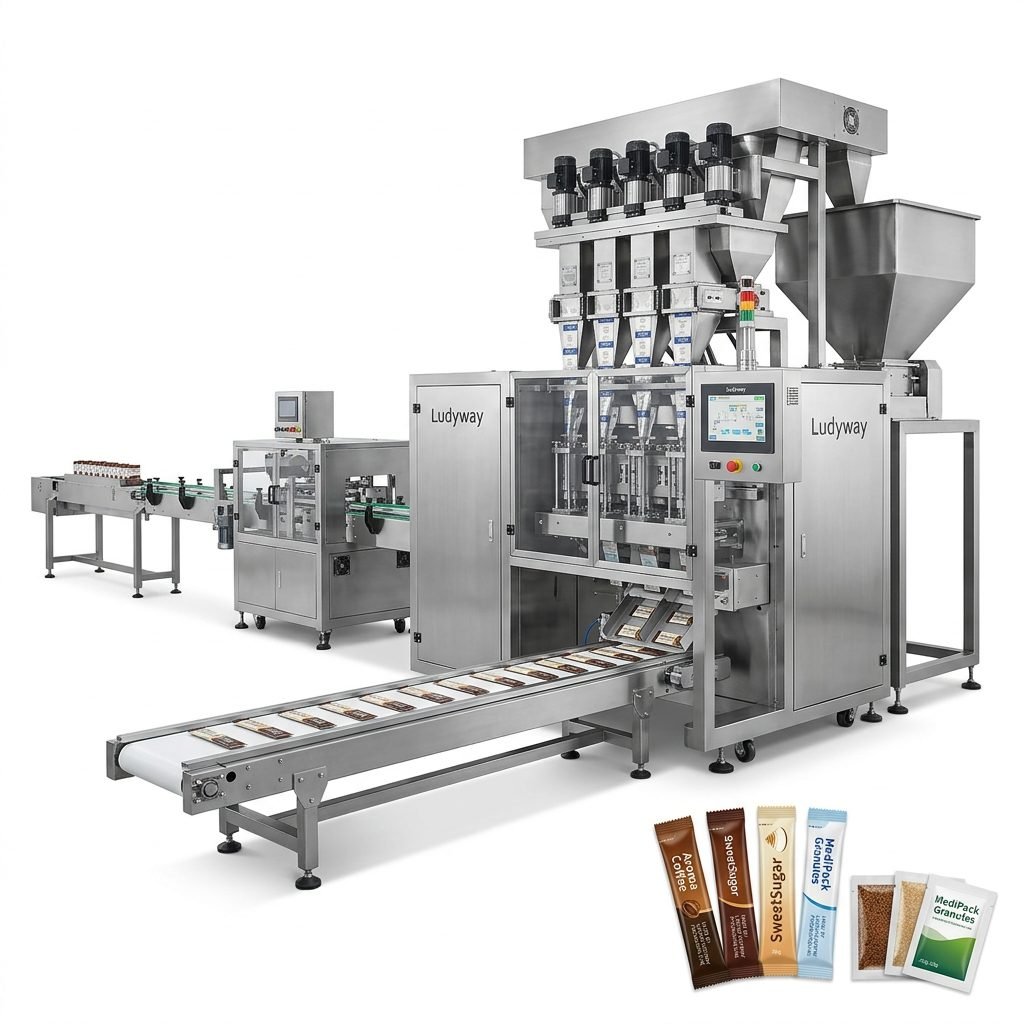
- Multi-Lane Stick Pack Machines: Perfect for mini biscuits, bite-sized snacks, and single-serve portions. These multi-lane packaging machines maximize output per square meter of factory floor space.
- Tray Sealing and Overwrapping Lines: For premium biscuit assortments and gift-box formats, tray overwrapping machines provide attractive retail-ready presentation and extended shelf life.
Key Factors When Buying a Biscuit Packaging Machine in Southeast Asia
Investing in a biscuit packaging machine requires careful evaluation of several technical and operational criteria. The following factors are especially relevant for buyers in the ASEAN market.
Production Capacity and Speed Requirements
Determine your target output in packs per minute. Small to medium enterprises may require 30–80 packs per minute, while large-scale manufacturers often need 100–300 packs per minute. Matching the machine speed to your biscuit production line prevents bottlenecks and ensures consistent workflow.
Packaging Material Compatibility
Southeast Asia’s tropical climate demands packaging materials with excellent moisture barrier properties. Your machine must be compatible with laminated films such as BOPP/CPP, PET/PE, and aluminum foil laminates. Confirm that the sealing temperature range and jaw design can handle the selected film structure without compromising seal integrity.

Automation Level and Labor Considerations
Many Southeast Asian countries are experiencing rising labor costs and workforce shortages. Investing in a fully automatic biscuit packaging machine with servo-driven controls, auto-film splicing, and integrated rejection systems reduces manual intervention and improves overall equipment effectiveness (OEE). Semi-automatic options remain viable for smaller operations with limited capital expenditure budgets.
Hygiene and Food Safety Compliance
Look for machines constructed with stainless steel 304 or 316L in product contact areas. Compliance with FDA food packaging standards and ISO packaging standards is increasingly expected by importers and retailers across Southeast Asia. Easy-to-clean designs with minimal crevices help meet stringent audit requirements.
Regional Market Insights: Southeast Asia Biscuit Packaging Trends
The ASEAN biscuit market is projected to grow at a compound annual growth rate exceeding 6% through 2030, fueled by urbanization, rising disposable incomes, and changing snacking habits. Key trends influencing biscuit packaging machine procurement include:
- Single-Serve and On-the-Go Formats: Growing demand for stick packs and small sachets, especially in Indonesia, Thailand, and the Philippines, is driving investment in multi-lane stick pack machinery.
- Sustainable Packaging Initiatives: ASEAN governments are introducing regulations similar to the European packaging waste directives. Machines capable of handling recyclable mono-materials and thinner films are gaining preference.
- E-Commerce Ready Packaging: With the explosive growth of online food sales, biscuit packaging machines must produce robust, tamper-evident packs that withstand the logistics chain.
- Halal Certification Requirements: In Malaysia and Indonesia, packaging processes must align with Halal standards, requiring dedicated cleaning protocols and traceable material handling.

Technical Specifications to Evaluate
When comparing biscuit packaging machine models, focus on the following technical parameters that directly impact performance in Southeast Asian operating conditions.
| Specification | Recommended Range | Importance |
|---|---|---|
| Packaging Speed | 40–300 packs/min | High |
| Film Width Compatibility | 80–450 mm | High |
| Bag Length Range | 50–350 mm | Medium |
| Sealing Temperature | 50–300°C | High |
| Power Supply | 220V/380V, 50/60Hz | High |
| Control System | PLC with HMI Touchscreen | High |
| Frame & Contact Material | SUS304 / SUS316L | High |
| Ambient Operating Temperature | 10–40°C with humidity tolerance | Medium |
Cost Considerations and ROI Analysis
The price of a biscuit packaging machine in Southeast Asia varies significantly based on automation level, speed, and brand. Entry-level semi-automatic flow wrappers may start around USD 8,000–15,000, while high-speed multi-lane systems with complete automation can range from USD 50,000 to over 200,000. When calculating return on investment, consider the following:
- Reduced film waste through precise servo-driven film registration
- Lower labor costs with automated feeding and stacking systems
- Extended product shelf life from superior seal quality, minimizing returns
- Faster changeover times between different biscuit formats and sizes
- Energy efficiency features that reduce operational costs in high-temperature environments

After-Sales Support and Spare Parts Availability
One of the most critical yet often overlooked aspects of purchasing a biscuit packaging machine in Southeast Asia is after-sales service. Prioritize suppliers that offer local technical support teams, readily available spare parts inventory within the region, and remote diagnostic capabilities. Key questions to ask potential suppliers include:
- Do you have service engineers based in Indonesia, Thailand, Vietnam, or the Philippines?
- What is the typical response time for on-site technical support?
- Are critical spare parts stocked in Southeast Asia, or do they need to be shipped from overseas?
- Do you offer operator training programs in local languages?
- What warranty coverage is provided, and are extended service contracts available?
Installation and Commissioning Checklist
Proper installation is essential for maximizing the performance of your biscuit packaging machine. Follow this checklist to ensure a smooth commissioning process:
- Site Preparation: Confirm adequate floor space, ventilation, and electrical supply (including voltage stability for Southeast Asian grids).
- Utility Connections: Ensure compressed air supply meets the machine’s pressure and quality specifications.
- Material Trials: Run test batches with your actual biscuit products and packaging films before full-scale production.
- Operator Training: Arrange comprehensive training for machine operators and maintenance staff.
- Performance Validation: Document speed, seal quality, and reject rates during the initial production runs.
Industry Resources for Biscuit Packaging Buyers
For additional guidance on packaging machinery standards and market intelligence, consult these authoritative sources:
- PMMI – The Association for Packaging and Processing Technologies
- Flexible Packaging Association – Industry Resources
- PACK EXPO International – Packaging Machinery Event
- PMMI State of the Industry Reports
- FDA – Packaging and Food Contact Substances
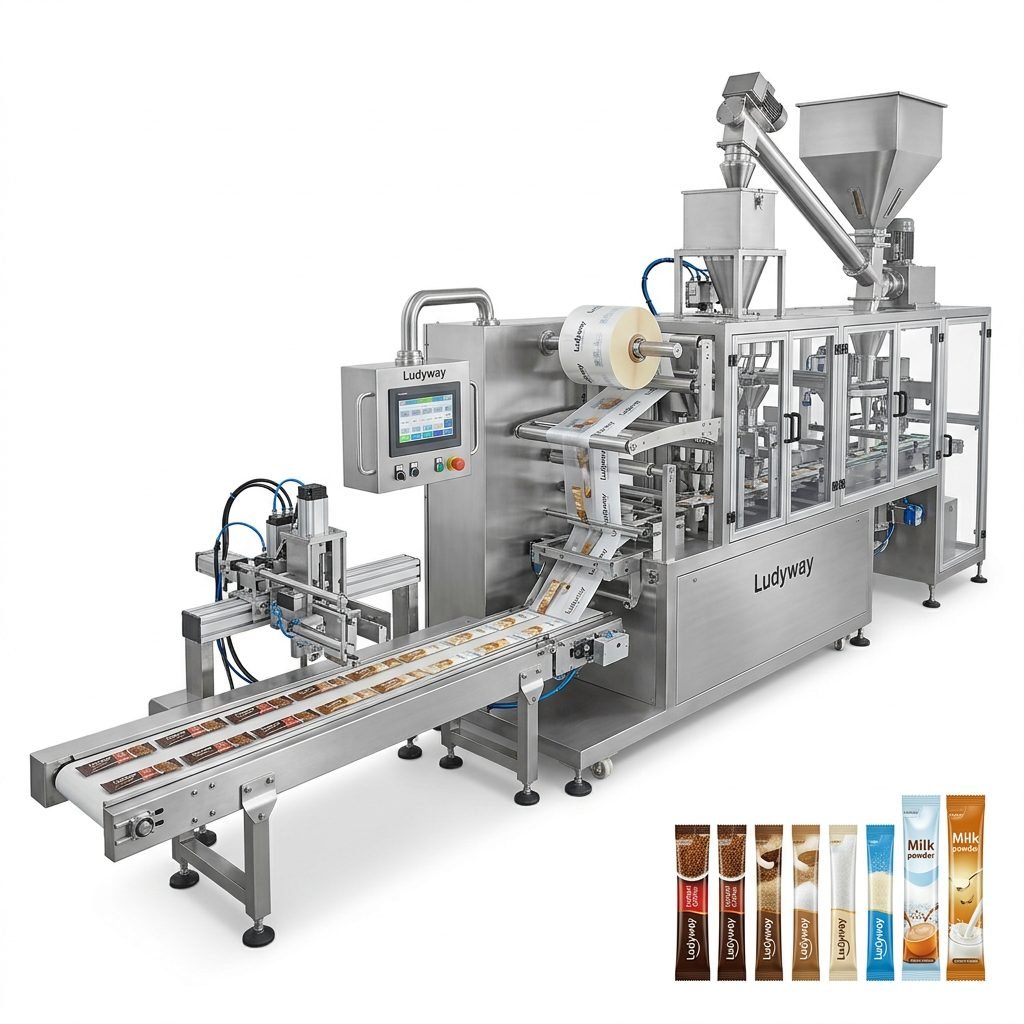
Working with a Reliable Biscuit Packaging Machine Manufacturer
Selecting a trusted packaging machine manufacturer is as important as the machine specifications themselves. Look for partners with proven export experience to Southeast Asian markets, ISO-certified manufacturing facilities, and a track record of successful installations across the region. A manufacturer with engineering depth can customize machine configurations to your specific biscuit dimensions, packaging film preferences, and production line layout.
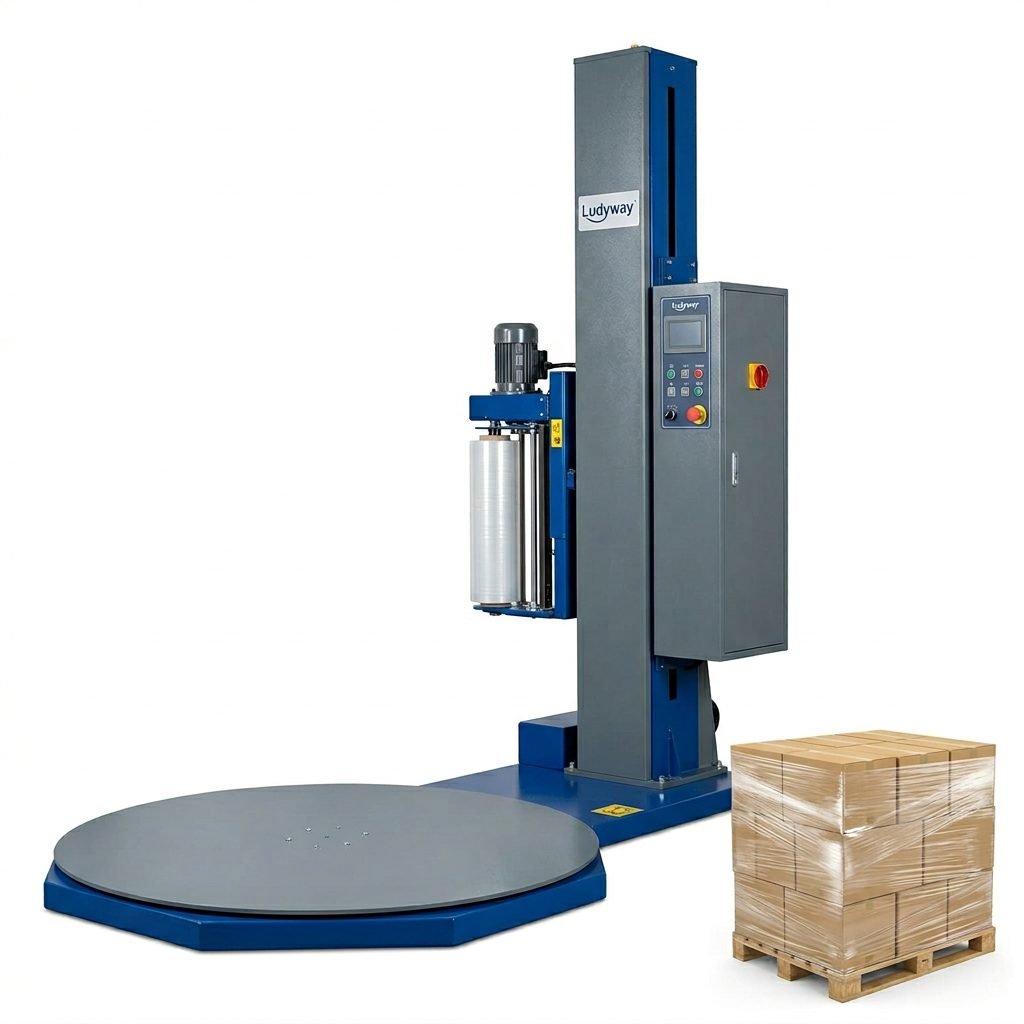
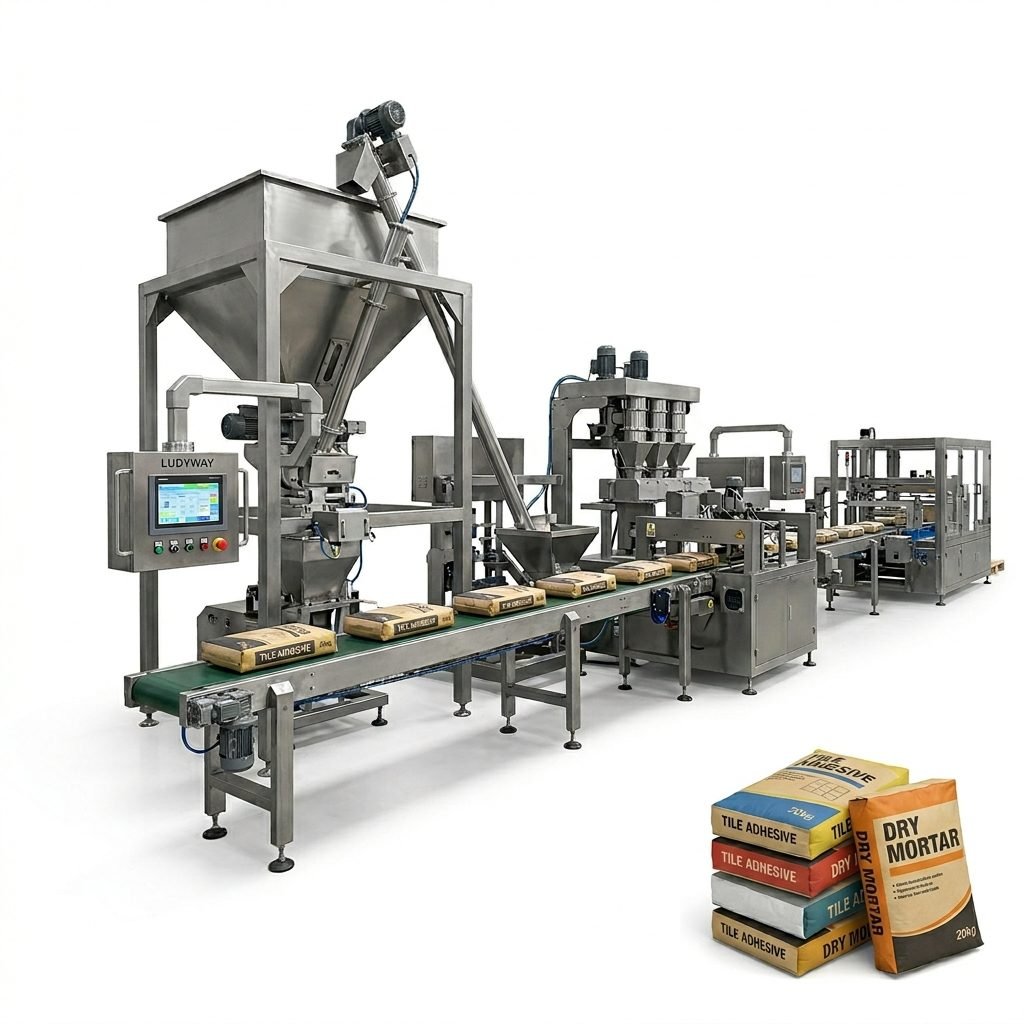
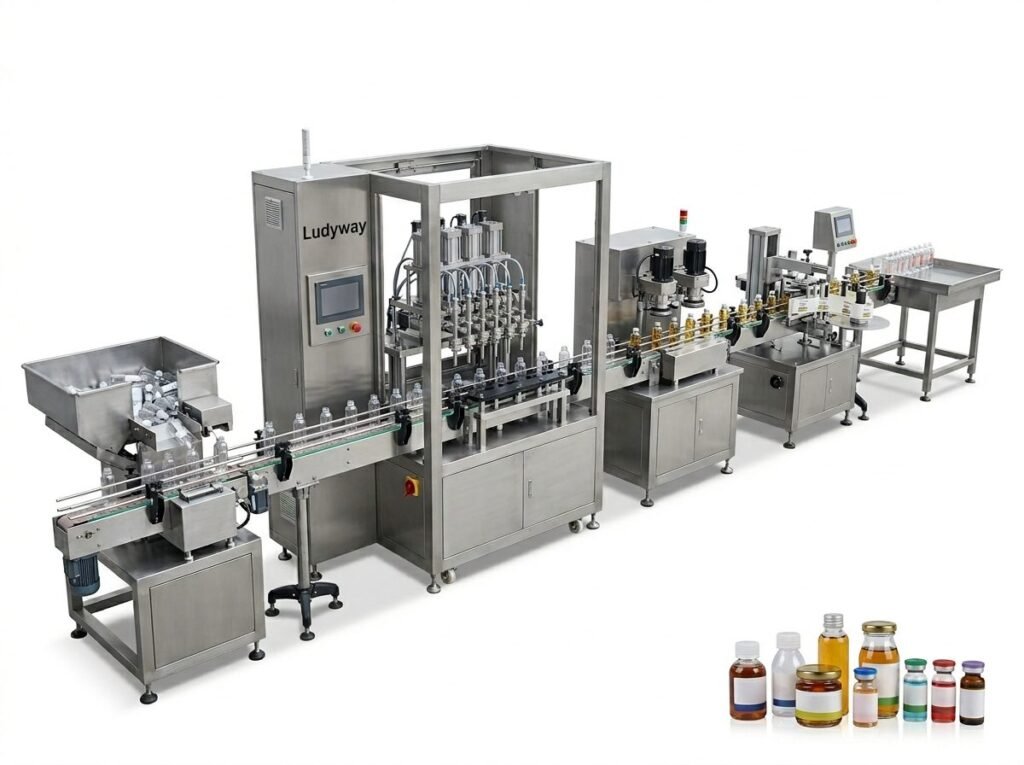
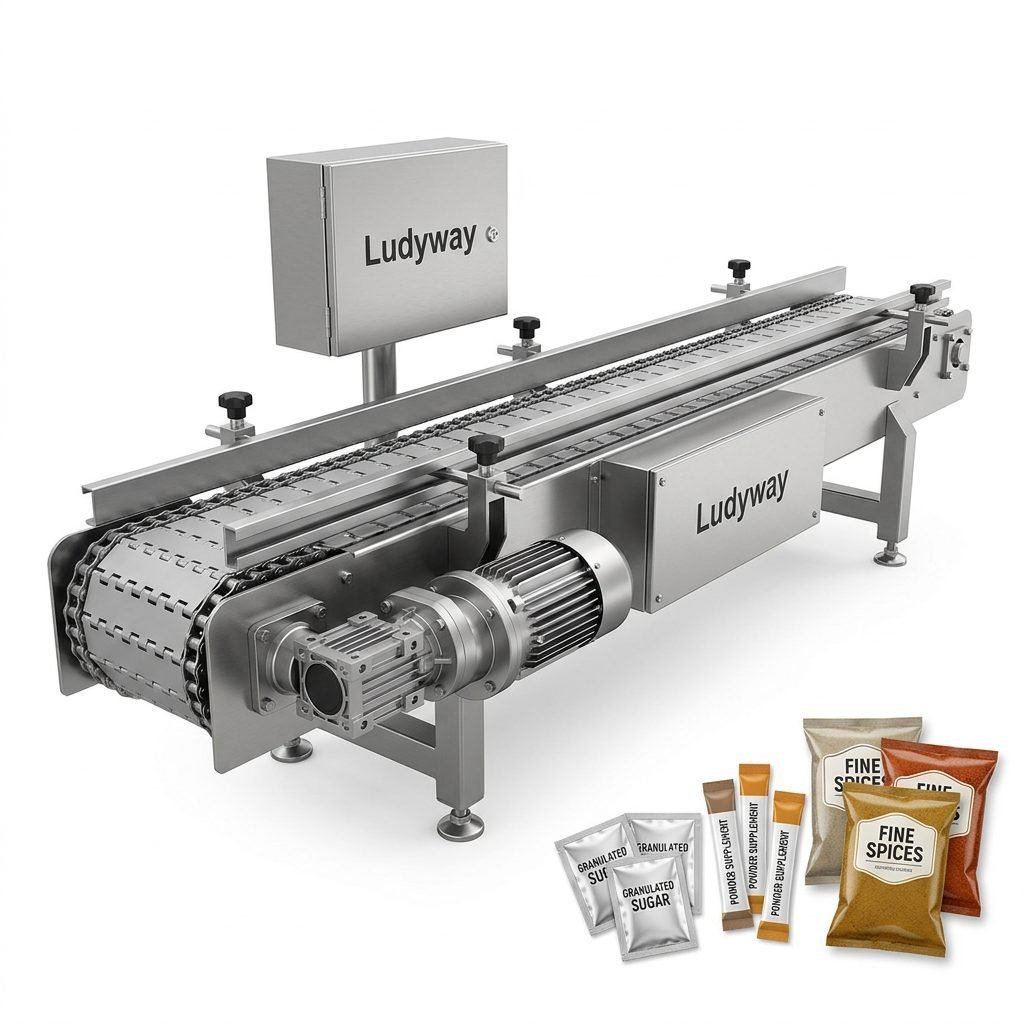
For instance, Ludyway is one of the largest packaging machine manufacturers in China, specializing in advanced packaging equipment and turnkey production solutions for the food, pharmaceutical, and health industries. With over 30 years of industry expertise and a modern 20,000㎡ manufacturing facility, the company serves customers in over 100 countries and regions, delivering innovative, high-performance packaging solutions that help businesses improve productivity and operational efficiency.
Future-Proofing Your Biscuit Packaging Investment
As the Southeast Asian biscuit market continues to evolve, investing in a flexible and upgradeable biscuit packaging machine ensures long-term competitiveness. Consider machines with modular designs that allow for future enhancements such as:
- Addition of gas flushing (MAP) capabilities for extended shelf life
- Integration with automatic cartoning and case packing systems
- Upgrade paths to Industry 4.0 connectivity with OEE monitoring and predictive maintenance
- Compatibility with eco-friendly packaging materials to meet emerging sustainability regulations
- Multi-format flexibility to handle different biscuit types on a single machine platform

Key Takeaways for Biscuit Packaging Machine Buyers
To summarize the essential points for purchasing a biscuit packaging machine in Southeast Asia:
- Match machine type to your biscuit format and production volume
- Prioritize moisture-resistant sealing for tropical climate conditions
- Verify local after-sales support and spare parts availability in ASEAN countries
- Ensure compliance with food safety standards and any relevant Halal requirements
- Calculate total cost of ownership, not just the initial purchase price
- Choose a manufacturer with demonstrated experience exporting to Southeast Asian markets
By thoroughly evaluating these factors and partnering with an experienced packaging machine manufacturer, you can secure a reliable biscuit packaging machine that drives efficiency, ensures product quality, and supports your growth across the dynamic Southeast Asian market.
For more detailed market intelligence on packaging machinery trends, refer to PMMI’s business intelligence library and the Flexible Packaging Association’s industry data for comprehensive reports on packaging equipment markets worldwide.