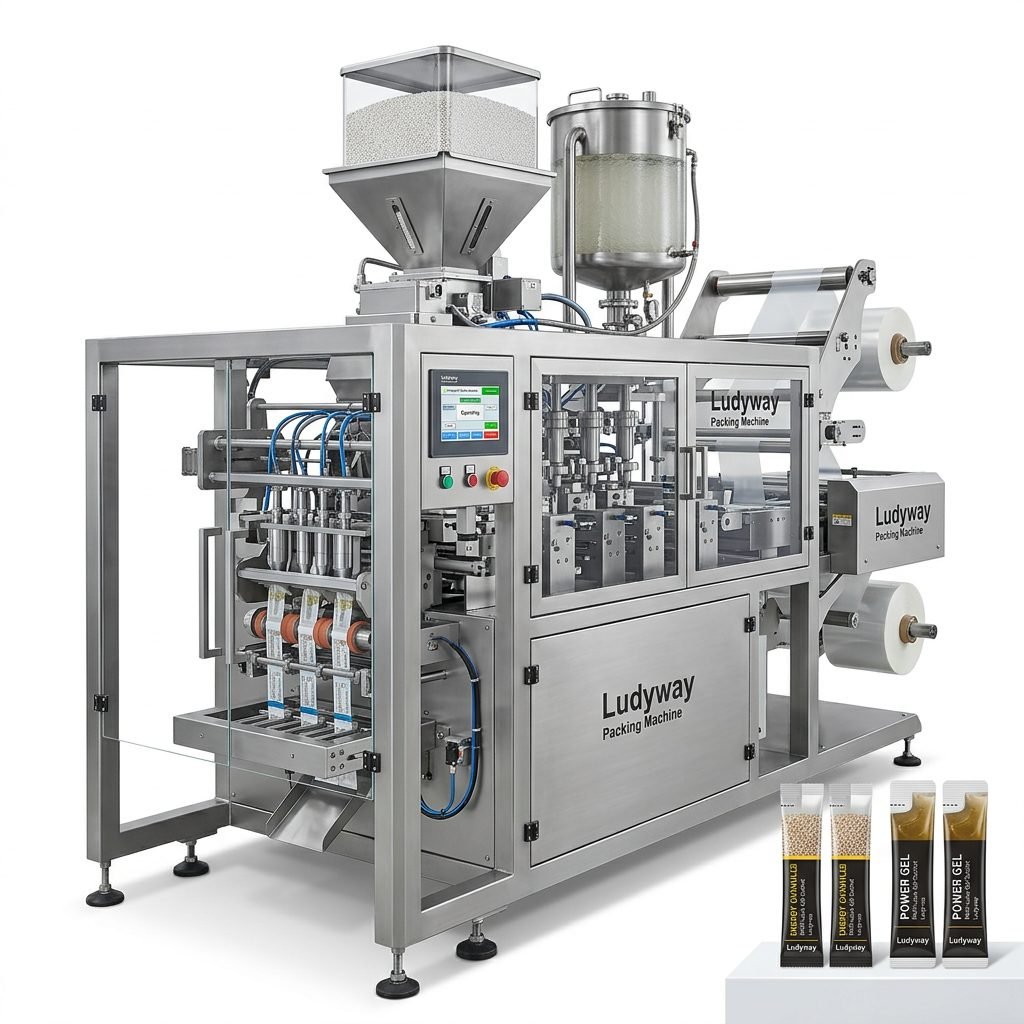
Proper maintenance of a herb packaging machine is essential for ensuring consistent performance, reducing downtime, and extending the lifespan of your equipment. Whether you are packaging delicate dried herbs, fine powders, or granulated botanical blends, a well-maintained machine delivers accurate fills, reliable seals, and optimal production efficiency. This guide outlines proven maintenance strategies to keep your packaging line running smoothly for years to come.
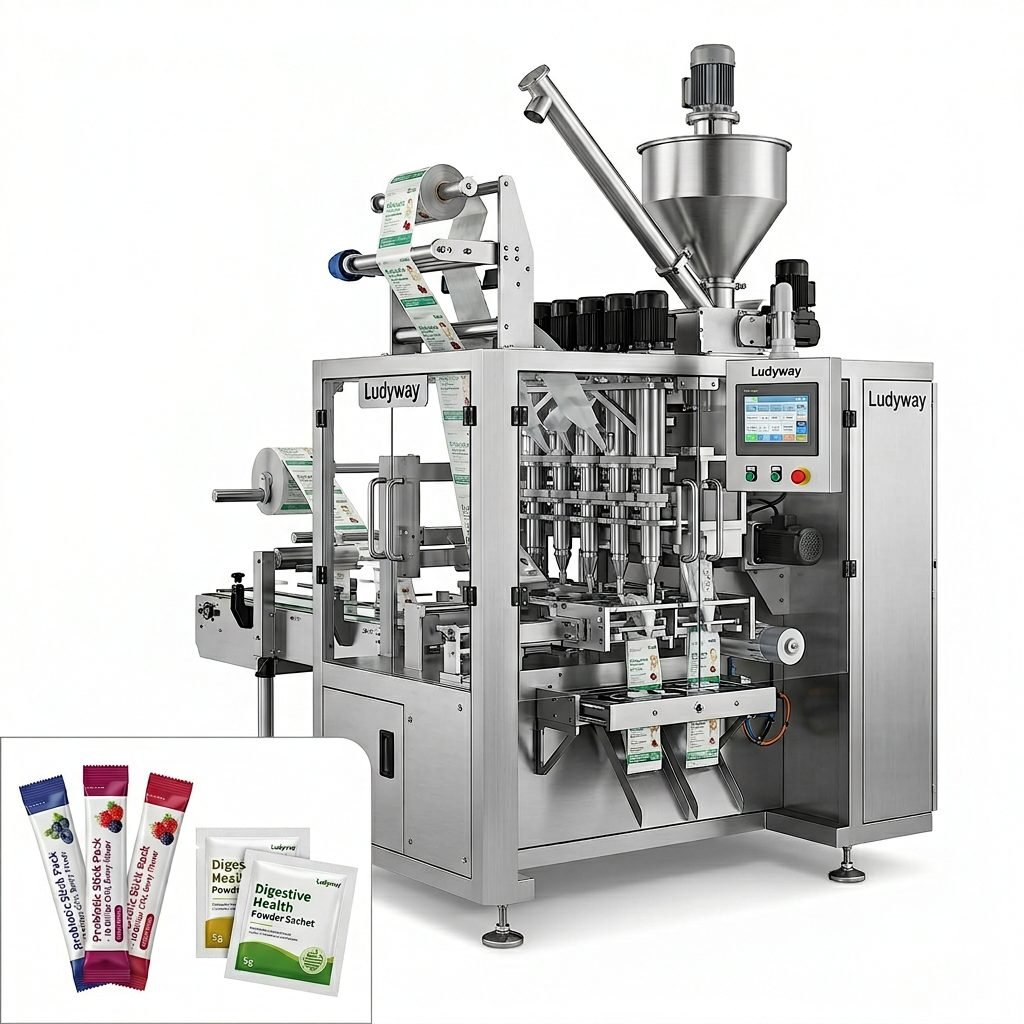
Why Routine Maintenance Is Critical for Herb Packaging Equipment
Herbs and botanical products present unique packaging challenges. Fine particles can accumulate in sealing jaws, weighing systems, and forming tubes, leading to inconsistent fills or seal failures. Moisture-sensitive herbs demand airtight seals, which require precisely calibrated temperature controls. By implementing a structured maintenance program, operators can catch minor issues before they escalate into costly repairs, maintain product quality standards, and comply with food safety regulations.
Daily Maintenance Checklist for Herb Packaging Machines
Performing daily inspections takes only 15–20 minutes and can prevent most common operational failures. Use the checklist below as part of your shift-start routine:
| Check Item | Action Required | Frequency |
|---|---|---|
| Sealing jaws & heating elements | Inspect for residue buildup; clean with a soft brush | Every shift |
| Forming tube & film path | Remove dust, herb particles, and film debris | Every shift |
| Hopper & feeding system | Check for clogs or bridging; clean as needed | Every shift |
| Sensors & photoelectric cells | Wipe with a lint-free cloth; verify alignment | Daily |
| Air filters & ventilation | Clean or replace if clogged with herb dust | Daily |
| Emergency stop & safety guards | Test functionality; ensure guards are secure | Daily |
Essential Cleaning Procedures for Herb Packaging Lines
Herb residues—especially from oily or resinous botanicals—can build up quickly inside packaging machines. A thorough cleaning regimen protects both machine longevity and product purity. Follow these steps:
- Disconnect power and air supply before any cleaning procedure to ensure operator safety.
- Use food-grade compressed air to blow out loose particles from forming areas, crimpers, and control panels.
- Clean sealing surfaces with isopropyl alcohol and a non-abrasive cloth to remove sticky herbal residues without damaging Teflon coatings.
- Remove and wash removable parts such as hoppers, guides, and feed trays with warm water and mild detergent; dry completely before reassembly.
- Inspect O-rings and gaskets for wear or swelling caused by essential oils and replace as needed.
- Sanitize product contact surfaces regularly, especially when switching between different herb varieties to prevent cross-contamination.
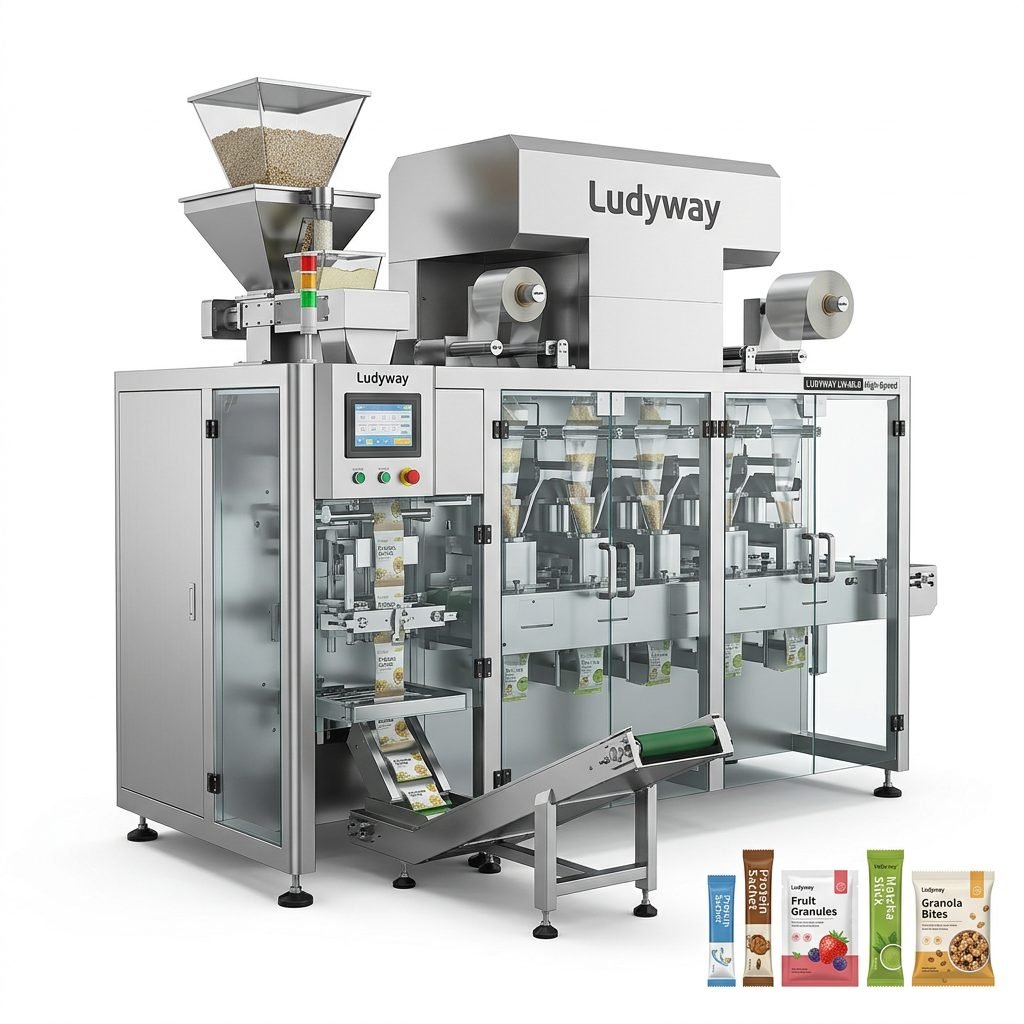
Lubrication Best Practices for Moving Parts
Proper lubrication reduces friction, prevents premature wear, and keeps your herb packaging system operating at peak speed. However, over-lubrication can attract dust and contaminate products. Adhere to these guidelines:
- Use food-grade lubricants rated for incidental product contact (NSF H1 certified) on all components near the packaging area.
- Apply grease sparingly to bearings, chains, and cam mechanisms according to the manufacturer’s recommended intervals—typically every 200–500 operating hours.
- Lubricate linear guides and ball screws monthly with a light machine oil to maintain smooth motion.
- Check gearbox oil levels quarterly and replace oil annually or after every 2,000 hours of operation.
- Wipe away excess lubricant immediately to prevent herb dust from sticking and forming abrasive paste.
Signs of Inadequate Lubrication
Be alert for unusual noises (squeaking, grinding), increased motor current draw, or jerky mechanical movements. These symptoms often indicate that lubrication points need immediate attention before component failure occurs.
Common Troubleshooting Guide for Herb Packaging Machines
Even with diligent maintenance, occasional issues may arise. The table below addresses frequent problems and their solutions:
| Problem | Possible Cause | Solution |
|---|---|---|
| Inconsistent fill weights | Clogged dosing auger or worn measuring cups | Clean dosing mechanism; recalibrate weighing system; replace worn parts |
| Weak or leaking seals | Incorrect temperature setting; dirty sealing jaws; misaligned crimpers | Verify temperature per film specification; clean jaws; realign sealing assembly |
| Film tracking off-center | Misaligned rollers; uneven film tension; worn guide bearings | Adjust roller alignment; check tension control; replace worn bearings |
| Excessive dust generation | Worn cutting blades; static buildup; poor dust extraction | Sharpen or replace blades; install static eliminators; upgrade dust collection |
| Machine stops intermittently | Photocell blocked; loose electrical connection; overload protection triggered | Clean sensors; tighten terminals; reduce speed or clear jam |
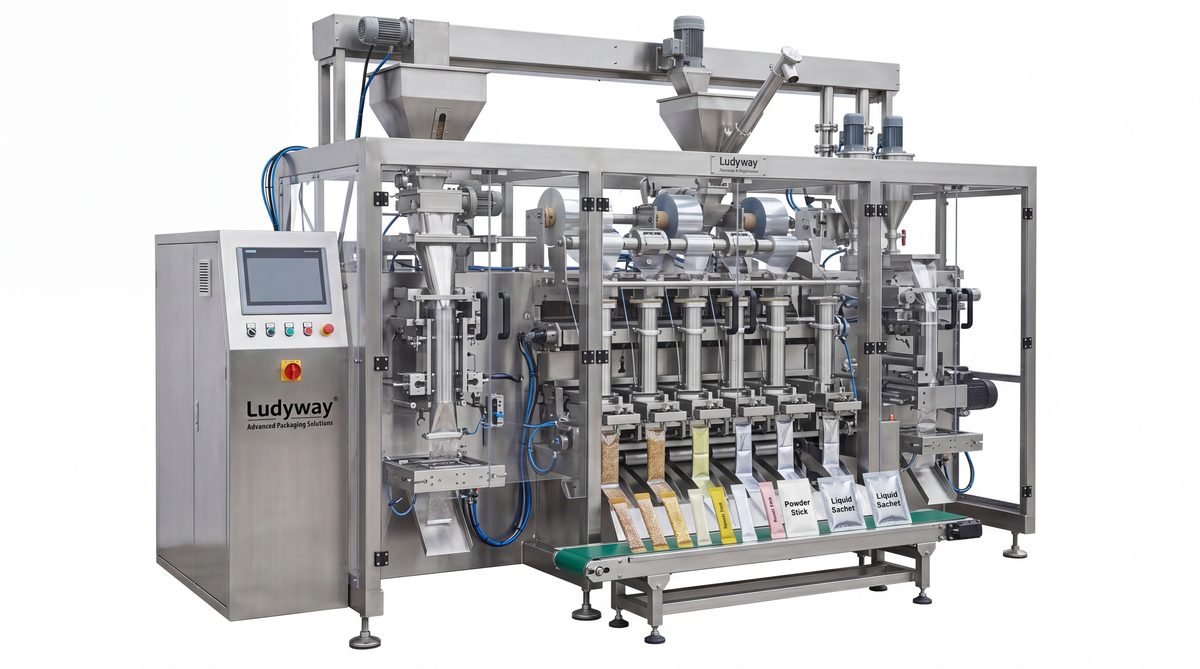
Preventive Maintenance Schedule
A structured preventive maintenance program is the foundation of long-lasting machine performance. Below is a recommended schedule tailored for herb packaging operations:
Weekly Tasks
- Inspect and clean all photoelectric sensors and registration eyes
- Check belt tension and adjust drive belts as needed
- Verify temperature controller accuracy with an external thermometer
- Test date coder or printer for consistent print quality
Monthly Tasks
- Lubricate all grease fittings and oil points per manufacturer specifications
- Inspect electrical connections for signs of looseness or corrosion
- Check pneumatic cylinders and valves for smooth operation and leaks
- Calibrate multi-head weigher or volumetric filler
Quarterly Tasks
- Replace worn Teflon tape on sealing surfaces
- Inspect gearbox oil and top up or replace as necessary
- Perform full system diagnostics on PLC and HMI controls
- Review and update maintenance logs
Operator Training and Documentation
Well-trained operators are your first line of defense against machine breakdowns. Ensure all personnel are familiar with:
- Proper startup and shutdown procedures to avoid unnecessary wear
- Correct film threading and tension settings for different packaging materials
- Basic troubleshooting steps for common alarms and error codes
- Cleaning protocols specific to herb products with high oil or moisture content
- Documentation practices—maintain detailed logs of all maintenance activities, repairs, and parts replacements
When to Seek Professional Service
While routine maintenance can be handled in-house, certain situations call for expert intervention. Contact a qualified service technician if you encounter:
- Persistent sealing defects that do not resolve with cleaning or temperature adjustments
- PLC or servo drive errors requiring specialized diagnostic tools
- Mechanical wear on critical components such as forming tubes, jaws, or cutting assemblies
- Electrical faults including tripped circuits, motor failures, or control panel issues
- Performance degradation despite following all preventive maintenance procedures
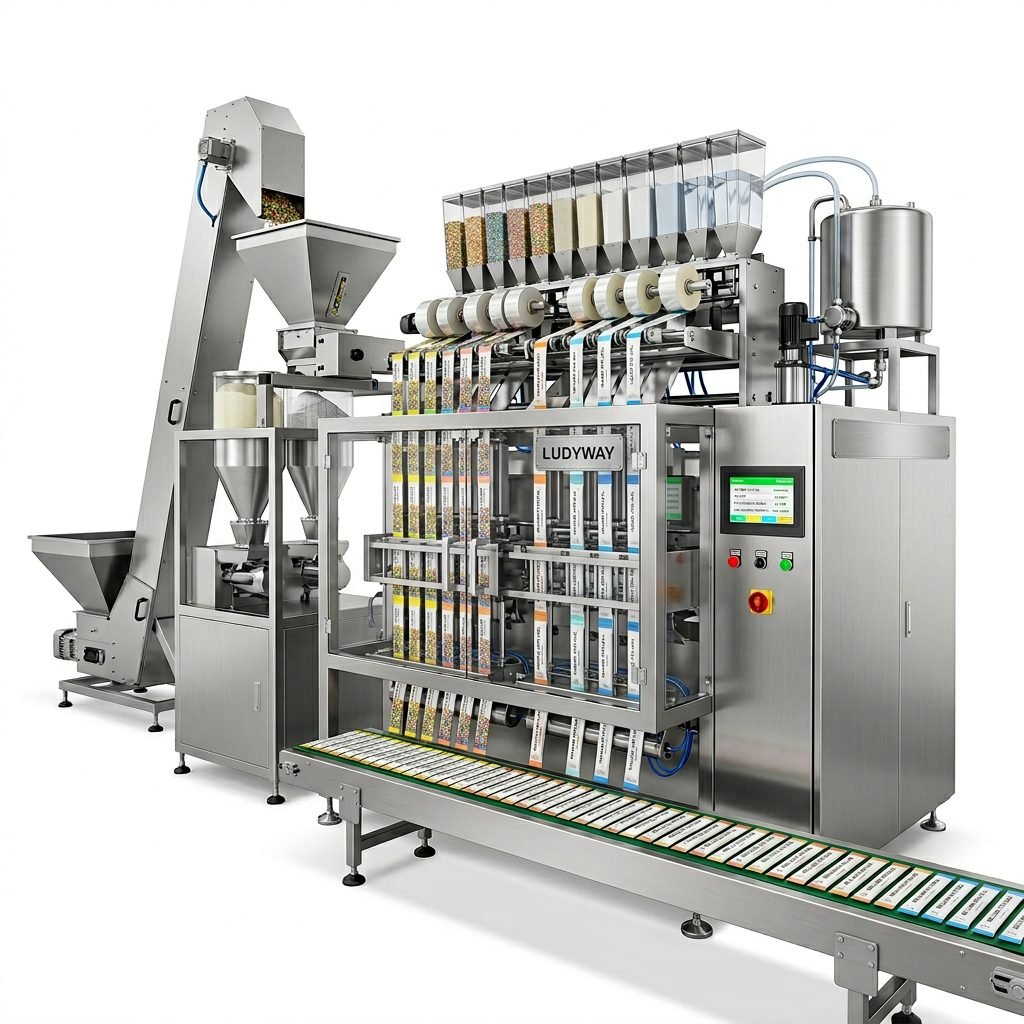
Partnering with an experienced packaging machine manufacturer ensures you have access to genuine spare parts, technical support, and service expertise. Ludyway, with over 30 years of industry experience and a 20,000㎡ modern manufacturing facility, provides comprehensive after-sales support for herb packaging equipment, helping businesses worldwide maintain efficient and reliable production lines.
Industry Standards and Additional Resources
Staying compliant with industry regulations is vital for herb packaging operations, especially in the food and pharmaceutical sectors. Consult the following authoritative resources for the latest standards and best practices:
- PMMI – The Association for Packaging and Processing Technologies – Industry reports, standards, and educational resources
- FDA – Food Packaging and Food Contact Substances – Regulatory guidance for food-safe packaging
- ISO – Packaging Standards – International packaging machinery and material standards
- Flexible Packaging Association – Resources for flexible packaging applications and sustainability
- PACK EXPO International – Global packaging trade events and technology showcases
By following a comprehensive maintenance routine, investing in operator training, and leveraging professional technical support, you can maximize the return on your herb packaging machine investment. Consistent care ensures your equipment delivers the precision, speed, and reliability needed to meet growing production demands while maintaining the highest product quality standards.