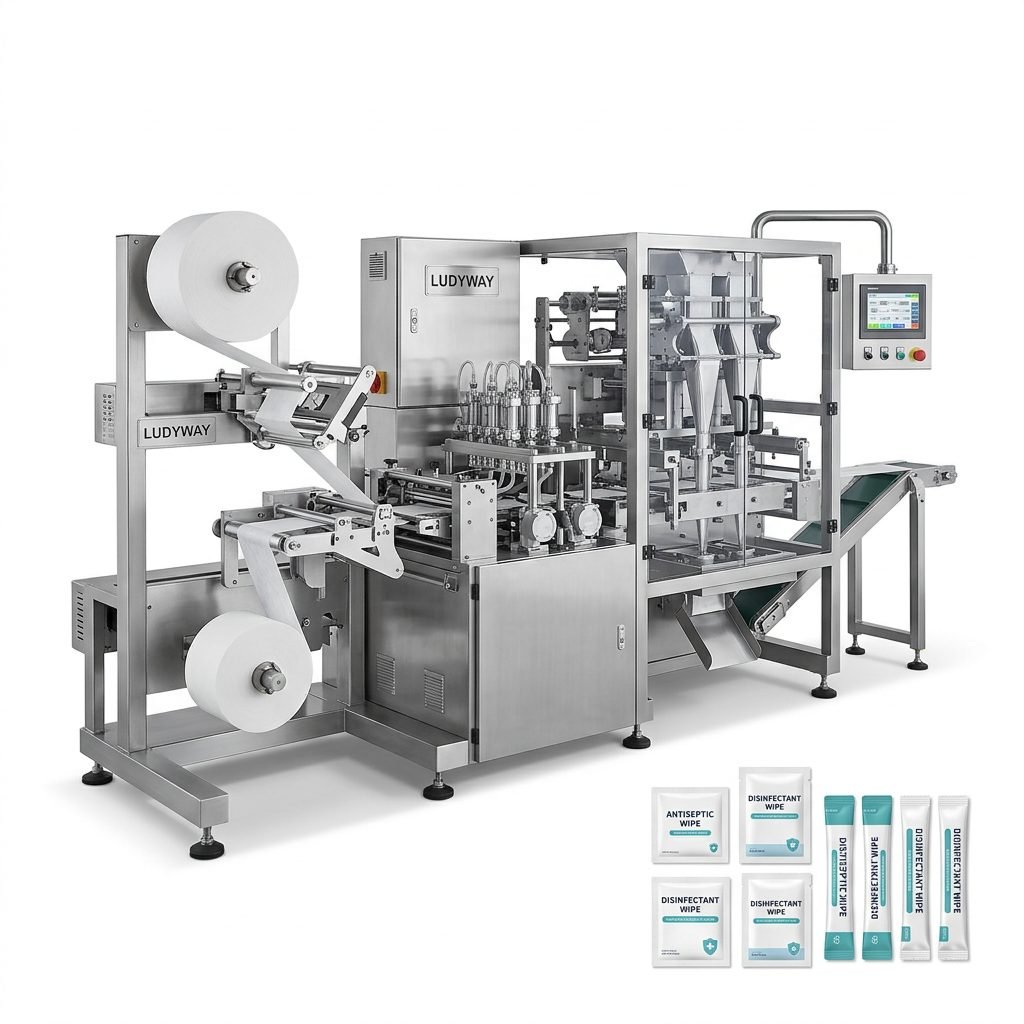
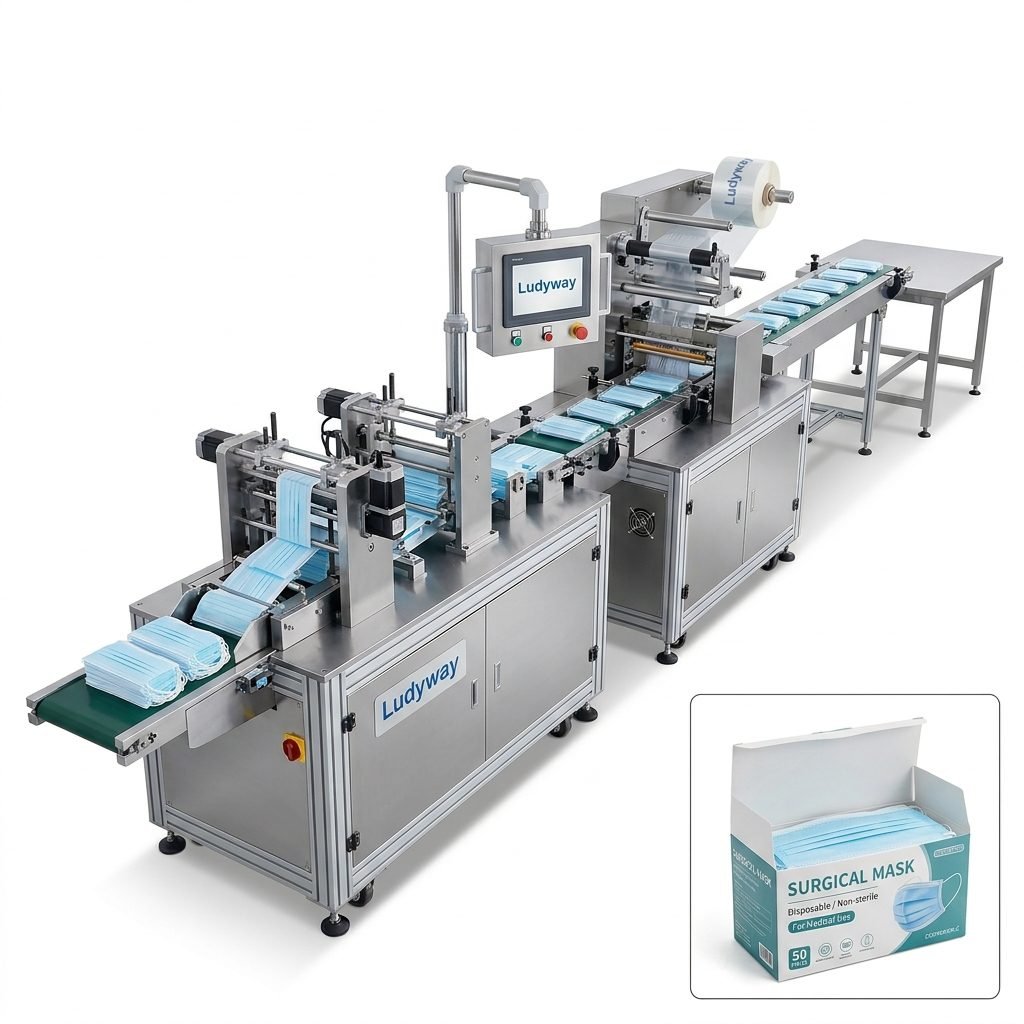
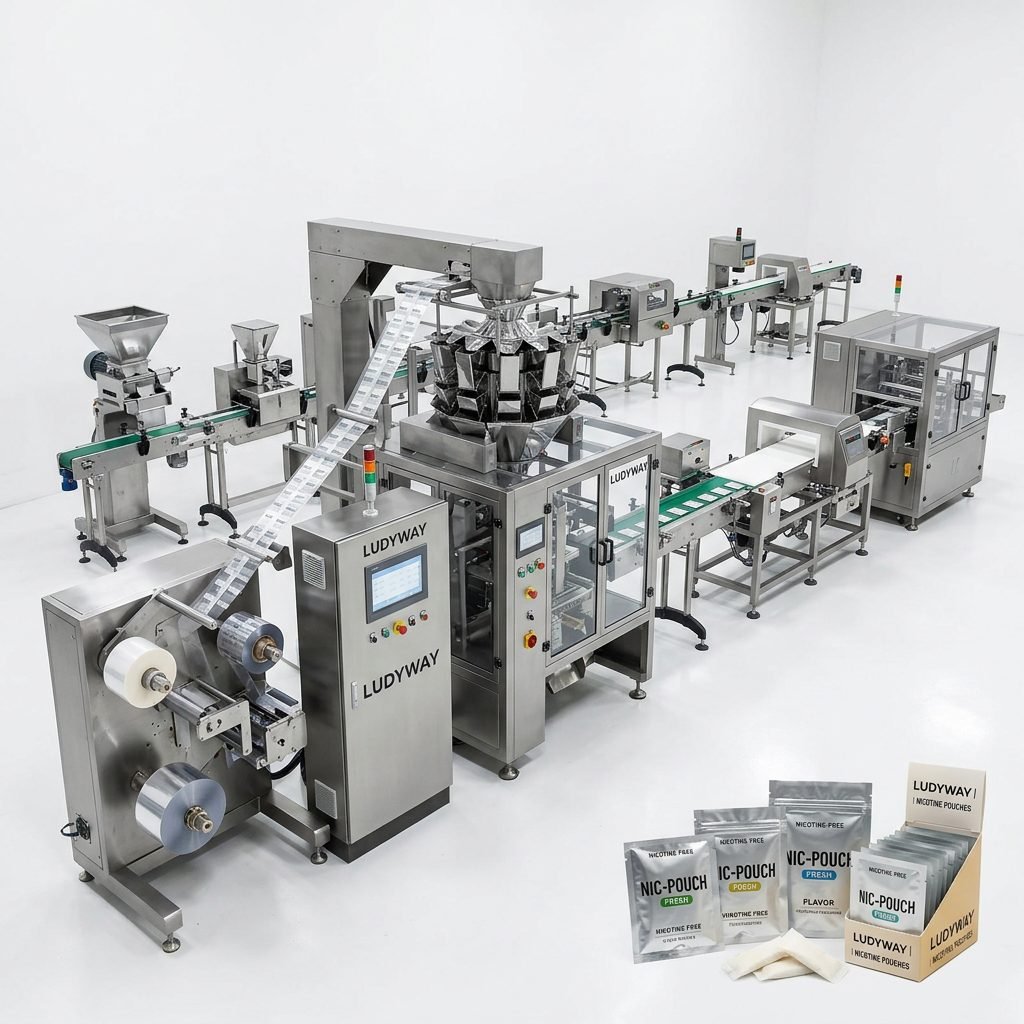
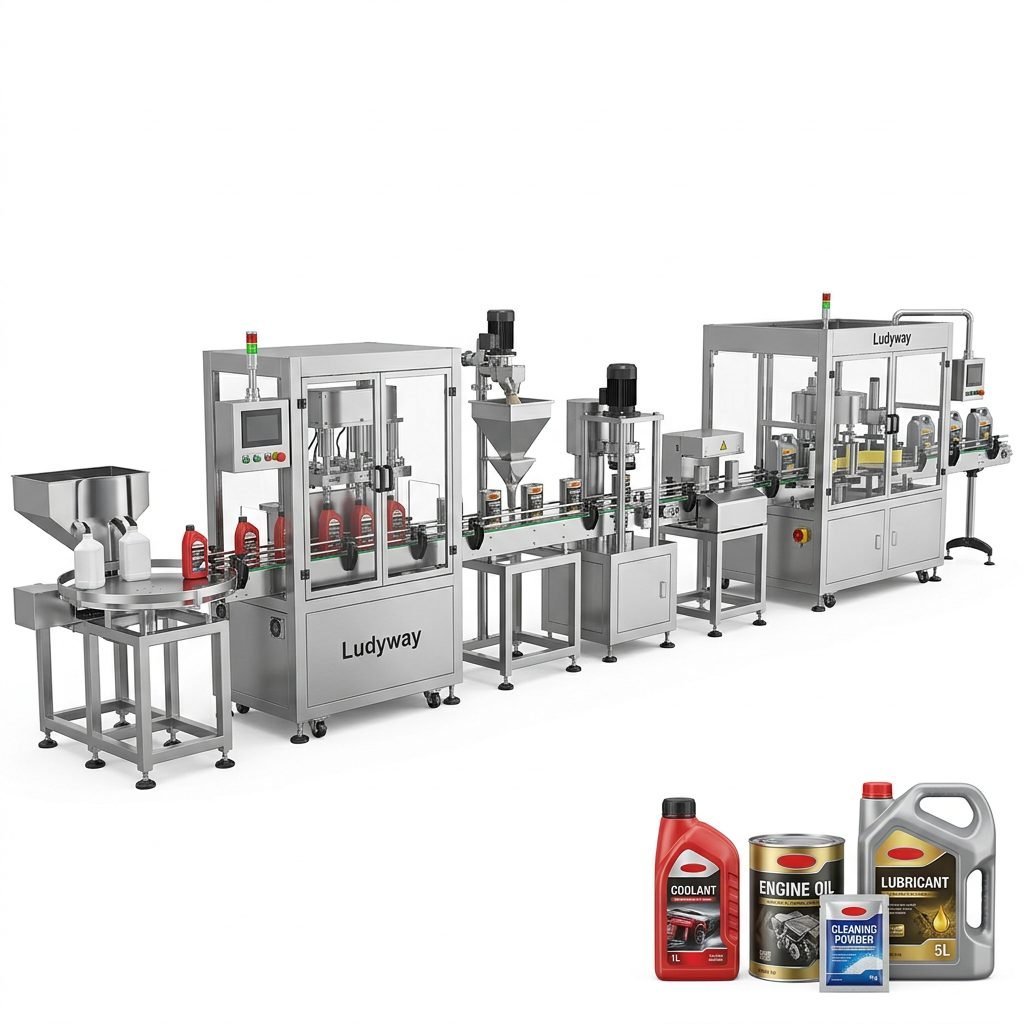
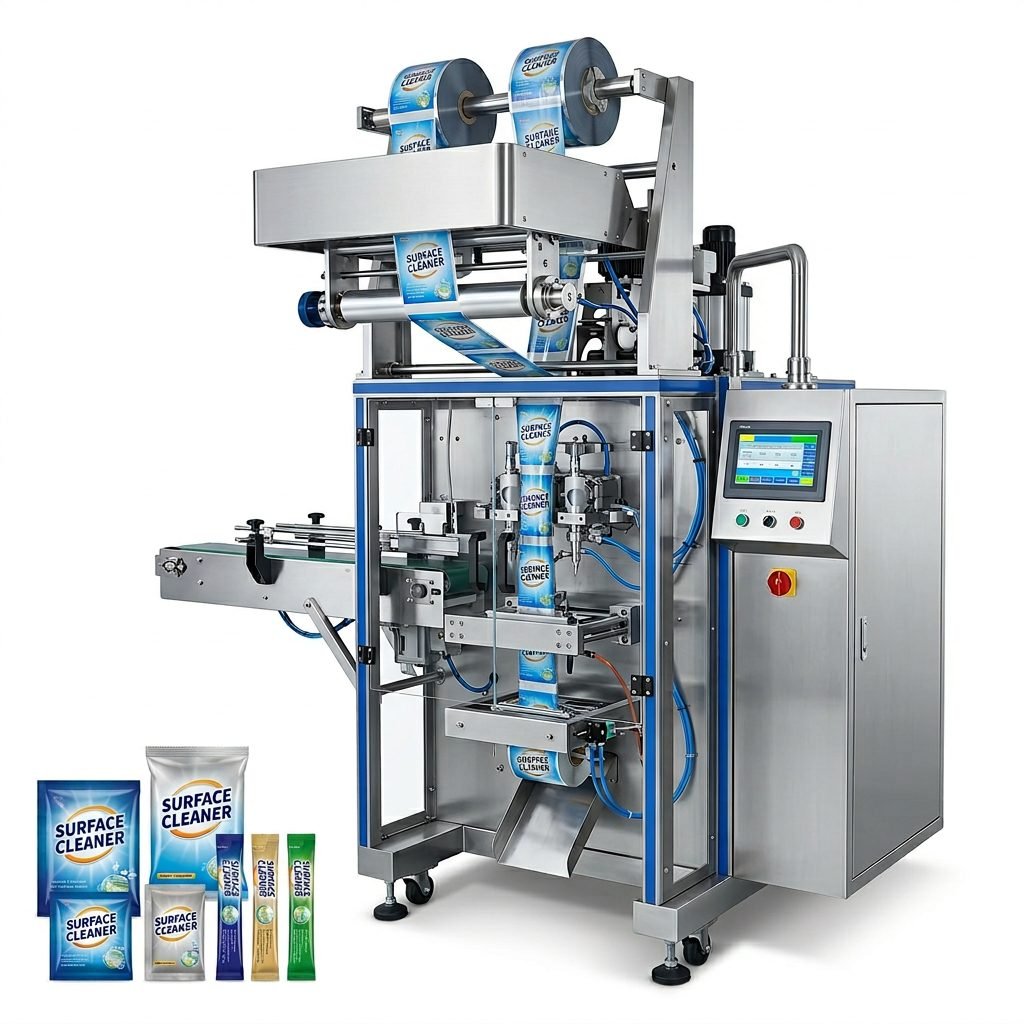
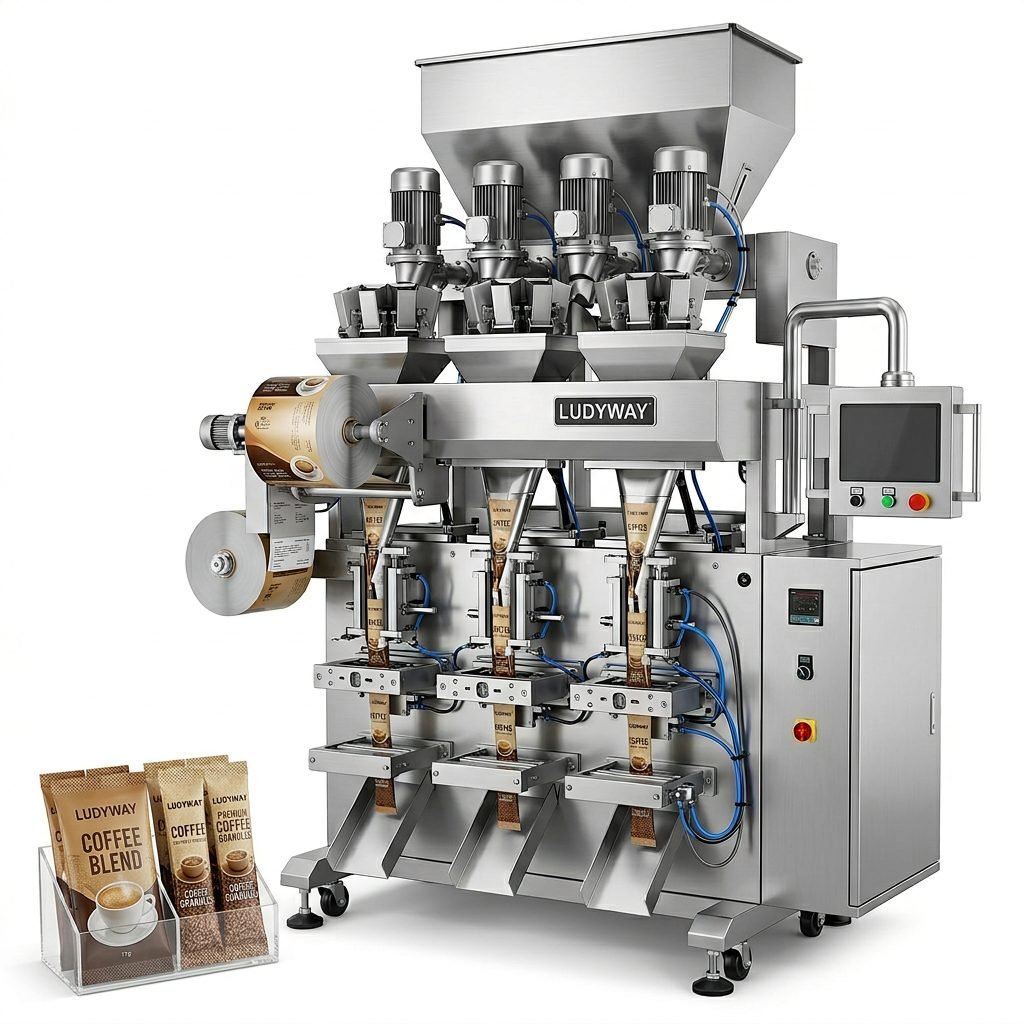
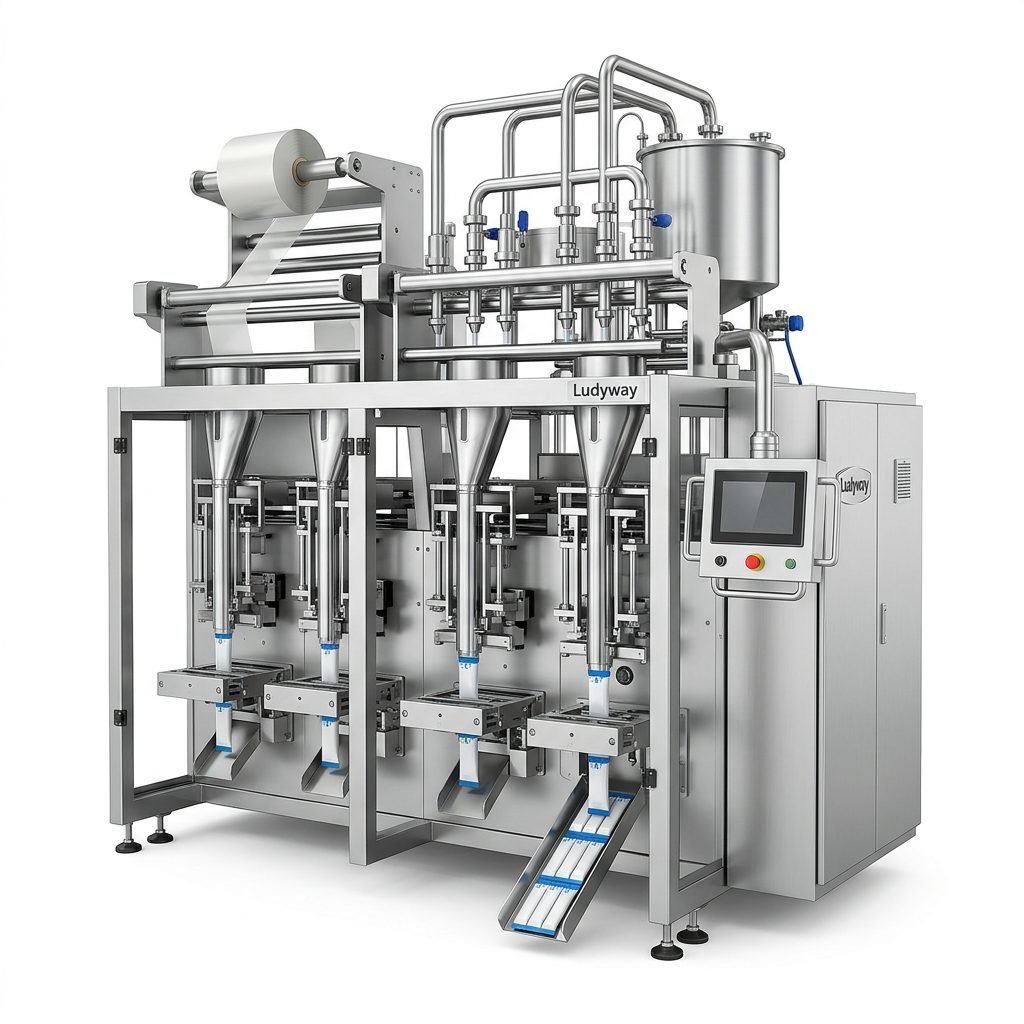
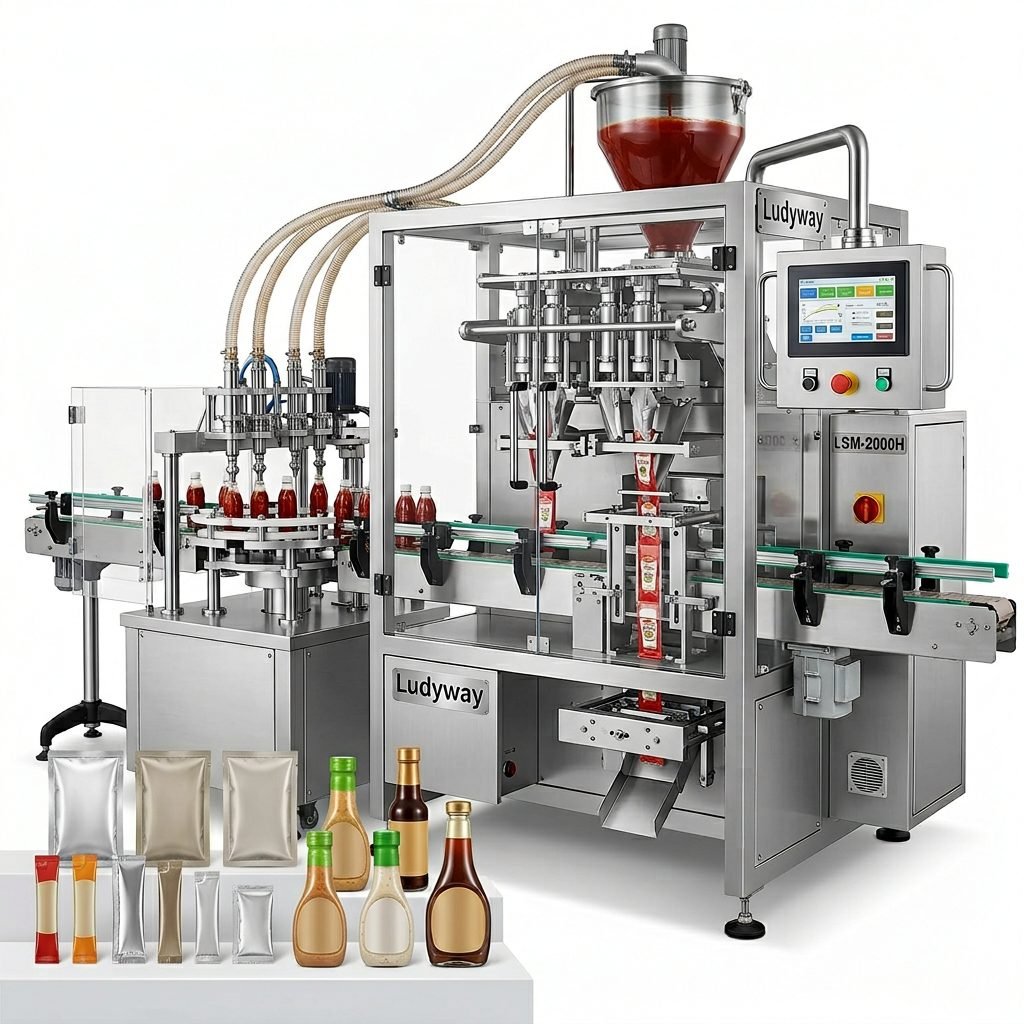
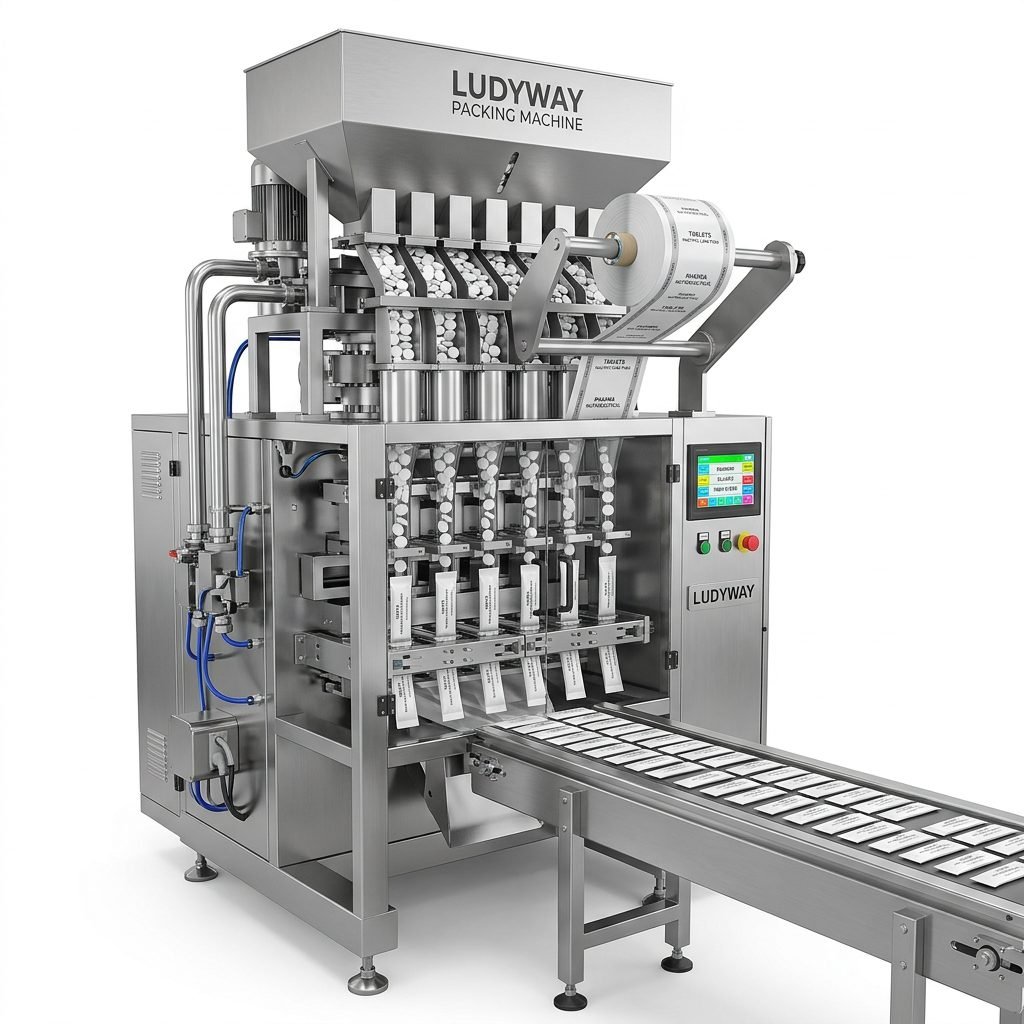
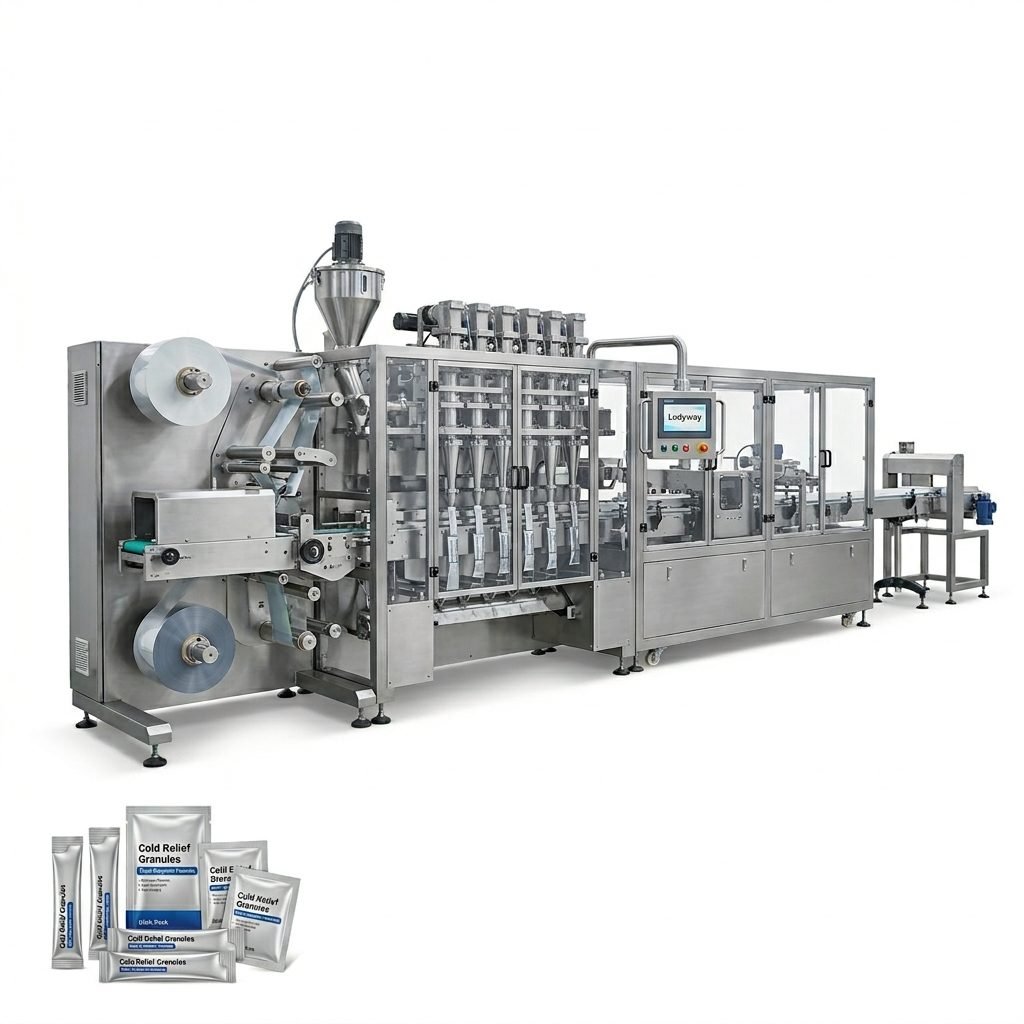
Investing in a packing cutting machine is a critical decision for any manufacturer looking to optimize packaging efficiency, reduce material waste, and maintain consistent product output. Whether you are handling flexible films, pouches, sachets, or stick packs, the right cutting mechanism directly impacts your line speed, seal integrity, and overall production cost. This guide walks you through the essential factors to evaluate before making a purchase, helping you select equipment that aligns with your operational goals and industry requirements.
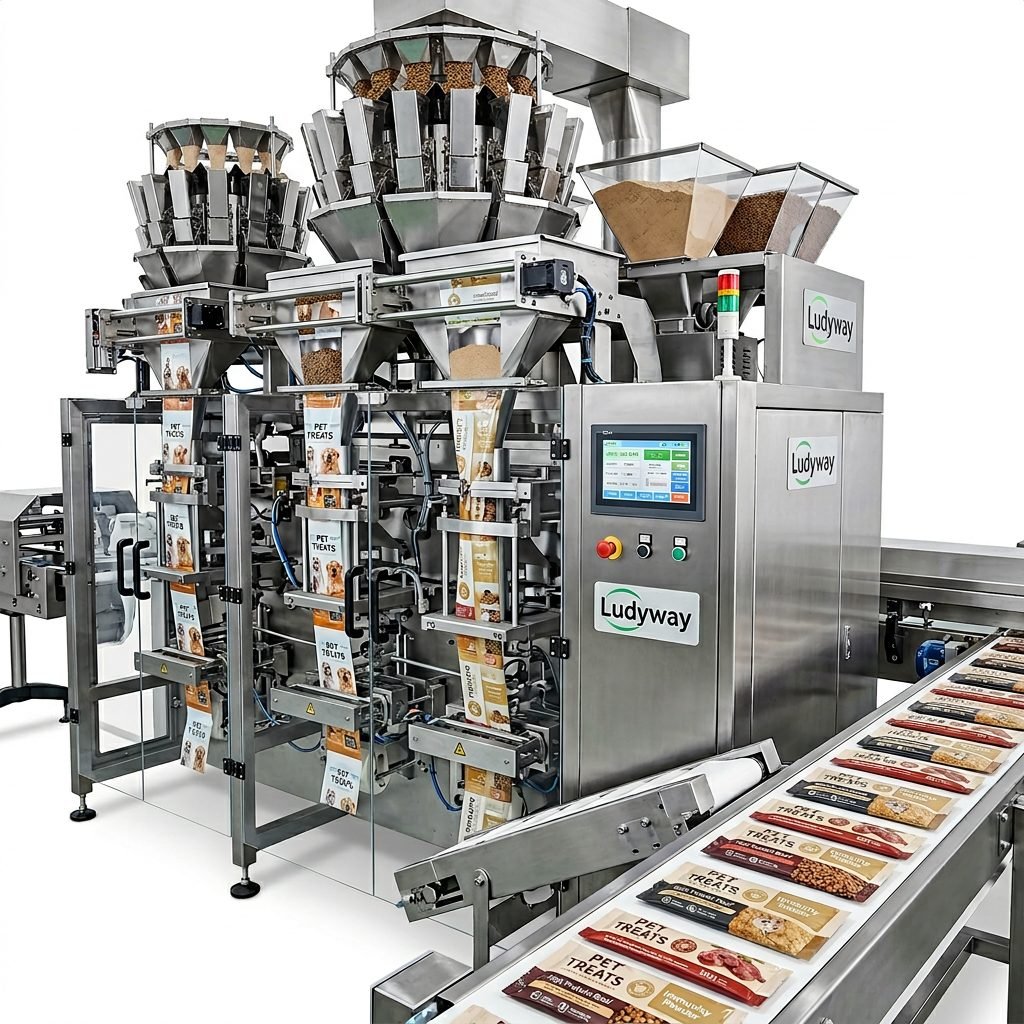
Understanding Your Production Requirements
Before comparing different packing cutting machines, you need a clear picture of your production environment. Start by answering these core questions:
- What packaging format are you using — stick packs, sachets, pouches, or bulk bags?
- What is your target output speed in packs per minute (PPM)?
- What materials will the machine cut — laminated films, polyethylene, aluminum foil, or biodegradable substrates?
- Do you need single-lane or multi-lane cutting capability?
- What level of automation fits your current production line?
Answering these questions upfront narrows your options significantly and prevents costly mismatches between machine capabilities and actual production needs. According to industry data from PMMI’s business intelligence library, packaging machinery selection aligned with production requirements reduces downtime by up to 30%.
Types of Packing Cutting Machines
Not all packing cutting machines are built the same. Understanding the major categories helps you identify which type suits your application:
| Machine Type | Best For | Cutting Mechanism |
|---|---|---|
| Rotary Cutters | High-speed continuous motion lines | Rotating blade against anvil |
| Guillotine Cutters | Thick materials, intermittent motion | Vertical blade descent |
| Laser Cutters | Precision cutting, sealed edges | Focused laser beam |
| Ultrasonic Cutters | Sensitive materials, clean seals | High-frequency vibration |
| Hot Knife Cutters | Thermoplastic films, simultaneous seal-cut | Heated blade edge |
Each type offers distinct advantages. Rotary cutters excel in high-speed packaging environments, while ultrasonic systems are increasingly preferred for cleanroom and pharmaceutical applications where particulate contamination must be minimized.
Key Factors to Evaluate Before Purchase
Production Speed and Throughput Capacity
Speed ratings for a packing cutting machine are typically measured in cuts per minute or packs per minute. However, rated speed and sustained speed are not the same. Always ask for the machine’s continuous operating speed under real production conditions — not just its maximum mechanical speed. A machine rated at 120 cuts per minute may only sustain 80-90 cuts per minute reliably with certain materials.
Cutting Precision and Accuracy
Cutting tolerance directly affects material waste and product appearance. For pharmaceutical and cosmetic applications, even a ±0.5mm deviation can lead to rejected batches. Look for machines equipped with servo-driven cutting systems and digital length adjustment to maintain consistent cut accuracy across long production runs. The Flexible Packaging Association emphasizes that precision cutting reduces film waste by an estimated 5-12% annually.
Packaging Material Compatibility
Your packing cutting machine must handle the specific substrates you use. Consider these material variables:
- Film thickness — measured in microns or gauge
- Material composition — single-layer vs. multi-layer laminates
- Surface properties — slip, anti-static coatings, or metallized layers
- Heat sensitivity — critical for hot knife and laser cutting applications
- Sustainability requirements — compatibility with recyclable or compostable films
Changeover Efficiency
Frequent product changeovers demand quick, tool-free adjustments. Modern packing cutting machines with digital recipe storage and servo-driven positioning can reduce changeover time from hours to minutes, significantly improving overall equipment effectiveness (OEE).
Industry-Specific Considerations
Food and Beverage Packaging
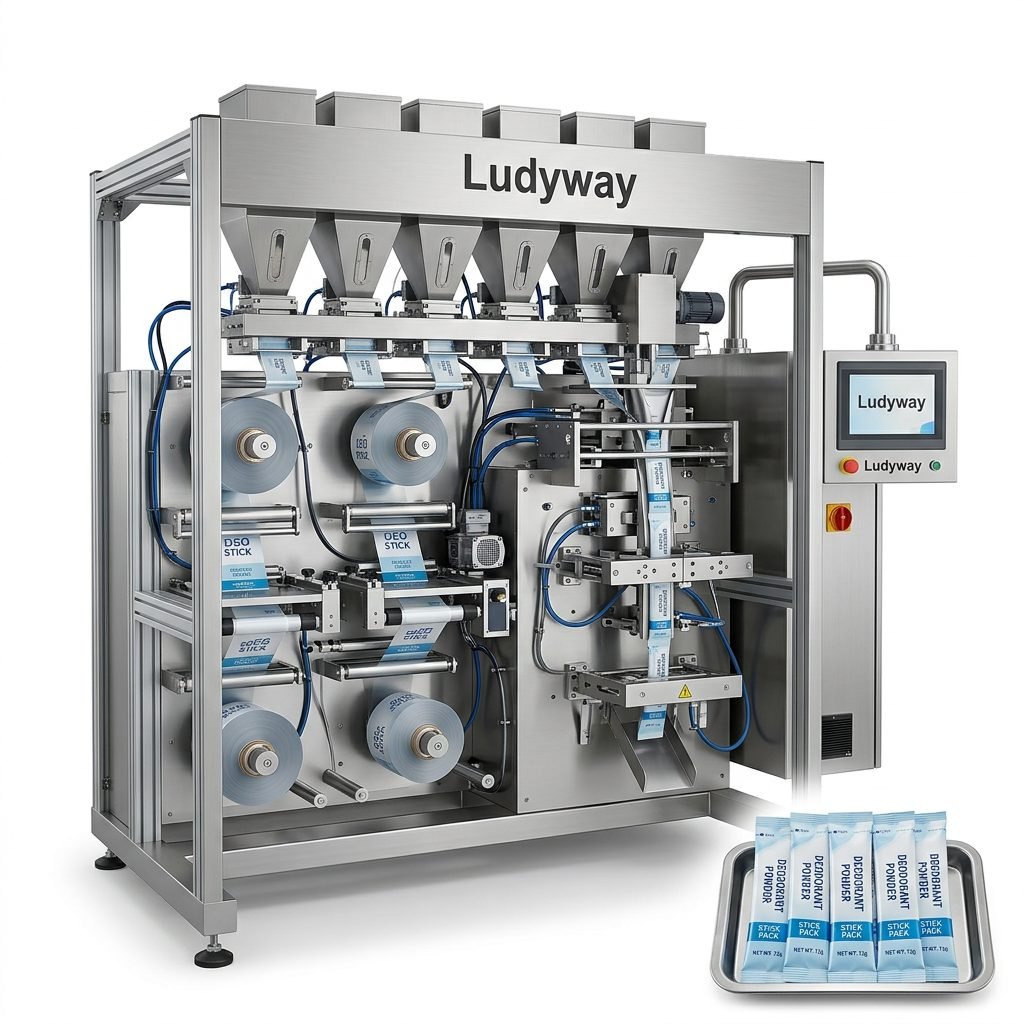
Food-grade packing cutting machines must meet stringent hygiene standards. Stainless steel construction, washdown capability, and easy-access design for sanitation are essential. Machines should also comply with FDA regulations for food contact surfaces, as detailed by FDA food packaging guidelines. Multi-lane stick pack and sachet systems are particularly popular for single-serve condiments, seasonings, and powdered beverages.
Pharmaceutical and Nutraceutical Applications
Pharmaceutical packaging demands validated cutting processes with documented precision. Contamination control, serialization readiness, and compliance with ISO 11607 packaging standards are non-negotiable. Ultrasonic cutting technology is often specified for sterile barrier packaging because it simultaneously cuts and seals edges without generating loose fibers.
Cosmetics and Personal Care
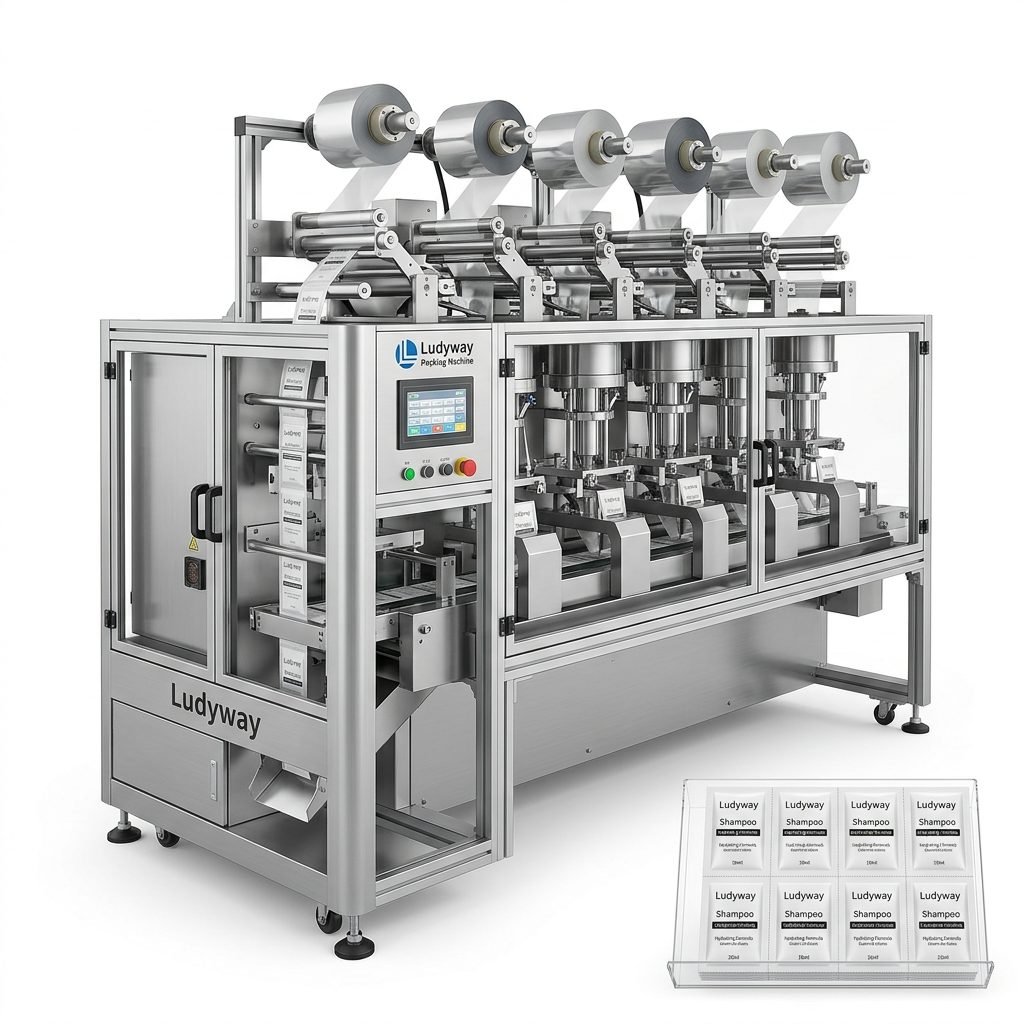
For cosmetics, packing cutting machines must handle liquid, cream, and powder formulations across sachet and stick pack formats. High aesthetic standards mean cutting precision is critical for shelf appeal. Multi-lane sachet machines with precise film registration capabilities are widely used for sample-sized products.
Automation and Line Integration
A standalone packing cutting machine is only as efficient as its integration with upstream and downstream equipment. Consider how the cutting machine connects with:
- Filling and dosing systems — synchronized speed and signal exchange
- Inspection equipment — checkweighers, metal detectors, vision systems
- Secondary packaging — cartoning, case packing, palletizing
- Line control systems — centralized HMI and data collection
According to PMMI state of the industry reports, integrated packaging lines with synchronized cutting, filling, and sealing stations can improve overall throughput by 20-35% compared to standalone machine configurations.

Quality Certifications and International Standards
When sourcing a packing cutting machine, verify that the manufacturer can provide relevant certifications. CE marking, ISO 9001 quality management certification, and electrical safety compliance are baseline expectations for equipment destined for international markets. Machines designed for pharmaceutical or medical device packaging should additionally comply with GMP guidelines and relevant ISO packaging standards.
Evaluating Manufacturer Capabilities
Choosing the right equipment partner is as important as choosing the right machine. Look for manufacturers that offer:
- In-house engineering and manufacturing — not just assembly of outsourced components
- Customization capability — ability to modify cutting parameters, lane configurations, and material handling
- Turnkey integration experience — from individual machines to complete packaging lines
- Global service and spare parts support — critical for minimizing downtime
- Documented quality processes — traceable manufacturing and testing records
A well-established manufacturer with decades of experience can provide valuable guidance on machine selection, flexible packaging compatibility, and line layout optimization.
Maintenance and After-Sales Support
A packing cutting machine represents a significant capital investment, and ongoing maintenance directly impacts long-term profitability. Before purchasing, confirm:
- Availability of spare parts — especially cutting blades, belts, and sensors
- Remote diagnostic capability — for faster troubleshooting
- Operator training programs — both on-site and remote options
- Warranty terms — including coverage for cutting assemblies
- Preventive maintenance schedules — recommended service intervals
Budget Considerations and ROI Analysis
While initial purchase price matters, the total cost of ownership (TCO) for a packing cutting machine includes energy consumption, consumable parts, maintenance labor, and downtime costs. A slightly higher upfront investment in a servo-driven, precision-engineered cutting system often yields lower TCO over a 5-7 year operating period through reduced waste, faster changeovers, and higher uptime. Calculate your expected ROI based on these factors rather than purchase price alone.
Making the Final Decision
Selecting the right packing cutting machine requires balancing technical specifications with practical operational needs. Prioritize machines that match your current production requirements while offering flexibility for future growth. Request sample testing with your actual packaging materials whenever possible, and visit the manufacturer’s facility to assess their engineering capabilities and quality processes firsthand.
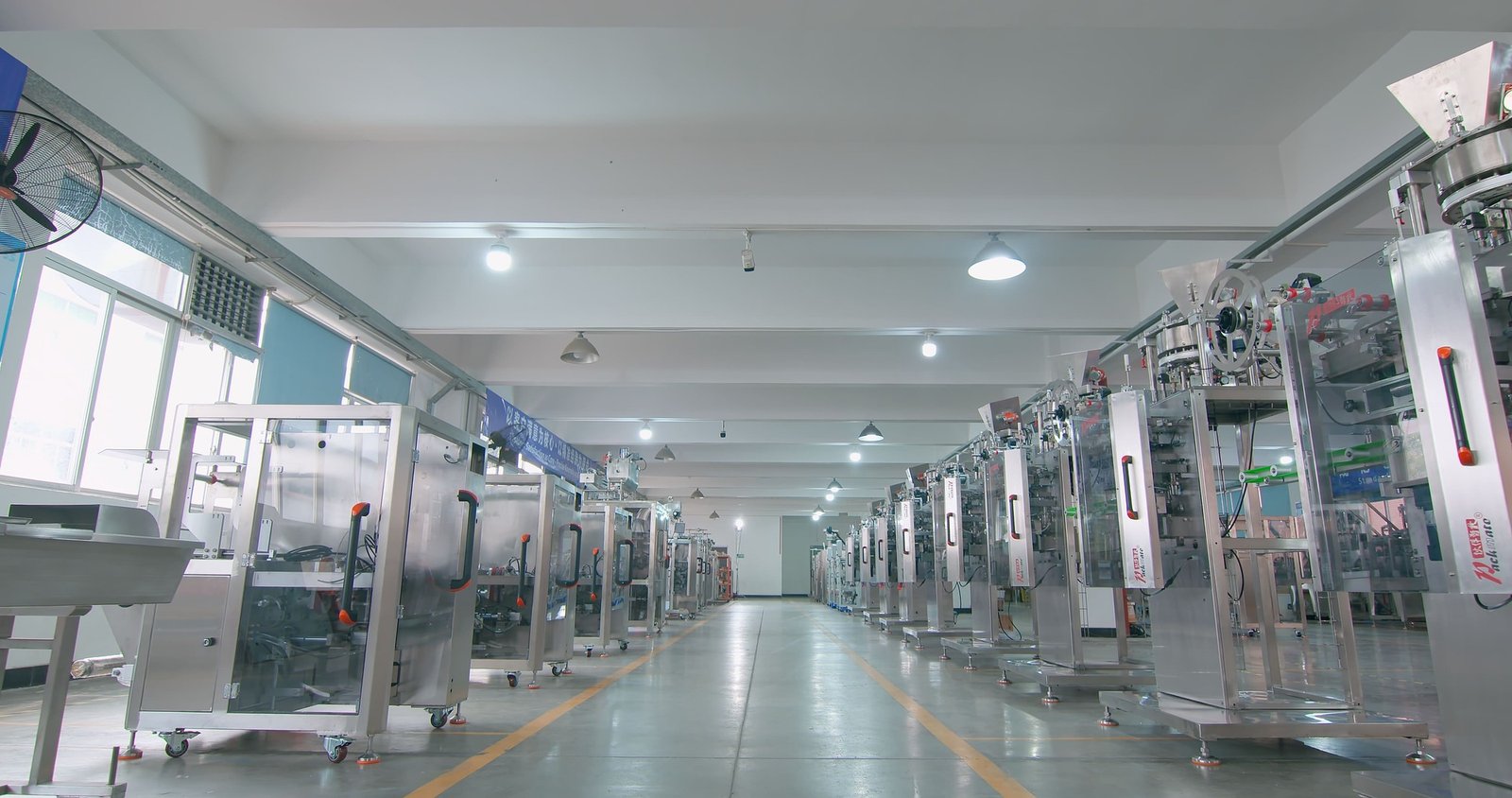
For manufacturers seeking a reliable packaging machinery partner, Ludyway Machinery brings over 30 years of industry experience, a 20,000-square-meter manufacturing facility, and a team of more than 130 professionals. With over 50 packaging machine models and solutions serving customers in more than 100 countries, the company provides comprehensive equipment selection, system integration, customization, and after-sales support. Ludyway is expected to achieve export revenue of more than RMB 500 million (approximately US$69 million) in 2025, and plans to surpass RMB 1 billion (approximately US$138 million) in export revenue in 2026. For more information on their global growth trajectory, read the Ludyway Packaging Machinery Global Growth Trend report.
By thoroughly evaluating your production requirements, understanding available cutting technologies, and partnering with an experienced manufacturer, you can select a packing cutting machine that delivers reliable performance, consistent quality, and strong return on investment for years to come. For additional industry insights, explore resources from PMMI – The Association for Packaging and Processing Technologies and the Flexible Packaging Association.