The North American dried fruit market is experiencing unprecedented growth, driven by consumer demand for healthy, convenient snacks. Establishing a high-efficiency dried fruit packaging machine production line requires careful planning, equipment selection, and compliance with regional standards. This guide walks you through every critical step to successfully set up and optimize your packaging operation.
Understanding the North American Dried Fruit Packaging Landscape
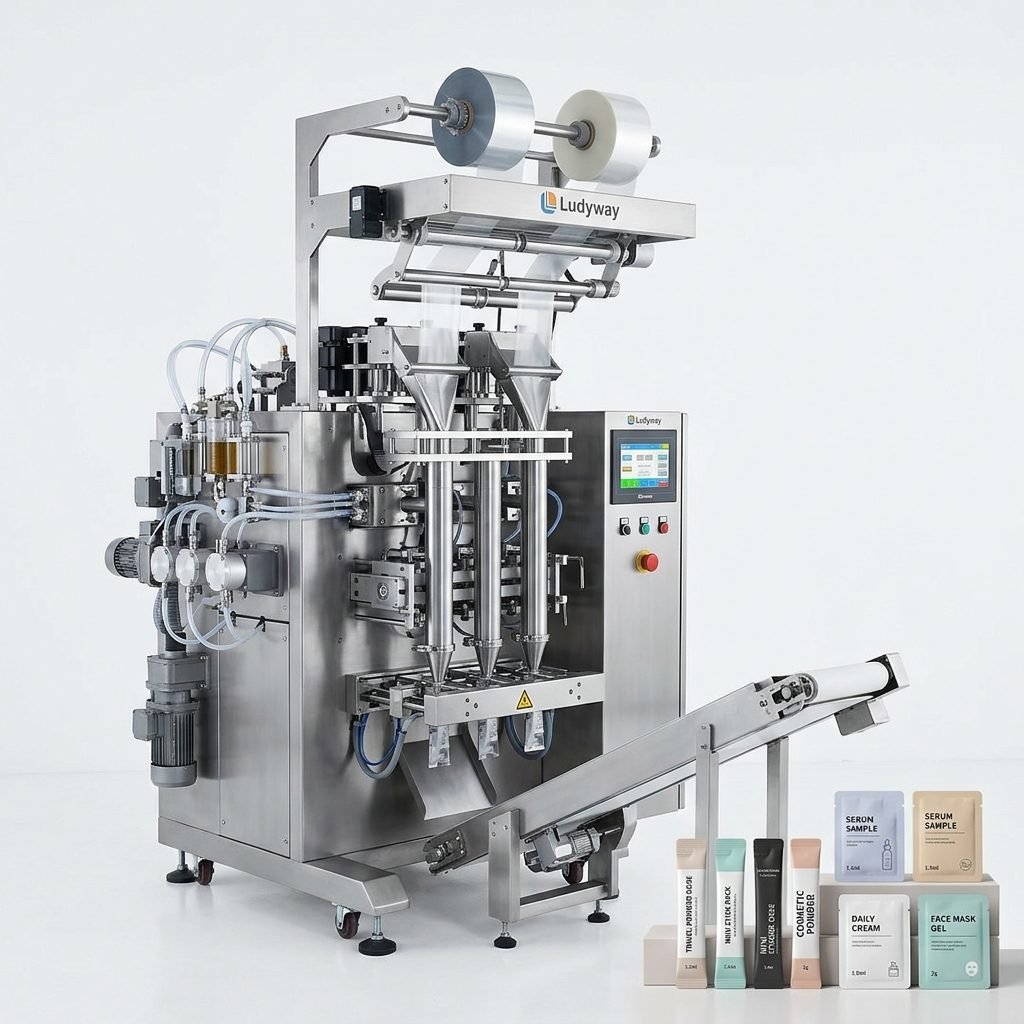
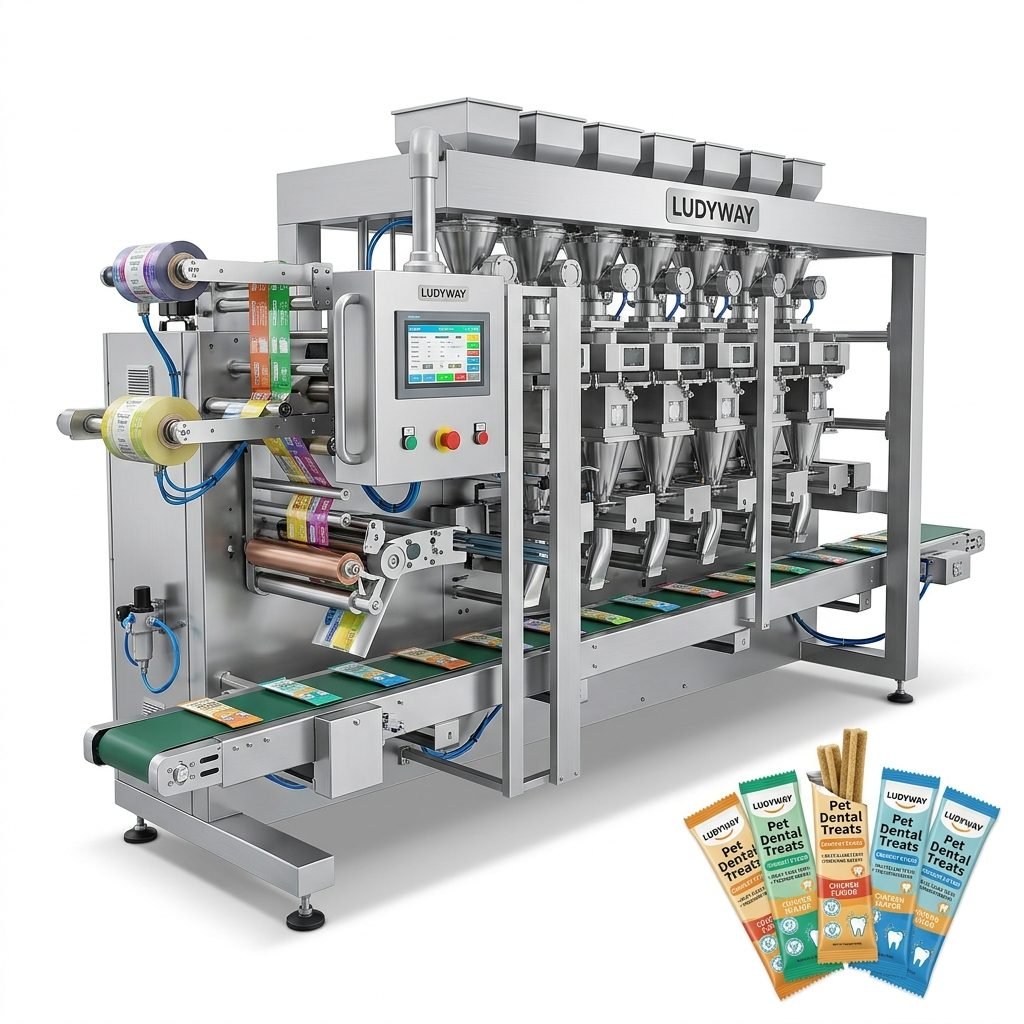
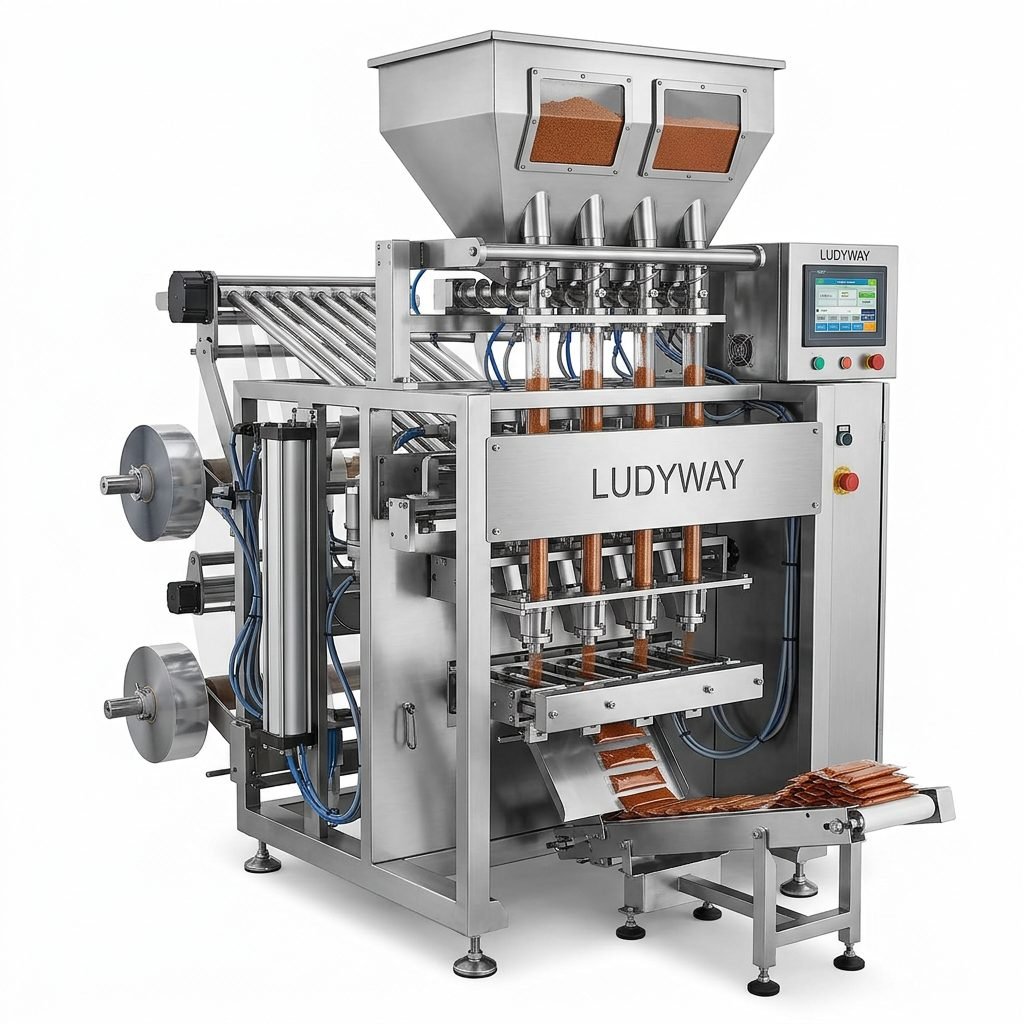
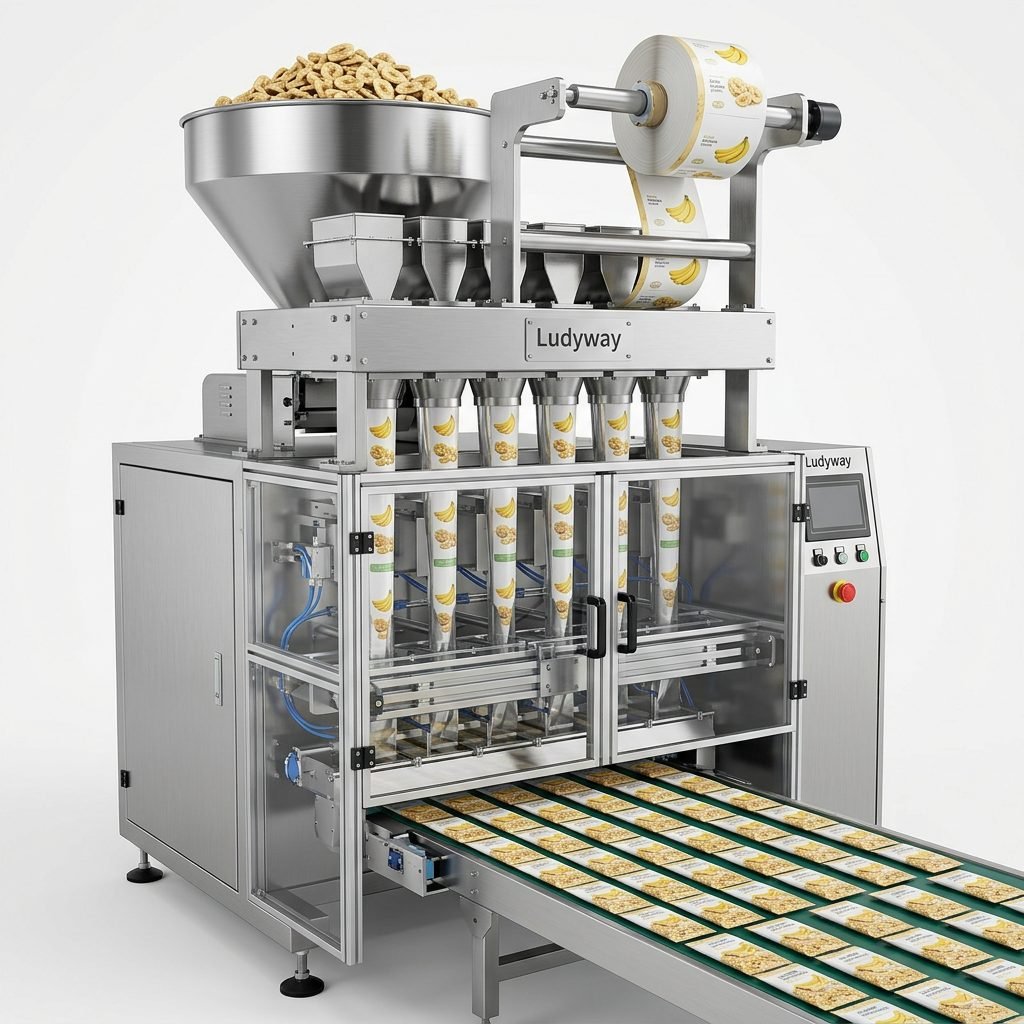
Before investing in machinery, you must understand the market dynamics. The U.S. and Canada have strict FDA food packaging regulations and growing consumer preference for resealable, portion-controlled packaging. Multi-lane stick pack and sachet formats dominate retail shelves due to their convenience and extended shelf life.
Key Equipment for a Dried Fruit Packaging Line
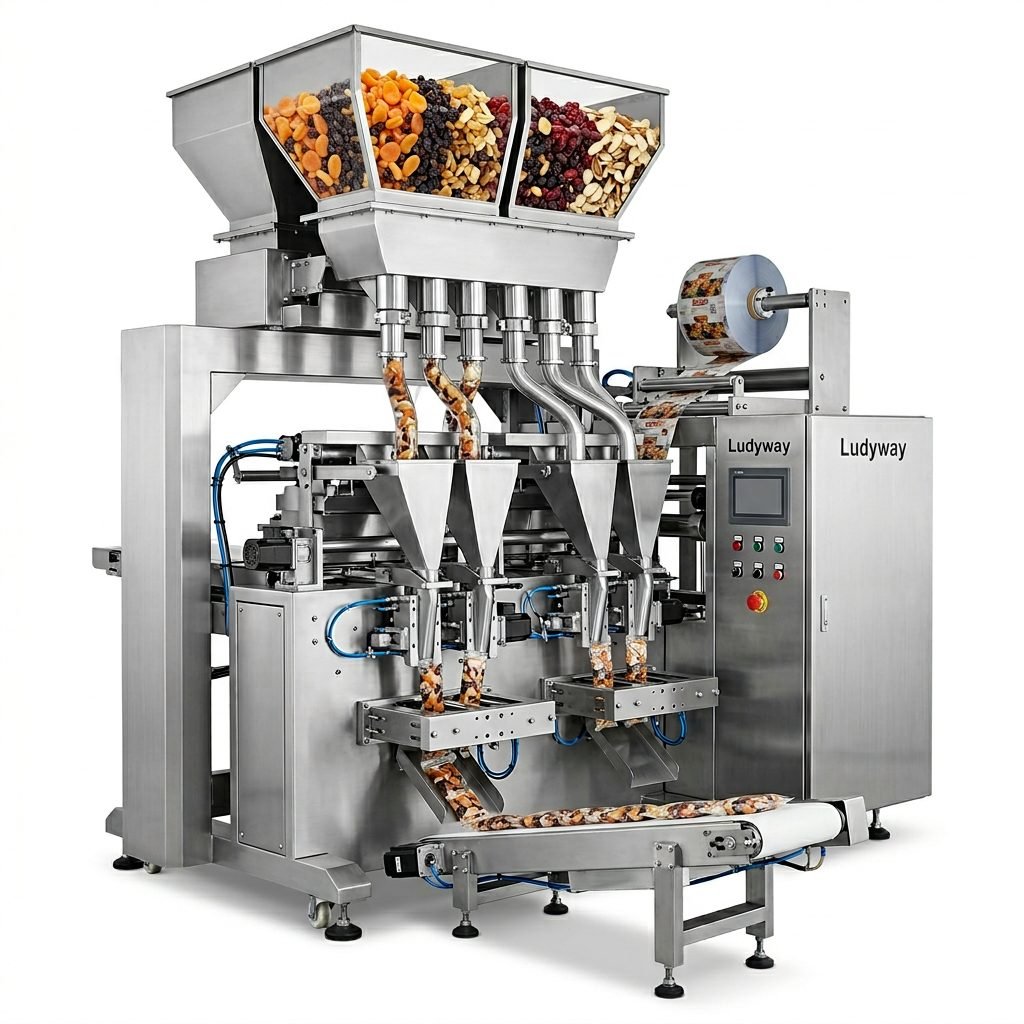
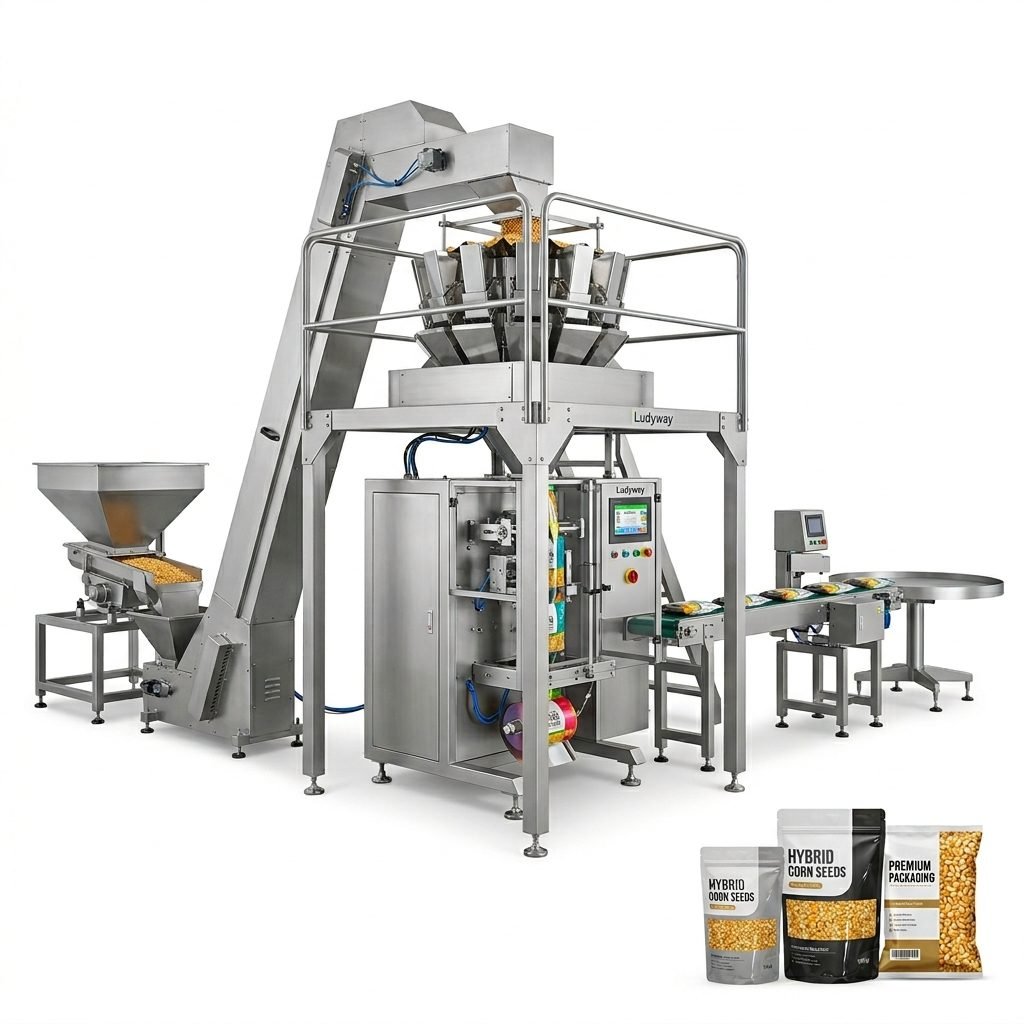
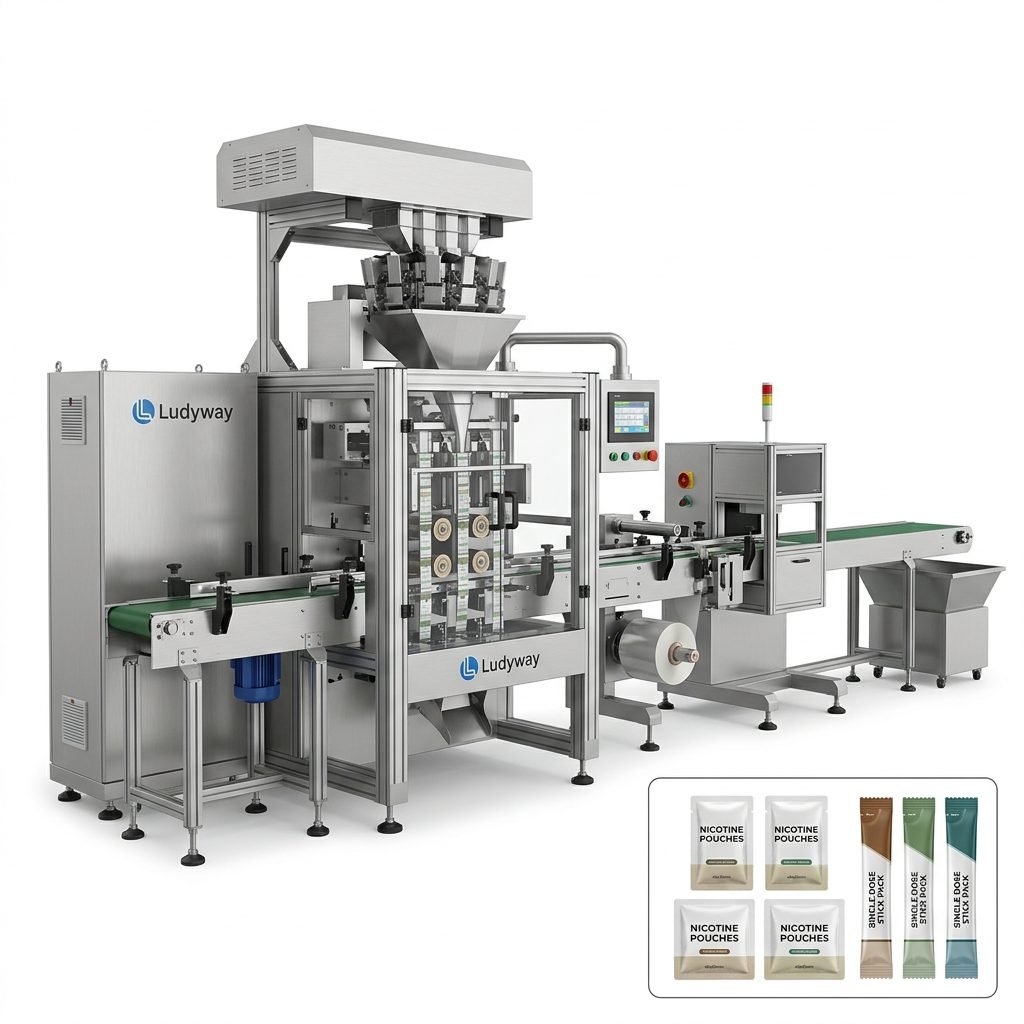
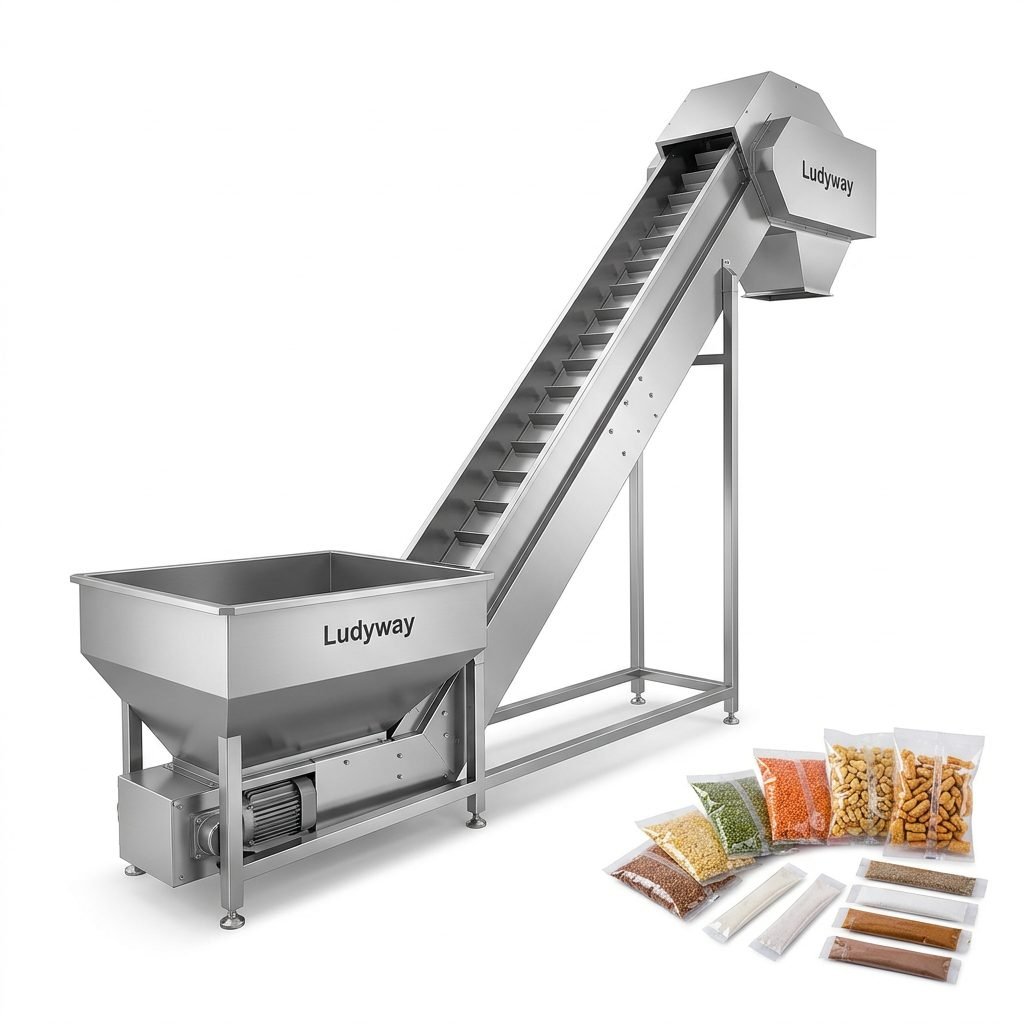
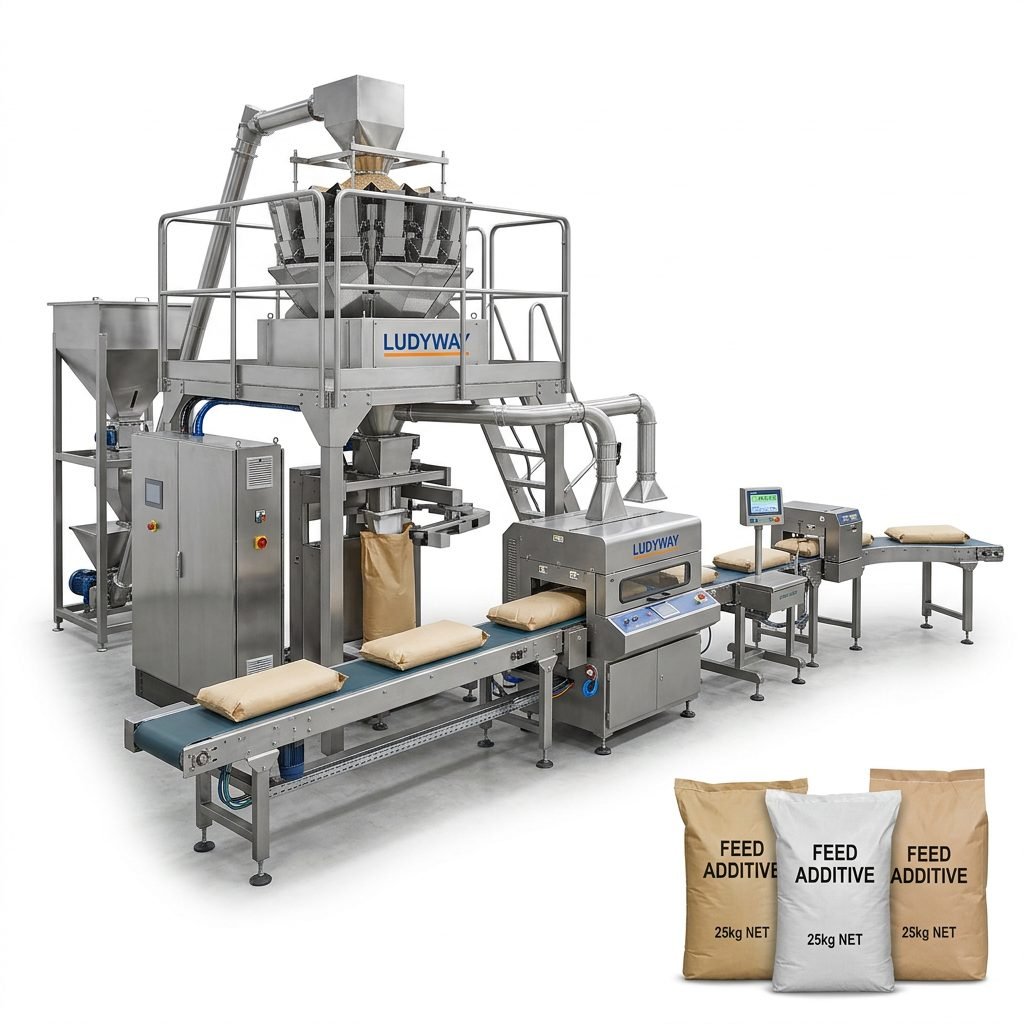
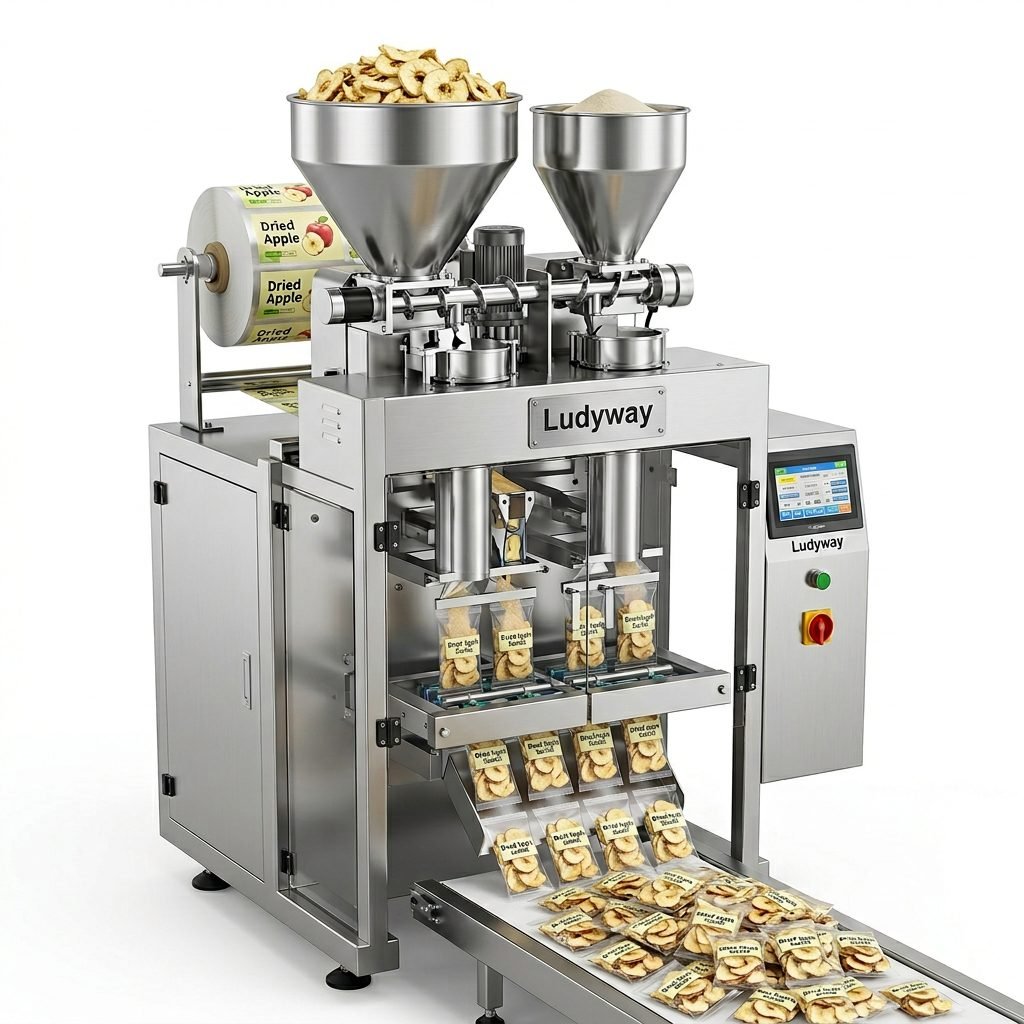
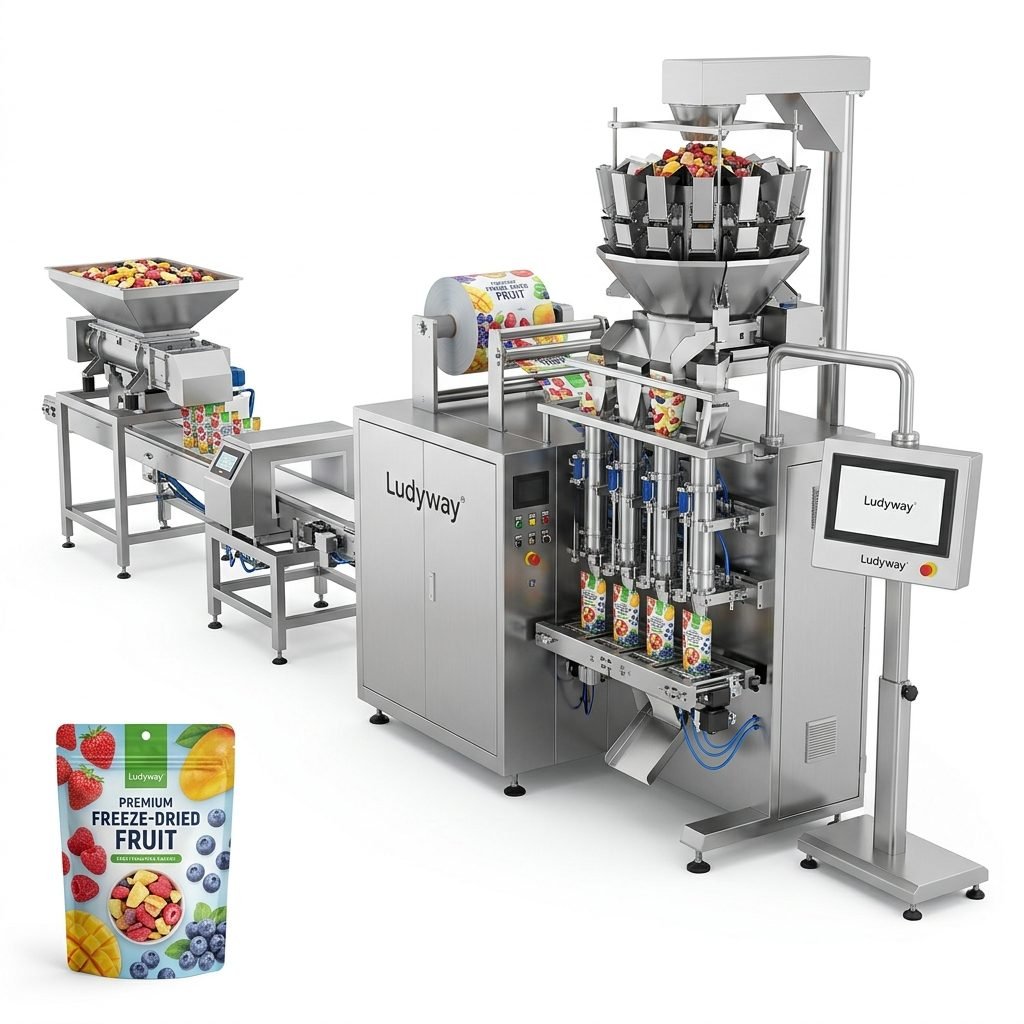
A complete turnkey production line typically includes the following integrated modules. Selecting the right combination ensures optimal throughput and product integrity.
| Machine Type | Primary Function | Key Specification |
|---|---|---|
| Multi-Head Weigher | Precision weighing for dried fruit pieces | ±0.5-1g accuracy |
| Vertical Form Fill Seal Machine | Bag forming, filling, and sealing | Multi-lane up to 12 lanes |
| Checkweigher & Metal Detector | Quality control and contaminant detection | Compliant with HACCP standards |
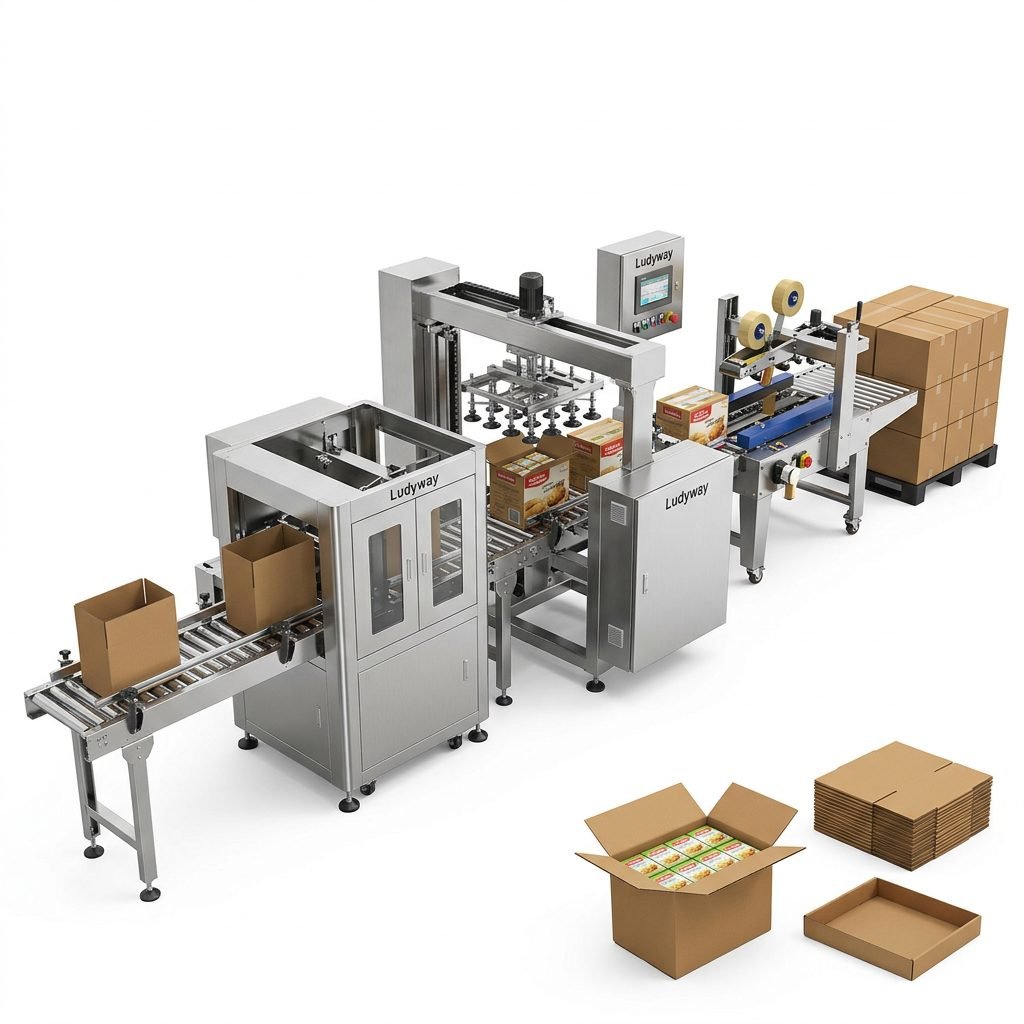
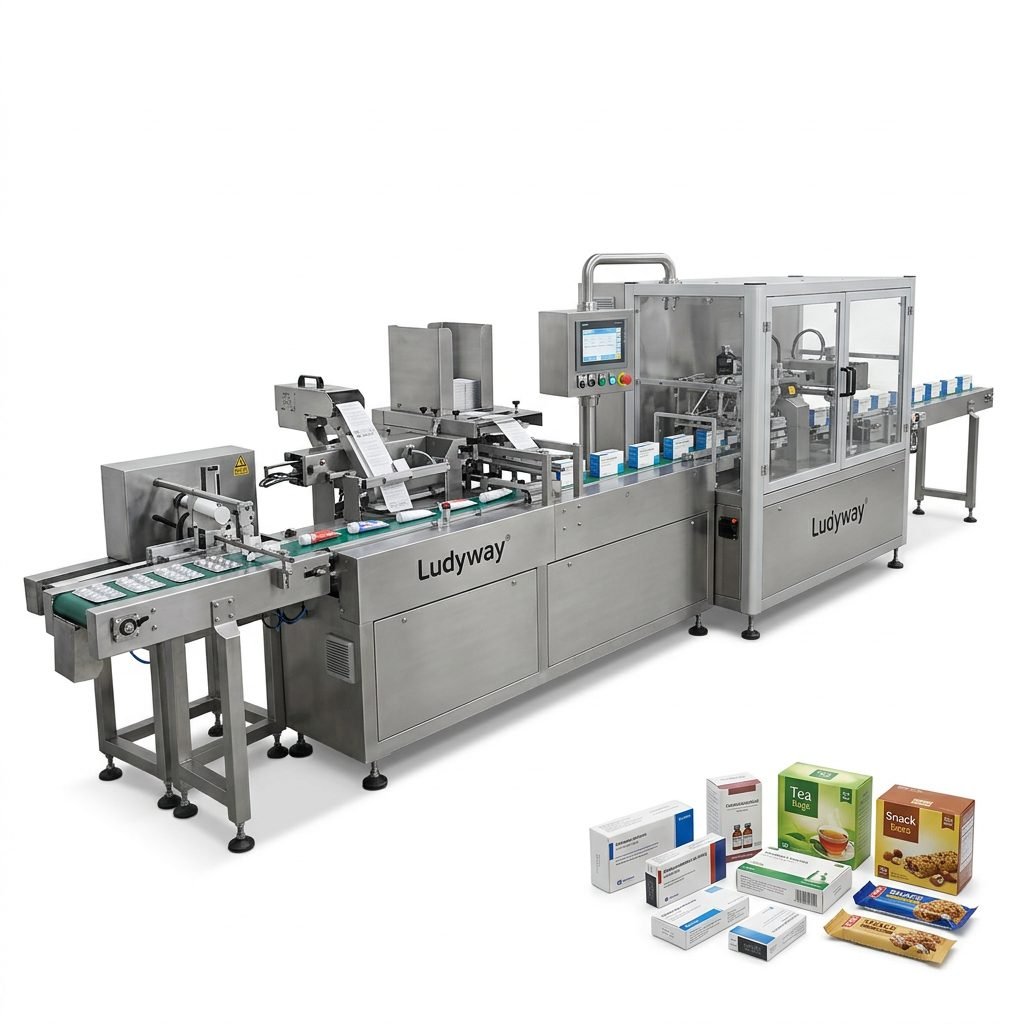
| Cartoning Machine | Secondary packaging into cartons | Automatic loading and sealing |
Regulatory Compliance in North America
Packaging machinery and materials must comply with FDA food contact substance regulations and, for certain products, Canadian Food Inspection Agency (CFIA) guidelines. Key certifications to look for include:
- FDA 21 CFR compliance for food contact surfaces
- UL or CSA electrical safety certification
- ISO 22000 for food safety management systems
- HACCP-compatible design with easy sanitation access
Refer to the PMMI Business Intelligence resources for detailed industry standards and market data that impact packaging machinery selection.
Installation and Facility Preparation
Proper installation is critical for maximizing machine lifespan and performance. Your facility should meet these requirements before the production line arrives:
- Floor load capacity suitable for heavy equipment (typically 500-800 kg/m²)
- Compressed air supply with adequate pressure (6-8 bar) and dry, filtered air
- Stable electrical supply matching machine specifications (208V/240V/480V three-phase common in North America)
- Climate-controlled environment with temperature 20-25°C and humidity below 60%
- Adequate clearance around machines for maintenance access
Selecting the Right Packaging Partner
Choosing a manufacturer with North American service capability is essential. Ludyway, one of the largest packaging machine manufacturers in China, offers over 50 intelligent packaging models and has experience serving customers in over 100 countries, including turnkey dried fruit packaging lines engineered for international standards. Look for suppliers who provide remote troubleshooting, on-site installation support, and readily available spare parts within North America.
Production Workflow Optimization
An optimized dried fruit packaging line follows a streamlined sequence. The material flows from the feeding system through precision weighing, bag forming, filling, sealing, quality inspection, and final cartoning. Integrating a multi-lane packaging machine can significantly increase output while maintaining consistent seal integrity and portion control.

Common Dried Fruit Packaging Formats
- Stick packs – ideal for single-serve trail mixes and dried fruit snacks
- Pillow pouches – cost-effective for larger retail portions
- Stand-up pouches with zipper – premium resealable option for high-value products
- Flat sachets – compact format for food service and sampling
Maintenance and After-Sales Support
Preventive maintenance is the backbone of sustained production efficiency. Establish a schedule that includes daily cleaning of product contact surfaces, weekly inspection of sealing jaws and cutting blades, monthly lubrication of moving components, and quarterly calibration of weighing systems. Your equipment supplier should provide comprehensive training materials and remote diagnostic support to minimize downtime.
For broader industry insights on packaging machinery standards and regulations, consult the ISO packaging standards directory and the Flexible Packaging Association industry resources.
Key Performance Indicators to Track
| KPI | Target Range | Measurement Frequency |
|---|---|---|
| Overall Equipment Effectiveness (OEE) | ≥85% | Daily |
| Seal Integrity Rate | ≥99.5% | Per shift |
| Weight Deviation | ≤±1% | Hourly sampling |
| Unplanned Downtime | <2% | Monthly review |
Future-Proofing Your Investment
Smart packaging lines equipped with IoT sensors and remote monitoring capabilities are rapidly becoming the industry standard. When purchasing equipment, prioritize machines that support Industry 4.0 integration, allowing you to collect production data, predict maintenance needs, and connect with your ERP system. This scalability ensures your investment remains competitive as technology evolves.
Setting up a successful dried fruit packaging production line in North America demands attention to equipment quality, regulatory compliance, and operational planning. By partnering with experienced manufacturers and following a structured implementation approach, you can achieve high-speed, reliable packaging that meets both retailer requirements and consumer expectations.