Packaging machinery is the backbone of modern manufacturing and distribution, enabling efficient, consistent, and hygienic packaging of products across countless industries. From the food we eat to the medicines we rely on, these machines play a crucial role in ensuring product safety, extending shelf life, and enhancing brand presentation. Understanding the different types of packaging machinery, their specific functions, and their ideal applications is essential for any business looking to optimize its production line.
Primary Categories of Packaging Machinery
The world of packaging equipment is vast, but it can be broadly organized into several key categories based on the packaging process stage and the material form being handled.
Filling and Sealing Machines
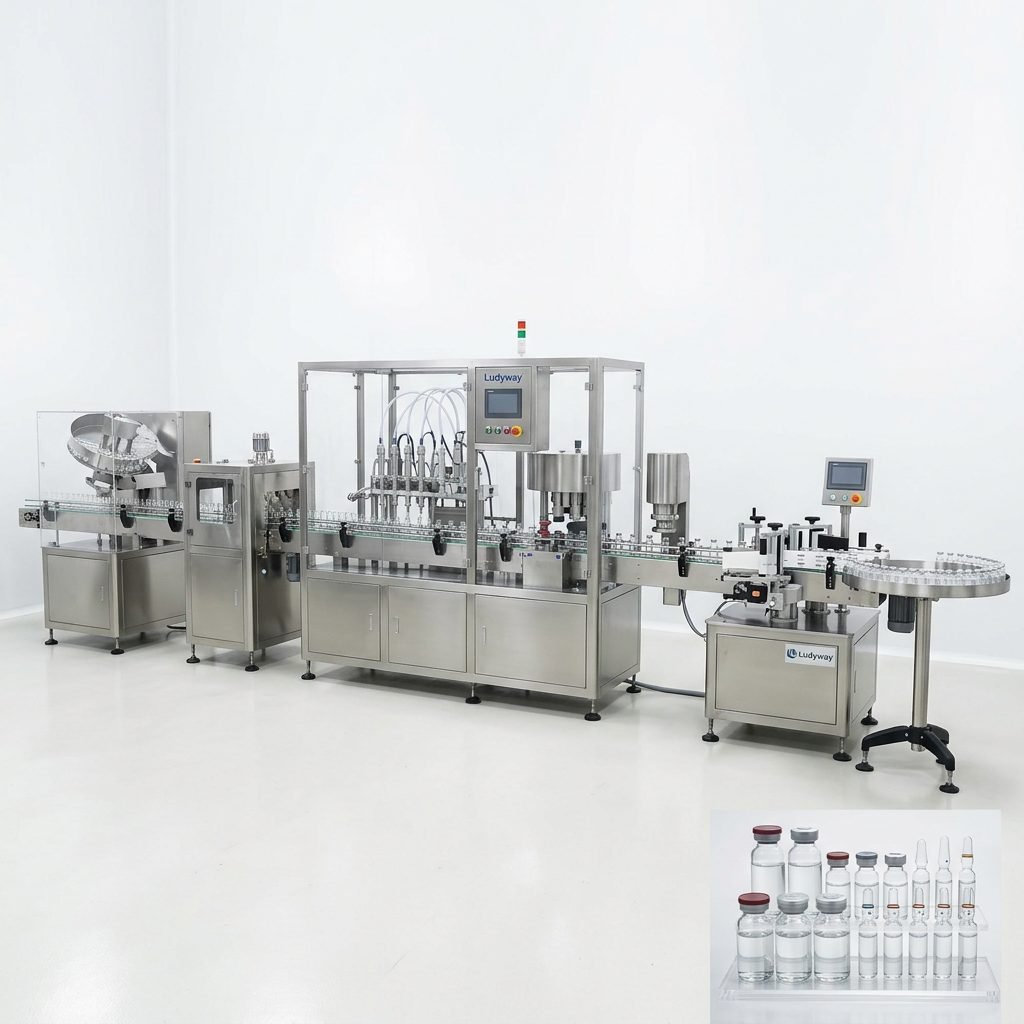
These are among the most common types, responsible for accurately dispensing a product into a container and then hermetically sealing it.
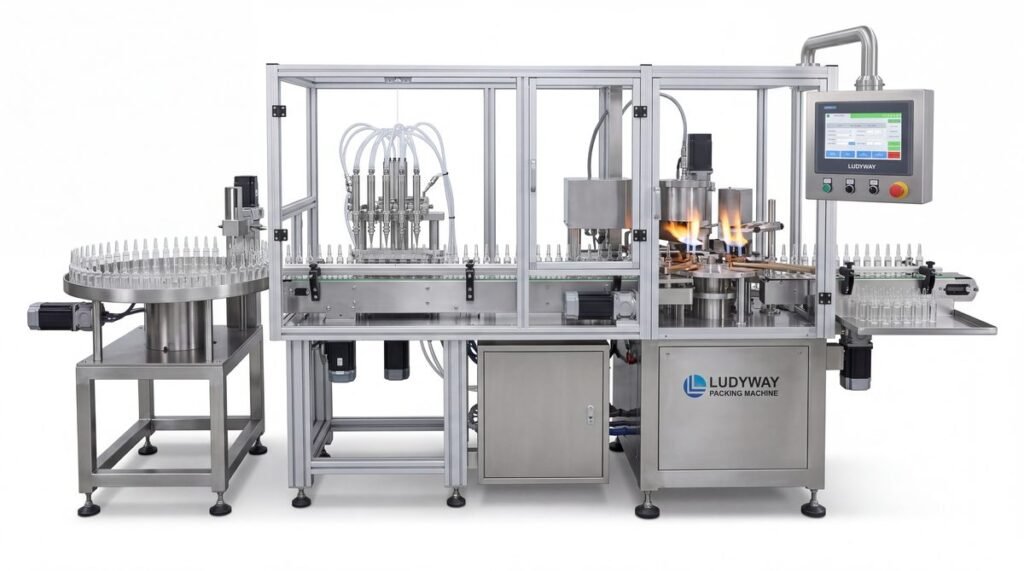
- Liquid Fillers: Used for water, oils, sauces, and chemicals. They can be volumetric, piston, or gravity-based.
- Powder Fillers: Essential for flour, spices, protein powders, and pharmaceuticals. Auger fillers provide high precision.
- Granule Fillers: Handle products like rice, seeds, nuts, and coffee beans using cup or weigh scale systems.
- Tube Fillers and Sealers: For packaging creams, ointments, and adhesives in laminated or plastic tubes.
Key Application: The pharmaceutical industry relies heavily on ultra-precise filling and sealing machines to ensure exact dosages and sterile barriers, which are critical for patient safety and regulatory compliance.
Form-Fill-Seal (FFS) Machines
These highly automated systems create the packaging from a roll of film, fill it with product, and seal it—all in one continuous operation. They are incredibly efficient for high-volume production.
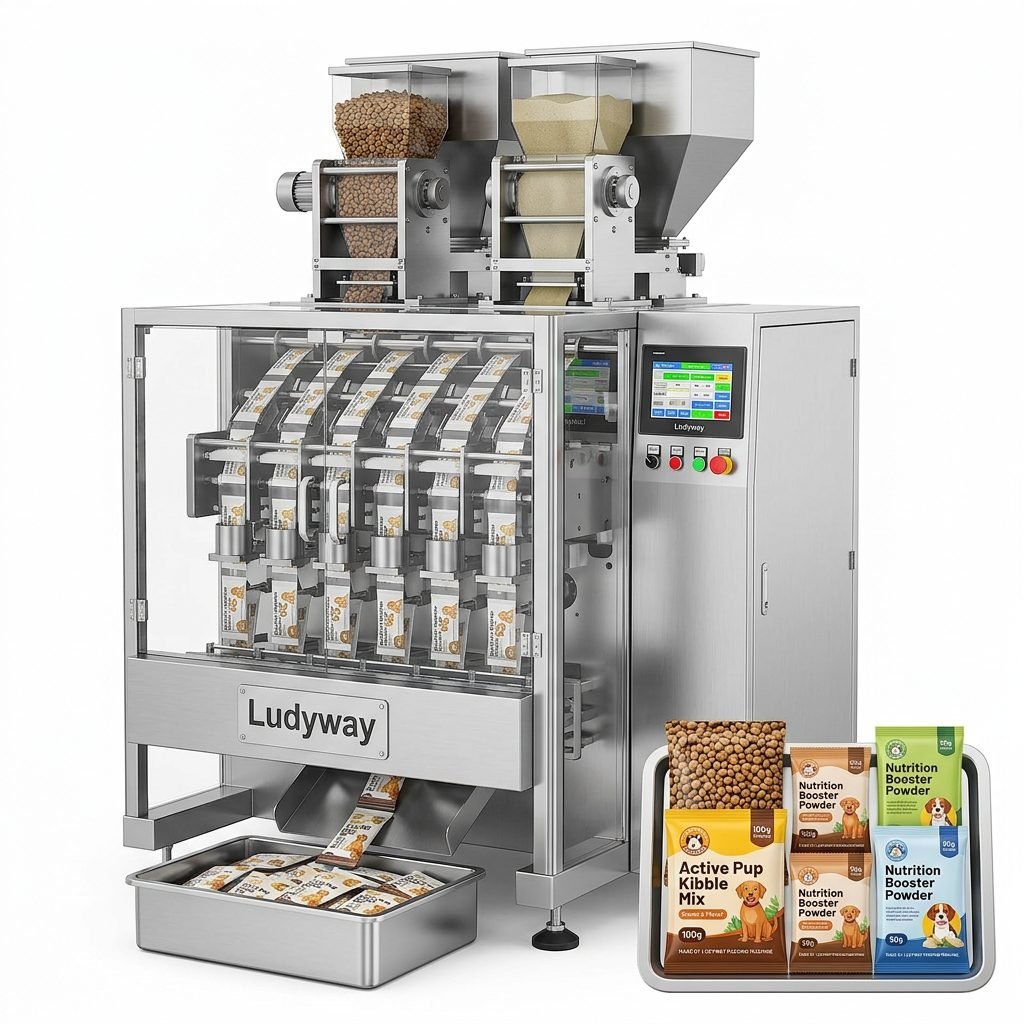
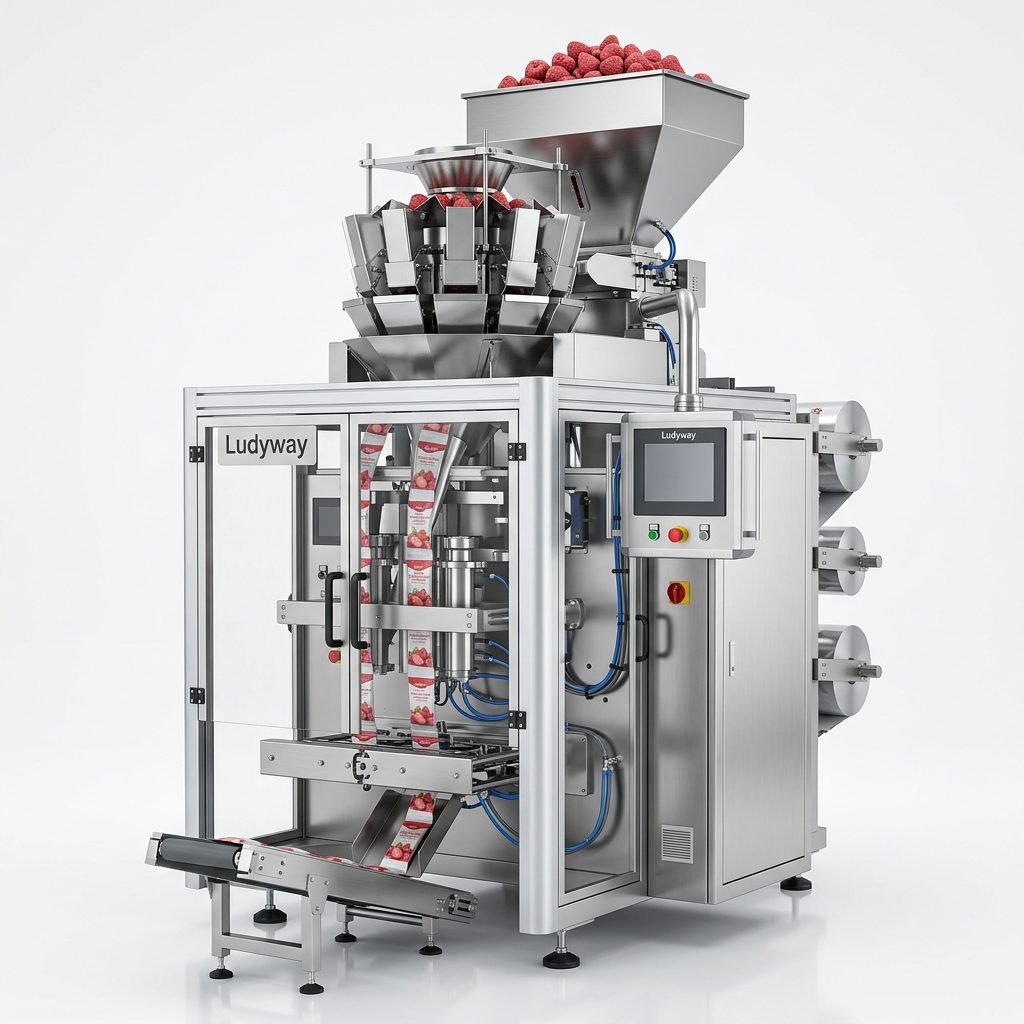
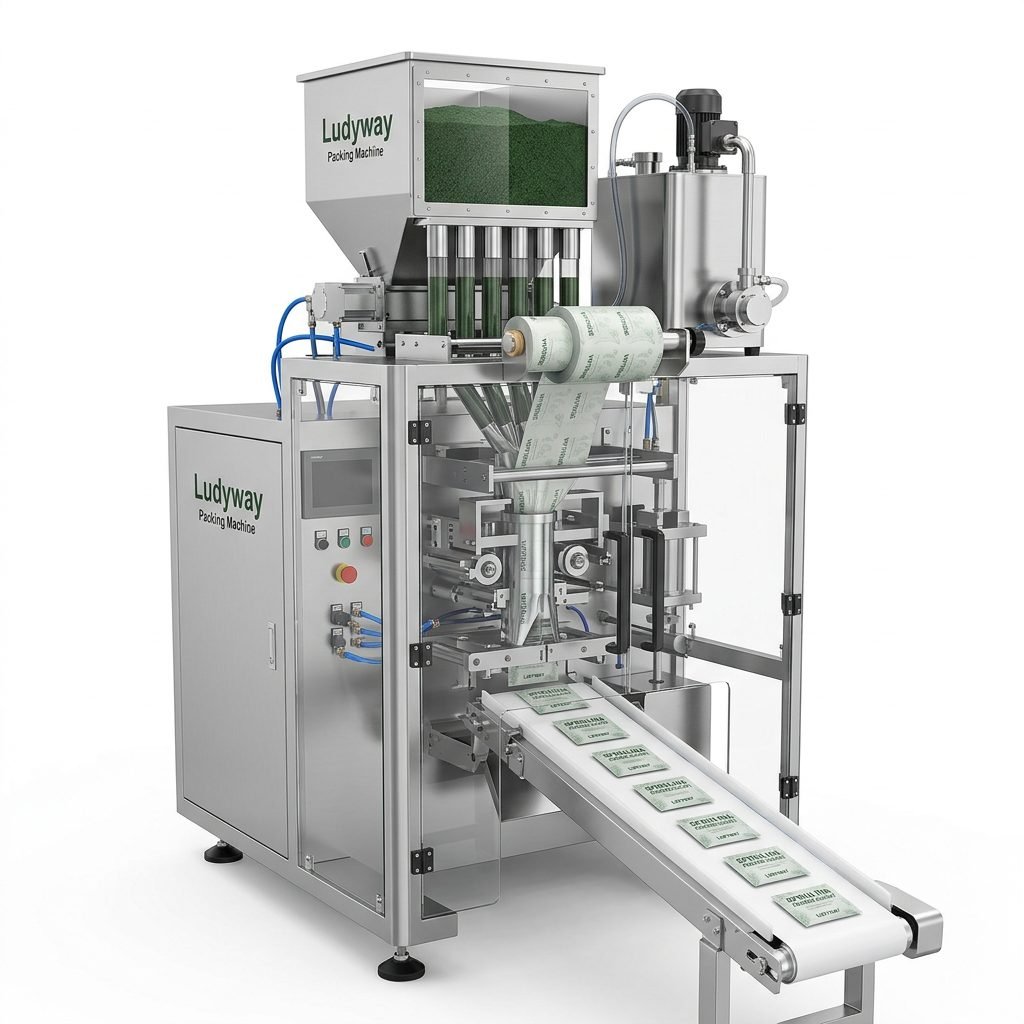
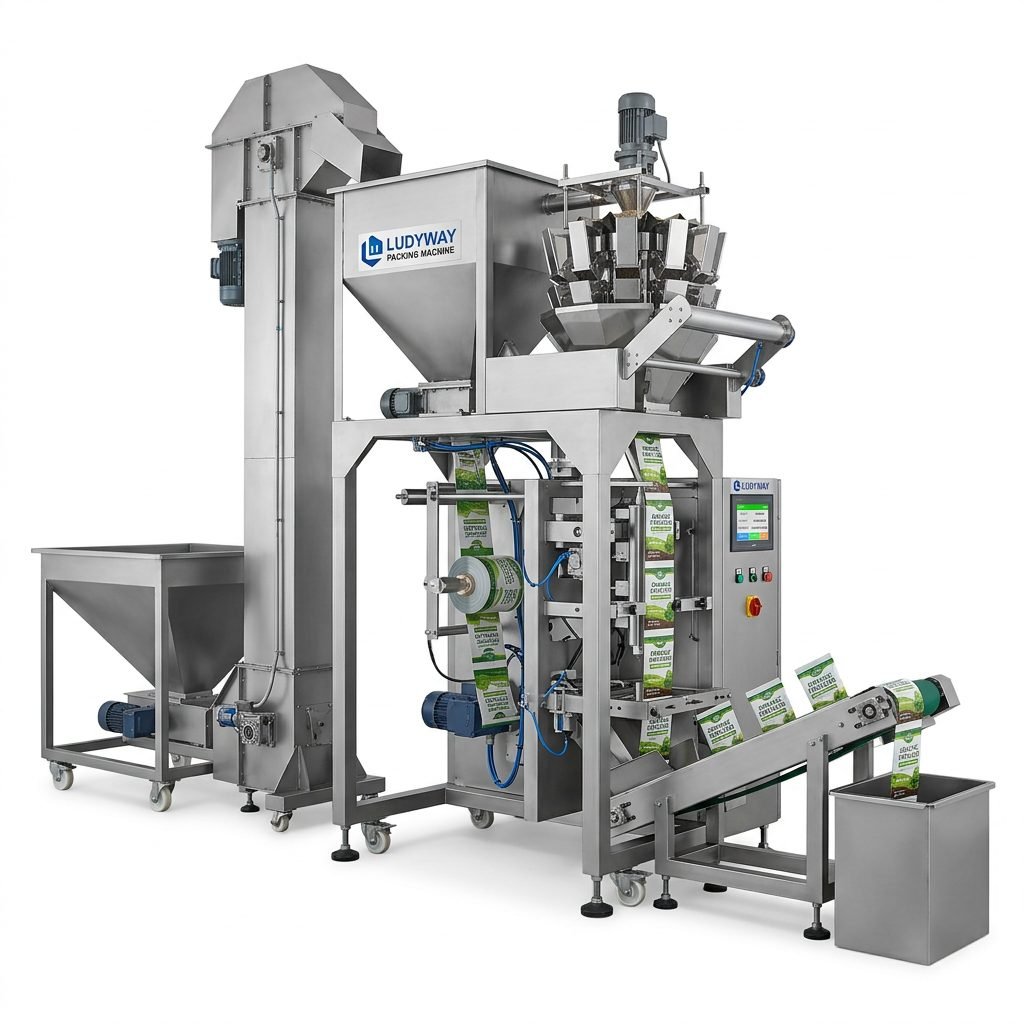
- Vertical Form-Fill-Seal (VFFS): Creates bags that are filled vertically. Perfect for snacks, frozen vegetables, and granulated products.
- Horizontal Form-Fill-Seal (HFFS): Forms packages on a horizontal plane. Ideal for biscuits, candy bars, and medical device kits.
Labeling and Coding Equipment
This equipment applies vital information and branding to packages.
- Pressure-Sensitive Labelers: Apply pre-printed labels using adhesive.
- Print-and-Apply Systems: Print variable data (like barcodes or expiry dates) and apply the label instantly.
- Inkjet and Laser Coders: Directly mark dates, batch codes, and logos onto packaging surfaces.
Cartoning and Case Packing Machinery
These machines handle secondary packaging, placing primary packages into cartons or cases.
- Automatic Cartoners: Erect, load, and close folding cartons.
- Case Packers: Load multiple bags, bottles, or cartons into shipping cases.
- Case Sealers: Automatically tape or glue the tops and bottoms of cases.
Specialized Machinery for Unique Applications
Beyond the core categories, specialized machines address specific market needs.
Stick Pack and Sachet Packaging Machines
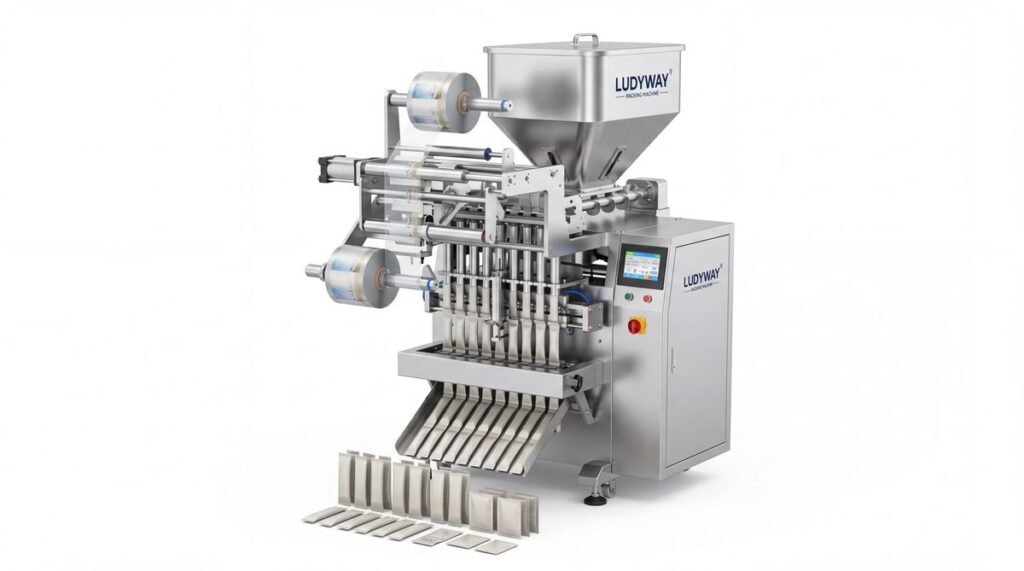
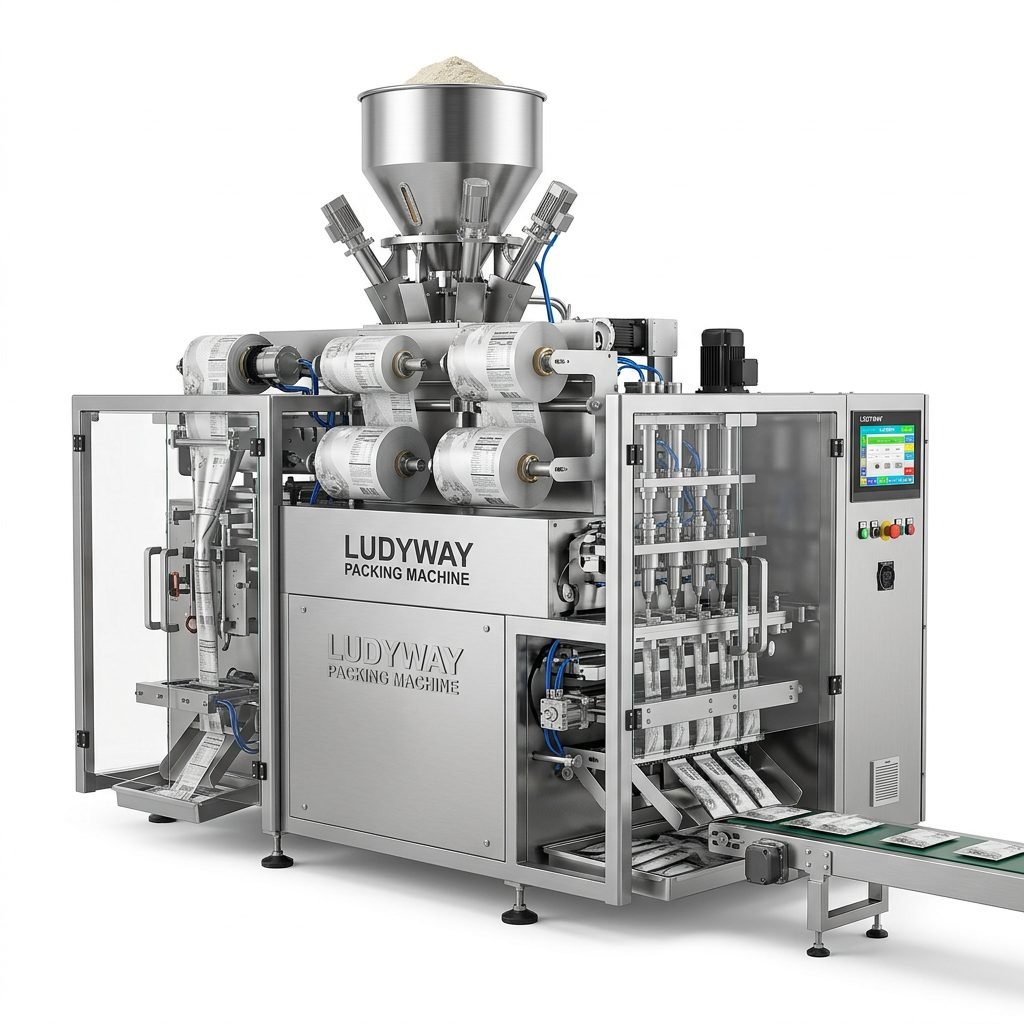
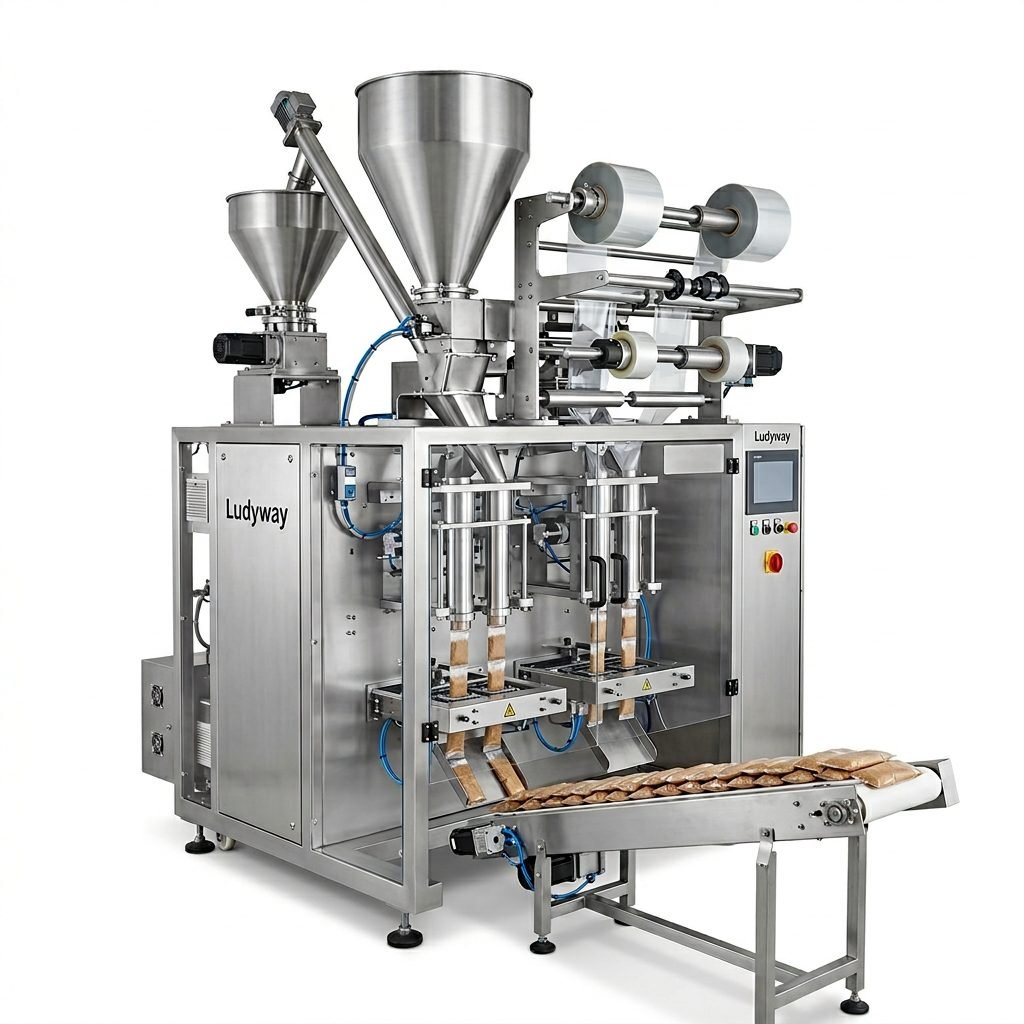
These machines are designed for single-serve or sample-sized portions, extremely popular in the food, beverage, and pharmaceutical supplement industries. They create slim, elongated packs or small rectangular pouches, perfect for instant coffee, sugar, condiments, and OTC powders. Advanced multi-lane systems can produce dozens of sticks or sachets per minute, offering tremendous output for promotional campaigns or retail portions.
Vacuum and Modified Atmosphere Packaging (MAP) Machines
These machines extend shelf life by removing air (vacuum) or replacing it with a protective gas mixture (MAP). They are indispensable for fresh meats, cheeses, prepared meals, and seafood, preserving freshness and appearance.
Bundling and Wrapping Machines
Used to group multiple products together for sale as a multi-pack or to provide an outer protective layer. Stretch wrappers secure pallets for shipping, while shrink bundlers wrap trays of bottles or cans with a tight plastic film.
Choosing the Right Machinery: Key Considerations
Selecting the optimal packaging machine requires a careful analysis of several factors:
- Product Characteristics: Form (solid, liquid, powder), viscosity, abrasiveness, and fragility.
- Production Speed & Volume: Required output (units per minute/hour) to meet demand.
- Packaging Materials: Compatibility with films, laminates, carton stock, or pre-formed containers.
- Footprint & Integration: Available factory space and how the machine will connect to upstream/downstream equipment.
- Total Cost of Ownership: Includes purchase price, maintenance, energy consumption, and changeover time.
The Role of Automation and Turnkey Solutions
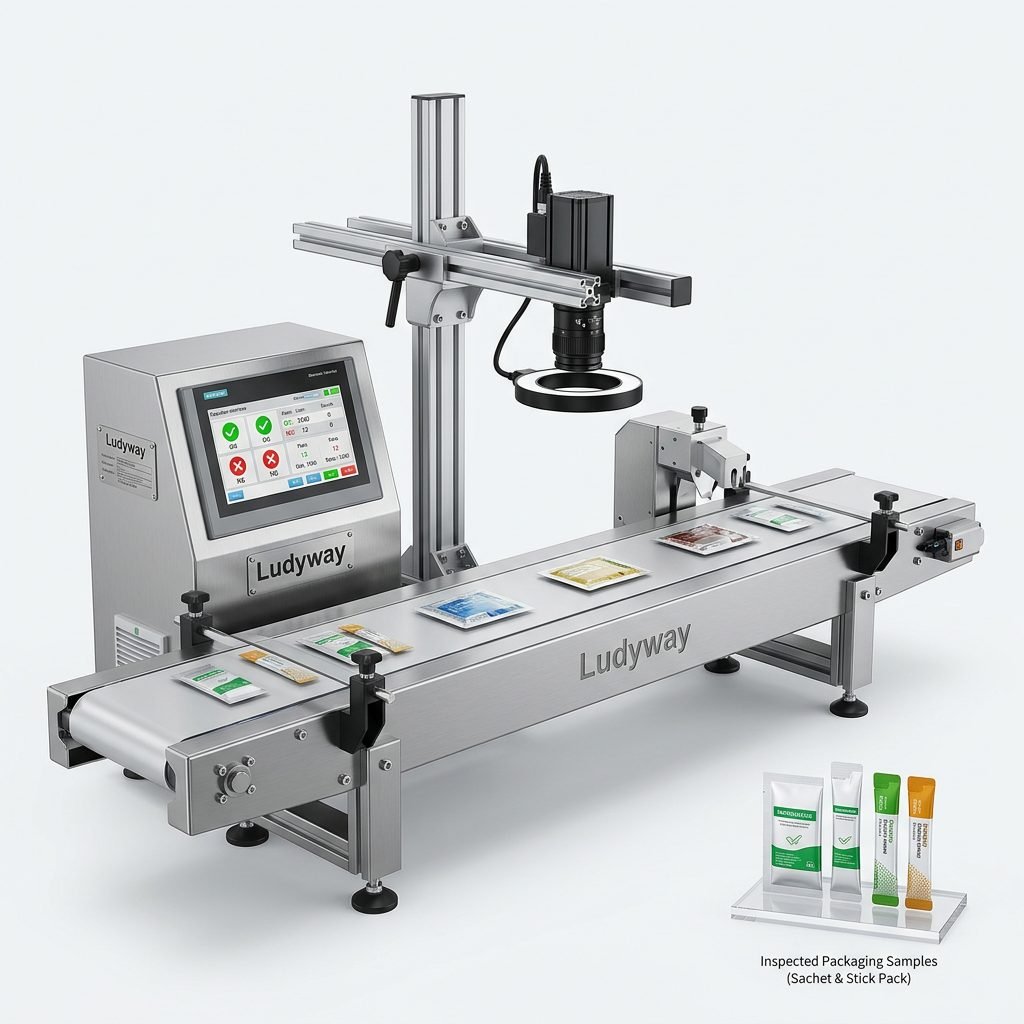
Modern packaging lines are increasingly automated. Integrating different machines—like a VFFS bagger with a weigh scale, metal detector, and case packer—into a seamless turnkey production line maximizes efficiency, minimizes labor, and reduces contamination risk. Suppliers like Ludyway Machinery specialize in designing and delivering these complete, customized solutions, particularly for the food, pharmaceutical, and health industries, ensuring all components work in perfect harmony.
With over 30 years of collective industry experience, providers in this space leverage strong engineering capabilities to offer more than 50 intelligent packaging machine models. This expertise is crucial for navigating the complexities of global packaging standards and regional market demands, ensuring that machinery not only performs but also complies with international safety and quality regulations.
Conclusion
From simple filling to complex robotic palletizing, the right packaging machinery is a strategic investment that drives productivity, ensures quality, and protects your brand. By understanding the functions and applications of the different machine types—be it versatile Form-Fill-Seal systems, precise liquid fillers, or efficient stick pack machines—businesses can make informed decisions that enhance their operational competitiveness. Partnering with an experienced equipment provider who can offer reliable machinery and tailored production solutions is the final step in building a packaging line that is robust, efficient, and ready for future growth.
Frequently Asked Questions (FAQs)
What is the main difference between vertical (VFFS) and horizontal (HFFS) form-fill-seal machines?
VFFS machines form bags vertically from a single roll of film, fill them, and then seal them. They are best for free-flowing granular, powder, or liquid products that can be dropped into the bag. HFFS machines form packages on a horizontal plane, typically using two rolls of film (one for the base and one for the lid). They are ideal for placing solid, shaped items like cookies, bars, or medical devices into the package before sealing.
How do I choose between a volumetric filler and a weigh scale filler?
Volumetric fillers (using cups, pistons, or timed flows) are generally faster and more cost-effective for uniform, non-aerated products where extreme precision is less critical. Weigh scale fillers (like net weigh or gross weigh systems) are slower but offer much higher accuracy by weighing each portion. They are essential for high-value products (e.g., spices, premium coffee, pharmaceuticals) or where filling by weight is a legal requirement.
What are the benefits of a turnkey packaging line?
A turnkey line provides a single-source solution where all machines are designed, supplied, integrated, and tested to work together seamlessly before installation. Benefits include reduced project management burden, guaranteed compatibility between components, optimized line efficiency, and often a single point of contact for service and support, leading to faster commissioning and higher overall reliability.
Can one packaging machine handle different products?
Many machines offer flexibility through quick-change parts and programmable recipes. For example, an auger powder filler can often handle different powders by changing the auger and tooling, and updating the control system settings. However, switching between vastly different product forms (e.g., from a liquid to a solid) typically requires a different machine type or significant, costly conversion.
Why is Modified Atmosphere Packaging (MAP) important for food?
MAP replaces the air inside a package with a controlled gas mixture (often nitrogen and carbon dioxide). This significantly slows down oxidation and microbial growth, dramatically extending the shelf life of fresh products like meat, pasta, and salads without using preservatives. It helps maintain the product’s color, texture, and freshness, reducing food waste and enabling wider distribution.