Setting up a dry food packaging machine production line in Asia represents one of the most strategic investments a food manufacturer can make today. The region has become a global hub for food processing and packaging, driven by rising consumer demand, competitive manufacturing costs, and access to advanced packaging technology. This guide walks you through every critical phase — from planning and equipment selection to installation and regulatory compliance — ensuring your production line delivers efficiency, reliability, and long-term profitability.
Why Asia Is the Ideal Location for Dry Food Packaging Lines
Asia continues to dominate the global packaged food market, fueled by urbanization, increasing disposable incomes, and a growing preference for convenient, shelf-stable products. Countries such as China, India, Vietnam, Thailand, and Indonesia offer robust industrial infrastructure, favorable government policies, and well-established supply chains for packaging materials. Establishing your dry food packaging line here positions your business closer to raw material sources, reduces logistics costs, and provides access to skilled engineering support.
Key advantages include:
- Cost efficiency in equipment procurement and facility setup compared to Western markets
- Proximity to component suppliers and packaging film manufacturers across Southeast Asia
- Rapid scalability supported by local engineering talent and turnkey packaging machine manufacturer partnerships
- Export-friendly logistics with major shipping routes connecting Asia to global markets

Step 1: Define Your Product and Packaging Format Requirements
Before selecting any machinery, you must clearly define the dry food product you intend to package. Dry food products vary significantly in flow characteristics, particle size, density, and moisture sensitivity. Common categories include granules (sugar, salt, coffee beans, pet food), powders (spices, protein powder, flour, milk powder), and mixed dry blends (seasoning mixes, instant soup powders, cereal blends).
Your packaging format decision directly impacts the machine configuration:
| Packaging Format | Best Suited For | Typical Machine Type |
|---|---|---|
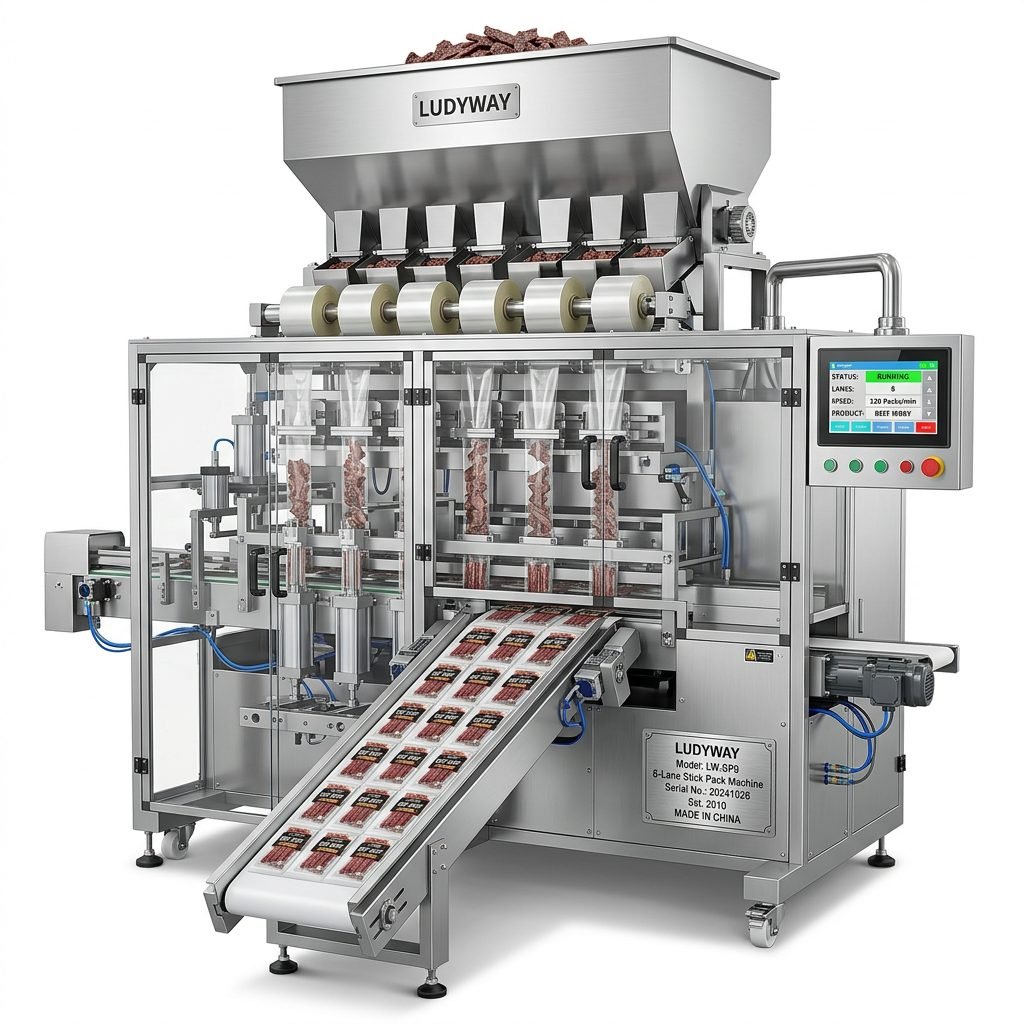
| Stick Packs | Single-serve powders, sugar, instant coffee | Multi-Lane Stick Pack Machine |
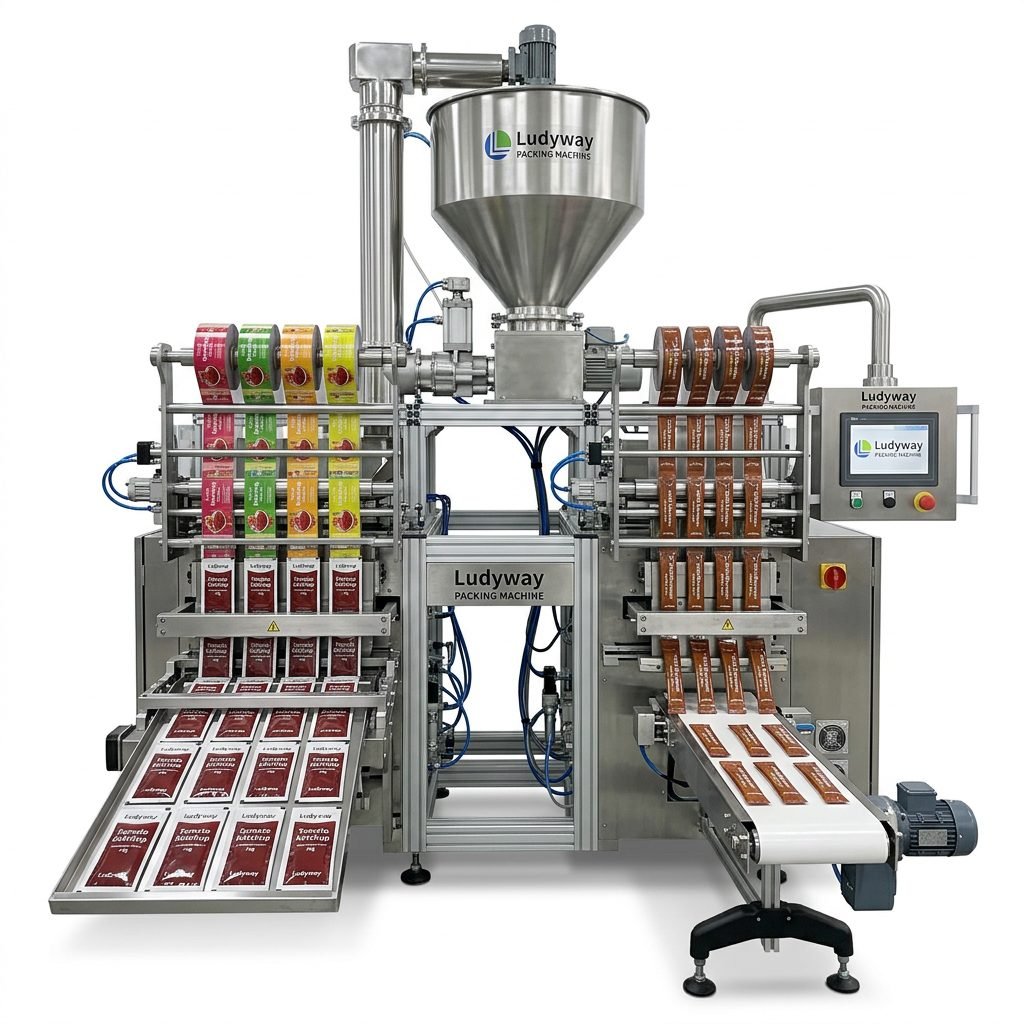
| Sachets | Spices, seasoning, sauce powders | Multi-Lane Sachet Packaging Machine |
| Pillow Bags / Pillow Pouches | Snacks, dried fruits, pasta | Vertical Form Fill Seal (VFFS) Machine |
| Gusseted Pouches | Pet food, large-format dry goods | Premade Pouch Rotary Packaging Machine |
| Vacuum Bags | Freeze-dried products, nuts, meat snacks | Vacuum Packaging Machine |
Step 2: Understand Multi-Lane Technology for High-Speed Dry Food Packaging
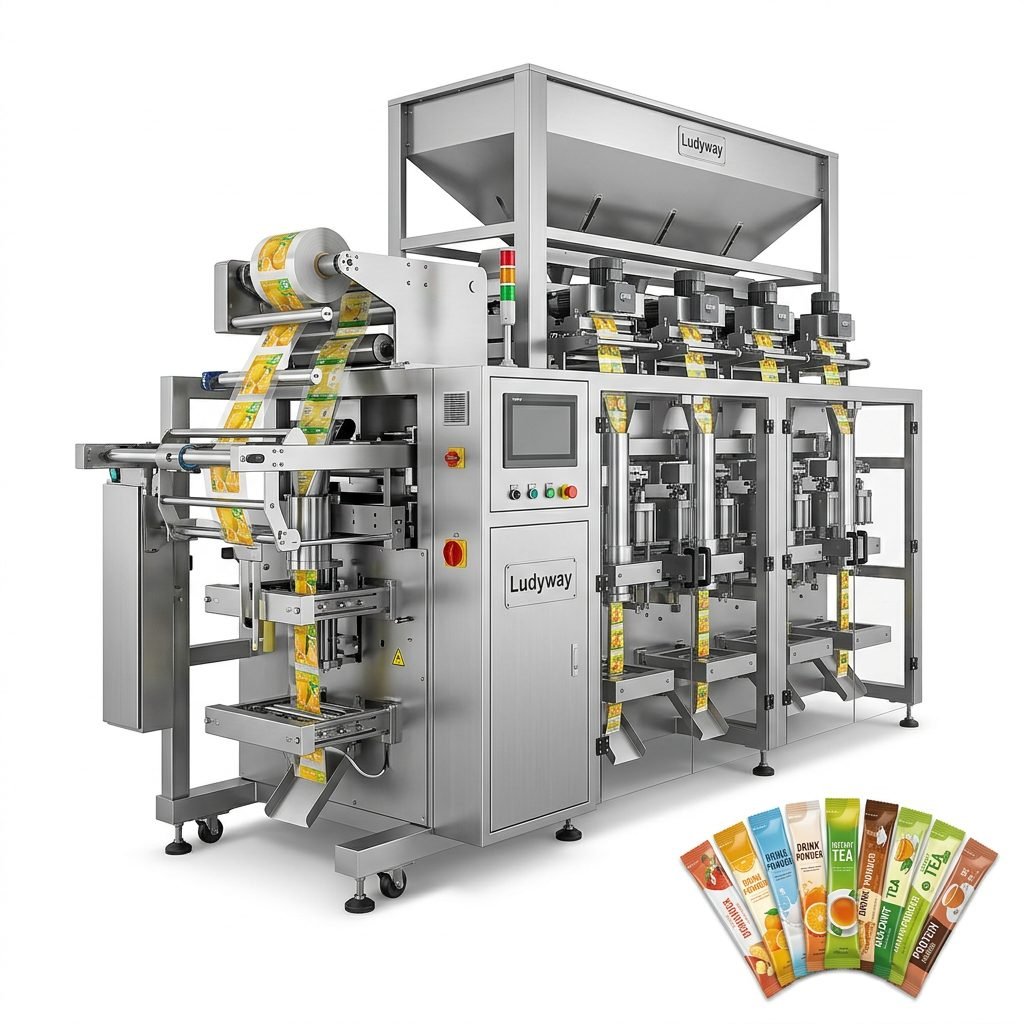
Multi-lane packaging machines have revolutionized dry food production across Asia. These systems run multiple packaging lanes simultaneously, dramatically increasing output without requiring proportionally more factory floor space. A 10-lane stick pack machine, for example, can produce up to 600–800 packs per minute, making it indispensable for high-demand markets.
When evaluating packaging machinery performance standards, consider these critical specifications:
- Lane count: typically 4, 6, 8, 10, or 12 lanes depending on volume targets
- Filling accuracy: ±0.1g for powder dosing systems, crucial for cost control
- Film registration precision: ensures consistent pouch length and seal integrity
- Quick changeover capability: essential if you run multiple product SKUs
- Servo-driven controls: for synchronized filling, sealing, and cutting operations
Step 3: Design the Complete Production Line Layout
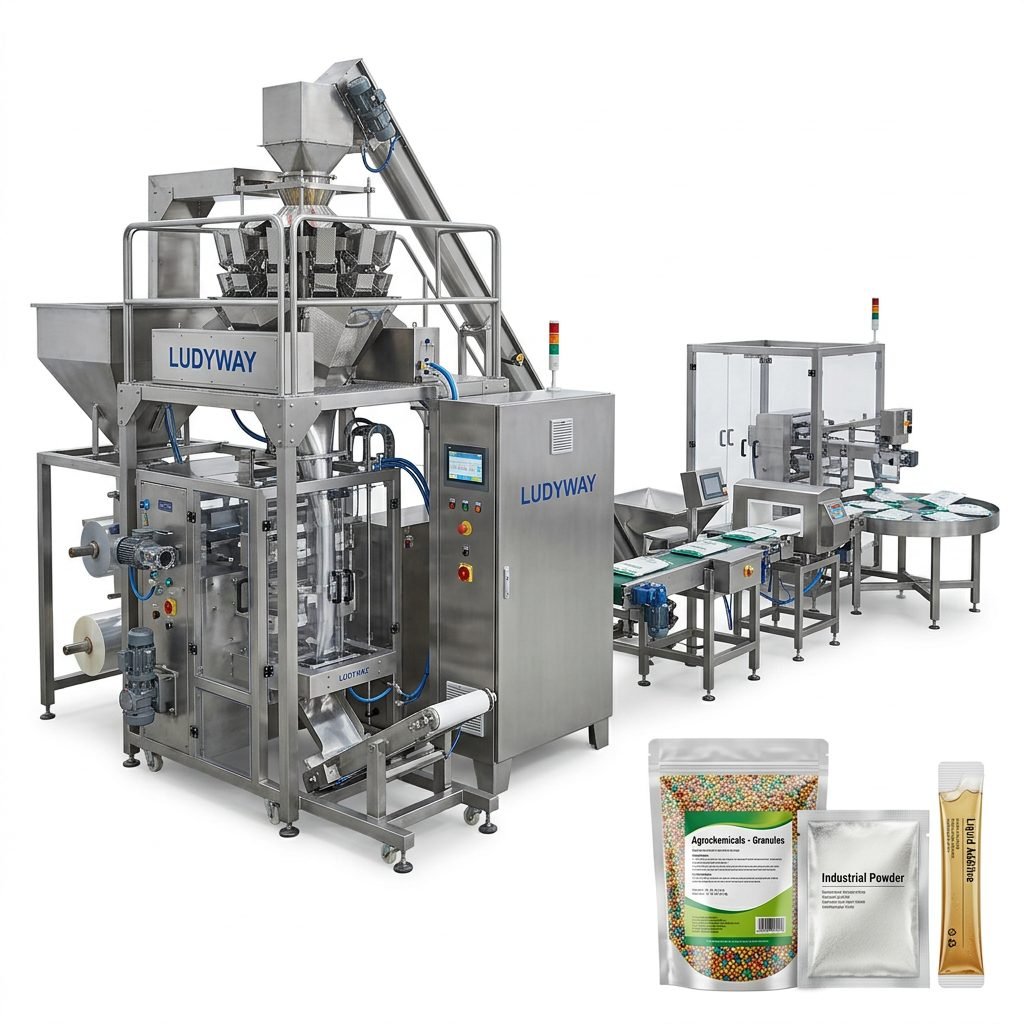
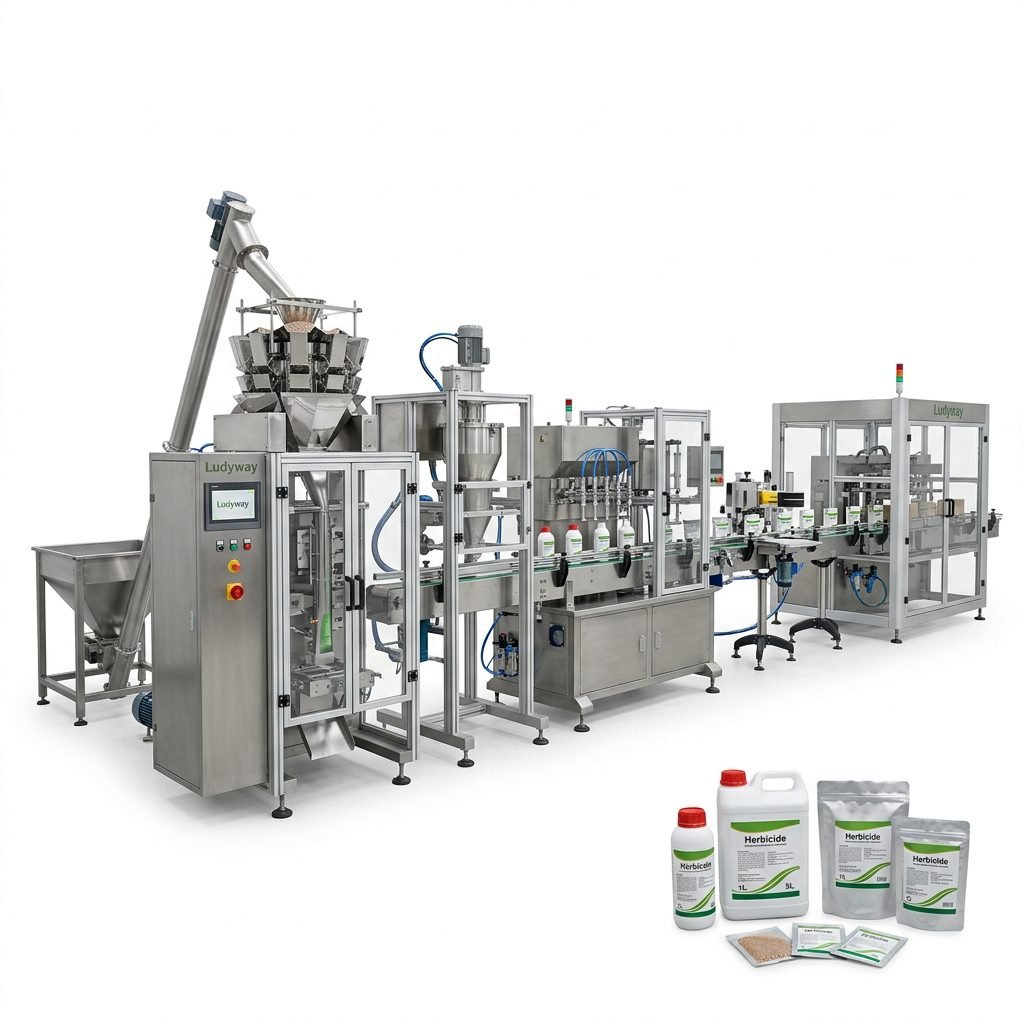
A modern dry food packaging line is far more than just the filling and sealing machine. It is an integrated system that includes upstream feeding, product handling, quality control, and downstream cartoning and palletizing. Proper layout design minimizes material transfer distances, reduces contamination risks, and optimizes operator workflow.
Essential Line Components
Your dry food packaging line should incorporate the following stages:
- Product Feeding System — Vibratory feeders, screw conveyors, or bucket elevators that deliver product to the packaging machine hoppers consistently.
- Multi-Head Weigher or Auger Filler — Precision dosing equipment calibrated for your specific dry product characteristics.
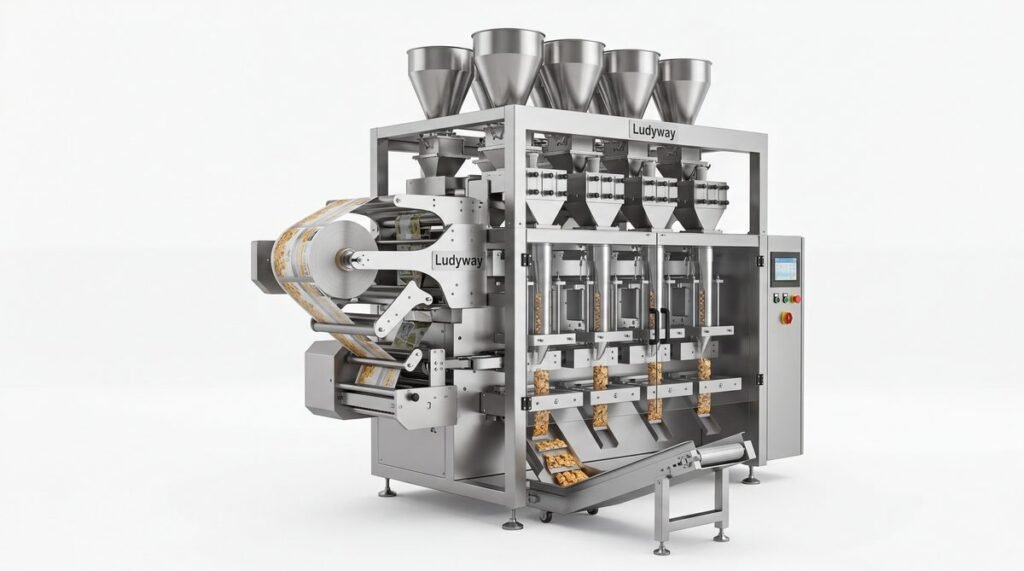
- Primary Packaging Machine — The core multi-lane stick pack, sachet, or VFFS machine forming, filling, and sealing pouches.
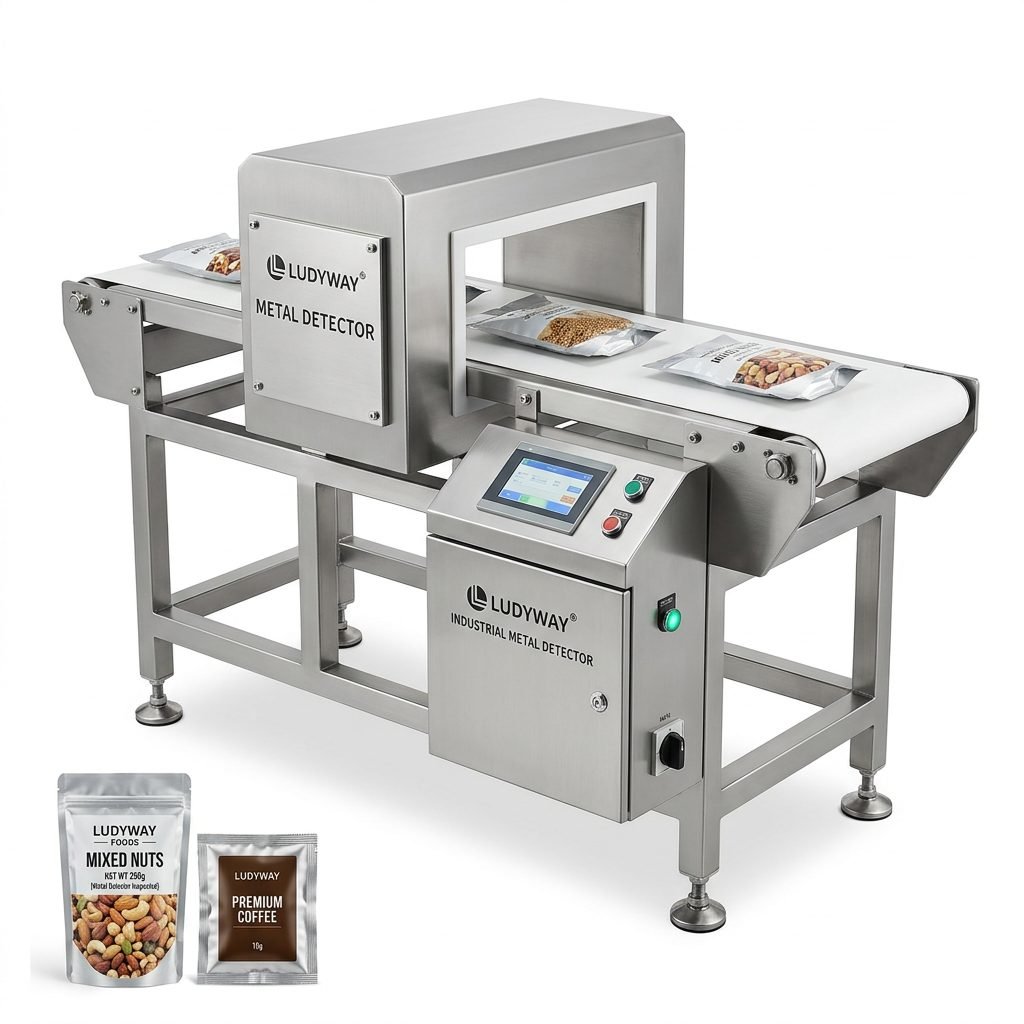
- Checkweigher and Metal Detector — Quality control modules that reject underweight packs and detect metallic contaminants, meeting FDA food safety standards.
- Date Coding and Printing — Thermal inkjet or laser coders for batch numbering and expiry date marking.
- Cartoning System — Automated cartoning machines that collate individual packs into cartons for retail distribution.
- Case Packing and Palletizing — End-of-line automation for efficient warehousing and shipment.

Step 4: Partner with an Experienced Packaging Equipment Manufacturer
Choosing the right equipment partner is arguably the single most important decision you will make. The Asian packaging machinery market offers a wide range of suppliers, but for a production line that must deliver consistent performance over years of operation, experience and engineering depth are paramount. You need a partner capable of delivering turnkey solutions — from initial line design consultation through to on-site installation, training, and after-sales support.
A qualified packaging machine manufacturer should provide:
- Proven multi-lane technology with hundreds of installations across food categories
- Customized configuration tailored to your specific product characteristics and production goals
- Comprehensive after-sales service including remote diagnostics and local technical support in Asia
- Spare parts availability and fast delivery to minimize downtime
- Regulatory compliance guidance for export markets including CE, FDA, and ISO standards
One prominent player in this space is Ludyway, a large-scale packaging machinery manufacturer based in China with over 30 years of industry expertise. The company operates a 20,000㎡ modern production facility and has built more than 50 intelligent packaging machine models, serving customers across 100+ countries. Their engineering capability in multi-lane stick pack and sachet systems makes them a relevant reference when evaluating suppliers for dry food packaging lines in Asia.
Step 5: Ensure Regulatory Compliance and Food Safety Standards
Dry food packaging lines in Asia destined for international markets must adhere to stringent food safety regulations. Understanding the applicable standards early in your project prevents costly retrofits and market access delays.
Key regulatory frameworks to address include:
- FDA Food Contact Substances regulations for products exported to the United States
- EU Packaging and Packaging Waste Regulations — standards for materials, recyclability, and marking for the European market
- ISO packaging standards covering dimensional coordination, performance testing, and safety
- Halal certification requirements for many Southeast Asian and Middle Eastern markets
- GFSI-benchmarked food safety schemes such as BRCGS and FSSC 22000 for facility certification
Step 6: Optimize for Operational Efficiency and Cost Control
Once your dry food packaging line is operational, continuous improvement becomes essential to maintain competitiveness. Focus on these optimization areas:
Film and Material Waste Reduction
Packaging film represents a significant ongoing cost. Modern multi-lane machines with precision film registration and automatic splicing systems can reduce film waste by up to 15% compared to older equipment. Select machines with servo-driven film advance to achieve consistent pouch dimensions and minimize reject rates.
Labor Efficiency
Automated cartoning and case packing systems reduce manual labor requirements at the end of the line. In Asian markets where labor costs are rising, investing in downstream automation yields a rapid return on investment.
Preventive Maintenance Programs
Implement a structured preventive maintenance schedule aligned with your equipment manufacturer’s recommendations. This minimizes unplanned downtime and extends machine service life. Leading suppliers offer remote monitoring solutions that alert operators to potential issues before they cause line stoppages.
Quality Checkpoint Integration
Inline checkweighers, metal detectors, and vision inspection systems should be strategically placed to catch defects early. For dry food products particularly susceptible to moisture ingress, seal integrity testing is essential to protect shelf life.
Step 7: Leverage Industry Resources and Stay Informed
The packaging machinery industry is continuously evolving, with advances in automation, sustainability, and smart manufacturing reshaping production capabilities. Staying connected with industry associations and resources helps you anticipate trends and make informed investment decisions.
Valuable industry resources include:
- PMMI – The Association for Packaging and Processing Technologies — Comprehensive market intelligence, standards, and the PACK EXPO event series
- Flexible Packaging Association (FPA) — Resources on flexible packaging materials, sustainability, and industry data
- PACK EXPO International and regional events — Opportunities to see the latest dry food packaging machinery in operation and meet technical experts
- European Commission Packaging Waste Resources — Regulatory updates affecting packaging design and material choices for EU markets
Frequently Asked Questions About Dry Food Packaging Lines in Asia
What is the typical lead time for a complete dry food packaging line?
Lead times vary depending on machine complexity and customization requirements. A standard multi-lane stick pack line with cartoning can typically be manufactured and delivered within 60 to 90 days. Fully customized turnkey lines with specialized product handling may require 90 to 120 days. Always confirm lead times with your equipment partner during the quotation phase.
Can one machine handle multiple dry product types?
Yes, many modern multi-lane packaging machines are designed for quick changeover between different granular, powder, and even some liquid products. Changing tooling and filling systems typically takes 30 to 60 minutes for a trained operator. However, if you plan to package dramatically different products — such as fine powder and large granules — discuss tooling flexibility with the manufacturer upfront to specify the correct auger or weigher configurations.
What are the key considerations for factory floor preparation?
Ensure your facility provides stable power supply (with voltage regulation if needed), compressed air of consistent pressure (typically 6–8 bar), and climate-controlled environments for sensitive dry powders. Floor load-bearing capacity, drainage, and clearance for machine access and maintenance should be evaluated during the line design phase.
How do I train my operators effectively?
Reputable packaging machine manufacturers include on-site training during installation and commissioning. This should cover machine operation, routine maintenance, troubleshooting common issues, and safety protocols. Supplementary video training materials and detailed operation manuals in multiple languages are industry best practices. Invest in training maintenance staff specifically on servo systems and electrical controls, as these are the most technically demanding components.
Key Takeaways for Setting Up Your Dry Food Packaging Line in Asia
- Define your product characteristics and target packaging format before equipment selection
- Multi-lane technology offers the best balance of output, flexibility, and cost-efficiency for dry food applications
- Partner with an experienced packaging machinery manufacturer that offers turnkey engineering support
- Design the complete line from product feeding through to palletizing to avoid bottlenecks
- Regulatory compliance should be addressed at the design stage, not retrofitted after installation
- Invest in inline quality control systems and preventive maintenance to protect product integrity
- Stay informed through industry associations like PMMI and the Flexible Packaging Association
Setting up a dry food packaging machine production line in Asia is a complex but highly rewarding undertaking. With careful planning, the right technology partner, and attention to regulatory and operational details, your packaging line can become a powerful driver of business growth — delivering consistent quality, high throughput, and access to global markets. Take the time to evaluate your options thoroughly, and invest in equipment and partnerships that will serve your business for the long term.