Reducing packaging cost per unit is one of the fastest ways to improve margins without raising prices. Whether you produce food, pharmaceuticals, cosmetics, chemicals, or health products, small changes in material usage, machine efficiency, labor allocation, and line design can create measurable long-term savings.
In many factories, packaging costs are higher than they should be because of over-spec materials, slow changeovers, unnecessary waste, inconsistent filling, and poor line coordination. The good news is that these issues can be improved with a structured cost-reduction strategy.

Understand What Drives Packaging Cost Per Unit
Before cutting expenses, identify what is included in your packaging cost per unit. Many businesses only look at film or pouch price, but the real cost is broader.
- Packaging materials: film, pouches, labels, cartons, caps, closures, liners, trays
- Labor: machine operators, quality inspectors, packers, maintenance staff
- Machine downtime: stops, jams, repairs, cleaning delays, changeovers
- Waste and rejects: overfill, sealing defects, damaged packs, coding errors
- Energy use: power consumption, compressed air, heating systems
- Inventory and logistics: storage volume, transport efficiency, pallet density
When you calculate all these factors together, the best savings opportunities become much easier to spot.
Build a Simple Packaging Cost Formula
A practical formula helps teams compare improvement options objectively:
Packaging Cost Per Unit = (Material Cost + Labor Cost + Equipment Cost + Waste Cost + Utility Cost) / Total Good Units Produced
This formula matters because two factories may use the same pouch, but the one with fewer rejects, higher speed, and lower downtime will always have a lower unit cost.
| Cost Element | Typical Hidden Issue | Savings Approach |
|---|---|---|
| Packaging Material | Over-designed structure or excess thickness | Material optimization and supplier review |
| Labor | Manual handling and repeated interventions | Automation and line balancing |
| Downtime | Frequent stoppages and long changeovers | Preventive maintenance and quick-adjust systems |
| Waste | Seal failure, filling inaccuracy, coding errors | Better control, inspection, and calibration |
| Logistics | Bulky pack design and poor carton utilization | Pack size redesign and pallet optimization |
Use Less Material Without Sacrificing Product Protection
One of the most effective ways to lower packaging cost per unit is to reduce material usage carefully. The goal is not simply to choose the cheapest material, but to choose the right material specification for the real product requirement.
Smart material reduction ideas
- Reduce film thickness where barrier performance still meets shelf-life needs
- Minimize excess headspace in pouch or sachet formats
- Redesign pack dimensions for better product-to-pack ratio
- Replace rigid packaging with flexible packaging where suitable
- Standardize components across multiple SKUs
For example, a powder product packed in an oversized sachet may use more laminate, require a larger carton, and increase shipping cost at the same time. A small pack redesign can reduce costs across the full supply chain.
Improve Filling Accuracy to Prevent Giveaway
Many companies lose money every day through product giveaway. If each sachet, pouch, bottle, or stick pack contains slightly more than the declared weight, the extra product becomes a hidden cost.
Overfilling is one of the most overlooked causes of high packaging cost per unit.
How to reduce giveaway
- Calibrate filling systems regularly
- Use more precise dosing technology for powders, granules, liquids, or pastes
- Monitor fill-weight trends in real time
- Control product flow consistency upstream
- Train operators to detect drift early
Even a tiny reduction in average overfill can create major annual savings in high-volume production.
Reduce Downtime and Unplanned Stops
High-speed packaging equipment only lowers unit cost when it actually runs efficiently. If a machine stops often, the expected cost advantage disappears.
Common causes of downtime
- Inconsistent film or packaging material quality
- Poor sealing parameter control
- Operator setup errors
- Wear parts not replaced on time
- Product feeding instability
- Lack of spare parts planning
Focus on OEE improvement by tracking:
- Availability
- Performance
- Quality rate
When availability rises, your fixed costs are spread over more good units, which lowers packaging cost per unit immediately.
Shorten Changeover Time Between SKUs
If your production runs many product sizes, flavors, or formats, changeover time can quietly become a major cost driver. Long changeovers reduce output, increase labor time, and create more startup waste.
Ways to speed up changeovers
- Use standardized parts and tooling
- Color-code change parts and settings
- Create visual setup guides for operators
- Apply SMED principles to separate internal and external setup tasks
- Invest in machines with tool-free or fast-adjust features
The faster your line reaches stable production after a product switch, the lower your cost per sellable pack.
Automate Manual Packaging Steps Strategically
Automation does not always mean replacing people completely. In many factories, the smartest approach is to automate the repetitive, error-prone, or labor-intensive steps first.
Examples include:
- Automatic filling and sealing
- Counting and feeding systems
- Cartoning and case packing
- Labeling and coding
- Checkweighing and rejection
- Palletizing and end-of-line handling
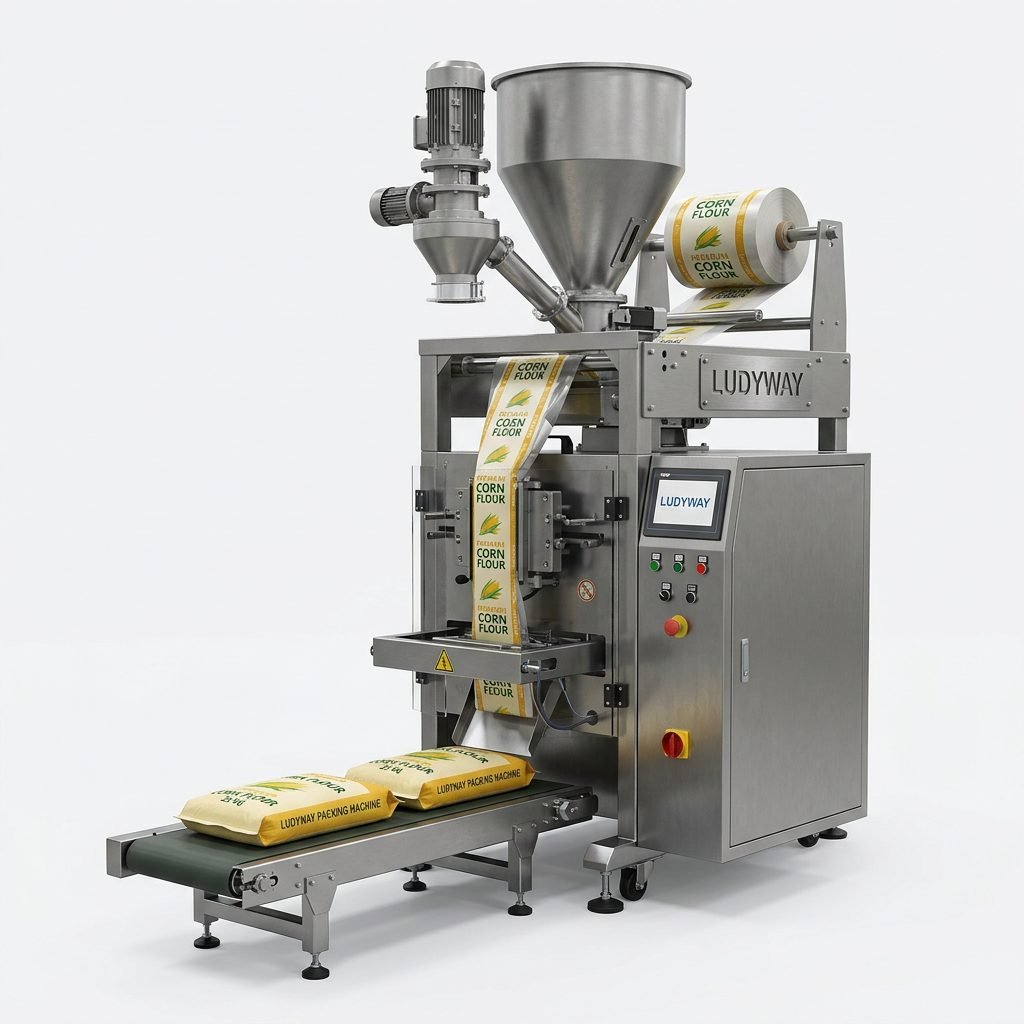
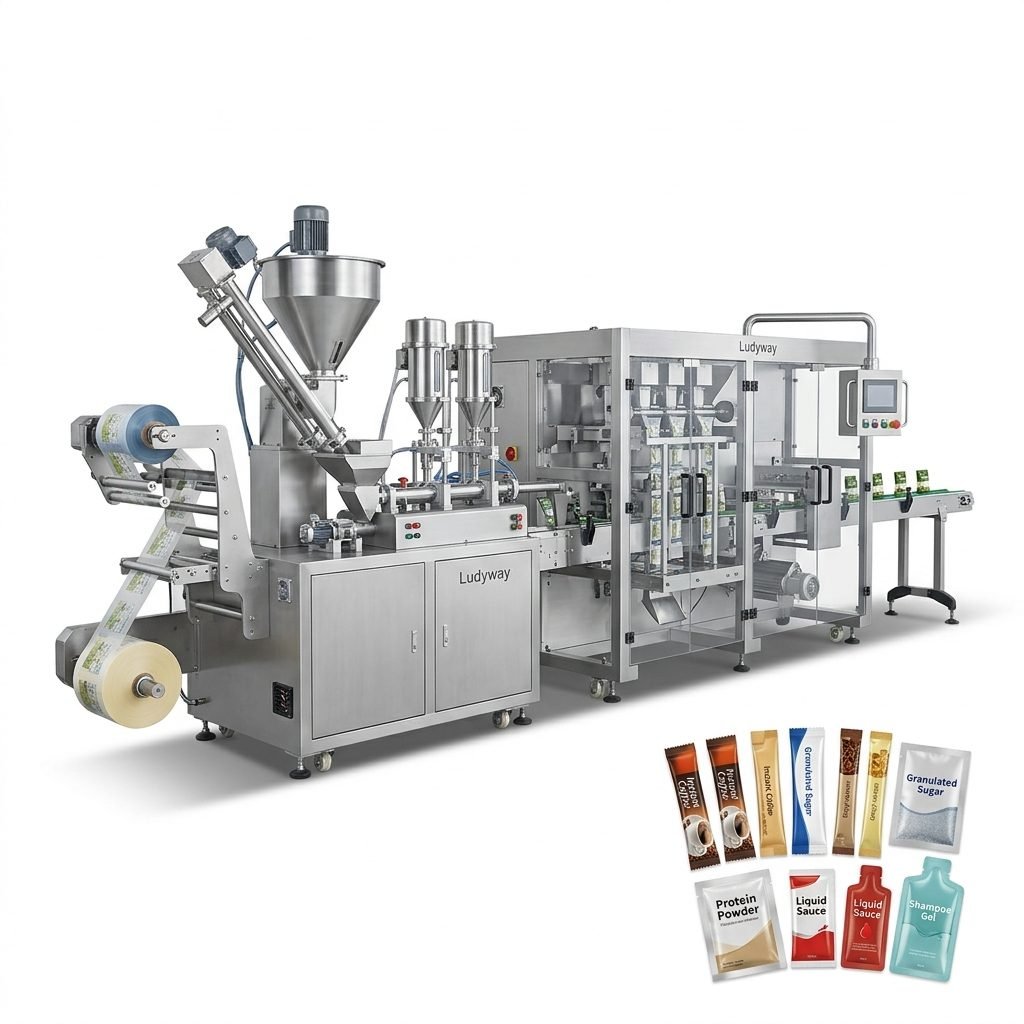
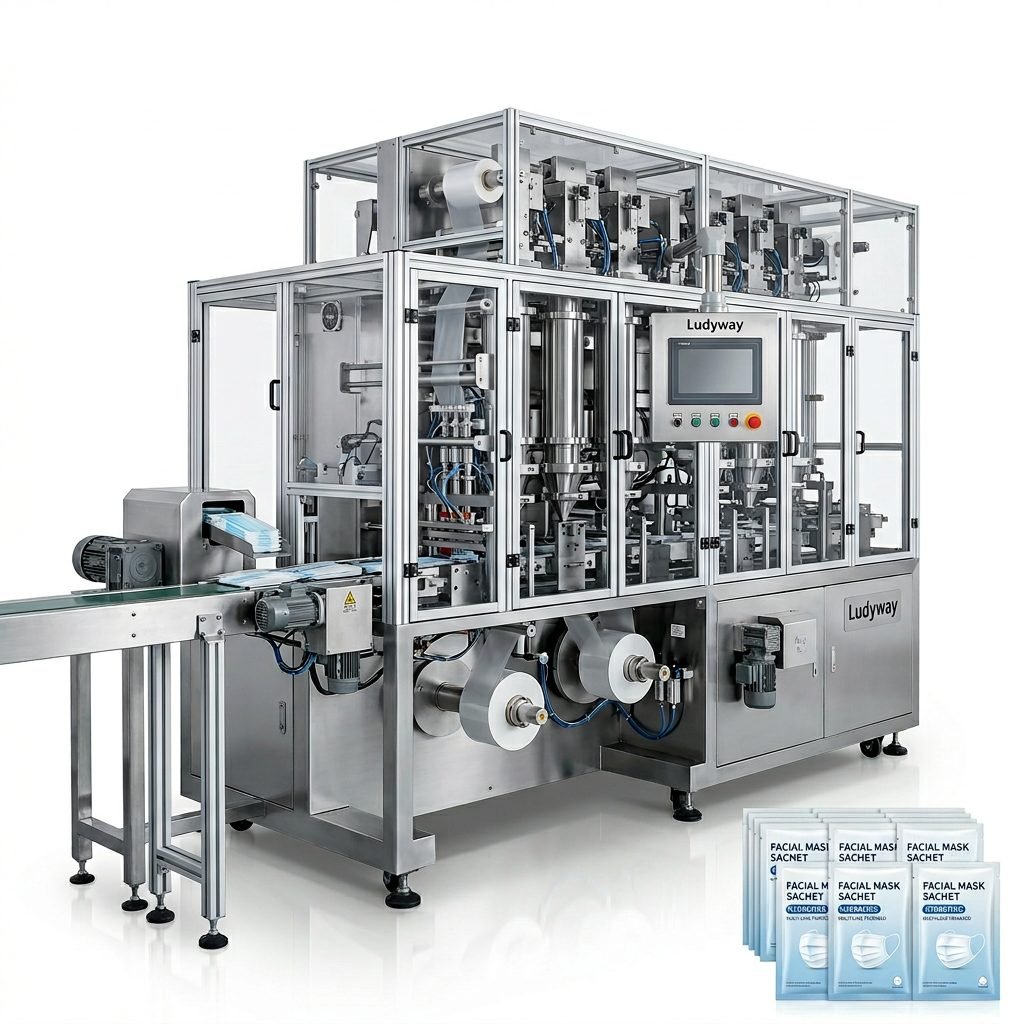
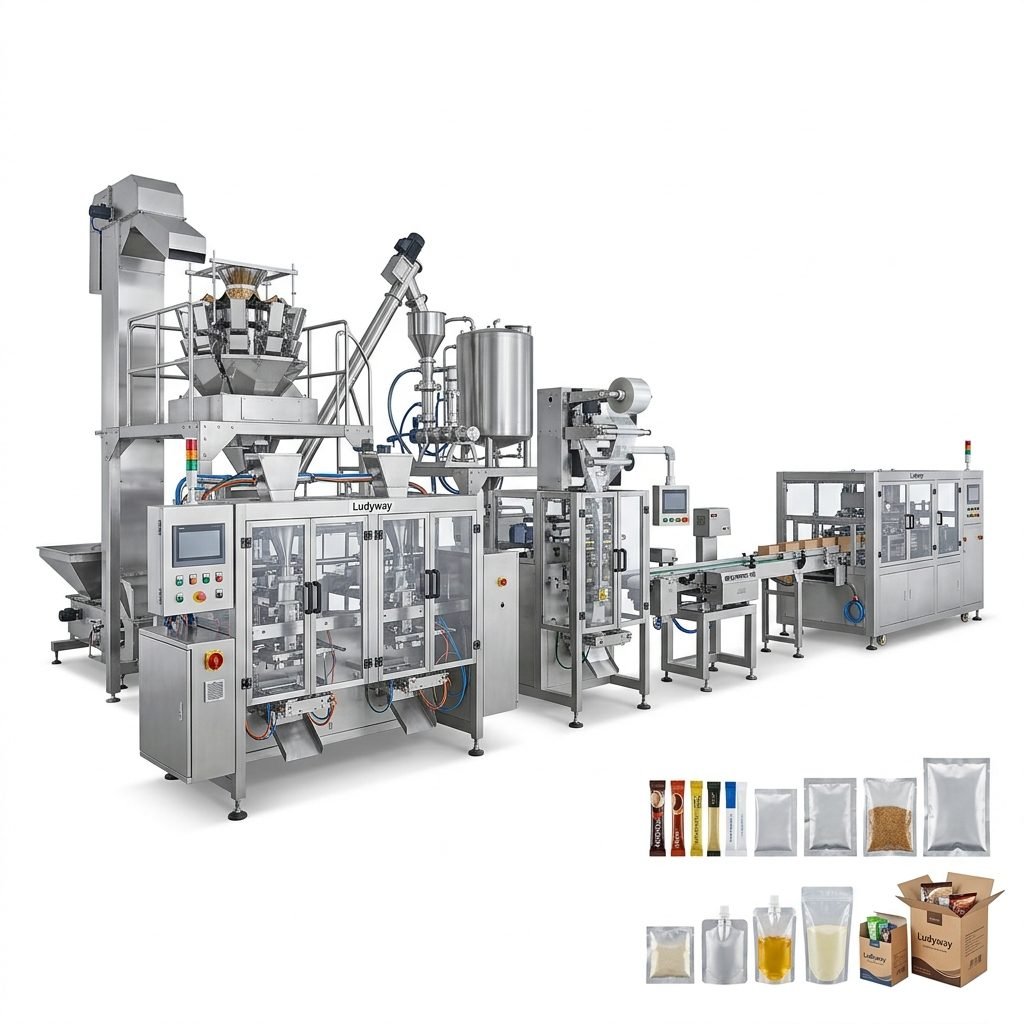
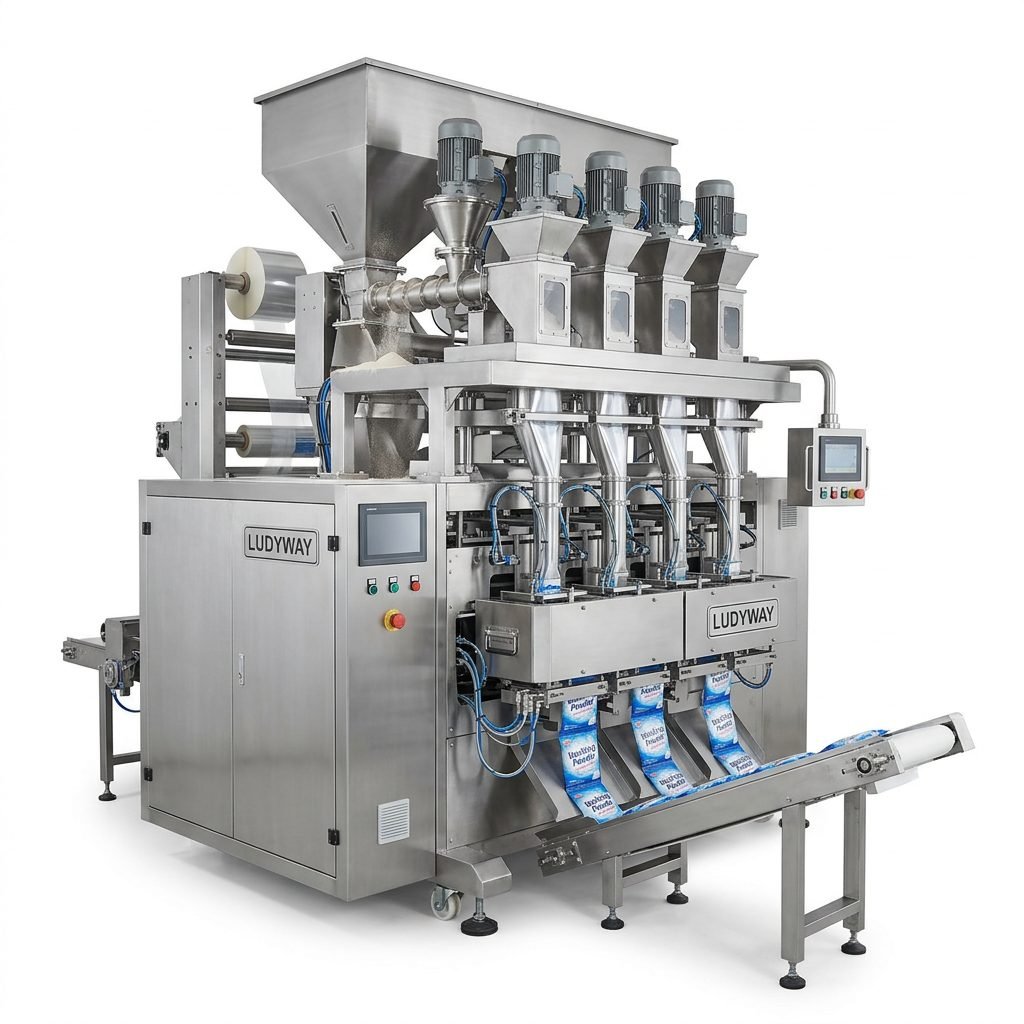
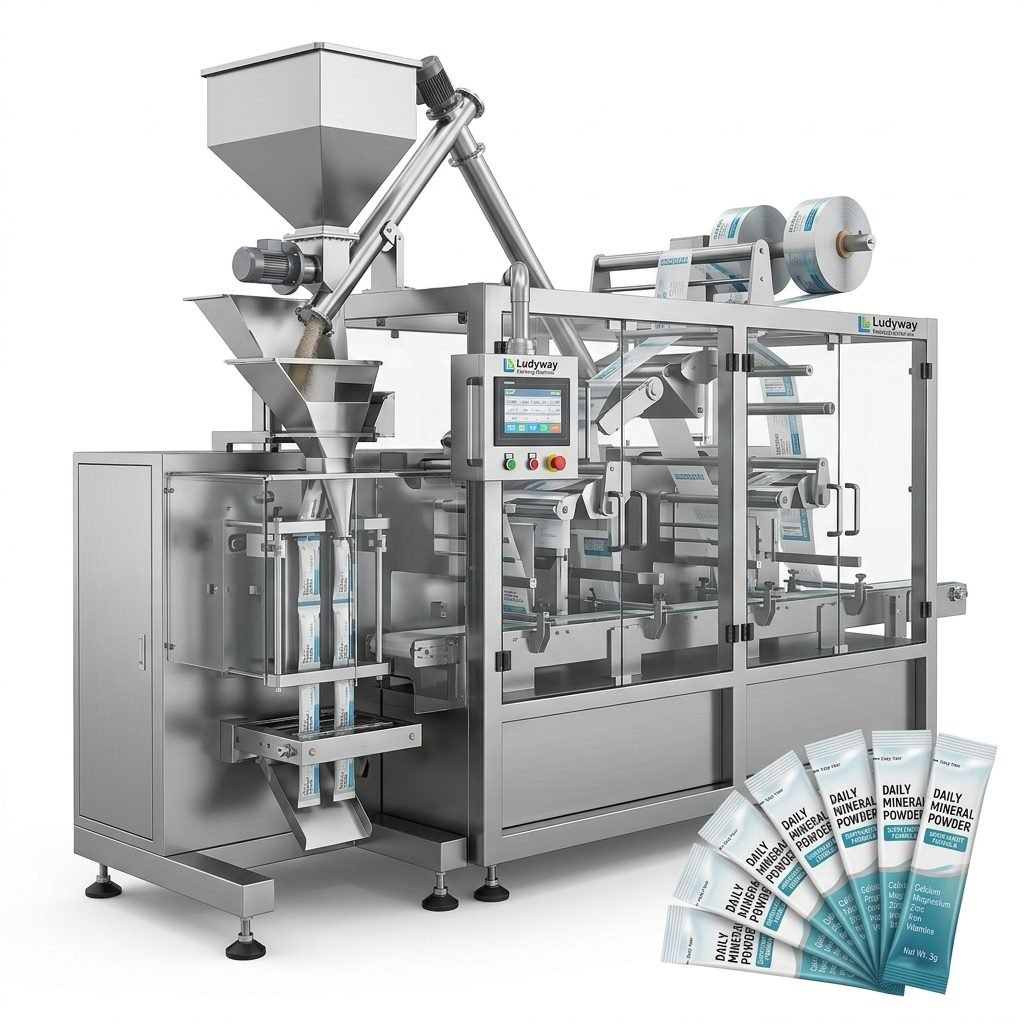
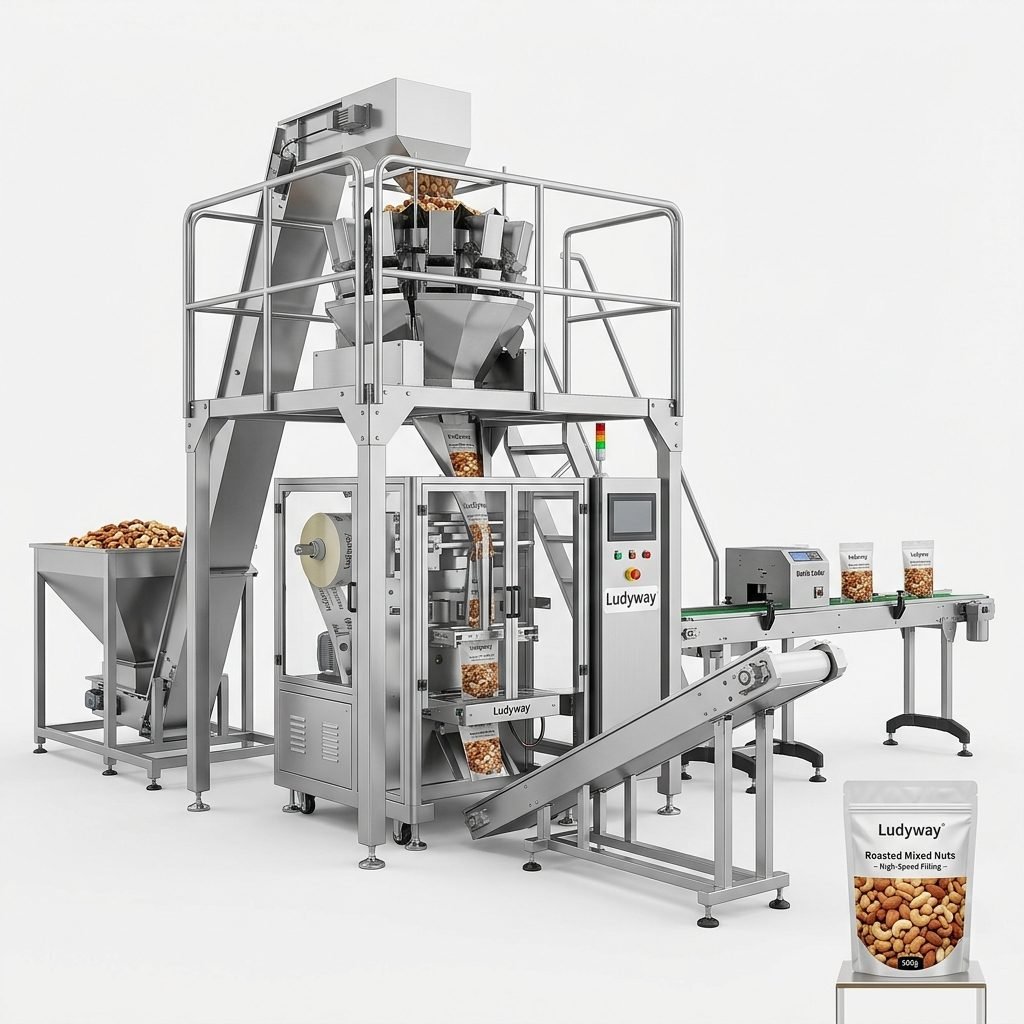
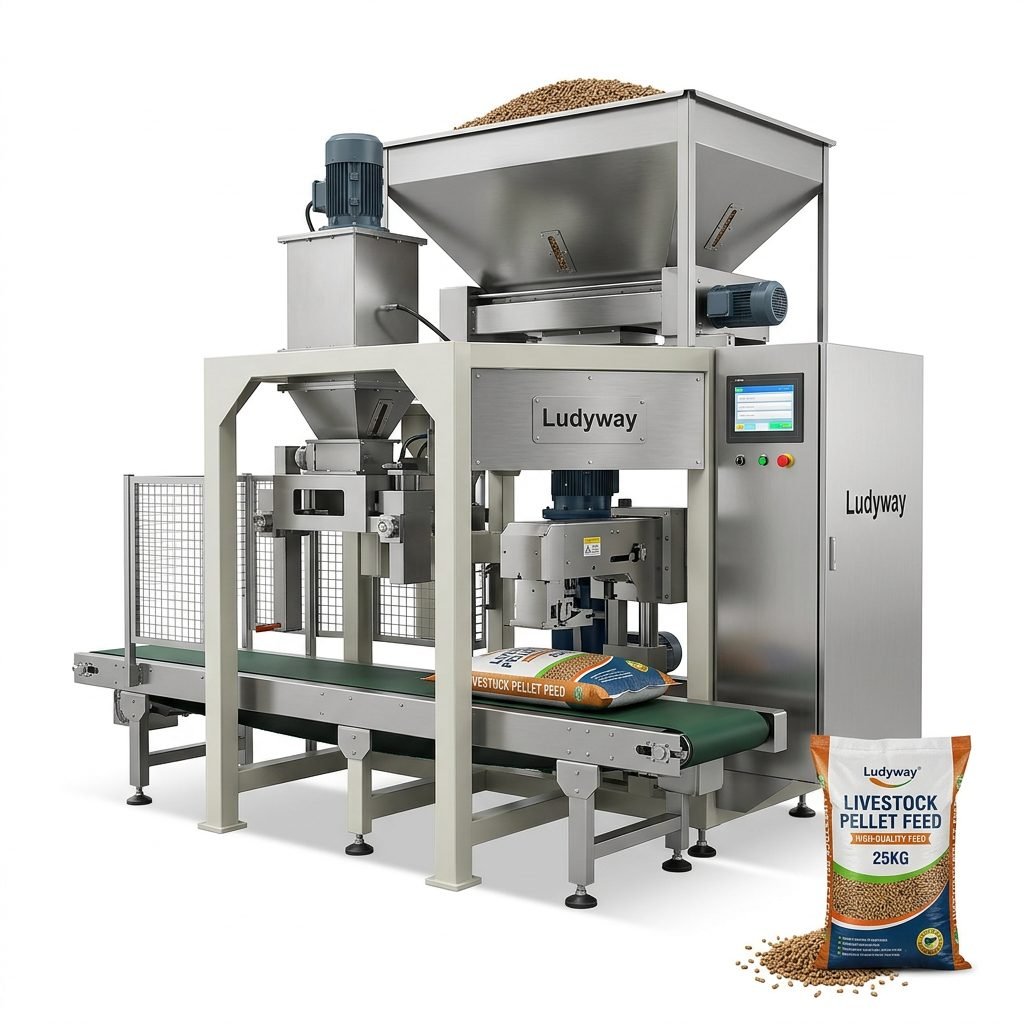
By integrating these steps, businesses can reduce labor dependency, improve consistency, and avoid bottlenecks. For companies looking to upgrade machinery or build turnkey lines, packaging machine manufacturer Ludyway provides scalable solutions for food, pharmaceutical, cosmetic, chemical, and pouch-based applications.
| Manual Process | Typical Problem | Automation Benefit |
|---|---|---|
| Hand filling | Inconsistent weight and slow output | Higher accuracy and throughput |
| Manual packing into cartons | Labor-heavy and variable speed | Stable rhythm and reduced labor cost |
| Manual labeling | Placement errors and rework | Better accuracy and traceability |
| Manual inspection | Defects missed during fast production | More reliable quality control |
Optimize Packaging Line Layout
A poor line layout increases travel distance, waiting time, material accumulation, and operator fatigue. A more efficient layout improves flow and lowers cost without changing the package itself.
Key layout improvements
- Reduce unnecessary product transfer points
- Align machine speeds across the line
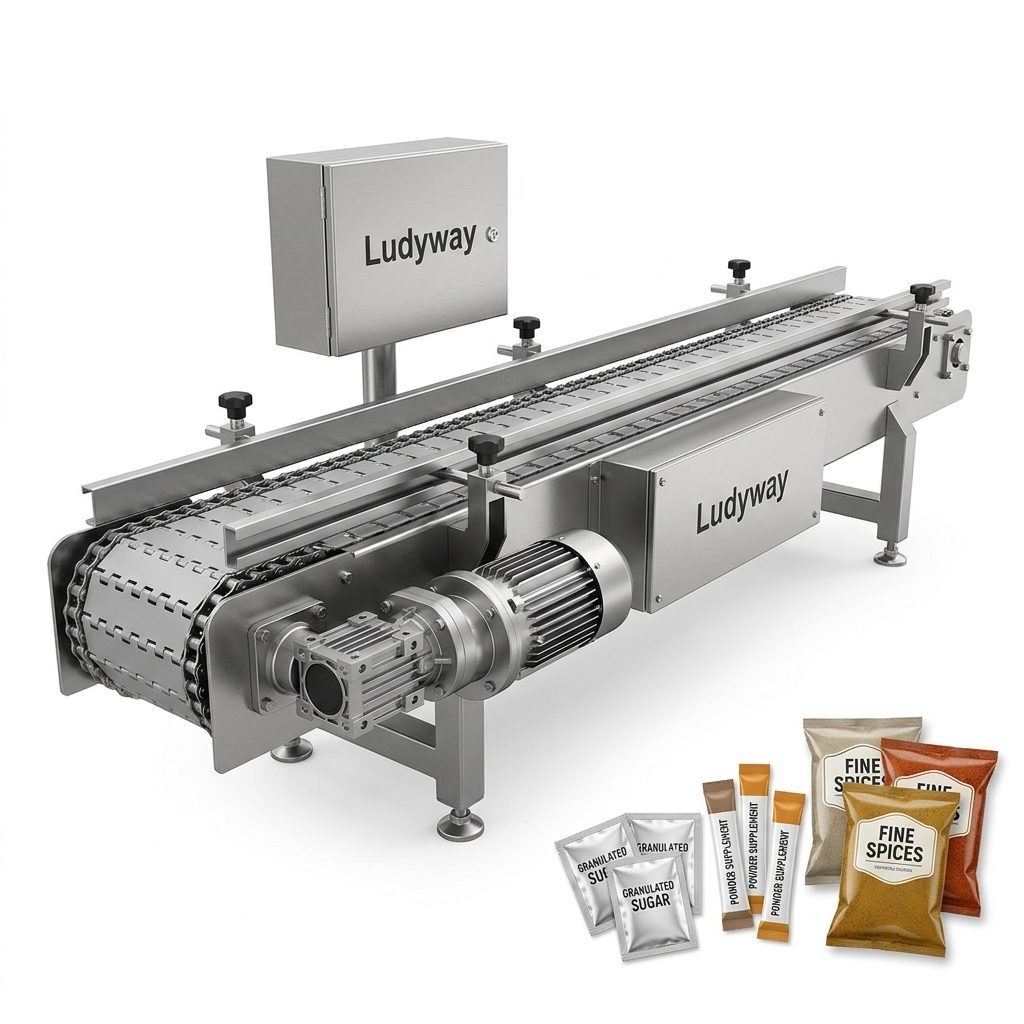
- Use suitable conveyors and buffer systems
- Place inspection systems where they prevent downstream waste
- Design for easier cleaning, maintenance, and material replenishment
When each machine works as part of a balanced system rather than as an isolated unit, packaging cost per unit drops naturally.
Lower Defect Rates With Better Quality Control
Every leaking sachet, weak seal, wrong code, or damaged carton increases unit cost. Better quality control does more than protect your brand—it directly protects profit.
High-impact quality controls
- Seal integrity checks
- Vision inspection for coding and print registration
- Checkweighers for fill verification
- Metal detection or X-ray where required
- In-line rejection of nonconforming packs
Preventing one defect upstream is far cheaper than reworking or scrapping finished goods downstream.
Review Supplier and Material Purchasing Strategy
Procurement plays a major role in packaging costs. However, the lowest purchase price is not always the lowest total cost. Cheap film with unstable sealing performance may cause more stoppages and waste than a slightly higher-priced but reliable material.
Questions to ask suppliers
- Is the material over-specified for the application?
- Can we standardize structures across several SKUs?
- Can order volumes be consolidated for better pricing?
- Is print accuracy and sealing performance consistent batch to batch?
- Can lead times be improved to reduce inventory holding cost?
A total-cost purchasing model is usually more effective than focusing on unit material price alone.
Use Packaging Designs That Improve Logistics Efficiency
Packaging decisions affect freight cost, warehouse space, and pallet configuration. A pack that looks attractive but wastes transport volume may raise cost per unit after it leaves the factory.
Logistics-focused packaging improvements
- Design carton dimensions to maximize pallet fill
- Reduce dead space inside secondary packaging
- Increase pack count per shipment where possible
- Choose lightweight materials without compromising protection
- Improve stacking strength to reduce transit damage
These improvements are especially valuable for exporters and high-volume distributors.
Train Operators to Protect Efficiency
Even advanced packaging equipment cannot reach full efficiency without proper operator training. Many avoidable losses come from incorrect setup, cleaning mistakes, delayed adjustments, or poor response to alarms.
Strong operator training should include:
- Daily inspection routines
- Basic parameter adjustment
- Material loading best practices
- Fault recognition and escalation rules
- Changeover procedures
- Waste tracking and reporting
A well-trained team reduces scrap, downtime, and maintenance-related loss.
Track the Right KPIs Every Week
If you want sustainable cost reduction, you need regular measurement. Use a packaging dashboard that gives visibility into both technical and financial performance.
| KPI | Why It Matters | Target Direction |
|---|---|---|
| Packaging cost per unit | Core profitability indicator | Down |
| Material waste rate | Shows scrap and setup losses | Down |
| OEE | Measures line effectiveness | Up |
| Reject rate | Direct impact on sellable output | Down |
| Changeover time | Affects uptime and labor use | Down |
| Average giveaway | Hidden product loss | Down |
Best Quick Wins to Reduce Packaging Cost Per Unit
If you need immediate action, start with these practical steps:
- Audit material thickness and pack dimensions
- Measure overfill and recalibrate dosing systems
- Track top three downtime causes on each line
- Reduce changeover waste with setup standards
- Eliminate recurring seal defects through parameter optimization
- Review labor-intensive steps for partial automation
- Improve carton and pallet utilization
Final Practical Perspective
Packaging cost per unit rarely drops because of one big change alone. In most operations, the biggest savings come from combining several small improvements: using less material, reducing overfill, increasing uptime, lowering rejects, shortening changeovers, and improving line flow.
When these improvements are managed together, businesses can cut packaging expenses while improving consistency, output, and delivery performance at the same time.
Checklist for your next cost-reduction review
- Are we using more packaging material than necessary?
- Are we giving away excess product in every pack?
- Is downtime reducing our real machine output?
- Do changeovers create too much waste?
- Can one or more manual steps be automated?
- Are packaging defects increasing scrap and rework?
- Does our pack design raise freight or warehousing cost?
Answering these questions honestly is often the first step toward a lower, more competitive packaging cost per unit.