Selecting the right ice packaging machine is a critical investment for manufacturers in the food, beverage, hospitality, and industrial sectors. Whether you are packaging cubed ice, crushed ice, tube ice, or flake ice, the efficiency, hygiene, and reliability of your packaging process directly impact product quality, shelf life, and operational profitability. With a wide range of machine types, automation levels, and configuration options available, making an informed decision requires a clear understanding of your production goals, product characteristics, and facility requirements. This comprehensive buyer’s guide walks you through every essential factor to consider when choosing an ice packaging machine, helping you evaluate equipment options with confidence and align your investment with long-term business objectives.

Understanding Ice Packaging Machine Types
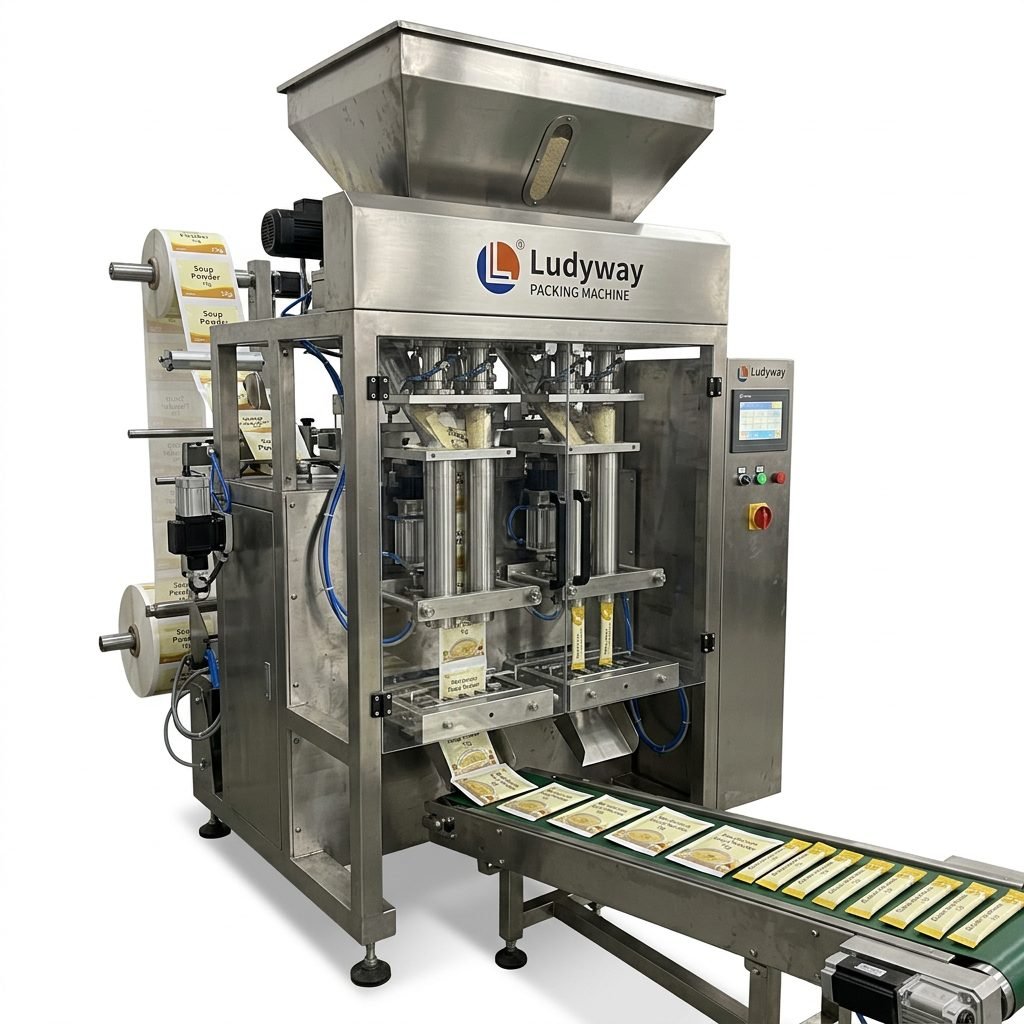
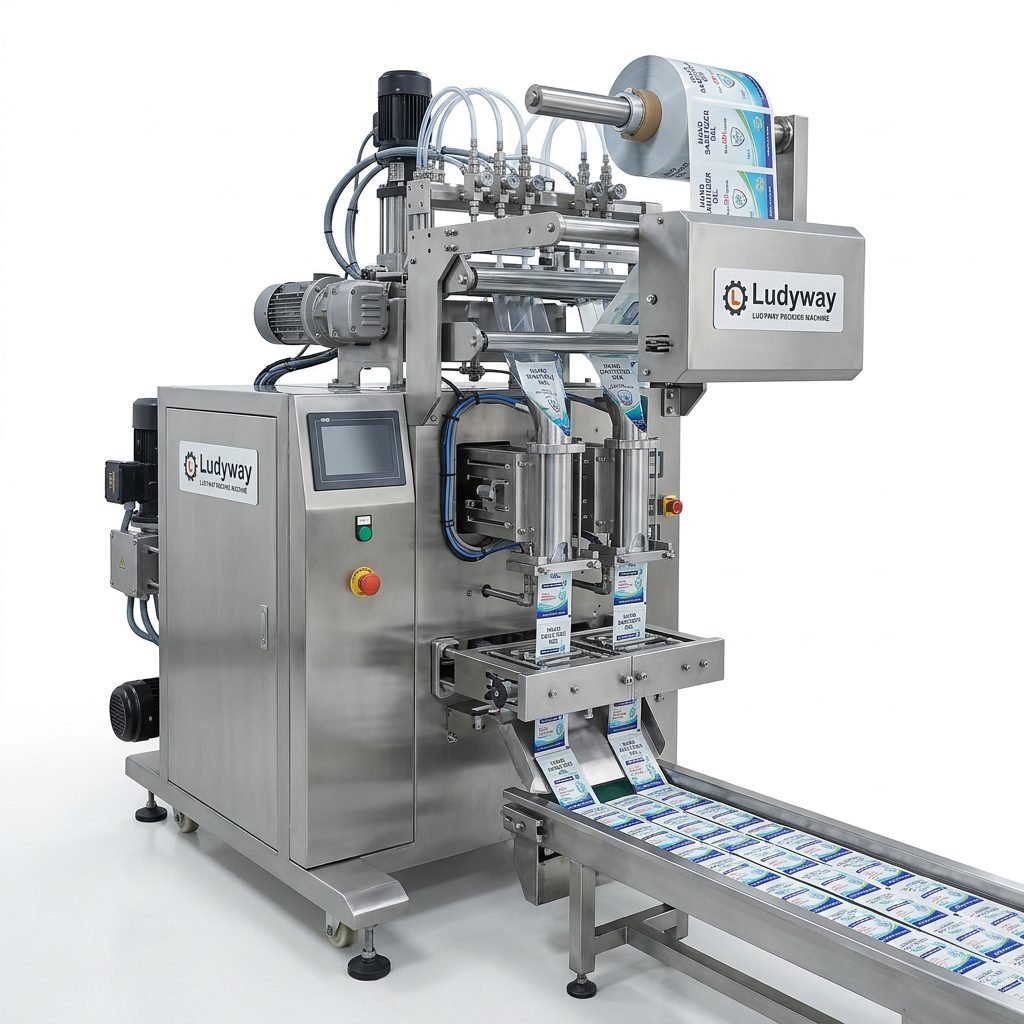
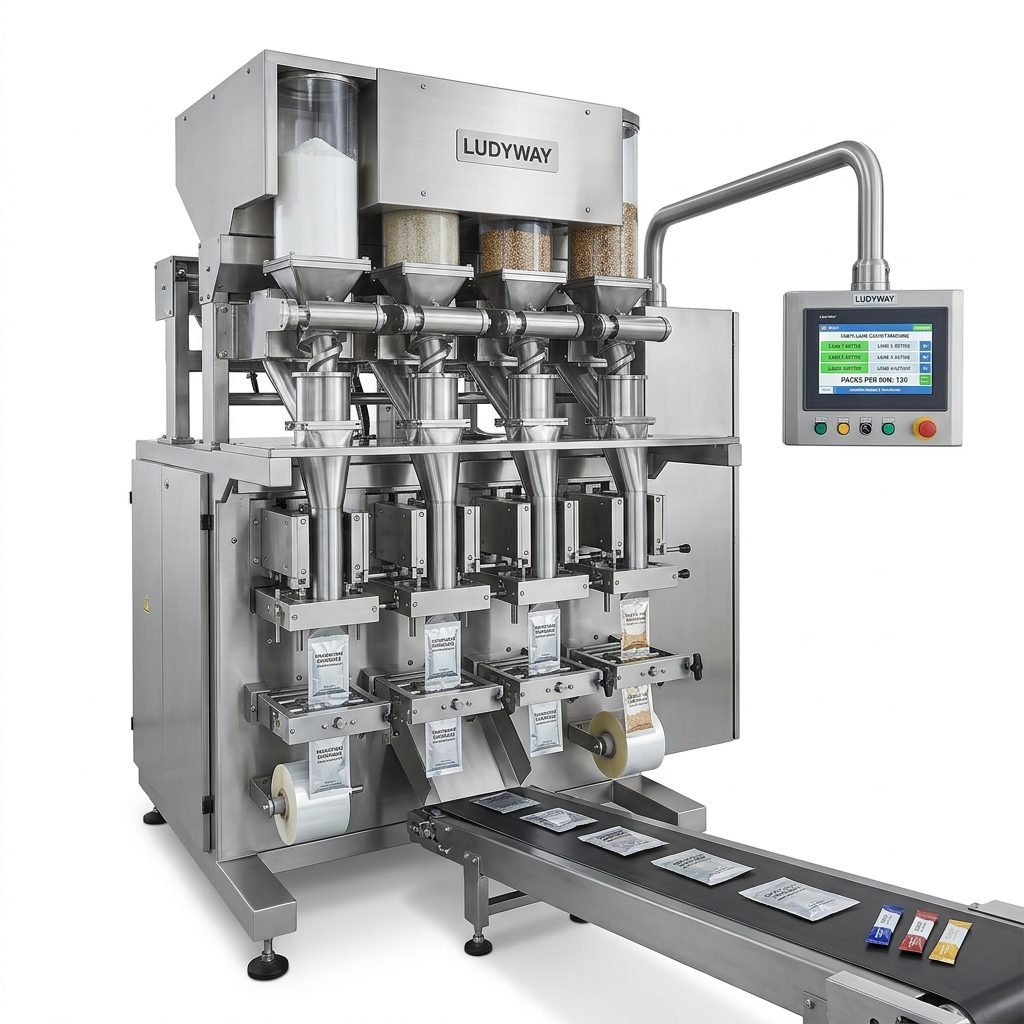
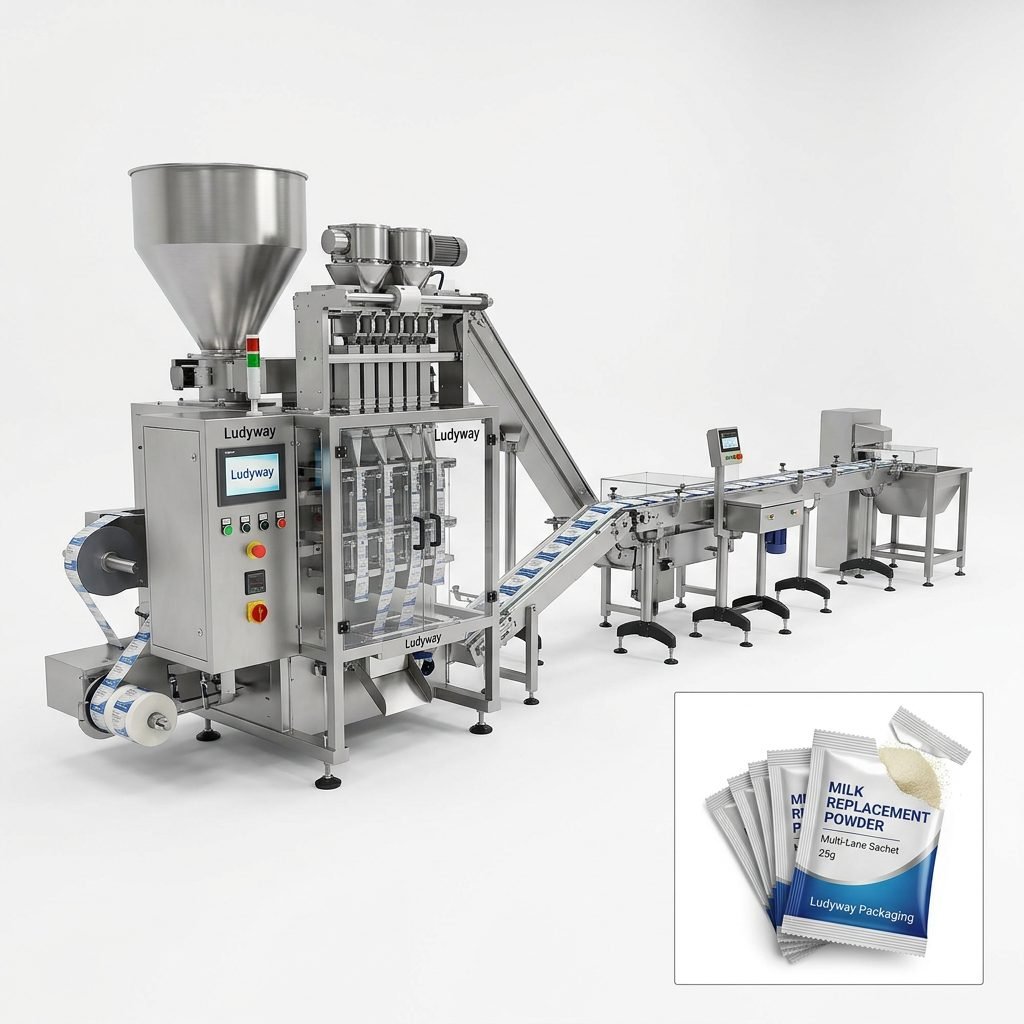
Before evaluating specific features, it is essential to understand the primary types of ice packaging machines available in the market. Each machine type offers distinct advantages depending on your packaging format, production speed, and product characteristics. The most common categories include vertical form-fill-seal (VFFS) machines, horizontal form-fill-seal (HFFS) machines, pre-made pouch packaging machines, and multi-lane stick pack or sachet packaging systems. VFFS machines are widely used for pillow bags and gusseted bags, forming the pouch from a flat roll of film while simultaneously filling and sealing. HFFS machines are preferred for applications requiring a flat bottom or stand-up pouch presentation. Pre-made pouch machines handle ready-made bags and are ideal for premium retail packaging with zipper closures or tear notches.
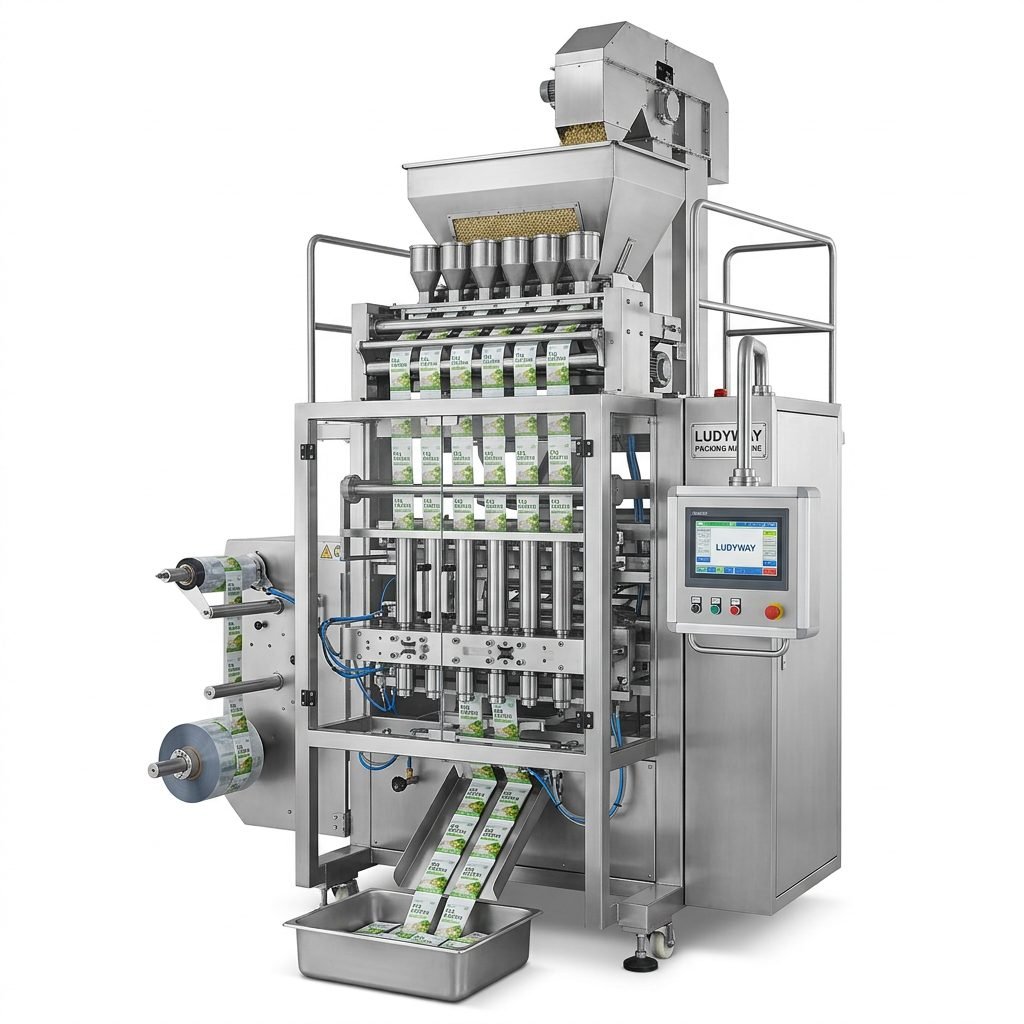
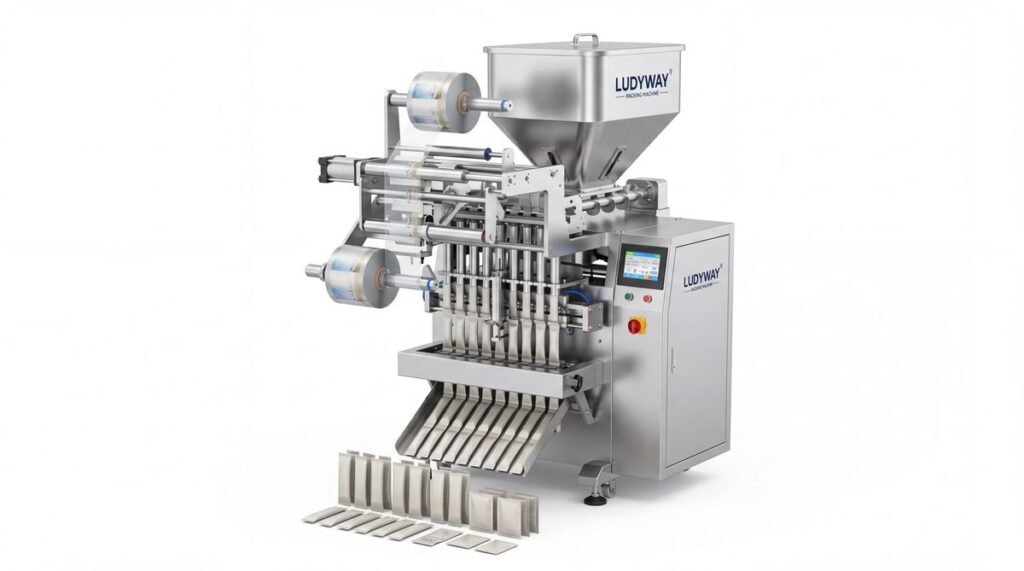
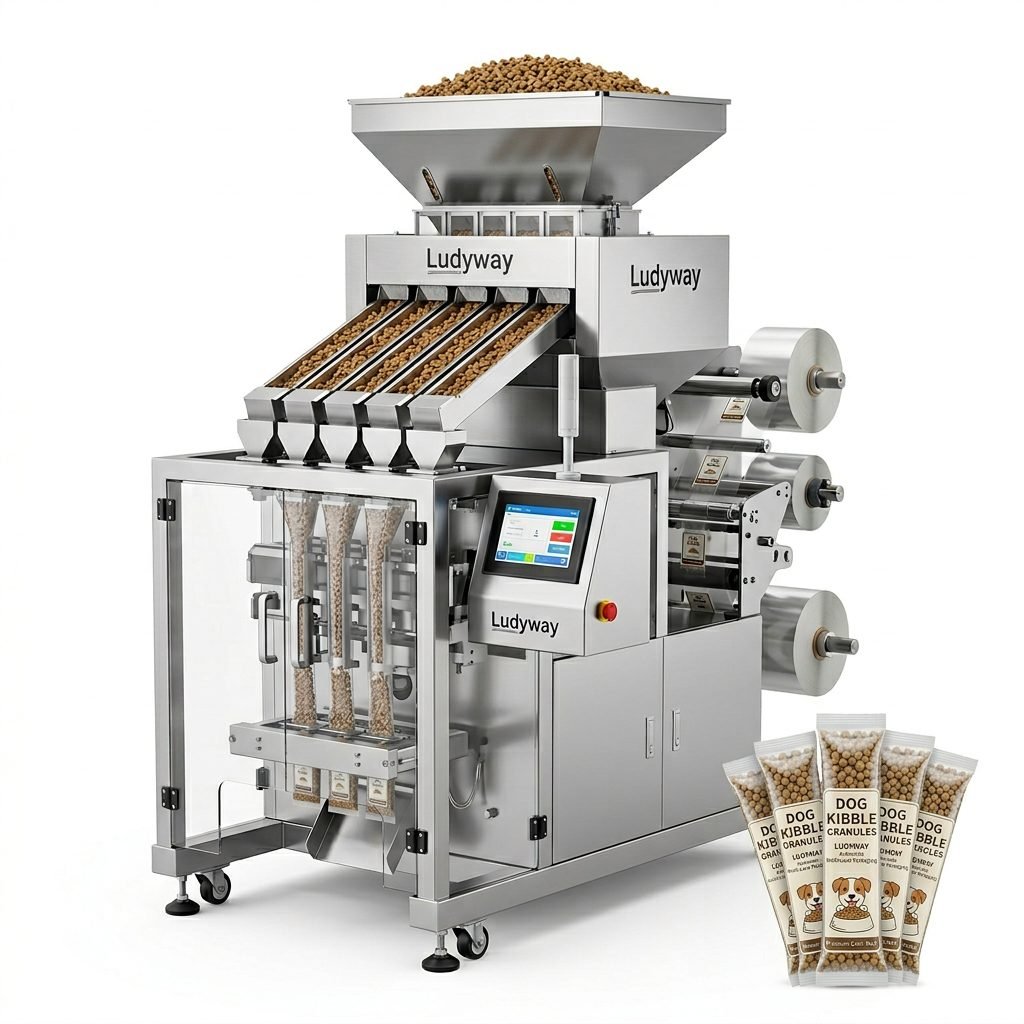
Multi-lane packaging systems, which can run 4 to 20 lanes simultaneously, are increasingly popular for high-volume ice packaging operations where small-format sachets or stick packs are required. According to PMMI packaging industry research, multi-lane configurations can significantly improve throughput while reducing per-unit packaging costs. The choice of machine type should align with your target bag format, desired output, and the physical properties of your ice product.
Key Factors to Consider When Choosing an Ice Packaging Machine
Production Capacity and Speed Requirements
Production capacity is one of the most important specifications when evaluating an ice packaging machine. Machine speed is typically measured in bags per minute (BPM) or packs per hour, and the required throughput depends on your daily or seasonal production targets. For small to medium-sized ice producers, a machine capable of 20 to 60 BPM may be sufficient. Large-scale commercial ice manufacturers often require high-speed systems exceeding 100 BPM, especially when serving retail chains or wholesale distribution networks.
It is important to consider not just the nominal speed but also the sustained production rate, which accounts for film changes, maintenance intervals, and operator breaks. A machine rated at 80 BPM on paper may realistically deliver 65-70 BPM in continuous operation. Discuss your expected output with the equipment manufacturer to ensure the recommended configuration meets your real-world production demands. The 2025 State of the Industry report highlights that production speed consistency is a leading factor in packaging line efficiency across food and beverage sectors.
Ice Type and Product Characteristics
Different ice product types present unique packaging challenges. The physical characteristics of your ice—including shape, size, moisture content, and temperature—directly influence machine configuration, filling system design, and packaging material selection. Below is a summary of common ice types and their packaging considerations:
| Ice Type | Typical Characteristics | Packaging Considerations | Recommended Machine Type |
|---|---|---|---|
| Cubed Ice | Uniform shape, low moisture, hard surface | Bridging prevention, gentle handling to avoid fracturing | VFFS with volumetric or weigh filling |
| Crushed Ice | Irregular particles, higher moisture, tendency to clump | Anti-clumping measures, moisture-resistant sealing | Auger or volumetric filling with cold-resistant sealing jaws |
| Tube Ice | Cylindrical, hollow center, durable structure | Orientation control, larger bag formats | HFFS or pre-made pouch with multi-head weigher |
| Flake Ice | Thin, flat pieces, high surface area, melts quickly | Rapid packaging speed, temperature-controlled filling zone | High-speed VFFS with integrated cooling |
| Nugget Ice | Soft, chewable texture, irregular shape | Gentle product handling, minimal compression during filling | VFFS with gentle-fill technology or pre-made pouch |
Packaging Format and Material Selection
The choice of packaging format significantly affects both consumer appeal and production efficiency. Common packaging formats for ice products include pillow bags, gusseted bags, stand-up pouches, quad-seal bags, and stick packs. Each format offers different advantages in terms of shelf presence, stackability, and material usage. For retail ice sales, gusseted bags with reinforced handles are popular for larger weights (2-10 kg), while stick packs and sachets are common for single-use or small-portion ice applications in the food service and healthcare industries.
Packaging material must be selected carefully to withstand low-temperature conditions, condensation, and puncture stress. Multi-layer laminated films combining polyethylene (PE), polypropylene (PP), and barrier layers are commonly used. The material should provide excellent cold-seal or heat-seal integrity at sub-zero temperatures and resist brittleness. The Flexible Packaging Association provides comprehensive resources on material selection for frozen and chilled products, which is highly relevant for ice packaging applications. Additionally, compliance with FDA food packaging regulations is essential for ice intended for human consumption.
Automation Level and Integration Capabilities
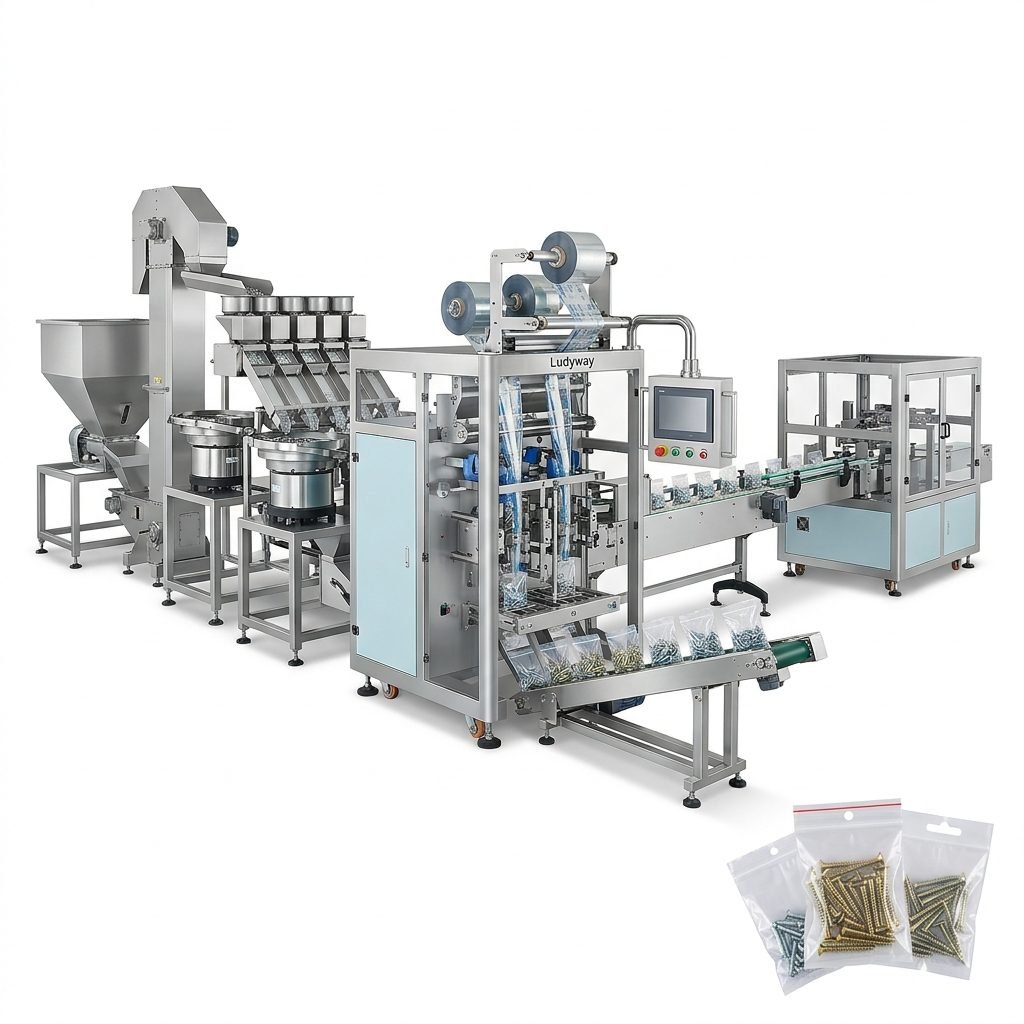
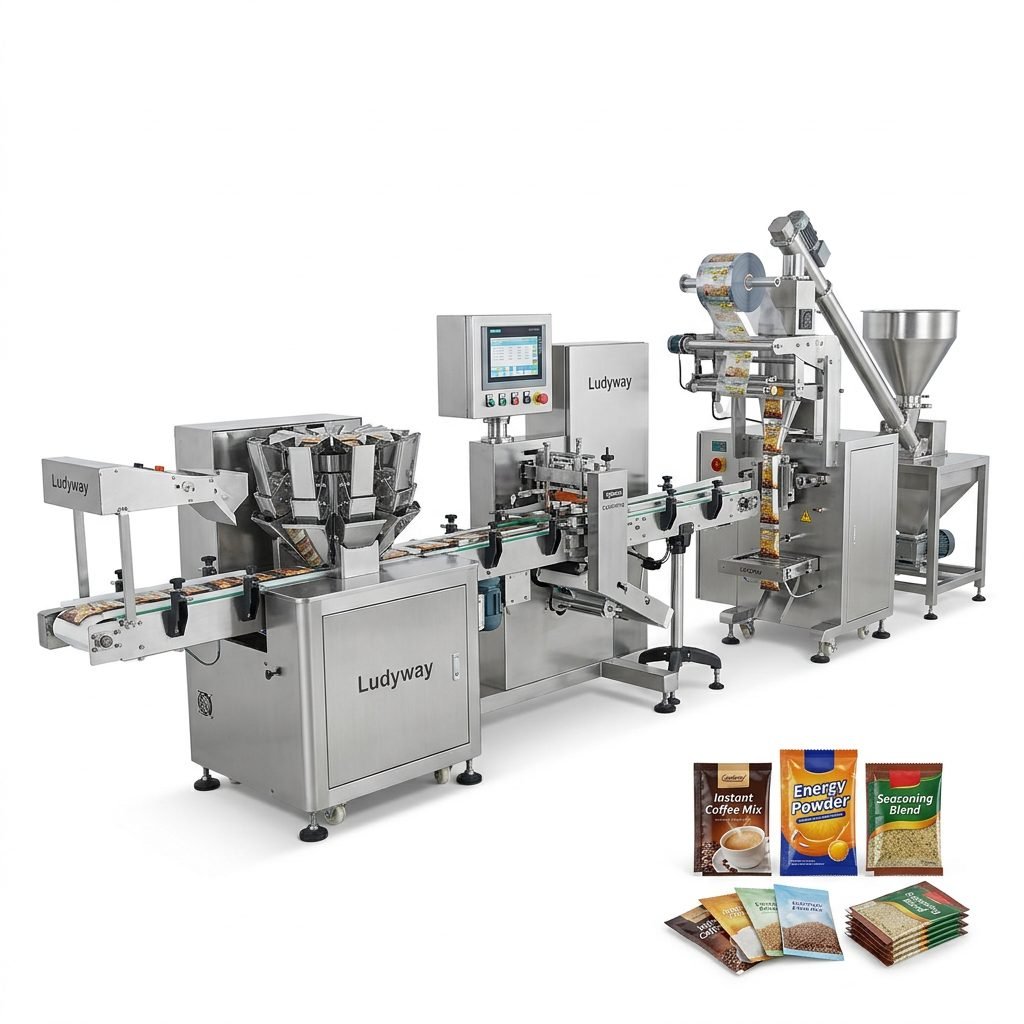
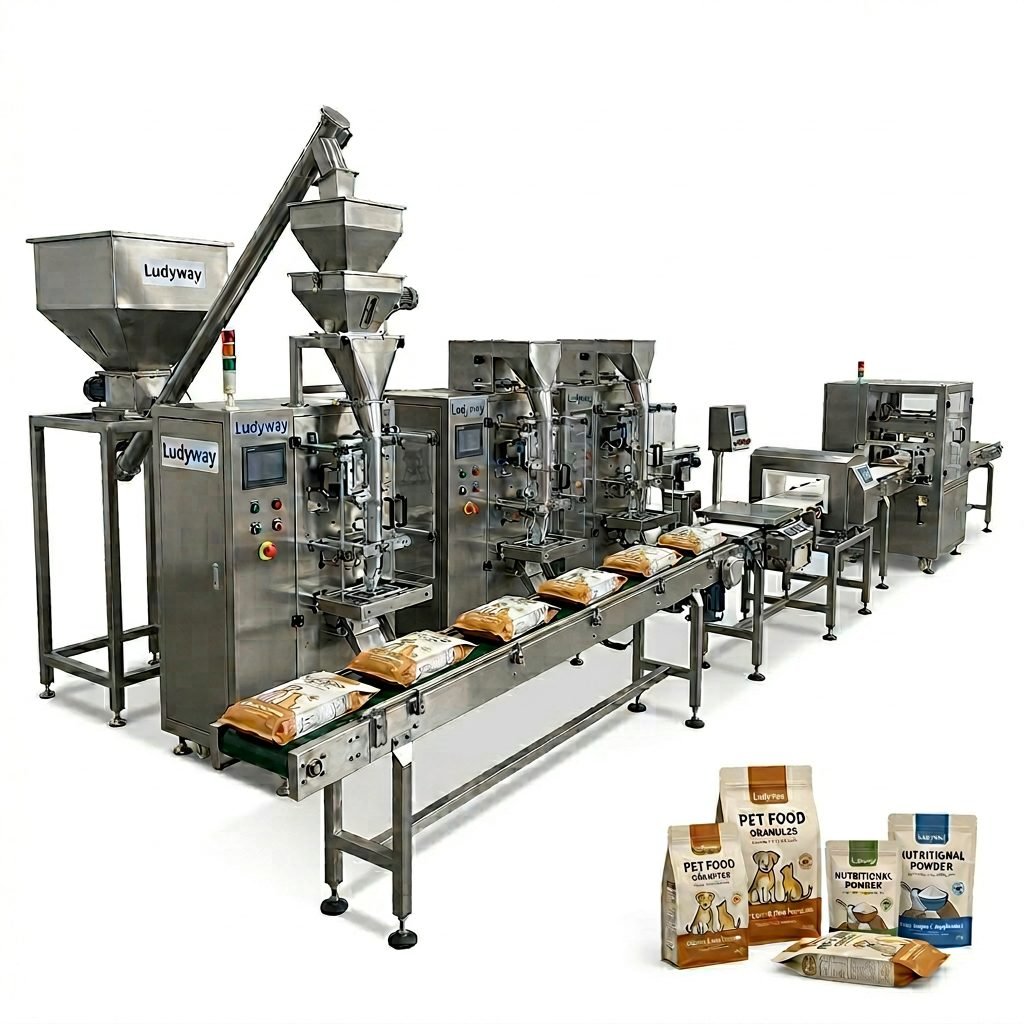
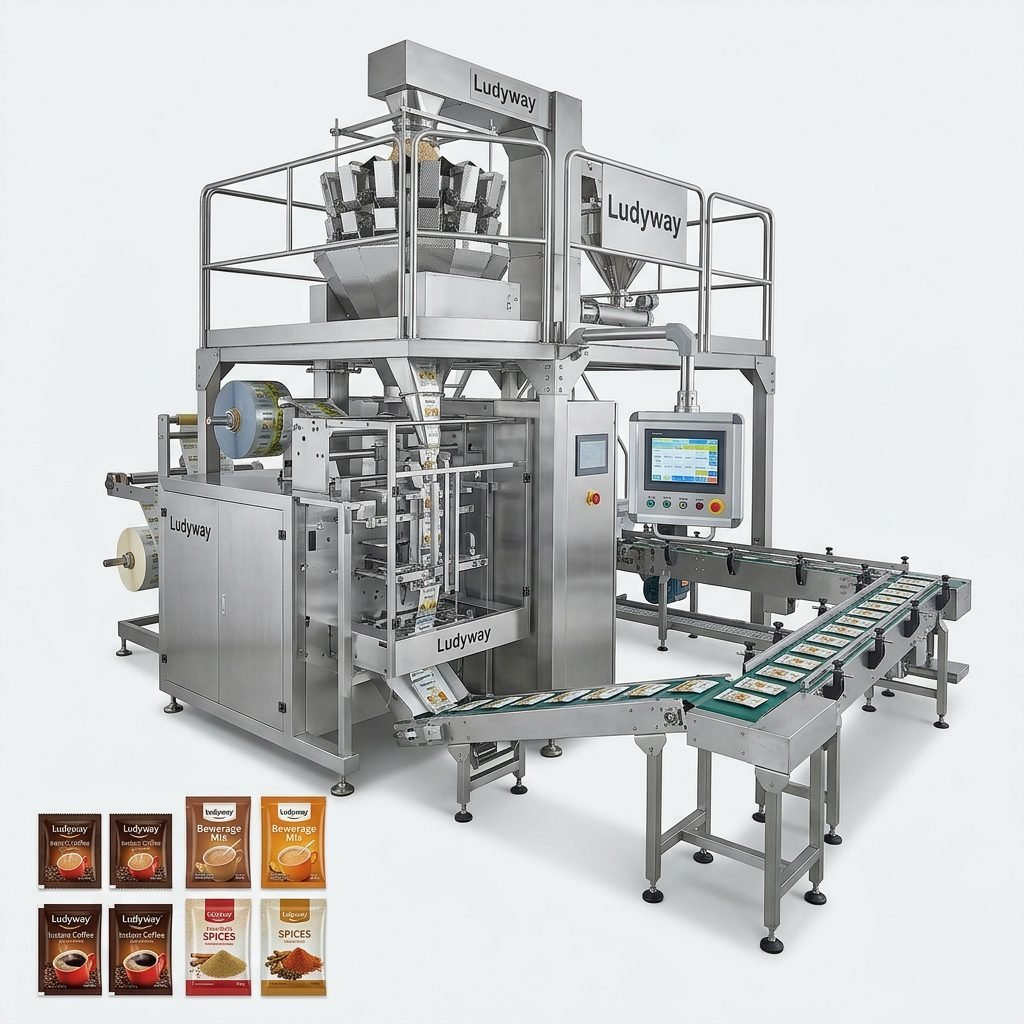
Automation level is a critical decision point that affects labor requirements, consistency, and overall line efficiency. Ice packaging machines range from semi-automatic systems requiring manual product feeding to fully automated turnkey packaging lines that integrate weighing, filling, sealing, coding, inspection, and case packing. For operations looking to scale production or reduce dependency on manual labor, a fully automated solution offers significant advantages in throughput consistency and hygiene control.
Key automation features to evaluate include automatic film splicing, servo-driven sealing jaws, integrated checkweighers, metal detection systems, and robotic palletizing. These components contribute to minimizing downtime and ensuring product quality. According to PMMI packaging machinery standards and resources, integrated automation is one of the fastest-growing trends in packaging machinery investment, driven by labor shortages and quality assurance requirements. When evaluating automation options, consider future scalability—a modular machine design allows you to add automated components as your production needs grow.
Machine Footprint and Facility Requirements
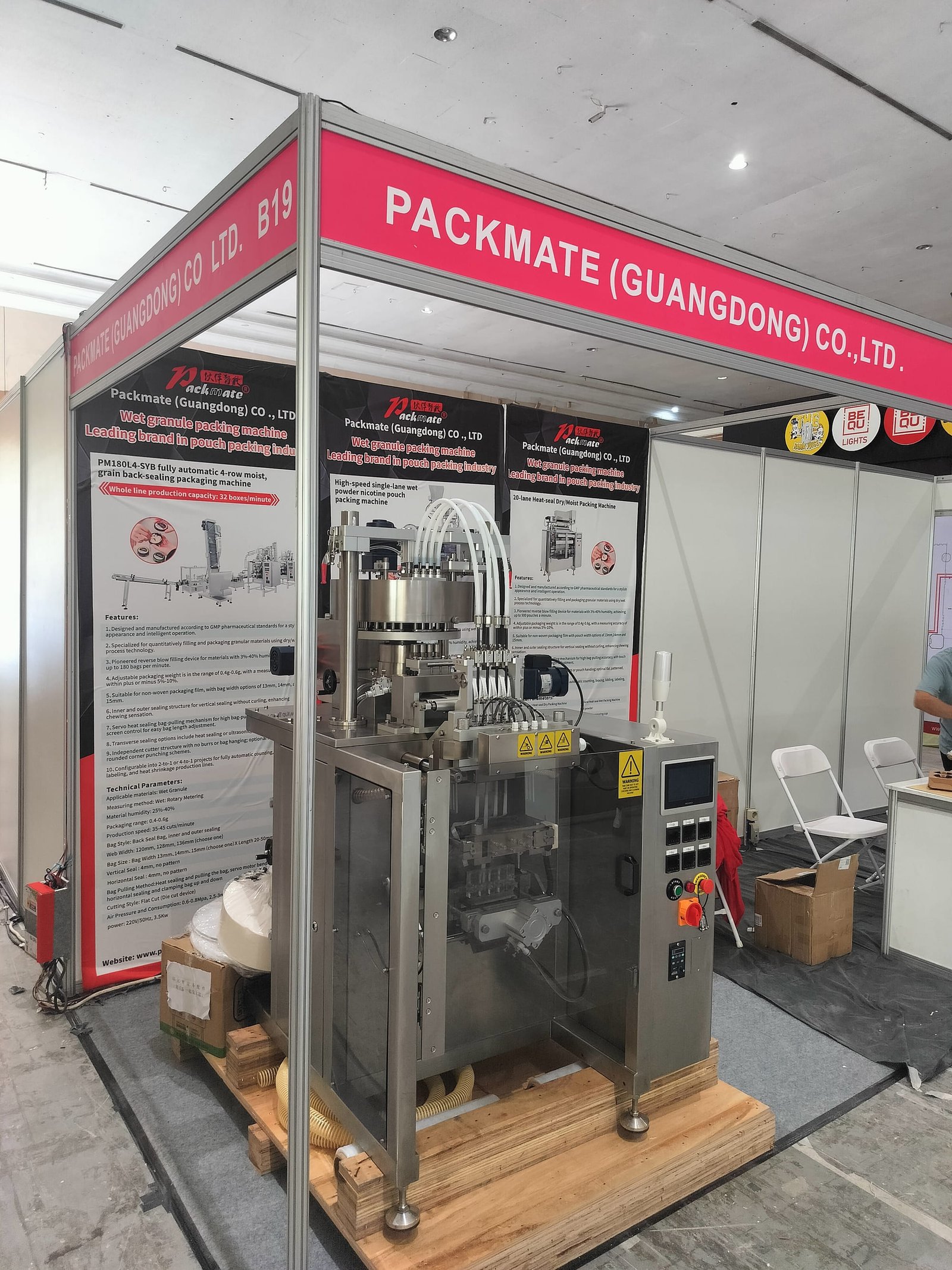
The physical footprint of your ice packaging machine must fit within your existing or planned production facility. Consider not only the machine dimensions but also the clearance required for operation, maintenance access, film roll loading, and product infeed systems. Multi-lane machines generally require more floor space but deliver significantly higher throughput per square meter. Additionally, ice packaging environments often involve cold room integration, where the packaging machine may need to operate at ambient temperatures as low as 2-8°C (35-46°F). Ensure that the machine’s electrical components, sensors, and pneumatic systems are rated for your operating temperature range and humidity levels.
Evaluating Machine Quality and Compliance
Build quality directly impacts machine longevity, maintenance frequency, and packaging consistency. Look for machines constructed with stainless steel frames (preferably SUS304 or SUS316), food-grade contact surfaces, and IP65-rated electrical enclosures for washdown environments. The sealing jaws, filling nozzles, and product contact areas should be designed for easy cleaning and sanitation, ideally with tool-free disassembly. Compliance with international standards such as ISO, CE, and GMP is increasingly important, especially for manufacturers exporting to regulated markets. The ISO packaging standards provide a framework for evaluating machine quality and safety specifications.
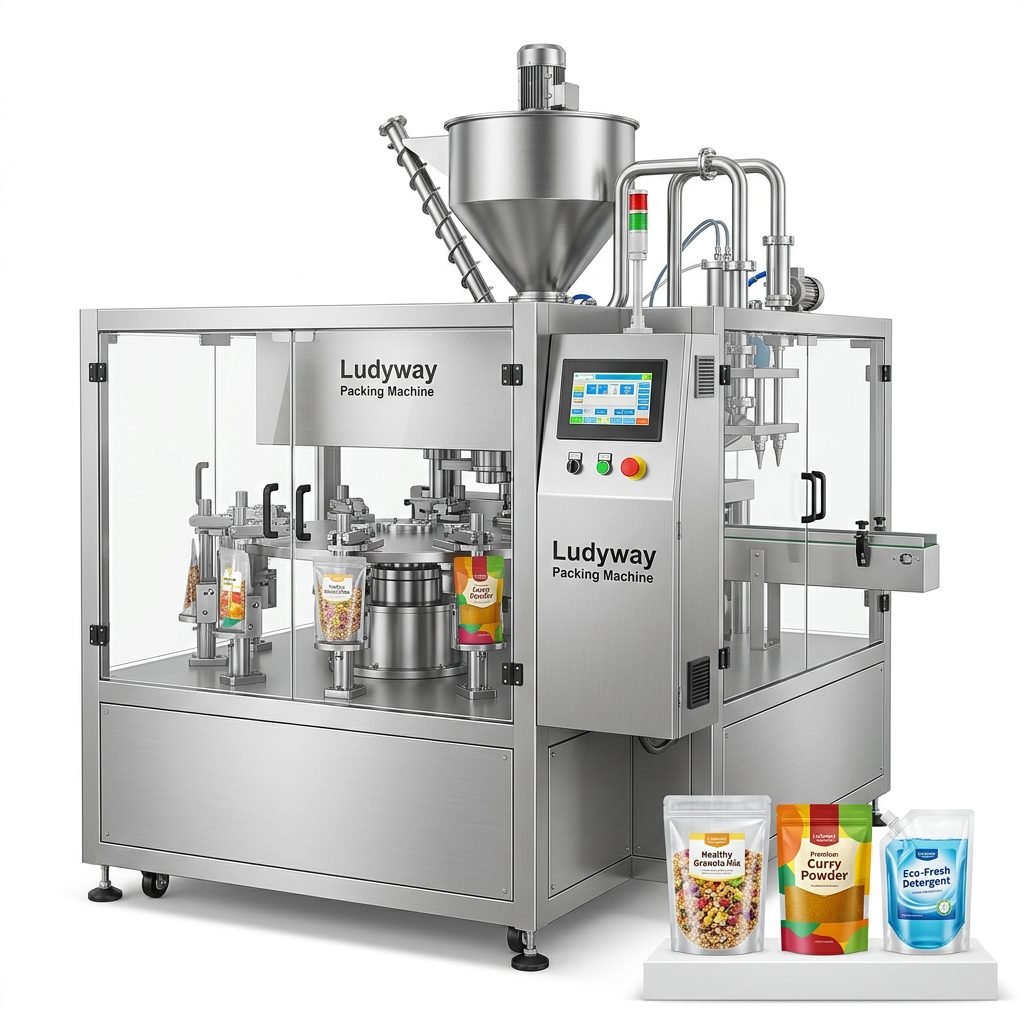
For ice intended for food and beverage applications, hygiene is non-negotiable. Machines should incorporate CIP (Clean-in-Place) compatible designs, smooth weld finishes, and sloped surfaces to prevent water accumulation and bacterial growth. A reputable packaging machinery manufacturer like Ludyway Machinery, with over 30 years of experience and a 20,000-square-meter manufacturing facility, can provide equipment designed to meet international hygiene and safety standards while offering the customization needed for specific ice packaging applications.
Total Cost of Ownership Analysis
The purchase price of an ice packaging machine is only one component of the total cost of ownership (TCO). A comprehensive TCO analysis should account for the following factors over the expected lifespan of the equipment, typically 7-15 years:
- Initial capital expenditure: Machine cost, shipping, installation, and commissioning
- Operating costs: Electricity, compressed air, packaging film consumption, and labor
- Maintenance costs: Preventive maintenance, spare parts inventory, and service contracts
- Downtime costs: Production losses during unplanned stoppages or repairs
- Film waste: Material wasted during startups, changeovers, and sealing adjustments
- Training costs: Operator and maintenance staff training programs
A machine with a higher upfront cost but lower film waste, faster changeover times, and reduced maintenance requirements may deliver significantly better value over its lifetime. Request detailed cost projections from potential suppliers and compare them against your production forecasts.
After-Sales Support and Service Considerations
Reliable after-sales support is essential for maintaining consistent ice packaging operations. When evaluating equipment suppliers, assess the following service dimensions:
- Technical support availability: Remote assistance, on-site service, and response time commitments
- Spare parts supply: Inventory availability, delivery lead times, and regional distribution centers
- Operator training: Comprehensive training programs covering operation, troubleshooting, and maintenance
- Warranty coverage: Duration, scope, and exclusions of the manufacturer’s warranty
- Installation and commissioning: Turnkey support including machine setup, calibration, and production launch
- Preventive maintenance programs: Scheduled service plans to minimize unplanned downtime
A supplier with a global service network and proven track record in international markets can provide more reliable support, especially for manufacturers operating across multiple regions. Companies serving customers in more than 100 countries demonstrate the logistical capability to deliver timely service and spare parts wherever production facilities are located.
Customization and Future Scalability
Off-the-shelf packaging machines may not fully address the unique requirements of your ice product and production environment. Customized packaging solutions allow you to configure the machine’s filling system, sealing parameters, bag formats, and automation features according to your specific needs. Important customizable elements include adjustable filling volumes, multi-format bag capability, integrated coding and labeling systems, and conveyor configurations tailored to your facility layout. A modular machine design also enables future scalability, allowing you to upgrade from a single-lane to a multi-lane system or add automated case packing and palletizing as your production volumes increase.
Frequently Asked Questions About Ice Packaging Machines
What is the typical production speed range for ice packaging machines?
Production speeds vary widely depending on machine type and configuration. Single-lane VFFS machines typically operate at 20-60 bags per minute, while multi-lane systems can achieve 200-600 packs per minute across all lanes. Your required speed depends on daily output targets and bag sizes.
Can the same machine package different ice types?
Many modern ice packaging machines are designed with quick-change capabilities that allow switching between cubed ice, crushed ice, and other formats with minimal adjustment. However, significant differences in product characteristics may require different filling systems or sealing parameters. Discuss your full product range with the manufacturer during the evaluation phase.
What packaging materials are recommended for ice products?
Multi-layer laminated films with PE/PP structures and moisture barrier layers are standard. The material must maintain seal integrity at freezing temperatures and resist condensation. For retail applications, films with high clarity and printability enhance brand presentation. Always verify material compatibility with your machine’s sealing system.
How important is temperature control during ice packaging?
Temperature management is critical. Ice products should be packaged in a temperature-controlled environment to prevent melting, clumping, and seal contamination. The packaging machine’s filling zone should ideally be located within a cold room or equipped with localized cooling to maintain product integrity throughout the packaging cycle.
What regulatory standards apply to ice packaging machines?
For food-grade ice, machines should comply with FDA, EU, or local food safety regulations regarding food contact materials and hygiene design. Machines used in pharmaceutical or healthcare ice applications may need to meet additional standards for cleanroom compatibility and validation. Consult FDA packaging and food contact substances guidelines for detailed requirements.
Making the Final Decision
Choosing the right ice packaging machine requires balancing multiple factors: production capacity, product compatibility, packaging format, automation level, facility constraints, budget, and long-term support. Start by clearly defining your current and projected production requirements, then evaluate machine options against those criteria. Request product trials or factory acceptance tests with your actual ice product to verify machine performance before committing to a purchase. Visit the manufacturer’s facility if possible, or attend industry events such as PACK EXPO International to see equipment in operation and compare multiple suppliers. A thorough evaluation process ensures that your investment delivers reliable, efficient, and hygienic ice packaging for years to come, supporting both operational excellence and business growth.