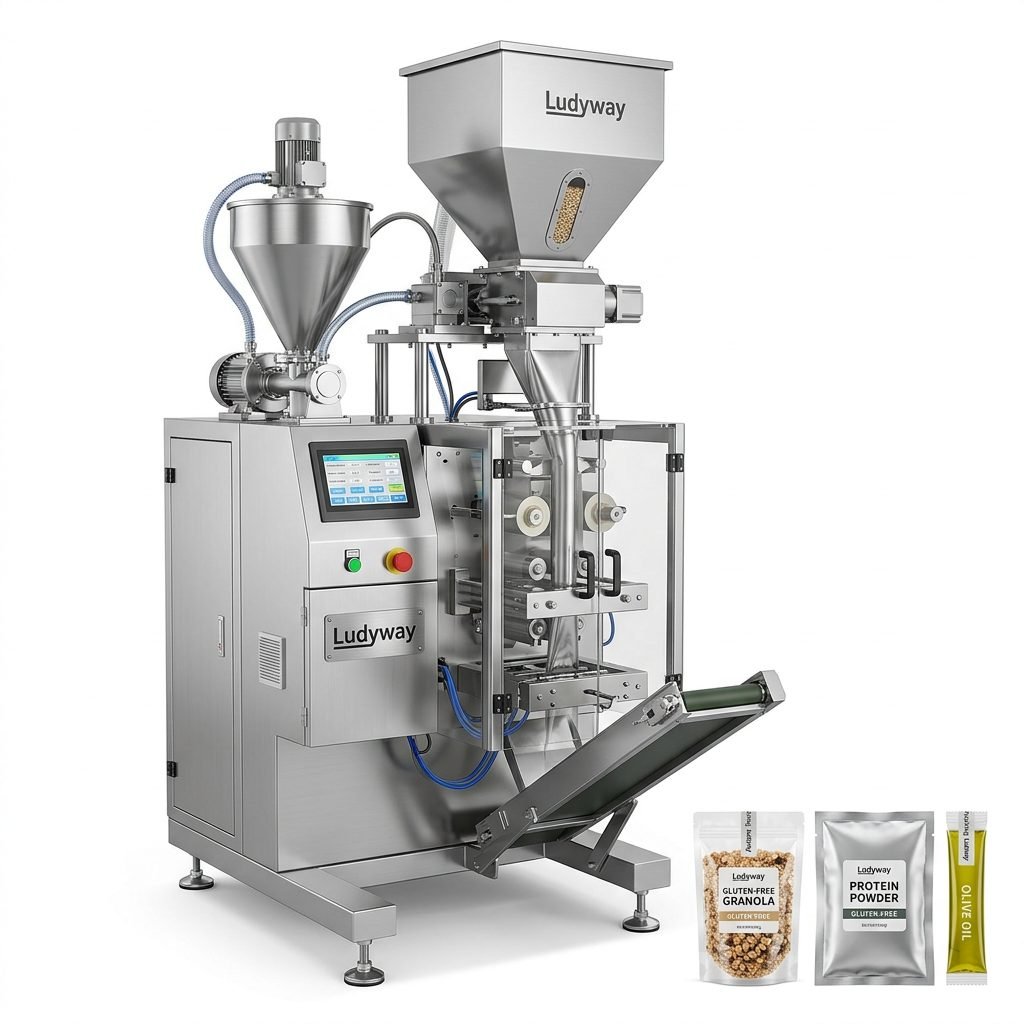
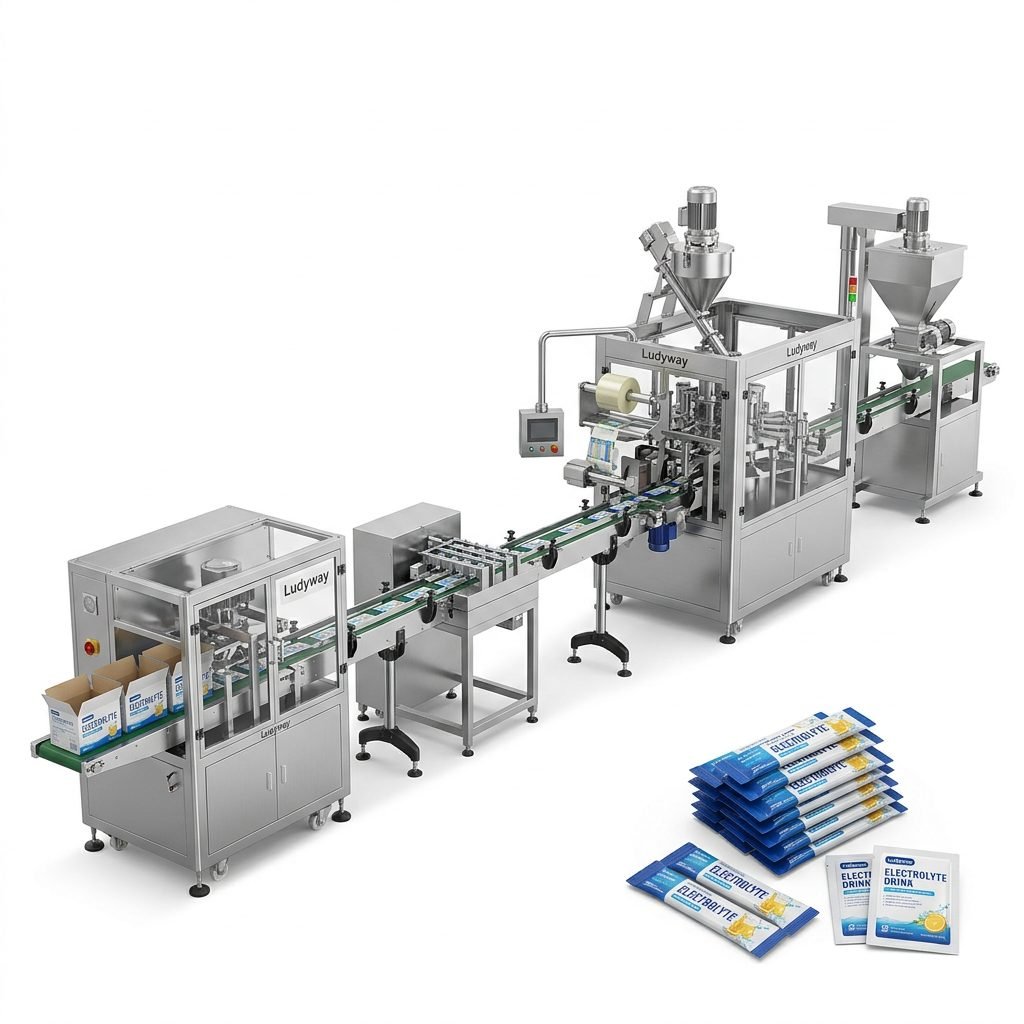
The food industry across Southeast Asia is undergoing a transformative shift. From bustling markets in Bangkok to expanding export hubs in Ho Chi Minh City, manufacturers face increasing pressure to maintain product freshness, extend shelf life, and comply with rigorous international food safety standards. For businesses dealing in everything from freeze-dried fruits and seafood snacks to premium coffee beans and ready-to-cook meal kits, the choice of packaging technology can make or break their competitive edge. This is where advanced vacuum packaging machines become indispensable, and one manufacturer stands out for delivering turnkey solutions tailored specifically to regional needs.
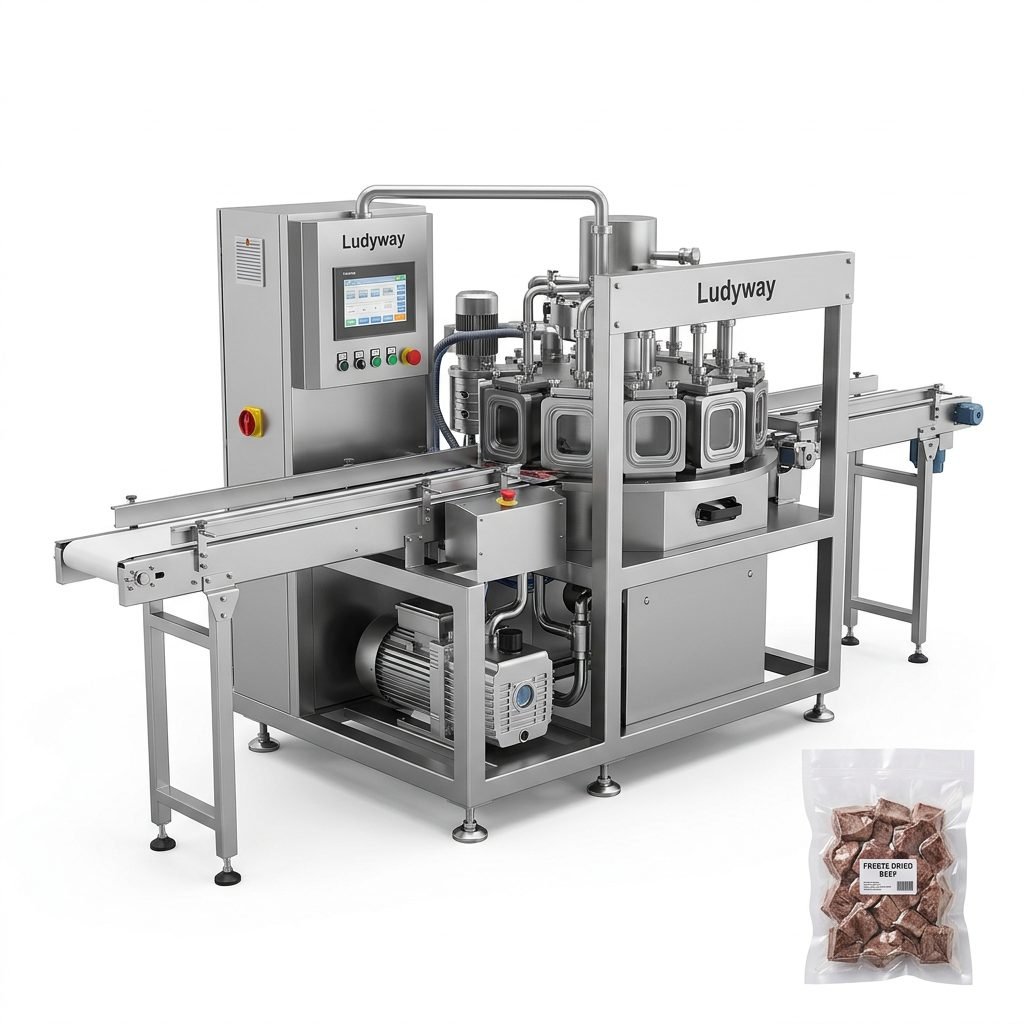
The Critical Role of Vacuum Packaging in Southeast Asian Food Markets
Tropical climates present a unique challenge for food preservation. High humidity and temperatures accelerate spoilage, making oxygen extraction and hermetic sealing critical. Whether you are packing crispy dried durian, aromatic shrimp paste, or vacuum-packed coffee grounds, removing atmospheric oxygen significantly slows oxidation and microbial growth. For businesses aiming to export to the EU, North America, or Northeast Asia, vacuum packaging is not just a value-add; it is a strict requirement for containerized shipping over long distances. The right machine must offer consistent seal integrity, high throughput, and the flexibility to handle diverse product textures—from sharp-edged granules to delicate powder blends.
Why Standard Machines Fail in High-Humidity Environments
Many generic packaging systems struggle with the constant moisture ingress common in Indonesia, the Philippines, and coastal Vietnam. Condensation affects electronic controls, while sticky powders and hygroscopic materials like coconut sugar or milk powder clog inferior feeding mechanisms. A purpose-built vacuum system requires robust dehumidification integration, corrosion-resistant sealing jaws, and intelligent sensors that adapt to ambient conditions without sacrificing speed. Without these features, producers face downtime, inconsistent vacuum levels, and costly product recalls.
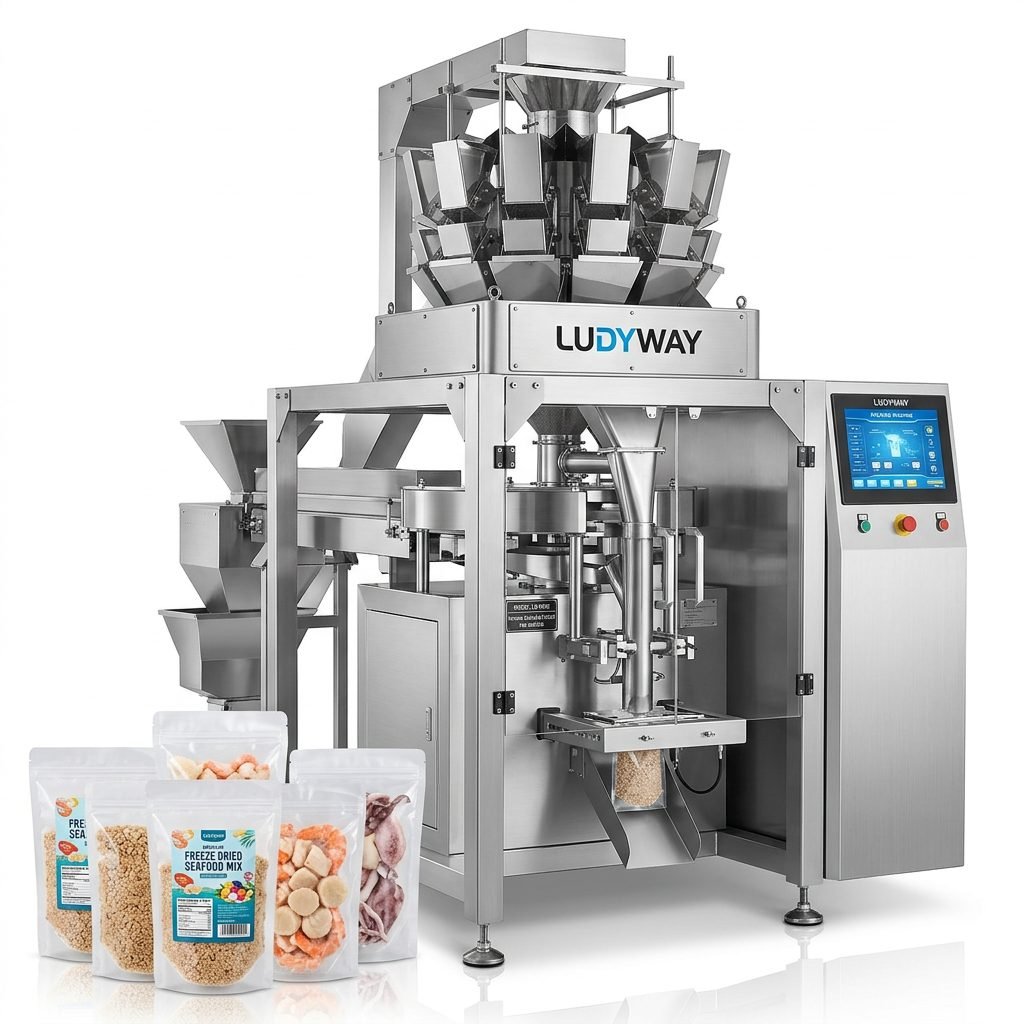
Engineered for Granules, Powders, and Everything In-Between
Southeast Asia’s food sector is characterized by extreme product diversity. A single facility might process granulated instant coffee in the morning and fine herbal powder sachets in the afternoon. The ideal vacuum packaging solution handles this versatility without lengthy changeover times. Features that matter include:
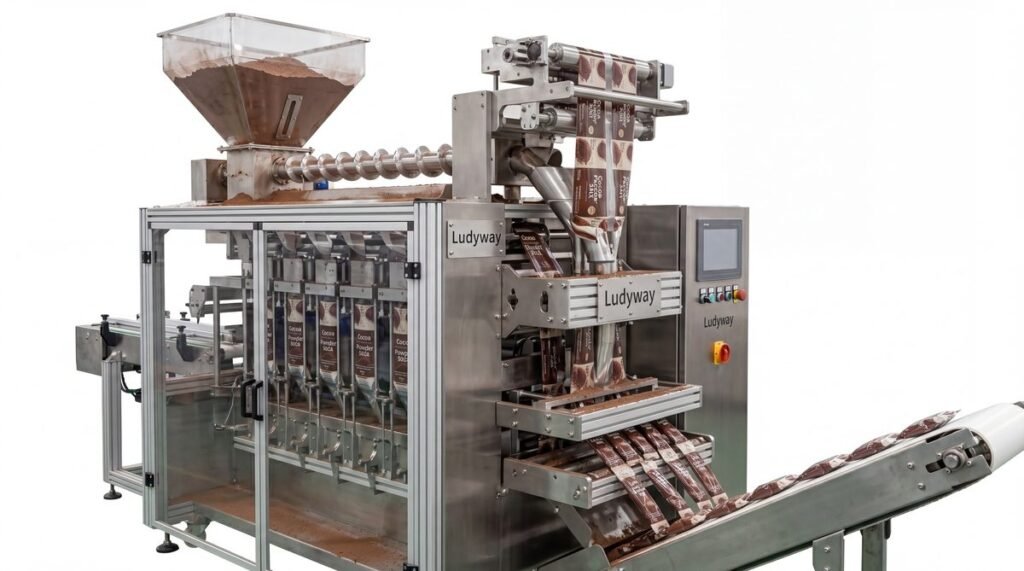
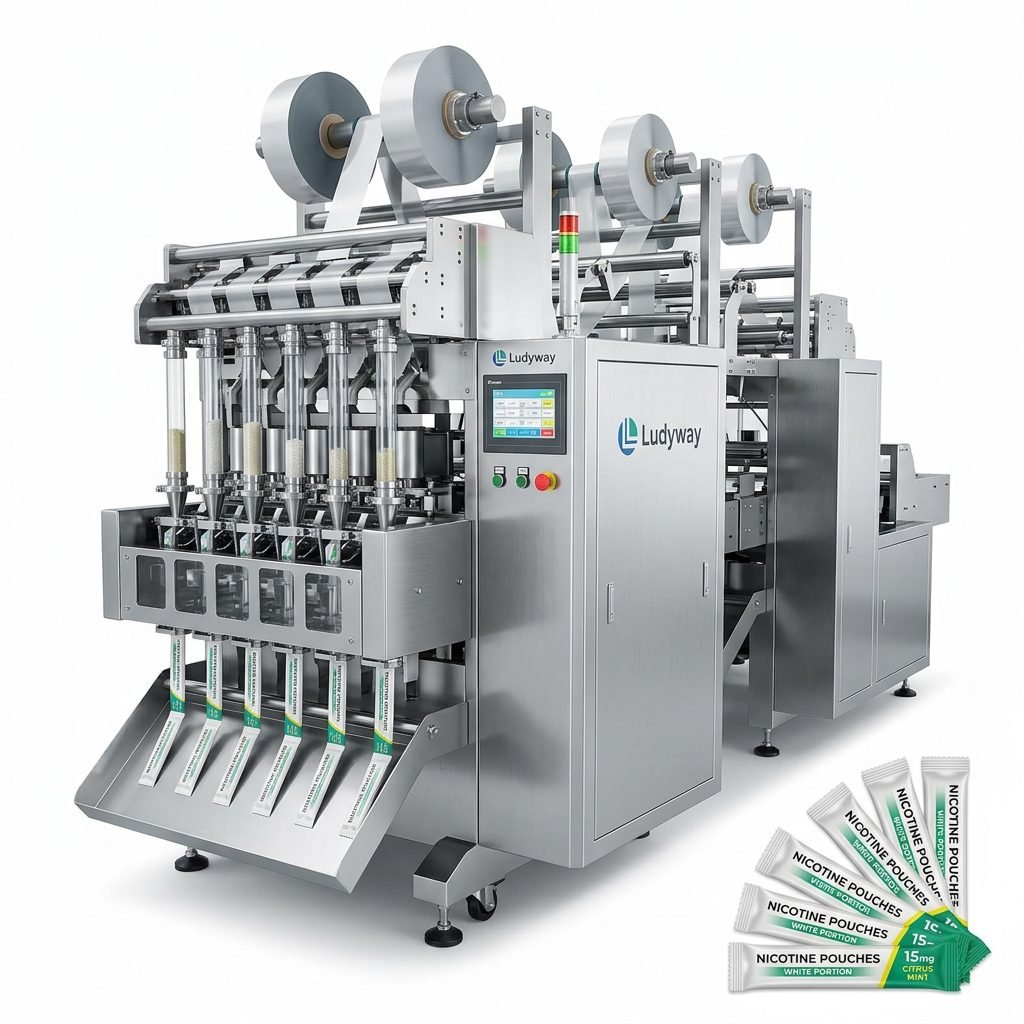
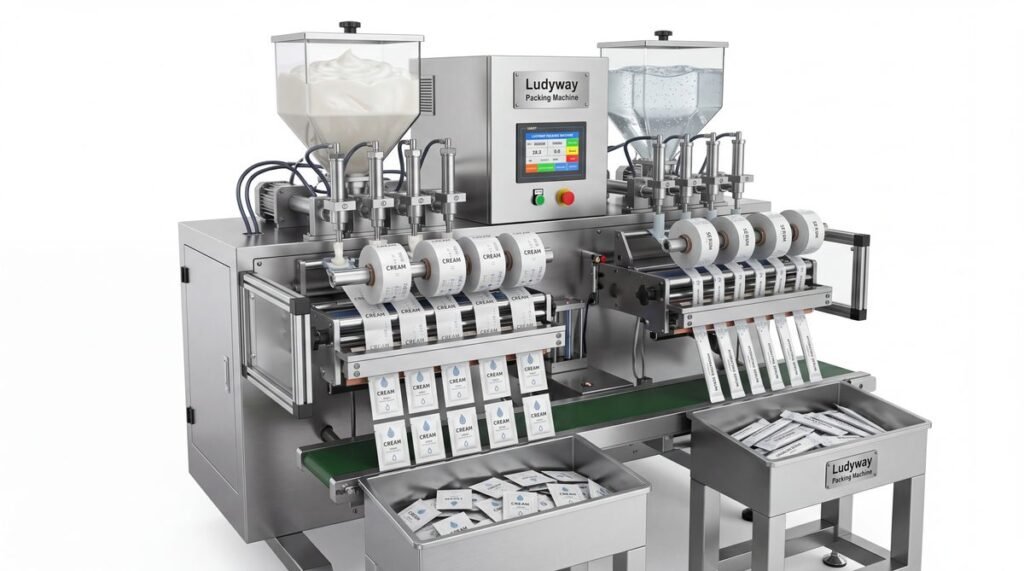
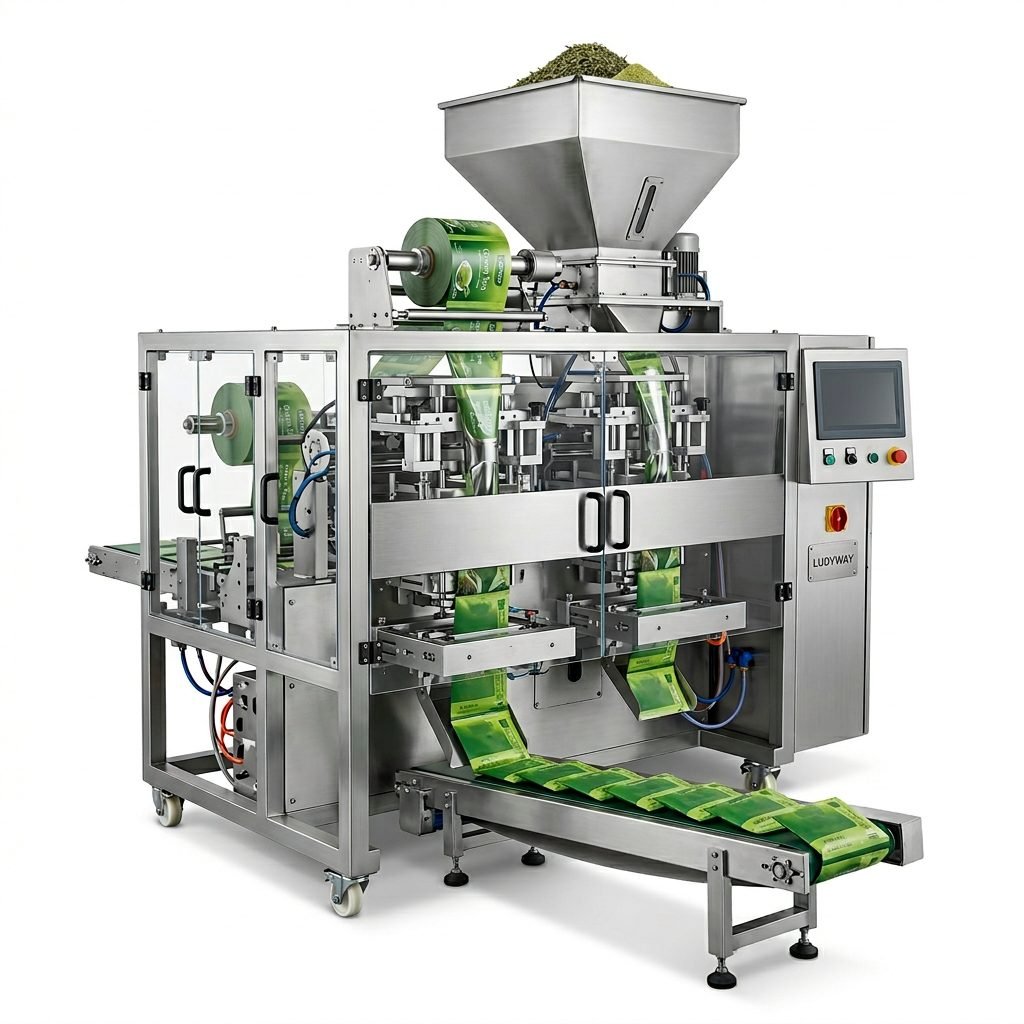
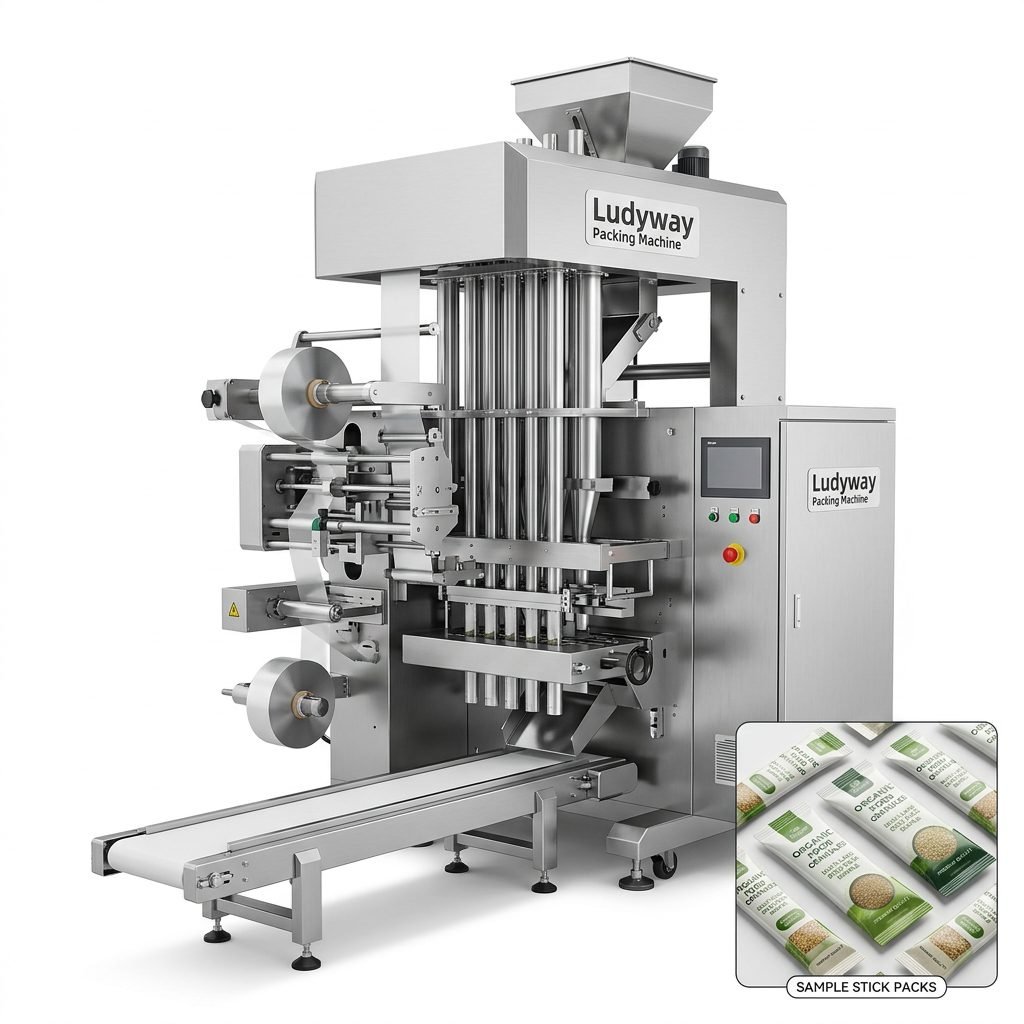
- Multi-lane stick pack and sachet configurations for high-volume single-serve formats
- Precision auger and volumetric fillers calibrated for both free-flowing granules and cohesive powders
- Adjustable vacuum and gas flush settings for modified atmosphere packaging (MAP)
- Quick-release forming tubes and tool-less adjustments to minimize downtime
Comparing Packaging Formats for Regional Preferences
The Southeast Asian consumer market favors convenience sizes—sachets for affordability and stick packs for portability. Below is a breakdown of how vacuum technology enhances each format:
| Packaging Format | Ideal Application | Vacuum Advantage |
|---|---|---|
| Multi-Lane Stick Packs | Instant coffee, milk powder, seasoning mixes | Oxygen removal preserves volatile aromas and prevents caking |
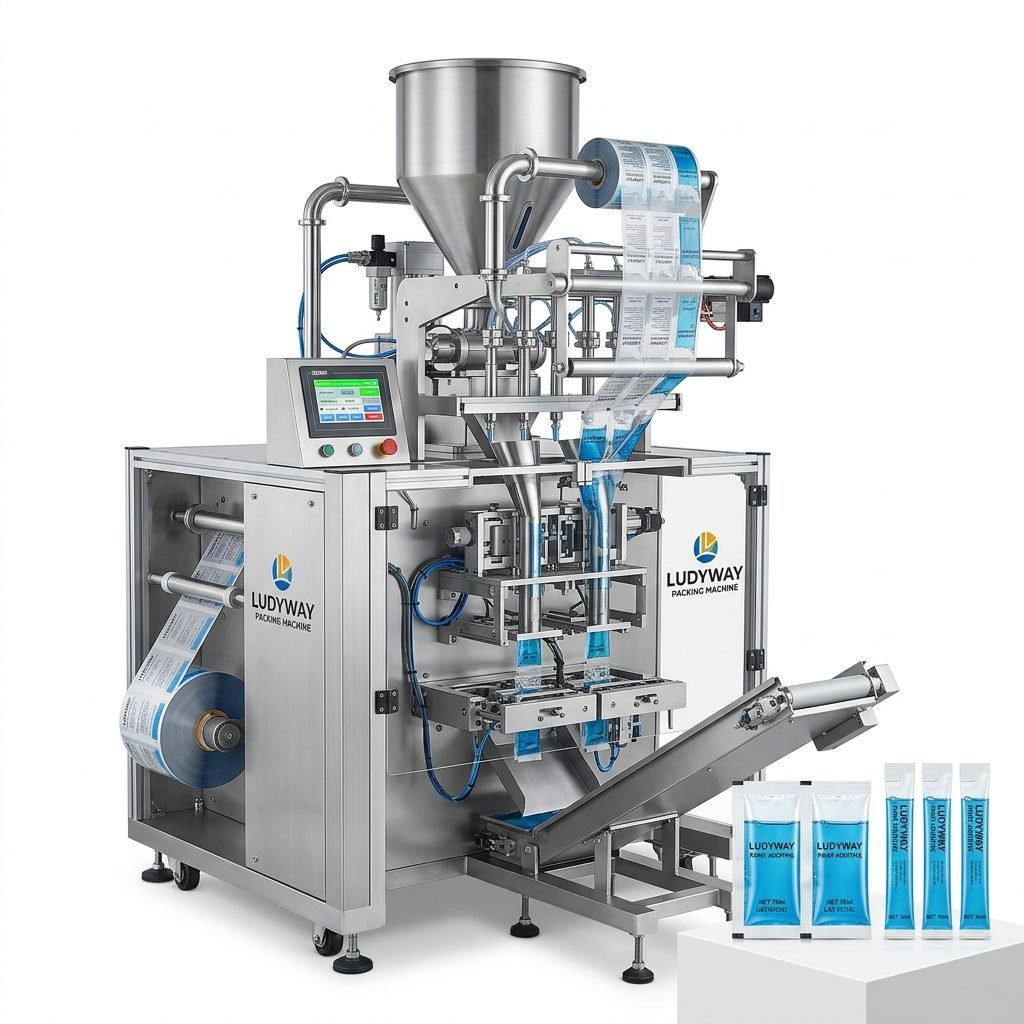
| Flat Sachets | Dried fruit snacks, seafood crisps, herbal teas | Compact vacuum sealing extends shelf life without refrigeration |
| Premade Pouch Vacuum | Bulk coffee beans, frozen ready-meals, pet treats | High-barrier films plus deep vacuum for long-distance export |
| Large Format Bulk Bags | Industrial ingredients, spice exports, agricultural products | Controlled atmosphere prevents infestation and mold during shipping |

Integration with Complete Turnkey Production Lines
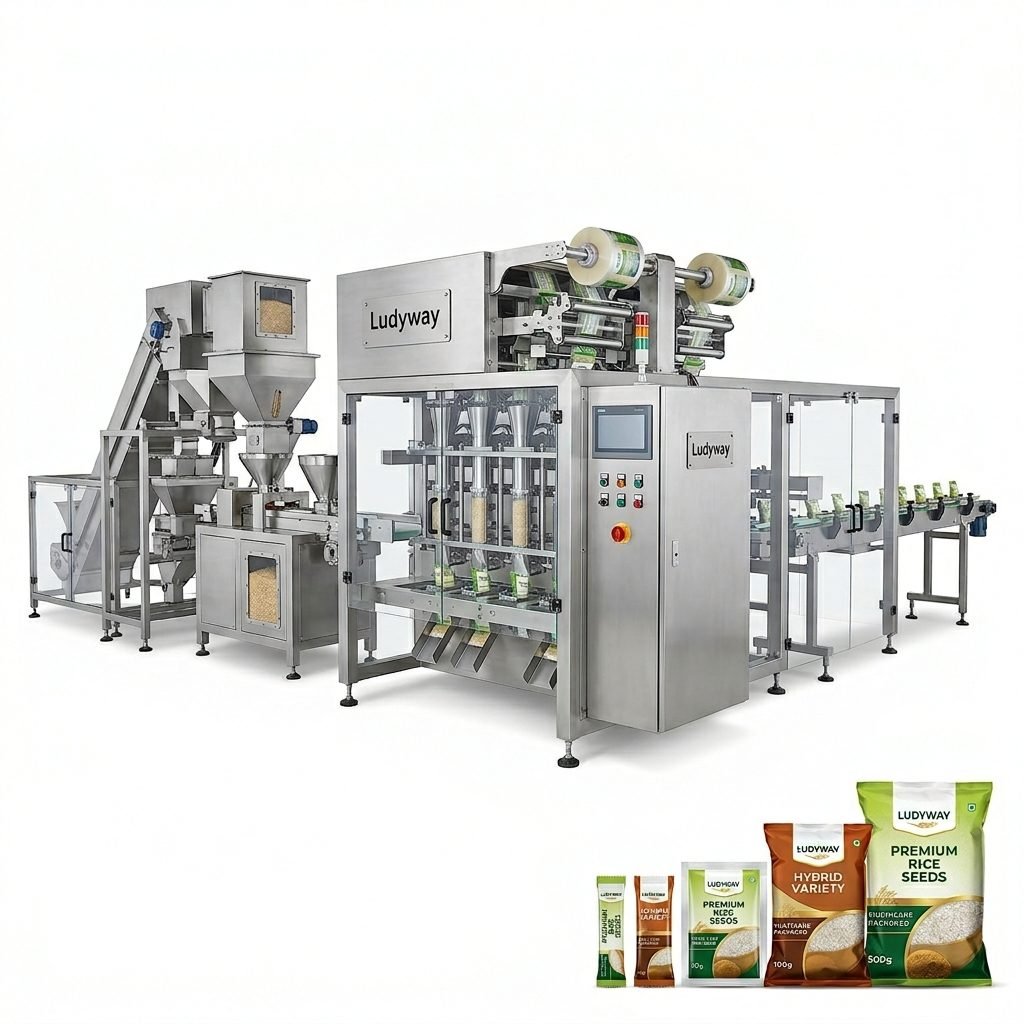
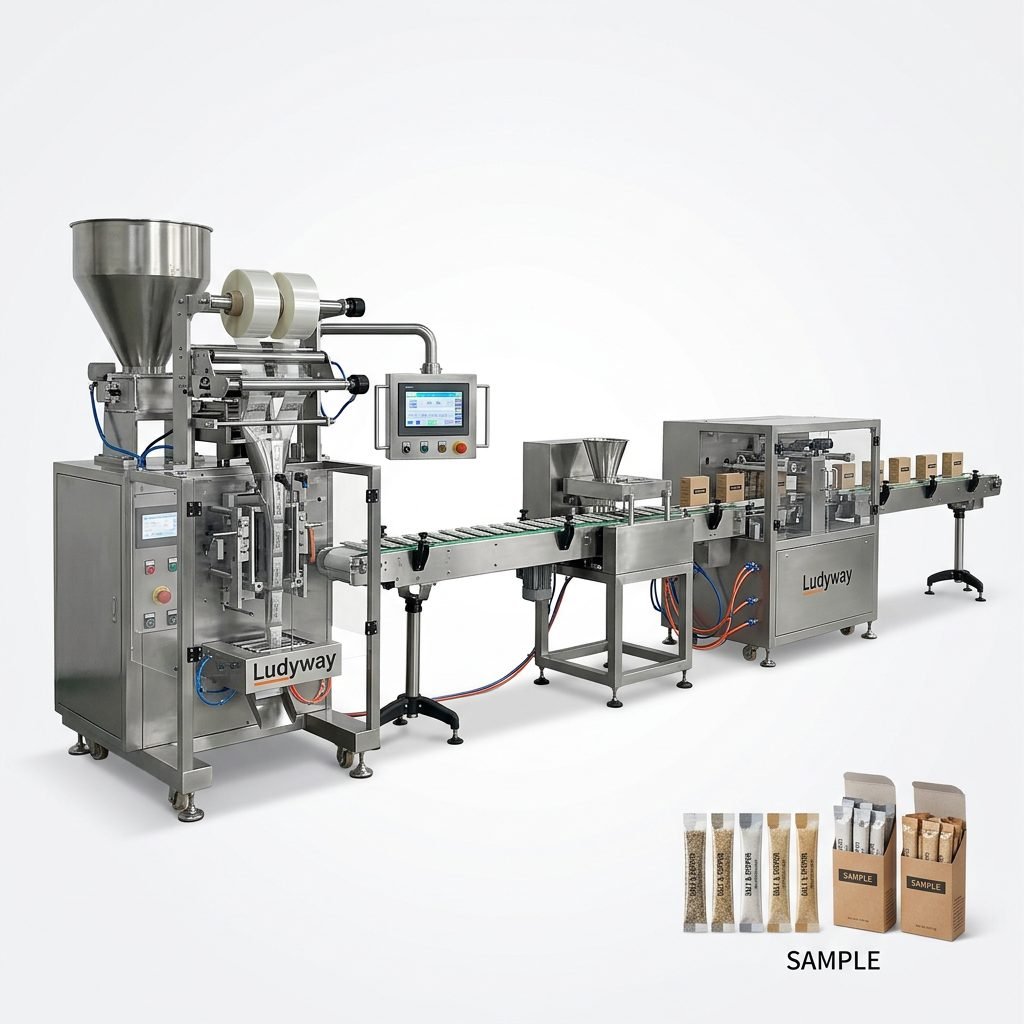
Modern food factories demand more than a standalone sealer. A competitive vacuum packaging machine integrates seamlessly with upstream weighing, filling, and downstream cartoning and palletizing systems. Consider the workflow for freeze-dried cat treats or premium beef jerky: the product moves from multi-head weighers into formed pouches, immediately enters a vacuum chamber, and then proceeds through metal detection and case packing—all without manual intervention. This end-to-end automation reduces labor costs, a significant concern in markets where skilled workers are increasingly scarce.
Key Technical Specifications That Matter
- Chamber design: Dual-chamber alternating systems for continuous production flow
- Vacuum pump capacity: High-flow rotary vane or oil-free options matched to production speed
- Seal bar configuration: Customizable widths and patterns for different film structures
- Control interface: Multi-language HMI touchscreens supporting Bahasa, Thai, Vietnamese, and English
- Data logging: Vacuum pressure curves and seal temperature records for export compliance
Built for Regional Supply Chains and After-Sales Support
Nothing disrupts a harvest season like waiting weeks for a replacement part. The leading equipment suppliers maintain regional service hubs and spare parts inventories close to major Southeast Asian markets. Look for providers offering remote diagnostics, local technician training, and rapid-response support in your time zone. An established packaging industry standard reference point confirms that equipment uptime correlates directly with accessible technical support infrastructure.
Meeting International Food Safety and Regulatory Standards
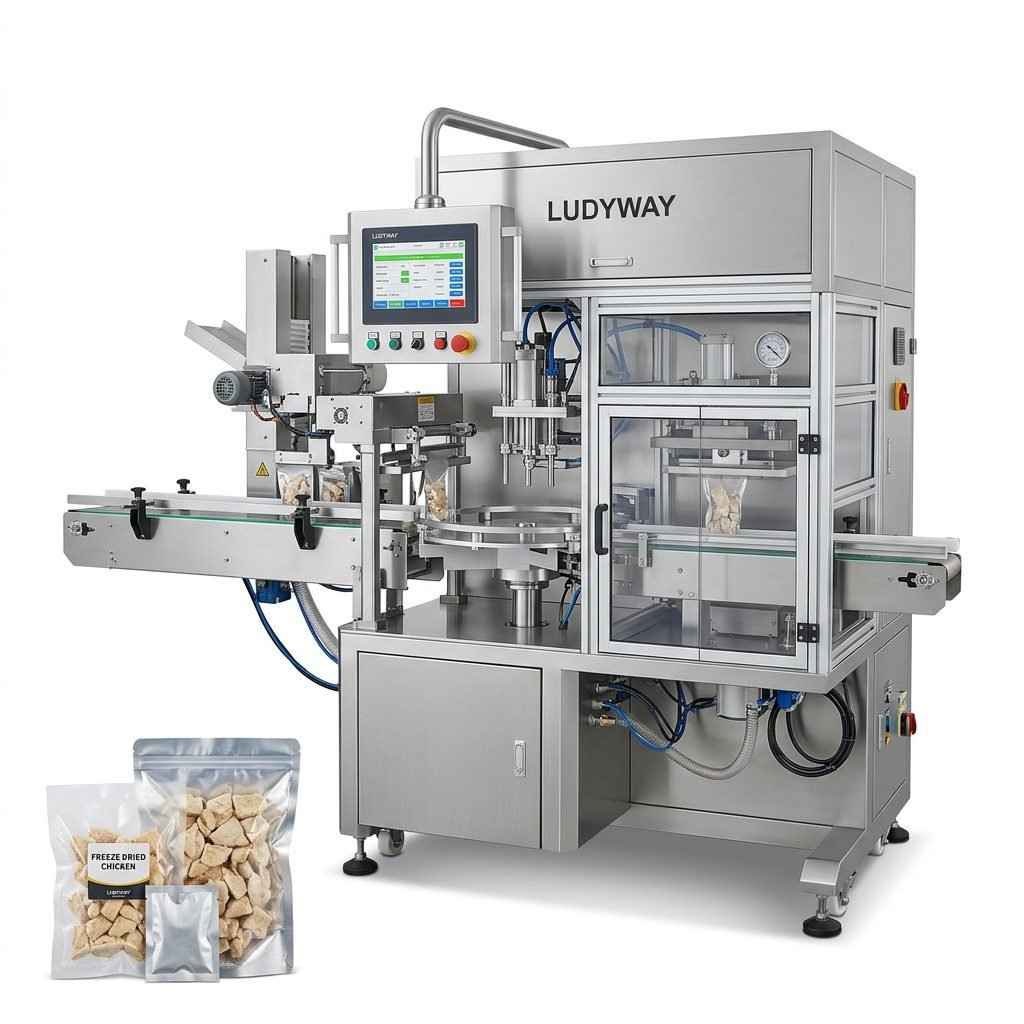
Export-oriented food businesses must align with frameworks such as FDA food contact substance regulations, ISO 11607, and European Commission packaging directives. Vacuum packaging equipment must be constructed with food-grade stainless steel, validated sealing parameters, and designs that minimize microbial harborage points. The ability to document and reproduce every critical control point is non-negotiable for audits. Resources from the FDA Food Packaging division and Flexible Packaging Association underscore the evolving global expectations that equipment must facilitate.
Calculating Total Cost of Ownership for Long-Term ROI
Smart procurement looks beyond the initial purchase price. The cost equation includes film waste rates, energy consumption per cycle, maintenance intervals, and production uptime guarantees. A machine that reduces film waste by just 2% through precise tension control and accurate sealing alignment can save tens of thousands of dollars annually in high-volume plants. Similarly, vacuum pump longevity and seal bar durability directly impact the bottom line. Leading manufacturers engineer their systems for 24/7 operation in demanding environments, a critical factor for factories running continuous shifts during harvest peaks.
Why Global Buyers Trust Ludyway for Vacuum Packaging Solutions
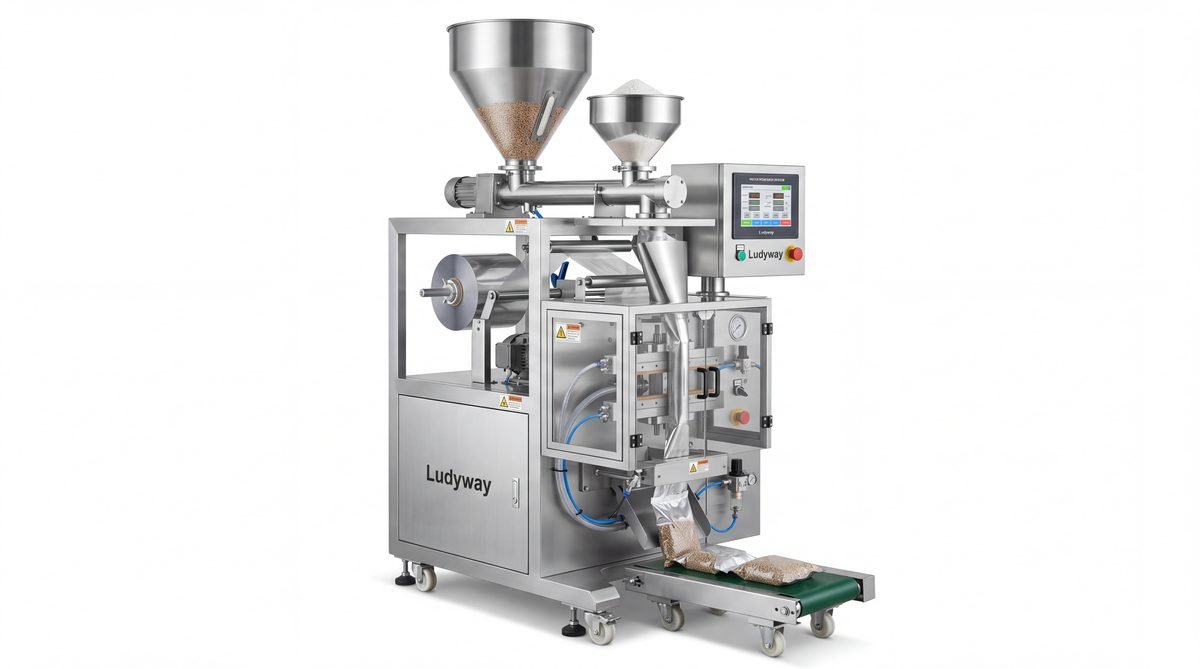
Among the established names in packaging machinery, Ludyway has emerged as a significant force, operating from a 20,000㎡ modern production facility with over three decades of engineering heritage. The company has developed more than 50 intelligent packaging machine models, including advanced multi-lane stick pack and sachet systems designed explicitly for granule, powder, and liquid applications. With export revenue expected to exceed RMB 500 million (approximately US$69 million) in 2025, and plans to surpass RMB 1 billion (approximately US$138 million) in export revenue in 2026, their growth trajectory reflects strong global confidence in their technology and service model. Their equipment currently serves customers in over 100 countries, supported by an engineering team that understands the nuanced demands of Southeast Asian food producers—from managing high moisture ingredients to automating labor-intensive packaging lines.
Exploring the Complete Product Range
A comprehensive vacuum packaging strategy often involves multiple machine types working in concert. The portfolio should cover everything from high-speed multi-lane powder sachet fillers to heavy-duty bulk bag vacuum systems. Additional automation peripherals—cartoners, checkweighers, palletizers, and coding systems—should be available from the same supplier to ensure full line integration. This single-vendor approach simplifies project management, commissioning, and long-term maintenance, a critical advantage when upgrading facilities to meet surging export demand.
Future-Proofing Your Packaging Operations
The Southeast Asian food sector is projected to maintain strong growth, fueled by urbanization, rising disposable incomes, and expanding middle classes. As competition intensifies, the ability to offer superior product quality, extended shelf life, and attractive convenience formats becomes your market differentiator. Investing in advanced vacuum packaging technology equipped with data-driven controls, modular design, and regional support safeguards your capacity to scale—whether you are launching a new freeze-dried snack brand or ramping up bulk spice exports. The right machinery partner turns packaging from a bottleneck into a strategic asset.
For detailed specifications, live demonstrations, or to discuss a customized vacuum packaging line for your specific product, contact the engineering team at info@ludyway.com or connect via WhatsApp: +8613129592456. Visit the manufacturing campus in Nanlang Town, Zhongshan, Guangdong, China, or explore opportunities to meet at upcoming global packaging exhibitions where the latest high-speed, multi-lane vacuum systems are showcased for the international food industry.