Setting up a feed packaging machine production line in Europe requires careful planning, compliance with strict regulatory frameworks, and the right equipment configuration. Whether you are expanding an existing facility or launching a new manufacturing operation, understanding the end-to-end process will help you avoid costly mistakes and accelerate time-to-market. This guide walks you through every critical step—from regulatory requirements and equipment selection to installation, testing, and long-term optimization.
Understanding European Regulatory Requirements for Feed Packaging
Before importing or installing any packaging machinery, you must ensure full compliance with European regulations. The most critical framework is the EU Machinery Directive 2006/42/EC, which mandates that all equipment placed on the European market carries CE marking. This certification confirms that your feed packaging production line meets essential health, safety, and environmental protection standards.
- CE Marking – Mandatory for all packaging machines sold or operated within the European Economic Area (EEA)
- EU Regulation (EC) No 183/2005 – Laying down requirements for feed hygiene, which directly impacts packaging line design and material handling
- EU Packaging and Packaging Waste Regulation (PPWR) – Governs packaging material usage, recyclability, and waste reduction targets
- ATEX Directive 2014/34/EU – Required if your feed packaging line operates in potentially explosive atmospheres (e.g., fine powder dust environments)
- EN 415 Safety Standards – Specific safety requirements for packaging machines, covering guarding, emergency stops, and access points
Non-compliance can result in significant fines, import bans, or production shutdowns. Partnering with a supplier that has experience navigating European certification processes is essential. For detailed regulatory guidance, refer to the European Commission’s packaging and packaging waste portal and FDA food packaging standards for cross-reference on international best practices.
Types of Feed Packaging Equipment for European Markets
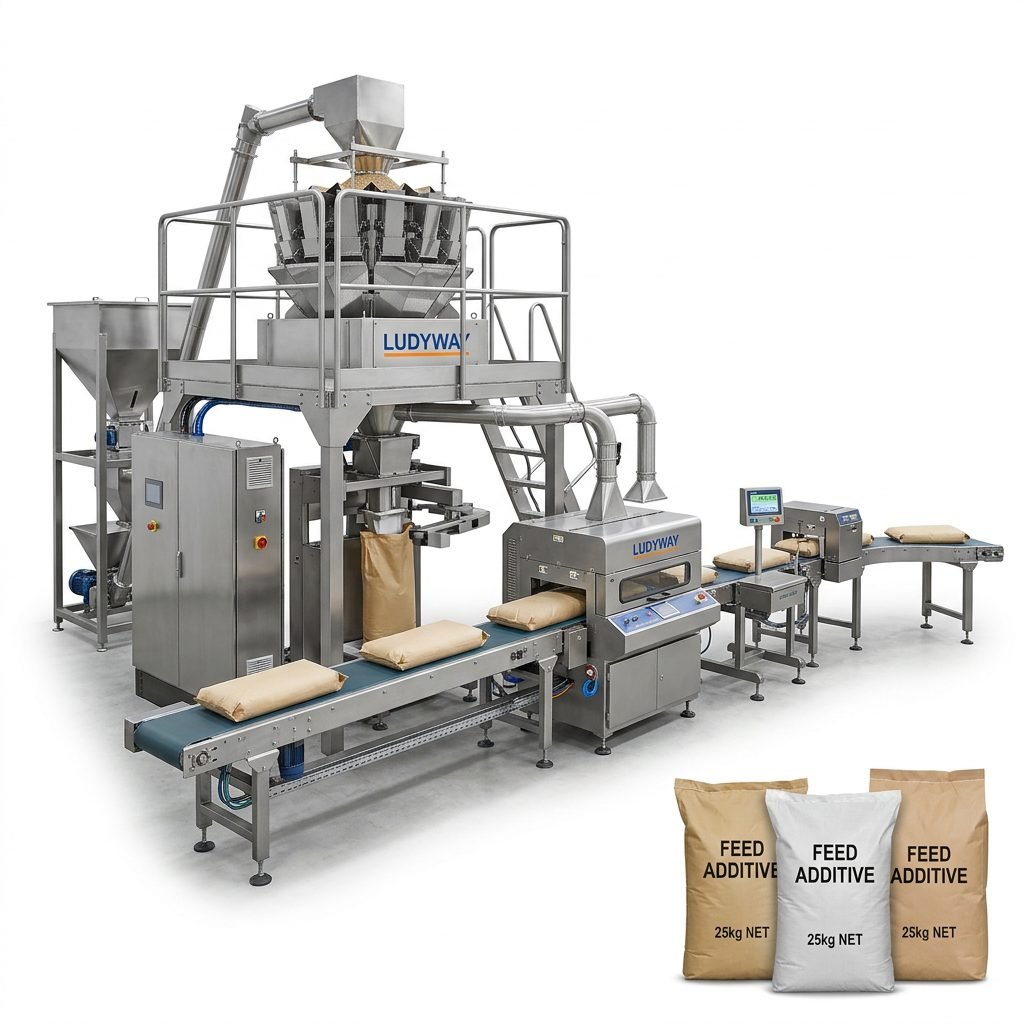
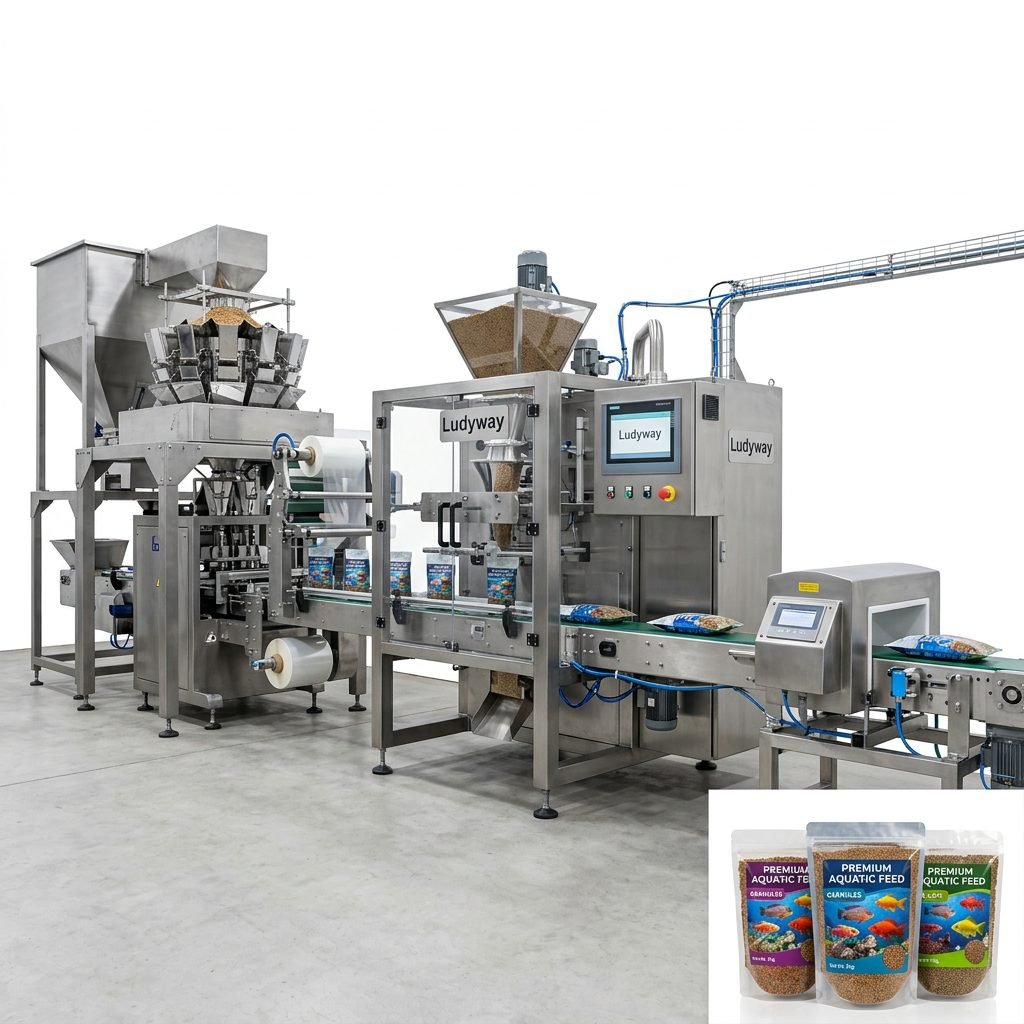
A modern feed packaging production line typically consists of multiple integrated machines working in sequence. Below is an overview of the key equipment categories and their applications in the European animal nutrition sector:
| Equipment Type | Primary Function | Feed Application | Key Consideration for Europe |
|---|---|---|---|
| Multi-Head Weigher | High-precision weighing of granules and pellets | Aquatic feed, poultry feed, premix additives | MID/NAWI compliance for trade-approved weighing |
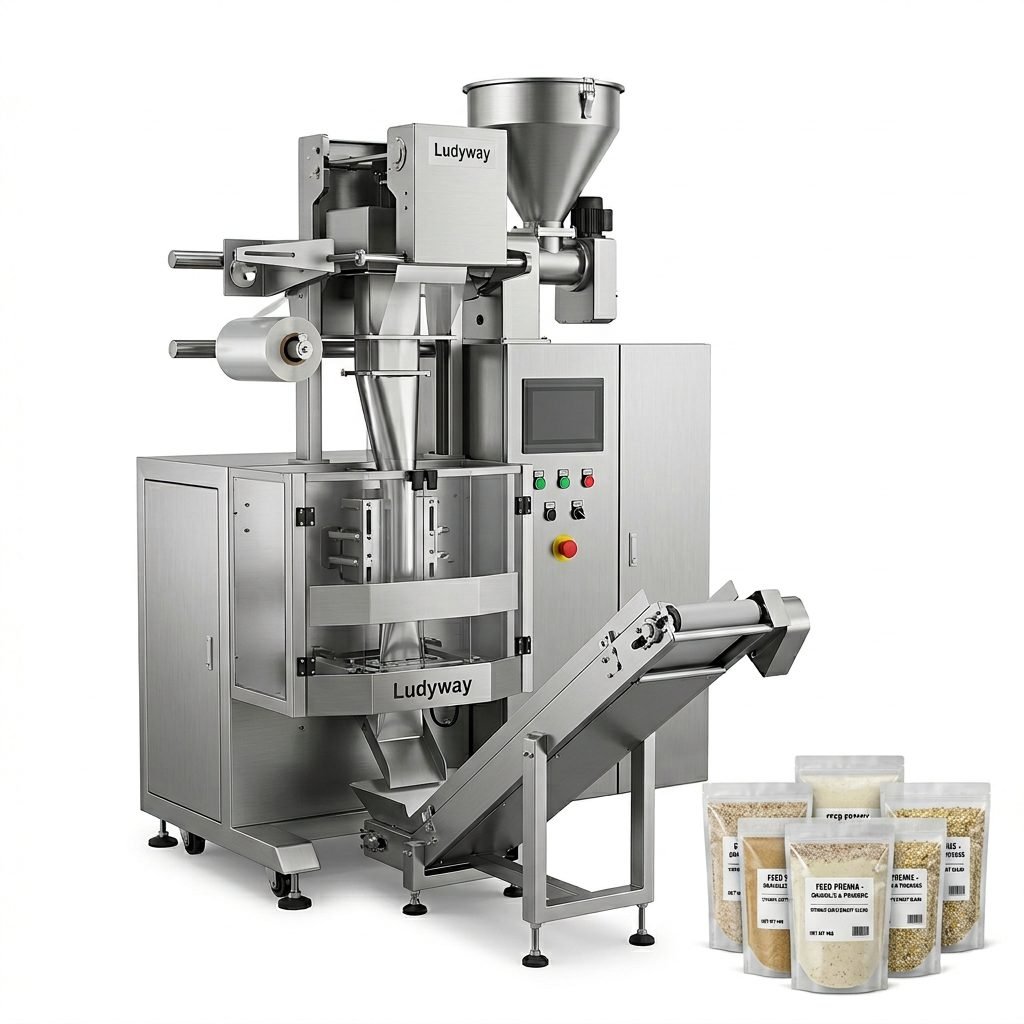
| Vertical Form Fill Seal (VFFS) Machine | Automated bag forming, filling, and sealing | Cattle feed, compound fertilizer, bulk granules | Film material must meet EU recyclability targets |
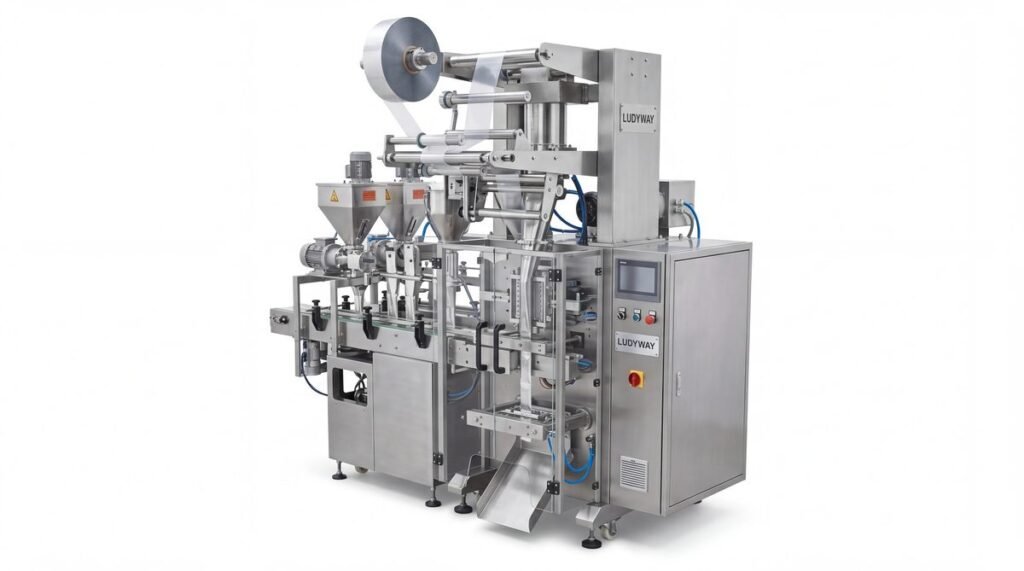
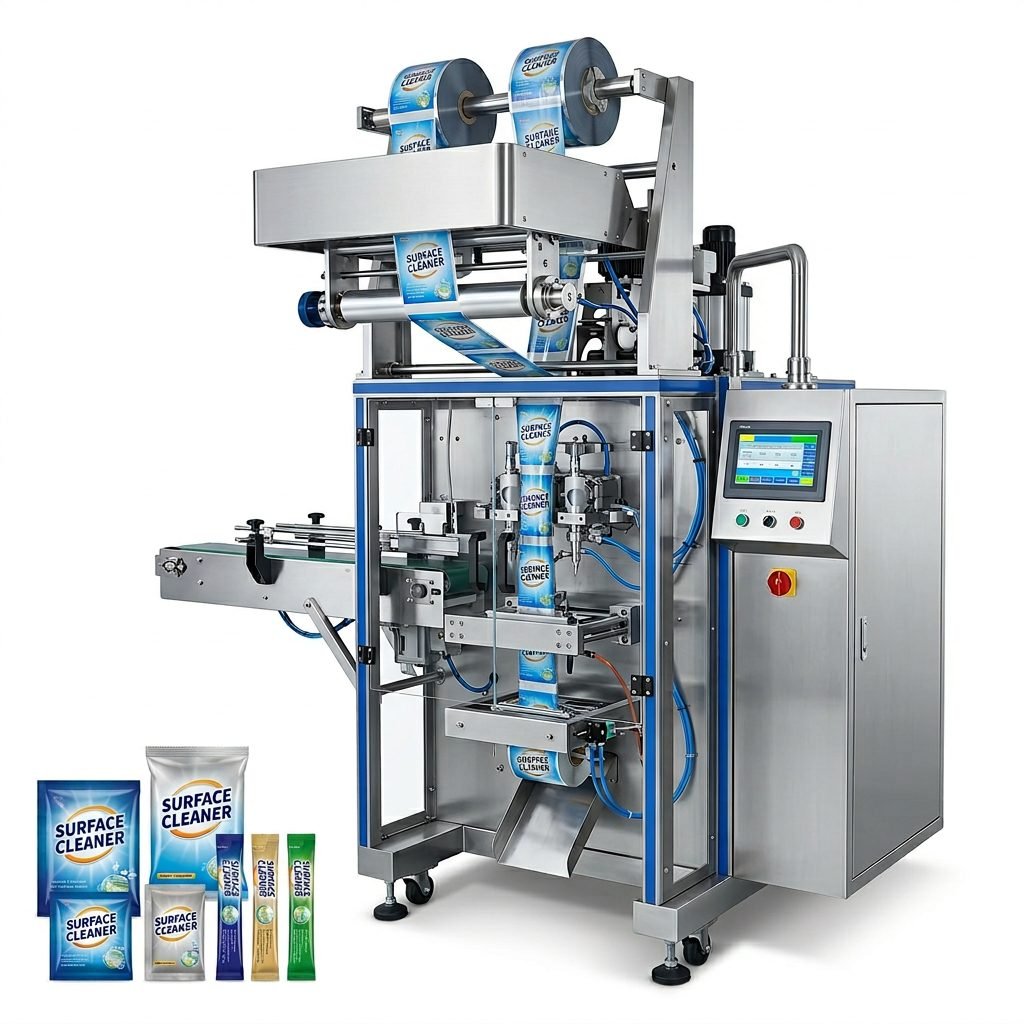
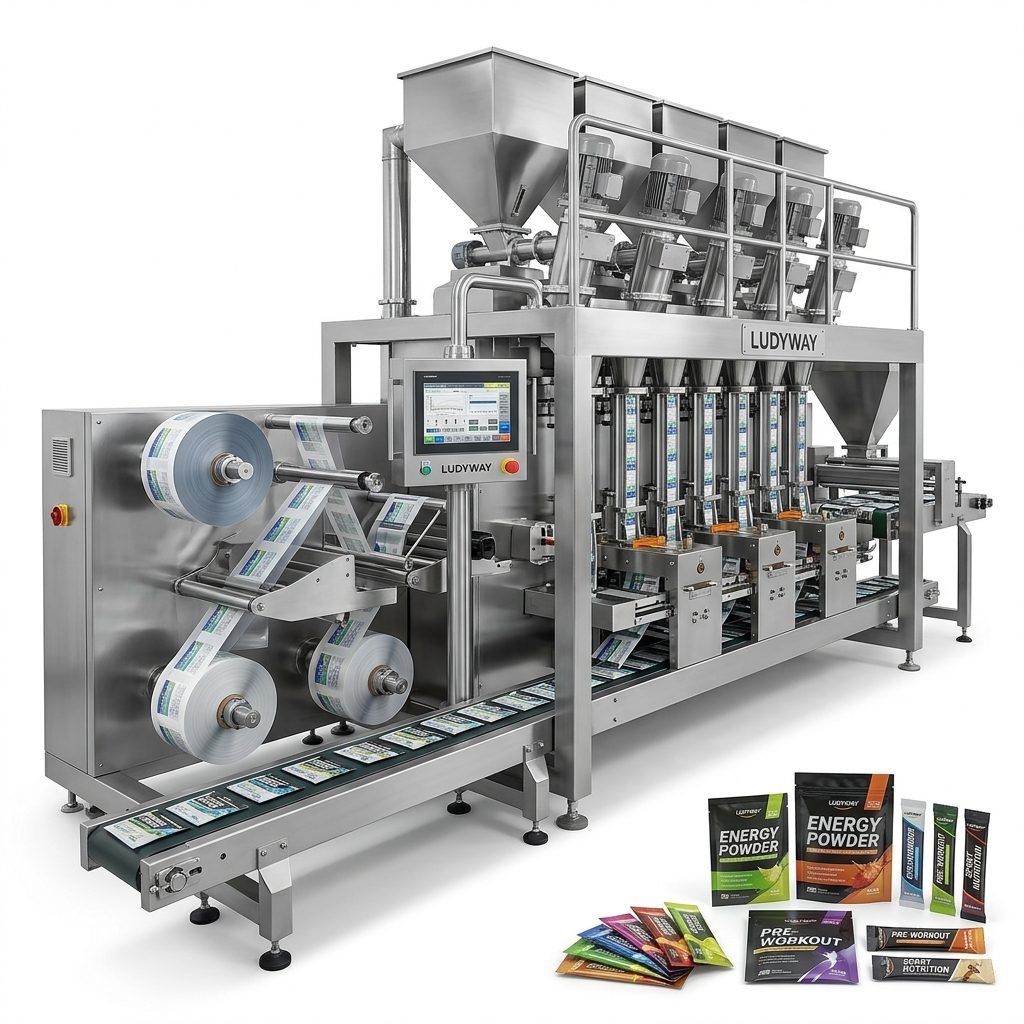
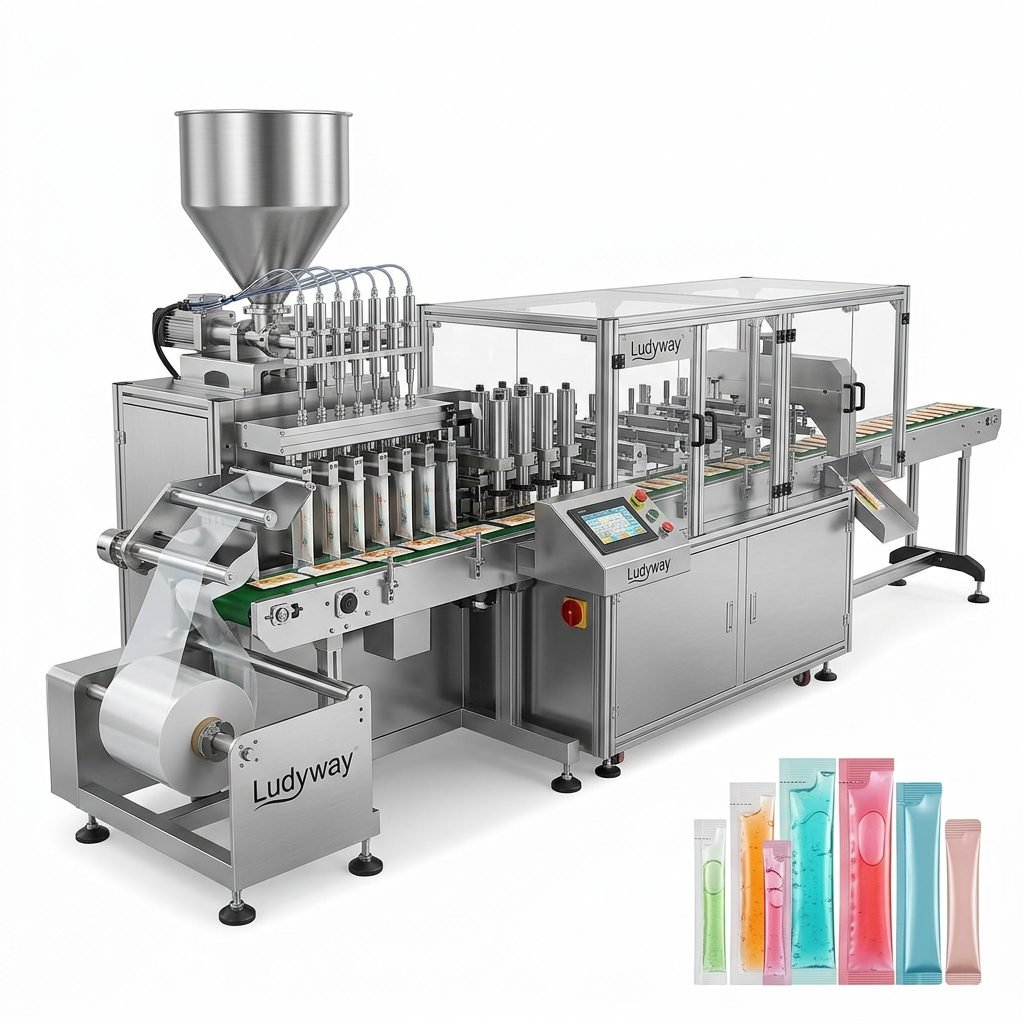
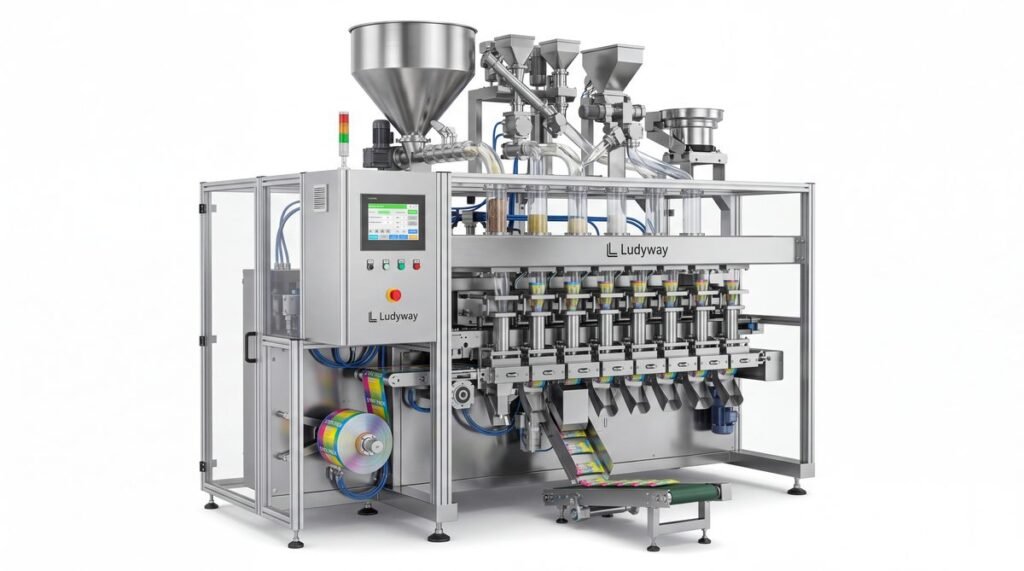
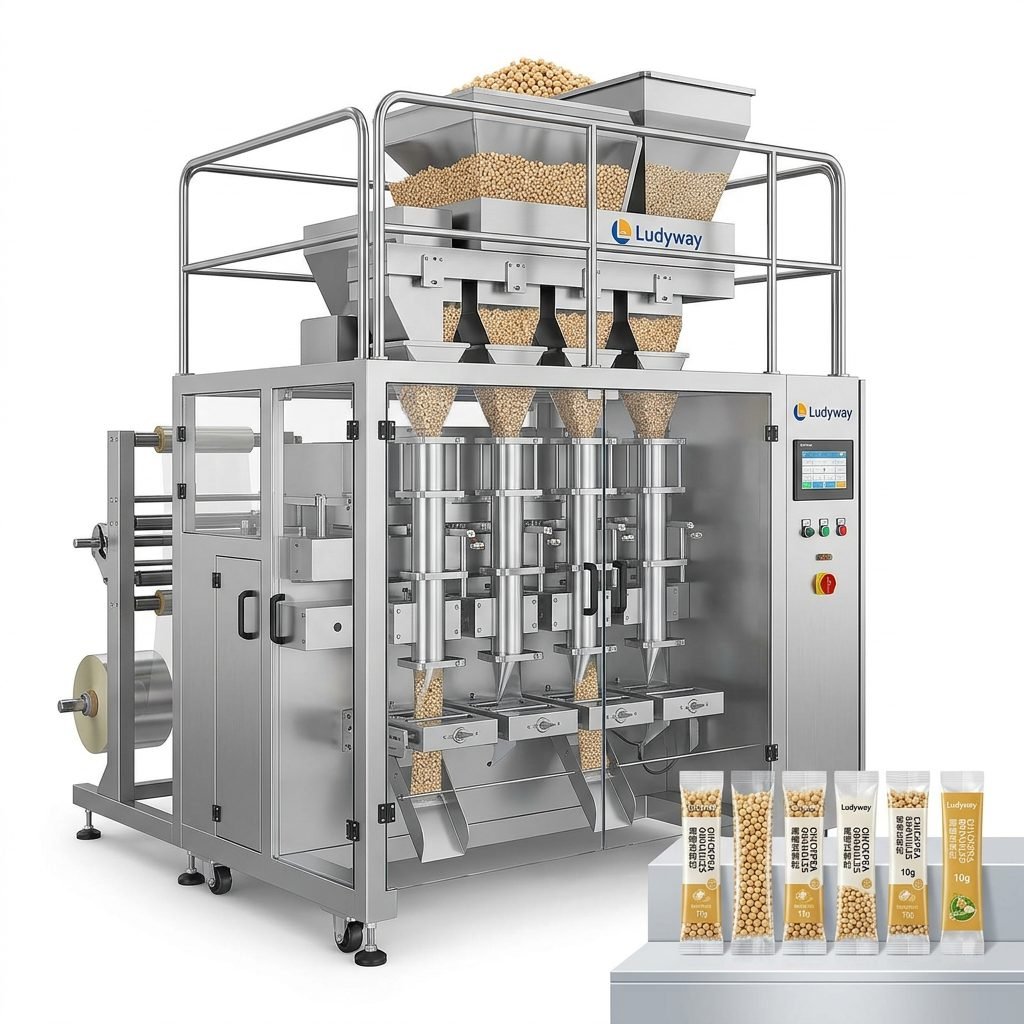
| Multi-Lane Stick Pack Machine | High-speed small pouch packaging | Feed supplements, mineral premixes, pet nutrition | Suitable for single-serve portions popular in EU markets |
| Automatic Palletizing System | End-of-line stacking and unitizing | All bulk feed bagging operations | Must meet EU workplace safety and ergonomic standards |
| Inspection & Detection Systems | Metal detection, checkweighing, X-ray inspection | Quality control for all feed types | HACCP compliance is mandatory for feed safety |
Step-by-Step Planning for Your Feed Packaging Production Line
1. Define Your Product Range and Packaging Formats
European feed manufacturers typically package a diverse range of products—from bulk livestock pellets and aquatic feed granules to specialty feed premixes and pet nutrition supplements. Each product category demands specific packaging solutions. Start by answering these questions:
- What is the target bag weight range (e.g., 500g sachets, 10kg bags, 25kg sacks, or jumbo bags)?
- Which packaging materials are required—paper, woven polypropylene, PE film, or compostable alternatives?
- What production speed (bags per minute) do you need to meet market demand?
- Will you be producing single-serve stick packs for the growing European on-the-go segment?
2. Site Assessment and Layout Design
A well-designed packaging line layout optimizes material flow, minimizes downtime, and ensures operator safety. Key factors include ceiling height for vertical equipment, floor loading capacity for heavy machinery, and dust extraction requirements for powder-based feed products. The European standard EN 1672-2 provides hygiene and design requirements specifically for food and feed processing machinery.
3. Equipment Selection and Supplier Evaluation
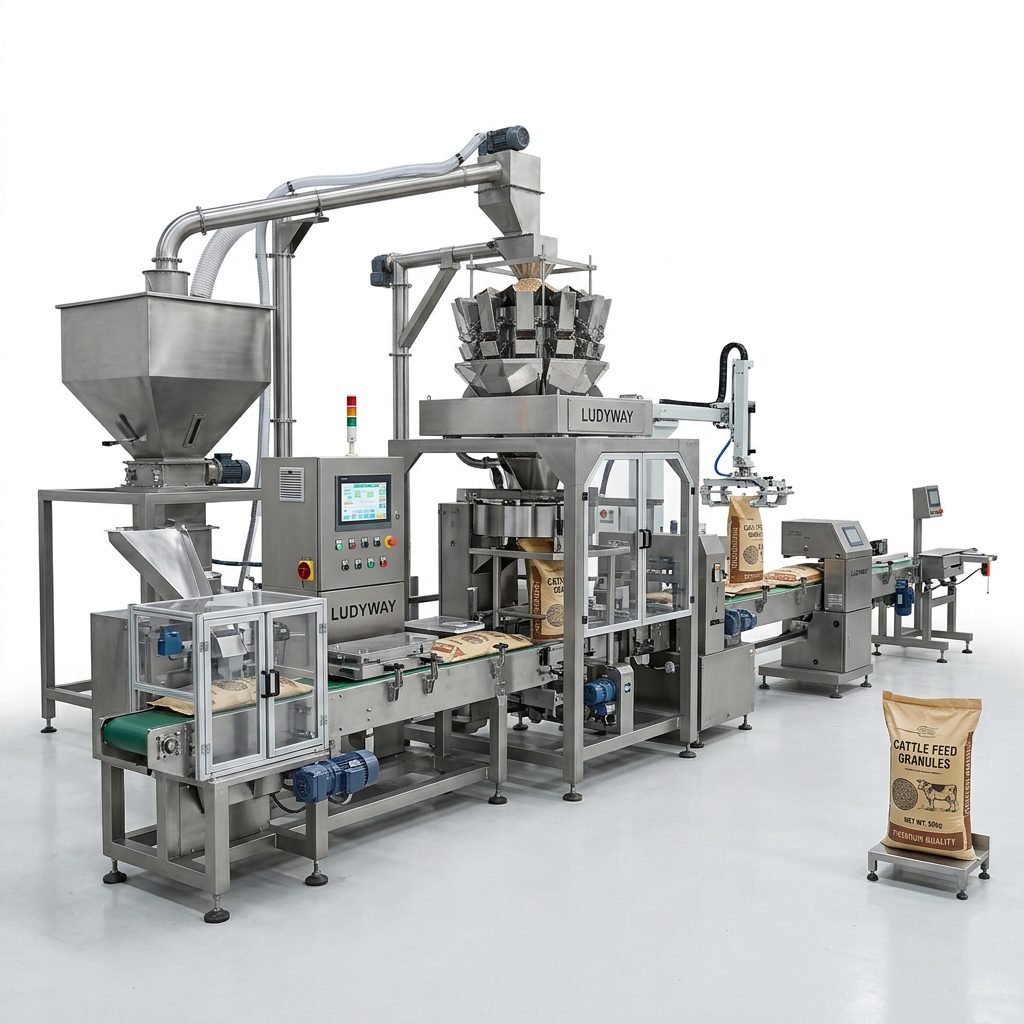
Selecting the right equipment supplier is one of the most consequential decisions you will make. Look for manufacturers with proven experience in European installations, demonstrated CE compliance documentation, and comprehensive after-sales support. Evaluate the supplier’s track record with turnkey feed packaging projects and their ability to provide integrated solutions covering weighing, filling, sealing, coding, inspection, and palletizing in one coordinated system.
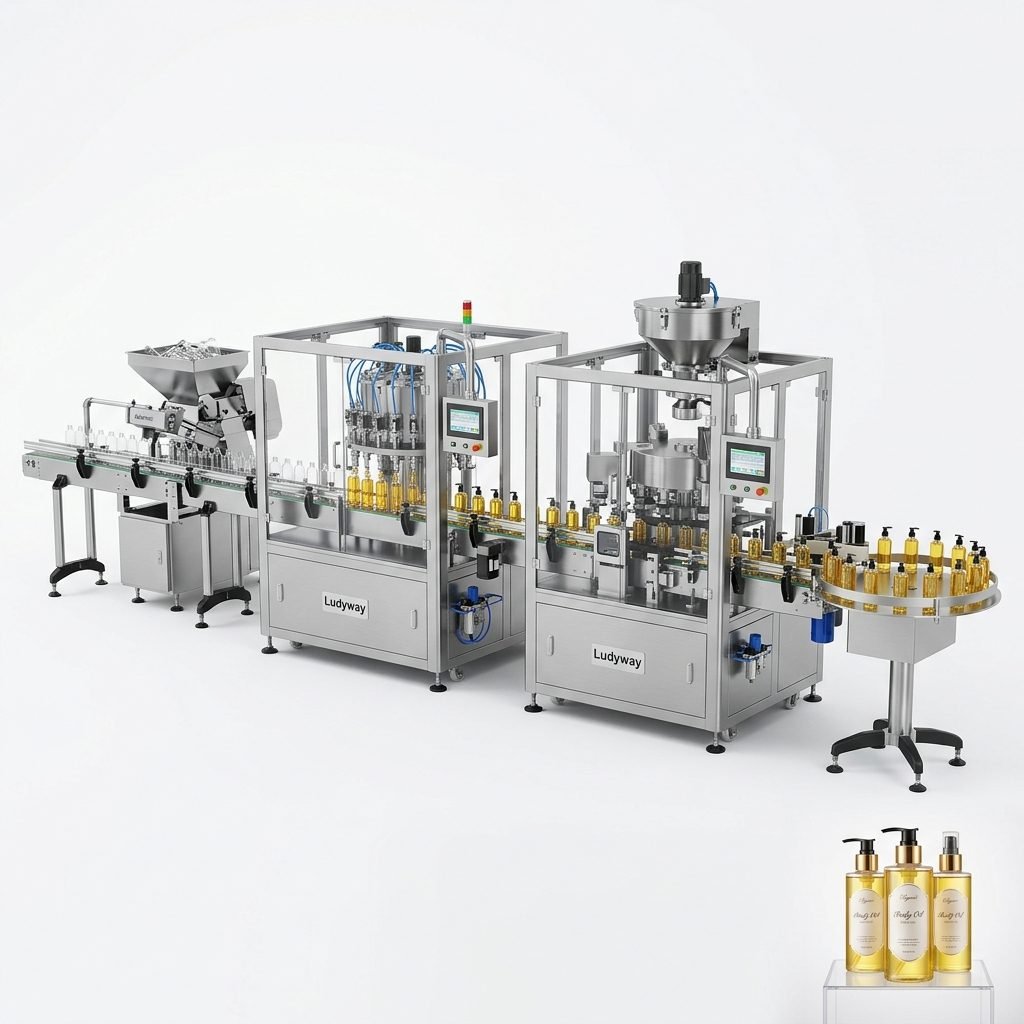
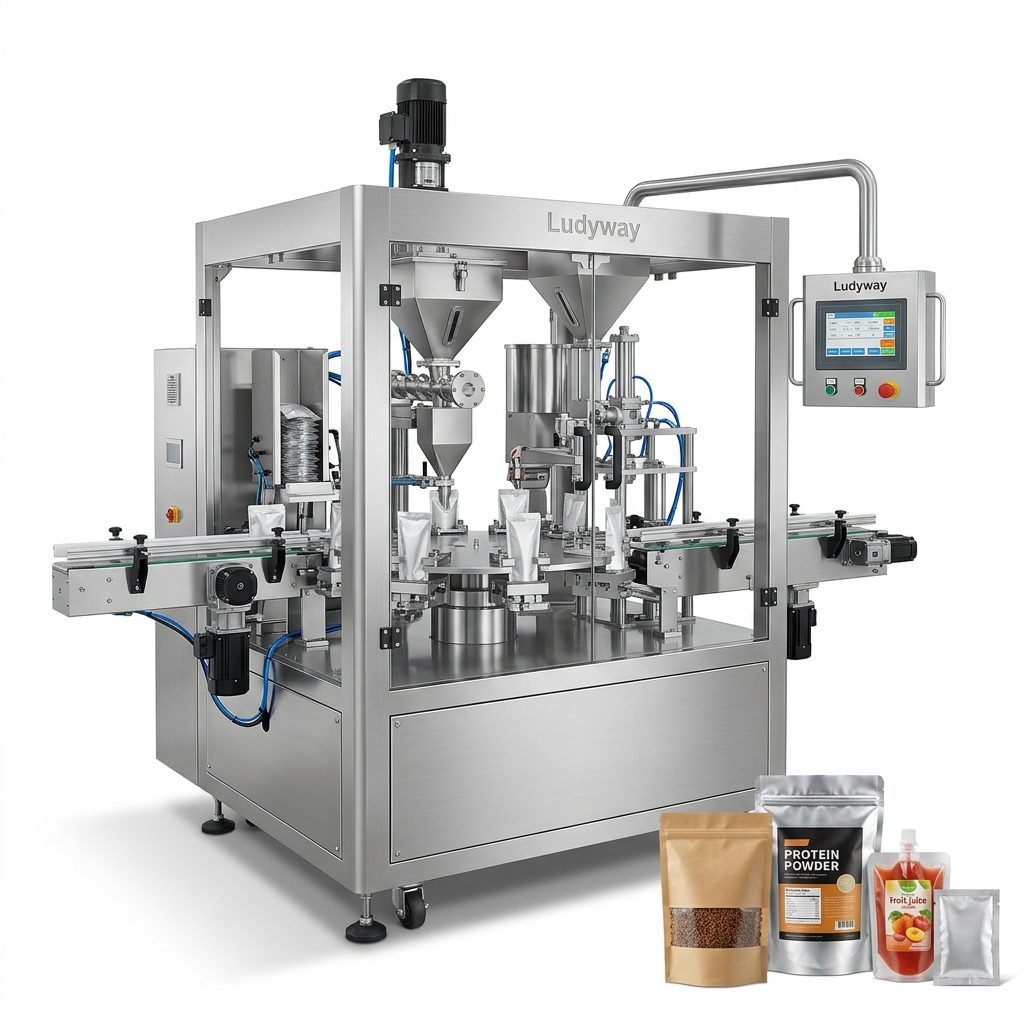
For businesses seeking a comprehensive solution, companies like Ludyway offer over 50 intelligent packaging machine models and turnkey production line engineering. With more than 30 years of industry expertise and a modern 20,000㎡ manufacturing facility, Ludyway has served customers in over 100 countries and regions, providing advanced packaging equipment for granule, powder, liquid, and pouch applications across the food, pharmaceutical, and health industries.
Installation, Commissioning, and Local Compliance
Once your equipment arrives in Europe, proper installation and commissioning are critical. The process typically involves:
- Pre-installation site preparation – Ensuring utilities (compressed air, electricity, water) meet European specifications (e.g., 400V three-phase power)
- Mechanical assembly and alignment – Following manufacturer assembly protocols with certified local technicians
- Electrical integration and safety validation – Verifying compliance with IEC 60204-1 (electrical safety of machinery) and local wiring regulations
- Software configuration and testing – Calibrating weighing systems, setting up HMI parameters, and validating recipe management
- Performance qualification (PQ) – Running production trials to confirm speed, accuracy, and overall equipment effectiveness (OEE)
- Operator training and documentation – Delivering SOPs, maintenance schedules, and safety protocols in local languages
Many European buyers also require Factory Acceptance Testing (FAT) at the manufacturer’s facility before shipment, followed by Site Acceptance Testing (SAT) after installation. This dual-verification approach reduces risk and ensures the production line meets agreed-upon specifications before full-scale operation begins.
Cost Considerations and ROI Analysis
Investing in a feed packaging machine production line represents a significant capital expenditure. Understanding the total cost of ownership (TCO) helps build a realistic business case. Below is a breakdown of typical cost components:
| Cost Category | Typical Share of TCO | Key Variables |
|---|---|---|
| Equipment purchase price | 55–65% | Machine configuration, automation level, brand origin |
| Shipping, duties, and import taxes | 8–12% | Country of origin, EU tariff codes, trade agreements |
| Installation and commissioning | 5–8% | Local labor rates, site complexity, travel costs |
| Annual maintenance and spare parts | 3–5% per year | Machine complexity, operating hours, wear parts |
| Energy consumption | 2–4% per year | European electricity prices, motor efficiency ratings |
| Training and documentation | 1–3% | Language requirements, operator skill levels |
To assess return on investment, calculate your expected labor savings, reduced material waste, increased throughput, and improved product consistency. A well-automated feed packaging line can typically achieve ROI within 18 to 36 months in the European market, depending on production volume and product margins. For market benchmarks, review PMMI’s State of the Industry reports and Flexible Packaging Association industry data.
Automation and Industry 4.0 in European Feed Packaging
European manufacturing is increasingly driven by Industry 4.0 principles, and feed packaging is no exception. Modern production lines incorporate:
- IoT-enabled sensors for real-time monitoring of machine performance, energy usage, and predictive maintenance alerts
- Centralized SCADA systems that provide end-to-end visibility across the packaging line, from raw material feeding to finished pallet dispatch
- Automated recipe management with barcode-driven changeovers that reduce human error and minimize downtime between product batches
- Digital twin technology for simulating line changes and optimizing throughput before physical implementation
- Cloud-based analytics platforms that enable remote diagnostics and OEE tracking across multiple production sites
These technologies not only improve operational efficiency but also support traceability requirements mandated by EU feed safety regulations. The ISO packaging standards and PMMI packaging industry resources offer further technical guidance on implementing automated packaging systems.
Key Considerations for Long-Term Success
Building a feed packaging production line in Europe is a long-term investment. Beyond the initial setup, several factors influence ongoing success:
- Spare parts availability – Ensure your equipment supplier maintains a European spare parts inventory or can ship critical components quickly to minimize downtime
- Scalability – Design your line with modular expansion capability so you can increase capacity as market demand grows
- Sustainability compliance – Stay ahead of evolving EU packaging waste regulations by selecting machinery compatible with recyclable and biodegradable packaging materials
- Technical support and training – Ongoing access to remote diagnostics, local service technicians, and updated operator training reduces total cost of ownership
- Continuous improvement – Regularly review OEE metrics, maintenance logs, and production data to identify optimization opportunities
Selecting a Reliable Technology Partner
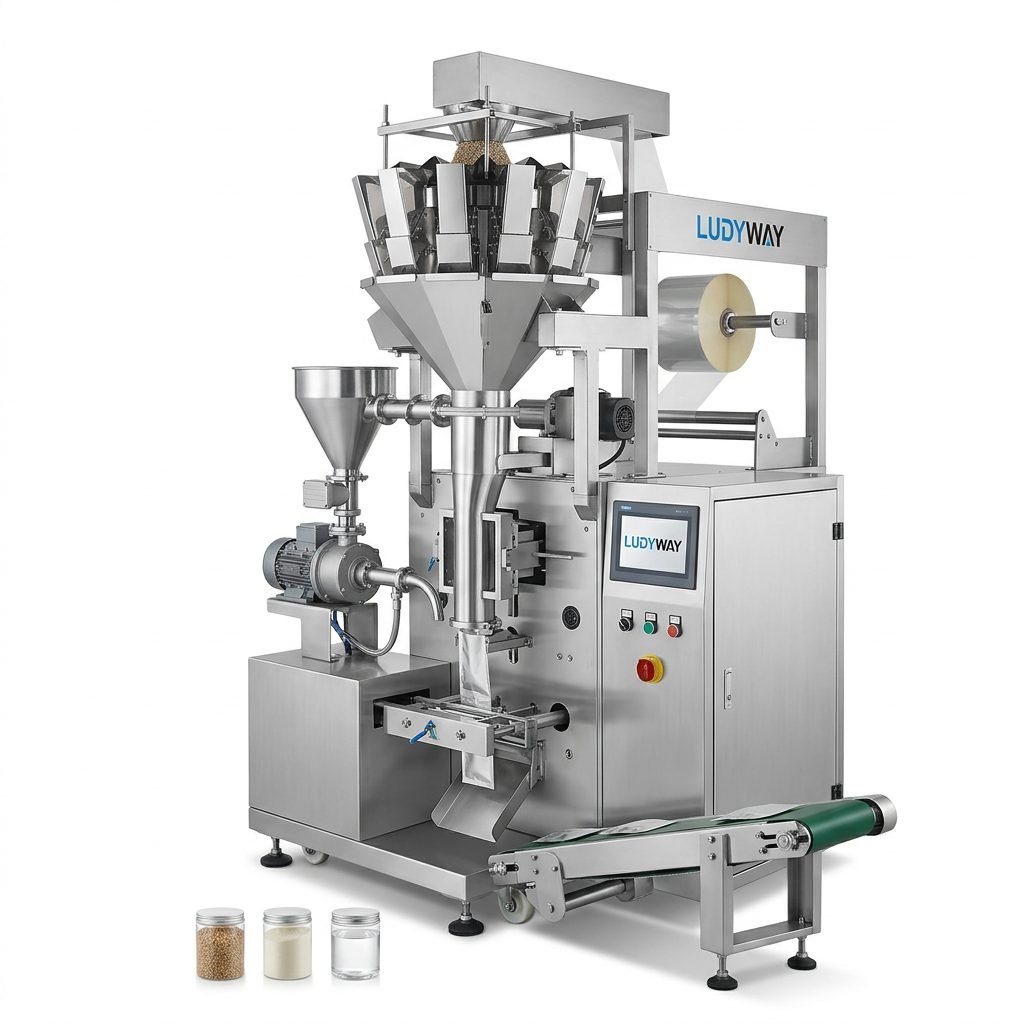
The success of your European feed packaging operation depends heavily on choosing the right technology partner. Look for a manufacturer that offers comprehensive turnkey solutions—from initial consultation and line design to installation, commissioning, and long-term service. Evaluate their experience with multi-lane stick pack systems, granule and powder filling technologies, and fully integrated end-of-line automation. A supplier with a global footprint and proven European installations provides the confidence that your investment will meet both regulatory requirements and performance expectations.
For additional guidance on packaging machinery standards and industry best practices, explore PACK EXPO International and ISO 11607 packaging standards for medical-grade applications, which provide transferable insights for feed packaging quality assurance.