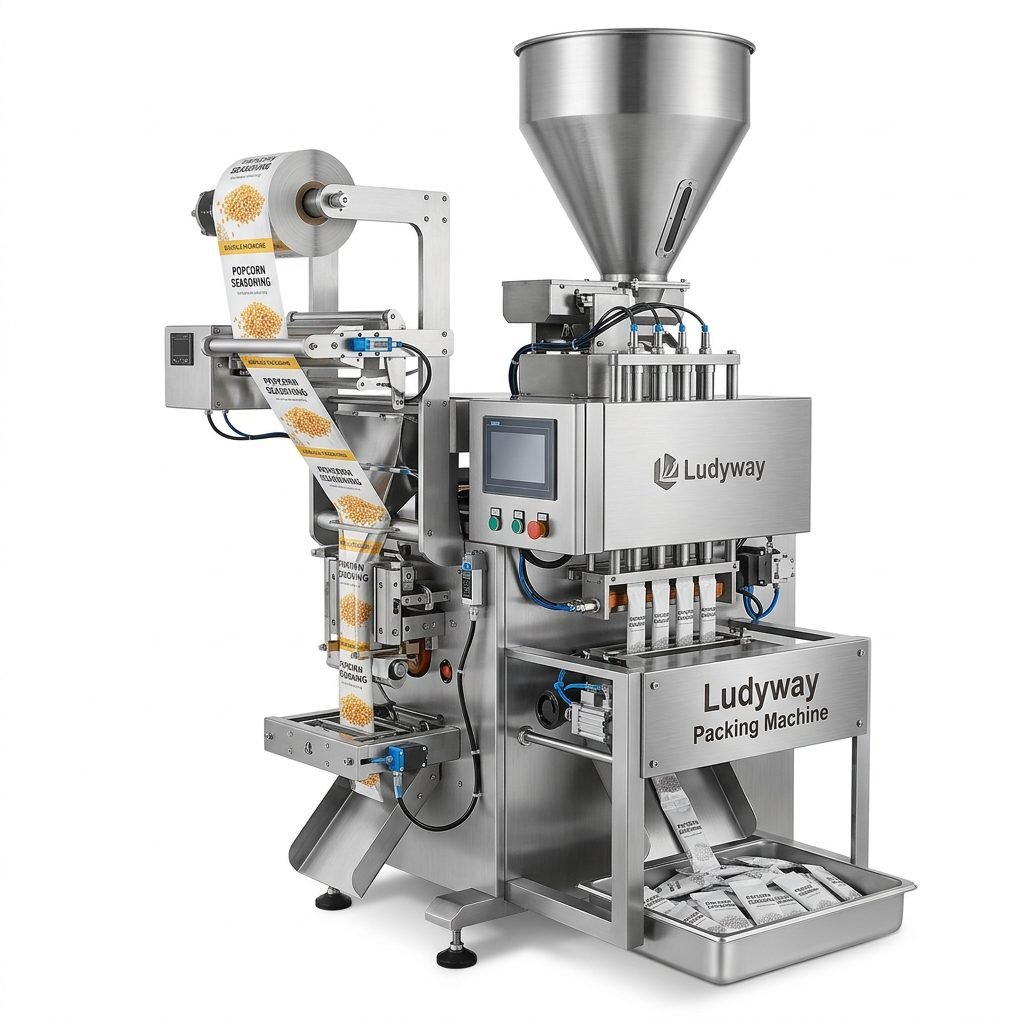
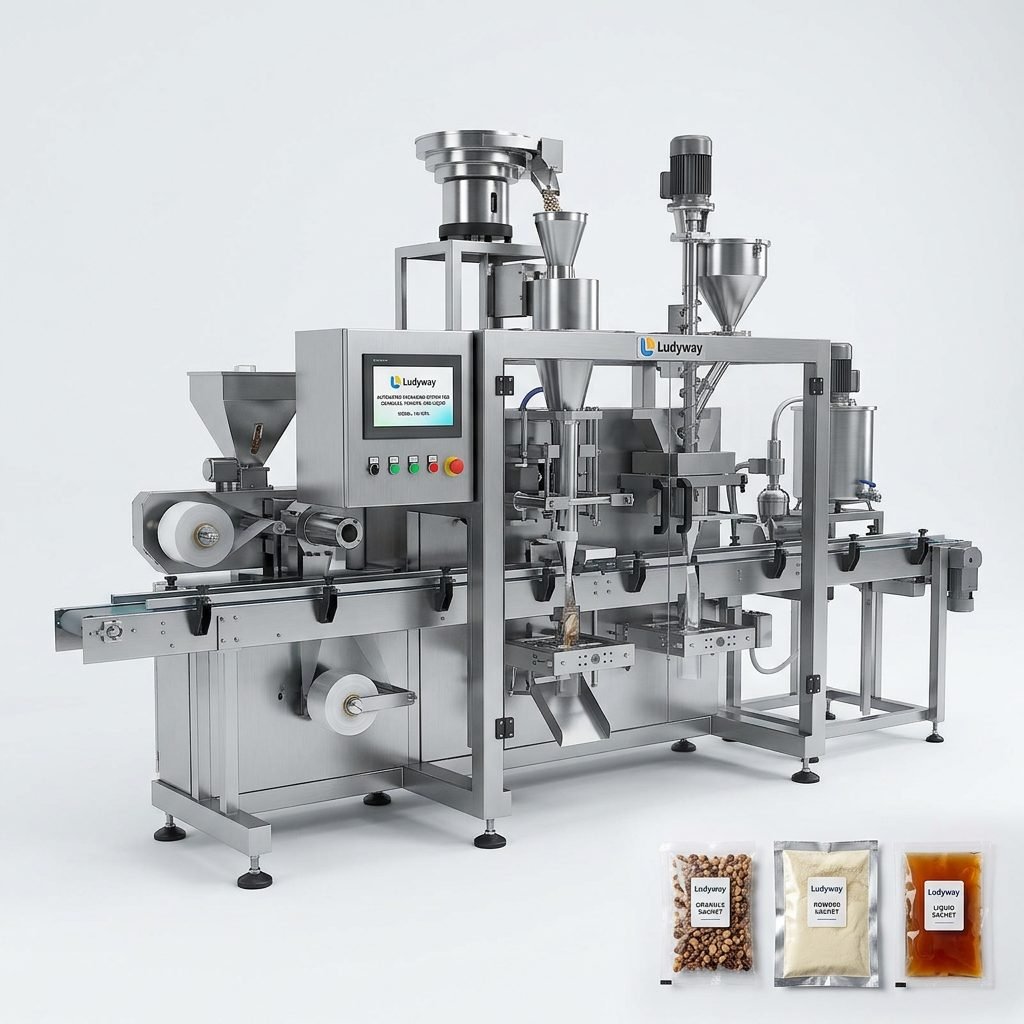
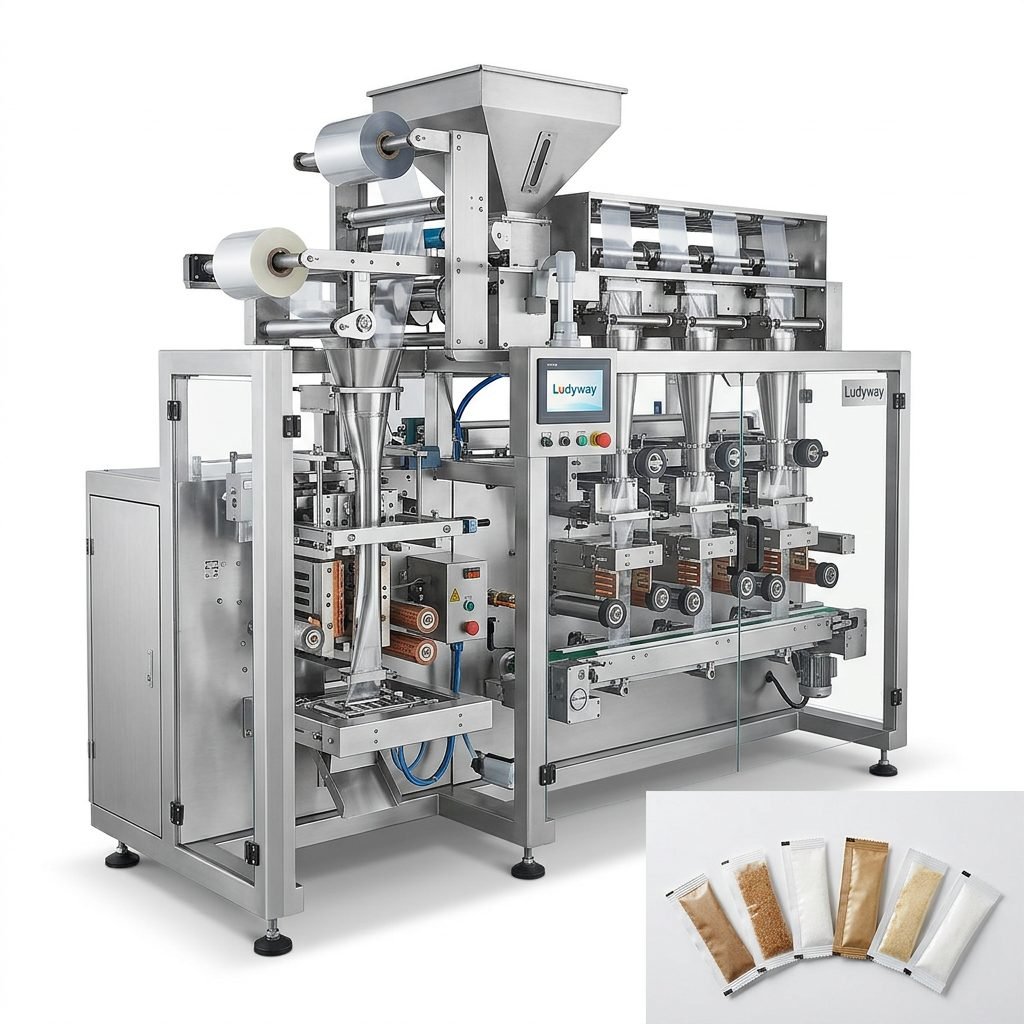
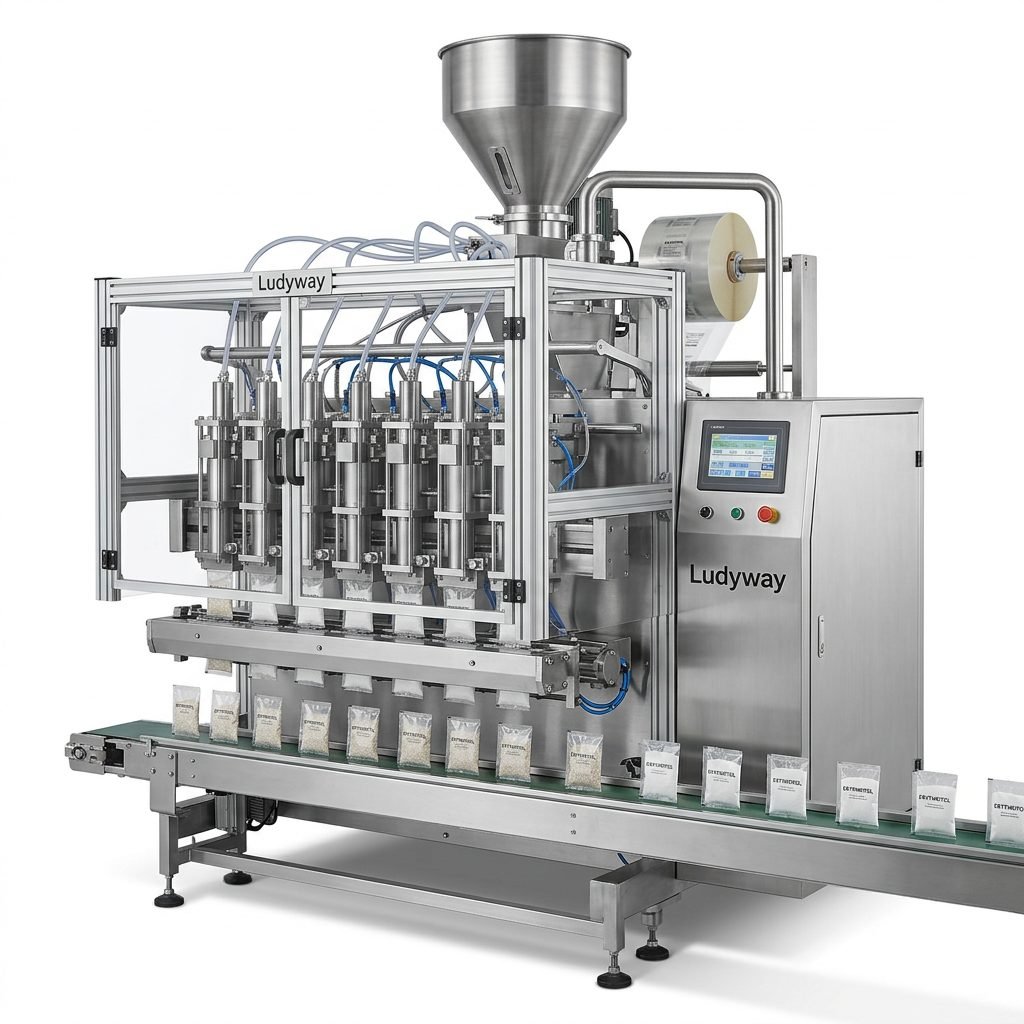
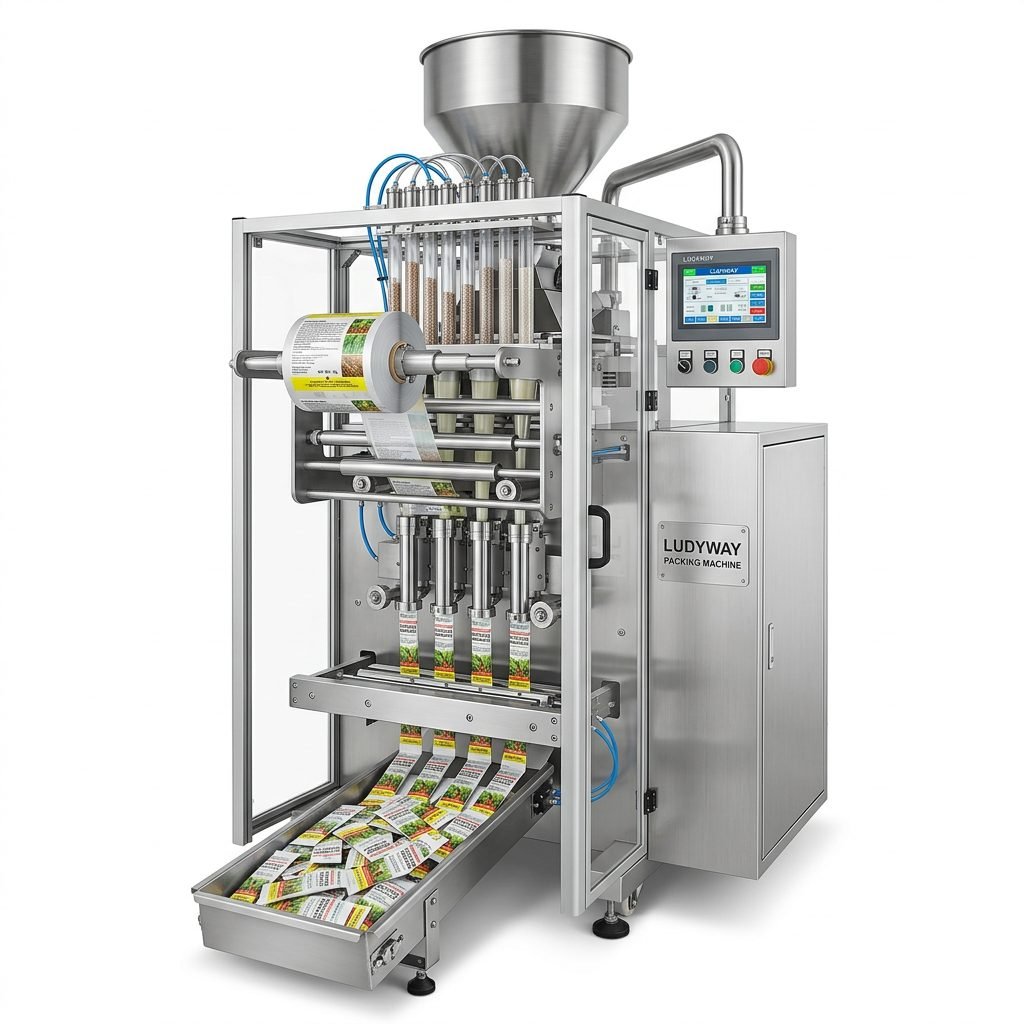
In today’s competitive food market, producers need packaging equipment that is fast, accurate, space-saving, and flexible. A small food packaging machine is designed to meet these demands by helping businesses package powders, granules, liquids, and semi-solid products with reliable consistency while using less floor space.
Whether you run a startup snack brand, a growing seasoning factory, a coffee business, or a contract packing operation, compact packaging systems can improve output, reduce manual labor, and support better product presentation. For companies looking to scale efficiently, the right machine can become a key part of daily production success.
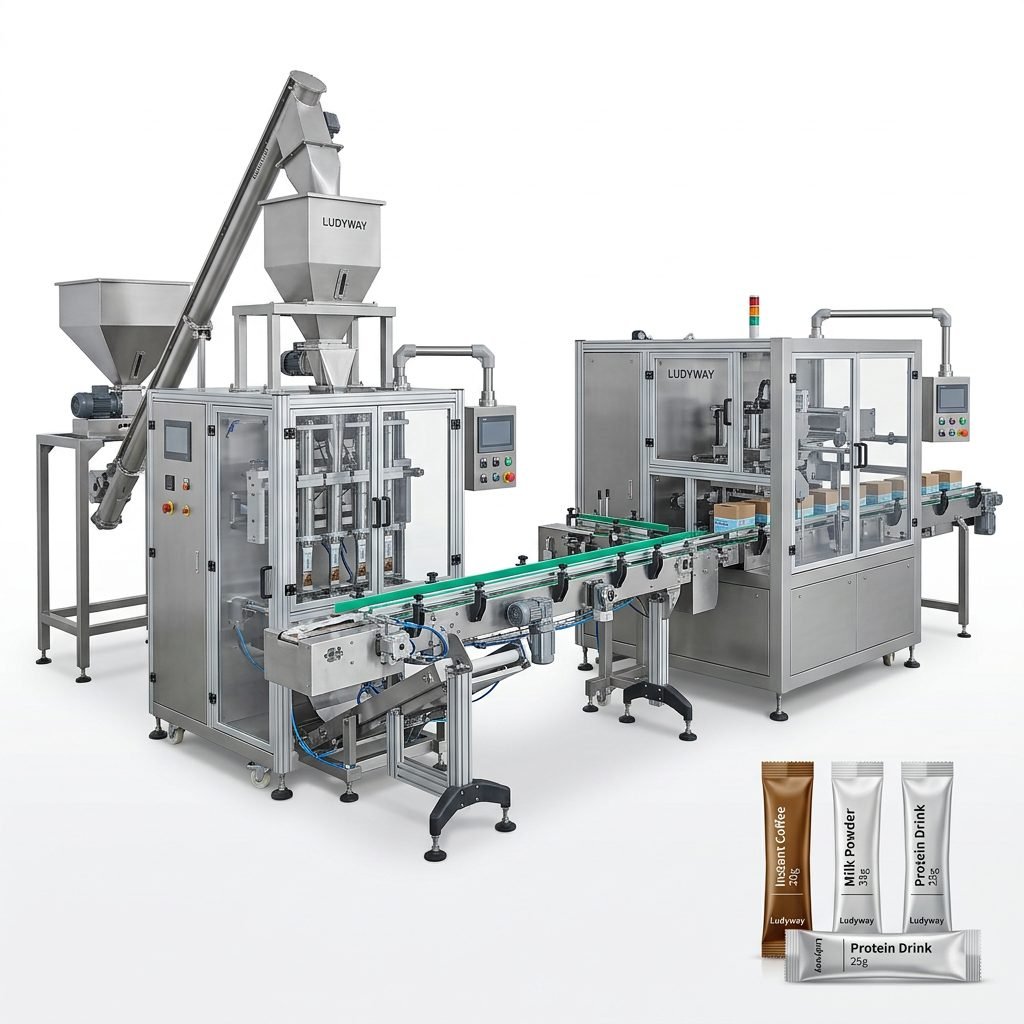
What Is a Small Food Packaging Machine?
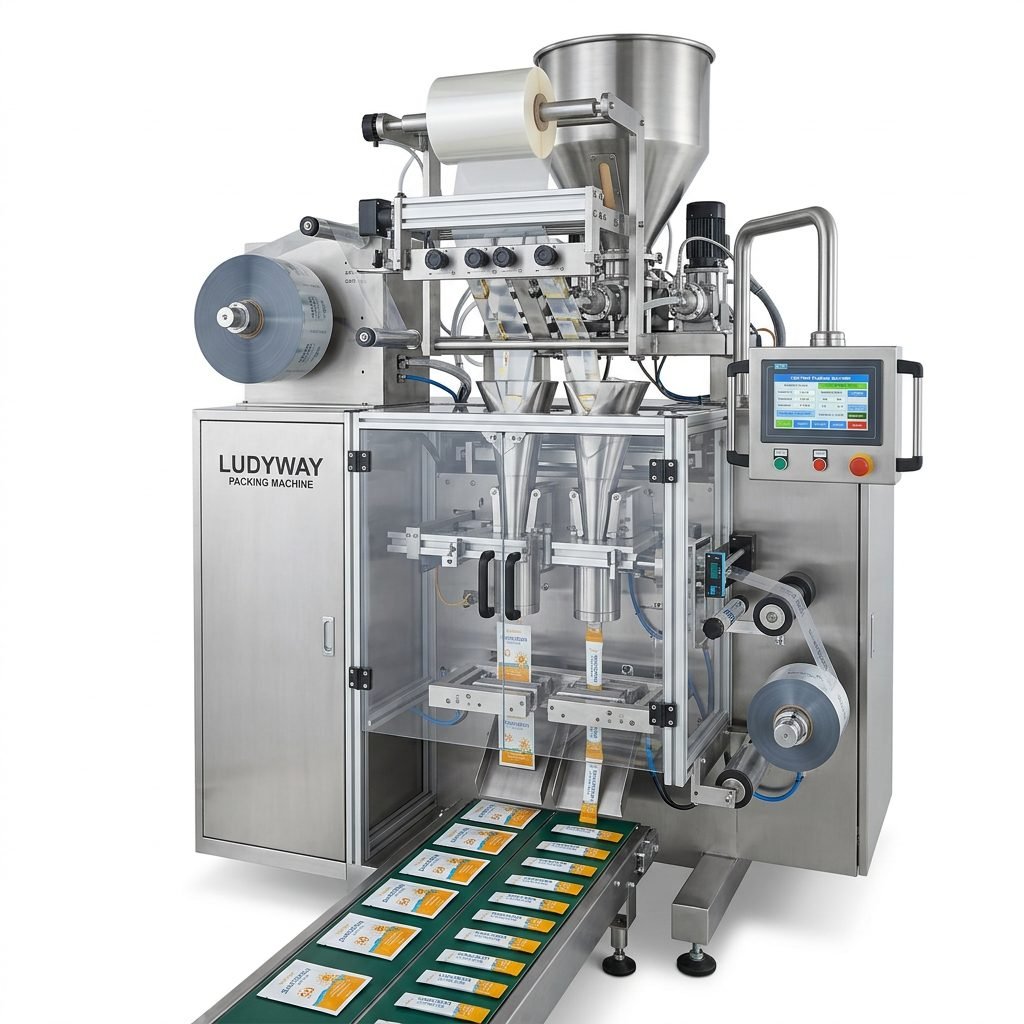
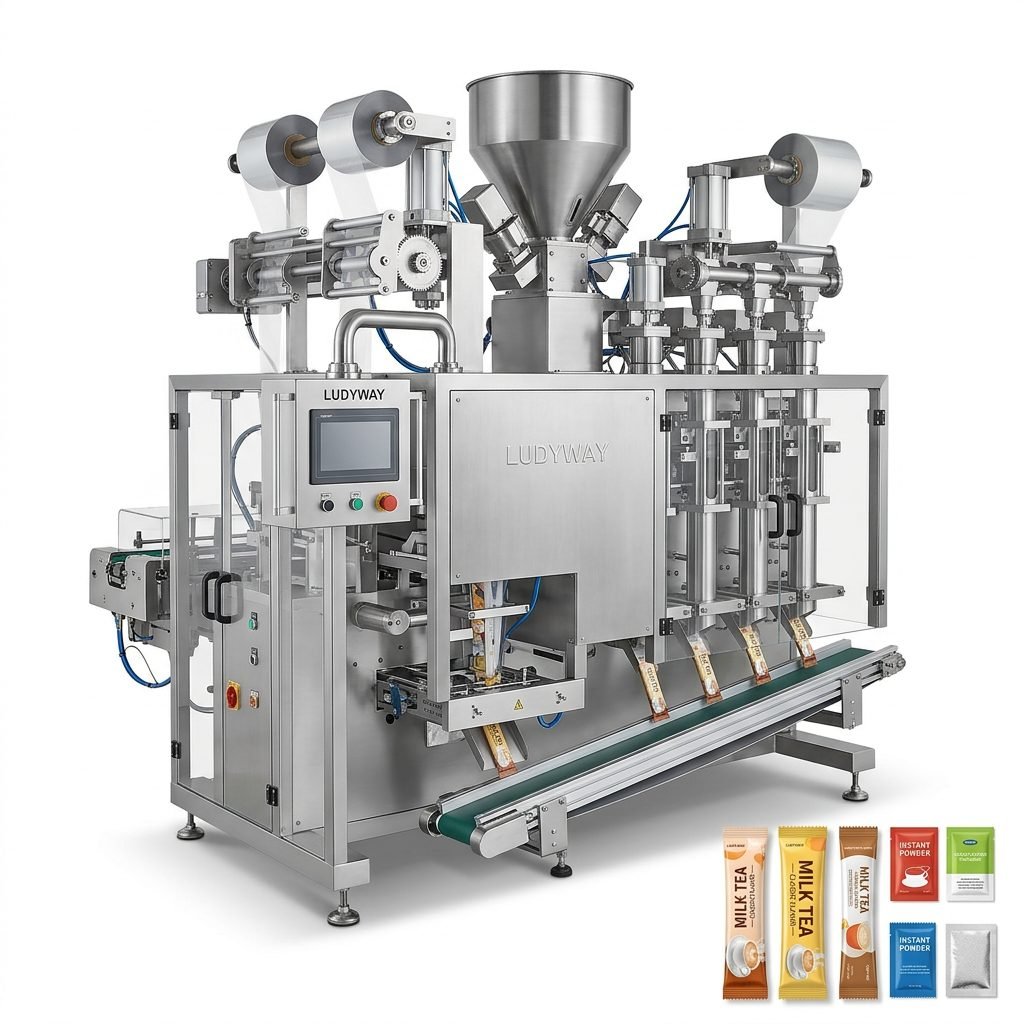
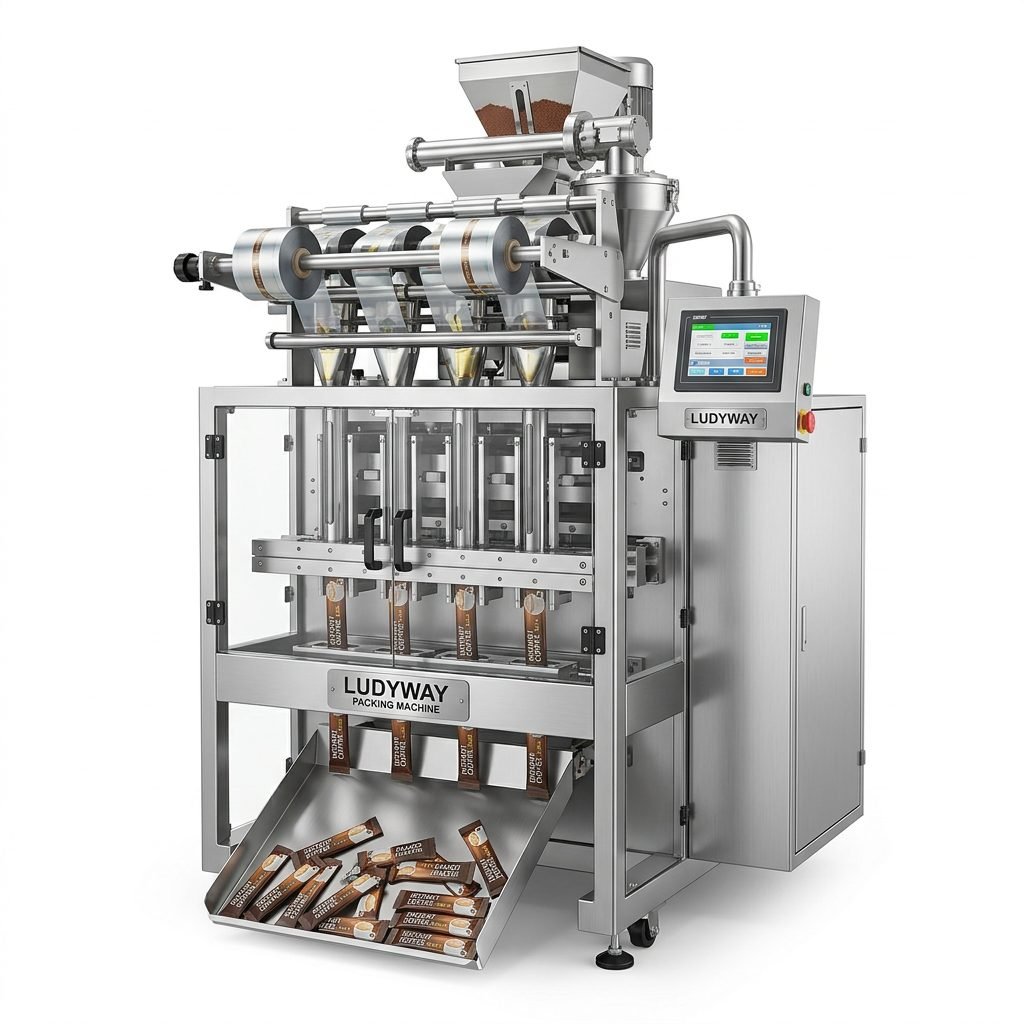
A small food packaging machine is compact equipment used to fill, form, seal, and pack food products into sachets, stick packs, pouches, or other retail-friendly formats. Despite its smaller footprint, it can deliver high packaging efficiency and excellent dosing precision.
These machines are commonly used for:
- Spice powders and seasoning blends
- Coffee, sugar, creamer, and instant drink mixes
- Sauces, honey, ketchup, and liquid condiments
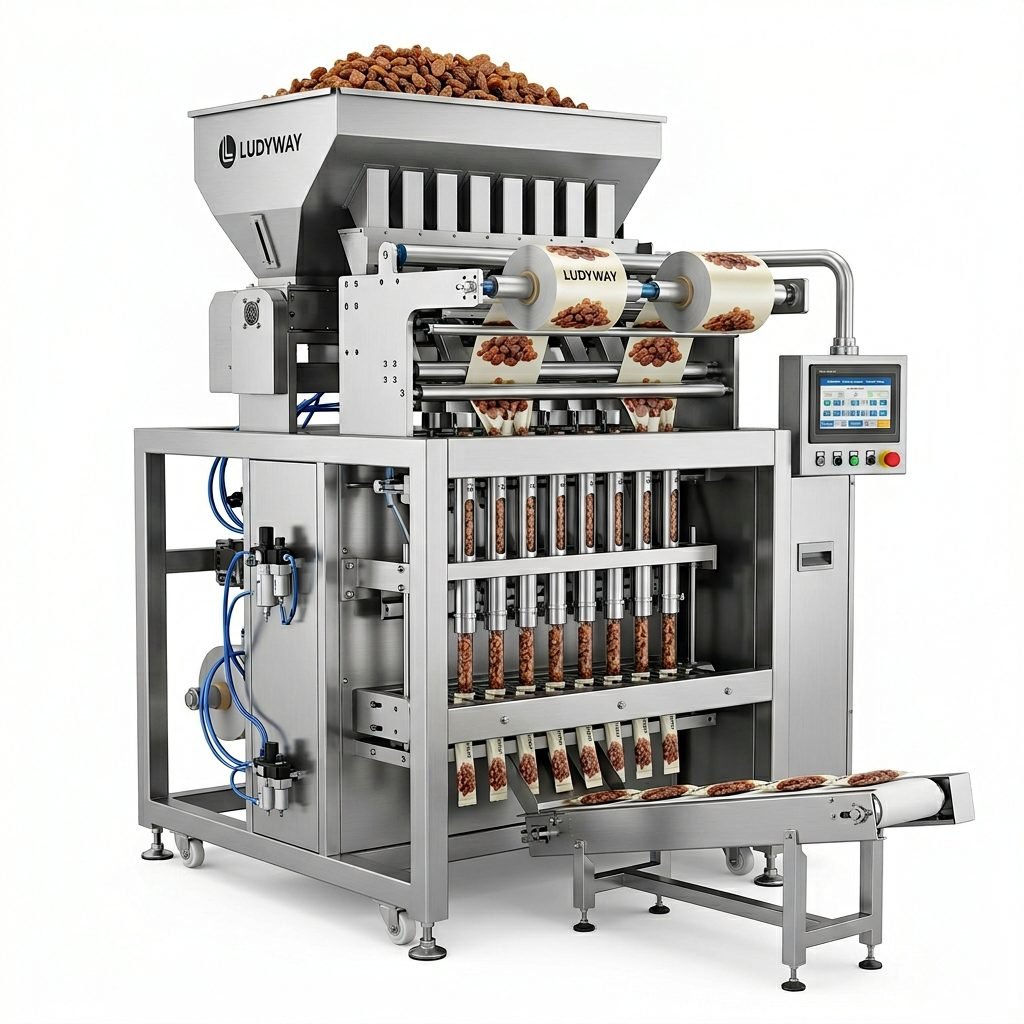
- Snack granules, seeds, nuts, and dried foods
- Protein powder, meal replacement powder, and nutrition products
Why Compact Packaging Equipment Matters
Many food manufacturers do not need oversized systems for every production task. A compact solution offers practical advantages, especially for businesses with limited workshop space or multiple SKUs.
Key Benefits
- Space efficiency: Ideal for small factories, pilot production, and flexible packaging rooms
- Lower labor demand: Automates repetitive filling and sealing operations
- Better consistency: Improves fill accuracy and package uniformity
- Faster changeover: Supports different product types and bag formats
- Scalable investment: Easier for growing brands to adopt automated packaging gradually
For food businesses trying to balance cost control and output growth, compact systems can deliver strong value without requiring a full large-scale line from day one.
Common Product Types Suitable for Small Food Packaging Machines
| Product Type | Typical Packaging Format | Application Notes |
|---|---|---|
| Powders | Sachets, stick packs | Suitable for milk powder, seasoning, protein, coffee |
| Granules | Pouches, sachets, stick packs | Used for sugar, seeds, grains, snack pieces |
| Liquids | Sachets, pouches | Ideal for sauces, oils, honey, beverage concentrates |
| Pastes | Sachets, stick packs | Works for ketchup, jam, peanut butter, cream-like foods |
Features That Improve Speed and Accuracy
Not all compact machines are the same. High-performing models combine mechanical stability with smart control systems to maintain speed without sacrificing package quality.
Important Technical Features to Look For
- Precise filling systems for powders, granules, liquids, or pastes
- Stable sealing performance to avoid leakage and poor package appearance
- User-friendly control panel for faster operation and parameter adjustment
- Compact machine structure for easier installation and maintenance
- Flexible bag-making capability for different widths, lengths, and styles
- Food-grade contact parts for hygiene and compliance
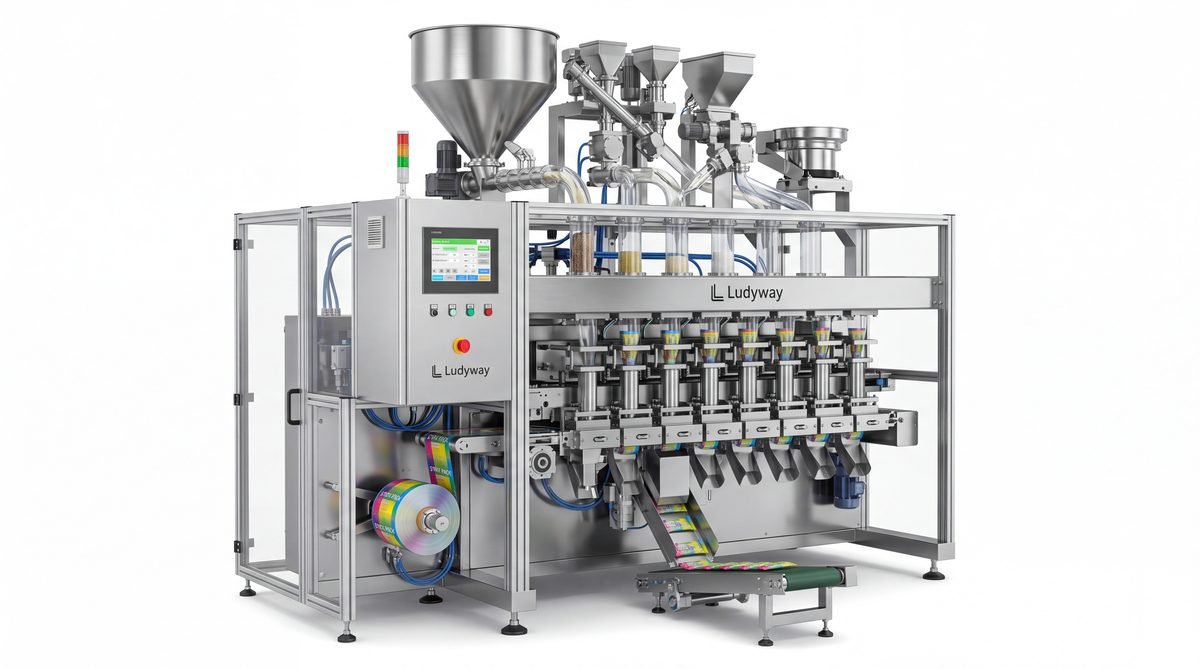
Ideal Applications by Business Size
For Startups
Small food packaging machines help startups launch products quickly with professional-looking retail packaging. They are especially useful for brands selling trial packs, single-serve portions, or online direct-to-consumer products.
For Growing Manufacturers
If manual packing is slowing down output, a compact automatic system can improve efficiency and reduce filling variation. This supports stronger brand consistency and helps meet larger order volumes.
For Contract Packers
Contract packers often handle a variety of product forms and packaging sizes. Compact machines with flexible settings make it easier to switch between customer orders while maintaining speed.
How to Choose the Right Small Food Packaging Machine
Before investing, it is important to evaluate not only your current product but also future production goals. The best machine should fit both your present needs and your expansion plan.
Selection Checklist
- What product are you packing: powder, granule, liquid, or paste?
- What package style do you need: sachet, stick pack, pouch, or bag?
- What output speed is required per minute or per shift?
- How important is dosing accuracy for your product value?
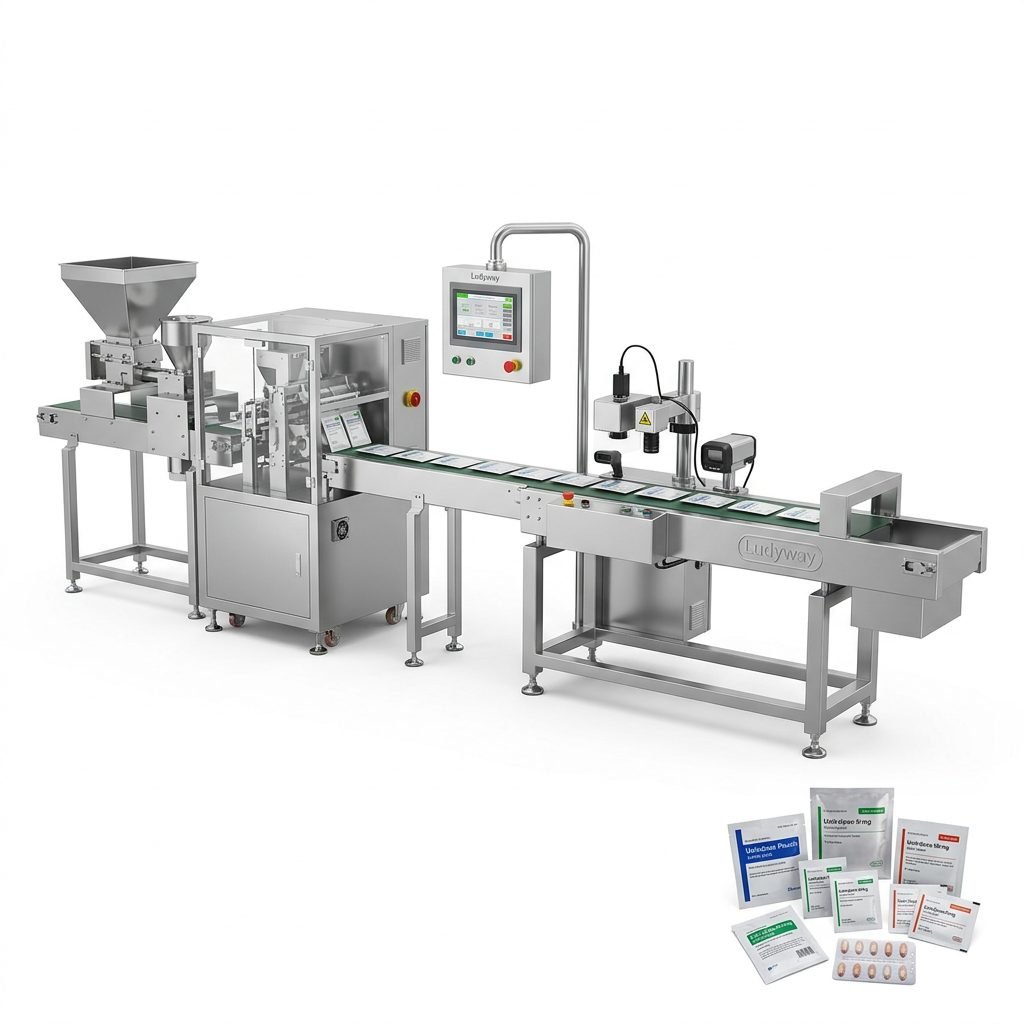
- Do you need coding, counting, cartoning, or conveyor integration?
- How much factory space is available?
- Will you need custom sizes or future line expansion?
Choosing by product characteristics is essential. Fine powders require different feeding and dosing systems than free-flowing granules or viscous liquids. A machine that is perfectly matched to material behavior will perform better over time.
Compact Machine vs. Large Packaging Line
| Factor | Small Food Packaging Machine | Large Packaging Line |
|---|---|---|
| Footprint | Compact and space-saving | Requires more floor area |
| Investment Level | More accessible for SMEs | Higher capital commitment |
| Flexibility | Good for varied small and mid-size batches | Best for stable, high-volume production |
| Installation | Faster deployment | More complex setup |
Maintenance and Operational Tips
To keep a small packaging machine running efficiently, regular maintenance and operator training are essential. A compact system may be smaller, but it still depends on proper care for long-term performance.
Best Practices
- Clean product-contact parts frequently
- Check sealing components and temperature stability
- Inspect filling devices for wear and calibration drift
- Monitor film feeding alignment
- Train operators on product changeover and daily checks
- Keep spare parts available for critical components
Good maintenance not only reduces downtime but also helps preserve packaging accuracy, seal quality, and machine lifespan.
Why Customization Matters in Food Packaging
Food products differ widely in flowability, moisture sensitivity, portion size, and shelf-life requirements. Because of this, many buyers prefer packaging equipment that can be adapted to their specific application.
Customization may include:
- Different filling methods for powder, liquid, or granules
- Single-lane or multi-lane configurations
- Date coding and batch printing integration
- Feeding systems, conveyors, and discharge options
- Turnkey upgrades for cartoning, checkweighing, or case packing
A trusted manufacturer can help match machine design to your exact packaging workflow, reducing trial-and-error after installation.
Reliable Supplier Support Is Just as Important as the Machine
When sourcing a small food packaging machine, buyers should evaluate not only machine specifications but also the supplier’s engineering strength, export experience, and after-sales support.
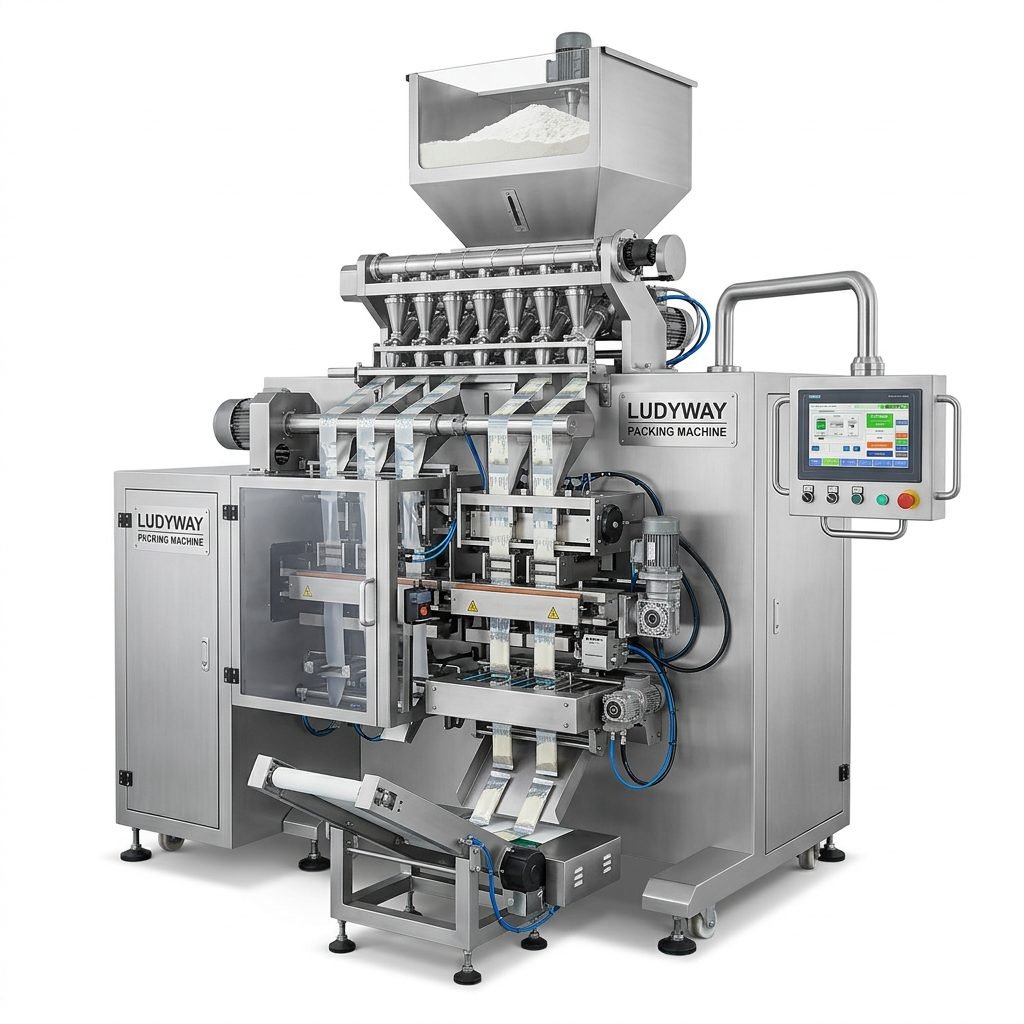
For businesses seeking scalable packaging automation, small food packaging machine solutions from Ludyway can be a practical option. Founded in 1993, with more than 30 years of industry experience, a factory area of over 20,000 square meters, and service coverage in more than 100 countries and regions, the company offers a broad range of packaging machinery and turnkey packaging line solutions for food and related industries.
Final Thoughts on Fast and Accurate Compact Packaging
A small food packaging machine is more than a compact piece of equipment—it is a smart production tool for businesses that need efficiency, precision, flexibility, and professional packaging results. From powders and granules to liquids and sauces, these systems help food manufacturers package products faster while maintaining quality and consistency.
If your business is aiming to improve output without sacrificing floor space, a compact packaging solution can be the right step toward more efficient and scalable production.