Investing in a fish packaging machine production line in Italy is a strategic move for seafood processors looking to capitalize on the Mediterranean’s robust fishing industry and the growing global demand for frozen, fresh, and processed fish products. Automation is no longer a luxury but a necessity to maintain product freshness, extend shelf life, and comply with stringent European food safety standards. This guide provides a comprehensive roadmap for setting up an efficient, high-speed fish packaging operation in the Italian market.
Understanding Fish Packaging Machine Types
Before setting up your production line, it is crucial to select the right machinery that aligns with your specific product format—whether it is fresh fillets, frozen whole fish, dried seafood snacks, or liquid fish oil supplements. The Italian market demands versatility and precision.
Common Configurations for Fish Packaging
- Vacuum Packaging Machines: Ideal for fresh and smoked fish, removing oxygen to prevent spoilage and freezer burn. These are standard for high-end Italian deli counters and export markets.
- Modified Atmosphere Packaging (MAP) Machines: Replaces atmospheric air with a gas mixture (often nitrogen and CO2) to dramatically extend the shelf life of fresh fish without freezing. MAP is essential for retail-ready trays in supermarkets.
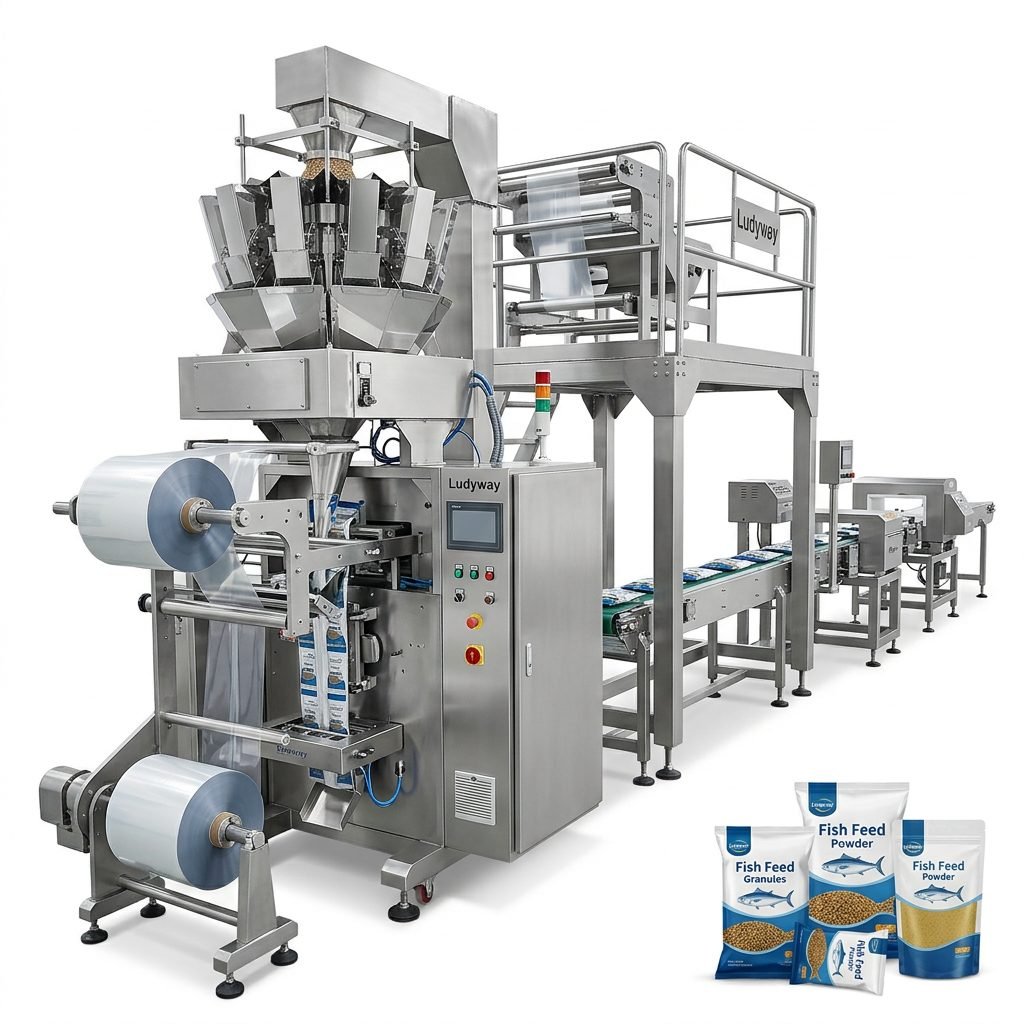
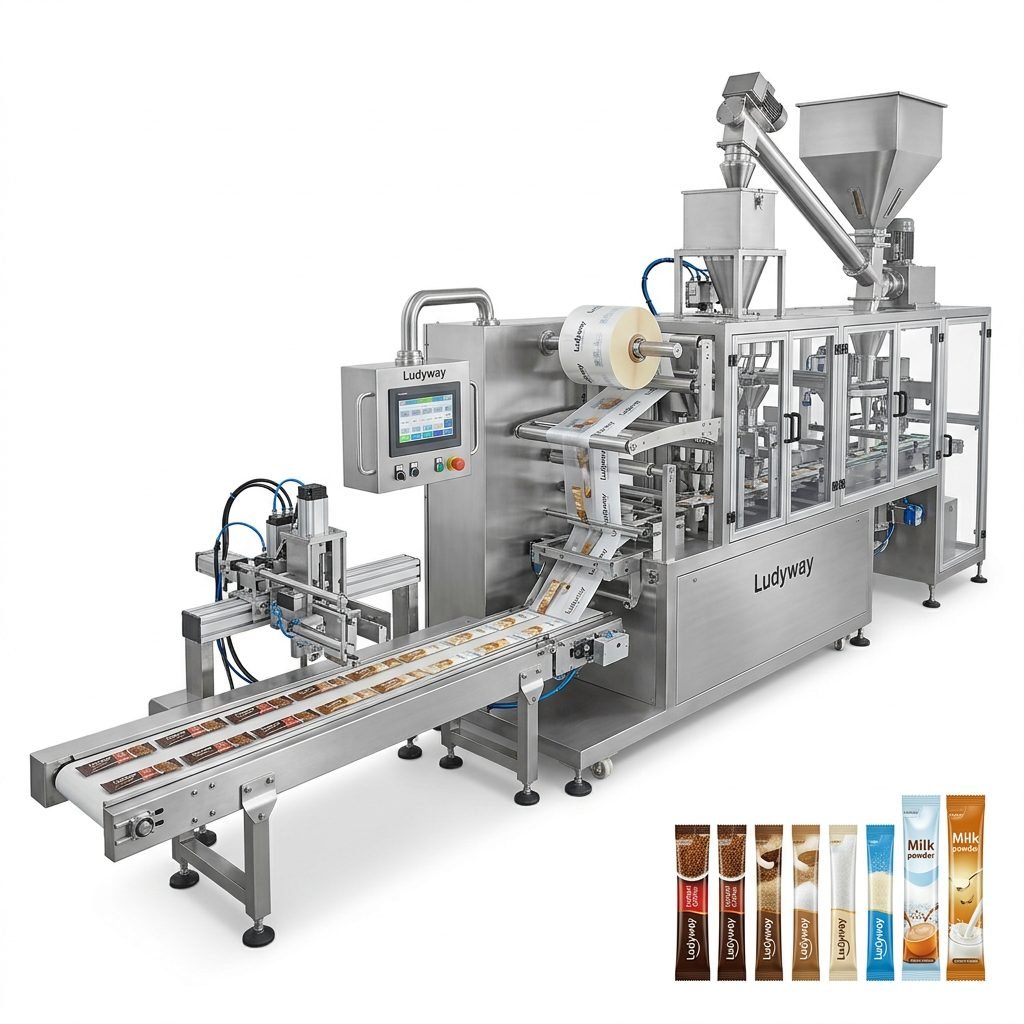
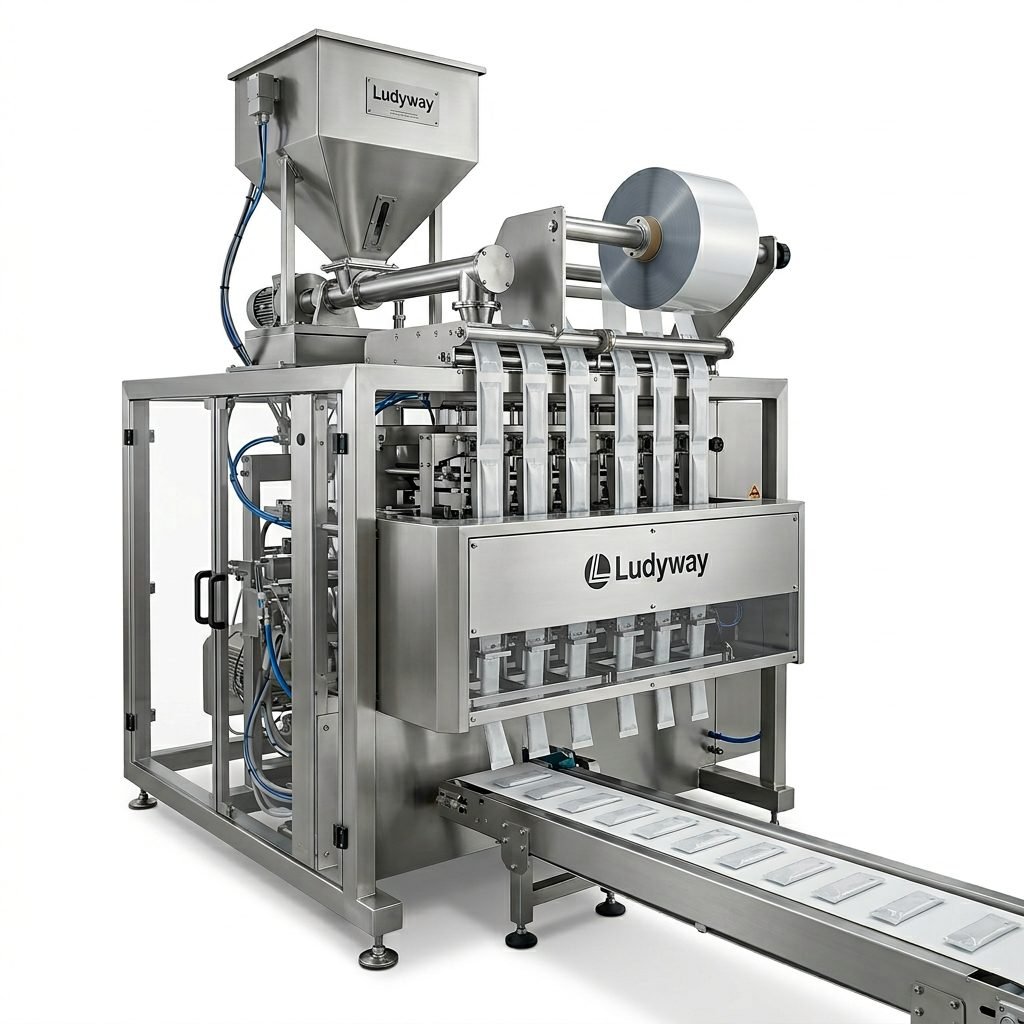
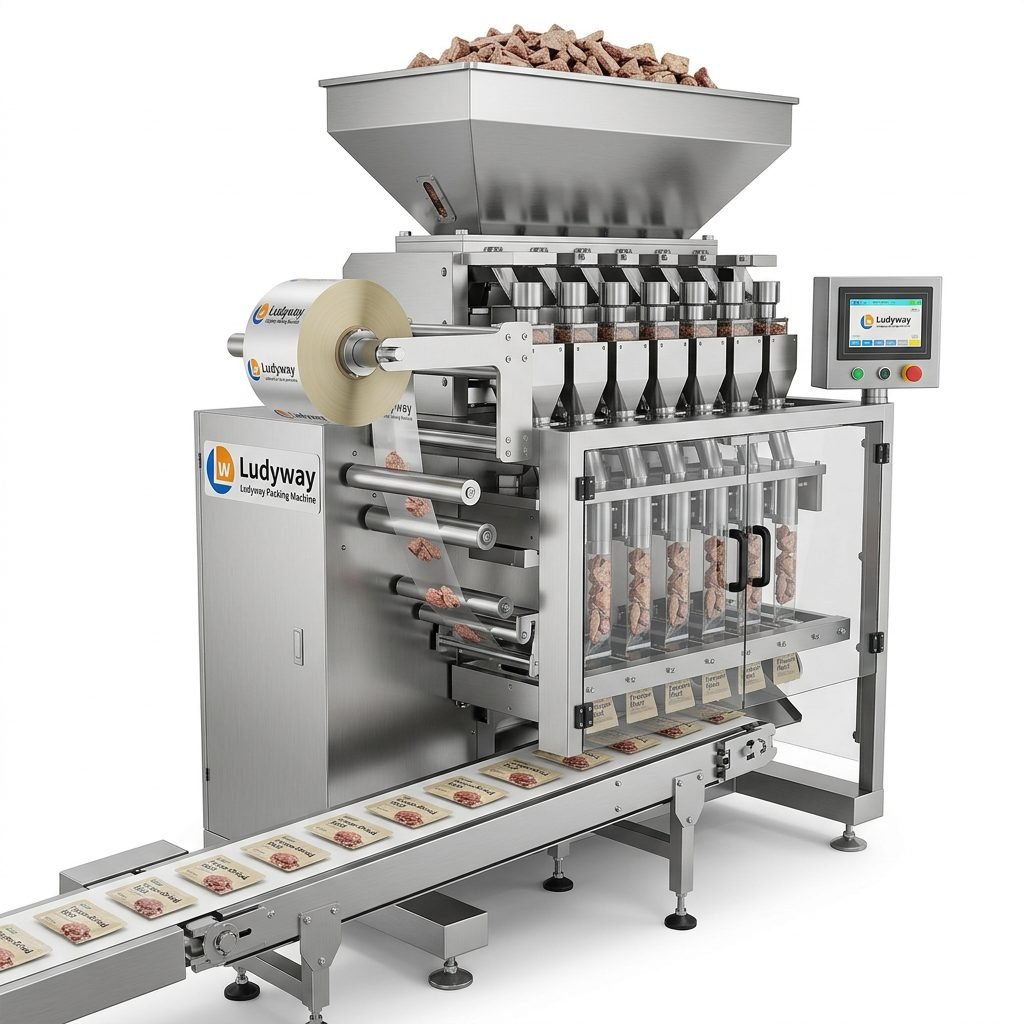
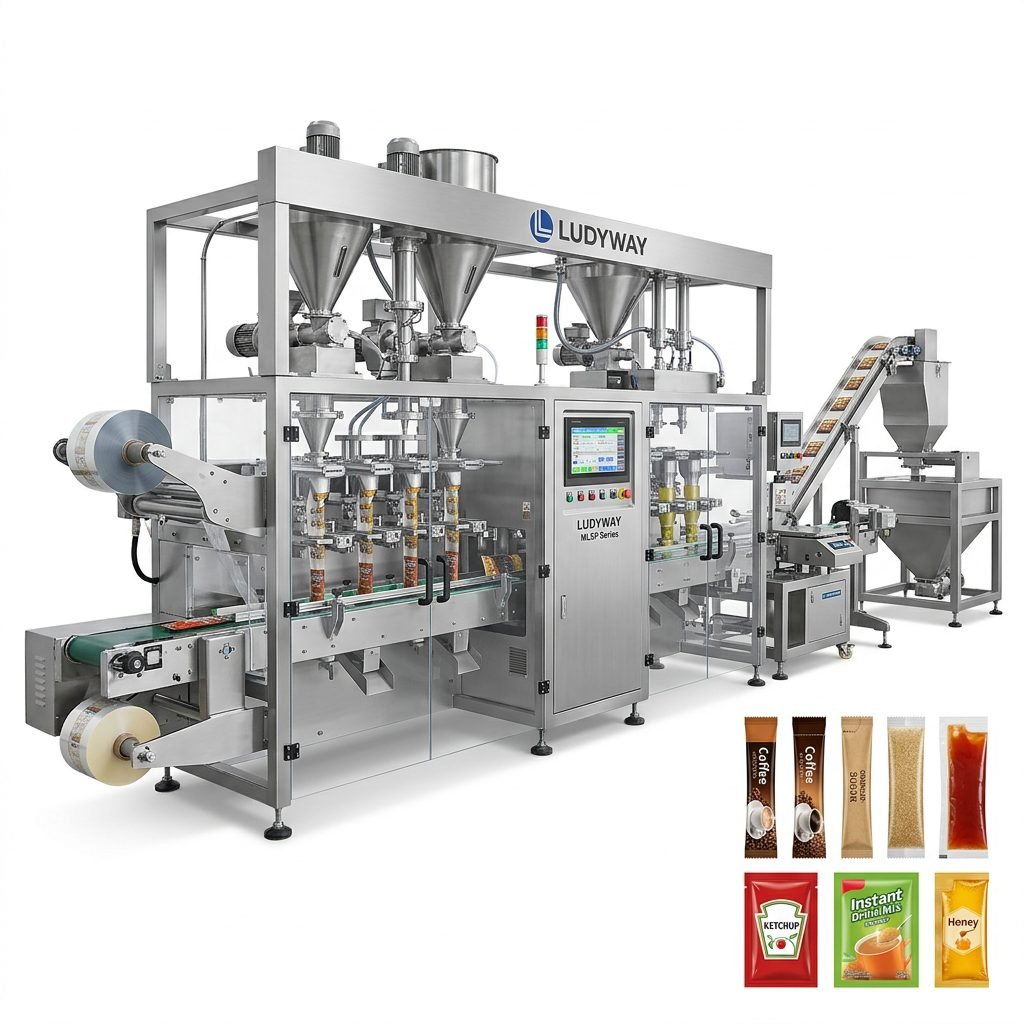
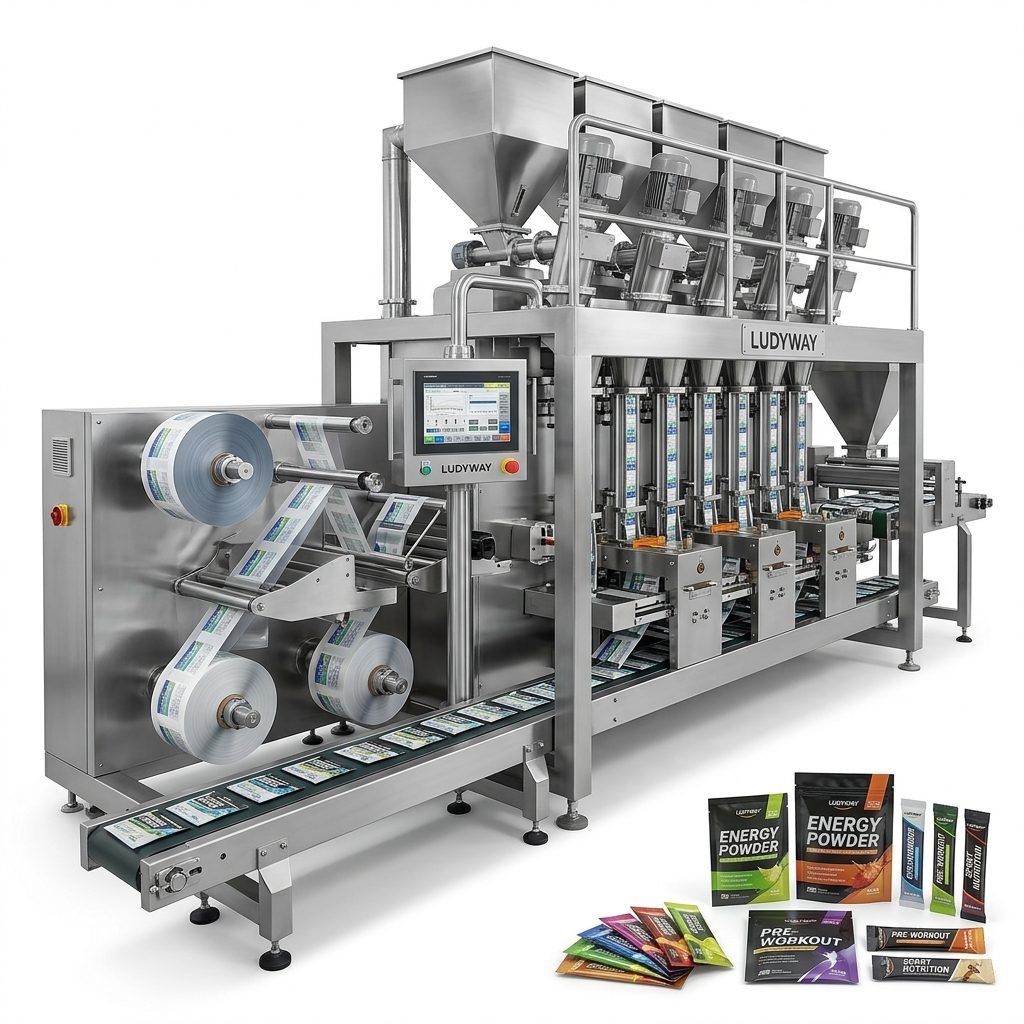
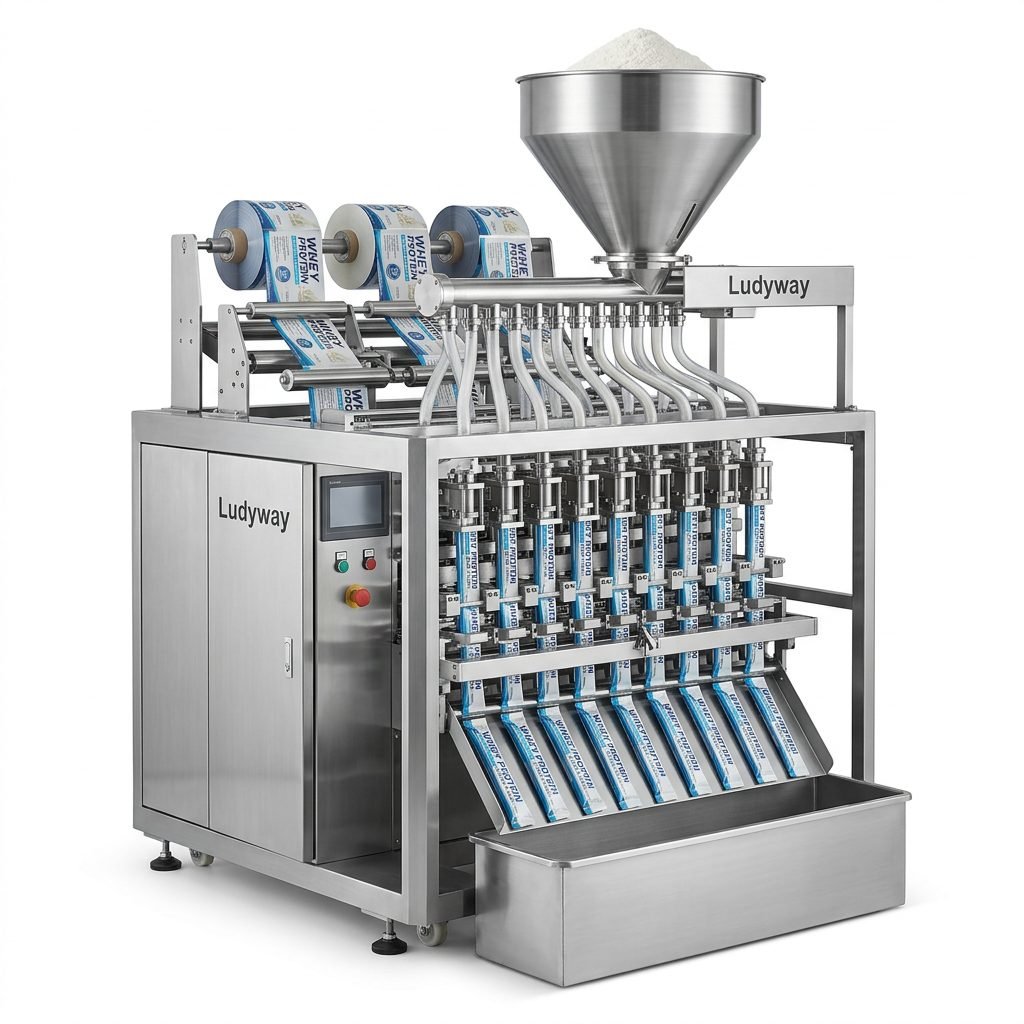
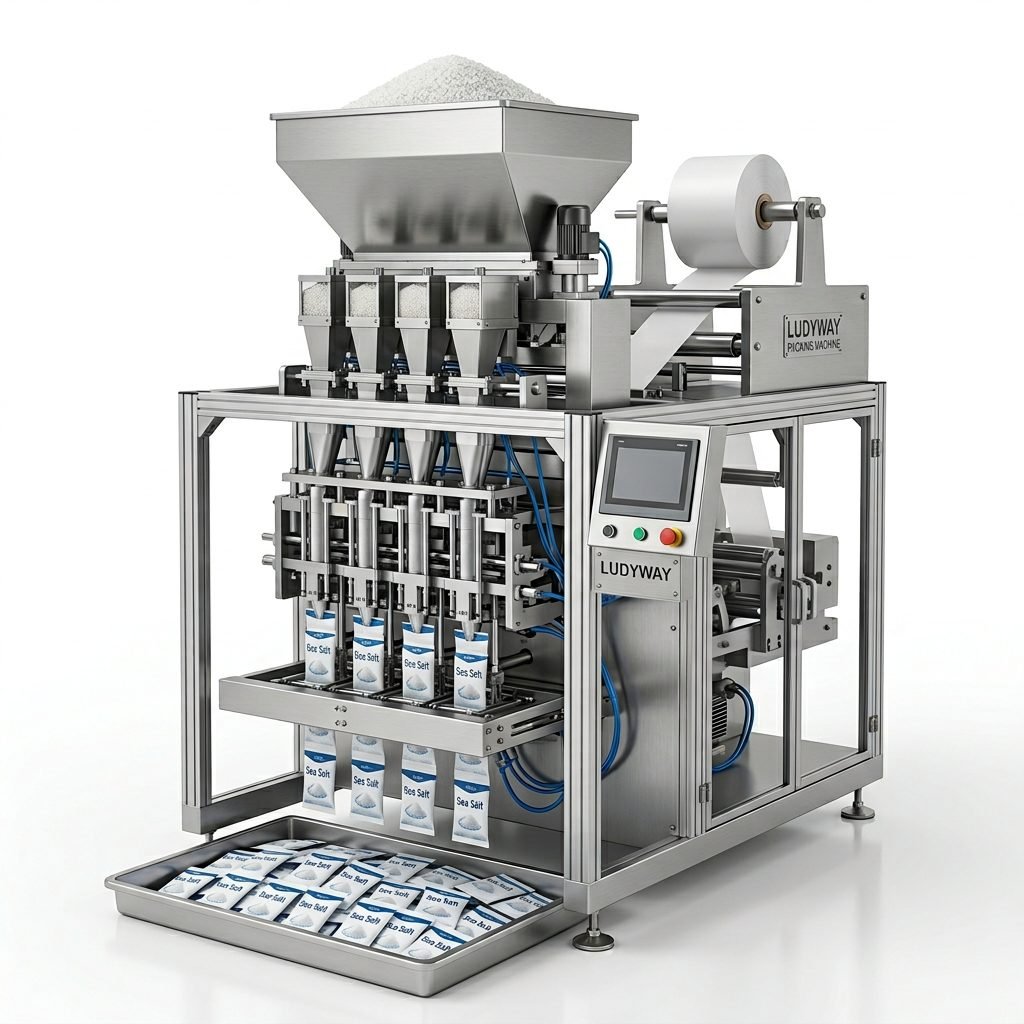
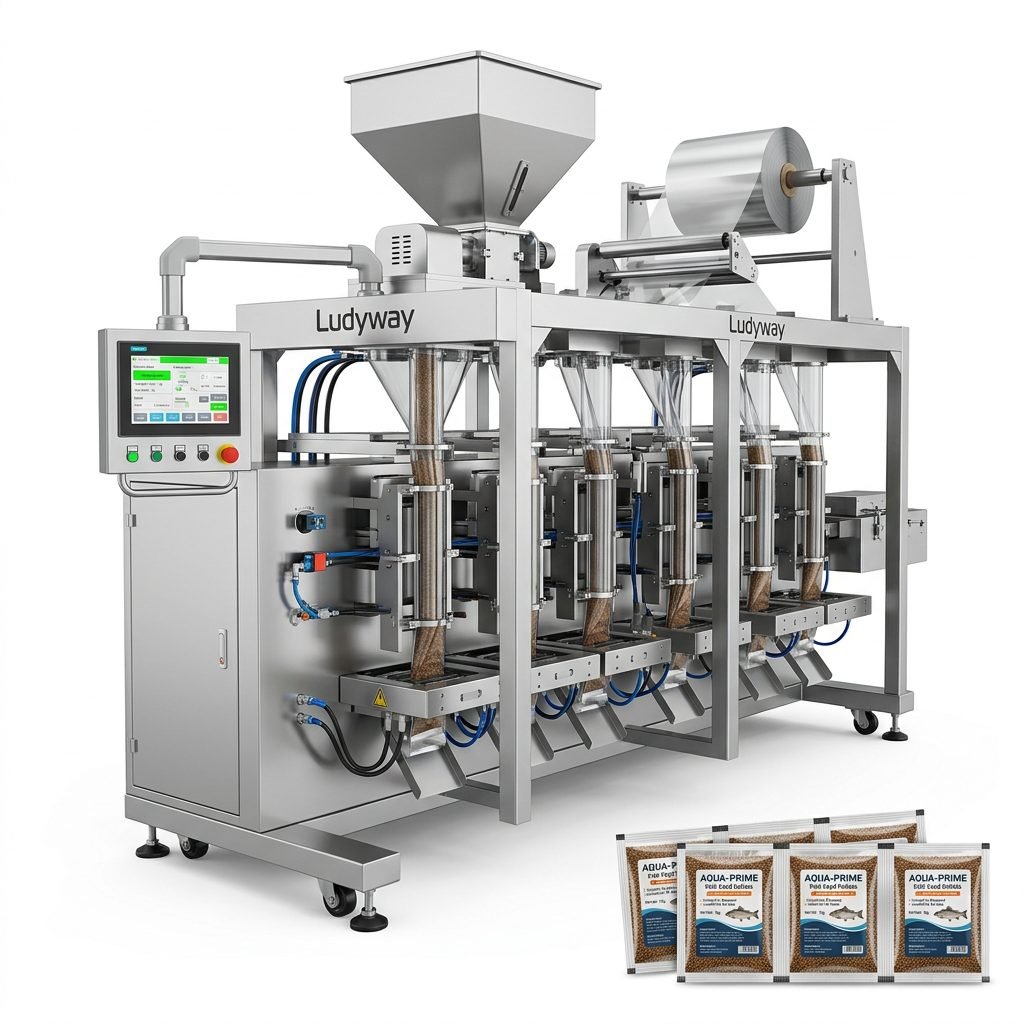
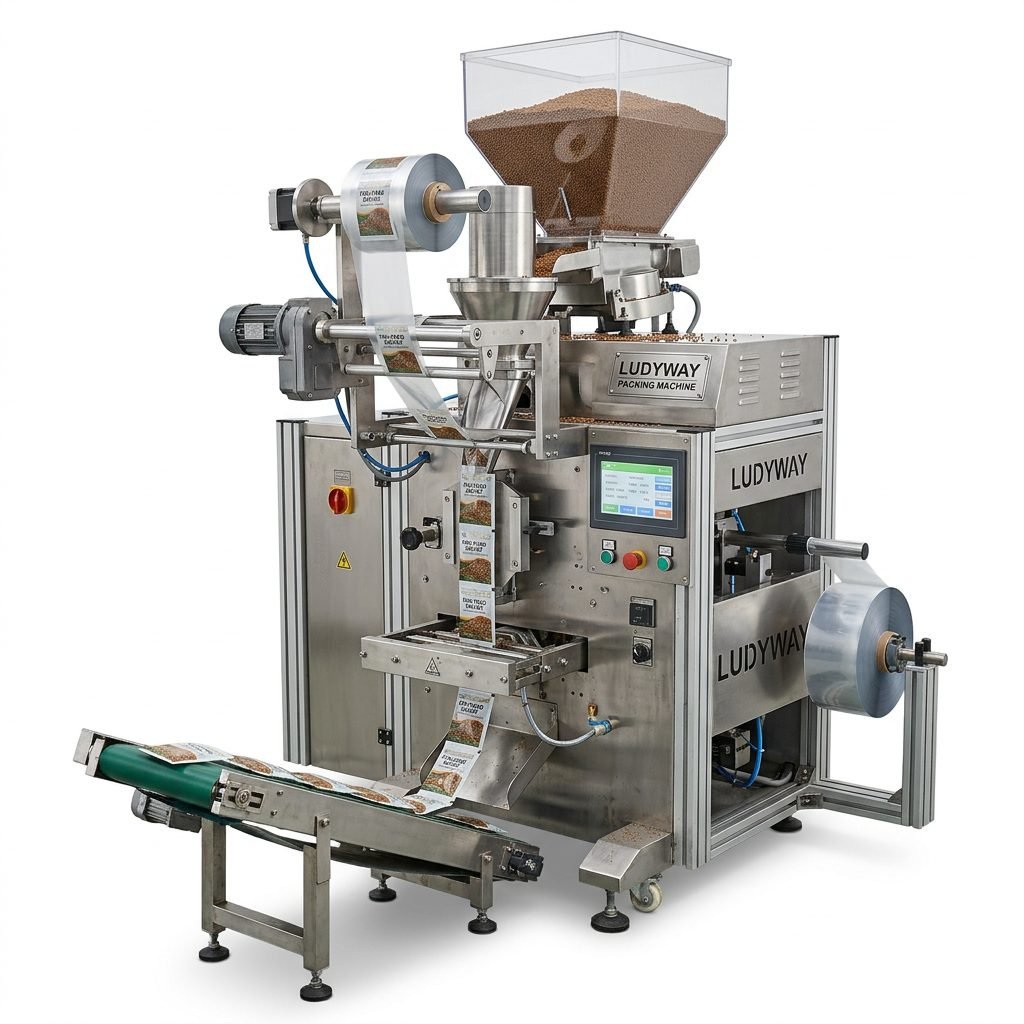
- Multi-Lane Stick Pack and Sachet Machines: Perfect for high-value granular and powder products like fish feed, pet supplements, or single-serve protein powders derived from fish.
- Automatic Tray Sealing Machines: Designed for high-volume processors packaging fresh fillets and steaks in rigid trays, ensuring a leak-proof seal for consumer convenience.
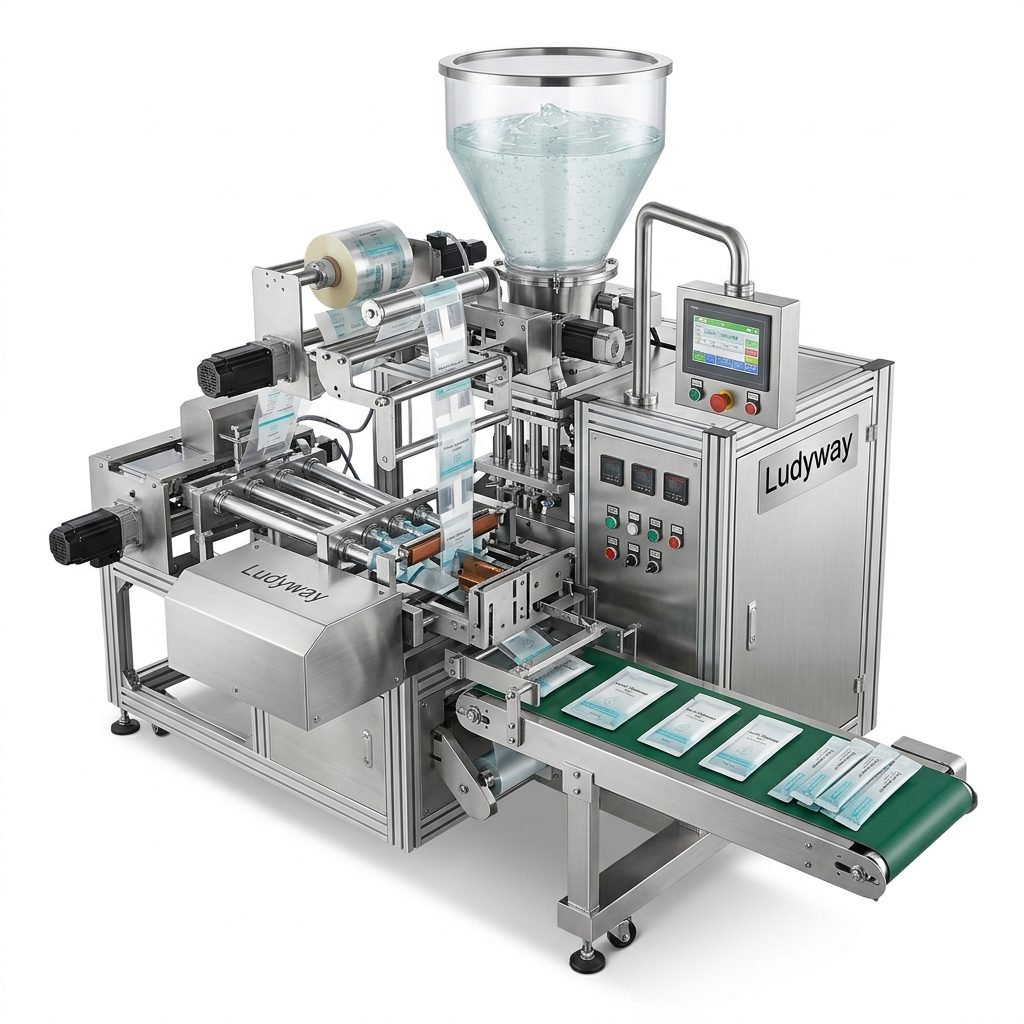
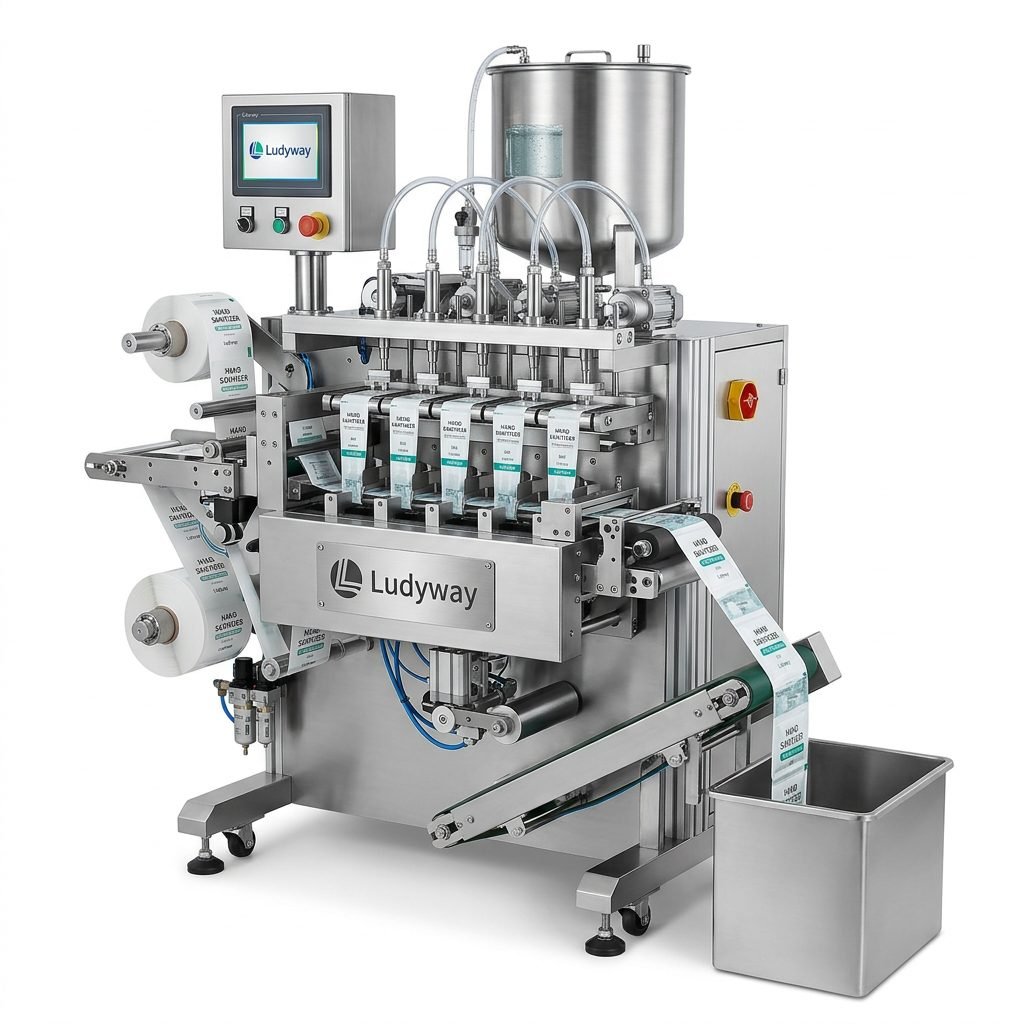
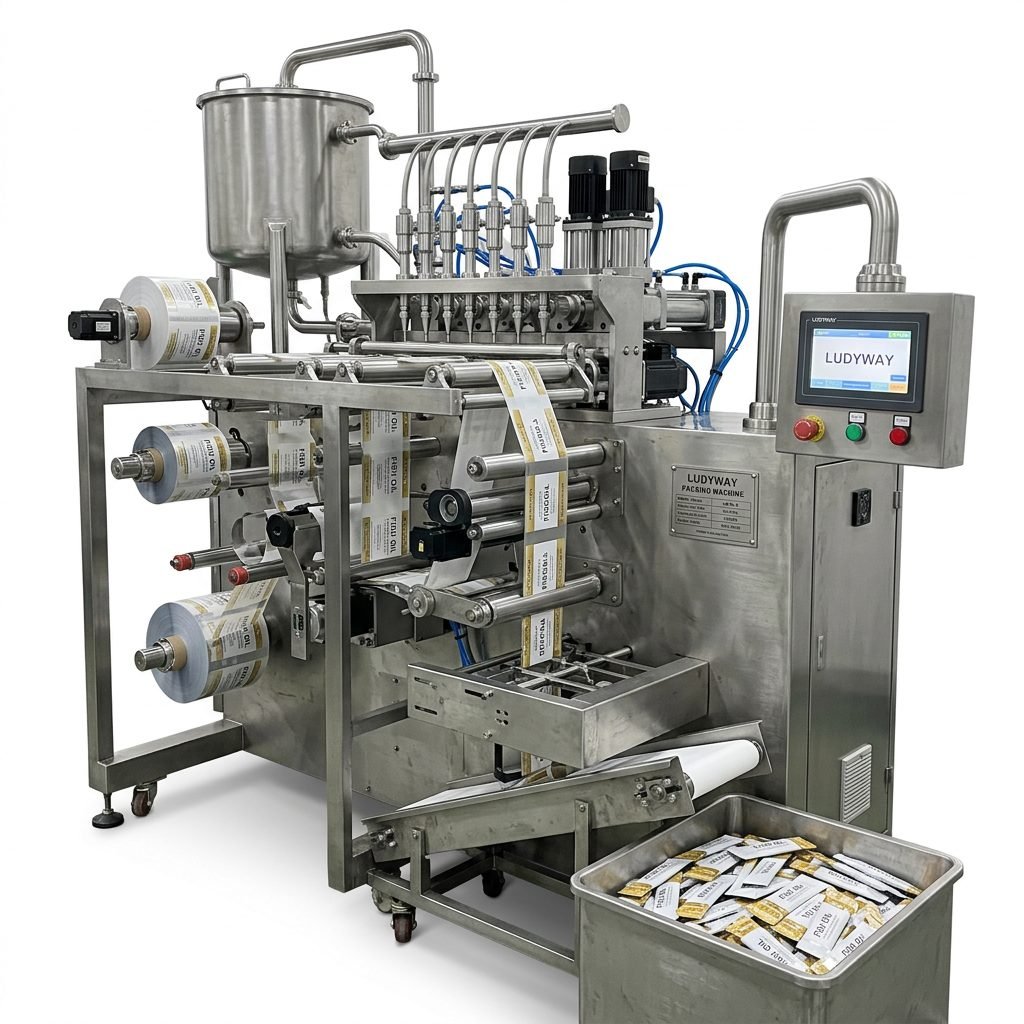
- Liquid Filling Machines: Essential for packaging fish oil, sauces, and marinades into sachets or bottles.
Step-by-Step Guide to Setting Up Your Italian Production Line
Building a compliant and efficient line requires meticulous planning. From factory layout to equipment synchronization, every step impacts your throughput and product quality.
| Phase | Strategic Actions | Key Considerations for Italy |
|---|---|---|
| 1. Market and Product Analysis | Define target product (fresh, frozen, dry). Determine sachet size, weight, and film type. | Analyze local consumer trends for premium Italian seafood and export regulations to other EU nations. |
| 2. Facility Layout and Hygiene Design | Design workflow from raw material intake to palletized finished goods. Ensure separation of raw and cooked processes. | Must comply with EU Regulation (EC) No 852/2004 on food hygiene. Floors, walls, and drainage are critical. |
| 3. Equipment Selection and Sourcing | Select packaging machines, conveyors, checkweighers, and cartoning systems. Prioritize IP65 or IP69K rated components for washdown environments. | Look for machinery compatible with EU packaging waste directives and Italian safety certifications (CE marking). |
| 4. Installation and Validation | Coordinate equipment delivery, installation by trained engineers, and perform Installation Qualification (IQ) and Operational Qualification (OQ). | Electrical standards must conform to Italian norms (230V/400V, 50Hz). HACCP validation is mandatory. |
| 5. Training and Go-Live | Train operators on machine setup, cleaning, and basic troubleshooting. Establish a cold chain maintenance schedule. | Italian-language interfaces or multilingual support are often required for local workforce integration. |
Critical Features to Look for in Fish Packaging Machinery
Fish processing is a harsh environment involving salt, moisture, and low temperatures. Your machinery must be robust enough to handle these conditions without compromising speed or safety.
- Full Stainless Steel Construction: AISI 304 or 316L stainless steel frames and contact parts are non-negotiable to prevent rust and corrosion in salt-water air environments.
- High-Precision Weighing and Filling: For multi-lane stick pack and sachet machines, systems with multi-head weighers or auger fillers are necessary to minimize costly product giveaway, especially for high-value fish powders and supplements.
- Advanced Sealing Technology: Look for servo-driven jaw movements that allow precise control over sealing temperature and pressure, preventing “leakers” in frozen products.
- Easy Clean-In-Place (CIP) Design: Tool-free belt removal and sloped surfaces for water runoff drastically reduce downtime between product changeovers.
- Integration Capabilities: The packaging line must seamlessly connect with upstream freezing tunnels and downstream cartoners and palletizers using centralized control systems.
Navigating Italian and EU Regulatory Compliance
Italy strictly enforces European Union food contact material regulations. Violations can lead to facility shutdowns. Ensure your packaging materials and equipment meet the following standards:
- EC 1935/2004: Materials that contact food (plastic films, trays, gaskets) must not transfer constituents into the food in quantities that endanger human health.
- EU 10/2011: Specific rules for plastic materials and articles intended to come into contact with food. This is critical for flexible film selection.
- HACCP Implementation: Hazard Analysis and Critical Control Points is a mandatory preventive approach. Equipment must facilitate monitoring, such as recording seal temperatures for audit trails.
Cost Breakdown and ROI Analysis
Establishing an automated fish packaging line represents a significant capital investment. However, the return on investment (ROI) is typically rapid due to reduced labor costs, decreased product waste, and higher throughput. Below is a generalized cost structure for a mid-capacity line in Italy:
| Cost Component | Estimated Range (EUR) | Remarks |
|---|---|---|
| Main Packaging Machinery | €150,000 – €500,000+ | Depends on format (vacuum/sachet/MAP). A multi-lane system costs more upfront but yields massive speed gains. |
| Ancillary Equipment | €40,000 – €100,000 | Checkweighers, metal detectors, conveyors, printers. |
| Installation & Validation | €20,000 – €50,000 | Factory Acceptance Tests (FAT) and Site Acceptance Tests (SAT) with Italian regulatory checks. |
| Annual Maintenance | 5% – 10% of equipment cost | Critical for preventing salt corrosion and maintaining seal integrity. |
Common Challenges and Solutions in Fish Packaging
Operating in the Italian seafood sector presents unique engineering hurdles. Addressing these proactively will keep your line running efficiently:
- Challenge: Excess moisture causing film slippage or poor sealing.
Solution: Implement dehumidification systems and use specialized anti-fog films to maintain clarity and seal strength. - Challenge: Sharp bones or fins puncturing vacuum bags.
Solution: Use high-barrier, multi-layer co-extruded films with superior puncture resistance. Incorporate a “soft” mode on handling conveyors. - Challenge: Strong odors contaminating production areas.
Solution: Integrate exhaust hoods directly over filling stations and ensure the entire line is compatible with harsh chemical cleaning agents.
Selecting the Right Equipment Supplier
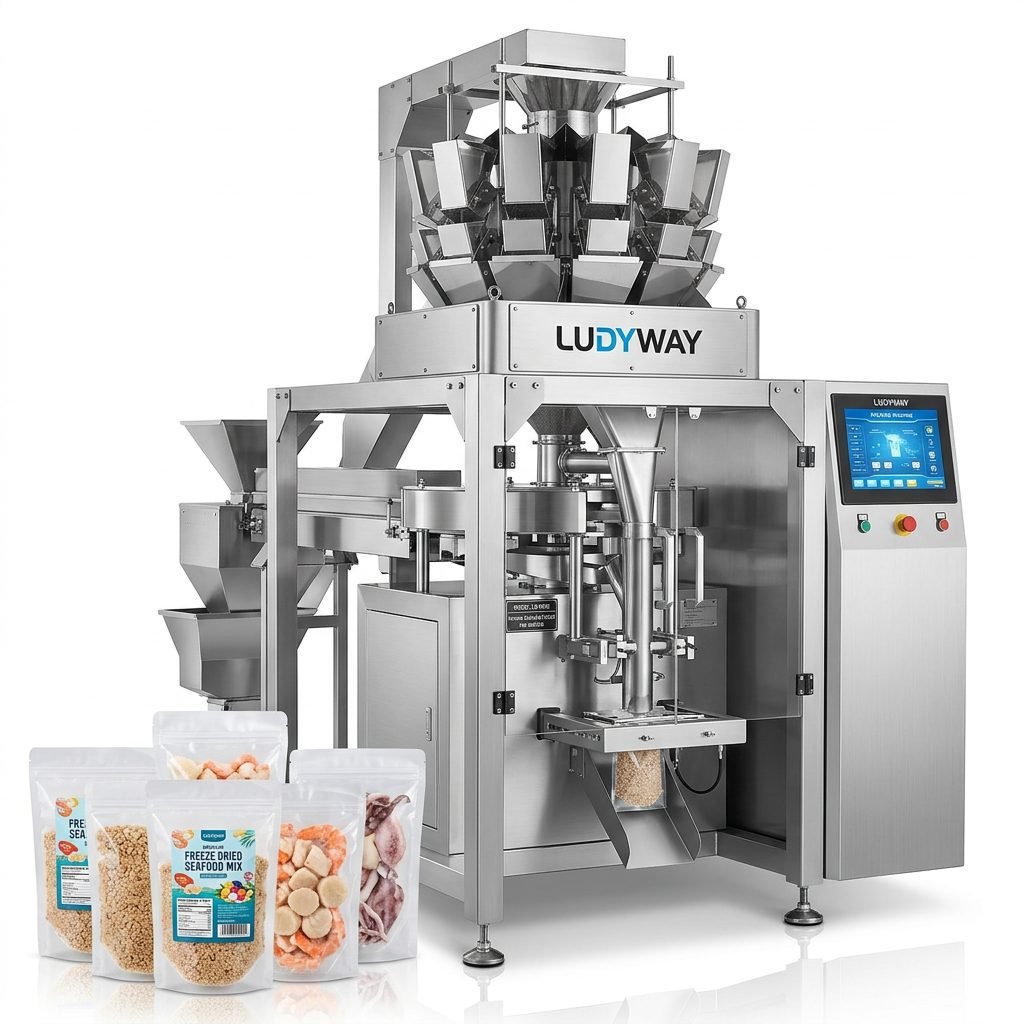
For Italian seafood processors, partnering with a manufacturer that understands both high-speed automation and stringent food safety regulations is vital. For instance, experienced providers like Ludyway have been instrumental in delivering turnkey solutions that include multi-lane stick pack and sachet systems specifically adapted for granule, powder, and liquid fish products. Their expertise often extends beyond just the machine to include the full integration of dosing, weighing, and cartoning systems, simplifying the procurement process for busy plant managers.
Future Technologies Shaping Fish Packaging Lines
The Italian packaging industry is rapidly moving toward Industry 4.0 standards. To future-proof your investment, consider these innovations:
- IoT-Enabled Predictive Maintenance: Sensors on sealing jaws and drive motors can predict failures before they cause a production halt, crucial during the busy summer fishing season.
- Robotic Pick-and-Place: Delta robots are increasingly used for loading whole fish and fillets into trays at high speeds without damaging the delicate product.
- Sustainable Packaging: The shift toward mono-material recyclable films and biodegradable sachets is accelerating in Europe. Your machinery must be flexible enough to run these new materials without compromising speed.
Integrating Conveying and Palletizing Systems
A fish packaging line is only as strong as its weakest link. The transfer between freezing, packing, and boxing must be flawless to avoid bottlenecks. Modular conveyor systems that allow for quick layout changes and tight corners are ideal for typical Italian production facilities, which often need to maximize limited floor space. Automated end-of-line palletizing reduces the manual handling of heavy frozen goods, minimizing injury risk and labor costs.
Maintaining Quality Control Throughout the Line
Quality assurance must be embedded in the inline process, not just an offline check. Implementing an automated quality control system ensures every tray and sachet meets the exact specifications for weight and seal integrity before it reaches the consumer.
- Inline Checkweighing: Rejects underweight or overweight packs immediately, ensuring compliance with Italian metrology laws and preventing costly giveaways.
- Metal Detection & X-Ray Inspection: Critical for fish products, detecting bone fragments, hooks, or metallic contaminants that may have entered during processing.
- Vision Systems: Check label placement, date codes, and print quality to ensure all traceability information is clear and accurate.
The Importance of Flexible Format Changeovers
Italian seafood processors often need to switch between different packaging formats on the same day—from 100g retail sachets of smoked salmon to 1kg bulk bags of frozen squid. Modern fish packaging machines feature servo-driven motion control and digital recipe management. This allows operators to recall pre-saved parameters for pack length, sealing temperature, and filling volume with the touch of a button, reducing mechanical adjustments and minimizing downtime between batches.
Optimizing Energy and Water Usage
Italy’s utility costs are among the highest in Europe, making energy efficiency a direct contributor to profitability. When configuring your line, consider regenerative drives that capture and reuse energy during deceleration cycles. Similarly, packaging lines with optimized airflow for cooling seals and minimal water consumption for sanitation cycles not only meet Italian environmental regulations but also cut monthly operational overhead significantly.
By carefully evaluating your product requirements, aligning with EU and Italian regulatory standards, and investing in corrosion-resistant, highly automated machinery, you can build a state-of-the-art fish packaging operation that dominates retail shelves. The key lies in selecting modular equipment that allows for future expansion, such as adding new flavor sachets for fish oil or scaling up dry goods packaging. With the right strategic partnership, your Italian production line will become a benchmark for quality and efficiency in the global seafood market.