Investing in the right snack food packaging machine in France is a strategic move that directly impacts your production efficiency, product shelf life, and brand reputation. The French snack market, known for its sophistication and strict adherence to quality, demands equipment that not only delivers speed and precision but also complies with rigorous European regulations. This guide provides a comprehensive overview of everything you need to know before purchasing packaging machinery, from understanding local standards to selecting the right technology for your specific product.
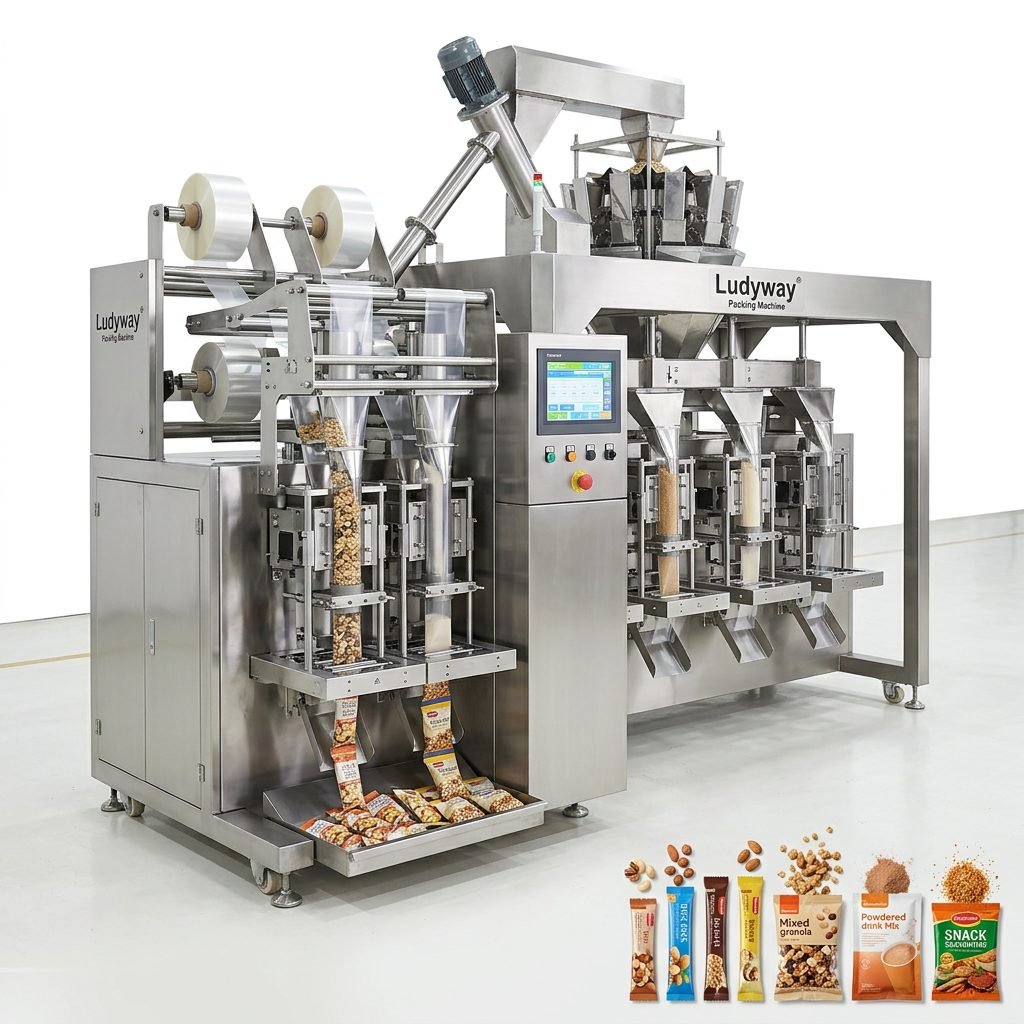
Understanding the French Snack Food Packaging Landscape
France is a significant player in the European food processing industry. The demand for packaged snacks, including granules, powders, and liquids, is constantly evolving. When sourcing machinery, French businesses prioritize automation, hygienic design, and energy efficiency. Unlike some markets, the French focus heavily on the “constructability” of the machine, meaning it must be easy to dismantle for thorough cleaning, a critical feature for allergen control and cross-contamination prevention in snack production.
Key Regulatory Requirements in France
Before importing or installing equipment, you must ensure CE certification compliance. This is non-negotiable for machinery entering the French market. The CE marking indicates conformity with health, safety, and environmental protection standards for products sold within the European Economic Area (EEA). Specifically for snack foods, the machinery must adhere to the EC 1935/2004 framework concerning materials and articles intended to come into contact with food. Key French standards to keep in mind include:
- EN 1672-2: Hygienic design requirements for food processing machines.
- Directive 2006/42/EC: The Machinery Directive, ensuring a high level of safety protection.
- ISO 14159: Safety of machinery — Hygiene requirements for the design of machinery.
- French Decree No. 95-363: Local regulations regarding food equipment materials and inertness.
Types of Snack Food Packaging Machines for the French Market
The configuration of your packaging line depends entirely on the characteristics of your snack product. The French snack industry is diverse, ranging from traditional potato chips to innovative freeze-dried fruit crisps and protein bars. Here is a breakdown of the primary machine types relevant to this market:
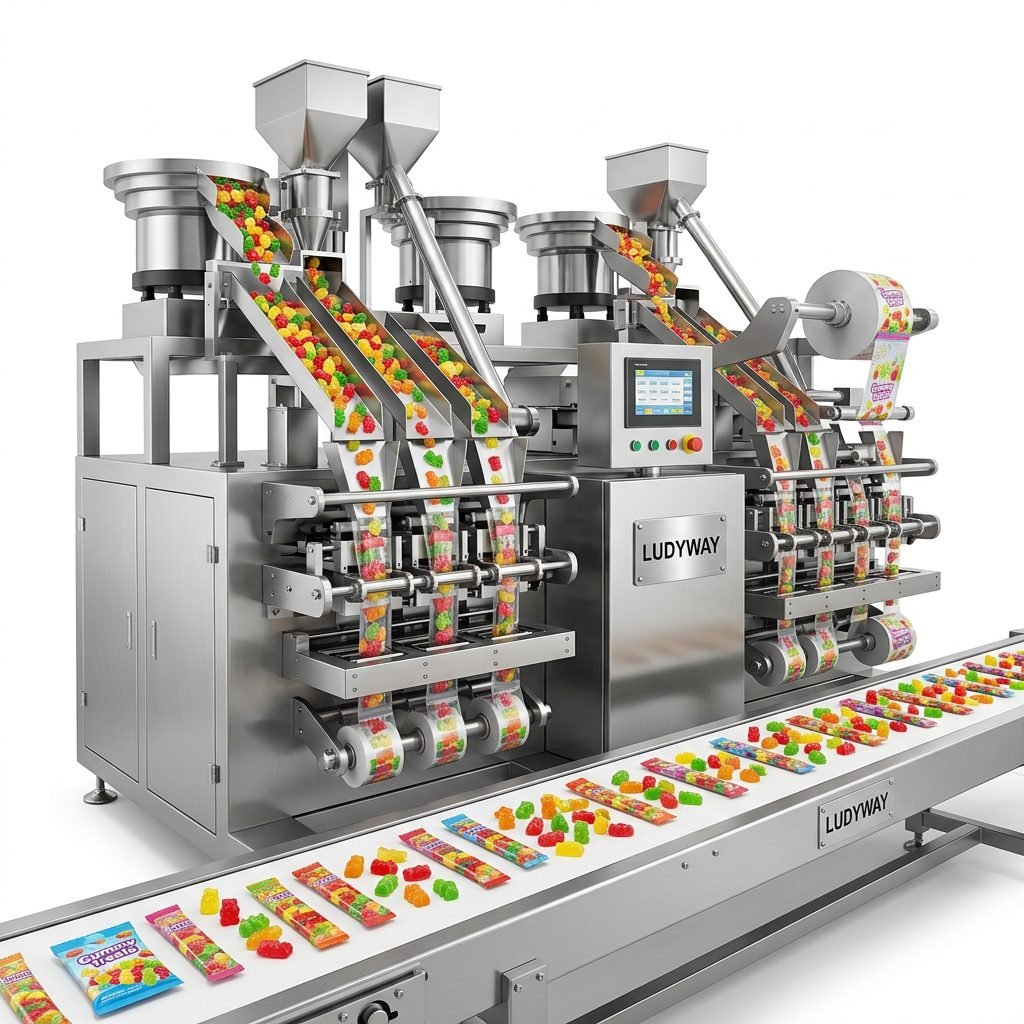
| Machine Type | Best For Snack Products | Key Advantage |
|---|---|---|
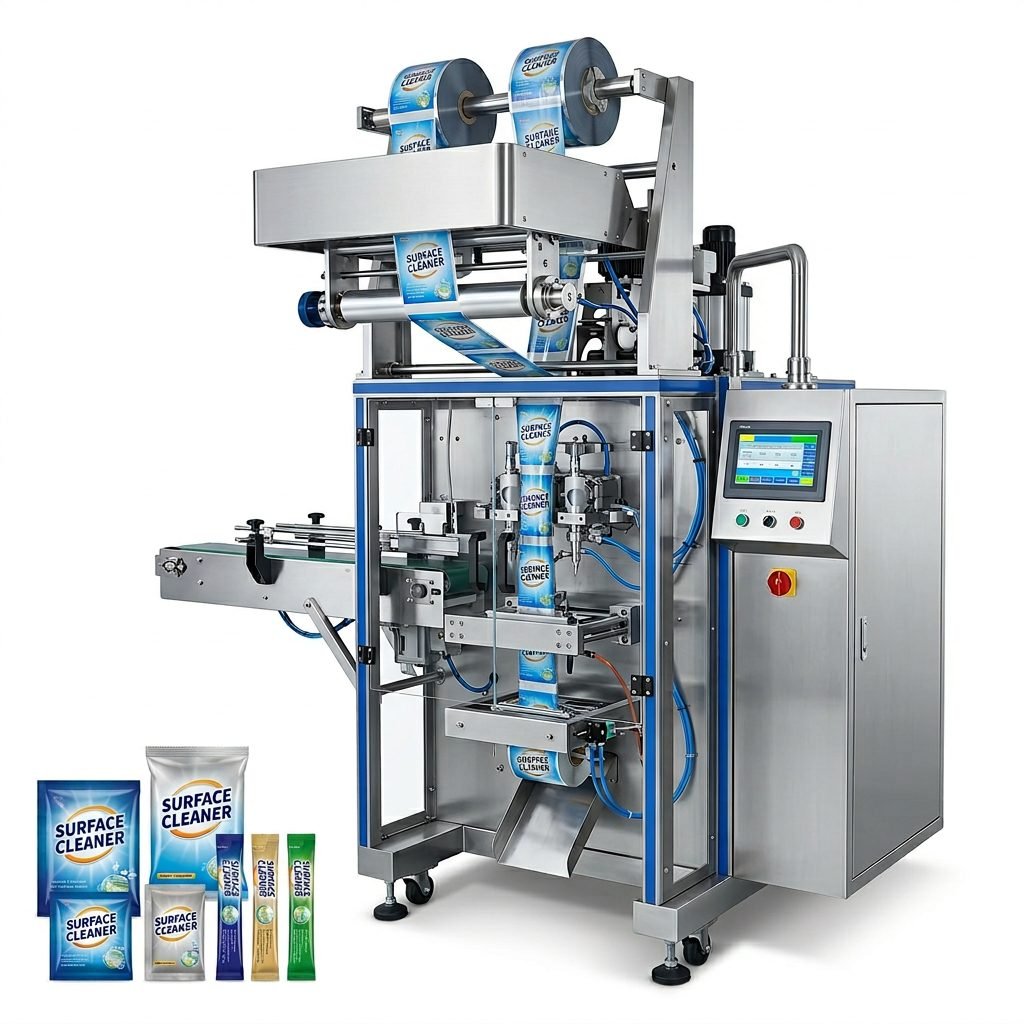
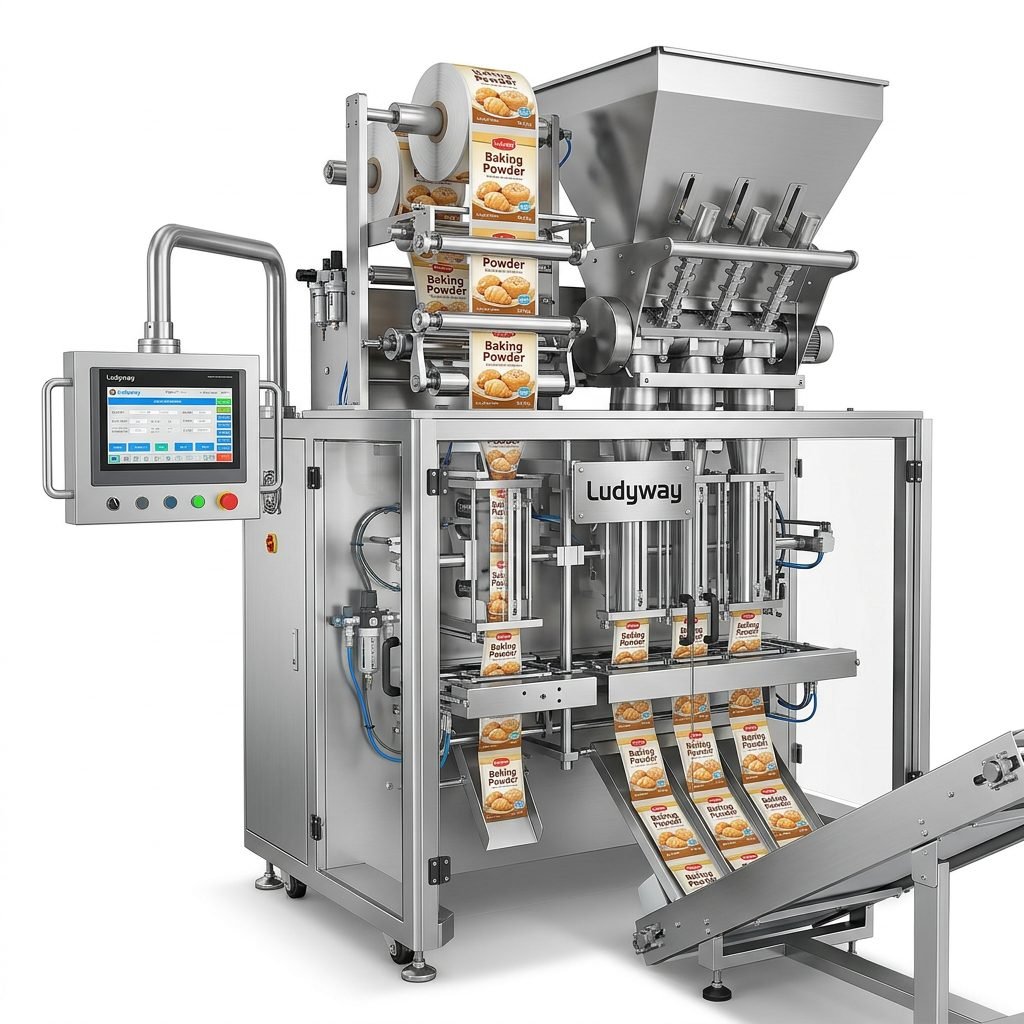
| Vertical Form Fill Seal (VFFS) | Chips, puffs, extruded snacks | High speed, durable, handles pillow bags |
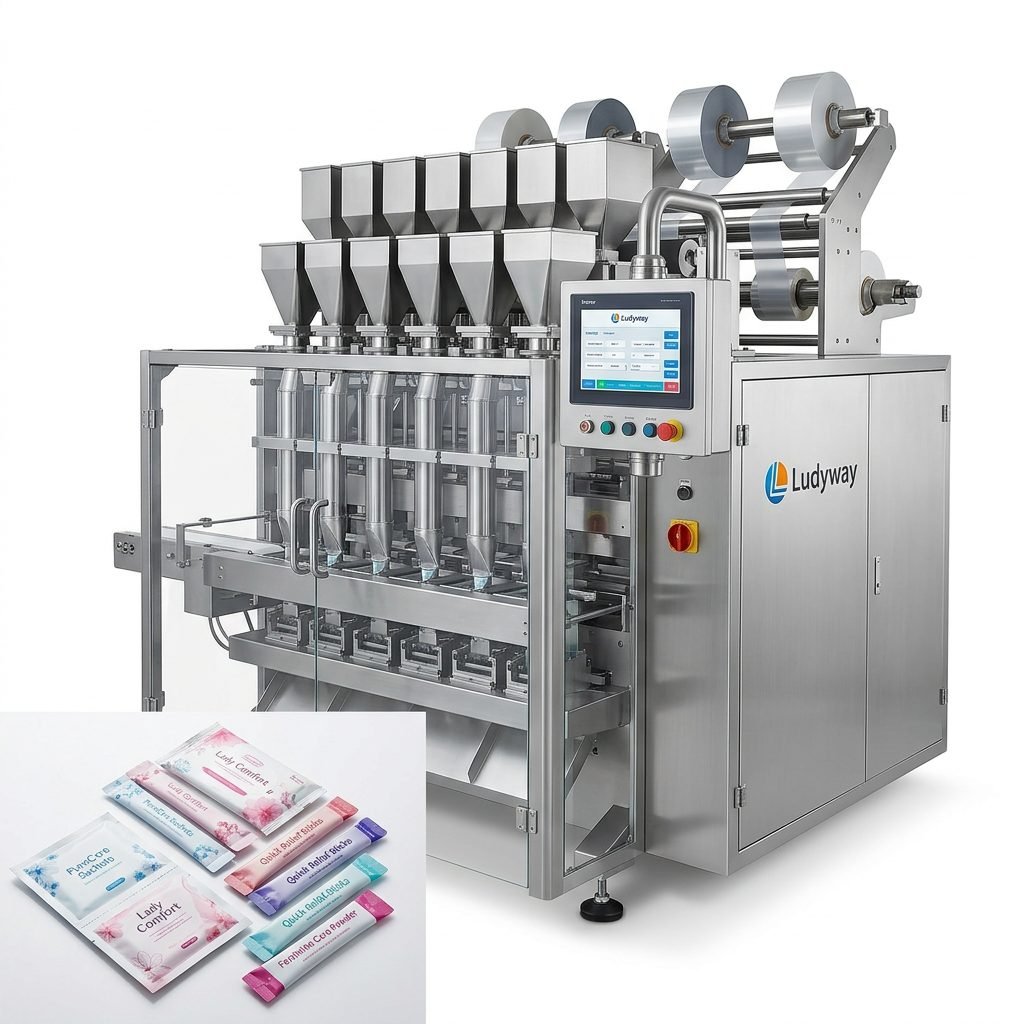
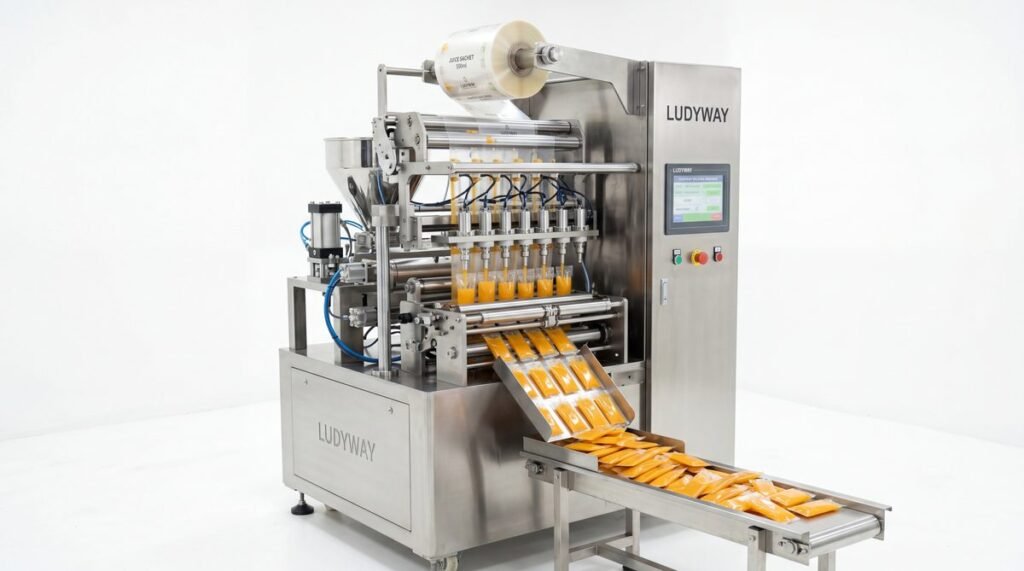
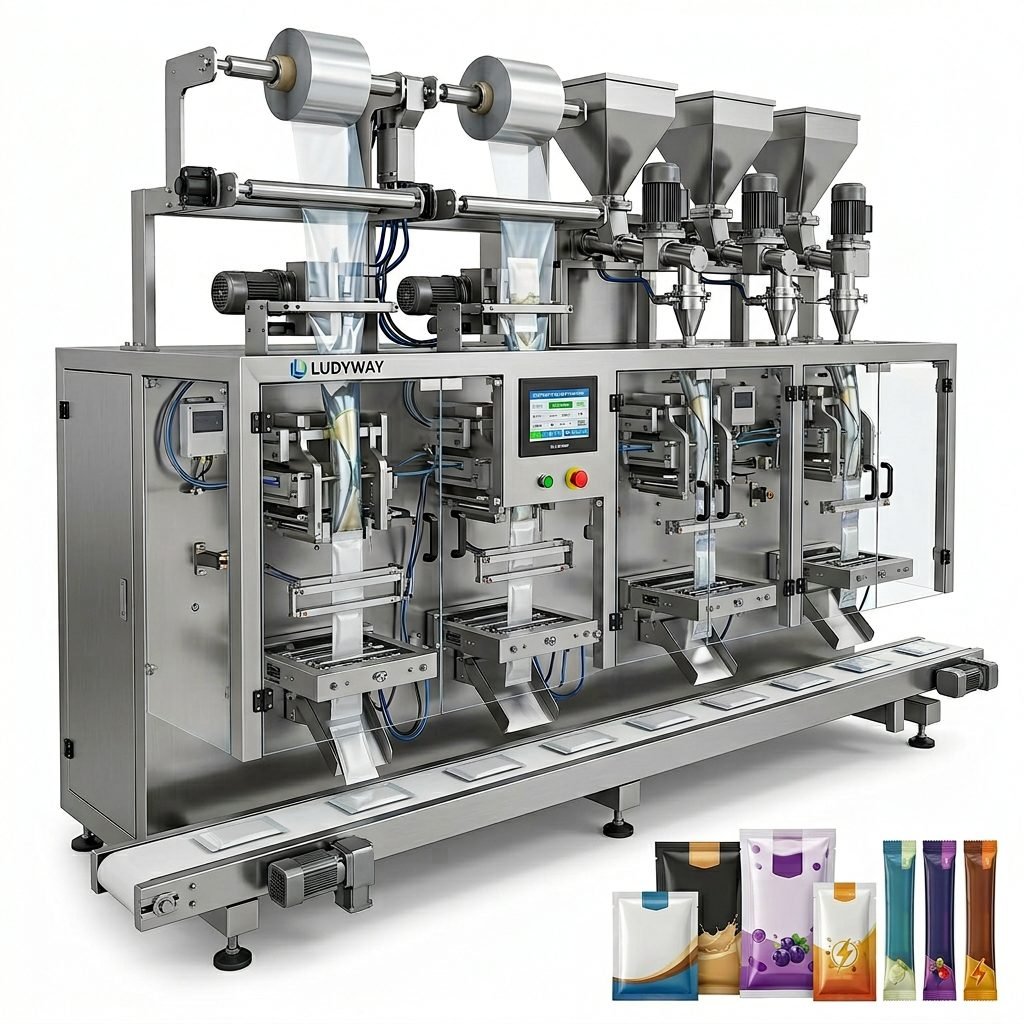
| Multi-lane Stick Pack Machines | Protein powders, sugar sachets, instant coffee portions | Extremely high output through multiple parallel lanes |
| Pre-Made Pouch Fill/Seal (Rotary) | Premium nuts, dried fruits, granola parfaits | Handles various pouch styles (zipper, spout) with high visual appeal |
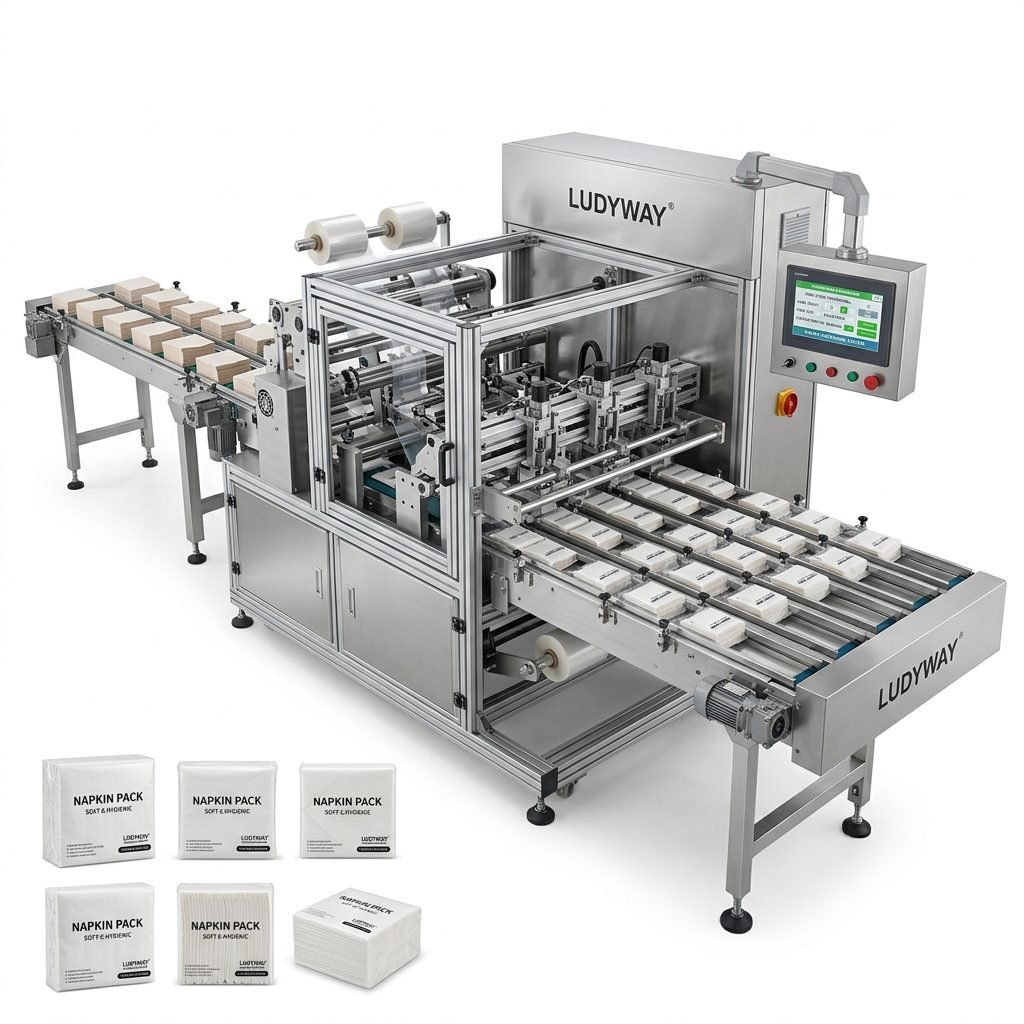
| Horizontal Flow Wrap | Biscuits, cereal bars, chocolate wafers | Versatile for solid, consistent-shaped items |
Multi-Lane Stick Pack vs. Traditional VFFS
For granule and powder snacks—such as spicy seasoning mixes or health-conscious nutraceuticals gaining popularity in French pharmacies and supermarkets—multi-lane stick pack machines are often superior. A standard VFFS machine might produce 60-80 bags per minute per lane, but a 10-lane stick pack machine can theoretically achieve 600-800 units per minute, dramatically reducing labor costs per unit. For a growing factory near Lyon or Nantes, this scalability is vital for securing contracts with large French retail chains like Carrefour or E.Leclerc.
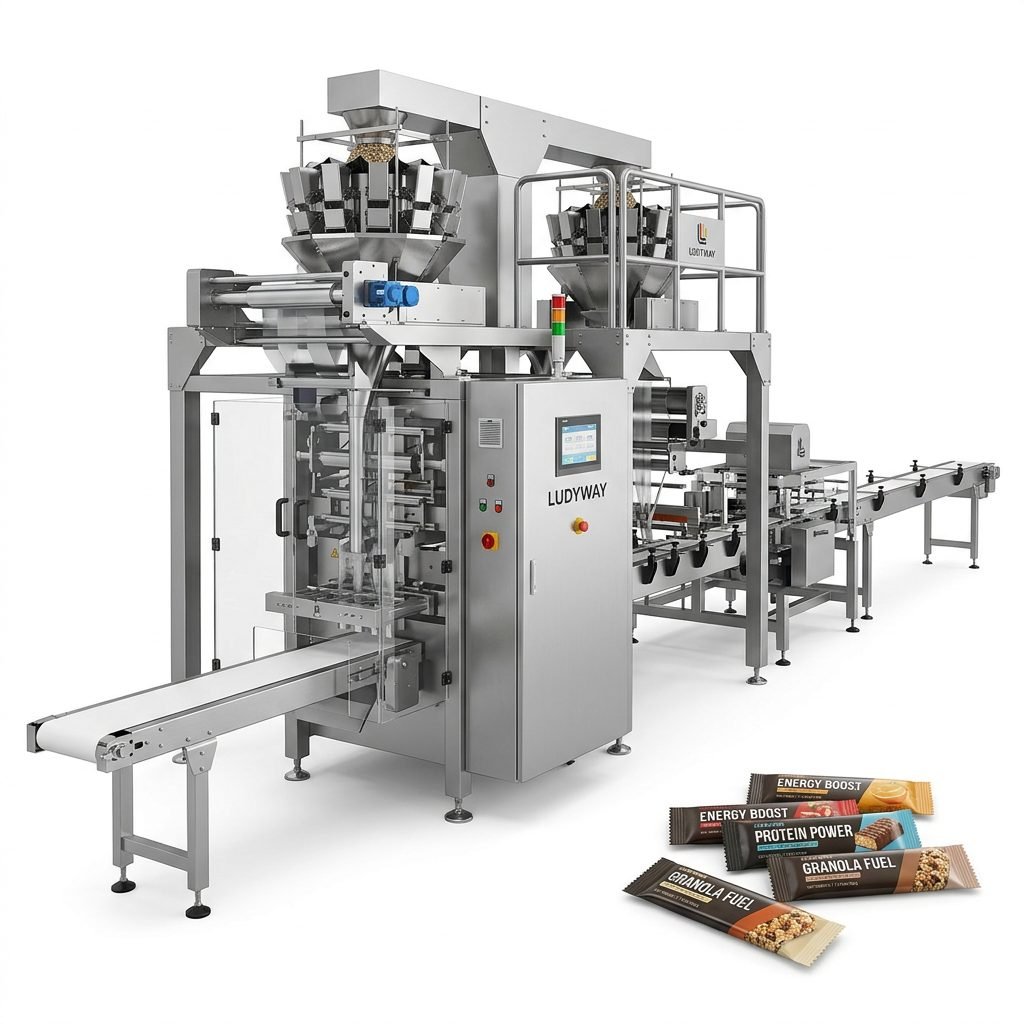
Essential Features to Look For
When engaging with a packaging machine supplier in France, evaluating the standard features is critical. The machine’s build quality and software will determine long-term operational uptime. Pay close attention to these critical components:
Weighing and Dosing Accuracy
For French snack producers, minimizing product giveaway is non-negotiable. This is where the integration of multi-head weighers or auger fillers becomes essential. For forms like delicate potato chips, linear weighers are frequently used to reduce breakage. For powders like protein shakes or hot chocolate, high-precision auger dosing with servo-drive technology ensures every sachet meets the exact gram weight. Overfilling by just 1 gram per pack can result in substantial annual financial loss for high-volume operations.
Film Handling and Sealing Technology
The French climate, varying from humidity in the north to dryness in the south, can affect packaging film properties. Look for machines equipped with dual film unwinders and automatic tension control. Sealing jaws should offer precise temperature regulation to handle sustainable films, such as recyclable mono-materials, which are becoming mandatory in France due to the AGEC law (Anti-Waste Law for a Circular Economy). A machine that cannot consistently seal eco-friendly films without leakage or “wrinkling” is not future-proof for the French market.
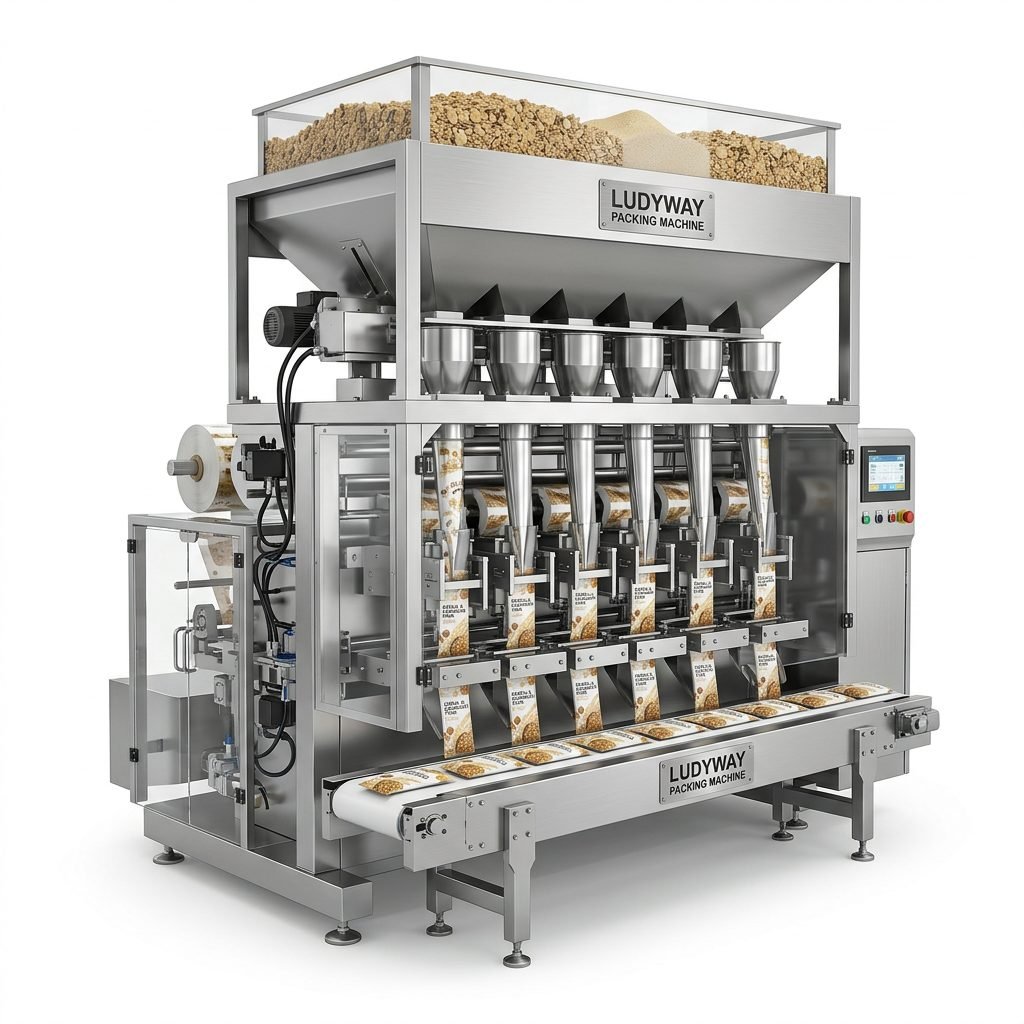
Evaluating Suppliers and After-Sales Support in France
Importing a machine into France requires careful evaluation of the supplier’s ability to meet local installation and service expectations. Given the distance, relying on a manufacturer without a robust European presence can be a costly mistake. Here is a checklist to guide your supplier evaluation:
- Local Service Technicians: Does the supplier have French-speaking technicians available for urgent on-site repairs?
- Remote Diagnostics (IoT): Can the machine connect to the internet for real-time troubleshooting and software updates?
- Spare Parts Inventory in Europe: Ask the supplier if they stock critical wear parts (sealing jaws, belts, sensors) within the EU to avoid customs delays.
- Case Studies in France: Request specific references from installations in France or nearby neighboring countries like Belgium or Germany.
- CE Declaration of Conformity: Verify the official certificate and technical dossier are available in French or English.
One notable player in the global packaging industry is Ludyway. As a leading manufacturer integrating advanced automation with over three decades of expertise, they offer turnkey solutions suitable for the exacting French market. From high-speed multi-lane systems for powders to robust VFFS solutions, evaluating partners with a proven export track record in over 100 countries ensures you gain access to engineering support that understands EU directives.
Questions to Ask Potential Vendors
Before signing a proforma invoice, these specific queries can save your French company from significant operational headaches:
- Can the machine accommodate cellophane, BOPP, PE, and fully recyclable CPP materials without major modifications?
- Is the control panel compartment sealed and pressurized to prevent fine dust ingress—a common issue in spice and snack production?
- What is the maximum mechanical speed, and more importantly, what is the guaranteed effective output for a specific bag size?
- Does the system offer nitrogen gas flushing for extended shelf life? (Crucial for oxidation-sensitive snacks like luxury nuts or organic vegetable chips).
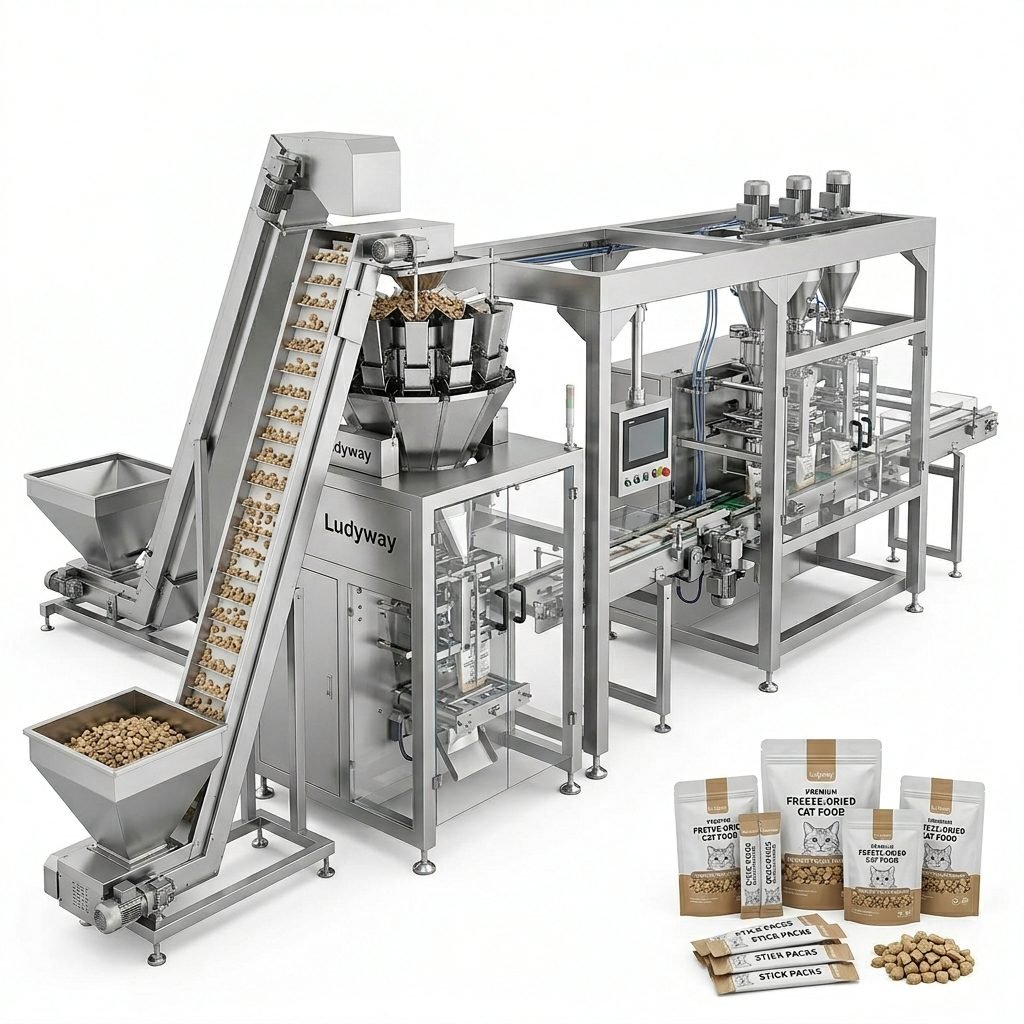
Integration with Existing Production Lines
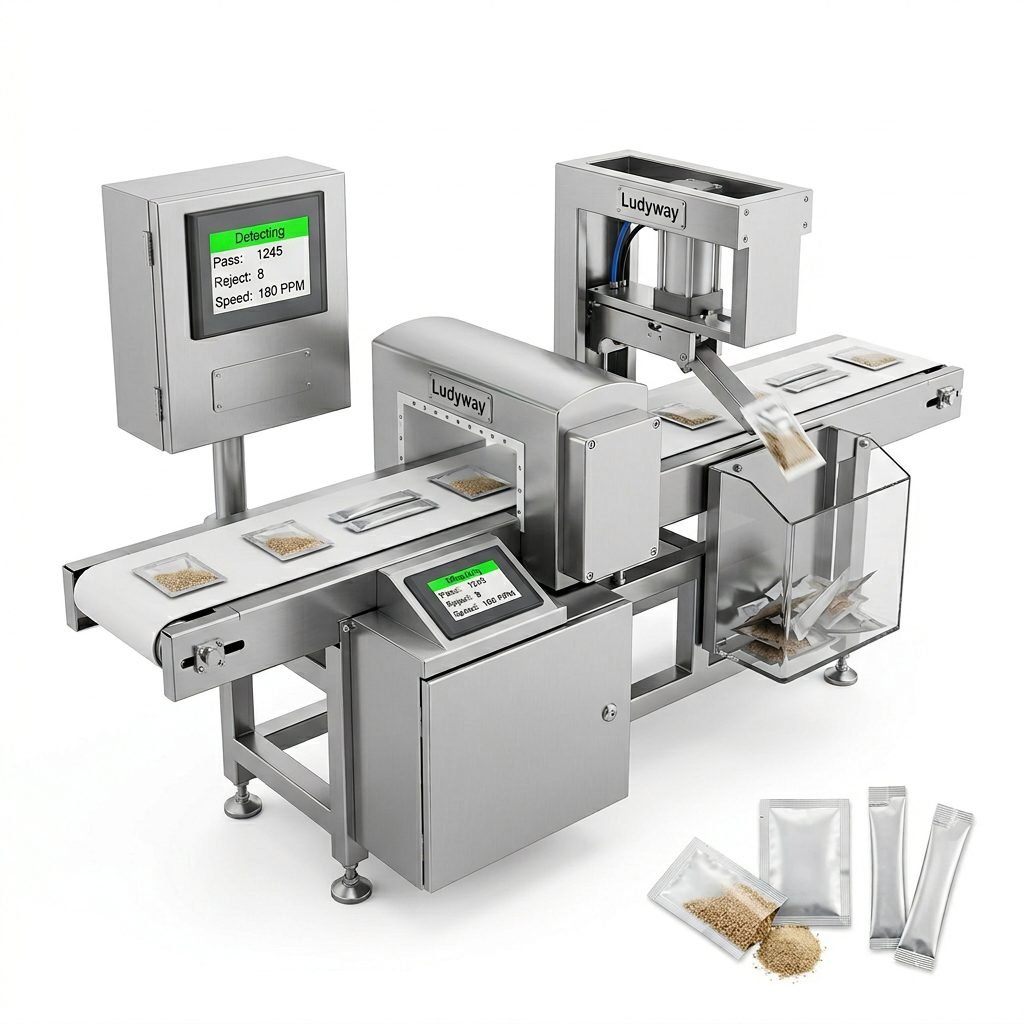
A snack packaging machine does not operate in isolation. Successful integration in a French manufacturing facility involves connecting upstream (fryers, ovens, conveyors) and downstream equipment (checkweighers, metal detectors, cartoners). The French safety standard NF E60 often guides the ergonomics and layout of these interconnected systems. When planning your acquisition, consider whether the OEM can supply turnkey line solutions, including incline conveyors and distribution systems, to ensure seamless material flow.
Industrial Connectivity (Industry 4.0)
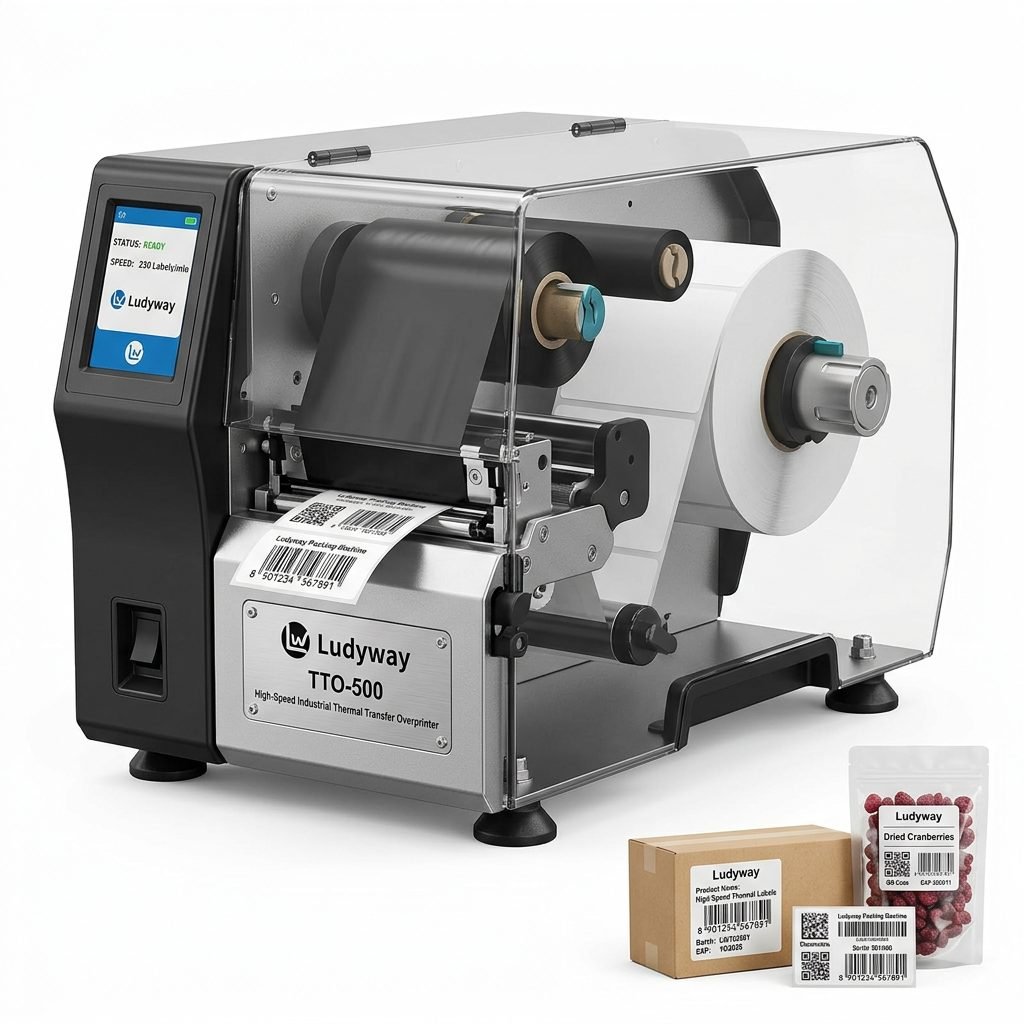
The modern French factory relies heavily on data. Ensure the programmable logic controller (PLC) adheres to international standards (such as Siemens or Rockwell Allen-Bradley). This ensures Ethernet/IP or Profinet connectivity to your central SCADA system. Data points related to Overall Equipment Effectiveness (OEE), reject rates, and batch records are vital for the traceability requirements demanded by French quality control departments and the DGCCRF (Directorate-General for Competition, Consumer Affairs and Fraud Control).
Total Cost of Ownership (TCO) Analysis
While the initial capital investment is a significant factor, a savvy French procurement manager will calculate the Total Cost of Ownership. This includes energy consumption, cost of spare parts, and downtime associated with changeovers. A machine that can change over from a 25-gram sachet to a 50-gram stick pack in under 15 minutes without complex tools provides immense value in a market demanding short runs and multiple SKUs.
Comparing Energy and Waste
With electricity costs famously variable in Europe, selecting a machine driven by servo motors rather than mechanical cams drastically decreases energy draw. Additionally, precision film registration sensors that minimize wasted packaging material are not just cost-savers but are also essential for compliance with France’s strict environmental packaging obligations. The 3R principles (Reduce, Reuse, Recycle) embedded in French law are driving machine design toward zero-waste operation.
Navigating Import and Installation in France
Shipping a packaging machine to France involves careful logistical planning. You must account for the port of entry—typically Le Havre or Marseille—and subsequent trucking to your facility. It is crucial to clarify Incoterms with your manufacturer; CIF Marseille usually offers a good balance of liability for both parties. Upon arrival, the machine must be inspected by a certified body if it is a standalone unit not fully certified under a specific EU module. The training of personnel is a critical step often underestimated. Ensure the agreement includes at least one week of comprehensive operator and maintenance training on-site, conducted by a technician fluent in French or with interpreter assistance.

By meticulously evaluating the machine type, compliance standards, and supplier credentials, your investment in a snack food packaging machine will position you competitively in the thriving French food industry. Remember, the right technology choice will streamline operations, enhance product presentation, and ensure regulatory peace of mind within the demanding European context, providing an essential edge for sustainable growth.