Expanding flour production into international markets requires a strategic approach to packaging line setup. A well-designed flour packaging machine production line ensures consistent product quality, meets diverse regulatory standards, and optimizes operational efficiency across borders. Whether you are packaging wheat flour, corn flour, rice flour, or specialty gluten-free blends, the right equipment configuration makes all the difference in achieving global competitiveness.
Understanding Global Market Requirements for Flour Packaging
Different regions impose distinct packaging regulations that directly influence your production line design. The European Union enforces strict food contact material standards under EU Packaging and Packaging Waste regulations, while the United States follows FDA food packaging guidelines. In the Middle East and Southeast Asia, halal certification requirements often extend to packaging materials and processes. Your flour packaging line must be flexible enough to accommodate varying bag sizes, material specifications, and labeling requirements without compromising throughput.
Key Equipment for a Flour Packaging Production Line
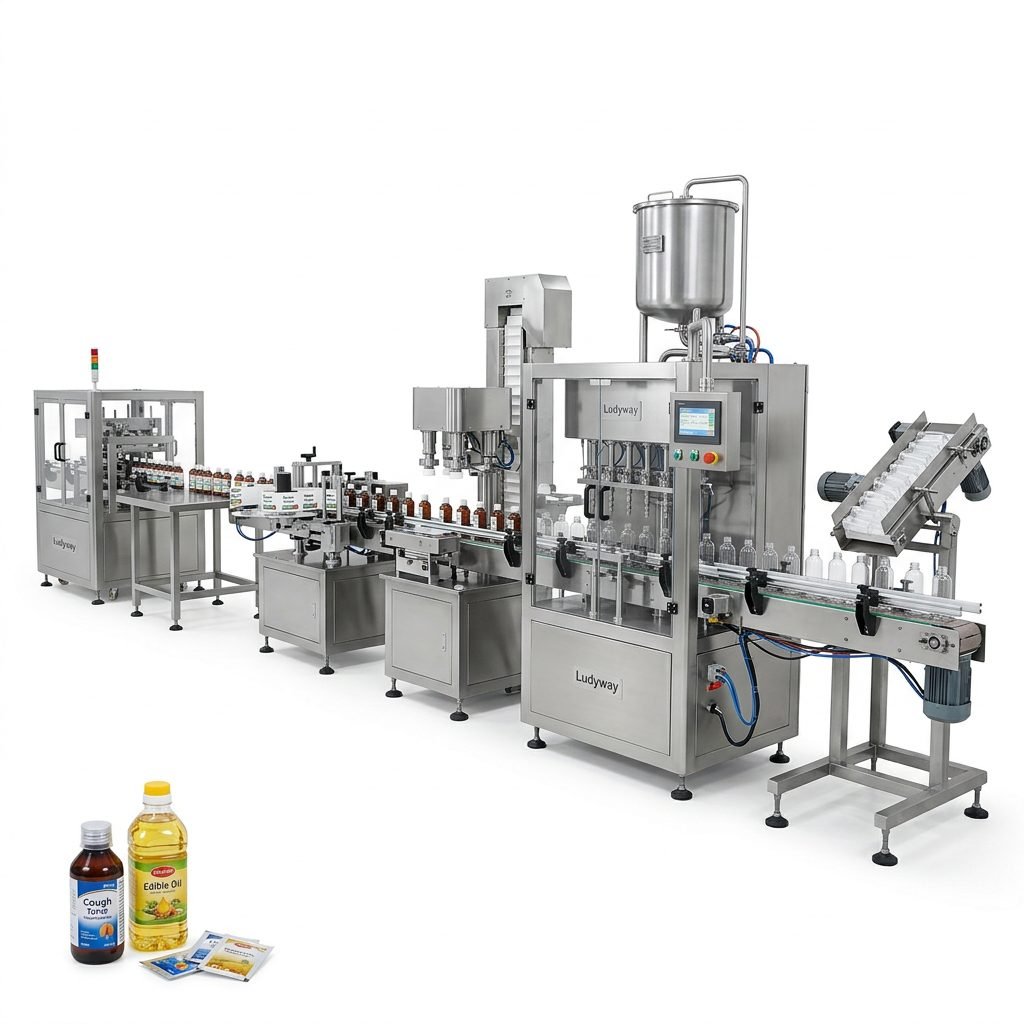
Building an efficient flour packaging line starts with selecting the right machinery. Below are the essential components you need to evaluate for global market readiness:
1. Automatic Weighing and Filling Systems
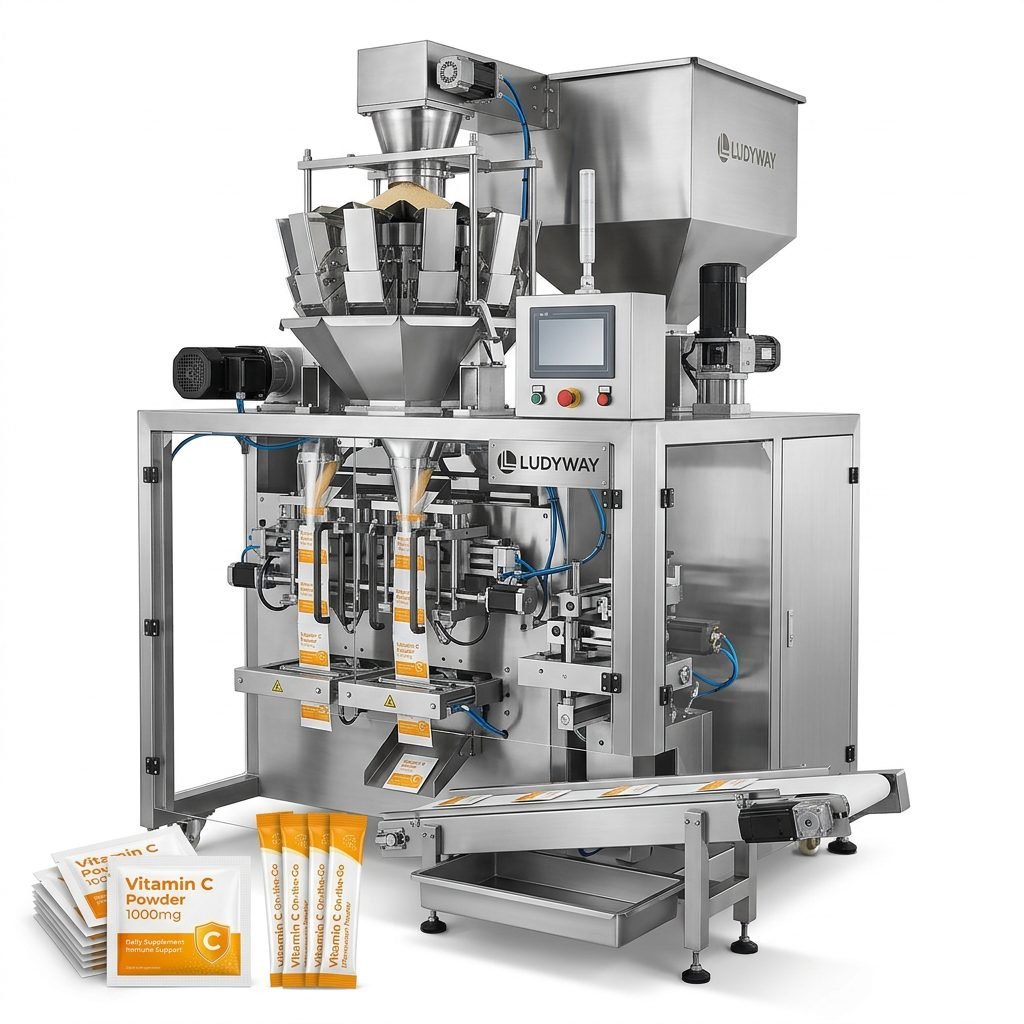
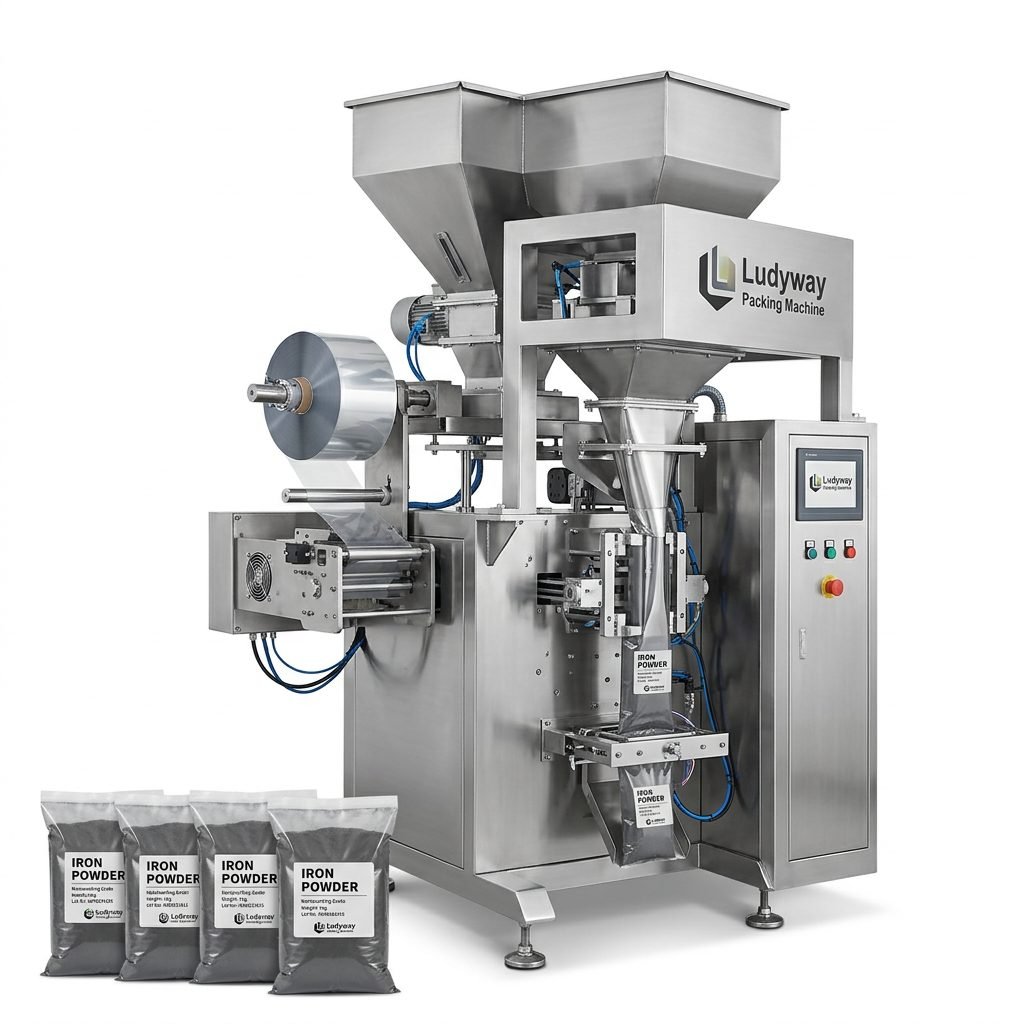
Precision weighing is critical for cost control and regulatory compliance. Modern powder filling machines equipped with servo-driven auger fillers or multi-head weighers achieve accuracy within ±0.5% for flour products ranging from 10g sachets to 50kg bulk bags. For markets requiring net weight verification, integrated checkweighers provide real-time feedback and automatic rejection of out-of-tolerance packages.
2. Bag Forming and Sealing Units
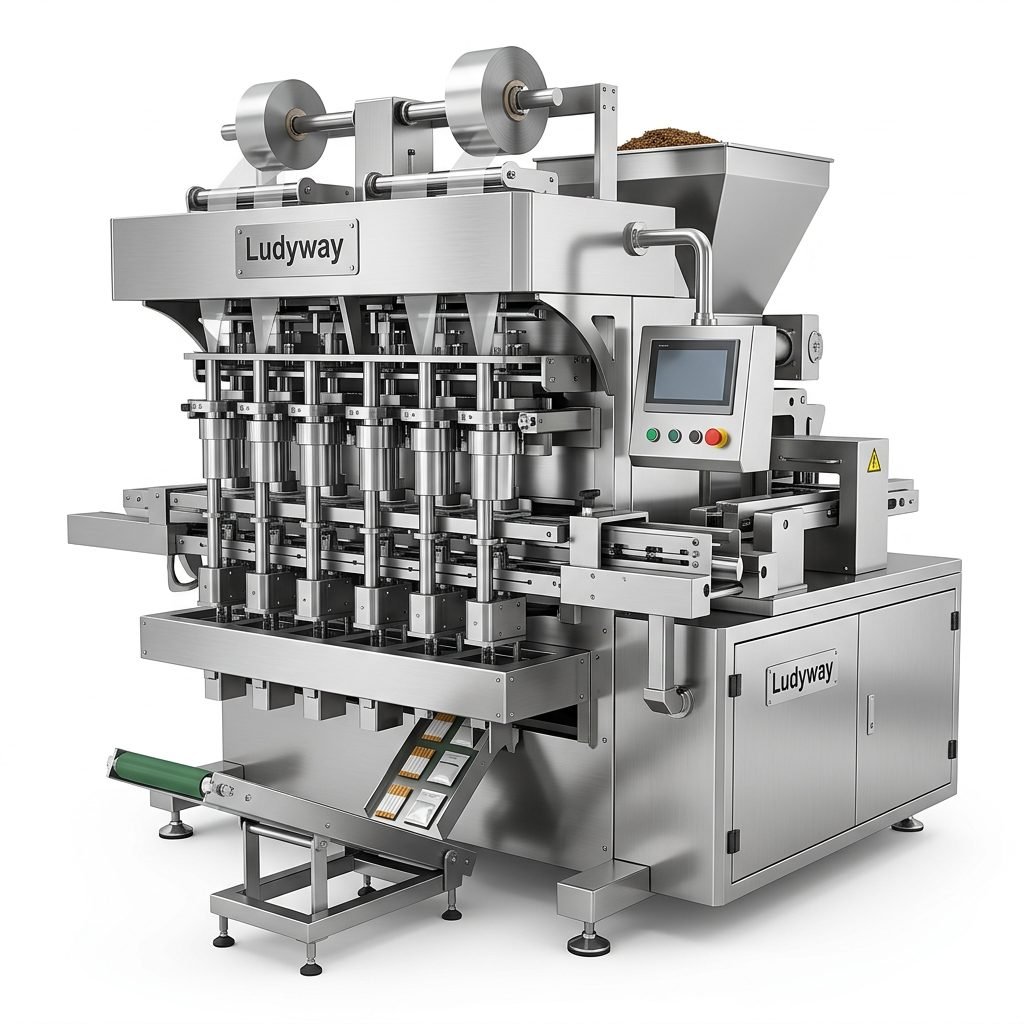
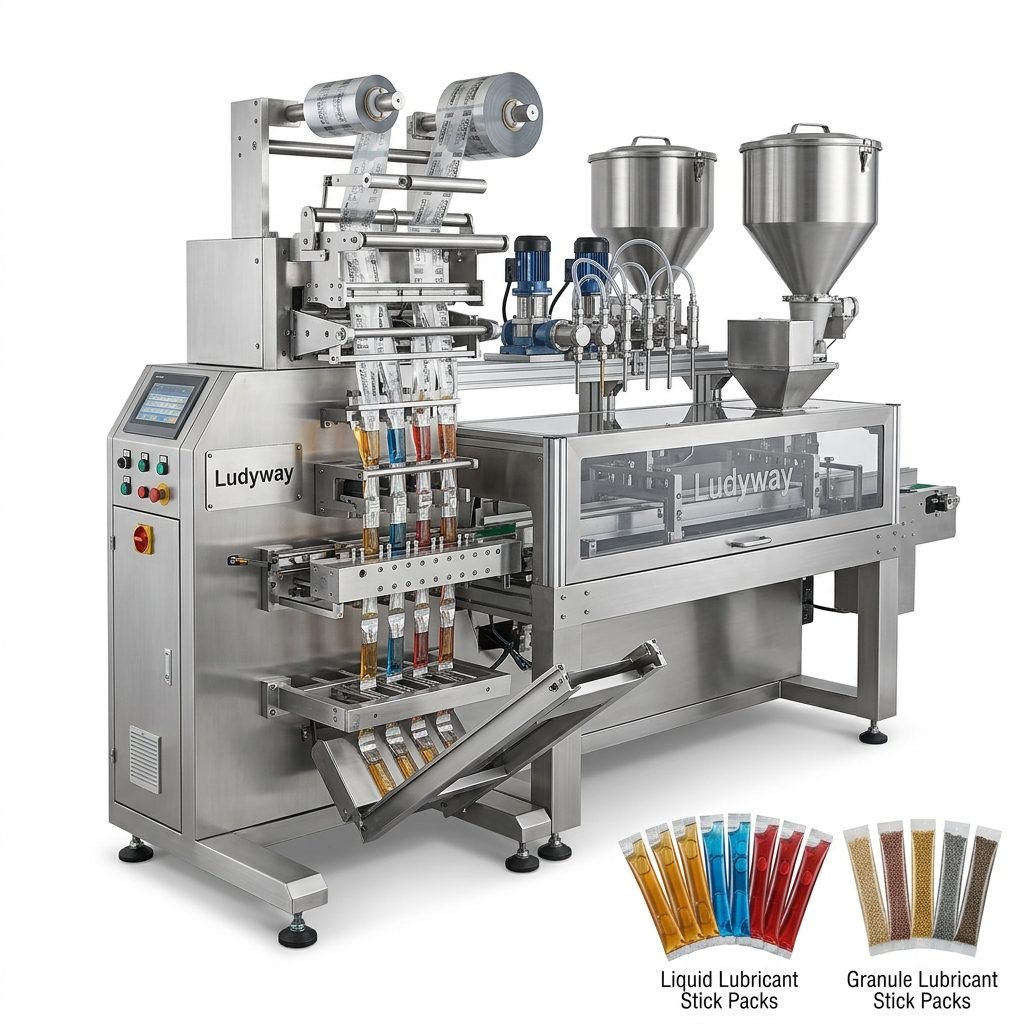
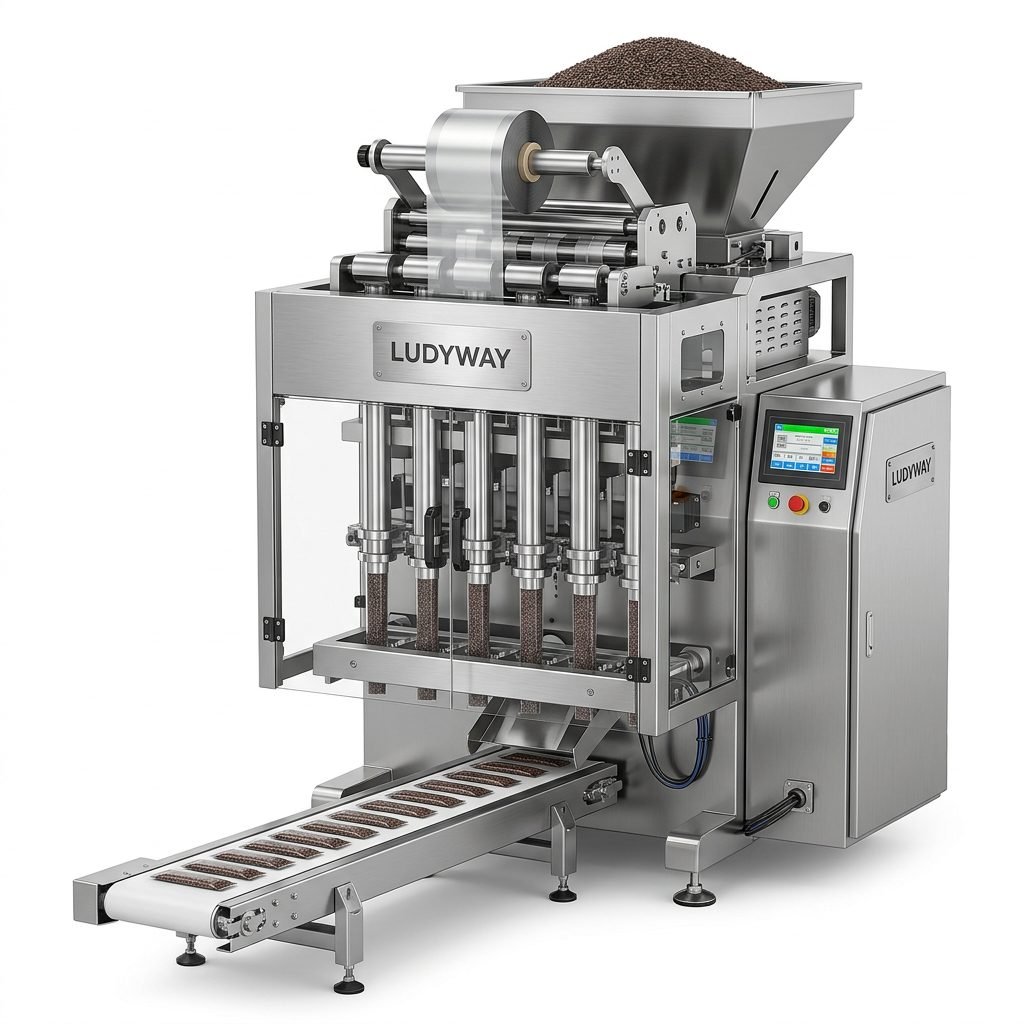
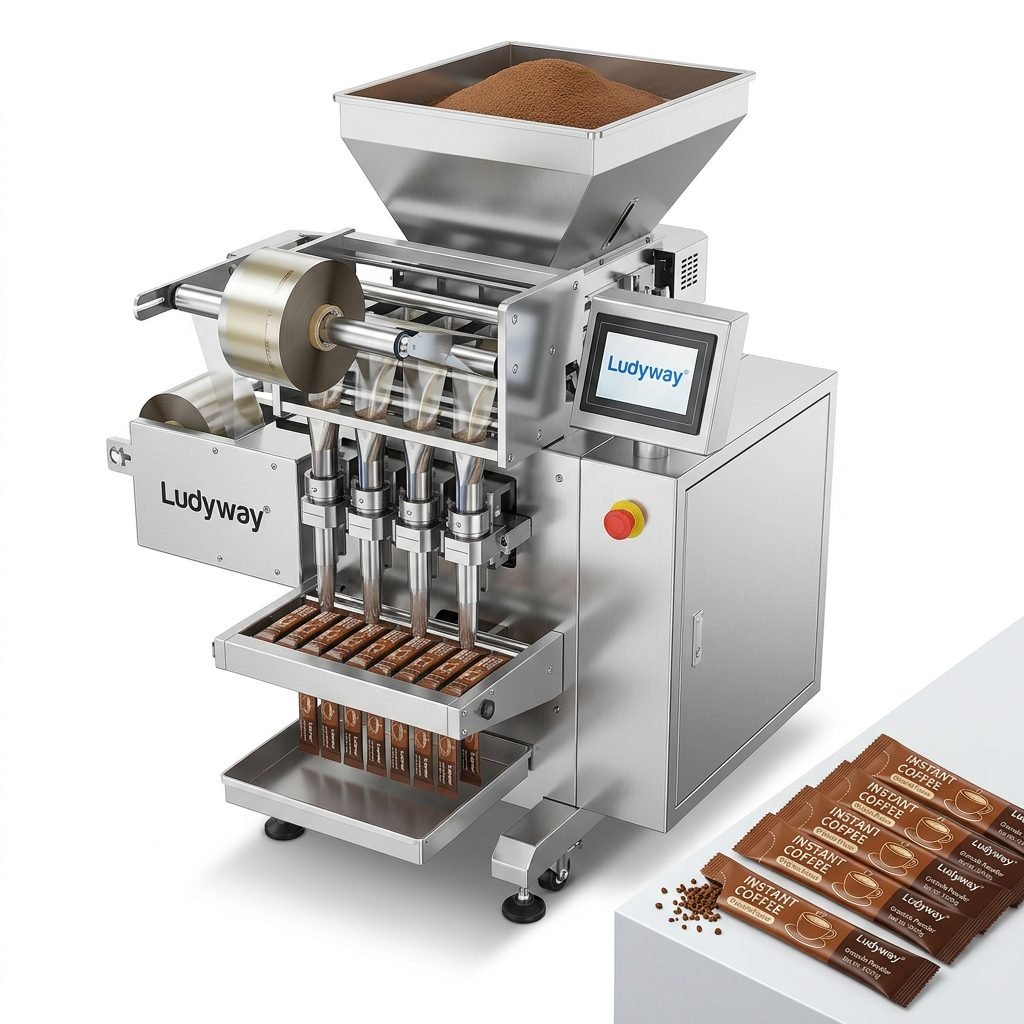
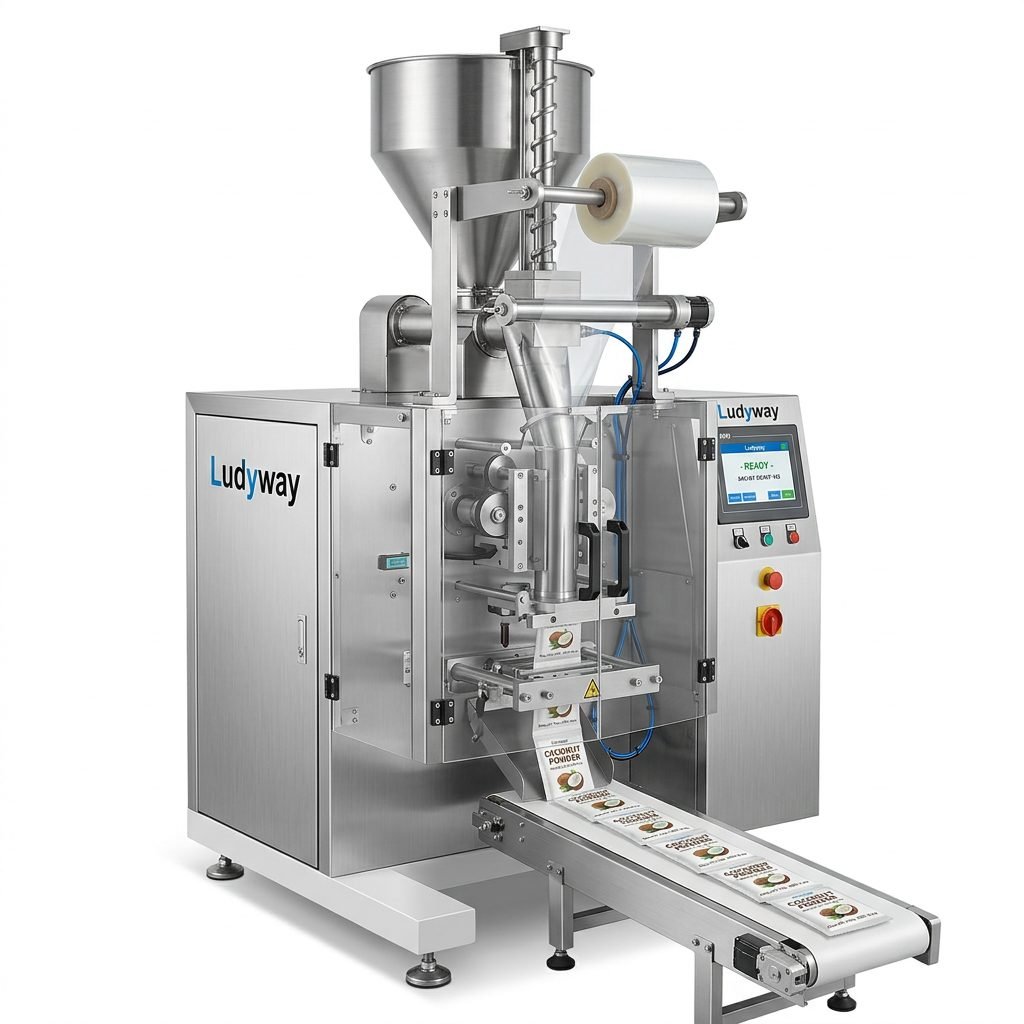
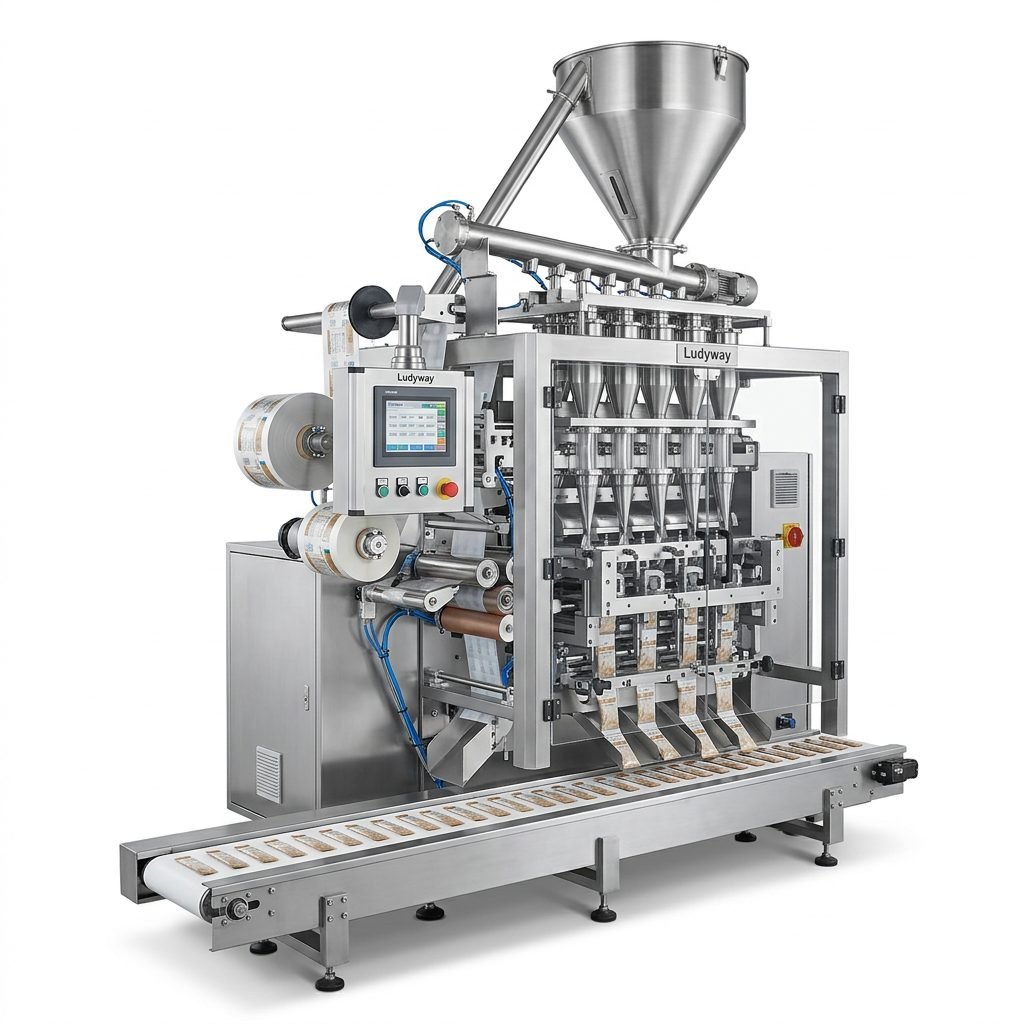
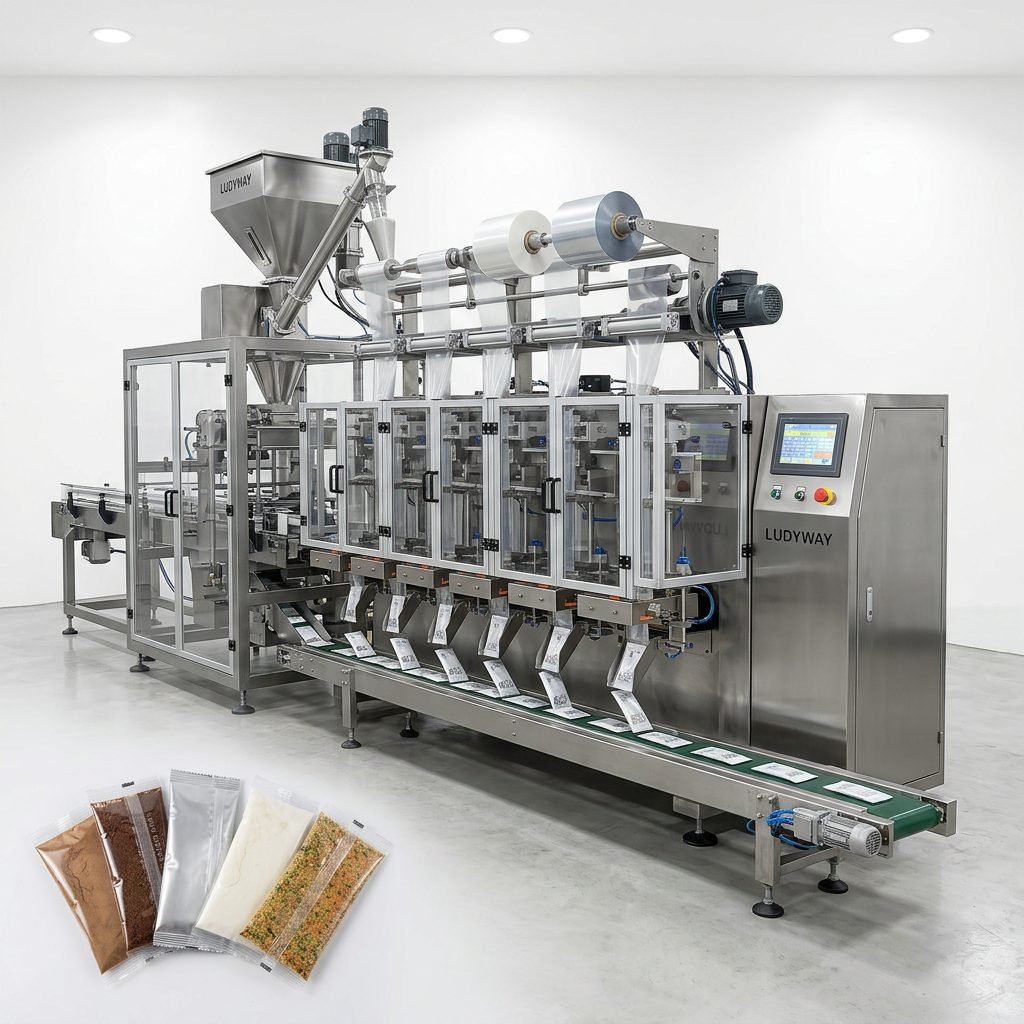
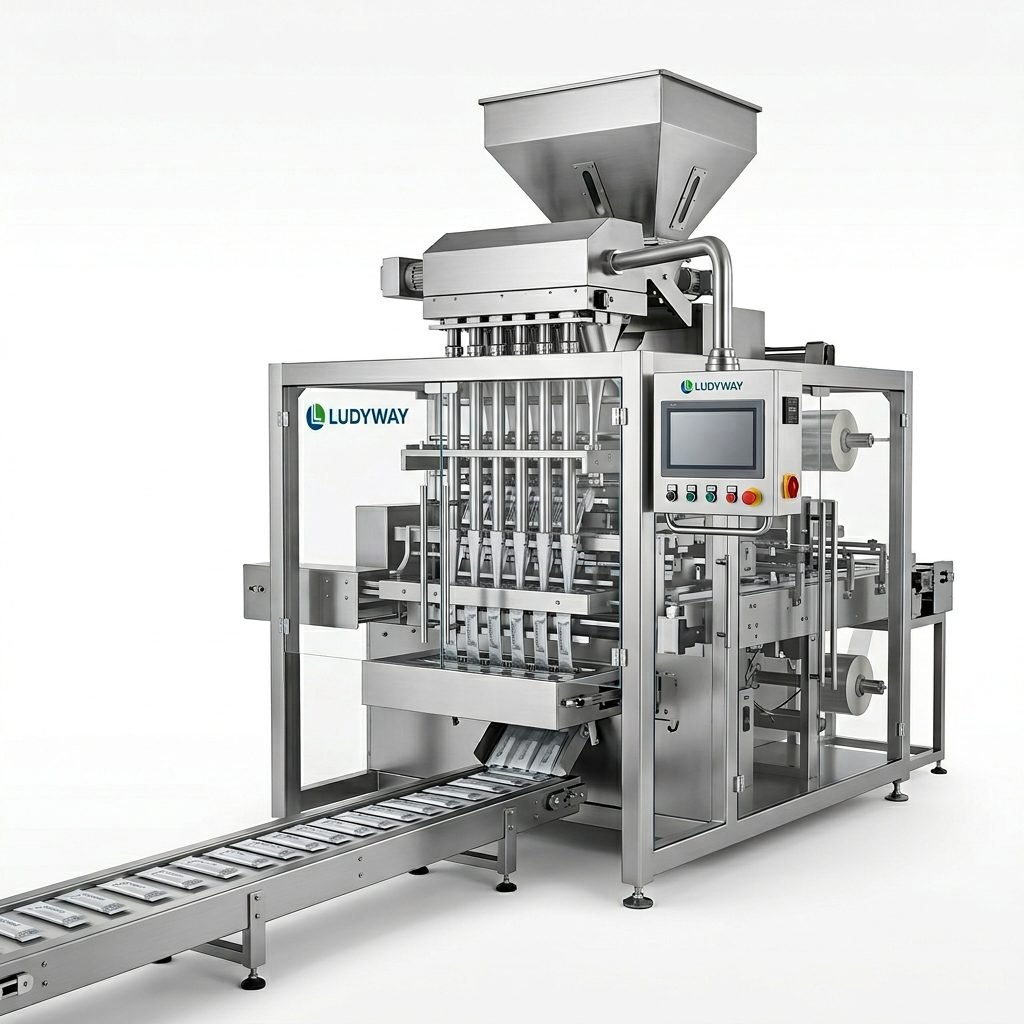
Flour packaging demands robust sealing technology to prevent leakage and moisture ingress. Vertical form-fill-seal (VFFS) machines are widely used for pillow bags, gusseted bags, and block-bottom bags. For high-speed operations targeting retail markets, multi-lane sachet packaging systems can produce up to 60 lanes simultaneously, dramatically increasing output for single-serve flour portions popular in developing markets.
3. Dust Control and Material Handling
Flour dust presents both safety hazards and product loss risks. A properly configured line integrates dust extraction hoods at filling stations, enclosed screw conveyors, and vacuum feeder systems to maintain a clean production environment. This is especially important for facilities seeking ISO 22000 or BRCGS certification for international trade.
4. Coding, Labeling, and Traceability
Global markets increasingly require batch-level traceability. Thermal inkjet printers, laser markers, and automatic labeling machines must be synchronized with your packaging line to apply lot numbers, expiration dates, barcodes, and country-specific nutritional information panels. Some regions mandate QR codes linking to digital traceability platforms.
Production Line Configuration Options
The optimal layout depends on your target markets and production volume. The table below compares three common flour packaging line configurations:
| Configuration Type | Best For | Output Range | Key Advantages |
|---|---|---|---|
| Single-Lane VFFS Line | Small to medium bakeries, local markets | 15-40 bags/min | Lower investment, easy changeover, compact footprint |
| Multi-Lane Sachet Line | Retail single-serve, hotel/restaurant supply | 200-600 sachets/min | Ultra-high throughput, minimal labor, consistent portioning |
| Bulk Bagging Line | Industrial supply, export wholesale | 5-15 bags/min (10-50kg) | Heavy-duty construction, high accuracy weighing, palletizing integration |
| Fully Automated Turnkey Line | Large-scale exporters, multi-format requirements | Custom configured | End-to-end automation, integrated quality control, minimal operator dependency |
Regulatory Compliance for International Flour Exports
Navigating global food safety standards is non-negotiable. Your packaging line must support compliance with:
- FSSC 22000 and BRCGS – Required by most European and North American retailers for private-label flour products
- FDA 21 CFR Part 110/117 – Current Good Manufacturing Practice for U.S. market access
- EU Regulation 1935/2004 – Food contact materials safety for European distribution
- Halal and Kosher certifications – Essential for Middle Eastern, Southeast Asian, and select Western markets
- Country-specific labeling laws – Including language requirements, nutritional formats, and allergen declarations
According to PMMI packaging industry intelligence, global demand for flexible packaging in dry food applications continues to grow at over 4% annually, with flour and grain products representing a significant portion of this expansion.
Automation and Quality Control Integration
Modern flour packaging lines incorporate multiple inspection points to ensure product integrity. High-precision checkweighers verify fill weights, while metal detectors and X-ray inspection systems detect foreign contaminants before products leave the facility. Vision inspection systems can identify seal defects, print errors, and label misalignment at production speeds. Integrating these quality control systems directly into the packaging line reduces rework, prevents costly recalls, and builds trust with international buyers.
Material Selection for Global Distribution
Flour products shipped internationally face extended supply chains and varying climatic conditions. Packaging film selection must account for moisture barrier requirements, oxygen transmission rates, and puncture resistance. Multi-layer laminates combining PET, aluminum foil, and PE offer excellent protection for long-distance shipping. For environmentally conscious markets, recyclable mono-material films are gaining traction, though they may require different sealing parameters on your packaging equipment.
Line Layout and Production Workflow
An optimized flour packaging line minimizes material handling, reduces cross-contamination risks, and facilitates efficient cleaning between product changeovers. Consider these workflow principles:
- Raw material reception – Bulk flour silos or bag dump stations with sifting and magnetic separation
- Controlled conveying – Enclosed pneumatic or mechanical conveying to the packaging mezzanine
- Buffer storage – Day bins or hoppers above packaging machines for continuous operation
- Primary packaging – Weighing, bag forming, filling, and sealing in the main packaging zone
- Quality inspection – Checkweighing, metal detection, and vision inspection before secondary packaging
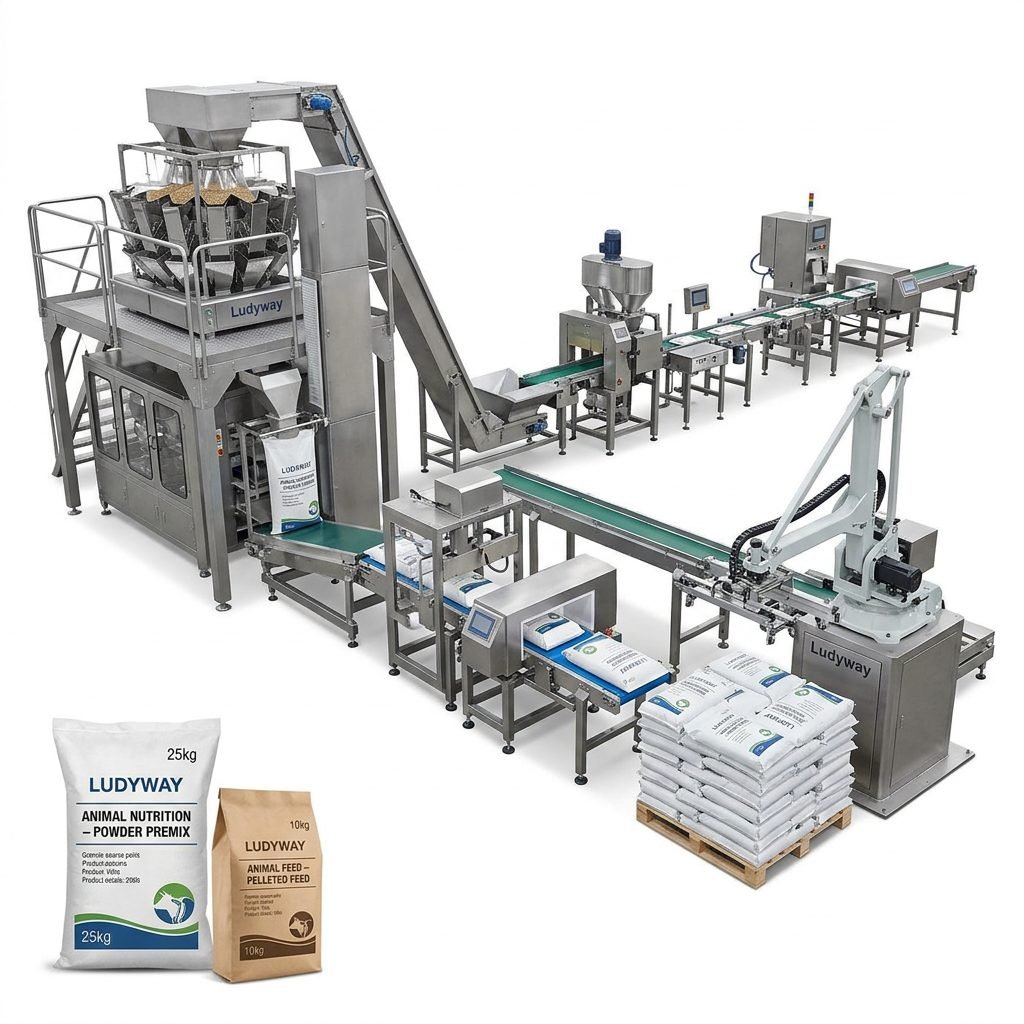
- Case packing and palletizing – Automated cartoning, case sealing, and robotic palletizing for export readiness
Maintenance and Spare Parts Strategy
International operations require proactive maintenance planning. Packaging lines running 24/7 in export-focused facilities must have readily available spare parts, especially for wear components like sealing jaws, belts, and filling augers. Remote diagnostic capabilities increasingly allow manufacturers to troubleshoot issues without on-site visits, reducing downtime in overseas installations. Establishing a preventive maintenance schedule aligned with production calendars ensures consistent output during peak export seasons.
Training and Skill Development
Operating sophisticated automatic packaging machines requires well-trained personnel. Comprehensive operator training programs covering machine setup, changeover procedures, basic troubleshooting, and safety protocols are essential for international installations. Many equipment manufacturers now offer augmented reality (AR) training tools and multilingual documentation to support global teams at PACK EXPO International and similar industry events.
Selecting the Right Equipment Partner
Choosing a packaging machinery supplier with global experience significantly impacts your success in international markets. Look for manufacturers that offer turnkey solutions, understand regional regulatory requirements, provide multilingual technical support, and maintain a track record of installations across multiple countries. A supplier with comprehensive testing facilities allows you to validate packaging materials and configurations before equipment ships, reducing startup risks at your production facility.
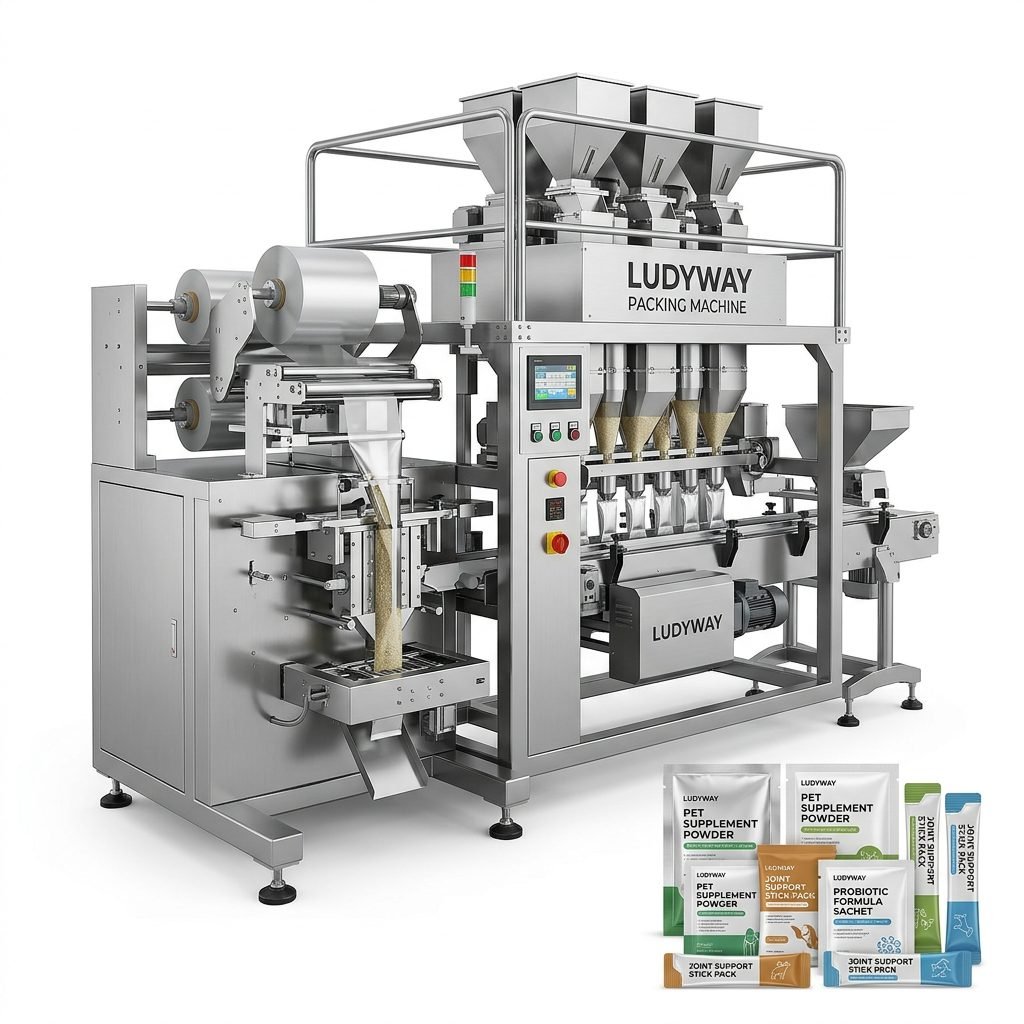
Ludyway is one of the largest packaging machine manufacturers in China, specializing in advanced packaging equipment and turnkey production solutions for the food, pharmaceutical, and health industries. With over 30 years of industry expertise and a modern 20,000m² manufacturing facility, the company offers reliable and efficient packaging systems for granule, powder, liquid, and pouch applications, serving customers in over 100 countries with innovative, high-performance equipment.

Final Considerations for Global Market Success
Setting up a flour packaging machine production line for international markets is a multifaceted undertaking that goes beyond equipment selection. Success depends on understanding market-specific packaging preferences, complying with diverse regulatory frameworks, implementing robust quality control measures, and partnering with experienced equipment manufacturers. The Flexible Packaging Association provides additional resources on packaging material innovations and sustainability trends that influence global market access. By approaching your packaging line investment with these factors in mind, you position your flour products for competitive advantage in the global marketplace.