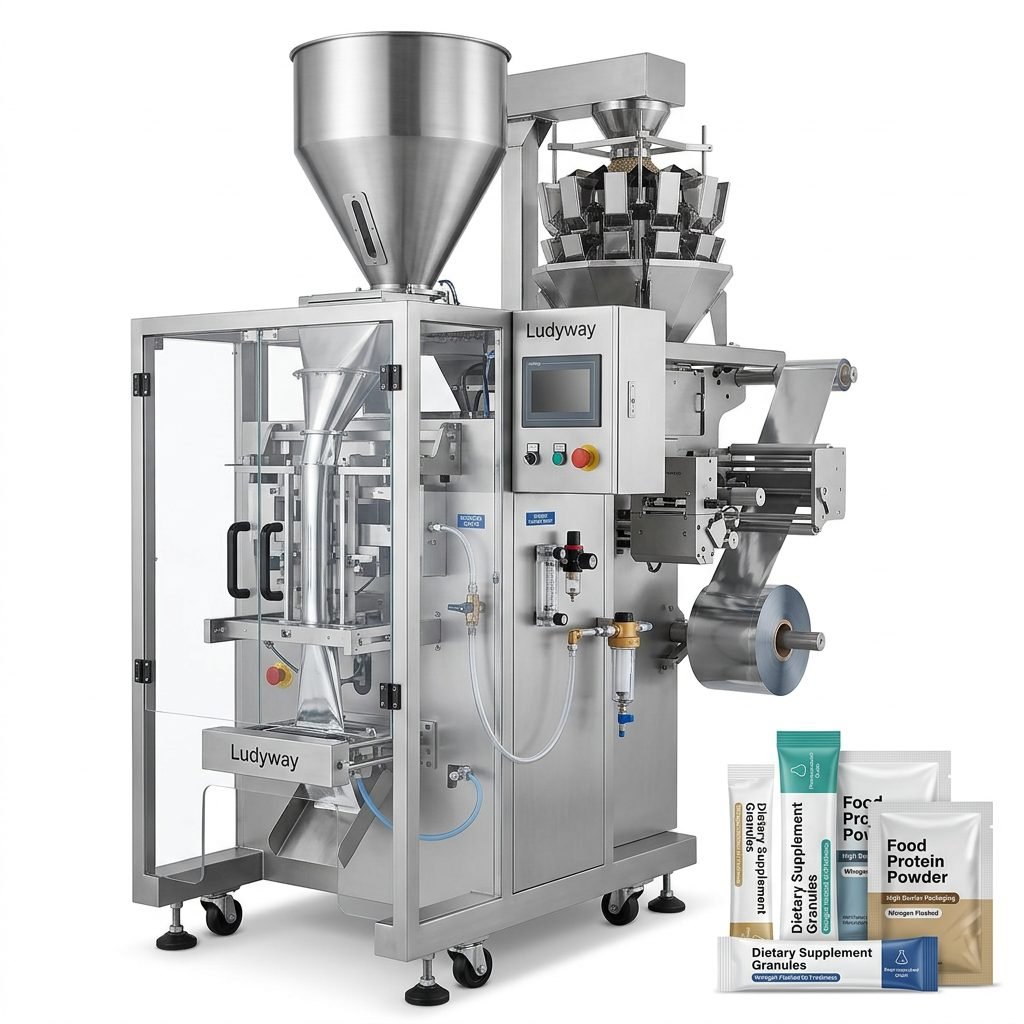
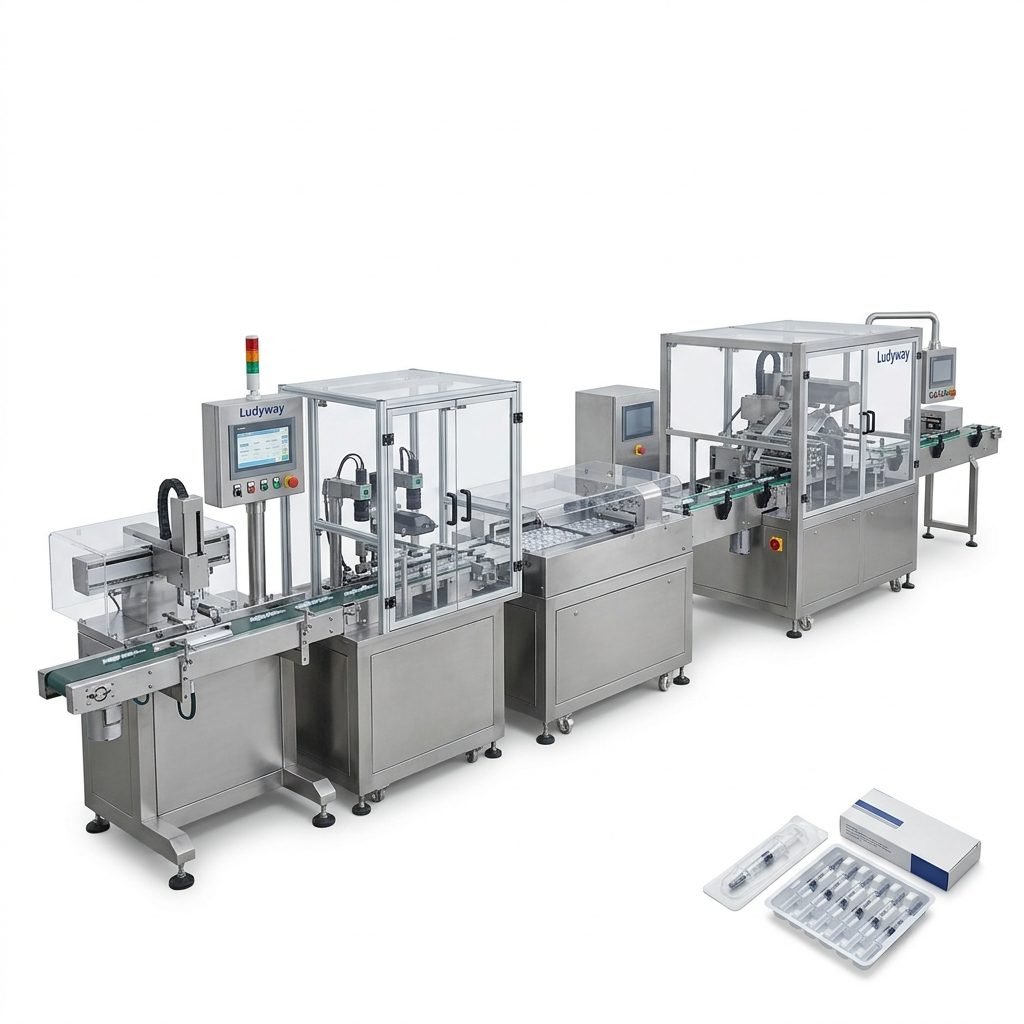
In liquid packaging, dosing consistency is one of the most important drivers of product quality, cost control, and line efficiency. Even small filling deviations can lead to giveaway, underfill risk, rework, sealing problems, and customer complaints. Whether you package edible oils, sauces, detergents, cosmetics, oral liquids, or chemical solutions, improving dose repeatability helps protect both margin and brand reputation.
A high-performing line combines stable product flow, accurate metering, reliable sealing, proper operator control, and continuous inspection. When these factors work together, liquid packaging becomes more predictable, faster, and easier to scale.
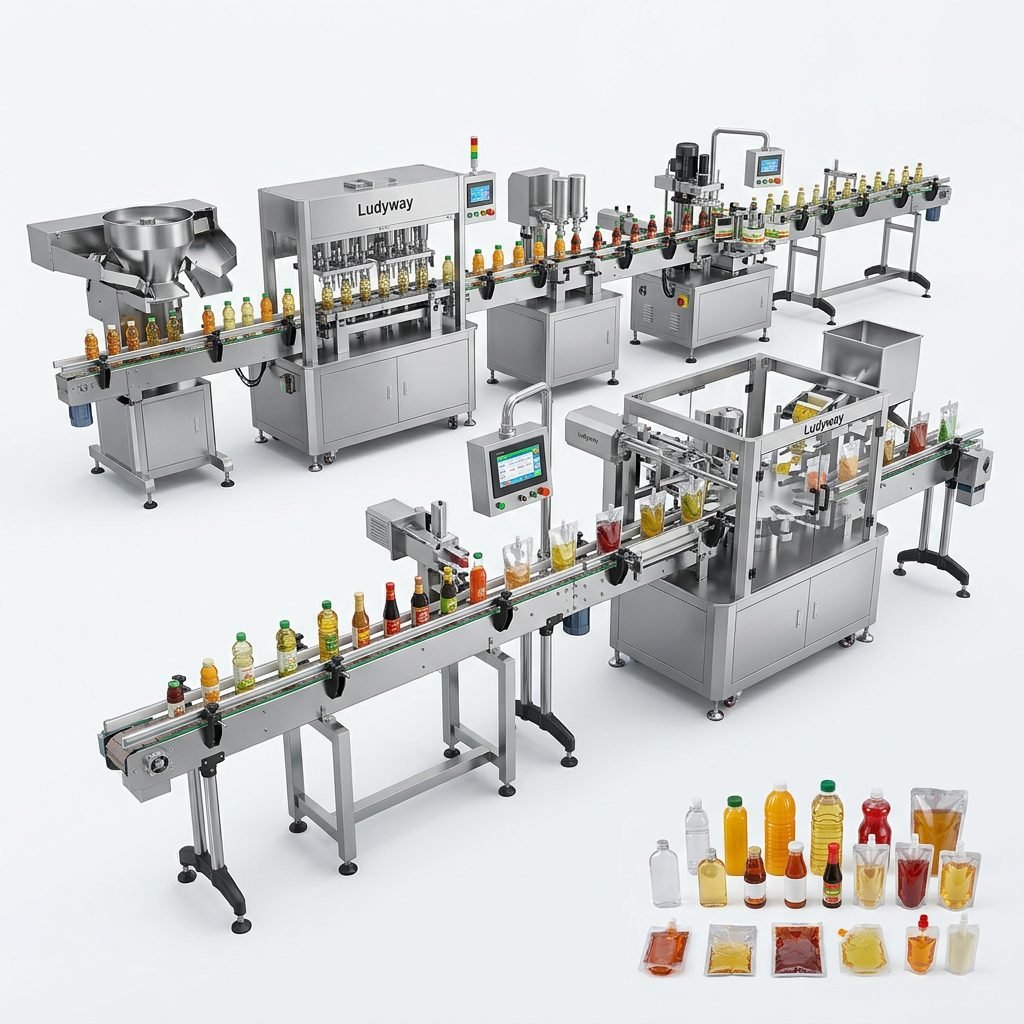
Why Dosing Consistency Matters in Liquid Packaging
Inconsistent liquid dosing affects more than fill volume. It can interrupt downstream performance and increase production costs across the entire line. Good dosing consistency supports:
- Accurate net content compliance and reduced underfill risk
- Lower product waste caused by overfilling
- Improved seal quality by preventing overflow and contamination at the sealing area
- Better appearance and pack uniformity for retail presentation
- Higher OEE through fewer stoppages, rejects, and adjustments
- More reliable production planning and material consumption control
For manufacturers handling large batch volumes, even a small dosing error repeated thousands of times per shift can create a significant financial loss. That is why many producers focus on dosing precision as a direct path to better profitability.
Common Causes of Inconsistent Liquid Filling
Before improving accuracy, it is essential to identify the most common root causes. Liquid products behave differently depending on viscosity, temperature, foaming tendency, particle content, and shear sensitivity.
| Cause | How It Affects Dosing | Typical Solution |
|---|---|---|
| Viscosity variation | Flow speed changes from batch to batch | Temperature control, correct pump type, recipe-based settings |
| Air bubbles or foam | Unstable volume and inaccurate fill cutoff | Anti-foam design, bottom-up filling, degassing, slower nozzle entry |
| Pressure fluctuation | Inconsistent flow to filling heads | Buffer tanks, pressure regulators, servo-controlled pumping |
| Worn valves or seals | Dripping, tailing, and variable cutoff timing | Preventive maintenance and scheduled replacement |
| Improper machine setup | Frequent overfill or underfill | Standardized setup procedures and operator training |
| Product temperature drift | Density and flow change during production | Heated jackets, insulated tanks, inline monitoring |
Choose the Right Filling Technology for the Liquid Type
No single filling principle is ideal for every liquid. Selecting the proper method is the first major step toward consistency.
1. Piston Fillers
Best for viscous liquids such as sauces, creams, gels, honey, and paste-like products. Piston systems can deliver strong repeatability when seals, stroke length, and valve timing are properly maintained.
2. Pump Fillers
Suitable for a broad range of liquids, from thin to medium viscosity. Gear pumps, lobe pumps, peristaltic pumps, and rotary pumps each serve different hygienic and rheological requirements. Servo-driven pump fillers often provide excellent control for high-speed applications.
3. Gravity or Time-Pressure Fillers
Often used for low-viscosity, free-flowing products. These systems can be efficient, but they depend heavily on stable head pressure and consistent product characteristics.
4. Mass Flow or Weigh Filling Systems
Ideal when very high accuracy is required or when density changes make volumetric filling less reliable. These systems are especially useful for premium, regulated, or costly liquid products.
Matching the filling method to the actual product behavior can reduce variability significantly before any software adjustment is made.
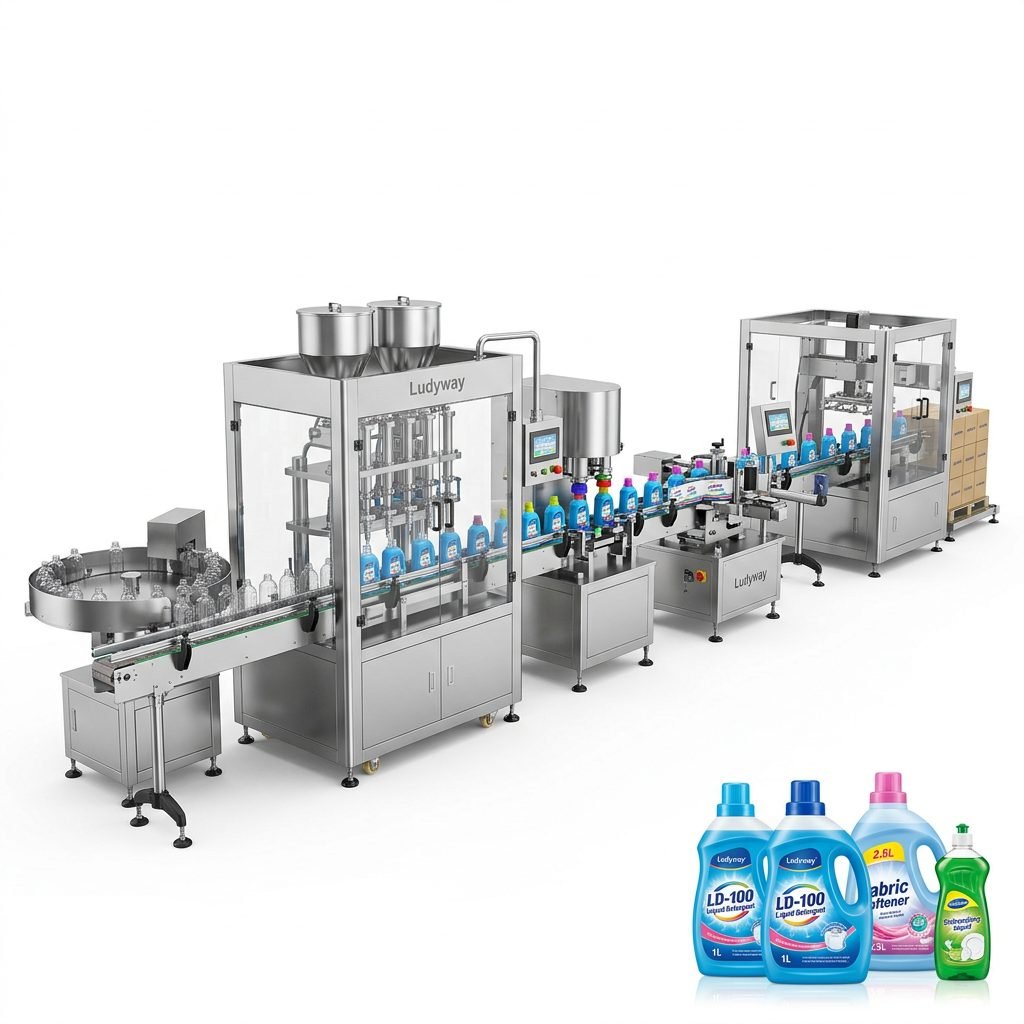
Stabilize Product Properties Before Filling
Many dosing problems start upstream rather than at the filling station. If the liquid changes during holding, transfer, or mixing, the filler will struggle to maintain accuracy.
- Keep product temperature within a tight range
- Use agitation when ingredients separate during holding
- Prevent excessive aeration during pumping or tank replenishment
- Design pipelines to reduce dead zones and residue buildup
- Maintain consistent product head pressure in the supply tank
For liquids such as syrups, oils, detergents, emulsions, and oral solutions, a controlled upstream system can have a major impact on filling repeatability.
Use Servo Control and Intelligent Automation
Manual adjustments often create inconsistency, especially when product conditions shift during long production runs. Servo-driven systems improve repeatability by allowing precise movement, programmable recipes, and fine response to process changes.
Smart automation can improve dosing through:
- Recipe storage for different SKUs and pack sizes
- Automatic correction based on sample weight feedback
- Synchronized motion between pumping, filling, sealing, and cutting
- Alarm systems for pressure, temperature, or deviation thresholds
- Reduced dependence on operator trial-and-error
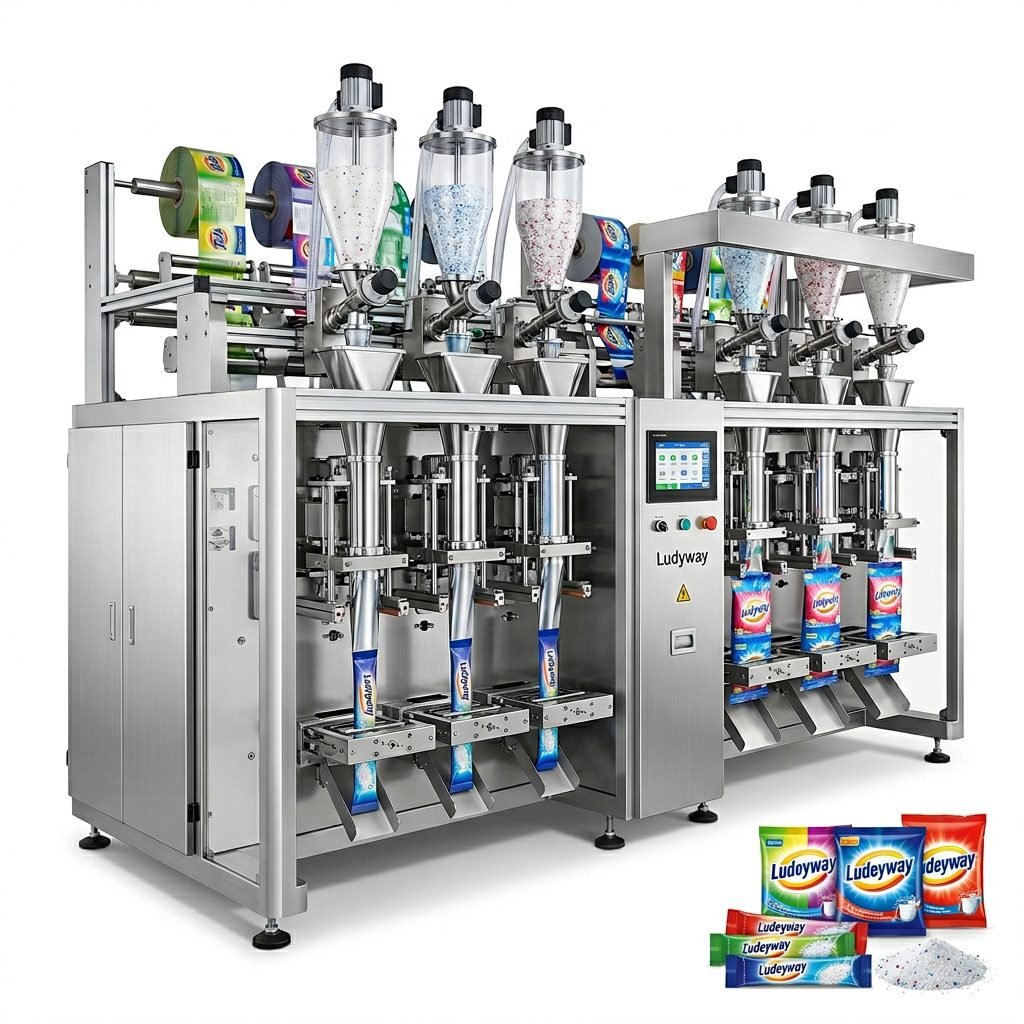
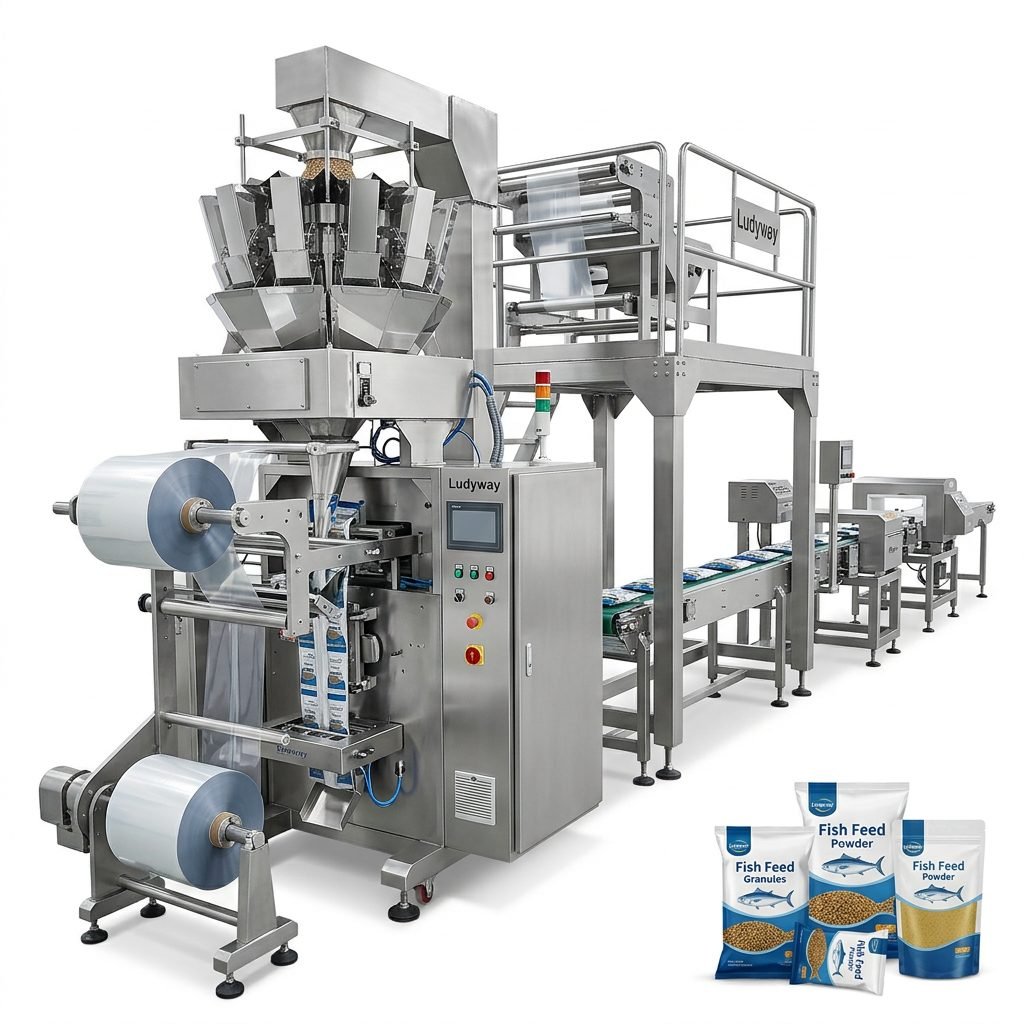
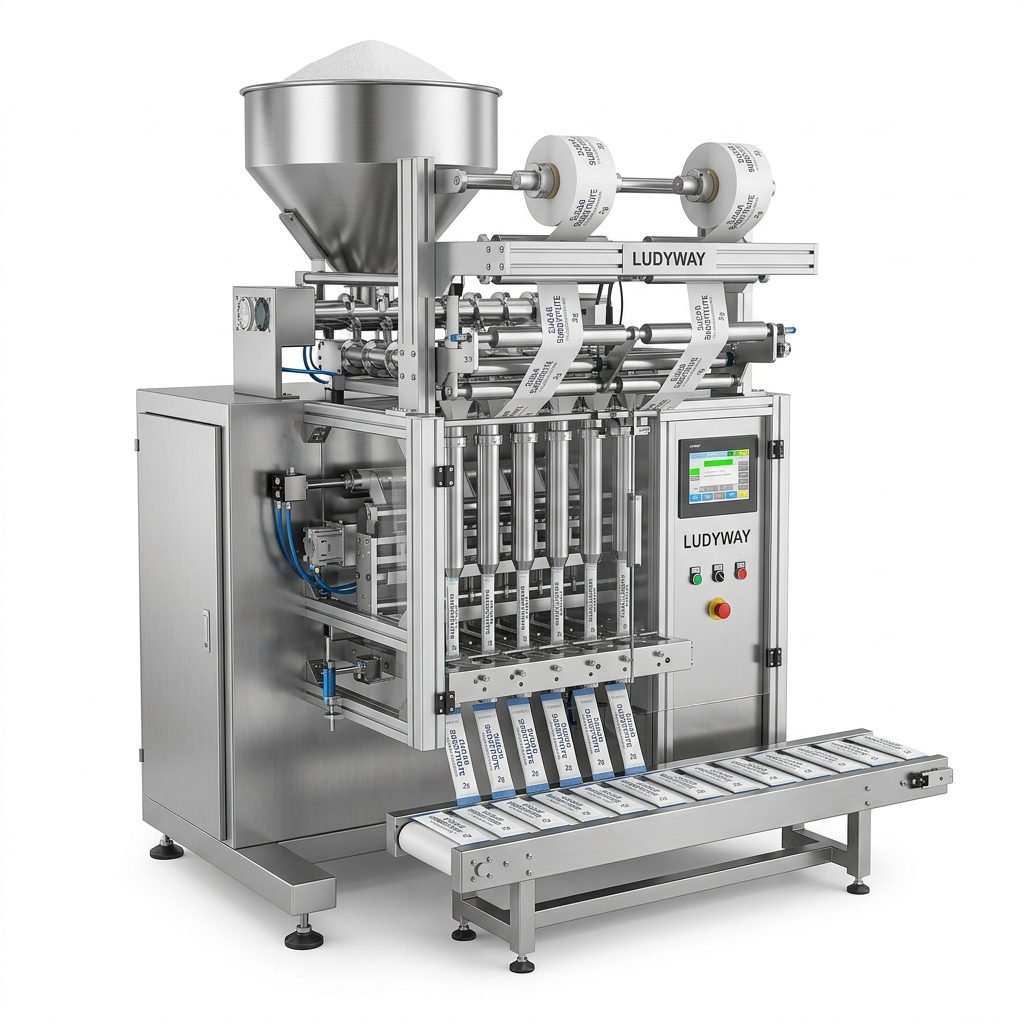
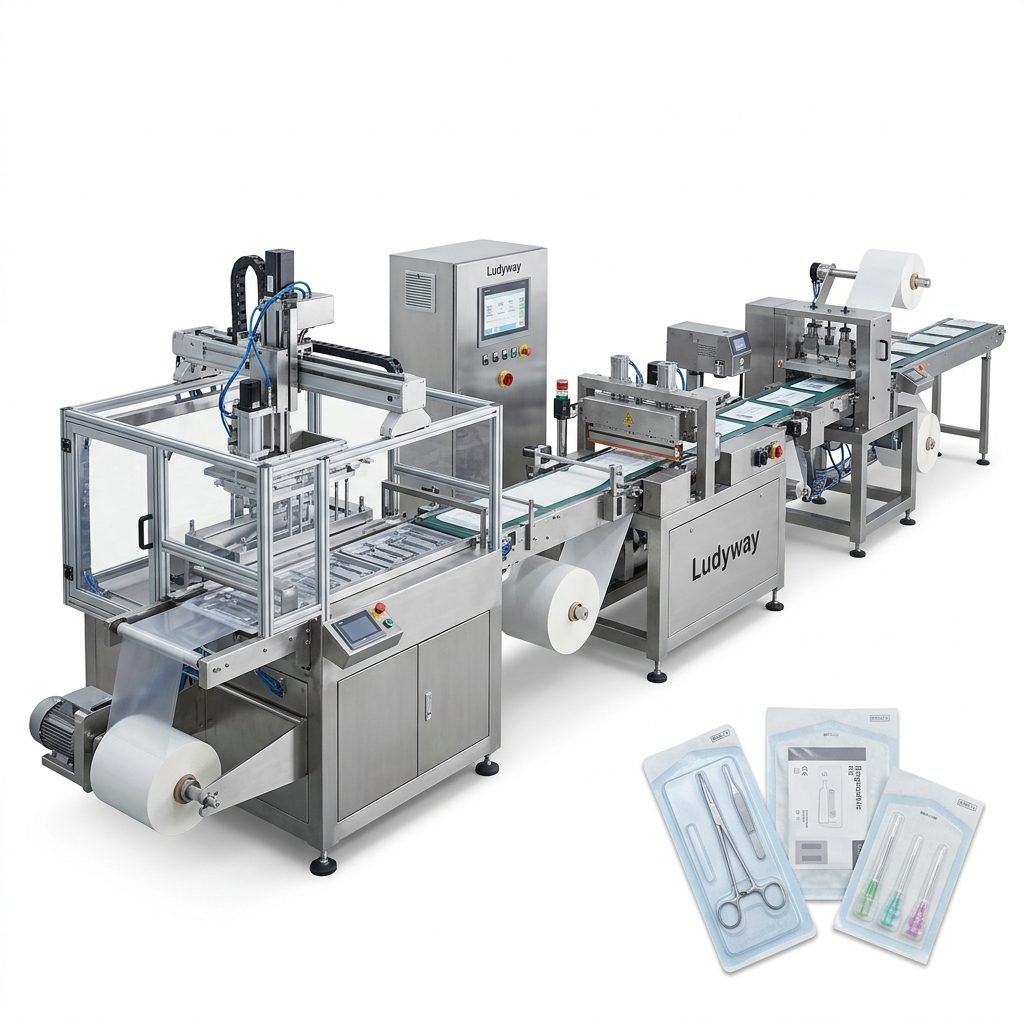
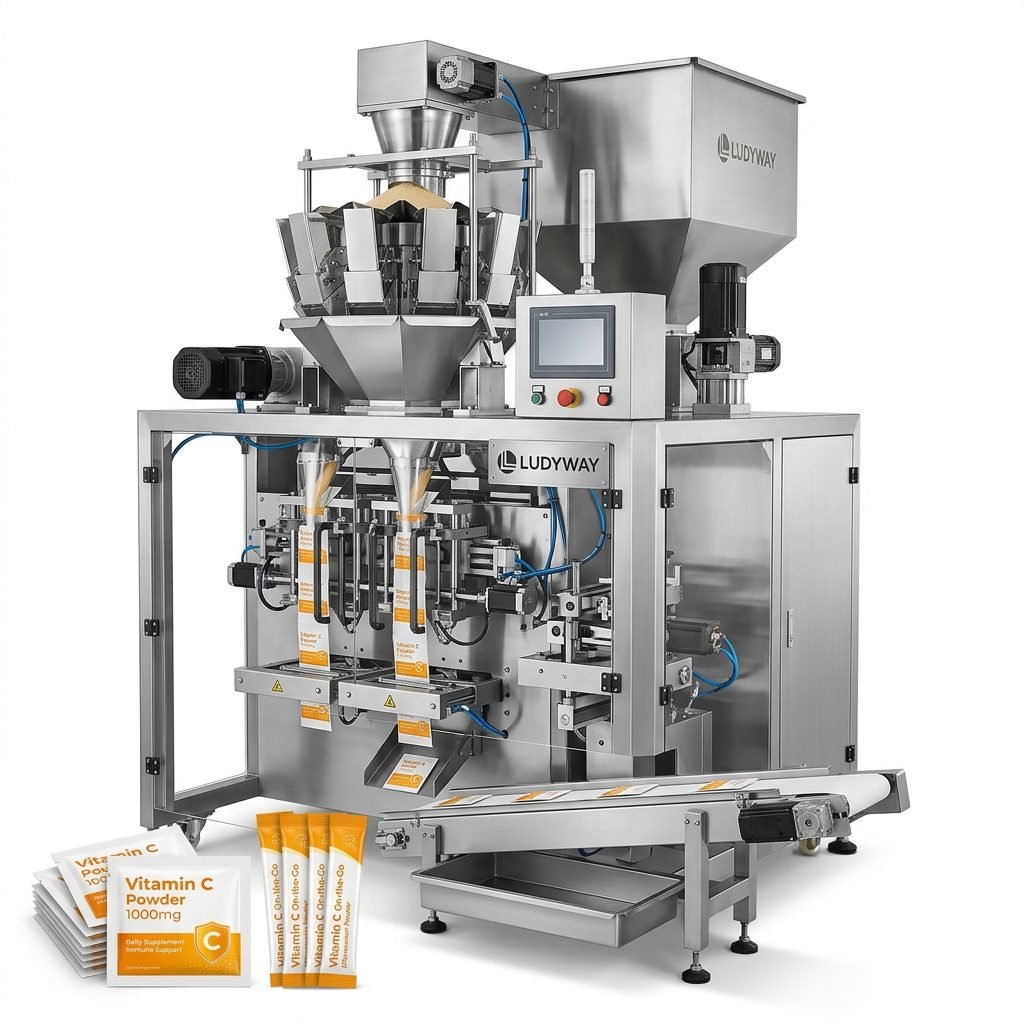
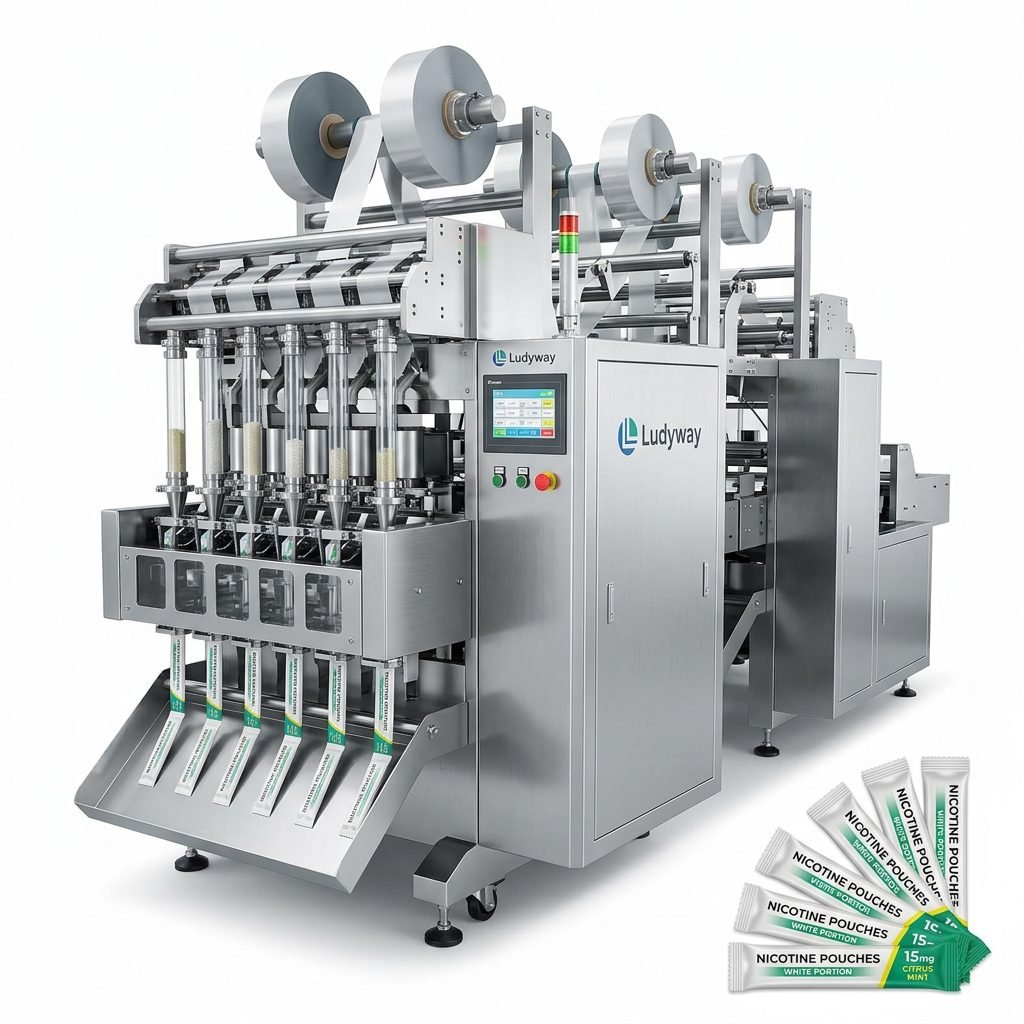
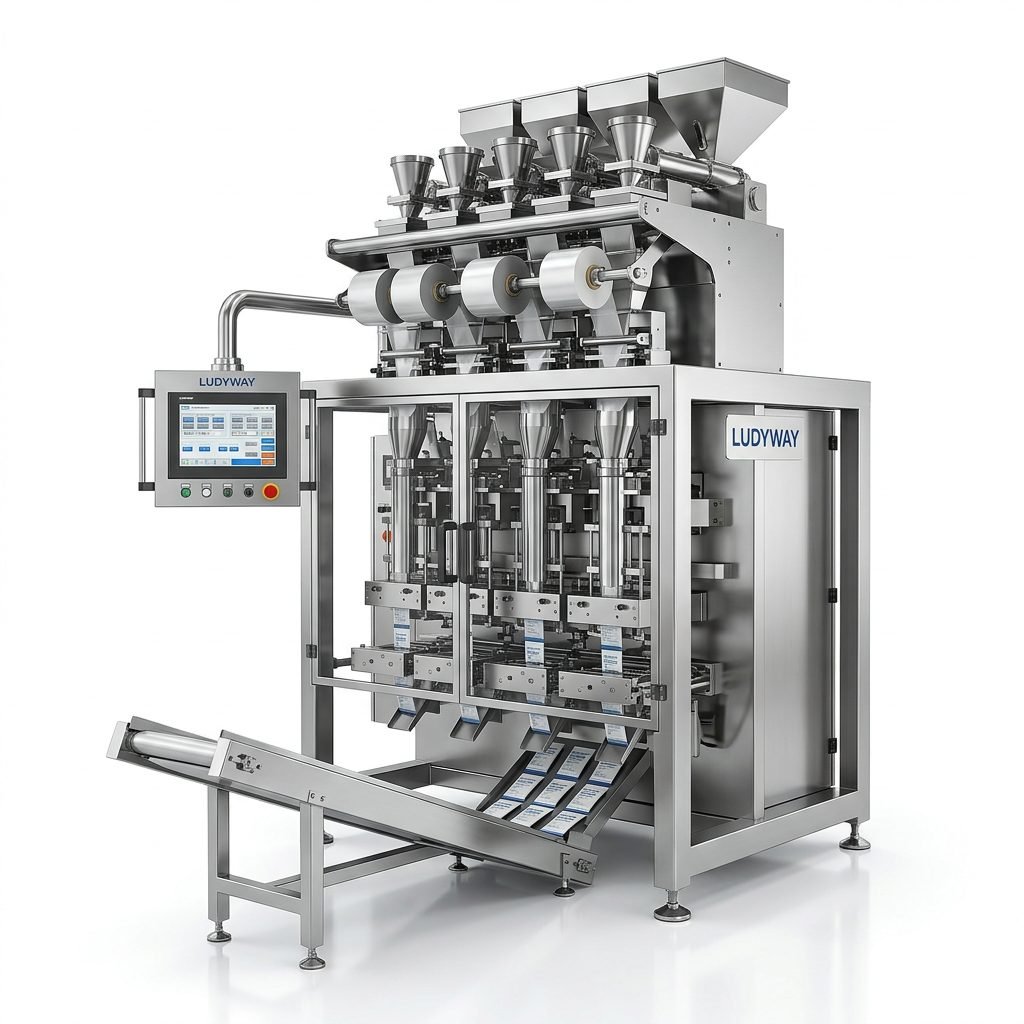
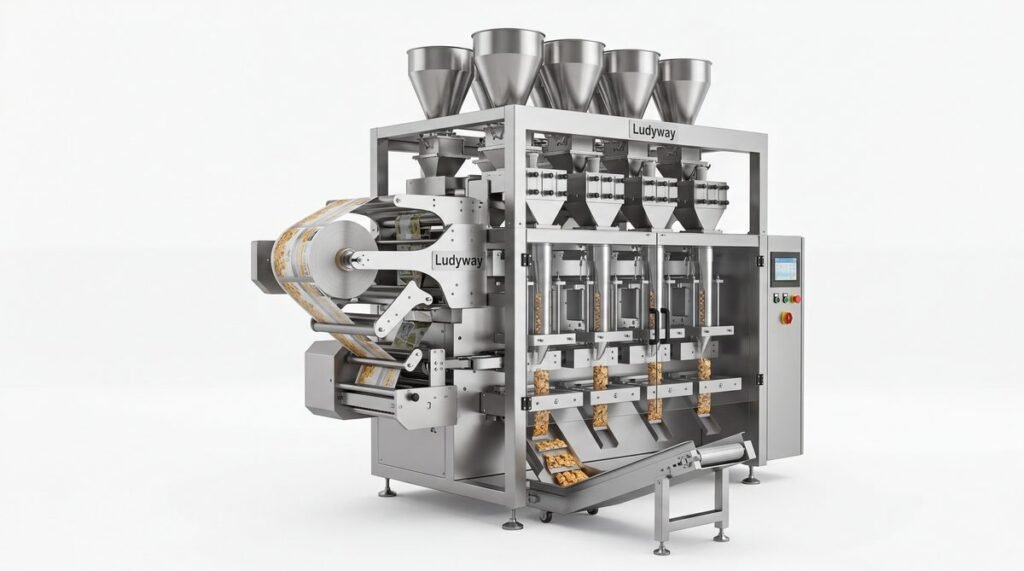
Modern lines supplied by experienced manufacturers such as Ludyway liquid packaging machine manufacturer are often designed with intelligent controls that help customers manage dosing stability, production speed, and multi-product flexibility more effectively.
Optimize Nozzle Design and Filling Motion
The nozzle is one of the most overlooked elements in liquid packaging accuracy. Poor nozzle selection can cause dripping, splashing, stringing, foaming, or uneven cutoff.
Key nozzle considerations include:
- Nozzle diameter matched to liquid viscosity
- Anti-drip shutoff design
- Diving nozzles for foaming products
- Bottom-up filling for cleaner package presentation
- Multi-head balance to ensure equal dosing across lanes or stations
If one head performs differently from the others, the entire line can produce variable pack quality. Routine balancing and nozzle inspection are therefore essential.
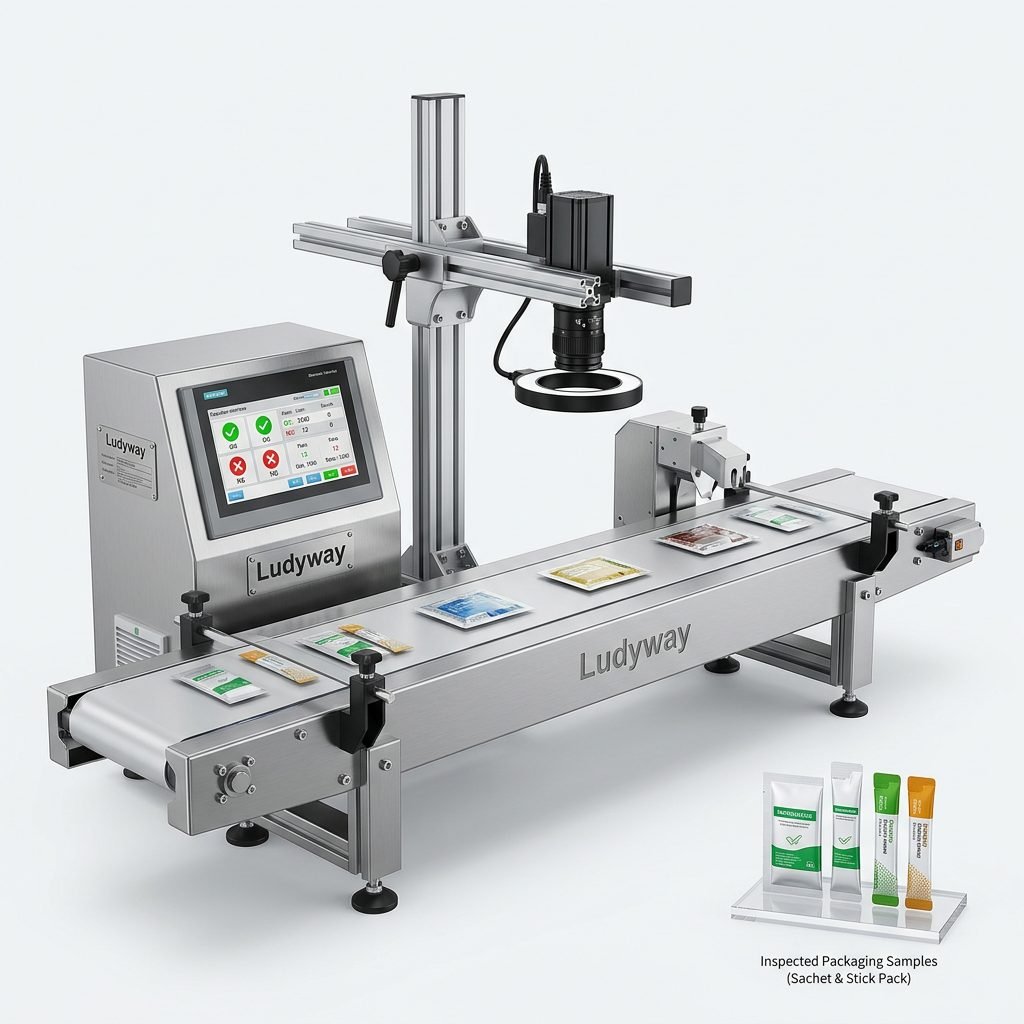
Improve Accuracy With Real-Time Inspection
A filling machine should not work alone. Real-time inspection adds another layer of control that prevents minor drift from turning into large batches of reject product.
| Inspection Tool | Primary Function | Benefit |
|---|---|---|
| Checkweigher | Verifies net weight after filling | Detects drift early and reduces giveaway |
| Vision inspection | Checks fill level, seal area, and appearance | Improves quality consistency and traceability |
| Flow/pressure sensors | Monitors process conditions | Supports automatic control adjustments |
| Reject system | Removes out-of-spec packs | Prevents defective product from reaching the customer |
These tools are particularly valuable on high-speed sachet, stick pack, pouch, and bottle lines where manual checking is too slow to be effective.
Reduce Human Error With Standardized Operating Procedures
Even advanced filling equipment can underperform if setup methods vary between operators or shifts. Consistency improves when production teams follow clear procedures.
Important SOP areas:
- Startup and shutdown sequence
- Recipe selection and confirmation
- Calibration frequency
- Nozzle cleaning and inspection points
- Sampling plan for fill verification
- Deviation response and corrective action steps
A well-trained operator should know how to recognize early signs of dosing drift, such as increased dripping, seal contamination, foaming, or unusual checkweigher trends.
Maintain Equipment Proactively
Filling accuracy declines gradually when maintenance is delayed. Worn parts do not always fail suddenly; they often create small repeatability issues first. A preventive maintenance program keeps performance stable over time.
Focus maintenance on:
- Valves, seals, gaskets, and O-rings
- Pump components and drive systems
- Load cells, sensors, and flow meters
- Hoses and pipe connections
- Calibration of weighing and metering systems
- Cleaning validation in hygienic applications
For food, pharmaceutical, and personal care products, maintenance also supports hygiene compliance and reduces contamination risk.
Match Packaging Material and Machine Performance
Dosing consistency is not only about the liquid itself. Packaging material can affect how accurately the product enters, settles, and seals inside the pack.
In flexible packaging, issues such as film tension variation, poor pouch forming, or unstable sealing jaws may create apparent filling inconsistency. In bottle filling, inconsistent container dimensions or neck positioning can interfere with nozzle alignment and cutoff.
To improve overall results:
- Use packaging material with stable specifications
- Confirm pouch or bottle tolerance compatibility with the machine
- Check sealing window performance under real production conditions
- Align infeed, filling, capping, sealing, coding, and discharge systems
Track the Right KPIs for Continuous Improvement
Sustainable dosing improvement requires data. Instead of reacting only when complaints appear, monitor measurable indicators every shift and by SKU.
Recommended KPIs
- Average fill deviation
- Standard deviation of dose weight or volume
- Overfill cost per batch
- Reject rate linked to fill issues
- Downtime caused by filling or sealing instability
- Changeover time between products
These metrics help packaging teams identify whether problems come from the product, the equipment, the operator, or the packaging material.
Best Practices by Liquid Product Type
Low-Viscosity Liquids
Products such as water-like solutions, juices, oral liquids, and some chemicals need stable pressure and fast cutoff. Splash control and precise valve timing are critical.
Viscous Liquids
Oils, lotions, syrups, sauces, and detergent concentrates need filling systems that can handle slower flow and thicker product movement. Heated tanks or jacketed pipelines may help maintain repeatability.
Foaming Liquids
Shampoo, hand wash, some cleaners, and surfactant-based products benefit from diving nozzles, reduced turbulence, and carefully tuned fill speed.
Liquids With Particles
Dressings, sauces, and suspensions require wider passages, suitable pumps, and anti-blocking nozzle designs to prevent inconsistent portioning.
How Better Dosing Improves Efficiency
The gains from consistent dosing go beyond product accuracy. Once fill variation is reduced, the entire packaging line often performs better.
- Fewer rejects reduce wasted materials and labor
- Cleaner seals improve package integrity
- Less product giveaway improves margins
- Stable settings reduce changeover trial time
- Predictable output supports planning and delivery performance
In other words, dosing consistency is not just a quality target. It is a practical way to improve throughput, cost efficiency, and line reliability at the same time.
Final Checklist for Improving Liquid Dosing Consistency
| Action Area | Priority |
|---|---|
| Select the right filling technology for the product | High |
| Control viscosity, temperature, and pressure | High |
| Use servo control and recipe-based automation | High |
| Optimize nozzle design and cutoff performance | High |
| Install checkweighing or visual inspection | Medium to High |
| Standardize setup and training procedures | Medium to High |
| Maintain valves, pumps, and sensors proactively | High |
| Review fill KPIs regularly for continuous improvement | Medium |
By combining product control, machine precision, inspection systems, and disciplined operation, manufacturers can achieve better dosing accuracy and higher packaging efficiency. The result is a more stable process, lower waste, and stronger long-term production performance.