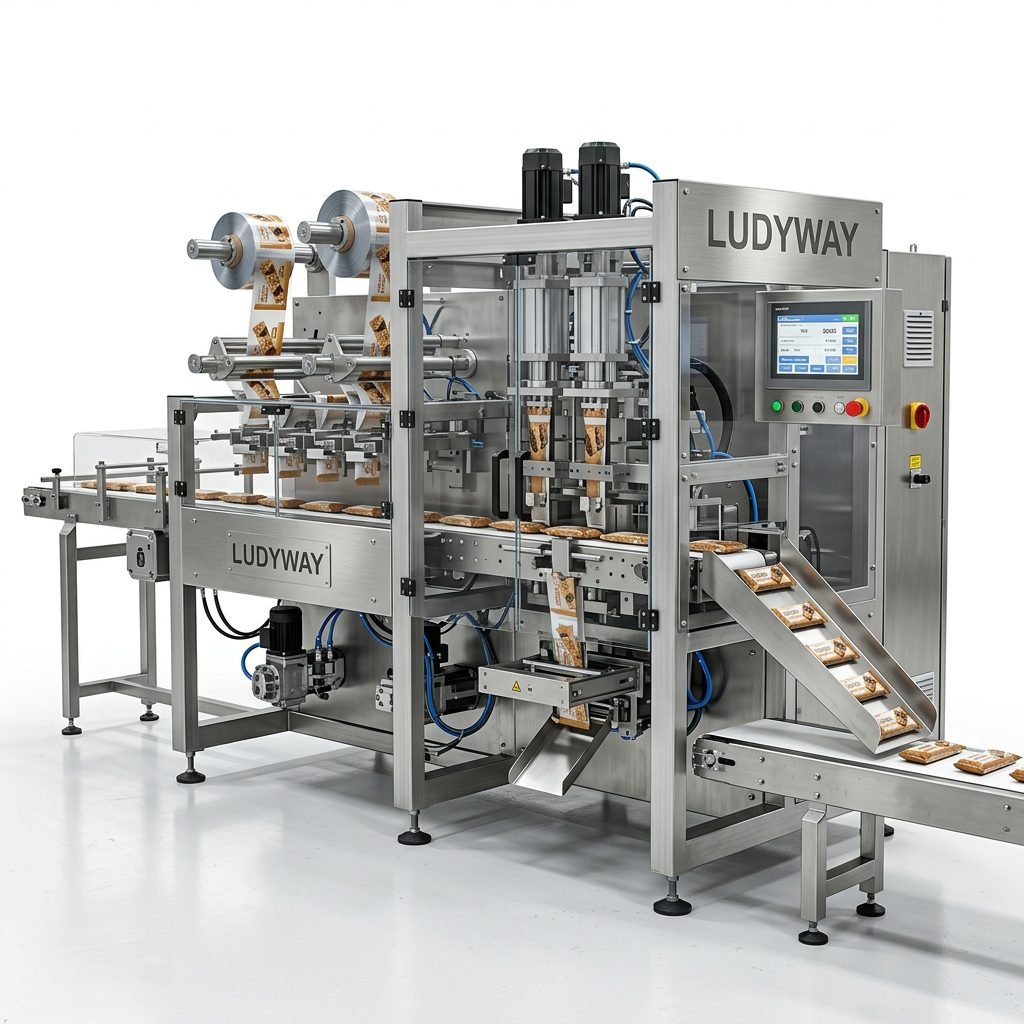
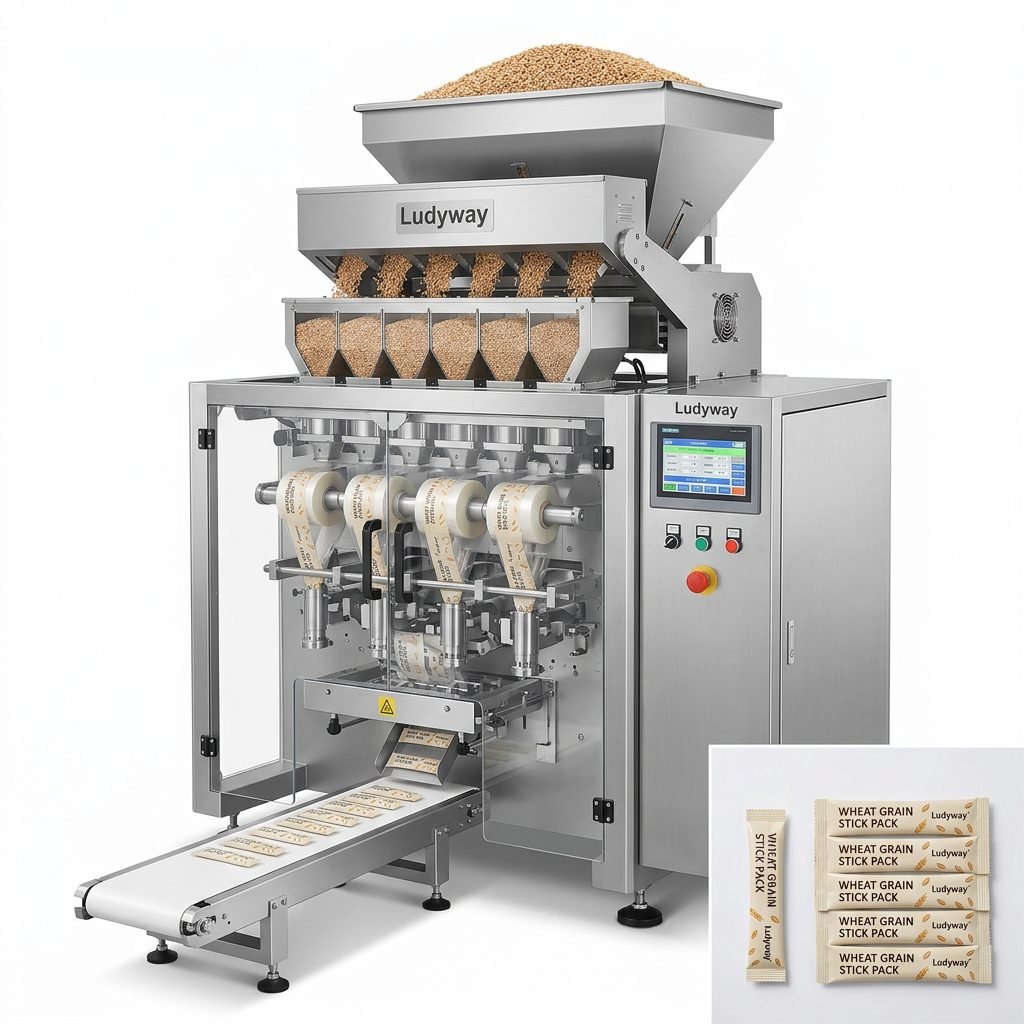
Choosing the right Pepsi packing machine is a critical decision for bottlers, co-packers, and beverage manufacturers aiming to scale production while maintaining quality. Whether you are running aluminum cans, PET bottles, or secondary multi-pack cartons, the equipment you select directly affects throughput, fill accuracy, and long-term operational costs. This buyer’s guide breaks down the most important technical, operational, and commercial factors to help you evaluate and invest in the most suitable Pepsi packing equipment for your facility.
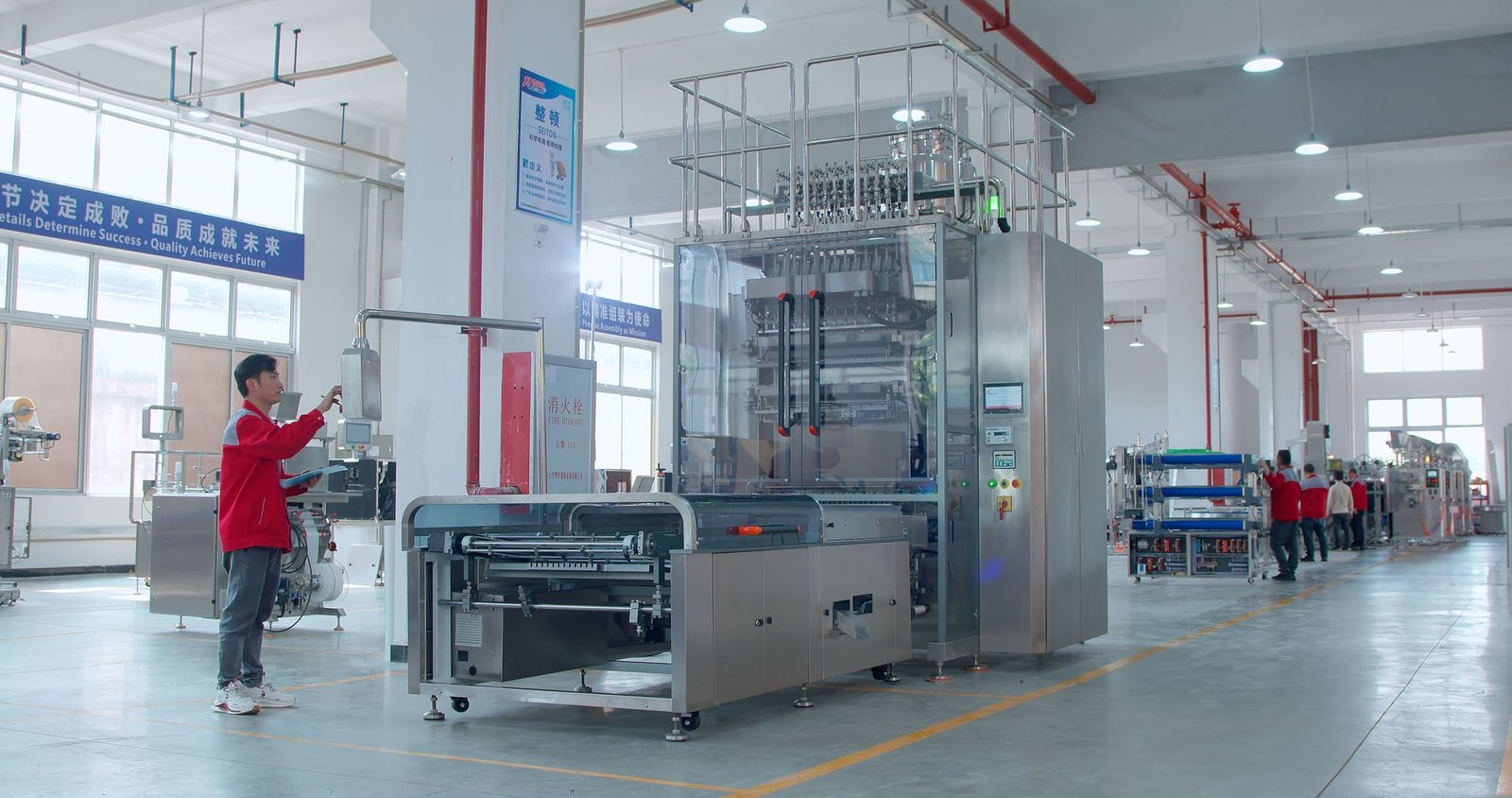
Understanding Your Production Requirements
Before comparing machine specifications, you need a clear picture of your current and future production targets. A Pepsi packing line must be specified around your unique product portfolio and factory conditions.
Production Speed and Output Capacity
Output is typically measured in containers per minute (CPM) or packs per minute. A small regional line may require 150–300 CPM, while a high-speed facility often demands 600 to 1,200 CPM or higher. Always verify the nominal speed under real-world conditions, including changeover downtime and foam management for carbonated drinks.
Packaging Formats and Container Dimensions
Make a detailed list of all formats you plan to run: sleek cans, standard 12oz cans, multi-packs (4, 6, 12 packs), and PET bottles of various volumes. Many machines offer quick-change parts, but the flexibility range—neck height, diameter, and label type—must match your product mix. Underestimating format variety can lead to costly retrofits later.
Product Characteristics
Pepsi products are carbonated beverages, meaning the filling technology must handle dissolved CO₂ without excessive foaming. Temperature control, counter-pressure filling, and proper deaeration are non-negotiable specifications. If you plan to fill still beverages on the same line, confirm the machine’s compatibility with both carbonated and non-carbonated recipes.
Key Machine Specifications to Evaluate
Beyond speed, the engineering that goes into a Pepsi packing machine determines accuracy, hygiene, and energy efficiency. Focus on these technical elements during your evaluation.
- Filling principle: Isobarometric counter-pressure fillers are standard for carbonated soft drinks. Look for valves that minimize oxygen pickup and guarantee consistent fill heights.
- Material and build: All product-contact parts should be 316L stainless steel. Frame construction should handle washdown environments.
- Automation and controls: Modern PLC-based controls with recipe management, servo-driven movements, and integration with upstream/downstream equipment reduce manual intervention.
- Changeover time: A machine that requires hours to switch between can sizes will hurt overall equipment effectiveness (OEE). Target quick-change systems with minimal tools.
- Clean-in-place (CIP) capability: Automated cleaning circuits save time and ensure food safety compliance.
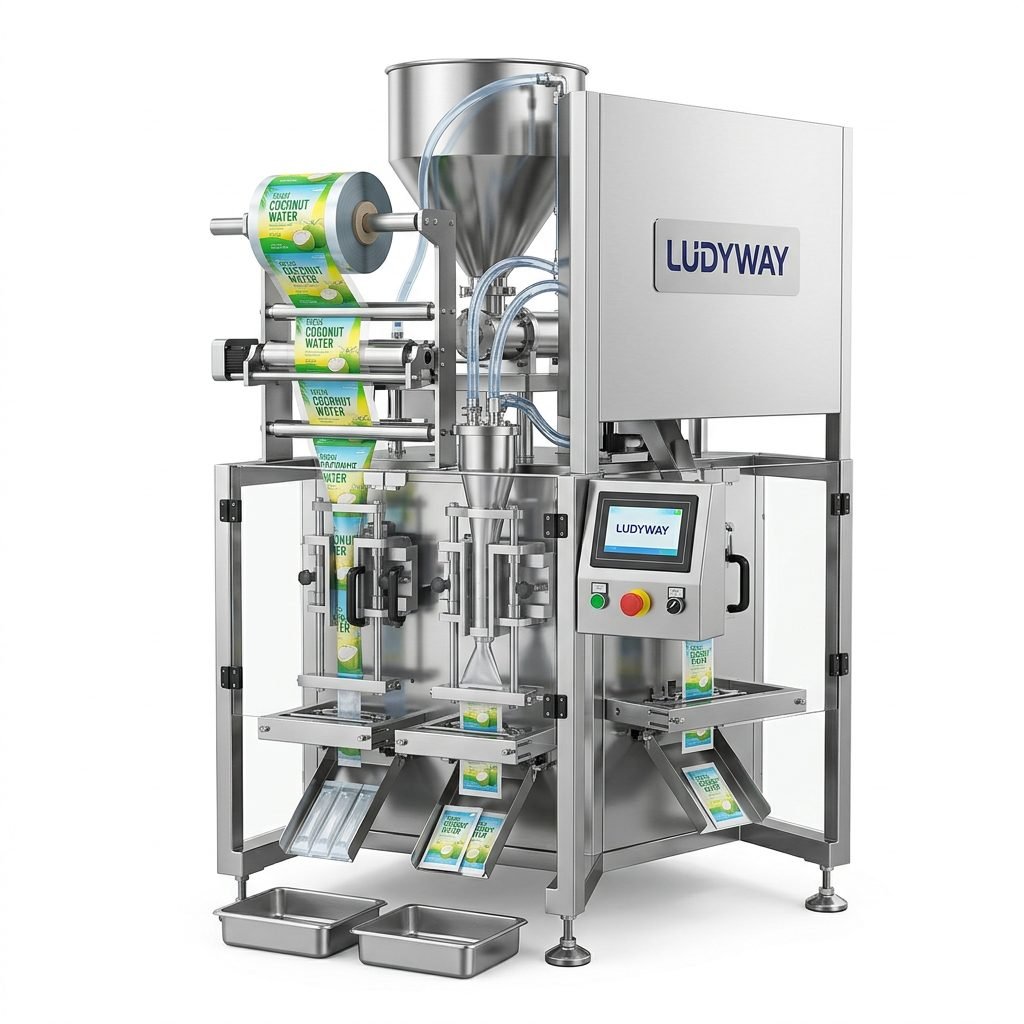
Types of Packing Machines for Pepsi Products
Depending on your primary container and secondary packaging strategy, you will encounter different machine configurations. The table below summarizes the most common types used in Pepsi bottling and packaging plants.
| Machine Type | Typical Application | Speed Range | Key Advantage |
|---|---|---|---|
| Rotary Can Filler | Aluminum cans, CSD | 200 – 2,000 CPM | High speed, excellent oxygen control |
| Bottle Filler & Capper | PET bottles, hot-fill or cold-fill | 100 – 800 BPM | Versatile for multiple neck finishes |
| Shrink Wrapper / Multi-Packer | Can or bottle multipacks | 30 – 150 packs/min | Flexible for different pack configurations |
| Case Packer / Palletizer | End-of-line packaging | 20 – 80 cases/min | Reduces manual labor, improves line stability |
| Integrated Turnkey System | Complete line from depalletizing to palletizing | Custom | Single supplier responsibility, optimized layout |
Evaluating Supplier Quality and Compliance
A Pepsi packing machine is a long-term asset. The manufacturer you choose must demonstrate not only technical capability but also adherence to international standards. Look for certifications such as CE, UL, and ISO 9001. Compliance with FDA food-contact regulations is mandatory for the U.S. market.
According to the PMMI 2026 State of the Industry report, packaging machinery demand in the beverage sector is being driven by the need for higher automation and flexible line configurations. Additionally, the Flexible Packaging Association provides valuable guidelines on material innovation that can influence secondary packaging choices. Aligning with suppliers who stay current with these trends is a competitive advantage.
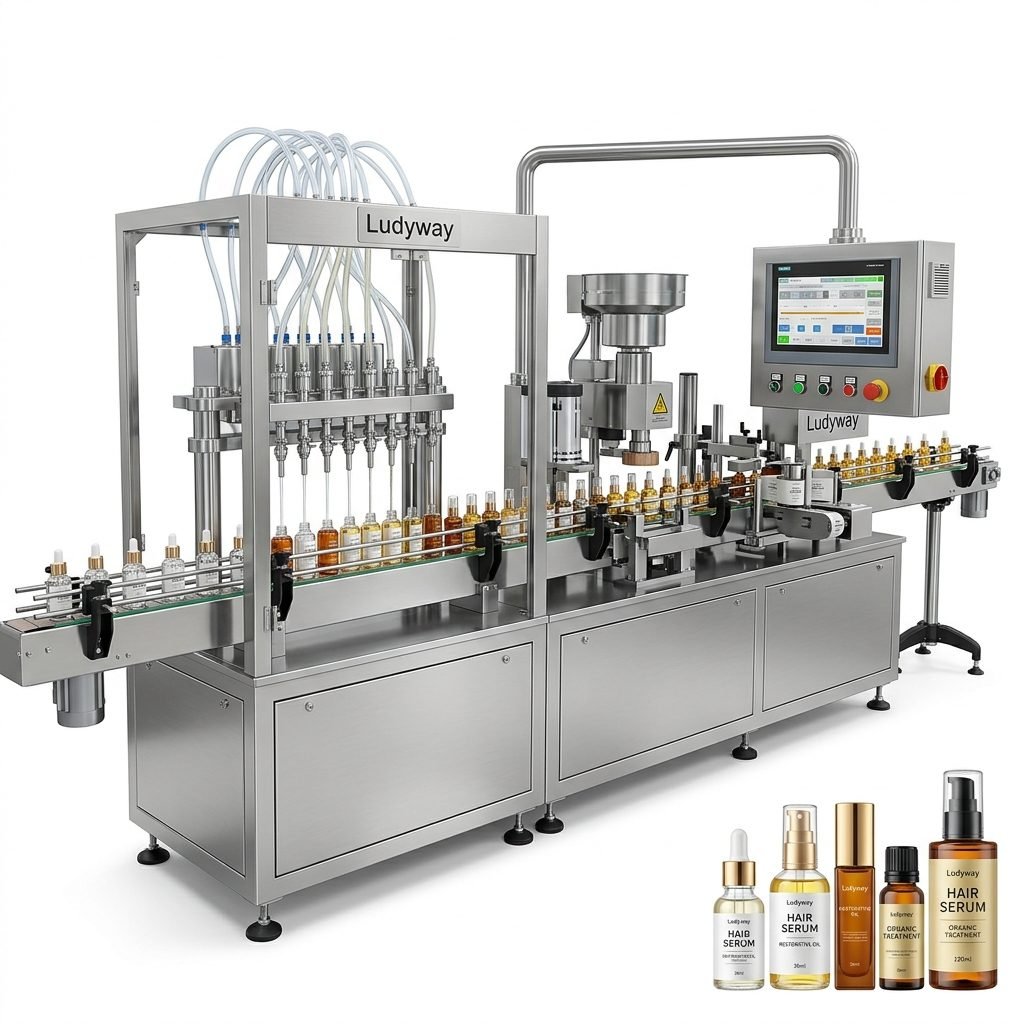
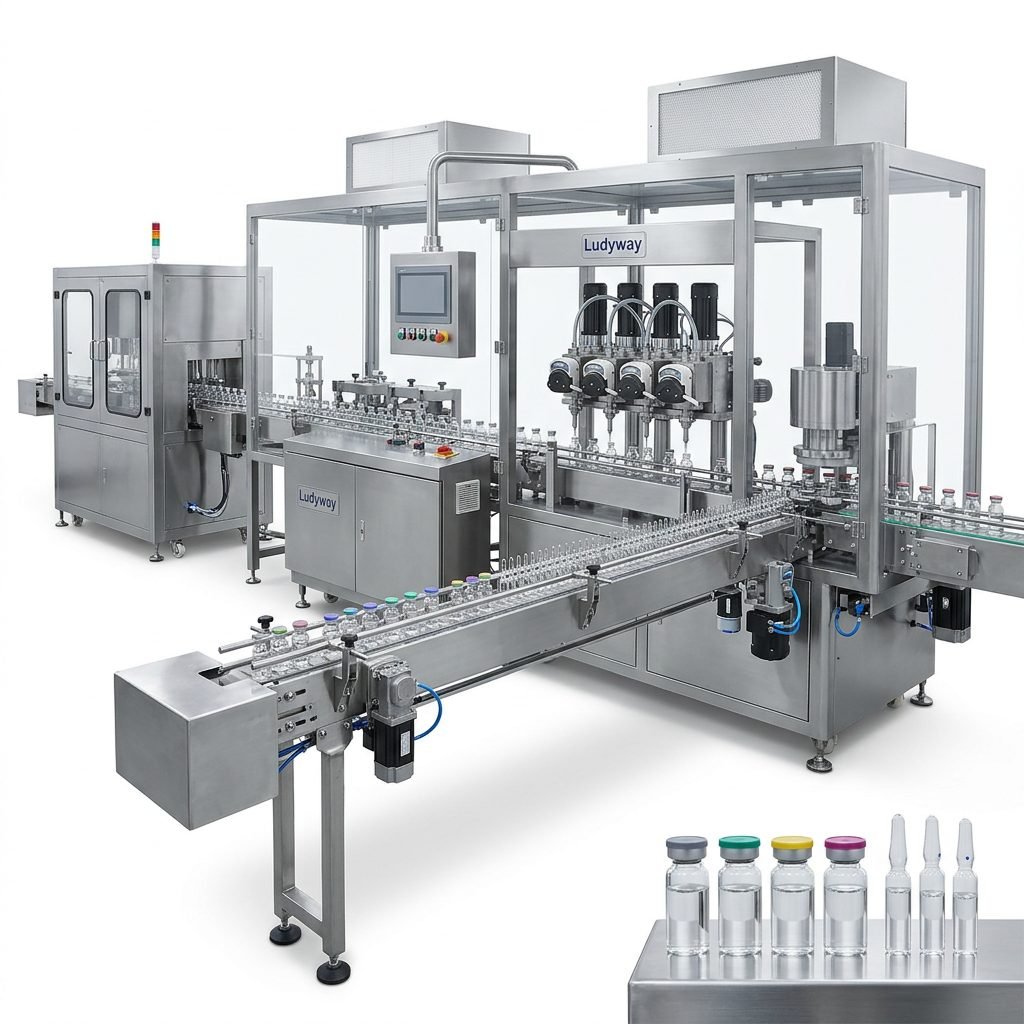
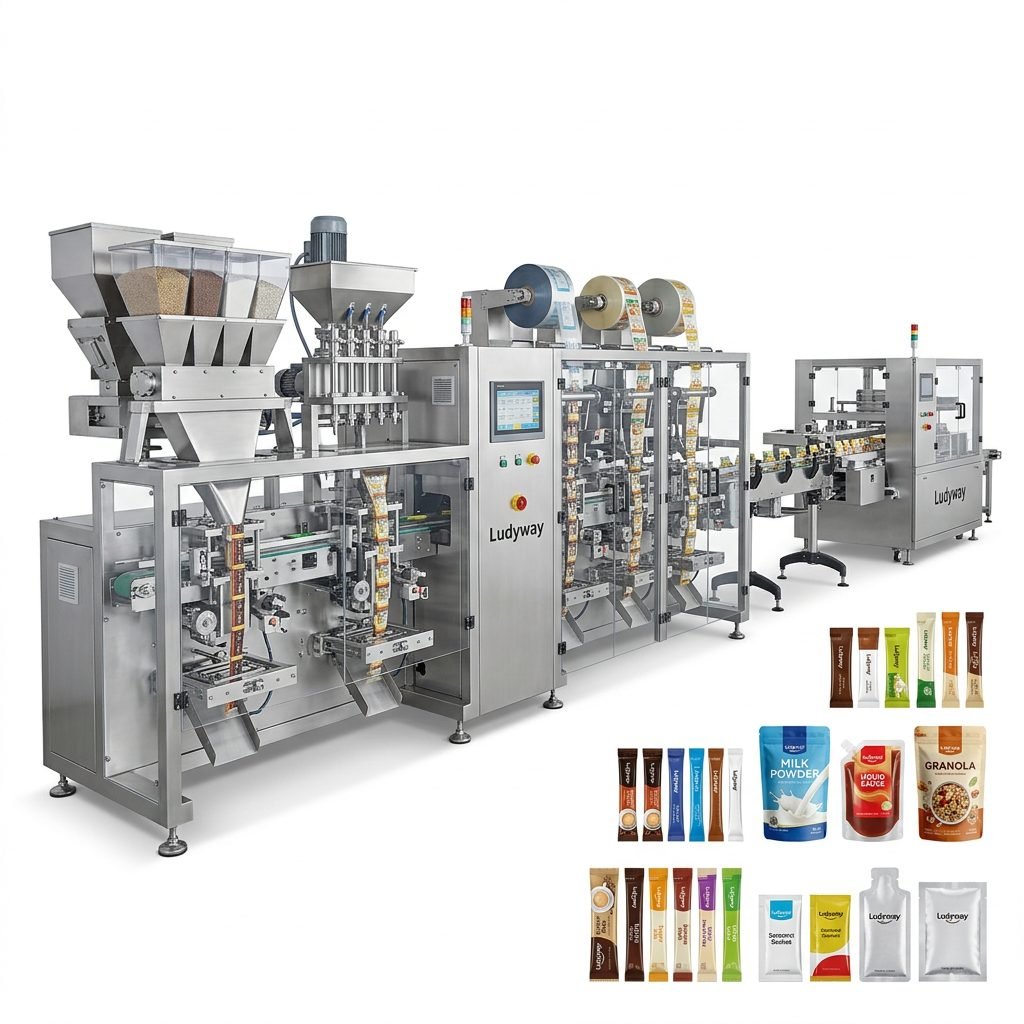
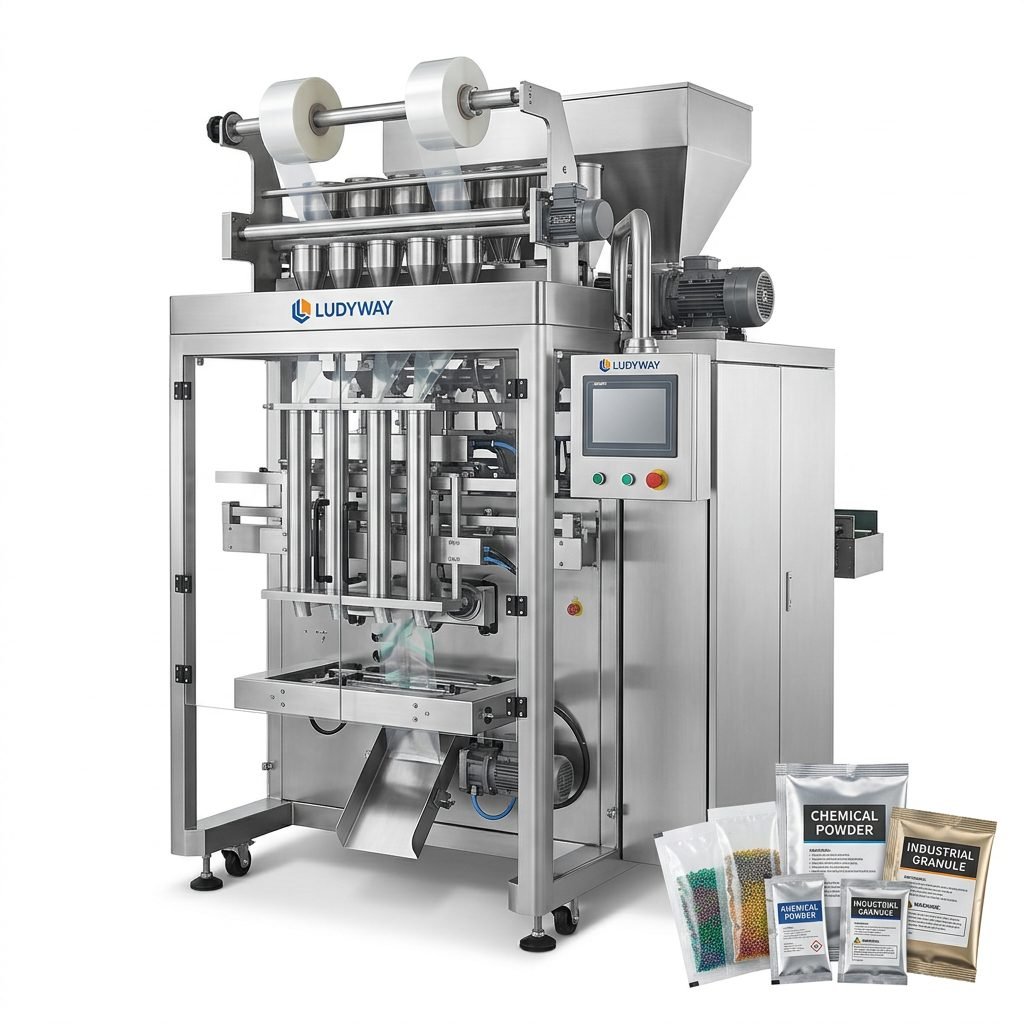
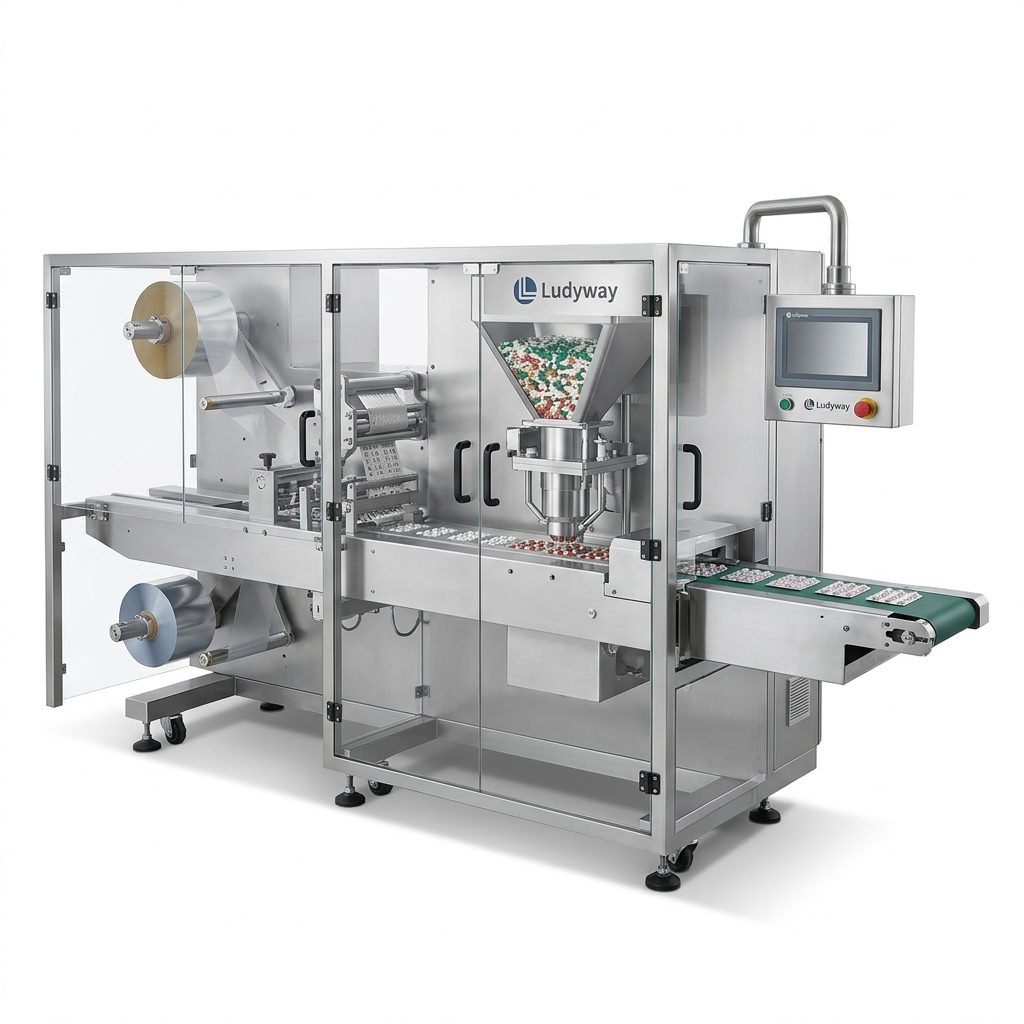
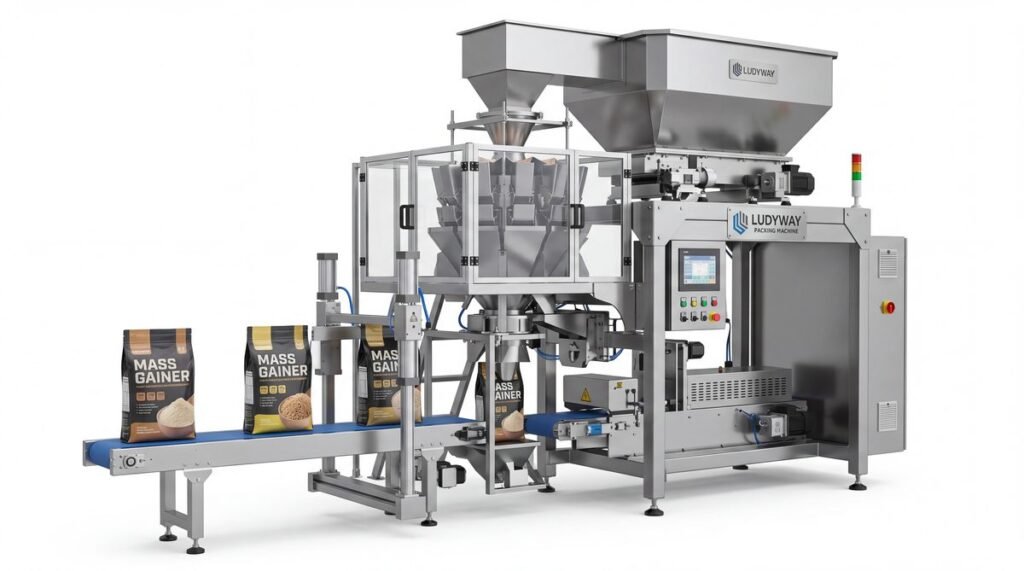
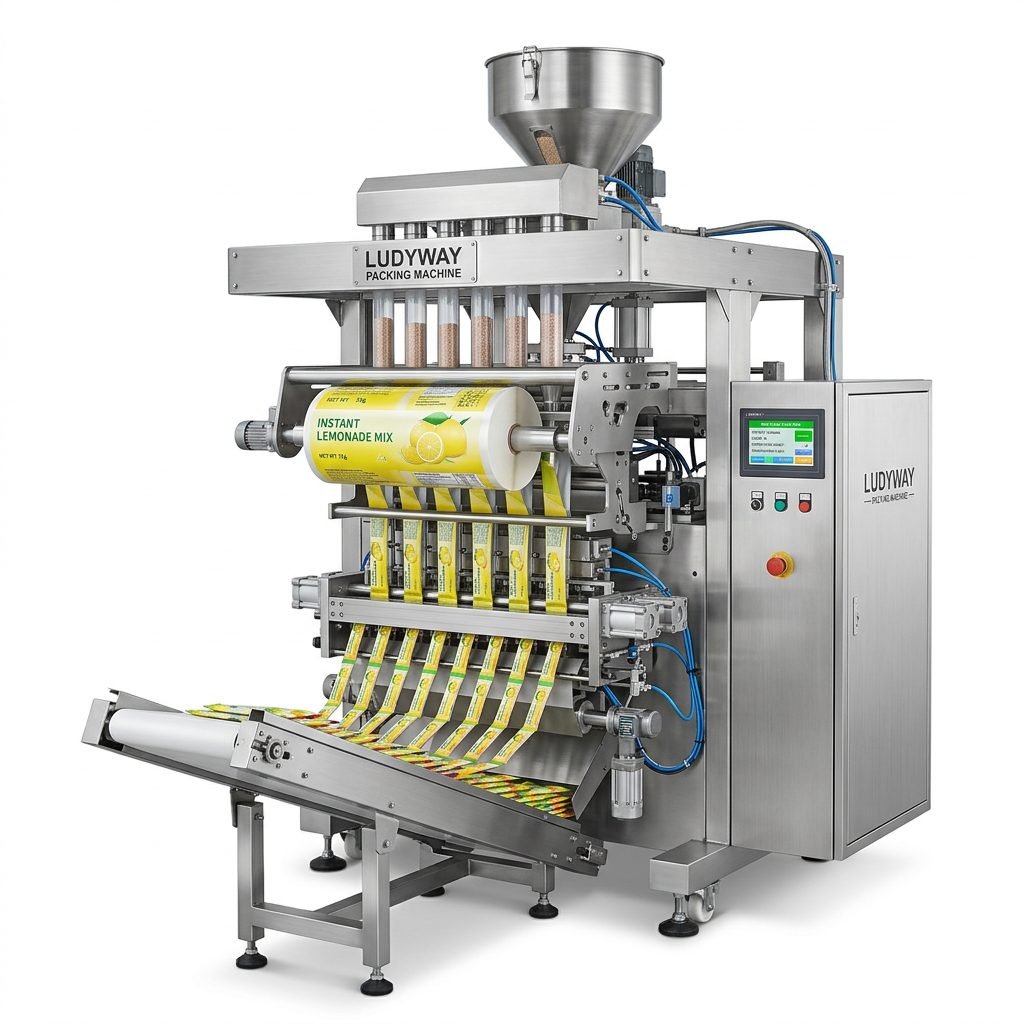
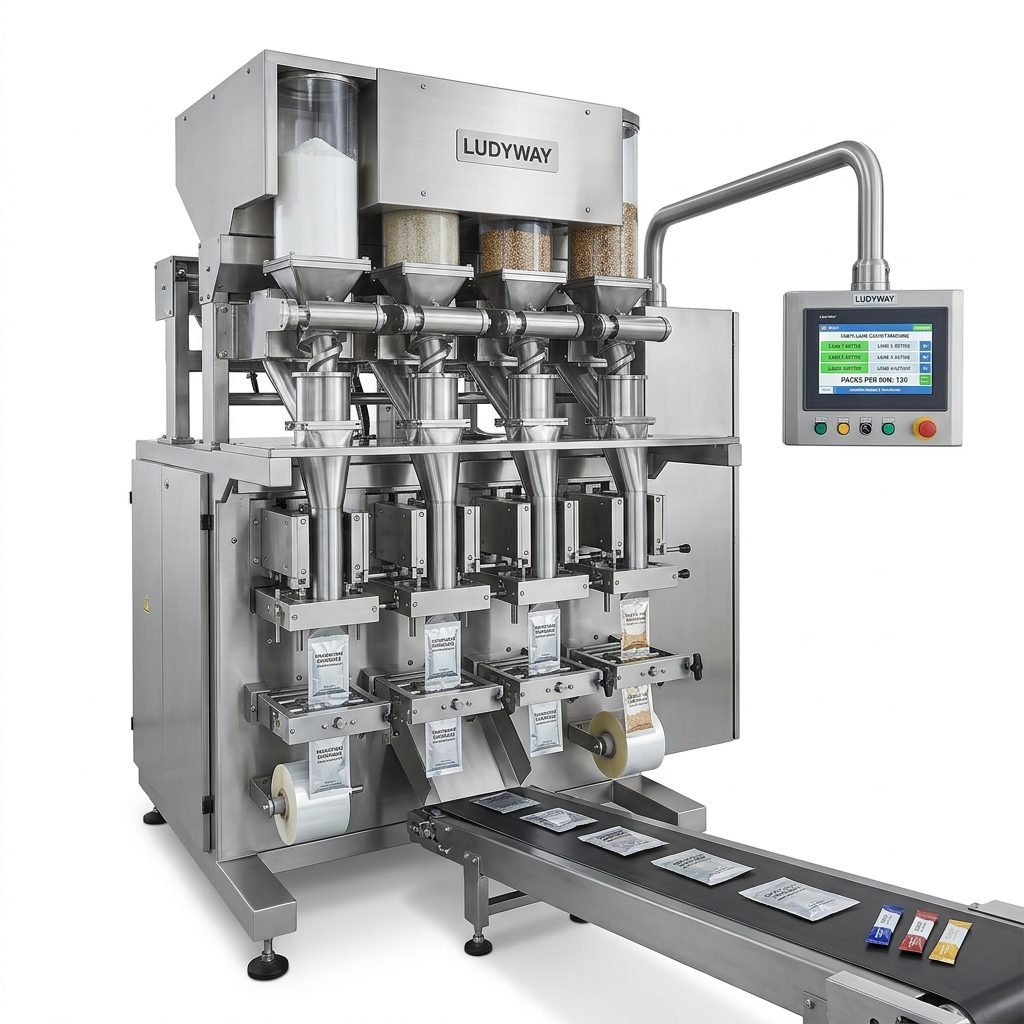
With over 30 years of manufacturing experience, Ludyway Machinery offers customized packaging solutions that can be engineered to meet specific Pepsi production targets, including can filling, bottle handling, and complete turnkey lines. Working with a supplier that combines in-house engineering, automation expertise, and global support helps mitigate project risk.
Total Cost of Ownership and Return on Investment
The purchase price is only one part of the equation. A thorough Pepsi packing machine evaluation must include:
- Initial capital expenditure: Base machine plus auxiliary equipment, conveyors, and installation.
- Operating costs: Energy consumption, compressed air usage, water for CIP, and consumable parts.
- Maintenance and spare parts: Availability, lead times, and recommended inventory.
- Yield and efficiency: Product loss due to overfill, underfill, or line stoppages. Even a 1% yield improvement on a high-speed line translates to significant annual savings.
- Upgradability: Can the machine be retrofitted for new formats without complete replacement?
A machine that delivers 95% or higher OEE with low utility consumption often justifies a higher upfront investment within the first two years of operation.
After-Sales Service and Technical Support
Even the best Pepsi packing equipment requires responsive support. Before signing a purchase agreement, clarify the following:
- Installation and commissioning timeline
- Operator and maintenance training programs
- Remote diagnostic capabilities and on-site service availability
- Spare parts inventory recommendations and delivery guarantees
- Warranty terms and extended service agreements
Downtime in beverage production is expensive. A supplier with a global service network and rapid response capability keeps your Pepsi packing line running at peak performance year after year.
Making the Final Decision
Selecting the right Pepsi packing machine comes down to aligning your production goals with a machine’s real-world performance, not just its datasheet. Prioritize a partner that can support your growth, provide customized configurations, and back its equipment with proven after-sales service. By thoroughly vetting specifications, running sample tests, and speaking with existing customers, you can invest in a packaging line that delivers consistent quality and strong ROI for decades.