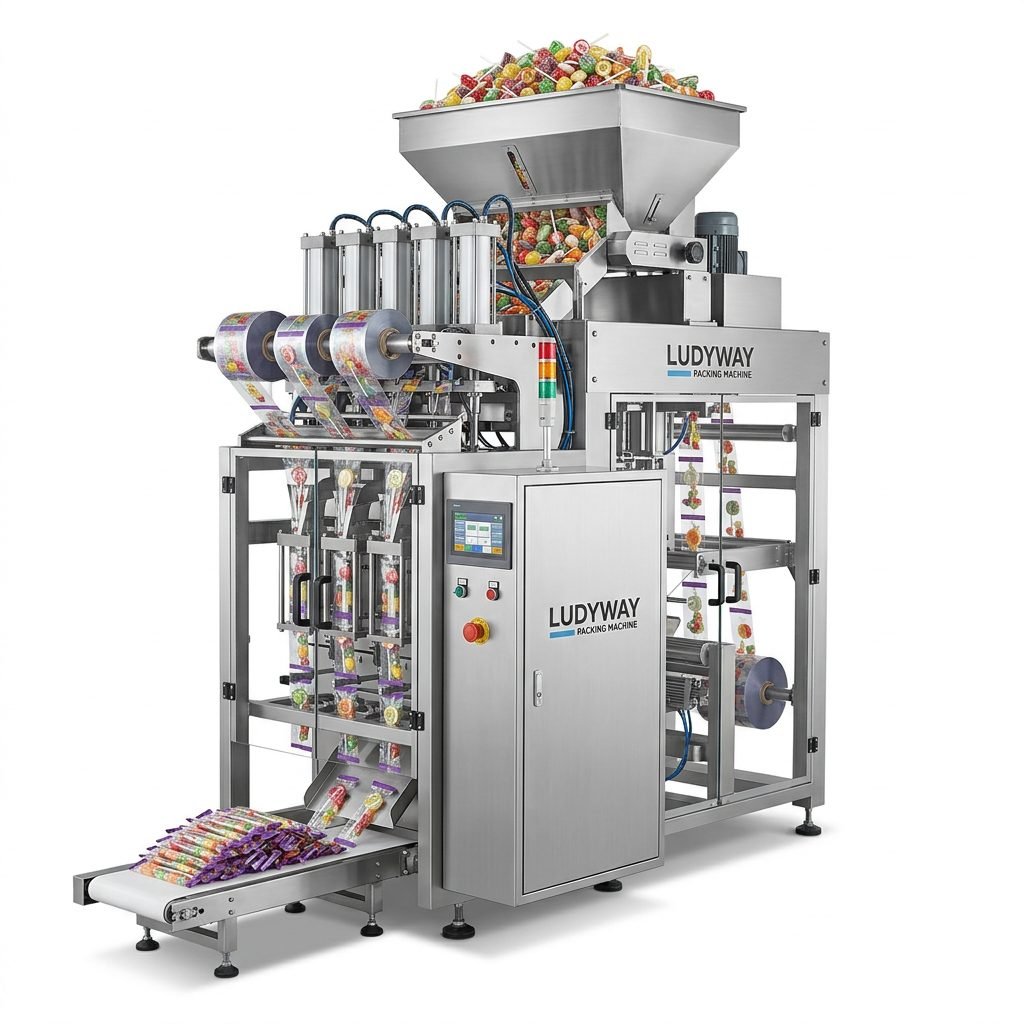
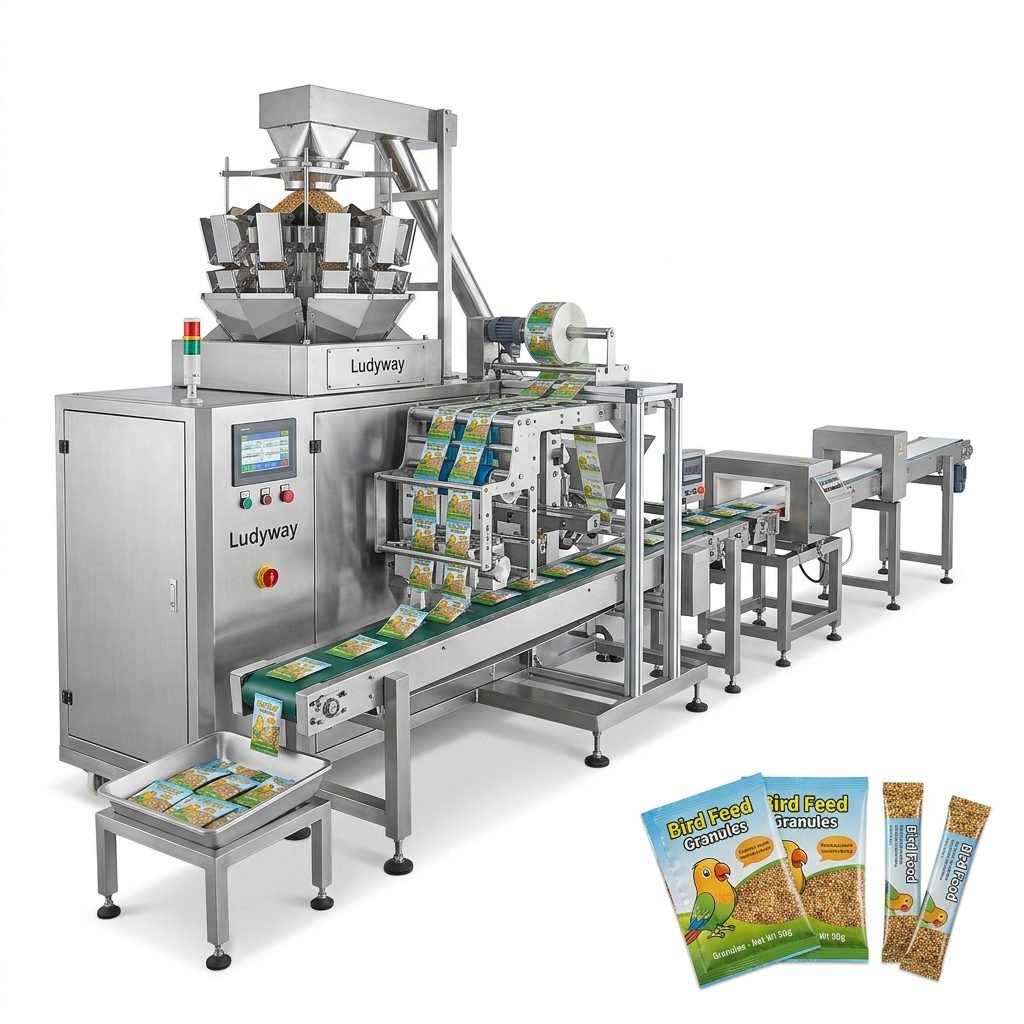
Choosing the right seeds packing machine can directly affect product quality, packing speed, labor costs, and customer satisfaction. Whether you package vegetable seeds, corn seeds, rice seeds, grass seeds, or seed treatment products, the best solution depends on your seed type, package format, production volume, and automation goals.
For seed producers, distributors, and agricultural brands, a well-matched machine helps reduce waste, improve weighing accuracy, protect seed integrity, and create packaging that is easier to transport, store, and sell. Below is a practical guide to help you evaluate the best equipment for efficient seed packaging.
Why Seed Packaging Efficiency Matters
Seeds are sensitive agricultural products. Poor packaging can lead to broken kernels, inaccurate filling, contamination, moisture exposure, and unstable shelf life. Efficient packaging is not only about speed—it is also about preserving seed value from production to final sale.
- Accurate dosing helps maintain pack consistency and reduces giveaway.
- Reliable sealing protects seeds from humidity and external contamination.
- Gentle handling reduces damage to fragile or coated seeds.
- Higher automation lowers labor dependency and improves output stability.
- Better packaging appearance supports retail sales and distributor trust.
Main Types of Seeds Packing Machines
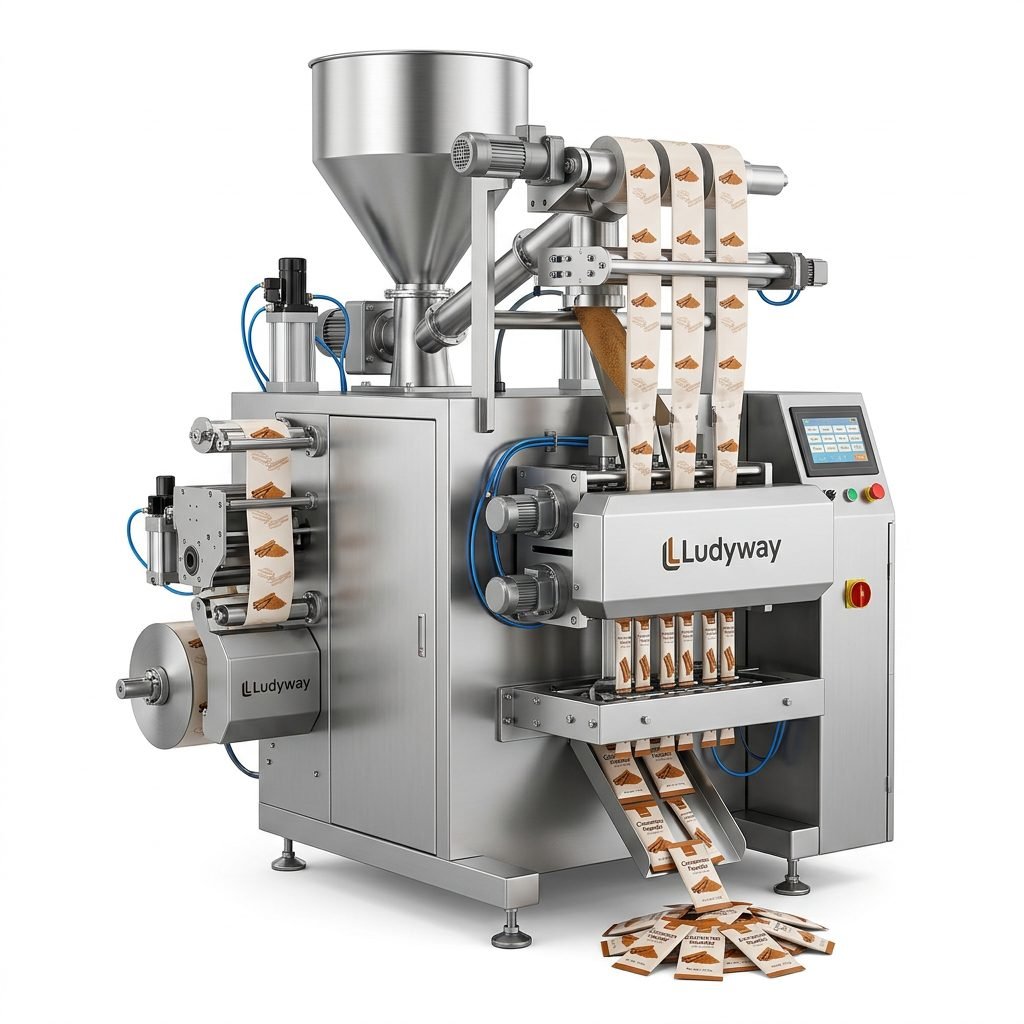
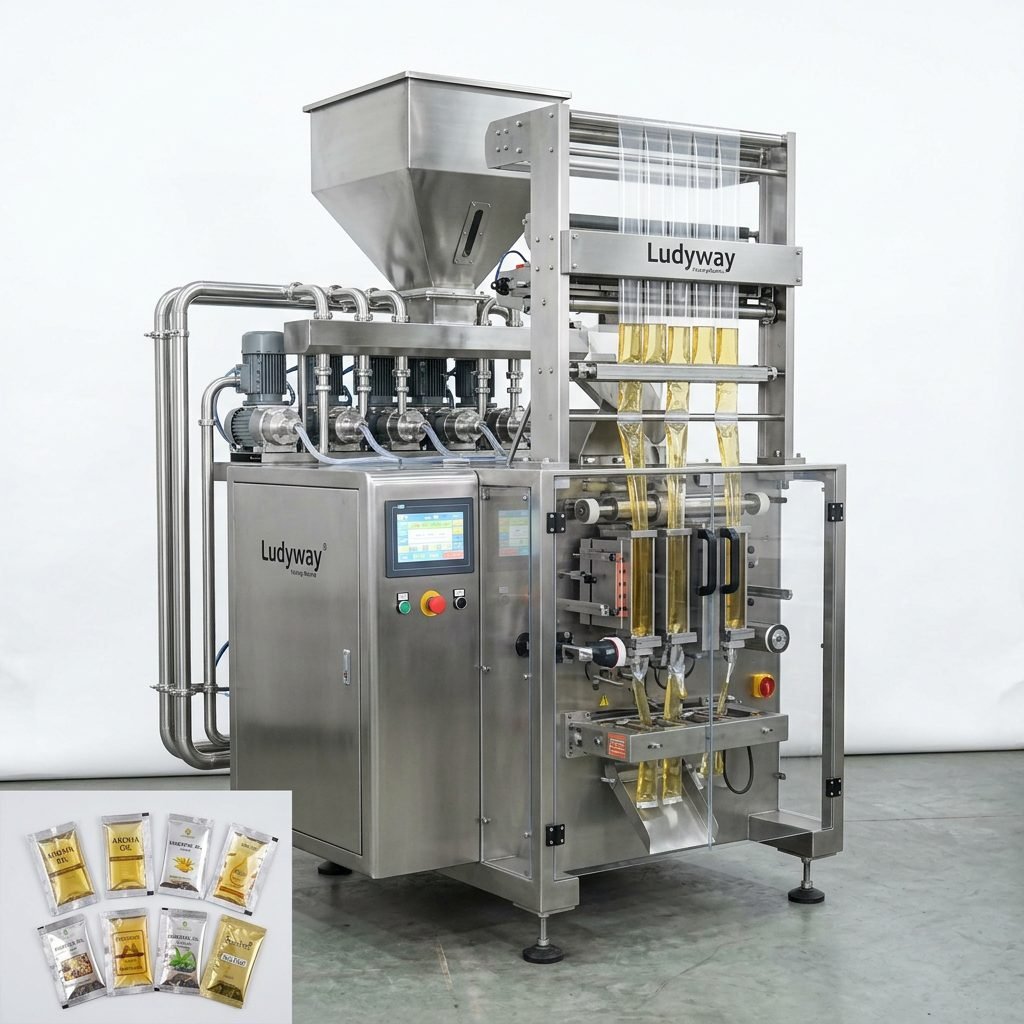
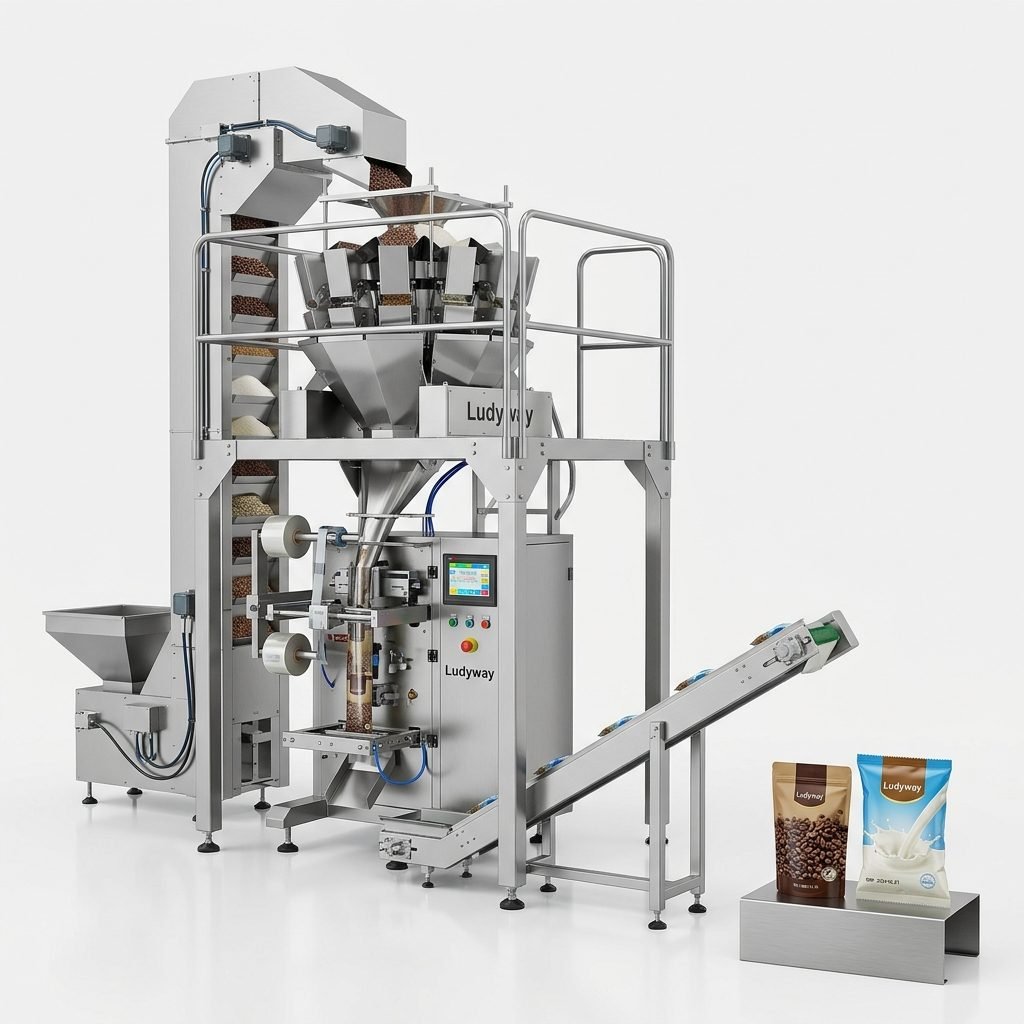
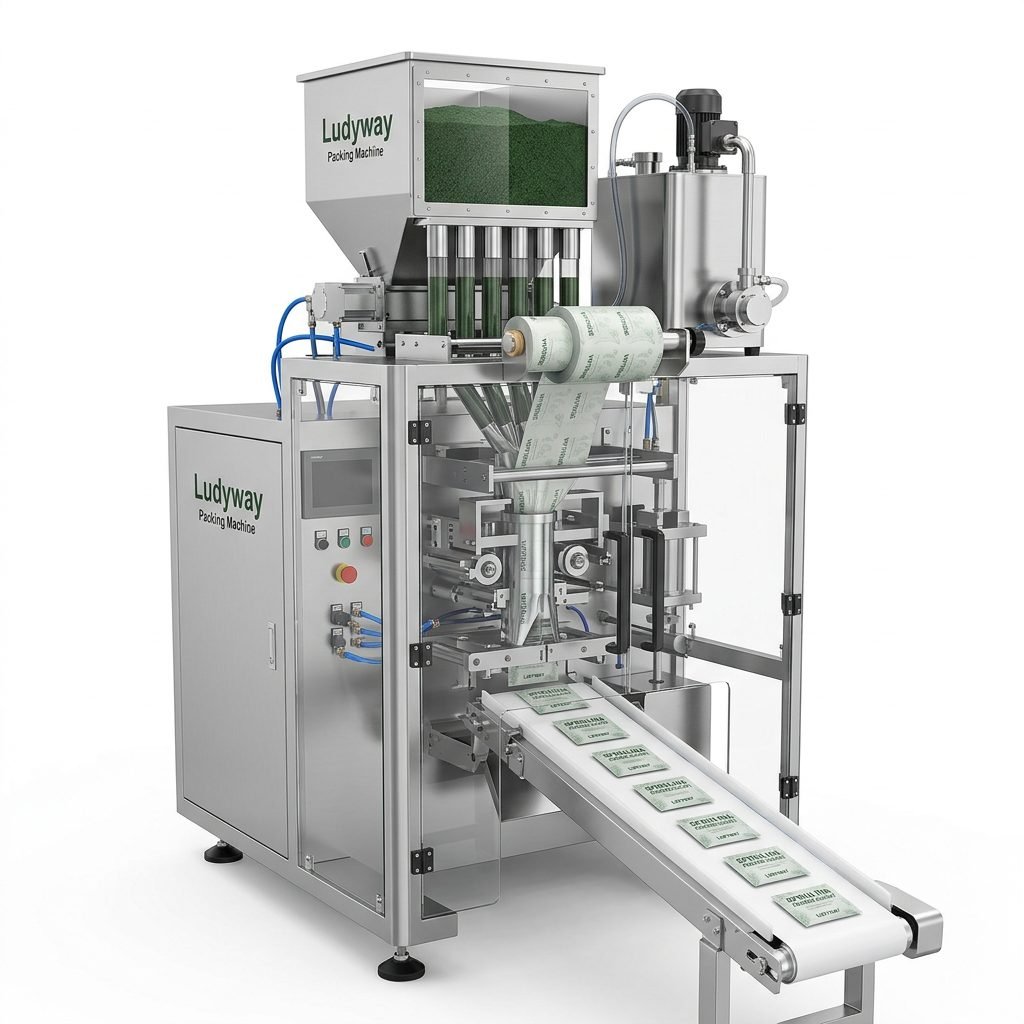
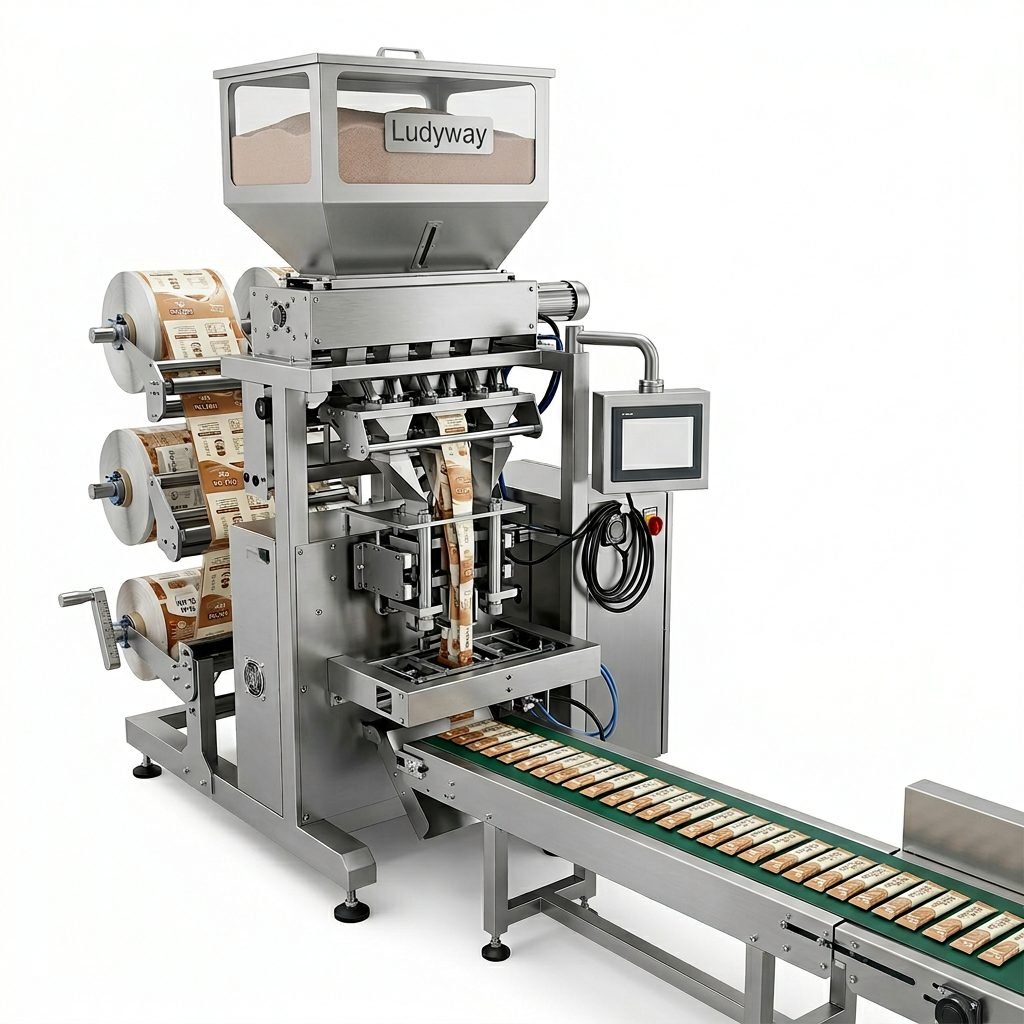
The best machine type depends on the final pack style and production requirements. In the seed industry, the most common solutions include vertical form fill seal systems, premade pouch machines, and bulk bagging systems.
| Machine Type | Best For | Typical Pack Formats | Key Advantage |
|---|---|---|---|
| Vertical Form Fill Seal Machine | Small to medium retail seed packs | Pillows, sachets, stick packs | High efficiency and flexible automation |
| Premade Pouch Packing Machine | Premium seed packaging | Stand-up pouches, zipper bags | Better shelf appearance |
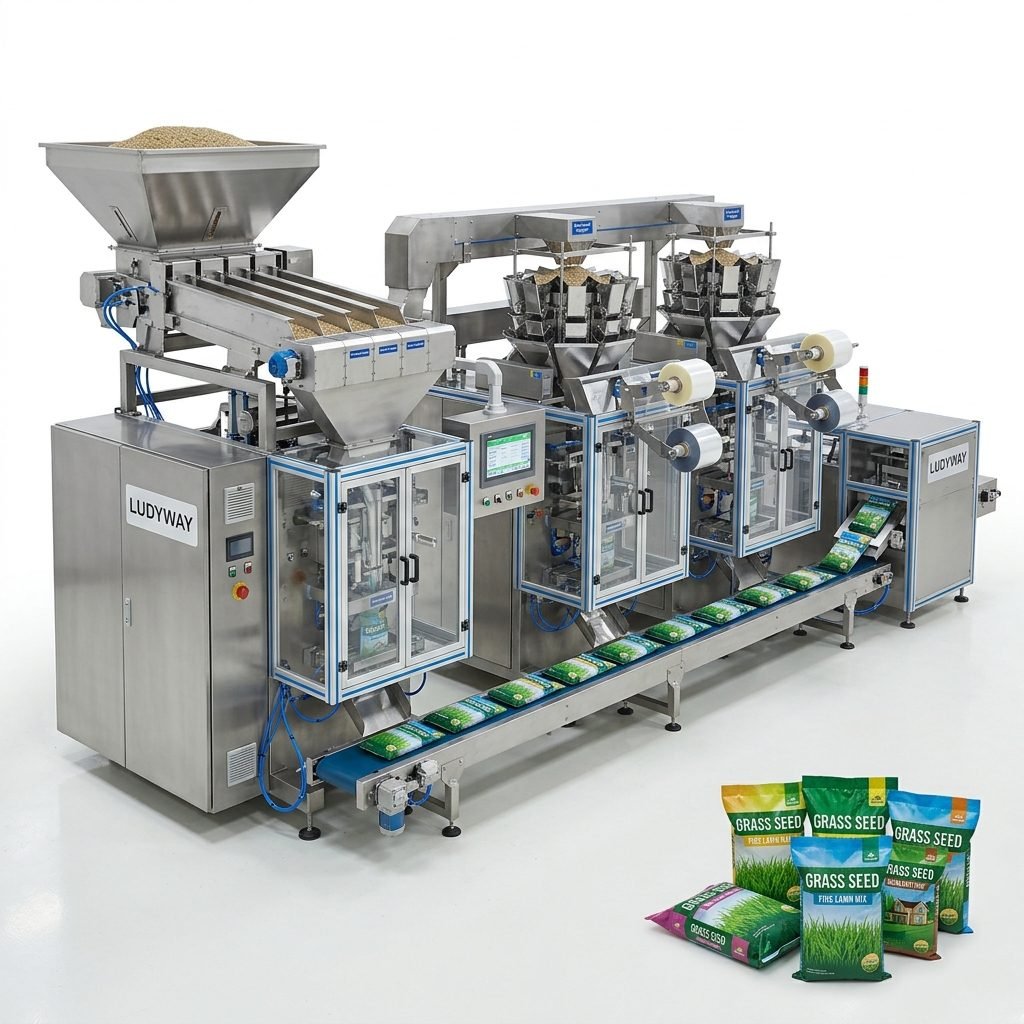
| Open-Mouth Bagging Machine | Large agricultural bags | 5kg, 10kg, 25kg, 50kg bags | Suitable for bulk distribution |
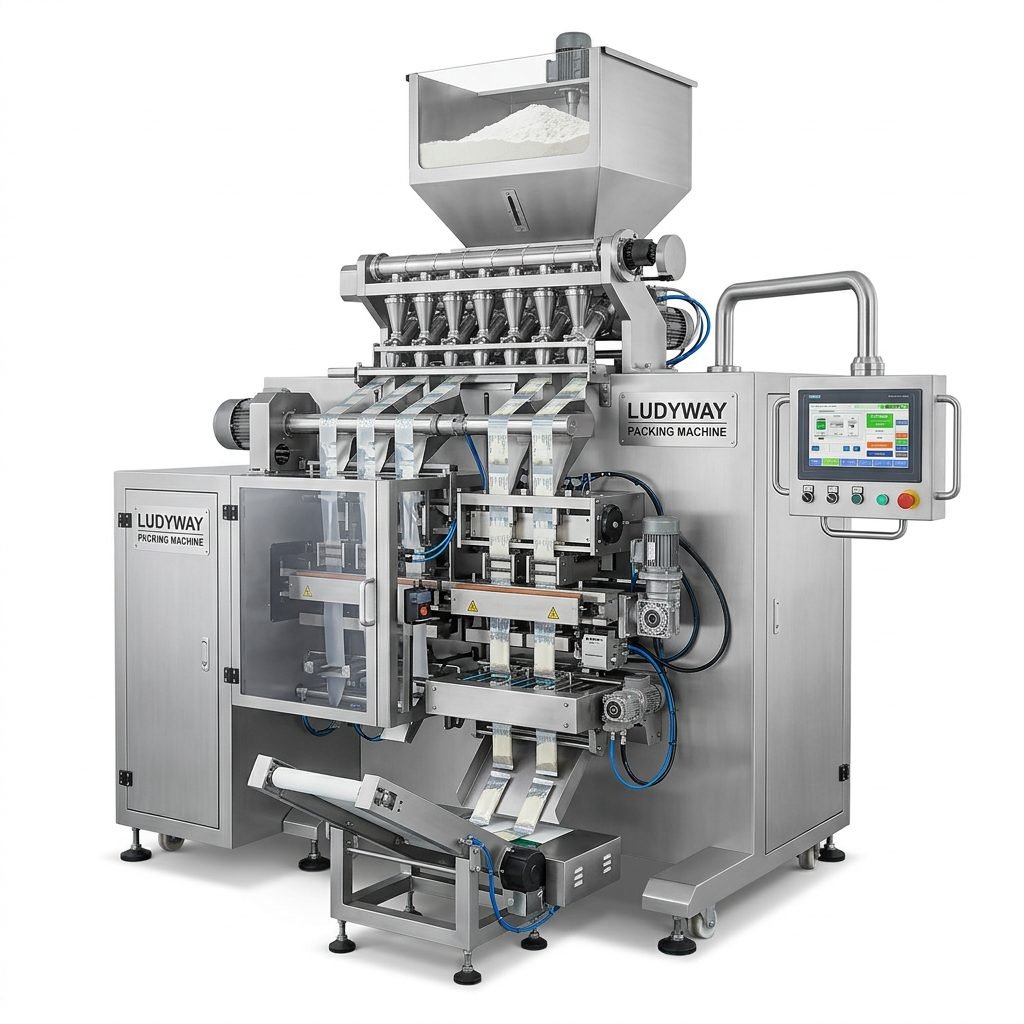
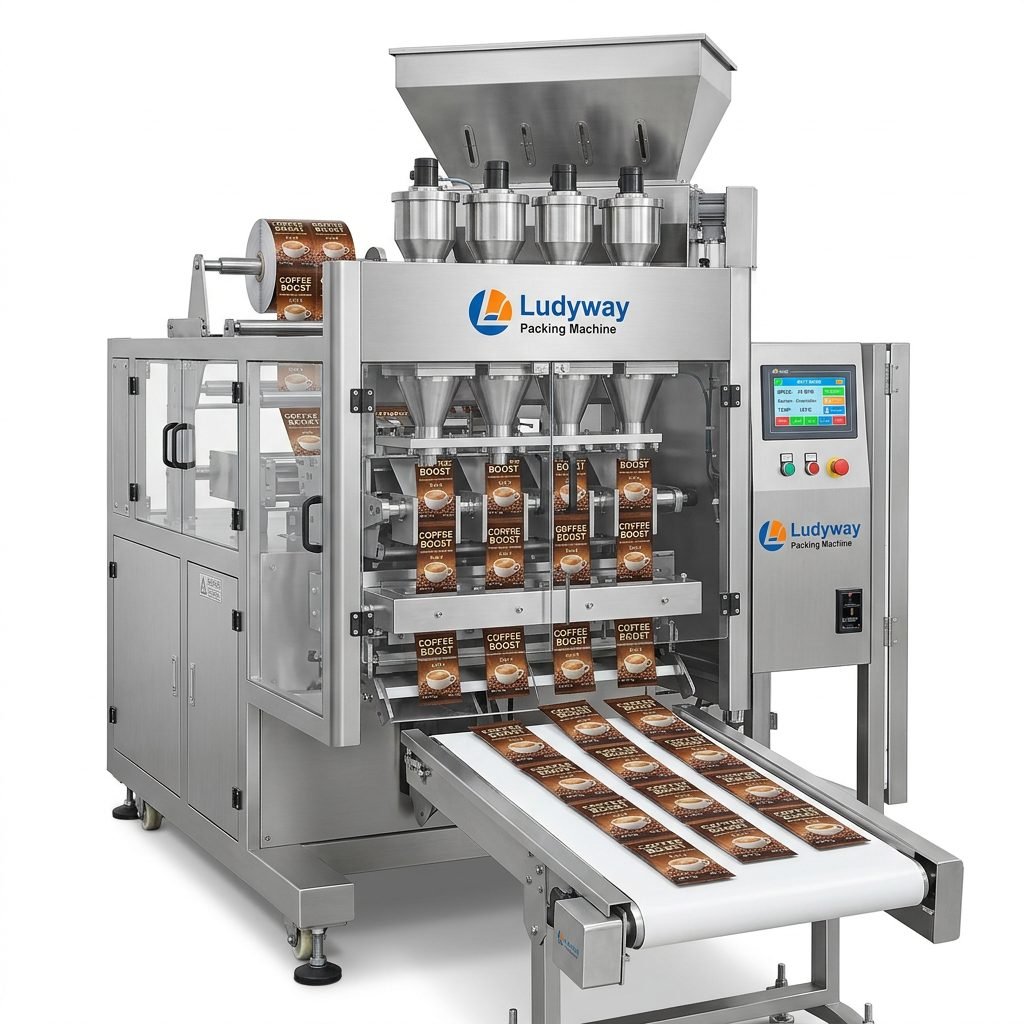
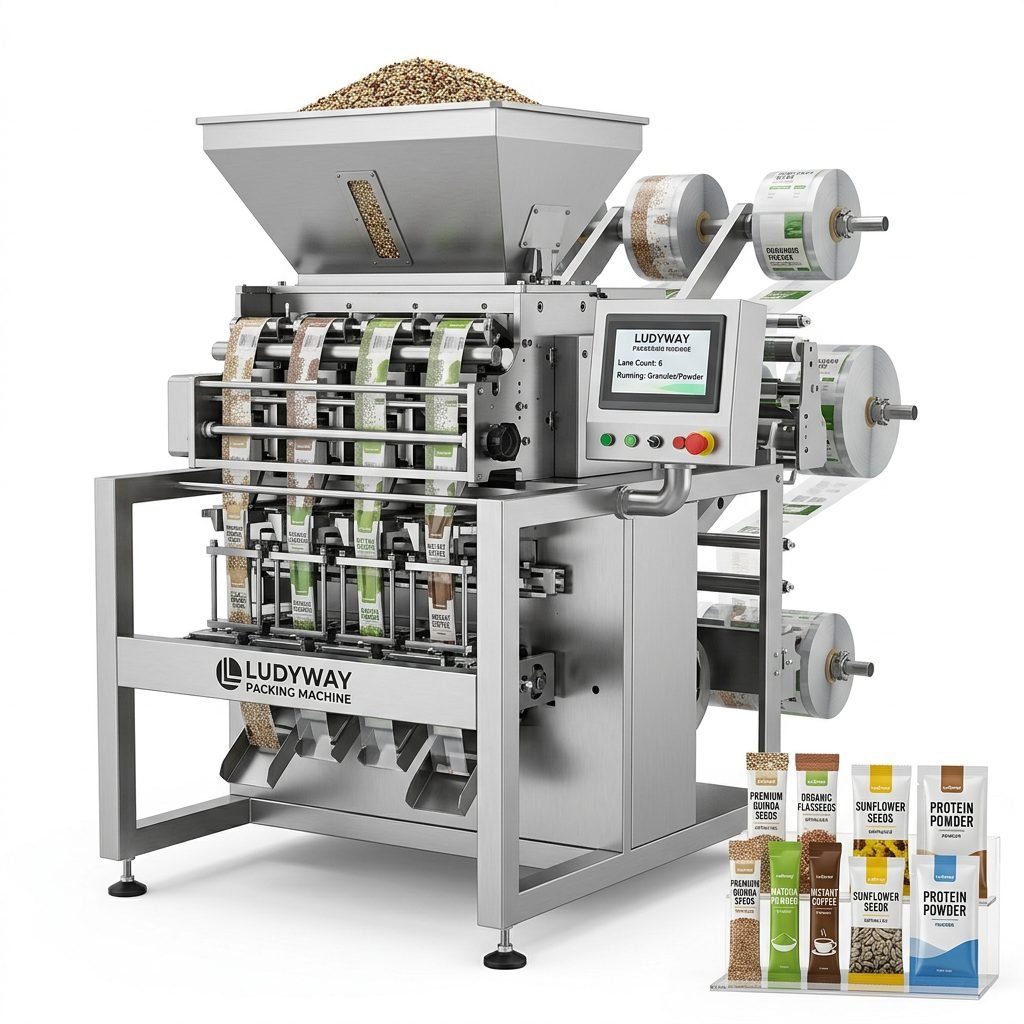
| Multi-Lane Sachet Machine | High-volume small packs | Seed sachets, trial packs | Excellent output for small-dose packaging |
How to Choose the Best Solution for Your Seed Products
1. Understand Your Seed Characteristics
Different seeds behave differently during filling. Small vegetable seeds, larger corn seeds, treated seeds, and coated seeds each require specific feeding and dosing methods. The machine should handle the product without crushing, sticking, bridging, or inconsistent flow.
- Small seeds may require precision counting or fine granule dosing.
- Large seeds may need wider forming tubes and stronger yet gentle handling systems.
- Treated or coated seeds may need dust control and sealing systems resistant to fine residue.
2. Match the Machine to the Packaging Format
Retail seed brands often use small sachets or pouches, while agricultural wholesalers may need larger bags. Your chosen machine should support your target format, material type, and sealing requirements.
Typical options include:
- Flat sachets for sample or retail packs
- Stick packs for narrow single-portion seed packaging
- Pillow bags for standard flexible packaging
- Stand-up pouches for premium branding
- Large woven or laminated bags for bulk seeds
3. Evaluate Weighing and Filling Accuracy
Accuracy is one of the most important performance indicators in seed packaging. Overfilling increases costs, while underfilling can cause complaints and regulatory issues. A good seeds packing machine should offer stable dosing across long production runs.
Depending on application, manufacturers may use:
- Volumetric cup fillers for free-flowing seeds
- Linear weighers for consistent mid-range packs
- Multihead weighers for faster, high-precision applications
- Counting systems for specific high-value seed packs
4. Consider Packaging Speed and Scalability
The best solution is not always the fastest machine—it is the machine that fits your current production while allowing room for future growth. If you are planning to expand SKU variety or increase pack demand, choose equipment with flexible settings, quick changeover, and upgrade potential.
| Production Need | Recommended Solution | Reason |
|---|---|---|
| Startup or low-volume seed brand | Compact VFFS machine | Lower investment and flexible operation |
| Mid-volume retail seed production | Automatic sachet or pouch machine | Balanced speed and quality |
| High-volume small packet production | Multi-lane packaging system | High throughput and efficient labor use |
| Bulk agricultural distribution | Automatic bagging line | Handles larger weights efficiently |
5. Check Material Compatibility and Seal Quality
Seed packaging often uses laminated films, PE bags, paper-plastic combinations, or specialty materials with moisture barrier properties. Your machine must form, fill, and seal these materials reliably. Poor sealing can shorten storage life and increase returns.
Look for:
- Stable temperature control
- Consistent seal pressure
- Good adaptation to multiple film structures
- Optional date coding, batch coding, and traceability systems
Important Features to Look For in a Seeds Packing Machine
When comparing machine suppliers, focus on long-term operating value rather than only the purchase price.
- Gentle feeding system to protect seeds from damage
- Accurate filling unit for stable pack weights
- User-friendly touchscreen controls for easy setup and changeover
- Dust control design for treated or powder-coated seeds
- Stainless steel contact parts for hygiene and durability
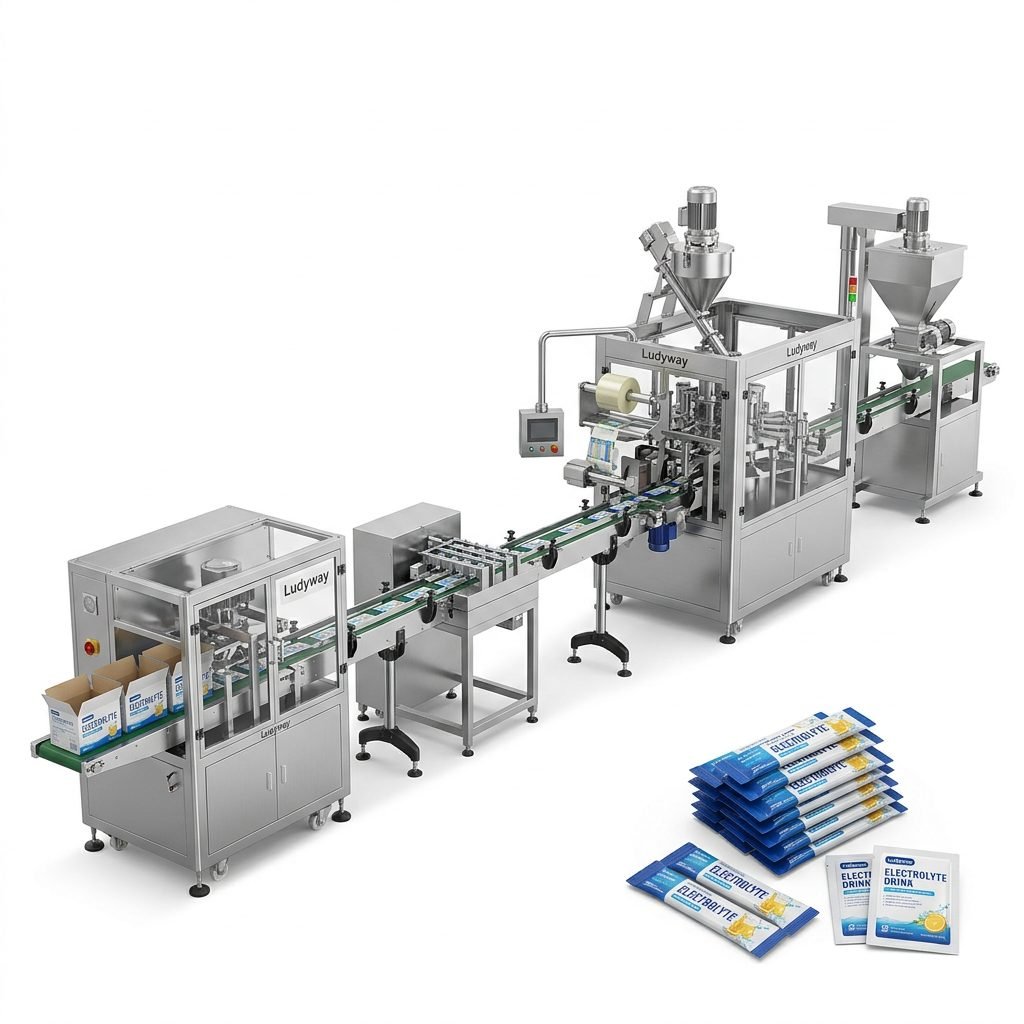
- Integration capability with conveyors, printers, checkweighers, and cartoners
- After-sales support for installation, spare parts, and technical troubleshooting
Common Seed Packaging Applications
Modern seed packing equipment can be applied across a wide range of agricultural products, including:
- Vegetable seeds
- Flower seeds
- Grass seeds
- Rice seeds
- Corn seeds
- Seed treatment granules
- Coated and precision agriculture seed products
Manual, Semi-Automatic, or Fully Automatic?
The right automation level depends on budget, labor availability, and required output.
Manual or Basic Systems
Suitable for very small production runs, test launches, or limited SKUs. These systems have lower upfront cost but higher labor dependence and lower consistency.
Semi-Automatic Machines
A practical choice for growing businesses that want improved filling accuracy and sealing quality without moving to a complete automated line.
Fully Automatic Packaging Lines
Best for medium to large seed manufacturers focused on high output, reduced labor, and repeatable packaging quality. These lines can integrate feeding, weighing, bag making, sealing, printing, inspection, and end-of-line handling.
Mistakes to Avoid When Buying a Seed Packing Machine
- Choosing equipment based only on price
- Ignoring seed fragility and flow characteristics
- Buying a machine with limited packaging format flexibility
- Underestimating future capacity needs
- Overlooking spare parts availability and technical support
- Not testing the machine with actual seed samples before purchase
Why a Turnkey Packaging Partner Can Be a Better Choice
Many buyers need more than a standalone machine. They need a complete solution covering feeding, filling, sealing, coding, inspection, conveying, and final packing. Working with an experienced packaging line manufacturer can simplify project planning and reduce integration risks.
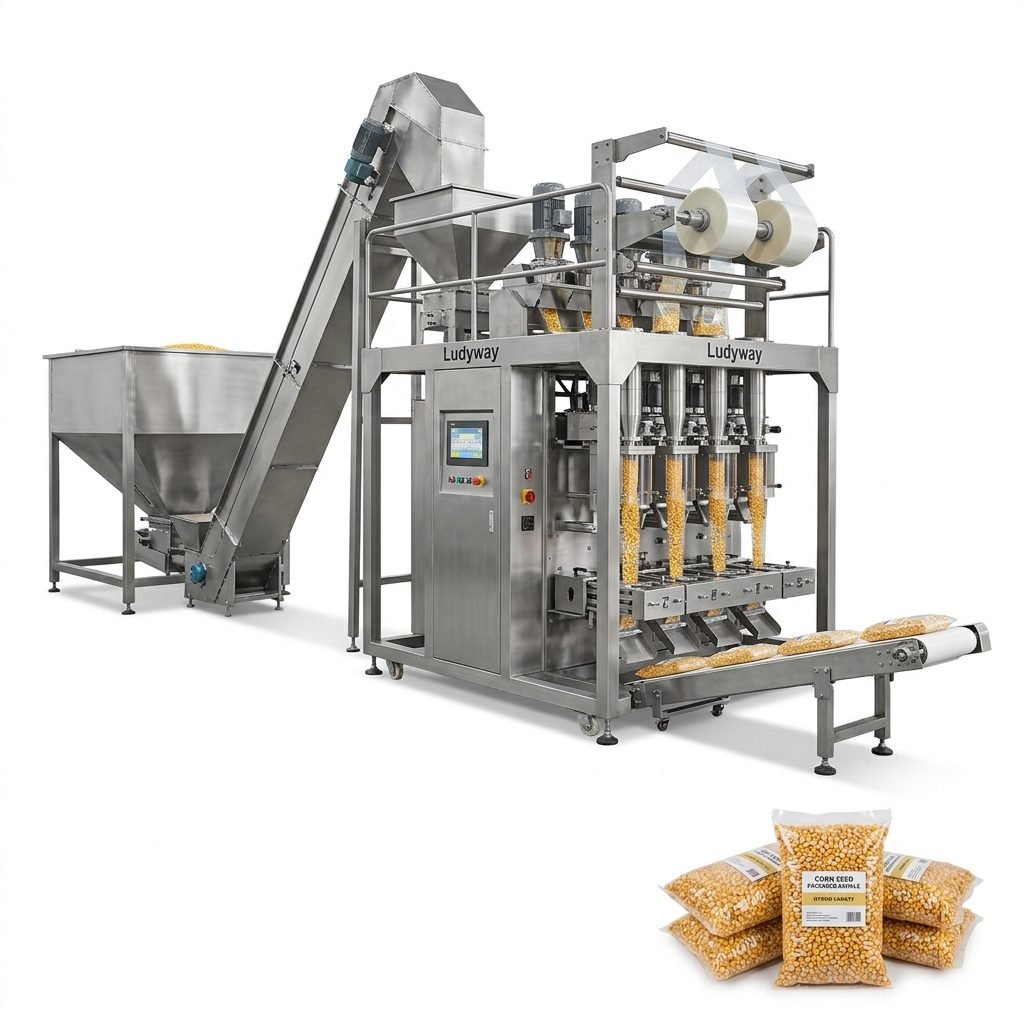
If you are looking for a reliable supplier, Ludyway seed packing machine solutions can support different granule and pouch applications with scalable automation options. As one of China’s leading packaging machine and turnkey packaging line manufacturers, the company offers broad experience in customized packaging systems for multiple industries.
Final Buying Checklist
| Checklist Item | Why It Matters |
|---|---|
| Seed size and flow behavior | Affects feeding and filling method |
| Desired package type | Determines machine structure |
| Target output per hour | Helps size the machine correctly |
| Accuracy requirement | Controls product cost and consistency |
| Film or bag material | Impacts sealing performance |
| Cleaning and maintenance needs | Reduces downtime and operating issues |
| Supplier technical support | Ensures long-term reliability |
Conclusion
The best seeds packing machine is the one that matches your seed characteristics, packaging style, accuracy targets, and production goals. A smart investment can improve efficiency, protect seed quality, strengthen branding, and lower operating costs over time. Before making a final decision, compare equipment carefully, test with real samples, and choose a supplier that can support both your current needs and future expansion.