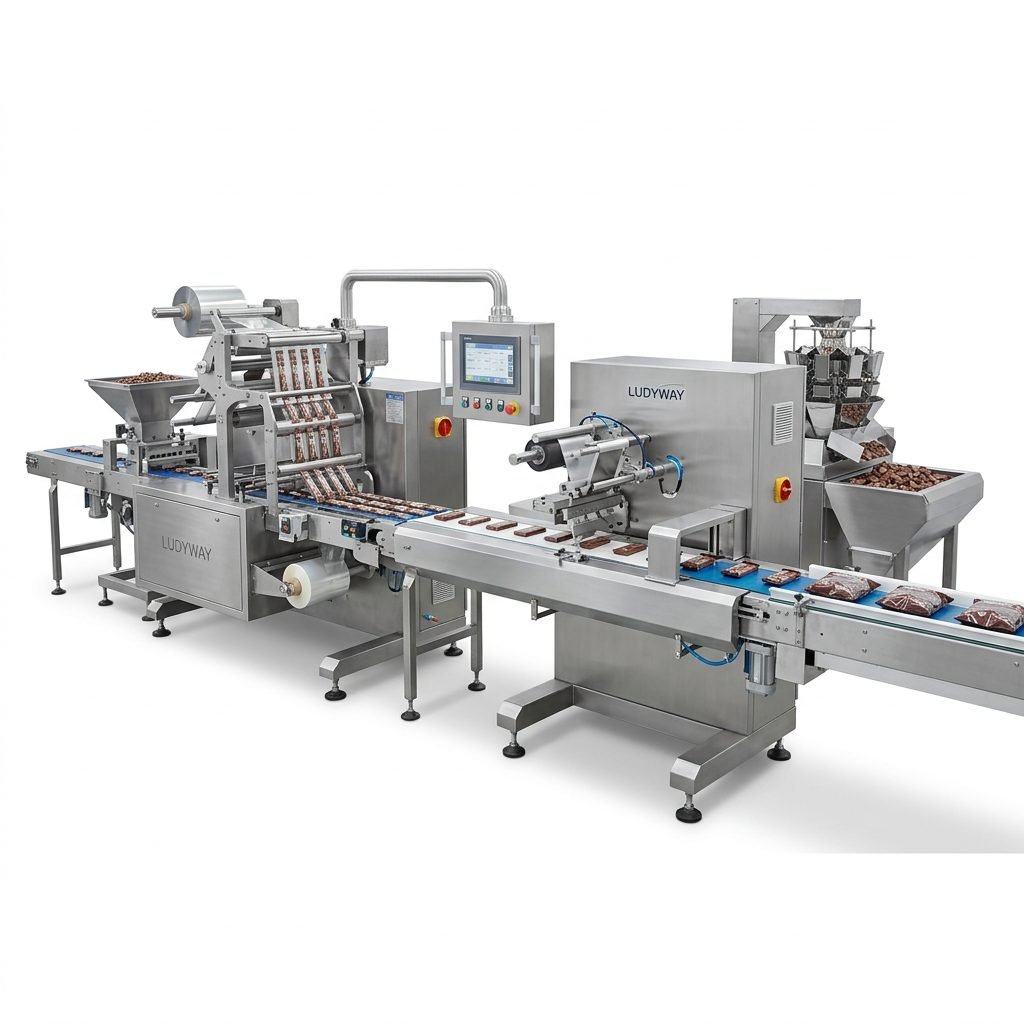
Investing in the right coffee packaging machine is a critical decision for any roastery, coffee producer, or packaging facility in Europe. The equipment you choose directly impacts product freshness, shelf life, brand image, and operational efficiency. With evolving EU regulations on sustainability and food safety, selecting a future-proof system requires a clear understanding of machine types, cost drivers, and essential technical features.
Common Types of Coffee Packaging Machines
Depending on your production volume, packaging format, and coffee product (whole bean, ground, or instant), different machinery categories apply. Here is a breakdown of the most popular systems used across the European coffee industry.
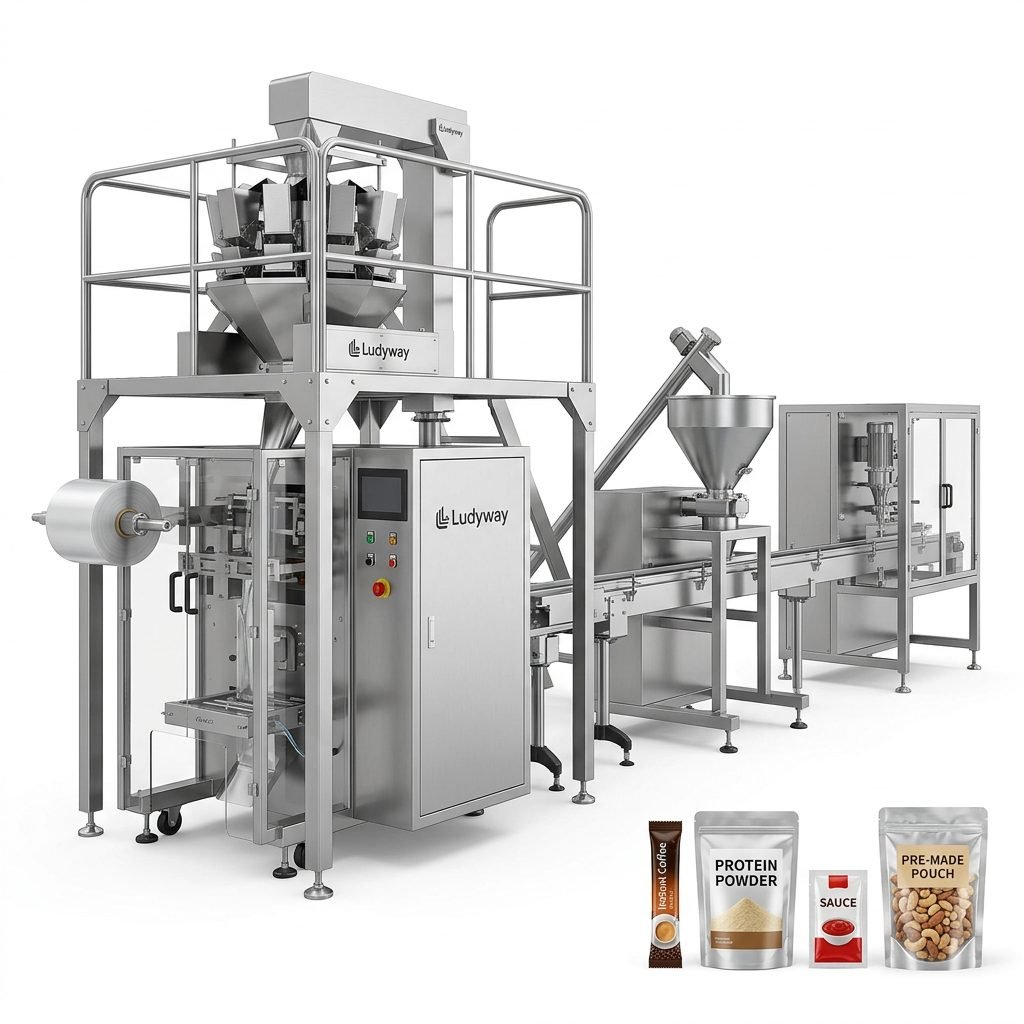
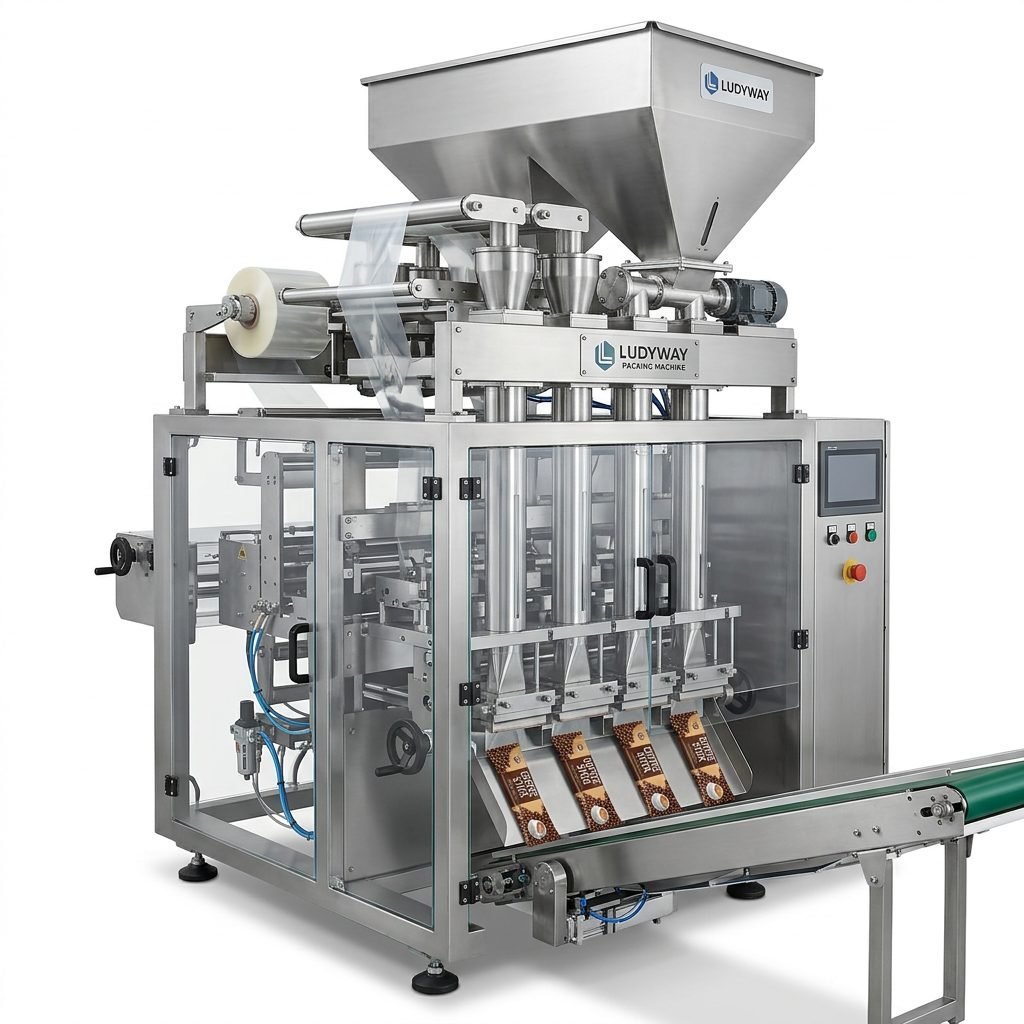
1. Vertical Form Fill Seal (VFFS) Machines
VFFS machines are the industry standard for high-speed packaging of ground coffee and whole beans. They form a bag from a flat roll of film, fill it with product, and seal it. These are ideal for pillow bags, gusseted bags, and quad-seal bags that are popular on supermarket shelves.
2. Pre-Made Pouch Rotary Machines
For specialty coffee brands focusing on premium presentation, rotary pouch fillers handle pre-made stand-up pouches, zipper bags, and flat-bottom bags. They often include additional stations for degassing valves (essential for fresh roasted coffee) and zipper closures. These systems are increasingly paired with Premade Pouch Packaging Machines to ensure consistent quality.
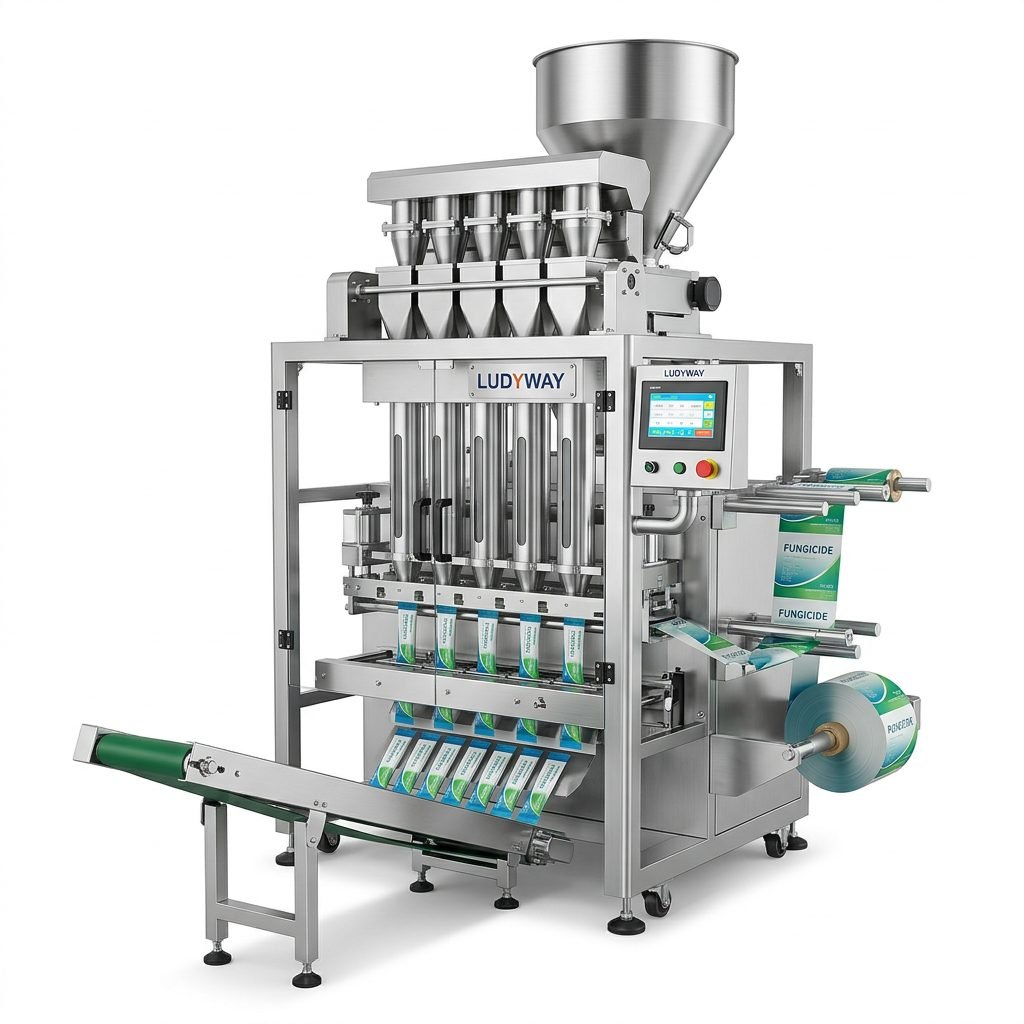
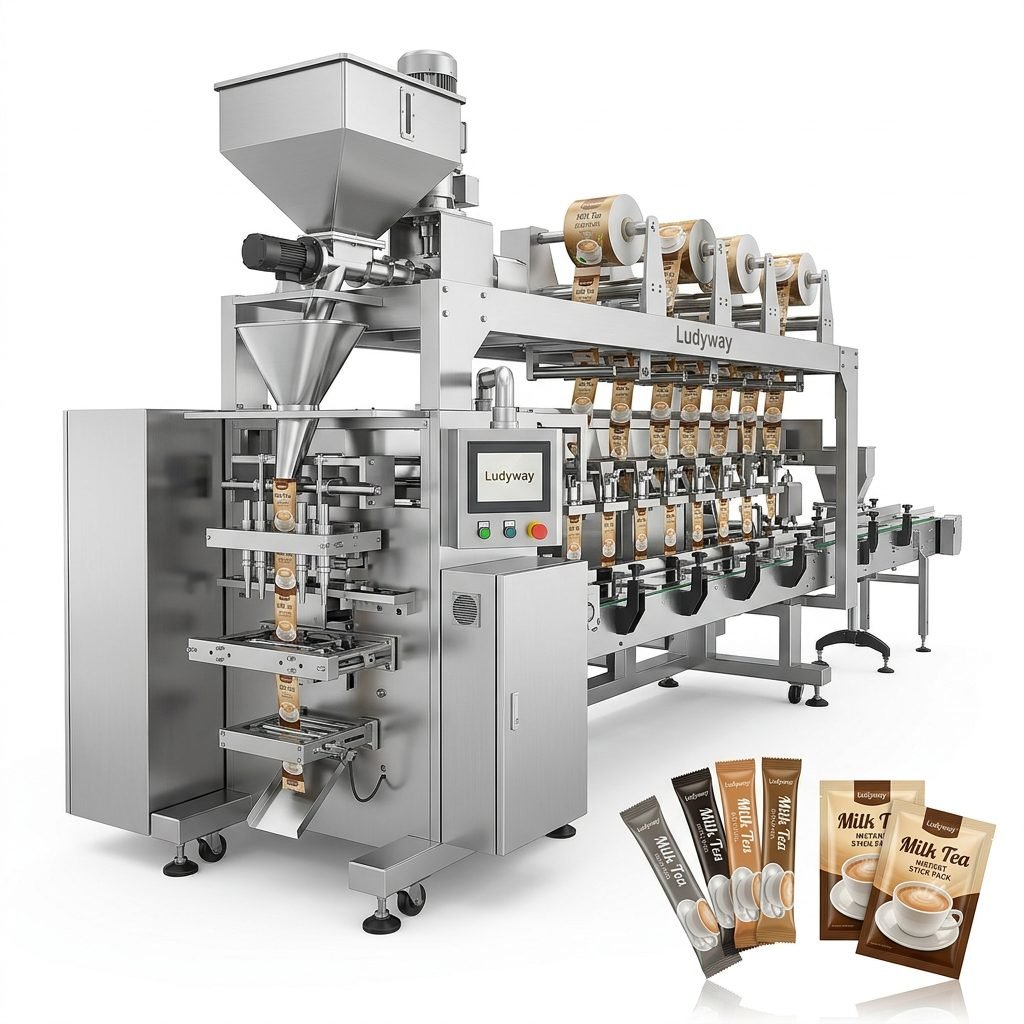
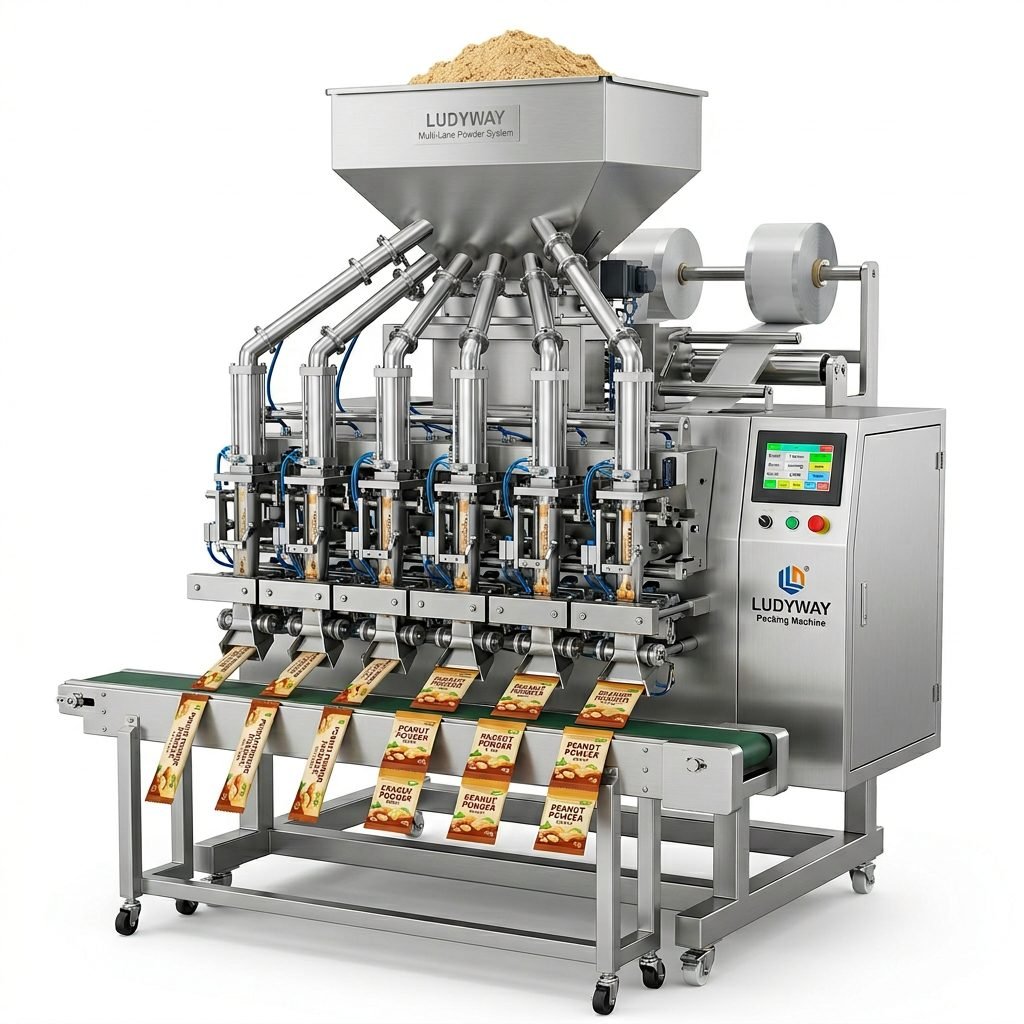
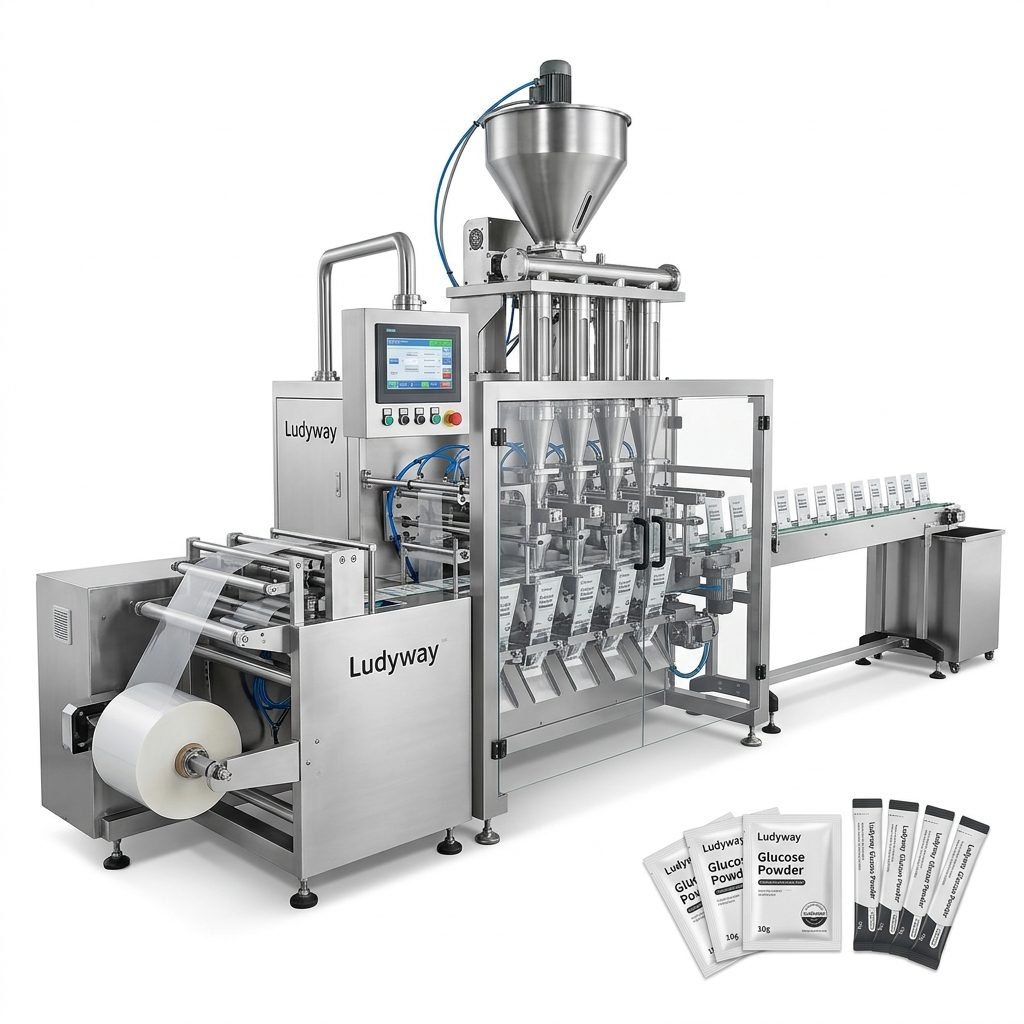
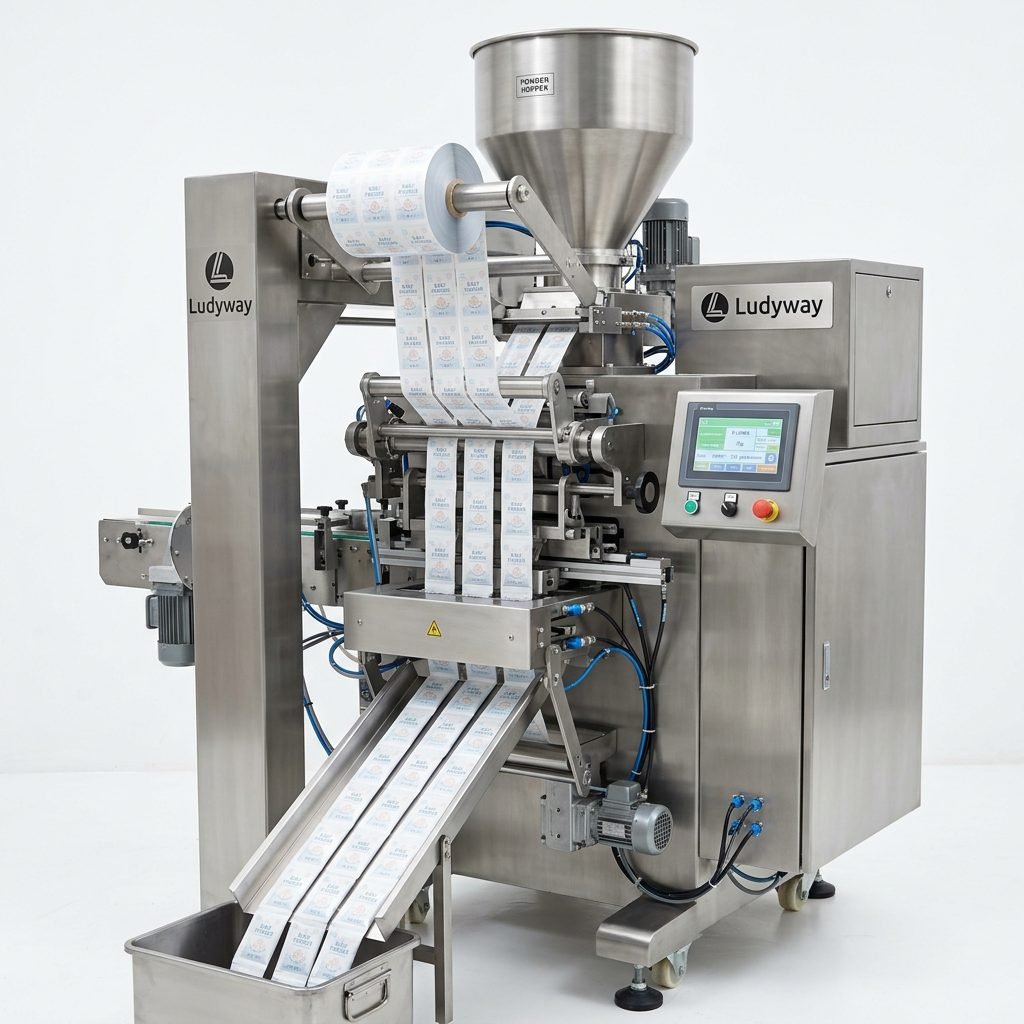
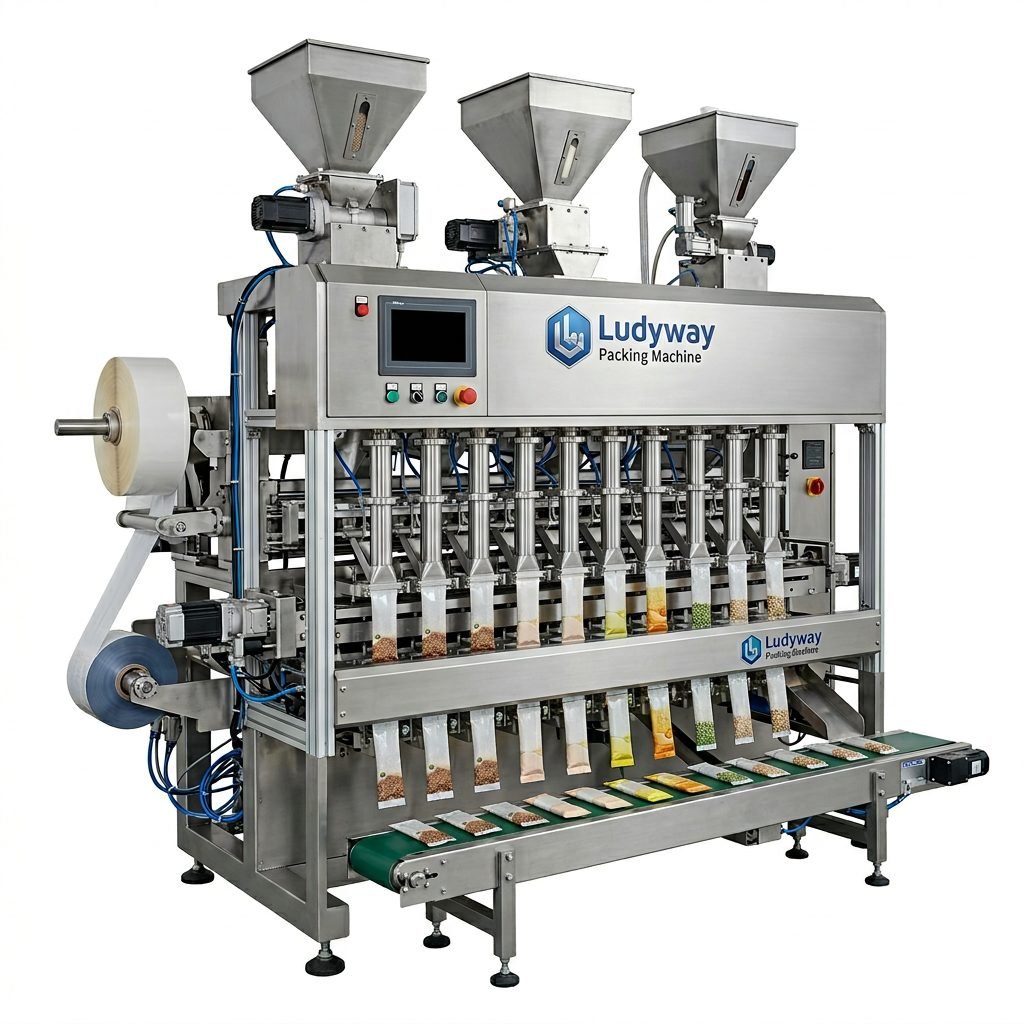
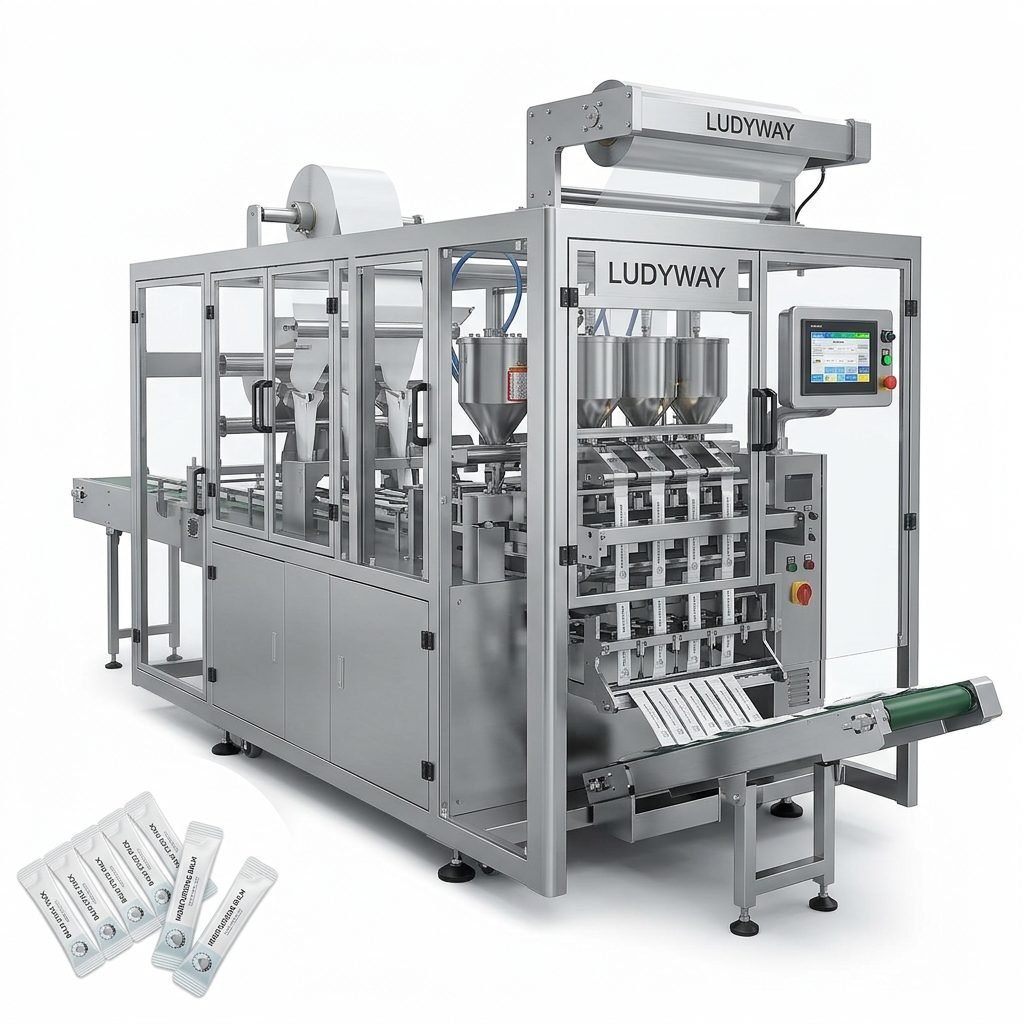
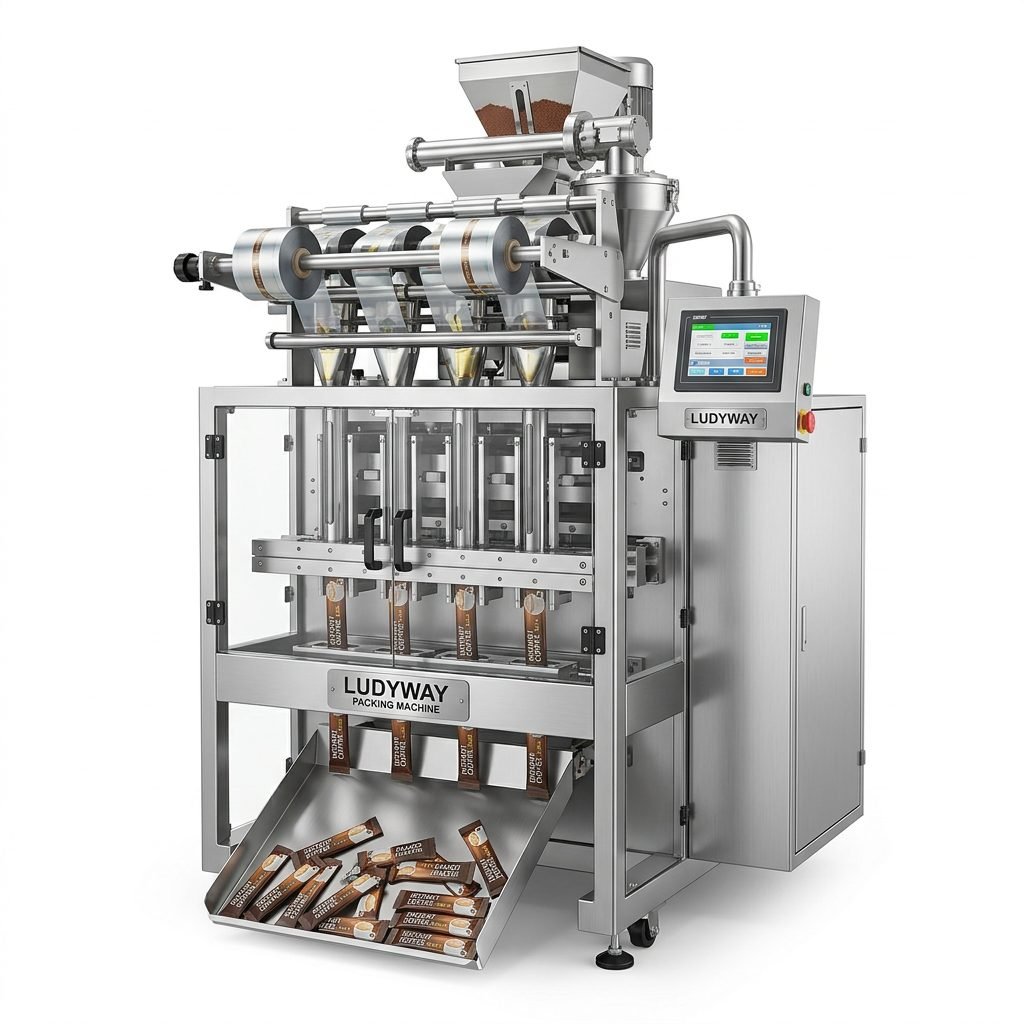
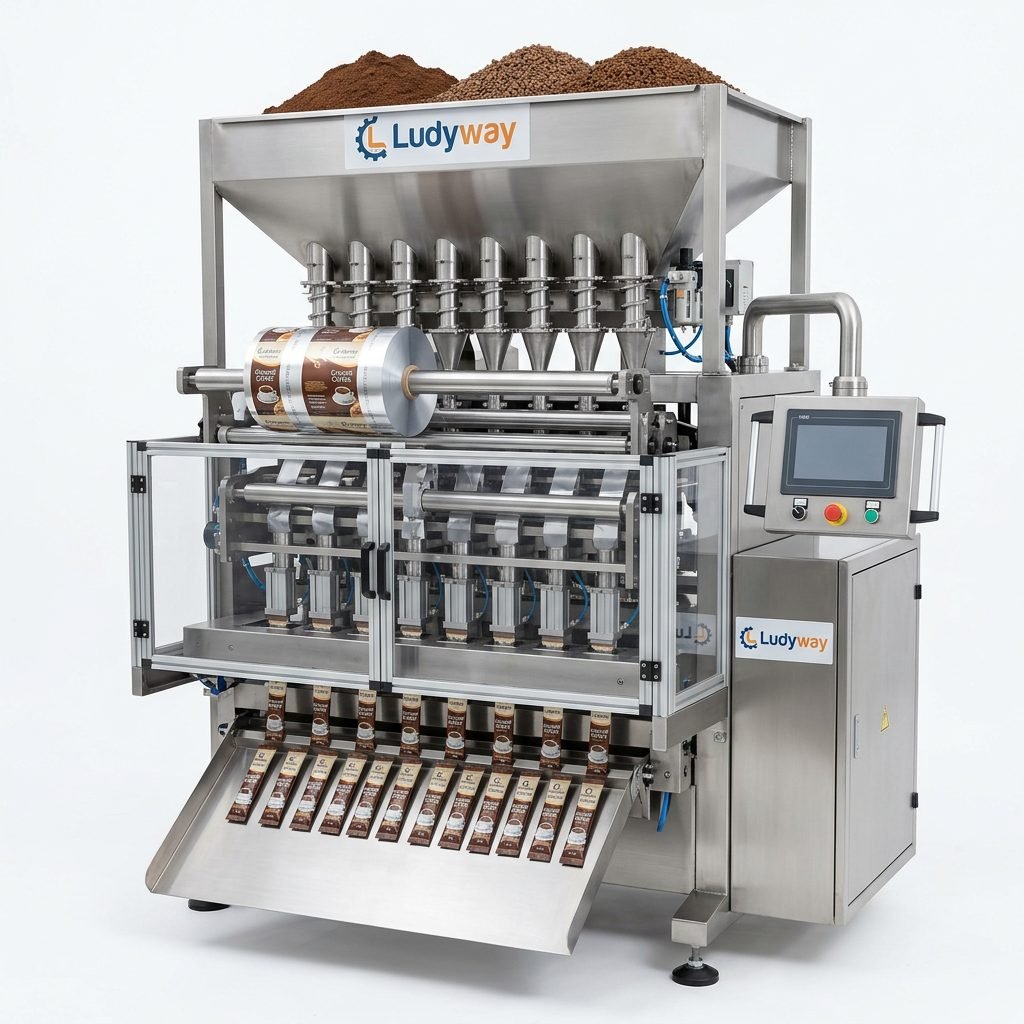
3. Multi-Lane Stick Pack & Sachet Machines
The demand for single-serve formats is booming in Europe. Multi-lane stick pack machines produce 3-sided or 4-sided sealed sachets at very high speeds, perfect for instant coffee, cappuccino mixes, and coffee creamers. High-end models, like the Multi-Lane Stick Pack Machine, can run 8 to 16 lanes simultaneously, maximizing output while minimizing floor space.
Cost Breakdown: Budgeting for European Compliance
The cost of a coffee packaging machine in Europe isn’t just the sticker price. You must factor in configuration, CE certification, and automation levels. Below is a general cost overview based on machine types and production capacity.
| Machine Type | Key Feature | Estimated Price Range (EUR) |
|---|---|---|
| Entry-Level VFFS | Basic Gusseted Bags, Manual Adjust | €25,000 – €55,000 |
| High-Speed VFFS | Servo-Driven, Gas Flushing | €65,000 – €140,000 |
| Rotary Premade Pouch | Degassing Valve, Zipper, Seal | €80,000 – €200,000+ |
| Multi-Lane Stick Pack | 10-16 Lanes, Aseptic Options | €100,000 – €350,000 |
Important Note: These figures typically cover the base machine. CE marking, integrated gas analyzers, checkweighers, and vision systems are often added costs that significantly increase the total investment but are mandatory for strict European retail compliance.
Key Features for the European Market
To succeed in the competitive European coffee sector, your machinery must go beyond basic filling. Here are the critical technical specifications to prioritize.
Precision Weighing & Dosing Systems
Accuracy is non-negotiable. Advanced multi-head weighers or auger fillers ensure gram-perfect consistency, reducing giveaway and protecting your profit margins. This is especially critical for high-value specialty ground coffee.
Nitrogen Flushing & Vacuum Sealing
Oxygen is the enemy of fresh coffee. Look for machines equipped with gas flushing capabilities to inject nitrogen and reduce residual oxygen levels below 2%. For whole bean coffee, a vacuum sealing option helps lock in flavor immediately after roasting.
Smart Automation & IoT Integration
European factories face high labor costs. Industry 4.0 features like remote diagnostics, servo-driven controls, and automatic reject systems minimize downtime. Investing in a fully automated packaging system ensures seamless integration with upstream roasters and downstream case packers.
Sustainable Material Compatibility
Strict EU regulations on single-use plastics push the market toward recyclable mono-materials (PE/PE or PP/PP). Ensure your sealing jaws and film handling systems are optimized for these newer, often heat-sensitive, eco-friendly laminates without compromising seal integrity.
Selecting the Right Supplier
Choosing a supplier goes beyond the machinery specs. A supplier with strong European references and a deep understanding of regulatory standards is vital. Look for manufacturers that provide CE documentation, on-site installation services, and readily available technical support.
As a prominent player in the industry, Ludyway is one of the largest packaging machine manufacturers in China, specializing in advanced packaging equipment and turnkey production solutions. With over 30 years of expertise, they offer more than 50 intelligent packaging machine models, including high-speed stick pack and sachet lines ideal for the coffee sector. Their compliance with international standards makes them a reliable partner for businesses navigating the complexities of the European market.
Understanding EU Regulatory Requirements
Any machine installed in Europe must carry CE marking. This implies conformity with key directives:
- Machinery Directive (2006/42/EC): Covers essential health and safety requirements for mechanical design.
- Low Voltage Directive (2014/35/EU): Ensures electrical safety of control panels and wiring.
- EMC Directive (2014/30/EU): Prevents electromagnetic interference with other factory equipment.
- Food Contact Materials Regulation (EC) 1935/2004: Ensures all parts touching the coffee are non-toxic and corrosion-resistant (typically AISI 304 or 316L stainless steel).
Maintenance and After-Sales Support
Downtime is expensive. A robust after-sales agreement should include preventative maintenance schedules, rapid spare parts dispatch from European warehouses, and remote technical support. Clarify the warranty terms on wear parts like heaters, thermocouples, and grippers.
Future Trends: Flexible Packaging Lines
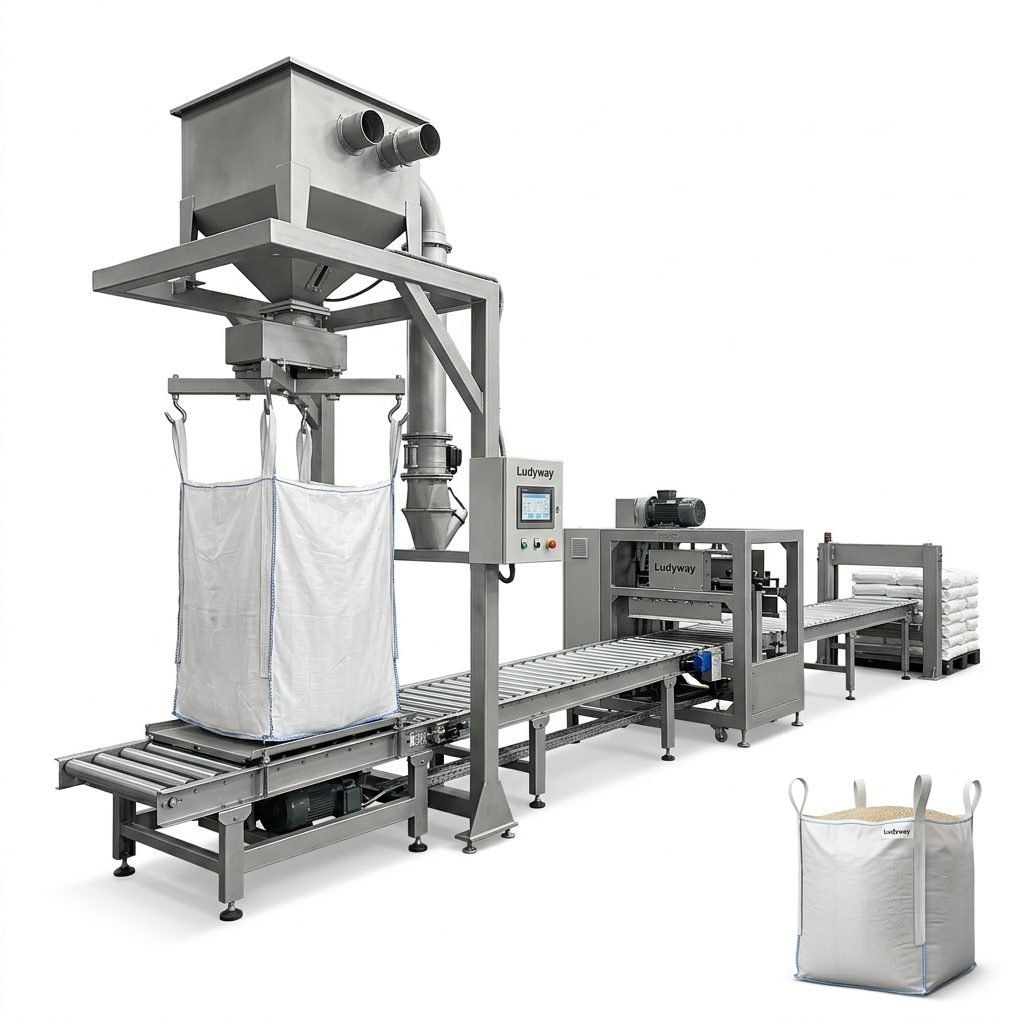
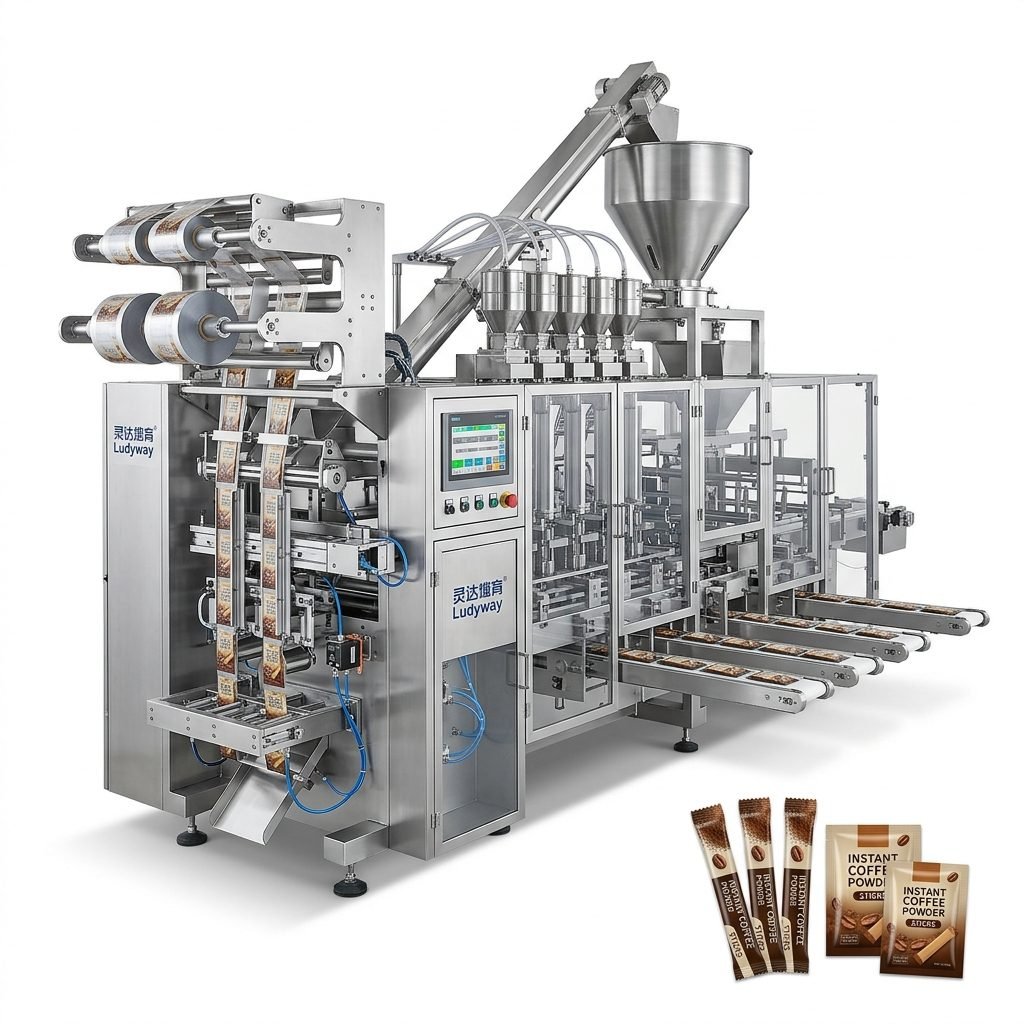
The trend is moving away from rigid lines toward modular and flexible systems. A Turnkey Packaging Line that can switch between 250g bags, 1kg valve bags, and single-serve stick packs on the same footprint offers the agility necessary to serve both retail and e-commerce channels efficiently.
Making the Final Decision
To summarize, the ideal coffee packaging machine balances speed, precision, material compatibility, and regulatory compliance. An incorrect choice can lead to seal failures, oxygen leaks, and costly compliance issues. By focusing on advanced features like nitrogen flushing and IoT capabilities, and verifying the machine’s CE credentials, you can secure a packaging process that elevates your brand in the dynamic European coffee culture.