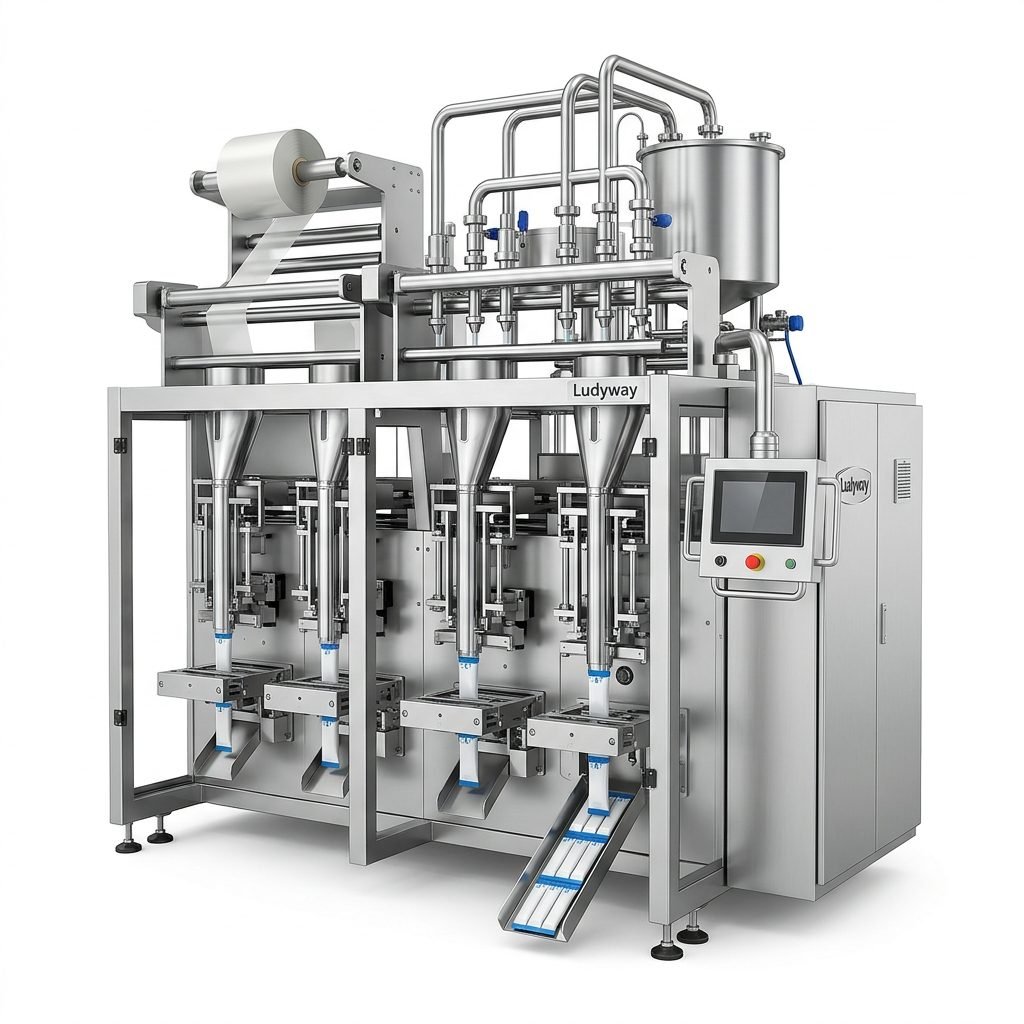
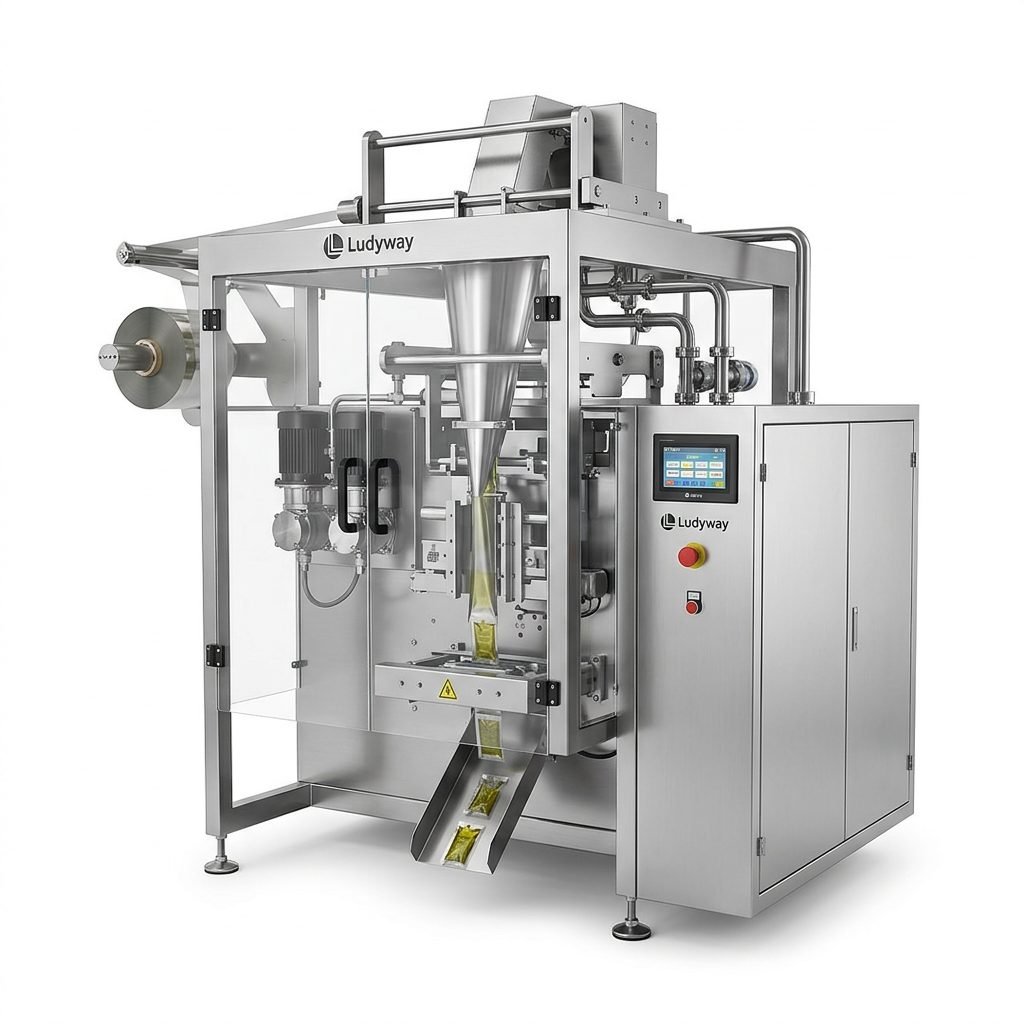
Setting up a honey packaging machine production line requires careful planning, the right equipment selection, and a clear understanding of your production goals. Whether you are packaging honey into stick packs, sachets, or pouches, a well-designed automated line can significantly boost efficiency, reduce labor costs, and maintain consistent product quality. This guide walks you through every essential step, from initial layout planning to final quality control.
Why Automate Your Honey Packaging Process
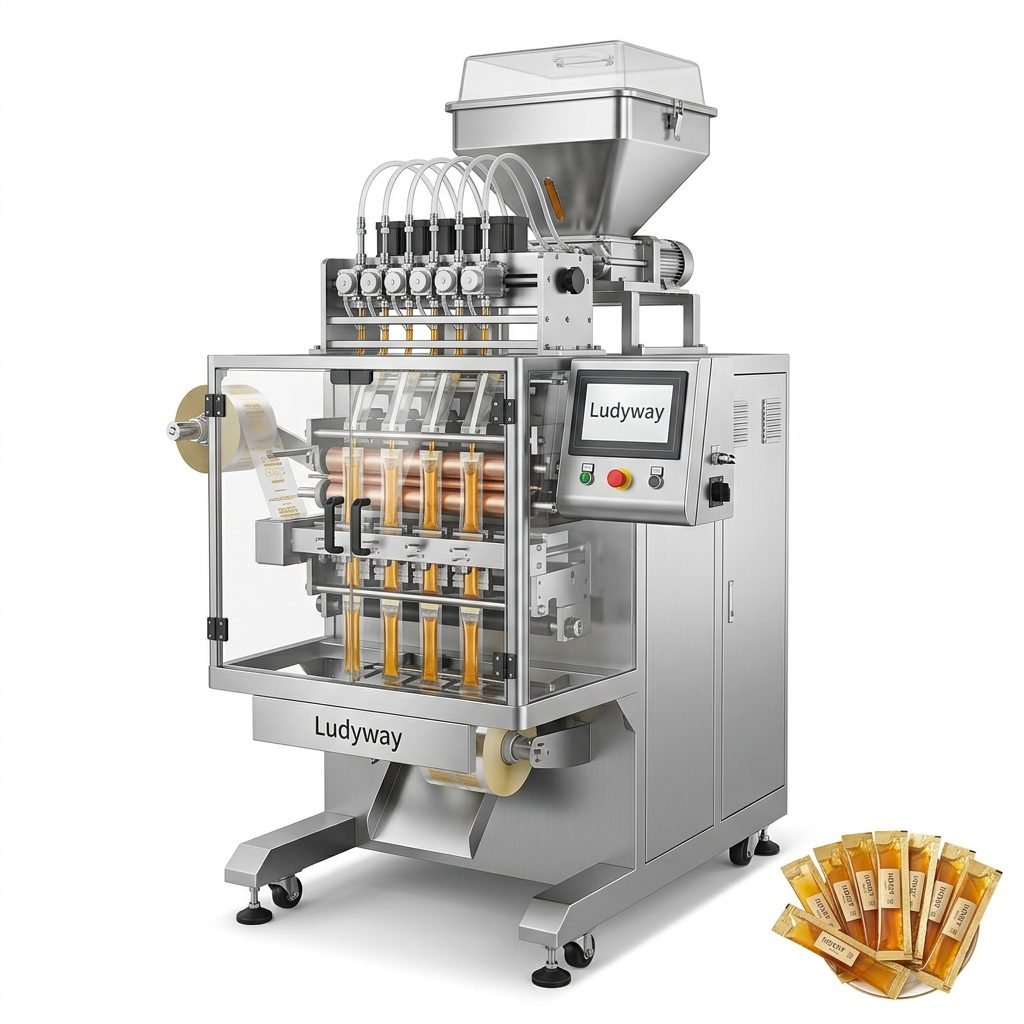
Manual packaging of honey is labor-intensive and prone to inconsistencies in fill weight, seal integrity, and labeling accuracy. An automated honey packaging line addresses these challenges by delivering high-speed, precision filling with minimal human intervention. Key benefits include:
- Consistent fill accuracy — reducing product giveaway and ensuring regulatory compliance
- Higher throughput — multi-lane systems can produce hundreds of packs per minute
- Improved hygiene — enclosed systems minimize contamination risks for food-grade products
- Reduced operational costs — fewer operators required, lower waste, and higher overall equipment effectiveness (OEE)
According to industry data from the Packaging Machinery Manufacturers Institute (PMMI), automated packaging lines can improve production efficiency by up to 40% compared to semi-automated alternatives.
Essential Equipment for a Honey Packaging Line
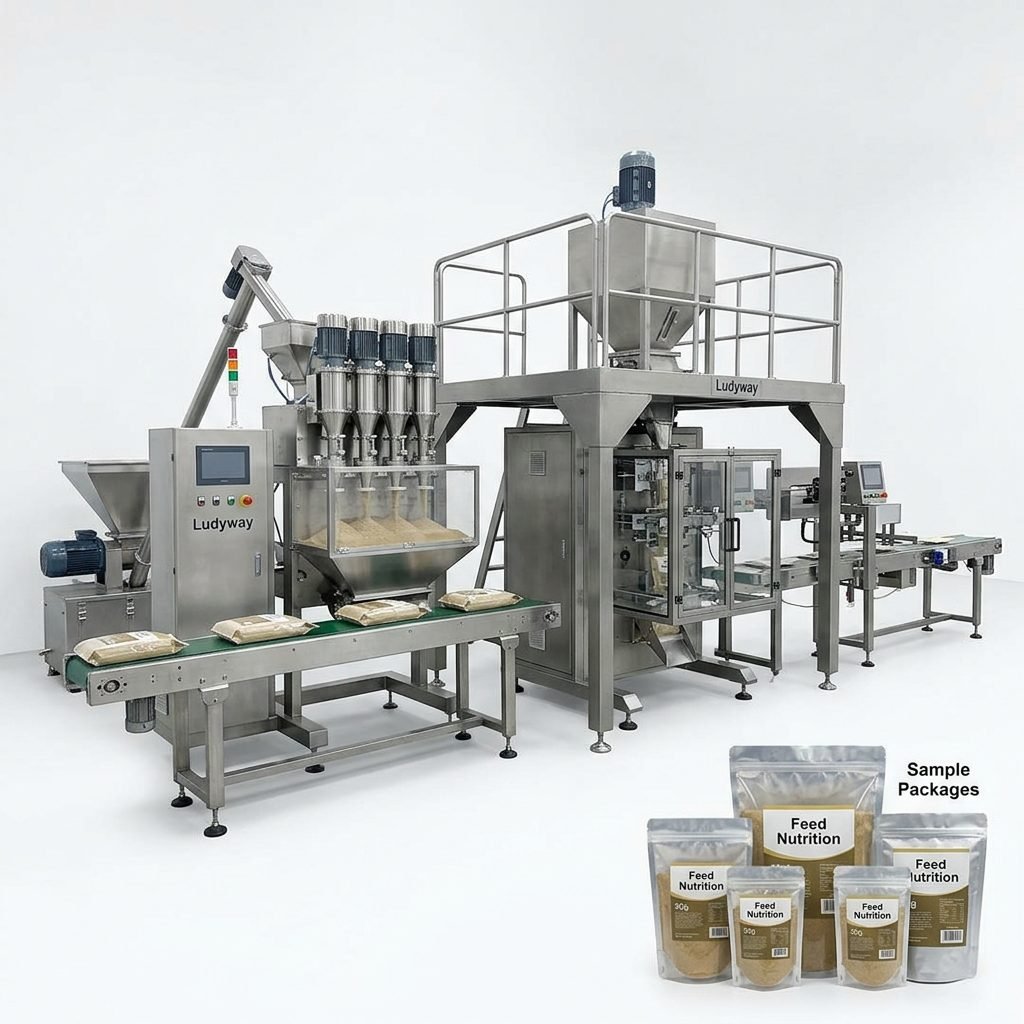
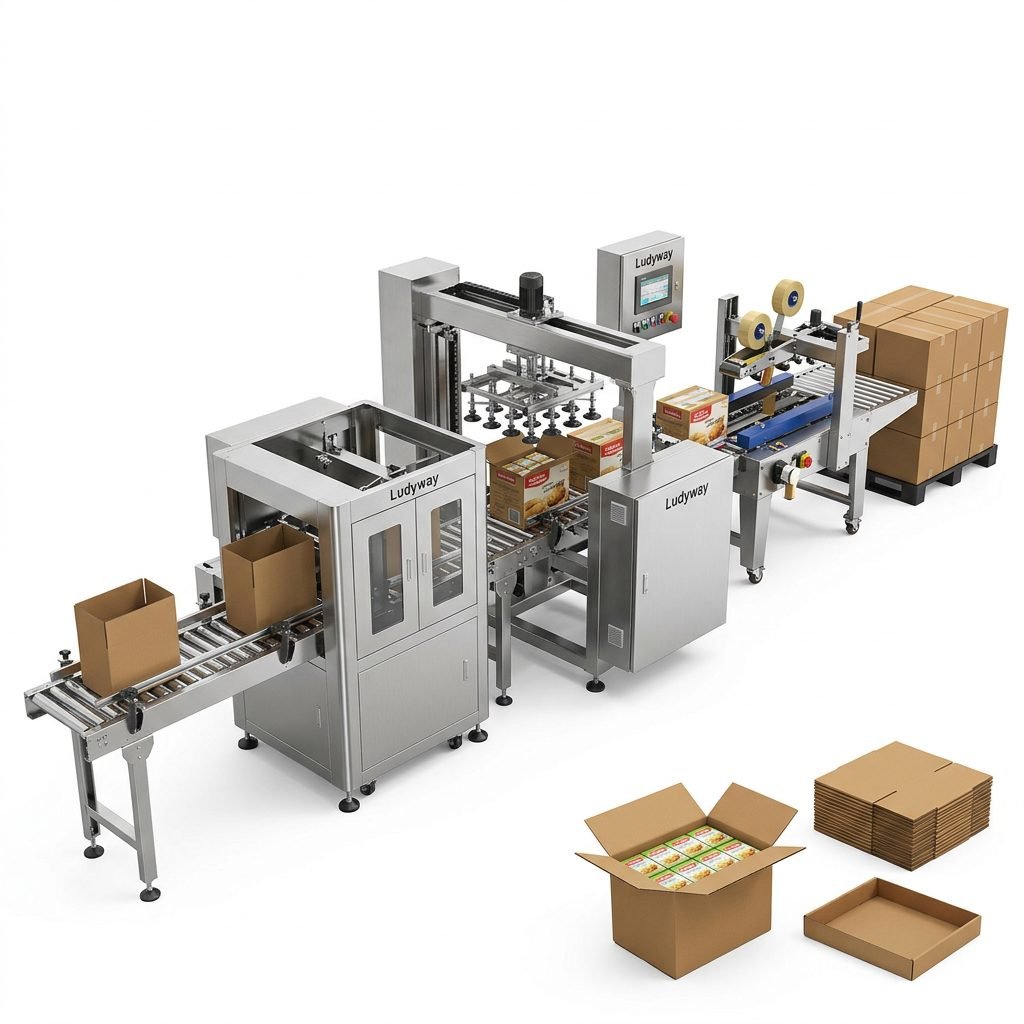
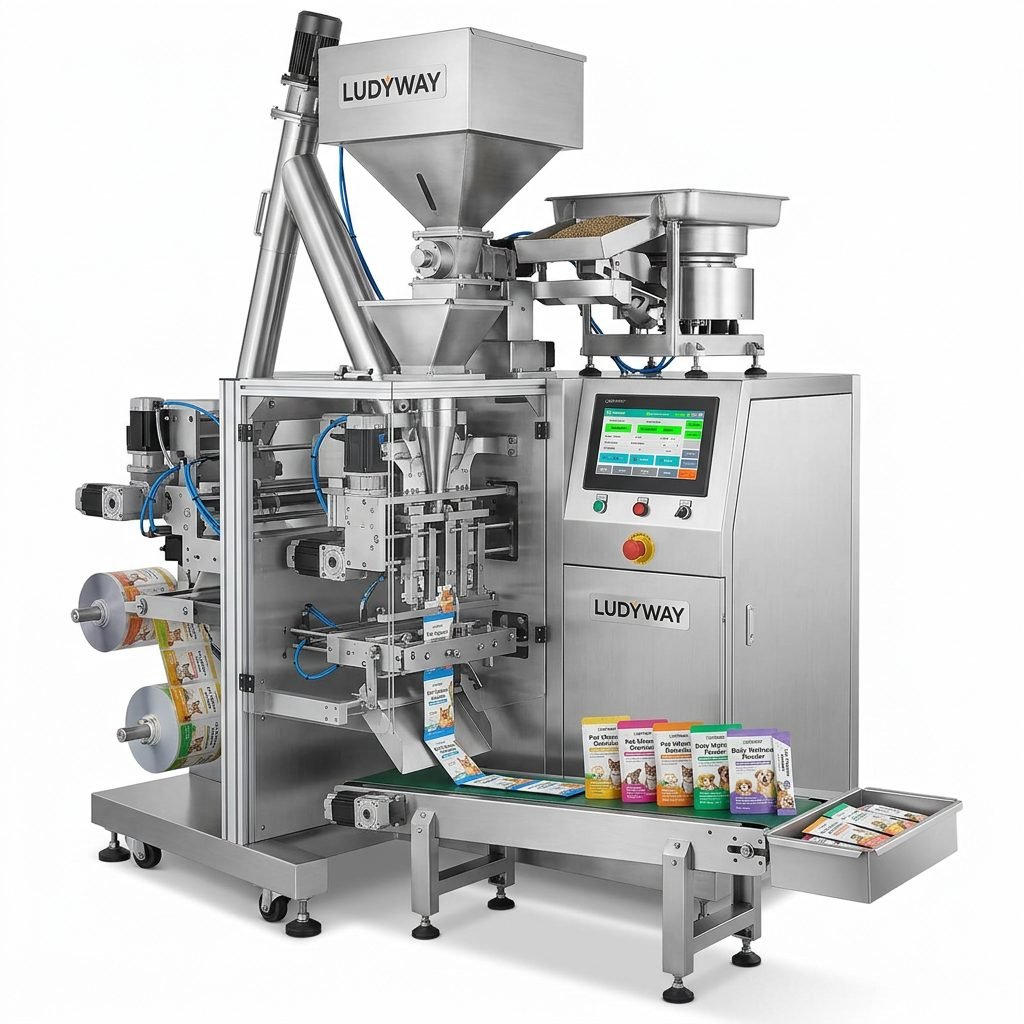
A complete honey packaging production line consists of several integrated machines working in sequence. Understanding each component helps you make informed purchasing decisions.
Primary Filling Machine
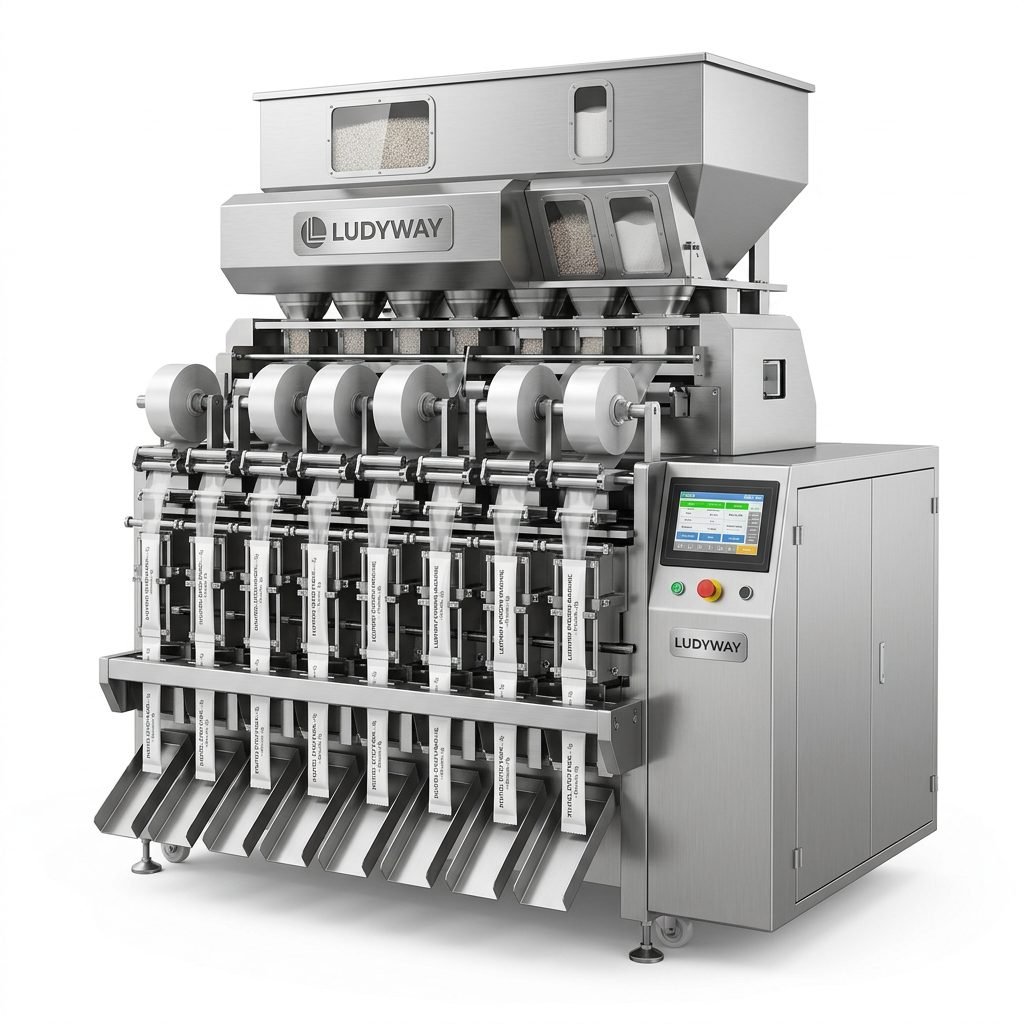
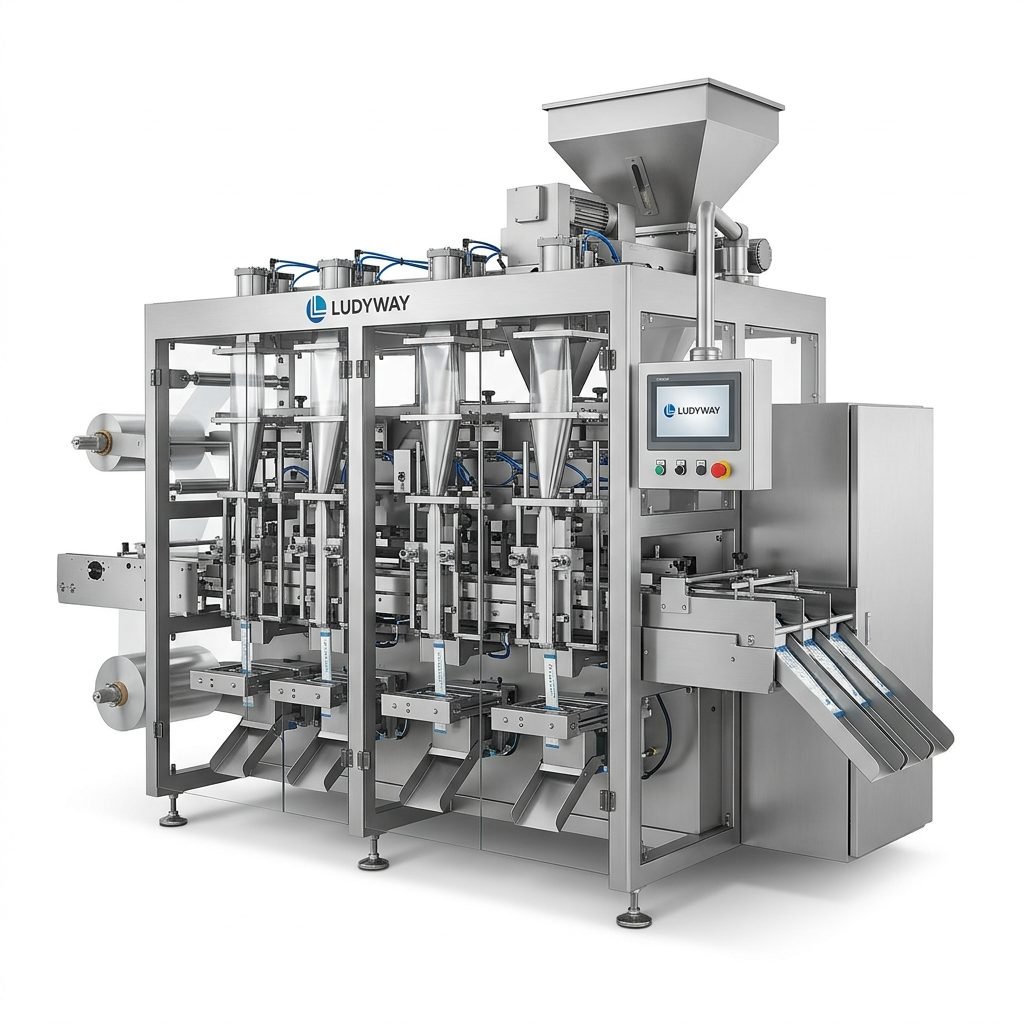
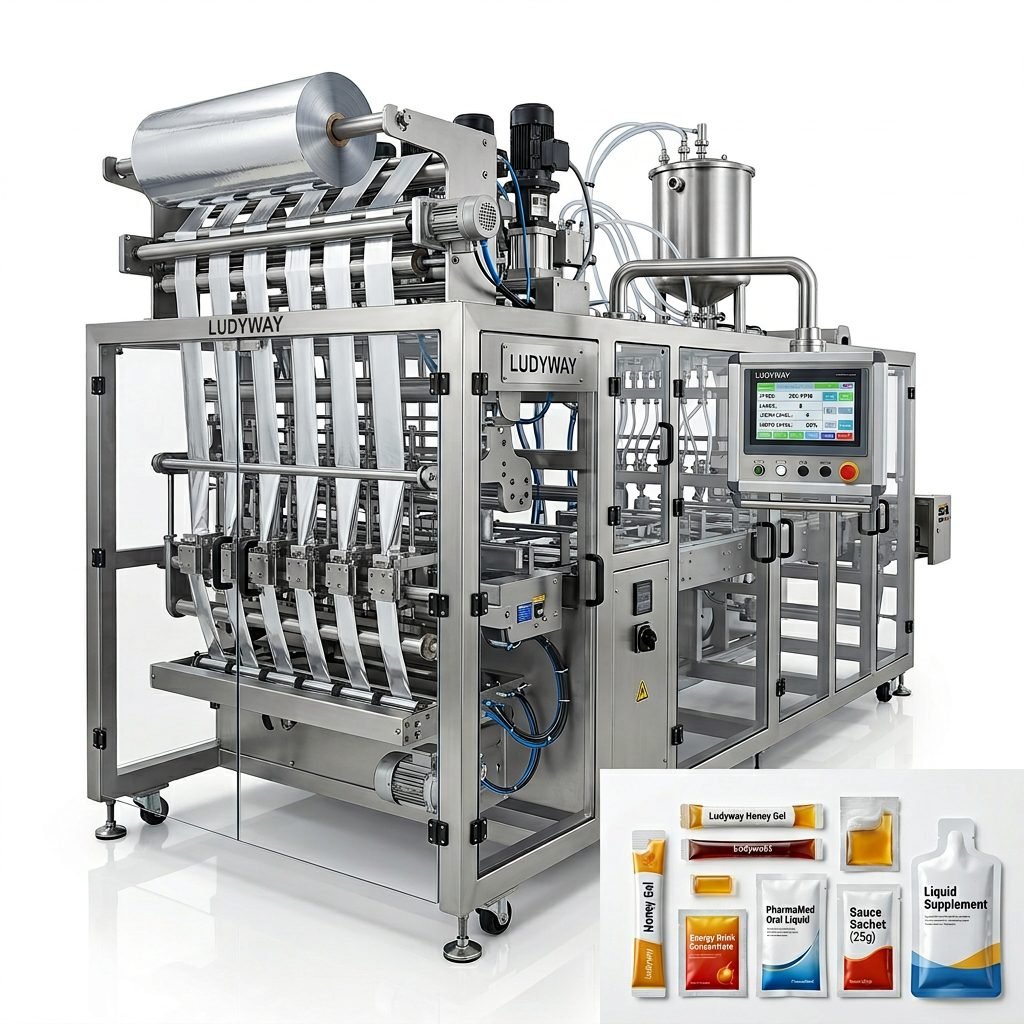
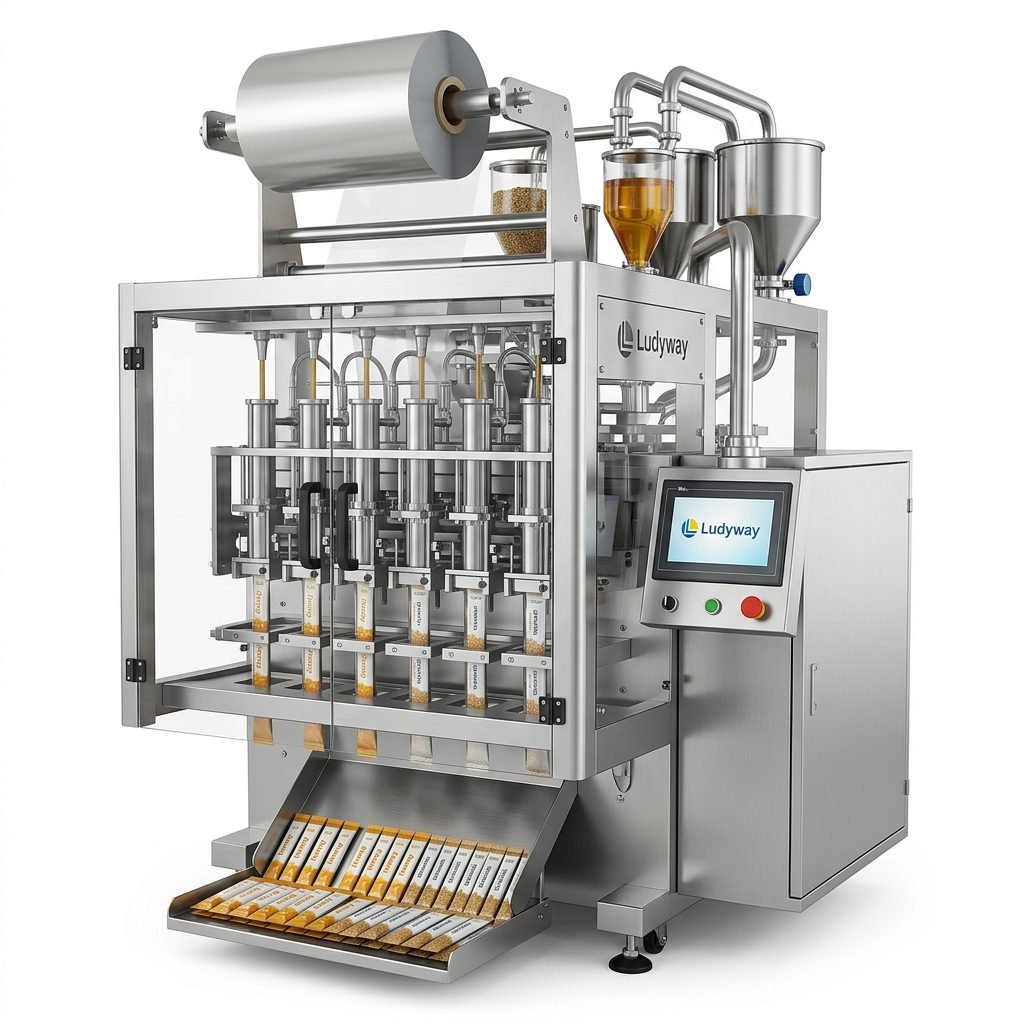
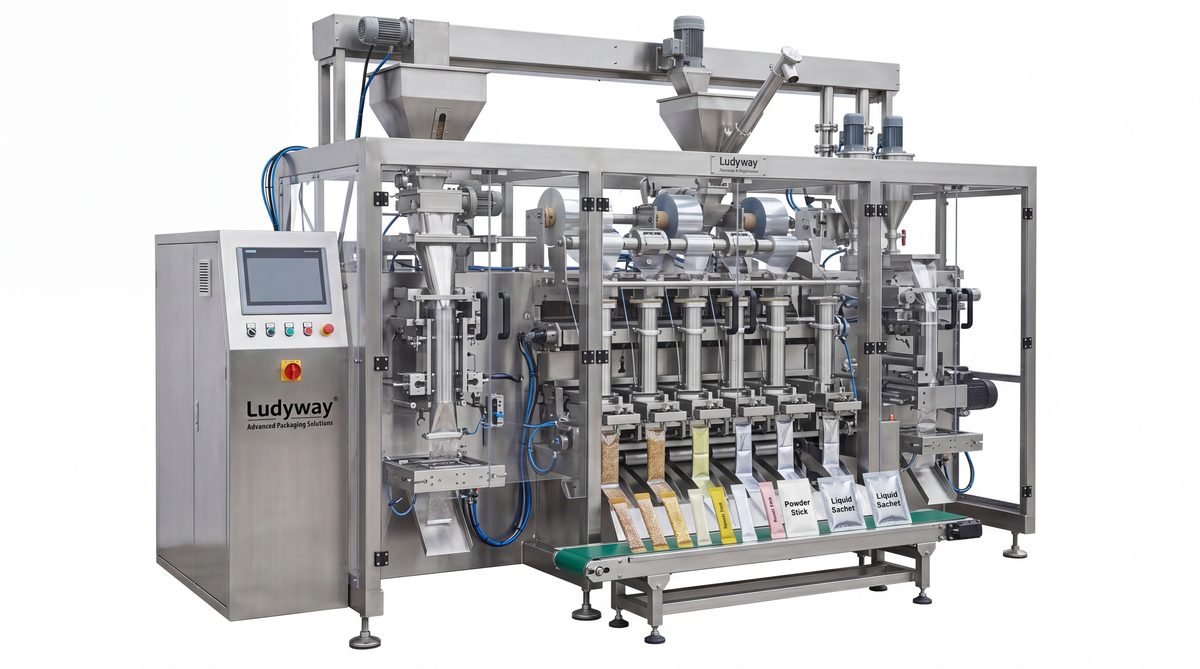
The filling station is the core of any honey packaging machine setup. For honey, which is a viscous liquid, piston fillers or servo-driven positive displacement pumps are commonly used due to their accuracy with thick, sticky products. Multi-lane flexible packaging configurations allow simultaneous filling of multiple lanes, dramatically increasing output.
Sealing and Capping Systems
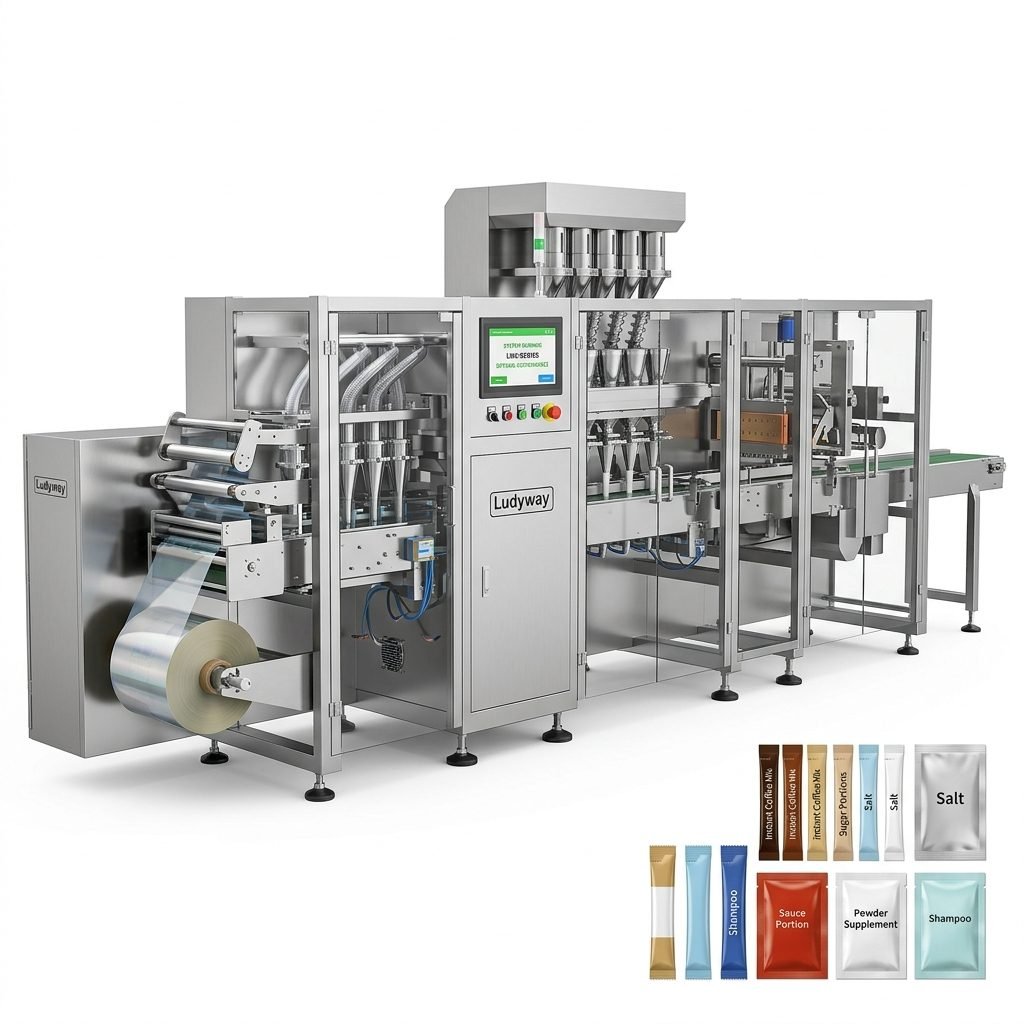
Proper sealing is critical for honey products to prevent leakage and preserve freshness. Heat sealing, ultrasonic sealing, or induction sealing technologies are typically employed depending on the packaging material. For stick packs and sachets, vertical or horizontal form-fill-seal (VFFS/HFFS) units integrate filling and sealing in one continuous operation.
Labeling and Coding Units
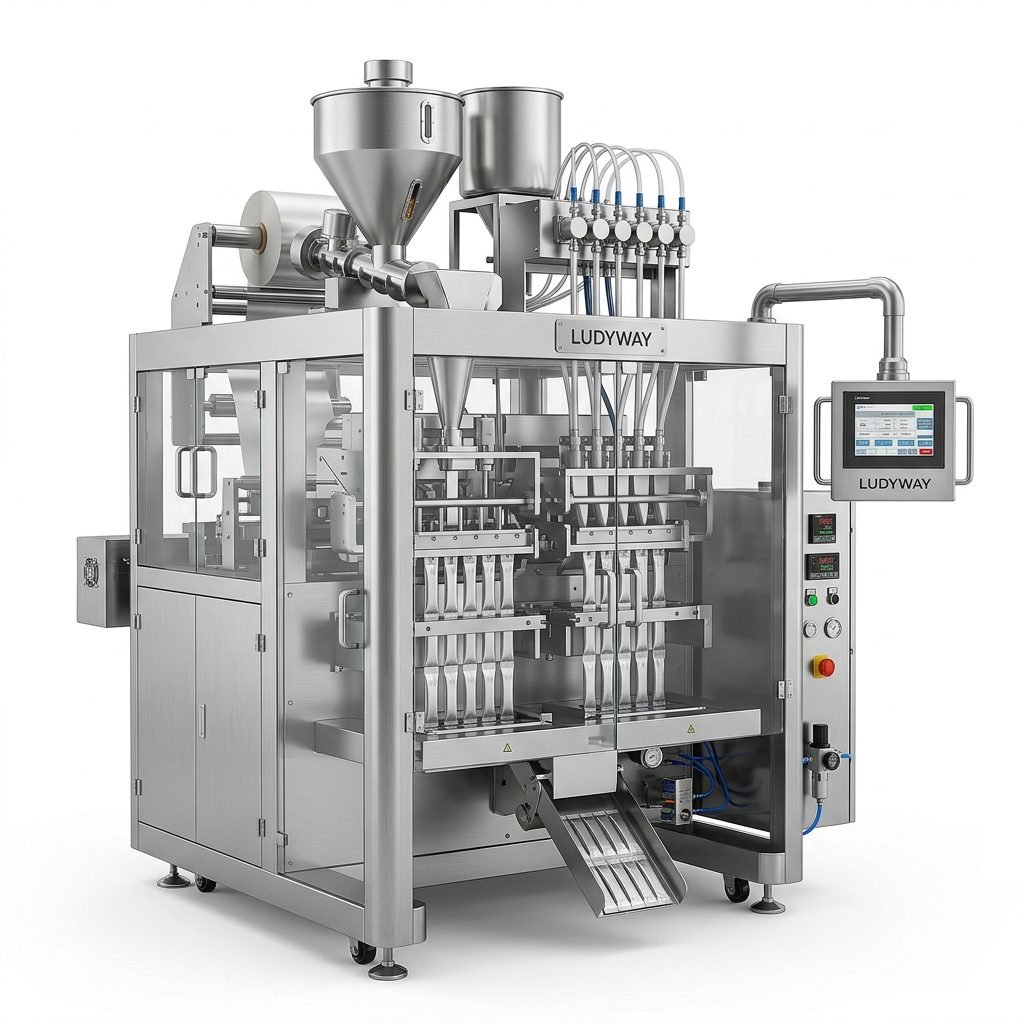
Every pack must carry legible batch codes, expiry dates, and regulatory information. Inkjet coders, thermal transfer printers, and laser marking systems can be integrated directly into the production line. Automated labeling machines apply pre-printed labels with high precision, ensuring brand consistency across all units.
Step-by-Step Production Line Setup Guide
Follow this structured approach when setting up your honey packaging machine production line:
- Assess production requirements — Determine target output (packs per minute), packaging formats (stick pack, sachet, pouch), and pack sizes.
- Select appropriate machinery — Choose filling, sealing, and labeling equipment that matches your viscosity, fill volume, and speed needs.
- Design the floor layout — Plan machine placement to optimize material flow, minimize operator movement, and comply with GMP guidelines.
- Install and commission equipment — Work with experienced technicians for proper installation, calibration, and initial test runs.
- Validate and test — Conduct thorough testing with actual product to verify fill accuracy, seal strength, and overall line performance.
- Train operators — Ensure your team understands machine operation, basic troubleshooting, and safety protocols.
- Establish maintenance schedules — Implement preventive maintenance to maximize uptime and extend equipment lifespan.
Production Line Layout and Workflow Optimization
The physical arrangement of your honey packaging line has a direct impact on efficiency. Below are common layout configurations and their characteristics:
| Layout Type | Best For | Key Advantages |
|---|---|---|
| Linear In-Line | Small to medium production volumes | Simple installation, easy operator access, lower initial investment |
| U-Shaped | Space-constrained facilities | Compact footprint, one operator can manage multiple stations |
| Multi-Lane Parallel | High-volume production | Maximum throughput, redundant lanes reduce downtime risk |
| Island Configuration | Multi-product flexible lines | Easy to reconfigure, supports quick changeovers between products |
Quality Control Measures for Honey Packaging
Maintaining consistent quality is non-negotiable in food packaging. Implement these quality control checkpoints throughout your production line:
- Fill weight verification — Use in-line checkweighers to ensure each pack meets the declared net weight
- Seal integrity testing — Perform burst tests and vacuum leak tests on sample packs at regular intervals
- Metal detection and X-ray inspection — Screen for foreign contaminants before final packaging
- Visual inspection systems — Automated cameras can detect label misalignment, print defects, and packaging damage
- Temperature monitoring — Honey viscosity changes with temperature; maintain consistent processing conditions for accurate filling
Maintenance and Troubleshooting Best Practices
Proactive maintenance keeps your honey packaging machine production line running smoothly. Common maintenance tasks include daily cleaning of filling nozzles to prevent honey crystallization buildup, weekly inspection of sealing jaws for wear, and monthly calibration of weighing and filling systems. Preventive maintenance schedules should be strictly followed — unexpected downtime in a high-volume honey packaging operation can be extremely costly. Keep a well-stocked inventory of critical spare parts, including heating elements, gaskets, sensors, and drive belts.
Cost Breakdown and ROI Analysis
Understanding the financial investment required helps you budget appropriately and calculate return on investment. The table below outlines typical cost categories:
| Cost Category | Estimated Range | Notes |
|---|---|---|
| Primary packaging machine | $30,000 – $150,000+ | Depends on lanes, speed, and features |
| Auxiliary equipment | $15,000 – $60,000 | Conveyors, coders, checkweighers, metal detectors |
| Installation and commissioning | $5,000 – $20,000 | Includes technician travel, setup, and training |
| Annual maintenance | $3,000 – $12,000 | Parts, labor, and preventive service contracts |
| Facility modifications | Variable | Electrical, compressed air, ventilation upgrades |
A well-planned honey packaging line typically achieves ROI within 12 to 24 months, driven by labor savings, reduced waste, and increased production capacity. For the latest packaging machinery market data and industry benchmarks, refer to the PMMI business intelligence reports.
Key Factors to Consider Before Purchasing
Before finalizing your equipment selection, evaluate these critical factors that influence long-term success:
- Packaging material compatibility — Ensure machines can handle your chosen film, laminate, or pre-made pouch materials
- Changeover flexibility — If you package multiple honey varieties or pack sizes, quick-change features reduce downtime
- Regulatory compliance — Equipment should meet FDA food contact substance regulations and GFSI standards
- Scalability — Choose modular equipment that can be expanded as your business grows
- Local service and support — Reliable after-sales service is essential for minimizing production disruptions
Conclusion
Setting up a honey packaging machine production line is a significant but rewarding investment. By carefully selecting equipment, optimizing your layout, and implementing robust quality control and maintenance programs, you can build a highly efficient operation that delivers consistent product quality and strong financial returns. For businesses seeking turnkey packaging solutions, Ludyway offers a comprehensive range of multi-lane stick pack, sachet, and fully automated packaging systems backed by over 30 years of industry experience. With the right planning and partnership, your honey packaging line can become a powerful driver of growth and operational excellence.