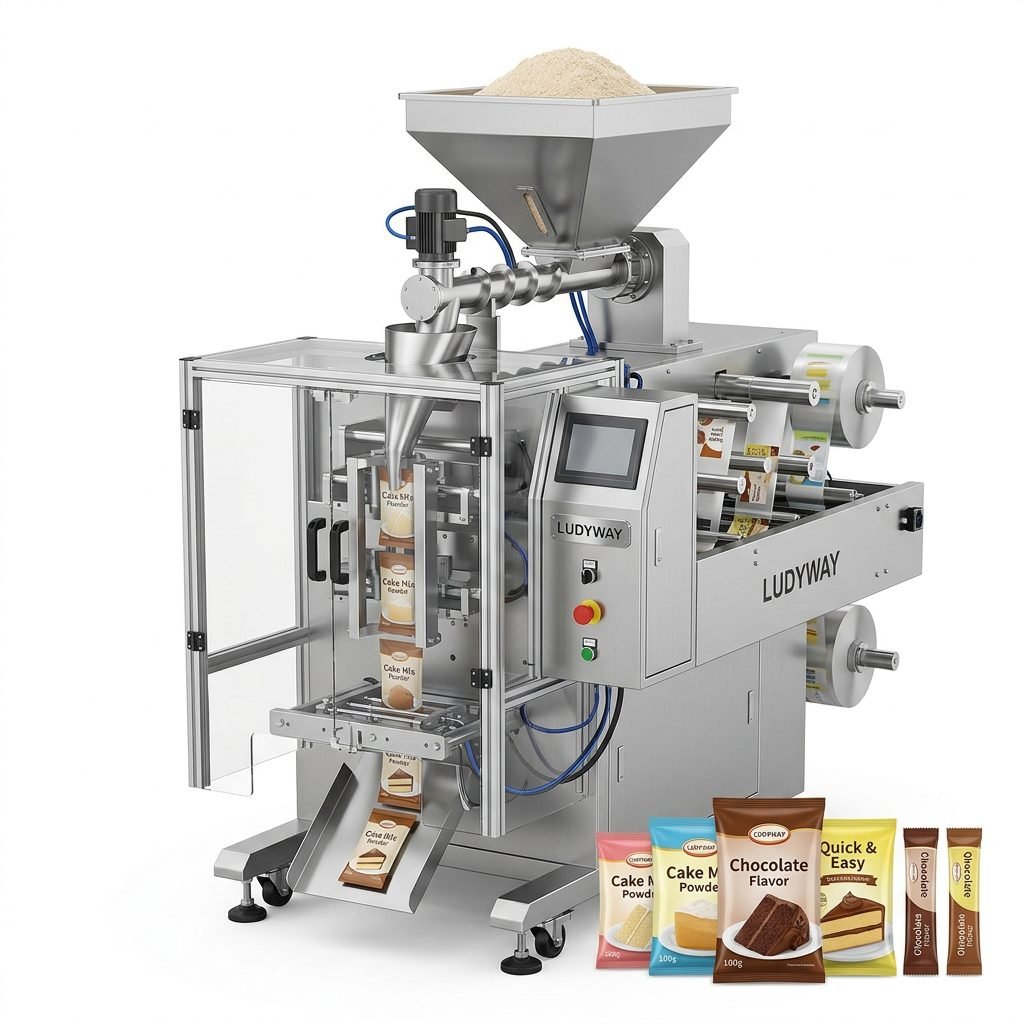
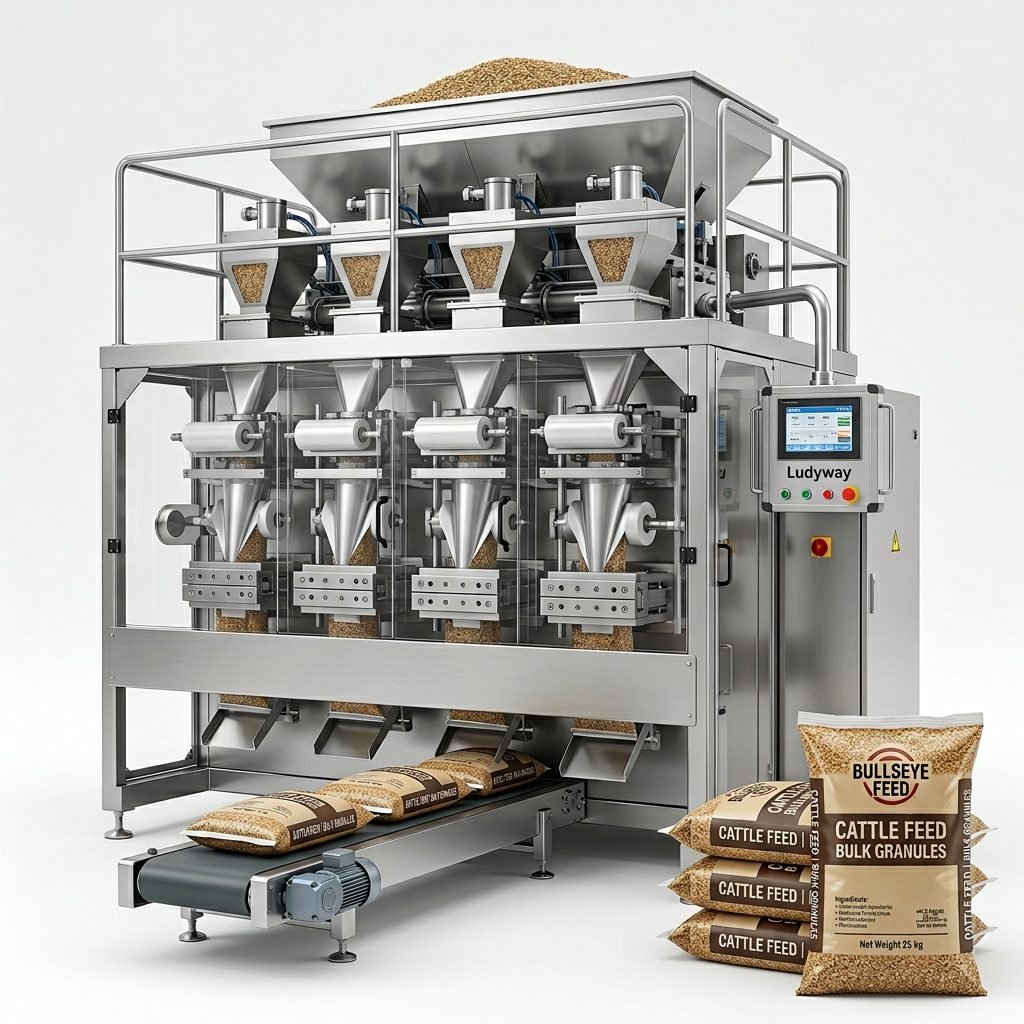
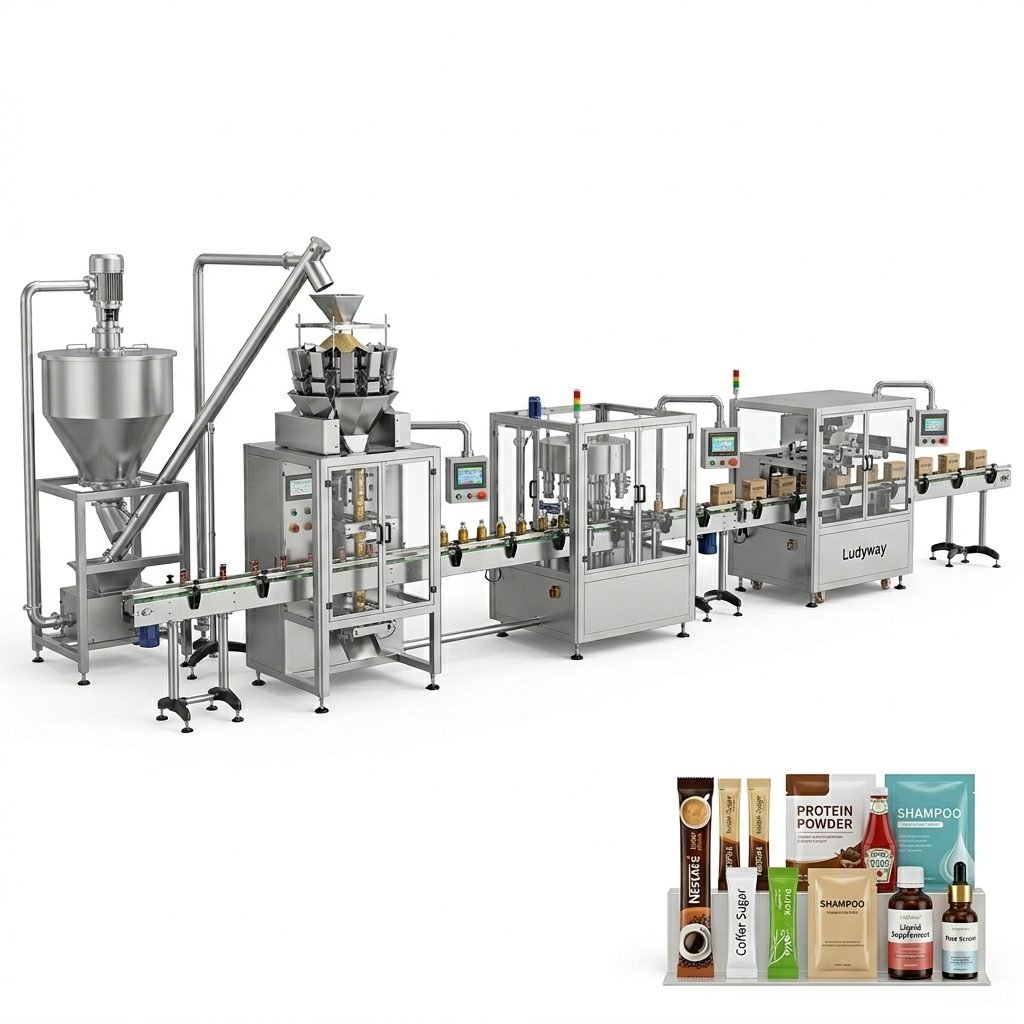
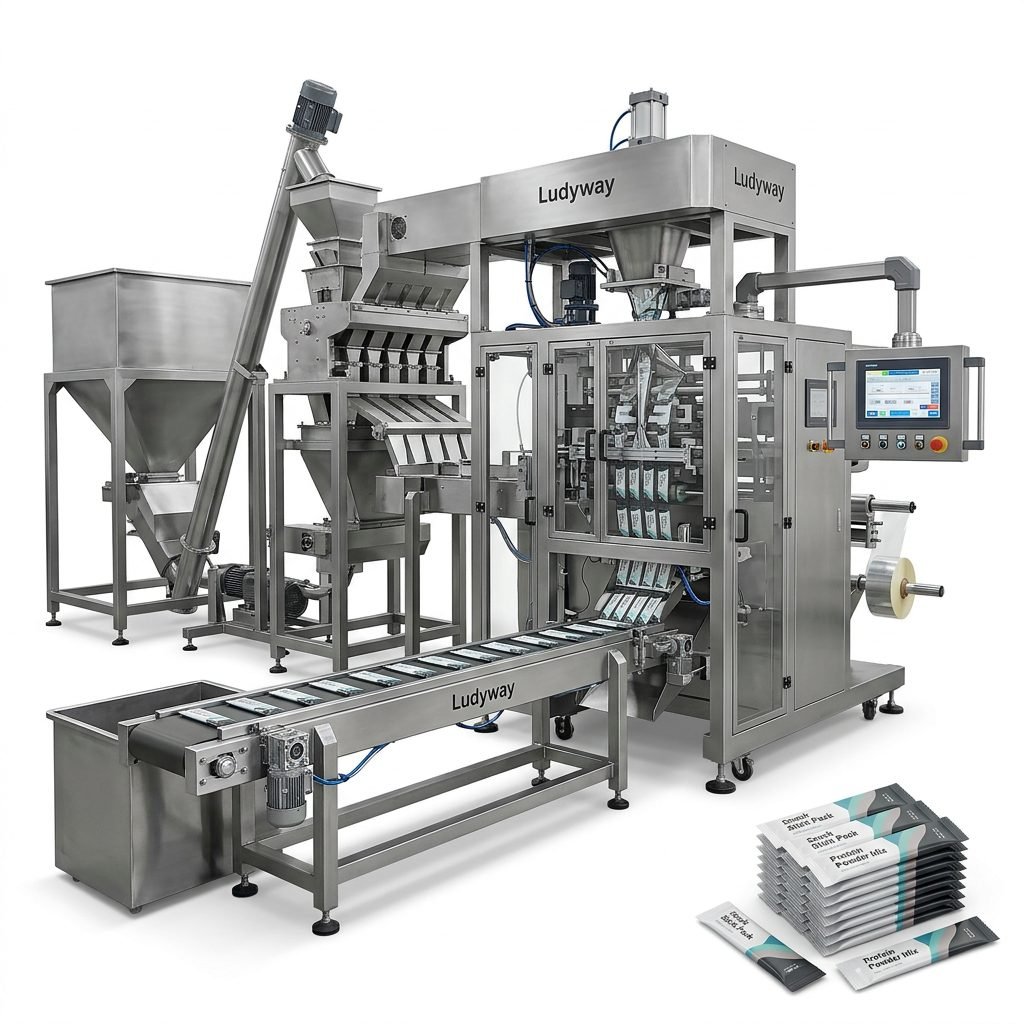
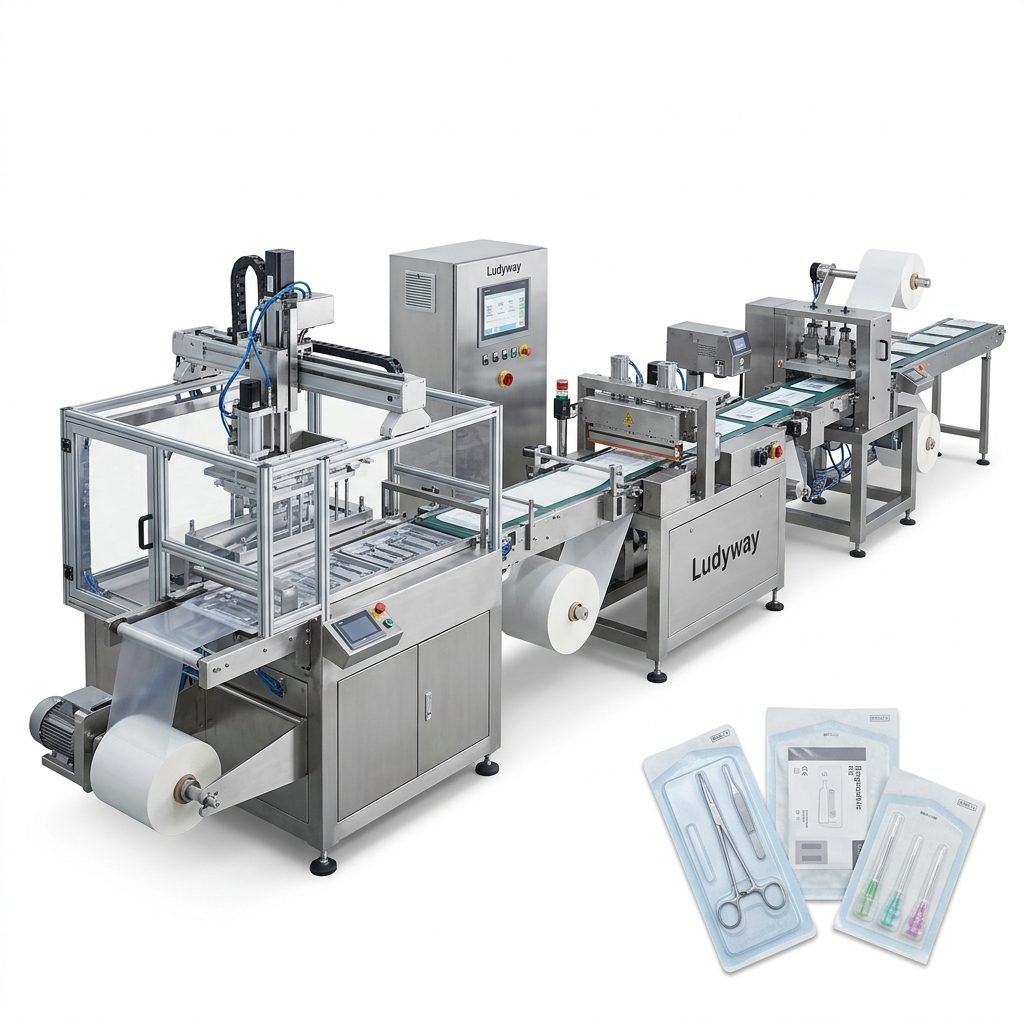
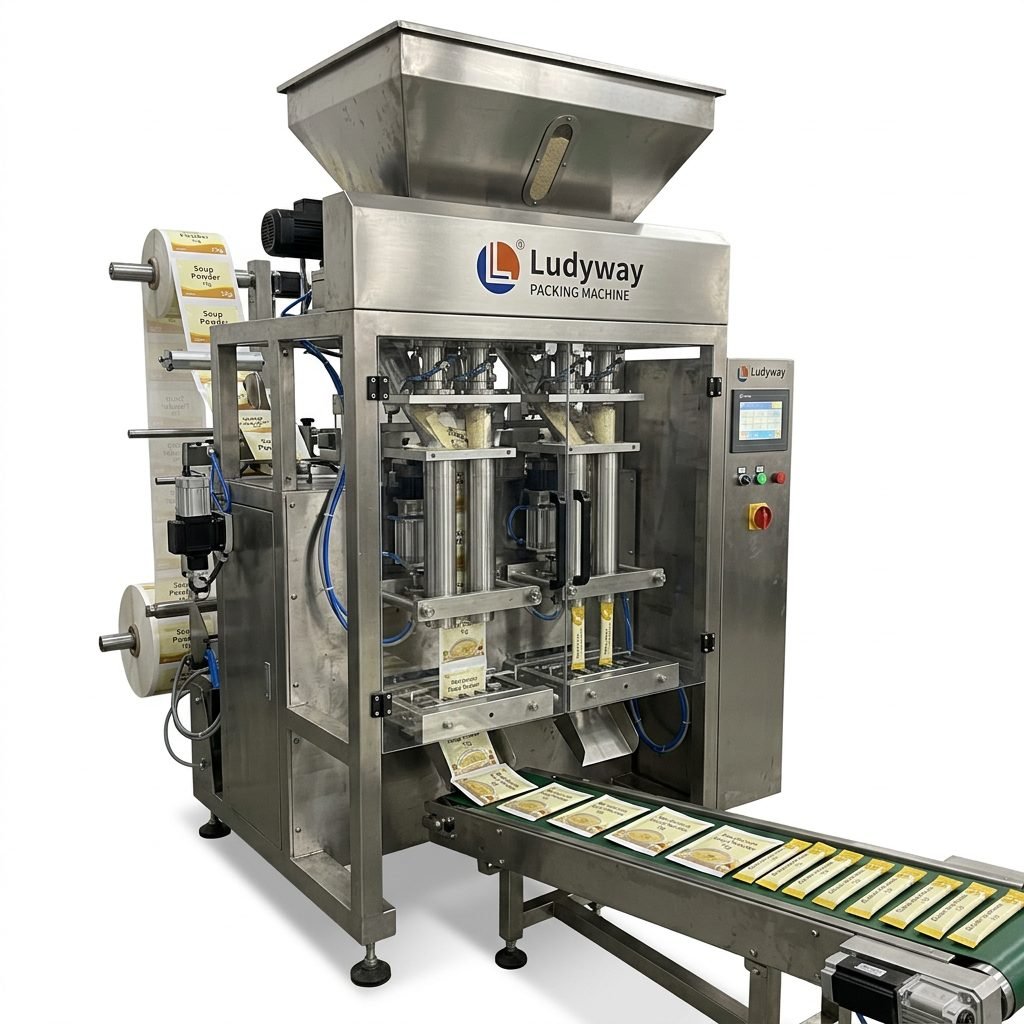
In the competitive food service industry, operational efficiency and product quality are paramount. Recently, a leading food service company made a strategic investment by acquiring a new, state-of-the-art packaging machine. This decision was driven by a need to address specific production bottlenecks, enhance product consistency, and meet the growing demands of their market. The integration of this advanced equipment has led to significant improvements across their production line, showcasing how modern technology can transform traditional manufacturing processes.
The Driving Forces Behind the Investment
The decision to invest in new machinery is never taken lightly. For this company, several critical factors converged, making the upgrade not just beneficial but essential for future growth.
Increasing Market Demand and Scalability Needs
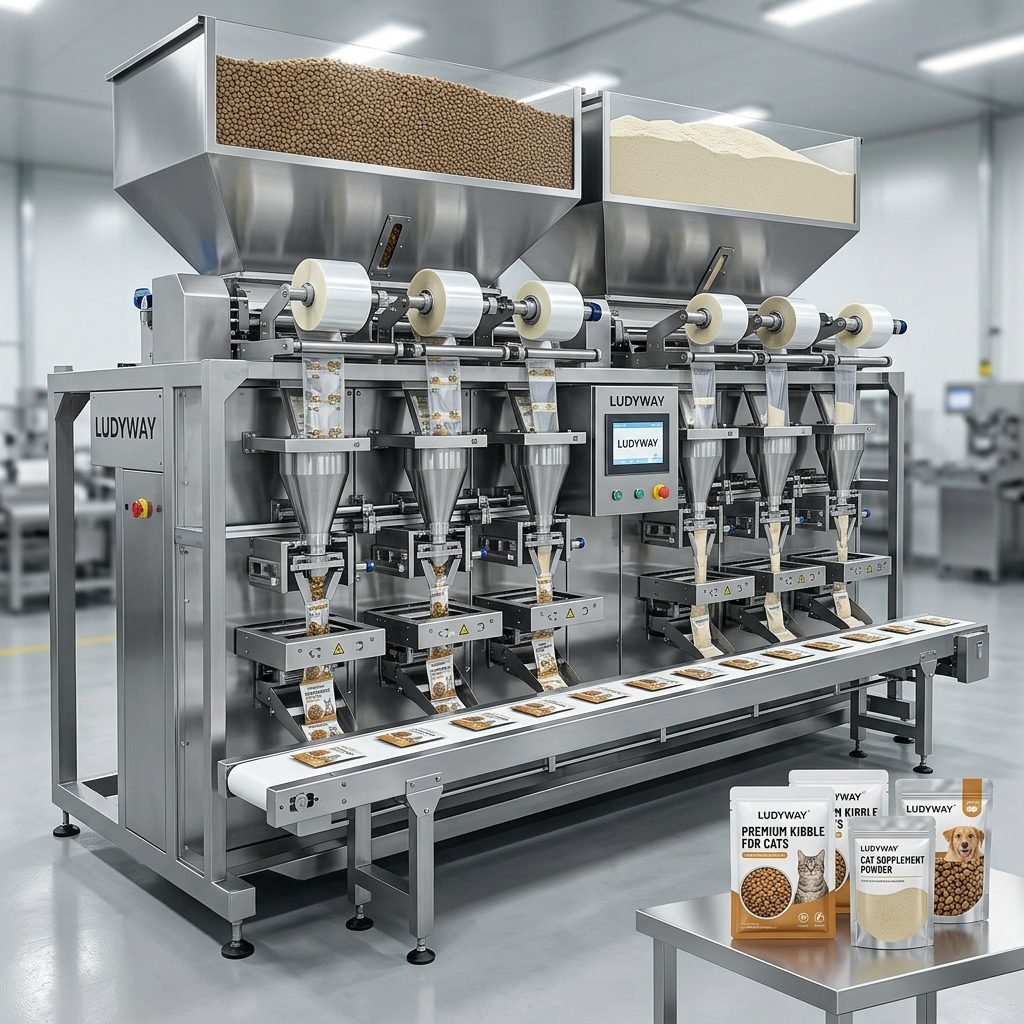
Consumer demand for the company’s products had surged, particularly for single-serve and portion-controlled items. Their existing packaging lines were operating at maximum capacity, creating a bottleneck that limited their ability to scale production. The new machine, with its higher speed and multi-lane capabilities, was identified as the solution to unlock this growth potential and fulfill larger orders without compromising on delivery timelines.
Enhancing Product Quality and Shelf Life
Maintaining product freshness and integrity from the production line to the consumer’s table is a non-negotiable standard. The previous packaging process had minor inconsistencies in seal quality, which could potentially affect shelf life. The new intelligent packaging system offers superior precision in dosing and sealing, ensuring each package is hermetically sealed. This directly translates to longer shelf life, reduced product waste, and consistently high quality that builds brand trust.
Compliance and Sustainability Goals
Evolving food safety regulations and a corporate commitment to sustainability were key drivers. The new machine is designed to work efficiently with a wider range of modern, recyclable, and bio-based packaging materials. This allows the company to meet stringent hygiene standards while reducing its environmental footprint—a factor increasingly important to both regulators and conscious consumers.
How the New Packaging Machine Transformed Production
The implementation of the new packaging machinery brought about a multi-faceted transformation, impacting speed, accuracy, and overall operational intelligence.
Key Performance Improvements
- Output Speed: Production line speed increased by over 40%, allowing the company to meet peak demand periods effortlessly.
- Material Waste: Precision dosing reduced product giveaway and material waste by approximately 15%, improving cost-efficiency.
- Changeover Time: Quick-change parts and intuitive controls slashed format changeover time by 60%, enabling smaller, more flexible production runs.
Precision and Consistency at Scale
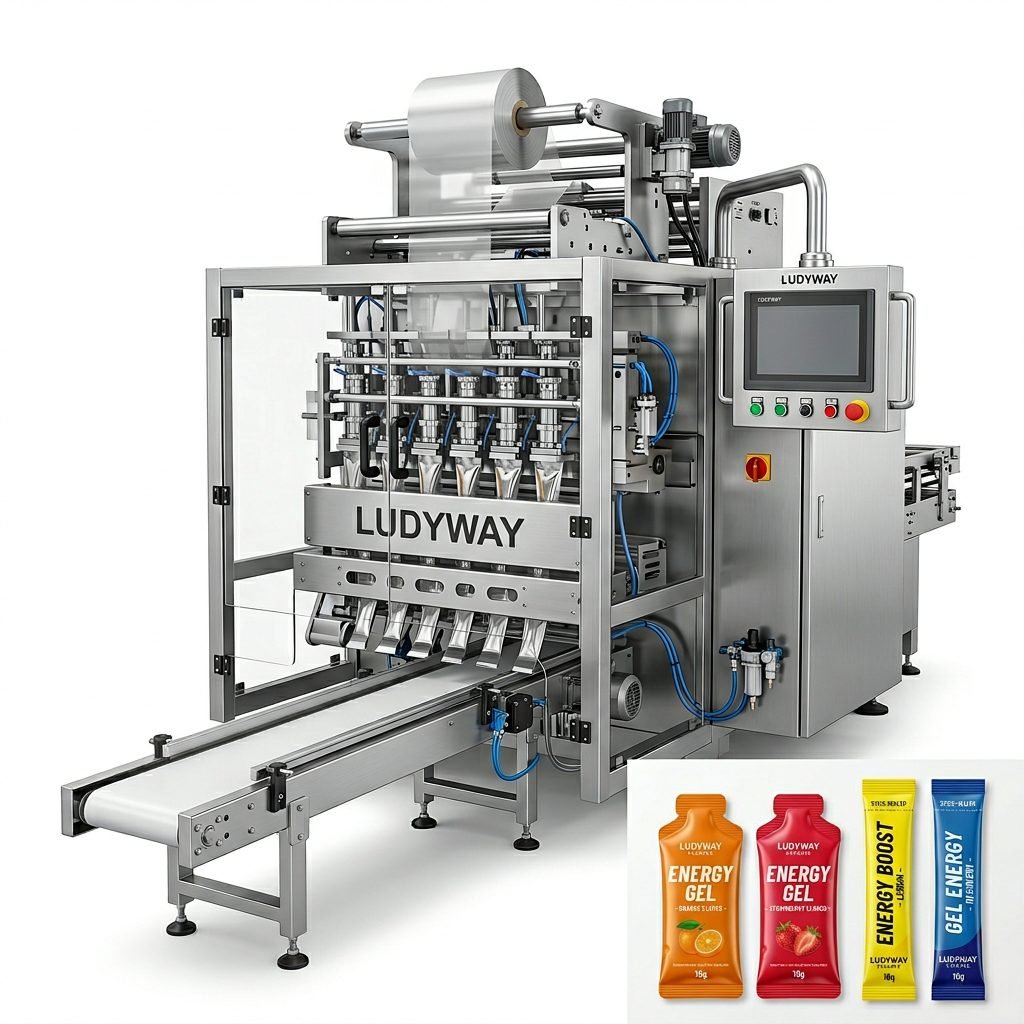
The core of the improvement lies in the machine’s advanced technology. Equipped with high-accuracy servo motors and intelligent vision systems, it ensures each stick pack or sachet contains the exact same amount of product. This level of consistency was difficult to achieve with older equipment, directly enhancing customer satisfaction and reducing the risk of underweight or overweight packages.
Integration and Smart Factory Connectivity
Beyond mechanical upgrades, this machine is a node in a smarter production network. It features IoT-enabled connectivity for real-time monitoring of production data, predictive maintenance alerts, and seamless integration with upstream and downstream equipment like mixers and cartoners. This data-driven approach allows managers to optimize the entire production flow, not just a single station.
Labor Optimization and Safety
Automation has redefined the roles on the factory floor. The new machine’s automated feeding, packaging, and ejection systems have reduced the need for manual intervention in repetitive tasks. This not only minimizes human error but also frees up skilled personnel for quality control, supervision, and maintenance roles, creating a safer and more engaging work environment. Furthermore, with over 30 years of industry experience behind its design, the machine incorporates numerous safety features to protect operators.
Strategic Outcomes and Long-Term Benefits
The acquisition was more than a simple equipment purchase; it was a strategic move with long-term implications for the business.
Strengthened Competitive Advantage
By achieving higher quality, faster turnaround, and more sustainable packaging, the company has significantly strengthened its market position. It can now compete more effectively on specifications and service, attracting larger clients and contracts that require reliable, high-volume production capabilities.
Improved ROI and Total Cost of Ownership
While the initial investment was substantial, the return on investment is clear. Savings from reduced waste, lower labor costs per unit, and decreased downtime contribute to a favorable total cost of ownership. The machine’s reliability, backed by professional technical support, ensures continuous operation and protects the company’s revenue stream.
Foundation for Future Innovation
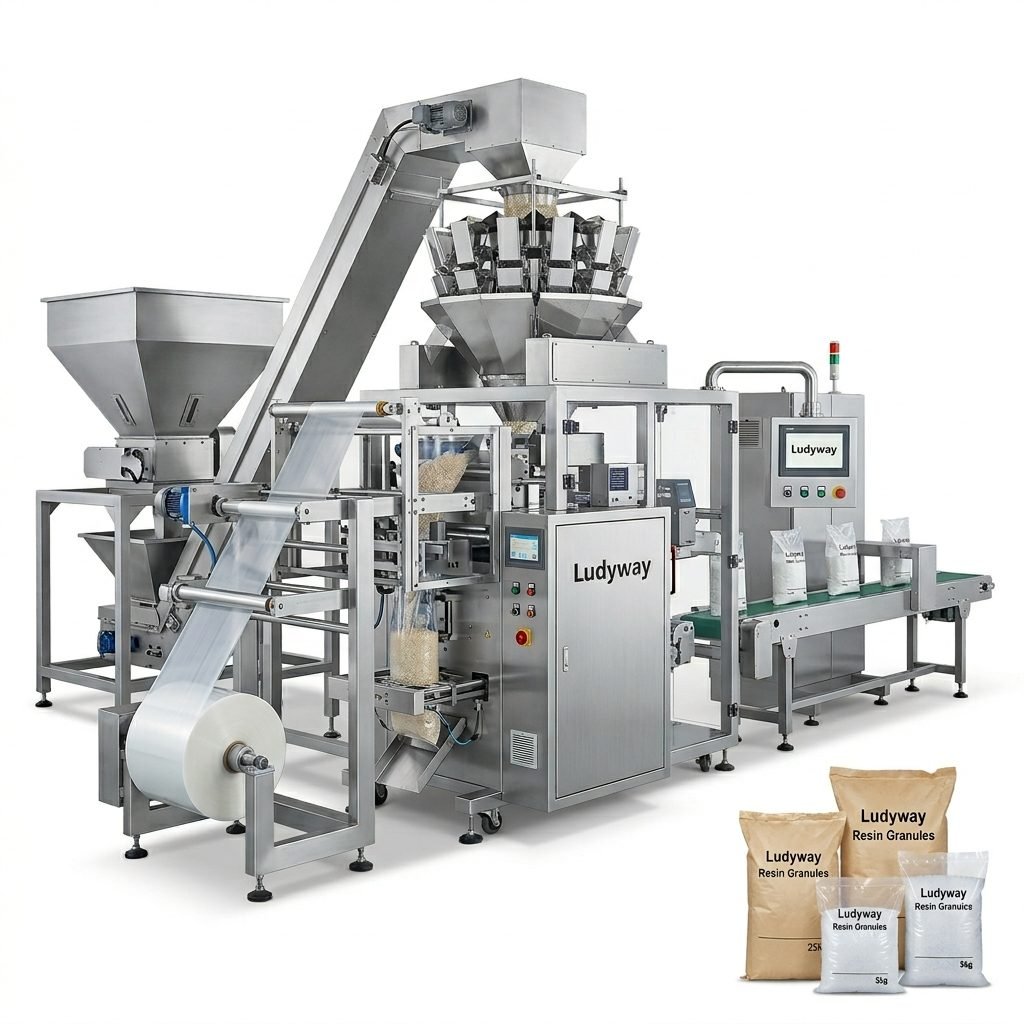
This new packaging line serves as a flexible platform for future product development. Its ability to handle different formats and materials means the company can quickly launch new product variants—such as new flavor sachets or different granule mixes—to respond to market trends without major capital reinvestment. This agility is crucial in the fast-paced food industry.
Frequently Asked Questions (FAQs)
1. What types of products can this kind of packaging machine handle?
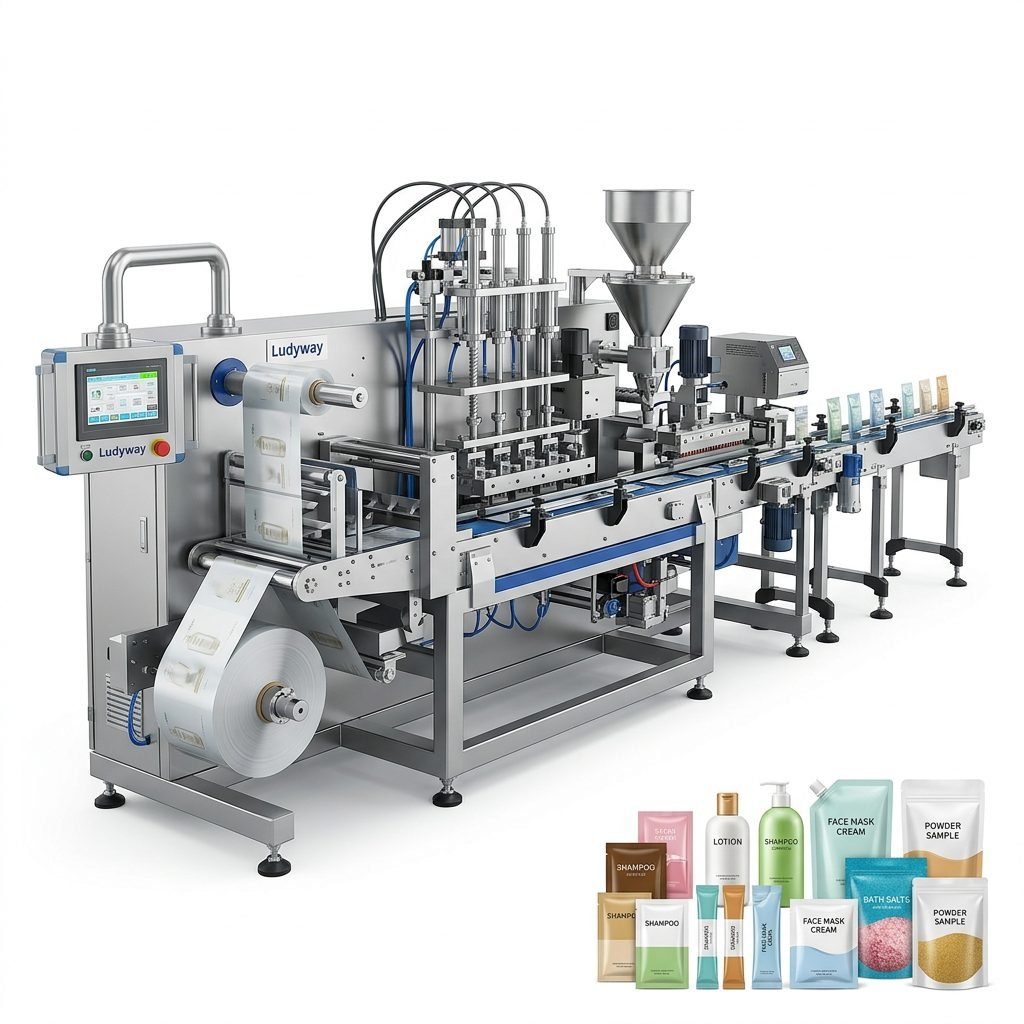
Modern multi-lane stick pack and sachet packaging systems are highly versatile. They are expertly designed to handle a wide range of dry products including granules (like instant coffee, sugar, seasoning), powders (protein, spices, milk powder), and fine solids. Some advanced models are also capable of packaging non-viscous liquids and creams.
2. How significant is the improvement in production speed?
The improvement can be dramatic. Upgrading from older, single-lane machines to new multi-lane intelligent systems can often increase output by 40% to 100%, depending on the specific product and package format. This directly translates to the ability to meet higher demand without expanding factory footprint or adding entire new lines.
3. Is the new machinery difficult for operators to learn and use?
Not at all. Contemporary packaging machines prioritize user-friendliness. They feature intuitive touch-screen HMIs (Human-Machine Interfaces), recipe storage for quick changeovers, and clear diagnostic messages. Comprehensive training from the supplier ensures that operators can run and perform basic maintenance on the equipment efficiently.
4. Can the machine support sustainable packaging materials?
Yes, this is a key design focus. Leading manufacturers engineer their machines to be compatible with monomaterials, recyclable films, and compostable laminates. If sustainability is a goal, it’s essential to discuss your material requirements with the machinery provider during the selection process to ensure optimal performance.
5. What kind of support can we expect after the purchase?
Reputable suppliers offer full lifecycle support. This typically includes installation supervision, comprehensive operator and maintenance training, readily available spare parts, and remote or on-site technical support. A strong support network, built on long-term partnership, is critical for maximizing uptime and return on your investment.