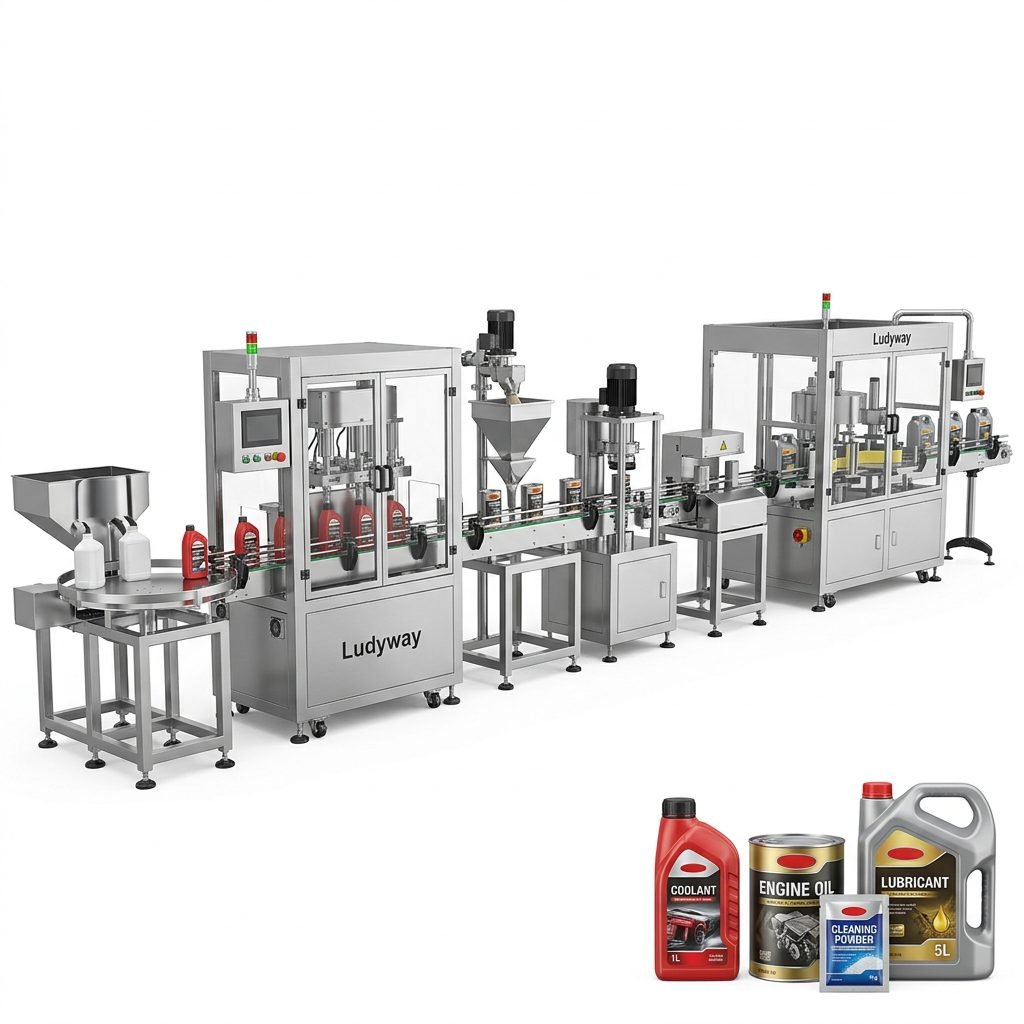
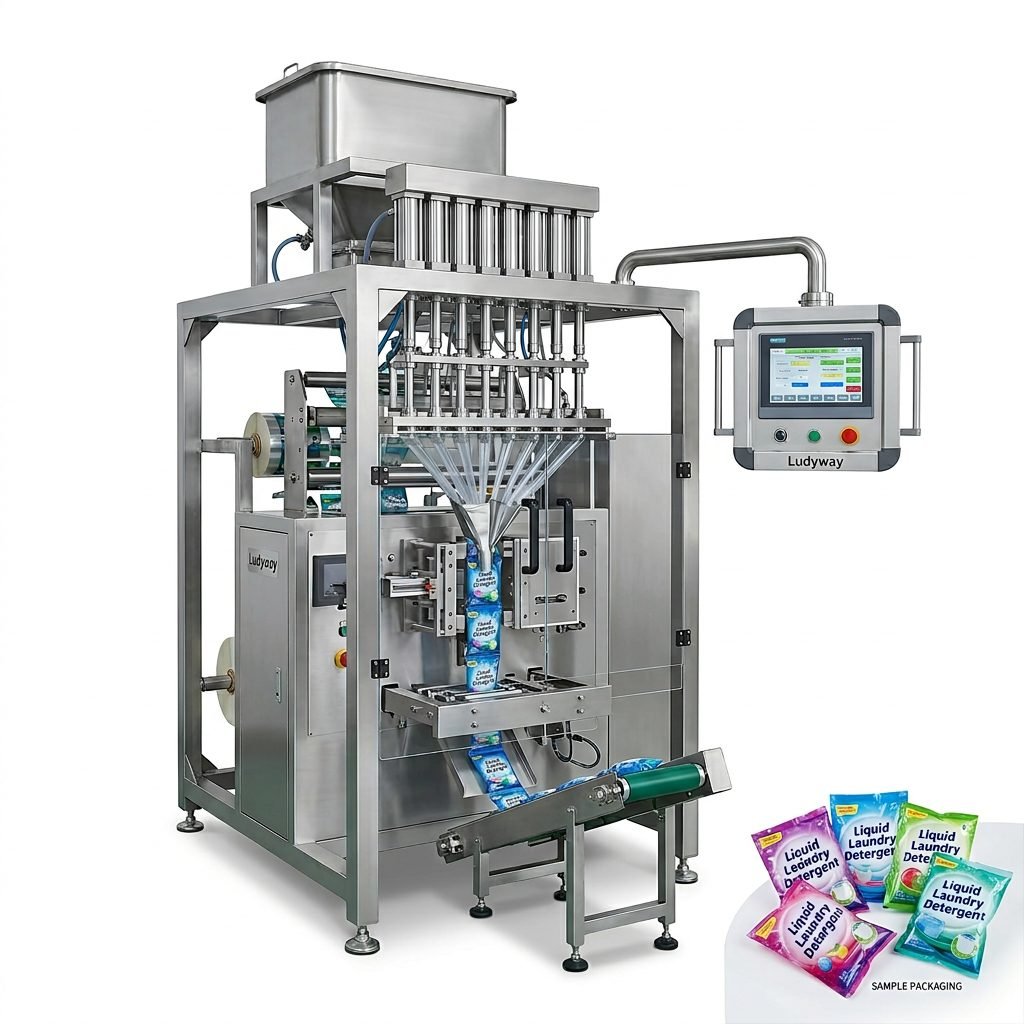
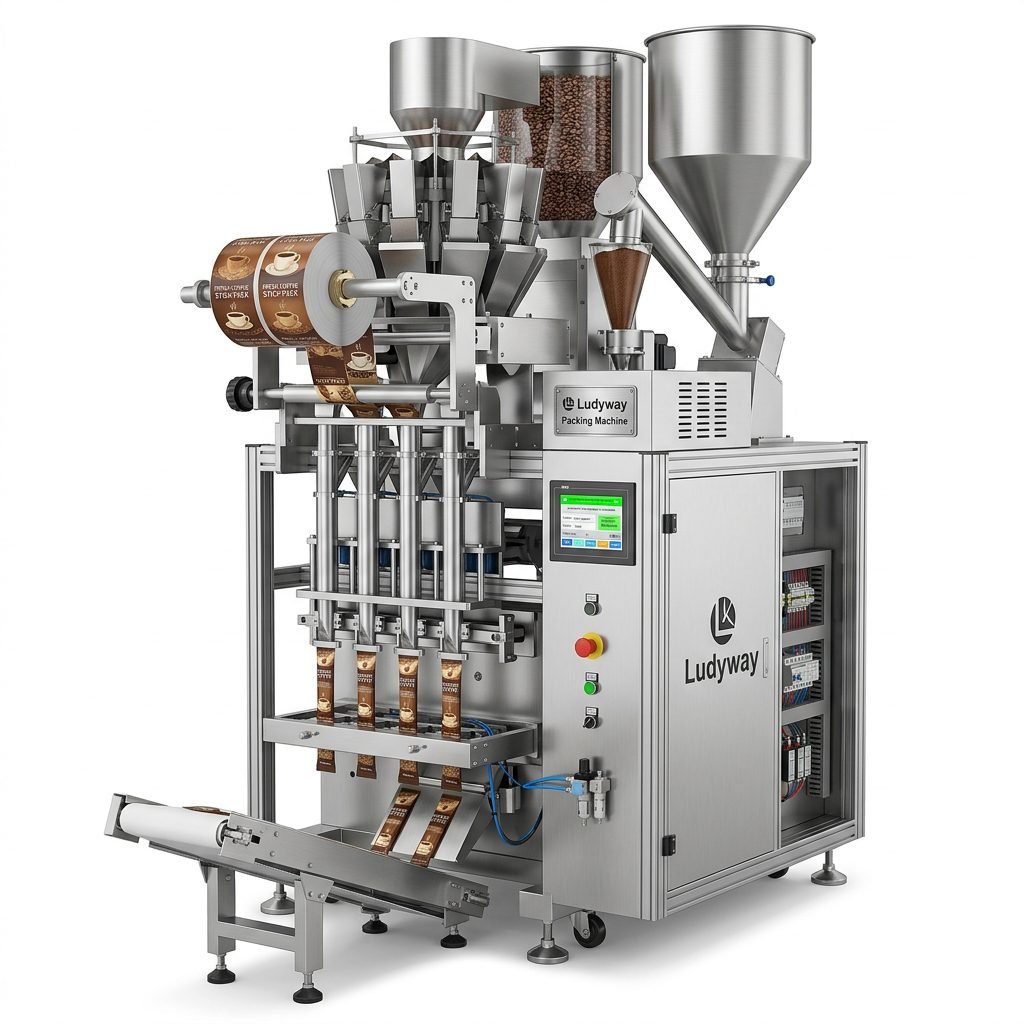
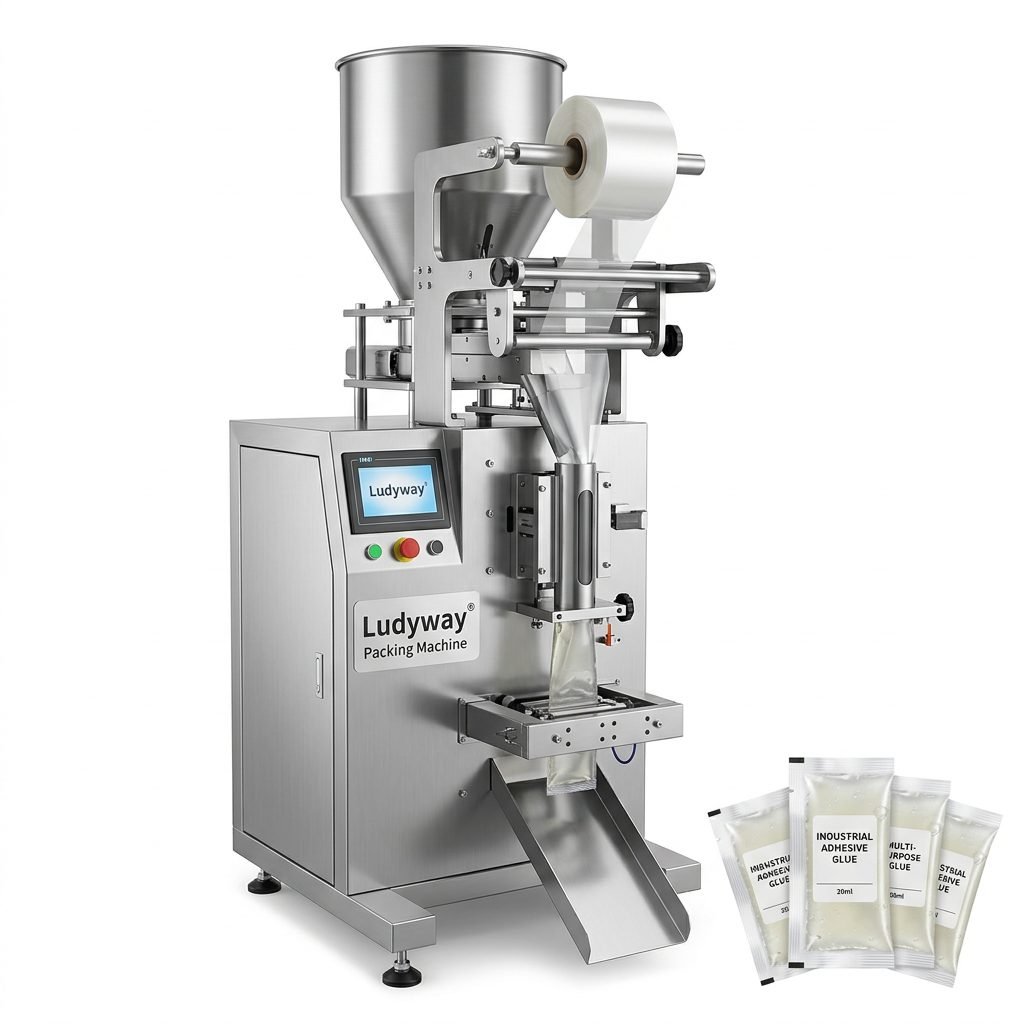
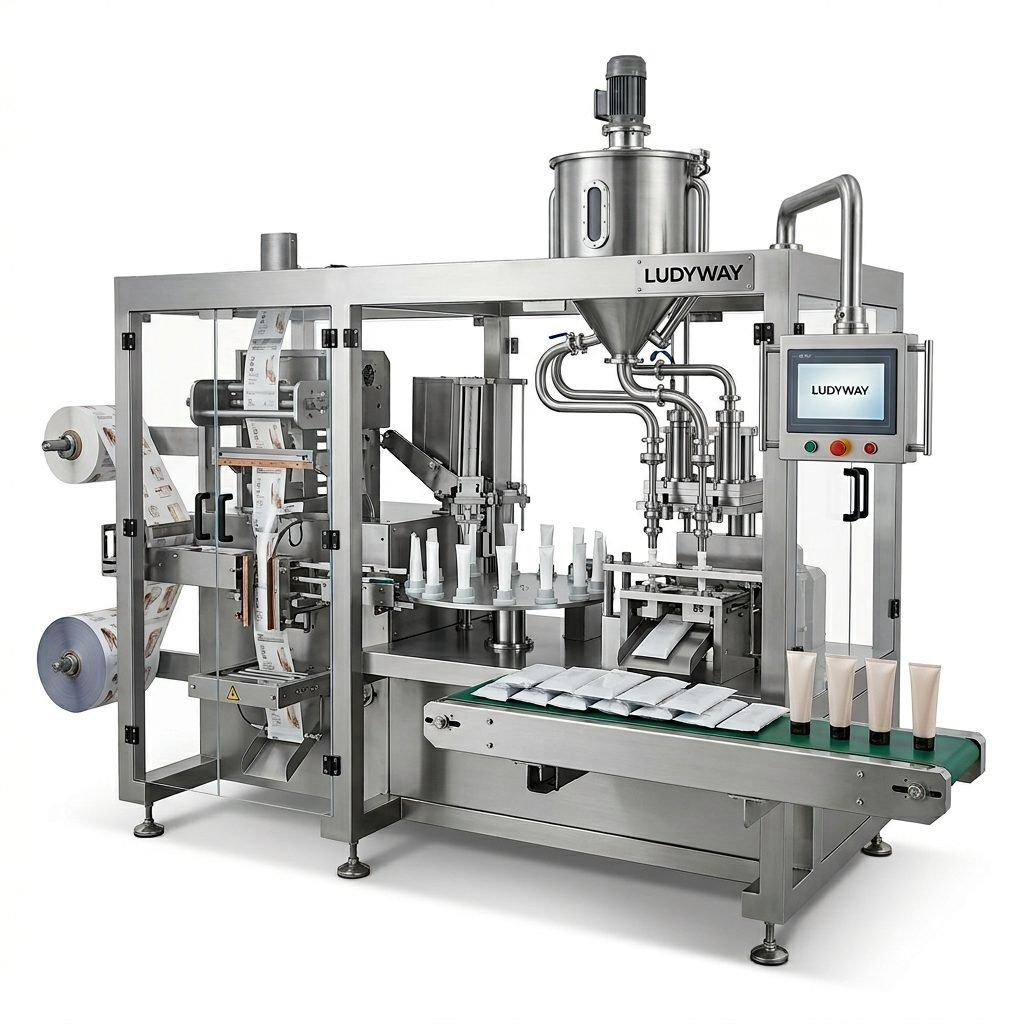
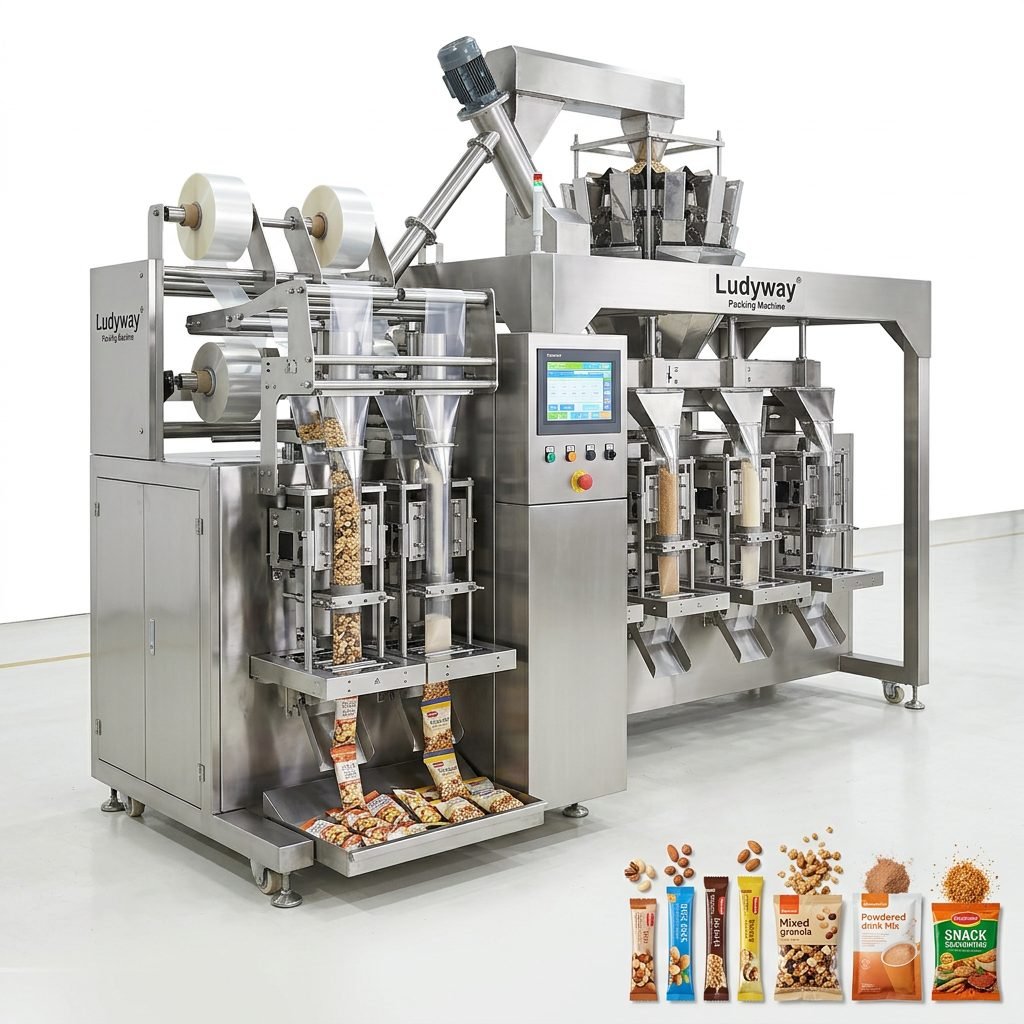
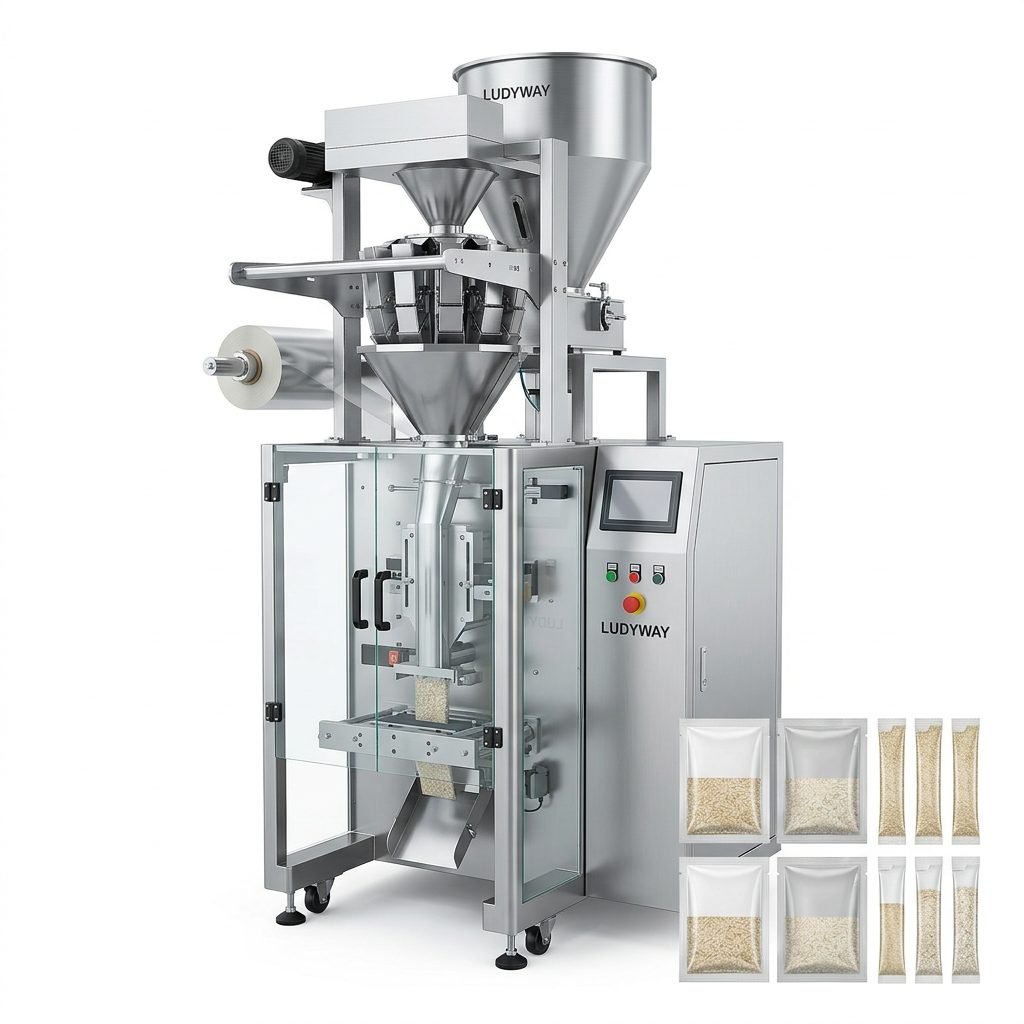
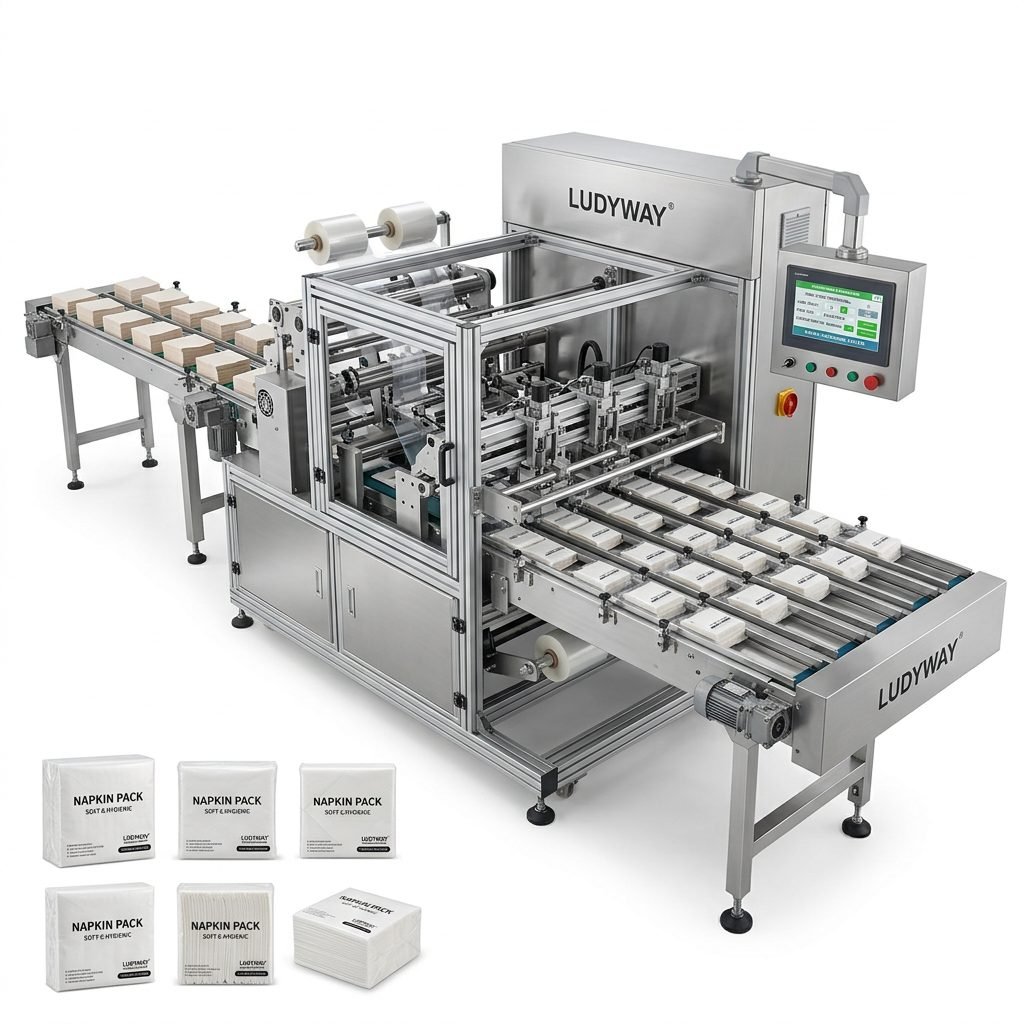
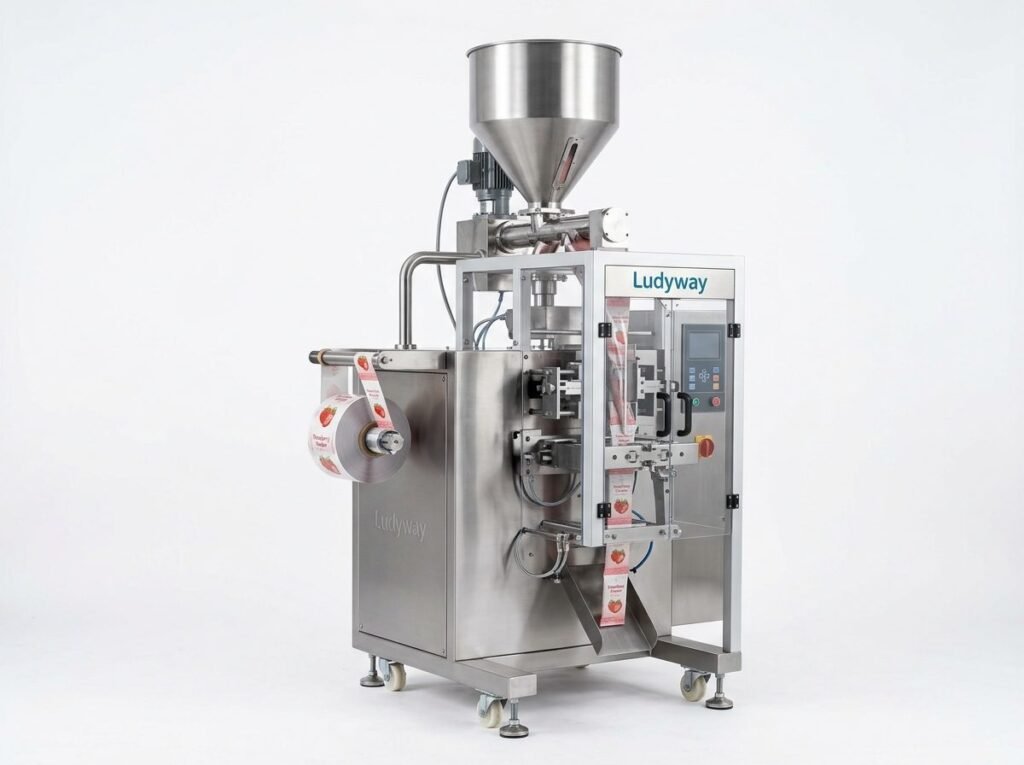
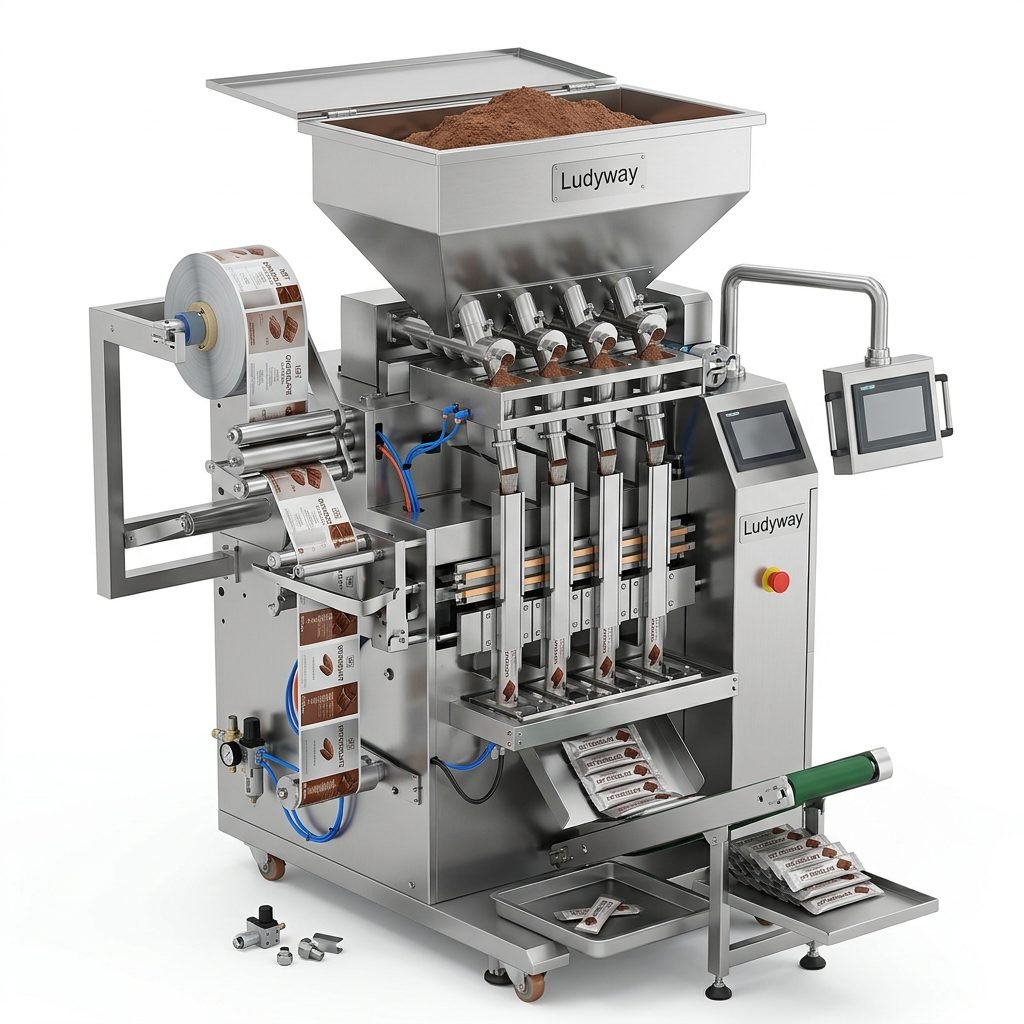
In today’s fast-paced manufacturing landscape, achieving optimal efficiency, product integrity, and cost-effectiveness is paramount. This is where high-performance packaging machinery becomes a critical differentiator. For sectors with stringent demands like food, pharmaceuticals, and industrial production, the right packaging solution is not just about containment—it’s a vital component of quality assurance, supply chain reliability, and brand reputation.
The Critical Role of Specialized Packaging Machinery
Packaging serves as the final, crucial step in the production process. It protects products from contamination, preserves freshness, ensures accurate dosing, and delivers essential information to end-users. Generic or outdated equipment often leads to inconsistencies, waste, and potential compliance issues. High-performance machinery is engineered to meet the specific, often rigorous, requirements of each industry, transforming packaging from a necessary cost into a strategic asset.
Core Challenges Across Key Industries
Food Production:
Maintaining shelf life, preventing spoilage, and ensuring portion control are top priorities. Machinery must handle diverse products—from oily snacks to hygroscopic powders—with speed and hygiene, often requiring features like gas flushing or modified atmosphere packaging.
Pharmaceutical & Health Products:
This sector demands absolute precision and sterility. Packaging equipment must comply with strict Good Manufacturing Practice (GMP) standards, provide tamper-evidence, and ensure 100% accuracy in filling dosages, whether for tablets, powders, or liquids.
Industrial & Chemical Production:
Durability and safety are key. Packaging must withstand corrosive or hazardous materials, provide secure sealing to prevent leaks, and often incorporate clear warning labels and child-resistant features as per regulatory mandates.
Key Features of Advanced Packaging Solutions
Modern high-performance packaging systems integrate several advanced features to address these complex needs:
→ Precision Filling & Dosing: Utilizing servo-driven technology and weight-check systems to guarantee exact fill volumes every time, minimizing product give-away and ensuring compliance.
→ Versatile Material Handling: Capable of running a wide range of packaging films, laminates, and pre-made pouches with quick changeover systems to reduce downtime between production runs.
→ Intelligent Automation & Integration: Equipped with PLC controls, HMI touchscreens, and IoT-ready sensors for real-time monitoring, data collection, and seamless integration into broader Factory 4.0 production lines.
→ Hygienic & Sanitary Design: Constructed with stainless steel contact parts, easy-clean surfaces, and designs that prevent product entrapment, which is especially critical for food and pharma applications.
→ Robust Construction & Reliability: Built for 24/7 operation in demanding environments, ensuring consistent output and reducing total cost of ownership through minimal maintenance and high uptime.
Benefits of Investing in High-Performance Systems
Upgrading to advanced packaging machinery delivers a compelling return on investment across multiple fronts:
- Enhanced Productivity: Dramatically increased output speeds and reduced manual intervention boost overall equipment effectiveness (OEE).
- Superior Product Quality: Consistent, secure seals and accurate fills reduce waste, reject rates, and customer complaints.
- Operational Cost Savings: Reduced material usage, lower energy consumption, and less downtime directly improve the bottom line.
- Regulatory Compliance & Traceability: Built-in compliance features and data logging simplify audits and ensure adherence to industry standards.
- Scalability & Future-Proofing: Modular designs allow for easy upgrades and adaptation to new products or packaging formats, protecting your long-term investment.
Selecting the Right Packaging Partner
Choosing a machinery supplier is as important as selecting the machine itself. Look for a partner with deep industry-specific expertise and a proven track record. A supplier with extensive experience, like Ludyway Machinery which brings over 30 years of focused knowledge, understands the nuanced challenges of food, pharma, and industrial packaging. They don’t just sell equipment; they provide tailored solutions.
Evaluate their support ecosystem: comprehensive training, readily available spare parts, and responsive technical service are essential for minimizing disruption. The ability to offer turnkey solutions—from initial concept and factory layout to installation, commissioning, and ongoing support—indicates a partner committed to your success, not just a single transaction.
Conclusion: Packaging as a Strategic Advantage
In conclusion, high-performance packaging machinery is a foundational element for competitive manufacturing in the food, pharmaceutical, and industrial sectors. It transcends basic functionality to become a driver of efficiency, quality, and brand trust. By investing in advanced, reliable solutions from an experienced partner, producers can safeguard their products, optimize their operations, and build a resilient, responsive supply chain capable of meeting the demands of today’s global market.
Frequently Asked Questions (FAQs)
1. What is the typical lead time for a new packaging machine?
Lead times vary based on machine complexity and customization. Standard models may ship in 8-12 weeks, while fully customized turnkey lines require more detailed engineering and can take 16-24 weeks. An experienced supplier will provide a clear project timeline from the outset.
2. How can I ensure the machine will comply with my local and industry regulations (e.g., FDA, CE, GMP)?
Reputable manufacturers design machines to meet international standards. Always specify your required certifications during the quotation process. A reliable partner will provide detailed documentation on materials, safety features, and design principles that align with regulations like FDA CFR 21, CE marking, and GMP guidelines.
3. What kind of after-sales support and training should I expect?
Comprehensive support includes on-site installation and commissioning by factory engineers, detailed operational and maintenance training for your staff, a readily available inventory of spare parts, and access to remote technical support. Ensure your supplier’s support terms are clearly outlined in the contract.
4. Can existing packaging machinery be upgraded or retrofitted for better performance?
In many cases, yes. Upgrades like new servo drives, advanced control systems, or additional inspection modules (checkweighers, metal detectors) can be retrofitted to extend the life and capability of existing equipment. A consultation with your machinery provider can determine the feasibility and cost-effectiveness of an upgrade versus a new purchase.
5. How do I calculate the Return on Investment (ROI) for a new packaging system?
ROI is calculated by considering the capital cost against the operational savings and revenue gains. Key factors include: increased production speed, reduced material waste, lower labor costs due to automation, decreased downtime, and improved product quality leading to fewer returns. Your supplier should help you build a detailed ROI model based on your specific production data.