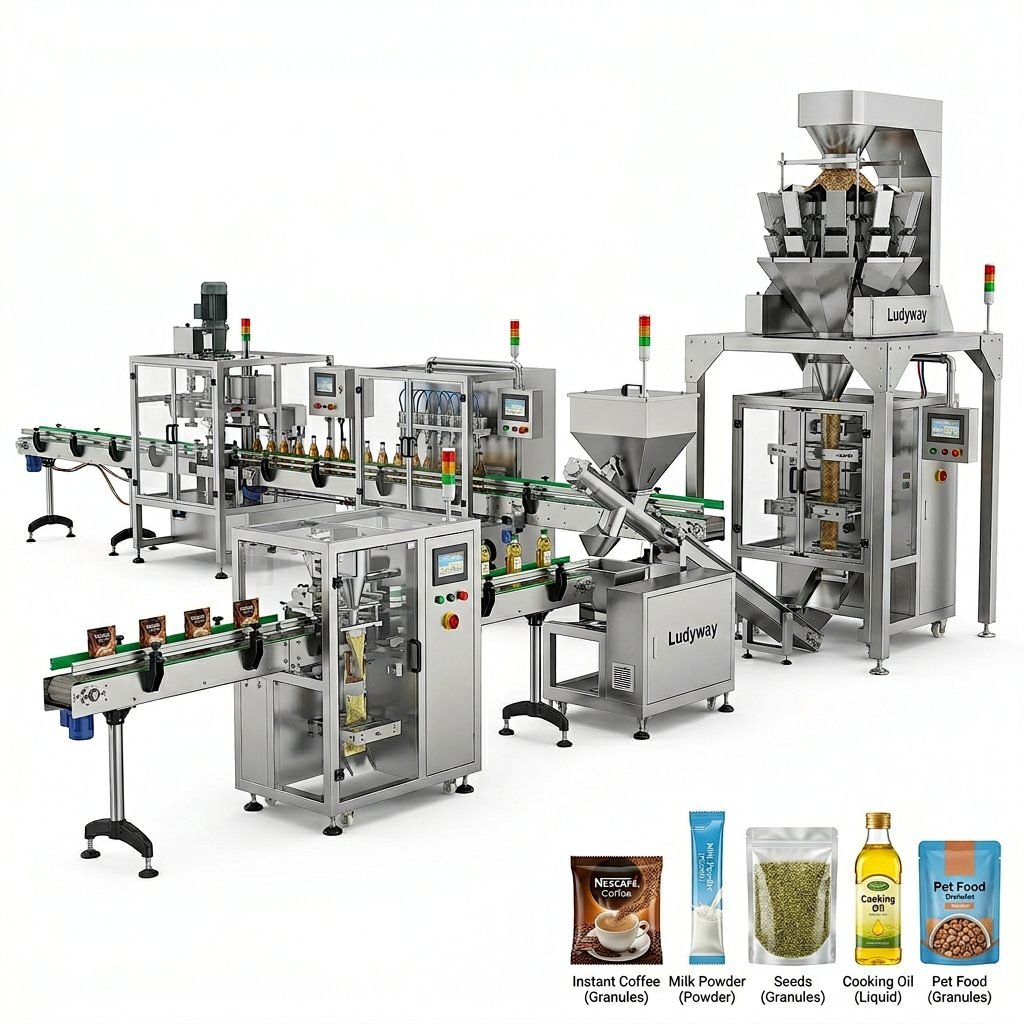
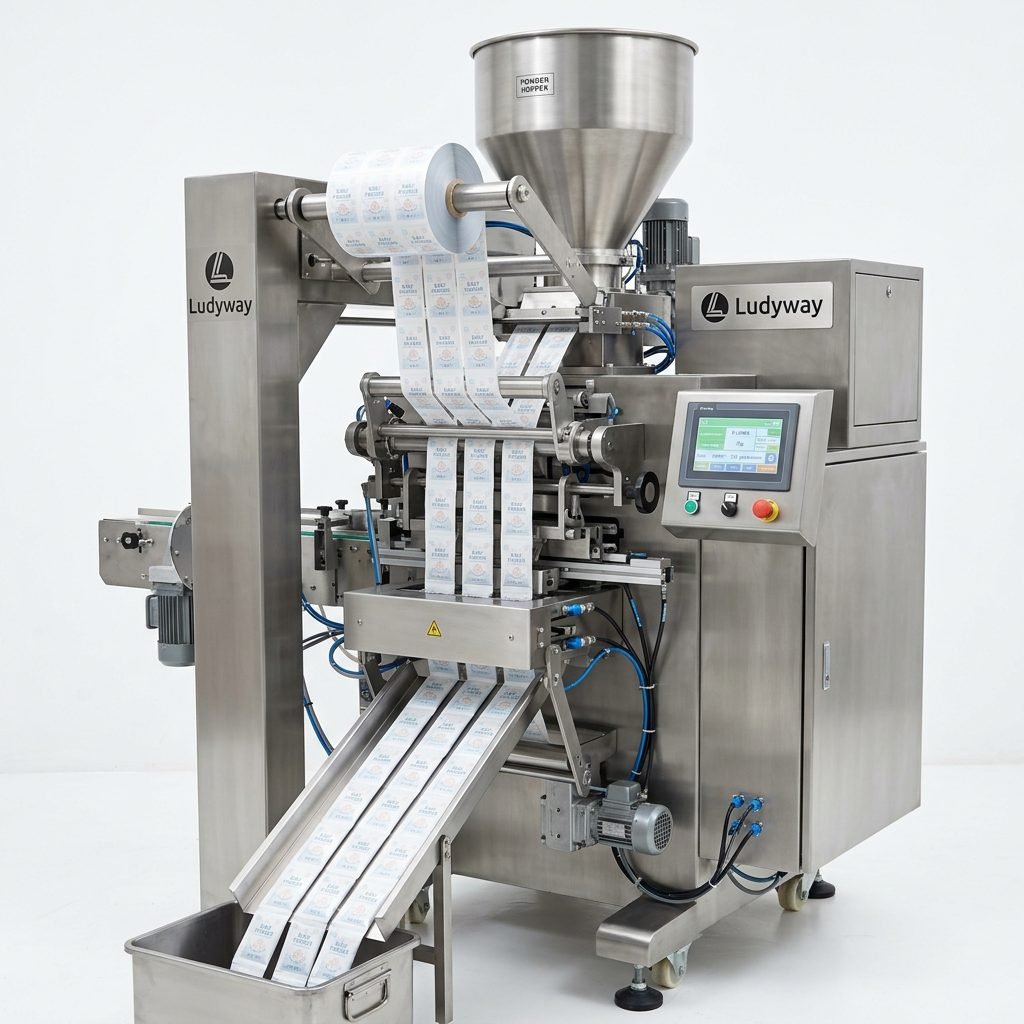
Choosing the right sachet packaging equipment is not only about machine speed. For manufacturers in food, pharmaceuticals, cosmetics, chemicals, and health products, the right solution should balance product compatibility, dosing accuracy, sealing quality, automation level, maintenance efficiency, and future scalability. A well-matched packaging sachet machine can reduce waste, improve output consistency, and support long-term production growth.
Whether you are packing powder, granules, liquids, gels, or pastes, your decision should be based on real production conditions rather than brochure specifications alone. The sections below explain how to evaluate the best solution for efficient packaging.
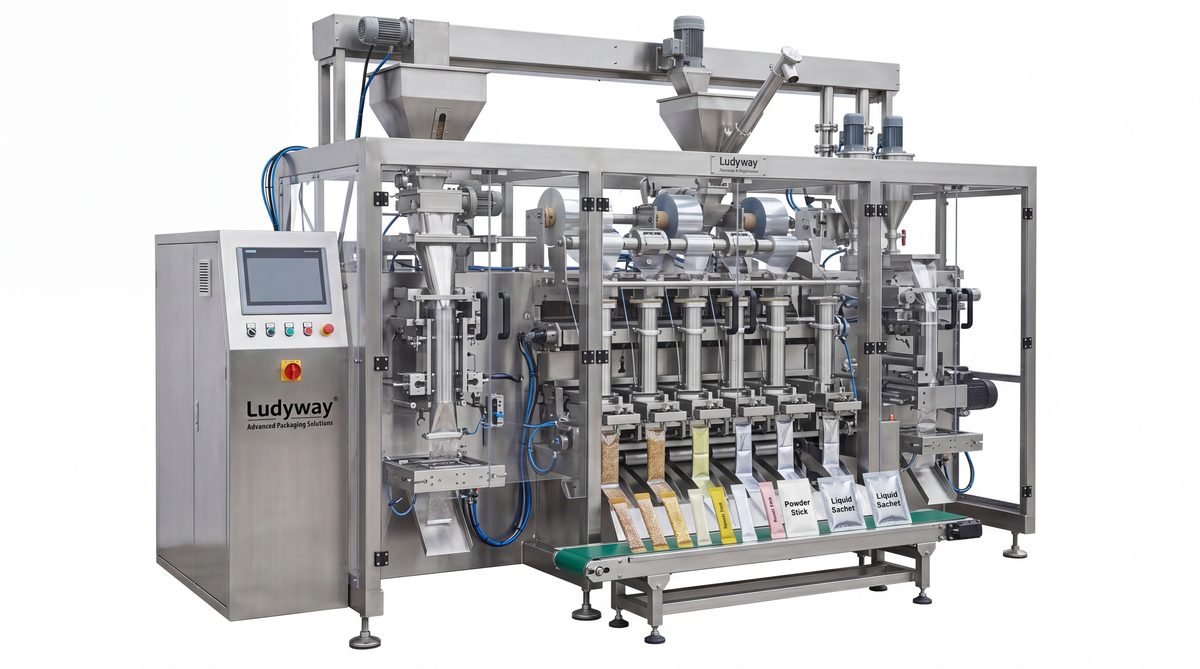
Why sachet packaging machines matter in modern production
Sachets are widely used because they are compact, cost-effective, convenient for single-use applications, and suitable for a broad range of products. In competitive industries, sachet packaging helps brands:
- Improve portion control and dosing consistency
- Reduce packaging material consumption
- Increase packing speed for retail and bulk distribution
- Enhance shelf presentation and product protection
- Support trial-size, travel-size, and single-dose formats
However, not all sachet machines deliver the same results. The correct model depends on your product properties, target output, packaging design, and factory workflow.
Start with your product type
The first step is understanding exactly what you are packaging. A machine that performs well for free-flowing sugar may not be suitable for protein powder, shampoo, sauce, or pharmaceutical granules.
| Product Type | Recommended Filling Method | Key Consideration |
|---|---|---|
| Powders | Auger filler | Dust control, accuracy, anti-bridging design |
| Granules | Volumetric cup or weighing system | Flowability, particle size consistency |
| Liquids | Piston pump or liquid pump | Leak prevention, anti-drip nozzles, seal strength |
| Pastes / gels | Servo piston filling | Viscosity handling, smooth discharge |
| Mixed or special products | Customized system | Material behavior under real production conditions |
Before selecting a machine, confirm product details such as moisture sensitivity, particle size, viscosity, stickiness, foaming tendency, and required fill weight tolerance. These factors affect the filling method, hopper design, sealing system, and overall stability.
Choose the right sachet format
Different products and sales channels require different package styles. Common options include:
- 3-side seal sachets for simple and economical packaging
- 4-side seal sachets for premium appearance and stronger sealing balance
- Back-seal sachets for efficient film use
- Stick packs for slim, portable single-dose packaging
- Multi-lane sachets for high-output applications
Your chosen format influences machine configuration, lane count, film handling, cutting style, and downstream cartoning or case packing requirements.
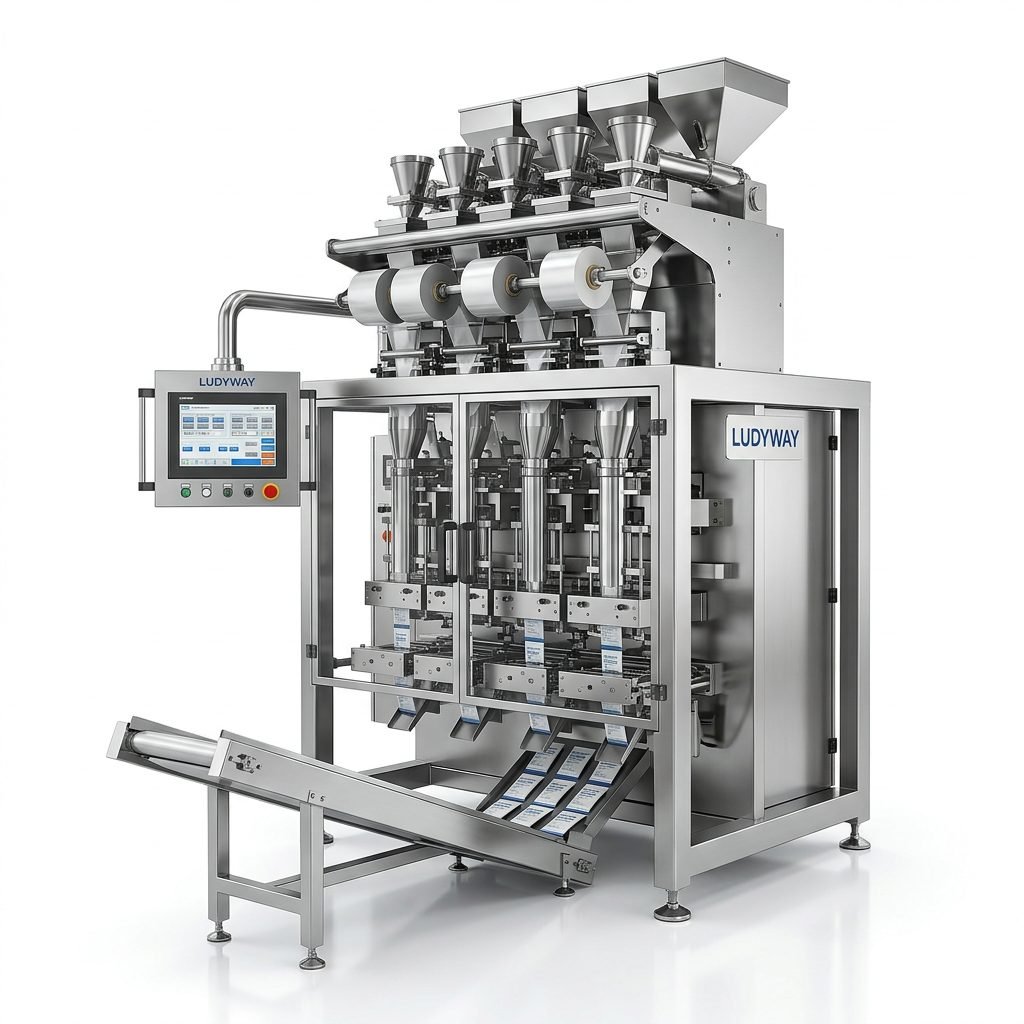
Match machine speed with your actual production goals
High speed is attractive, but the fastest machine is not always the most efficient choice. What matters is stable output over long production hours. A machine rated for very high speed but suffering from frequent stoppages, inaccurate filling, or poor seals can reduce real productivity.
Ask these practical questions
- How many sachets per minute do you need today?
- Will demand increase over the next 1 to 3 years?
- Do you need single-lane or multi-lane production?
- How often will you change product or sachet size?
- Can your upstream and downstream equipment keep up?
A properly sized system prevents overinvestment while still leaving room for expansion.
Evaluate filling accuracy and seal quality
Efficient packaging is impossible without reliable dosing and strong seals. Underfilled sachets create customer complaints, while overfilled packs increase product giveaway. Weak seals can cause leakage, contamination, and product returns.
Key performance points to review
- Fill accuracy across long continuous runs
- Seal consistency under different temperatures and speeds
- Cutting precision for uniform package appearance
- Low reject rate during startup and full-speed production
- Film tracking stability for printed registration
Request testing with your actual product and film structure whenever possible. This is one of the most effective ways to reduce purchasing risk.
Consider automation level and line integration
A standalone sachet machine may be enough for smaller operations, but growing manufacturers often benefit from a more integrated system. Automation can include product feeding, coding, checkweighing, cartoning, case packing, palletizing, and data monitoring.
When evaluating solutions, think beyond the machine itself. Consider how it fits into your total packaging process. A complete line can reduce labor dependency, improve consistency, and support better production planning.
| Production Stage | Possible Automation Option | Benefit |
|---|---|---|
| Product feeding | Screw feeder, vacuum feeder, bucket elevator | Steady material supply |
| Primary packing | Single-lane or multi-lane sachet machine | Main packaging efficiency |
| Coding & inspection | Date coding, checkweigher, metal detector, vision inspection | Traceability and quality control |
| Secondary packing | Cartoner, case packer | Lower labor and faster handling |
| End-of-line | Palletizer, wrapping system | Better logistics efficiency |
Pay attention to changeover and cleaning efficiency
If your factory handles multiple SKUs, machine flexibility is critical. Long changeover times reduce available production hours and increase labor costs.
Look for features such as
- Tool-free or simplified change parts
- Recipe storage via touchscreen controls
- Easy-access filling and sealing components
- Quick-clean contact parts
- Stainless steel structures for hygiene-sensitive industries
For food, pharmaceutical, and health supplement production, cleaning validation and contamination control may be just as important as output speed.
Check machine build quality and component reliability
A sachet packaging machine is a long-term capital investment. Build quality affects uptime, maintenance cost, and service life. Strong frame structure, precision machining, stable electrical layout, and dependable control systems all contribute to consistent performance.
You should review:
- Machine frame material and finish
- Servo system and PLC brand options
- Pneumatic and sealing component quality
- Guarding and safety design
- Assembly and testing standards before shipment
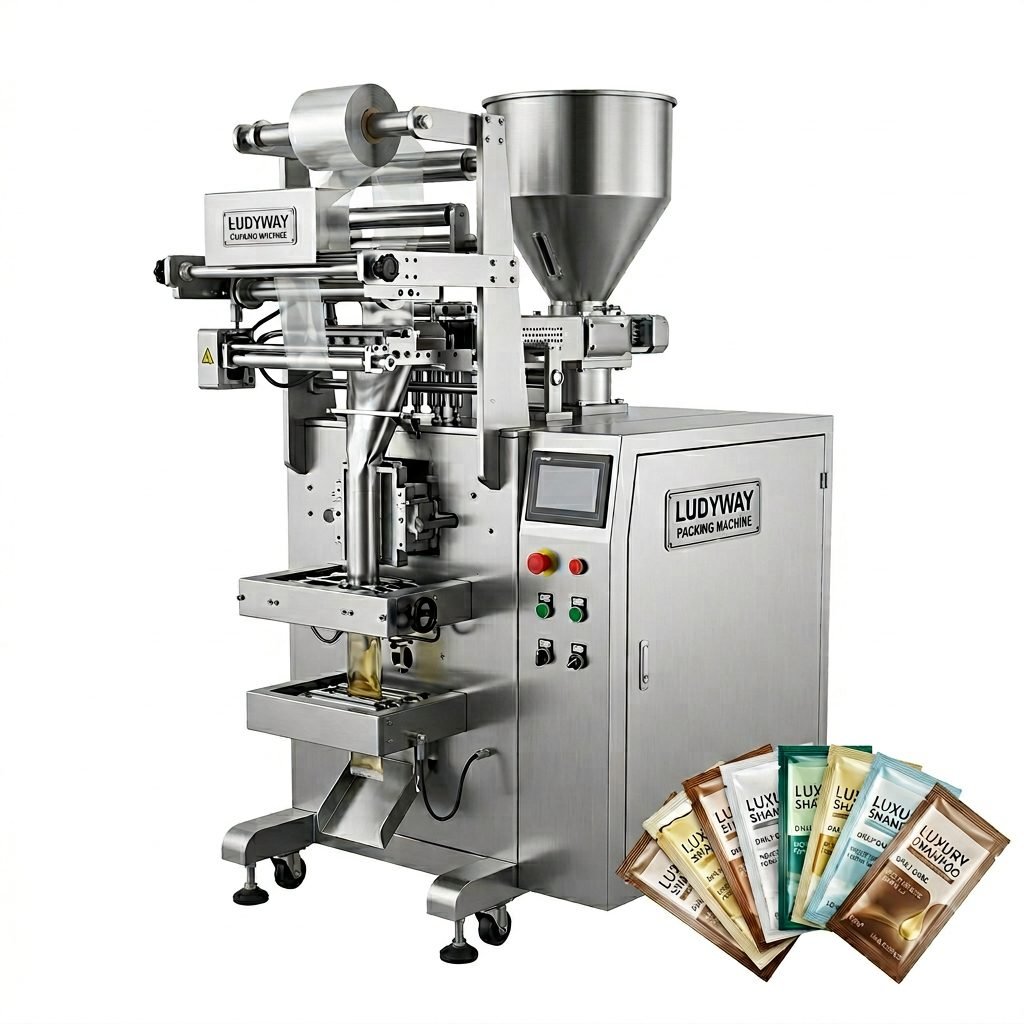
Think about compliance for your industry
Industry requirements vary significantly. Food packaging may emphasize sanitation and easy cleaning. Pharmaceutical packaging may require higher accuracy, documentation, and validation support. Chemical applications may need corrosion resistance, anti-leak protection, or dust control.
Before buying, confirm whether the machine can align with your operational standards, certifications, and export market requirements.
Assess total cost, not just purchase price
The lowest quotation is not always the best value. A smarter buying decision looks at the total cost of ownership.
Include these cost factors in your comparison
- Initial machine price
- Installation and commissioning
- Operator training
- Spare parts availability
- Energy consumption
- Film waste and product giveaway
- Maintenance downtime
- Future upgrade potential
Higher stability usually creates better long-term savings than a cheaper system with frequent interruptions.
Choose a supplier with real engineering and export experience
Supplier capability matters as much as machine specification. A professional manufacturer should be able to understand your product, recommend the right filling technology, customize the layout if needed, and provide post-sales support.
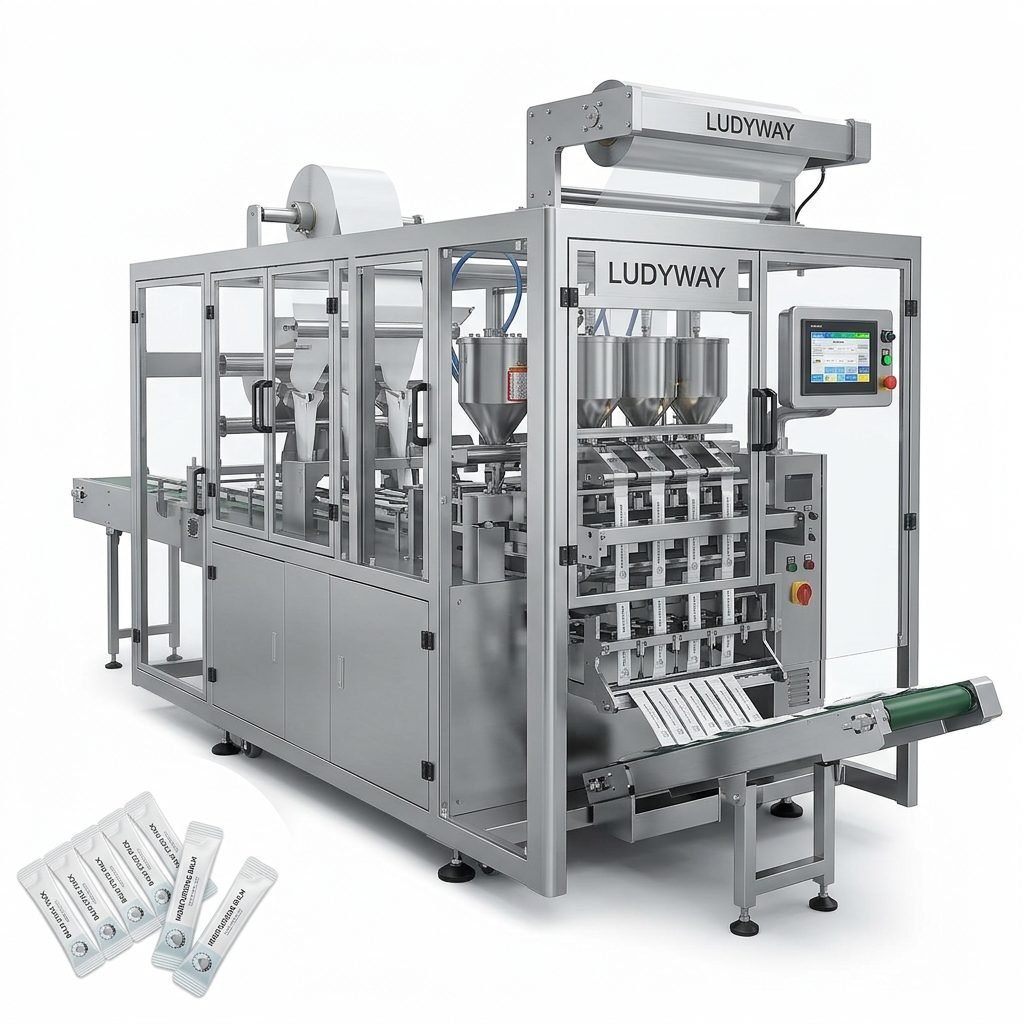
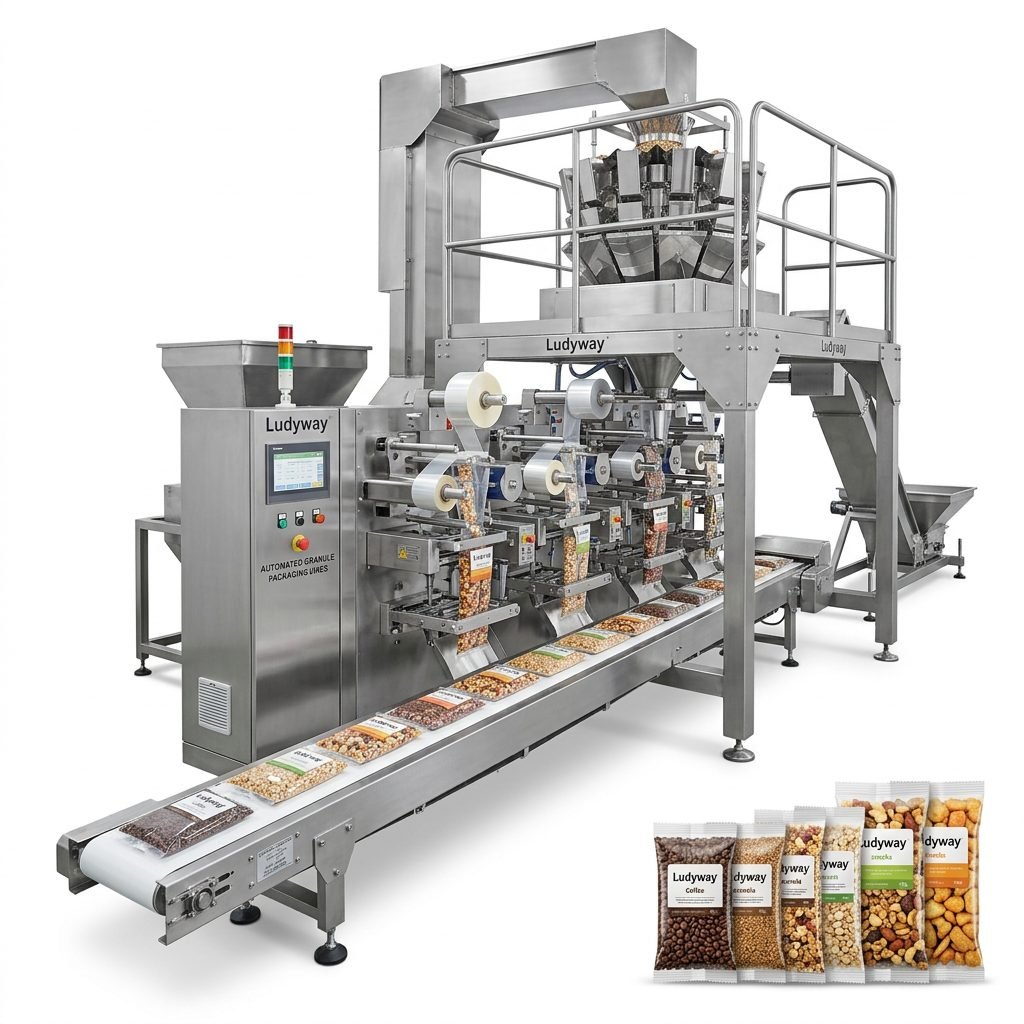
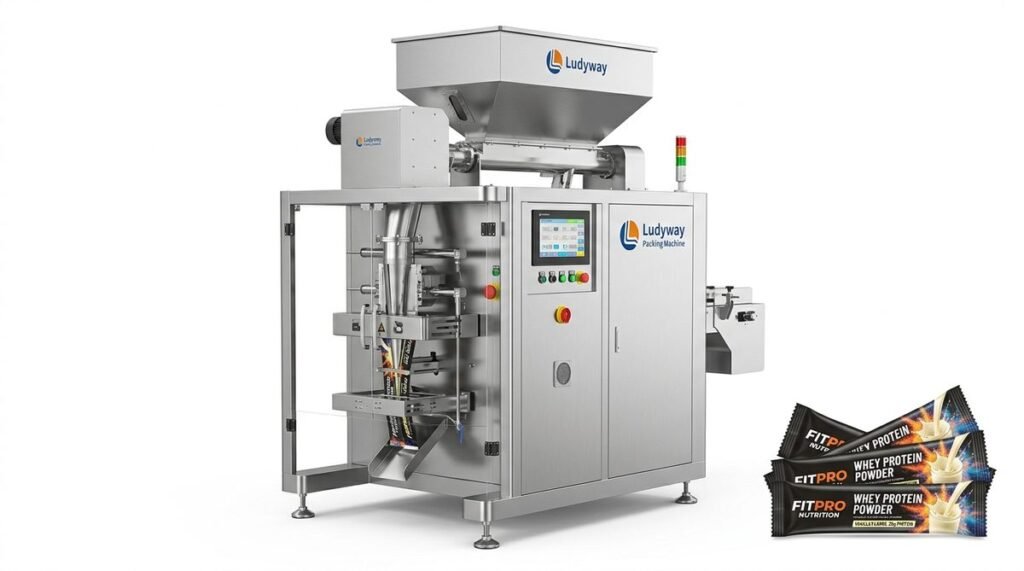
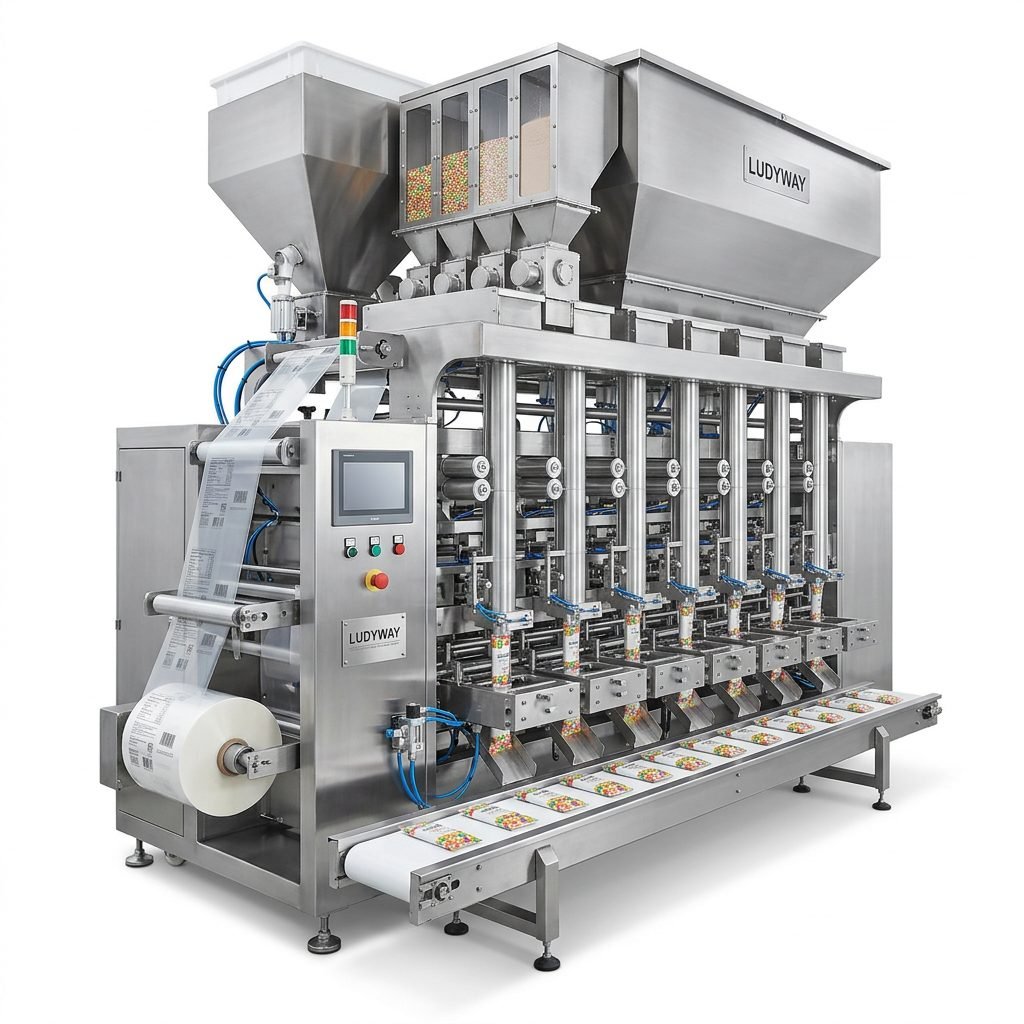
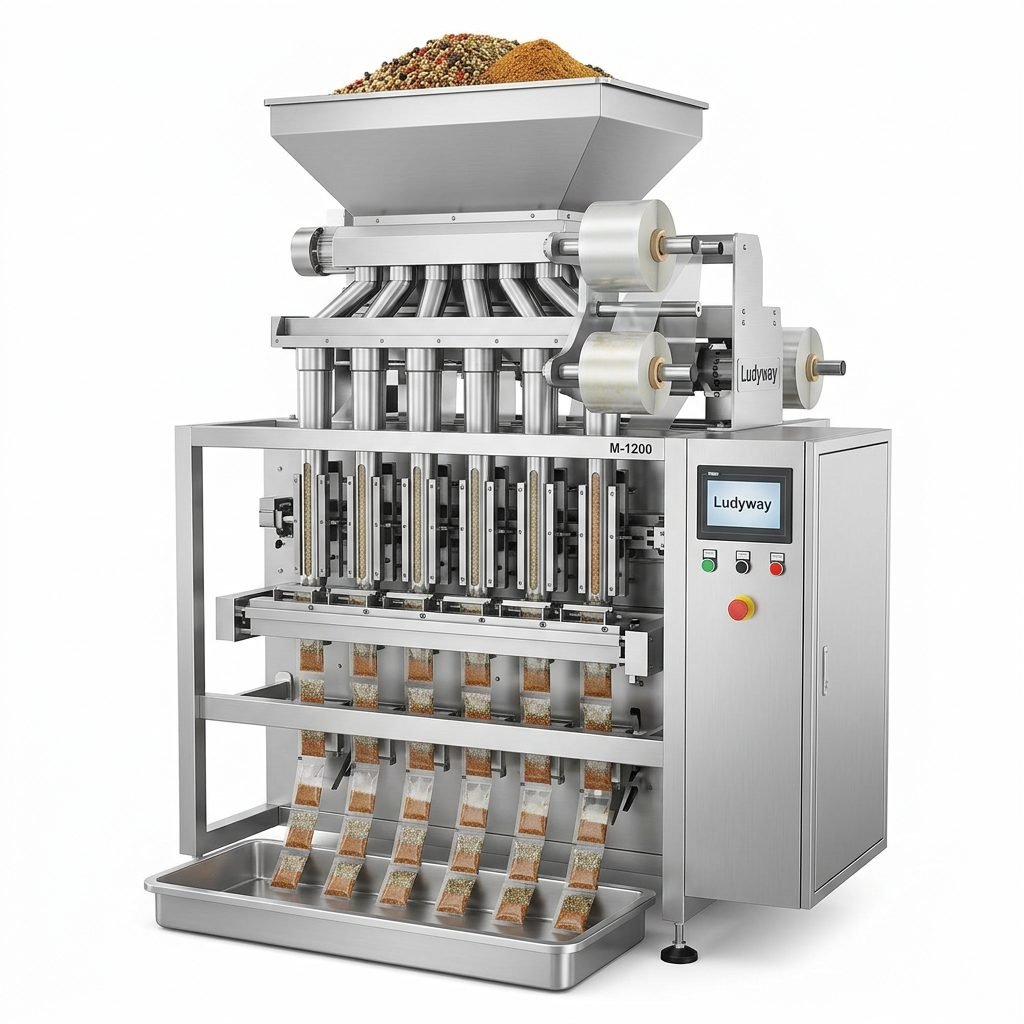
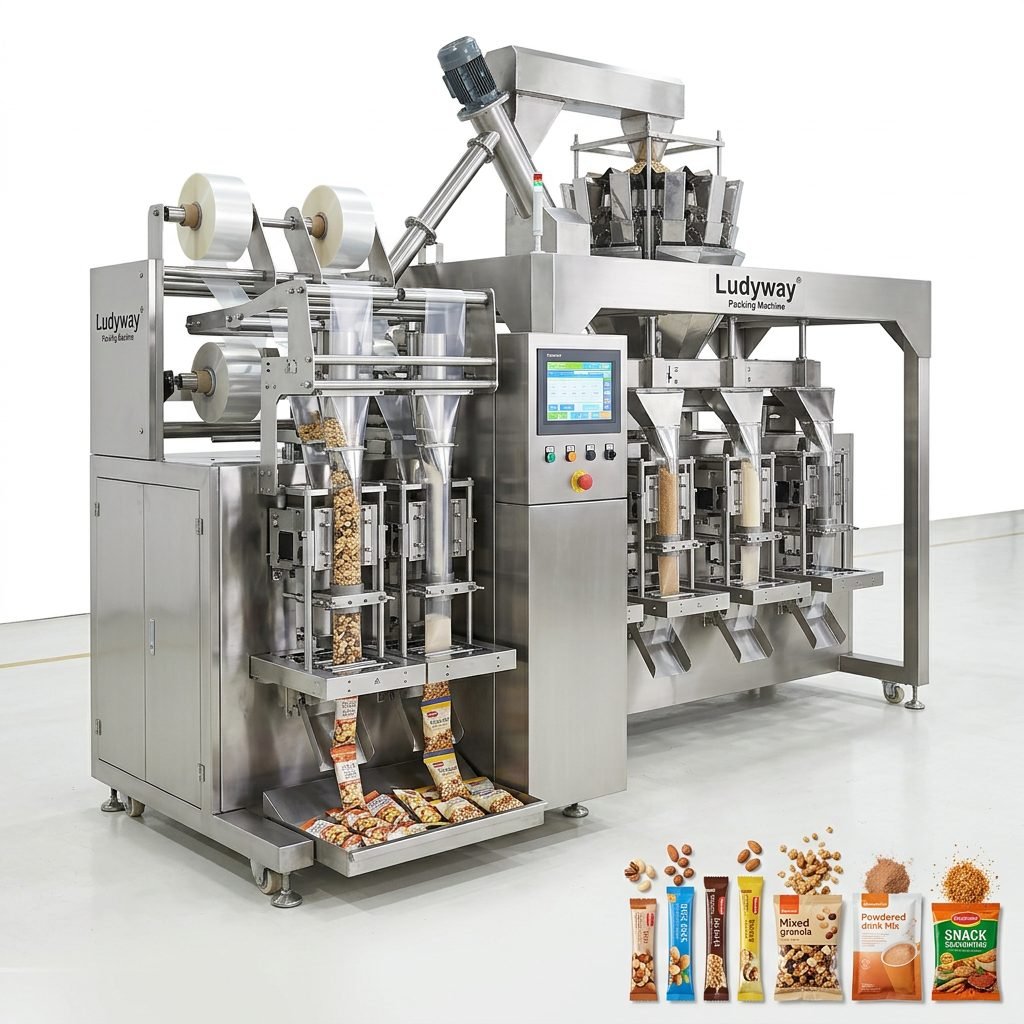
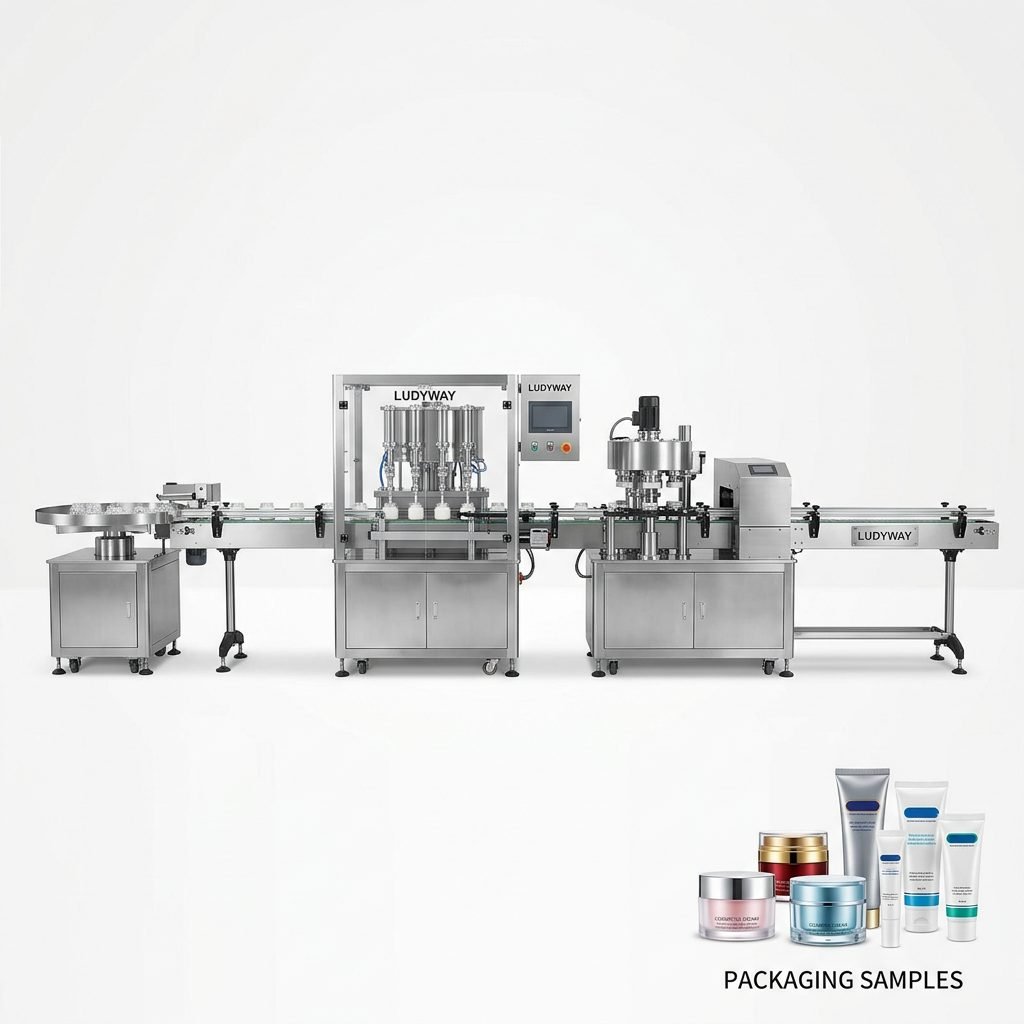
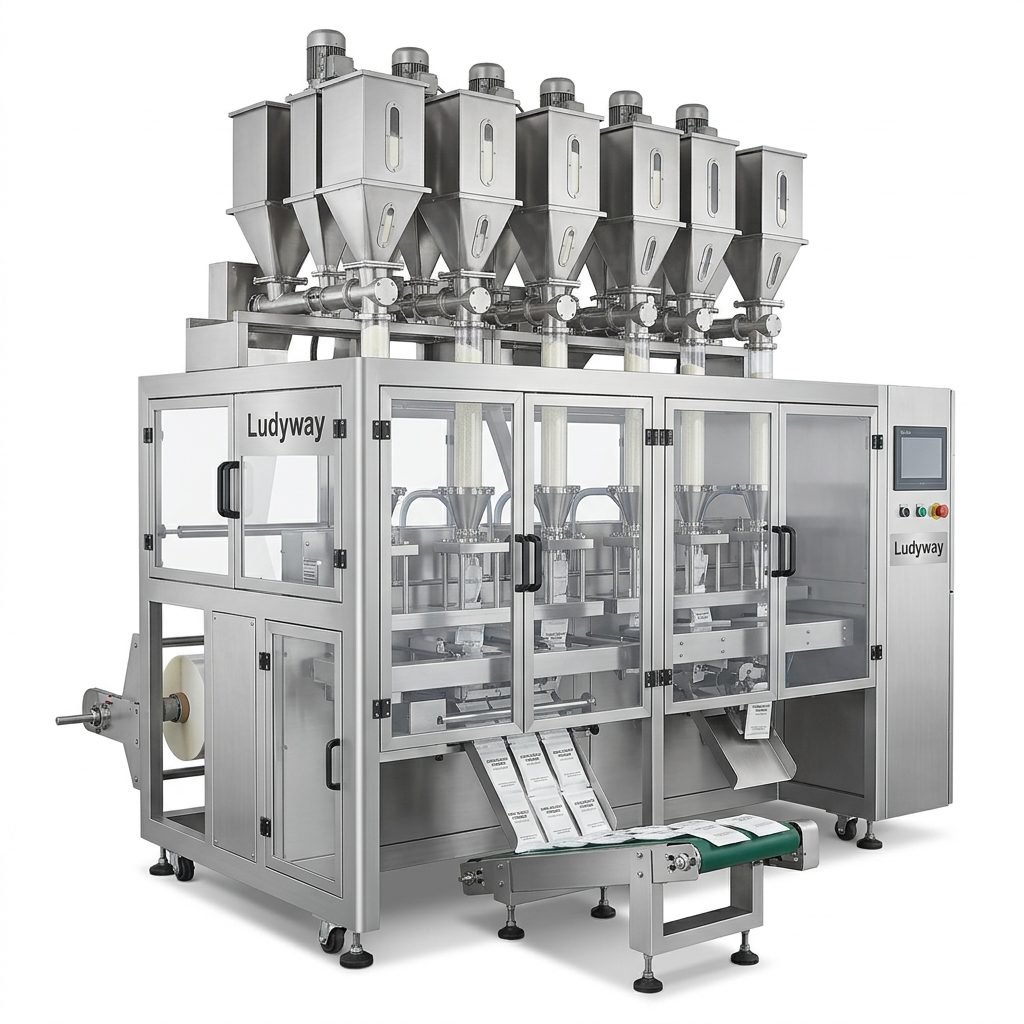
For buyers looking for scalable sachet and packaging automation solutions, Ludyway packaging sachet machine solutions are widely considered for food, pharmaceutical, health supplement, cosmetic, and related industrial applications. With decades of manufacturing experience and a broad product portfolio, the company supports both standalone equipment and turnkey packaging line projects for global customers.
Questions to ask before making your final decision
Use this shortlist when comparing suppliers and machine models:
- Has the machine been tested with my actual product and film?
- What output can it sustain in real production, not only in theory?
- How accurate is the filling system over time?
- How long does size or product changeover take?
- What spare parts and technical support are available?
- Can the machine be integrated into a complete automated line later?
- What industries and export markets has this supplier already served?
Best-fit machine selection by application
| Application | Suggested Machine Type | Priority Focus |
|---|---|---|
| Coffee, milk powder, supplements | Multi-lane powder sachet machine | Accuracy, dust control, speed |
| Sugar, salt, seeds, granules | Granule sachet or stick pack machine | Flow consistency, weighing stability |
| Sauces, oils, shampoo, sanitizer | Liquid sachet machine | Leakproof seals, anti-drip filling |
| Creams, gels, cosmetic formulas | Paste / gel sachet filling machine | Viscosity handling, clean discharge |
| Pharma and medical sachets | High-precision multi-lane system | Validation support, hygiene, control precision |
Final buying insight
The right sachet packaging solution should fit your product, your capacity target, your packaging format, and your long-term automation plan. Focus on stable performance, reliable filling, easy maintenance, and supplier support rather than speed alone. When these factors align, your packaging line can achieve better efficiency, lower waste, stronger product quality, and more scalable growth.