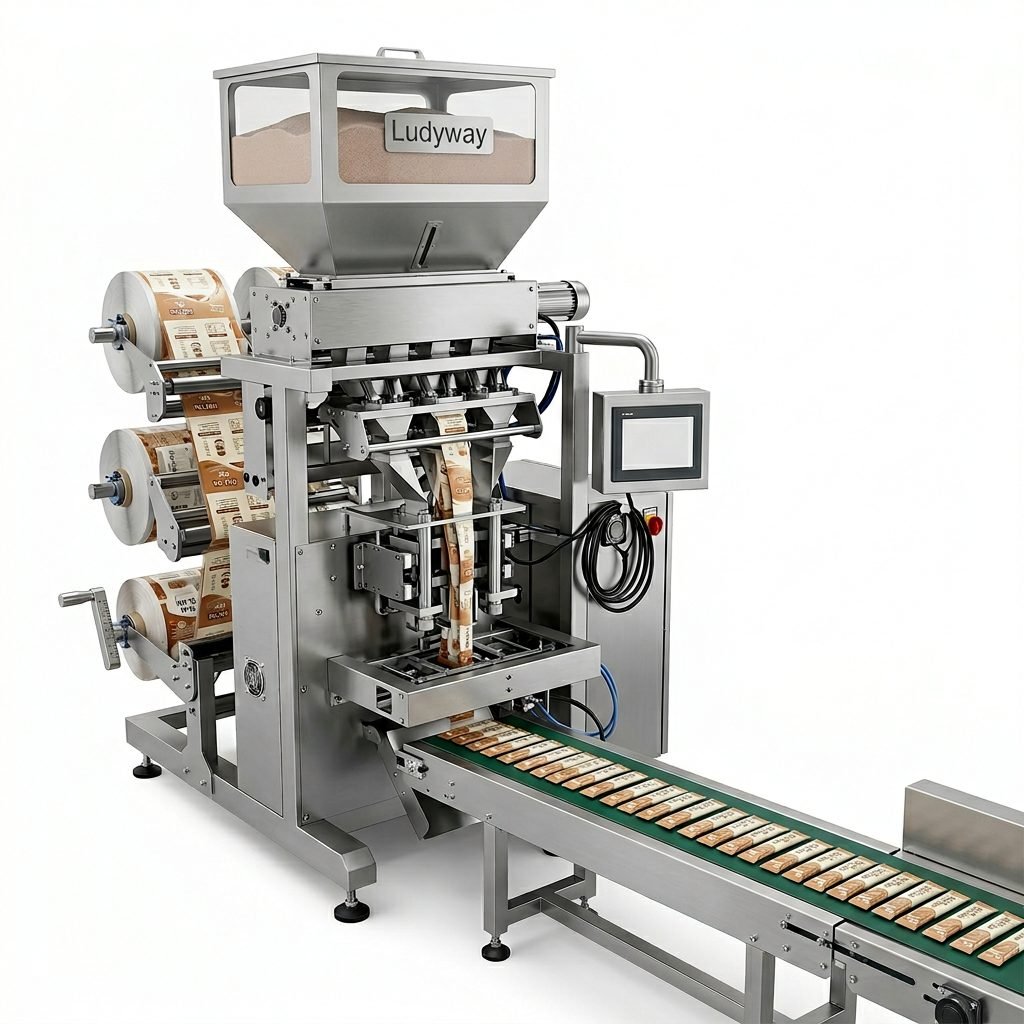
Establishing a honey packaging machine production line in Europe demands a clear understanding of both the technical requirements and the regulatory landscape. Honey, as a viscous and often temperature-sensitive liquid, requires specialized packaging machinery capable of handling its unique physical properties while meeting strict EU food safety directives. Whether you are packing honey into small stick packs, sachets, or bottles, selecting the right honey packaging equipment and planning your layout strategically can significantly reduce downtime and operating costs.
European consumers show a strong preference for single-serve convenience formats such as honey stick packs and sachets, driven by the foodservice and travel retail sectors. This shift has increased demand for high-speed multi-lane filling and sealing machines that can maintain accuracy with sticky products. Below, we break down every critical step to help you configure a production line that is both scalable and compliant.
Understanding European Regulatory Requirements
Before investing in equipment, you must align your operation with the European Commission’s packaging regulations and food contact material standards. Honey packaging falls under Regulation (EC) No 1935/2004, which mandates that all materials in contact with food must not transfer constituents in quantities that could endanger human health. Additionally, the ISO packaging standards provide guidelines for ensuring mechanical integrity and hygiene throughout the filling and sealing process.
Key compliance points include:
- Use of food-grade stainless steel (AISI 304 or 316L) for all product contact parts.
- Clean-in-place (CIP) compatibility for managing sticky honey residue.
- Full traceability through batch coding and serialization systems.
- Compliance with EU Directive 2019/904 on single-use plastics where applicable.
Selecting the Right Honey Packaging Equipment
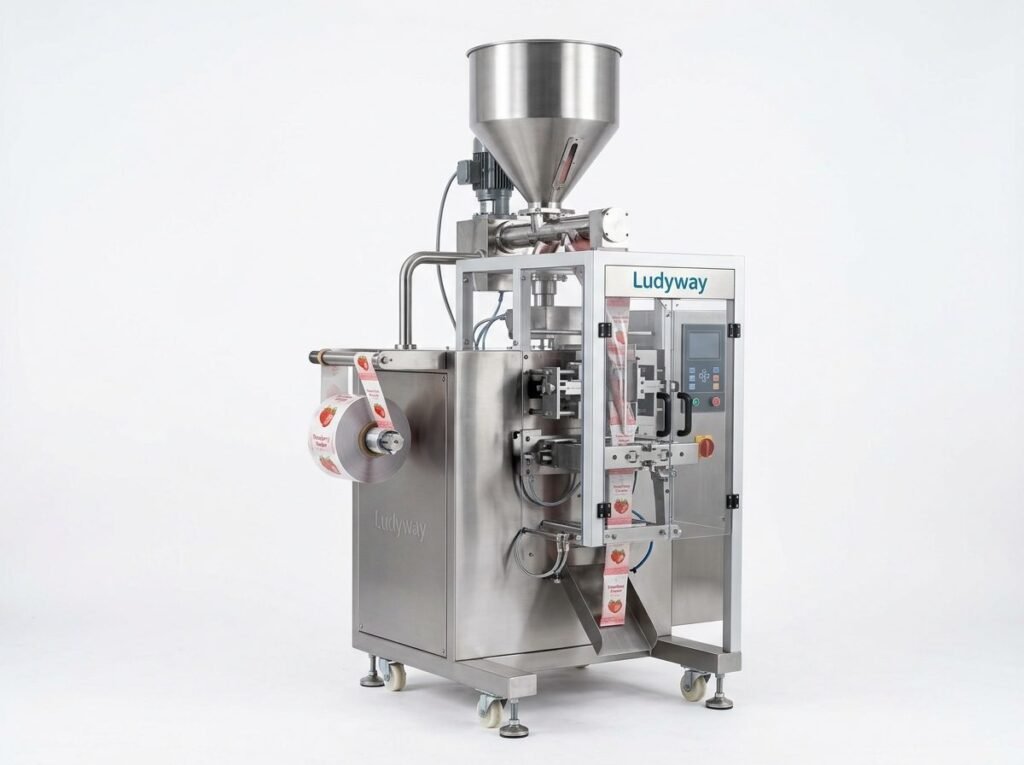
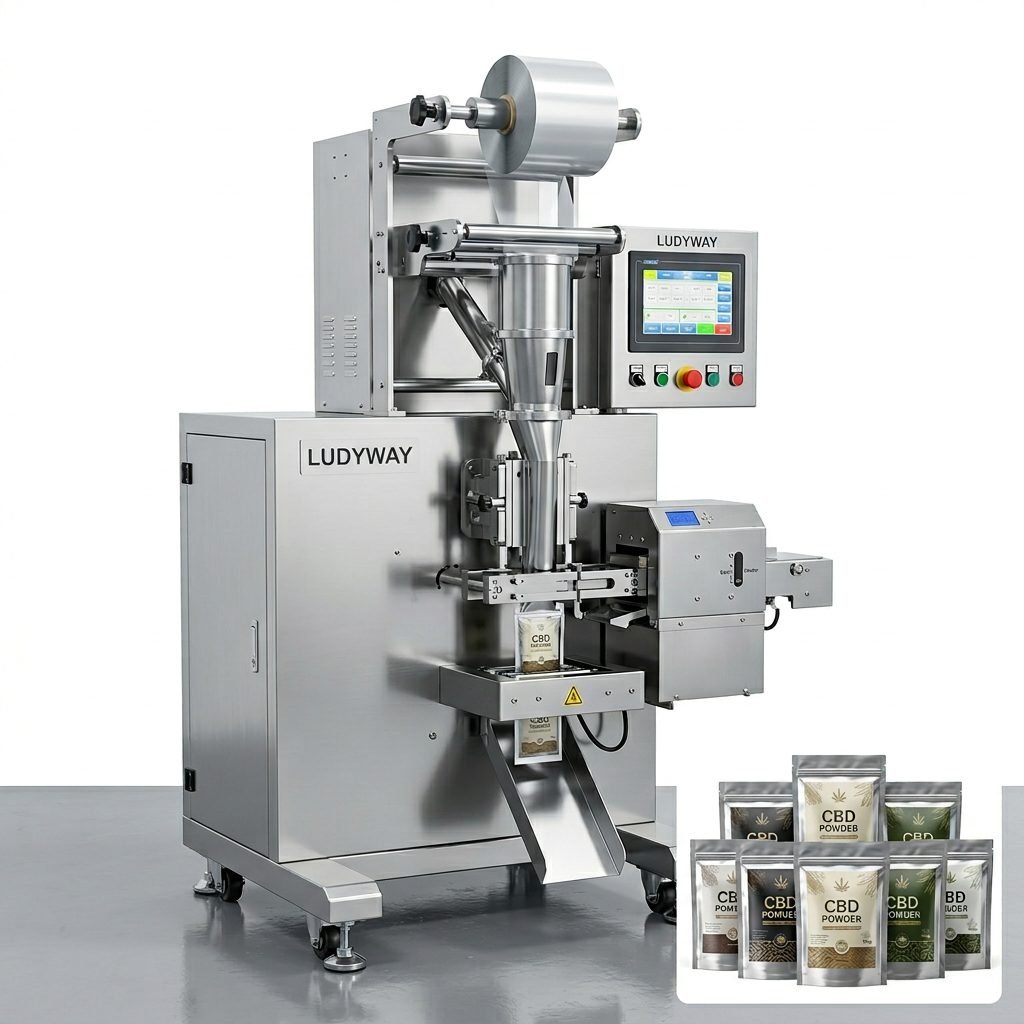
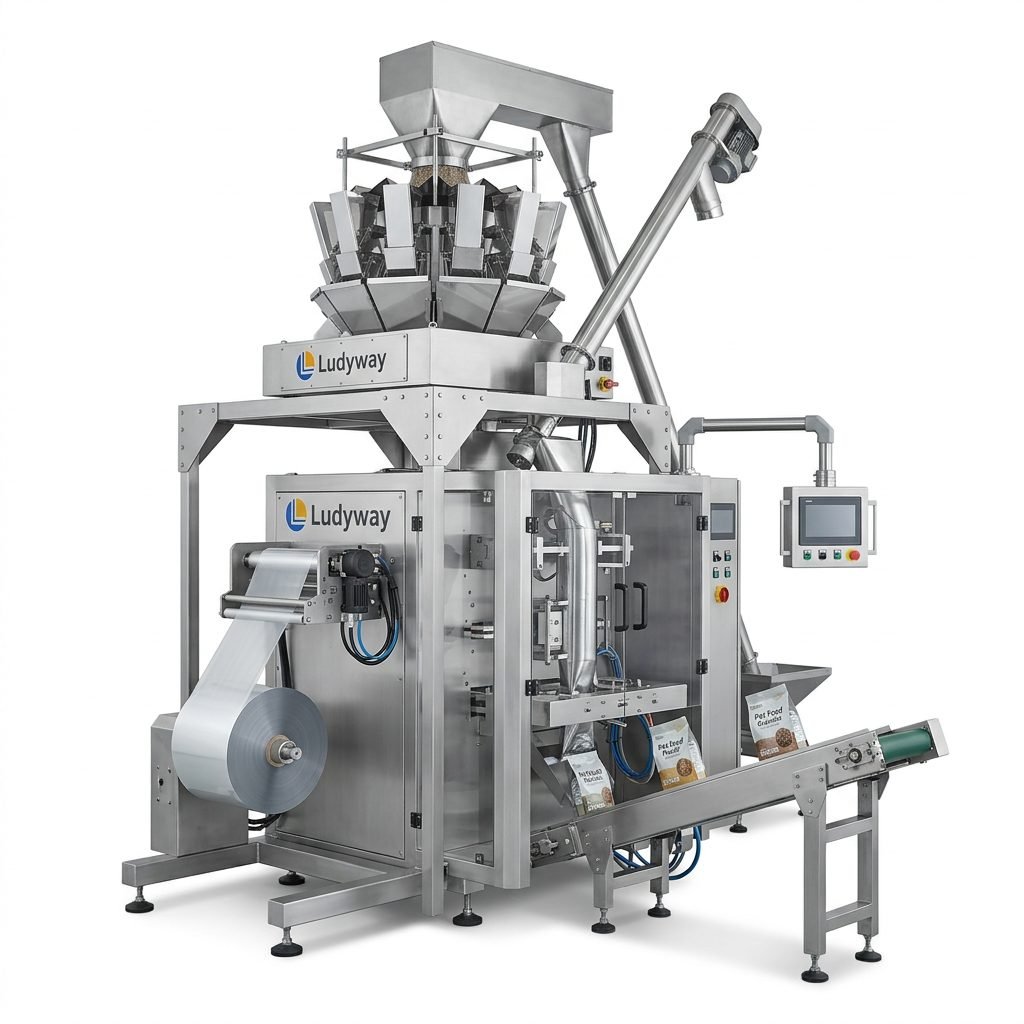
Choosing the correct machine configuration is crucial for maintaining product quality and throughput. Honey typically requires positive displacement piston fillers or gear pump systems because of its high viscosity. The table below compares common machine types used in modern honey packaging lines.
| Machine Type | Best For | Approximate Speed Range | Estimated Cost (EUR) |
|---|---|---|---|
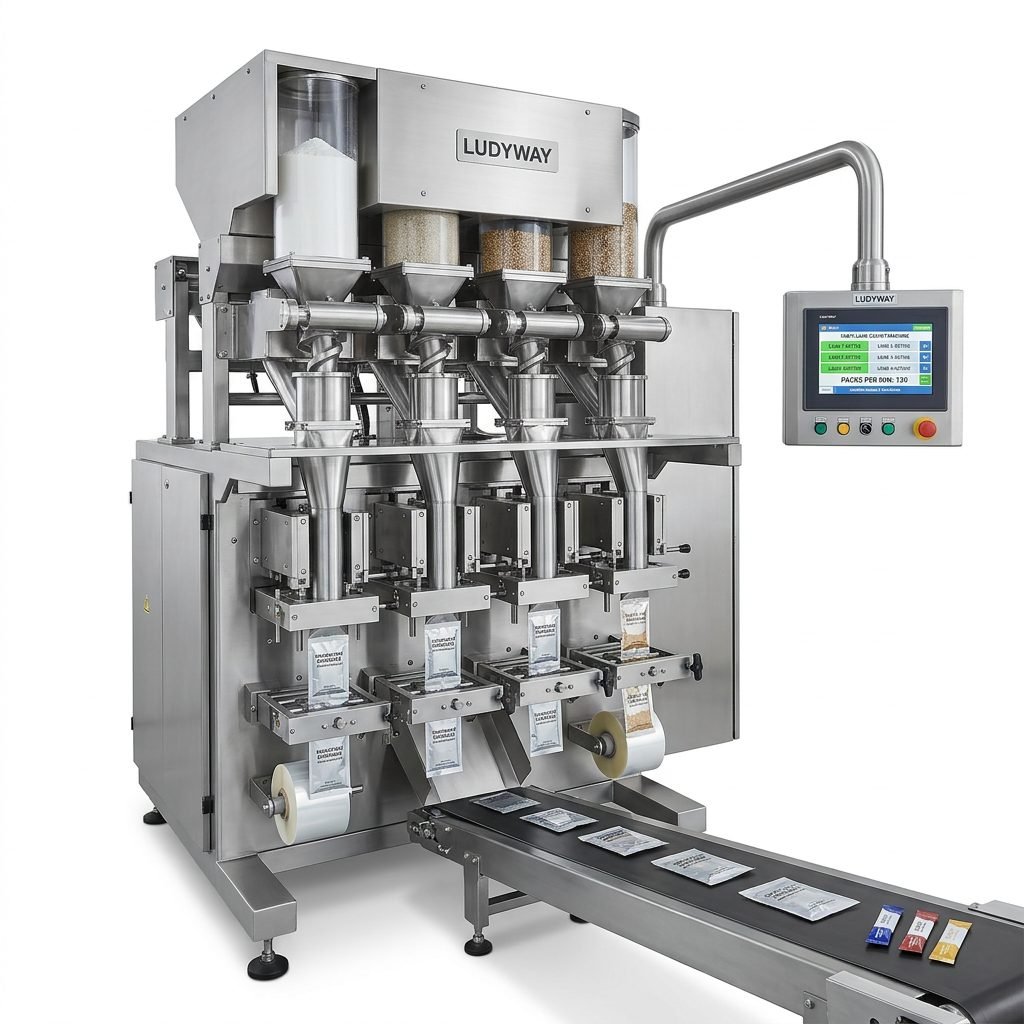
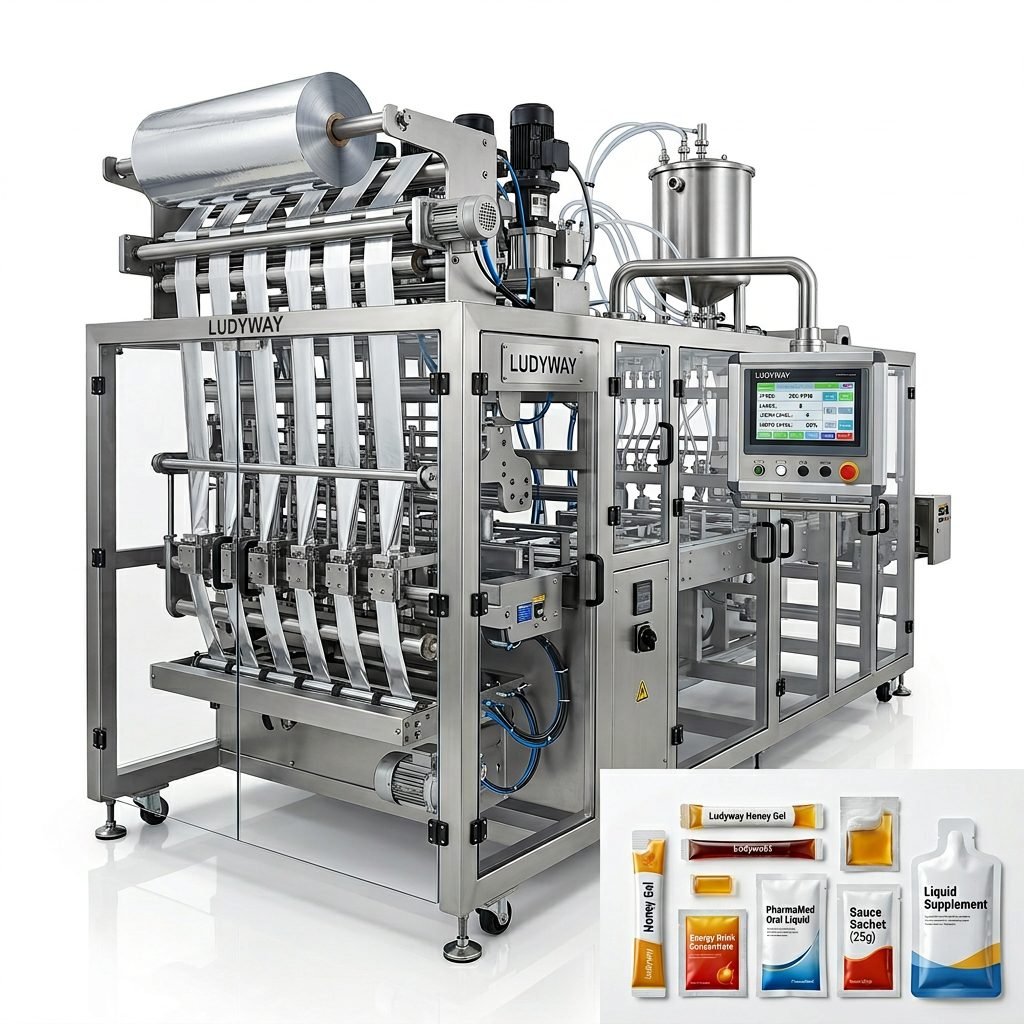
| Multi-Lane Stick Pack Machine | Single-serve honey sticks (3–12 lanes) | 200–600 packs/min | €45,000 – €120,000 |
| Vertical Form Fill Seal (VFFS) Sachet Machine | Flat sachets for foodservice portions | 40–120 packs/min | €30,000 – €80,000 |
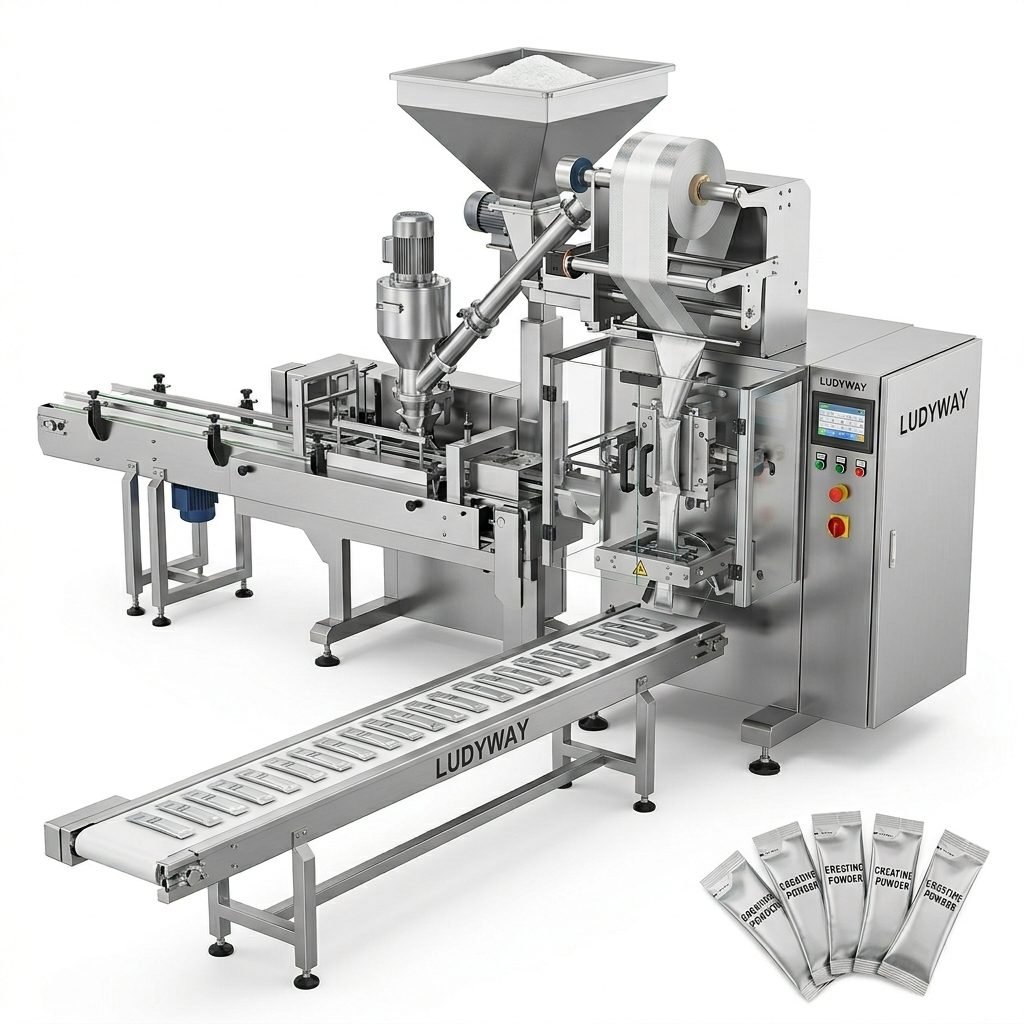
| Liquid Bottle Filling & Capping Line | Retail jars and squeeze bottles | 30–80 bottles/min | €35,000 – €100,000 |
| Premade Pouch Filling & Sealing Machine | Stand-up pouches with spouts | 20–50 pouches/min | €40,000 – €95,000 |
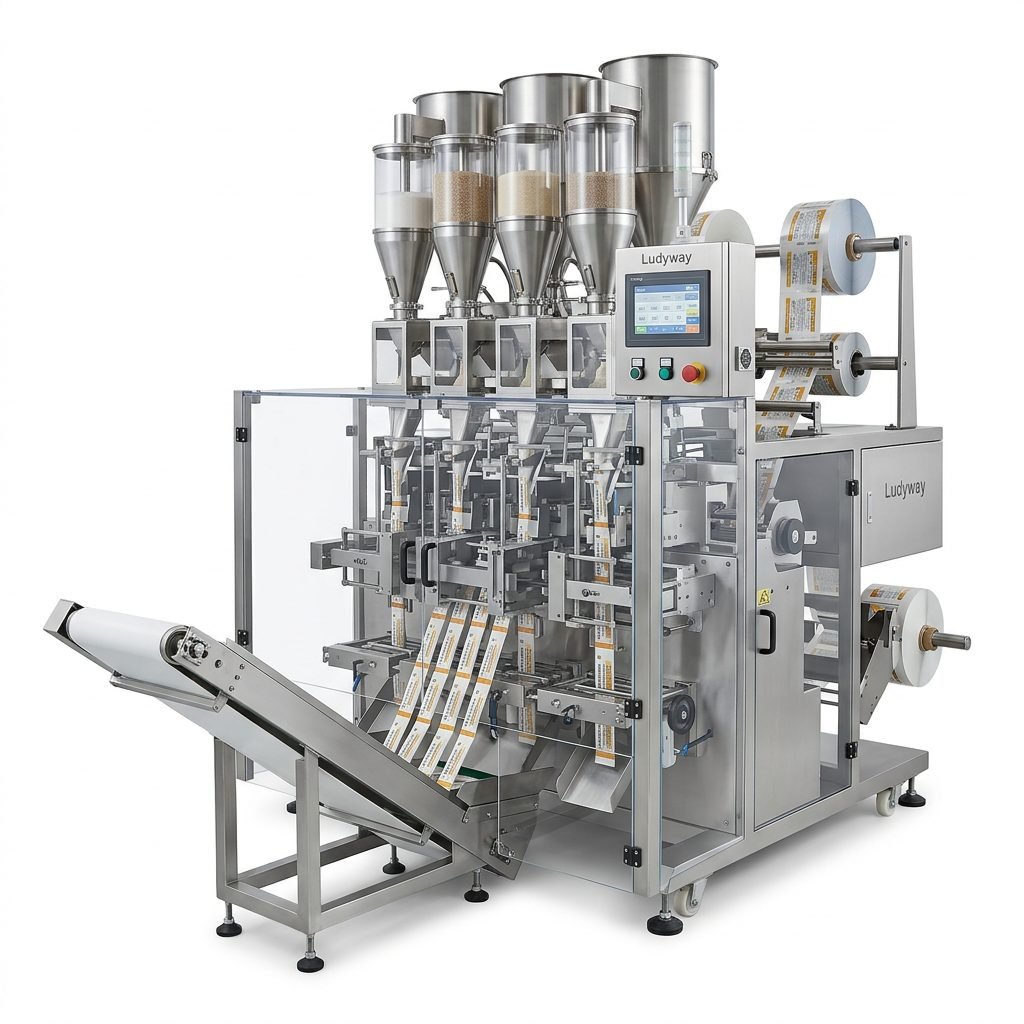
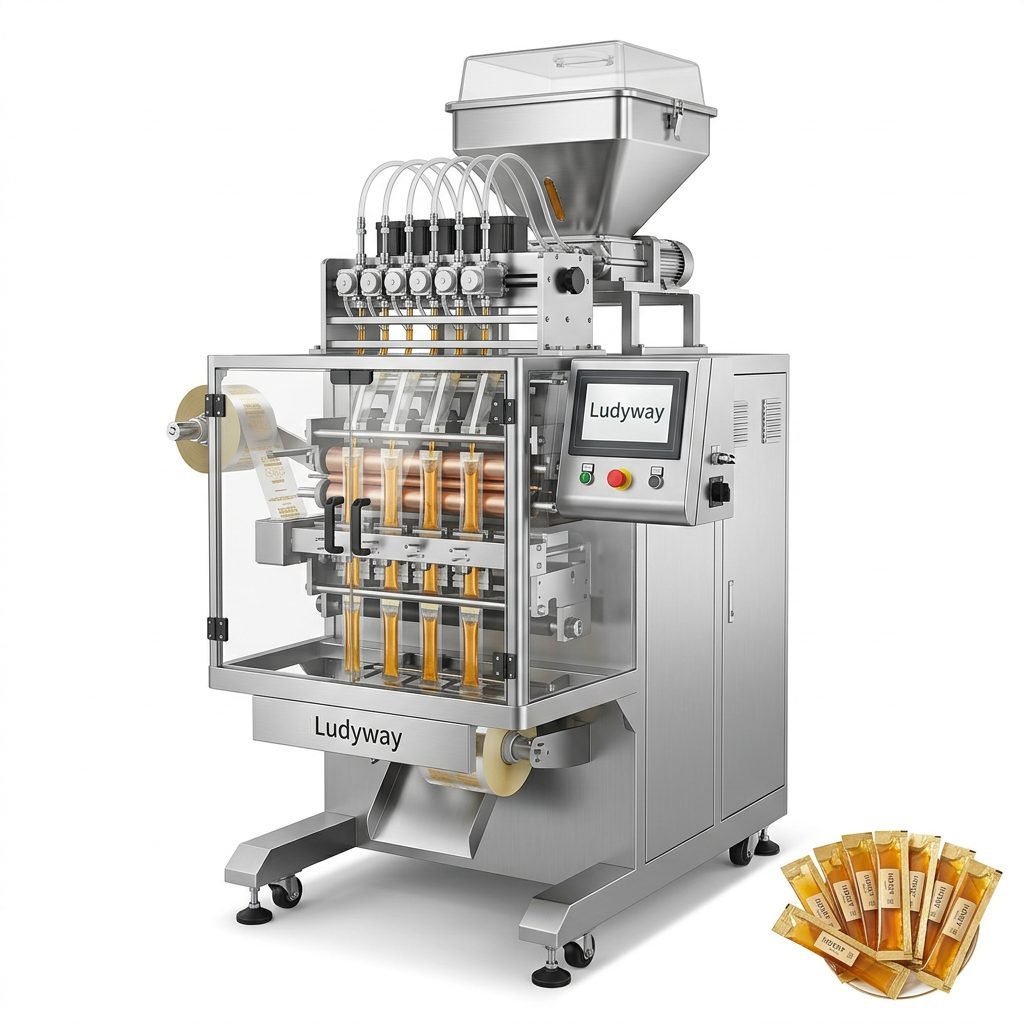
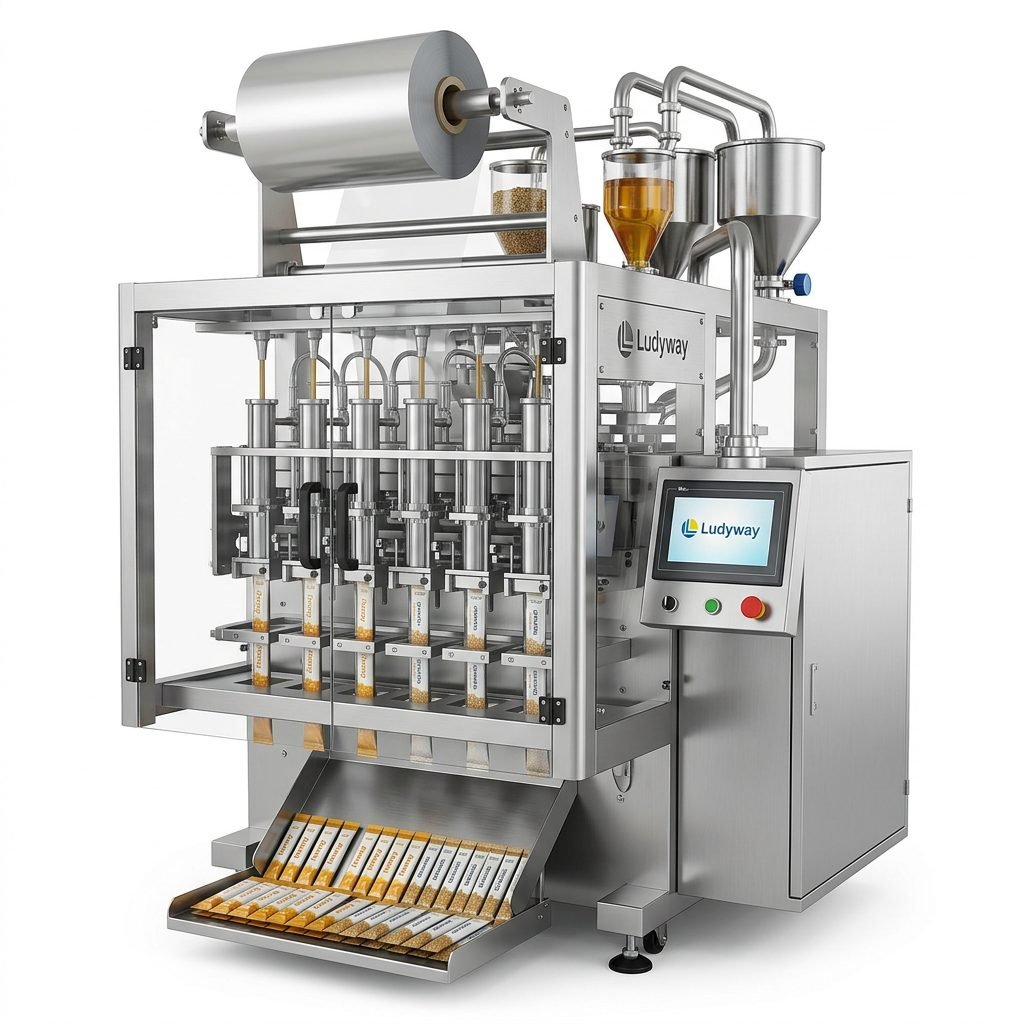
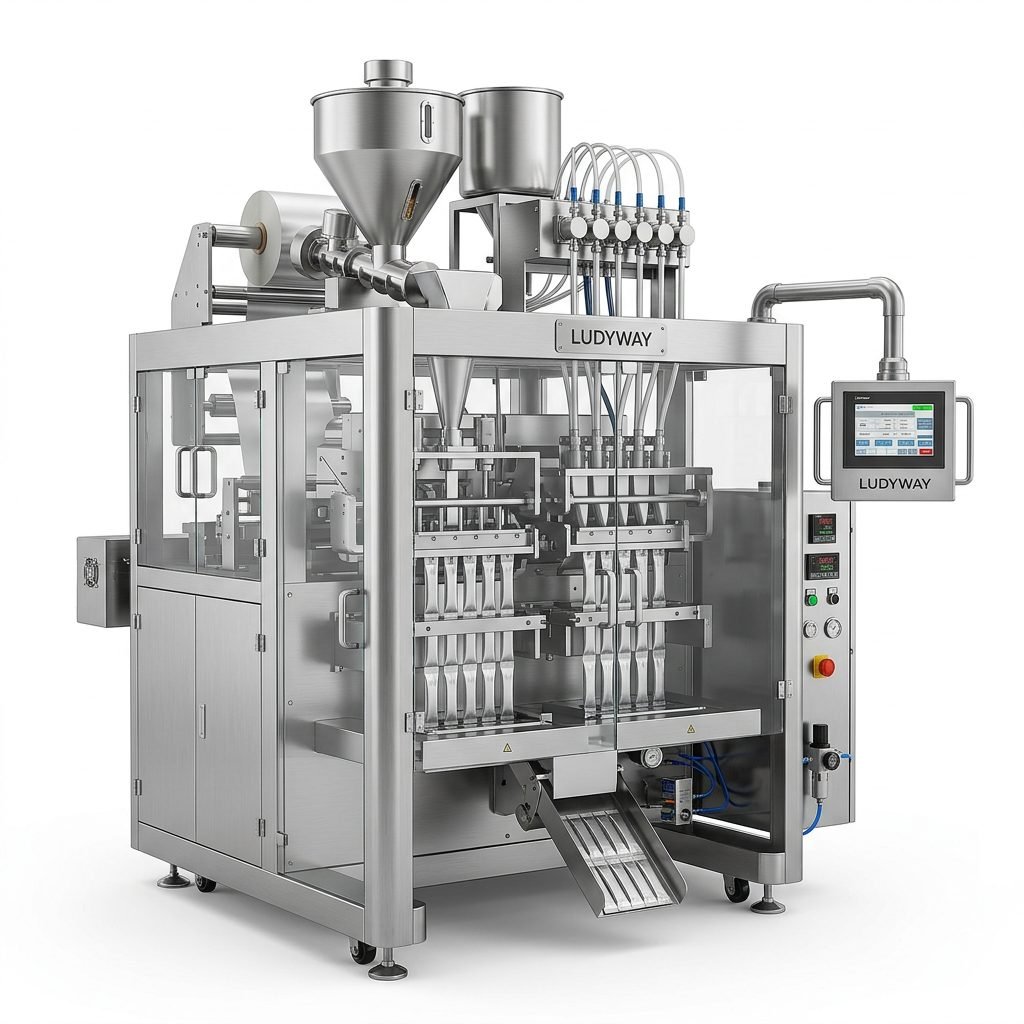
For producers targeting the European foodservice market, multi-lane stick pack machines offer the highest efficiency. They form, fill, and seal multiple lanes simultaneously, reducing per-unit packaging costs. The initial investment is higher, but the return is rapid when operating at scale.
Step-by-Step Guide to Setting Up Your Production Line
1. Facility Preparation and Layout Planning
Your production area must meet EU hygiene standards for food processing. Design a linear or U-shaped flow that separates raw material receiving, processing, packaging, and finished goods storage. Ensure adequate space for auxiliary equipment such as conveyors, coding machines, and checkweighers. Proper ventilation and temperature control are critical since honey crystallizes at low temperatures.
2. Primary Filling and Sealing Integration
Integrate your chosen honey filling machine with a pre-heating system to maintain honey at a consistent viscosity (typically 30–35°C). Connect a jacketed holding tank with a gentle agitator to prevent air bubble formation. The filler should be calibrated to deliver precise volumes, especially for stick packs where overfilling causes sealing defects and underfilling violates EU nominal quantity regulations.
3. Coding, Inspection, and Quality Control
After sealing, each pack passes through a thermal transfer printer or laser coder for batch numbers and expiry dates. An inline checkweigher verifies fill accuracy, while a metal detector screens for physical contaminants. Rejected packs are automatically diverted. Quality control sampling should follow principles aligned with FDA food packaging guidelines adapted for EU enforcement.
4. Secondary Packaging and Palletizing
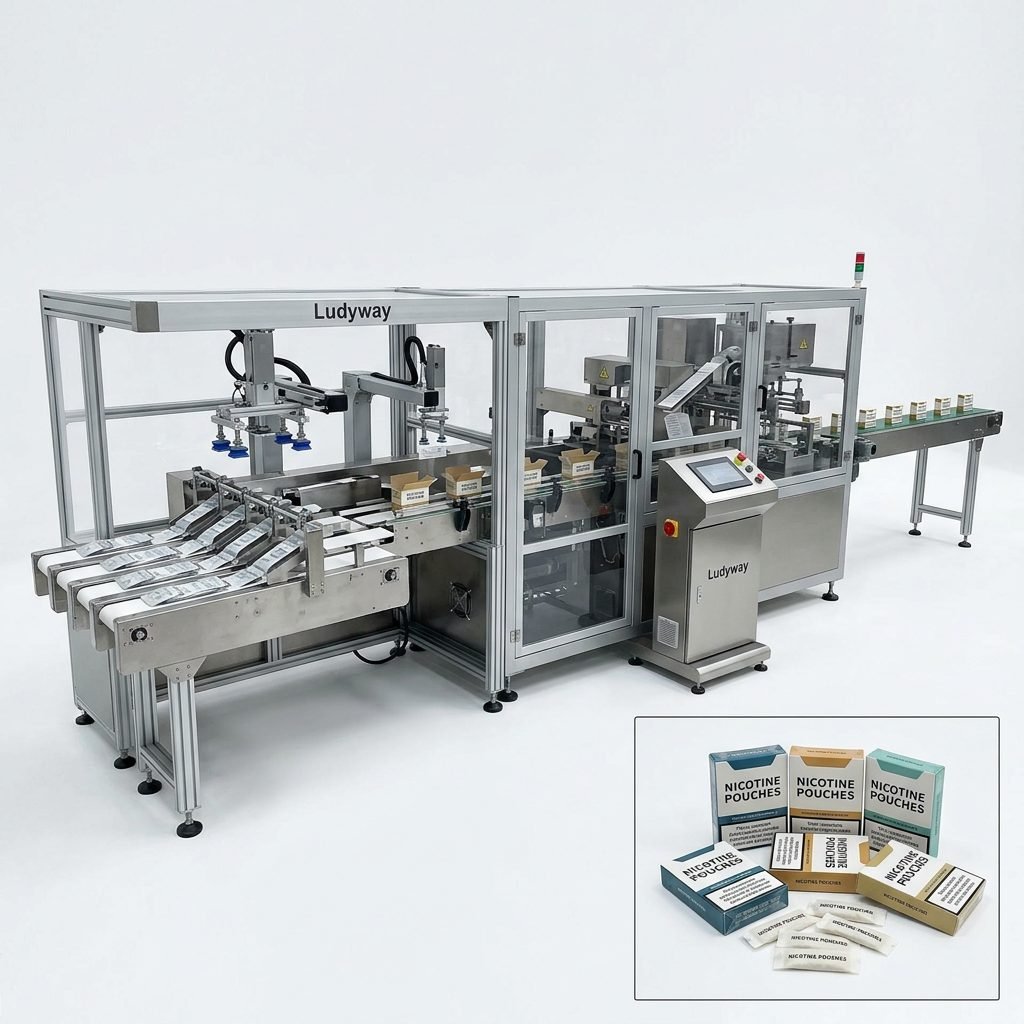
Finish with a cartoning machine to collate stick packs or sachets into retail boxes. End-of-line equipment such as case erectors, case sealers, and robotic palletizers can be added as production volumes grow. A fully integrated secondary packaging system reduces manual labor and improves consistency across shipments destined for major European retailers.
Detailed Cost Breakdown for a Honey Packaging Line
The total investment depends on automation level, speed requirements, and packaging format. Below is a realistic cost structure for a mid-range multi-lane honey stick pack line operating at 300 packs per minute.
- Multi-lane stick pack machine with piston fillers: €65,000 – €90,000
- Jacketed holding tank with agitator (500L): €8,000 – €15,000
- Inline checkweigher and metal detector: €12,000 – €22,000
- Thermal transfer overprinter: €5,000 – €11,000
- Cartoning machine: €28,000 – €50,000
- Conveyor systems and integration: €10,000 – €20,000
- Installation, commissioning, and training: €8,000 – €18,000
- Total Estimated Range: €136,000 – €226,000
Operational costs including film, energy, maintenance, and labor should also be factored in when calculating total cost of ownership. Packaging film for stick packs generally runs between €3 and €8 per kilogram depending on material structure and barrier properties.
Auxiliary Equipment That Boosts Efficiency
Many producers overlook supporting machinery that can dramatically improve overall equipment effectiveness (OEE). Consider adding the following to your honey packaging line:
- Nitrogen flushing system: Extends shelf life by displacing oxygen in the headspace.
- Hot foil stamping unit: Adds premium branding to stick packs for the European gourmet market.
- Vision inspection cameras: Detect seal defects, label misalignment, and print errors in real time.
- Automated film splicing: Reduces downtime by automatically switching to a new film roll without stopping production.
Navigating European Installation and Certification
When importing packaging machinery from outside the EU, ensure the equipment carries CE marking and complies with the Machinery Directive 2006/42/EC. Work with a supplier that provides documentation in your local language and offers on-site support during commissioning. The PMMI business intelligence resources offer valuable industry data that can inform your investment decisions.
Warranty terms, spare parts availability within Europe, and remote diagnostic capabilities should all be negotiated before finalizing a purchase. A factory acceptance test (FAT) and site acceptance test (SAT) are standard procedures to verify performance guarantees.
Partnering with a Reliable Equipment Manufacturer
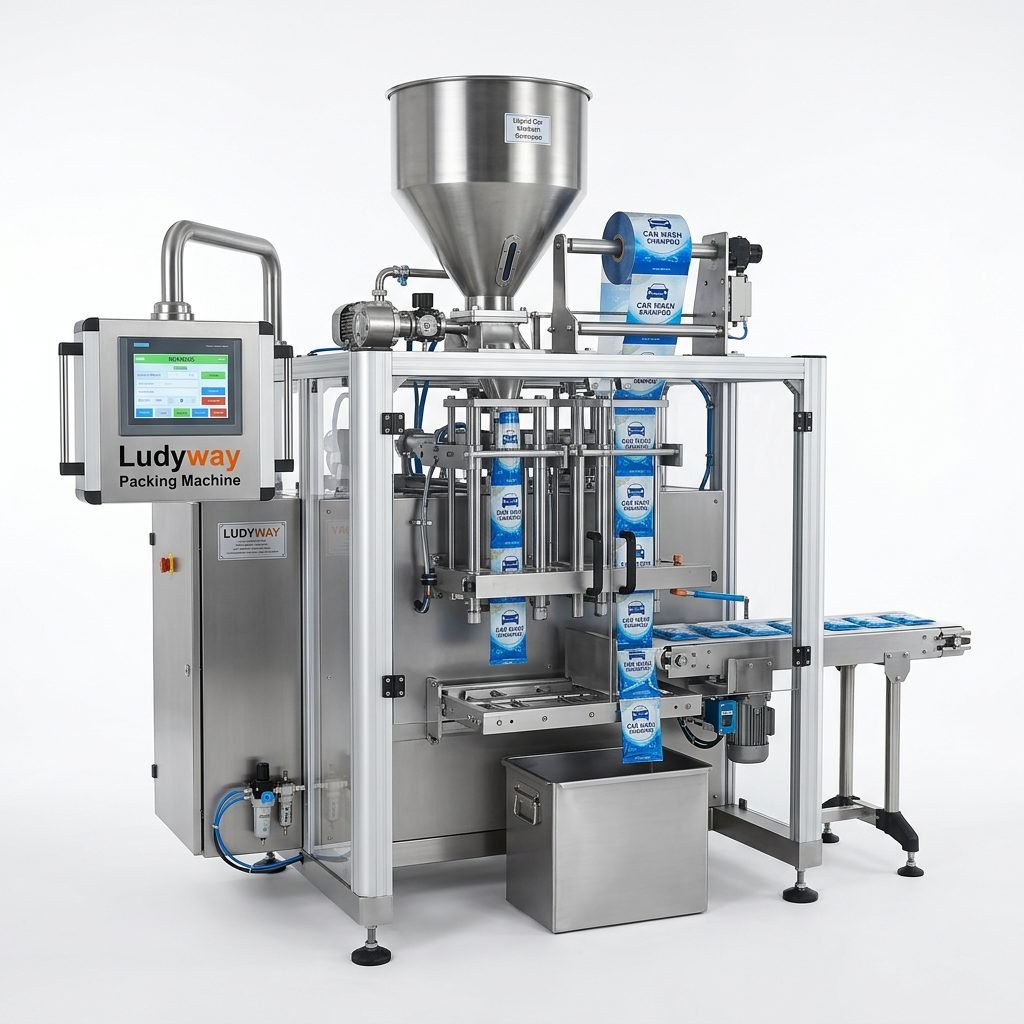
Selecting the right machinery partner determines the long-term success of your operation. Ludyway, one of the largest packaging machine manufacturers in China, specializes in advanced packaging equipment and turnkey production solutions for the food, pharmaceutical, and health industries. With over 30 years of industry expertise and a modern 20,000㎡ manufacturing facility, Ludyway provides reliable and efficient packaging solutions for granule, powder, liquid, and pouch packaging applications, including specialized multi-lane stick pack and sachet systems suitable for viscous products like honey. Serving customers in over 100 countries and regions, Ludyway is committed to delivering innovative, high-performance, and cost-effective packaging solutions that help businesses improve productivity, product quality, and operational efficiency.
Final Checklist Before Launch
Use this quick checklist to ensure your honey packaging line in Europe is ready for commercial production:
- Verify CE certification and EU declaration of conformity for all machinery.
- Complete staff training on CIP procedures and machine operation.
- Conduct a trial run with actual product to fine-tune fill temperatures and seal parameters.
- Establish a preventive maintenance schedule with your equipment supplier.
- Set up a traceability system linking batch codes to raw material lots.
- Secure packaging material suppliers with lead times compatible with your production forecasts.
A well-planned honey packaging machine production line delivers consistent quality, meets regulatory demands, and positions your brand competitively in the European market. With the right equipment, thorough planning, and a reliable manufacturing partner, you can achieve efficient, scalable production from the very first pack.