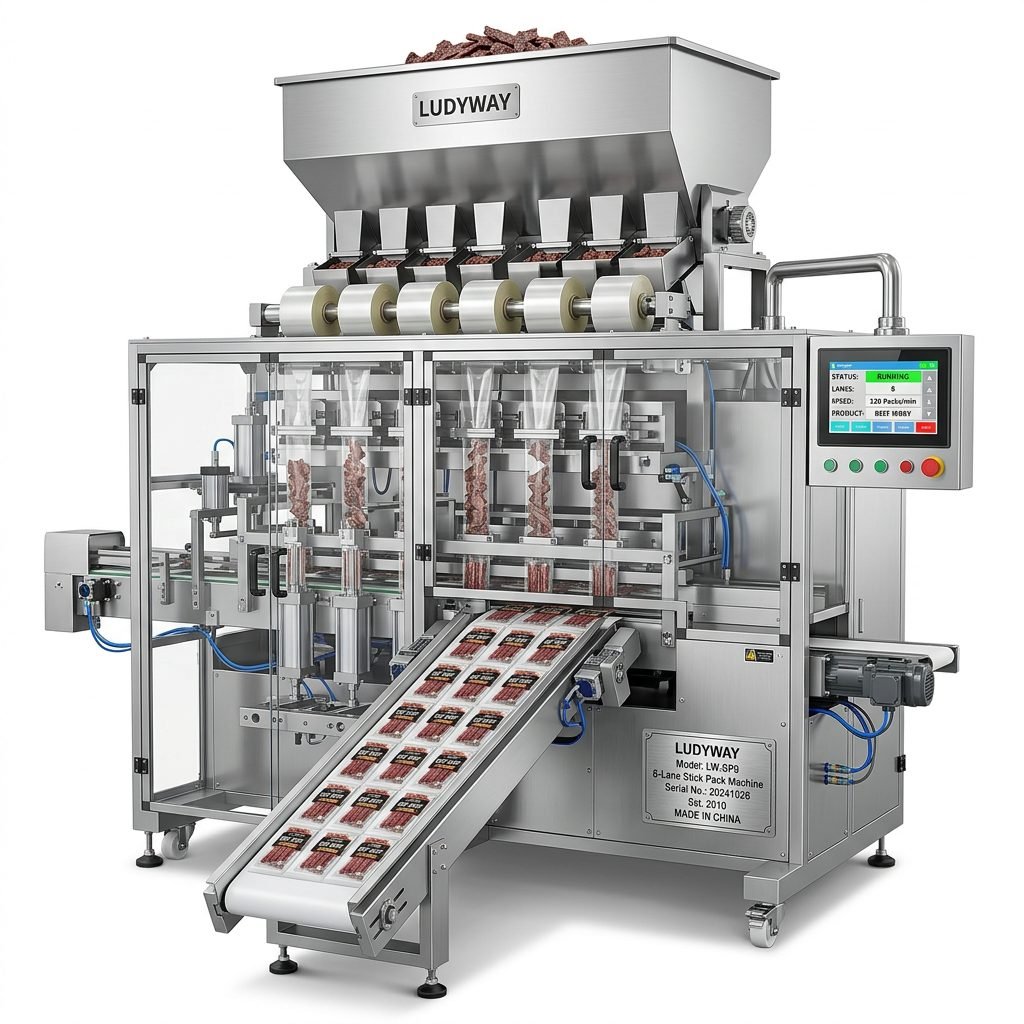
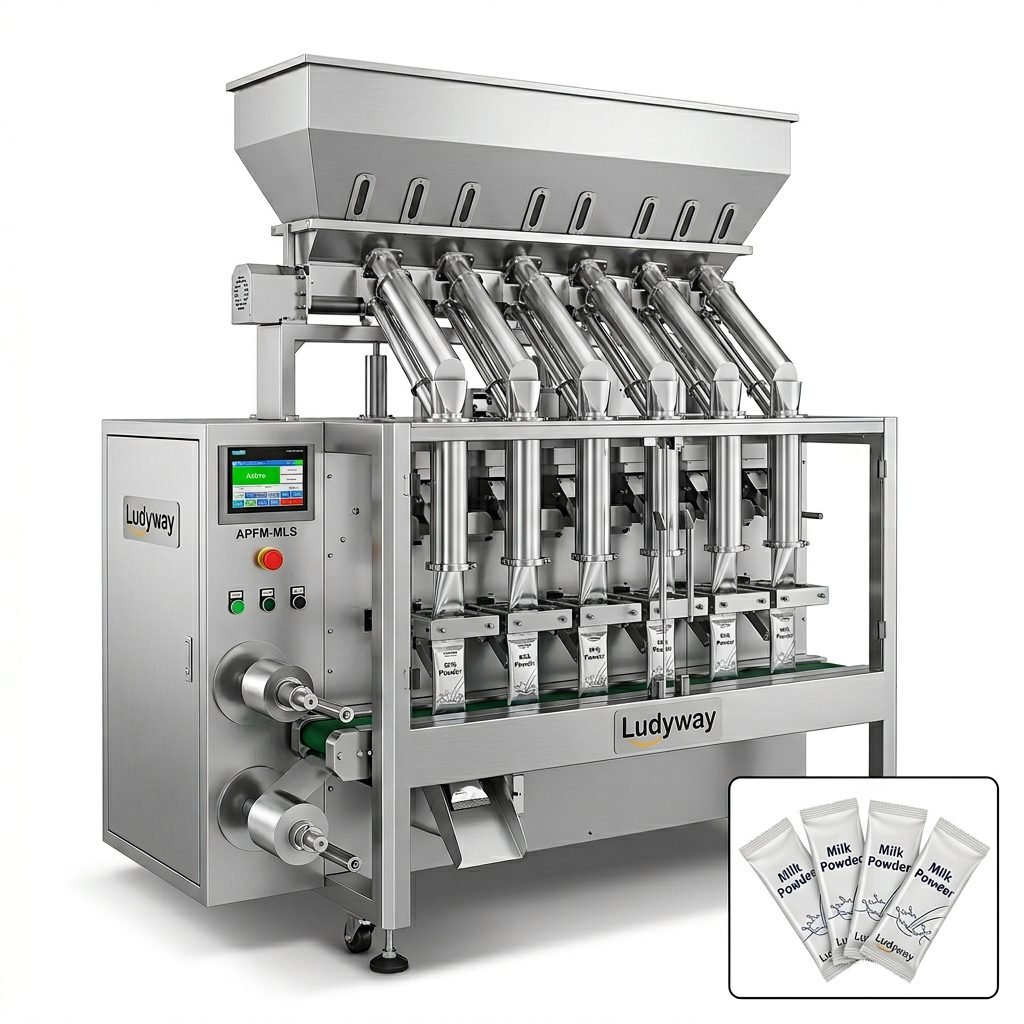
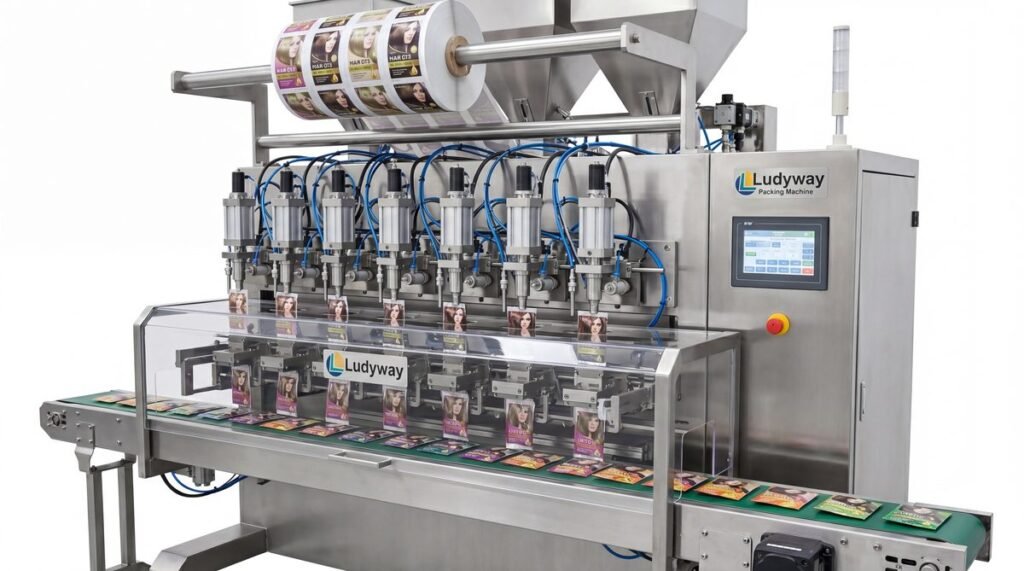
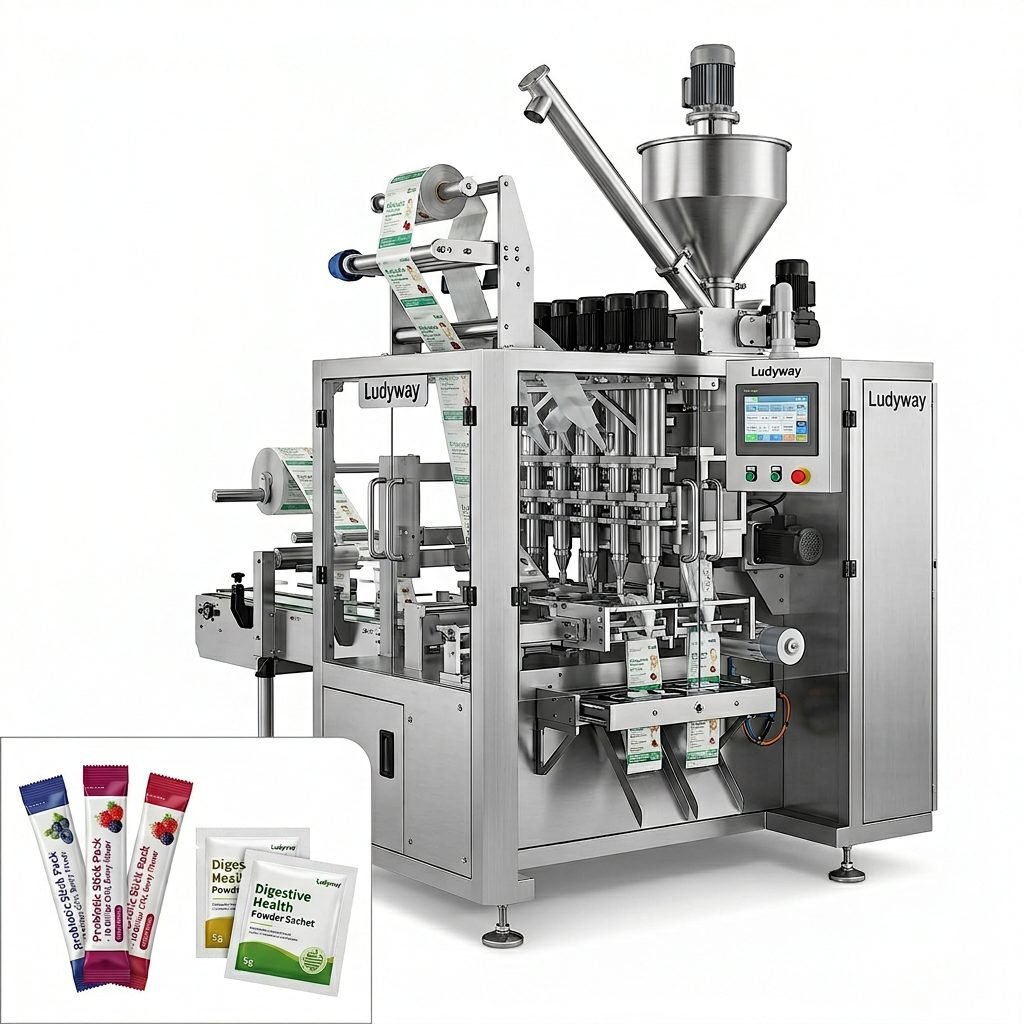
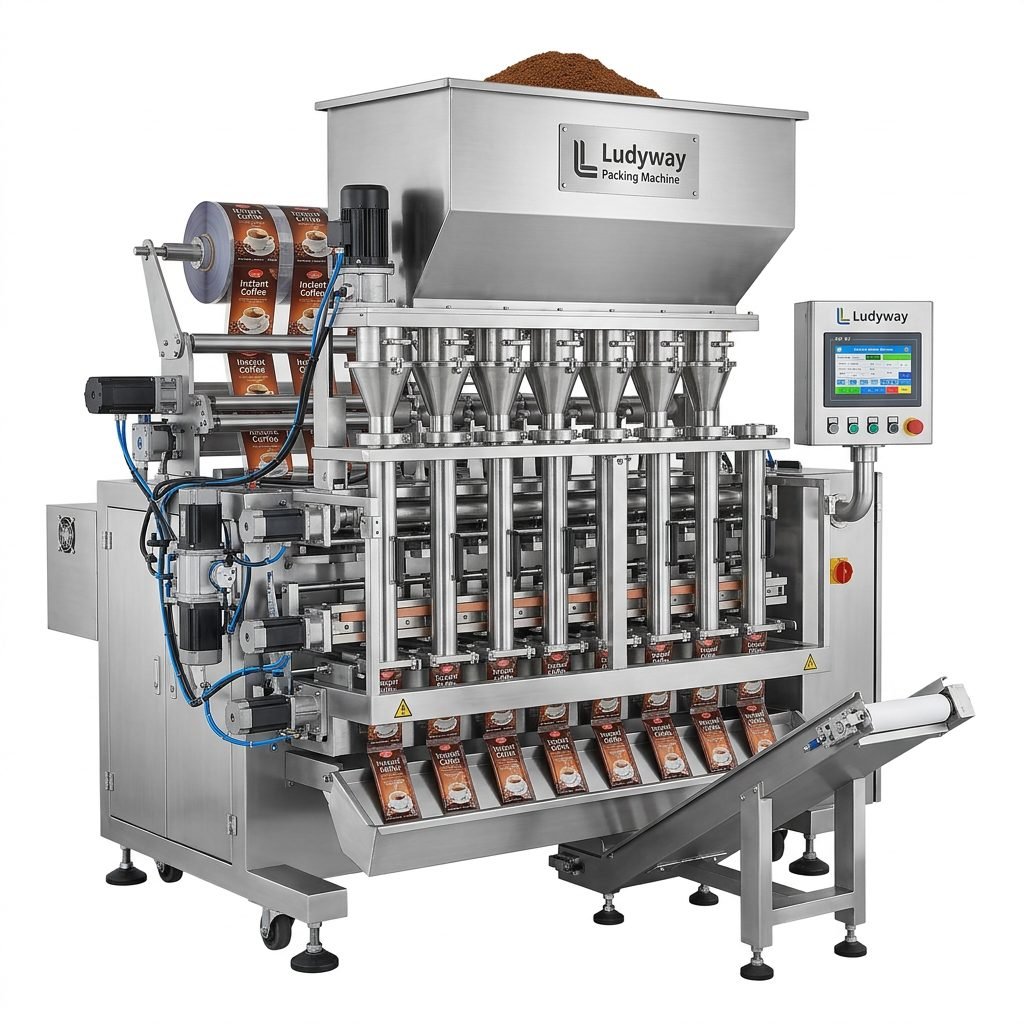
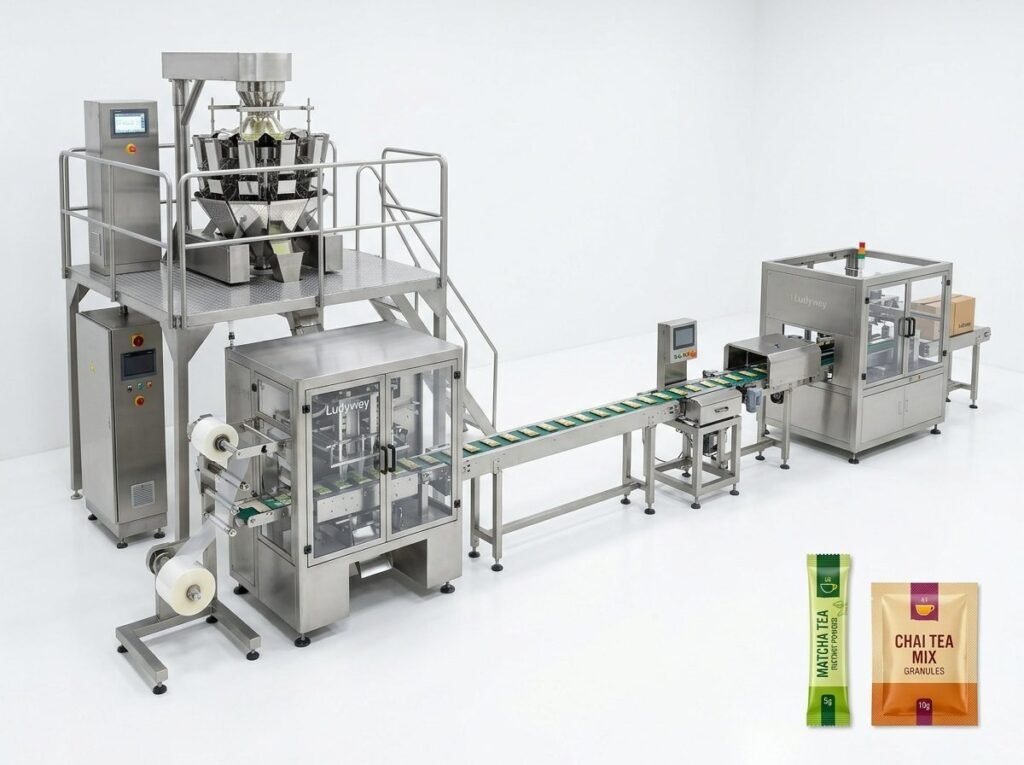
Maintaining a chemical packing machine is critical for ensuring operational safety, prolonging equipment lifespan, and avoiding costly downtime. Unlike standard packaging equipment, machines handling aggressive powders, corrosive liquids, or hazardous granules face unique stress factors. A structured maintenance program not only preserves reliable performance but also ensures compliance with strict industry regulations.
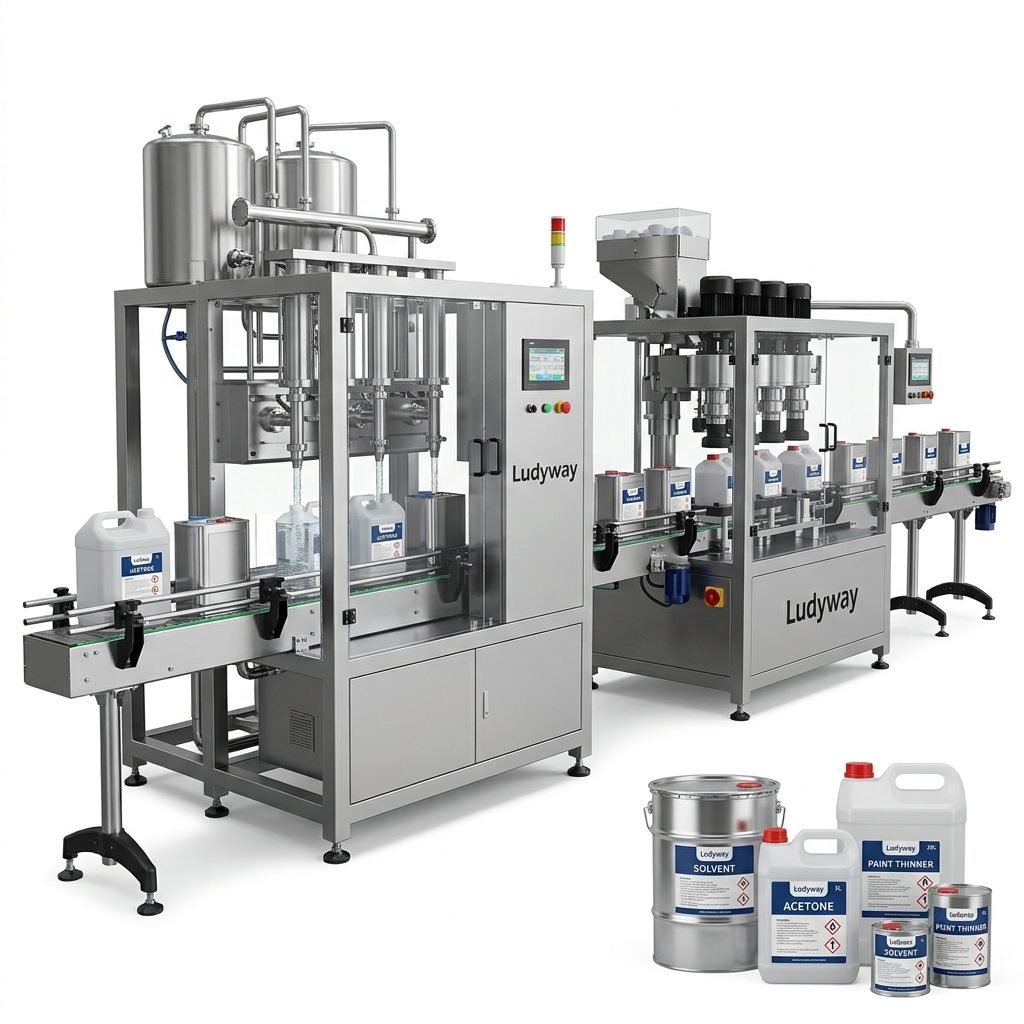
Daily Cleaning Protocols for Chemical Resistance
Aggressive chemical residues are the primary enemy of your equipment. If left unattended, they can corrode sealing jaws, degrade sensors, and contaminate future batches. Daily cleaning is non-negotiable.
- Immediate spill management: Wipe down spills of granule and powder chemicals immediately using compatible cleaning agents to prevent hardening.
- Hopper and chute inspection: Residue buildup in feeding systems can cause cross-contamination. Use dry, oil-free compressed air for powder lines, but ensure the area is well-ventilated.
- Sealing jaw care: Chemical films often stick to heated bars. Utilize a soft brass brush to remove burnt residue without scratching the Teflon coating.
Lubrication Strategy in Corrosive Environments
Standard lubricants often fail in chemical settings. Using the wrong grease can lead to premature bearing failure. You must select food-grade or chemical-resistant lubricants specifically designed for your machine’s contact points.
- Identify wash-down points: Bearings on packaging machinery exposed to harsh detergents need sealed lubrication.
- Chain drives: Apply a thin, penetrating lubricant that repels acidic moisture and prevents pitting.
- Pneumatic systems: Ensure the mist separator in your air supply unit is draining properly to prevent corrosive moisture from entering valves and cylinders.
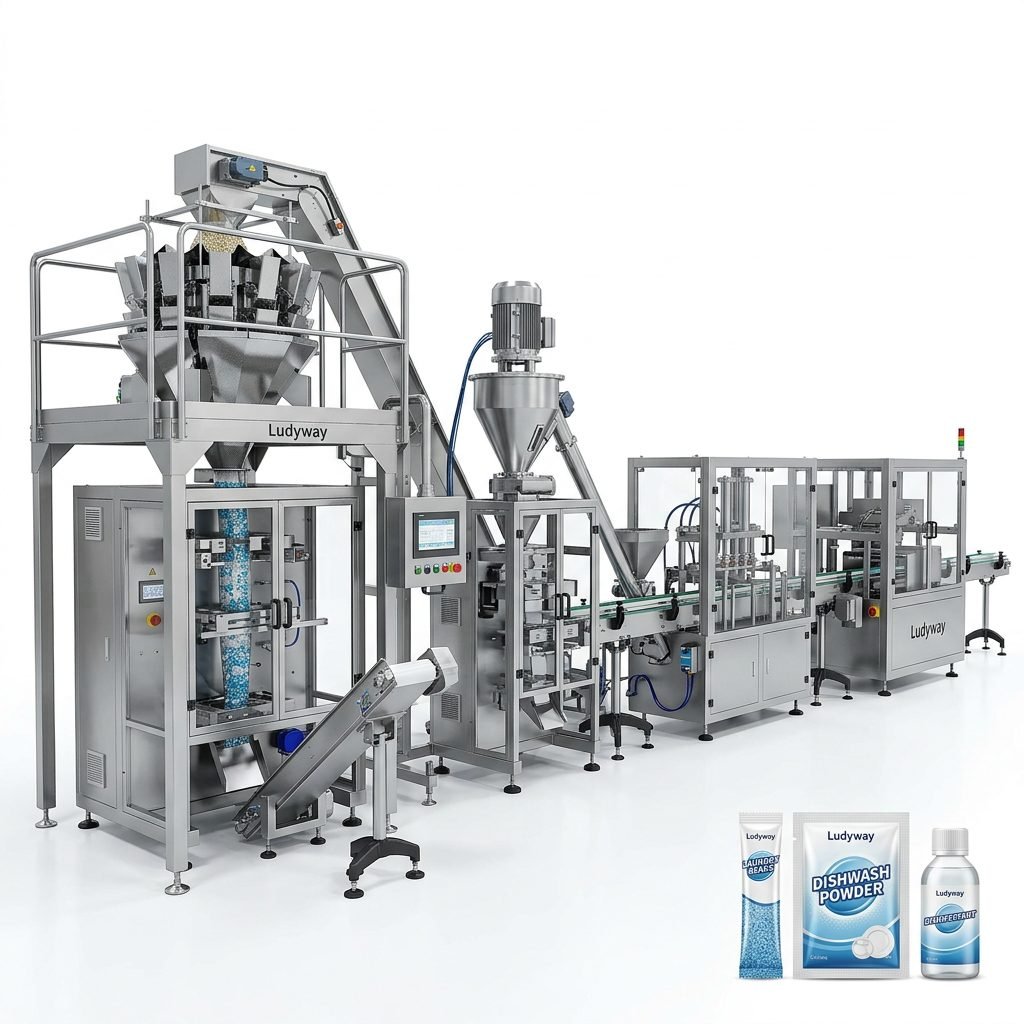
Inspection and Calibration of Critical Components
Accuracy in a chemical filling environment directly impacts product quality and regulatory compliance. A drift in calibration can lead to underfilled packages or, worse, dangerous overfill situations.
Weighing and Filling Systems
Verify load cells frequently. Vibrations from heavy-duty operations can loosen connections. Use certified test weights to recalibrate the multi-head weighers at least weekly, or daily if handling hygroscopic powders that stick to bucket doors.
Sealing Integrity Checks
The seal is the safety barrier against leaks. Perform a dye-penetrant test or vacuum leak test daily. Check that temperature controllers are maintaining a stable curve without spikes that could burn thin chemical films. According to ISO packaging standards, consistent seal strength is a fundamental safety requirement.
Scheduled Preventive Maintenance (PM) Checklist
Adhering to a strict schedule prevents reactive repairs. Below is a fundamental framework for your maintenance log:
| Frequency | Maintenance Task | Focus Area |
|---|---|---|
| Daily | Clean forming tubes and sealing jaws | Chemical residue removal |
| Weekly | Calibrate weigh cells and check air filters | Filling accuracy & air quality |
| Monthly | Inspect electrical panels and tighten terminals | Corrosion prevention on circuits |
| Quarterly | Replace worn grippers and belts | Mechanical wear resistance |
Protecting Electrical and Sensor Systems
Dust ingress is a leading cause of false readings and short circuits in chemical plants. Ensure all control cabinets are sealed with the correct IP rating. Pay special attention to:
- Photoelectric sensors: Wipe lenses daily with a mild vinegar solution if exposed to alkaline dust clouds.
- Wiring harnesses: Regularly inspect for brittleness; chemical vapors can harden standard cable sheathing, leading to cracking and short circuits.
- Pneumatic solenoid valves: Ensure exhaust ports are clear of obstruction to prevent sluggish machine response.
Safety Interlocks and Emergency Systems
Before any maintenance, lockout/tagout procedures are mandatory. Test the emergency stop functionality and door interlock switches regularly. A machine that fails to stop immediately poses a significant risk to operators dealing with toxic substances. Never bypass a guard switch to clear a jam while the machine is powered.
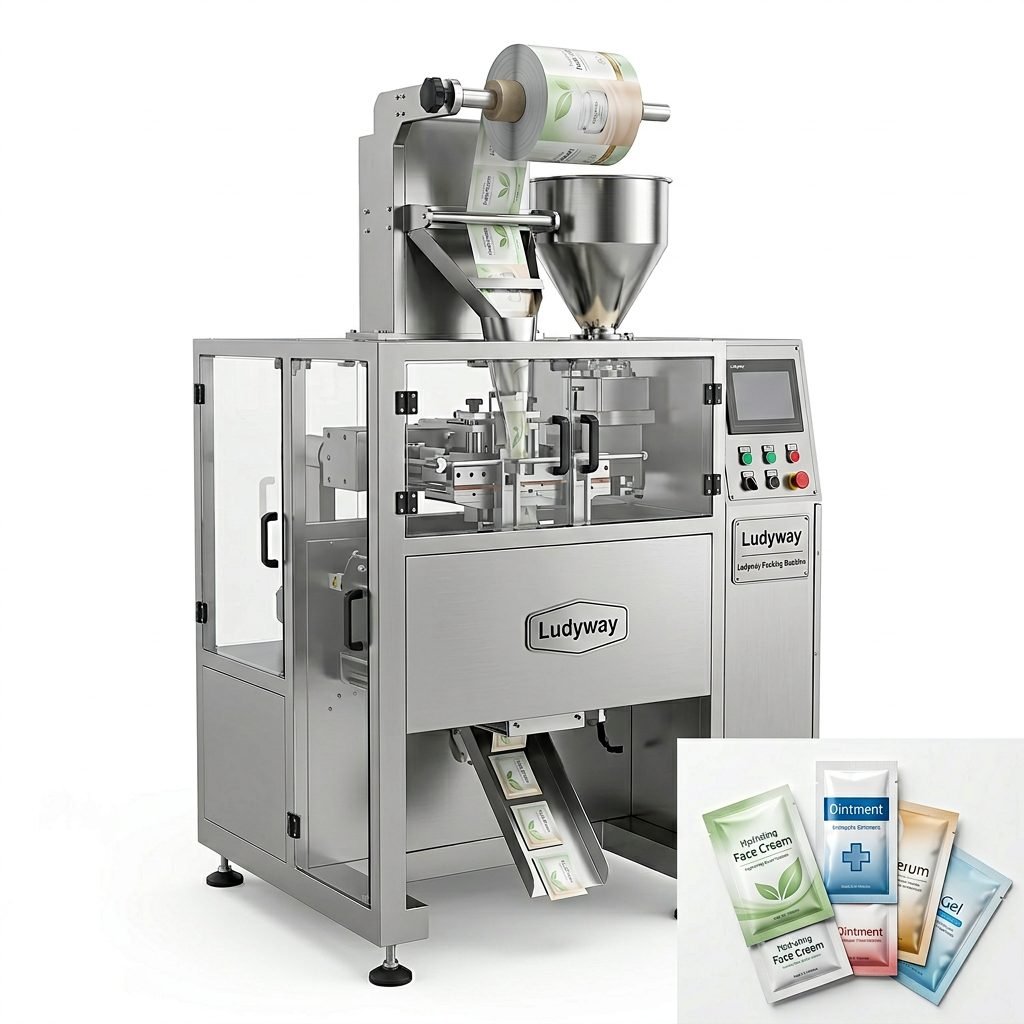
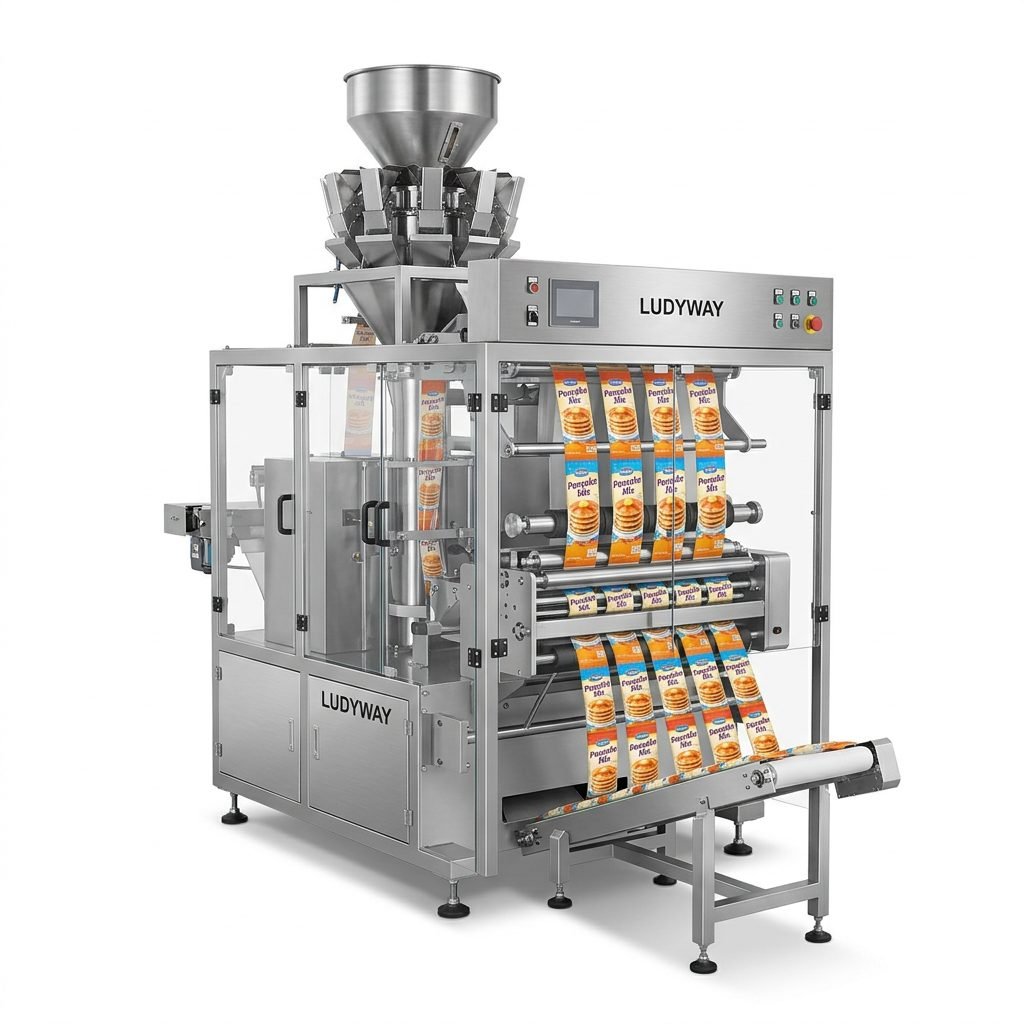
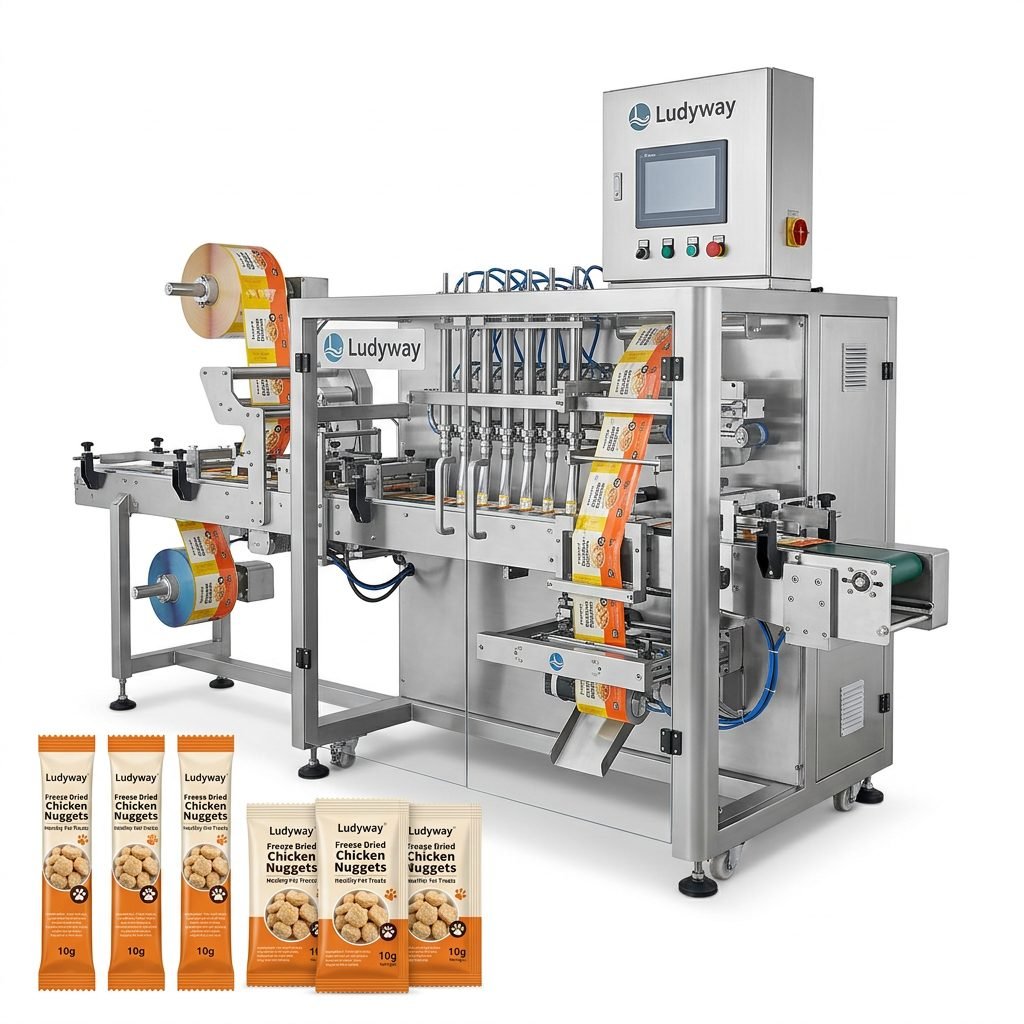
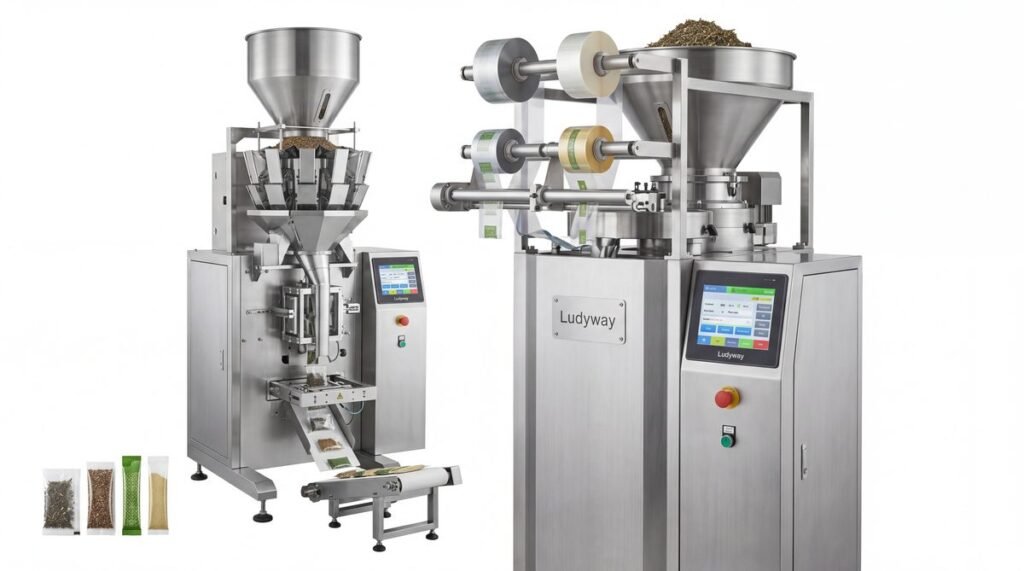
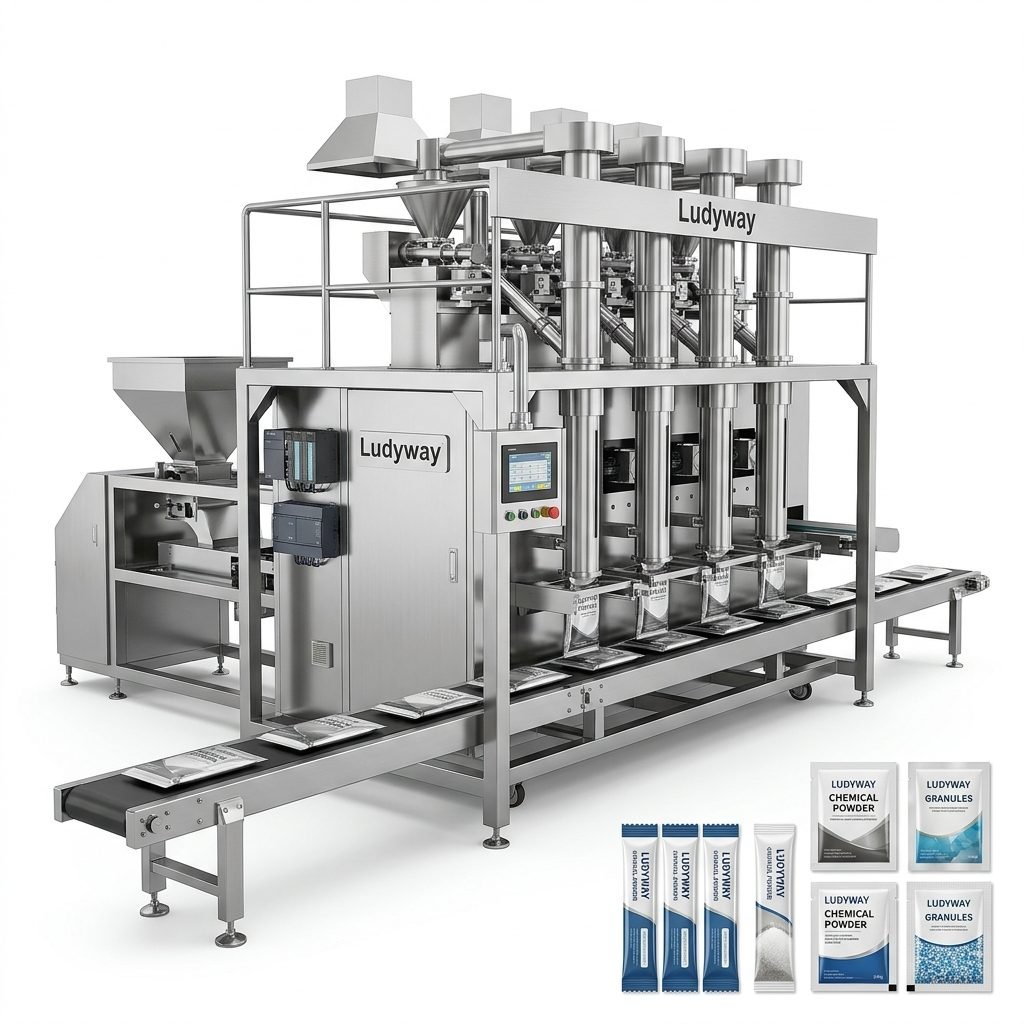
For complex turnkey systems handling volatile solvents, trust equipment designed with safety as a priority. As one of the largest packaging machine manufacturers in China, Ludyway engineers its equipment with reinforced stainless steel frames and advanced fume extraction compatibility to facilitate easy cleaning and maintenance, directly supporting your efforts to keep machinery running at peak performance.
Sourcing Genuine Spare Parts
Using non-original gaskets or inferior heating elements is a false economy. Cheap substitutes often degrade at an accelerated rate in acidic or alkaline environments. Always maintain an inventory of OEM-certified spares, particularly:
- Sealing jaw sensors (thermocouples).
- Teflon-coated sealing belts.
- Chemical-resistant O-rings and static eliminators.
For further reading on standardized testing and material compatibility, resources such as the FDA Food Packaging and Food Contact Substances database and PMMI packaging industry resources offer valuable technical guidelines that apply to chemical safety and packaging machinery hygiene standards.
Long-Term Storage and End-of-Line Care
If your chemical packing machine is part of a seasonal operation, proper mothballing is essential. Drain all residual liquid chemicals, flush the system with a neutralizing agent, and coat exposed metal surfaces with a protective anti-corrosion spray. Cover the machine to shield it from ambient factory humidity, which can accelerate oxidation on bare contact parts.
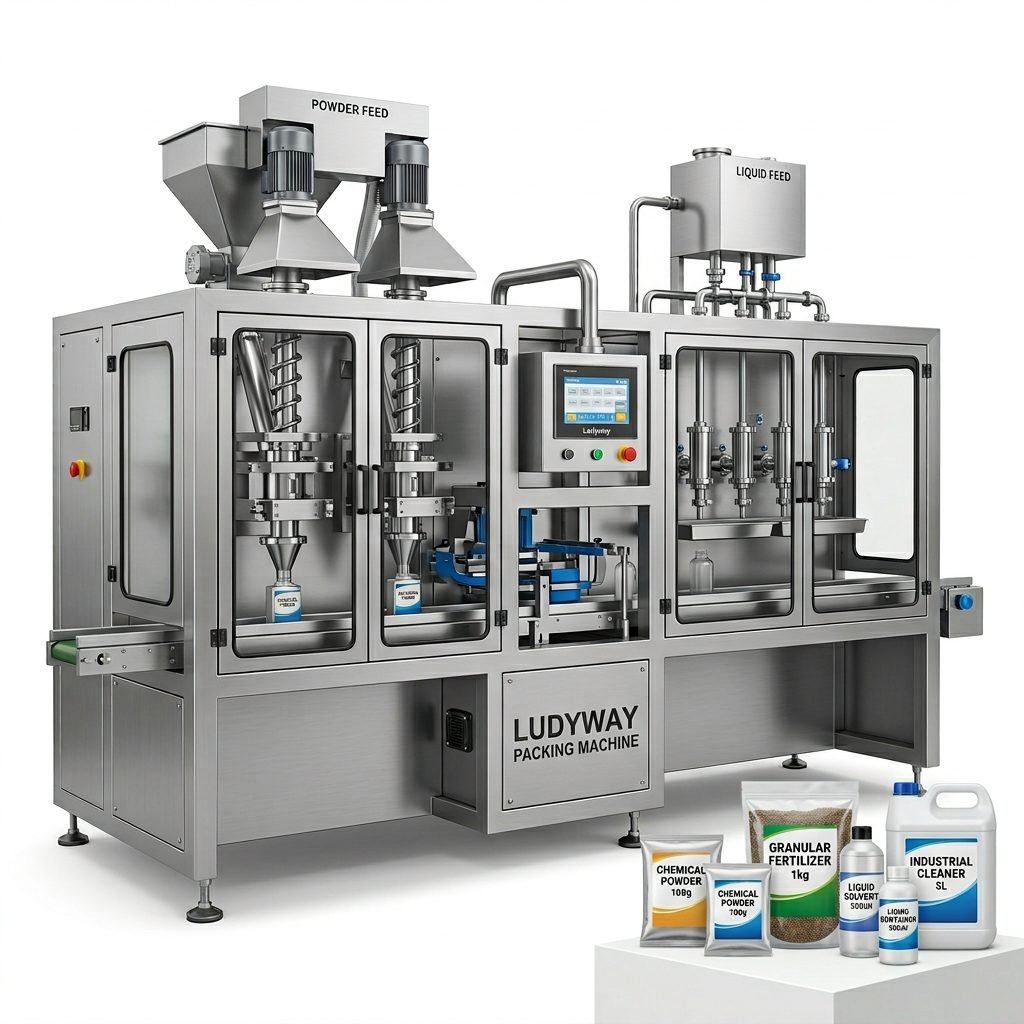
Consistent adherence to these maintenance protocols will guarantee reliable performance, minimize unplanned downtime, and ensure your chemical packaging process remains safe and efficient for years to come.