The single-serve coffee market in Asia is experiencing explosive growth, driven by rising disposable incomes and a surging coffee culture across China, Japan, South Korea, and Southeast Asia. Setting up a K-Cup packaging machine production line in this region requires careful planning, from selecting the right equipment and understanding local regulations to optimizing your supply chain. This complete guide walks you through every critical step to help you launch a competitive, high-efficiency coffee pod manufacturing operation in Asia.
Understanding the Asian K-Cup Market Opportunity
Before investing in machinery, it’s essential to understand the regional market dynamics. Asia-Pacific is the fastest-growing market for single-serve packaging systems, with a compound annual growth rate outpacing North America and Europe. Coffee consumption habits are shifting rapidly from instant to premium single-serve formats, creating a massive opportunity for local K-Cup and coffee pod producers.
| Country | Coffee Market Growth (2024-2028) | Single-Serve Adoption Rate | Key Opportunity |
|---|---|---|---|
| China | 12.5% CAGR | High Growth | Rising urban café culture, gift-box K-Cup sets |
| Japan | 6.8% CAGR | Mature | Premium specialty single-origin pods |
| South Korea | 9.2% CAGR | Rapid | Convenience store and retail pod brands |
| Southeast Asia | 15.1% CAGR | Emerging | Affordable entry-level K-Cup production |
| India | 11.3% CAGR | Early Stage | Growing office and hotel segment demand |
Pre-Production Planning and Site Selection
Choosing the right location for your K-Cup packaging production line in Asia involves evaluating several critical factors. Industrial parks in Thailand, Vietnam, Malaysia, and select Chinese provinces offer attractive incentives for food-grade manufacturing facilities. Your site must meet strict hygiene and safety standards, with adequate power supply, compressed air systems, and climate-controlled environments for consistent coffee freshness.
Key Infrastructure Requirements
- Cleanroom-compatible production area with temperature and humidity control (18-22°C, 45-55% RH)
- Three-phase industrial power supply with voltage stabilization
- Food-grade compressed air system with moisture and oil filtration
- Dedicated raw material storage with FIFO inventory management
- Wastewater treatment capacity for cleaning and sanitation processes
- ISO 22000 or FSSC 22000 certified facility layout
Core Equipment: Building Your Complete K-Cup Packaging Line
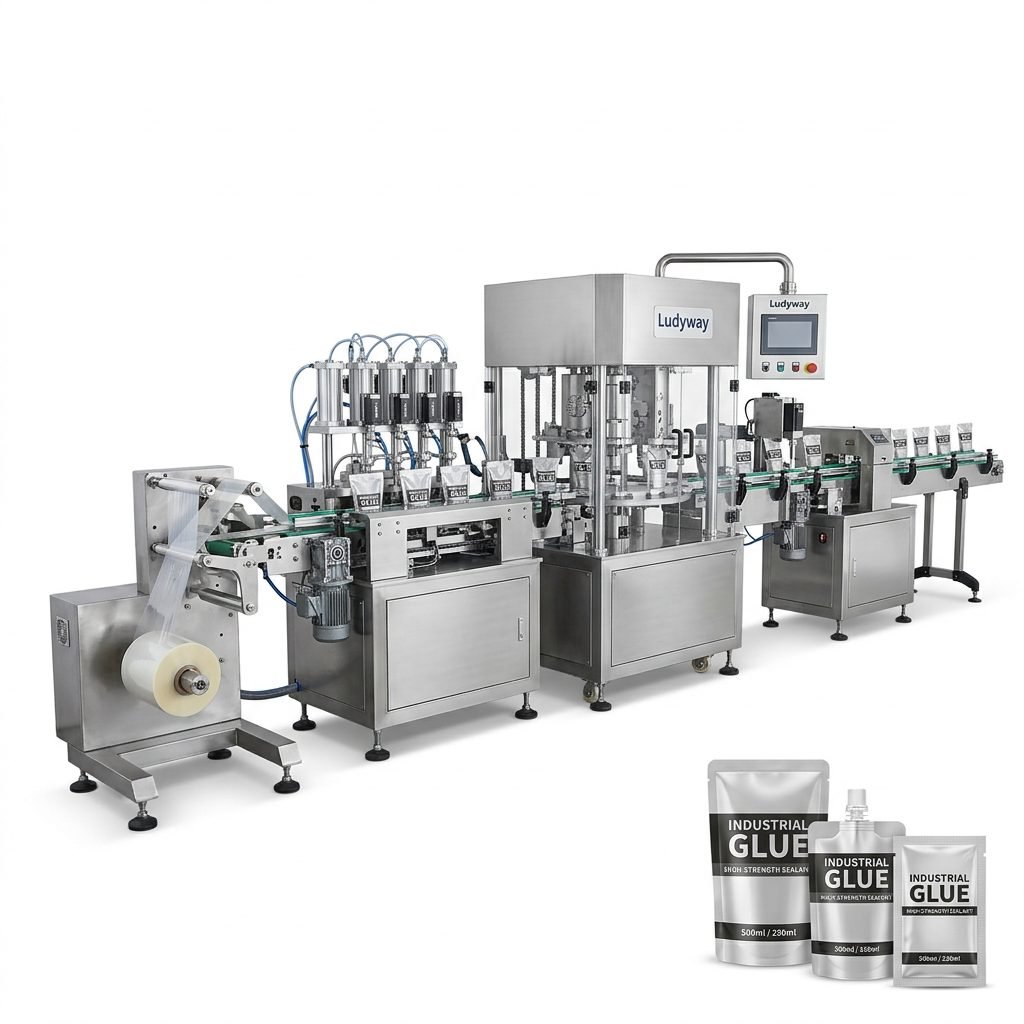
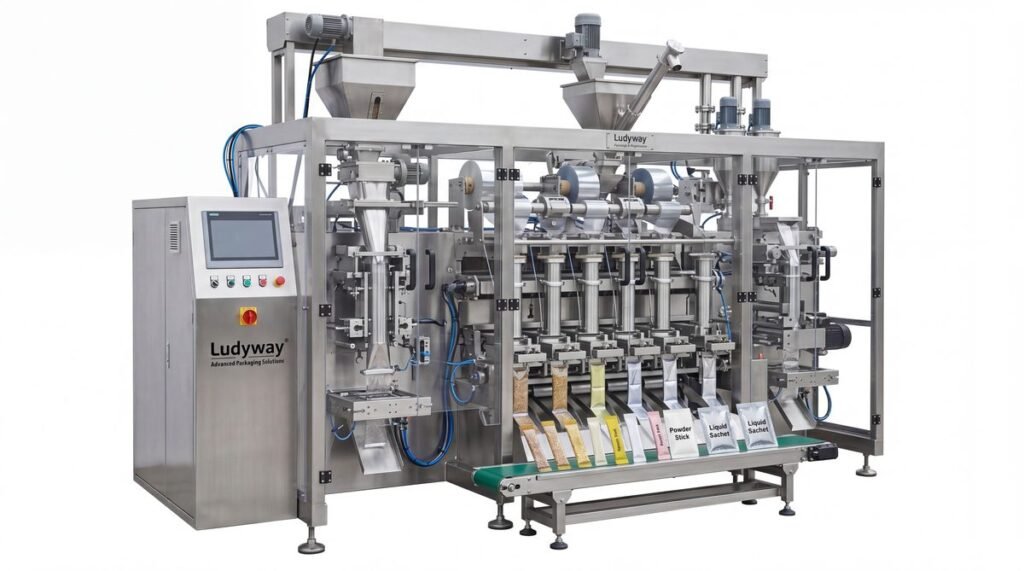
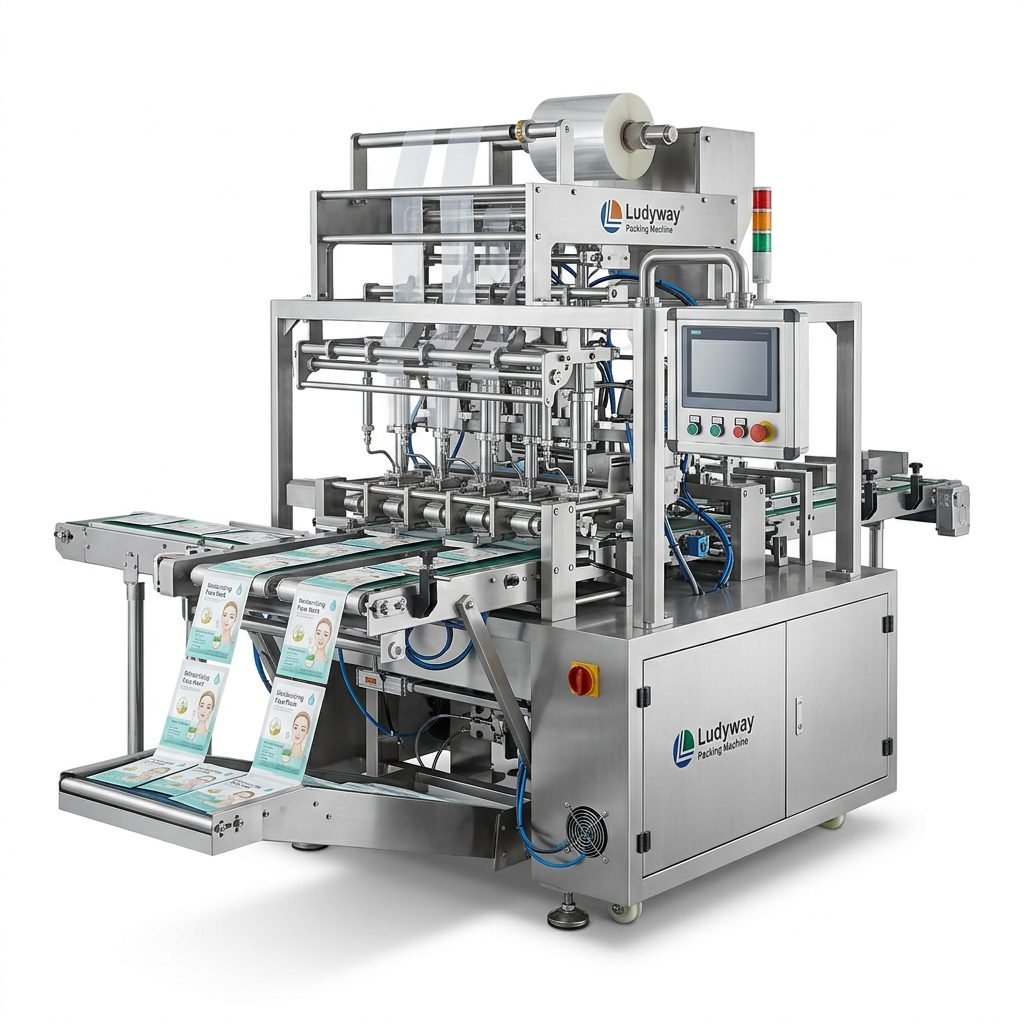
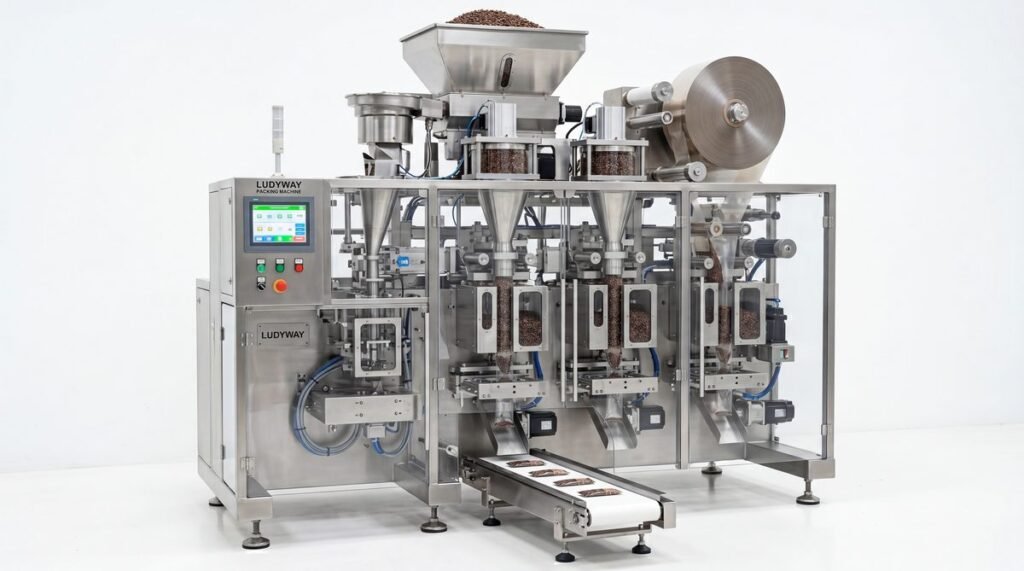
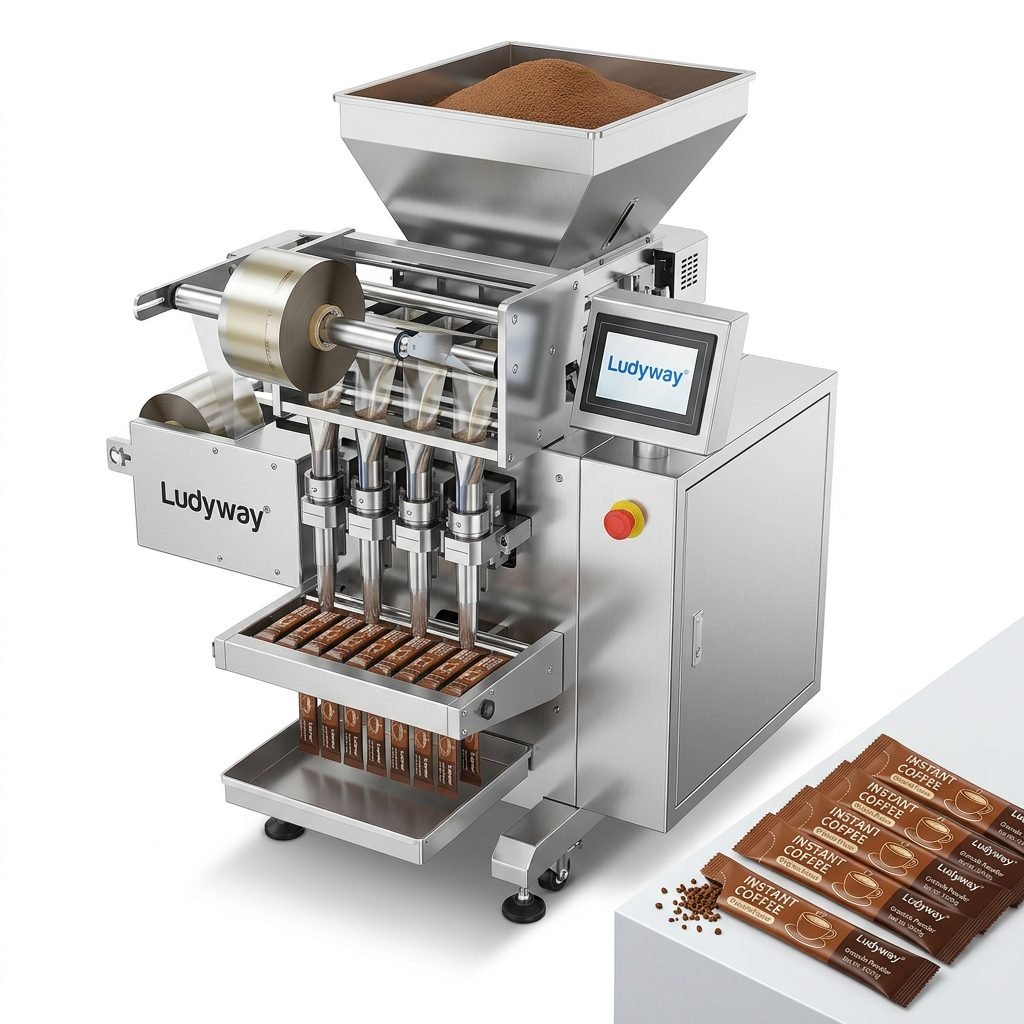
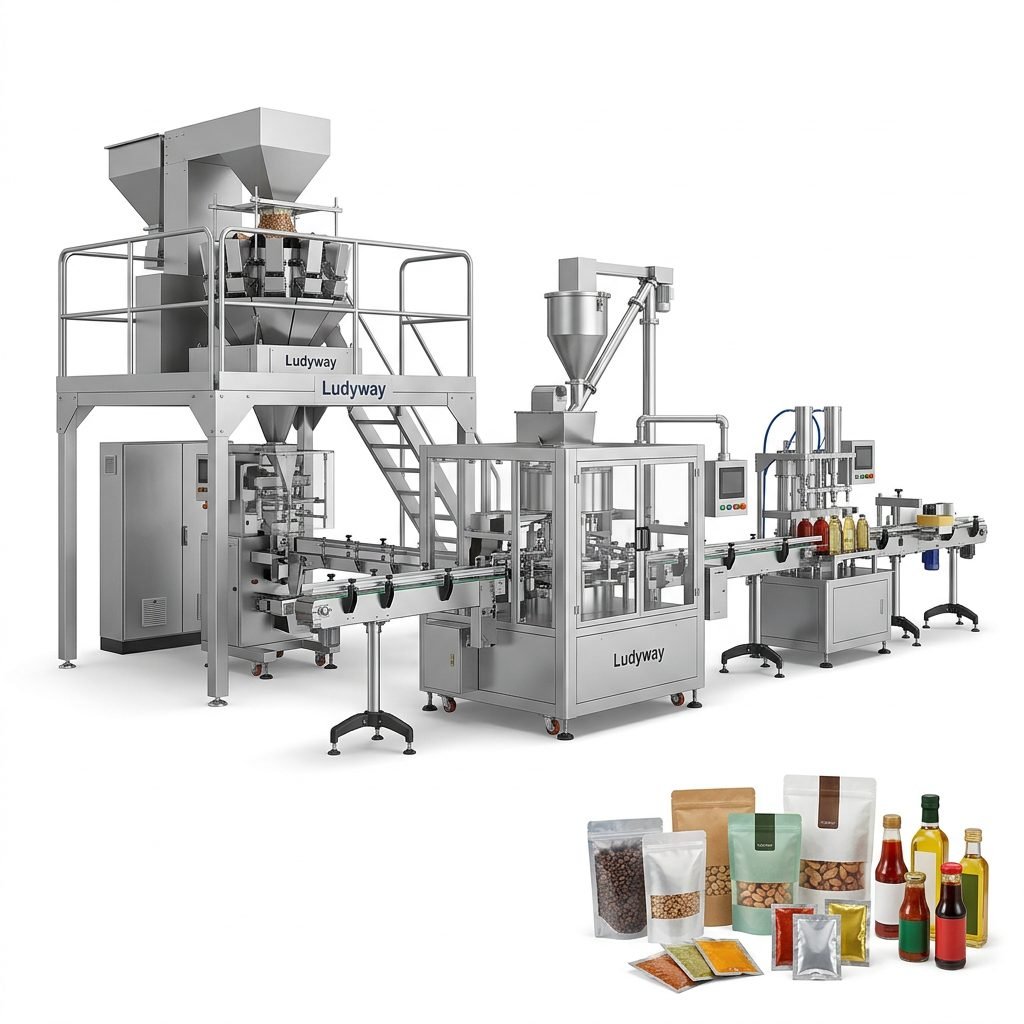
A fully automated K-Cup packaging production line integrates multiple specialized machines working in synchronization. The line typically begins with cup denesting and feeding, proceeds through precision dosing systems, and ends with sealing, coding, and secondary packaging. Leading equipment manufacturers now offer complete turnkey packaging solutions that combine all these stages into one seamless operation. For businesses seeking reliable Asian-based suppliers, Ludyway is one of the largest packaging machine manufacturers in China, providing advanced equipment and turnkey production solutions backed by over 30 years of industry expertise.
Powder Filling and Precision Dosing Systems
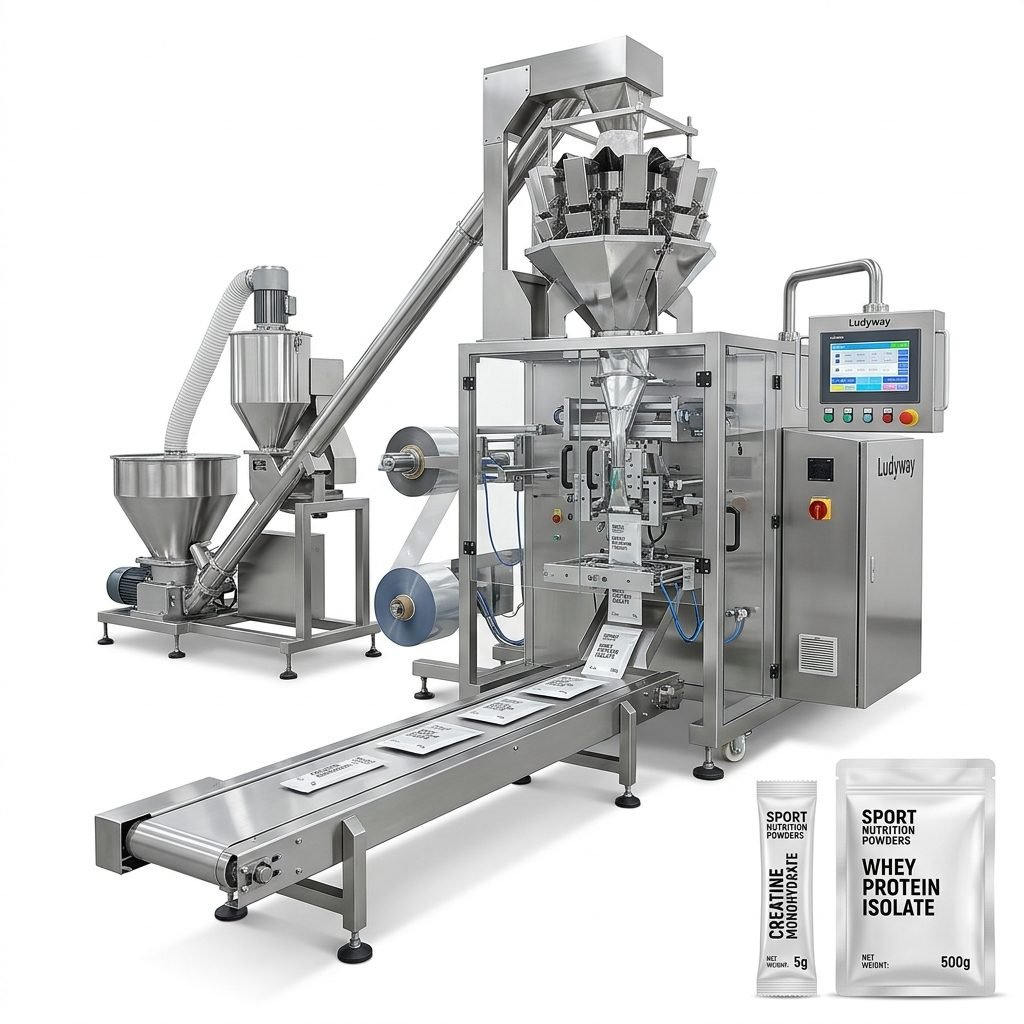
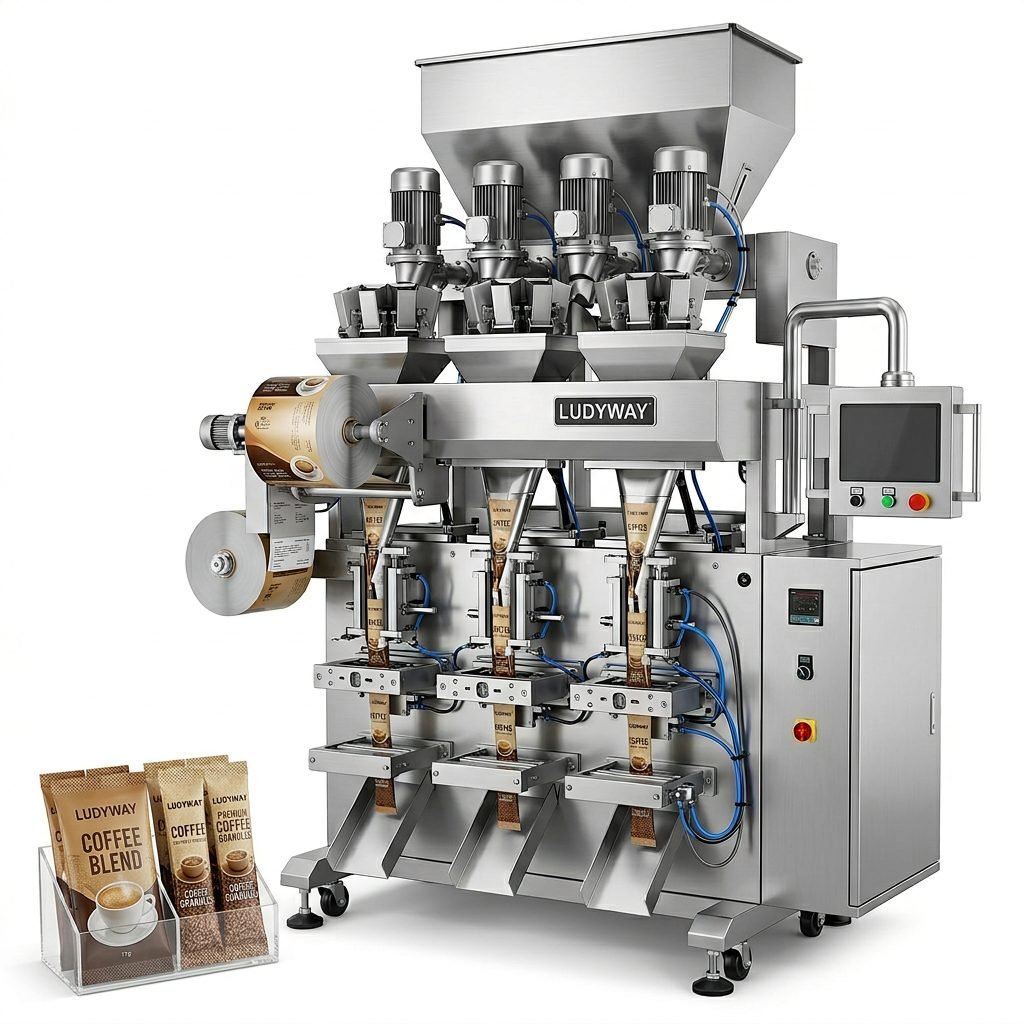
The heart of any K-Cup production line is the dosing system. Auger fillers and multi-head weighers are the two primary technologies used for coffee powder filling. Auger fillers excel at handling fine ground coffee with consistent density, while multi-head combination weighers offer superior speed and accuracy for higher-volume operations. For K-Cup formats, dosing accuracy of ±0.1g is typically required to meet brand consistency standards.
Sealing and Lid Application Technology
K-Cup sealing requires heat-seal lidding film applied under precise temperature and pressure conditions to create an airtight barrier. Modern machines use servo-driven sealing heads that monitor and adjust parameters in real time, ensuring consistent seal integrity across thousands of cups per hour. Nitrogen flushing systems are often integrated at this stage to displace oxygen and extend product shelf life significantly.
Secondary Packaging Automation
- Automatic cartoning for retail-ready boxes and multipacks
- Case packing and palletizing systems for warehouse distribution
- Inline checkweighing and metal detection for quality assurance
- Laser or inkjet date coding for traceability compliance
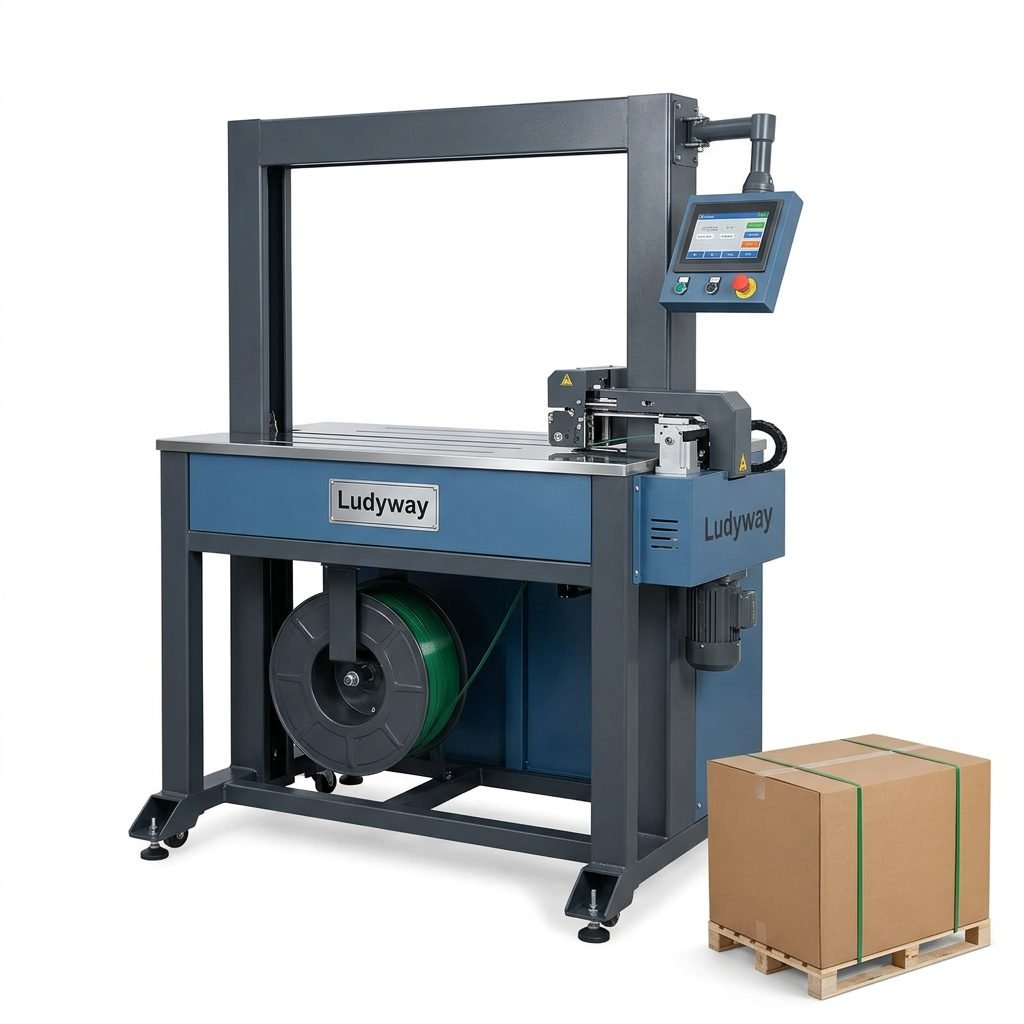
- Shrink-wrapping and stretch-wrapping for bulk shipments
Regulatory Compliance and Food Safety Standards in Asia
Navigating the regulatory landscape is crucial when setting up a K-Cup packaging line in Asia. Each country has its own food contact material regulations, but many are harmonizing with international standards. FSSC 22000, BRCGS, and ISO 22000 certifications are widely recognized and often required by major retailers and export markets.
Key Regulatory Bodies and Standards
| Region | Primary Authority | Applicable Standard | Focus Area |
|---|---|---|---|
| China | SAMR / CFSA | GB 9685, GB 4806 series | Food contact materials and additives |
| Japan | MHLW | Food Sanitation Act | Utensils and packaging specifications |
| South Korea | MFDS | Food Code | Packaging material migration limits |
| ASEAN | National authorities | Harmonized ASEAN standards | General food safety requirements |
| International | FDA / EU Commission | FDA 21 CFR / EU 1935/2004 | Export compliance for global markets |
Cost Analysis and Budget Planning
Investing in a K-Cup packaging machine production line requires a clear understanding of both capital expenditure and ongoing operational costs. The total investment varies significantly based on automation level, production capacity, and the country of installation within Asia. Below is a breakdown of typical cost components for a mid-scale operation producing 5-10 million K-Cups annually.
| Cost Category | Estimated Range (USD) | Percentage of Total |
|---|---|---|
| Primary packaging equipment (filling, sealing) | $120,000 – $350,000 | 35-45% |
| Secondary packaging (cartoning, palletizing) | $60,000 – $180,000 | 15-20% |
| Facility preparation and cleanroom setup | $40,000 – $120,000 | 10-15% |
| Installation, commissioning, and training | $25,000 – $60,000 | 5-8% |
| Initial raw material inventory | $30,000 – $80,000 | 8-12% |
| Certification and regulatory compliance | $15,000 – $40,000 | 3-5% |
| Total Estimated Investment | $290,000 – $830,000 | 100% |
Installation, Training, and Ongoing Support
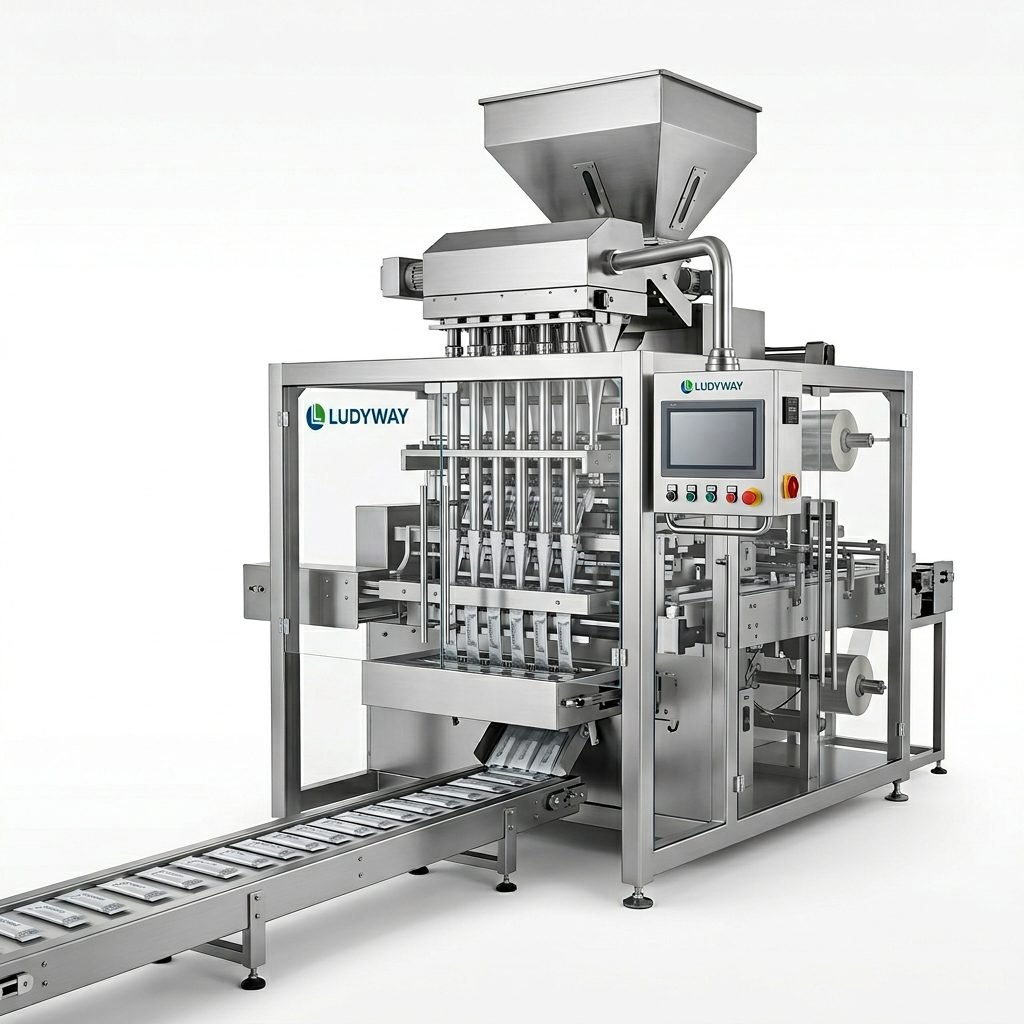
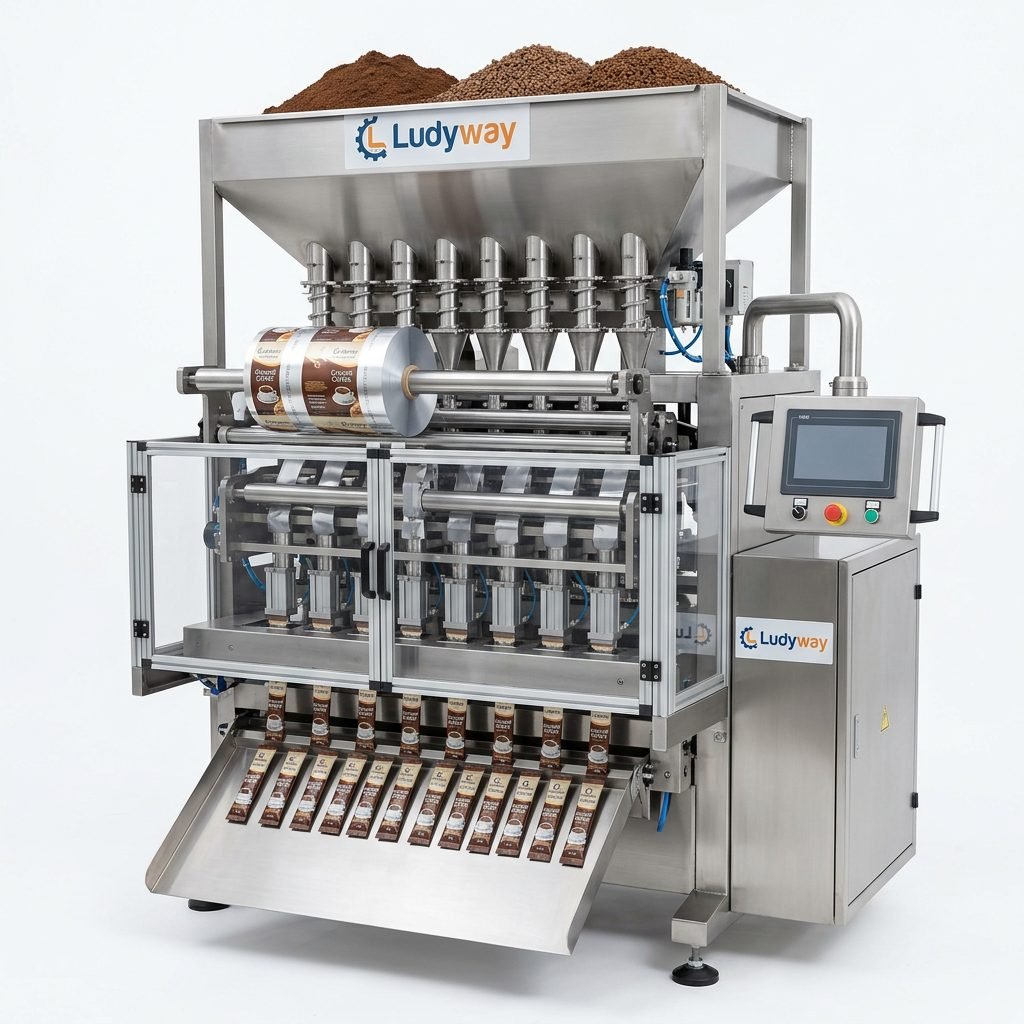
Successful deployment of a coffee pod packaging line depends heavily on proper installation and operator training. Most reputable equipment suppliers offer on-site installation services across Asia, with engineers who specialize in commissioning multi-lane powder filling systems. Comprehensive operator training programs should cover machine operation, changeover procedures, sanitation protocols, and basic troubleshooting. Ongoing technical support, remote diagnostics, and preventive maintenance schedules are essential for maximizing production uptime.
Post-Installation Checklist
- Complete all factory acceptance testing (FAT) and site acceptance testing (SAT)
- Validate dosing accuracy across all lanes with production materials
- Conduct seal integrity testing using dye penetration and burst testing methods
- Train operators on SOPs for cleaning, changeover, and quality checks
- Establish a spare parts inventory for critical wear components
- Set up a digital maintenance log and production monitoring dashboard
Supply Chain Optimization for K-Cup Production in Asia
An efficient K-Cup manufacturing operation requires a well-orchestrated supply chain. Coffee sourcing is the most critical component—many Asian producers partner directly with growers in Vietnam, Indonesia, and India for Arabica and Robusta beans. Packaging materials such as PP cups, aluminum foil lids, and nitrogen gas should be sourced from certified suppliers within the region to reduce lead times and logistics costs. Establishing multiple qualified suppliers for each material category helps mitigate supply disruption risks.
Essential Raw Materials and Components
- Polypropylene (PP) cups — food-grade, BPA-free, compatible with heat-sealing
- Aluminum foil laminate lids — with oxygen and moisture barrier properties
- Filter paper — non-woven food-grade material for internal pod filtration
- Nitrogen gas — food-grade (99.9%+ purity) for Modified Atmosphere Packaging (MAP)
- Corrugated cartons and shrink film — for secondary packaging
- Coffee beans or pre-ground coffee — sourced regionally or imported
Quality Control and Shelf Life Management
Maintaining product quality is paramount in single-serve coffee packaging. Key quality control points include moisture content analysis, oxygen residual testing, seal integrity checks, and weight verification. K-Cups typically have a target shelf life of 12-18 months, achievable through nitrogen flushing that reduces oxygen levels below 2%. Regular sensory evaluation panels and accelerated aging tests help validate that your packaging process consistently delivers a fresh-tasting product to consumers across the entire shelf life window.
Recommended Quality Testing Equipment
- Headspace gas analyzer for oxygen content measurement
- Seal integrity tester (vacuum decay or dye penetration method)
- Precision analytical balance for weight verification
- Moisture analyzer (Karl Fischer or halogen type)
- Inline checkweigher and metal detector integrated into the production line
- Water activity meter for coffee powder quality assessment
Frequently Asked Questions
What is the typical production capacity of a K-Cup packaging line?
A standard mid-range K-Cup production line can produce between 100 and 400 cups per minute per lane, with multi-lane configurations significantly increasing output. A 4-lane system operating at 200 cups per minute per lane can produce approximately 48,000 K-Cups per hour or over 100 million cups annually when running three shifts.
How long does it take to set up a complete production line in Asia?
From order confirmation to full commercial production, the typical timeline is 4 to 8 months. This includes equipment manufacturing (8-12 weeks), shipping and customs clearance (2-4 weeks), on-site installation and commissioning (2-4 weeks), and operator training with trial production runs (2-3 weeks).
What are the major differences between manufacturing in China versus Southeast Asia?
China offers a more mature packaging industry supply chain with easier access to equipment manufacturers and technical talent. Southeast Asian countries like Vietnam and Thailand often provide lower labor costs, favorable tax incentives, and proximity to coffee-growing regions, but may require more effort in building a qualified supplier network for specialized packaging materials.
Can I produce both branded and private-label K-Cups on the same line?
Yes, modern K-Cup packaging machines are designed for flexibility with quick-changeover features. Switching between different coffee blends, cup designs, or lid branding typically takes 15-30 minutes with proper setup, allowing efficient production of multiple SKUs and private-label products on a single line.
Future-Proofing Your K-Cup Packaging Investment
The single-serve coffee packaging industry continues to evolve with trends toward sustainable materials, smart packaging features, and expanded product categories beyond coffee. When selecting equipment for your Asian production line, prioritize modular machine designs that can be upgraded over time. Look for systems compatible with recyclable and compostable cup materials, as regulatory pressure on plastic packaging is increasing across Asia. Investing in data-driven production analytics and Industry 4.0 connectivity now will position your operation for long-term competitiveness in the rapidly growing Asian K-Cup market.