Selecting a blister packing machine is a critical decision that directly affects product protection, production efficiency, and regulatory compliance. Whether you are packaging pharmaceuticals, medical devices, nutraceuticals, or consumer goods, the accuracy and reliability of your blister packaging system determine product shelf life, patient safety, and operational profitability. With a wide range of machine configurations, technologies, and suppliers available, making the right choice requires a systematic evaluation of your specific requirements and a clear understanding of key machine features.

Understand Your Product and Packaging Requirements First
Before evaluating machine specifications, you must define your product characteristics and packaging format. The type of blister pack you need depends on the product being packaged. Pharmaceutical tablets and capsules typically require thermoformed blister packs with push-through or peel-push lidding, while medical devices may need sterile barrier blister packaging compliant with ISO 11607 standards. Food and consumer products often use trapped blister or face-seal blister formats. Consider these essential product parameters:
- Product dimensions and shape: Tablet diameter, capsule size, ampoule length, or device geometry
- Product sensitivity: Moisture sensitivity, oxygen sensitivity, light sensitivity, and fragility
- Production volume requirements: Daily or annual output targets determine whether intermittent or continuous motion machines are needed
- Packaging material compatibility: Forming film types (PVC, PVDC, Aclar, aluminum) and lidding materials (aluminum foil, paper-backed foil, child-resistant structures)
- Cavity configuration: Number of cavities per blister, cavity depth, and layout pattern
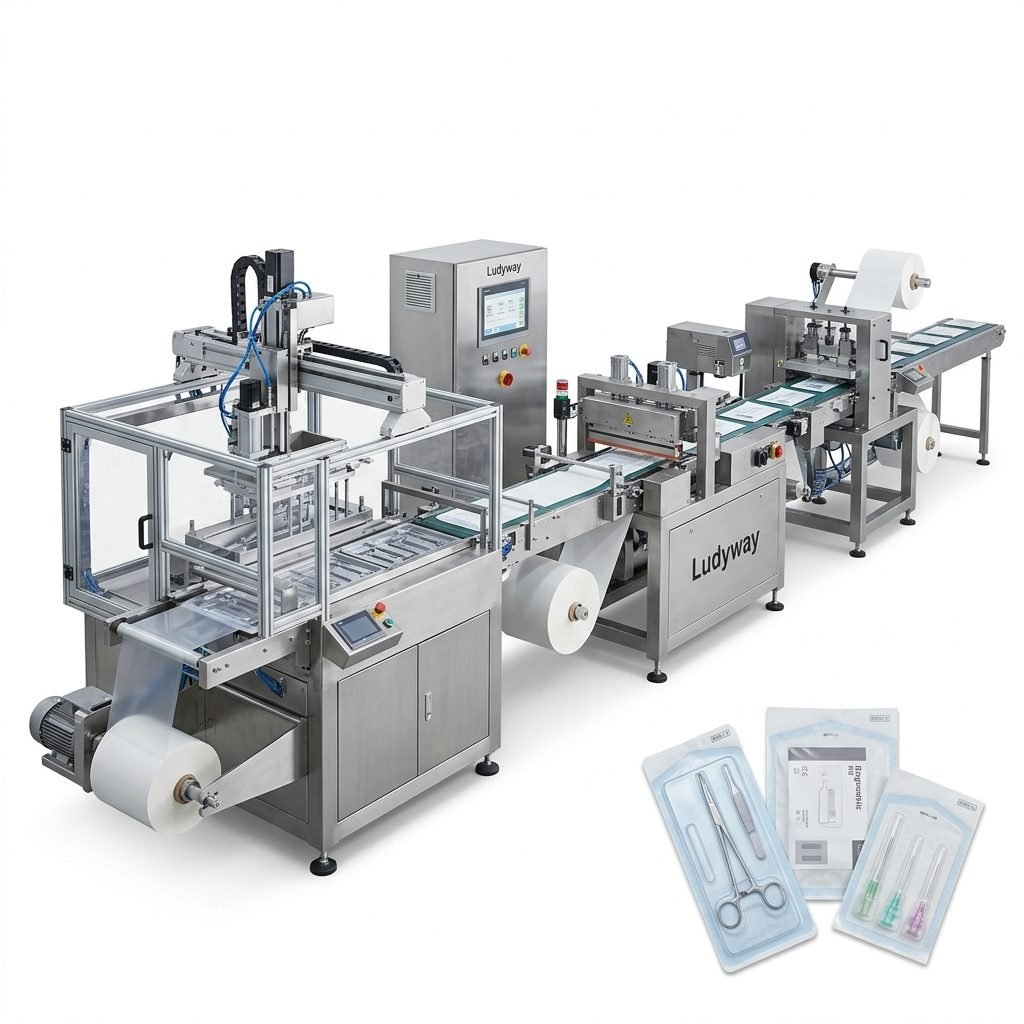
Machine Type: Intermittent vs. Continuous Motion
Blister packaging machines are broadly categorized into intermittent motion and continuous motion systems. Intermittent machines stop the web for forming, filling, and sealing operations, making them suitable for lower to medium production speeds and frequent changeovers. Continuous motion machines maintain constant web movement, achieving higher output rates ideal for large-scale pharmaceutical production. Your choice should align with your required output speed and format flexibility.
Forming, Filling, and Sealing Technology
The forming station uses heat and pressure or vacuum to shape the blister cavities. Flat-plate thermoforming is common for pharmaceutical blisters, while rotary thermoforming offers higher speeds. The filling system must handle your product gently and accurately. Options include vibratory feeders for tablets, pick-and-place robots for devices, and volumetric or gravimetric systems for powders and granules. Sealing technology must ensure consistent, hermetic seals that meet FDA packaging regulations and other applicable standards.
Critical Factors for Accurate Blister Packing Machine Selection
When comparing blister packing machines, evaluate these key technical and operational factors to ensure long-term accuracy, reliability, and return on investment.
1. Dosing and Filling Accuracy
For pharmaceutical blister packaging, dosing precision is non-negotiable. The machine must deliver exact tablet counts or precise powder amounts into each cavity. Look for machines with validated filling systems, missing tablet detection, and reject mechanisms that remove incomplete blisters without disrupting production flow. Advanced systems incorporate vision inspection and checkweighing for real-time quality assurance.
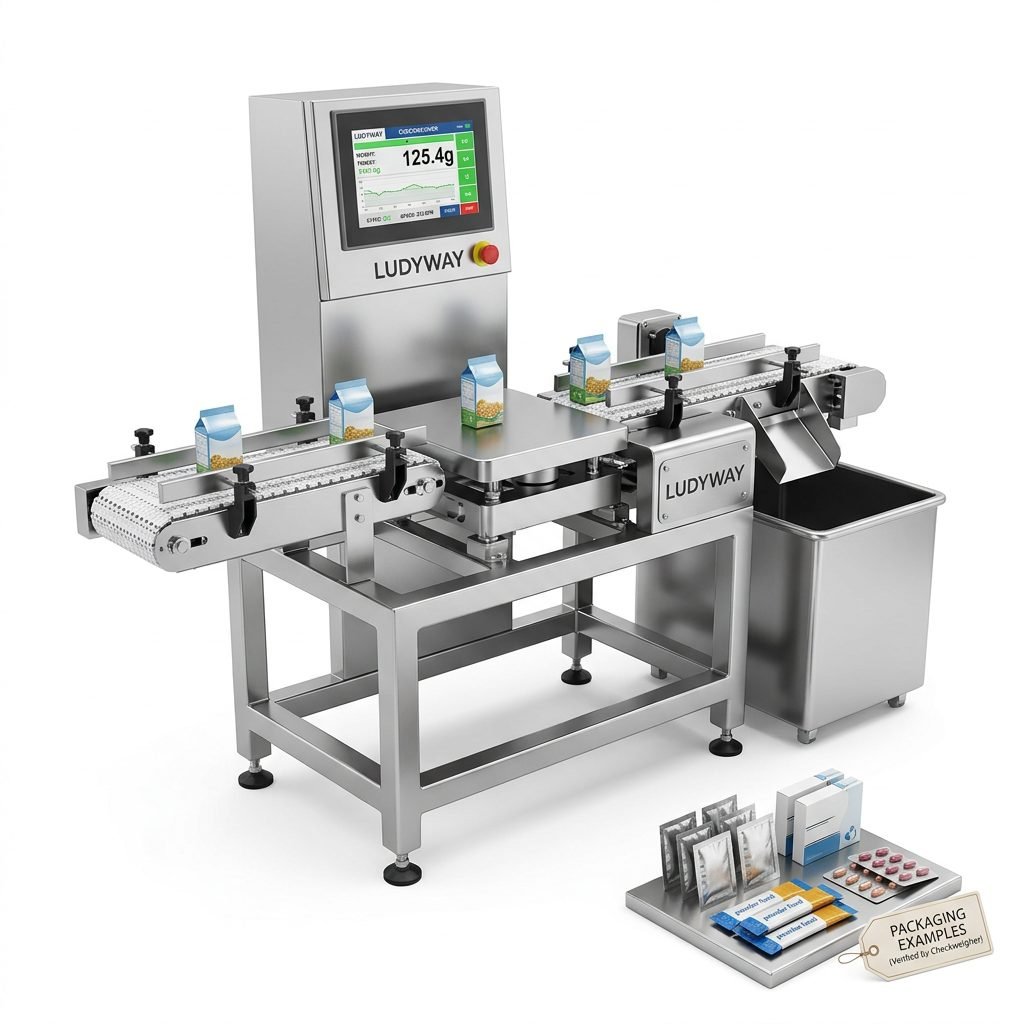
2. Seal Integrity and Leak Detection
Blister pack seal integrity protects products from moisture, oxygen, and contamination. Heat sealing parameters including temperature, pressure, and dwell time must be precisely controlled and monitored. Many modern machines include online leak detection systems using pressure decay, vacuum decay, or visual inspection to identify defective seals. For pharmaceutical applications, seal integrity testing should comply with ISO 11607-1 and ISO 11607-2 requirements for medical device packaging.
3. Changeover Flexibility and Format Parts
If you package multiple products or blister sizes, changeover time and format part costs become significant factors. Modern blister machines offer quick-change systems, servo-driven adjustments, and recipe-based setup that reduce downtime between product runs. Evaluate the availability and cost of format parts such as forming dies, sealing plates, and guide rails. Tool-less changeover features can dramatically improve operational efficiency in multi-product facilities.
Regulatory Compliance and Validation Requirements
For pharmaceutical and medical device packaging, the blister packing machine must support Good Manufacturing Practice (GMP) compliance and validation protocols. Consider machines designed with the following features to meet regulatory expectations:
| Compliance Feature | Description | Benefit |
|---|---|---|
| 21 CFR Part 11 Compliance | Electronic records and signatures capability | Supports audit trails and data integrity |
| Cleanroom Compatibility | Stainless steel construction, smooth surfaces, minimal particle generation | Suitable for ISO 5 to ISO 8 cleanroom environments |
| HMI with User Access Control | Password-protected operator levels, batch reporting | Prevents unauthorized parameter changes |
| Validation Documentation | IQ/OQ/PQ protocols, factory acceptance testing support | Simplifies regulatory inspections and approvals |
| Material Traceability | Barcode verification and reconciliation systems | Ensures full supply chain accountability |
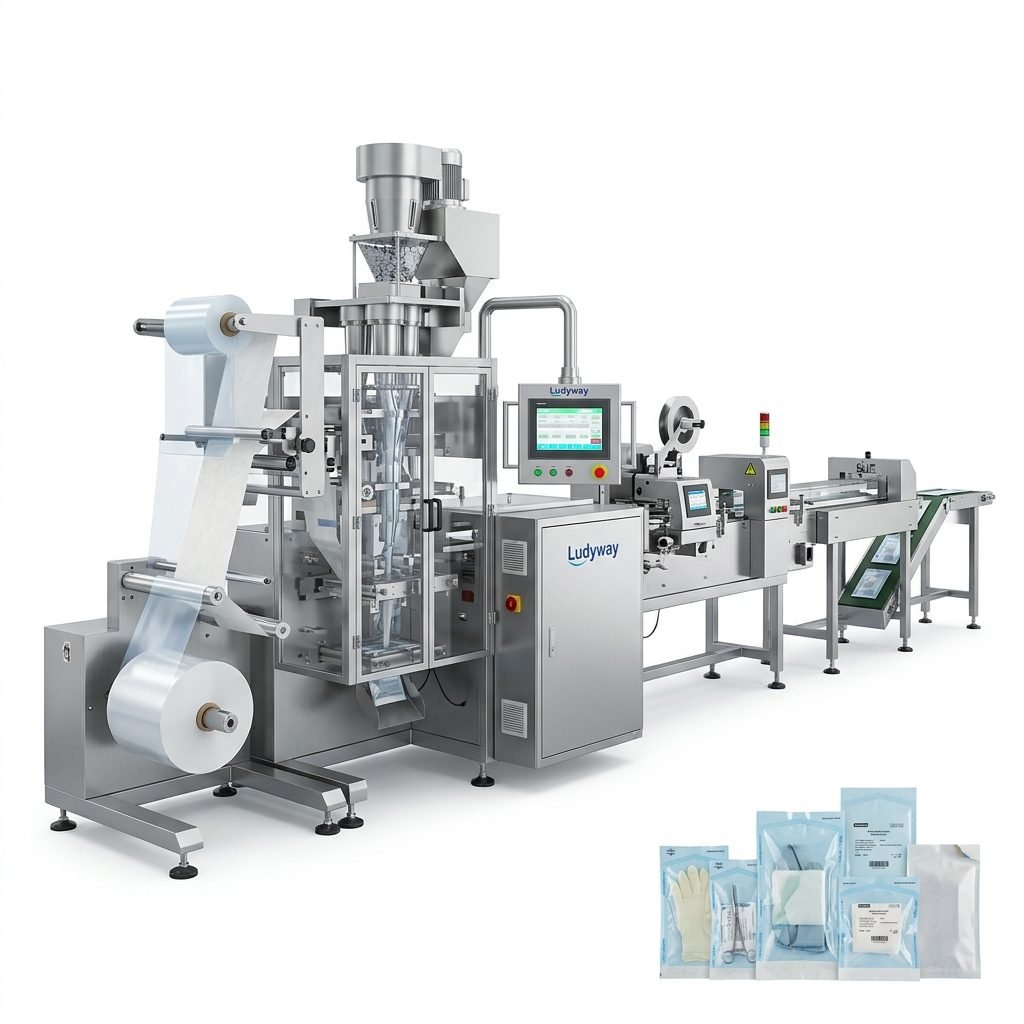
Automation and Integration Capabilities
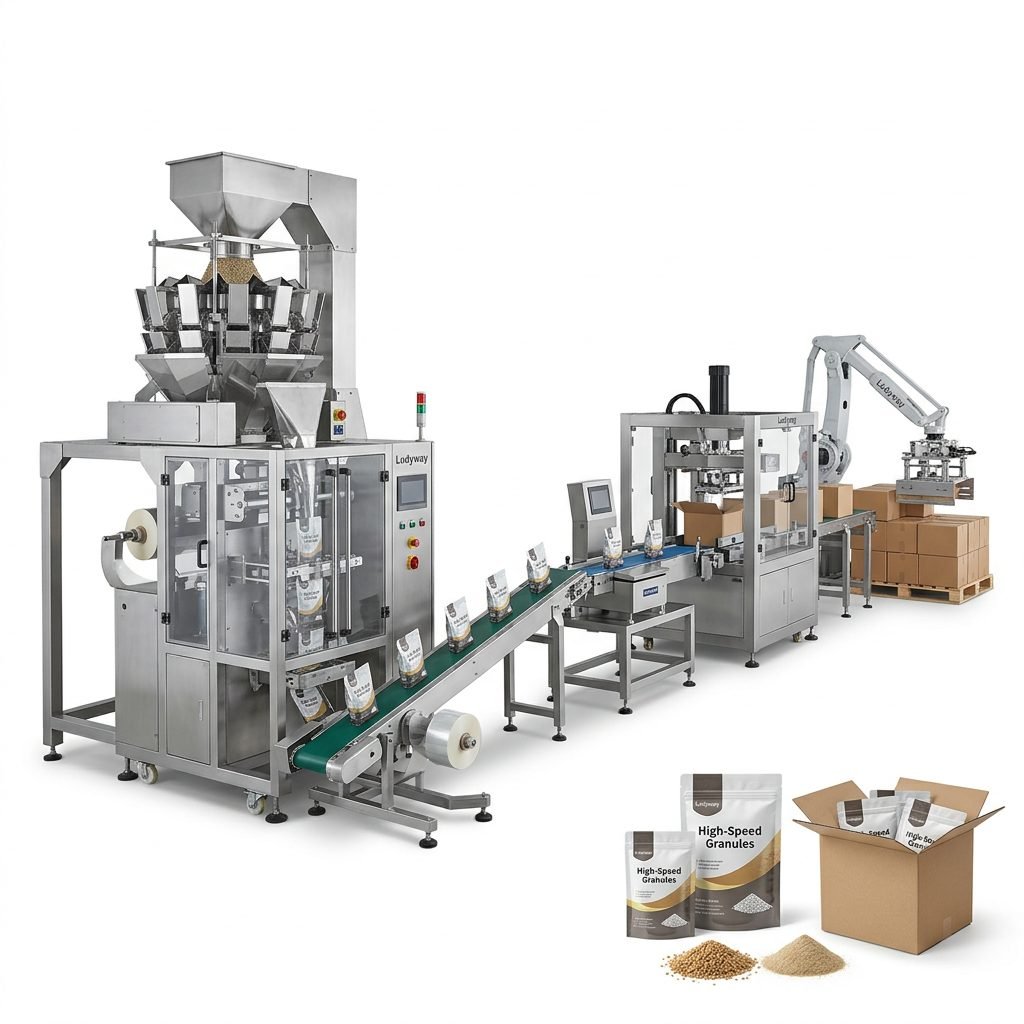
Modern blister packing lines extend beyond the basic forming, filling, and sealing functions. Evaluate the machine’s automation potential and integration with upstream and downstream equipment. A fully integrated line may include:
- Automatic product feeding systems for tablets, capsules, or devices
- Inline printing for lot numbers, expiration dates, and serialization codes
- Cartoning machines for secondary packaging of blister packs
- Case packing and palletizing equipment for tertiary packaging
- Vision inspection systems for blister completeness and print quality verification
- Serialization and track-and-trace systems compliant with regulations such as the FDA Drug Supply Chain Security Act (DSCSA)
Machine Footprint and Facility Requirements
Before finalizing your selection, confirm that your facility can accommodate the machine dimensions, including access for operation, maintenance, and format changeovers. Consider utility requirements such as electrical supply, compressed air, cooling water, and exhaust ventilation. Proper space planning prevents installation delays and ensures efficient workflow around the blister packaging operation.
Supplier Evaluation and After-Sales Support
Choosing the right machine is only part of the equation. The supplier’s experience, support capabilities, and long-term partnership potential are equally important. Consider these factors when evaluating blister packing machine manufacturers:
- Industry experience: Proven track record in your specific industry, whether pharmaceutical, medical device, or consumer goods packaging
- Technical support availability: Remote assistance, onsite service, and emergency response capabilities
- Spare parts availability: Local inventory or expedited shipping for critical components
- Training programs: Operator training, maintenance training, and ongoing skill development
- Installation and commissioning: Professional installation support with documented validation procedures
- Customization capabilities: Ability to engineer modifications for unique product or packaging requirements
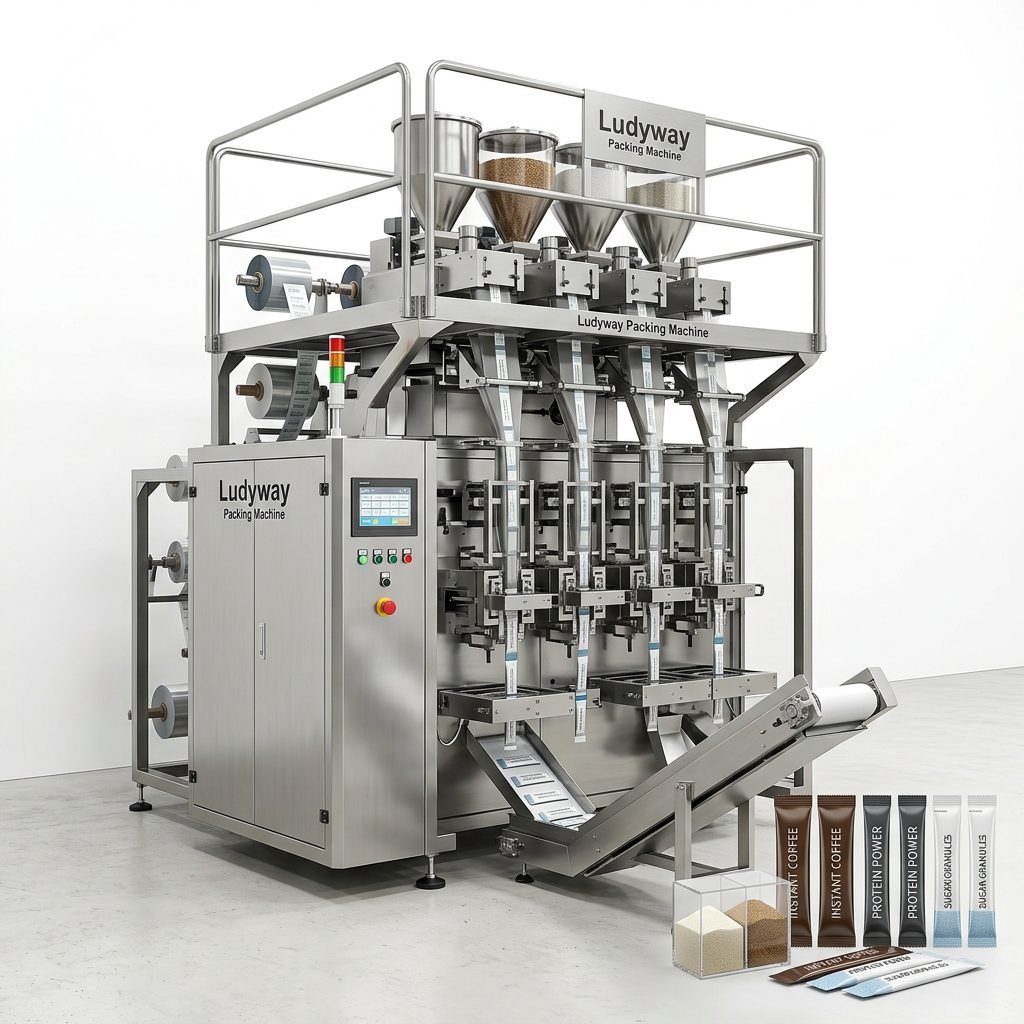
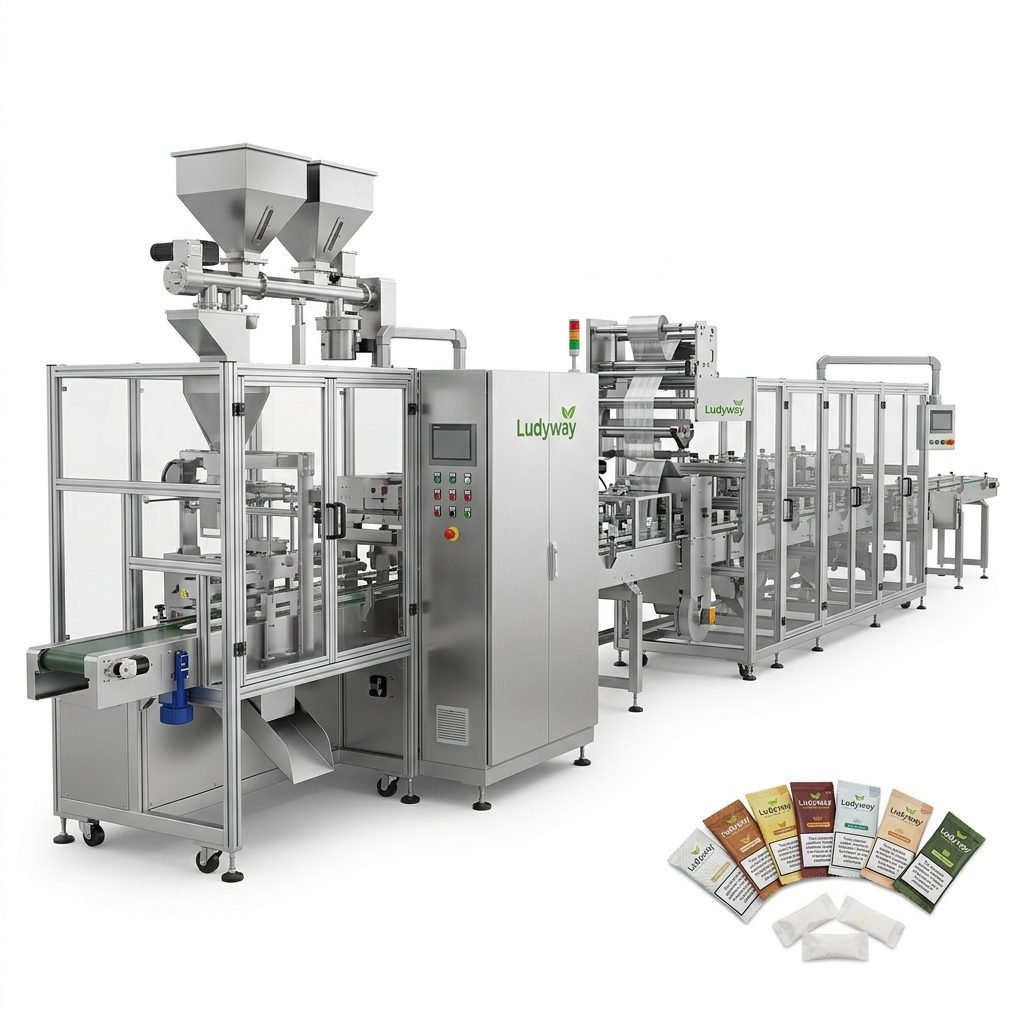
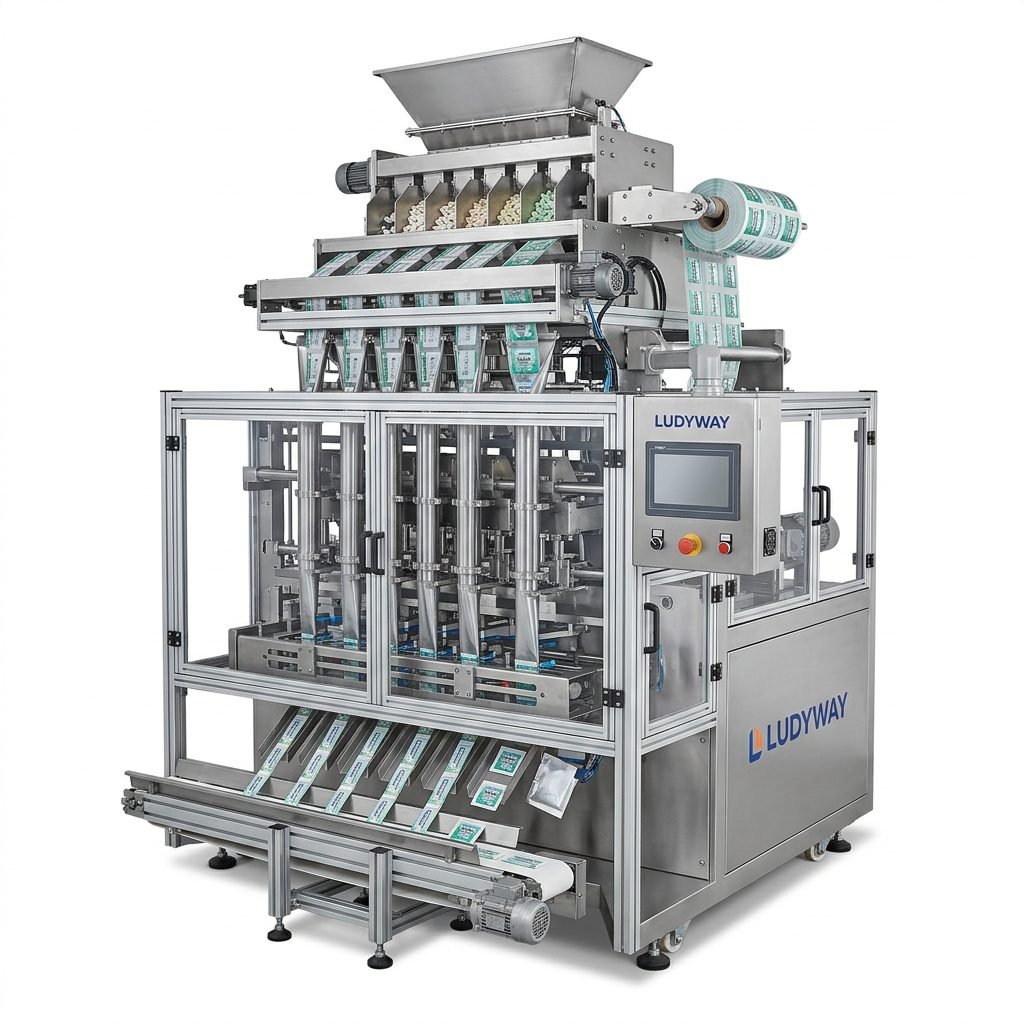
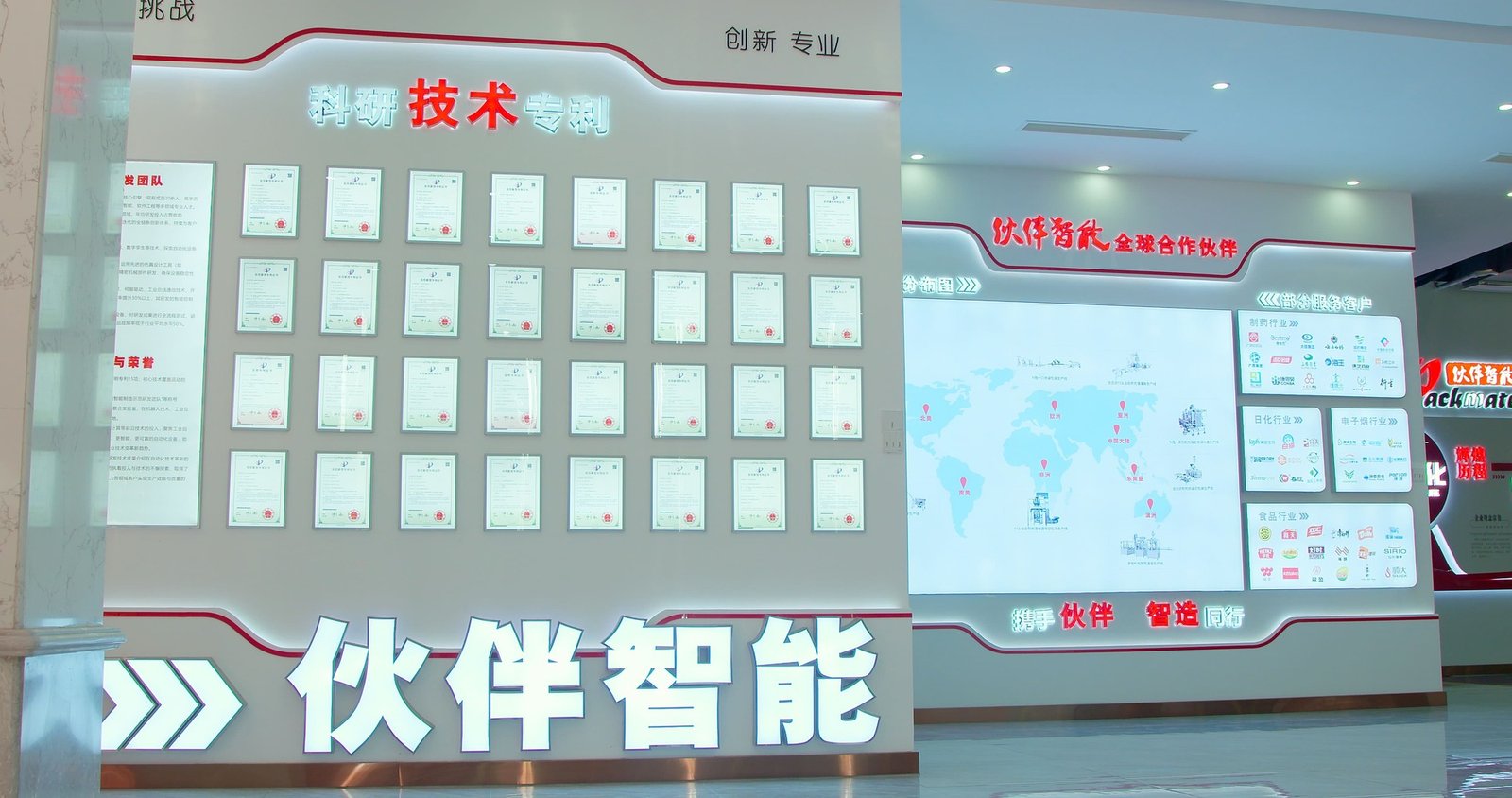
Established manufacturers such as Ludyway Machinery, a China-based packaging machinery manufacturer with more than 30 years of experience and over 50 packaging machine models, provide comprehensive support from machine selection through installation, commissioning, and after-sales service. With a 20,000-square-meter manufacturing facility and a team of over 130 professionals, Ludyway combines engineering expertise with application experience to help manufacturers improve packaging efficiency and operational consistency. The company serves customers in more than 100 countries and is expected to achieve export revenue of more than RMB 500 million (approximately US$69 million) in 2025, with plans to surpass RMB 1 billion (approximately US$138 million) in export revenue in 2026. When selecting a blister packing machine partner, look for a supplier that offers customized engineering solutions rather than relying only on standardized machines.
Total Cost of Ownership and ROI Analysis
While the initial purchase price is important, a thorough evaluation must consider total cost of ownership (TCO) over the machine’s expected lifespan. Key TCO components include:
| Cost Factor | Considerations | Impact on TCO |
|---|---|---|
| Machine Price | Base machine cost plus options and customization | Initial capital investment |
| Installation & Commissioning | Shipping, rigging, utility connections, validation support | 5-10% of machine cost |
| Consumables & Packaging Materials | Forming film, lidding foil, printing consumables | Recurring operational expense |
| Spare Parts | Wear parts, format parts, critical spares inventory | Annual maintenance budget |
| Downtime & Efficiency Losses | Changeover time, unplanned stoppages, speed losses | Hidden but significant cost |
| Energy Consumption | Electrical, compressed air, and thermal energy usage | Ongoing utility costs |
Buying Tips for Accurate Blister Packing Machines
To make an informed decision, follow these practical buying tips gathered from industry experience:
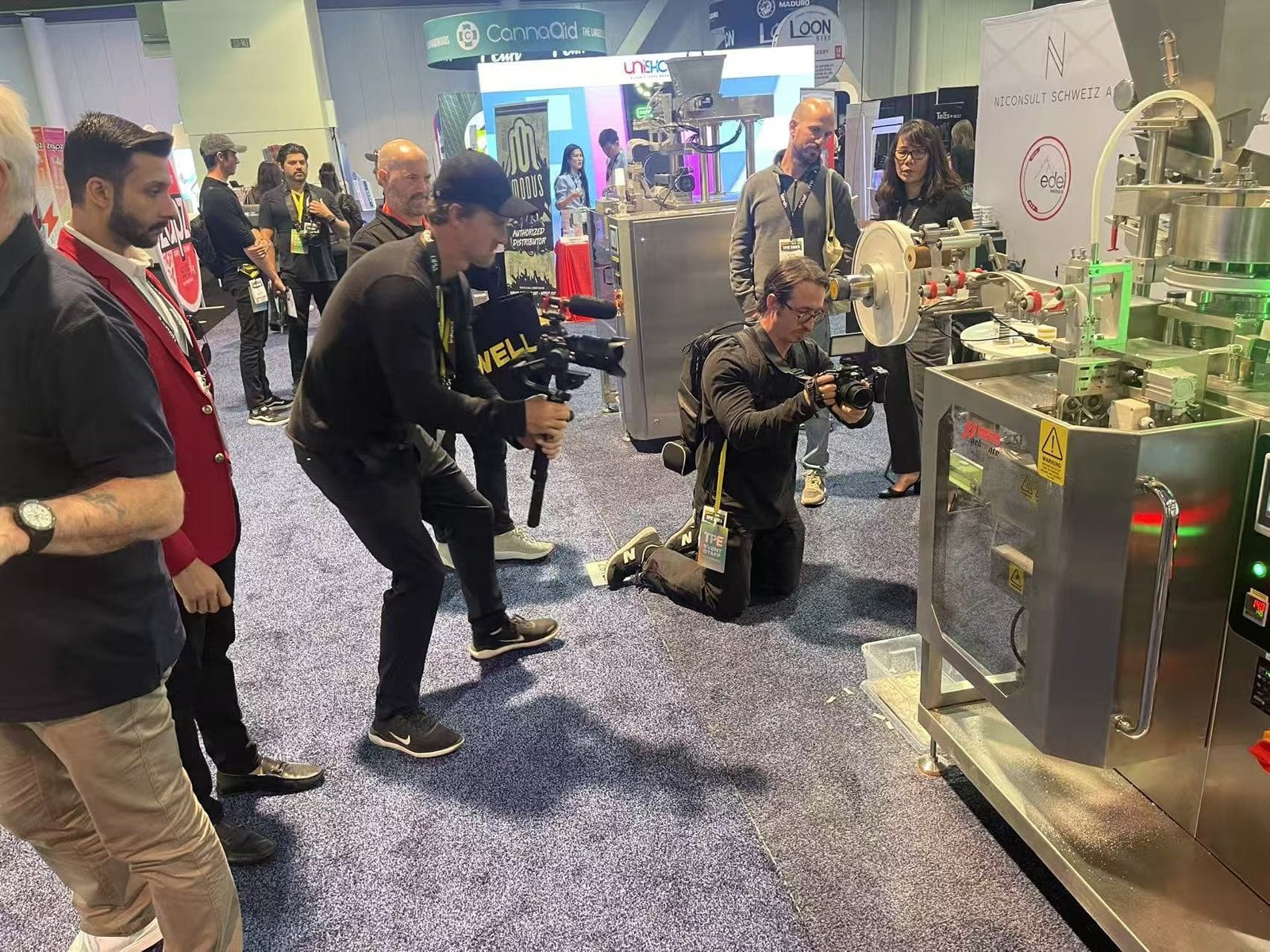
- Request machine demonstrations: Whenever possible, arrange factory acceptance tests with your actual products and materials to verify machine performance before purchase
- Check references: Speak with current users about their experience with machine reliability, support responsiveness, and spare parts availability
- Verify documentation: Ensure the manufacturer can provide complete technical documentation, including machine manuals, electrical schematics, and spare parts lists
- Prioritize scalability: Select a machine platform that can accommodate future production growth and new product introductions
- Evaluate OEE data: Ask for Overall Equipment Effectiveness data from installed machines to understand real-world performance
- Consider modular upgrades: Machines with modular design allow you to add features such as serialization, vision inspection, or automatic feeding later
For additional guidance on packaging machinery trends and market data, you can reference resources from PMMI – The Association for Packaging and Processing Technologies. The Flexible Packaging Association also provides valuable information on packaging materials and sustainability considerations that may affect your blister packaging material choices.
Making the Final Decision
Choosing an accurate blister packing machine requires balancing technical specifications, regulatory compliance, operational requirements, and long-term cost considerations. Start with a clear definition of your product requirements, then evaluate machines based on dosing accuracy, seal integrity, changeover flexibility, automation capability, and regulatory compliance features. Assess potential suppliers on their industry experience, technical support, customization capabilities, and commitment to long-term partnership. By taking a systematic approach and considering both immediate needs and future growth, you can select a blister packaging system that delivers accuracy, reliability, and value throughout its operational life.
Remember that the most accurate blister packing machine is one that is properly specified, correctly installed, and well maintained. Invest time in the selection process, involve your quality, production, and maintenance teams in the evaluation, and work with a supplier that understands your industry’s unique challenges. This approach will help you achieve consistent, high-quality blister packaging that protects your products and supports your business goals.