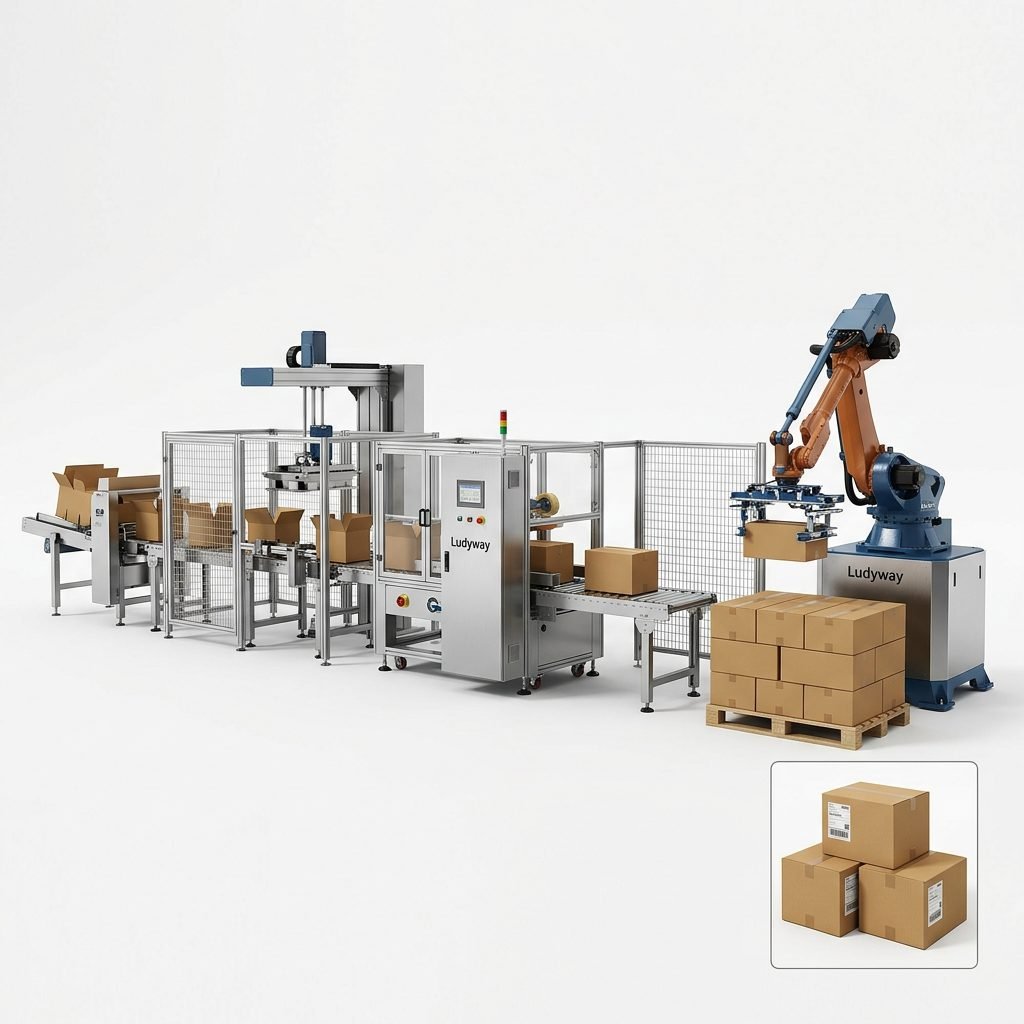
Setting up a K-Cup packaging machine production line in China represents a strategic move for coffee brands and co-packers seeking to scale operations efficiently. China’s robust manufacturing infrastructure, advanced packaging machinery sector, and competitive engineering costs make it an ideal hub for automated single-serve coffee packaging. Whether you are transitioning from manual packing or expanding an existing facility, understanding the complete setup process is essential for maximizing output, ensuring regulatory compliance, and minimizing downtime. This guide walks you through every critical phase, from factory planning and equipment selection to installation, validation, and after-sales support, providing actionable insights for decision-makers in the food and beverage industry.
Why China Is the Global Hub for K-Cup Packaging Machinery
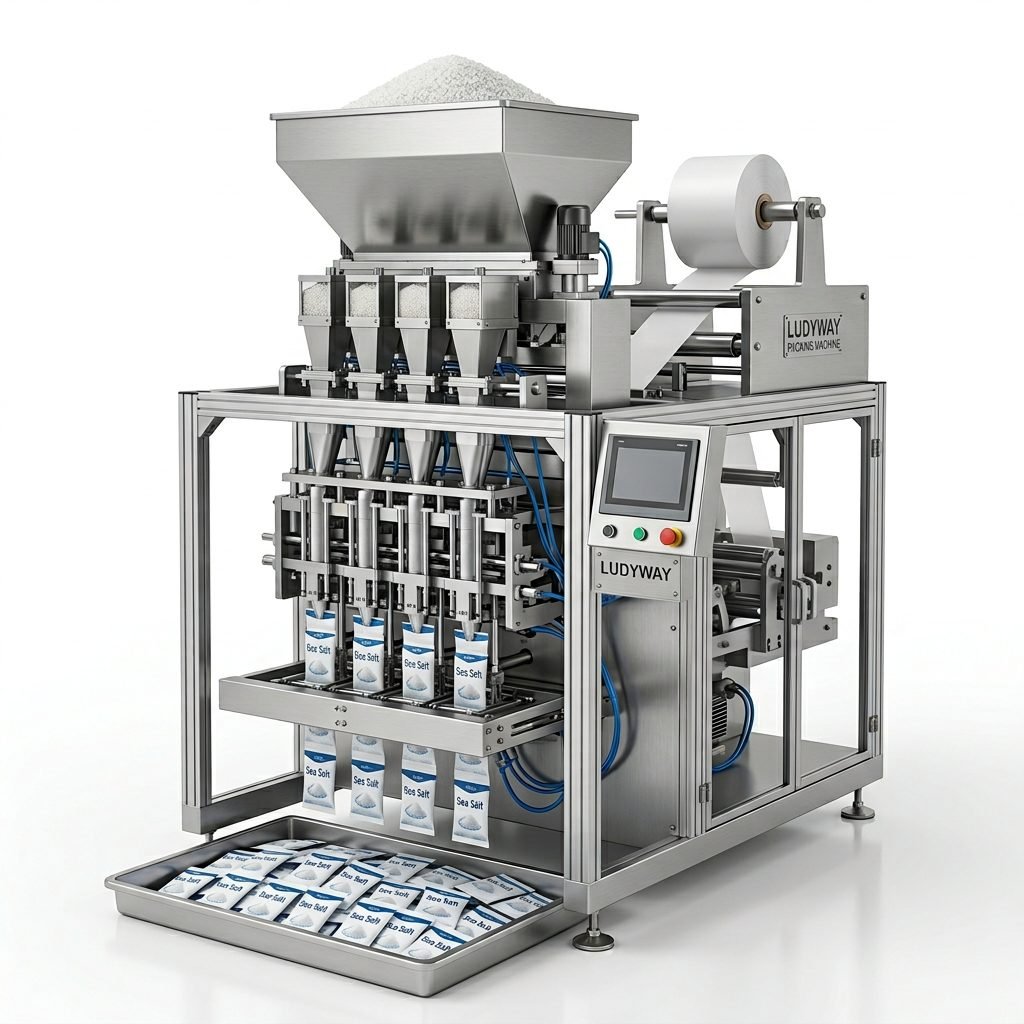
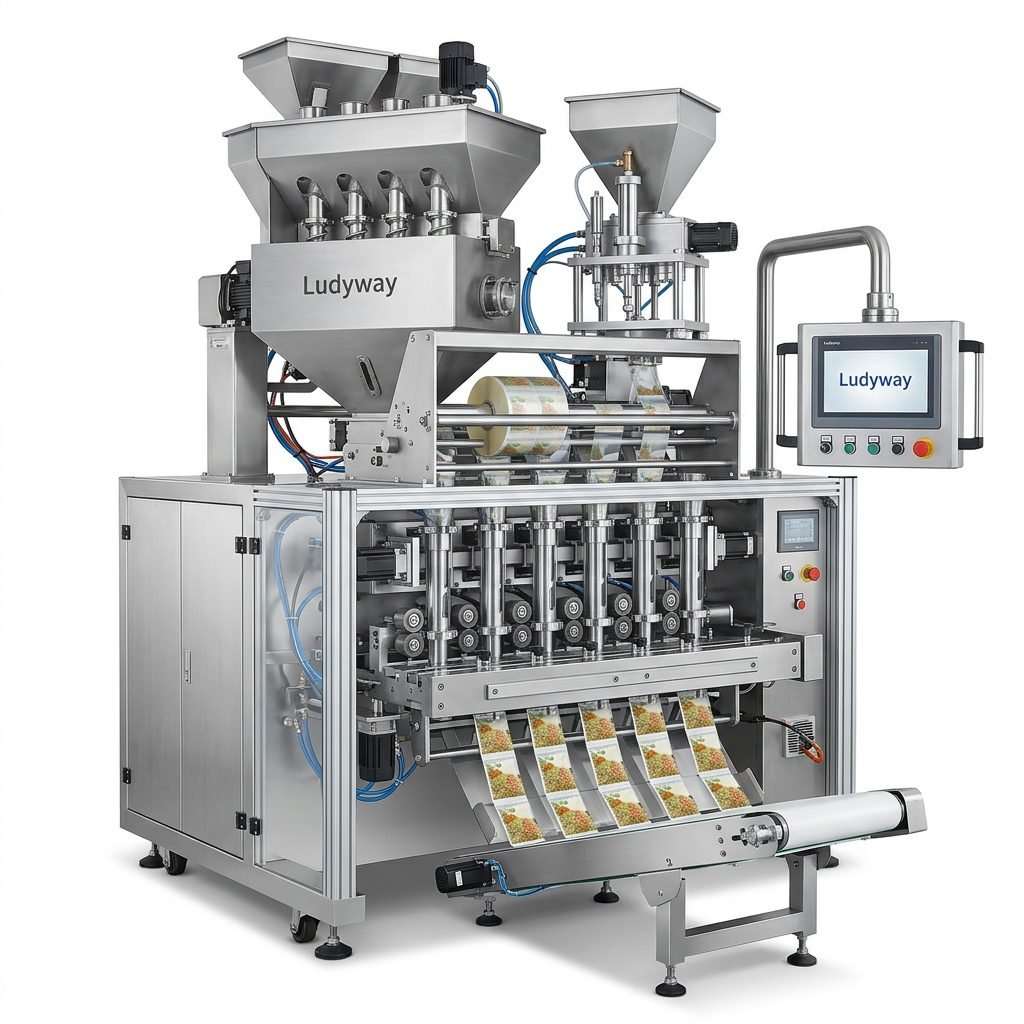
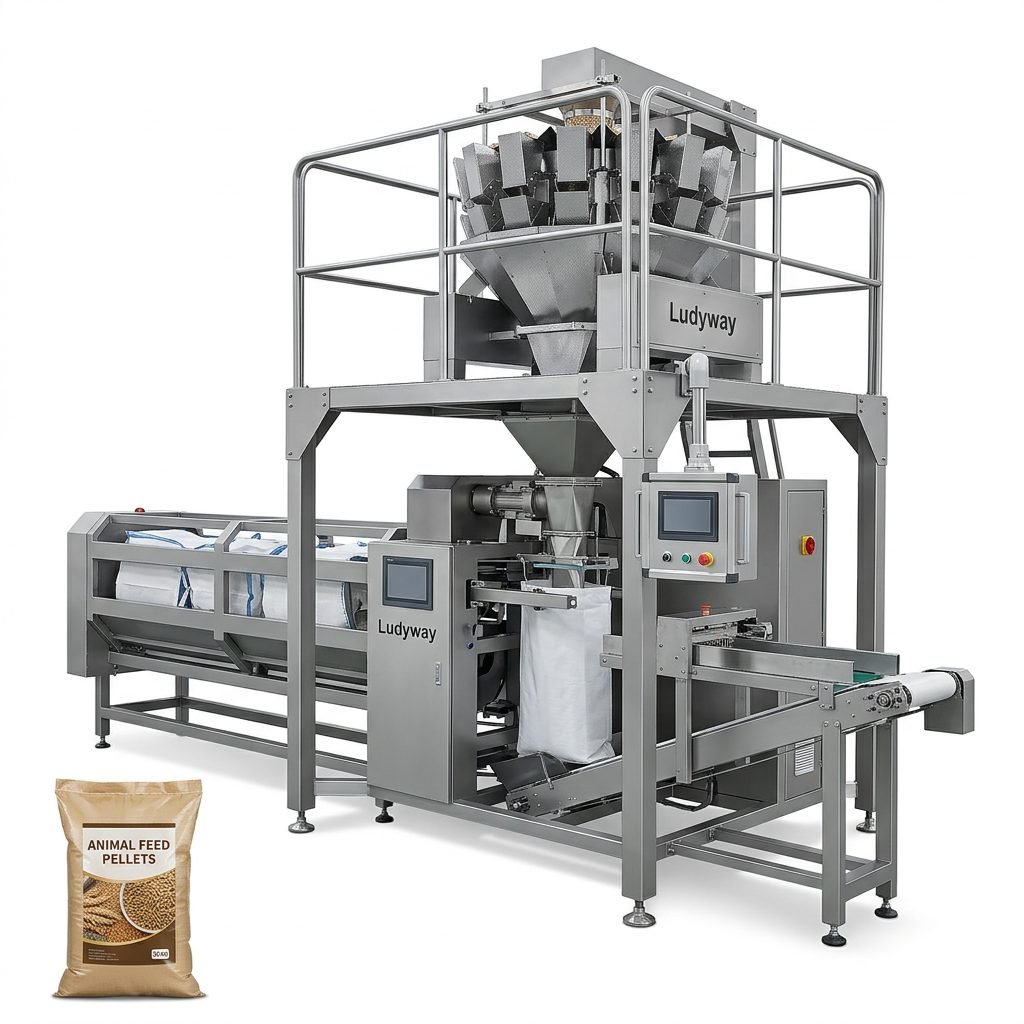
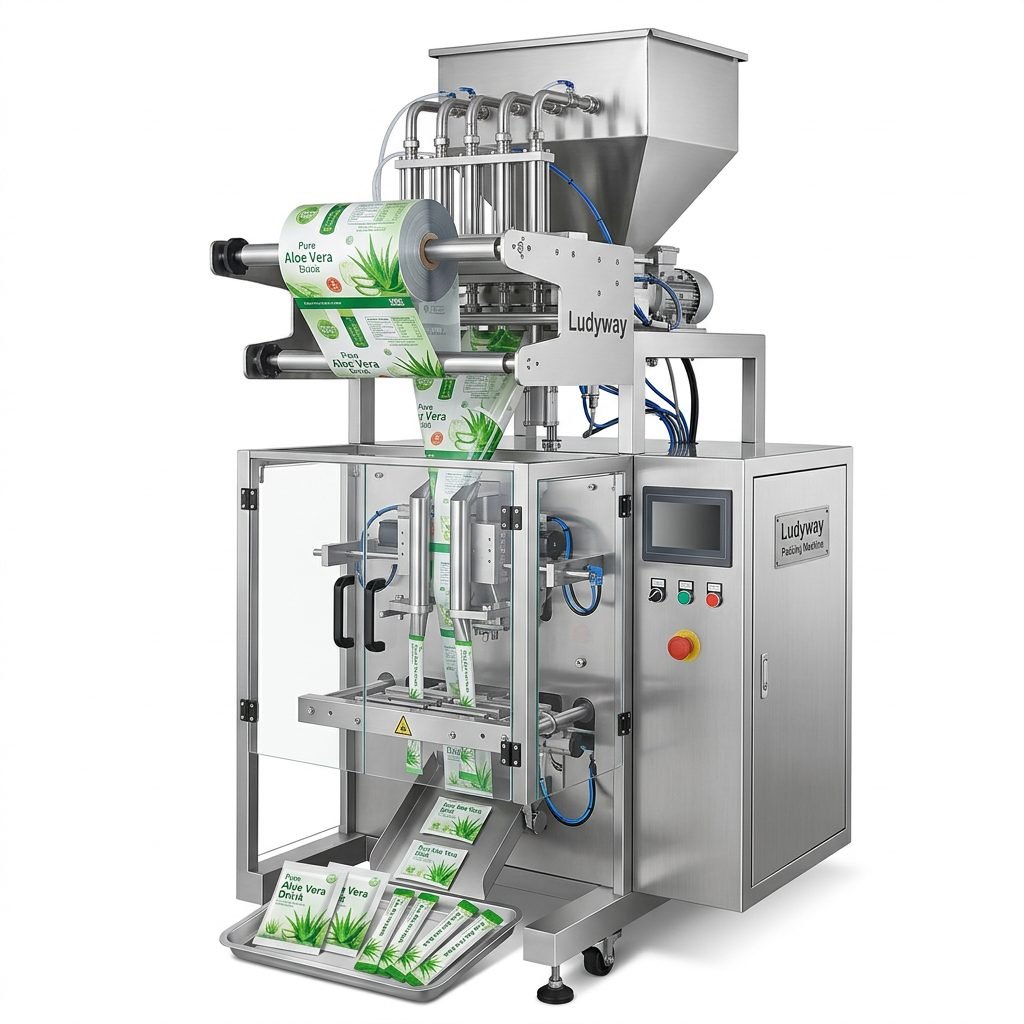
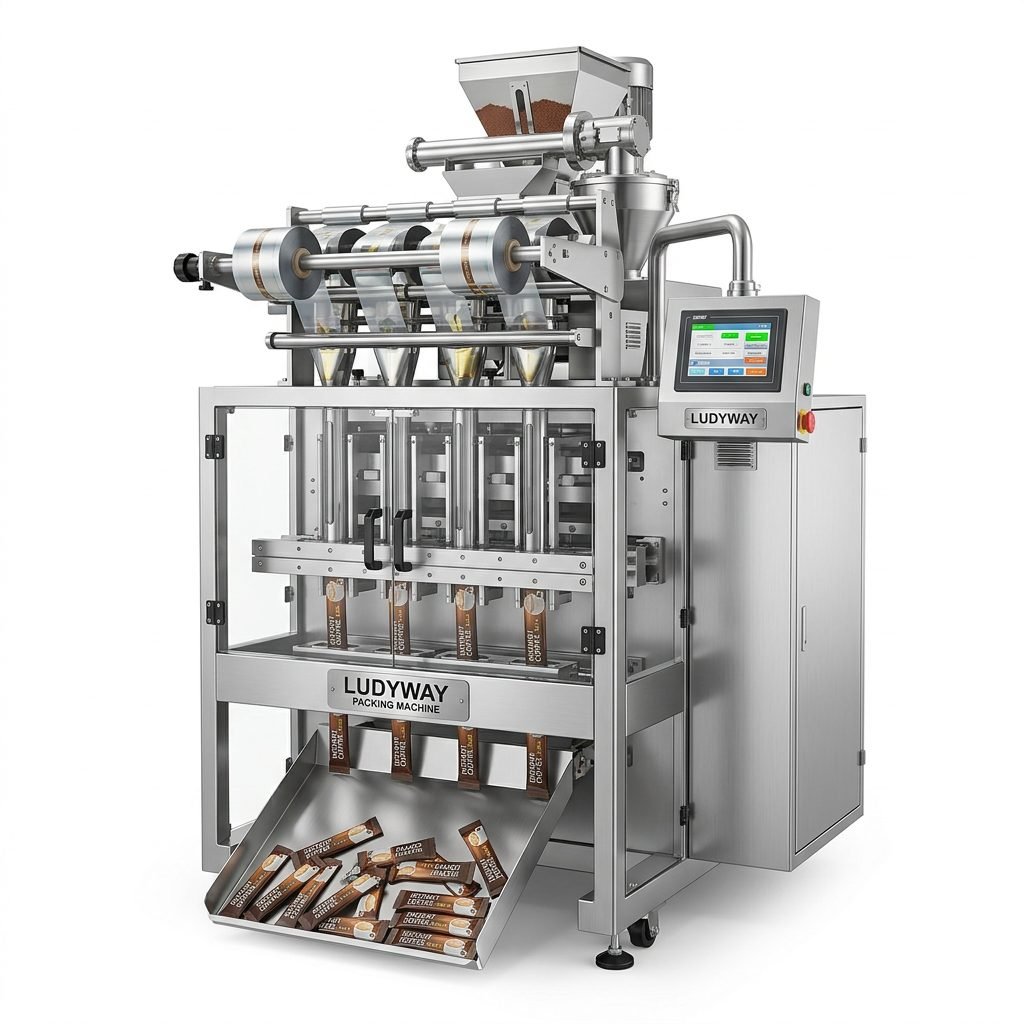
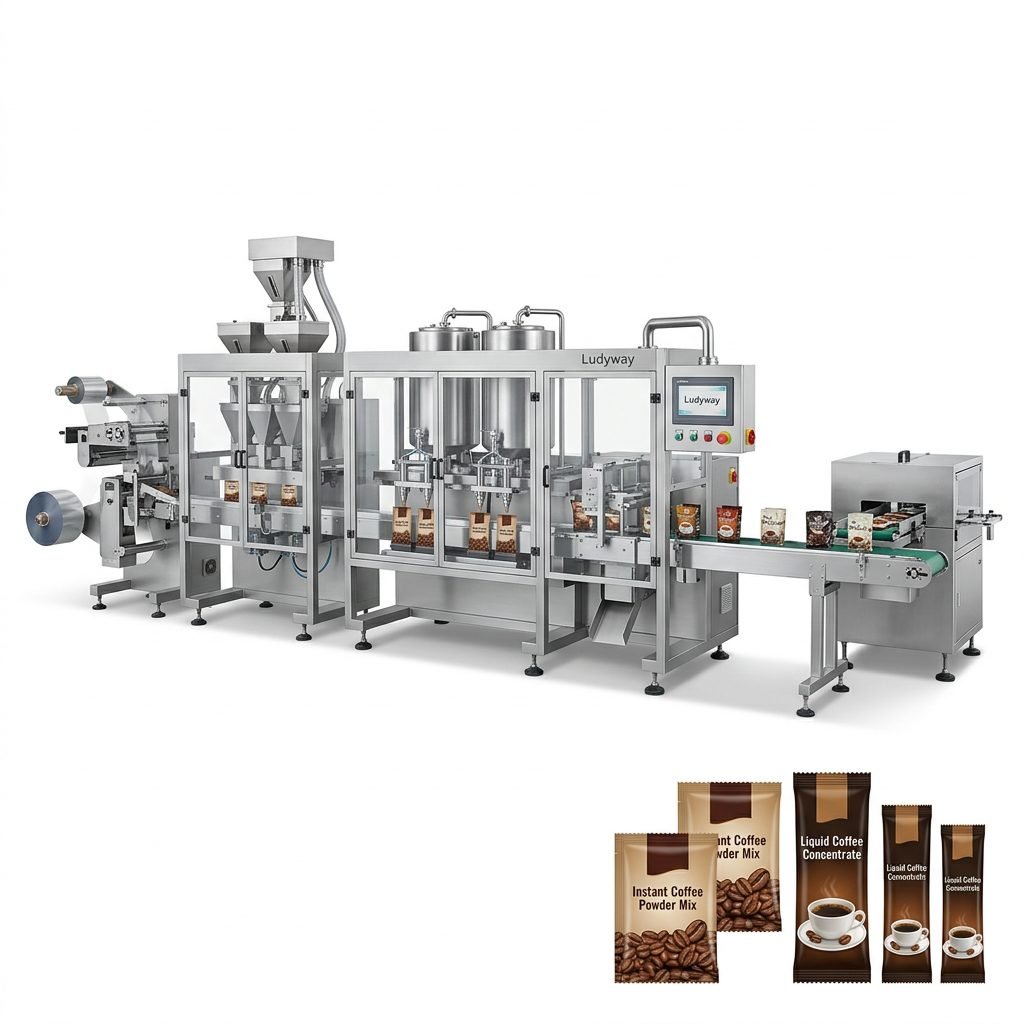
China has evolved into the world’s largest manufacturing center for packaging automation equipment, including specialized K-Cup and single-serve pod packaging lines. The country’s advantages extend beyond cost savings; they include deep supply chain integration, rapid engineering iteration, and access to a skilled workforce. Ludyway, one of the largest packaging machine manufacturers in China, exemplifies this strength with over 30 years of industry expertise and a 20,000㎡ modern production facility serving customers in more than 100 countries. When sourcing a K-Cup filling and sealing line, buyers benefit from shorter lead times, customizable configurations, and comprehensive turnkey solutions that integrate grinding, dosing, filling, sealing, and cartoning into one seamless system.
Key Components of a Complete K-Cup Production Line
A fully automated K-Cup assembly line consists of several interconnected modules, each critical to maintaining product quality and throughput. Understanding these components helps in selecting compatible equipment and troubleshooting during ramp-up.
- Precision Coffee Grinder: Delivers uniform particle size essential for consistent extraction and flavor profile.
- Volumetric or Auger Filler: Doses ground coffee into each pod with high accuracy, typically targeting ±0.2g tolerance.
- Filter Insertion Station: Places and seals the non-woven filter material inside the K-Cup body.
- Nitrogen Flushing System: Injects inert gas to displace oxygen, extending product shelf life significantly.
- Lid Sealing Module: Heat-seals aluminum foil lids onto filled pods, ensuring an airtight barrier.
- Ejection and Counting Unit: Automatically ejects finished pods and tallies production data.
- Integrated Cartoning Machine: Packs finished pods into retail boxes or display cartons for distribution.
Automation Levels and Throughput Requirements
K-Cup packaging machines are available in semi-automatic, fully automatic, and high-speed multi-lane configurations. For startups or regional roasters, a single-lane machine producing 30-60 pods per minute may suffice. Established brands requiring 300-600 pods per minute should invest in multi-lane rotary systems with servo-driven indexing for superior speed and precision. Consult with your equipment supplier to match automation level with projected production volumes and labor cost objectives.
Factory Planning and Infrastructure Preparation
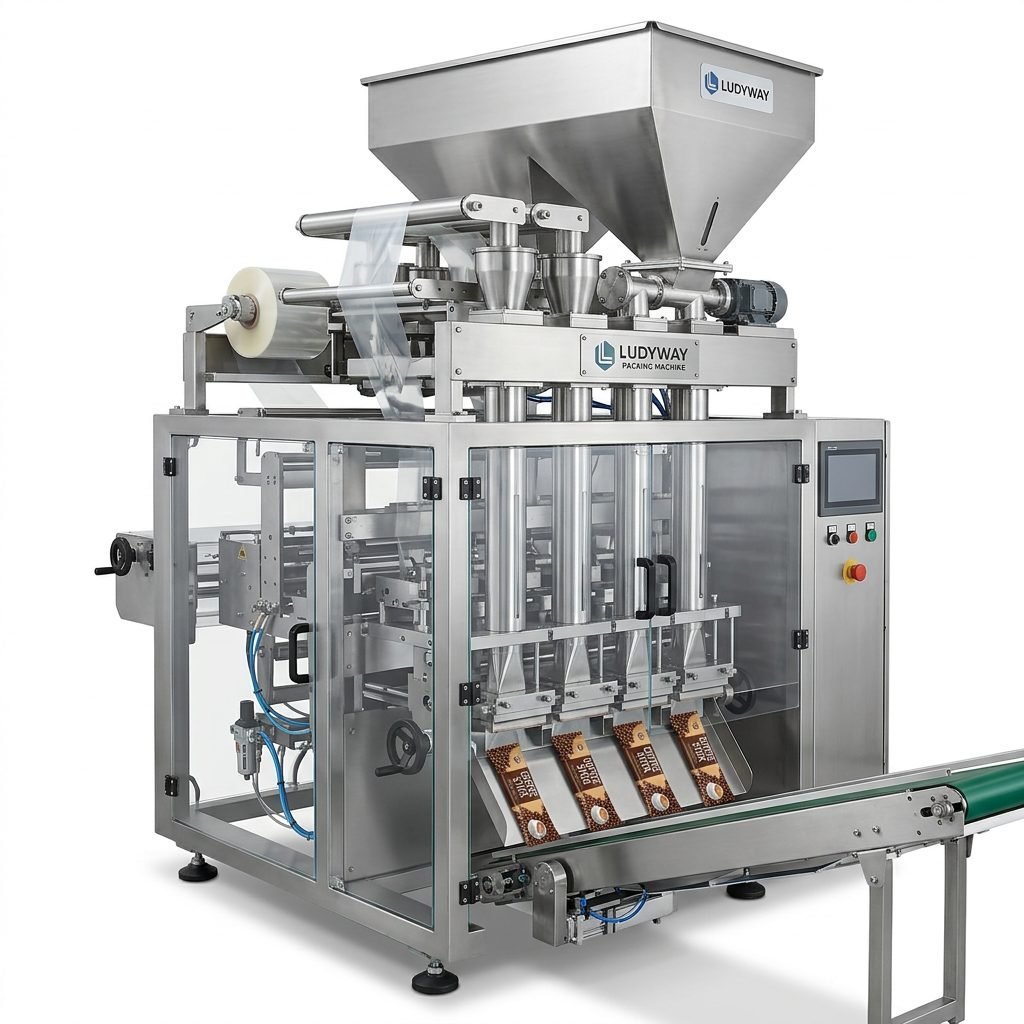
Before equipment arrives, your facility must meet specific environmental and utility requirements. K-Cup production lines demand clean, temperature-controlled environments to protect coffee freshness and ensure seal integrity. Key infrastructure considerations include:
| Infrastructure Element | Specification Requirement | Notes |
|---|---|---|
| Compressed Air Supply | 0.6-0.8 MPa, oil-free, dried | Critical for pneumatic actuators and nitrogen flushing |
| Electrical Power | 380V/50Hz 3-phase, stable voltage | Confirm total load with machine supplier |
| Room Temperature | 20°C-25°C, humidity below 60% RH | Prevents moisture absorption by coffee powder |
| Floor Load Capacity | Minimum 500 kg/m² | Depends on machine weight and ancillary equipment |
| Dust Extraction | HEPA filtration recommended | Controls coffee dust and protects electronics |
Selecting the Right K-Cup Machine Manufacturer
Choosing a reliable partner is the most consequential decision in your project. Evaluate potential manufacturers based on their experience in coffee pod packaging systems, availability of after-sales support, and willingness to provide factory acceptance testing (FAT). Look for suppliers who offer complete turnkey solutions including pre-delivery inspection, on-site installation supervision, and operator training. Leading Chinese manufacturers now incorporate CE, ISO 9001, and FDA-compliant materials into their designs, meeting international regulatory expectations.
Coffee packaging lines benefit from suppliers with established reputations, verified customer references, and participation in global exhibitions such as PACK EXPO International. Always request a detailed technical proposal covering mechanical specifications, control system architecture, and warranty terms.
Essential Technical Specifications to Verify
- Filling accuracy and weight deviation over extended runs
- Seal integrity testing methodology and rejection mechanisms
- Changeover time between different coffee blends or pod formats
- PLC brand and programming interface (Siemens, Allen-Bradley, Mitsubishi)
- Availability of remote diagnostics and IoT connectivity
Installation, Commissioning, and Operator Training
Once your K-Cup packaging production line arrives on site, a structured commissioning process ensures smooth ramp-up. The supplier’s engineering team typically handles mechanical assembly, electrical wiring, and pneumatic connections over a period of 5-10 working days. After assembly, dry runs using inert materials validate all motion sequences before introducing actual coffee.
Comprehensive operator training covers machine startup and shutdown procedures, parameter adjustment, cleaning and sanitation protocols, and basic troubleshooting. Well-trained operators reduce downtime events significantly. Many manufacturers also provide detailed maintenance manuals and video tutorials for ongoing reference.
Quality Control and Shelf Life Considerations
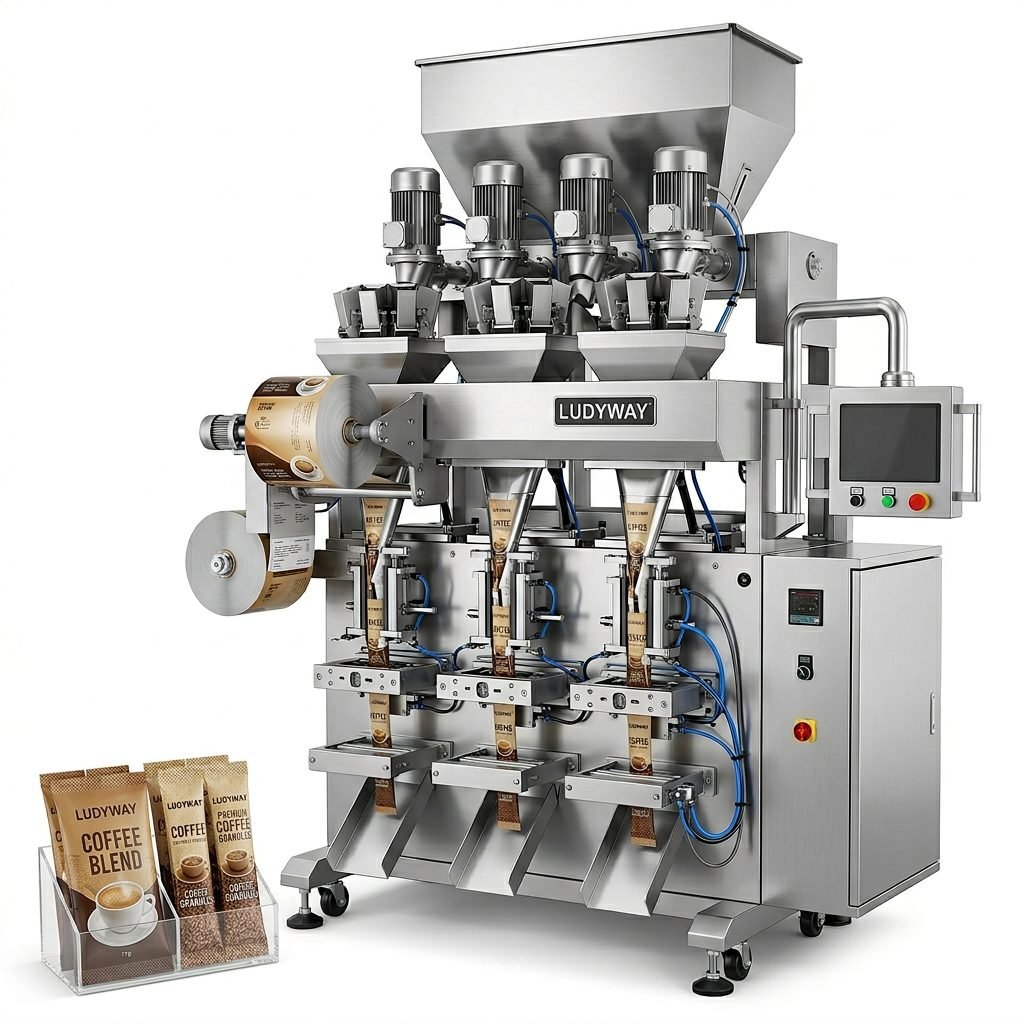
Maintaining product freshness is paramount in K-Cup packaging. Oxygen and moisture are the primary enemies of ground coffee. Your production line must incorporate residual oxygen monitoring and regular seal strength testing. Typical quality control checkpoints include:
- Weight verification every 15-30 minutes during production
- Vacuum leak testing of sealed pods on a sampling basis
- Oxygen headspace analysis to confirm nitrogen flushing effectiveness
- Visual inspection for lid wrinkles, misalignment, or contamination
Implementing a robust HACCP plan for your K-Cup line addresses biological, chemical, and physical hazards, aligning with international food safety standards. Refer to regulatory guidance from FDA food packaging regulations and ISO packaging standards to ensure full compliance.
Cost Breakdown and Return on Investment Analysis
Budgeting for a K-Cup machine production line in China requires accounting for equipment purchase, shipping, import duties, installation, and initial spare parts inventory. While prices vary widely based on speed and configuration, a mid-range fully automatic line typically delivers payback within 18-24 months for operations producing over 5 million pods annually. Additional factors influencing ROI include reduced labor costs, higher production yields, and the ability to secure private label contracts.
Typical Cost Components
| Cost Category | Estimated Percentage of Total Budget |
|---|---|
| Main packaging machine (filler, sealer) | 45-55% |
| Ancillary equipment (grinder, conveyor, cartoner) | 20-25% |
| Shipping, duties, and logistics | 8-12% |
| Installation, commissioning, training | 5-8% |
| Initial spare parts and consumables | 3-5% |
Regulatory Compliance and Export Readiness
If your finished K-Cups will be exported, especially to North American or European markets, ensure that all product contact materials meet FDA 21 CFR or EU Regulation 1935/2004 requirements. Your equipment supplier should provide material certifications for plastics, adhesives, and lubricants used in the machine. Additionally, review PMMI packaging industry resources for the latest standards and market intelligence affecting single-serve packaging machinery.
Common Pitfalls and How to Avoid Them
Even well-planned projects encounter challenges. Recognizing common pitfalls helps you mitigate risks proactively:
- Underestimating Utility Requirements: Insufficient compressed air capacity can slow cycle rates and degrade seal quality.
- Inadequate Operator Training: Complex servo-driven systems require thorough training to prevent misoperation and mechanical damage.
- Ignoring Material Compatibility: Not all lid films seal effectively on every cup material; validate materials during factory acceptance testing.
- Insufficient Maintenance Planning: Stock critical wear parts—heat seal bands, cutting blades, filters—to avoid extended downtime.
Key Maintenance Best Practices
Preventive maintenance schedules should be established immediately after commissioning. Daily cleaning of coffee dust from sensors and sealing surfaces preserves accuracy. Weekly inspection of pneumatic lines and electrical connections prevents unexpected failures. Quarterly calibration of weighing systems and temperature controllers maintains consistent output quality. Partnering with a supplier that offers remote support accelerates issue resolution and keeps your line running at peak efficiency.
Future-Proofing Your K-Cup Production Capability
The single-serve coffee market continues evolving toward sustainable materials, smart manufacturing integration, and diversified pod formats. When configuring your production line, consider flexibility for future requirements. Select machines capable of handling compostable and recyclable pod materials, which are increasingly mandated in regions such as the European Union. Additionally, opt for control systems that support Industry 4.0 data protocols for real-time production monitoring and predictive maintenance analytics. For broader market insights, the Flexible Packaging Association knowledge hub offers valuable data on material trends affecting pod packaging.
Building a successful K-Cup packaging machine production line in China is a multidisciplinary undertaking that rewards meticulous planning and strategic partnerships. By focusing on equipment quality, facility readiness, operator competency, and regulatory alignment, your operation can achieve high productivity, consistent product quality, and a rapid return on investment in the dynamic global coffee market.