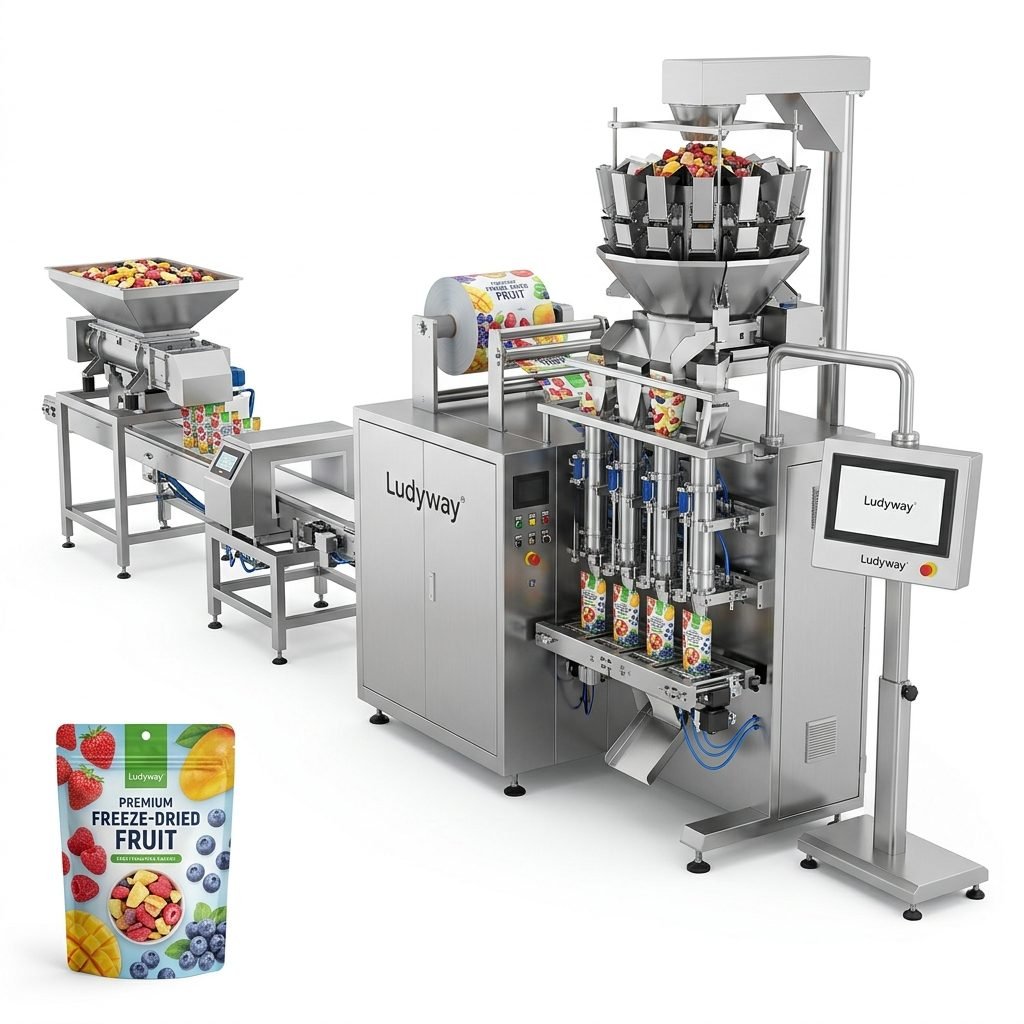
Investing in an oil packaging machine is a strategic decision that directly impacts your production efficiency, product shelf life, and bottom line. Whether you are filling edible sunflower oil, viscous essential oils, or industrial lubricants, selecting the wrong configuration can lead to dripping, inaccurate fills, or material waste. This guide walks you through the technical, operational, and regulatory factors you must evaluate before making a purchase.
Understand Your Oil’s Physical Properties First
Not all oils behave the same way on a filling line. The viscosity, temperature sensitivity, and whether the product is pure liquid, a suspension, or contains particulates will determine the type of Samarpan oil packaging machine or equivalent system you need. Low-viscosity oils (like soybean or sunflower oil) flow quickly and require precise fast-acting valves, while high-viscosity products (like castor oil, gear oil, or heavy greases) often need positive displacement piston fillers or heated jacketed hoppers. Ignoring these physical characteristics is the most common cause of filling inaccuracies.
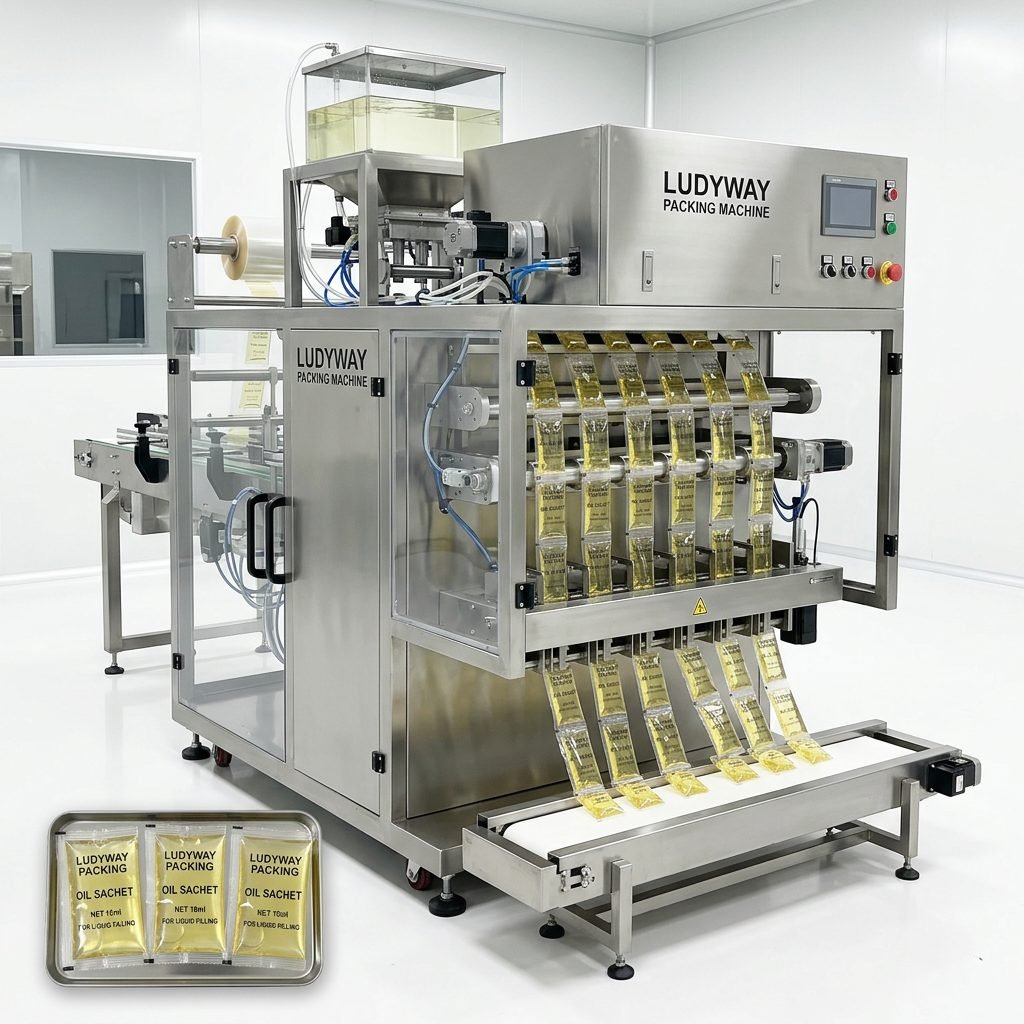
Critical Machine Configurations for Oil Filling
When specifying your equipment, you must align the machine configuration with your packaging format. A modern liquid packaging line should accommodate your specific bag type, speed requirements, and precision tolerances. Below is a breakdown of common filling technologies matched to oil categories:
| Oil Category | Viscosity Level | Recommended Filling System | Common Packaging Format |
|---|---|---|---|
| Edible Cooking Oils | Low | Electromagnetic Flow Meter or Gravity Fill | Sachets, Stick Packs, Pouches |
| Essential & Aroma Oils | Low to Medium | High-Precision Piston Pump | Multi-Lane Sachets |
| Automotive Lubricants | High | Heated Hopper + Gear Pump | Flexible Pouches, Bottles |
| Cosmetic Serums | Medium | Ceramic Piston Filler | Stick Packs, Vials |
Key Technical Features You Should Prioritize
Beyond the basic filling mechanism, the right Samarpan oil packaging machine should integrate several intelligent features to minimize downtime and product waste:
- Servo-Driven Motors: Ensure precise stroke control and rapid changeover between different sachet lengths.
- Anti-Drip Nozzles: Essential for maintaining seal integrity; prevents oil from contaminating the sealing area.
- Nitrogen Flushing Capability: If you are packaging edible oils, inert gas flushing extends shelf life by displacing oxygen.
- Automated CIP (Clean-in-Place): Critical for food-grade and cosmetic oil lines to meet hygiene standards.
Matching Automation Levels to Your Production Goals
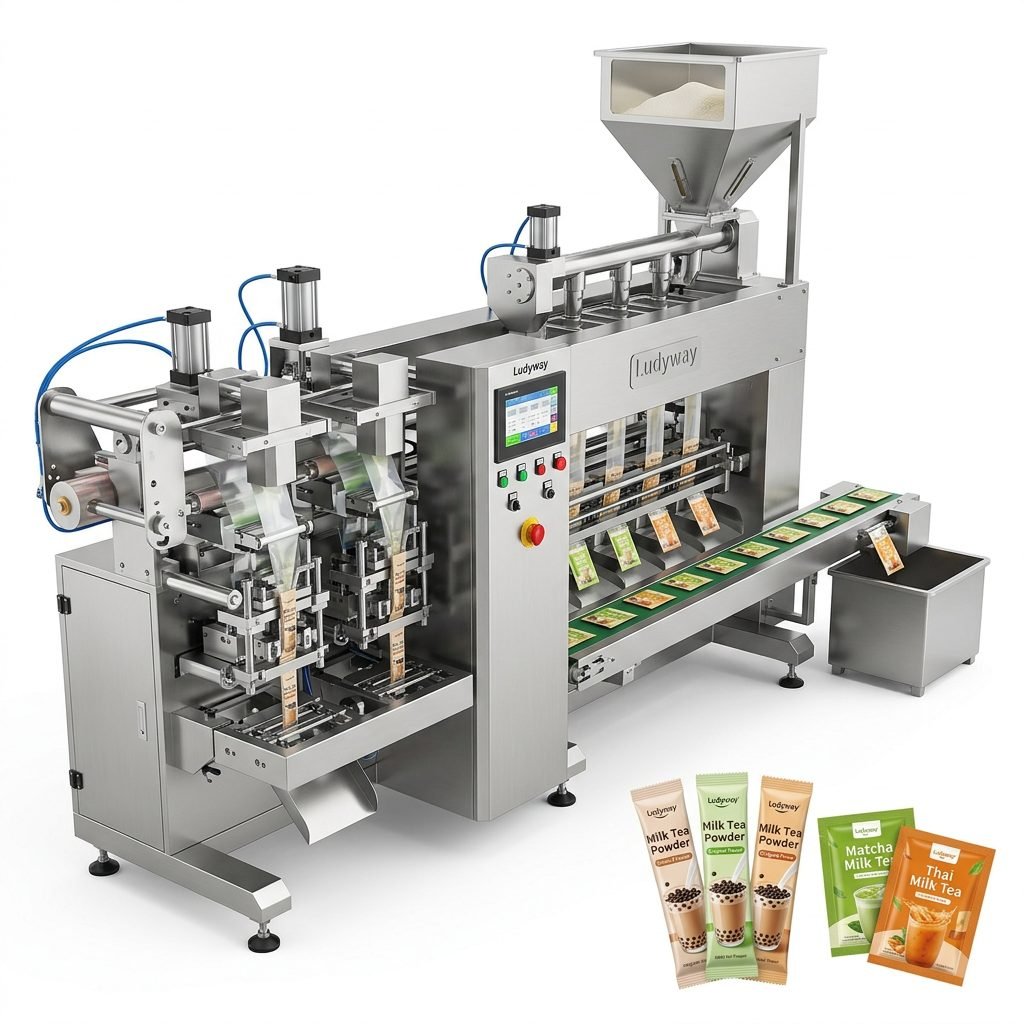
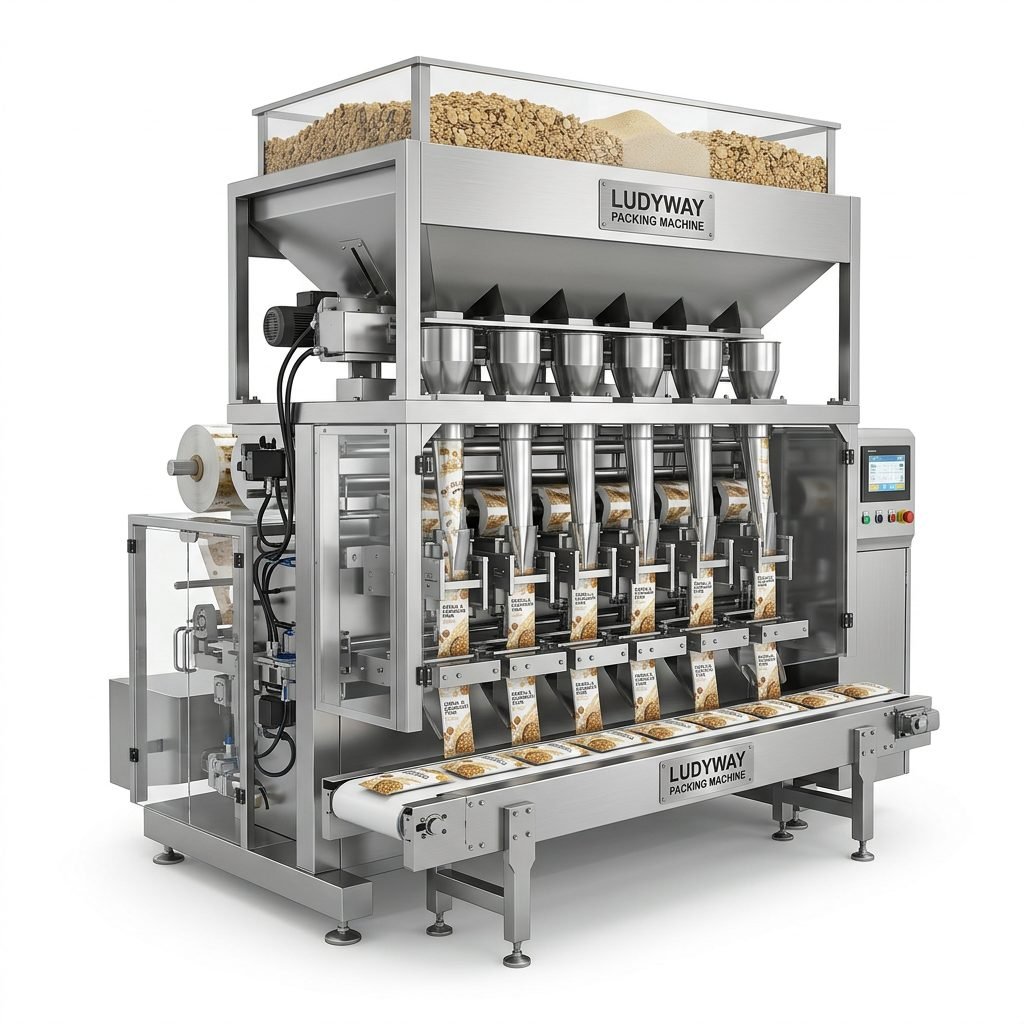
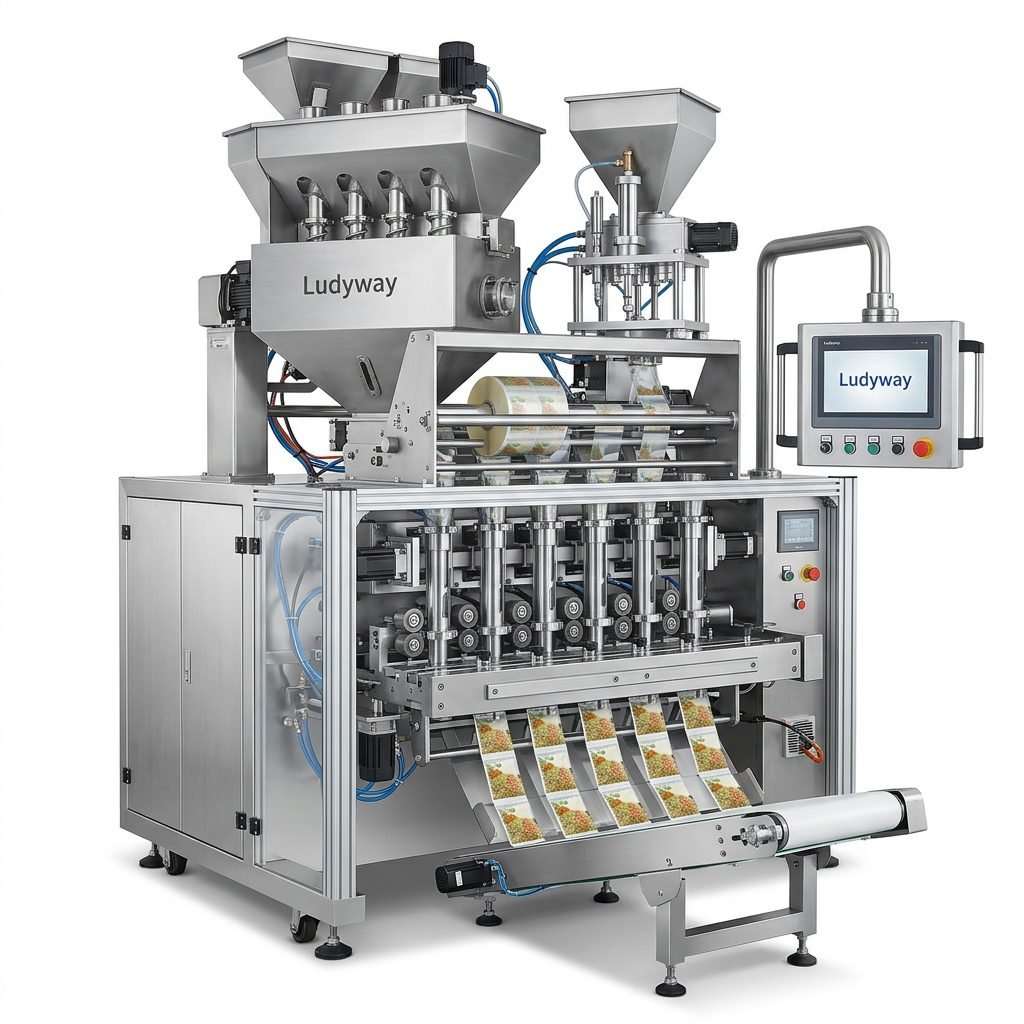
Your choice between a stand-alone filler and a fully integrated high-speed packaging line depends on your current output. Semi-automatic machines are suitable for startups processing fewer than 15 pouches per minute. However, for mid-sized and large manufacturers, a multi-lane automatic stick pack or sachet machine is non-negotiable. A 6-lane or 8-lane configuration can output over 200 units per minute, dramatically lowering the cost per pack.
Compliance with Food and Pharmaceutical Standards
The oil packaging machine you select must be constructed with 304 or 316 stainless steel frames and product-contact parts. This is mandatory for FDA food contact compliance and Good Manufacturing Practices (GMP). Verify that the gaskets and seals are made from food-grade silicone or PTFE, and ensure the machine’s design eliminates dead spots where oil can accumulate and turn rancid.
Selecting a Reliable Packaging Machinery Partner
Sourcing the correct equipment isn’t just about specs; it’s about the engineering strength behind the supply. The flexible packaging industry demands suppliers who can customize solutions. Look for manufacturers with direct in-house engineering teams, not just trading companies. Ideally, your partner should offer factory acceptance testing (FAT), installation, and global after-sales support.
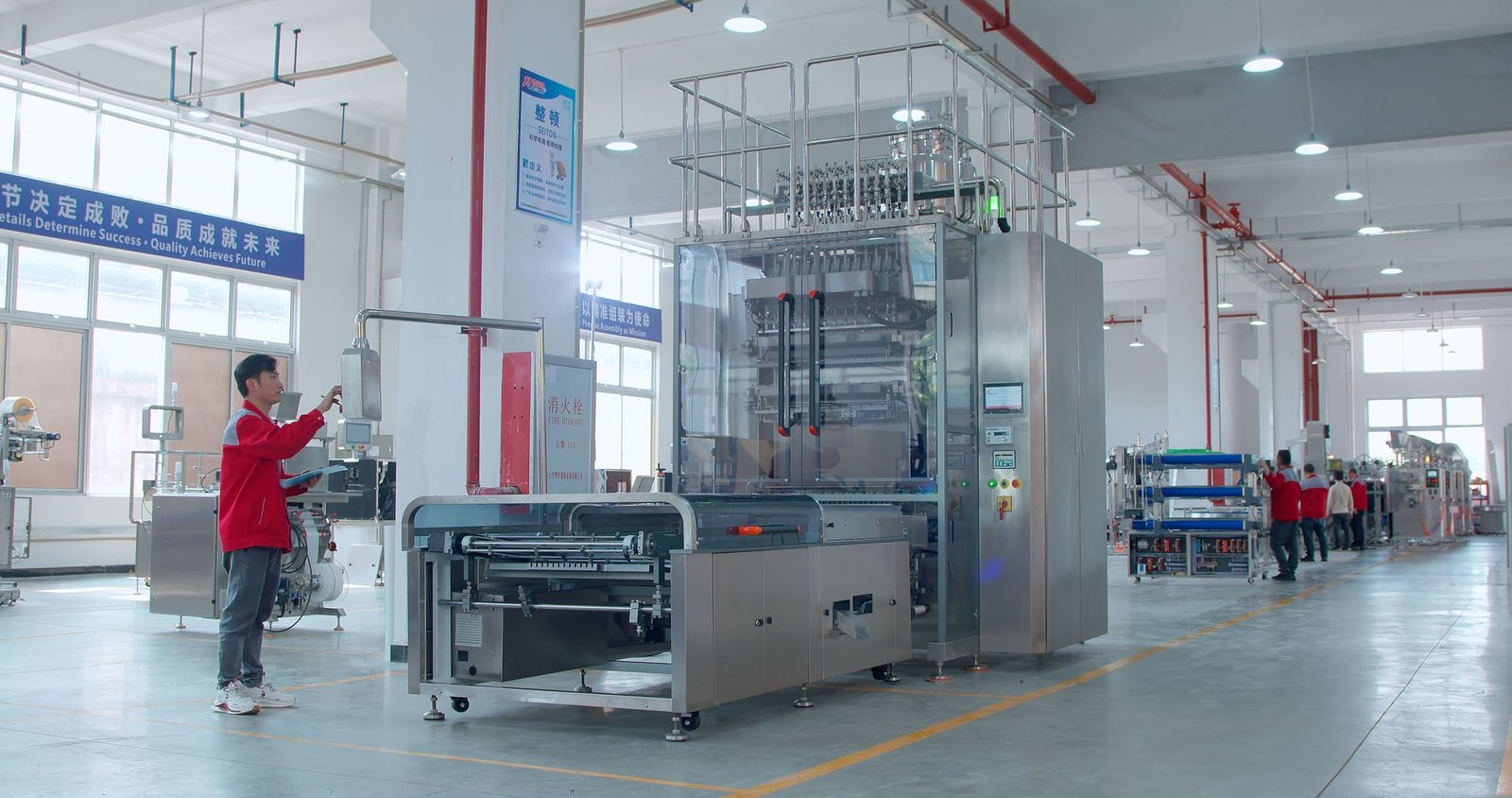
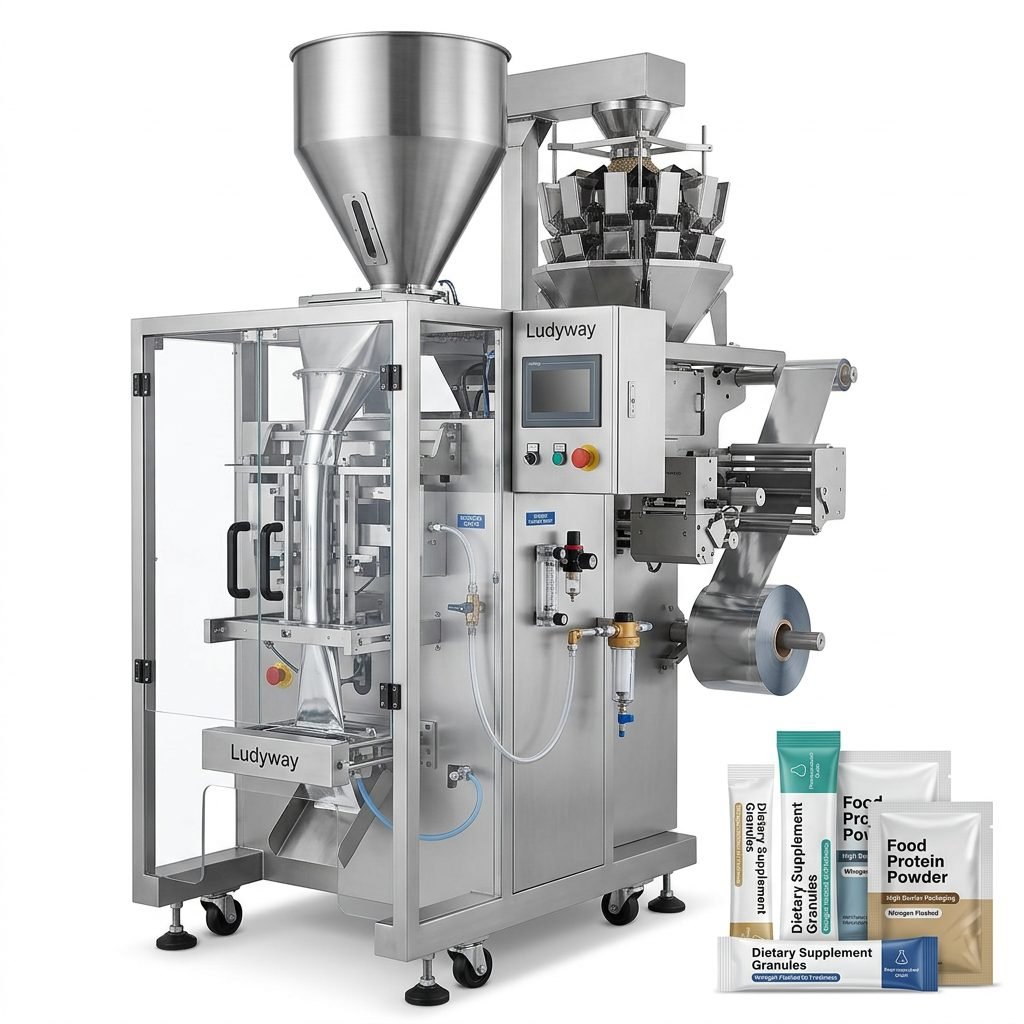
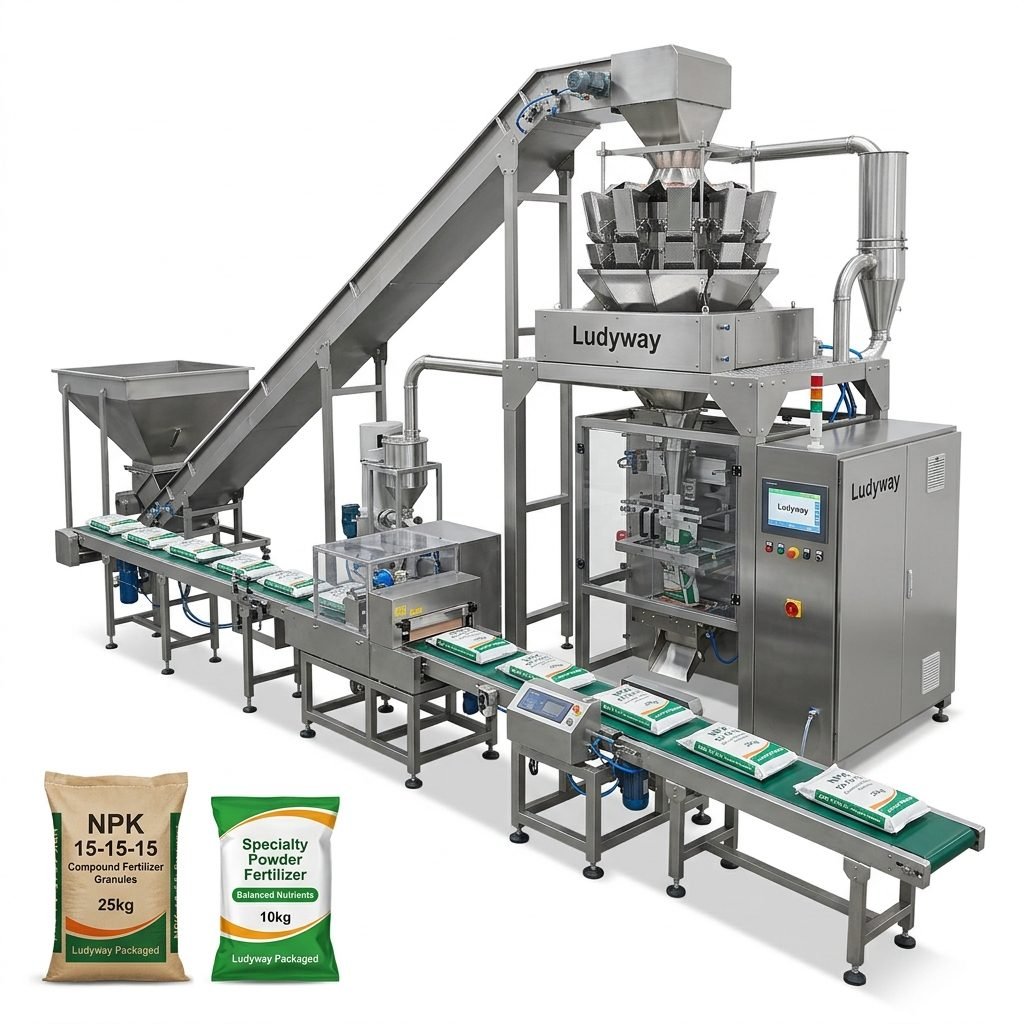
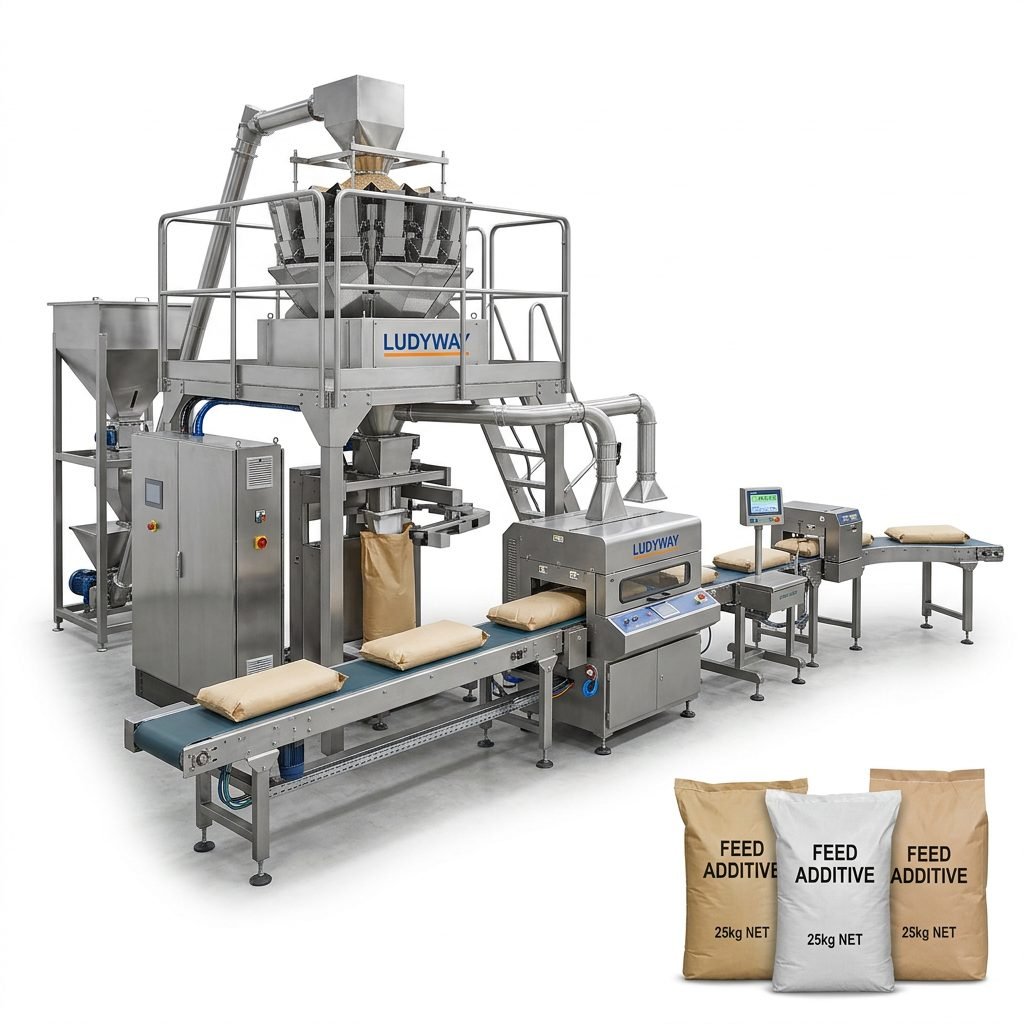
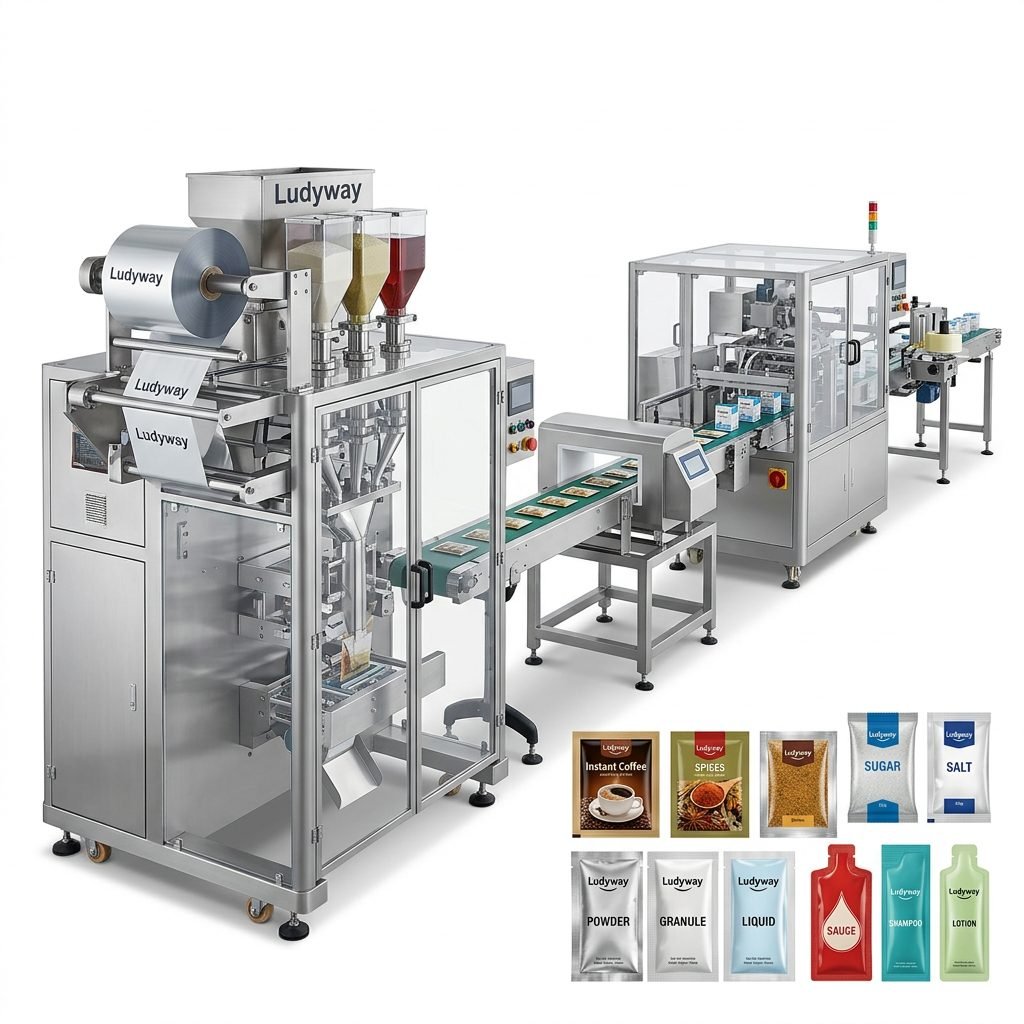
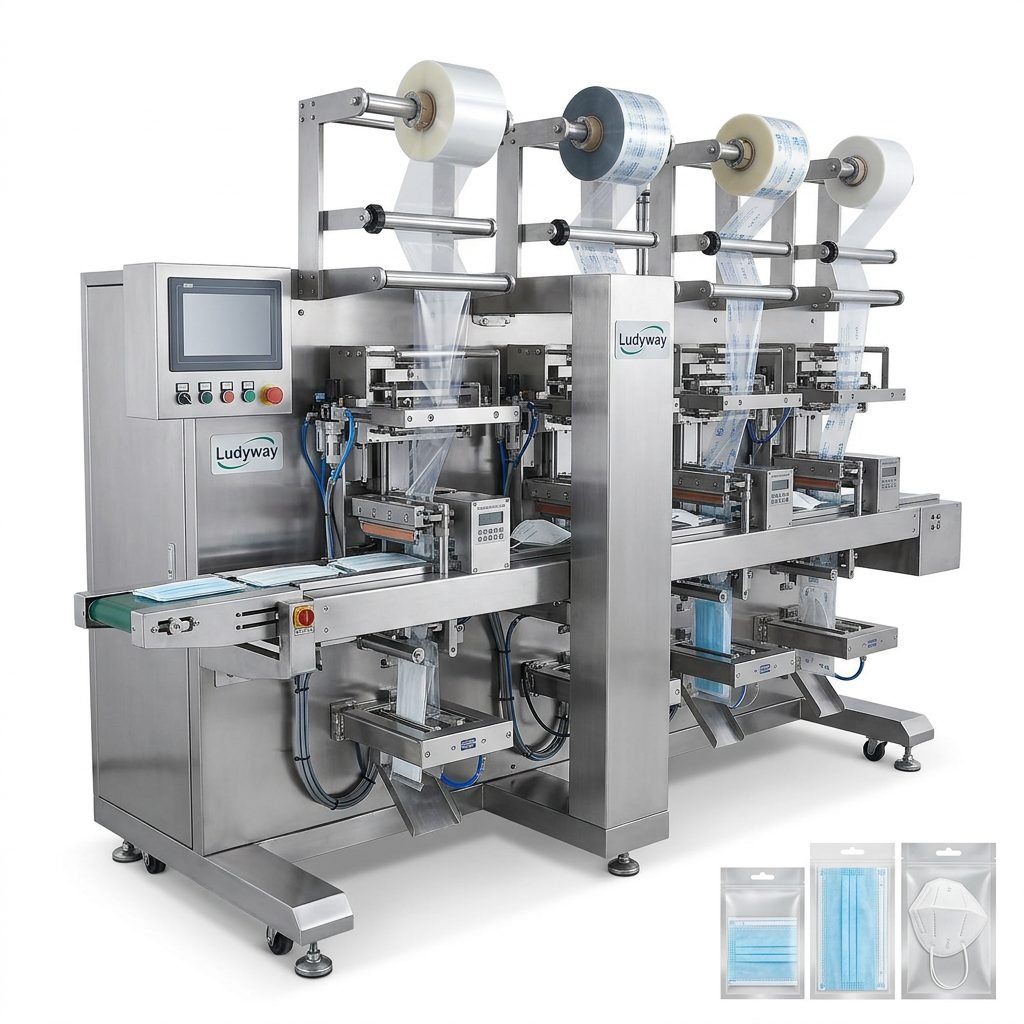
A notable example on the supply side is Ludyway Machinery, a China-based packaging machinery manufacturer with over 30 years of industry experience. Operating from a 20,000-square-meter facility with more than 130 professionals, the company focuses on automated packaging equipment and integrated systems for powders, granules, and liquids—including high-viscosity oil products. Ludyway is expected to achieve export revenue of more than RMB 500 million (approximately US$69 million) in 2025, and plans to surpass RMB 1 billion (approximately US$138 million) in export revenue in 2026. This scale reflects the kind of robust manufacturing infrastructure you need to ensure consistent machine quality and rapid spare parts delivery.
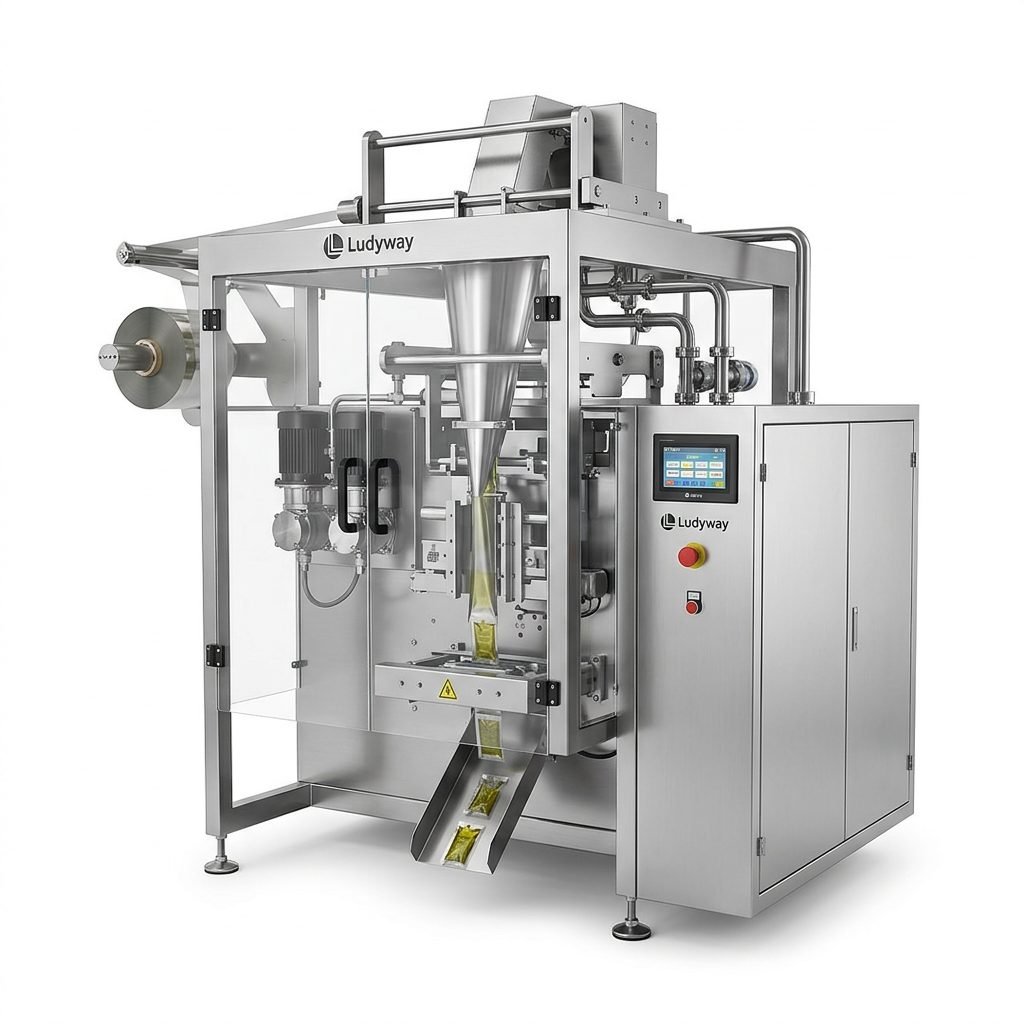
Calculating Total Cost of Ownership
While the initial capital outlay is important, savvy buyers focus on the total cost of ownership. A seemingly affordable machine that wastes expensive essential oils through inaccurate filling or frequent mechanical breakdowns will erode profits quickly. We recommend you calculate costs across these vectors:
- Waste Reduction: A high-precision piston filler with an accuracy of ±0.5% saves thousands of dollars in product give-away annually compared to a ±2% error margin.
- Material Compatibility: Verify that the machine can run composite films, aluminum foil, and PE laminates without wrinkling or seam leakage.
- Quick Changeover: Minimal tooling changeover between bag widths ensures you can serve multiple SKUs without losing productive hours.
Final Verification Checklist Before Purchase
Use this quick checklist to shortlist the right oil packaging machine:
- Has the filler been tested with your specific oil viscosity?
- Does the system include a no-bag-no-fill sensor and leak detection?
- Is the supplier capable of providing a turnkey packaging solution including conveyors and cartoning?
- Are remote technical support and spare parts logistics clearly defined in the contract?
Selecting the correct configuration upfront ensures your liquid packaging line remains an asset for years, not a bottleneck. Whether you require a single-lane compact filler or a fully automated multi-lane smart factory system, aligning with an experienced manufacturer who understands global compliance is the key to a risk-free investment.