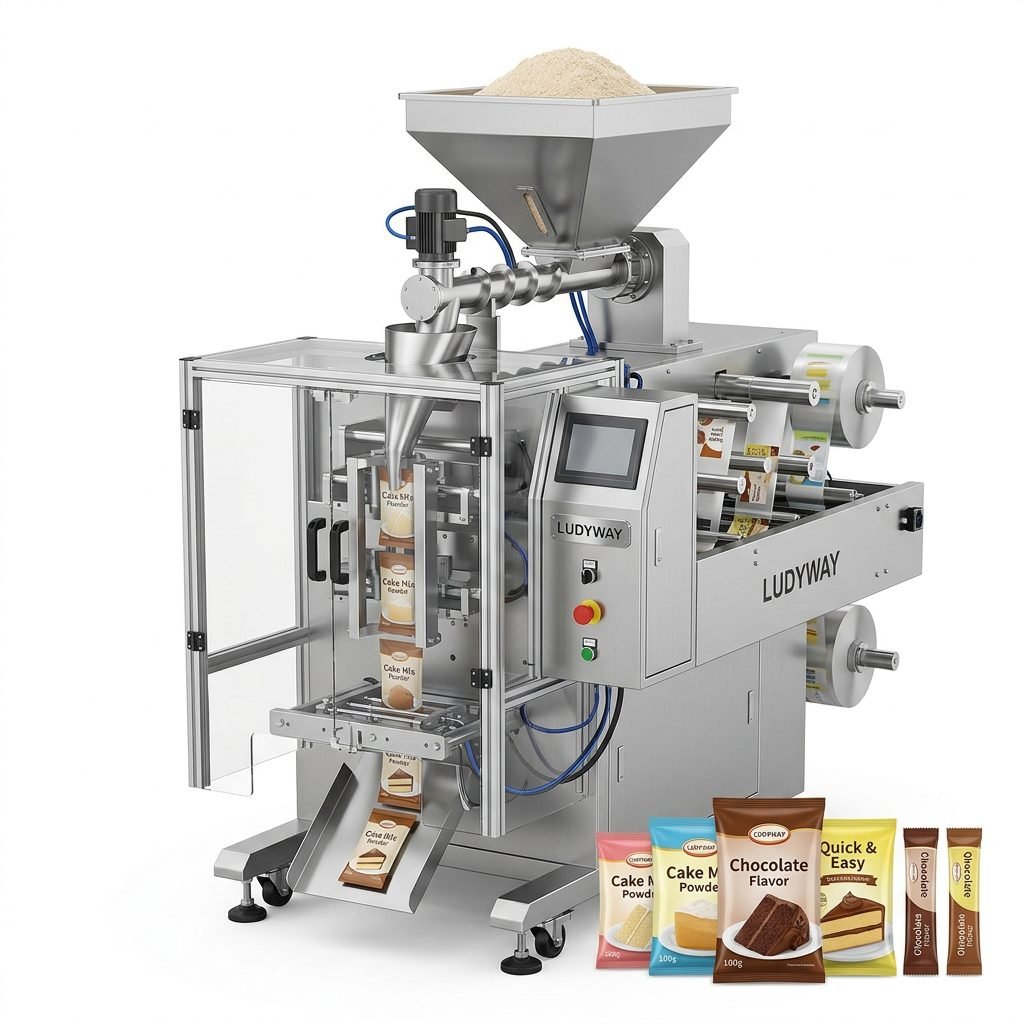
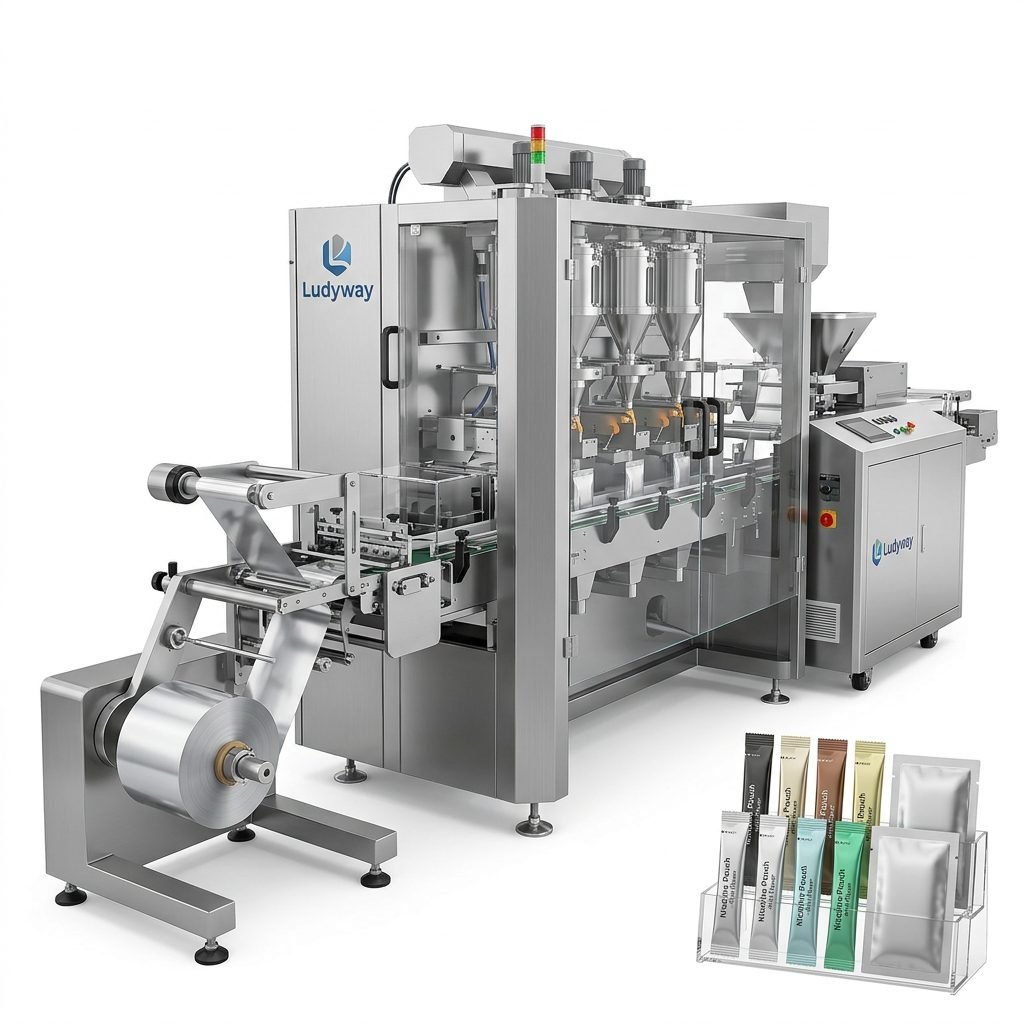
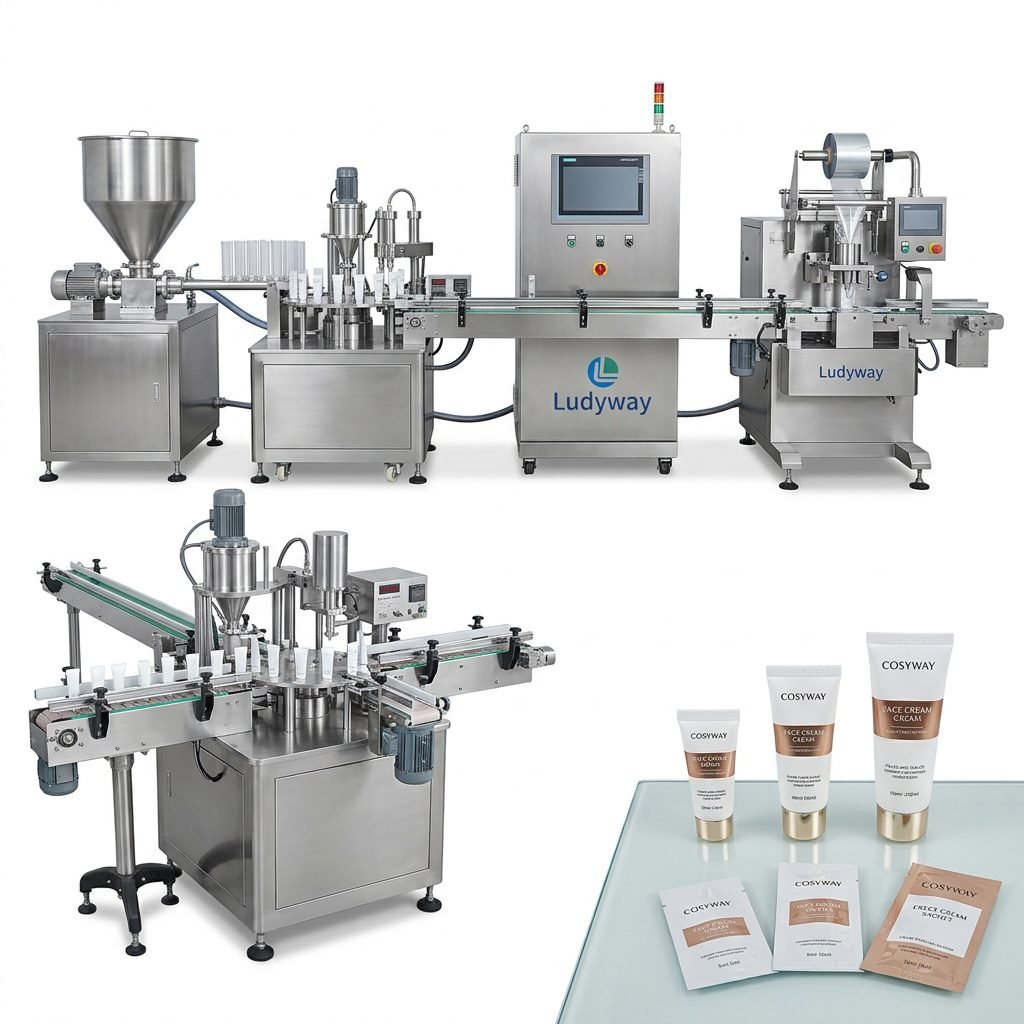
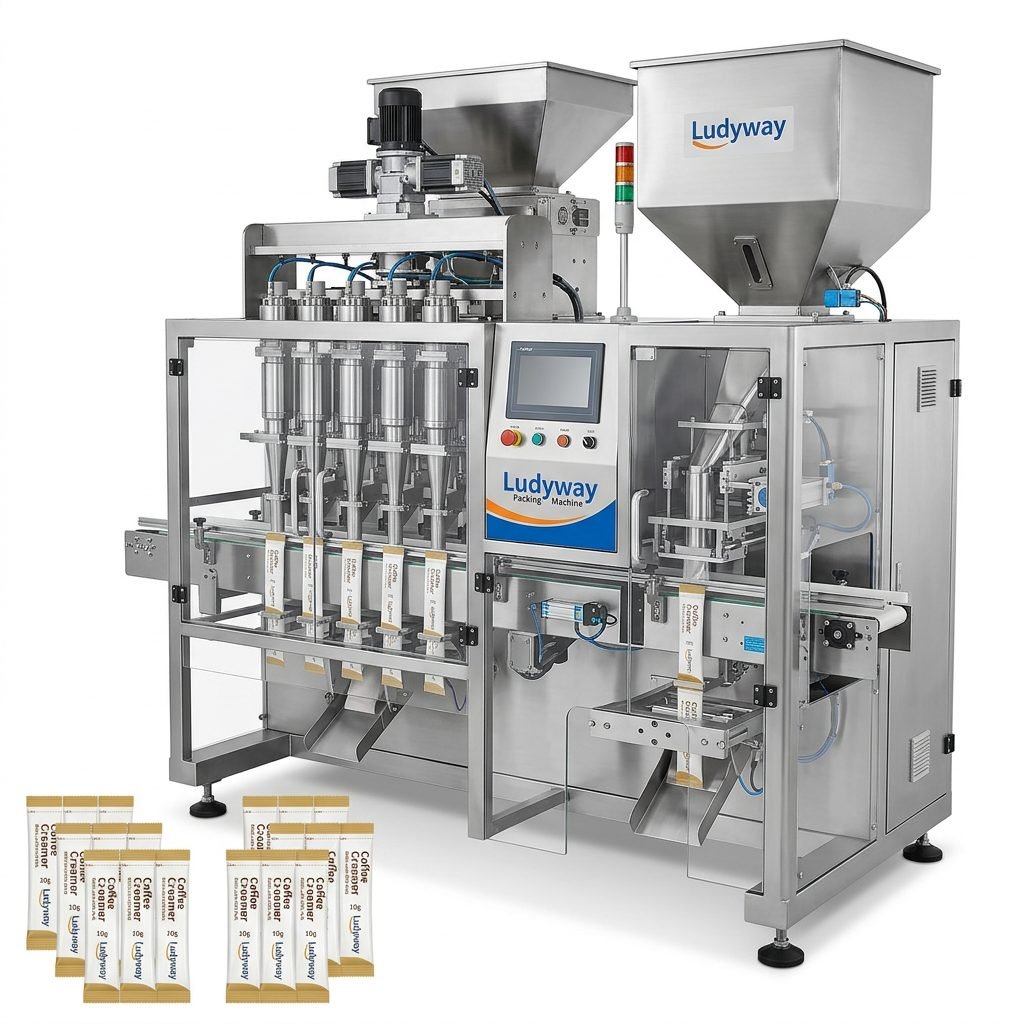
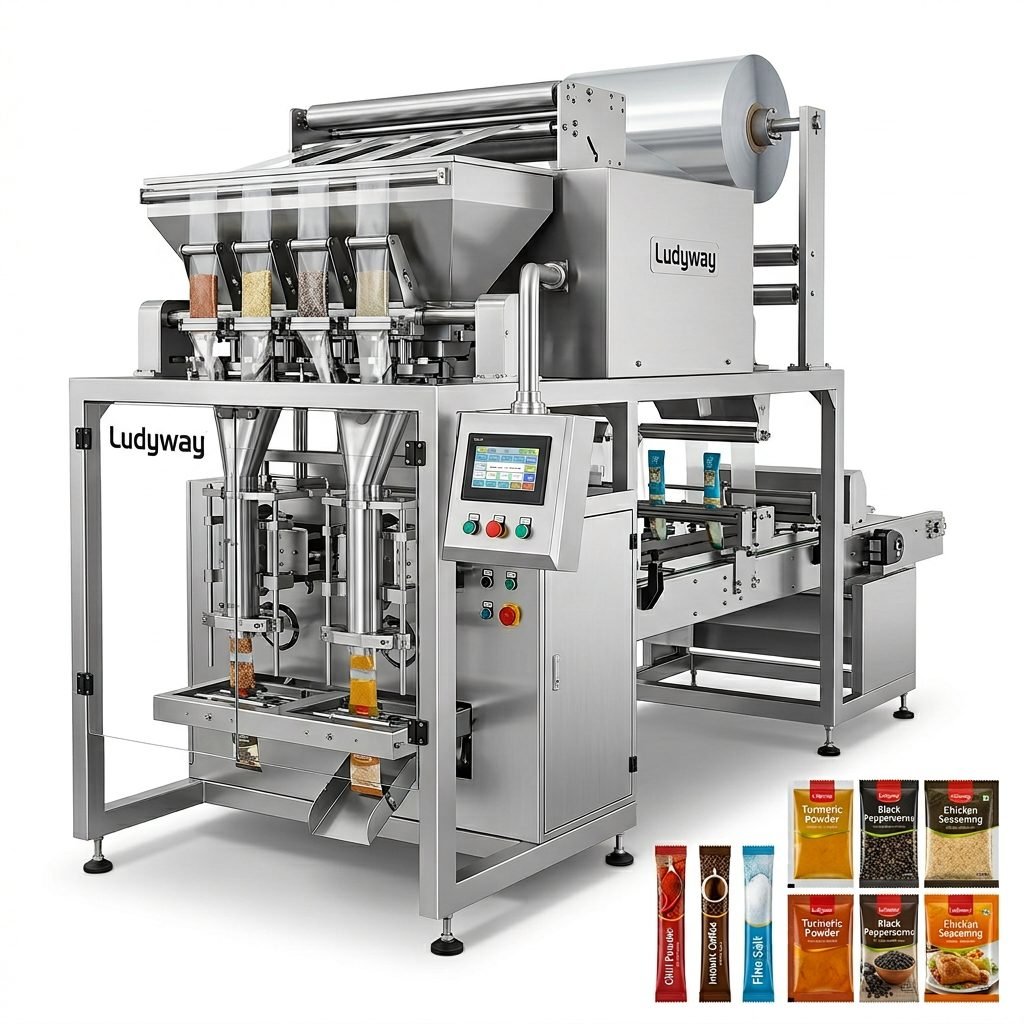
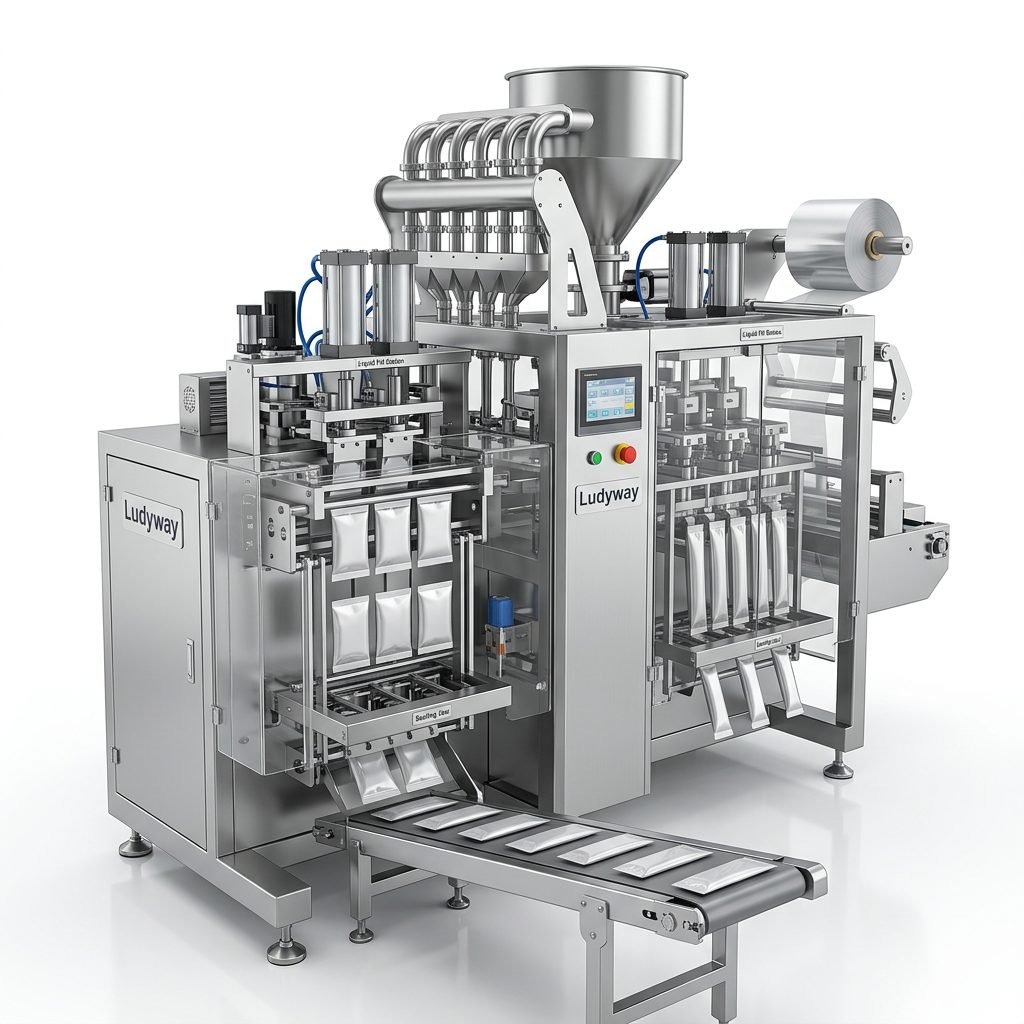
The Indian food processing industry is experiencing unprecedented growth, and the ketchup and sauce segment is at the forefront of this expansion. With rising disposable incomes, changing dietary habits, and the rapid proliferation of quick-service restaurants (QSRs) across India, the demand for packaged ketchup — in sachets, stick packs, pouches, and bottles — has surged significantly. Setting up a ketchup packaging machine production line in India requires careful planning, an understanding of local regulations, and the right equipment configuration to ensure efficiency, hygiene, and profitability.
Understanding the Indian Ketchup Market Opportunity
India’s tomato ketchup market has been growing at a compound annual growth rate (CAGR) of over 10% in recent years. The food service industry, including hotels, restaurants, and catering services, accounts for a substantial portion of this demand. Additionally, the retail segment — driven by modern trade, e-commerce, and kirana stores — continues to expand. For manufacturers and entrepreneurs looking to enter or scale within this market, investing in a high-performance ketchup packaging machine production line is a strategic move that can yield significant returns.
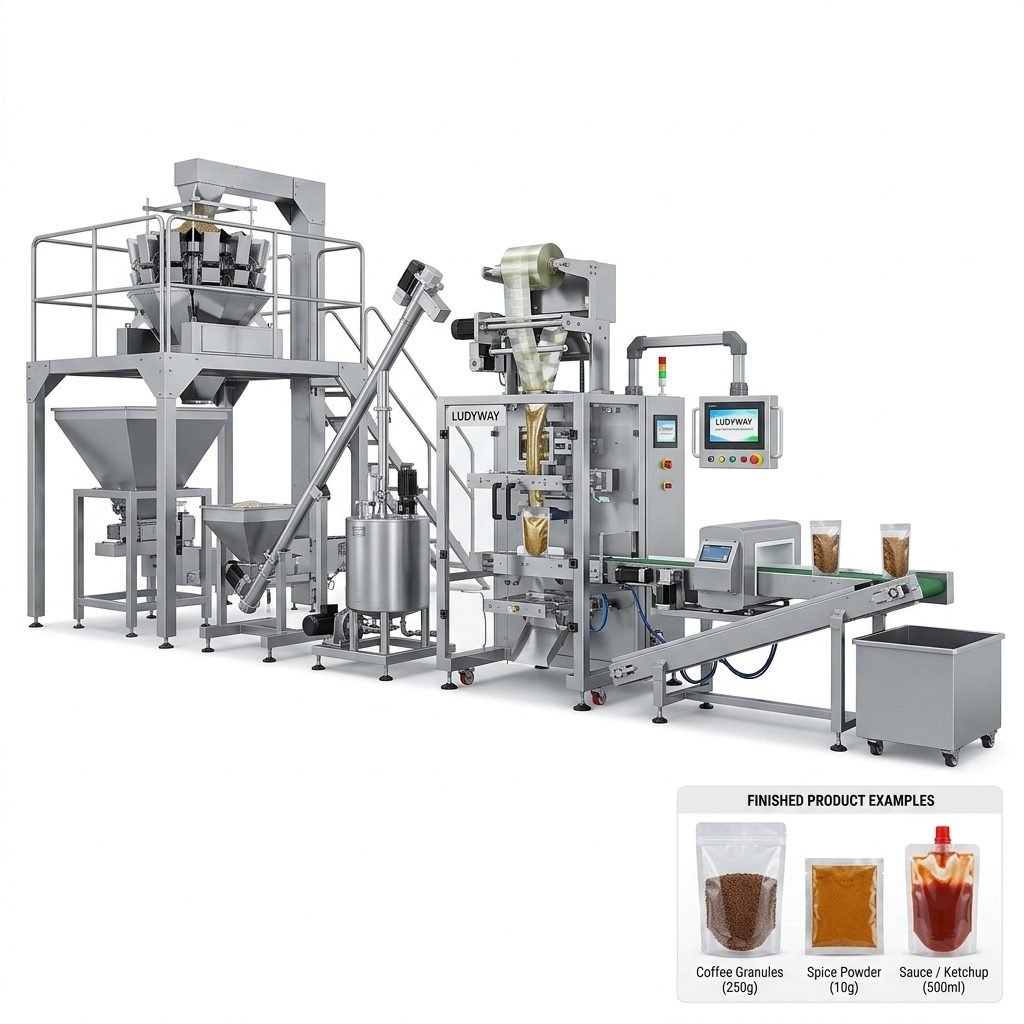
Key Components of a Ketchup Packaging Production Line
A well-designed ketchup packaging line integrates several critical components that work together seamlessly. Understanding each element is essential before making procurement decisions.
1. Liquid Filling and Sealing Machine
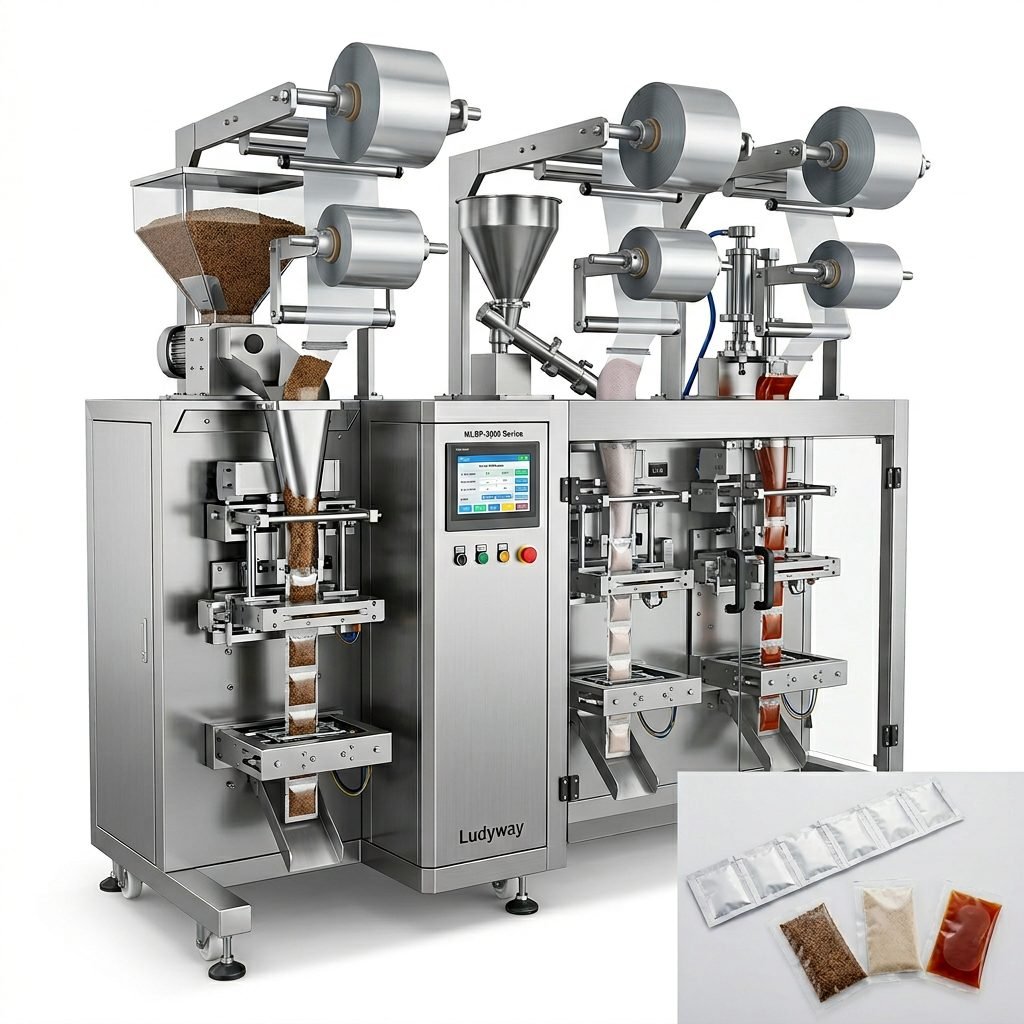
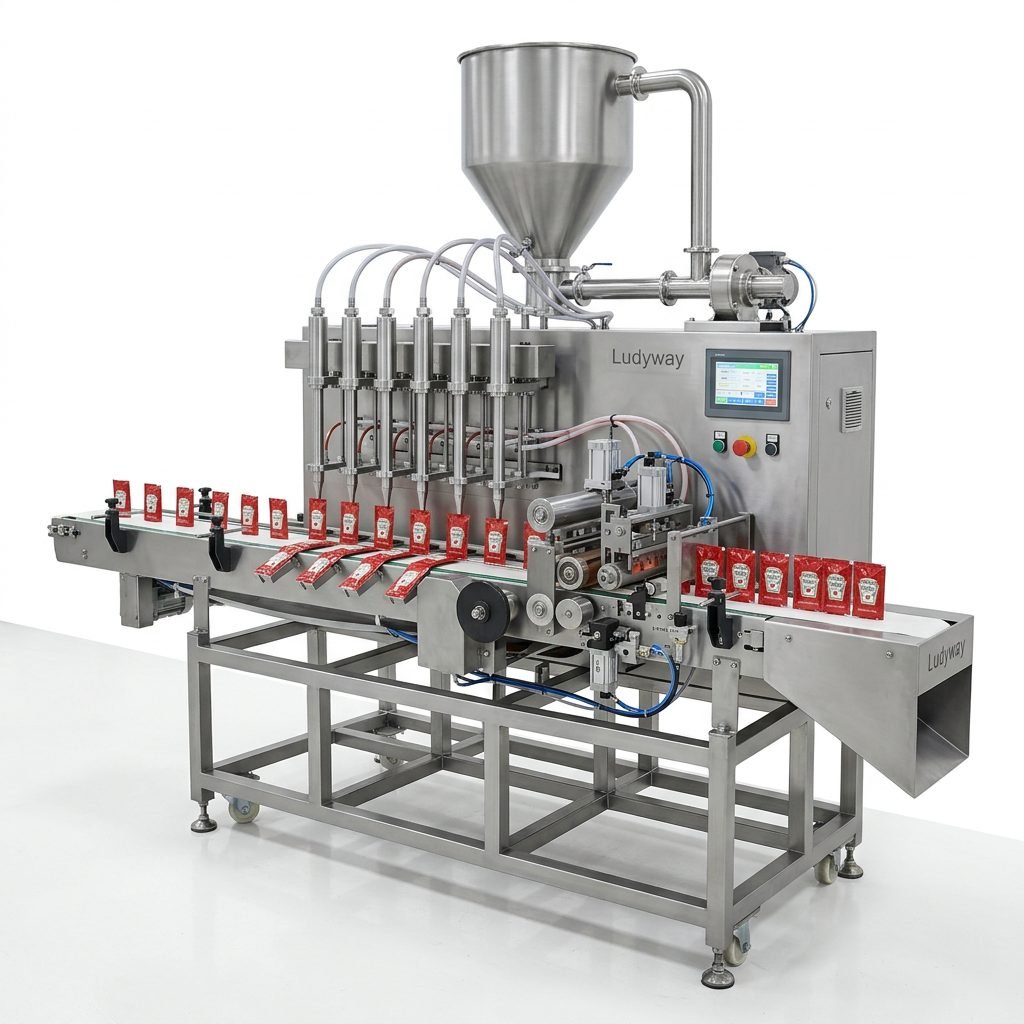
The core of any ketchup packaging operation is the liquid filling and sealing system. Ketchup, being a viscous product with particulates, requires specialized filling mechanisms — typically piston fillers or servo-driven pump systems — that can handle varying viscosities without clogging or dripping. Accurate fill volume control is critical for both regulatory compliance and cost management.
2. Multi-Lane Sachet and Stick Pack Systems
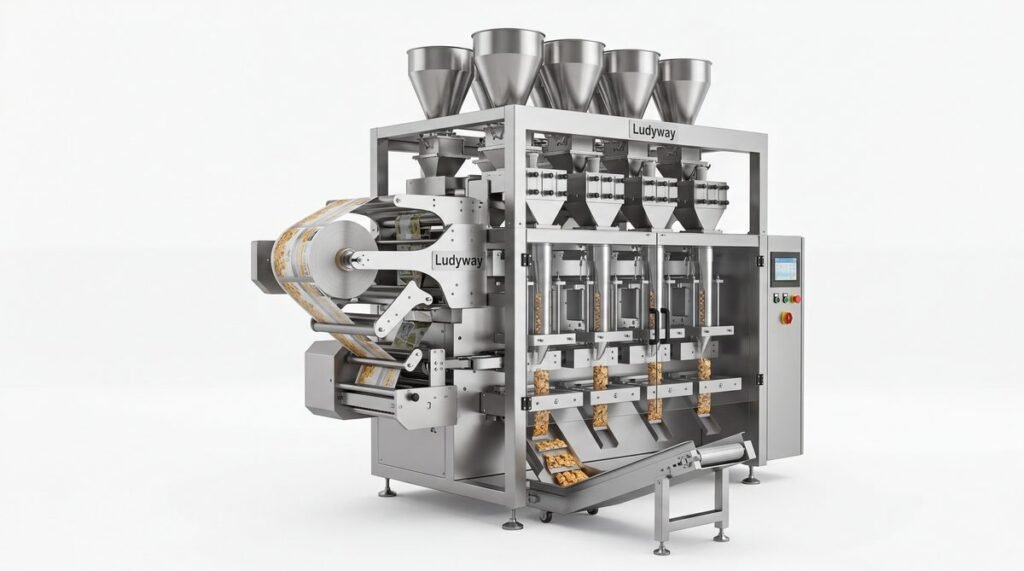
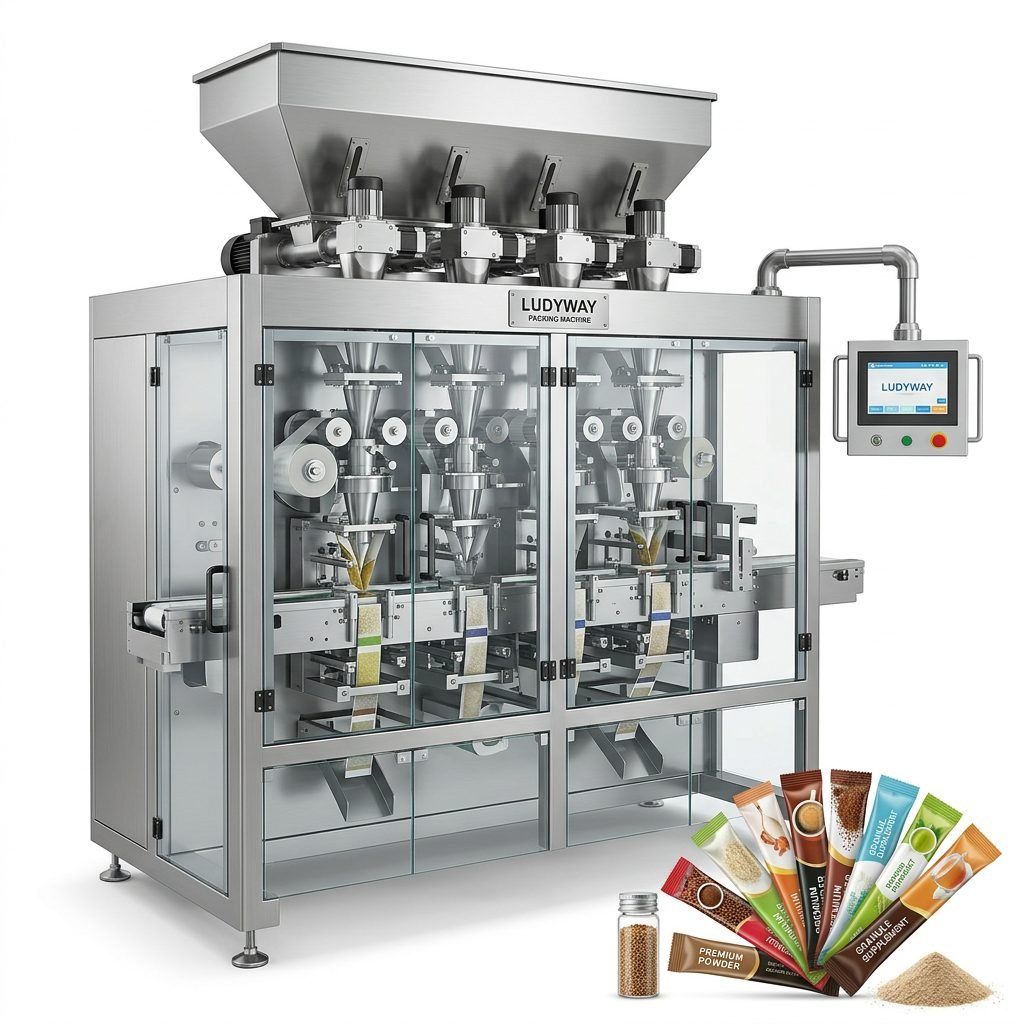
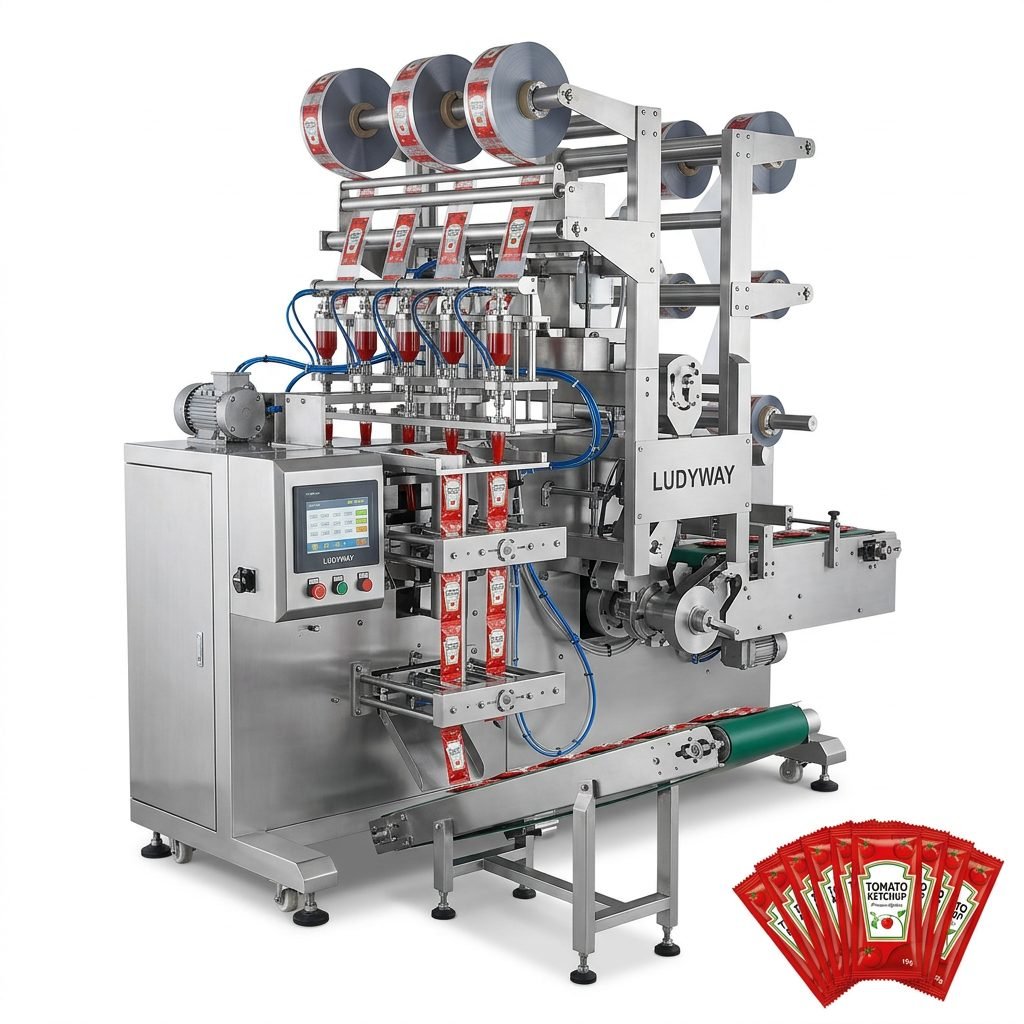
For the food service and HoReCa (Hotel/Restaurant/Café) segments, multi-lane sachet packaging machines are indispensable. These systems can produce 4, 6, 8, or even 12 lanes simultaneously, dramatically increasing output. Modern multi-lane machines offer features like automatic film alignment, precision temperature control for sealing, and integrated batch coding.
3. Conveyor and Material Handling Systems
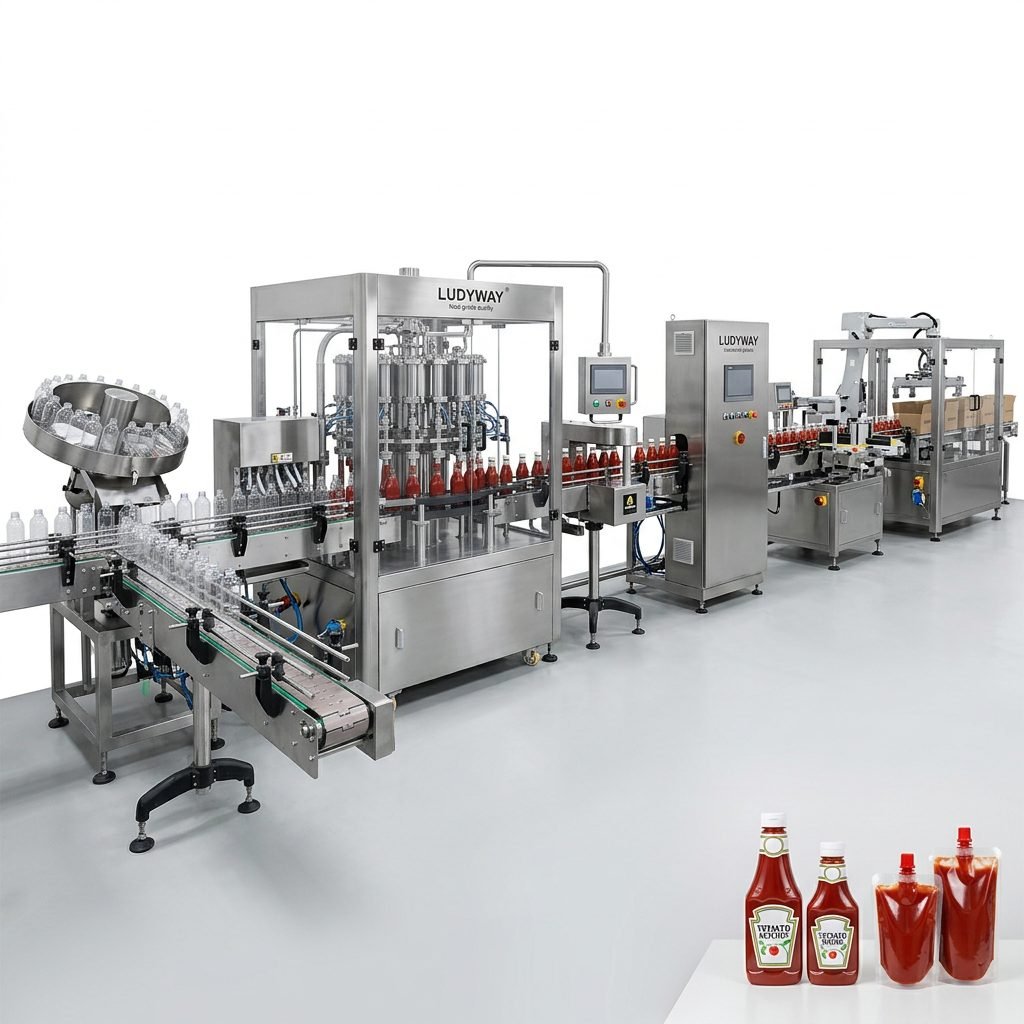
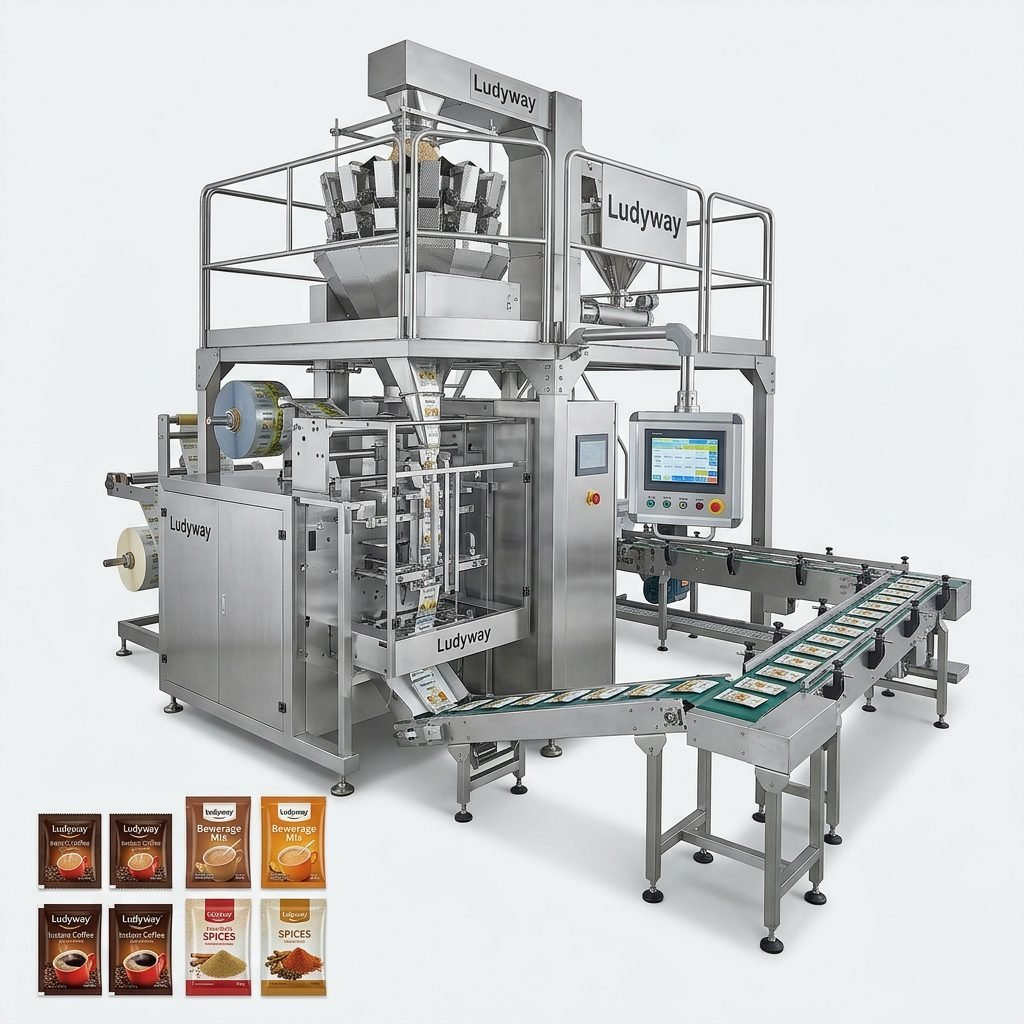
Efficient material flow between stations — from filling to cartoning — requires reliable conveyor systems. Inclined conveyors, bucket elevators, and roller conveyors are commonly integrated to transport empty containers, filled pouches, and finished cartons throughout the production floor.
4. Coding, Marking, and Inspection Equipment
Batch coding, date marking, and traceability are mandatory under FSSAI regulations in India. High-resolution inkjet printers, laser markers, and thermal transfer coders ensure clear and permanent markings. Additionally, checkweighers and metal detectors are essential for quality assurance and consumer safety.
Step-by-Step Guide to Setting Up Your Production Line
Step 1: Site Preparation and Layout Planning
Begin with a thorough assessment of your production facility. Key considerations include:
- Floor space — allow adequate clearance for machine operation and maintenance
- Utilities — ensure stable three-phase electrical supply, compressed air lines, and plumbing connections
- Ventilation and drainage — critical for food-grade production environments
- Workflow optimization — design a linear or U-shaped layout to minimize material handling
Step 2: Equipment Selection and Procurement
Selecting the right machinery is the most consequential decision. Evaluate equipment based on:
- Production capacity — match output requirements with machine speed (pouches per minute)
- Packaging format flexibility — sachets, stick packs, pouches, or bottles
- Material compatibility — ensure the machine handles laminate films, aluminum foil, and other barrier materials
- Automation level — from semi-automatic to fully automatic turnkey packaging systems
Step 3: Installation and Commissioning
Professional installation by experienced engineers is vital. The process includes machine positioning, leveling, utility connections, and initial calibration. A comprehensive Factory Acceptance Test (FAT) and Site Acceptance Test (SAT) should be conducted before full-scale production begins.
Step 4: Testing and Quality Control
Implement rigorous testing protocols for fill accuracy, seal integrity, and packaging appearance. Establish Standard Operating Procedures (SOPs) for quality checks at defined intervals. Consistent quality monitoring reduces waste, prevents recalls, and builds brand reputation.
Step 5: Staff Training and SOP Development
Invest in comprehensive training for machine operators, maintenance personnel, and quality control staff. Well-documented SOPs in local languages improve compliance and reduce downtime caused by operational errors.
Regulatory Compliance and Food Safety Standards in India
Operating a food packaging line in India requires strict adherence to regulations established by the Food Safety and Standards Authority of India (FSSAI). Key compliance areas include:
- Packaging material approval — all food-contact materials must meet FSSAI specifications
- Labeling requirements — nutritional information, ingredient lists, manufacturing dates, and batch codes are mandatory
- GMP and HACCP — Good Manufacturing Practices and Hazard Analysis Critical Control Point protocols must be implemented
- BIS standards — relevant Indian Standards (IS) for packaging machinery and materials apply
Manufacturers should also reference international standards such as ISO packaging standards and FDA food packaging guidelines for export-oriented production lines. For detailed industry data, the PMMI Business Intelligence Library offers valuable market reports.
Cost Considerations and ROI Analysis
The investment required for a ketchup packaging production line varies widely based on capacity, automation level, and equipment configuration. Below is a general overview of cost components:
| Cost Category | Description | Estimated Range (INR) |
|---|---|---|
| Primary Packaging Machine | Multi-lane sachet/stick pack filler-sealer | ₹25 Lakh – ₹1.5 Crore |
| Auxiliary Equipment | Conveyors, coders, checkweighers, metal detectors | ₹10 Lakh – ₹50 Lakh |
| Installation & Training | Commissioning, operator training, documentation | ₹5 Lakh – ₹20 Lakh |
| Facility Preparation | Electrical, plumbing, HVAC, cleanroom setup | ₹15 Lakh – ₹1 Crore+ |
| Consumables (Initial) | Packaging film, inks, cleaning supplies | ₹5 Lakh – ₹15 Lakh |
With efficient operation, most production lines achieve full return on investment within 18-36 months, driven by the growing domestic market and export opportunities to neighboring countries.
Common Challenges and How to Overcome Them
Setting up a ketchup packaging line in India comes with unique challenges. Anticipating these hurdles can save time, money, and frustration:
- Power supply instability — invest in voltage stabilizers, UPS systems, and backup generators to protect sensitive electronic components
- Humidity and temperature control — ketchup’s viscosity changes with temperature; maintain climate-controlled production areas for consistent filling accuracy
- Skilled labor availability — partner with equipment suppliers who offer comprehensive on-site training programs
- Spare parts logistics — maintain an adequate inventory of critical spare parts and establish reliable local supply chains
- Regulatory changes — stay updated on FSSAI amendments and BIS standard revisions through industry associations
Choosing the Right Equipment Supplier
Selecting a reliable machinery partner is perhaps the most critical factor in the success of your ketchup packaging project. Key evaluation criteria include:
- Industry experience — choose suppliers with a proven track record in liquid and viscous product packaging
- Technical support capabilities — ensure the supplier offers remote diagnostics, local service engineers, and responsive after-sales support
- Customization options — the ability to tailor machine configurations to your specific production needs
- References and case studies — verify the supplier’s claims by speaking with existing customers
- Spare parts availability — confirm that critical components are stocked locally or can be shipped quickly
Ludyway, with over 30 years of industry expertise and a 20,000㎡ modern manufacturing facility, is one of the largest packaging machine manufacturers in China, offering advanced liquid packaging solutions and turnkey production line systems for food manufacturers worldwide, including complete ketchup packaging lines tailored to the Indian market requirements.
Future Trends in Ketchup Packaging
The Indian packaging landscape is evolving rapidly. Manufacturers should keep an eye on emerging trends that will shape future investments:
- Sustainable packaging — recyclable mono-material films and biodegradable options are gaining traction
- Smart packaging — QR codes and NFC tags for consumer engagement and traceability
- Automation and Industry 4.0 — IoT-enabled machines that provide real-time production data and predictive maintenance alerts
- Smaller portion sizes — increasing demand for single-serve and on-the-go packaging formats
Conclusion
Setting up a ketchup packaging machine production line in India is a substantial but rewarding undertaking. With the right combination of market understanding, regulatory compliance, equipment selection, and operational planning, manufacturers can build a profitable and scalable business. The Indian market’s growth trajectory, coupled with increasing export opportunities, makes now an opportune time to invest in modern, efficient packaging infrastructure. By following the structured approach outlined in this guide and partnering with experienced equipment suppliers, you can navigate the complexities of production line setup and position your business for long-term success in one of the world’s most dynamic food markets.
For further reading on packaging industry standards, visit the Flexible Packaging Association Industry Resources and explore PMMI’s State of the Industry 2025 Report for comprehensive market intelligence.