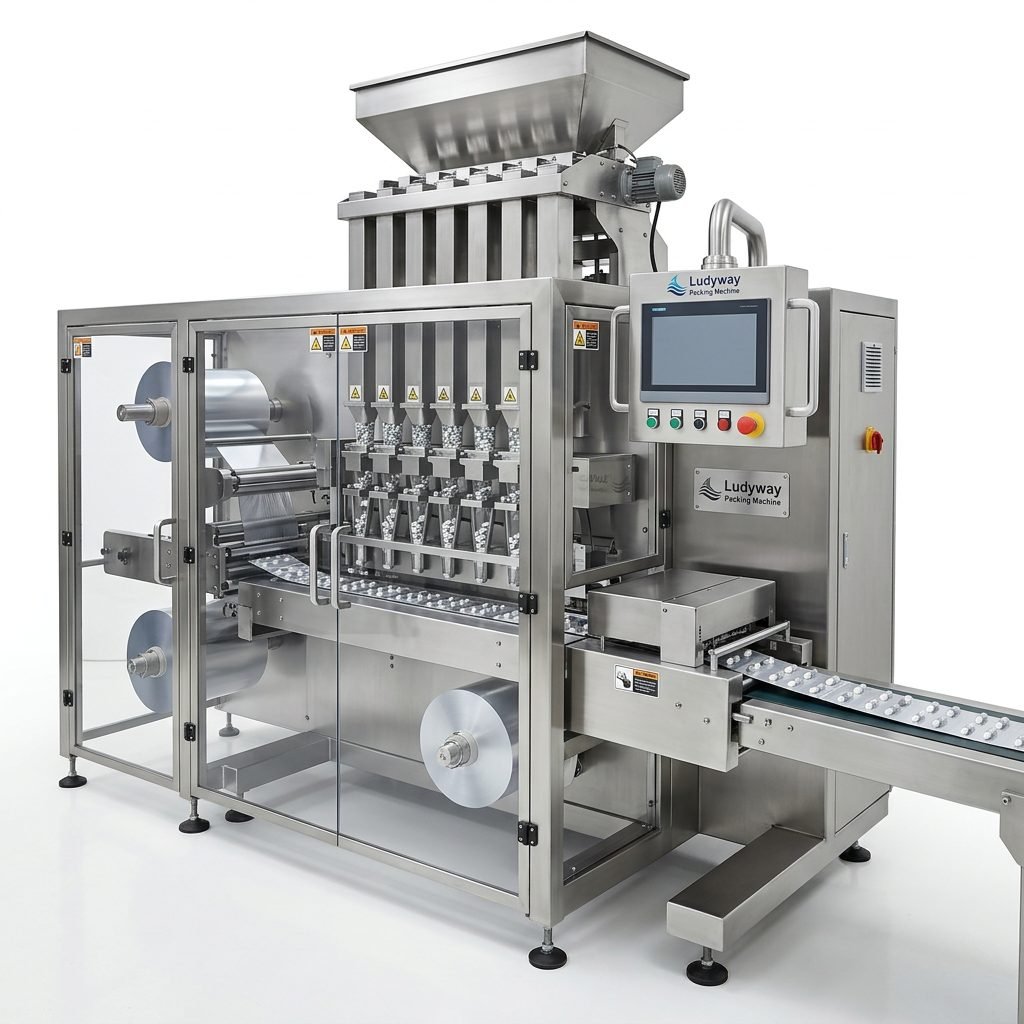
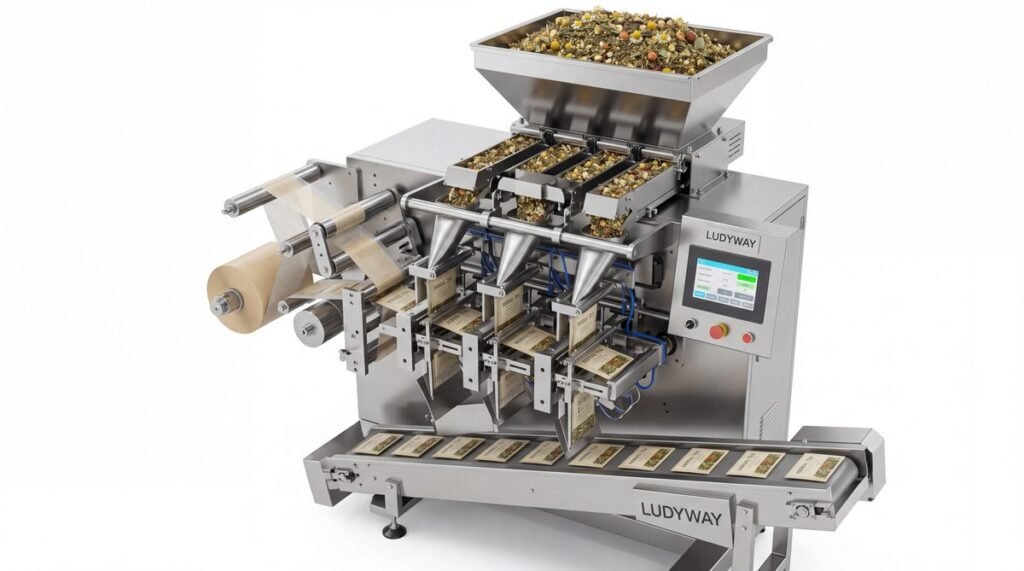
Improving packaging machine efficiency is one of the fastest ways to raise output, reduce labor waste, and control production costs. Whether you operate a food, pharmaceutical, cosmetic, chemical, or nutraceutical line, the same principle applies: higher machine efficiency means more stable production and less downtime.
In practical terms, efficiency is not only about running faster. It also depends on machine setup time, material flow, operator skill, maintenance quality, changeover speed, and the ability to identify hidden losses before they become expensive stoppages.
What Packaging Machine Efficiency Really Means
Packaging machine efficiency is the ability of a machine or line to deliver consistent output with minimal interruption, scrap, and performance loss. A machine may appear to run well, but if it frequently stops for film tracking problems, sealing faults, filling inaccuracy, or coding issues, real efficiency is lower than expected.
Most manufacturers evaluate efficiency through:
- Output rate per hour or shift
- Downtime frequency and downtime duration
- Reject rate and packaging defects
- Changeover time between products or formats
- Labor usage per machine or line
- OEE (Overall Equipment Effectiveness)
The Main Causes of Low Packaging Machine Efficiency
Before improving performance, it is important to identify what is causing loss. In many factories, the biggest problems are not dramatic breakdowns but repeated small interruptions that add up over time.
| Common Issue | Impact on Productivity | Typical Root Cause |
|---|---|---|
| Frequent machine stoppages | Reduced output and unstable scheduling | Poor maintenance, worn parts, sensor issues |
| Slow changeovers | Lost production time between SKUs | Lack of standard procedures and tooling setup |
| Packaging defects | Rework, scrap, customer complaints | Improper sealing, unstable dosing, poor materials |
| Material feeding interruptions | Line pauses and inconsistent output | Inadequate upstream supply or conveyor mismatch |
| Operator errors | Setup mistakes and avoidable downtime | Insufficient training or unclear SOPs |
Proven Tips to Increase Packaging Machine Efficiency
1. Track OEE and Hidden Losses Daily
If you do not measure performance, you cannot improve it effectively. Start by recording availability, speed, and quality losses every shift. Many factories discover that minor stops, slow feeding, and short jams are more damaging than major breakdowns.
Use simple dashboards to monitor runtime, fault codes, reject counts, and changeover minutes. Even a basic daily record can reveal patterns that help production managers make faster decisions.
2. Build a Preventive Maintenance Routine
One of the best ways to reduce downtime is to stop waiting for parts to fail. Preventive maintenance helps keep sealing units, cutters, belts, bearings, sensors, pneumatic components, and dosing systems in stable working condition.
- Inspect wear parts on a fixed schedule
- Lubricate moving components correctly
- Check alignment, temperature control, and air pressure
- Replace damaged sealing jaws, knives, and rollers before failure
- Maintain a spare parts inventory for critical items
3. Reduce Changeover Time
For plants handling multiple SKUs, changeover time is often a major source of lost capacity. Faster changeovers can significantly raise the total productive time of a packaging line.
To improve changeover speed:
- Standardize all setup procedures
- Label format parts clearly
- Prepare materials and tools before shutdown
- Use quick-release components where possible
- Train operators using a repeatable checklist
4. Match Machine Speed with Material Handling Capacity
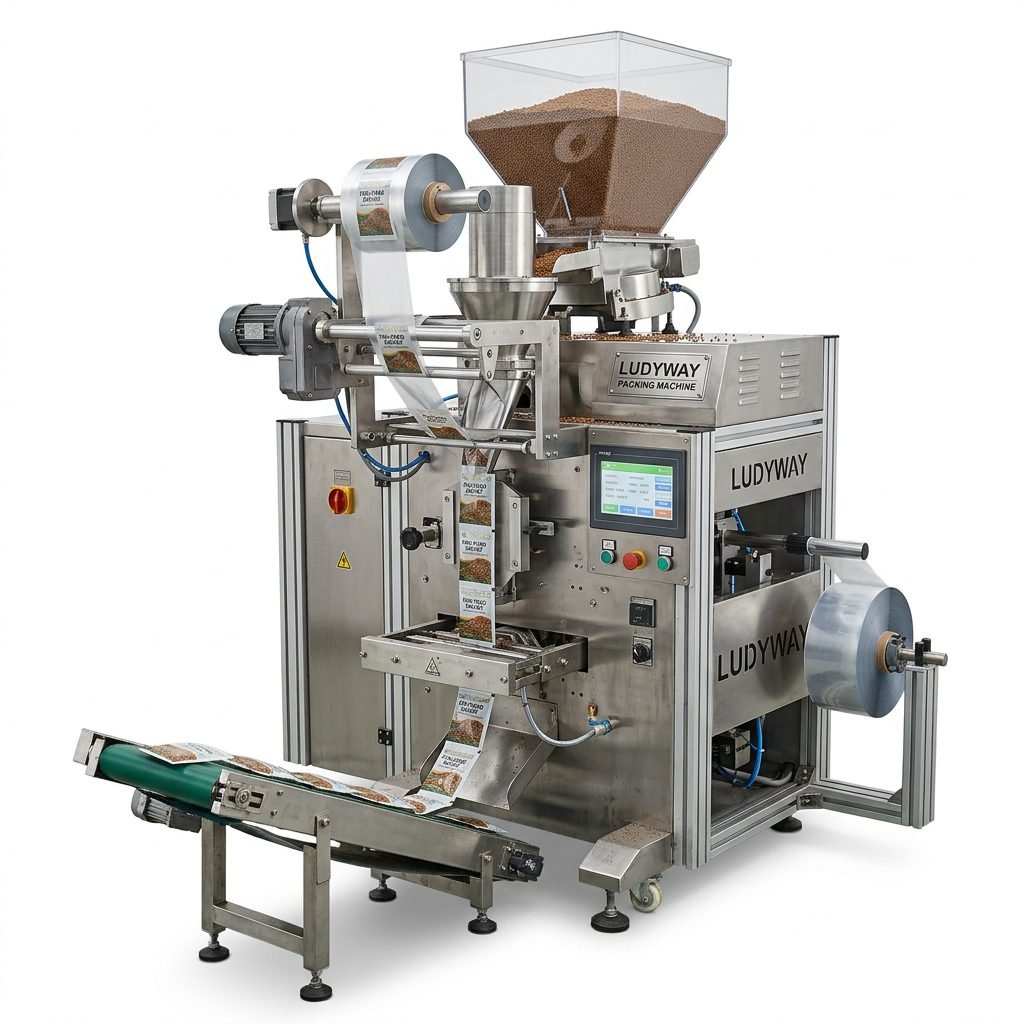
A packaging machine cannot stay efficient if upstream feeding or downstream collection is unstable. In many cases, the machine itself is not the problem; the real issue is poor line balance.
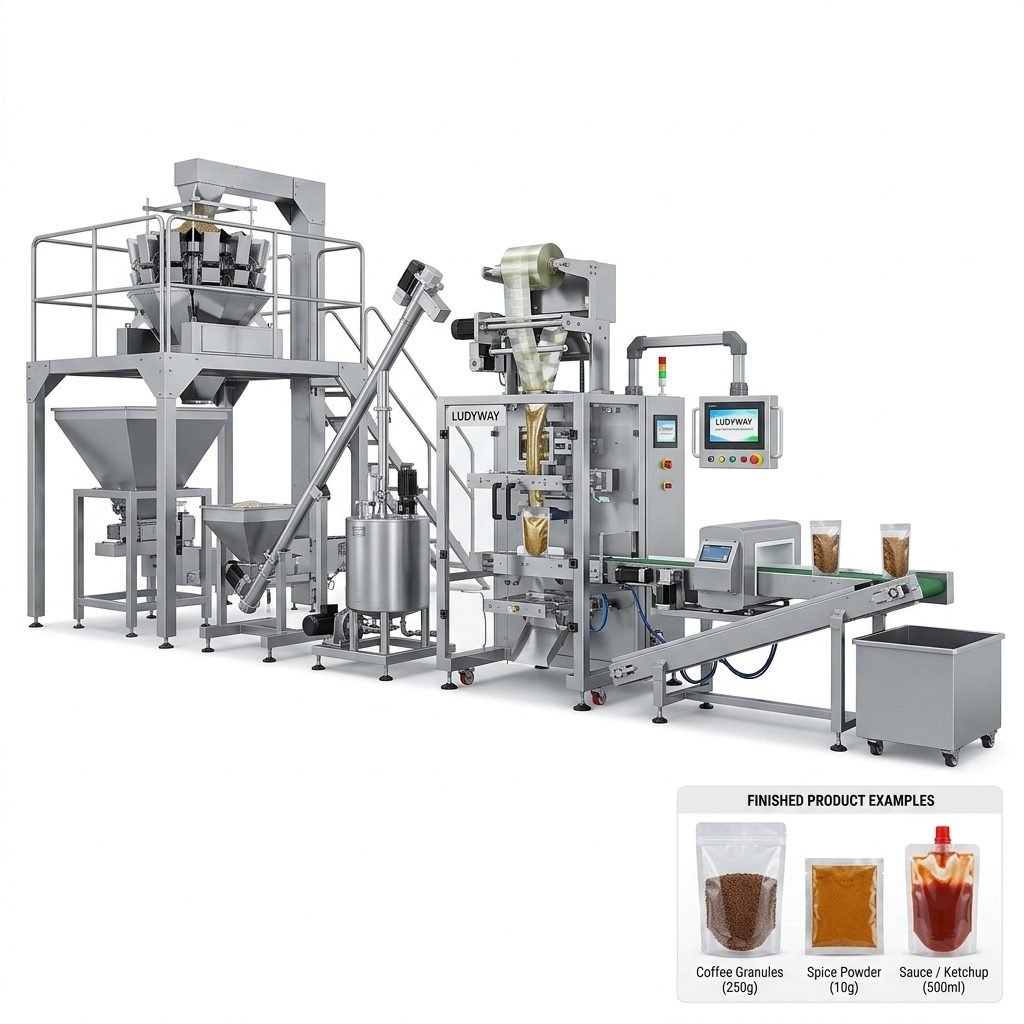
Make sure that conveyors, feeders, elevators, printers, checkweighers, cartoners, and case packers can support the machine’s actual running speed. A balanced line always performs better than one fast machine surrounded by slow support equipment.
5. Improve Packaging Material Quality
Low-quality film, inconsistent pouch material, poor sealing layers, and unstable roll tension can cause frequent stops, bad seals, and excess waste. The machine may be mechanically sound, but poor materials will still reduce efficiency.
Work closely with packaging material suppliers to confirm:
- Film thickness consistency
- Stable roll diameter and tension
- Reliable sealing performance
- Correct friction and tracking behavior
- Compatibility with machine speed and product type
6. Train Operators Beyond Basic Operation
An efficient machine still depends on the people running it. Operators should know more than start/stop functions. They should be able to recognize abnormal sounds, sealing defects, filling instability, and sensor alarms before those issues become bigger problems.
Effective training should include:
- Correct startup and shutdown procedures
- Basic troubleshooting steps
- Changeover best practices
- Cleaning and sanitation standards
- Safety awareness during operation and maintenance
7. Optimize Cleaning Without Losing Too Much Production Time
In food, pharmaceutical, and health supplement manufacturing, cleaning is essential. However, unstructured cleaning routines can consume too much production time. The goal is to maintain hygiene while reducing unnecessary stoppages.
Use clearly defined cleaning intervals, easy-access machine design, and removable contact parts when possible. This helps shorten sanitation time while protecting product quality and compliance.
8. Use Real-Time Monitoring and Alarm Analysis
Modern packaging lines generate valuable data. Alarm history, runtime logs, temperature records, and reject patterns can reveal exactly where efficiency is being lost.
Review alarm data weekly and group it by category:
- Mechanical faults
- Electrical faults
- Material supply issues
- Operator intervention stops
- Quality inspection rejects
This makes it easier to focus on the highest-value improvements first.
9. Prevent Small Stops from Becoming Major Downtime
Repeated short stops often go unnoticed because they seem minor. But over a week or month, they can remove hours of productive time. Examples include film misalignment, coding interruptions, feeder delays, and product jams.
Treat repeated micro-stoppages as a serious efficiency issue. Solve them systematically instead of accepting them as normal.
10. Upgrade Obsolete Equipment When Necessary
Sometimes efficiency improvement is limited because the machine design is outdated. Older equipment may have slower controls, limited automation, poor repeatability, and difficult maintenance access. In such cases, upgrading key modules or replacing the machine can produce better long-term value than constant repair.
When evaluating upgrades, consider servo control, intelligent HMI systems, automatic adjustment, faster changeover design, and integration with feeders, inspection devices, and end-of-line automation.
Practical Efficiency Improvements by Application
| Industry | Main Efficiency Focus | Recommended Action |
|---|---|---|
| Food packaging | Speed, hygiene, seal consistency | Improve cleaning design and film compatibility |
| Pharmaceutical packaging | Accuracy, compliance, traceability | Use precise dosing, coding, and inspection systems |
| Cosmetic packaging | Format flexibility and appearance quality | Reduce changeover time and improve sealing control |
| Chemical packaging | Safety, corrosion resistance, dosing stability | Maintain critical parts and ensure material compatibility |
| Health supplement packaging | Powder flow and fill precision | Optimize feeding systems and humidity control |
Signs Your Packaging Line Needs Immediate Efficiency Improvement
- Downtime happens several times per shift
- Operators spend too much time adjusting machine settings
- Output is consistently lower than machine design capacity
- Rejects and leaks increase during high-speed operation
- Changeovers delay delivery schedules
- Maintenance is mostly reactive instead of planned
- Different machines on the same line cannot run at the same pace
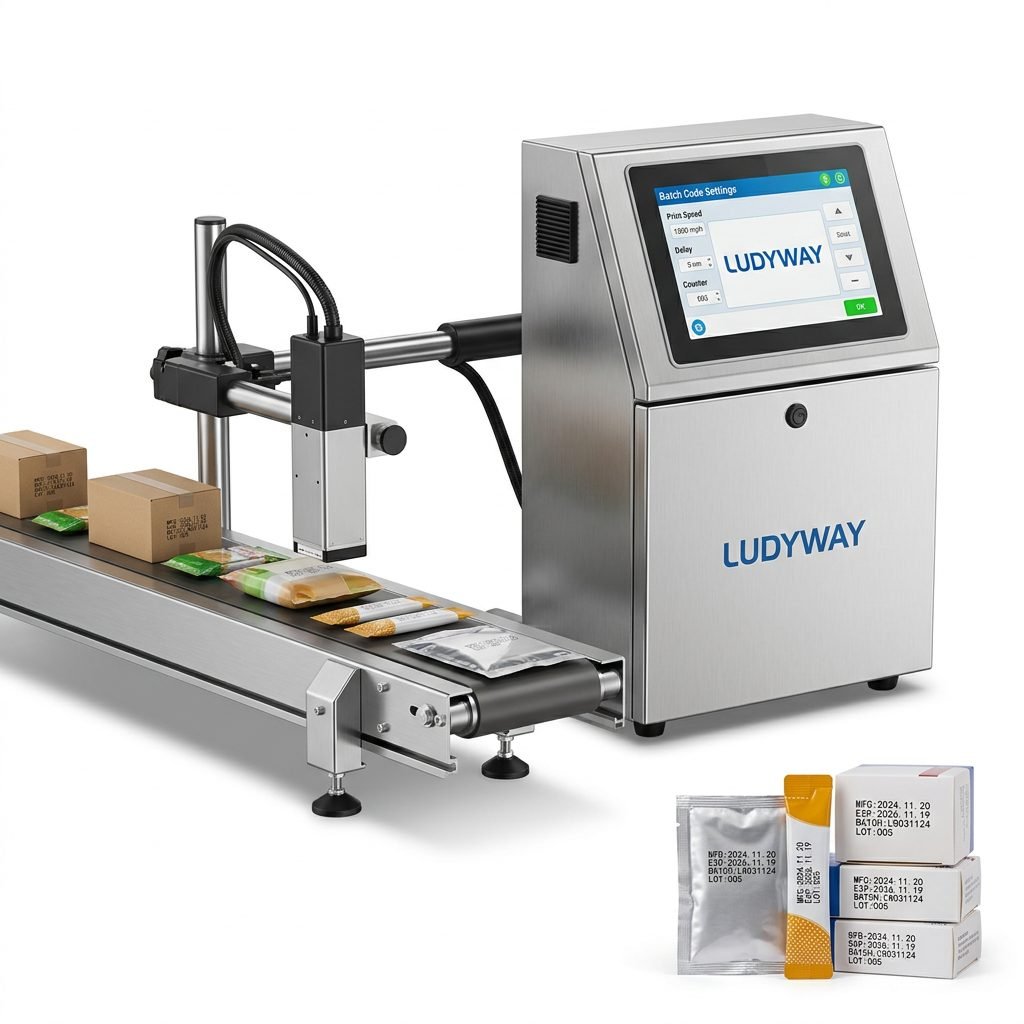
How Automation Helps Boost Packaging Productivity
Automation improves efficiency by reducing manual handling, lowering human error, stabilizing machine cycles, and improving line coordination. For many manufacturers, adding auxiliary automation brings major gains without needing a full line replacement.
Examples include:
- Automatic feeding systems
- Servo-driven filling and sealing units
- Vision inspection and reject systems
- Automatic coding and labeling
- Cartoning, case packing, and palletizing integration
Choosing the Right Equipment Partner Matters
Long-term efficiency is easier to achieve when machines are designed for your real product characteristics, speed targets, factory layout, and future expansion plans. A reliable manufacturer should not only supply equipment, but also support line integration, troubleshooting, spare parts planning, and process optimization.
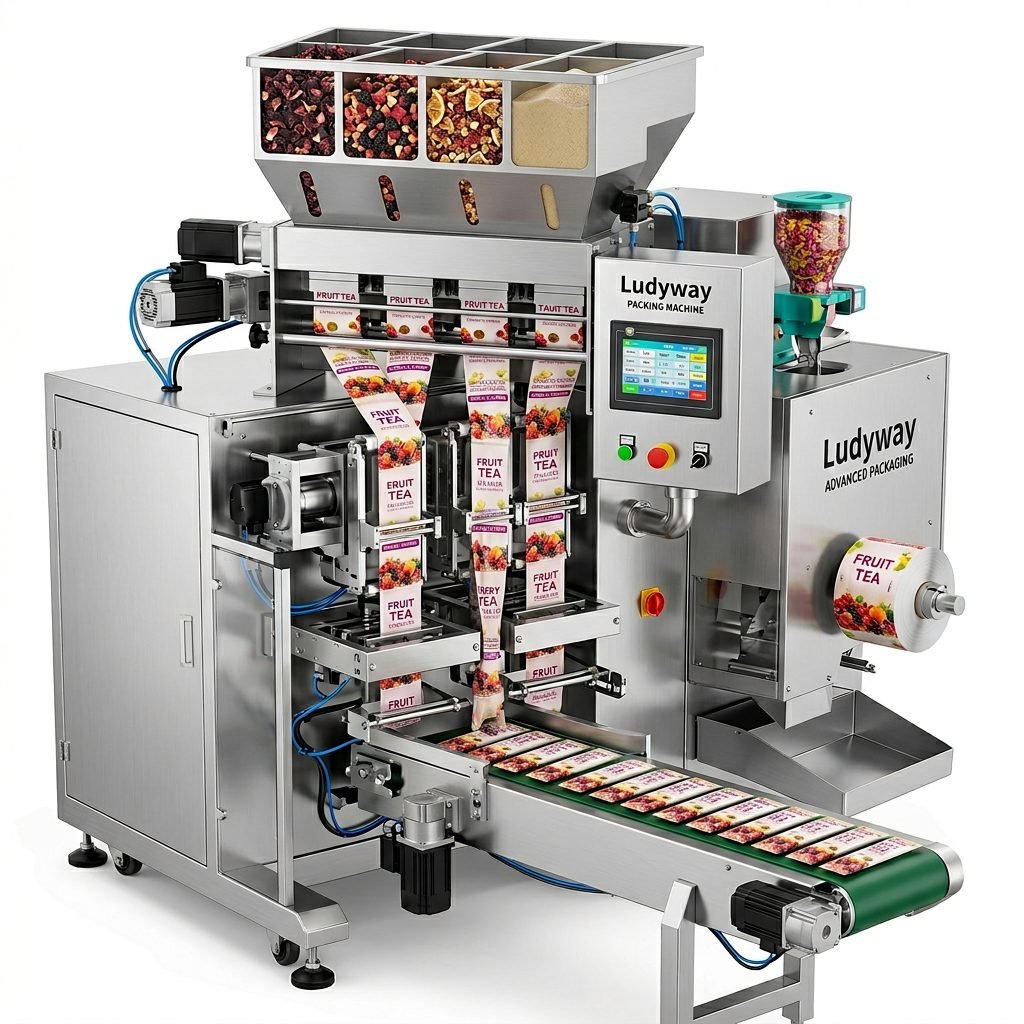
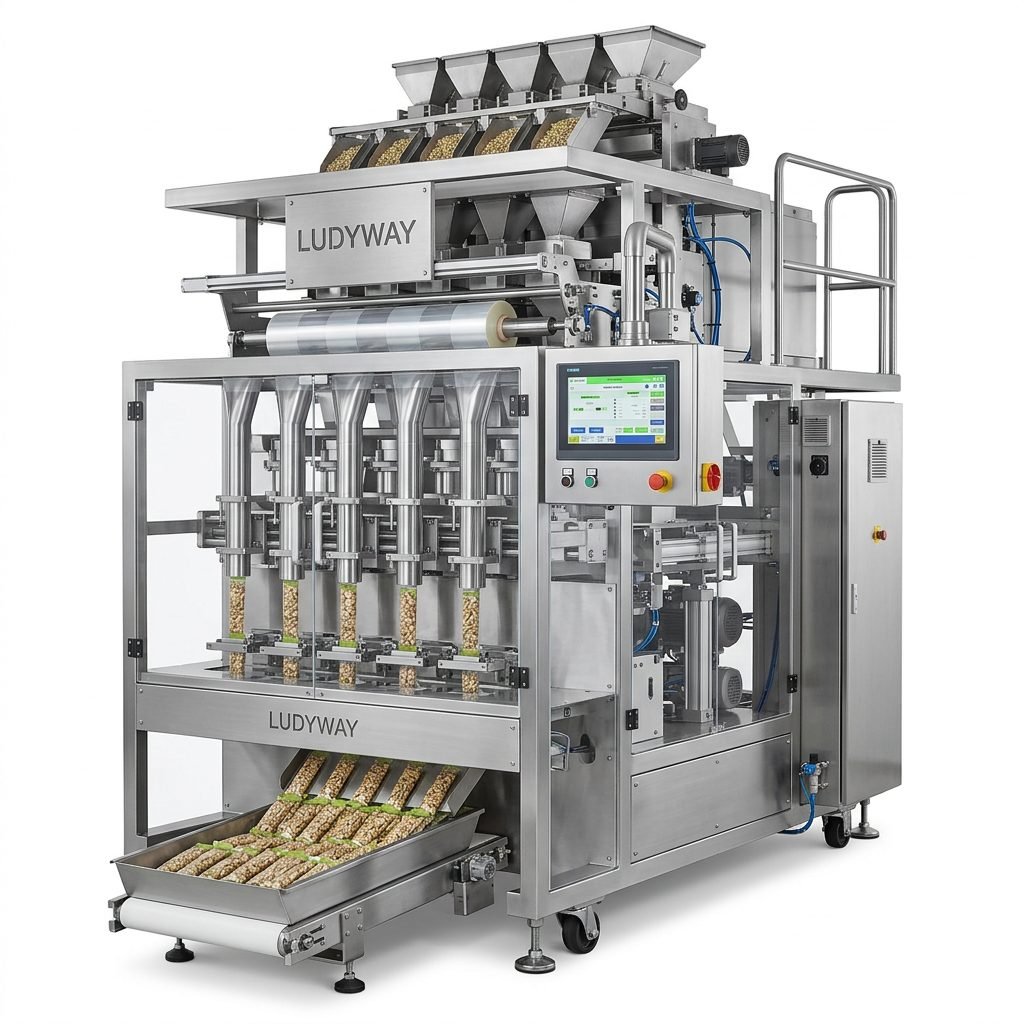
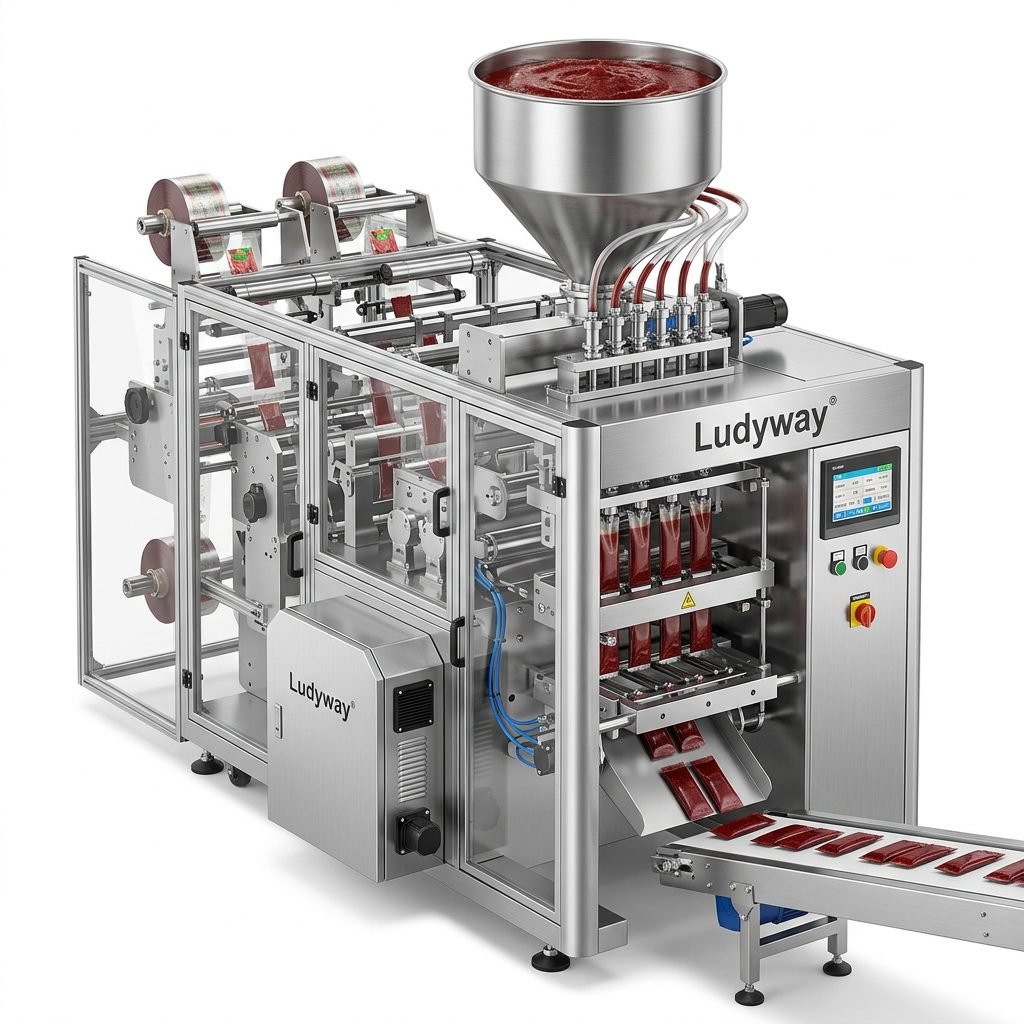
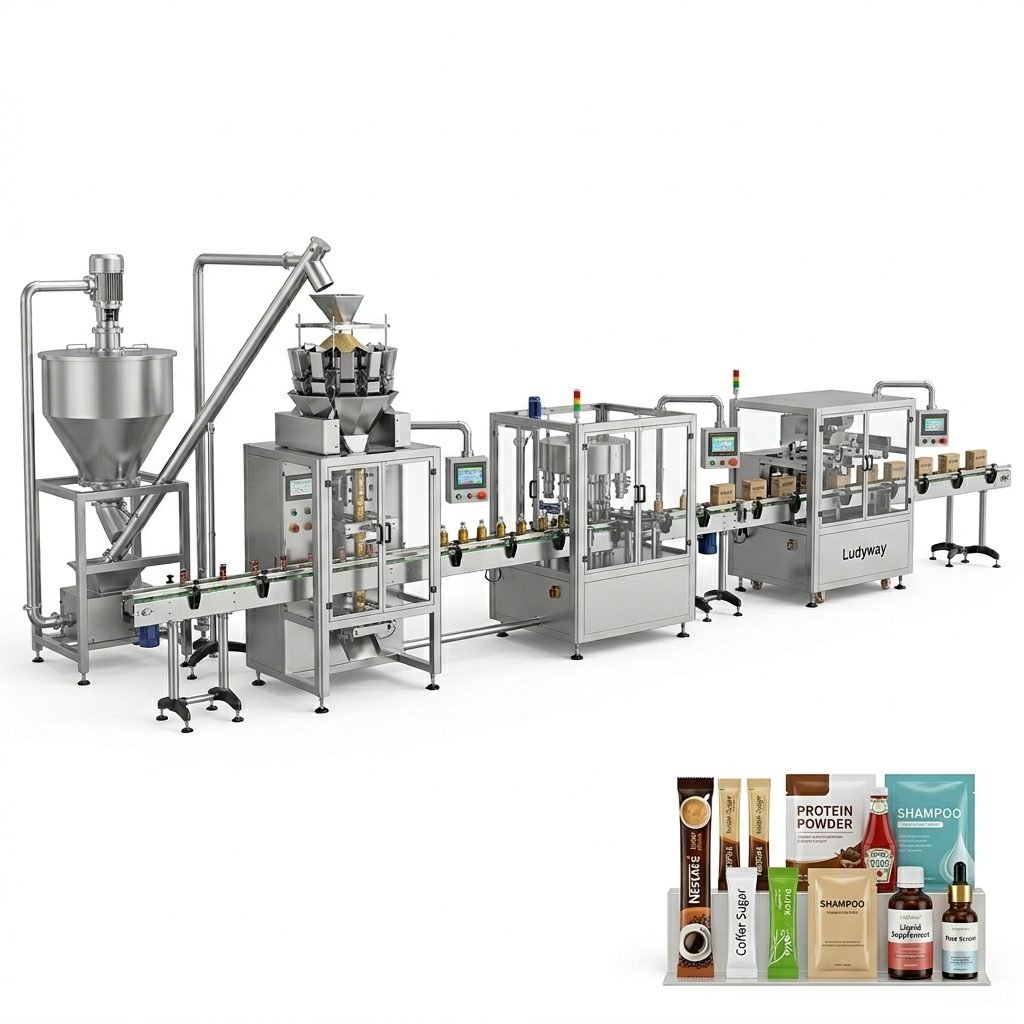
For businesses looking for scalable automation solutions, packaging machine manufacturer Ludyway provides a broad range of equipment and turnkey packaging line solutions for food, pharmaceutical, cosmetic, chemical, and health-related industries.
Final Checklist to Improve Packaging Machine Efficiency
| Action Item | Priority | Expected Result |
|---|---|---|
| Track OEE and downtime causes | High | Clear visibility into losses |
| Implement preventive maintenance | High | Fewer breakdowns and stable operation |
| Reduce changeover time | High | More productive time per shift |
| Improve operator training | Medium to High | Faster response and fewer errors |
| Optimize packaging materials | Medium | Reduced waste and better sealing |
| Balance the full packaging line | High | Consistent throughput across all stations |
The most successful manufacturers treat packaging efficiency as an ongoing management process, not a one-time fix. By combining better maintenance, stronger training, improved materials, smarter data use, and the right automation strategy, you can boost productivity, reduce downtime, and create a more profitable packaging operation.