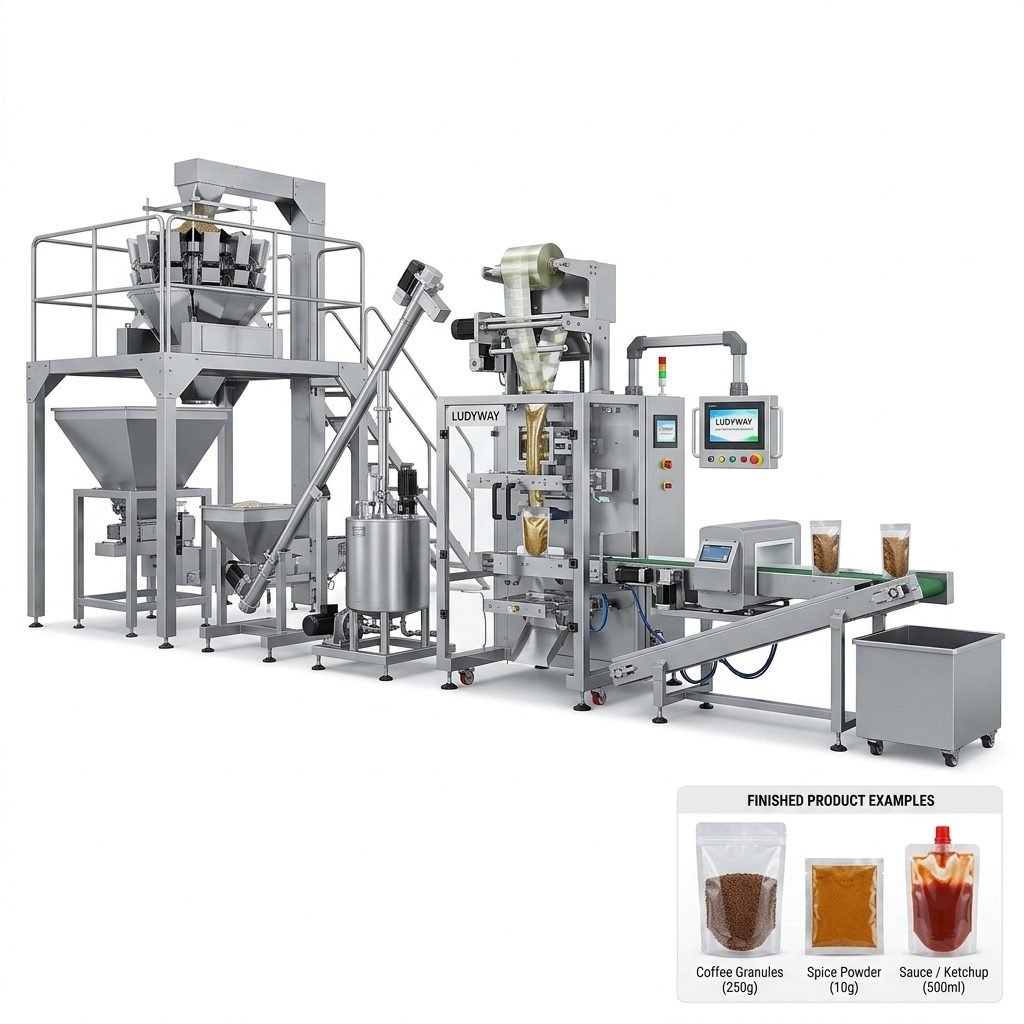
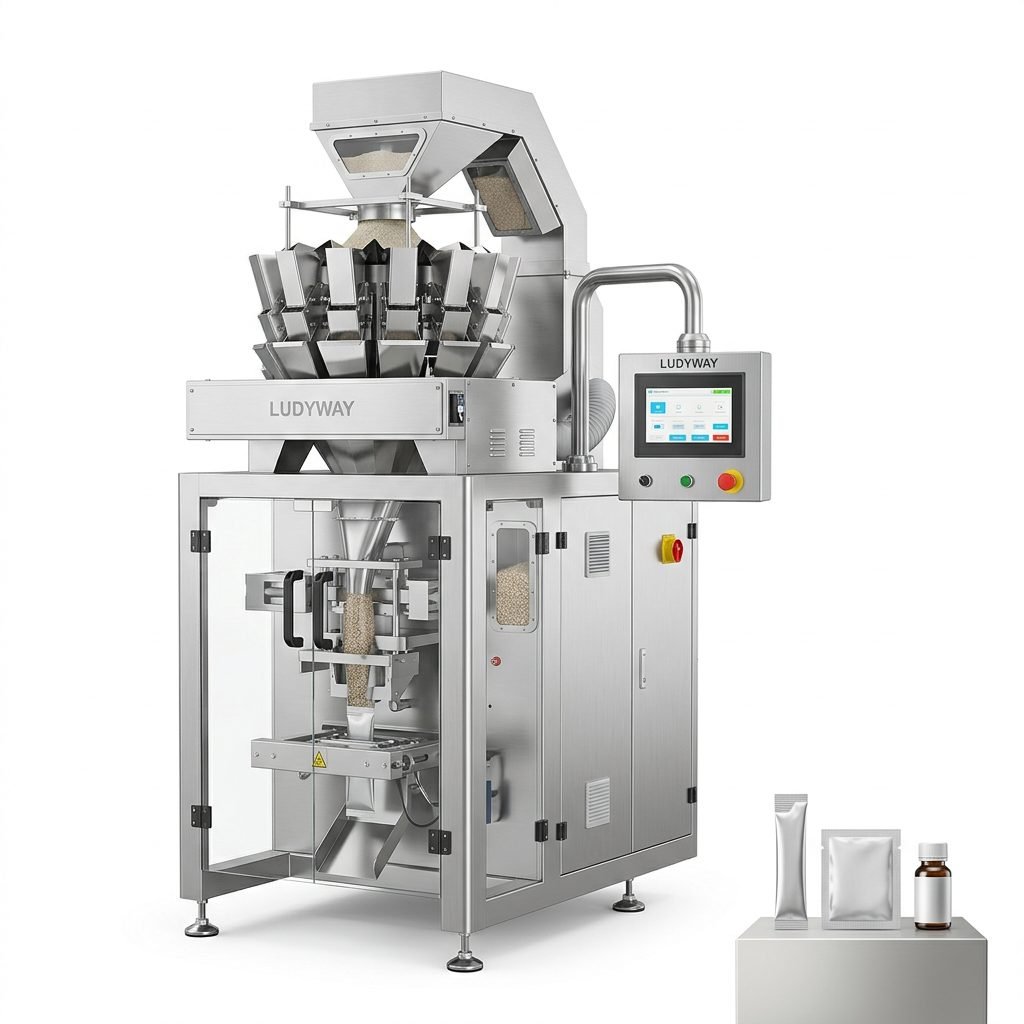
Investing in a small tea packing machine is a significant decision for any tea business, whether you are a startup brand, a growing specialty tea producer, or an established manufacturer looking to add flexibility to your production line. The right equipment can improve packaging efficiency, reduce labor costs, and ensure consistent product quality. However, with numerous models, configurations, and technical specifications available, the selection process can feel overwhelming. This guide walks you through the key factors to consider, helping you make an informed and confident purchase.
Understanding Your Tea Product Characteristics
Before evaluating machine specifications, you need a clear understanding of your tea product. Tea comes in many forms — loose leaf, broken leaf, CTC granules, fine powder, and herbal blends — and each behaves differently during the packaging process. Key product characteristics that influence machine selection include:
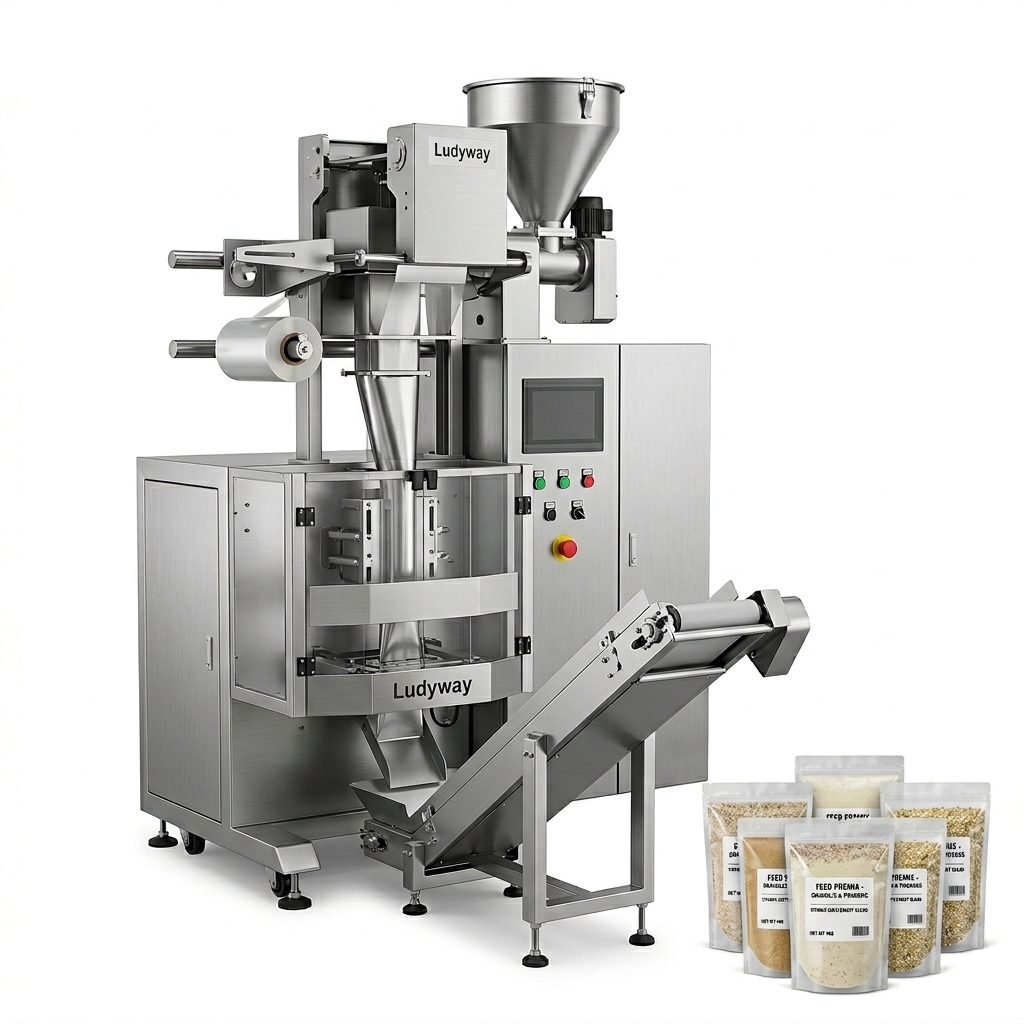
- Particle size and uniformity: Fine tea powders require different dosing mechanisms compared to whole leaf teas. Small tea packing machine models with auger fillers excel with powders, while volumetric cup fillers handle granular teas efficiently.
- Flowability and density: Teas with poor flow characteristics may require agitated hoppers or specialized feeding systems to ensure consistent filling.
- Moisture sensitivity: If your tea is hygroscopic, you may need a machine capable of nitrogen flushing or incorporating desiccant insertion.
- Fragility: Whole leaf teas require gentle handling to prevent breakage during conveying and filling.
Determining Your Target Packaging Format
The type of package you want to produce directly determines the machine category you need. Different formats serve different market segments and distribution channels. Consider the following common tea packaging formats:
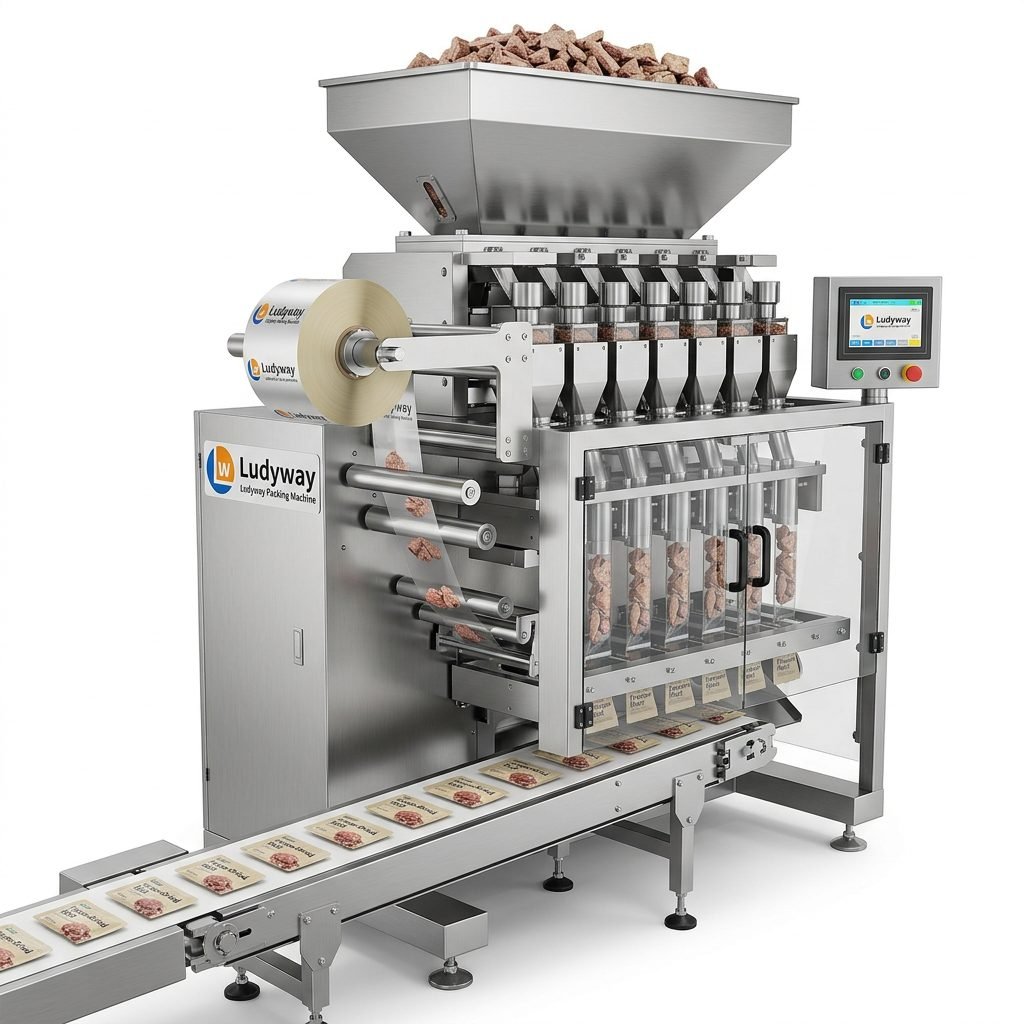
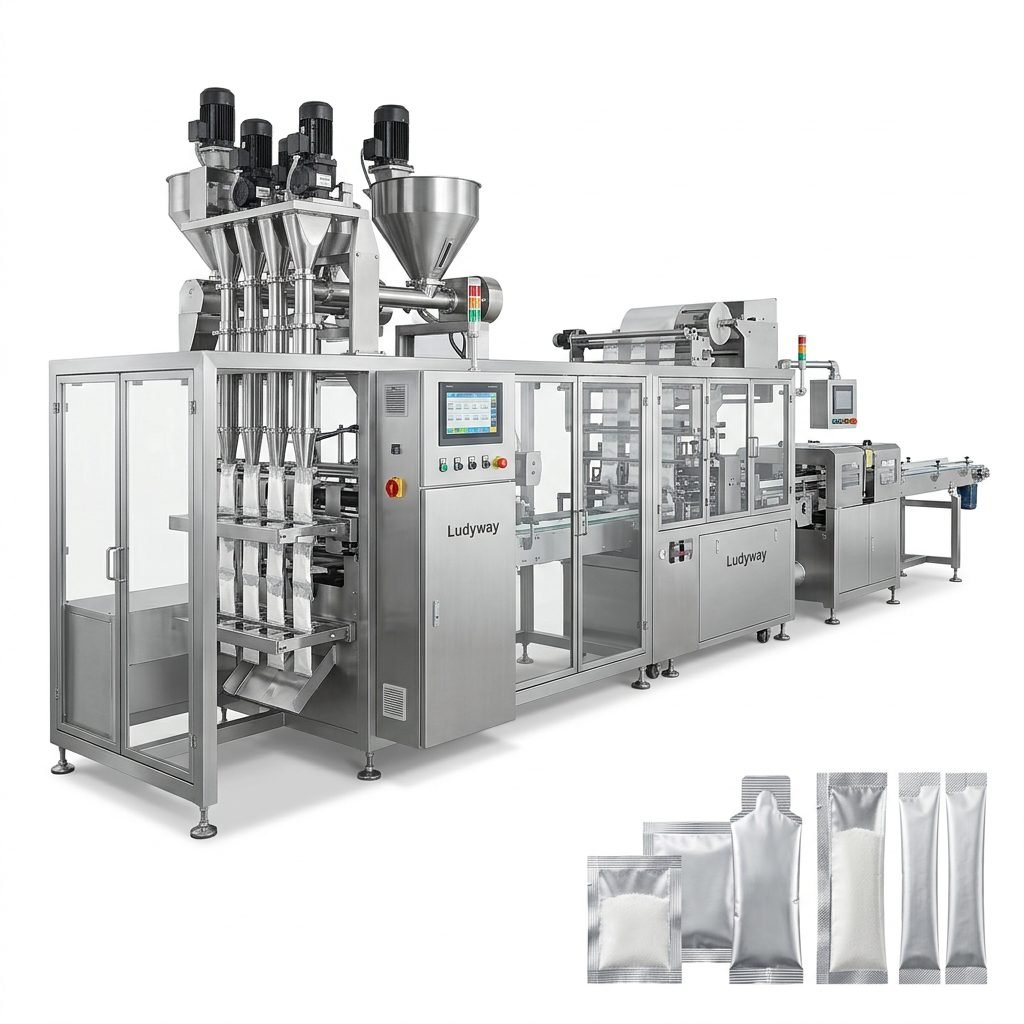
- Stick packs: Narrow, elongated sachets ideal for single-serve portions. Popular for instant tea powders, matcha, and functional tea blends. Stick pack machines offer high-speed multi-lane configurations for maximum output.
- Flat sachets: Three-side-seal or four-side-seal pouches commonly used for tea bag overwrapping or single-serve powder packaging.
- Gusseted pouches: Stand-up or side-gusset bags suitable for larger quantities of loose leaf tea. These often feature resealable zippers for consumer convenience.
- Tea bag envelopes: Specialized machines that form, fill, and seal individual tea bags with or without strings and tags.
Evaluating Production Speed Requirements
Production capacity needs vary dramatically between businesses. An artisanal tea brand might process 30 to 50 packs per minute, while a high-volume co-packer may require 200 to 400+ packs per minute. When assessing speed requirements, factor in:
- Current daily or monthly production volumes
- Projected growth over the next 3 to 5 years
- Seasonal demand fluctuations common in the tea industry
- Planned product line expansions that will share the same equipment
Oversizing slightly is often more cost-effective than replacing a machine that quickly becomes a bottleneck. Multi-lane machines allow you to multiply output without proportionally increasing floor space, making them a popular choice for growing tea businesses.
Key Technical Specifications to Compare
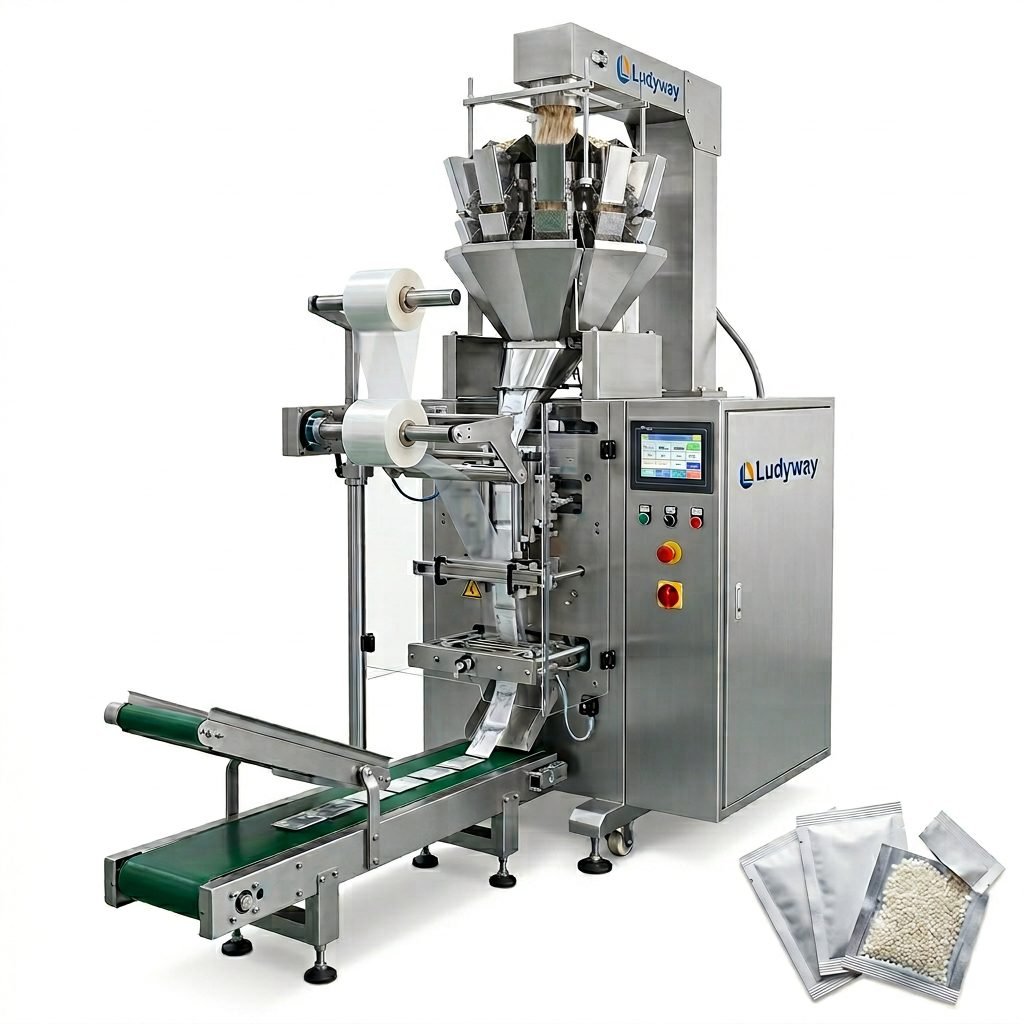
When comparing different small tea packing machine options, several technical specifications deserve careful attention. The table below summarizes the most critical parameters and their practical implications:
| Specification | Why It Matters | What to Look For |
|---|---|---|
| Filling system type | Determines dosing accuracy and product compatibility | Auger filler for powders, volumetric cup for granules, multi-head weigher for premium accuracy |
| Sealing technology | Affects package integrity and shelf life | Servo-driven sealing with adjustable temperature and pressure control |
| Film compatibility | Impacts packaging material costs and options | Support for heat-sealable laminates, aluminum foil, and eco-friendly materials |
| Changeover time | Directly affects operational efficiency with multiple SKUs | Tool-less adjustments, quick-release components, recipe memory |
| Lane configuration | Single-lane vs. multi-lane affects throughput | Modular designs allow adding lanes as production grows |
Automation Level and Workforce Considerations
Modern small tea packing machine options range from semi-automatic units requiring significant operator involvement to fully automated systems that integrate filling, sealing, coding, and cartoning. Your choice should reflect your labor market realities and operational strategy:
- Semi-automatic machines cost less upfront but require dedicated operators per shift. They suit startups and businesses in regions with lower labor costs.
- Fully automatic lines reduce labor dependency and improve consistency. They are ideal for businesses prioritizing scalability and process control.
- Integrated packaging systems connect multiple stages — from product feeding to final cartoning — reducing manual handling and contamination risks. According to PMMI packaging industry research, automation continues to be a key driver of packaging efficiency improvements across food sectors.
Material Compatibility and Sustainability
The global shift toward sustainable packaging affects tea businesses of all sizes. Your chosen machine should be compatible with the packaging materials you plan to use now and in the future. Key considerations include:
- Ability to run recyclable mono-material films, which often have different sealing characteristics than traditional multi-layer laminates
- Support for compostable and biodegradable materials, which may require specialized sealing parameters
- Film waste reduction features such as precise film registration and minimal edge trim
- Compatibility with recycled-content films that may have slightly different physical properties
The Flexible Packaging Association provides valuable insights into evolving material trends and sustainability standards that influence packaging machine design and material selection.
Hygiene, Cleanability, and Compliance
For tea products, hygiene and food safety compliance are non-negotiable. Evaluate machines based on:
- Construction materials: Food-grade stainless steel (304 or 316) for product contact surfaces
- Clean-in-place (CIP) features: Tool-free disassembly for thorough cleaning between production runs
- Dust management: Integrated dust extraction systems for fine tea powders that can become airborne
- Sealed electrical enclosures: Protection against moisture and particulate ingress
- Compliance documentation: CE marking, GMP compatibility, and relevant food safety certifications
Space, Utilities, and Installation Requirements
Even a small tea packing machine needs adequate space for operation, maintenance access, and material handling. Before finalizing your selection, verify:
- Floor space dimensions: Including clearance for film roll changes and maintenance access panels
- Electrical requirements: Voltage, phase, and power consumption matching your facility’s supply
- Compressed air: Many automatic machines require clean, dry compressed air at specified pressure and flow rates
- Ventilation: Adequate air exchange for heat dissipation and any dust management systems
Total Cost of Ownership vs. Purchase Price
Focusing solely on the upfront purchase price can lead to expensive mistakes. A comprehensive total cost of ownership (TCO) analysis provides a more accurate financial picture. Consider:
- Initial investment: Machine cost, shipping, import duties, and installation
- Operational costs: Energy consumption, compressed air usage, and consumable parts
- Labor costs: Number of operators required and their skill level
- Maintenance: Preventive maintenance schedules, spare parts availability, and technician support
- Downtime risk: Reliability track record and mean time between failures
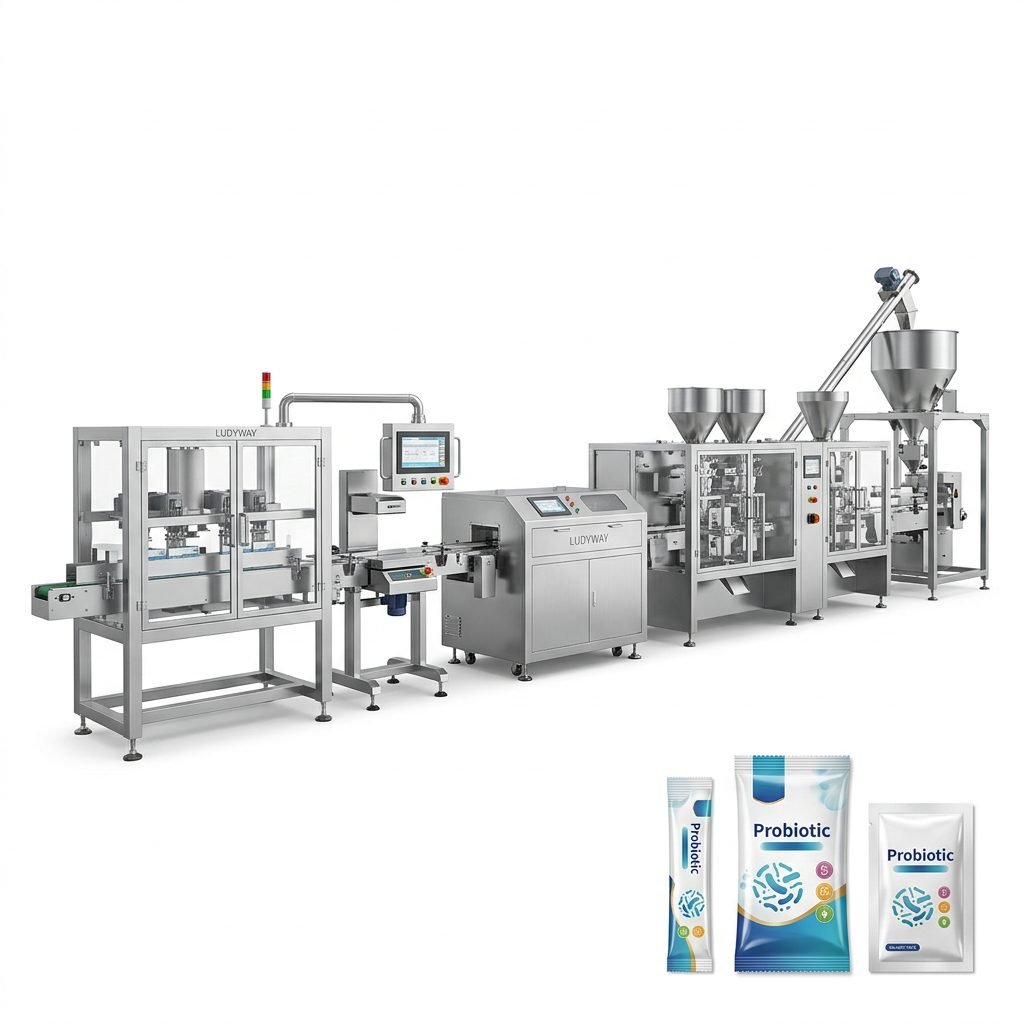
A machine with a higher initial investment but lower operational costs and superior reliability often delivers better long-term value. For businesses seeking integrated solutions, working with a manufacturer that provides turnkey packaging systems can simplify equipment selection, integration, and after-sales support through a single responsible partner.
After-Sales Support and Service Network
Reliable after-sales support can make or break your production uptime. When evaluating manufacturers, inquire about:
- Availability of remote technical support: Video-assisted troubleshooting can resolve many issues without an on-site visit
- Spare parts inventory: Common wear parts should be readily available and quickly shippable
- Operator training programs: Comprehensive training during commissioning reduces early-stage operational issues
- Warranty terms: Duration, coverage scope, and any exclusions
- Service engineer availability: Response times for on-site support when required
According to the PMMI 2025 State of the Industry report, after-sales service quality has become a key differentiator among packaging machinery suppliers, particularly as manufacturers increasingly rely on equipment uptime for operational continuity.
Making the Final Decision
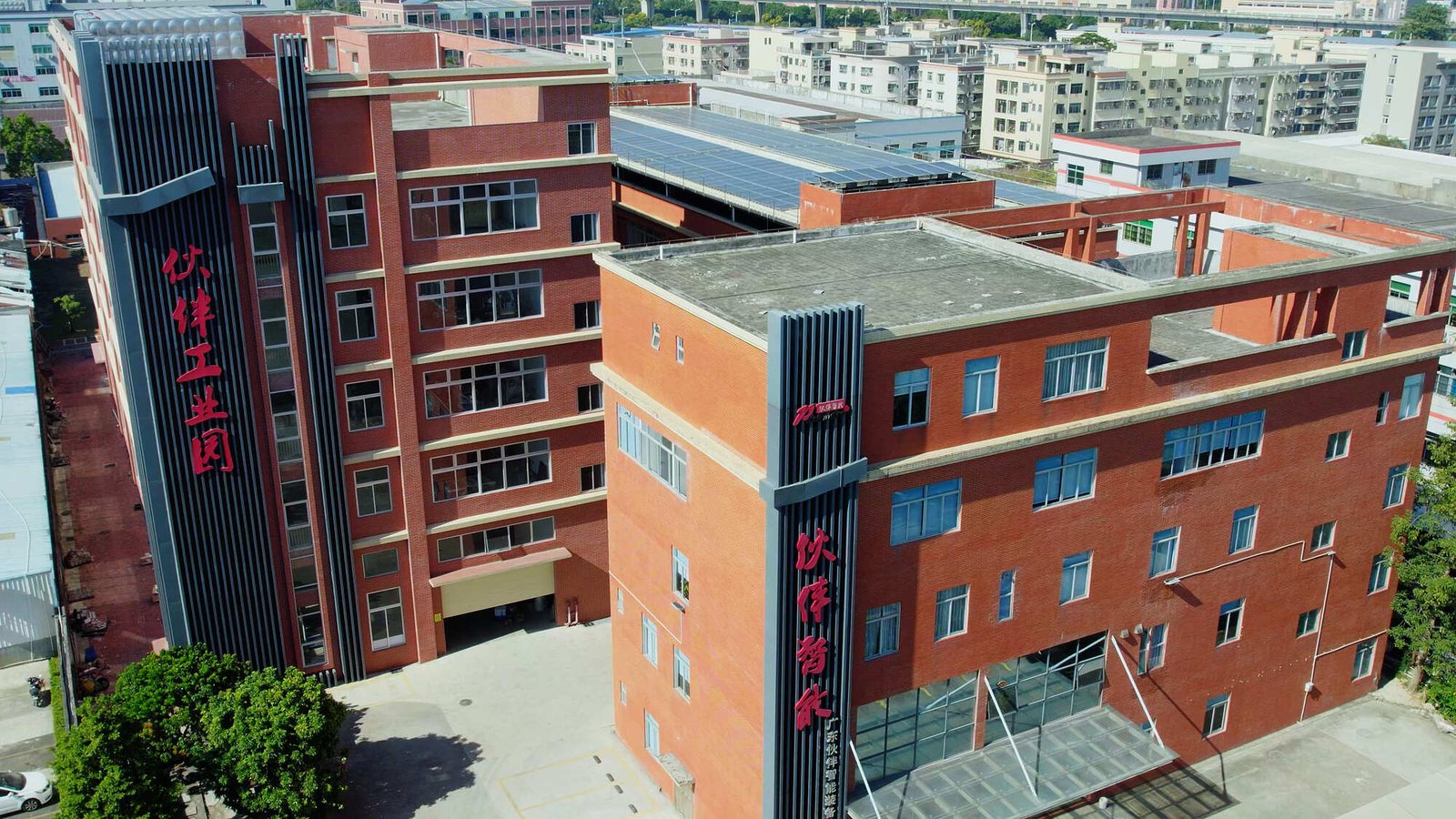
After evaluating all the factors above, create a shortlist of 2 to 3 machine options and request detailed proposals including specifications, lead times, and after-sales terms. Whenever possible, arrange for in-person or video demonstrations of the machine running a product similar to yours. Seeing the equipment in operation with your own product provides insights that specification sheets cannot convey. Ludyway Machinery, a China-based packaging machinery manufacturer with more than 30 years of experience and a 20,000-square-meter manufacturing facility, offers a broad portfolio of automatic packaging equipment configured for different production speeds, filling volumes, and bag formats — including customized small tea packing solutions for manufacturers worldwide.
Quick Decision Checklist
- Define your tea product characteristics — particle size, flowability, and moisture sensitivity
- Identify your target packaging format — stick pack, sachet, pouch, or tea bag
- Calculate required production speed with room for growth
- Compare filling accuracy and sealing technology across shortlisted models
- Verify material compatibility including sustainable packaging options
- Assess total cost of ownership beyond the purchase price
- Confirm after-sales support infrastructure and spare parts availability
- Request product-specific machine demonstrations before committing