Setting up a Modified Atmosphere Packaging (MAP) production line in the United States requires careful planning, the right equipment selection, and a thorough understanding of regulatory requirements. MAP technology extends product shelf life by replacing the air inside a package with a precisely controlled gas mixture, making it essential for food, pharmaceutical, and health industries. Whether you are launching a new facility or upgrading an existing operation, understanding the equipment, costs, and critical steps involved will help you make informed decisions and avoid costly delays.
The U.S. packaging machinery market continues to grow, driven by increasing demand for convenience foods, fresh produce, and ready-to-eat meals. According to the PMMI packaging machinery market research, the industry has seen consistent investment in automated solutions. For businesses entering this space, a well-structured approach to line setup is critical for long-term success.

1. Core Equipment for a MAP Packaging Line
Building a high-performance MAP packaging line starts with selecting the right machinery. Each component plays a vital role in ensuring product quality, seal integrity, and overall line efficiency. Below are the essential equipment categories you need to evaluate.
1.1 Modified Atmosphere Packaging Machine
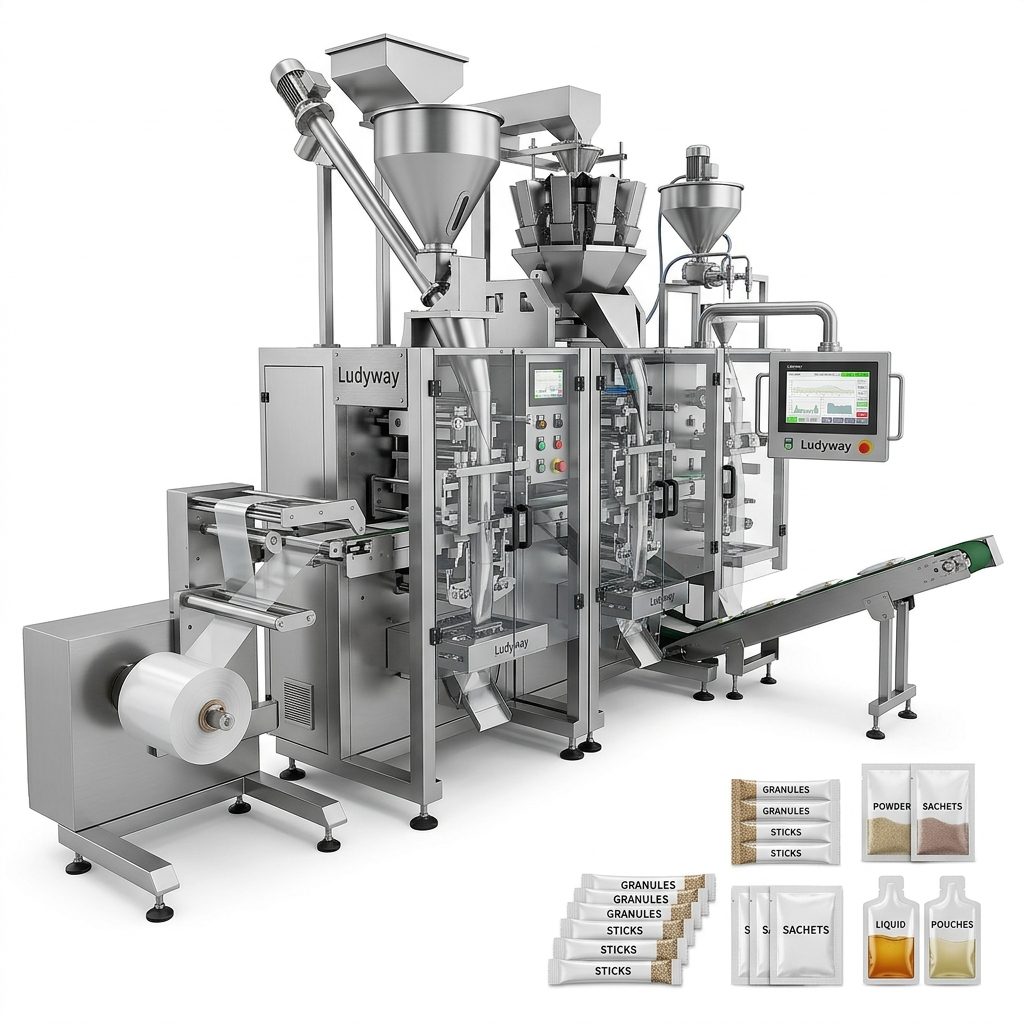
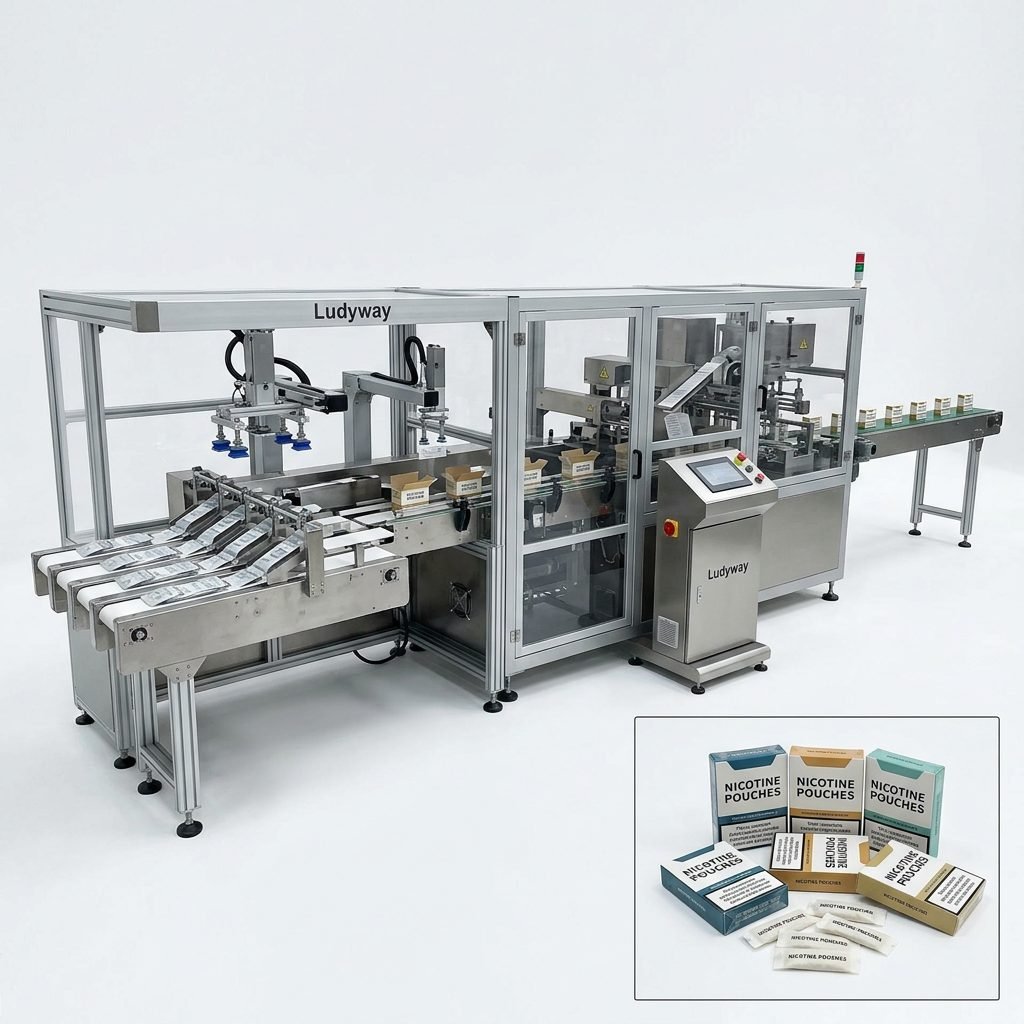
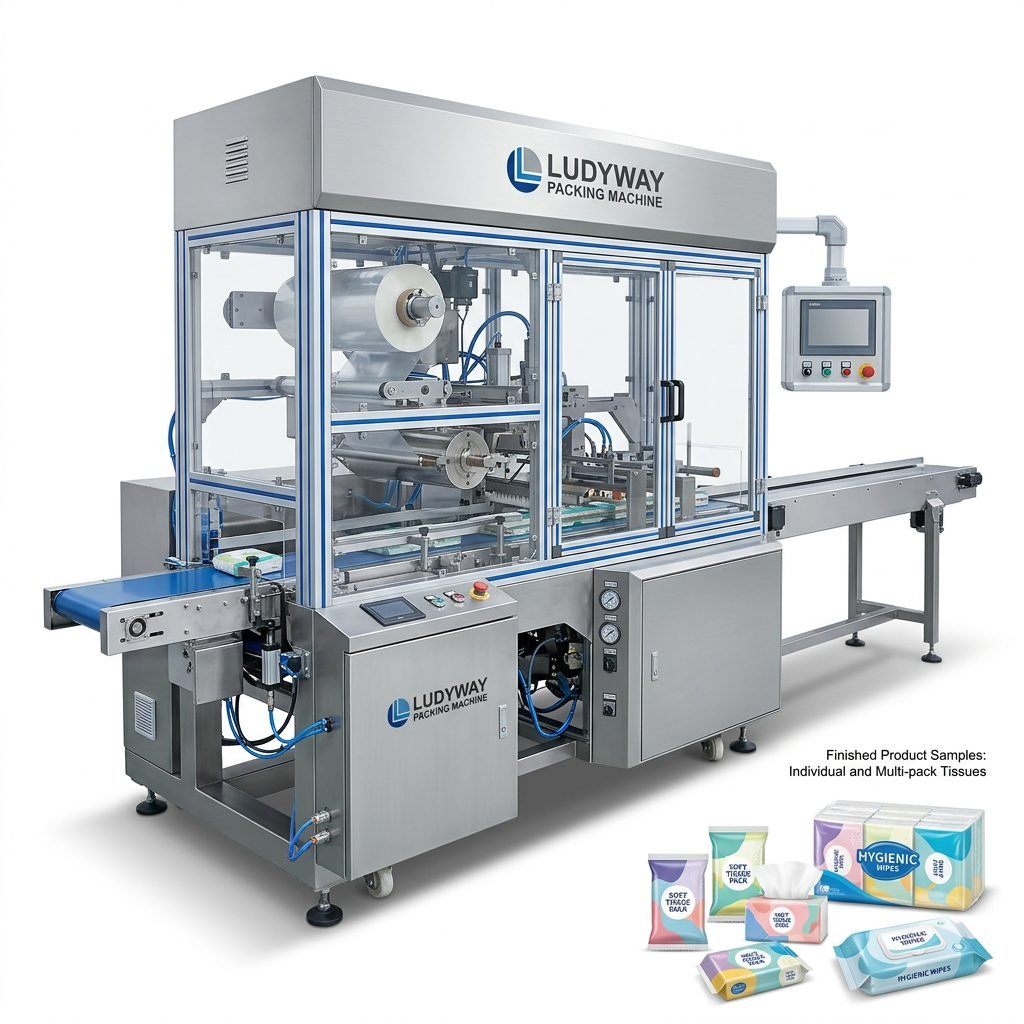
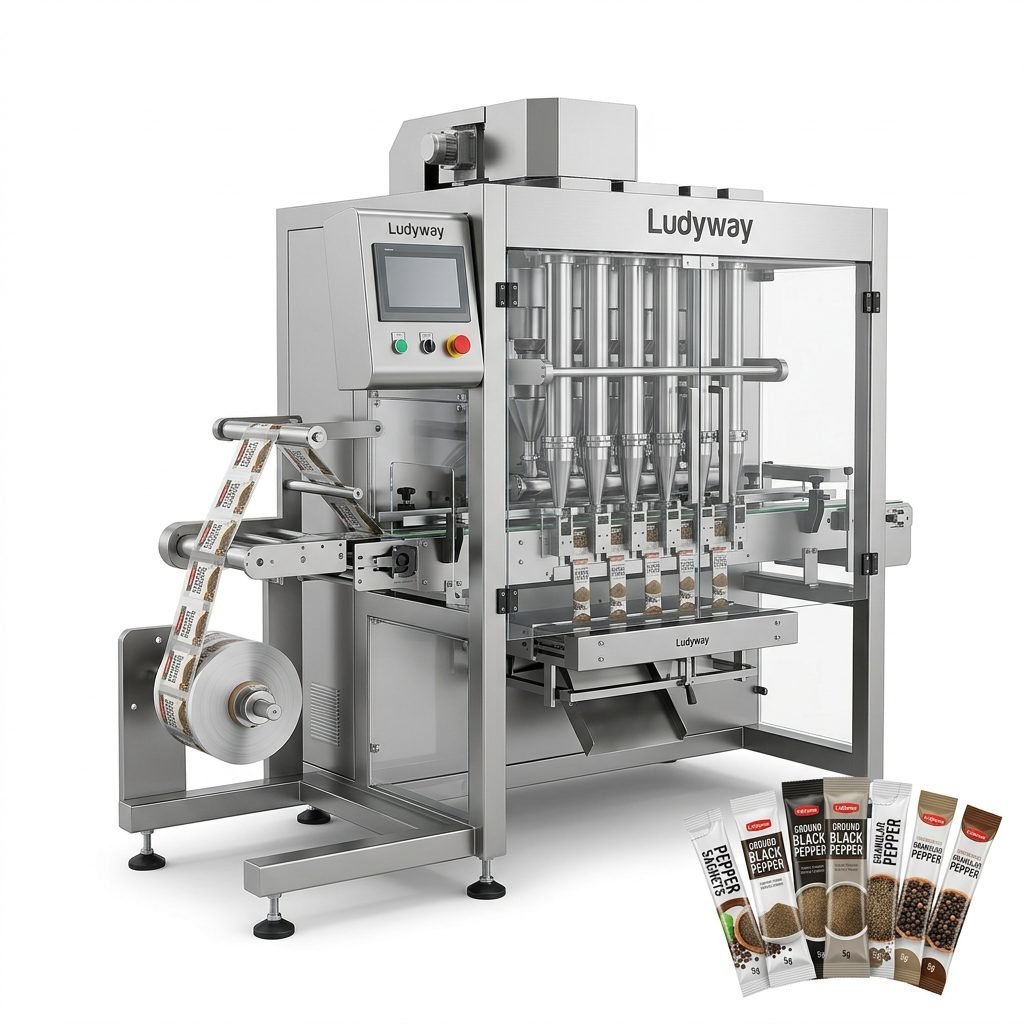
The central unit of any MAP line is the form-fill-seal (FFS) machine or tray sealer equipped with gas flushing capabilities. These machines evacuate ambient air and inject a controlled gas blend — typically carbon dioxide (CO₂), nitrogen (N₂), and oxygen (O₂) — before sealing. Depending on your product type, you may choose from:
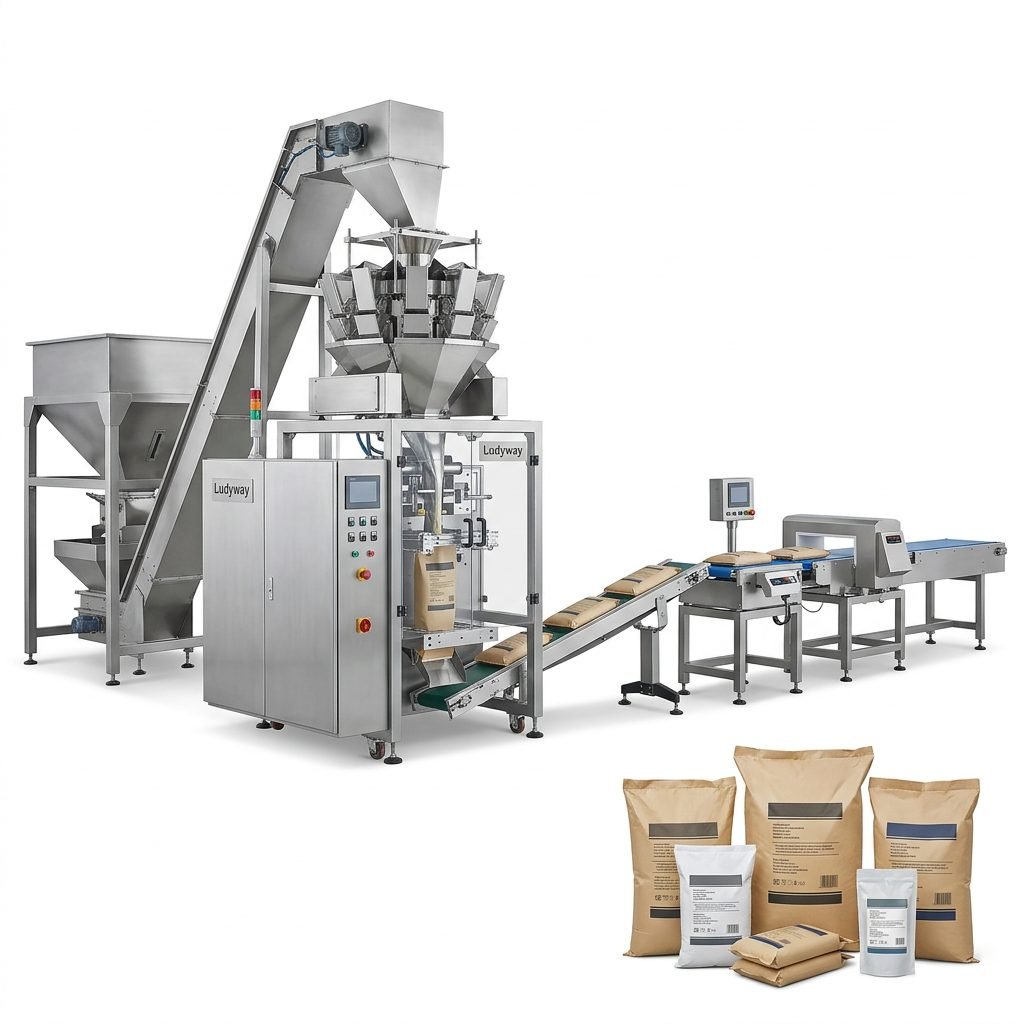
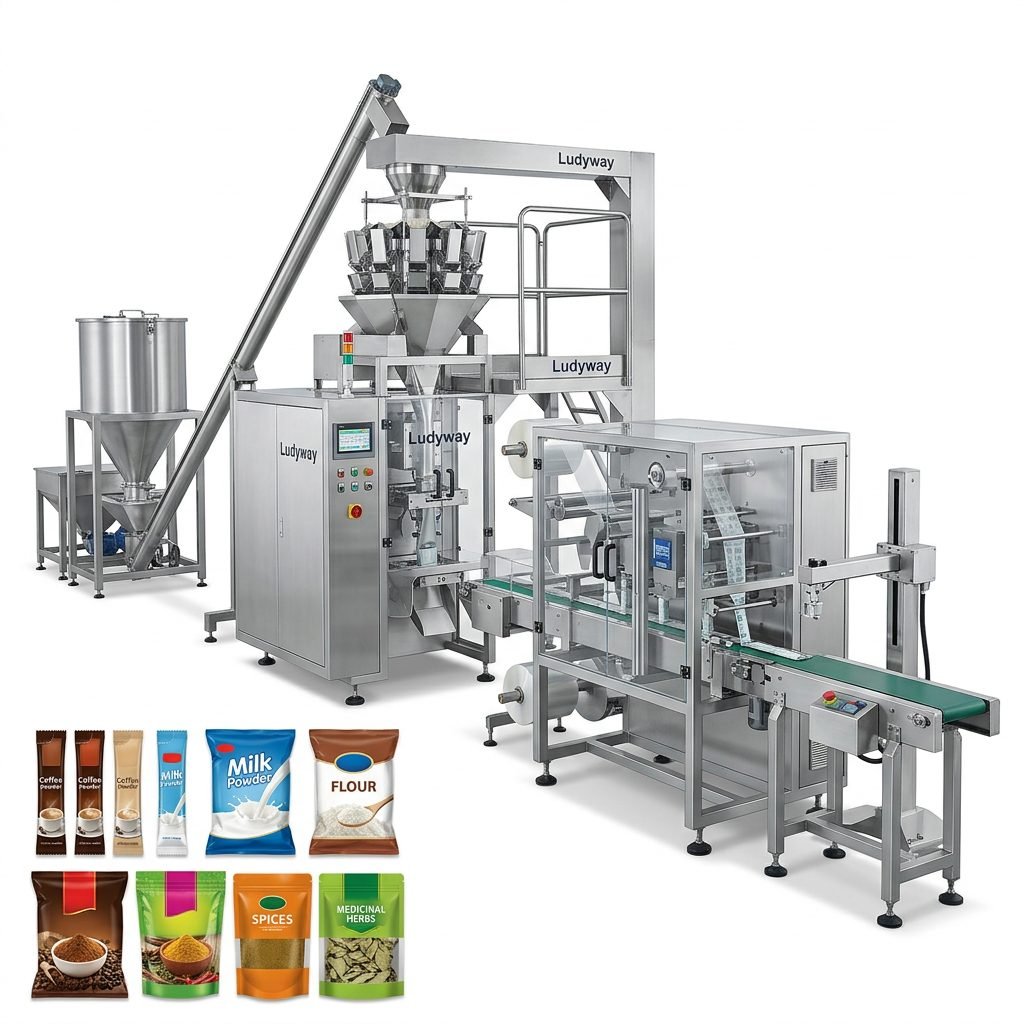
- Vertical Form-Fill-Seal (VFFS) machines — ideal for granules, powders, and snacks
- Horizontal Form-Fill-Seal (HFFS) machines — suited for solid products, baked goods, and medical devices
- Tray sealing systems — commonly used for fresh meat, seafood, and prepared meals
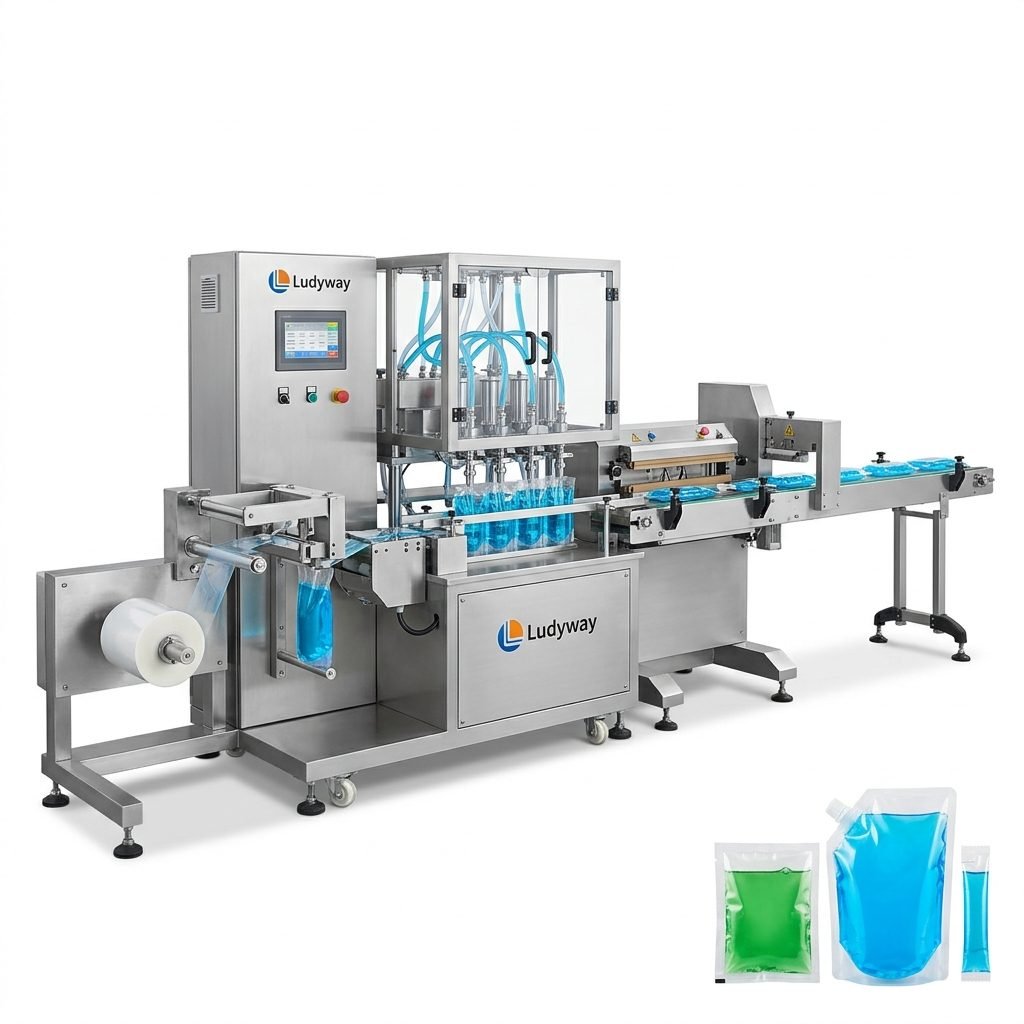
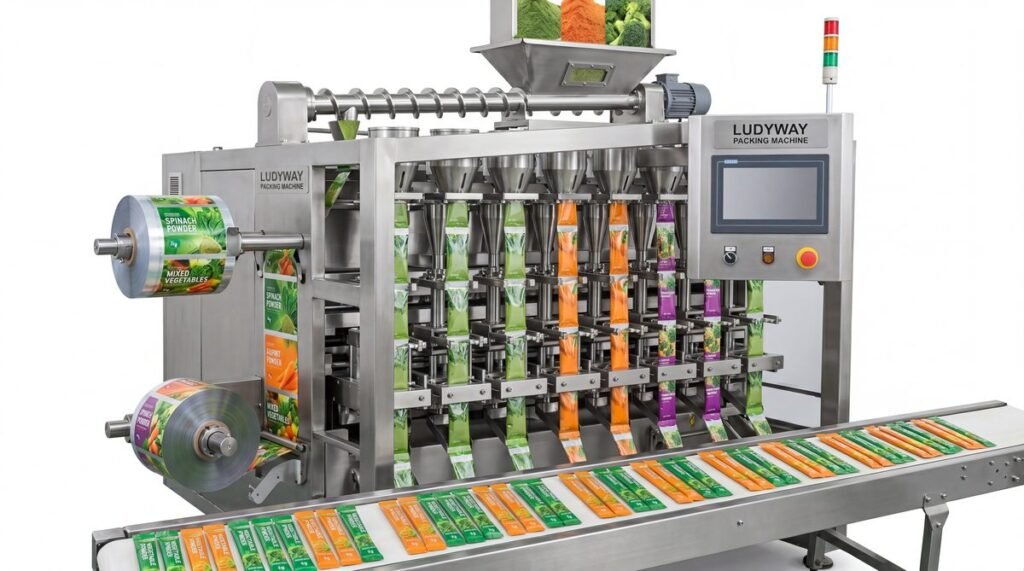
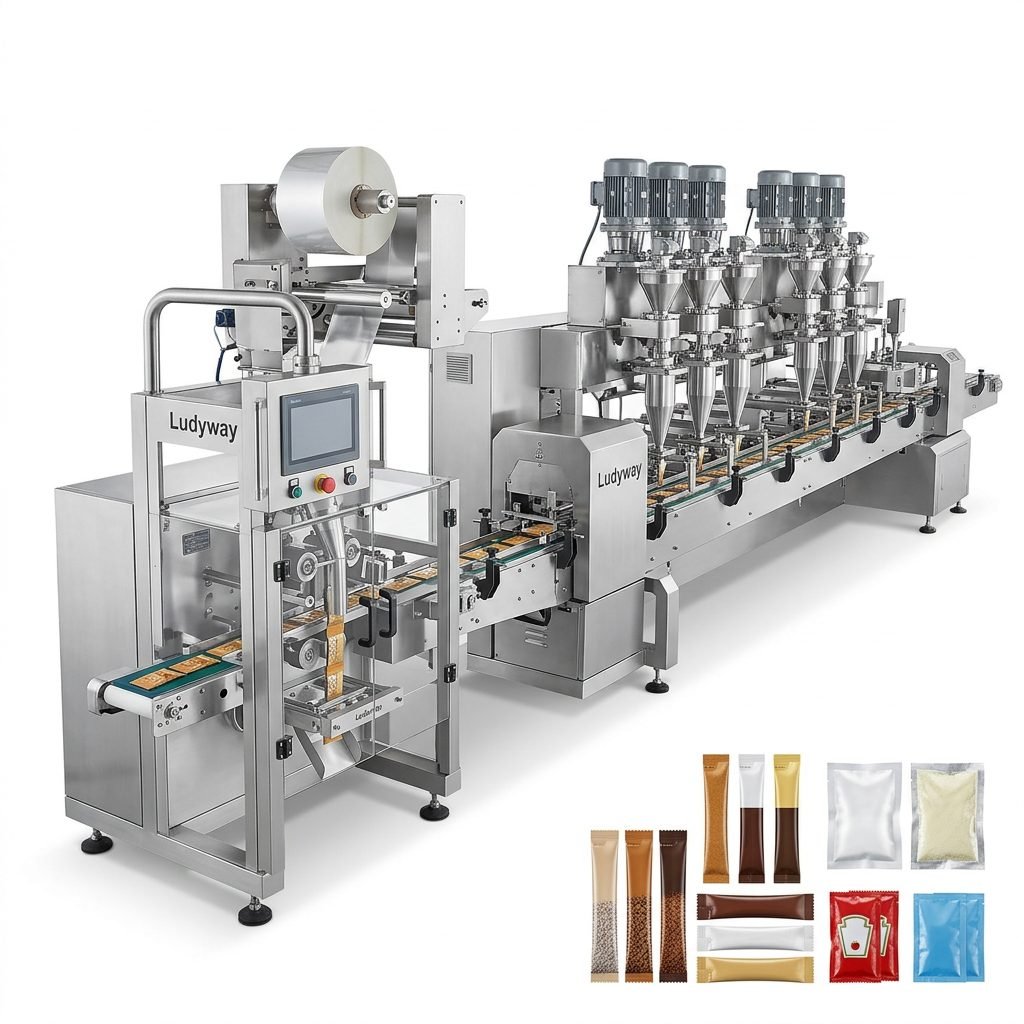
- Multi-lane stick pack and sachet machines — perfect for single-serve powder and liquid products
1.2 Gas Mixing and Flushing System
A precision gas mixer is critical for MAP operations. This system blends food-grade gases to exact ratios based on your product’s respiration requirements. For example, fresh red meat often requires 70-80% O₂ with 20-30% CO₂, while bakery products benefit from nitrogen-rich atmospheres. The gas flushing mechanism must integrate seamlessly with your packaging machine to ensure consistent atmosphere conditions in every package.
1.3 Leak Detection and Quality Control Equipment
Maintaining package integrity is non-negotiable in MAP applications. Invest in online leak detection systems that can identify damaged seals, pinholes, or improper gas levels. Common quality control tools include:
- Water bath or pressure decay leak testers
- Gas analyzers for O₂ and CO₂ headspace measurement
- Checkweighers for fill weight verification
- X-ray inspection or metal detection systems for contaminant screening
- Vision inspection systems for seal and print quality
1.4 Auxiliary and End-of-Line Equipment
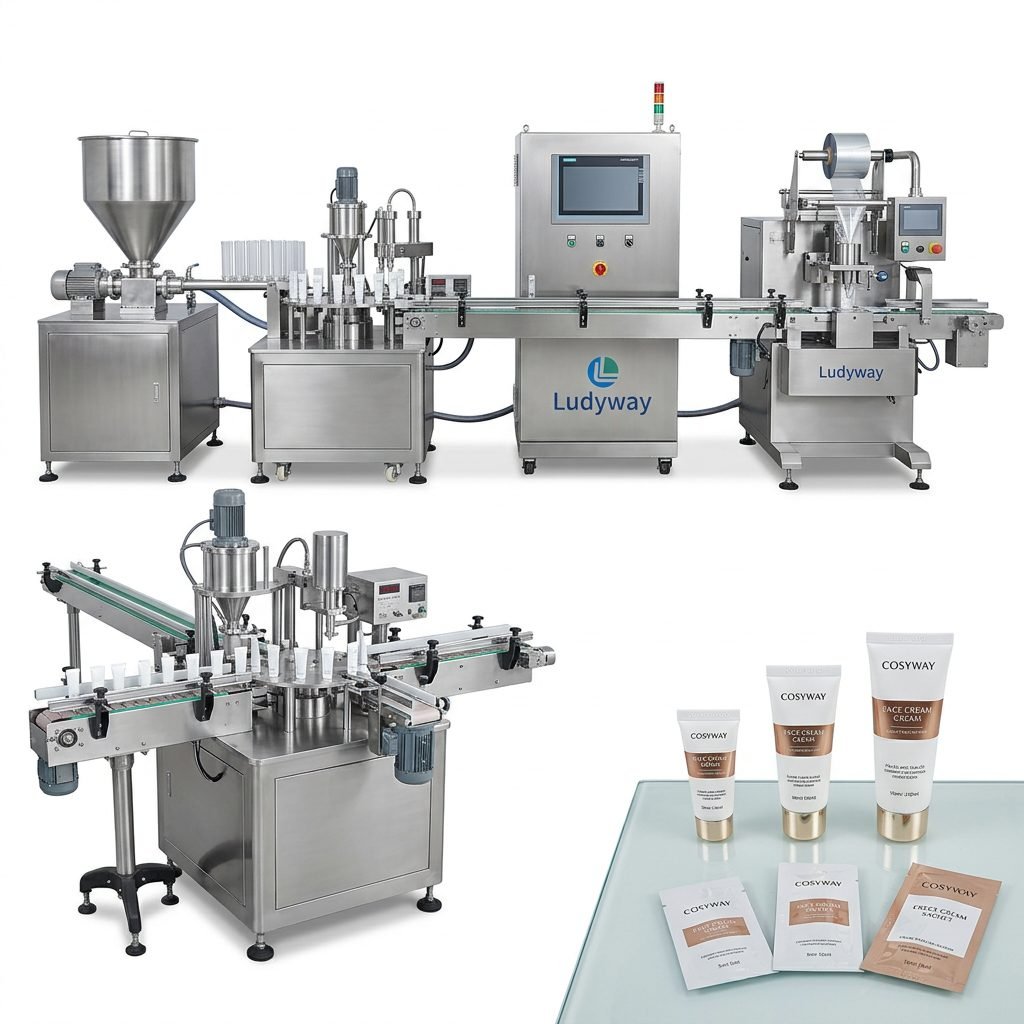
Beyond the core packaging function, a complete MAP line requires supporting machinery to handle material feeding, product conveying, coding, cartoning, and palletizing. Key auxiliary units include automatic feeders, bucket elevators, date coding and batch printing machines, case sealers, shrink wrappers, and robotic palletizing systems. Proper integration of these components ensures smooth material flow and minimizes manual handling.
2. Cost Breakdown for Setting Up a MAP Line in the USA
Understanding the total cost of ownership is essential before committing to a MAP packaging line. Costs vary significantly based on automation level, production capacity, packaging format, and brand. The table below provides a general cost framework for a mid-range MAP line suitable for food or pharmaceutical applications in the U.S. market.
| Equipment Category | Estimated Cost Range (USD) | Key Considerations |
|---|---|---|
| MAP Packaging Machine (FFS or Tray Sealer) | $80,000 – $350,000 | Depends on lanes, speed, and format flexibility |
| Gas Mixing & Flushing System | $15,000 – $60,000 | Precision control and gas recovery options increase cost |
| Leak Detection & Gas Analyzer | $10,000 – $45,000 | Online systems are more expensive than offline testers |
| Checkweighers & Inspection Systems | $8,000 – $50,000 | X-ray and vision systems are at the higher end |
| Auxiliary Equipment (Conveyors, Coders, Cartoners) | $25,000 – $120,000 | Scope depends on end-of-line automation needs |
| Installation, Commissioning & Training | $15,000 – $50,000 | Includes on-site support, travel, and documentation |
| Total Estimated Investment | $153,000 – $675,000+ | Varies by line complexity and production goals |
Note: These figures are estimates for mid-range equipment. High-speed, fully automated lines with custom engineering can exceed $1 million. Always request detailed quotations from multiple suppliers for accurate budgeting.
3. Key Steps to Set Up a MAP Packaging Line in the USA
Setting up a MAP line involves more than purchasing equipment. Following a structured implementation process helps you avoid operational issues and ensures compliance with U.S. regulations. Here are the essential steps:
Step 1: Define Product Specifications and Production Goals
Start by analyzing your product range, target output (units per minute or hour), packaging formats (sachet, stick pack, tray, pouch), and required shelf life. This information directly influences machine selection, gas mixture formulation, and line layout. Accurate product data prevents expensive mismatches later.
Step 2: Conduct a Facility and Infrastructure Assessment
Evaluate your production floor for space, power supply, compressed air availability, and ventilation. MAP systems often require dedicated gas supply lines and proper exhaust management. Ensure your facility meets OSHA safety standards and has adequate ceiling height for equipment installation. Planning utilities early reduces installation delays.
Step 3: Research Regulatory and Food Safety Requirements
MAP packaging for food and pharmaceutical products in the U.S. must comply with FDA food packaging and food contact substances regulations. Key considerations include material migration limits, GRAS (Generally Recognized As Safe) status for packaging materials, and labeling requirements. Additionally, facilities should follow GMP (Good Manufacturing Practices) and consider FSMA (Food Safety Modernization Act) preventive controls. For medical devices, ISO packaging standards such as ISO 11607 for sterile barrier systems apply.
Step 4: Select Equipment and Validate with Product Testing
Once you have shortlisted equipment suppliers, request product testing and sample runs using your actual products and packaging materials. This step validates gas mixture effectiveness, seal integrity, and production speed. Testing also reveals potential issues with film compatibility, filling accuracy, or gas retention before you commit to a purchase.
Step 5: Plan Line Layout and Material Flow
Design your line layout to optimize material flow from raw product infeed to finished pallet. Consider operator access, maintenance clearance, and future expansion space. A well-designed layout minimizes product changeover time and reduces the risk of cross-contamination between production runs.
Step 6: Installation, Commissioning, and Operator Training
Professional installation and commissioning are critical. Work with your equipment supplier to schedule on-site setup, calibration, and comprehensive operator training. Well-trained staff ensure consistent machine performance, reduce downtime, and maintain product quality. Document all standard operating procedures (SOPs) for future reference.

4. Regulatory Compliance and Industry Standards
Operating a MAP packaging line in the USA means navigating a landscape of federal and industry-specific regulations. Key regulatory bodies and standards to be aware of include:
- FDA 21 CFR — governs food contact substances, labeling, and GMP requirements
- FSMA (Food Safety Modernization Act) — mandates preventive controls and hazard analysis for food facilities
- USDA FSIS — oversees packaging for meat, poultry, and processed egg products
- ISO 11607 and related standards — applicable for sterile medical device packaging
- ASTM International — provides test methods for package integrity and gas transmission rates
Staying current with packaging machinery standards and regulations from PMMI helps ensure your line remains compliant as requirements evolve. Additionally, the Flexible Packaging Association’s industry resources provide valuable guidance on material selection and sustainability considerations. For environmental compliance, consult the EPA’s sustainable materials management guidelines, which increasingly influence packaging design decisions in the U.S. market.
5. Choosing the Right Equipment Supplier
Selecting a reliable equipment partner is one of the most consequential decisions you will make. Look for suppliers with proven experience in MAP technology, a track record of successful U.S. installations, and the ability to provide turnkey solutions — from equipment manufacturing to after-sales support. Evaluate potential partners based on their engineering expertise, customization capabilities, lead times, and responsiveness to service inquiries.
Among global packaging machine manufacturers, companies like Ludyway offer extensive experience with turnkey packaging solutions across food, pharmaceutical, and health industries. With a large manufacturing facility and a wide range of intelligent packaging machine models — including multi-lane stick pack, sachet, and fully automated systems — such suppliers can help streamline your MAP line setup. When evaluating suppliers, request references, visit their facilities if possible, and always conduct thorough factory acceptance testing (FAT) before shipment.
6. Common Mistakes to Avoid When Setting Up a MAP Line
Even experienced manufacturers can encounter setbacks. Here are frequent pitfalls and how to avoid them:
- Underestimating gas consumption — calculate your annual gas costs based on realistic production volumes and factor in waste during line stops and changeovers
- Skipping product trials — always test with your actual product and packaging film; theoretical specifications rarely match real-world performance perfectly
- Neglecting operator training — invest in thorough training programs; poorly trained operators cause more downtime than equipment failures
- Overlooking maintenance planning — establish a preventive maintenance schedule from day one, including spare parts inventory for critical components
- Ignoring film and material compatibility — MAP requires specific barrier films; verify oxygen transmission rates (OTR) and moisture vapor transmission rates (MVTR) for your chosen materials
- Inadequate facility preparation — ensure utilities, floor load capacity, and cleanroom requirements are addressed before equipment arrives
7. Conclusion: Building a Future-Ready MAP Packaging Line
Setting up a MAP packaging line in the USA is a significant investment that can deliver substantial returns through extended product shelf life, reduced food waste, and expanded market reach. By carefully selecting equipment, understanding the cost structure, following regulatory requirements, and partnering with experienced equipment manufacturers, you can build a production line that meets today’s demands while remaining adaptable for future growth.
The packaging industry continues to evolve, with automation, sustainability, and smart manufacturing driving innovation. Companies that invest in robust, well-designed MAP lines position themselves to capitalize on growing consumer demand for fresh, convenient, and safe packaged products. Start with a clear plan, consult with experts, and prioritize quality at every step — your production line’s long-term success depends on the decisions you make today.

Frequently Asked Questions
What is the typical lead time for a MAP packaging line?
Lead times typically range from 12 to 24 weeks for standard equipment, depending on customization requirements and the manufacturer’s production schedule. Custom-engineered lines may take 6 months or longer. Plan your project timeline accordingly and order equipment well in advance of your target start date.
Can I retrofit an existing packaging machine for MAP?
In some cases, retrofitting is possible if the machine’s frame and sealing system can accommodate gas flushing modifications. However, purpose-built MAP machines generally deliver better seal integrity and gas control. Consult with your equipment supplier to evaluate the feasibility and cost-effectiveness of retrofitting versus purchasing new machinery.
What gas mixtures are most commonly used in MAP?
The mixture depends entirely on the product. Common blends include nitrogen (N₂) for oxygen-sensitive products, carbon dioxide (CO₂) for microbial inhibition, and oxygen (O₂) for fresh meat color retention. A qualified gas supplier or packaging consultant can help determine the optimal mixture for your specific application.
How do I ensure ongoing regulatory compliance?
Stay informed through industry intelligence from PMMI, maintain thorough documentation of your processes, conduct regular internal audits, and engage with regulatory consultants familiar with FDA packaging and food contact substances requirements. Proactive compliance management protects your business from costly enforcement actions.
This guide is intended for informational purposes. Always consult with qualified professionals for specific equipment recommendations, regulatory advice, and investment decisions tailored to your unique production requirements.