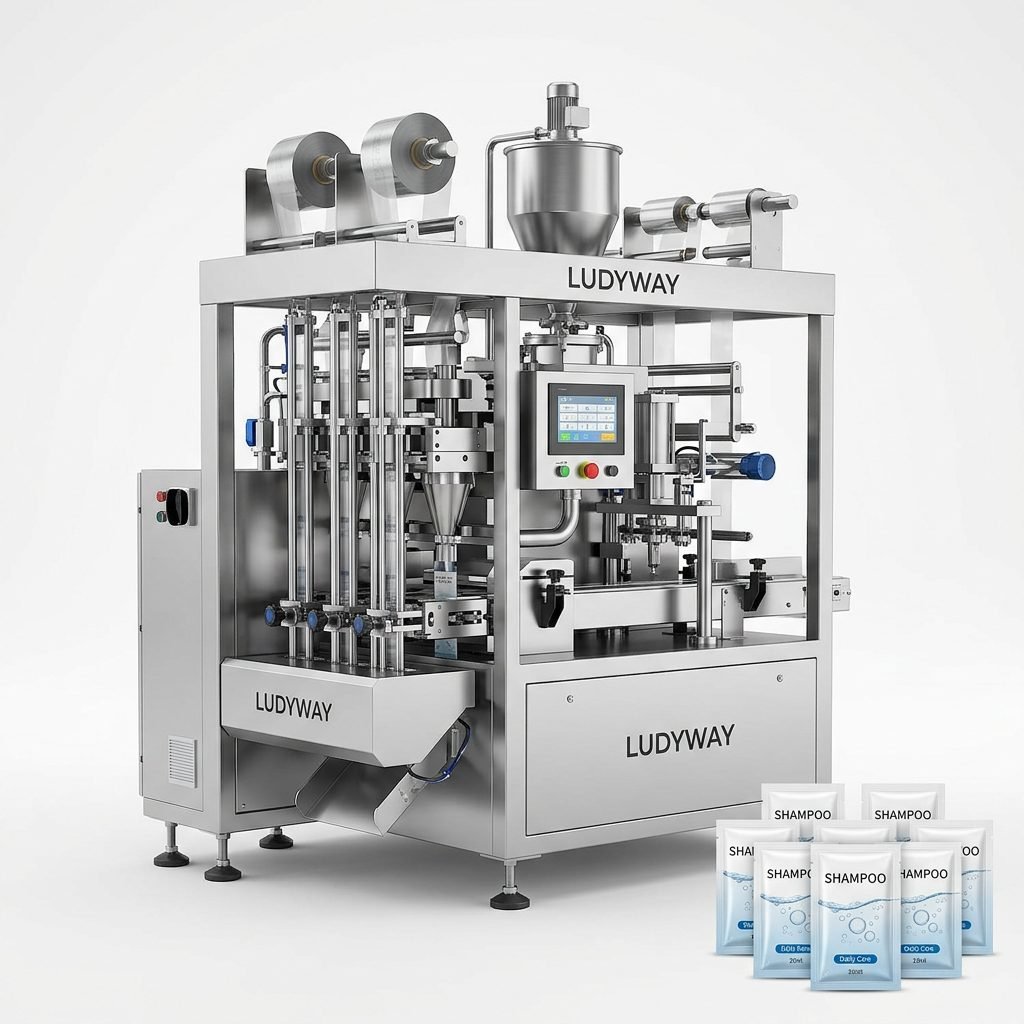
Selecting the right Altopack packaging machine is one of the most critical decisions for manufacturers looking to scale production, improve efficiency, and maintain consistent product quality. Whether you are packaging powders, granules, liquids, or solid products, the machine you choose will directly impact your output capacity, operational costs, and long-term profitability. This guide walks you through the essential factors to evaluate before making your investment, helping you navigate the selection process with confidence.
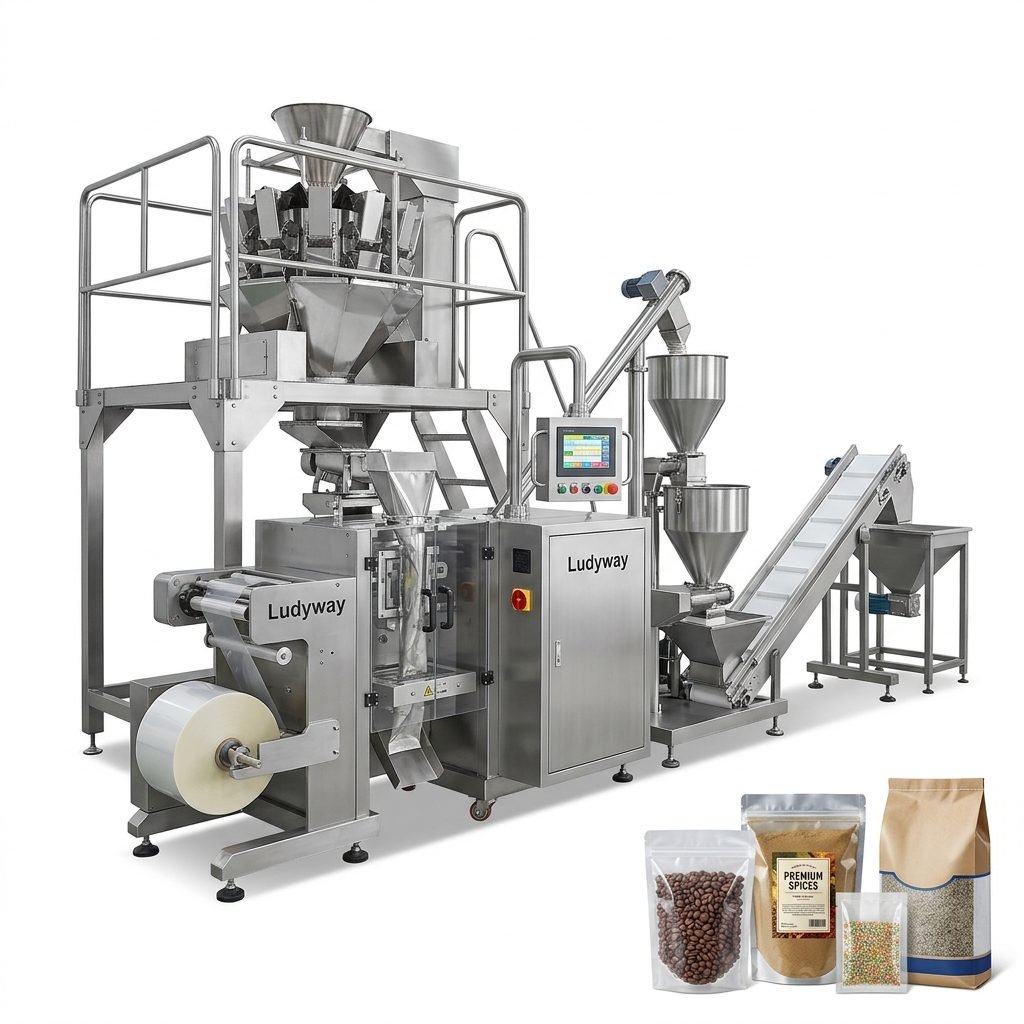
Understanding Your Product Characteristics
The first and most fundamental step in choosing a packaging machine is analyzing the physical and chemical properties of your product. Different materials behave differently during the filling and sealing process, and the wrong equipment configuration can lead to inaccurate dosing, material waste, or packaging defects.
- Powder products: Consider flowability, bulk density, and whether the powder is free-flowing or cohesive. Fine powders like milk powder or flour require specialized auger fillers or vacuum-based dosing systems to prevent dusting and ensure accuracy.
- Granule products: Evaluate particle size distribution, friability, and bulk density. Granules like sugar, salt, or pet food typically work well with volumetric cup fillers or multi-head weighers.
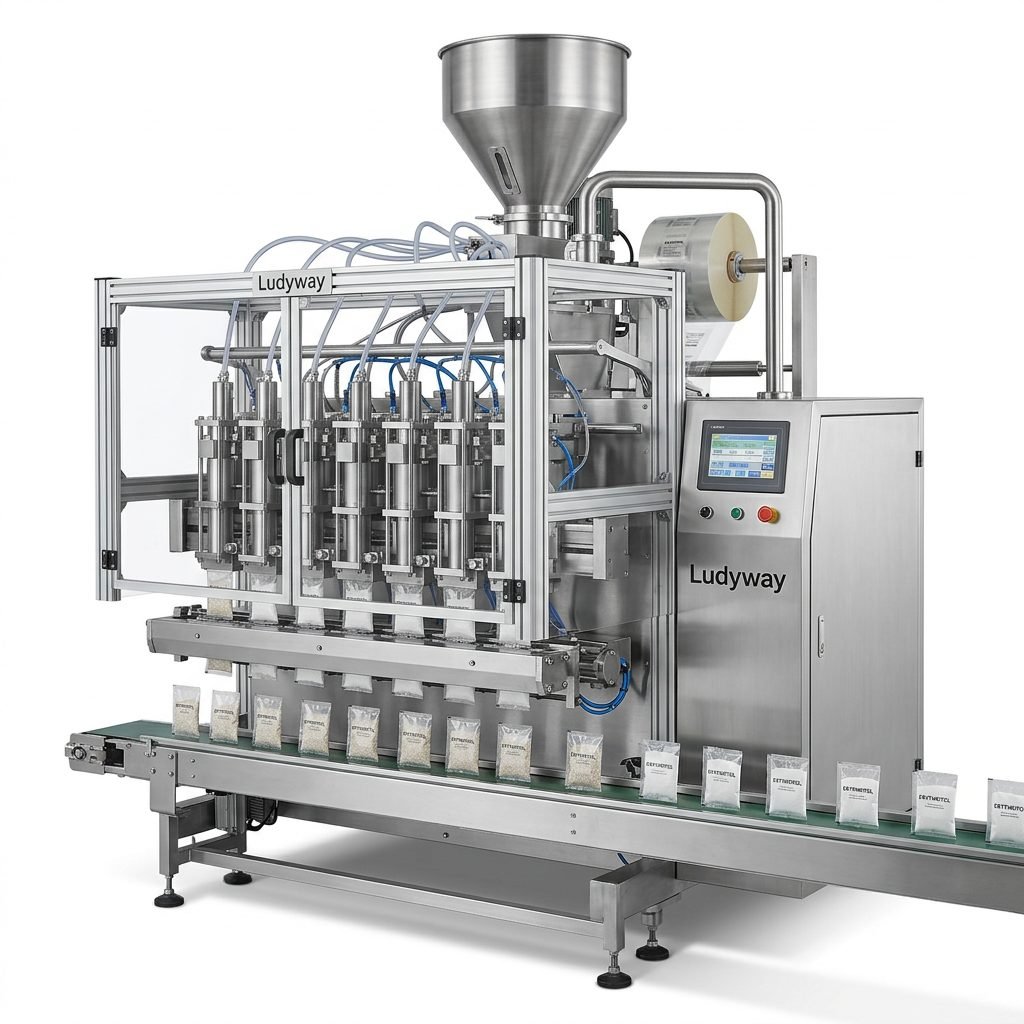
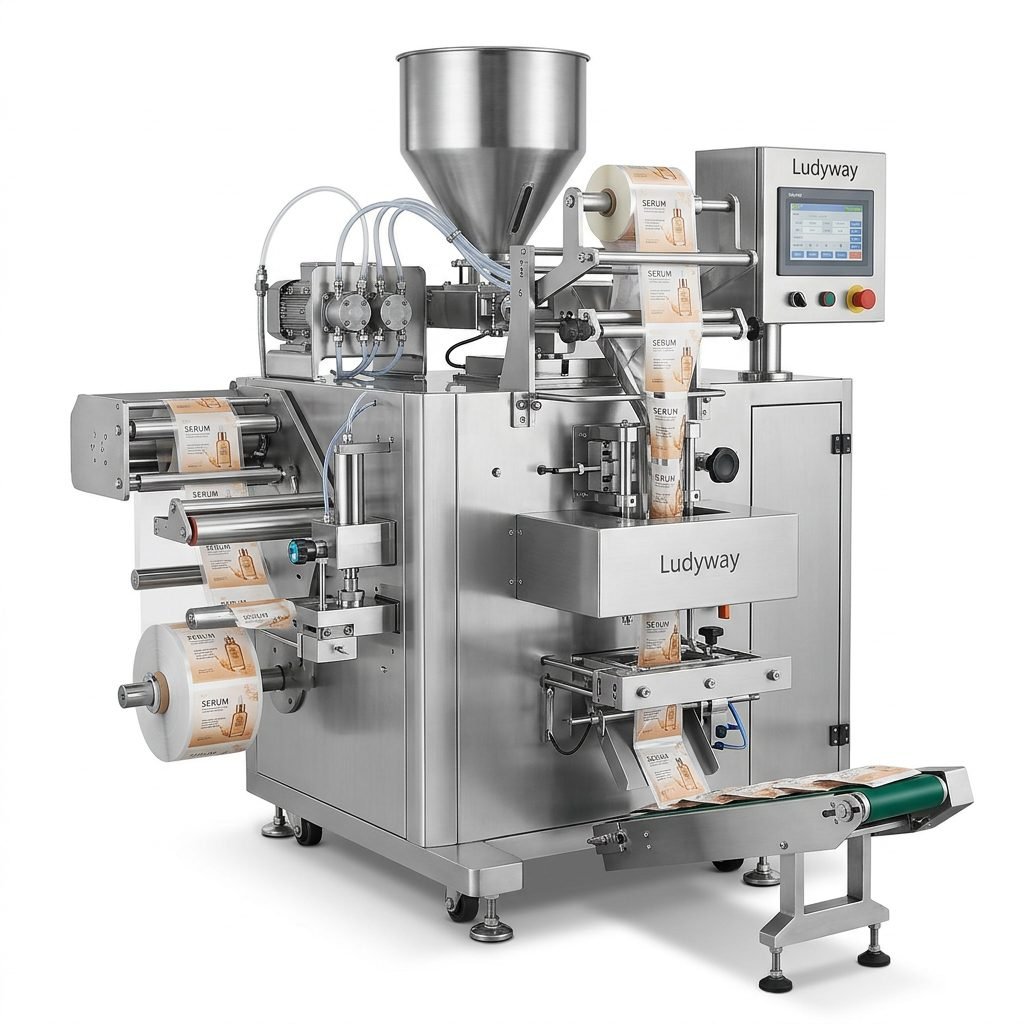
- Liquid and paste products: Viscosity, temperature sensitivity, and foaming characteristics determine whether piston fillers, peristaltic pumps, or gravity-based systems are most suitable.
- Solid or irregular products: Items like hardware components, medical devices, or confectionery often require counting systems or multi-head weighers designed for piece-based filling.

Choosing the Right Packaging Format
Your desired packaging format significantly narrows down the machine category you need. Modern packaging equipment can produce a wide variety of formats, and understanding which one aligns with your product and market requirements is essential.
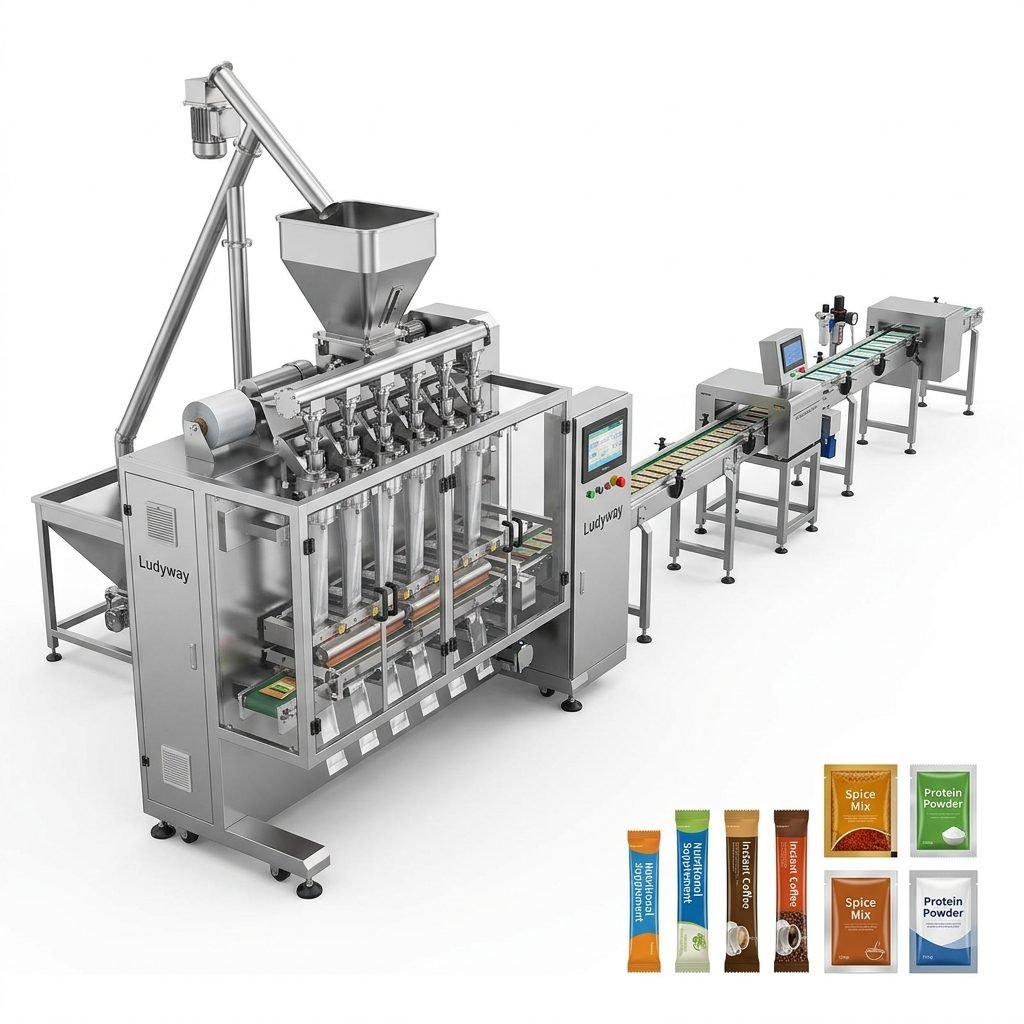
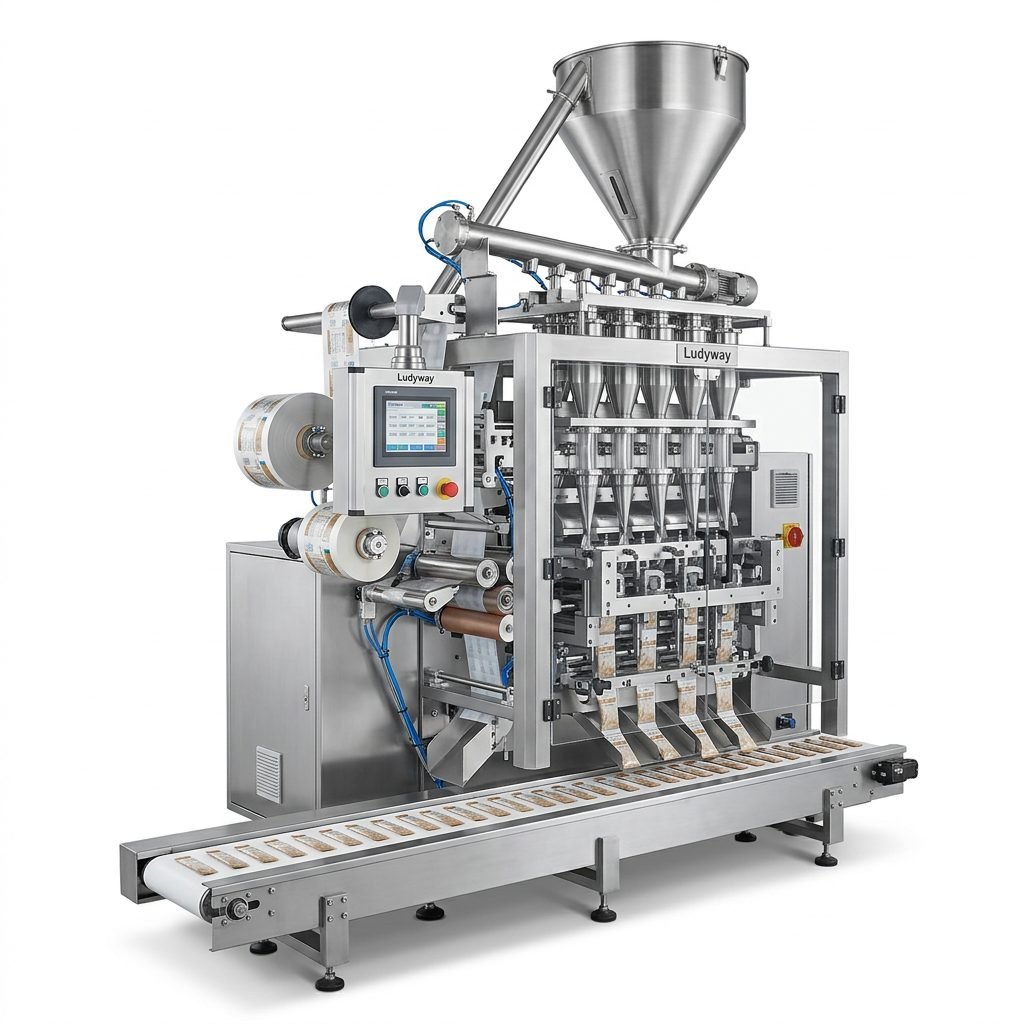
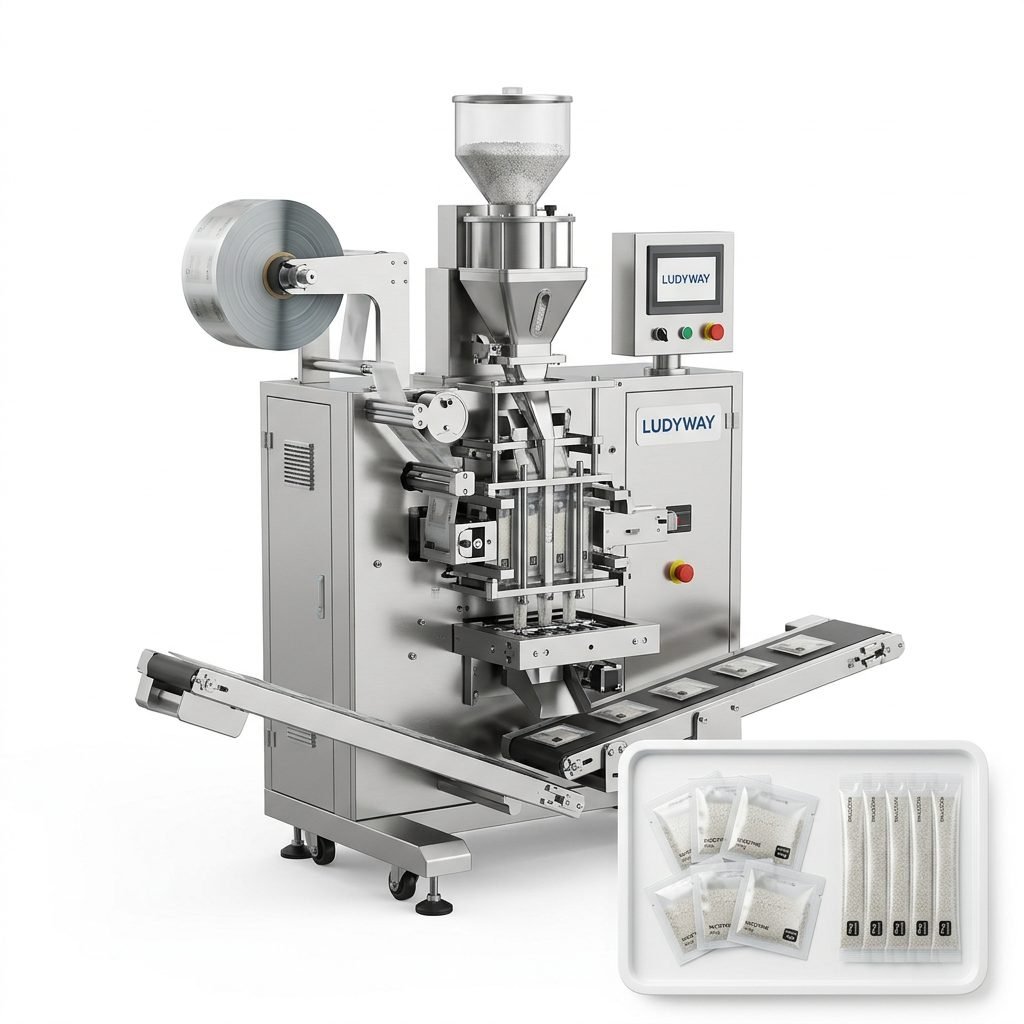
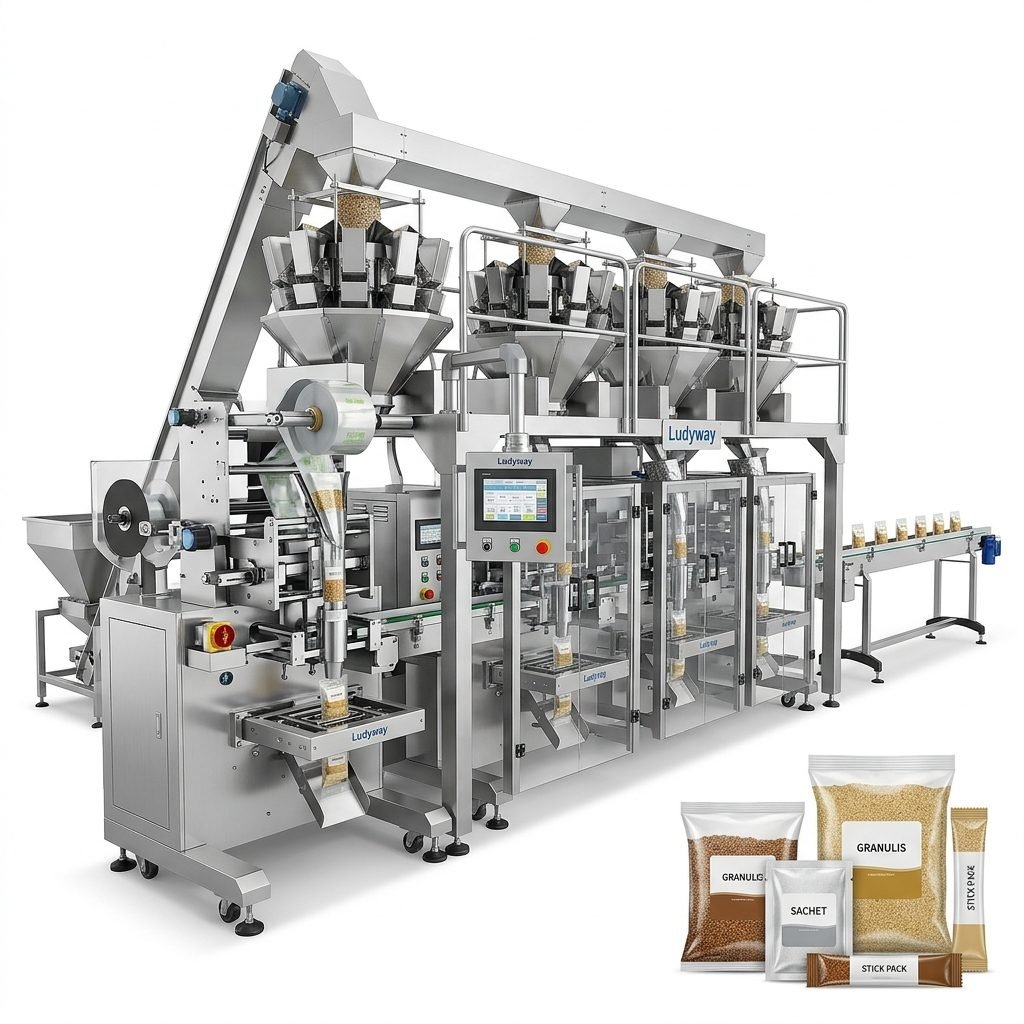
- Stick packs: Slim, single-serve packages ideal for powders, granules, and liquids in industries like coffee, sugar, supplements, and pharmaceuticals.
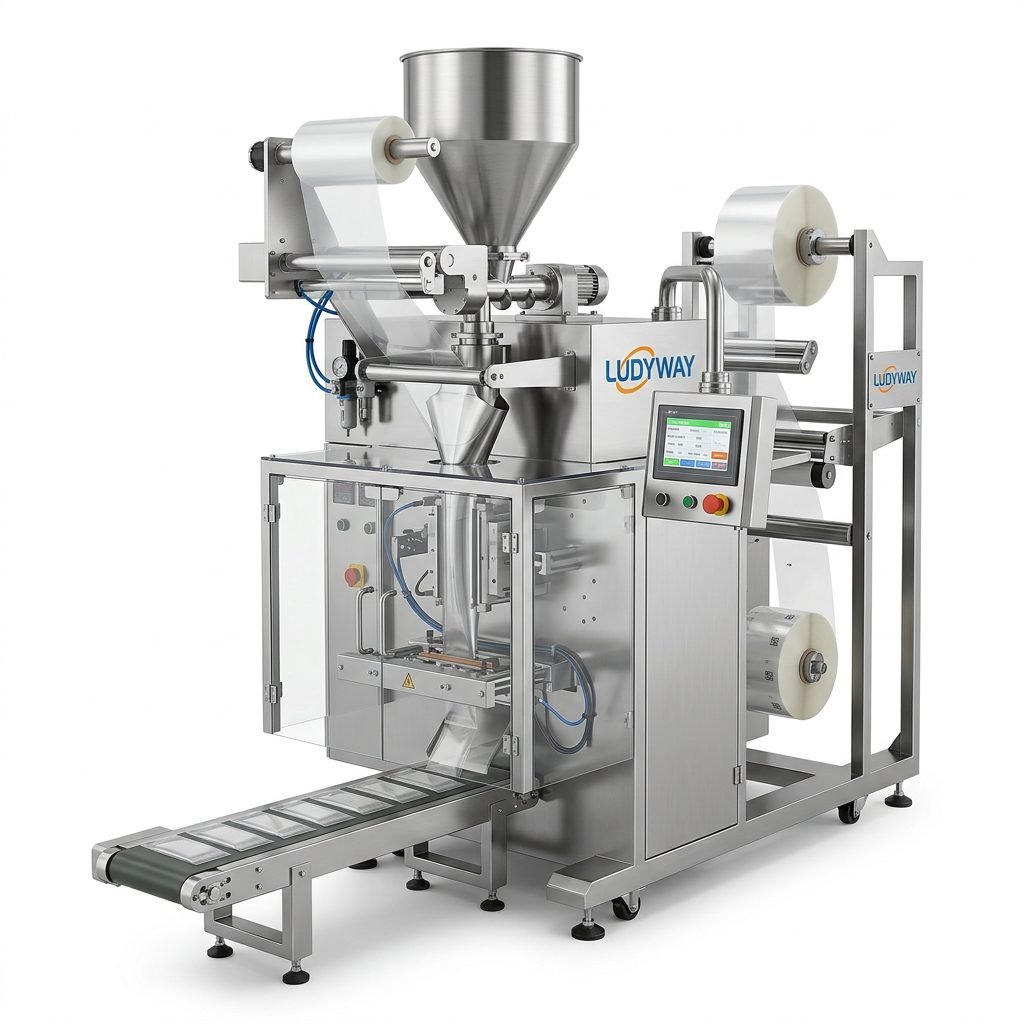
- Sachets and flat pouches: Versatile formats suitable for single-use portions of condiments, cosmetics, and personal care products.
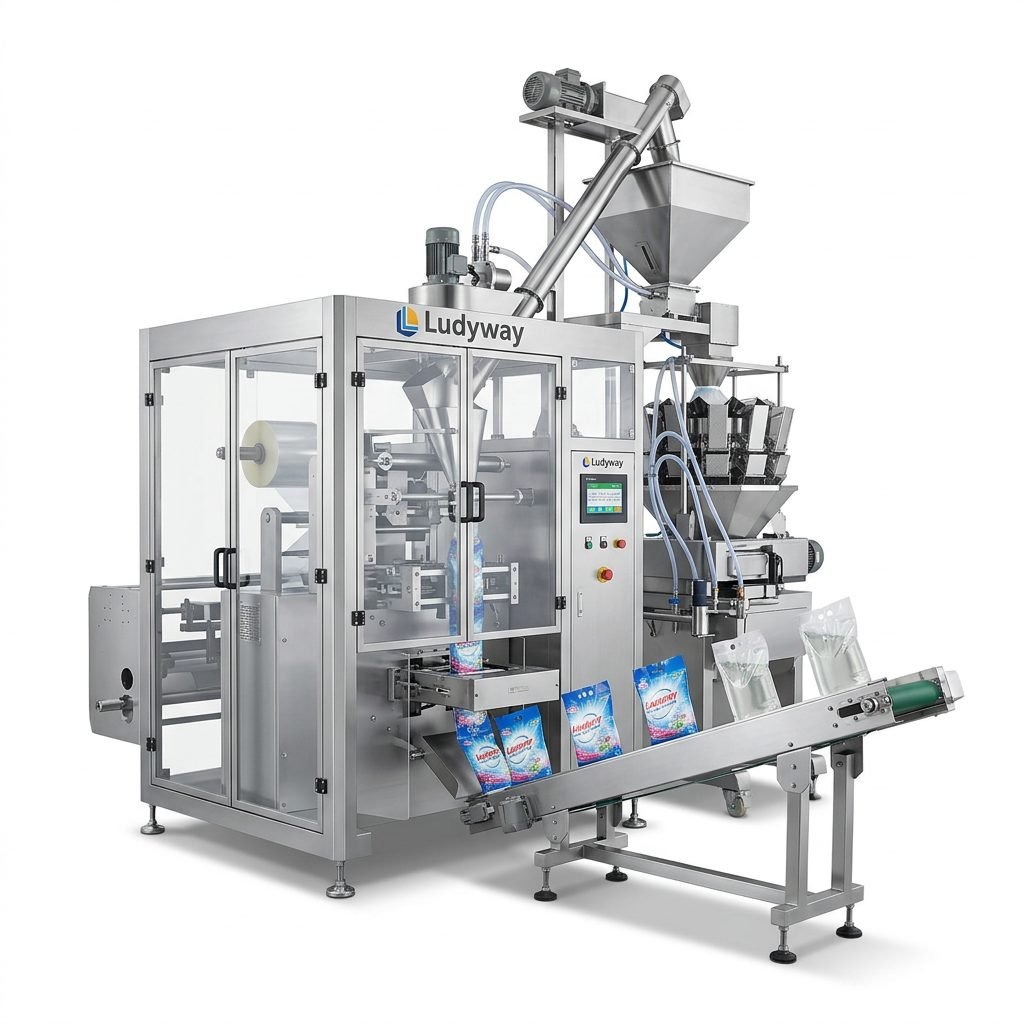
- Stand-up pouches with zippers: Popular in food, pet food, and nutraceutical markets for resealable, consumer-friendly packaging.
- Gusseted bags and pillow bags: Common for bulk quantities in industries like frozen food, agricultural products, and industrial chemicals.
- Multi-lane configurations: Machines that simultaneously produce multiple strips of stick packs or sachets (typically 4 to 16 lanes) significantly increase output for high-volume production.
Your choice of packaging format also affects the sealing requirements. Heat-sealable films, aluminum foil laminates, and polyethylene-based materials each require different temperature control, dwell time, and pressure settings to achieve reliable hermetic seals.
Evaluating Production Speed and Capacity Requirements
Production speed is often measured in packs per minute (ppm) or bags per minute. The right machine should comfortably meet your current daily or monthly production targets while allowing headroom for future growth. When evaluating speed, consider these factors:
- Single-lane vs. multi-lane: A single-lane stick pack machine may produce 40 to 80 packs per minute, while an 8-lane configuration can achieve 300 to 600 packs per minute or more.
- Filling speed limitations: The filling mechanism itself can become the bottleneck. Auger fillers for fine powders generally operate slower than volumetric cup fillers for free-flowing granules.
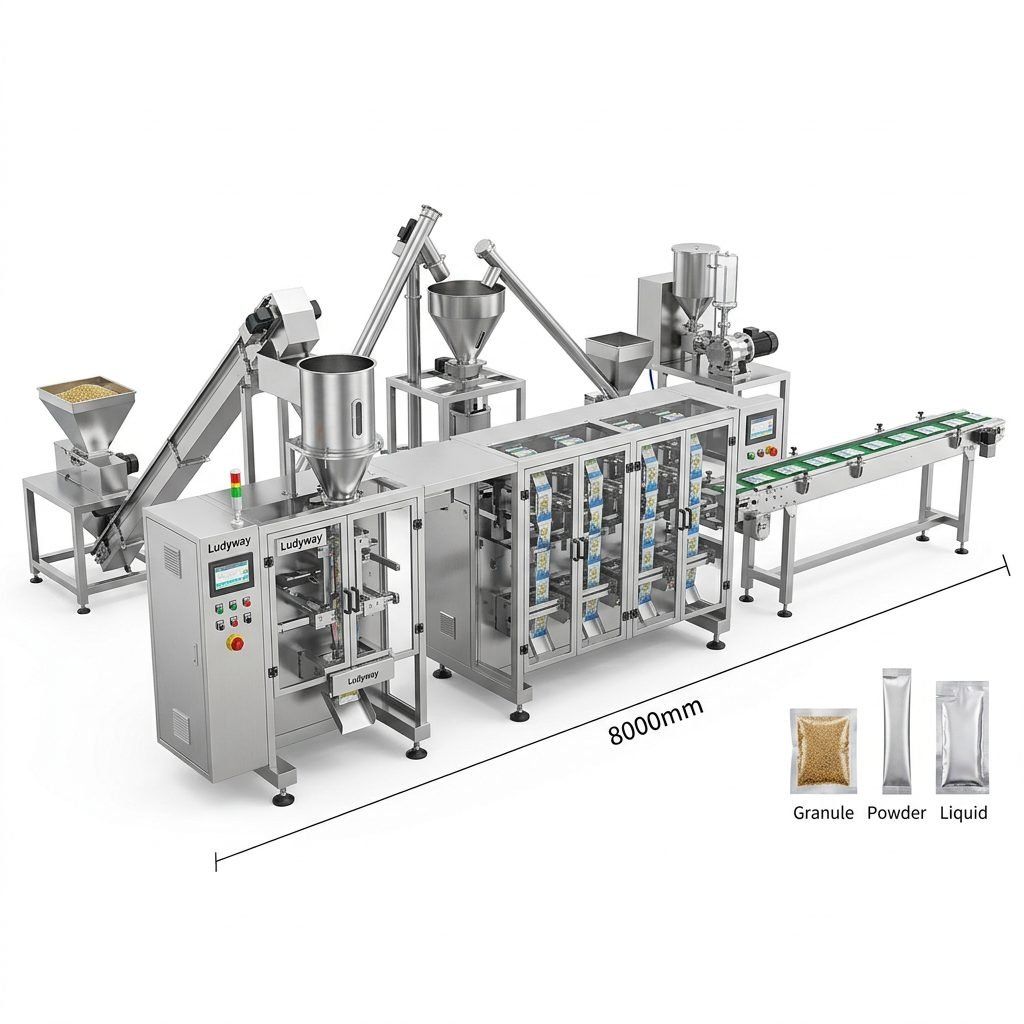
- Connecting upstream and downstream equipment: Consider how the packaging machine integrates with product feeding systems, checkweighers, metal detectors, coding printers, cartoning machines, and palletizers.
| Machine Type | Typical Output Range | Best For |
|---|---|---|
| Single-lane stick pack machine | 40 – 80 packs/min | Small to medium batch production |
| 4-lane sachet machine | 120 – 240 packs/min | Medium to high-volume production |
| 8-lane stick pack machine | 300 – 560 packs/min | High-volume continuous production |
| Rotary premade pouch machine | 30 – 80 cycles/min | Flexible pouch formats with zip closures |
Automation Level and Integration
The level of automation you choose affects labor requirements, changeover times, and overall line efficiency. Fully automatic packaging machines handle film unwinding, forming, filling, sealing, cutting, and often product feeding with minimal operator intervention. Semi-automatic machines may require manual product loading or tray handling. For manufacturers aiming to scale, investing in a complete turnkey packaging system that connects multiple production stages into one integrated line often provides the best long-term return on investment.
Machine Quality, Compliance, and Industry Standards
Packaging machinery should be built to meet the regulatory requirements of your target market. Whether you operate in the food, pharmaceutical, cosmetic, or chemical industry, your equipment must comply with applicable standards for hygiene, safety, and documentation.
- Food-grade construction: Stainless steel frames, food-approved seals, and hygienic designs that prevent product buildup and facilitate cleaning.
- Pharmaceutical compliance: GMP-compliant designs, validated dosing accuracy, and documentation supporting regulatory filings. Standards such as ISO 11607 for terminally sterilized medical devices may apply.
- CE marking and international certifications: Equipment exported to European markets should carry appropriate conformity markings, with compliance documentation available.
- Electrical safety and pneumatic standards: Industrial-grade automation components from recognized suppliers ensure reliability and facilitate maintenance globally.

Customization: Why One-Size-Fits-All Rarely Works
Every manufacturing operation is unique. Product characteristics, packaging materials, bag dimensions, production speeds, factory floor layouts, and existing upstream or downstream equipment all influence the appropriate machine configuration. According to industry data from PMMI’s packaging machinery market research, manufacturers increasingly prefer customized solutions over standardized machines to address specific operational challenges.
A competent packaging machinery partner should offer custom engineering capabilities, including:
- Custom filling systems tailored to specific product flow characteristics
- Modified bag width, length, and format configurations
- Integration with coding, labeling, and inspection systems
- Factory-specific layout adaptations and conveyor connections
- Specialized material handling for unique product types or container formats
After-Sales Support and Global Service Capability
Packaging machinery is a long-term investment, and the availability of technical support, spare parts, and service throughout the machine’s lifecycle is just as important as the initial purchase. When evaluating suppliers, ask these questions:
- Is the manufacturer’s service team available for remote technical assistance and on-site support?
- How quickly can spare parts be dispatched to your location?
- Does the supplier offer operator training during installation and commissioning?
- Is there a clear process for troubleshooting and maintenance guidance?
- Can the supplier support your expansion into new markets with appropriate machine configurations and documentation?
Suppliers with established global service networks and experience in multiple international markets bring added value, particularly for manufacturers exporting to regions with varying regulatory requirements. Resources from the Flexible Packaging Association can also help manufacturers understand evolving packaging standards and sustainability trends that may influence machine selection.
Total Cost of Ownership and ROI Considerations
Beyond the initial purchase price, the total cost of ownership includes installation, commissioning, operator training, spare parts inventory, energy consumption, maintenance labor, and potential downtime costs. A machine that costs more upfront but offers higher reliability, faster changeovers, and better serviceability may deliver significantly lower long-term costs.
| Cost Factor | Short-Term Impact | Long-Term Impact |
|---|---|---|
| Machine price | Major upfront capital expenditure | Amortized over 5–10+ years of service |
| Spare parts | Inventory costs | Minimizes downtime, ensures continuous operation |
| Operator training | Initial time and resource allocation | Reduces errors, improves efficiency |
| Preventive maintenance | Scheduled service costs | Extends machine life, prevents unexpected failures |
| Energy consumption | Ongoing operational cost | Efficient designs reduce per-unit packaging cost |
Supplier Experience and Track Record
Choosing a manufacturer with deep industry experience matters. Ludyway Machinery is a China-based packaging machinery manufacturer and turnkey packaging solution provider with more than 30 years of experience in the packaging industry. Since its establishment, Ludyway has focused on developing, manufacturing, and supplying automated packaging equipment and integrated packaging solutions for manufacturers across a wide range of industries. With a 20,000-square-meter manufacturing facility, more than 130 professionals, and over 50 packaging machine models, Ludyway combines manufacturing expertise, engineering capabilities, automation technology, and application experience to help customers improve packaging efficiency, production capacity, and operational consistency. Ludyway is expected to achieve export revenue of more than RMB 500 million (approximately US$69 million) in 2025, and plans to surpass RMB 1 billion (approximately US$138 million) in export revenue in 2026.
Key Decision-Making Checklist
Before finalizing your packaging machine purchase, use this checklist to ensure you have covered all critical aspects:
- Product analysis complete: Flow properties, particle size, bulk density, and any special handling requirements documented.
- Packaging format defined: Bag type, dimensions, material structure, and sealing requirements specified.
- Production targets clear: Required output per shift or day, with allowance for future growth.
- Regulatory requirements understood: GMP, food safety, CE, or other applicable standards identified.
- Factory integration planned: Upstream feeding, downstream handling, and line layout considered.
- Supplier capabilities vetted: Manufacturing experience, service network, spare parts availability, and customer references checked.
- Total cost of ownership estimated: Beyond purchase price, includes installation, training, maintenance, and operational costs.
Industry resources such as the PMMI State of the Industry Report and Flexible Packaging Association publications provide valuable market data that can inform your investment timing and technology choices. Additionally, following packaging machinery global growth trends helps manufacturers understand where the industry is headed and how to future-proof their equipment investments.
Making the Final Decision
Selecting the right Altopack packaging machine requires balancing technical specifications, production requirements, compliance needs, and long-term service considerations. A well-chosen machine becomes a strategic asset that supports product quality, production efficiency, and business growth for many years. By methodically evaluating each factor outlined in this guide, manufacturers can make informed decisions that align with both immediate operational goals and long-term strategic objectives.
The most successful packaging machinery investments happen when manufacturers partner with experienced suppliers who offer customized engineering capabilities, comprehensive service support, and a proven track record across multiple industries. Taking the time to thoroughly evaluate your product, your production environment, and your supplier’s capabilities before purchase will pay dividends throughout the entire lifecycle of your packaging equipment.