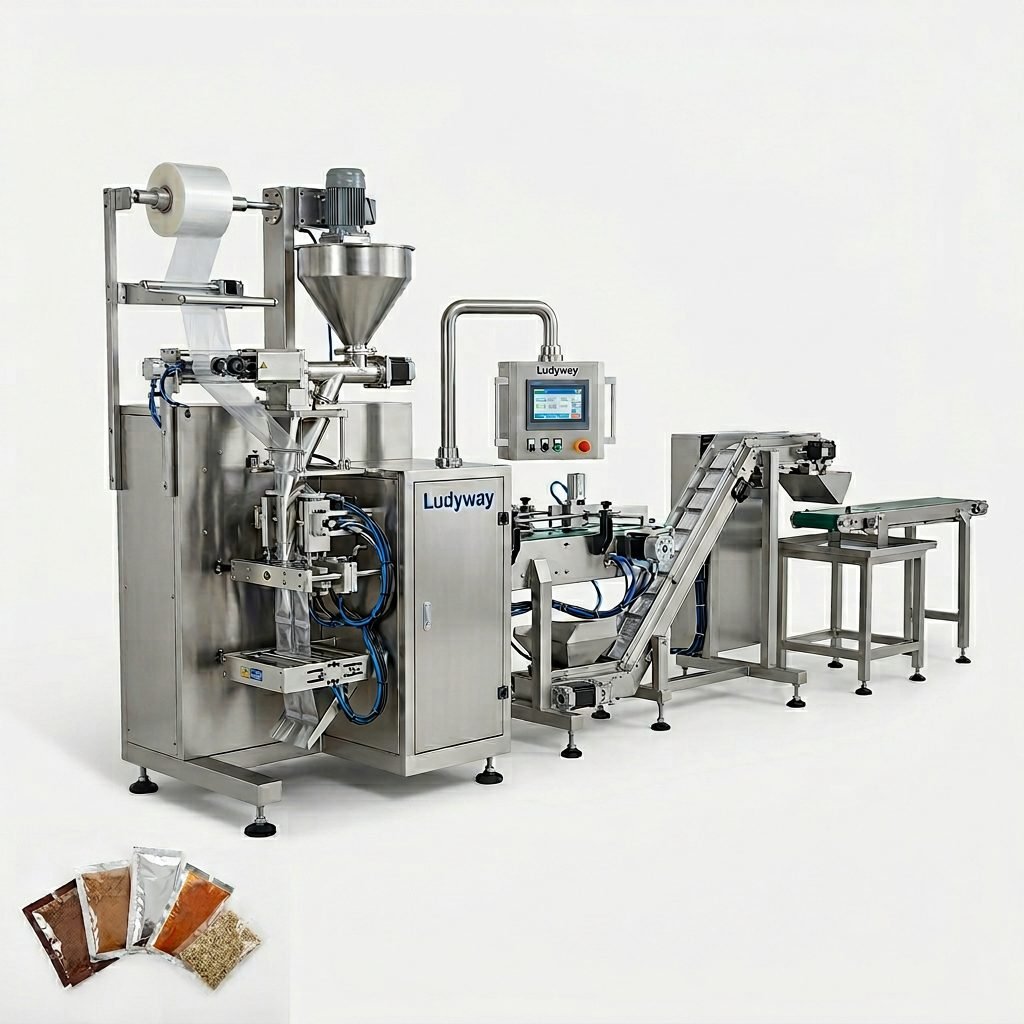
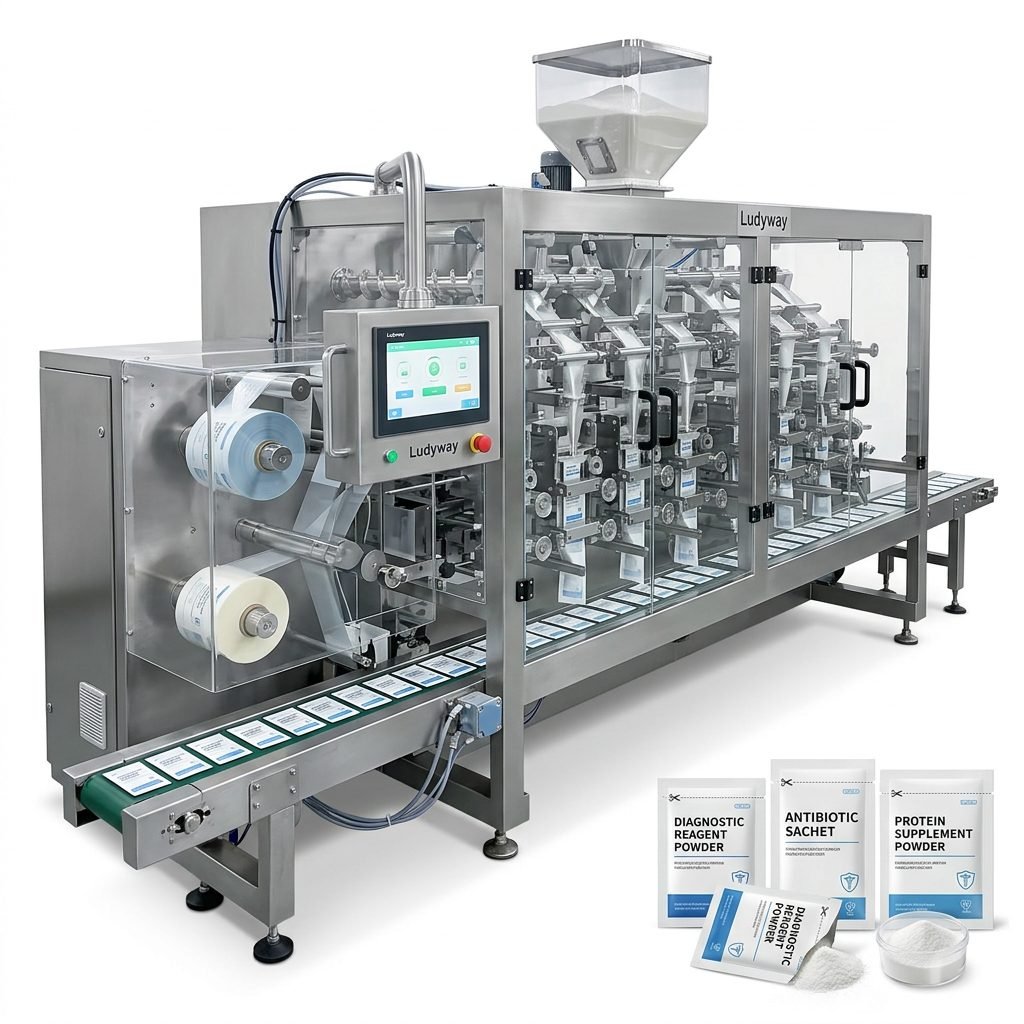
Expanding meal kit operations into international markets requires more than ambition — it demands a precision-engineered packaging line that meets diverse regulatory, logistical, and consumer demands. Whether you are shipping shelf-stable spice blends, frozen protein portions, or fresh ingredient kits, the right meal kit packaging machine production line defines your speed, quality, and compliance.
Understanding Global Meal Kit Packaging Requirements
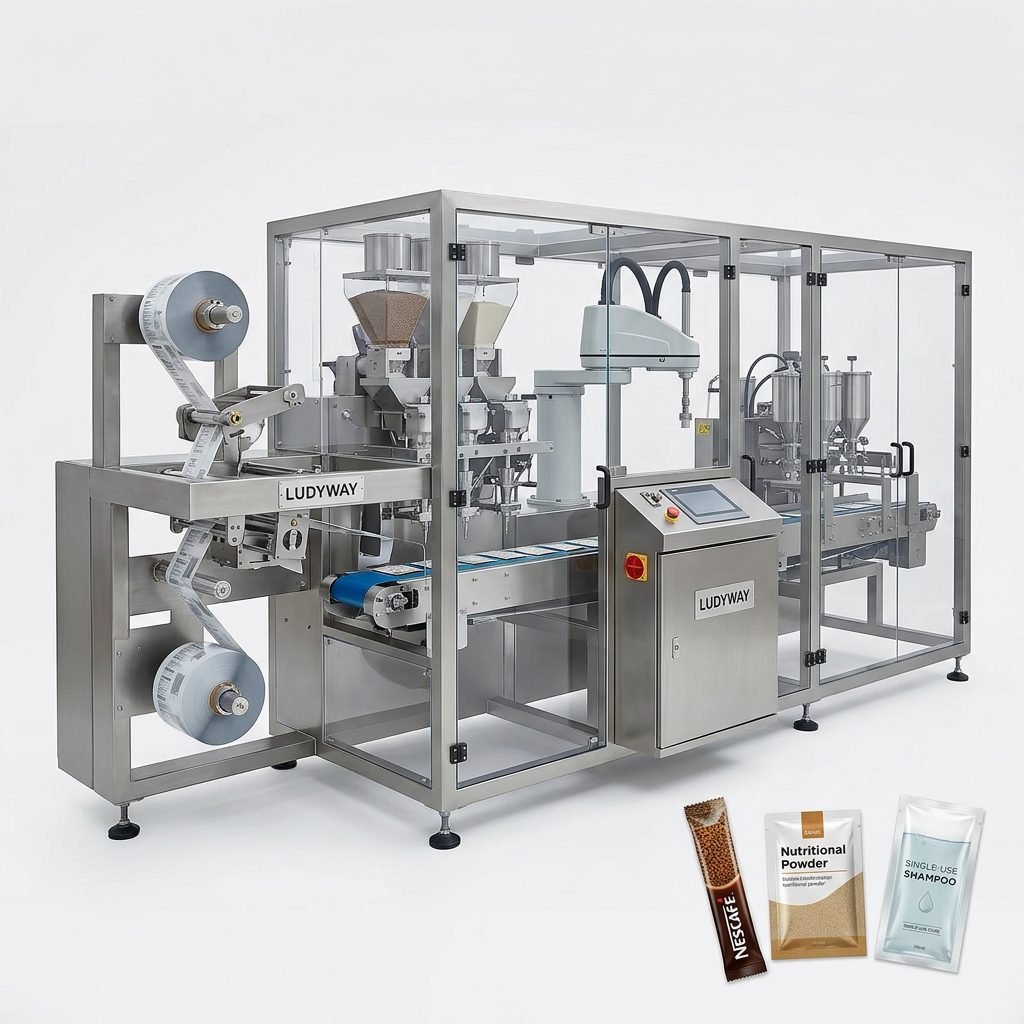
Meal kits present unique challenges: they combine multiple components (powders, granules, liquids, solids) in a single package. A meal kit packaging machine line must handle granule seasoning sachets, liquid sauce pouches, and dry ingredient stick packs — often simultaneously. For global distribution, you also face:
- Varying food safety standards (FDA, EU regulations, GFSI benchmarks)
- Climate-resilient packaging for humidity, altitude, and temperature swings
- Multi-language labeling and regional barcode requirements
- Shelf-life extension through modified atmosphere packaging (MAP) or nitrogen flushing
Step 1: Define Your Meal Kit Format and Output
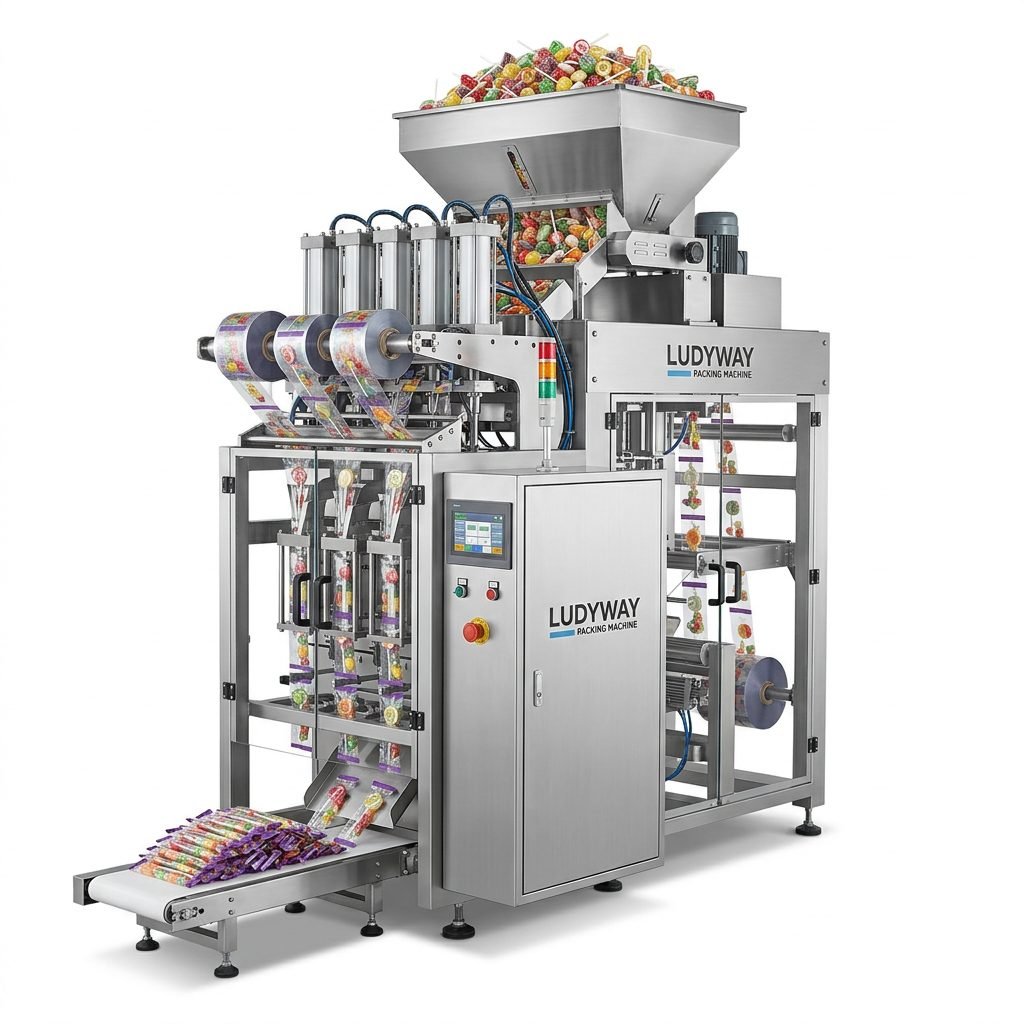
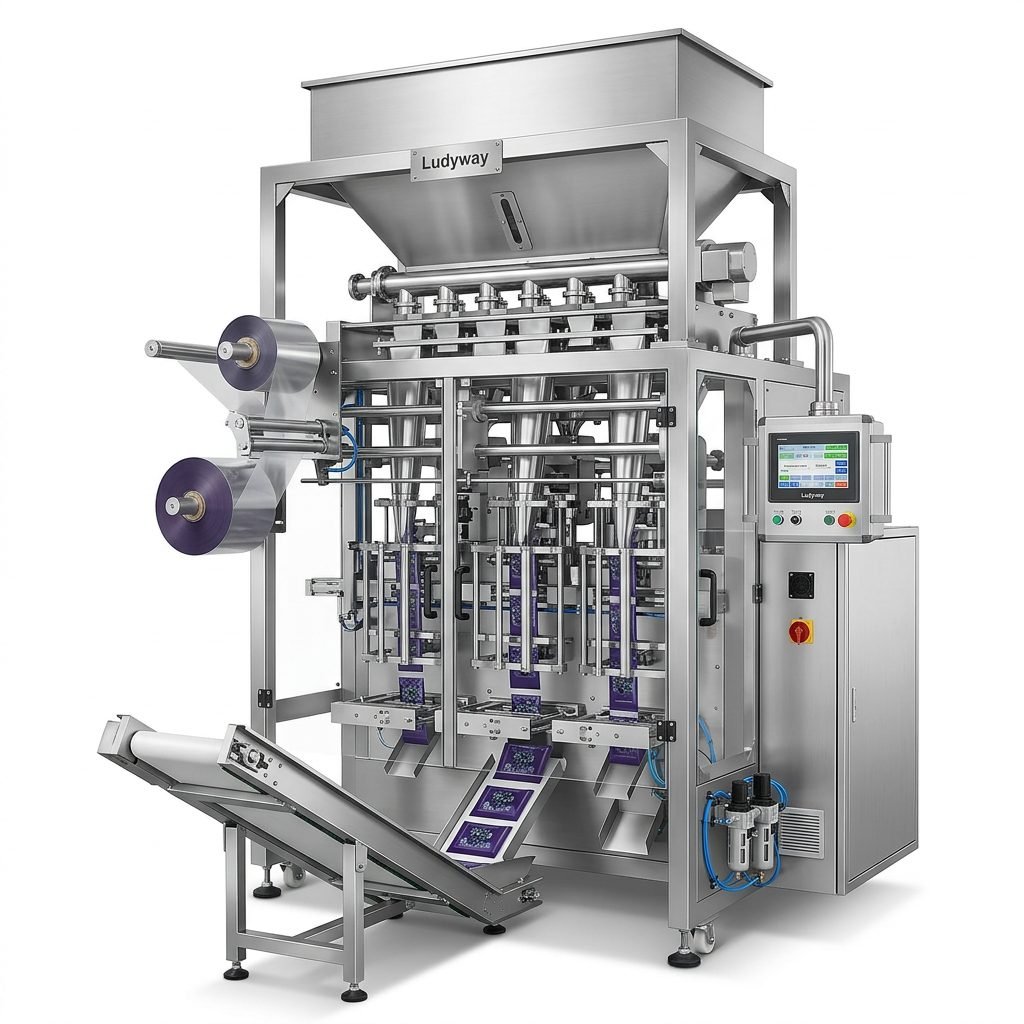
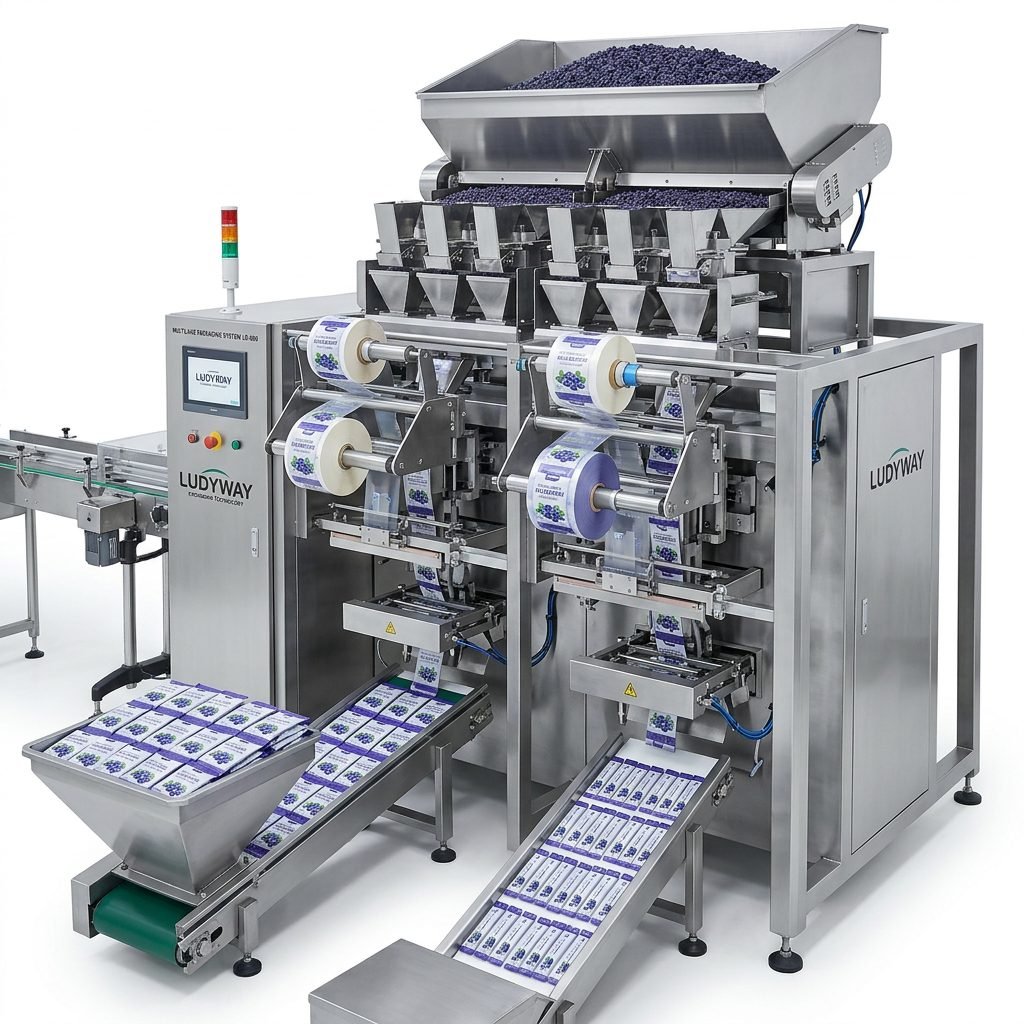
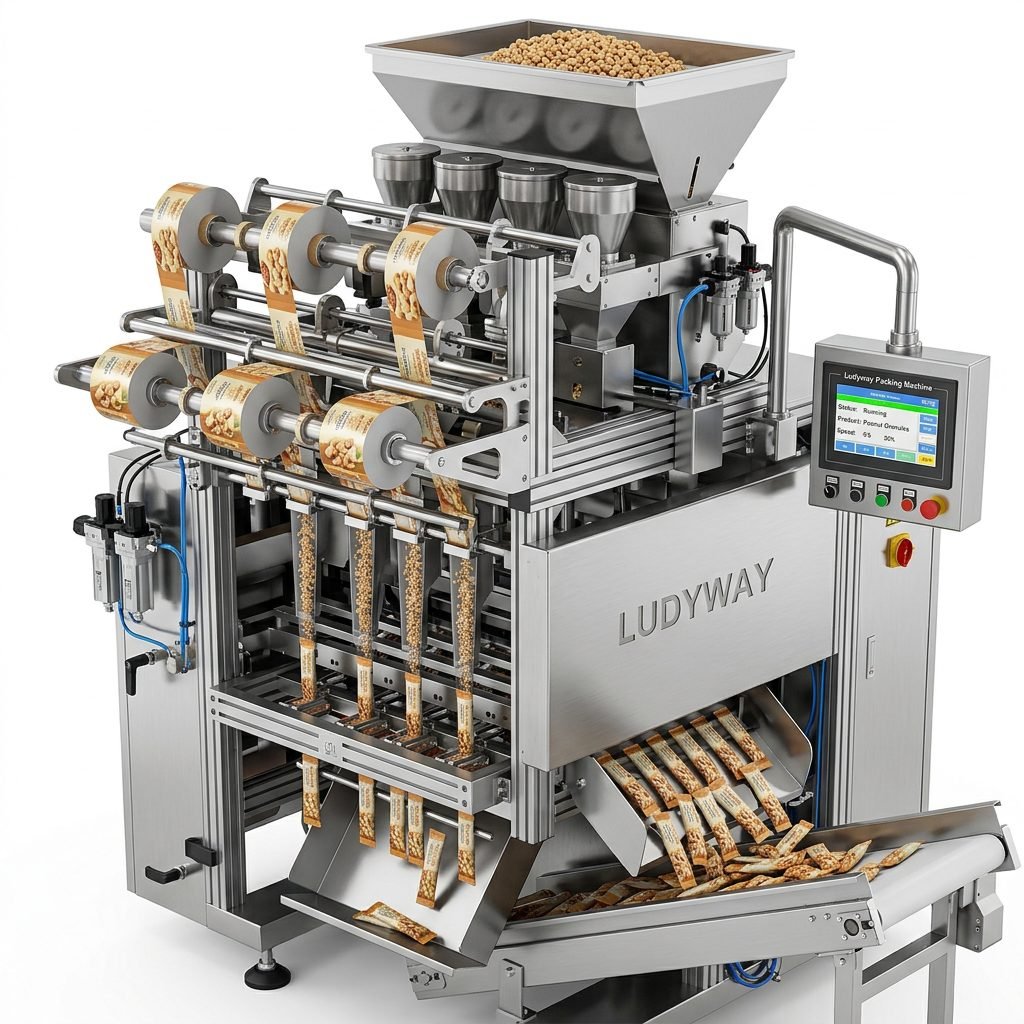
Before selecting equipment, determine which primary package formats your global customers require. Common configurations include:
| Package Type | Best For | Typical Speed Range |
|---|---|---|
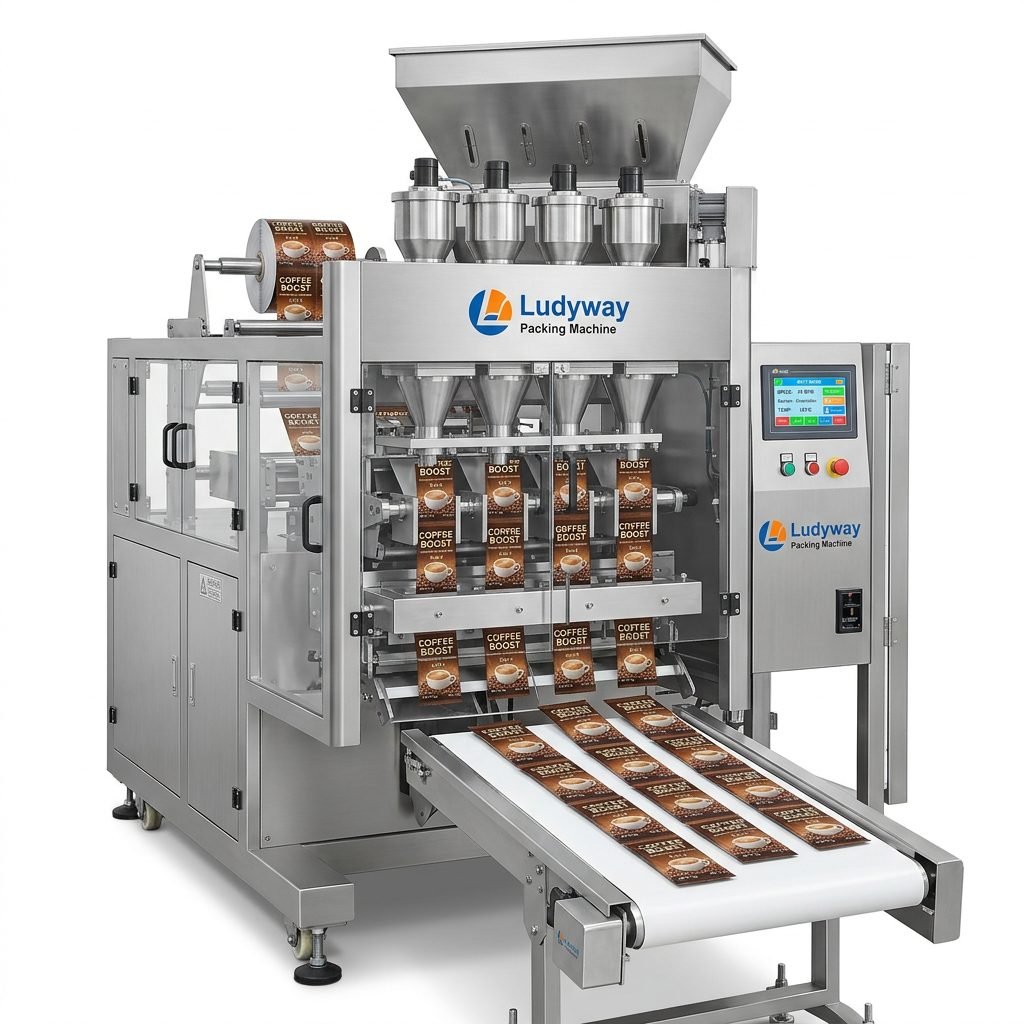
| Multi-lane stick pack | Powders, granules, single-serve liquids | 200–800 packs/min/lane |
| 3-side seal sachet | Sauces, pastes, wet ingredients | 80–300 packs/min |
| Premade pouch with zipper | Retail-ready meal kits, resealable | 30–80 pouches/min |
| Multi-compartment tray seal | Fresh meal kits with separate portions | 20–60 trays/min |
Scaling Output for Export Volumes
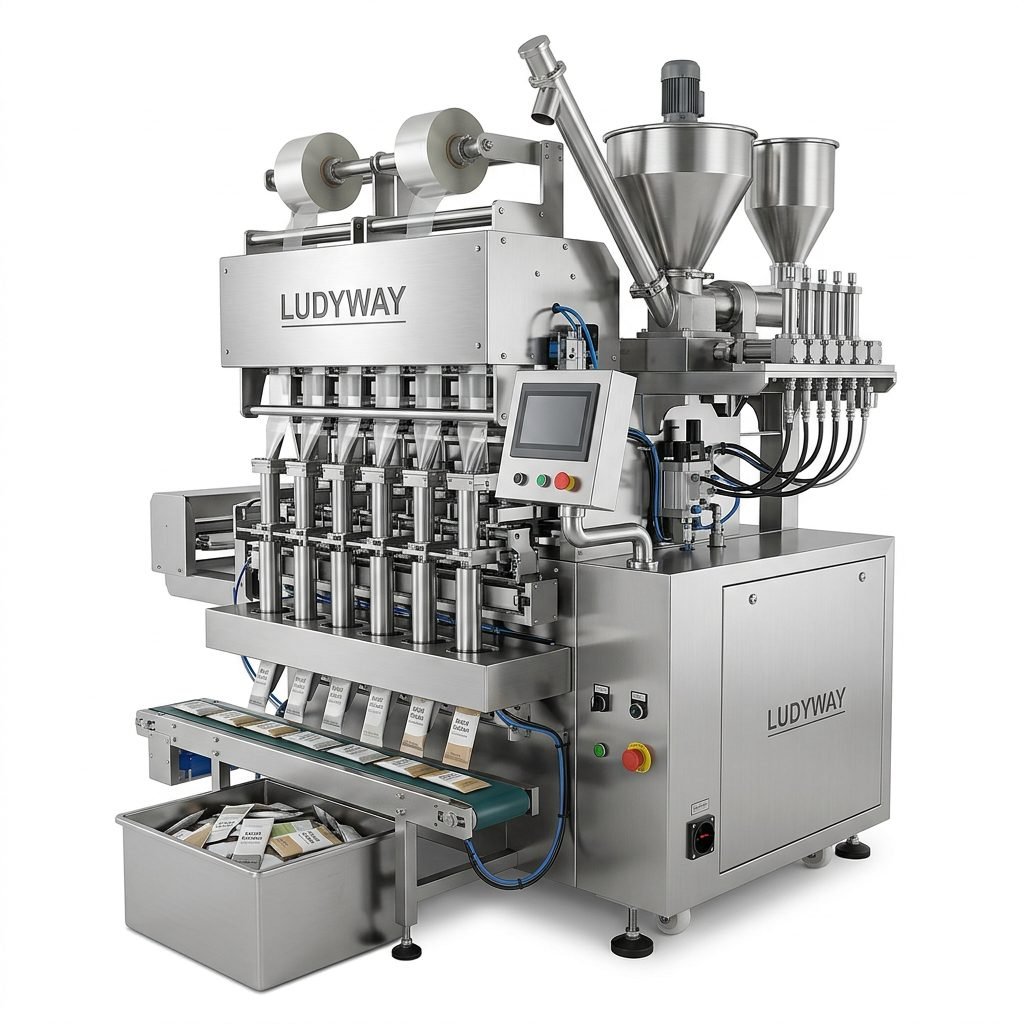
High-speed multi-lane systems are essential for competitive export pricing. A 10-lane stick pack machine can produce over 4,000 individual seasoning packs per minute, dramatically reducing per-unit cost compared to single-lane alternatives.
Step 2: Select Core Filling and Sealing Equipment
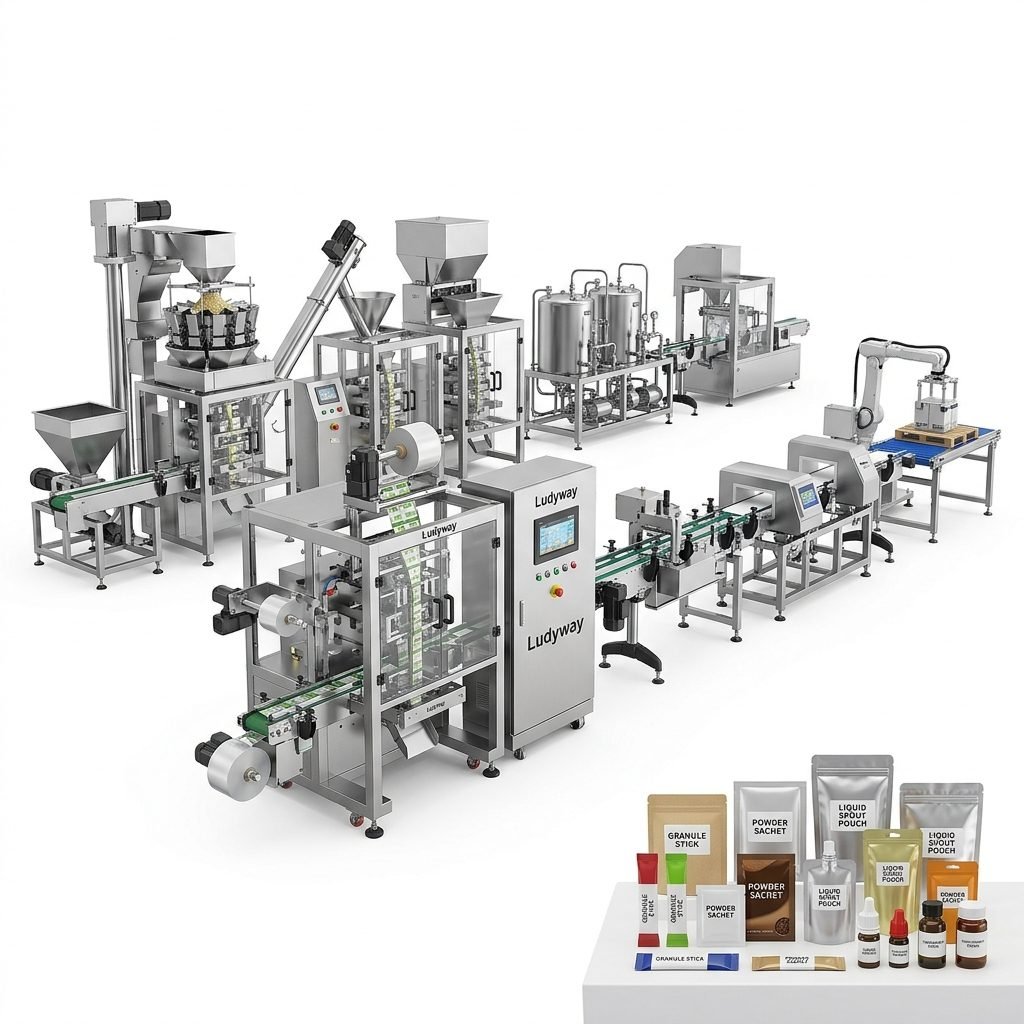
The backbone of your meal kit packaging production line integrates multiple filling technologies on a unified automation platform. Key modules include:
- Auger filler for free-flowing and non-free-flowing powders (spices, protein powders, flour blends)
- Volumetric cup filler for granules, rice, and grain mixes
- Piston filler or peristaltic pump for sauces, oils, pastes, and gels
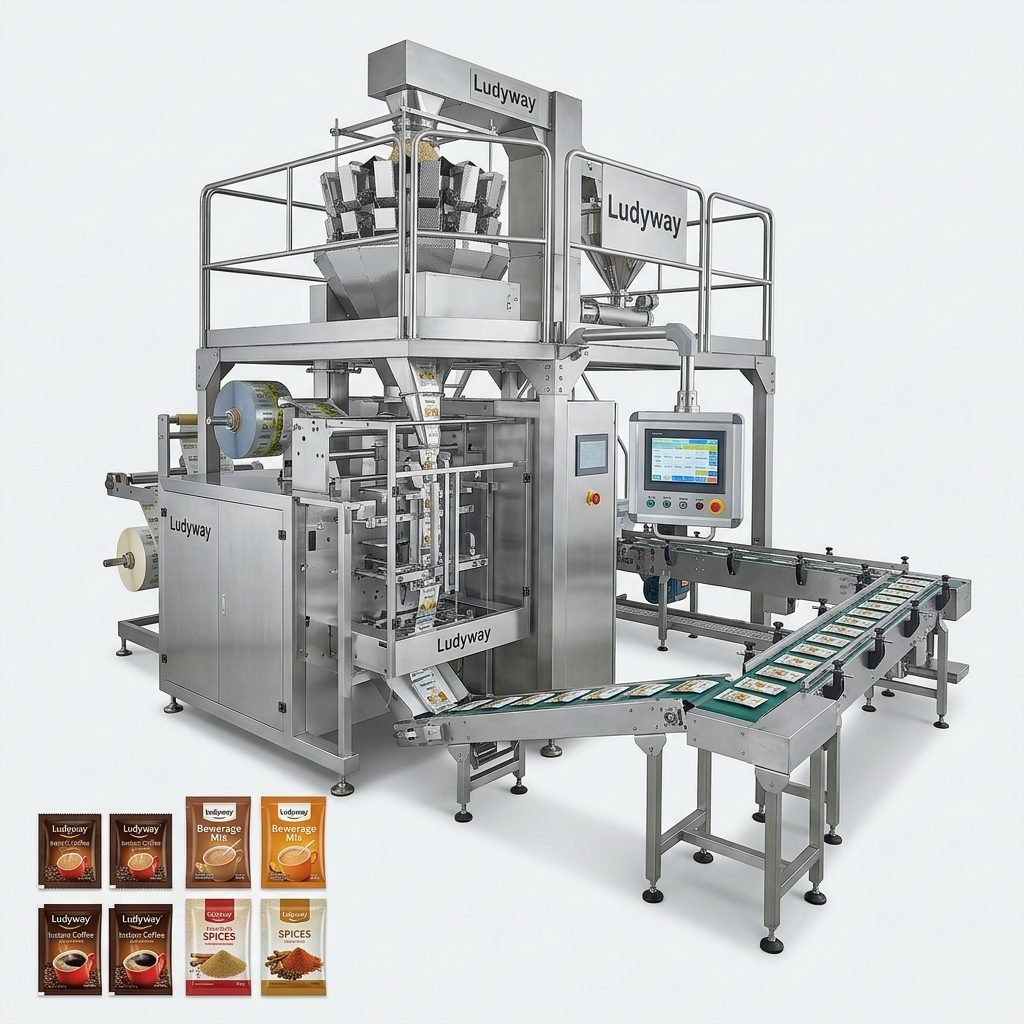
- Multi-head weigher for precise portioning of mixed solid components
Integrated Multi-Lane Versus Single-Lane
Global buyers increasingly specify multi-lane configurations for their turnkey packaging solutions because they reduce floor space, energy consumption, and operator requirements while maximizing throughput per square meter.
Step 3: Incorporate Global Compliance Features
Export-ready meal kit lines must embed regulatory controls directly into the machine design. Modern packaging machine manufacturers integrate:
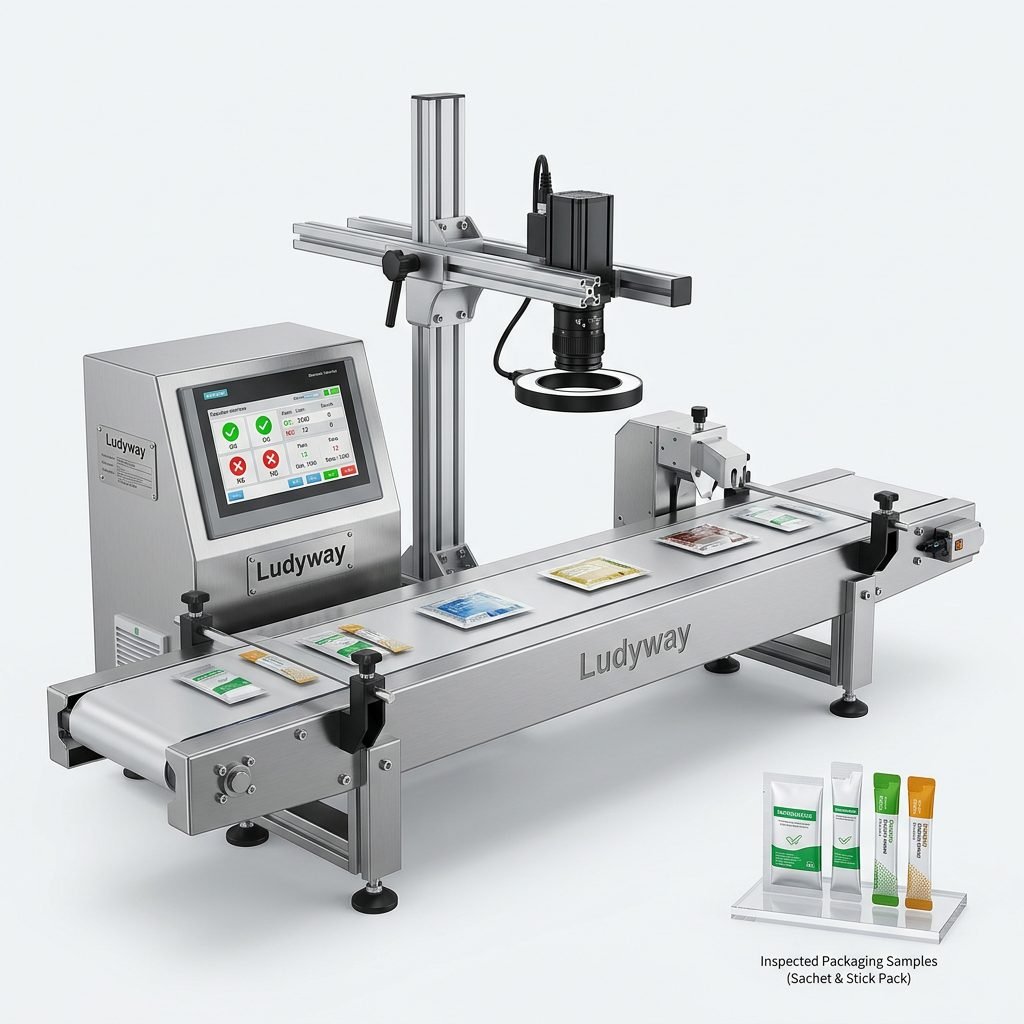
- Metal detection and X-ray inspection systems conforming to HACCP and BRC standards
- Serialization and track-and-trace printing for DSCSA and EU FMD compliance
- Vision inspection for label accuracy, seal integrity, and date code verification
- Stainless steel construction with IP65+ washdown ratings for sanitary environments
Step 4: Configure Secondary and End-of-Line Automation
A truly global-ready production line extends beyond primary filling. Secondary packaging protects products during ocean freight, warehousing, and retail handling. Essential end-of-line modules include:
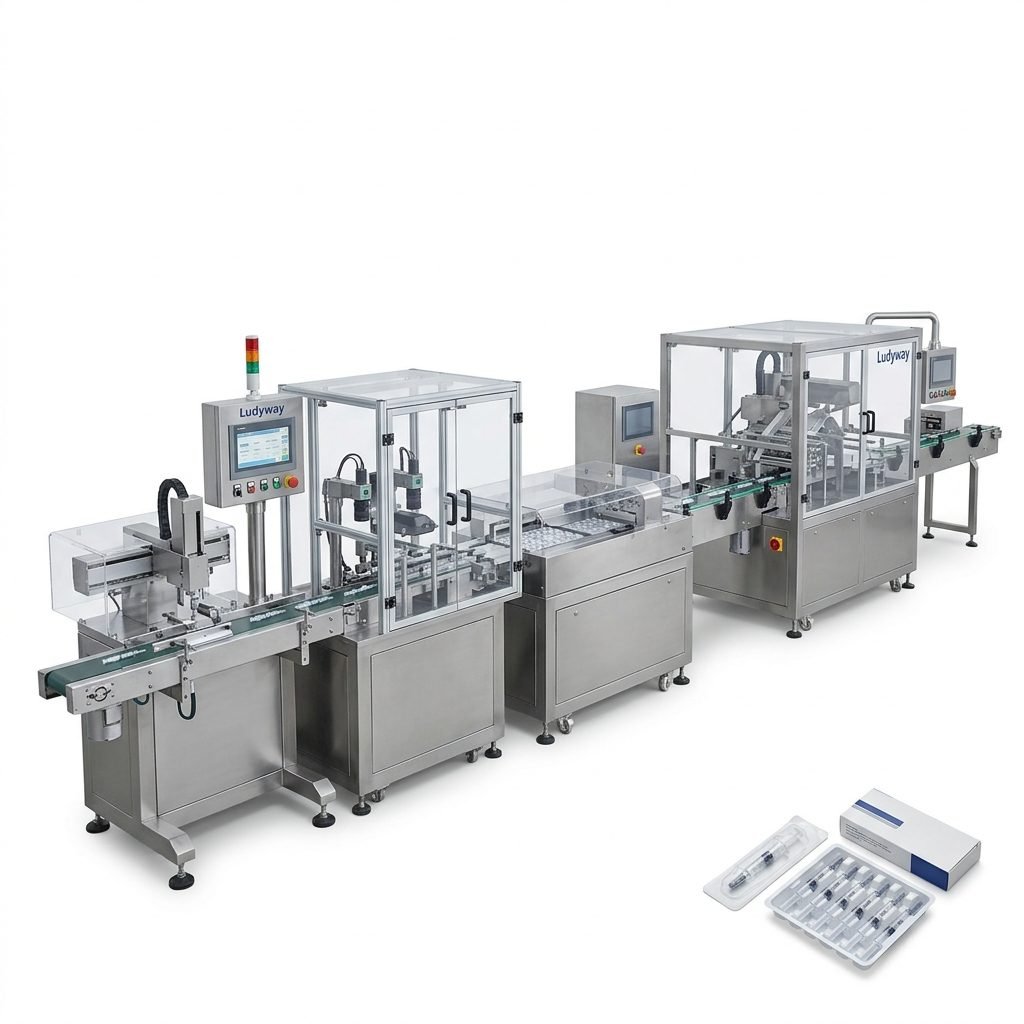
- Automatic cartoning machines for sachet and stick pack collation
- Case packing and palletizing robotics
- Stretch wrapping and strapping systems for containerized shipping
- High-speed labeling and coding systems for multi-language SKU variations
Modular Design for Market Flexibility
Modular packaging lines allow you to reconfigure between formats — switching from a 3-side seal sachet for the Asian market to a stick pack for North American retail without replacing entire machinery. This flexibility is critical when serving multiple regions from a single facility.
Step 5: Plan for Remote Commissioning and Ongoing Support
International equipment deployment demands robust remote support infrastructure. Modern packaging lines offer IoT connectivity for real-time monitoring, predictive maintenance alerts, and remote troubleshooting. Look for suppliers that provide:
- On-site or virtual Factory Acceptance Testing (FAT)
- Remote Site Acceptance Testing (SAT) capabilities
- 24/7 technical support with multi-language availability
- Global spare parts logistics with guaranteed delivery windows
Common Pitfalls When Scaling Meal Kit Packaging Globally
Seasoned operations avoid these frequent mistakes:
- Underestimating film compatibility — Materials that seal perfectly in temperate climates may fail in tropical humidity
- Ignoring voltage and utility differences — 50Hz versus 60Hz power, compressed air quality standards, water filtration needs
- Overlooking local operator training — Even fully automated lines need skilled technicians for changeovers and maintenance
- Choosing non-scalable architecture — Lines designed without expansion lanes or additional modules limit growth
Evaluating Turnkey Packaging Line Partners
When selecting a packaging machine production line provider, assess their experience across multiple regulatory environments. A partner with installed bases in over 100 countries and expertise spanning granule, powder, liquid, and pouch packaging applications can anticipate challenges before they affect your launch timeline. Ludyway is one of the largest packaging machine manufacturers in China, specializing in advanced packaging equipment and turnkey production solutions for the food, pharmaceutical, and health industries, and offers comprehensive line integration services that align with international standards including CE, UL, and GMP requirements.
| Evaluation Criterion | Why It Matters for Global Lines |
|---|---|
| Multi-format packaging capability | Adapts to diverse retail and foodservice packaging requirements across continents |
| Compliance documentation | Accelerates customs clearance and local regulatory approval |
| Remote service infrastructure | Minimizes costly downtime in distant time zones |
| Scalable automation platform | Enables capacity expansion without complete line replacement |
Future-Proofing Your Investment
Smart factory integration is reshaping meal kit packaging equipment. Lines equipped with OPC-UA communication protocols, digital twin simulations, and AI-driven quality inspection will remain competitive as global supply chains demand greater transparency and efficiency. Plan for data interoperability from the start — retrofitting connectivity into older equipment often costs more than selecting future-ready machines initially.
Resources for Global Packaging Compliance
- PMMI State of the Industry Reports — Annual packaging machinery market data and trends
- Flexible Packaging Association Industry Resources — Material and sustainability guidelines
- FDA Food Contact Substances Regulations — Packaging material compliance for U.S. markets
- ISO Packaging Standards — International standards for packaging machinery and processes
- EU Packaging and Packaging Waste Regulation — Sustainability and recyclability mandates