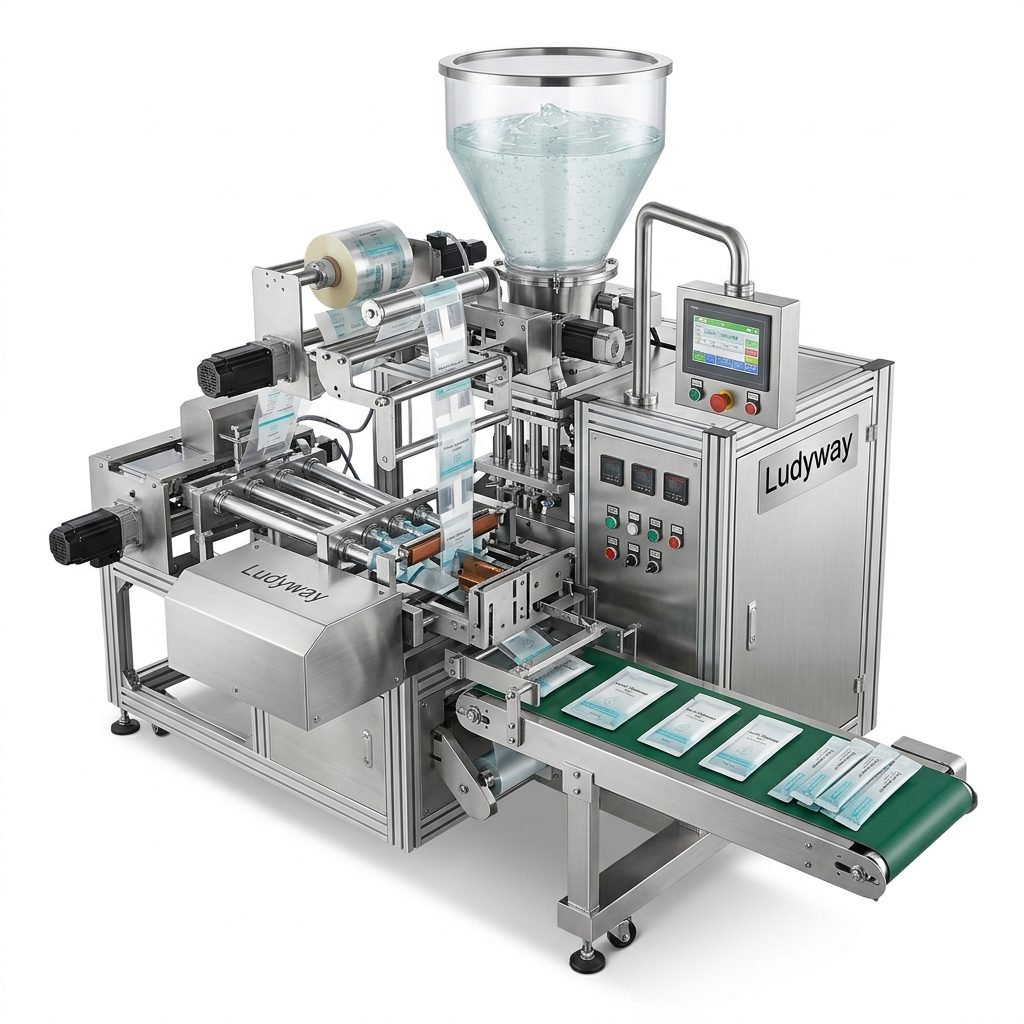
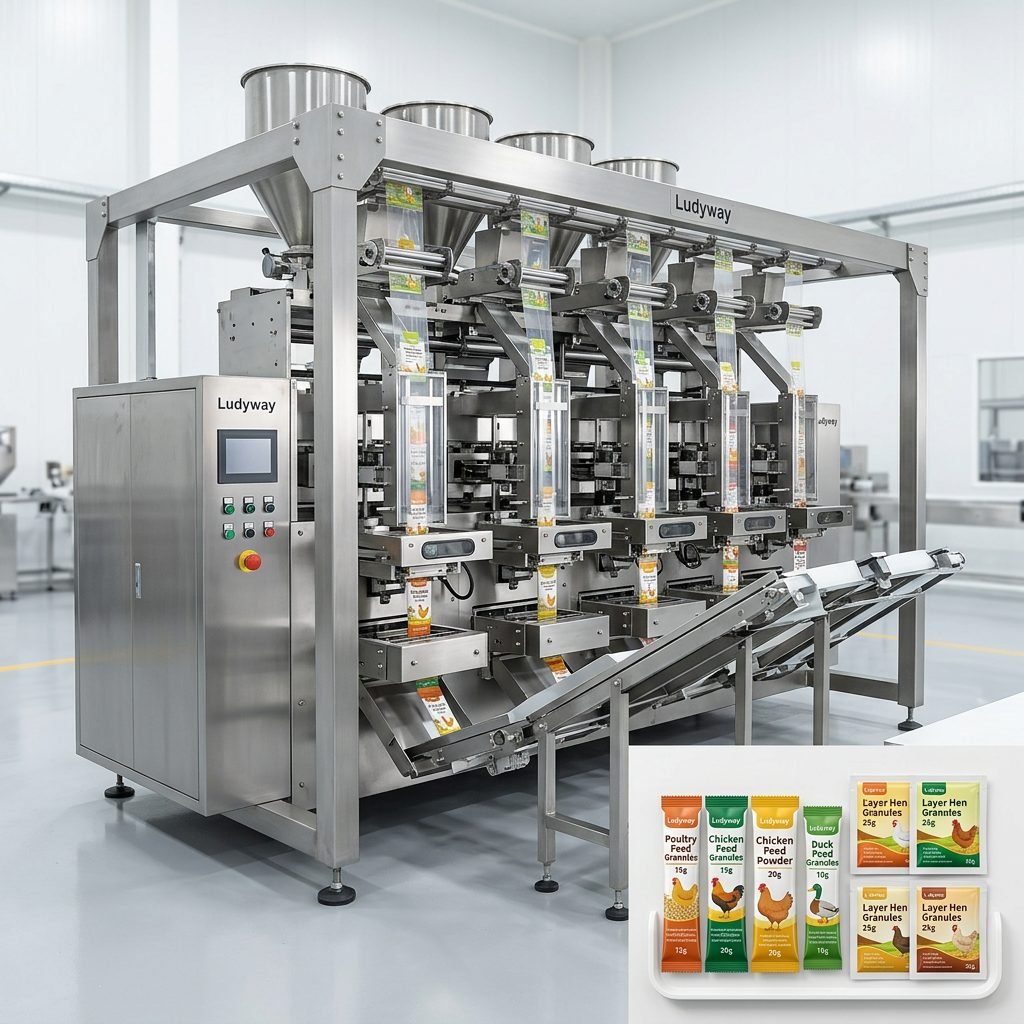
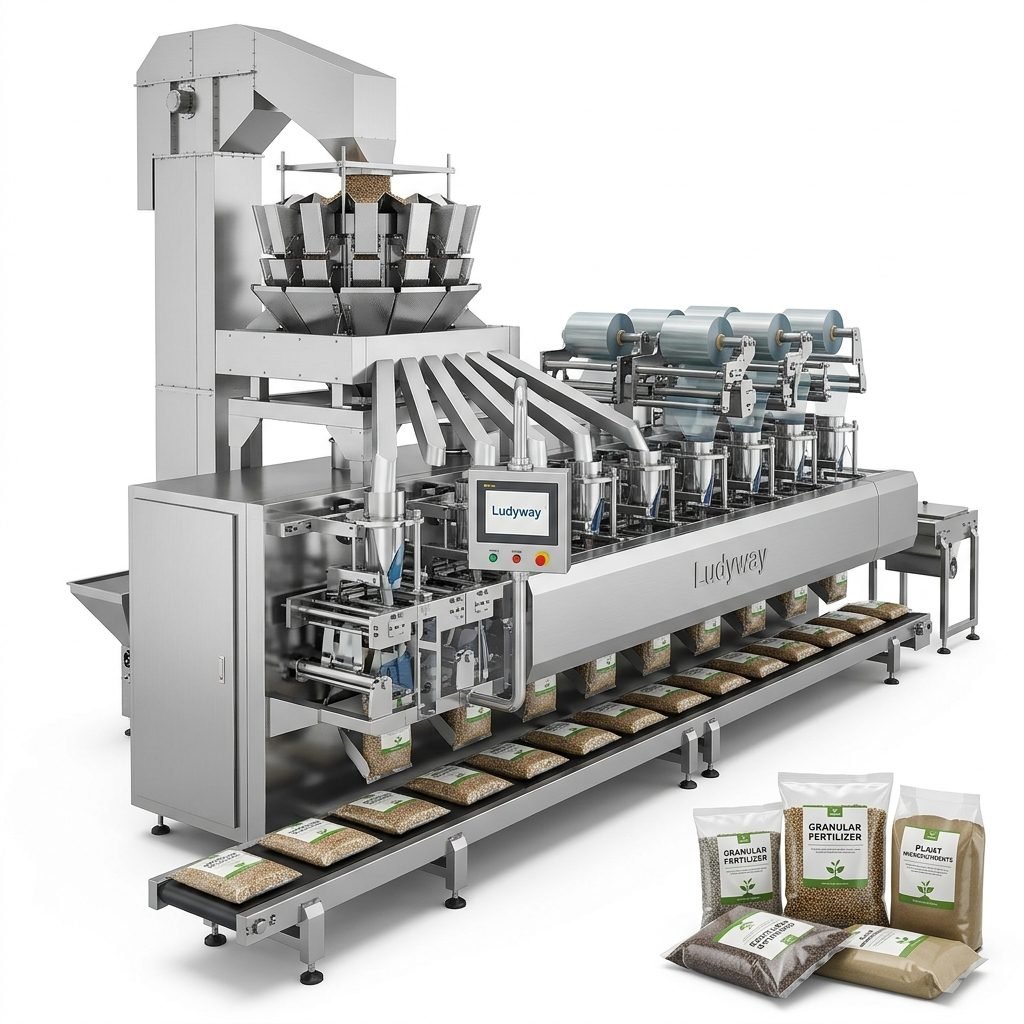
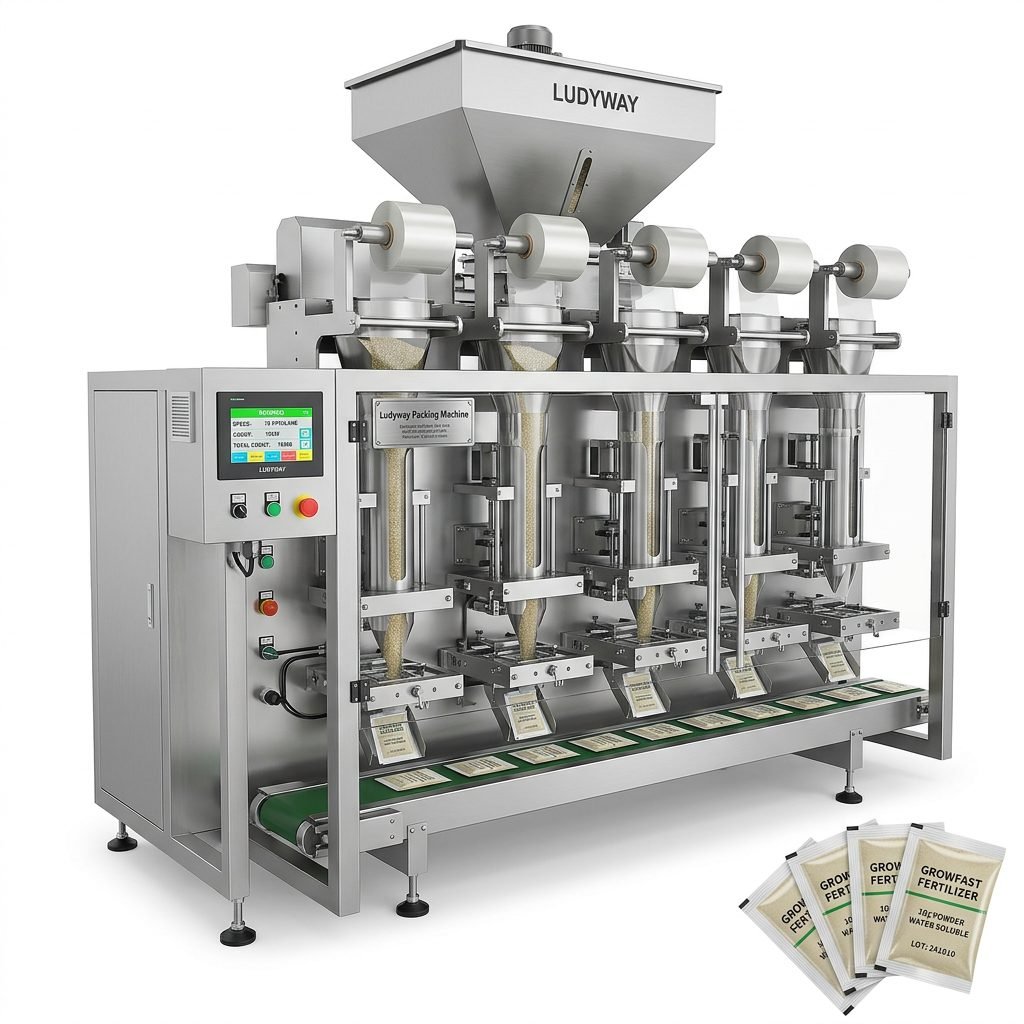
Investing in a tabletop blister packaging machine for tea is a strategic move for small to medium-sized producers looking to enhance product presentation and extend shelf life. The cost of these compact systems varies significantly based on automation, output, and customization. Understanding the price range helps you budget effectively without compromising on the quality your premium tea blends deserve.
Key Factors Influencing Tabletop Blister Machine Pricing
The final price tag on your equipment isn’t arbitrary; it’s a direct reflection of engineering complexity and material compatibility. Here’s what dictates the investment required for your tea packaging line.
- Automation Level: Manual and semi-automatic models are the most affordable entry points. Fully automatic packaging machinery with auto-feeding and cutting systems commands a premium but drastically reduces labor costs.
- Tooling & Cavity Configuration: The number of cavities in the die mold directly correlates with throughput. A single-cavity tabletop blister sealer is much cheaper than a multi-cavity system capable of producing thousands of tea pods per hour.
- Material Compatibility: Machines capable of sealing aluminum-plastic composites or biodegradable films often require precise temperature controls and higher-grade sealing platens, increasing the cost compared to standard PVC-only sealers.
- Integration & Footprint: A standalone desktop unit is cost-effective, but integrating a small conveying and coding system for date printing will add to the total system expenditure.
Price Range Breakdown by Machine Type
The following table provides a transparent overview of the investment landscape for tabletop blister packaging solutions specifically optimized for tea bags and pods.
| Machine Category | Price Range (USD) | Best Suited For |
|---|---|---|
| Manual Tabletop Blister Sealer | $1,500 – $5,000 | Startups, R&D labs, and small-batch artisan tea producers. |
| Pneumatic Semi-Automatic Machine | $5,000 – $15,000 | Growing brands seeking consistent sealing pressure without full automation. |
| Automatic Flat-Plate Blister Packer | $15,000 – $40,000 | Medium-volume producers needing 30-50 cycles per minute. |
| Continuous Rotary Blister System | $35,000 – $80,000+ | High-volume tea factories with continuous 24/7 operation demands. |
Why Tabletop Blister Packaging Outperforms Traditional Methods for Tea
Switching to a tabletop blister format offers more than just a premium unboxing experience. It solves critical supply chain challenges for tea manufacturers. According to FDA packaging guidelines, barrier protection is vital for moisture-sensitive products.
Superior Protection for Premium Leaves
Unlike loose pouches, a blister pack acts as a robust barrier against oxygen and moisture. This is particularly crucial for delicate teas like matcha or white teas, ensuring the volatile aromatic oils are locked in until the moment the consumer breaks the seal. The flexible packaging industry recognizes this as the gold standard for field-to-cup freshness.
Portion Control and Dose Accuracy
For functional teas and nutraceutical infusions, exact dosing is non-negotiable. Tabletop blister packaging machines utilize volumetric or auger fillers to guarantee precise gram weight in every cavity, minimizing product giveaway and maximizing your profit margins.
Essential Features to Verify Before Purchasing
Before finalizing your procurement list, cross-reference these critical specifications to avoid costly retrofits later.
- Forming Area Dimensions: Ensure the maximum forming depth can accommodate thicker tea varieties or 3D tea objects like compressed tea buds.
- Sealing Temperature Range: Look for PID temperature controllers that maintain accuracy within ±2°C. This prevents scorching of the lidding film or weak seal integrity.
- Quick-Change Tooling: If you plan to launch multiple SKUs—like tea extract capsules and leaf pods—a tool-less changeover system will save significant downtime.
- Gas Flushing Compatibility: For oxygen-sensitive organic teas, an integrated nitrogen flushing system is non-negotiable to preserve color and potency.

The Total Cost of Ownership: Beyond the Initial Price
A clearer budget picture emerges when you factor in ancillary expenses. The listed machine price is only the starting point.
- Consumables: The cost of forming film and heat-seal lidding foil. Opting for eco-friendly biodegradable films typically raises the material cost by 15-25%.
- Spare Parts: Budget approximately 3-5% of the machine cost annually for sealing gaskets, cutting knives, and Teflon-coated plates.
- Validation & Compliance: Depending on your export markets, you may need IQ/OQ/PQ documentation, which can add $2,000-$5,000 to the initial setup.
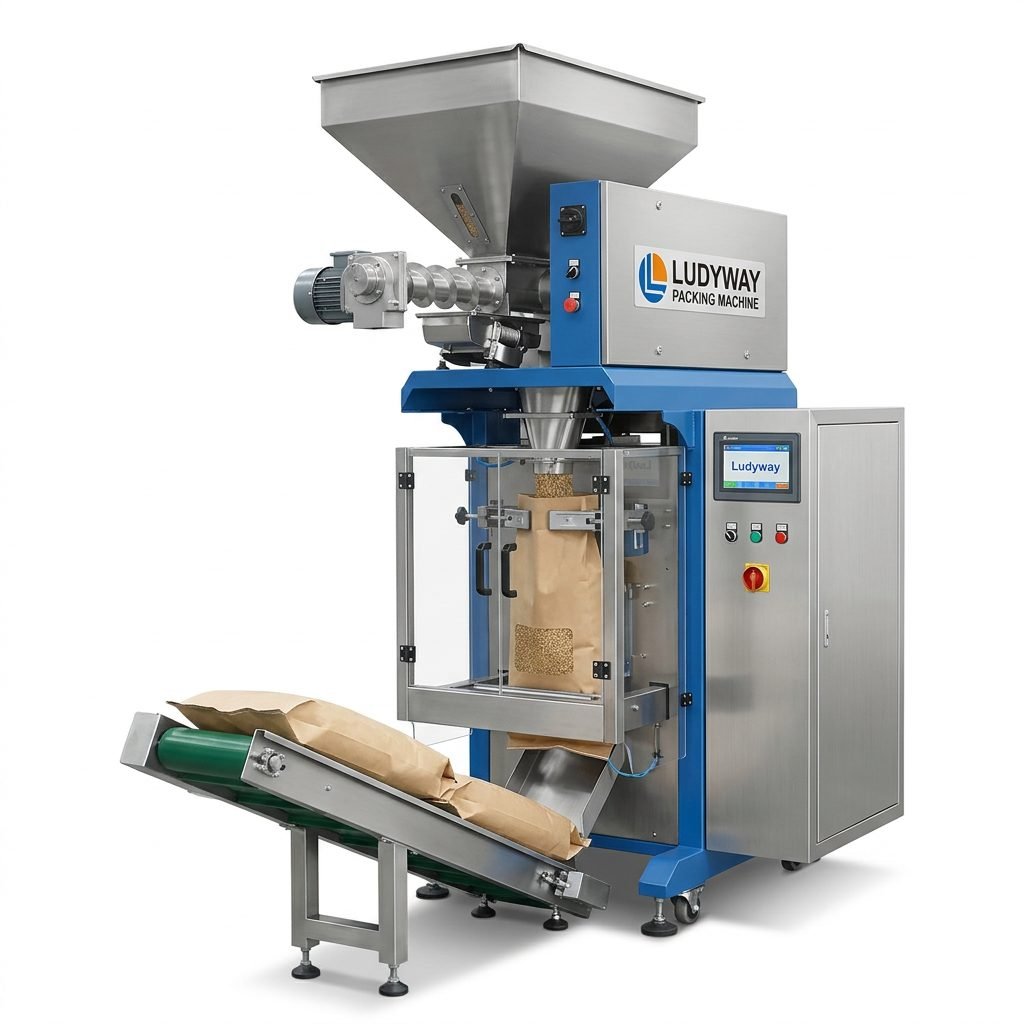
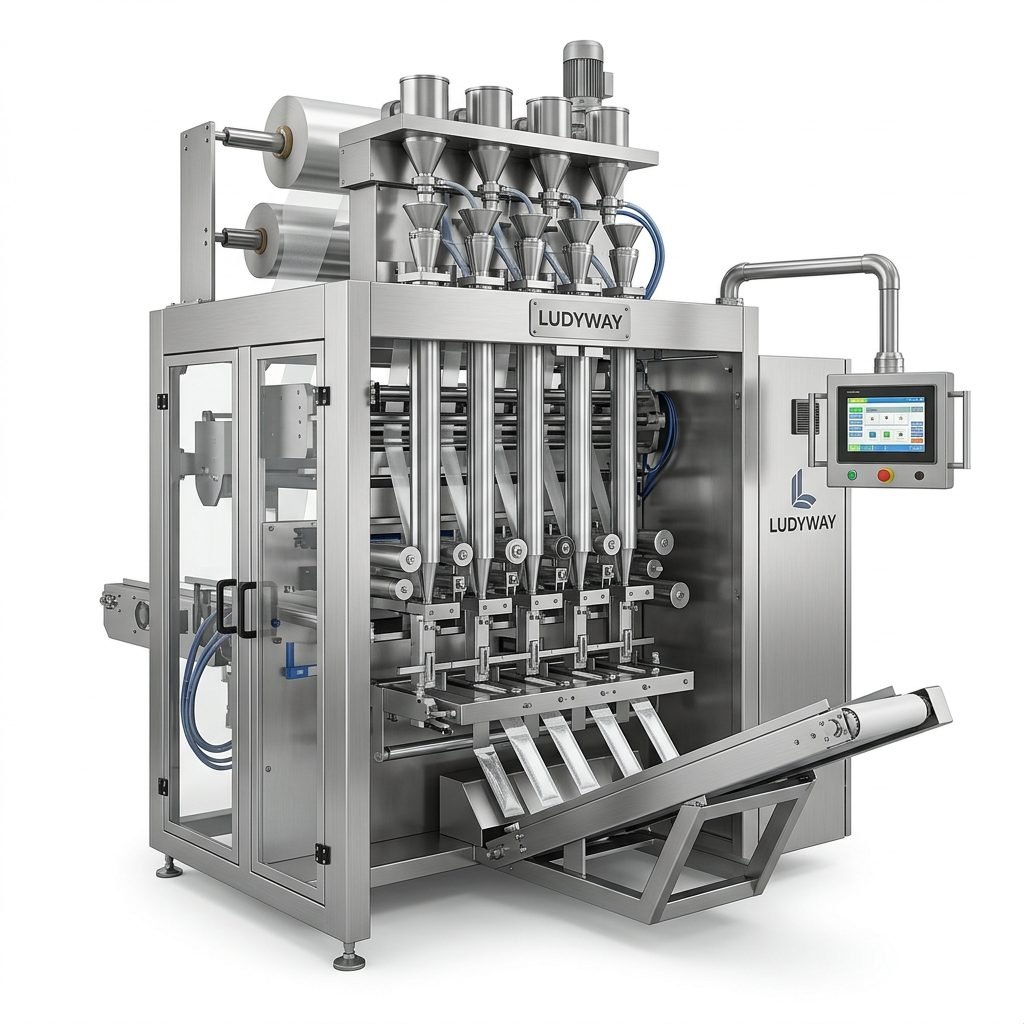
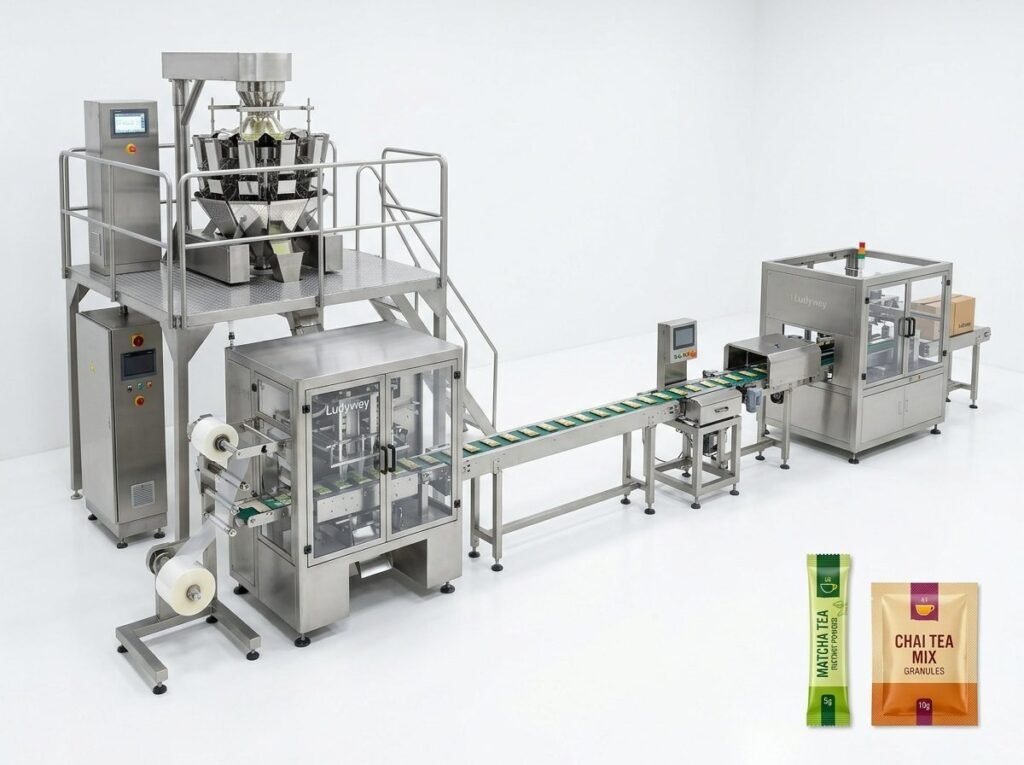
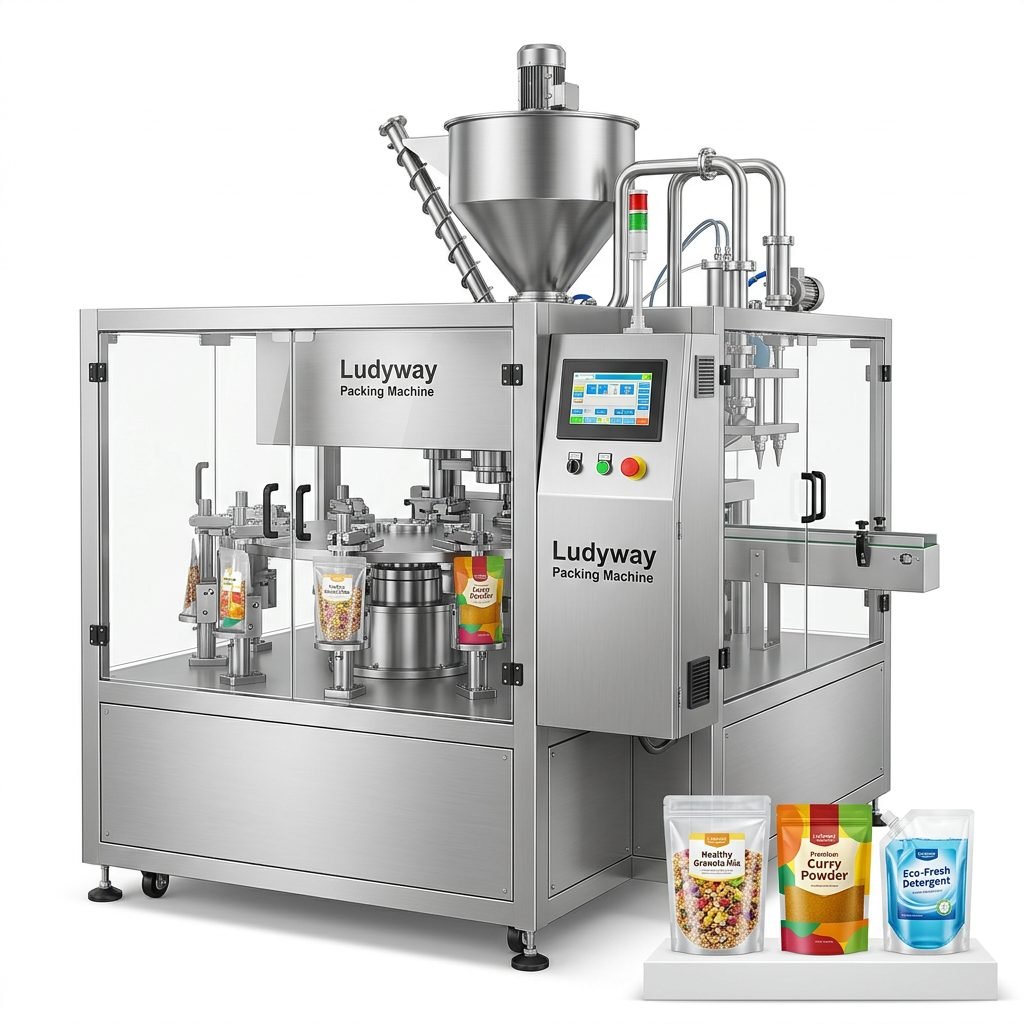
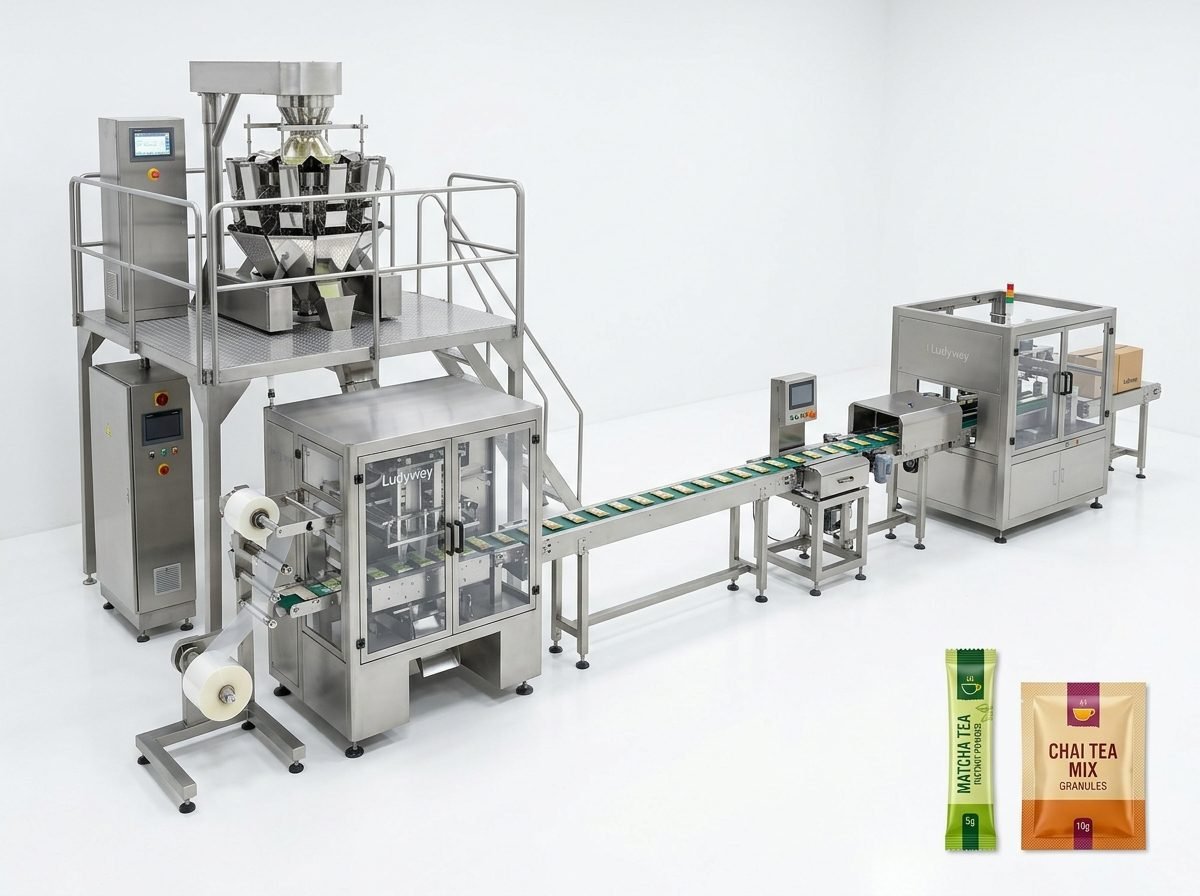
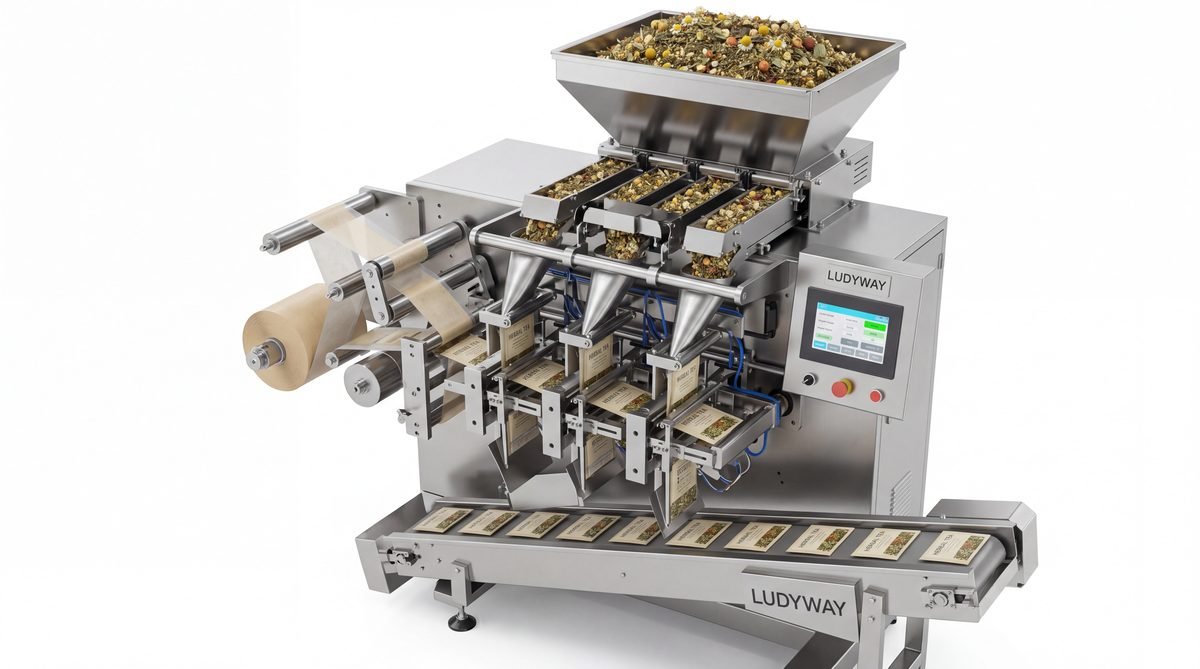
For businesses aiming to scale their tea production with high reliability, partnering with experienced packaging machine manufacturers is key. Ludyway, with its extensive portfolio of over 50 intelligent packaging machine models and a 30-year track record, engineers turnkey solutions that bridge the gap between compact tabletop design and heavy-duty industrial output. Their expertise spans from multi-lane stick pack systems to fully automated blister seating lines, serving customers in over 100 countries from their modern 20,000㎡ manufacturing facility.
Related Packaging Technology Resources
For deeper insights into packaging standardization and machinery validation, explore these authoritative industry hubs:
- PMMI State of the Industry Reports
- ISO Packaging Standards Framework
- European Commission Packaging Waste Regulations
Making the Final Investment Decision
Choosing the right tabletop blister packaging machine for tea requires a delicate balance between your current production volume and your five-year growth projections. While the upfront capital ranges from $1,500 to over $80,000, the return on investment manifests quickly through reduced labor, fewer product returns due to spoilage, and a dramatic elevation in brand perception. Always request physical sample runs with your specific tea material before committing, as bulk density and flow characteristics heavily influence the final line speed you can achieve.