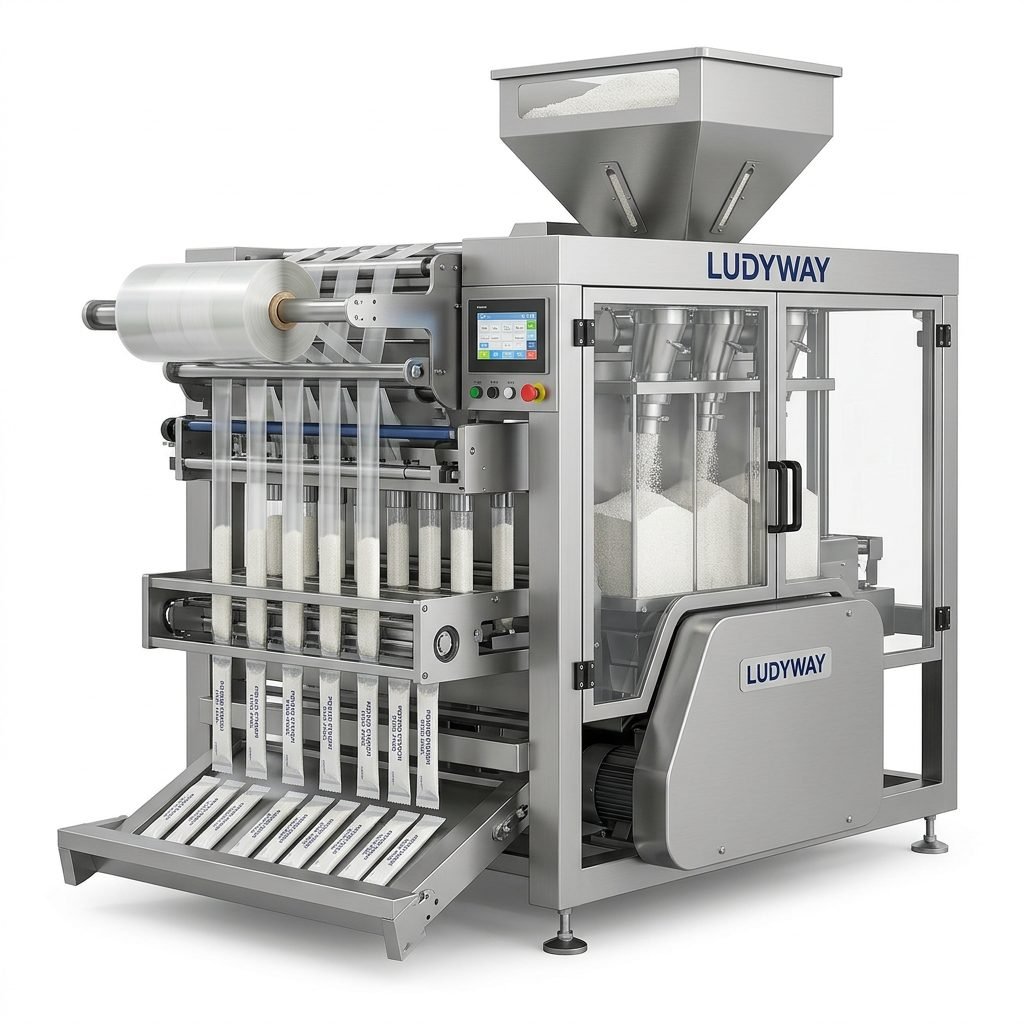
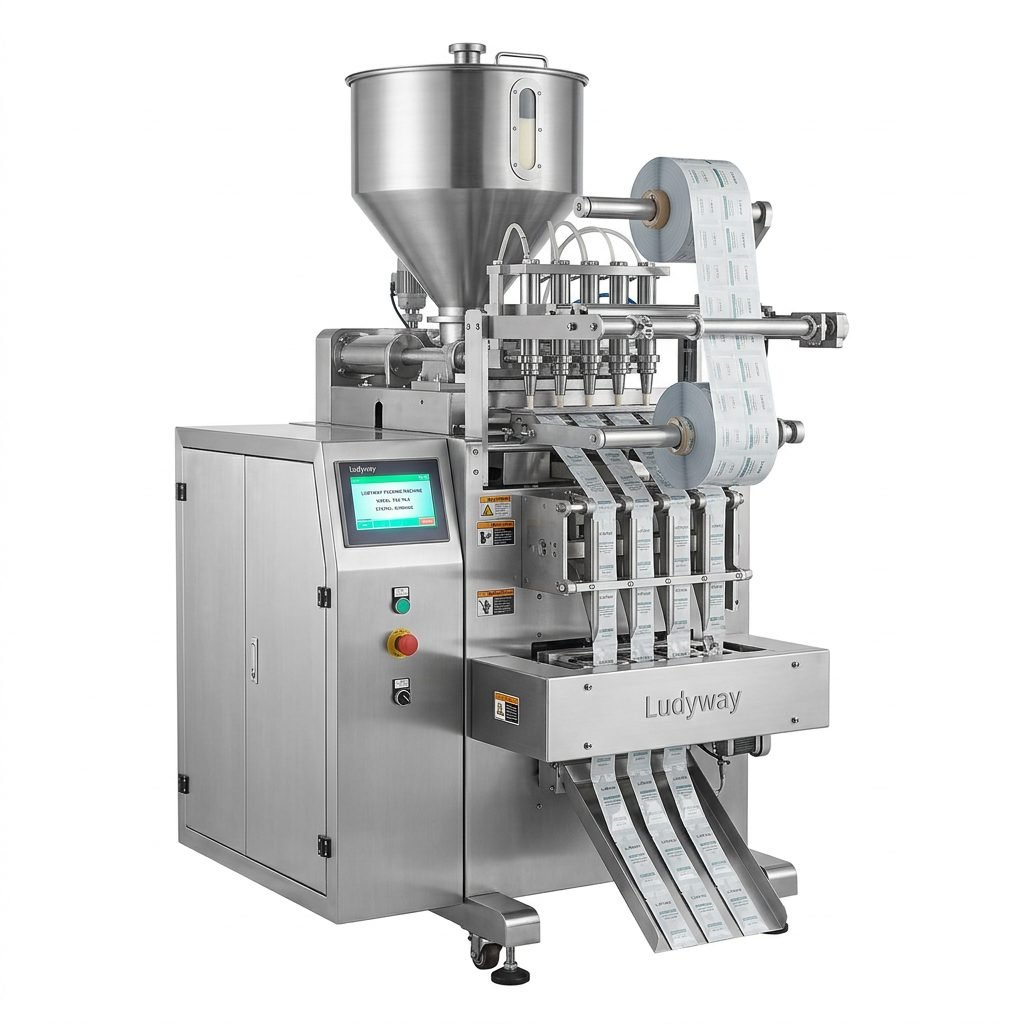
The demand for meal kit packaging machine production lines in Africa is growing rapidly as consumer preferences shift toward convenient, portion-controlled food solutions. Setting up such a production line requires careful planning, from understanding local market dynamics to selecting the right equipment. This guide walks you through every critical step to establish a successful meal kit packaging operation on the African continent.
Understanding the African Meal Kit Market Opportunity
Africa’s food packaging industry is experiencing unprecedented growth. Urbanization, a rising middle class, and changing dietary habits are driving demand for packaged meal solutions. Countries such as Nigeria, South Africa, Kenya, Ghana, and Ethiopia represent key markets where meal kit services and retail-ready packaged meal components are gaining traction. According to industry data from the PMMI Business Intelligence reports, the packaging machinery sector in emerging markets continues to expand at a compound annual growth rate exceeding 7%.
Meal kits typically contain multiple components—seasoning sachets, sauce pouches, dried ingredient packs, and sometimes liquid marinades. This diversity requires a flexible and multi-functional packaging line capable of handling granules, powders, liquids, and pastes within a single integrated system.
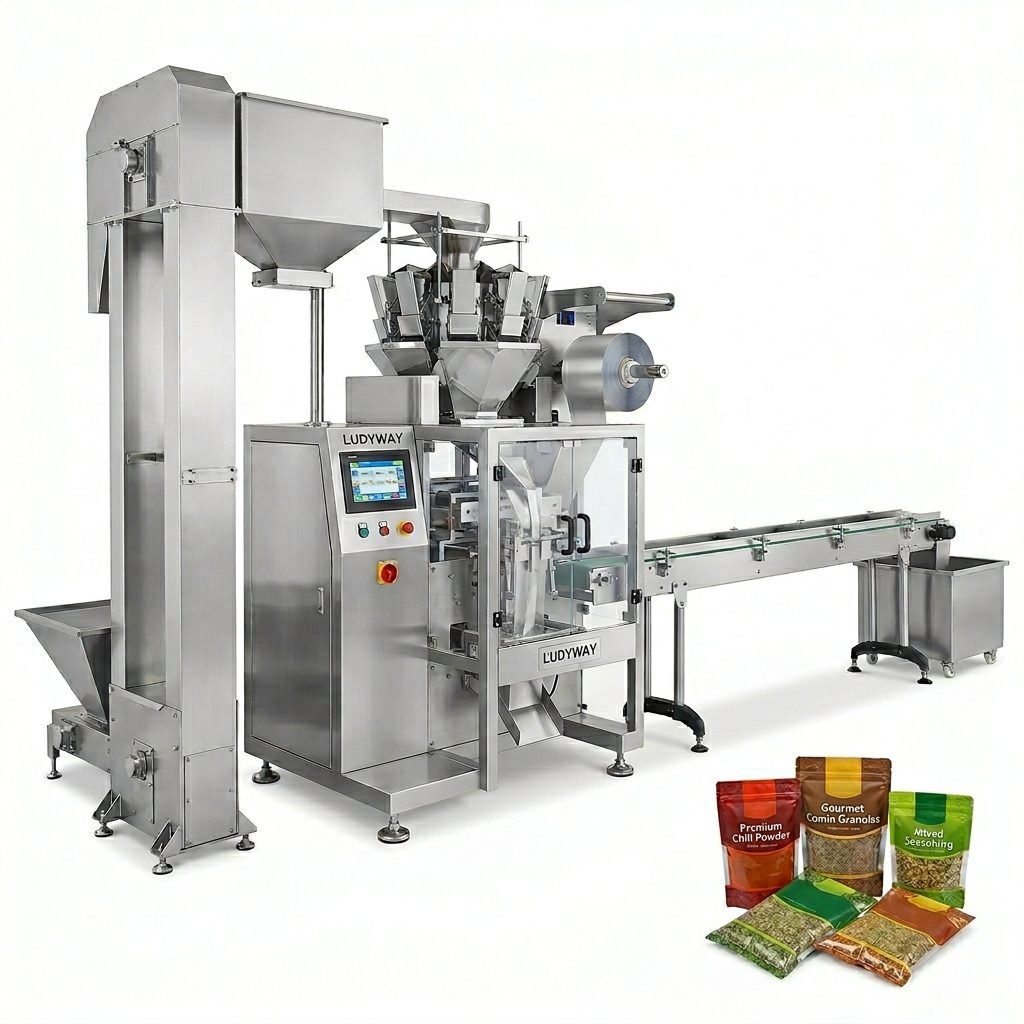
Key Components of a Meal Kit Packaging Production Line
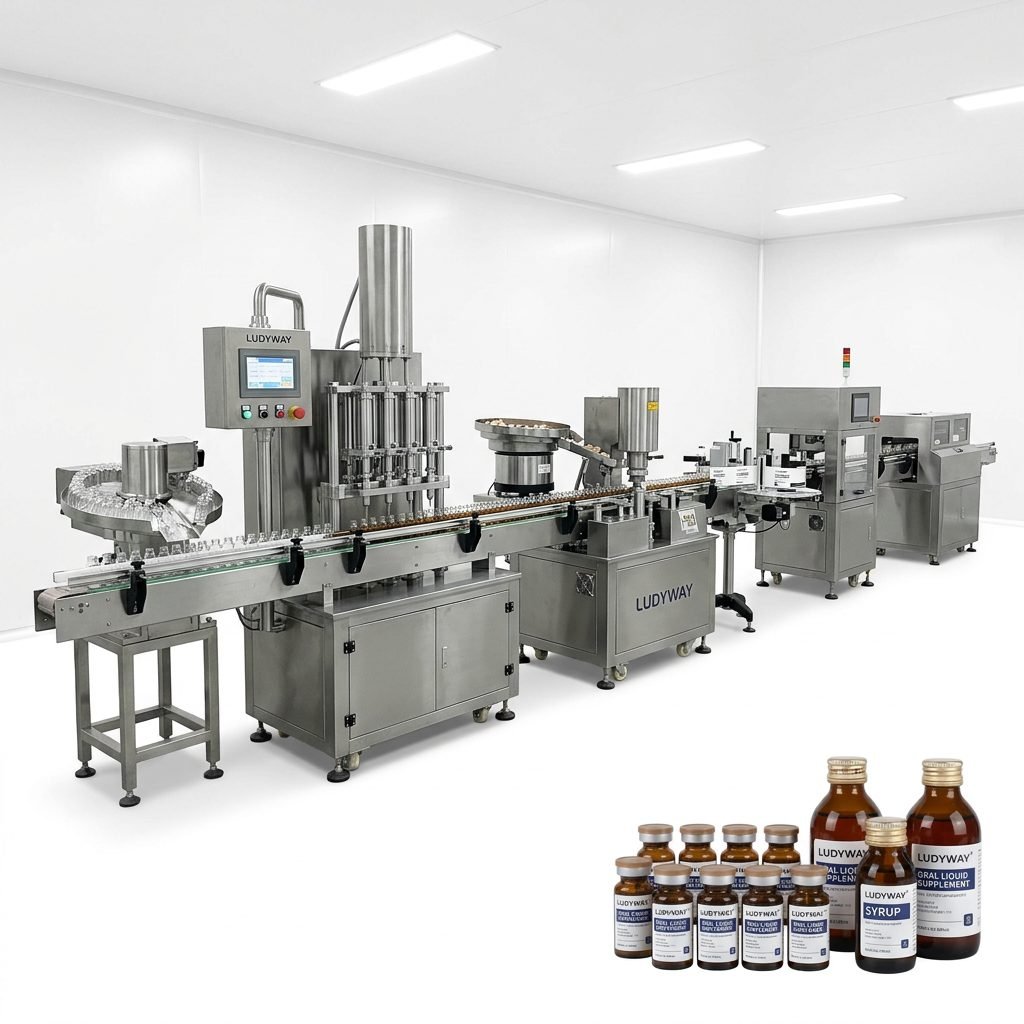
A complete meal kit packaging production line consists of several interconnected modules. Understanding each component helps you make informed procurement decisions and ensures smooth integration.
Primary Packaging Equipment
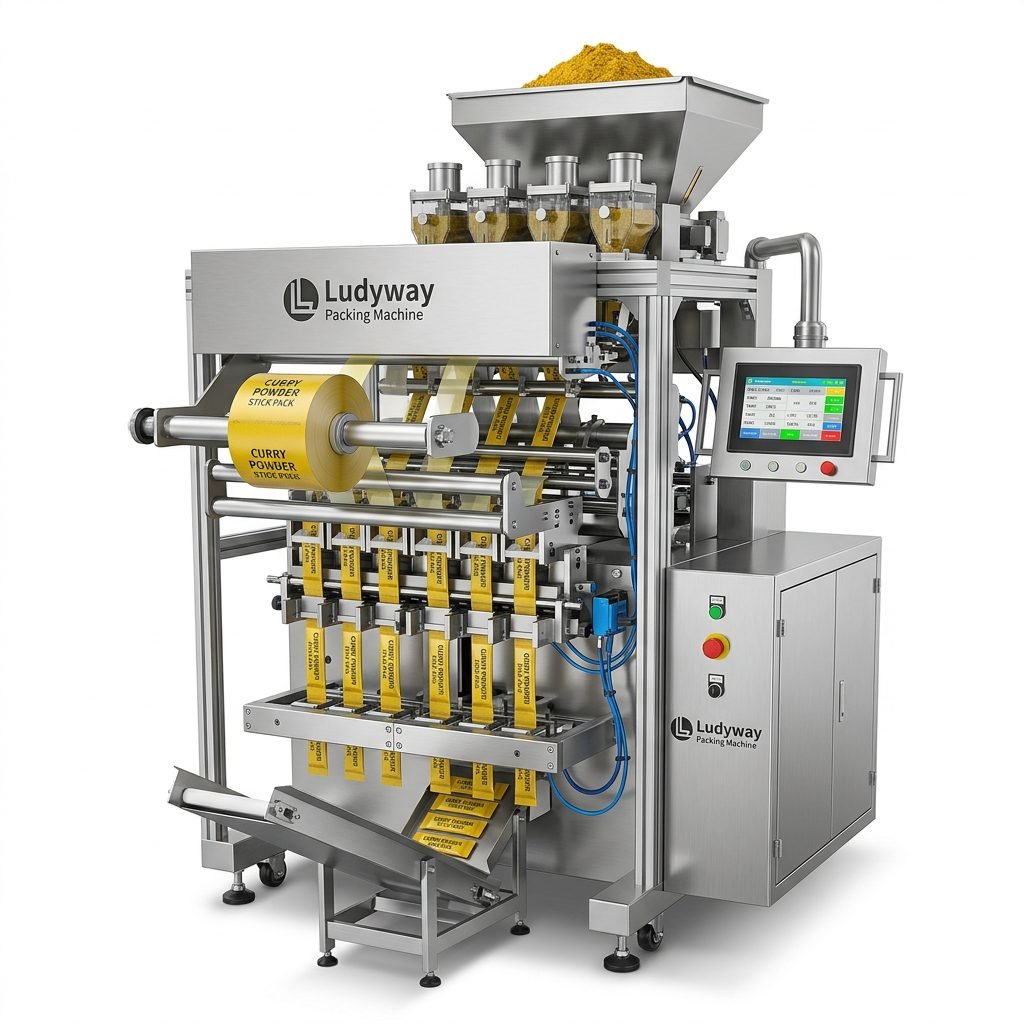
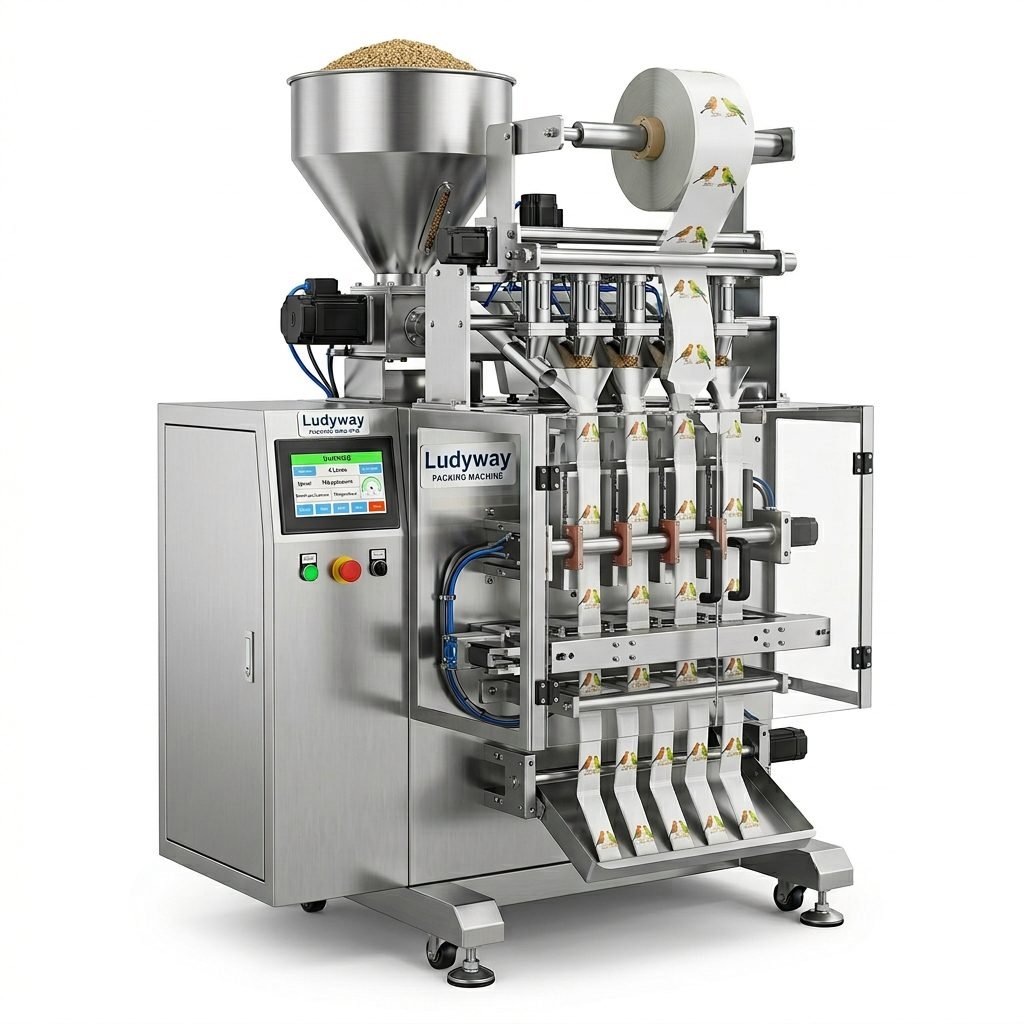
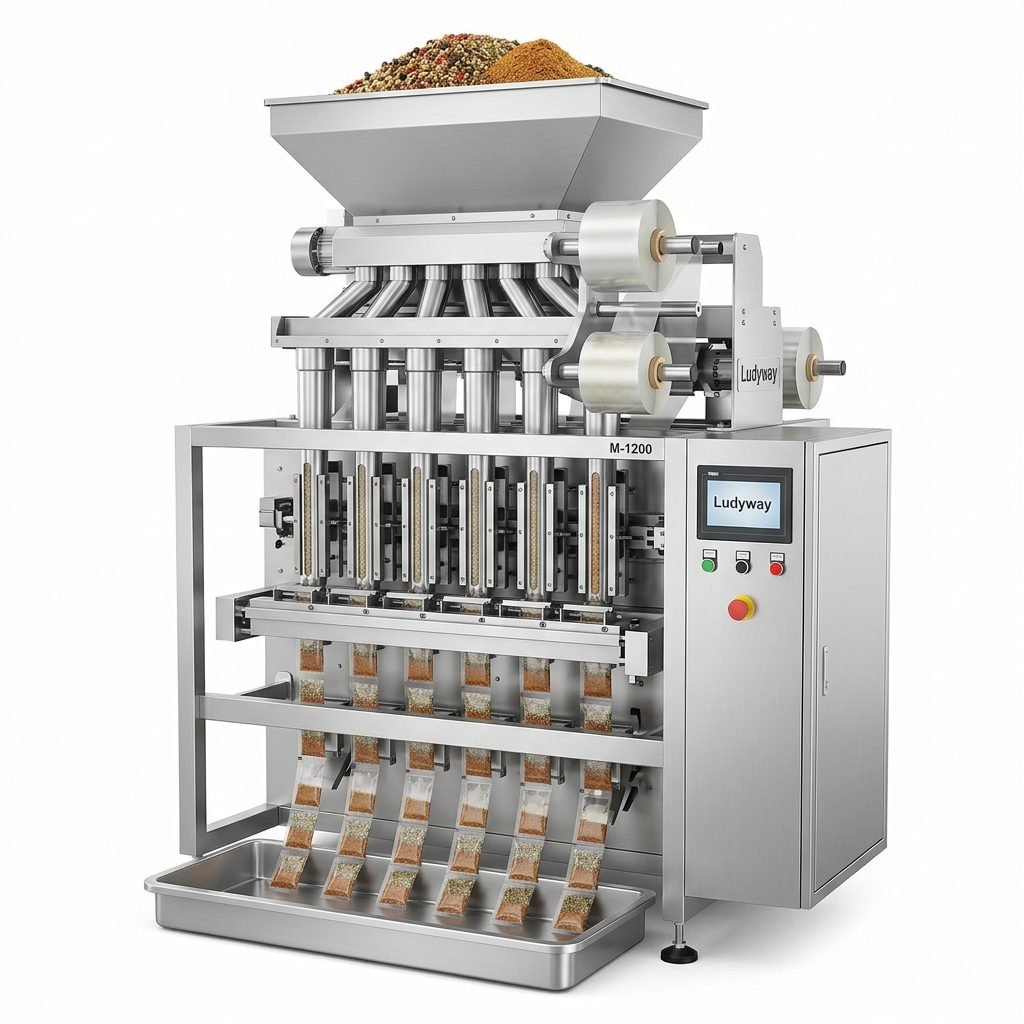
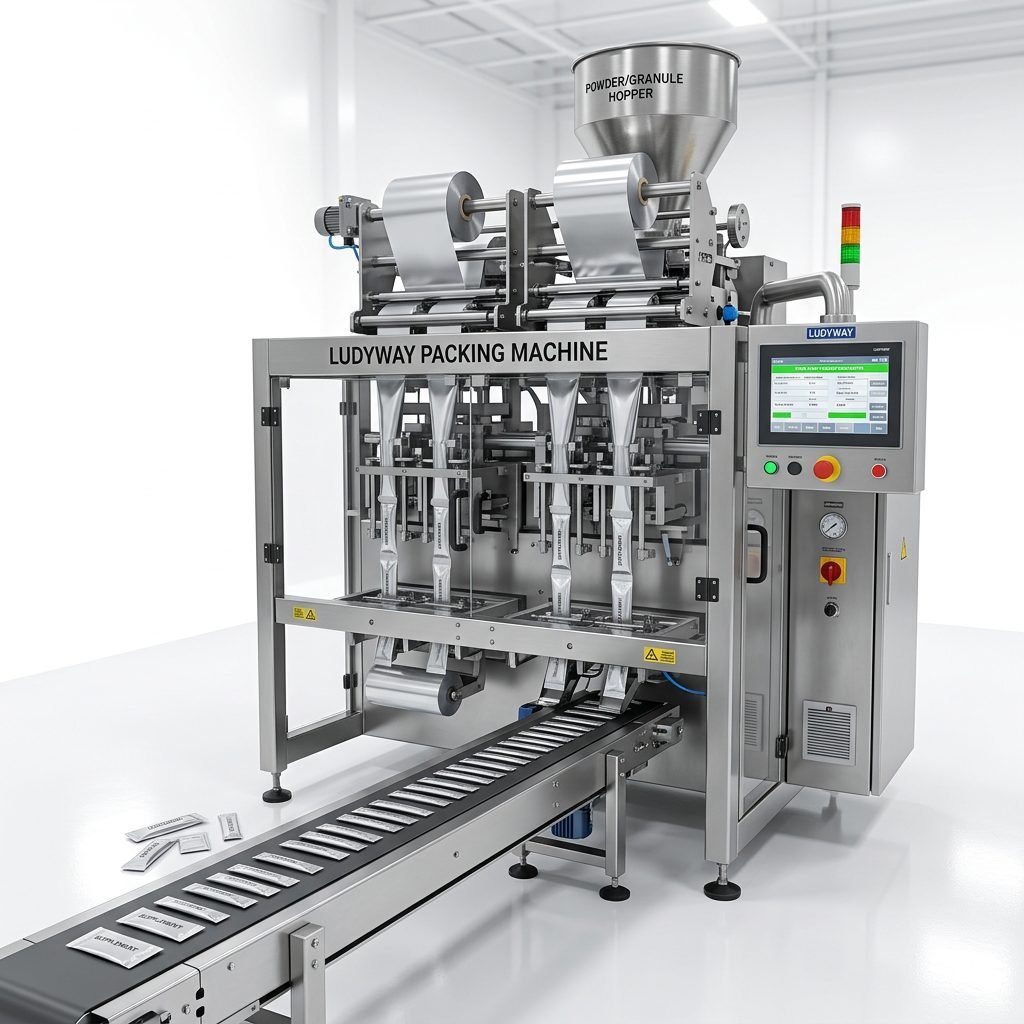
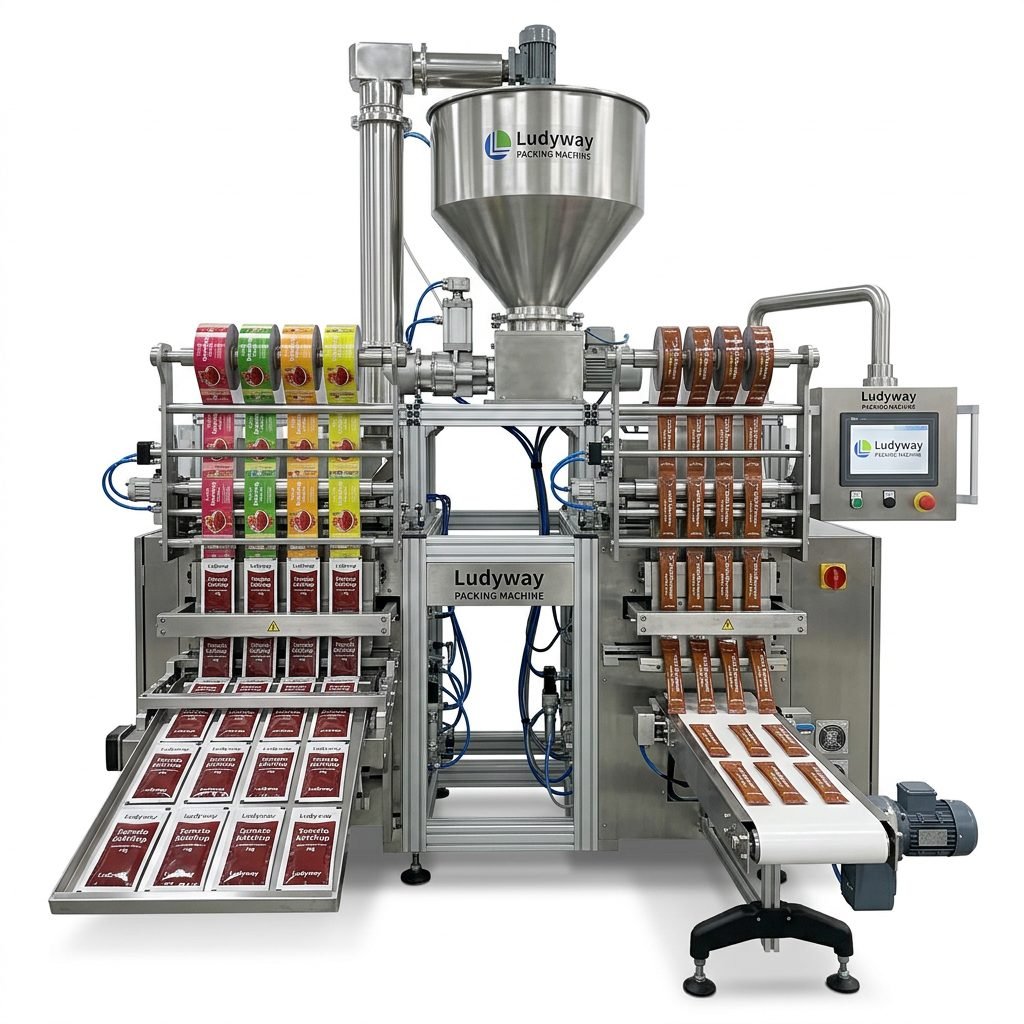
- Multi-Lane Stick Pack Machines: Ideal for single-serve powders like spices, sugar, or coffee creamer. These machines can produce up to 800 packs per minute across multiple lanes, making them highly efficient for high-volume meal kit production.
- Sachet Packaging Machines: Suitable for liquid components such as sauces, dressings, and marinades. Multi-lane sachet systems offer versatility across different pack sizes and film materials.
- Pouch Filling and Sealing Machines: For larger portion packs or multi-serving meal kit components, premade pouch systems provide excellent seal integrity and shelf appeal.
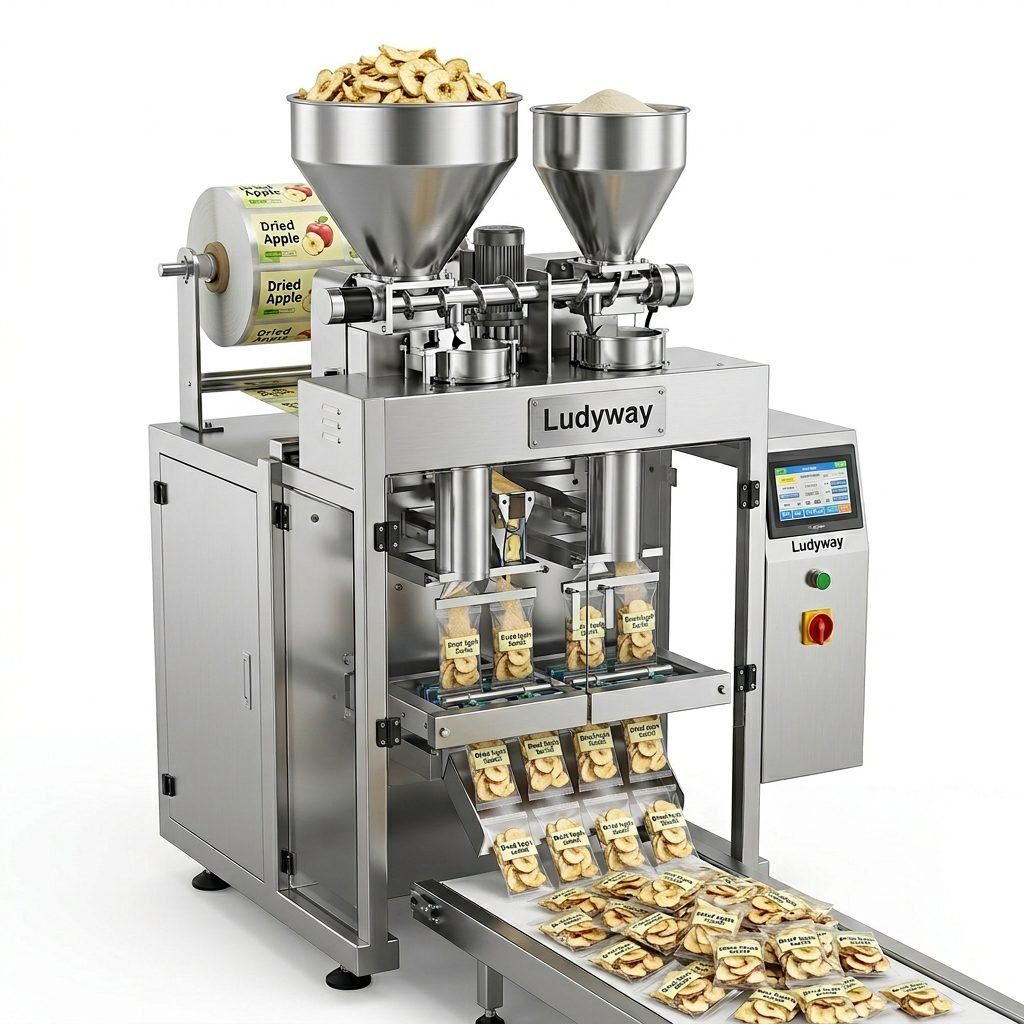
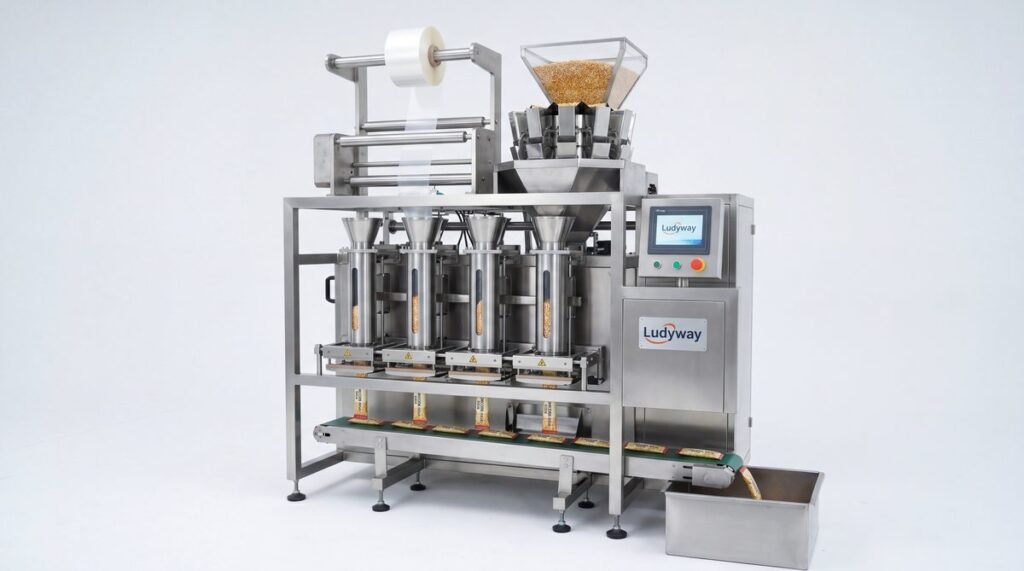
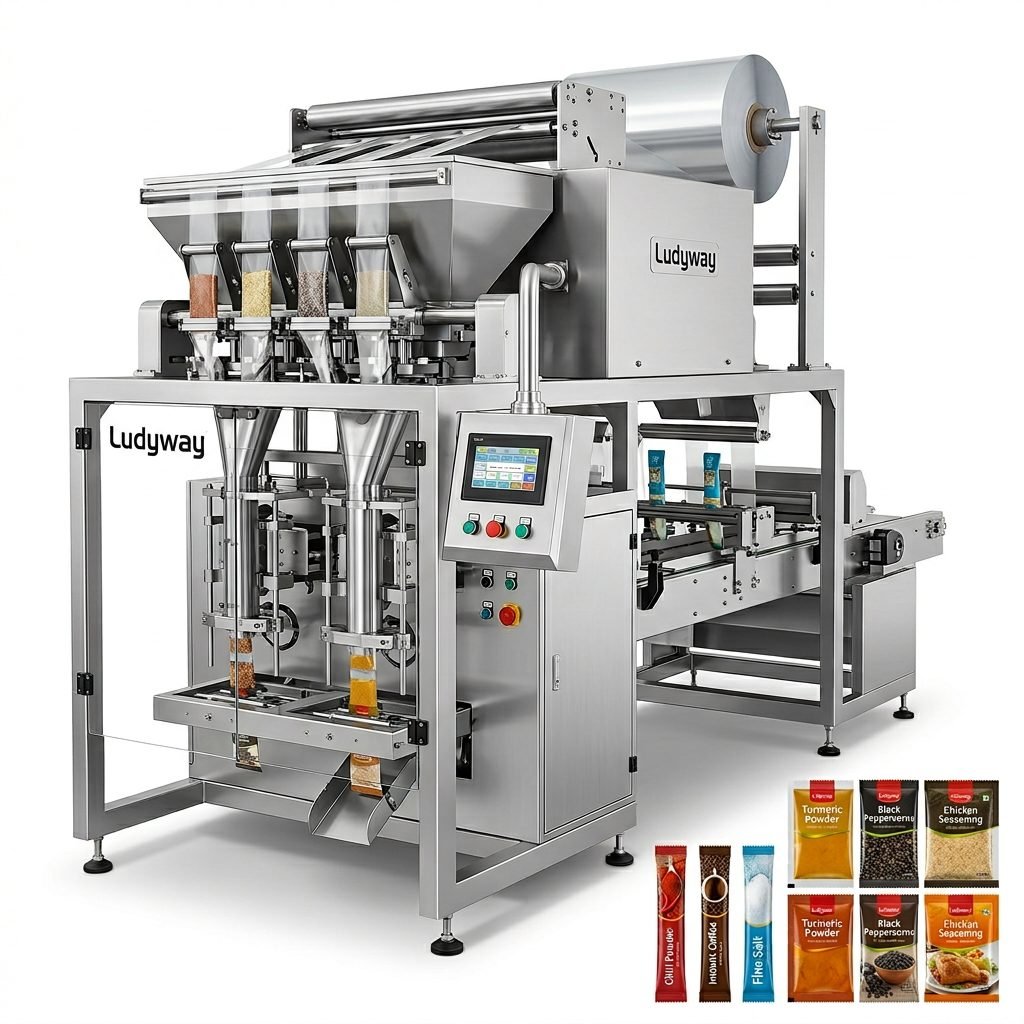
- Vertical Form Fill Seal (VFFS) Machines: These versatile machines handle a wide range of product types and are commonly used for both granule and powder packaging in meal kit applications.
Supporting Equipment
- Feeding and Conveying Systems: Bucket elevators, screw conveyors, and vibratory feeders ensure consistent product flow from bulk storage to the packaging stations.
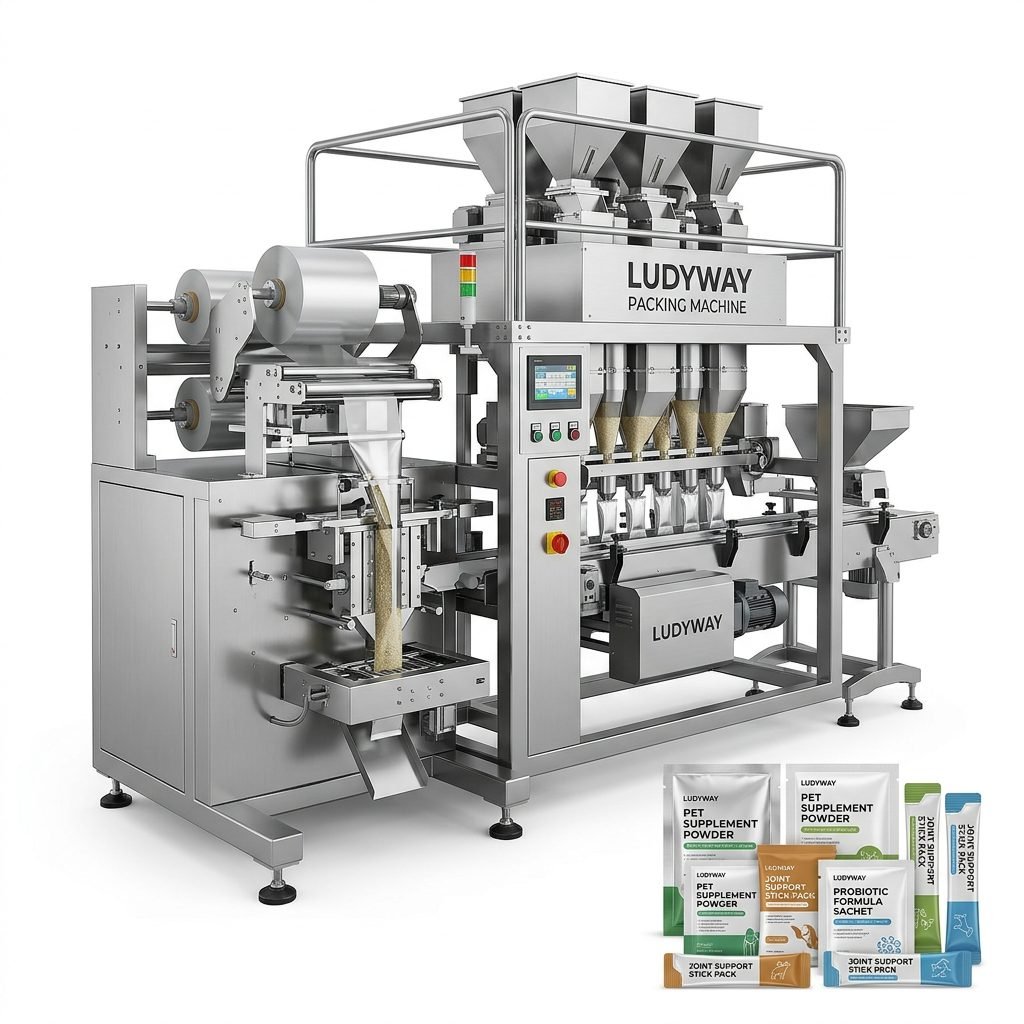
- Multi-Head Weighing Systems: Precision weighing is critical for meal kit components to ensure accurate portion control and regulatory compliance.
- Coding and Marking Machines: Date coders, batch printers, and labeling systems for traceability and compliance with African food safety regulations.
- Cartoning and Case Packing Systems: Automated cartoning lines that package individual sachets or stick packs into retail-ready cartons.
- Palletizing and Stretch Wrapping: End-of-line automation for efficient warehousing and distribution across African markets.
Quality Control Systems
Integrating quality control equipment ensures product safety and consistency. Essential systems include checkweighers, metal detectors, X-ray inspection systems, and vision inspection machines. These are particularly important when exporting meal kit products to markets with stringent food safety standards, as outlined by the FDA food packaging guidelines.
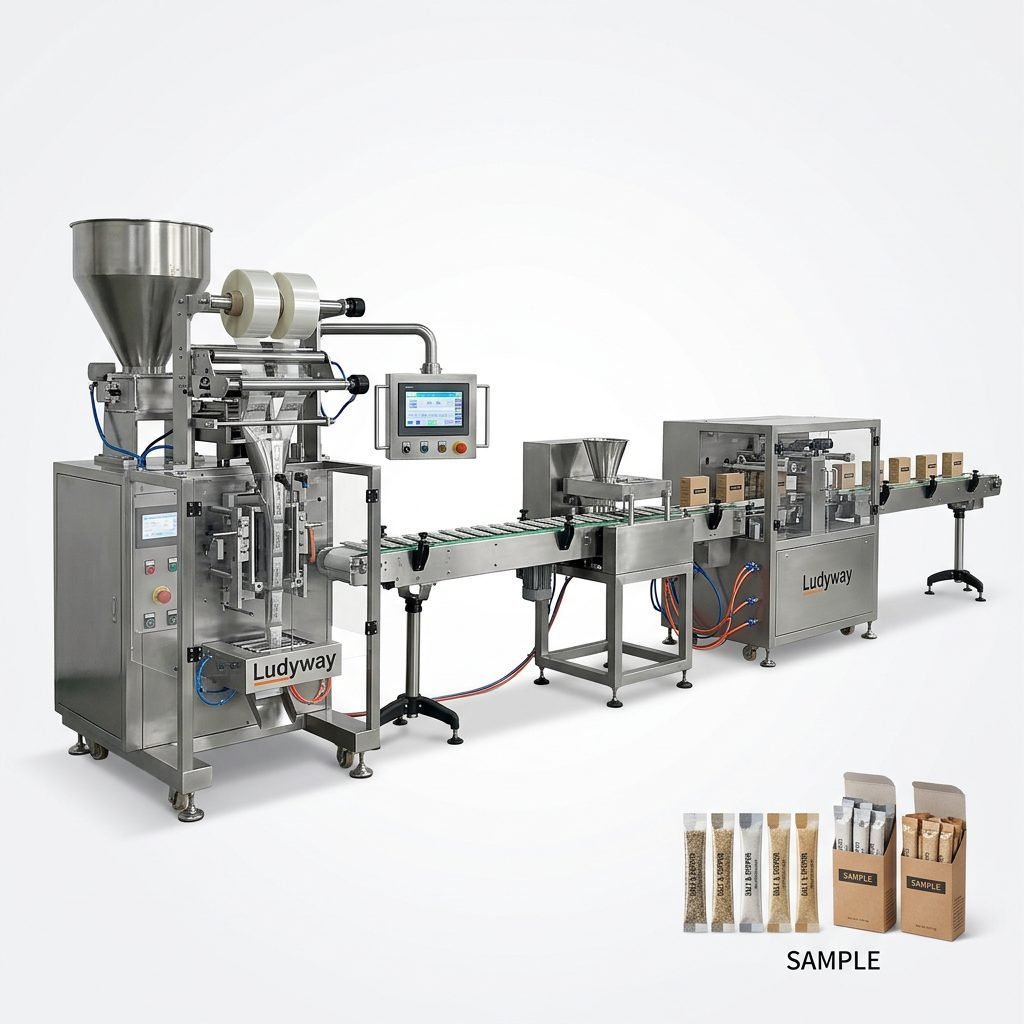
Step-by-Step Guide to Setting Up Your Production Line
1. Site Assessment and Preparation
Before equipment arrives, conduct a thorough site assessment. Evaluate floor space requirements, power supply stability, compressed air availability, and environmental conditions. Many African regions experience voltage fluctuations and high humidity, which necessitate power stabilizers and climate-controlled production areas. Floor load capacity must accommodate heavy machinery, and adequate clearance for material handling equipment should be factored into the layout design.
2. Equipment Selection and Procurement
Choosing the right machinery supplier is critical. Look for manufacturers with experience in multi-lane stick pack and sachet packaging systems who can provide turnkey solutions tailored to African operational conditions. Key evaluation criteria include:
- Machine versatility: Can the equipment handle multiple product types (powders, granules, liquids) with quick changeover?
- Spare parts availability: Does the supplier have a reliable parts distribution network serving Africa?
- Technical support: Is remote troubleshooting and on-site service available for African customers?
- Compliance certifications: Does the equipment meet ISO packaging standards and relevant food safety requirements?
3. Installation and Commissioning
Professional installation is essential for optimal machine performance. Engage qualified technicians for equipment setup, alignment, and calibration. The commissioning phase should include dry runs, product testing, and fine-tuning of all parameters. For meal kit production lines, particular attention must be paid to seal integrity testing and fill weight accuracy across all packaging stations. Documentation from organizations like the Flexible Packaging Association provides valuable reference standards for seal quality and material compatibility.
4. Training and SOP Development
Invest in comprehensive operator training covering machine operation, routine maintenance, troubleshooting, and safety protocols. Develop Standard Operating Procedures (SOPs) in local languages where appropriate. Well-trained operators are the foundation of consistent production output and extended equipment lifespan. This is especially important in African markets where skilled packaging machine operators may be in limited supply.
5. Ongoing Maintenance and Support
Establish a preventive maintenance schedule aligned with manufacturer recommendations. Maintain an inventory of critical spare parts locally to minimize downtime. Consider partnering with a packaging equipment supplier that offers remote diagnostic capabilities and regional service coverage across Africa.
Choosing the Right Packaging Machine for Meal Kit Components
Different meal kit components require different packaging approaches. The table below provides a comparative overview to guide your equipment selection:
| Meal Kit Component | Product Type | Recommended Machine | Typical Output Range |
|---|---|---|---|
| Seasoning Mixes | Powder / Granule | Multi-Lane Stick Pack Machine | 200-800 packs/min |
| Sauce and Marinade | Liquid / Paste | Multi-Lane Sachet Machine | 150-600 packs/min |
| Dried Herbs and Spices | Granule | VFFS with Multi-Head Weigher | 60-120 packs/min |
| Rice and Grain Portions | Granule | Premade Pouch Filling Machine | 40-80 packs/min |
| Oil and Dressing | Liquid | Liquid Sachet Filling Machine | 100-400 packs/min |
| Dessert and Baking Mixes | Powder | Multi-Lane Stick Pack System | 200-700 packs/min |
Regulatory Compliance and Food Safety in Africa
Navigating the regulatory landscape is essential for meal kit producers in Africa. Each country has its own food safety authority, and compliance requirements vary. Key considerations include:
- Labeling requirements: Ingredient lists, nutritional information, allergen warnings, and expiration dates must comply with local regulations. Reference the Flexible Packaging Association regulatory affairs resources for guidance on international standards.
- Packaging material safety: All food-contact materials must meet safety standards. The FDA food contact substances framework provides a useful benchmark even for non-U.S. markets.
- Halal and other certifications: In many African markets, Halal certification is a significant market access requirement for meal kit products.
- Shelf life and barrier properties: Packaging films must provide adequate moisture, oxygen, and light barrier properties to maintain product quality in Africa’s often challenging climate conditions.
Cost Considerations and ROI Analysis
Investing in a meal kit packaging machine production line represents a significant capital expenditure. However, the return on investment can be substantial given Africa’s growing demand for convenience food products. Key cost factors include:
- Equipment purchase or lease: New vs. refurbished machinery, financing options, and import duties applicable in the destination country.
- Installation and training: Budget for professional installation services and comprehensive operator training programs.
- Packaging materials: Film stock, cartons, labels, and other consumables—consider local sourcing options to reduce costs and lead times.
- Operational costs: Labor, utilities, maintenance, and spare parts inventory.
- Regulatory compliance: Testing, certification, and ongoing quality assurance expenses.
A well-planned production line can achieve payback within 18-36 months, depending on production volume and market penetration strategy. Industry data from PMMI’s State of the Industry reports indicates that automated packaging solutions consistently deliver higher throughput and lower per-unit costs compared to semi-automated alternatives.
Why Partner with an Experienced Packaging Machine Manufacturer
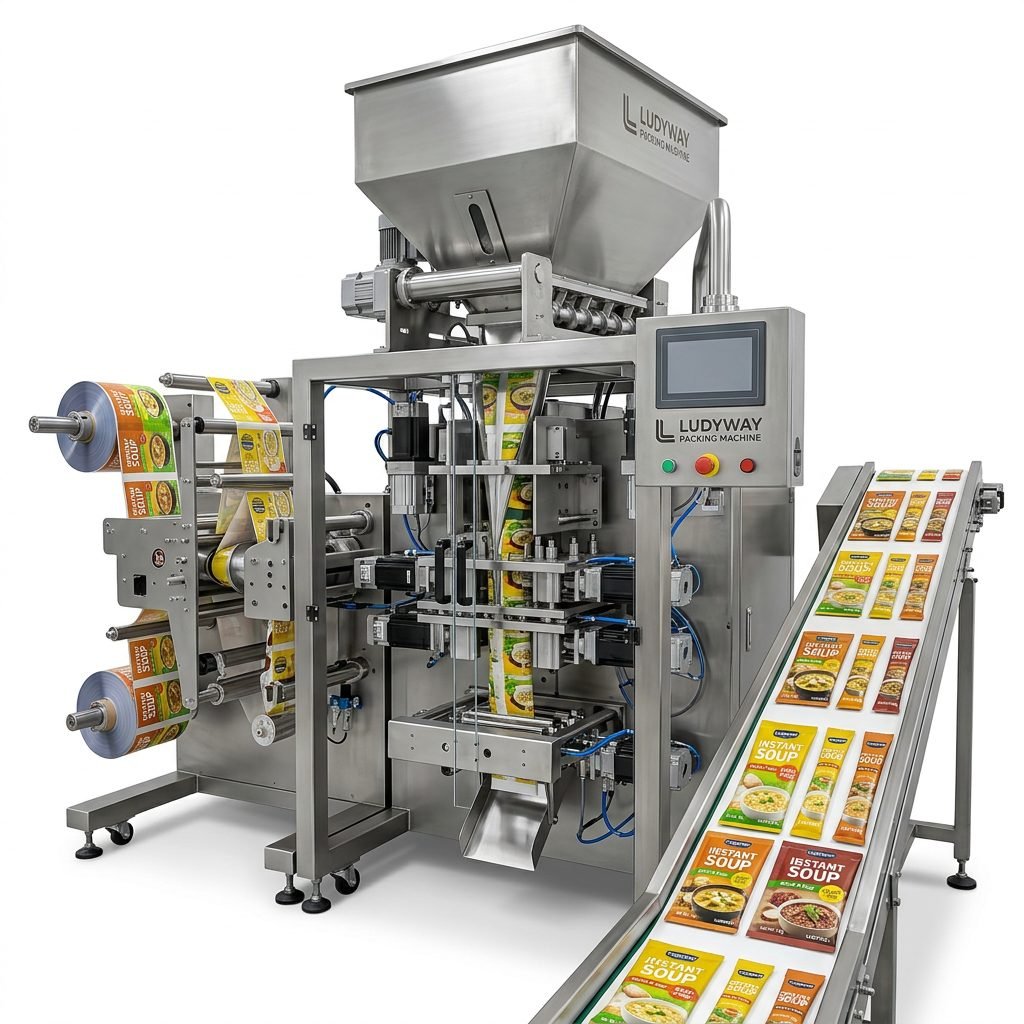
Selecting the right equipment partner can make or break your meal kit production venture. Ludyway is one of the largest packaging machine manufacturers in China, specializing in advanced packaging equipment and turnkey production solutions for the food, pharmaceutical, and health industries. With over 30 years of industry experience, a modern 20,000㎡ manufacturing facility, and more than 50 intelligent packaging machine models, including multi-lane stick pack, sachet, and fully automated packaging systems, Ludyway serves customers in over 100 countries and regions, delivering innovative, high-performance, and cost-effective packaging solutions that help businesses improve productivity, product quality, and operational efficiency.
Conclusion
Setting up a meal kit packaging machine production line in Africa is a strategic investment that requires careful planning, the right equipment, and reliable partners. By understanding the market, selecting appropriate machinery, ensuring regulatory compliance, and investing in training and maintenance, you can build a successful operation that capitalizes on Africa’s rapidly growing demand for convenient meal solutions. The combination of automated sachet packaging systems, multi-lane stick pack technology, and integrated quality control creates a production foundation capable of scaling with your business growth across the continent.
For further reading on packaging industry standards and best practices, explore resources from the PMMI packaging industry resources, Flexible Packaging Association, and European Commission packaging regulations. These organizations provide valuable guidance on equipment standards, material innovations, and sustainability practices relevant to modern meal kit packaging operations.