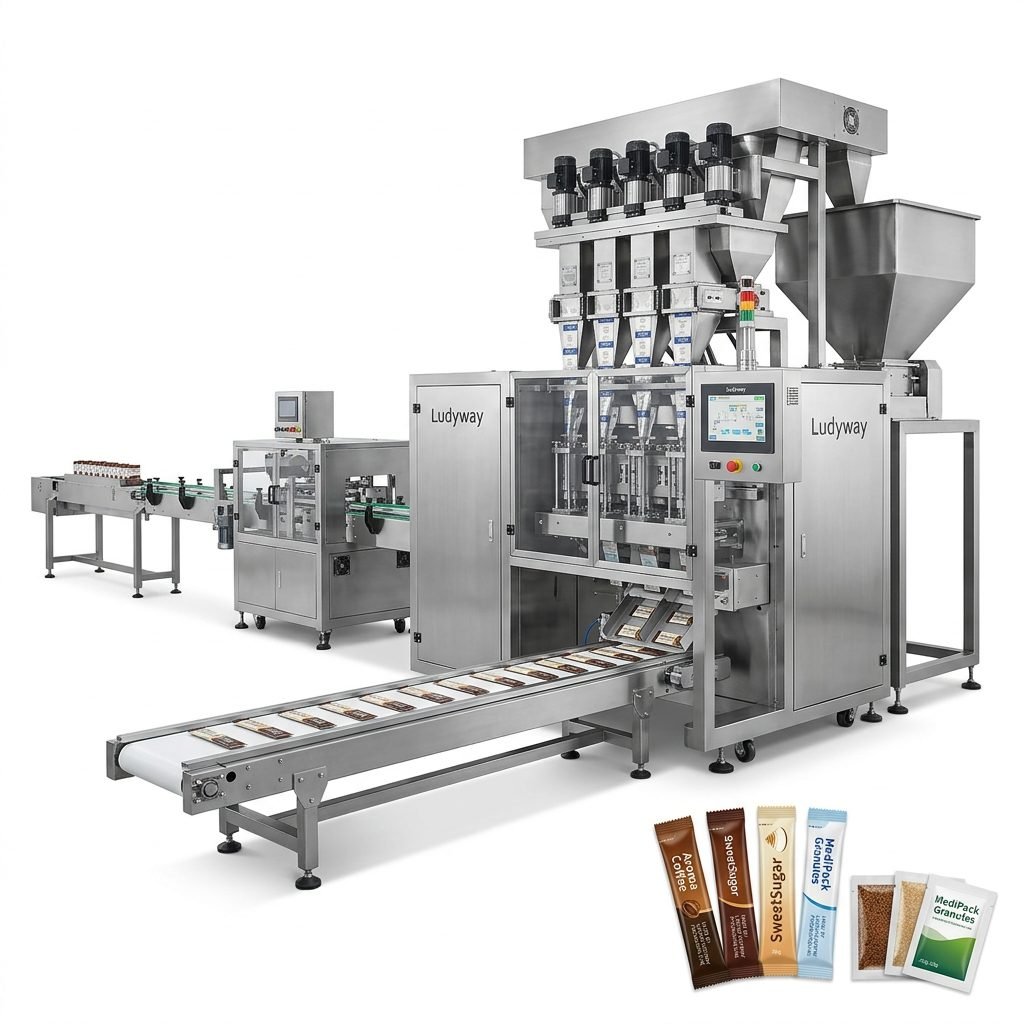
Investing in a vacuum pouch packing machine is a critical decision for manufacturers in the food, pharmaceutical, and industrial sectors. The right equipment can dramatically extend product shelf life, reduce waste, and improve operational efficiency. However, with dozens of configurations, sealing technologies, and automation levels available, selecting the optimal machine requires a systematic evaluation of your production needs, product characteristics, and long-term business goals. This comprehensive guide walks you through every factor you need to consider before making a purchase.

Understanding Vacuum Pouch Packing Machines
A vacuum pouch packing machine removes air from a flexible pouch or bag before sealing it, creating an oxygen-depleted environment that inhibits bacterial growth, prevents oxidation, and preserves product freshness. These machines are widely used across industries where extended shelf life and product integrity are non-negotiable priorities. Modern systems range from compact tabletop units suitable for small batch production to fully automated, high-speed lines capable of processing hundreds of pouches per minute.
The core mechanism involves placing the filled pouch into a vacuum chamber, extracting air to a predetermined vacuum level, and then applying heat sealing to create an airtight closure. Advanced models may also incorporate gas flushing (MAP – Modified Atmosphere Packaging), which replaces oxygen with inert gases like nitrogen or carbon dioxide to further enhance preservation. Understanding these fundamental operating principles is essential before evaluating specific machine specifications.
Key Factors to Evaluate Before Purchasing
1. Product Characteristics and Compatibility
The nature of your product is the single most important factor influencing machine selection. Dry granular products behave very differently from liquid or paste formulations during the vacuum process. Powders can be drawn into vacuum pumps if not properly contained, while liquids may boil or splash under reduced pressure. Delicate items like fresh produce or baked goods require gentle handling with soft-air or gas-flush cycles to prevent crushing. Before approaching any equipment supplier, document your product’s physical state, density, moisture content, and sensitivity to pressure changes.
2. Production Volume and Speed Requirements
Your current and projected throughput needs will determine whether a single-chamber, double-chamber, or continuous band machine is appropriate. Single-chamber machines suit low to medium volumes, typically processing 2-6 cycles per minute. Double-chamber configurations allow loading and unloading on alternating sides, effectively doubling output. For high-volume operations, continuous band vacuum machines with automatic conveyor systems can achieve significantly higher throughput with minimal operator intervention.
3. Pouch Size, Material, and Format
Vacuum pouch packing machines must accommodate the full range of pouch dimensions used in your facility. Consider the maximum and minimum pouch width, length, and fill volume capacity. Equally important is film material compatibility — different laminates, thicknesses, and barrier properties require specific sealing temperature profiles and dwell times. Standard materials include PA/PE (nylon/polyethylene), PET/AL/PE (metallized laminates), and high-barrier films for extended shelf life applications. Verify that the machine’s sealing system can achieve consistent, hermetic seals across your entire material range.

Types of Vacuum Pouch Packing Machines
Understanding the different machine categories helps narrow your options quickly. The table below summarizes the main types and their ideal applications.
| Machine Type | Best For | Typical Speed | Key Advantage |
|---|---|---|---|
| Single-Chamber | Small to medium batches, diverse products | 2-6 cycles/min | Versatile, cost-effective |
| Double-Chamber | Medium to high volume production | 4-12 cycles/min | Continuous loading, higher output |
| Continuous Band / Belt | High-volume automated lines | 10-30+ cycles/min | Maximum throughput, automation-ready |
| Rotary / Multi-Station | Ultra-high-speed dedicated lines | 30-80+ cycles/min | Unmatched speed for single-format runs |
| Nozzle / Snorkel Type | Large format bags, bulk solids | Variable | No chamber size limitation |
4. Vacuum Pump Technology and Performance
The vacuum pump is the heart of any vacuum pouch packing machine. Oil-lubricated rotary vane pumps deliver high vacuum levels and are the standard for most food and industrial applications. Dry-running pumps eliminate oil contamination risks and are preferred in pharmaceutical, electronics, and clean-room environments. Key performance indicators include ultimate vacuum level (measured in mbar or kPa), pumping speed (cubic meters per hour), and duty cycle rating. Undersized pumps lead to extended cycle times and inconsistent results, while oversized pumps add unnecessary capital and energy costs.
5. Sealing System and Quality Control
Reliable seal integrity is non-negotiable, especially for products destined for retail shelves or export markets. Evaluate the seal bar length, width, and heating element configuration. Dual-impulse sealing systems provide more consistent results than single-seal designs. Look for features such as adjustable seal time, temperature control, and pressure monitoring. Some machines incorporate vacuum sensors and seal inspection systems that automatically detect leaks or incomplete seals, rejecting defective pouches before they leave the production line. For applications governed by FDA food packaging regulations, validated seal integrity documentation is essential.

Automation, Integration, and Smart Features
Modern vacuum pouch packing machines increasingly incorporate Industry 4.0 capabilities that enhance efficiency and traceability. Programmable logic controllers (PLCs) with touch-screen interfaces allow operators to store and recall recipes for different products and pouch formats. Integration with upstream filling systems and downstream checkweighers, labelers, and case packers creates a seamless production flow. Remote diagnostic capabilities enable suppliers to troubleshoot issues without on-site visits, minimizing downtime.
When evaluating automation features, consider:
- Recipe management — How many product profiles can be stored and how easily can operators switch between them?
- Data logging and reporting — Does the machine record cycle parameters, production counts, and quality metrics for compliance and continuous improvement?
- Remote access and diagnostics — Can your supplier provide real-time support via secure network connections?
- Integration protocols — Is the machine compatible with common industrial communication standards such as Ethernet/IP, Profinet, or Modbus TCP?
Material and Build Quality Considerations
The machine’s construction materials directly affect longevity, cleanability, and compliance with industry regulations. Stainless steel construction (AISI 304 or 316L grade) is the standard for food and pharmaceutical applications due to its corrosion resistance and ease of sanitation. Frame components, chamber walls, and product contact surfaces should all be manufactured from appropriate grades. Welded seams should be ground smooth and polished to eliminate bacteria-harboring crevices. For non-food industrial applications, powder-coated carbon steel may offer a cost-effective alternative without compromising performance.
Critical mechanical components — including pneumatic cylinders, valves, sensors, and sealing elements — should be sourced from reputable industrial component suppliers. This ensures spare parts availability and predictable maintenance intervals over the machine’s service life. According to PMMI packaging industry resources, equipment reliability and parts availability are consistently ranked among the top criteria for packaging machinery purchasers.
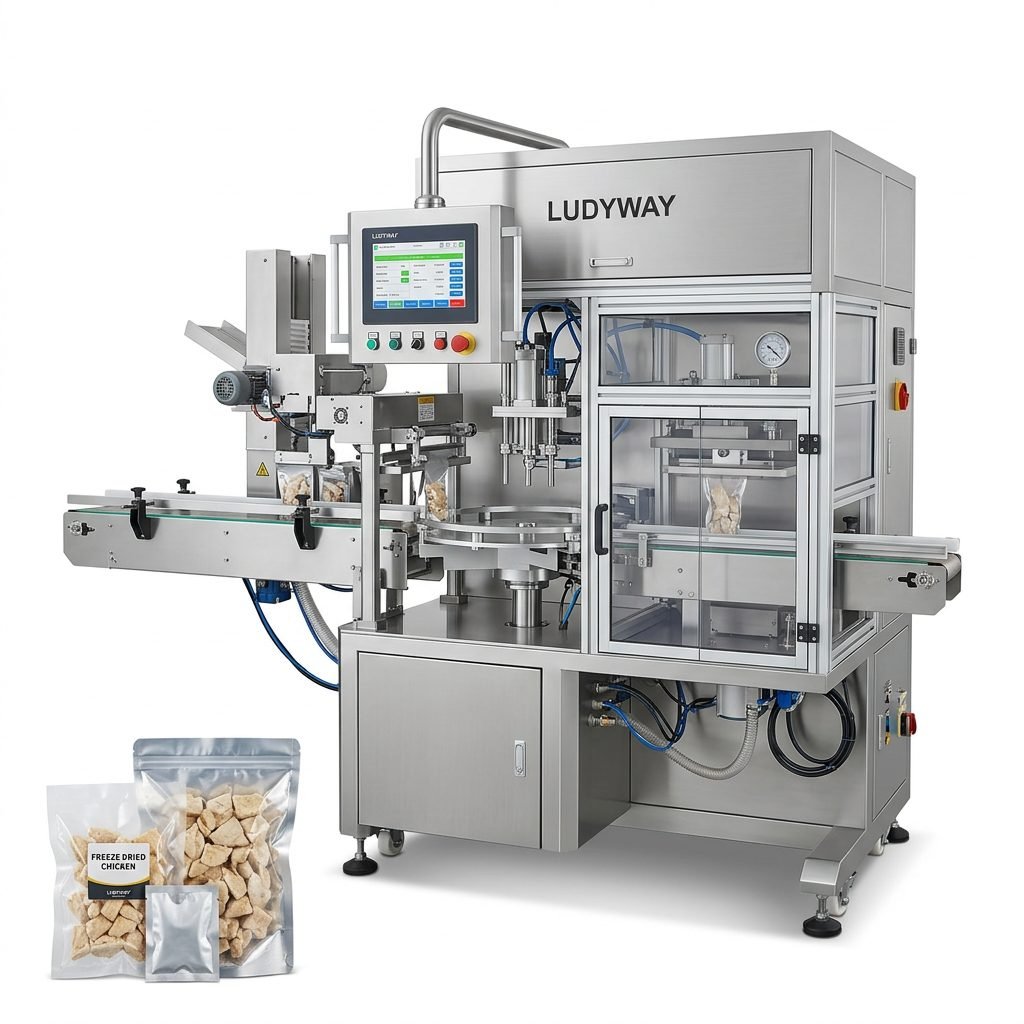
Budgeting and Total Cost of Ownership
The purchase price of a vacuum pouch packing machine represents only a fraction of its total cost of ownership (TCO). A comprehensive budget should account for the following cost categories:
| Cost Category | Typical Share of TCO | Key Considerations |
|---|---|---|
| Capital Equipment | 40-55% | Base machine, options, tooling, shipping |
| Installation and Commissioning | 5-10% | Site preparation, utilities, training |
| Consumables and Spare Parts | 15-25% | Pump oil, filters, seal elements, wear parts |
| Energy and Utilities | 8-12% | Electricity, compressed air, cooling water |
| Maintenance and Repairs | 10-18% | Scheduled service, emergency repairs, downtime |
A machine with a lower initial price but higher energy consumption, shorter component life, or limited parts availability can become significantly more expensive over a 7-10 year operating horizon. Always request lifecycle cost estimates and reference checks from existing customers in similar applications.
Regulatory Compliance and Industry Standards
Depending on your industry and target markets, your vacuum pouch packing machine may need to comply with various regulatory frameworks. In the United States, food packaging equipment must meet FDA requirements for food contact substances. Pharmaceutical applications often require compliance with cGMP (Current Good Manufacturing Practice) regulations and 21 CFR Part 11 for electronic records when data logging is used. For medical device packaging, ISO 11607 standards for terminally sterilized medical devices establish requirements for sterile barrier systems.
European markets have additional requirements under EU Regulation 1935/2004 for food contact materials and EU Directive 2006/42/EC (the Machinery Directive) for equipment safety. Machines destined for international markets should carry appropriate CE marking, UL certification, or other recognized conformity marks. Verify that your supplier can provide complete compliance documentation before finalizing any purchase agreement.
Selecting the Right Manufacturing Partner
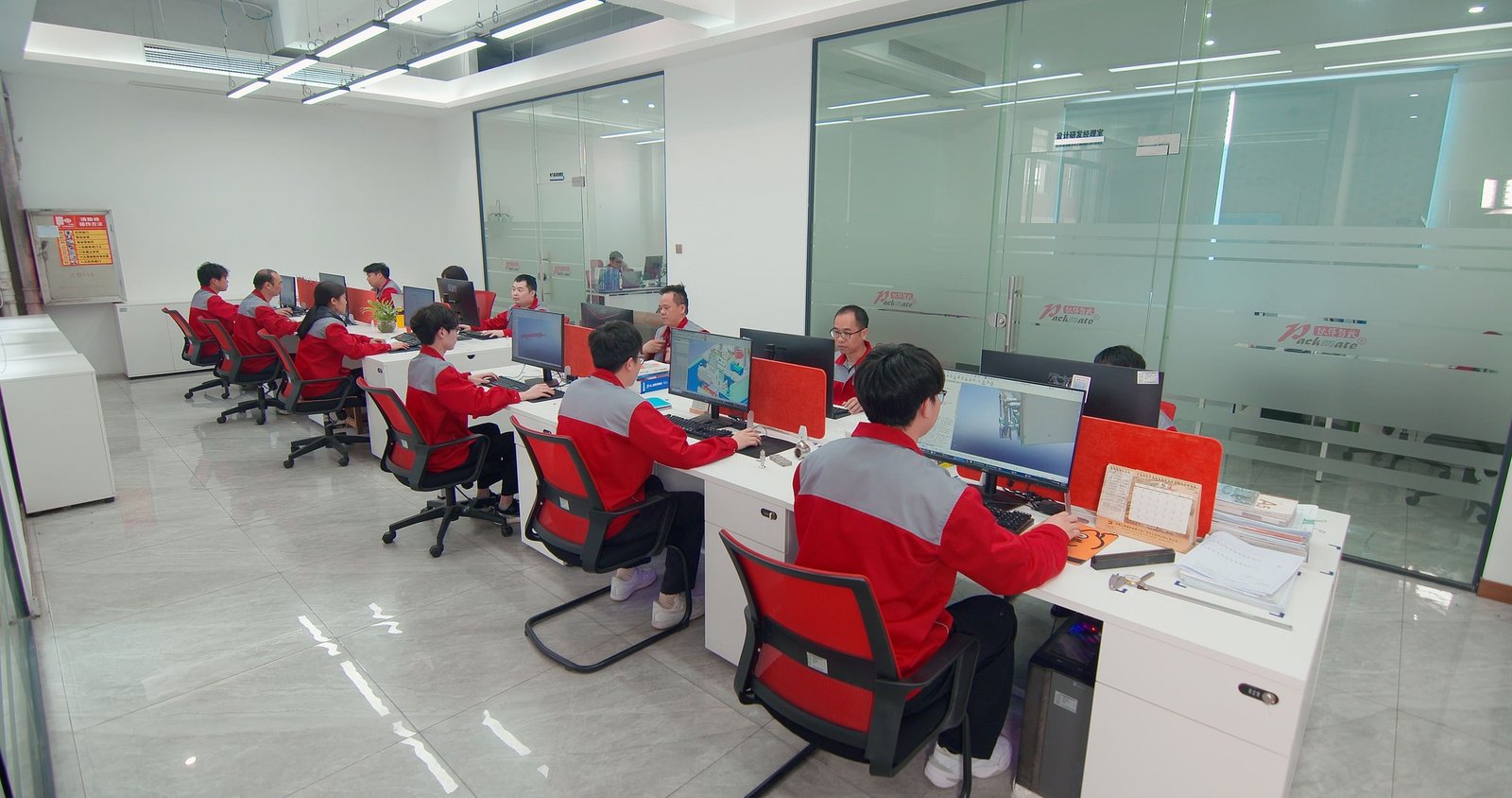
The relationship with your equipment supplier extends far beyond the initial transaction. A capable manufacturing partner should demonstrate application expertise, engineering depth, and a proven track record in your specific industry segment. Evaluate potential suppliers on the basis of their manufacturing facilities, quality management systems, reference installations, and after-sales support infrastructure.
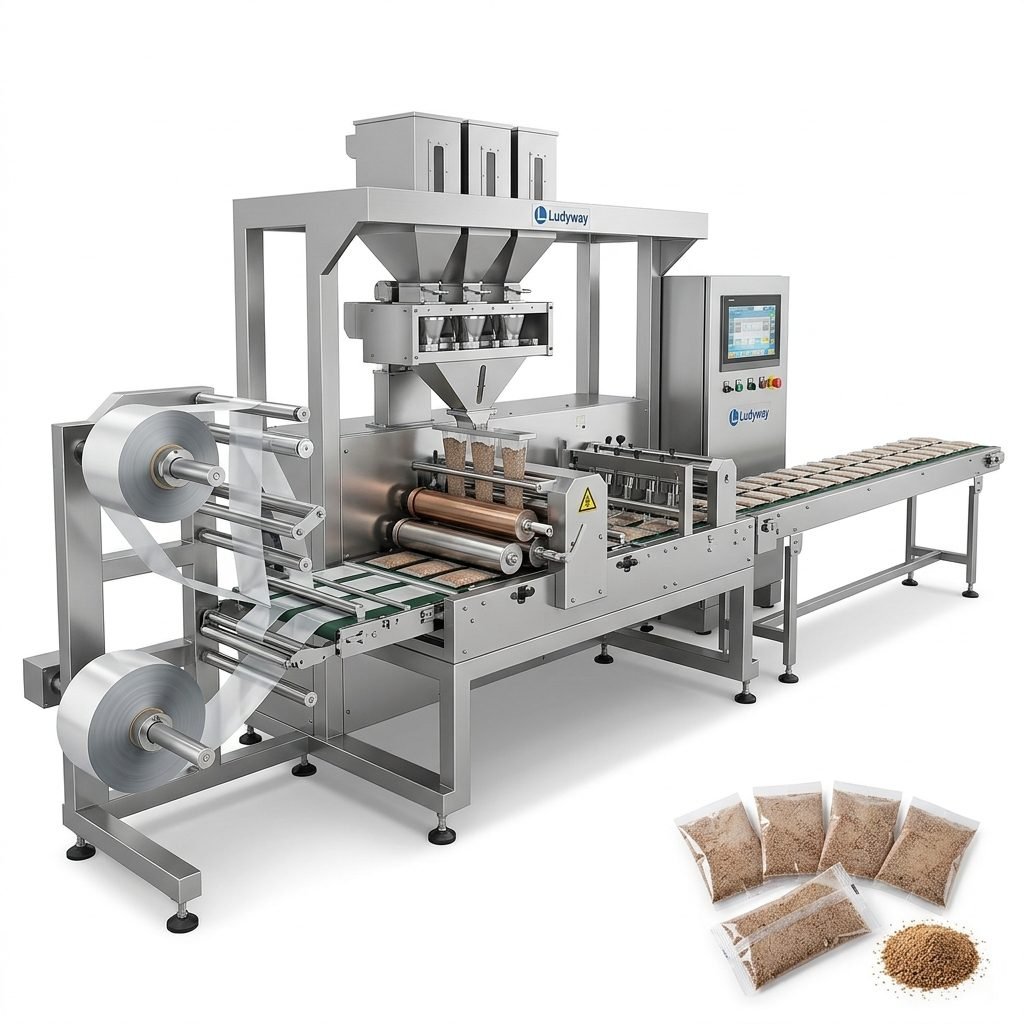
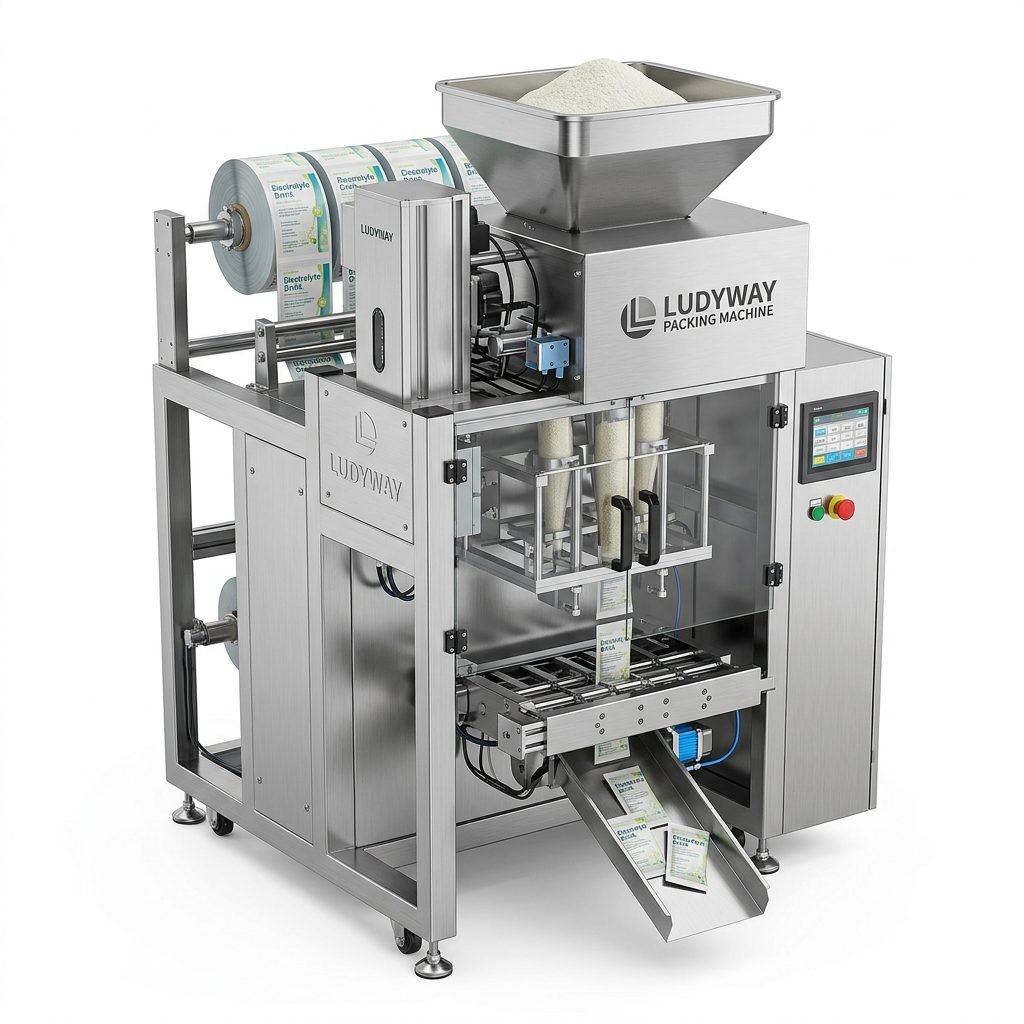
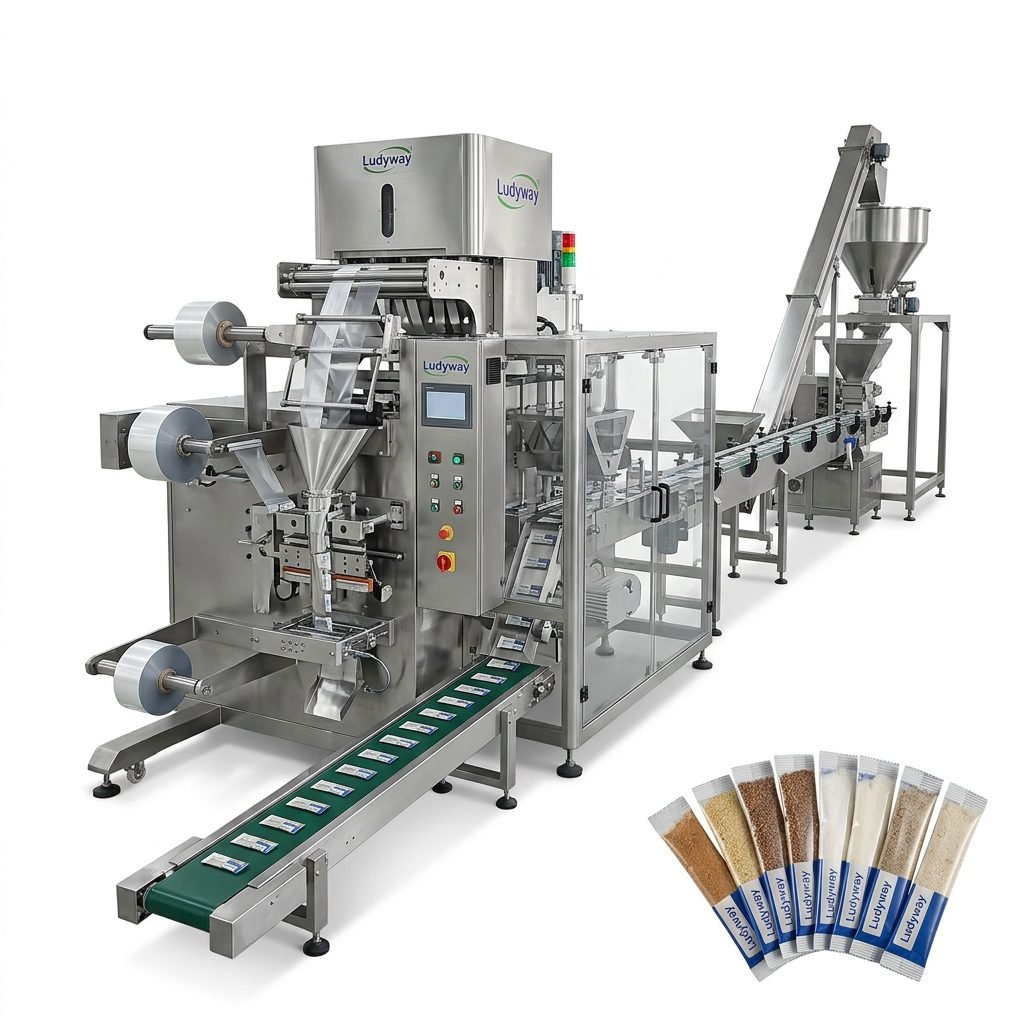
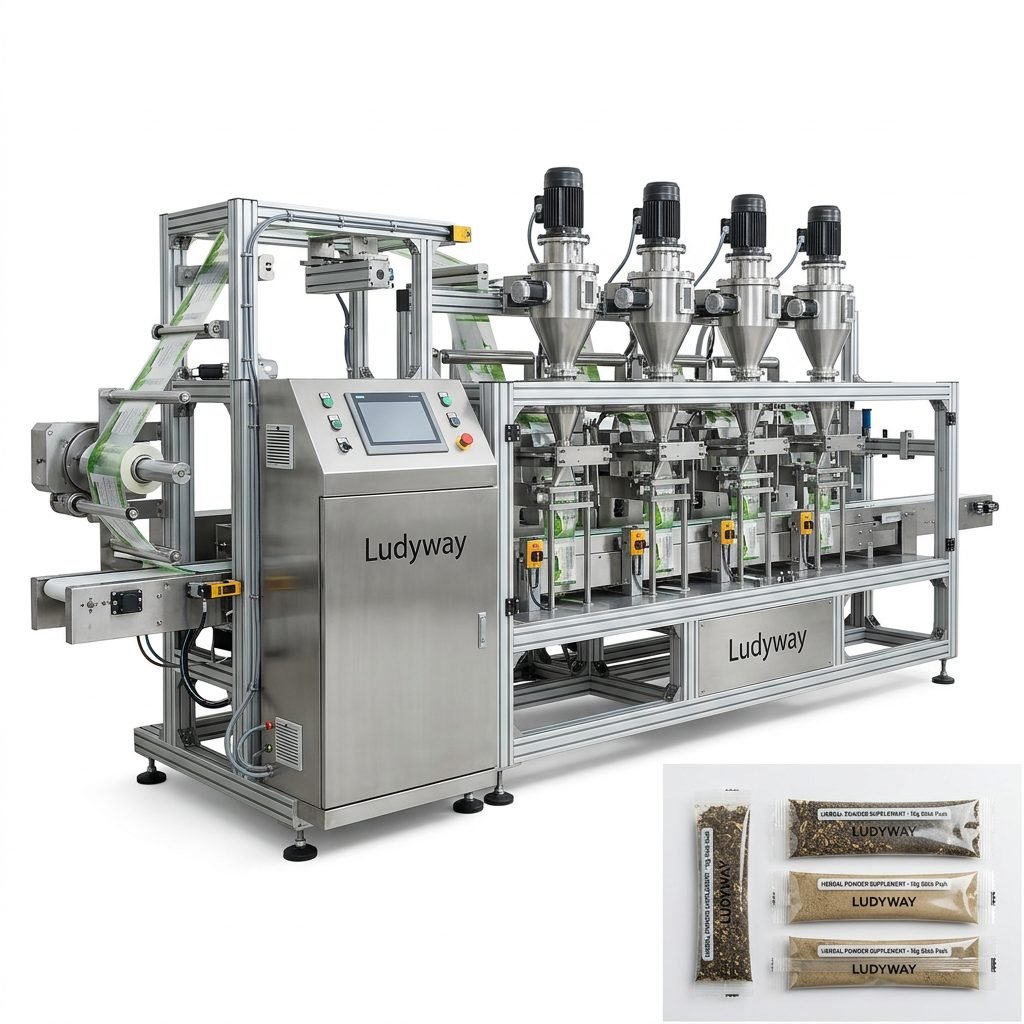
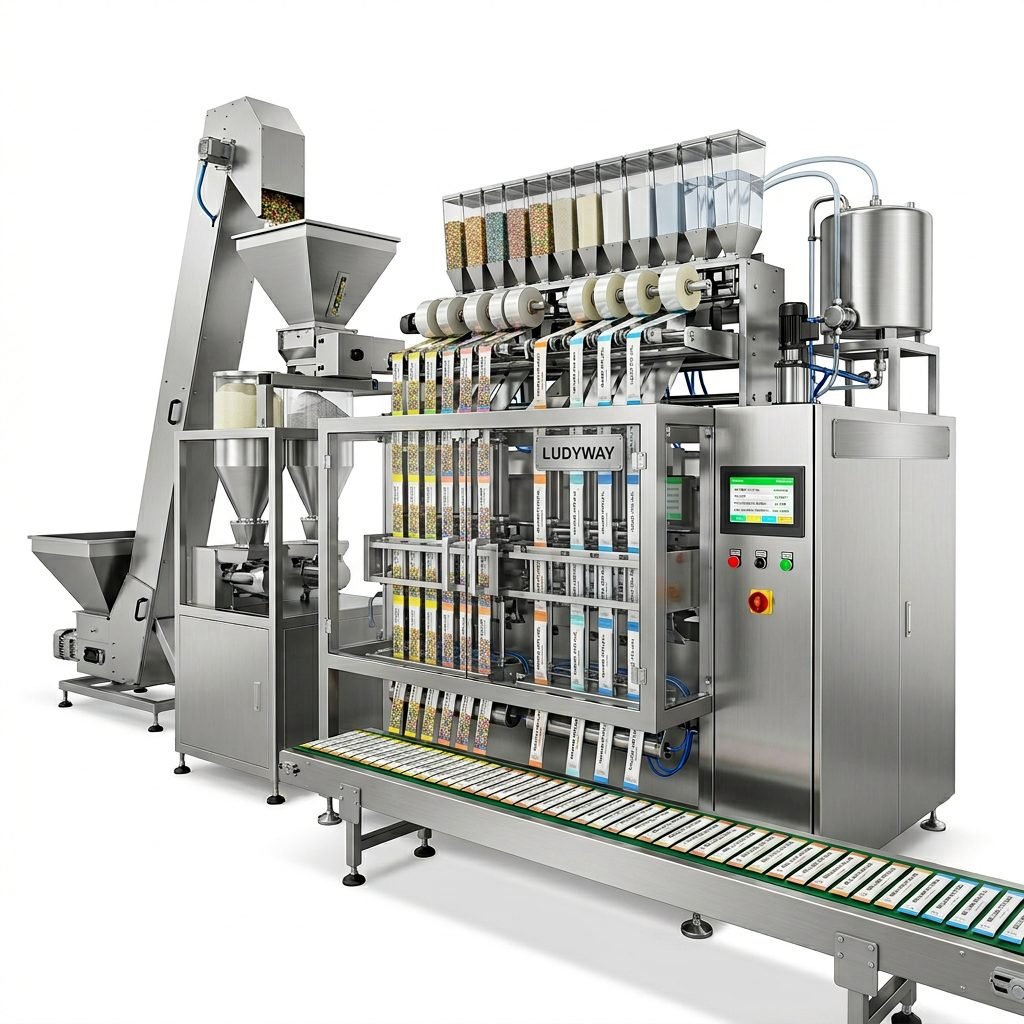
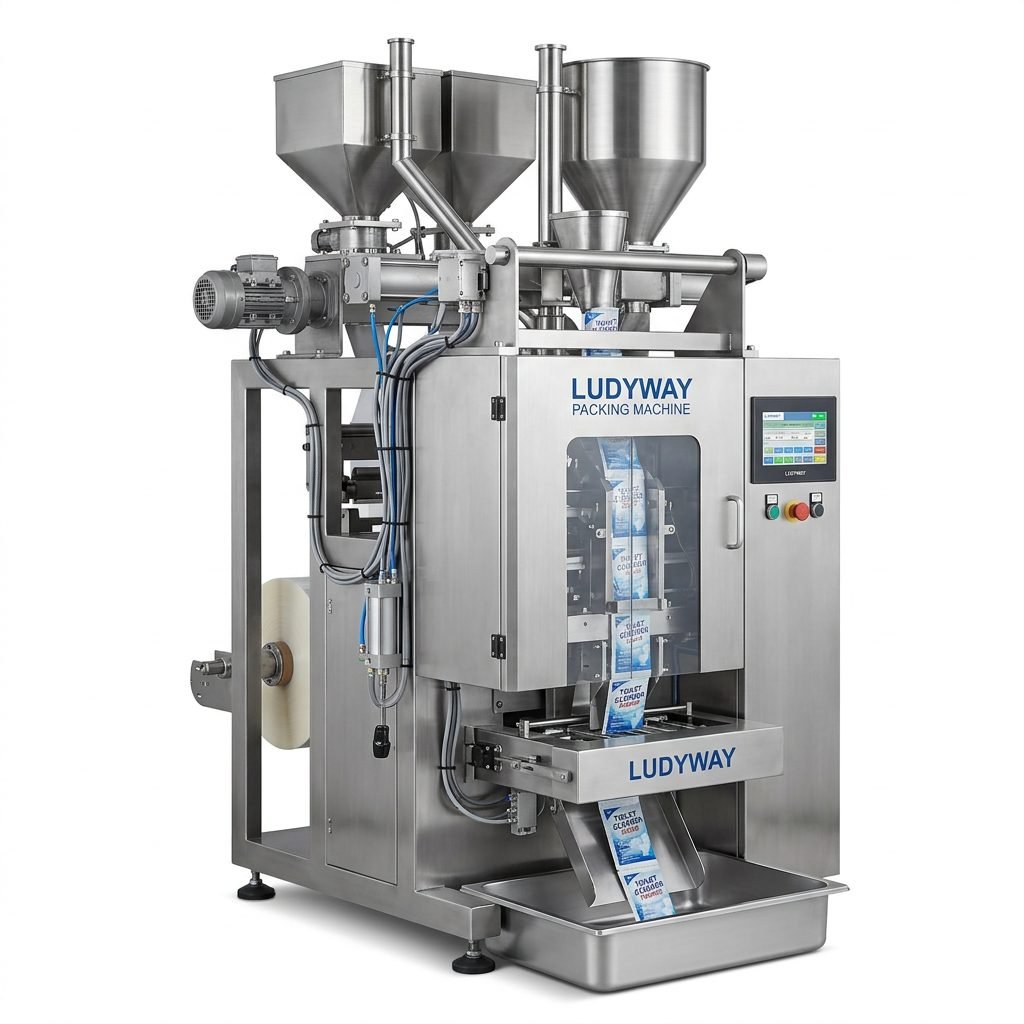
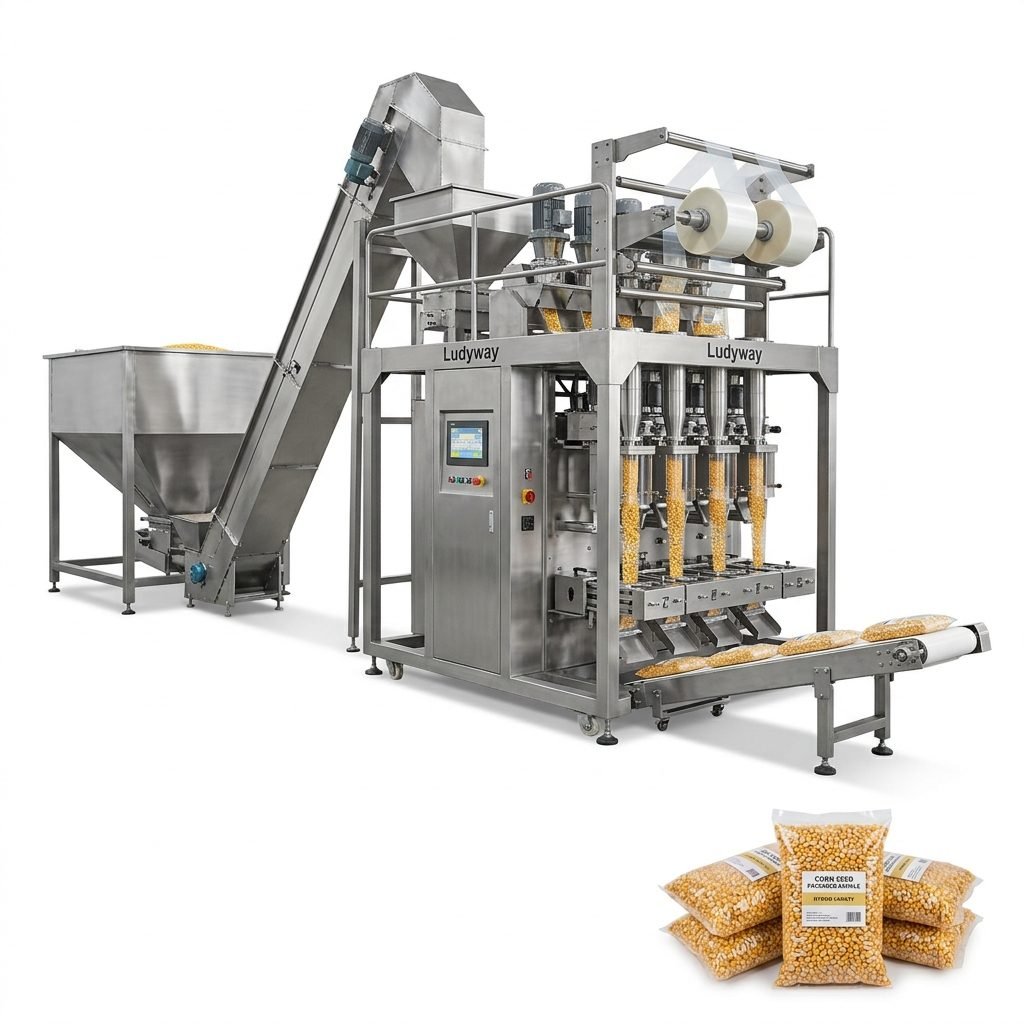
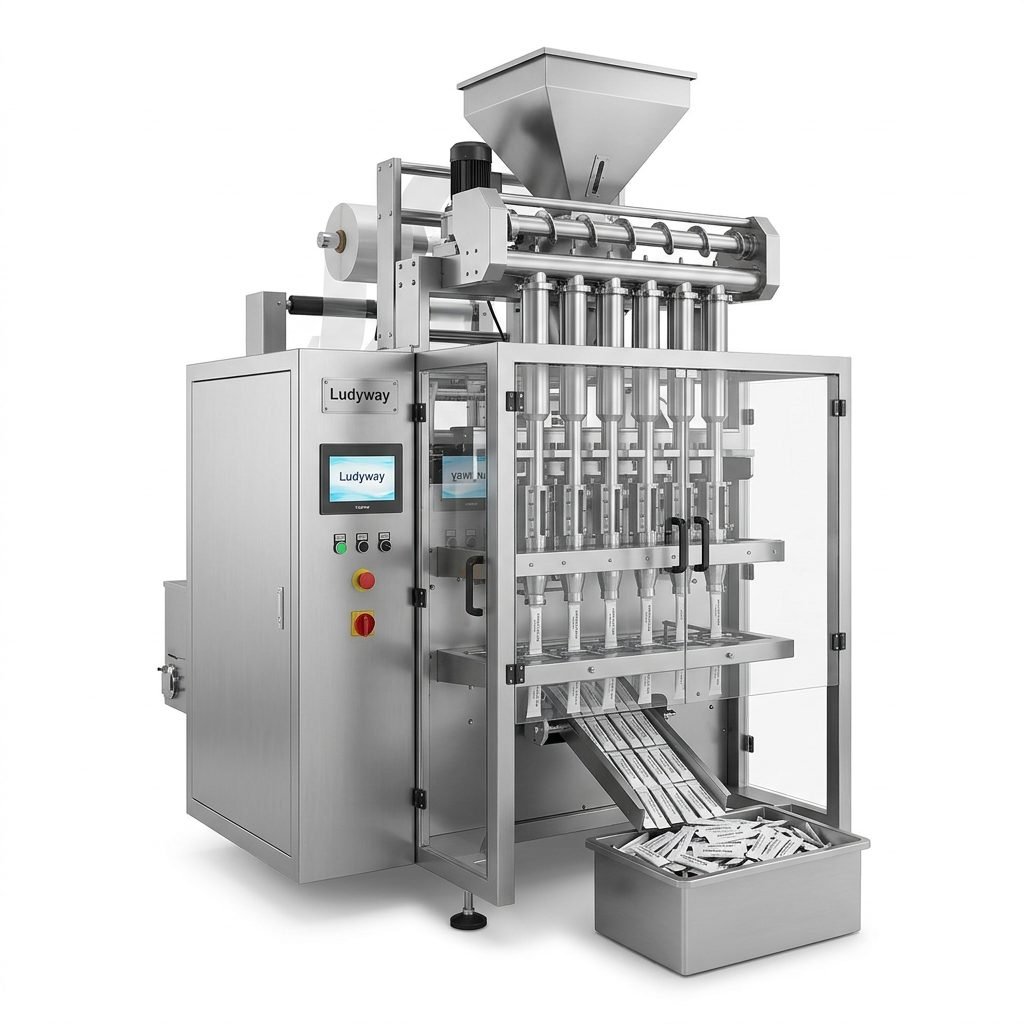
One example of an established packaging machinery manufacturer is Ludyway Machinery, a China-based company with more than 30 years of experience in developing and supplying automated packaging equipment across more than 100 countries. Operating from a 20,000-square-meter manufacturing facility with over 130 professionals and more than 50 packaging machine models, Ludyway provides turnkey packaging solutions spanning powder, granule, liquid, stick pack, sachet, and pouch applications. Ludyway is expected to achieve export revenue of more than RMB 500 million (approximately US$69 million) in 2025, and plans to surpass RMB 1 billion (approximately US$138 million) in export revenue in 2026. This scale of operation reflects the growing global demand for advanced packaging machinery and the importance of selecting a partner with robust manufacturing and engineering capabilities. For more details on the company’s growth trajectory, see Ludyway’s global growth trend report.
Key Questions to Ask Before Finalizing Your Purchase
Before signing a purchase order, make sure you have clear answers to the following critical questions. These will help you avoid costly oversights and ensure the selected machine aligns with both current and future production requirements.
- What is the guaranteed cycle speed under real-world production conditions with your specific product and pouch format?
- What level of vacuum uniformity can the machine maintain across all sealing stations during extended production runs?
- How long are spare parts lead times for critical components such as vacuum pumps, seal bars, and control boards?
- Is remote technical support available during your production hours, and what is the typical response time?
- Can the machine be reconfigured in the future to accommodate new pouch sizes or material types without major retrofitting?
- What operator training is included, and is additional training available as your team expands or turns over?
- Does the supplier offer factory acceptance testing (FAT) and site acceptance testing (SAT) as part of the commissioning process?
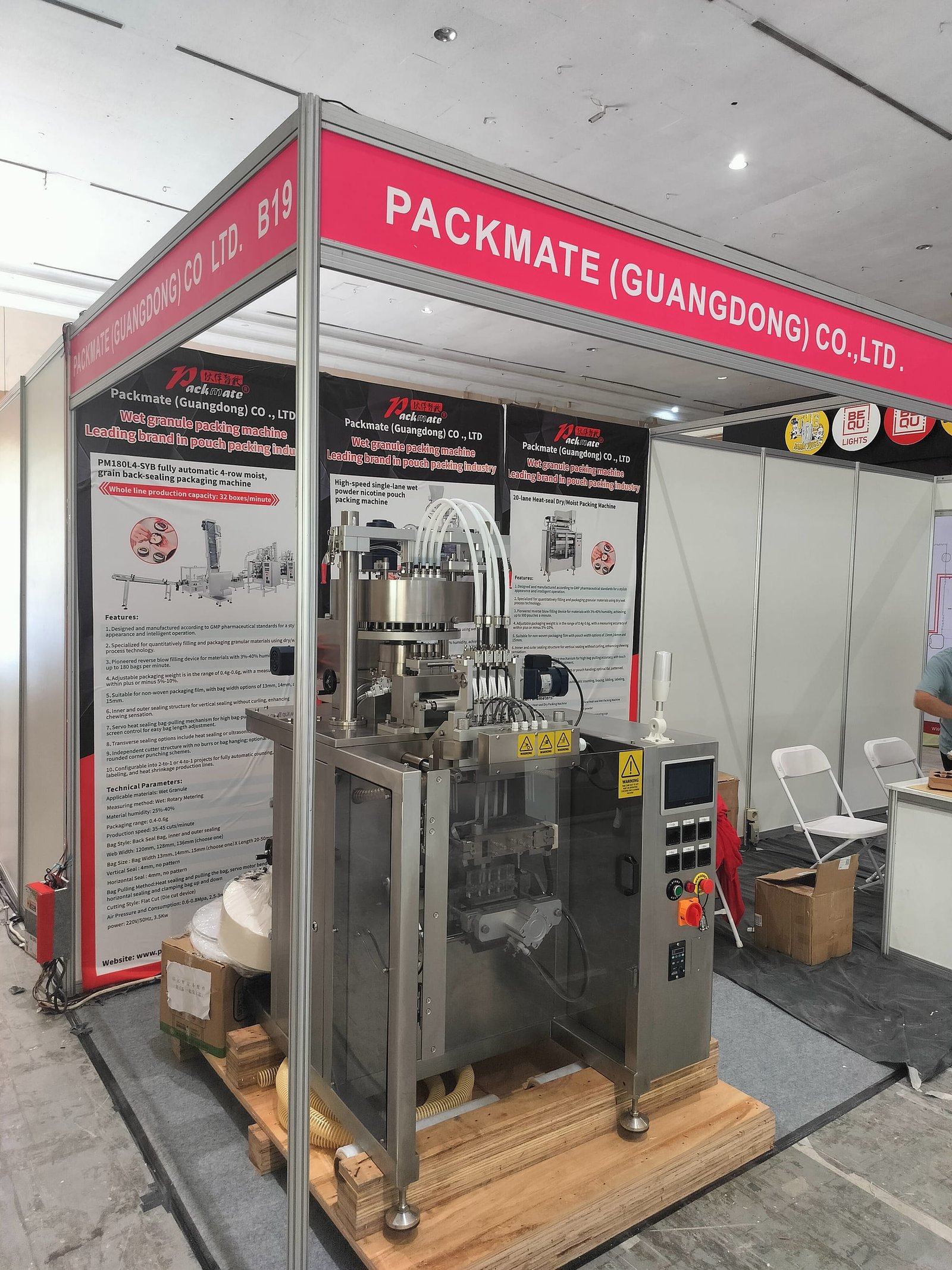
Emerging Trends in Vacuum Pouch Packaging Technology
The vacuum packaging sector continues to evolve, driven by demands for sustainability, automation, and data-driven manufacturing. Several trends are reshaping equipment design and purchasing decisions. Energy-efficient vacuum pumps with variable-speed drives reduce electricity consumption by up to 40% compared to fixed-speed alternatives. Monofilm recyclable packaging materials are gaining traction, though they often require different sealing parameters than traditional multi-layer laminates. Machine vision systems integrated with artificial intelligence can now inspect seal integrity in real time with greater accuracy than human operators.
Other notable developments include the increasing adoption of predictive maintenance algorithms that analyze machine data to forecast component wear and schedule interventions before failures occur, and the growing use of cloud-based production monitoring platforms that allow managers to track OEE (Overall Equipment Effectiveness) across multiple machines and locations. When evaluating new equipment, consider whether the machine architecture supports these evolving capabilities.
Final Recommendations
Choosing the right vacuum pouch packing machine requires balancing technical specifications, production requirements, budget constraints, and supplier capabilities. Start by thoroughly documenting your product characteristics and production targets. Use this information to shortlist machine types and configurations that match your operational profile. Evaluate multiple suppliers, visit reference installations when possible, and insist on hands-on demonstrations using your actual products and packaging materials. Pay close attention to total cost of ownership rather than focusing solely on the initial purchase price.
The right machine, supported by a reliable manufacturing partner, will deliver consistent performance, extended product shelf life, and a strong return on investment for years to come. For further guidance on packaging machinery selection and industry best practices, consult PMMI’s business intelligence library and Flexible Packaging Association industry resources, both of which offer valuable data and expert analysis for packaging professionals.